

Campania · Avellino
Gesualdo
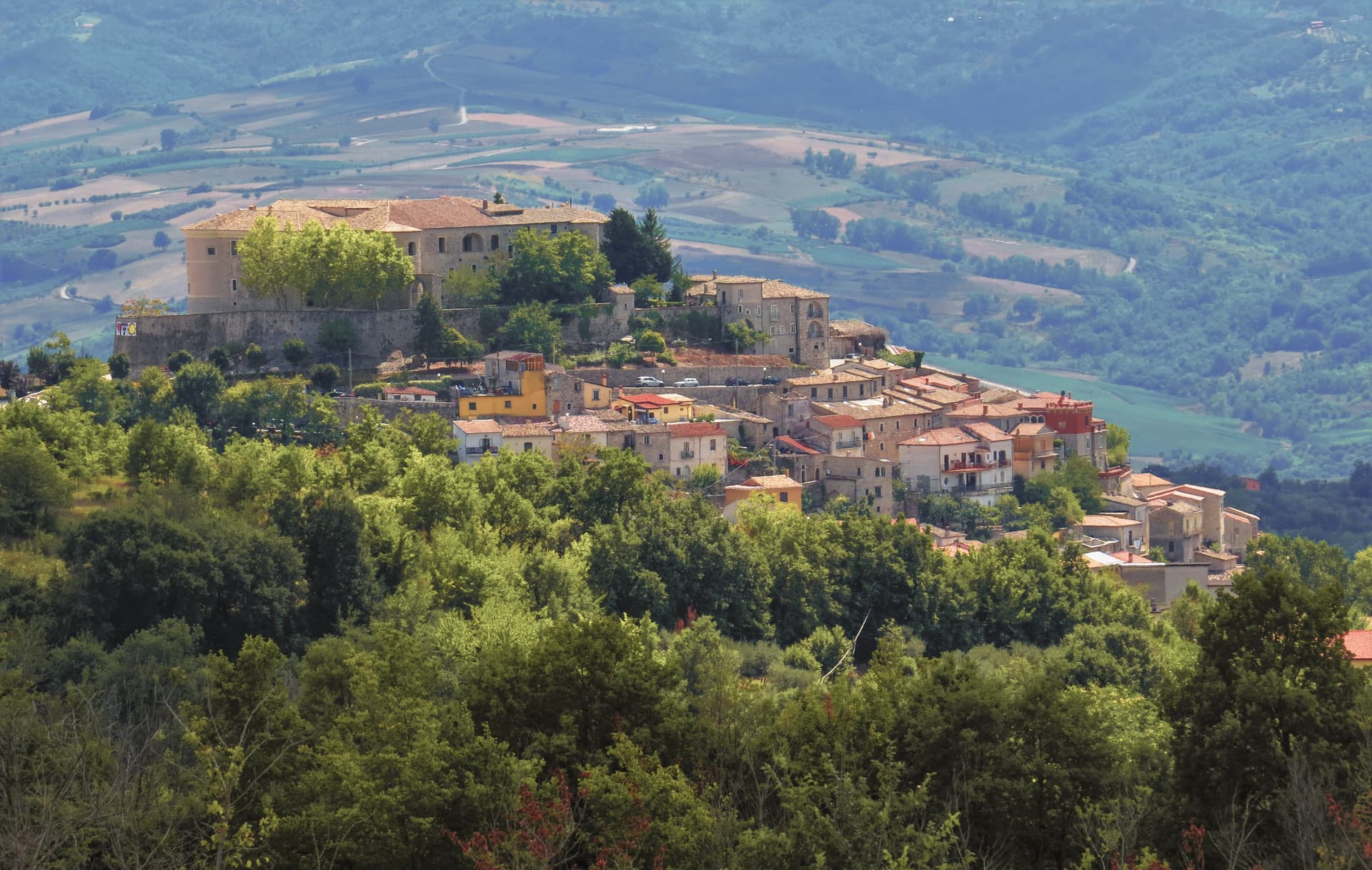
An Irpinia village at 676 meters built around the castle where Carlo Gesualdo, prince of Venosa and madrigalist murderer, wrote his six books of madrigals.
Known for
CARLO GESUALDO
Prince of Venosa and madrigal composer, 1566-1613, whose six books of madrigals and the Tenebrae Responsoria pushed Renaissance dissonance to its limit.
RENAISSANCE COURT
Rebuilt the Norman castle in the 1590s as a musical court hosting Torquato Tasso, Luca Marenzio and other composers of the late Cinquecento.
1590 MURDERS
Killed his first wife Maria d'Avalos and her lover the Duke of Andria in his Naples palace in October 1590, then retreated to the castle.
When to visit
Best · May–Oct
- J
- F
- M
- A
- M
- J
- J
- A
- S
- O
- N
- D
- Best
- Hot or crowded
- Quiet
- Mostly closed
The festa: Nicola di Bari, 6 December
Why come
Gesualdo sits at 676 meters in central Irpinia, between the Fredane and Ufita valleys, 35 kilometers from Avellino. The Castello di Gesualdo is the reason the town exists in its present form. The first Norman fortress was built on the hill in the 12th century; in the 1590s the prince of Venosa, Carlo Gesualdo, rebuilt the castle as a Renaissance musical court with frescoed apartments and an interior chapel, and brought Torquato Tasso, Luca Marenzio and other composers to stay.
Carlo Gesualdo is more famous as a composer than as a prince: his six books of madrigals, published between 1594 and 1611, push chromatic dissonance further than any contemporary, and his Tenebrae Responsoria of 1611 are still in the choral repertoire. He is also famous for killing his first wife and her lover at his Naples palace in 1590. The 1980 Irpinia earthquake damaged the castle severely. Reconstruction has been partial since the 2010s and the castle reopened in 2015 with restricted access.
The Sunday letter
We haven’t written Gesualdo’s letter yet.
One town every Sunday, with the photo, the food, the festa. Be there when this one comes up. Free, by Peter & Sophia from Pietrasanta.
By subscribing you agree to Substack’s Terms of Use, our Privacy Policy and our Information collection notice.
What to see
Castello di Gesualdo
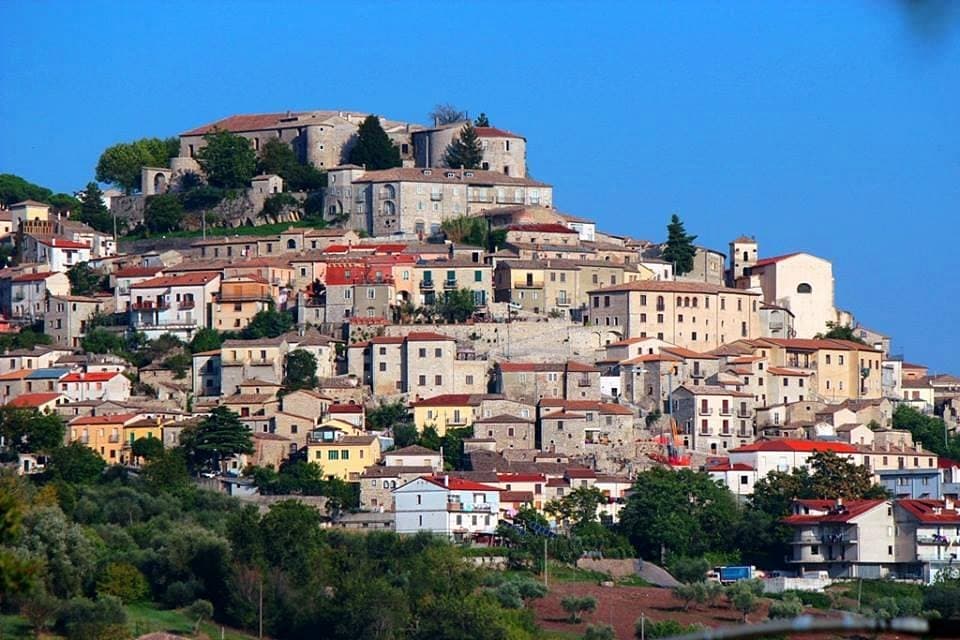
Norman fortress of the 12th century rebuilt in the 1590s by Carlo Gesualdo as a Renaissance court, damaged in the 1980 earthquake, partly reopened 2015.
Cappella di Santa Maria delle Grazie
Sixteenth-century chapel inside the castle complex, with frescoes commissioned by Carlo Gesualdo in the years after his second marriage to Eleonora d'Este.
Centro storico di Gesualdo
Medieval village wrapped around the castle hill, stone houses on the slopes of the Fredane and Ufita basins, partly rebuilt after the 1980 earthquake.
Chiesa del Santissimo Rosario
Parish church in the lower village, rebuilt after the 1980 earthquake, with a sixteenth-century wooden Crucifix from the older church.
The slow-trip planner
Building a trip? Find where Gesualdo fits in a slow Italy circuit.
Answer five questions. We will shape a geographically coherent slow trip from the 1,000 Italian towns most travelers skip. Yours to save and share.
Living here
- Population 3,234
- In-betweeni
- Pharmacy: none mapped
- High school within a 30-minute drive
- Nearest airport Naples / Salerno, 1 h 28 min drive
- Regional capital Napoli, 1 h 32 min drive
Tags & datadesignations · numbers · sources
Recognised as
The numbers
- Elevation: 676 m
- Population: 3,234
- Surface area: 27.34 km²
These figures were compiled from public directories — ISTAT, OpenStreetMap, Wikidata — and from the official listings of the guides named on this page. Town details change; verify with official sources before you travel.
Close by
More towns near Gesualdo
Frigento
Province: Avellino
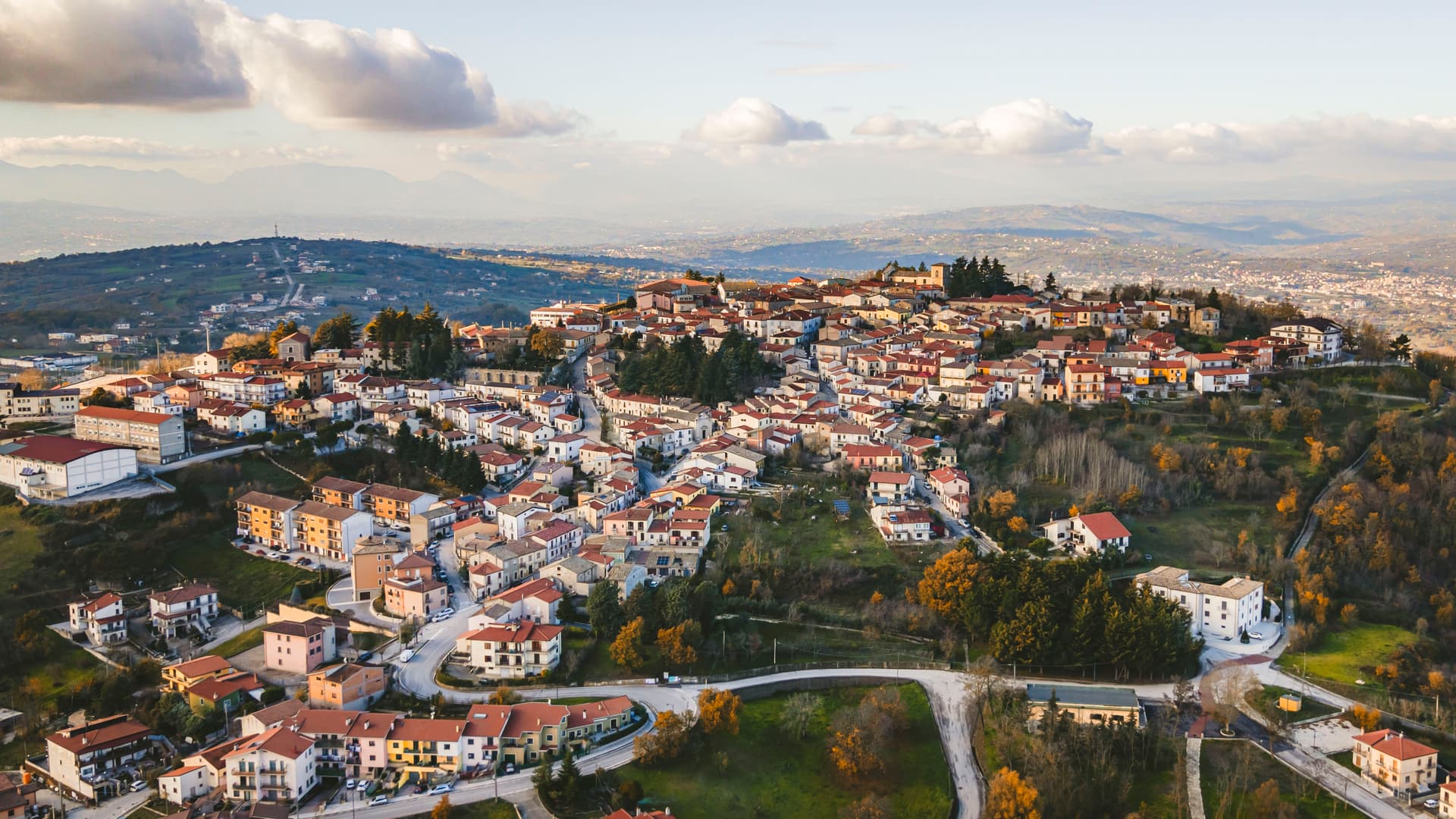
An Irpinia hill village at 911 meters with a Republican-era Roman cistern complex on its summit and four valleys at its feet.
Taurasi
Province: Avellino
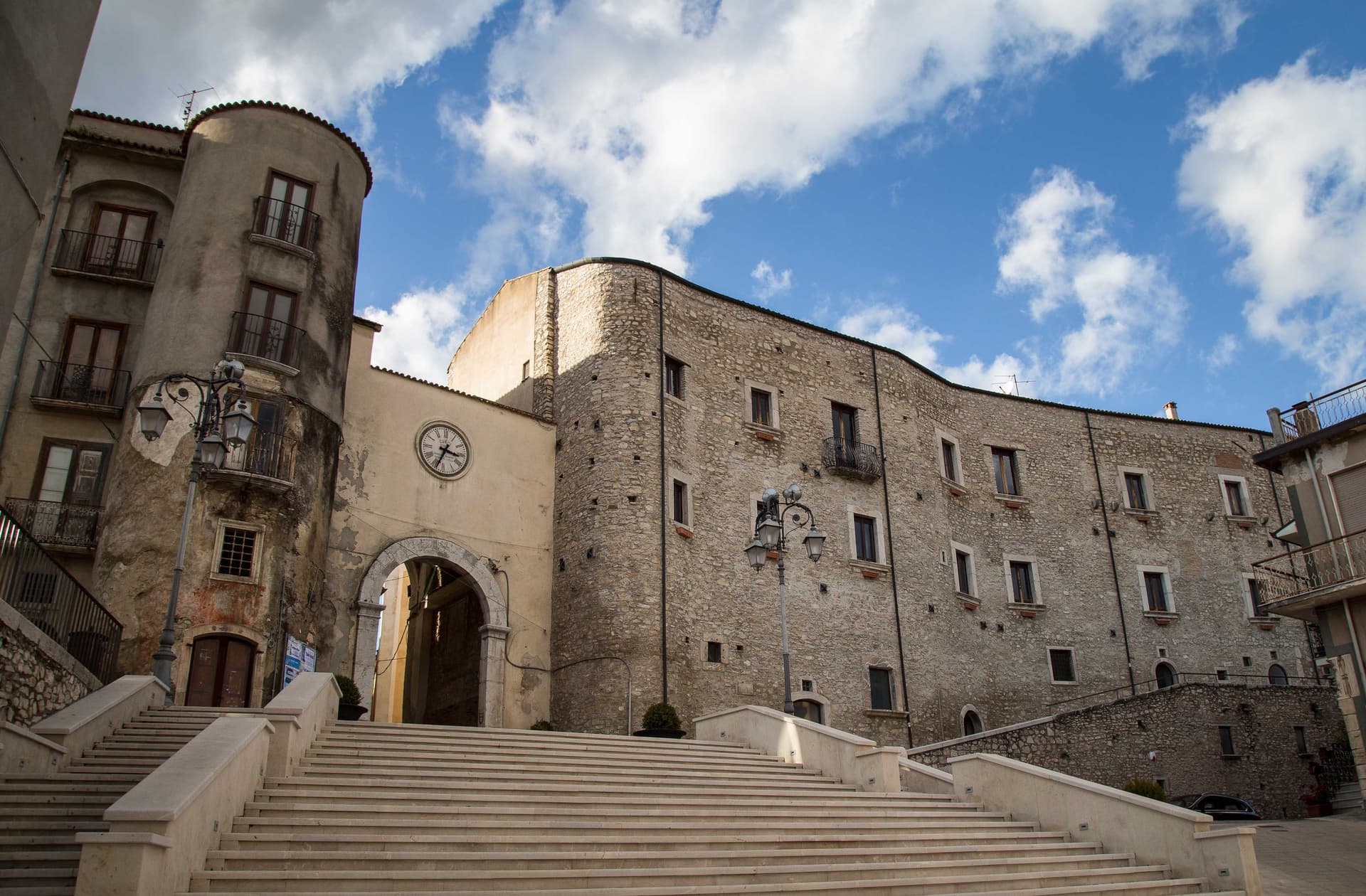
An Irpinia wine village at 400 meters above the Calore valley, the namesake of Taurasi DOCG, the southern Aglianico called Barolo of the South.
Lapio
Province: Avellino
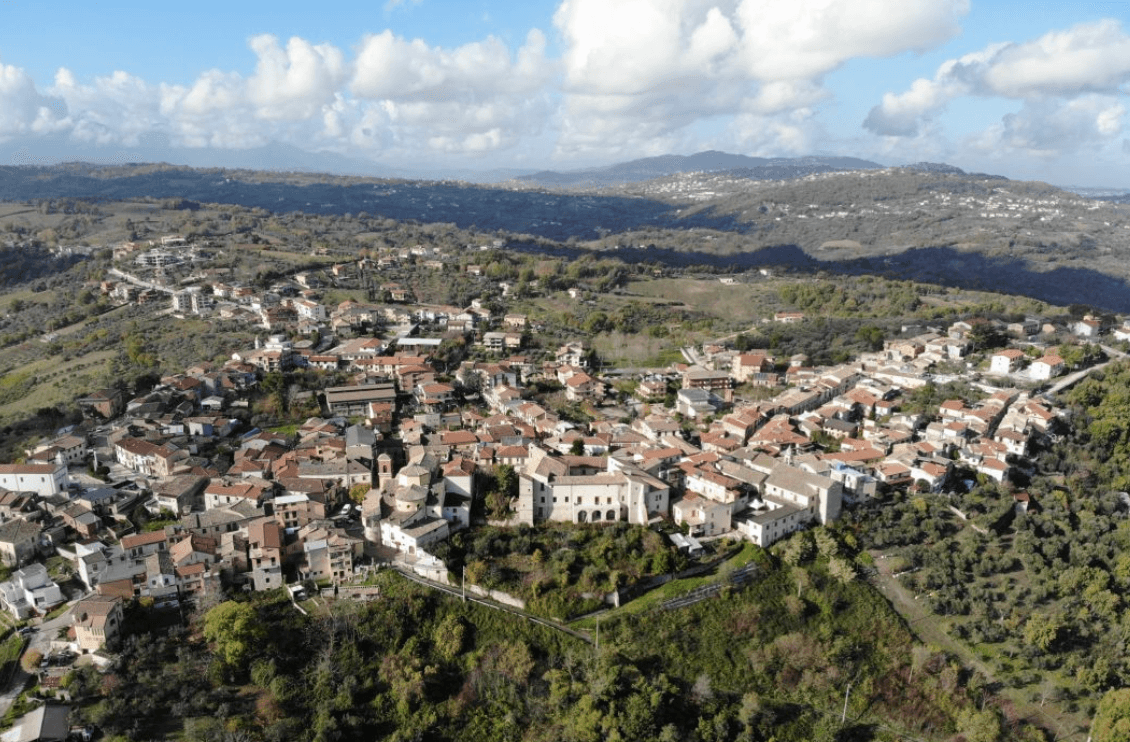
The heart of Fiano di Avellino DOCG country — a 1,428-resident Irpinia borgo at 590m in the hills east of Avellino, with the medieval Castello Filangieri anchoring an intact centro and a rare four-signal combination (Città del Vino + Olio + Miele + Nocciola) recognising the whole local agricultural ecosystem.
Nusco
Province: Avellino
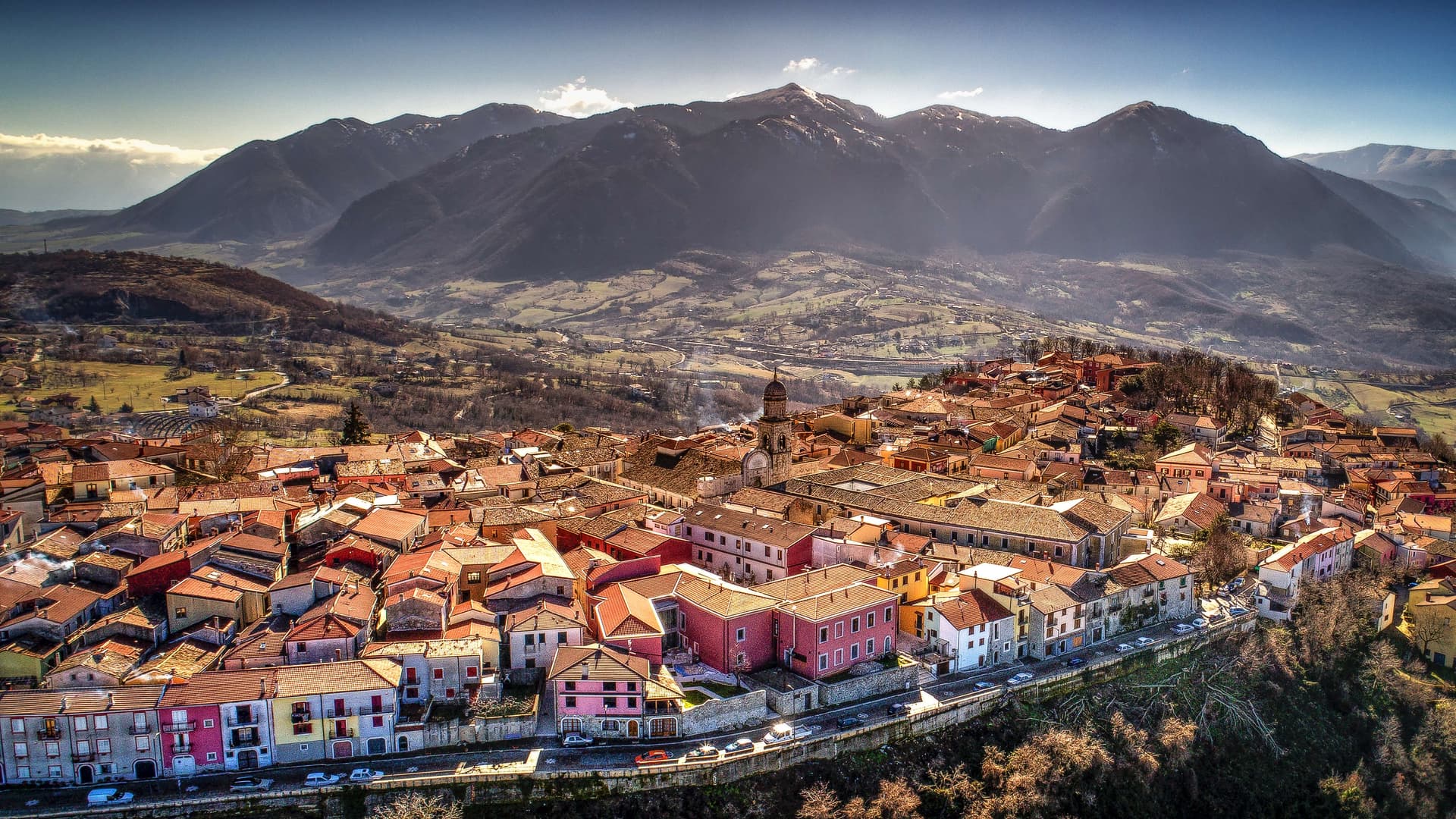
The Balcony of Irpinia at 914 meters, a ridge town between the Ofanto and Calore valleys, hometown of Prime Minister Ciriaco De Mita.
Ariano Irpino
Province: Avellino
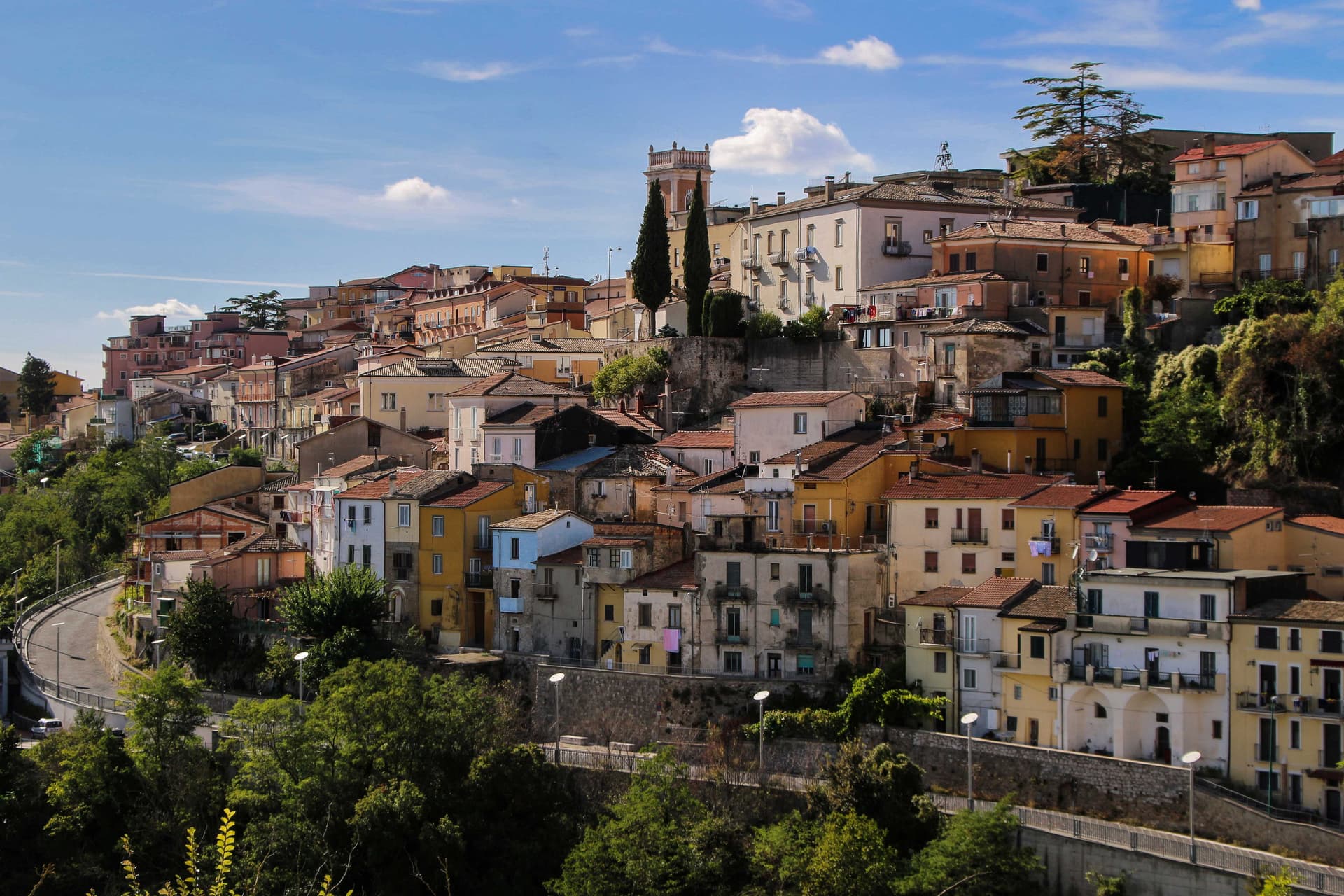
The City of the Three Hills at 788 meters, where Roger II promulgated the Assizes of 1140 and majolica kilns still fire.
🎨 Borghi più belli d'Italia
More Borghi più belli d'Italia towns in Campania
Atrani
Province: Salerno
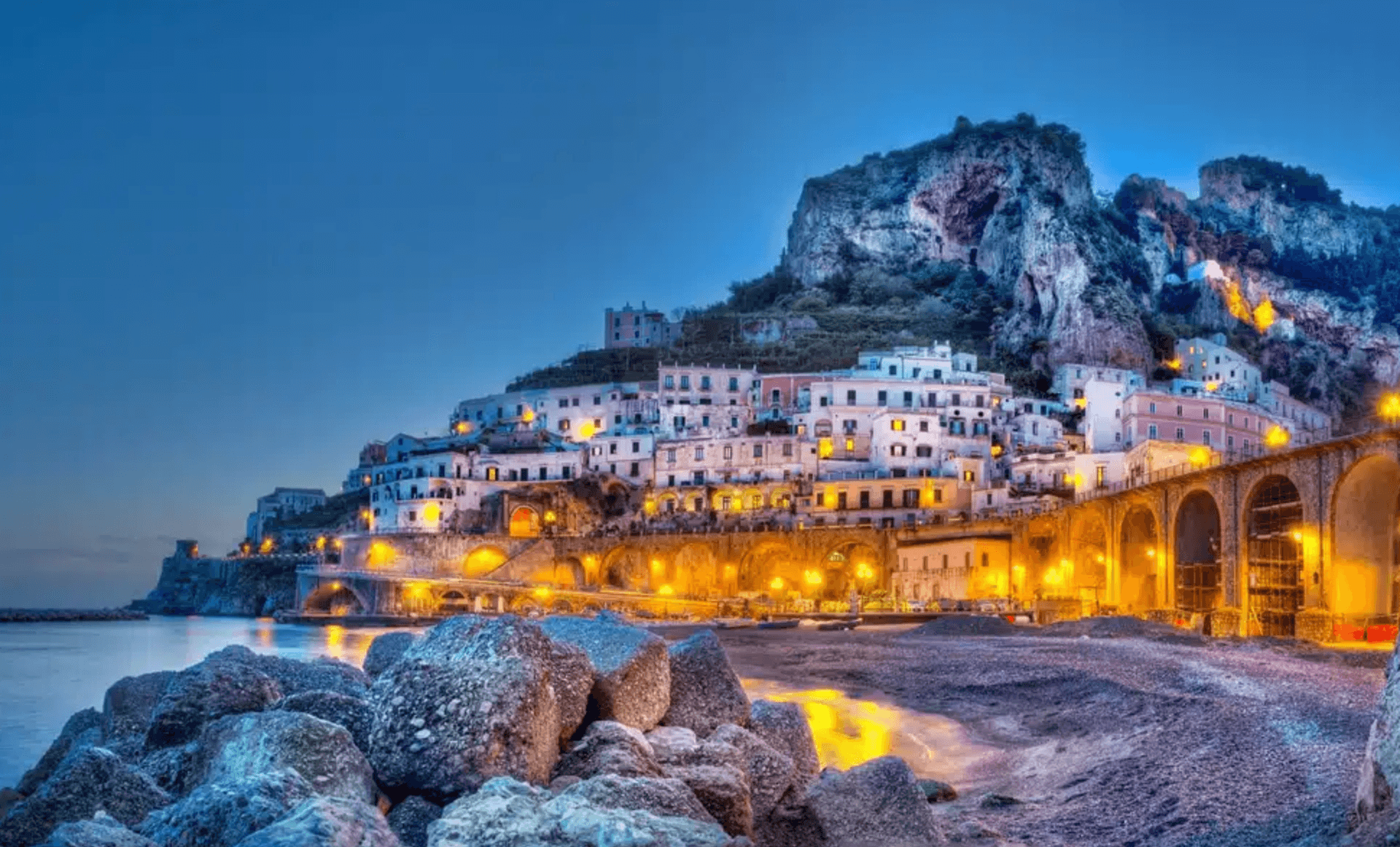
The smallest commune in Italy by area, twelve hectares of stacked houses where the Amalfi Coast pinches shut around a single piazza.
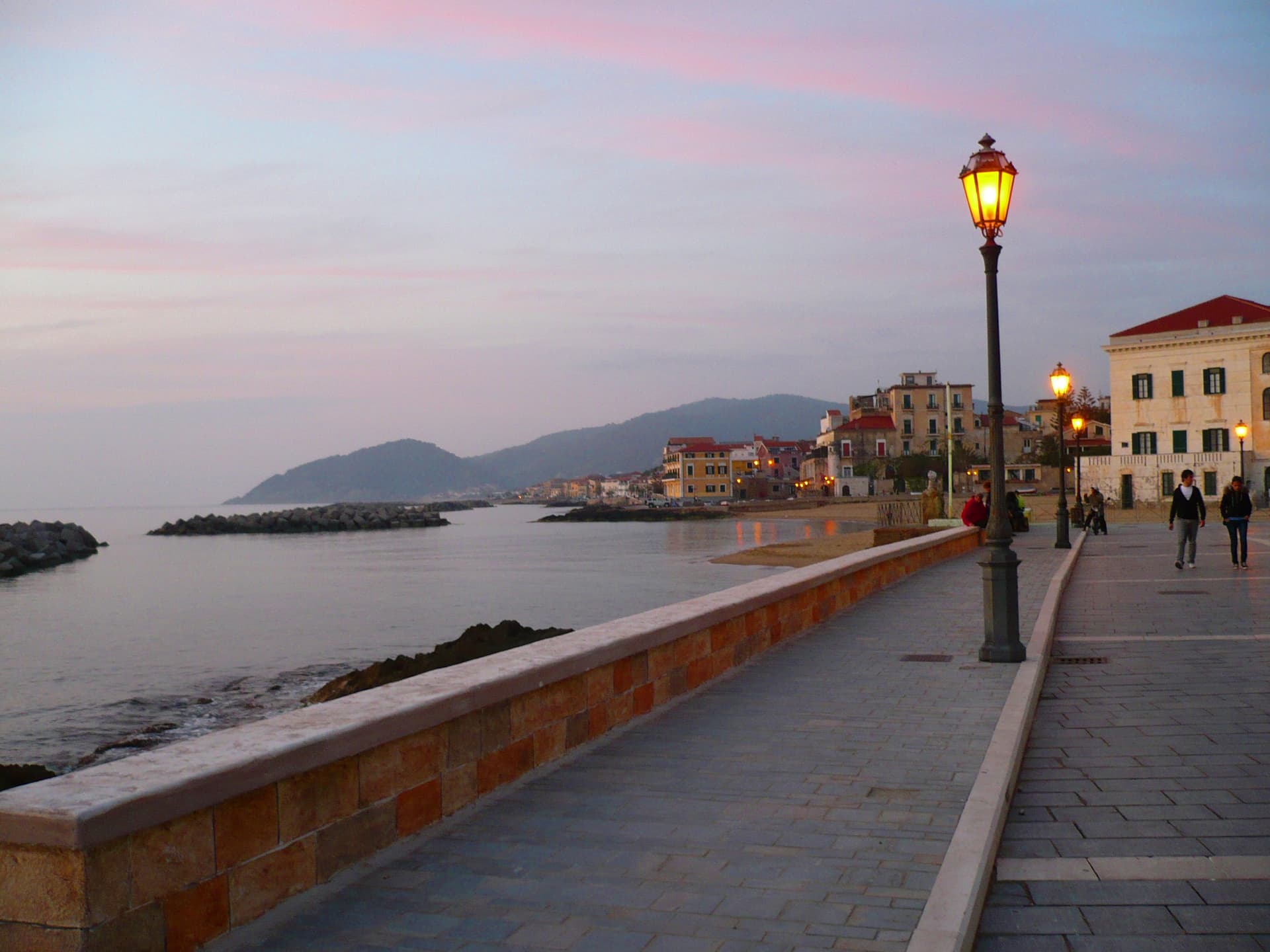
Castellabate
Province: Salerno
A 1123 abbot's castle on a 280-meter Cilento ridge, with a Bandiera Blu beach below and the Benvenuti al Sud film.
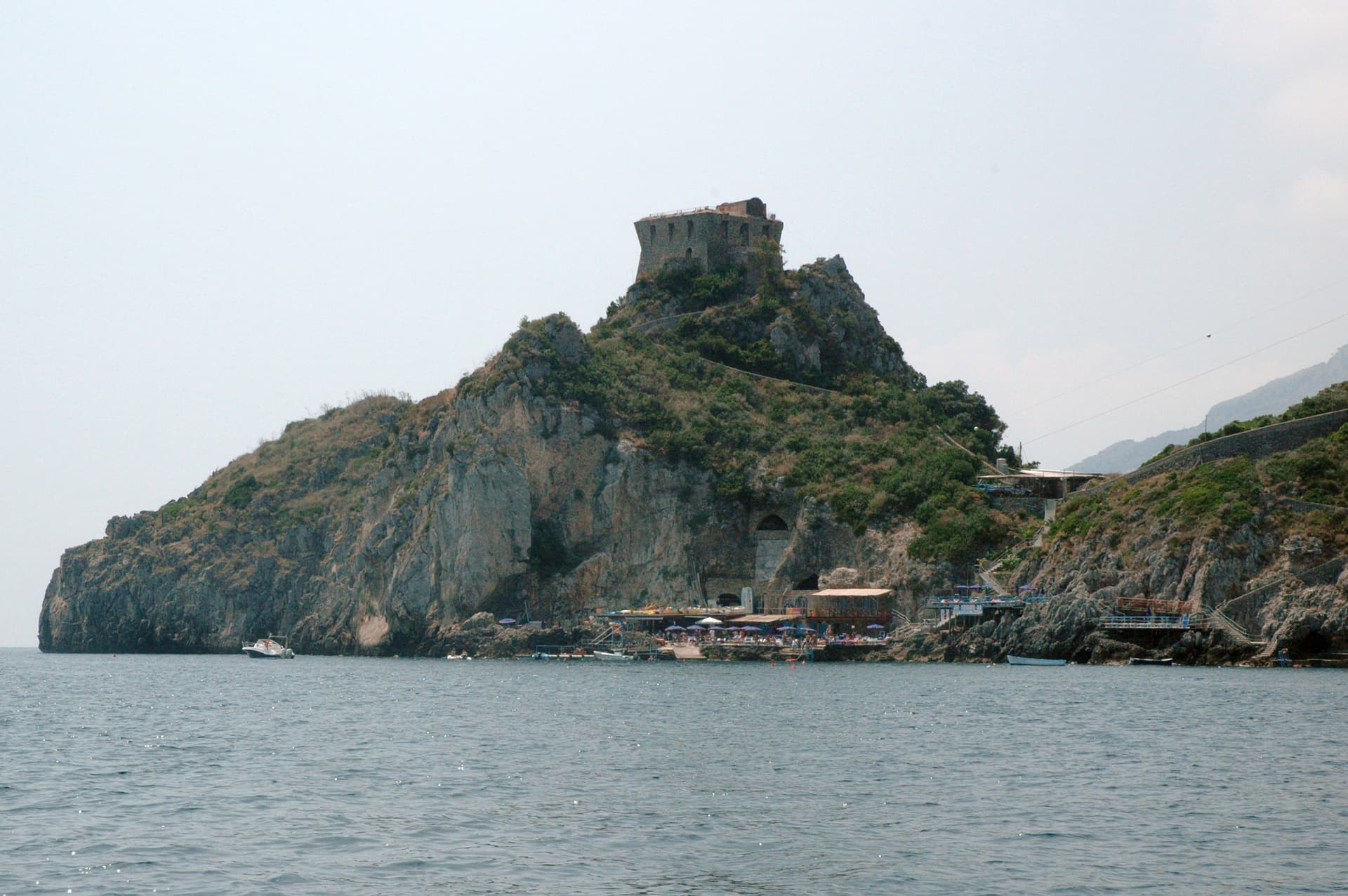
Conca dei Marini
Province: Salerno
A coastal hamlet of 664 people on the Amalfi Coast, the birthplace of the sfogliatella Santa Rosa and home to the Emerald Grotto.
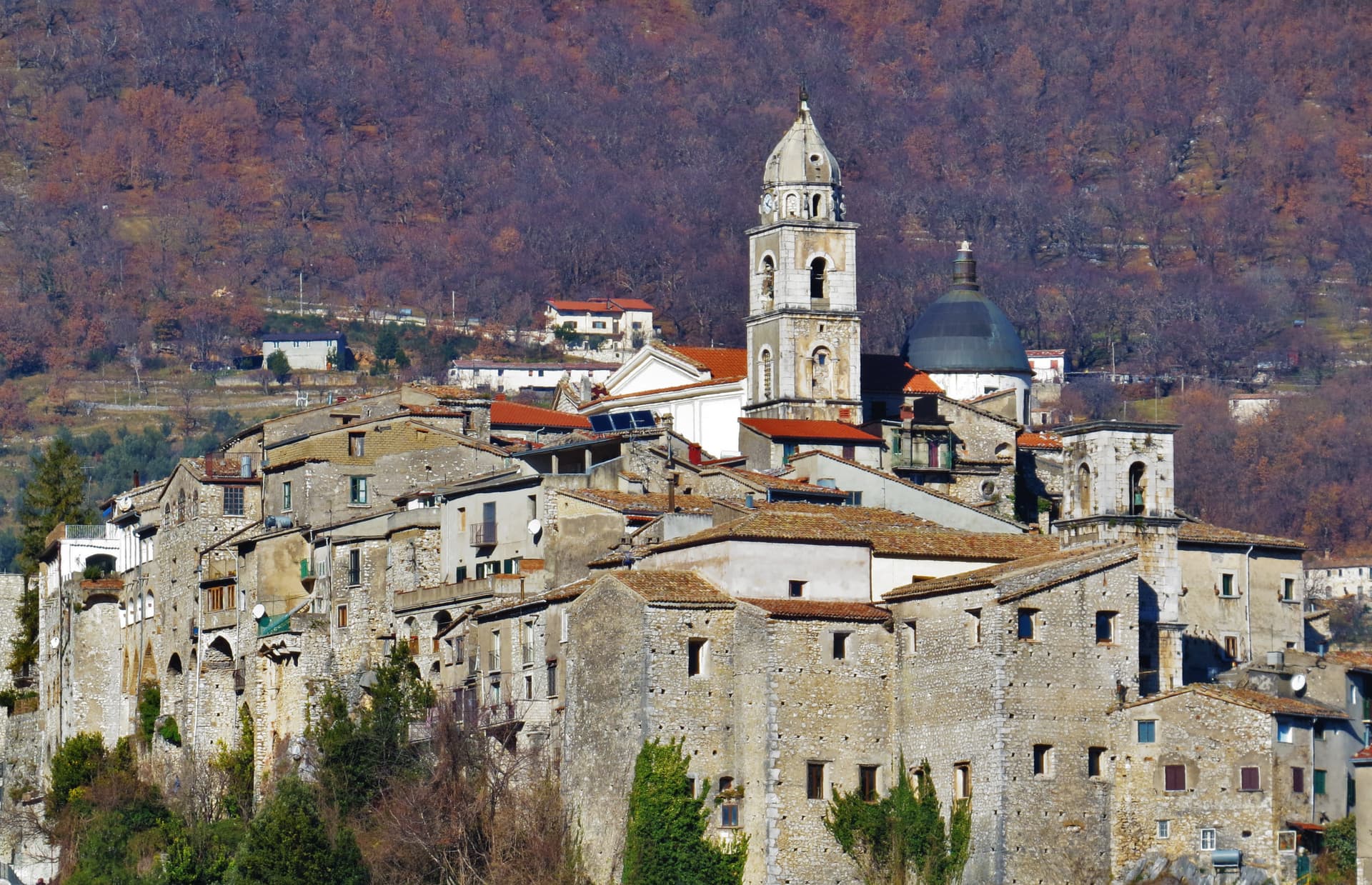
Cusano Mutri
Province: Benevento
A Sannio hill borgo at 475 meters on the south face of the Matese, the only town in the area spared by the 1688 earthquake.
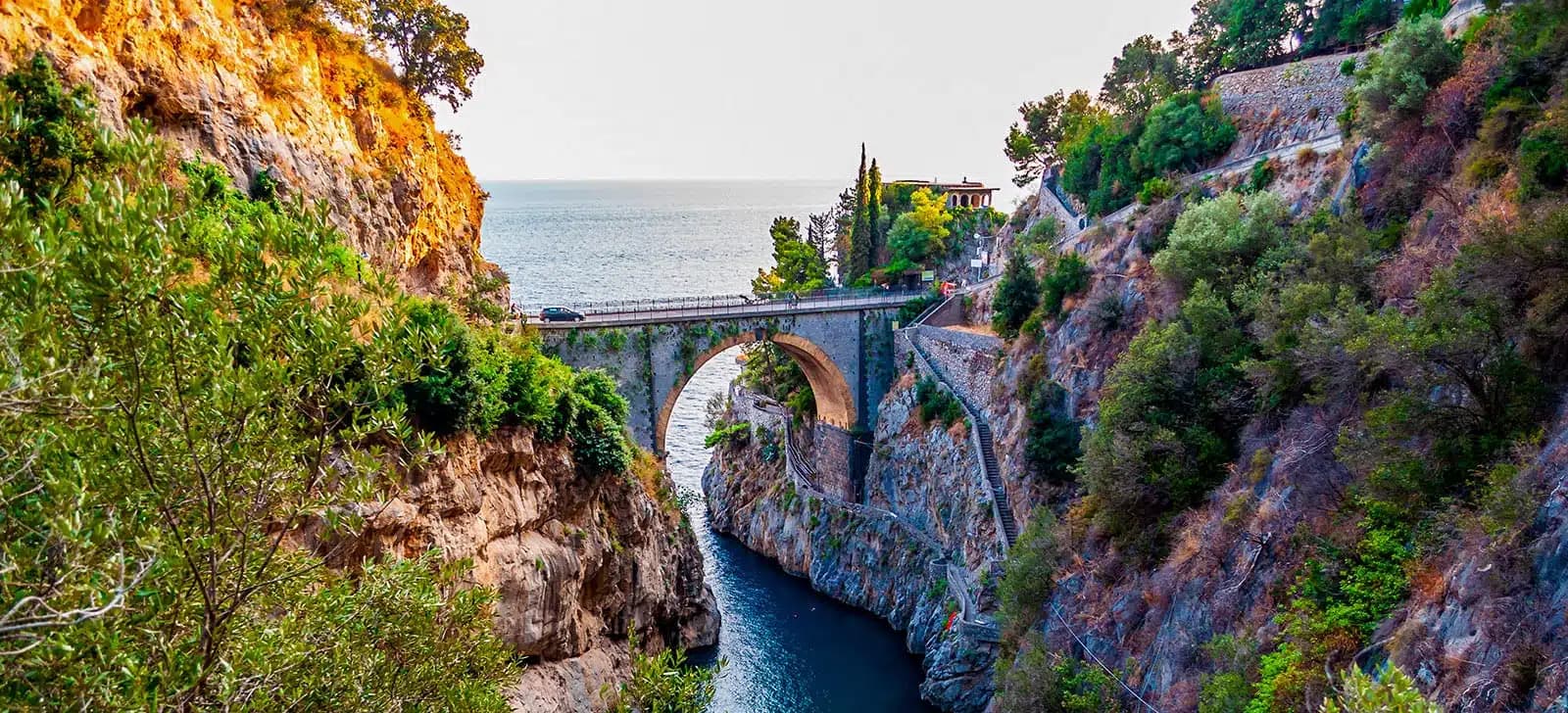
Furore
Province: Salerno
The Amalfi Coast village with no piazza and no center, scattered on rock walls 300 meters above the only fjord in southern Italy.