
Campania · Salerno
Conca dei Marini
A coastal hamlet of 664 people on the Amalfi Coast, the birthplace of the sfogliatella Santa Rosa and home to the Emerald Grotto.
Known for
SFOGLIATELLA SANTA ROSA
Born in the Santa Rosa monastery around 1700, a nun's invention from leftover semolina and ricotta, now Naples's signature pastry.
EMERALD GROTTO
Sea cave with an underwater opening that turns the water emerald green; found by a fisherman in 1932 and now a stop on the coast boat circuit.
CAPO DI CONCA TOWER
Sixteenth-century viceregal watchtower built to spot Saracen raiders, one of the most photographed promontories on the Amalfi Coast.
When to visit
Best · May–Sep
- J
- F
- M
- A
- M
- J
- J
- A
- S
- O
- N
- D
- Best
- Hot or crowded
- Quiet
- Mostly closed
The festa: Antonio di Padova, 13 June
Why come
Conca dei Marini sits between Amalfi and Furore on the Tyrrhenian coast, a fold of stone houses around the Marina di Conca and the Capo di Conca promontory. According to local tradition the settlement was founded as Cossa by the Etruscans and taken by Rome in 272 BC. The defining structures are the 16th-century Torre di Capo di Conca, one of the viceregal watchtowers built to spot Saracen sails, and the former Monastero di Santa Rosa, founded in 1681 on a clifftop spur.
In the monastery kitchens at the end of the 17th century, a Dominican nun shaped leftover semolina and ricotta into a layered shell and created the sfogliatella Santa Rosa, the ancestor of every sfogliatella sold in Naples today. Below the road, accessible by stairs or boat, the Grotta dello Smeraldo glows green from an underwater fissure; fisherman Luigi Buonocore found the cave in 1932. The village has 664 residents and stays cooler than Amalfi in August.
The Sunday letter
We haven’t written Conca dei Marini’s letter yet.
One town every Sunday, with the photo, the food, the festa. Be there when this one comes up. Free, by Peter & Sophia from Pietrasanta.
By subscribing you agree to Substack’s Terms of Use, our Privacy Policy and our Information collection notice.
What to see
Grotta dello Smeraldo
Partly submerged sea cave with an underwater fissure that filters sunlight into emerald green; discovered by Luigi Buonocore in 1932, 45 by 32 meters of water surface.
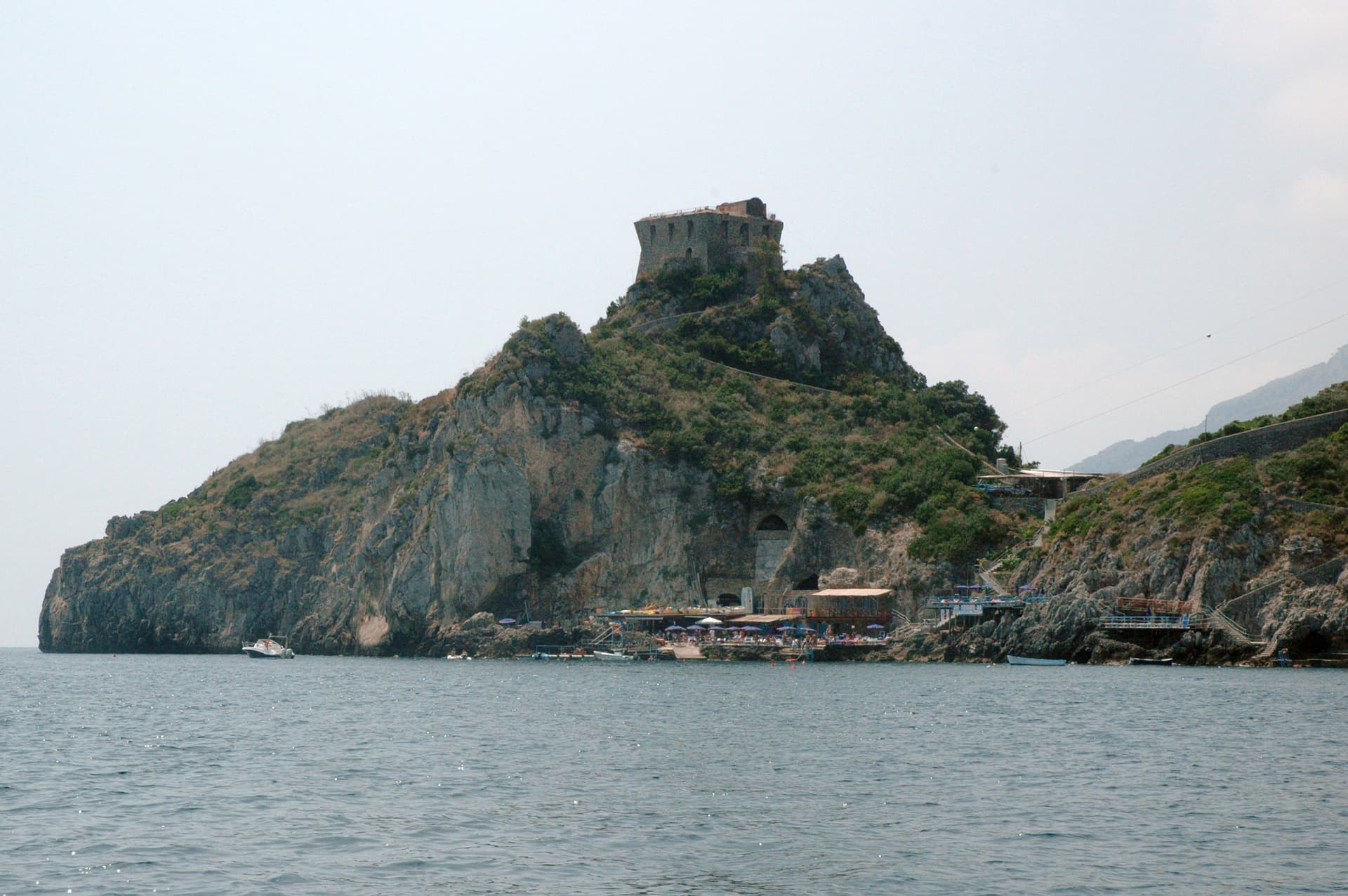
Torre di Capo di Conca
Sixteenth-century viceregal watchtower on the promontory above the marina, part of the Saracen-defense system commissioned by the viceroy of Naples.
Monastero di Santa Rosa
Former Dominican convent on a clifftop spur, founded 1681, where the sfogliatella Santa Rosa was created; now a luxury hotel.
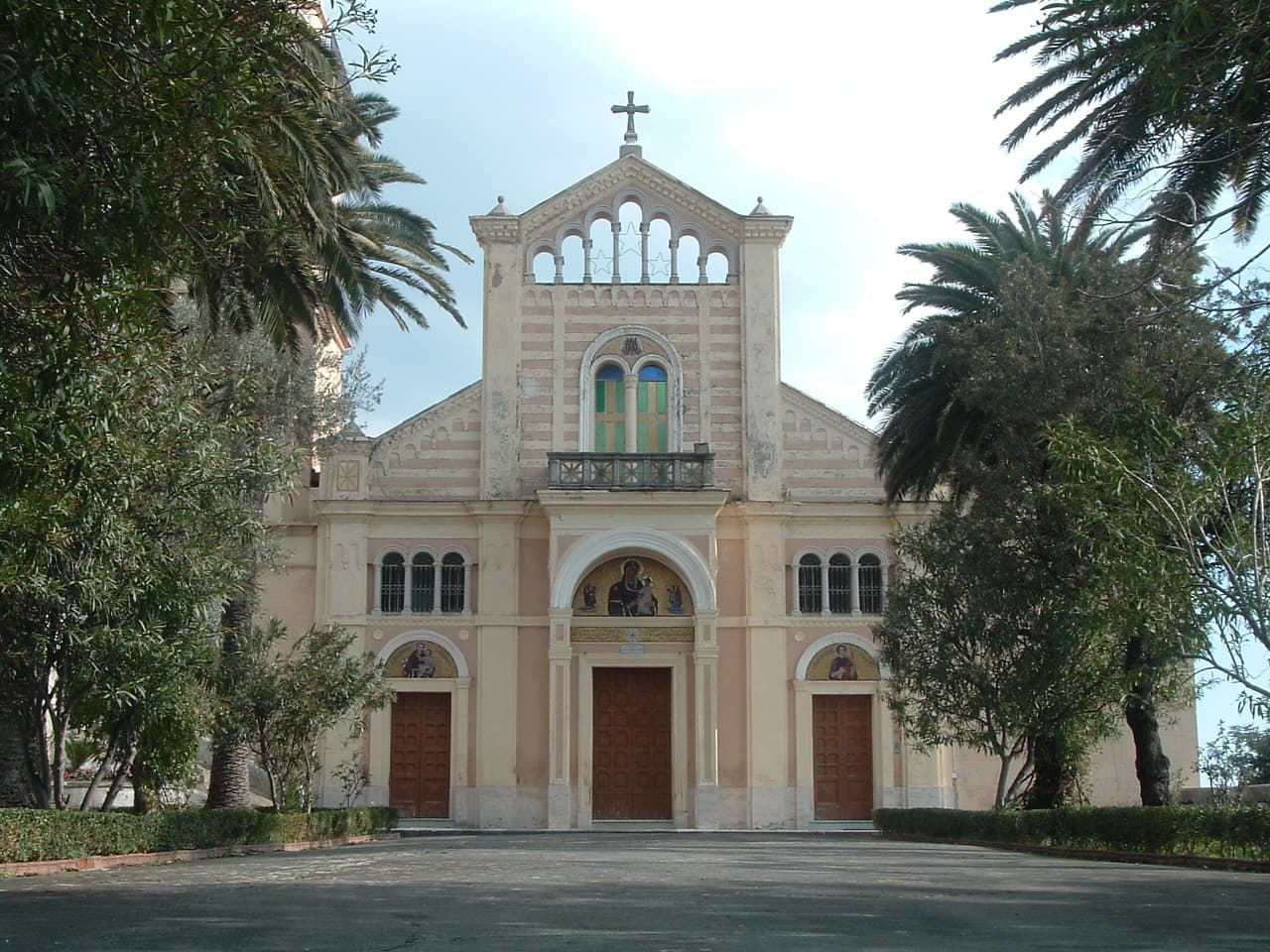
Chiesa di Sant'Antonio da Padova
Small white parish chapel on a rocky outcrop at the marina, the postcard image of the village.
Marina di Conca
Pebbled cove at the foot of the village, traditional fishing port turned summer swimming beach with two small rental boats.
The slow-trip planner
Building a trip? Find where Conca dei Marini fits in a slow Italy circuit.
Answer five questions. We will shape a geographically coherent slow trip from the 1,000 Italian towns most travelers skip. Yours to save and share.
We recommend
Where to eat and stay
Not our picks, but places the guides put their name to — a Michelin star, a Gambero Rosso fork, a Slow Food snail, a Michelin Key for the hotels. Worth a table, a counter, or a night when you pass through.
Il RefettorioRistorante
One Michelin star for Il Refettorio, and two Gambero Rosso forks (85/100).
Monastero Santa Rosa Hotel & SpaHotel
One Michelin Key for Monastero Santa Rosa Hotel & Spa, and a La Liste score of 97.
Borgo SantandreaHotel
Borgo Santandrea holds two Michelin Keys.
Living here
- Population 664
- Off the beaten pathi
- Pharmacy in town
- High school within a 30-minute drive
- Nearest airport Naples / Salerno, 1 h 5 min drive
- Regional capital Napoli, 58 min drive
Tags & datadesignations · numbers · sources
Recognised as
The numbers
- Elevation: 138 m
- Population: 664
- Surface area: 1.13 km²
These figures were compiled from public directories — ISTAT, OpenStreetMap, Wikidata — and from the official listings of the guides named on this page. Town details change; verify with official sources before you travel.
Featured on
Conca dei Marini appears on this themed pick from our Collections:
Close by
More towns near Conca dei Marini
Furore
Province: Salerno
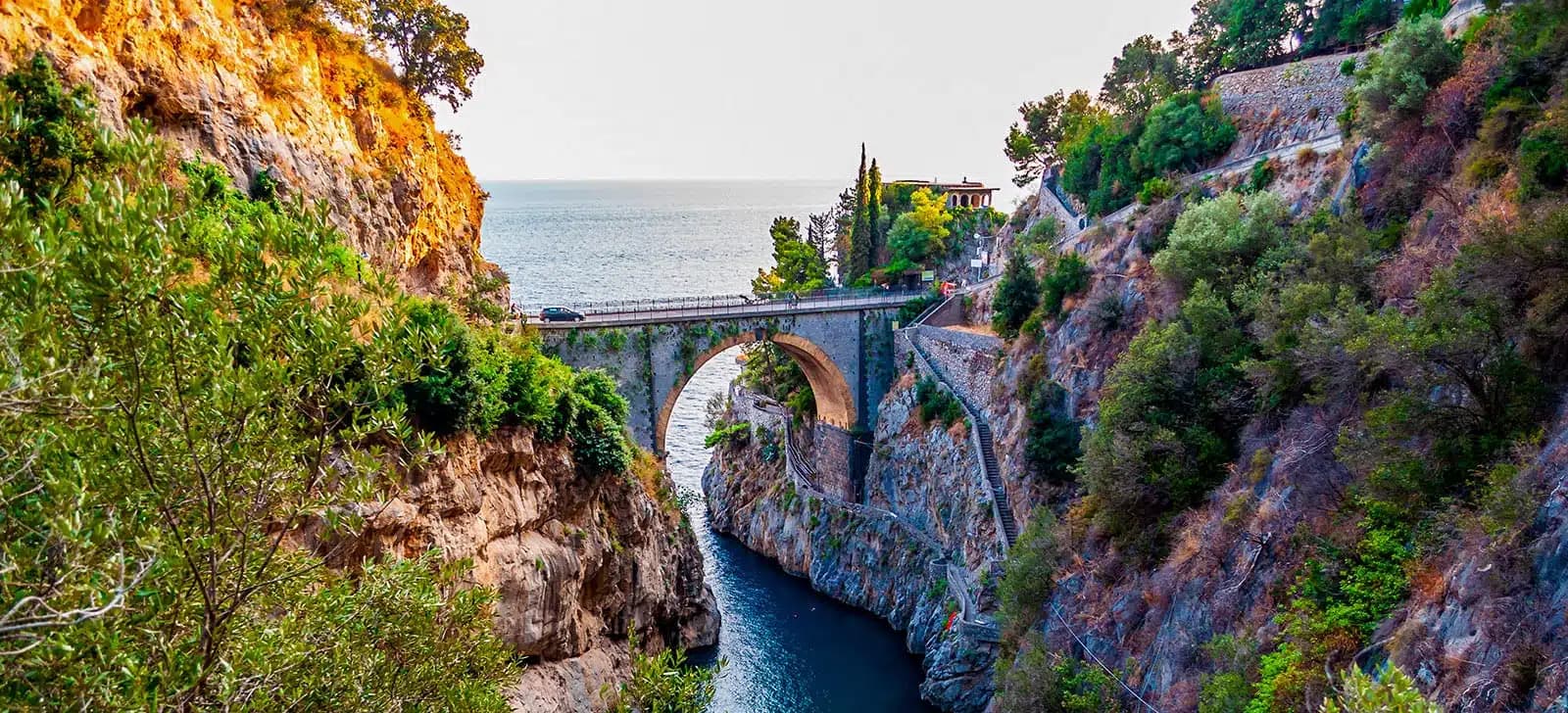
The Amalfi Coast village with no piazza and no center, scattered on rock walls 300 meters above the only fjord in southern Italy.
Amalfi
Province: Salerno
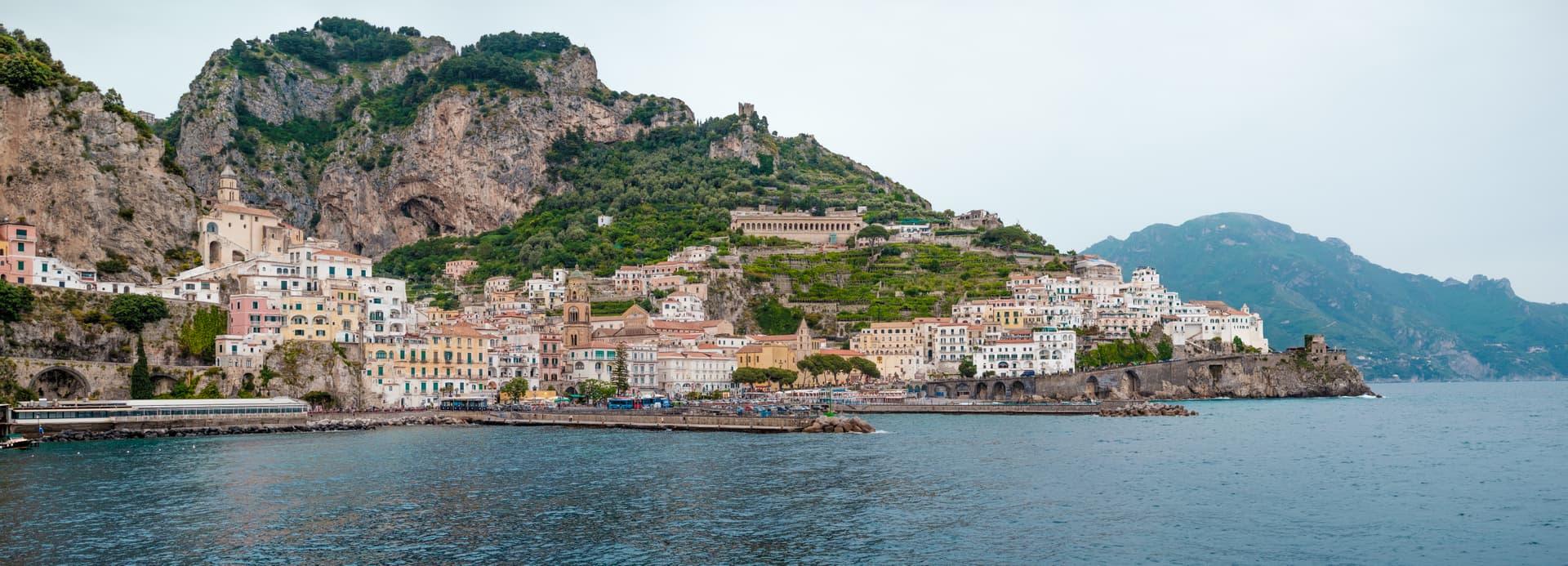
The first Italian maritime republic and the coast it named, six meters above the sea between cliffs that close around the duomo's steps.
Atrani
Province: Salerno
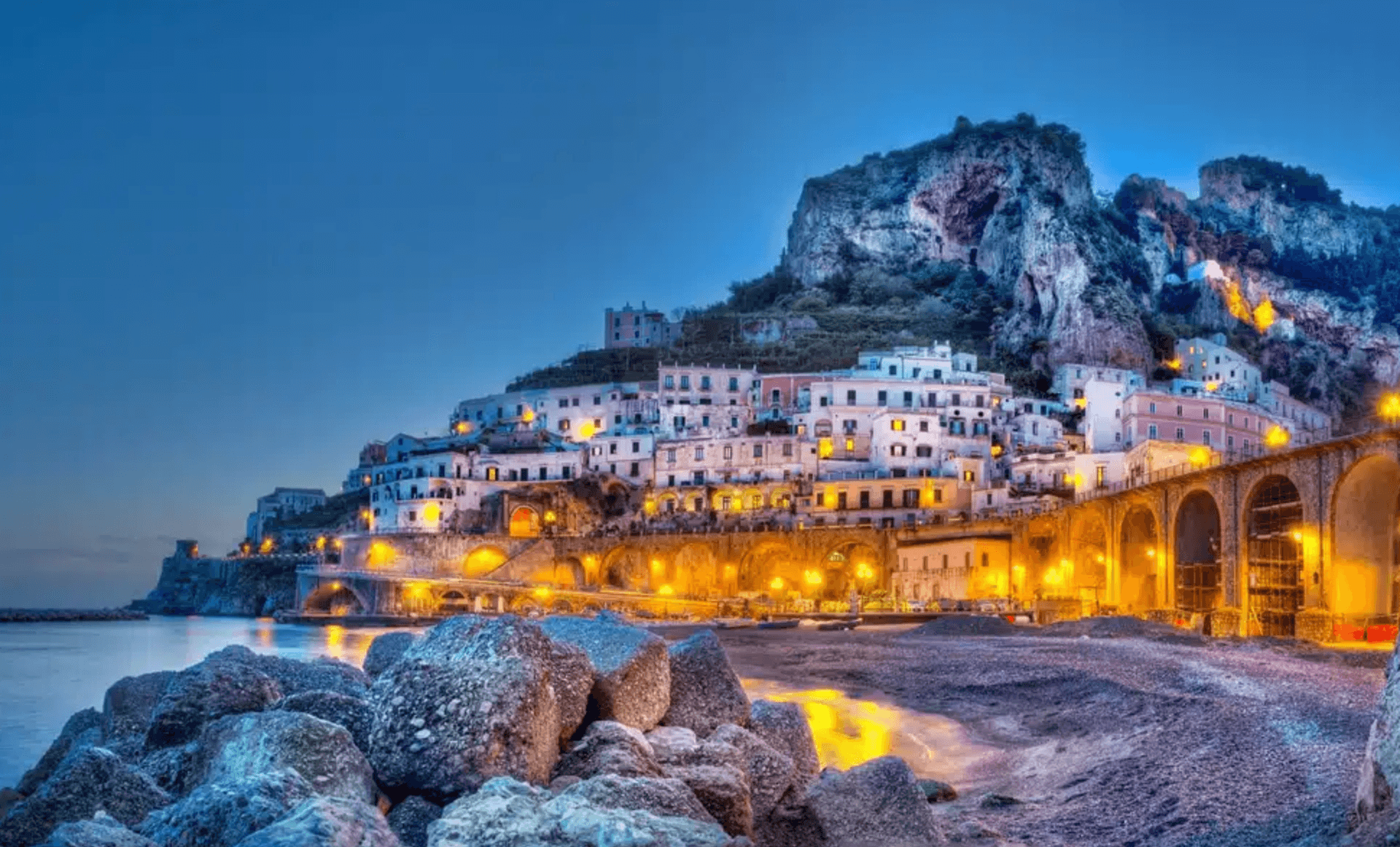
The smallest commune in Italy by area, twelve hectares of stacked houses where the Amalfi Coast pinches shut around a single piazza.
Praiano
Province: Salerno
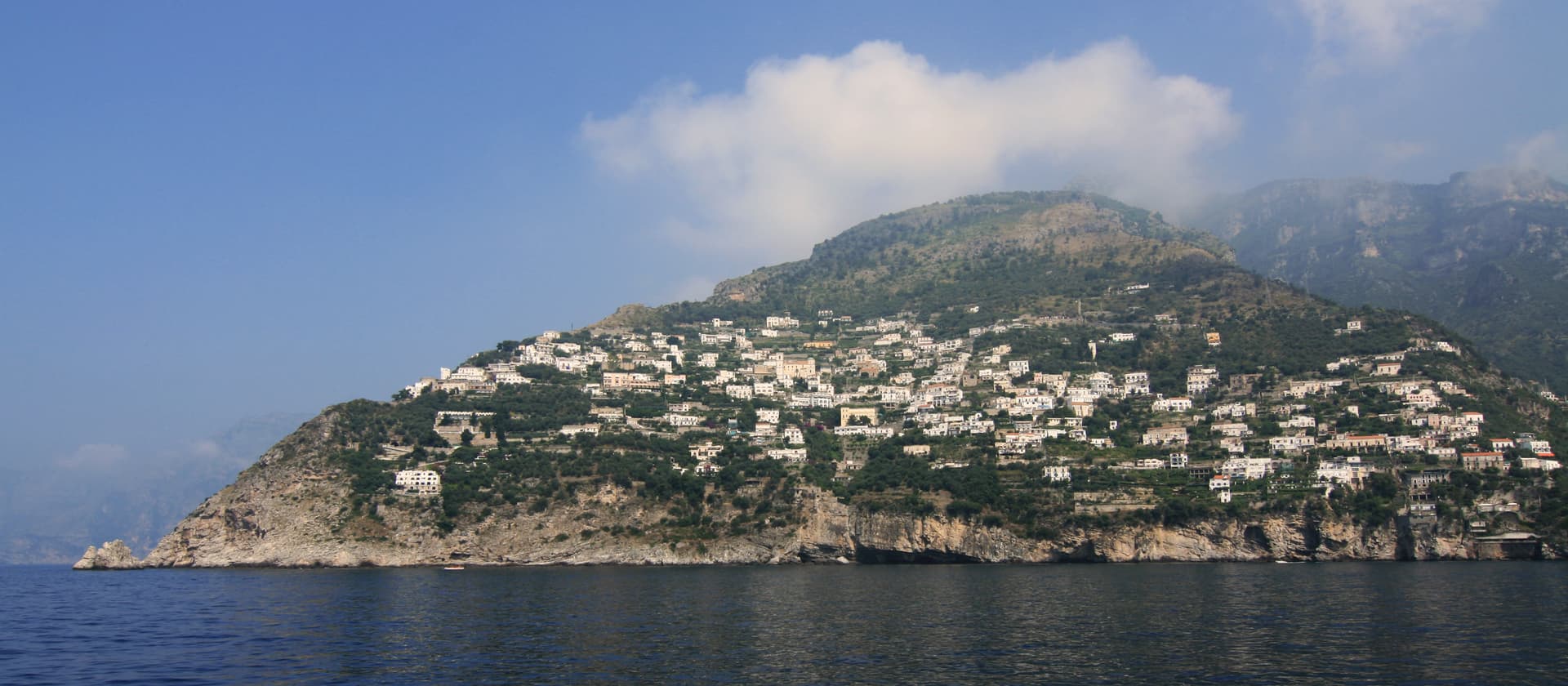
The Amalfi commune between Positano and Amalfi where the doges of the maritime republic kept their summer residences and the Path of the Gods starts.
Minori
Province: Salerno
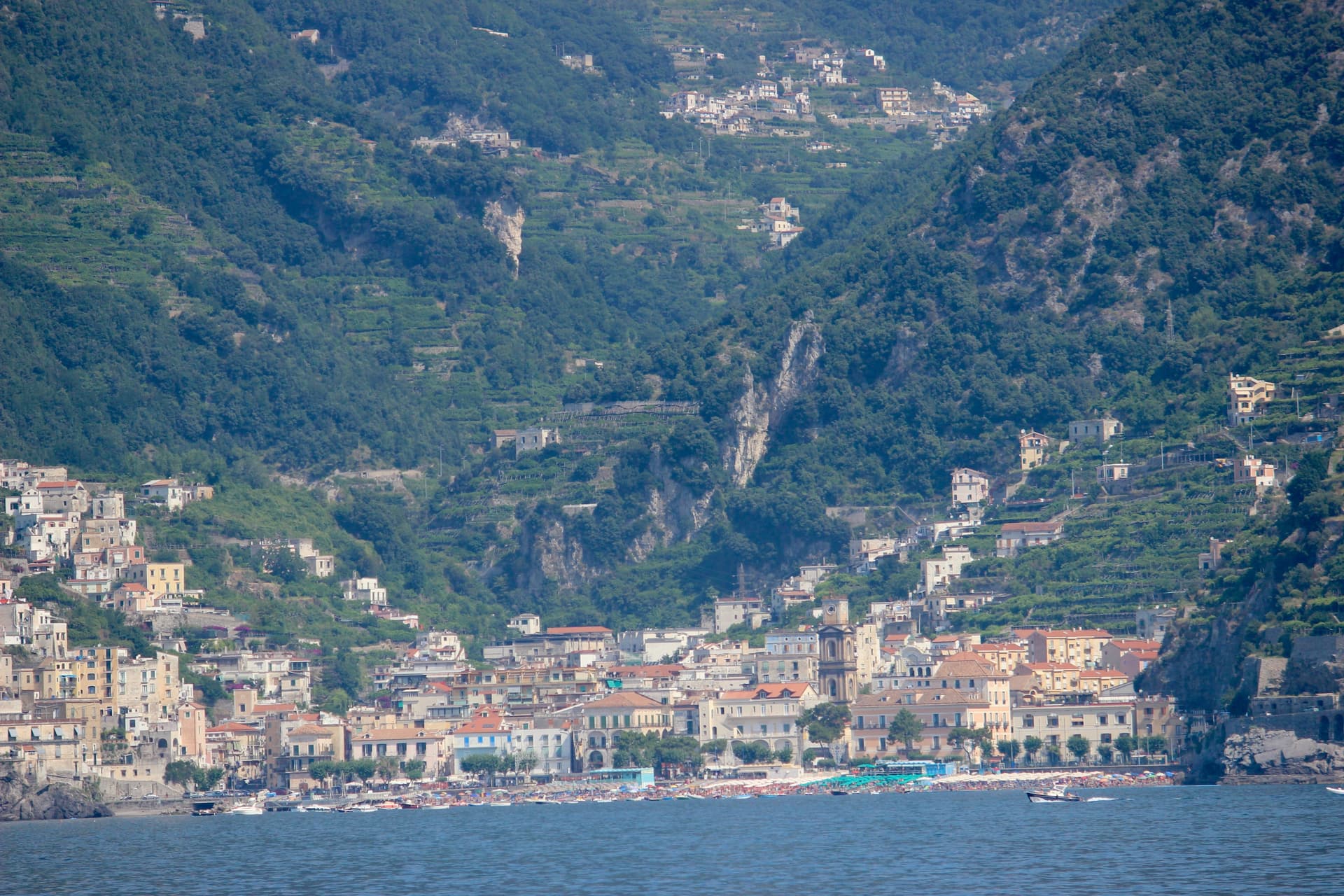
The smaller of the two Rheginnae, where a first-century Roman maritime villa sits four blocks from the Tyrrhenian beach.
🎨 Borghi più belli d'Italia
More Borghi più belli d'Italia towns in Campania
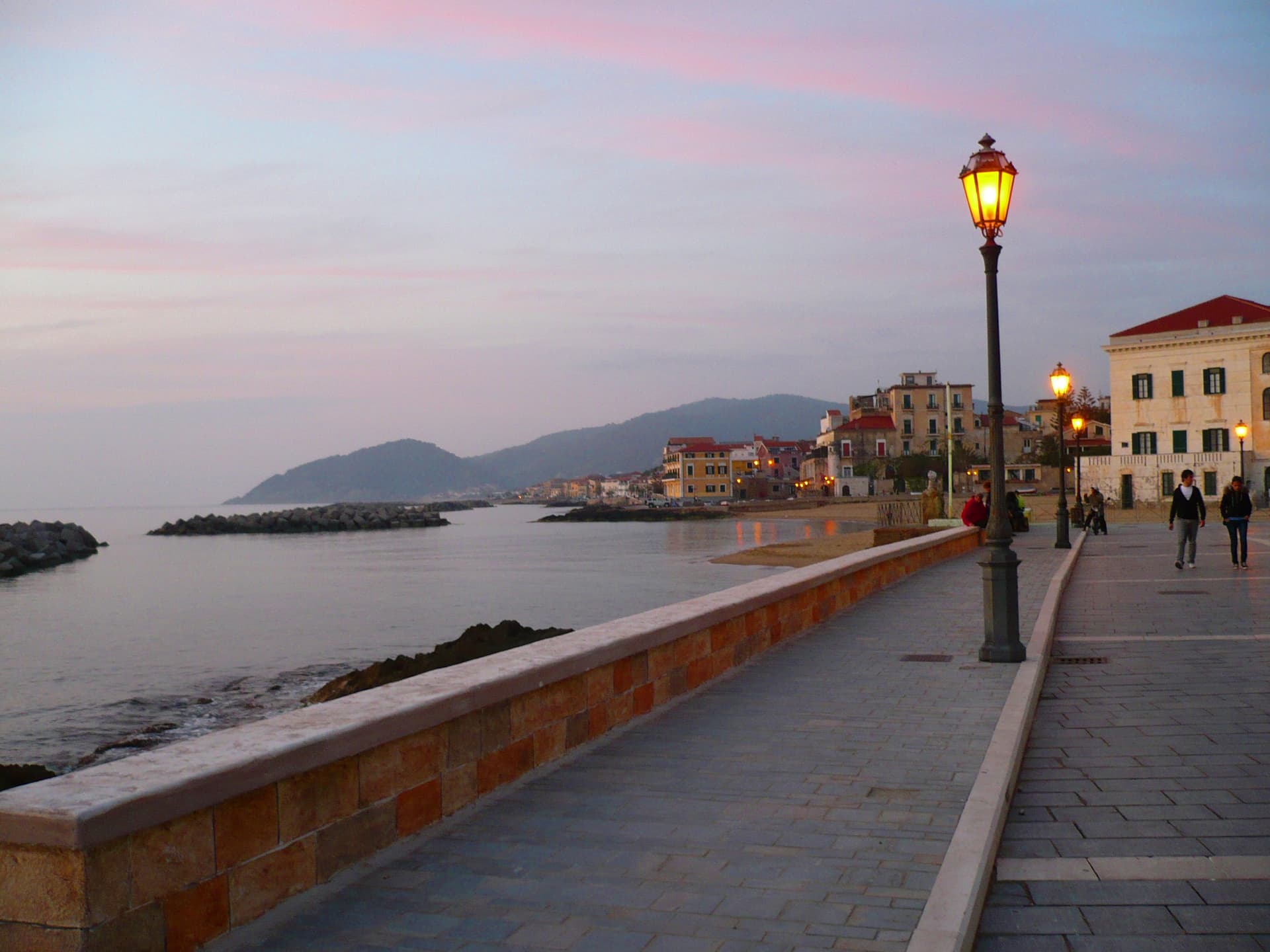
Castellabate
Province: Salerno
A 1123 abbot's castle on a 280-meter Cilento ridge, with a Bandiera Blu beach below and the Benvenuti al Sud film.
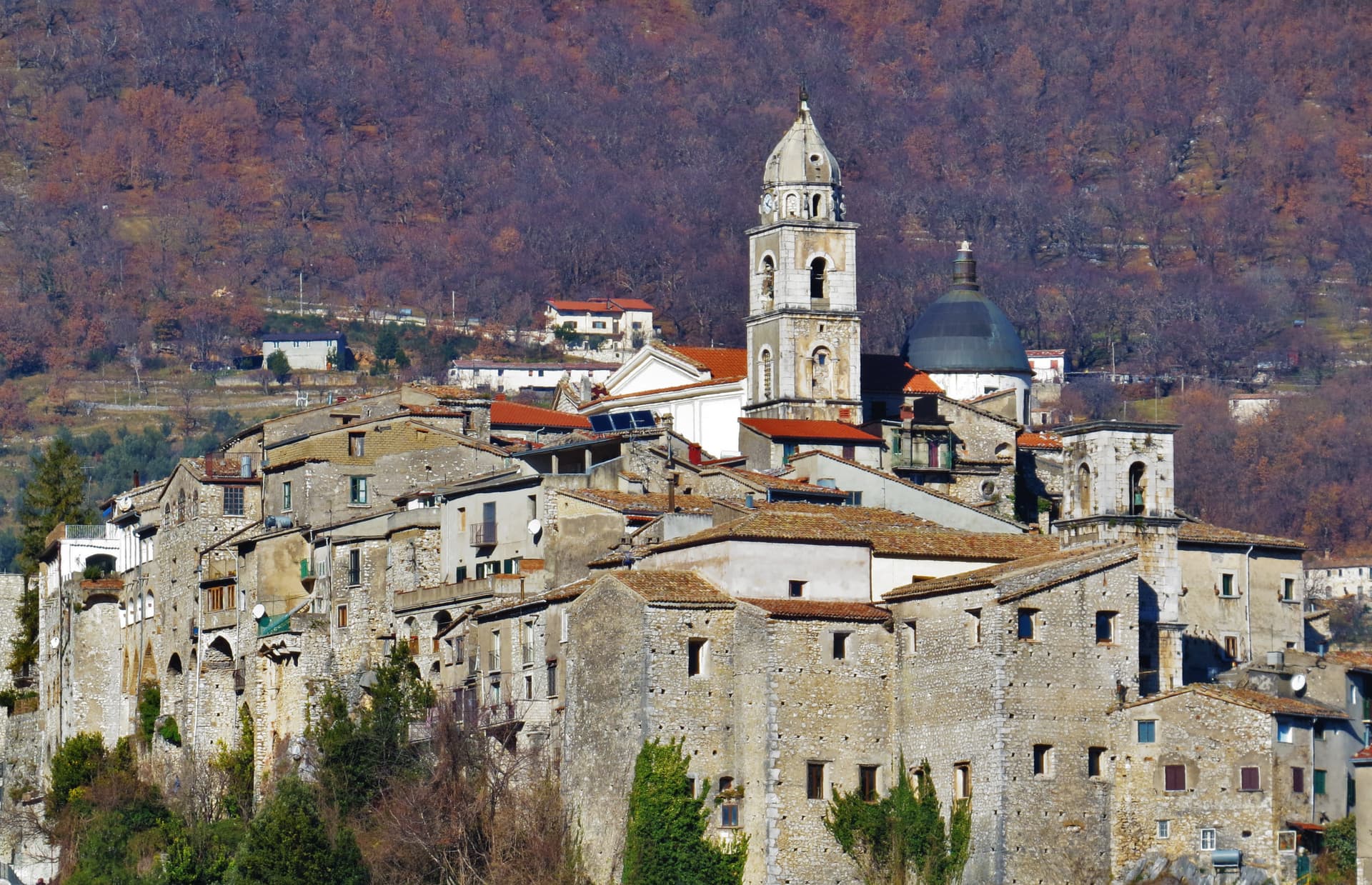
Cusano Mutri
Province: Benevento
A Sannio hill borgo at 475 meters on the south face of the Matese, the only town in the area spared by the 1688 earthquake.
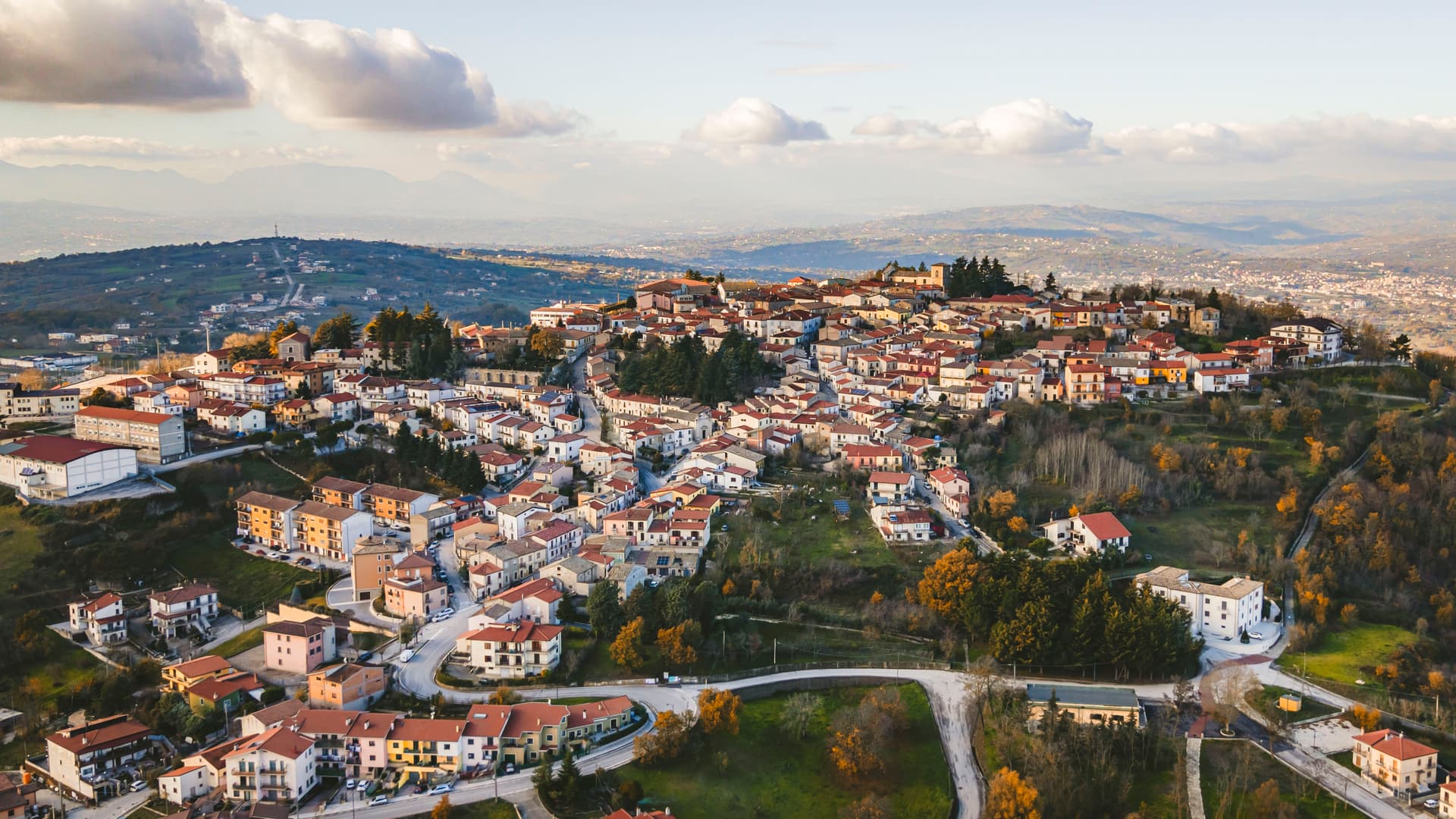
Frigento
Province: Avellino
An Irpinia hill village at 911 meters with a Republican-era Roman cistern complex on its summit and four valleys at its feet.
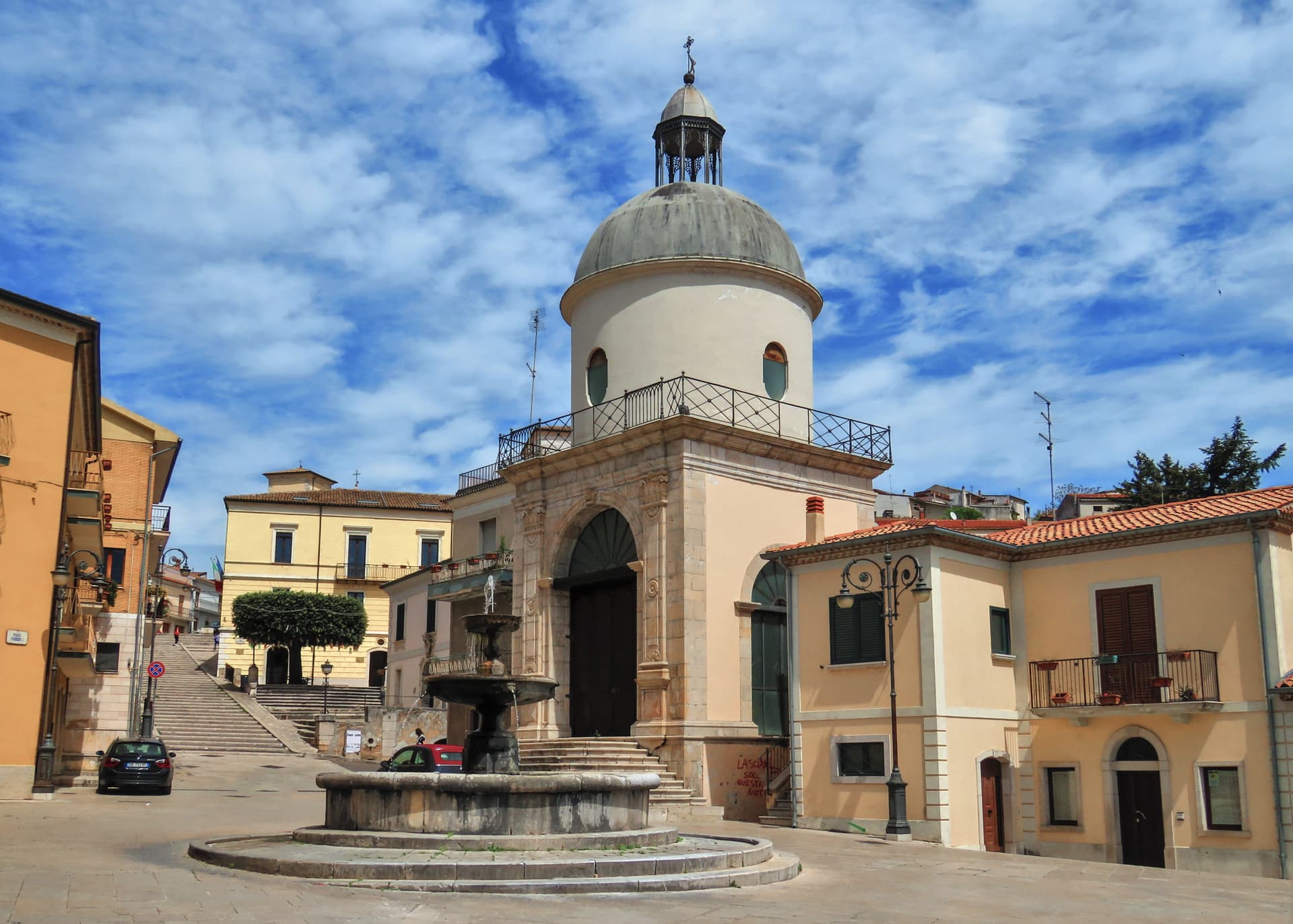
Gesualdo
Province: Avellino
An Irpinia village at 676 meters built around the castle where Carlo Gesualdo, prince of Venosa and madrigalist murderer, wrote his six books of madrigals.