

Campania · Avellino
Ariano Irpino
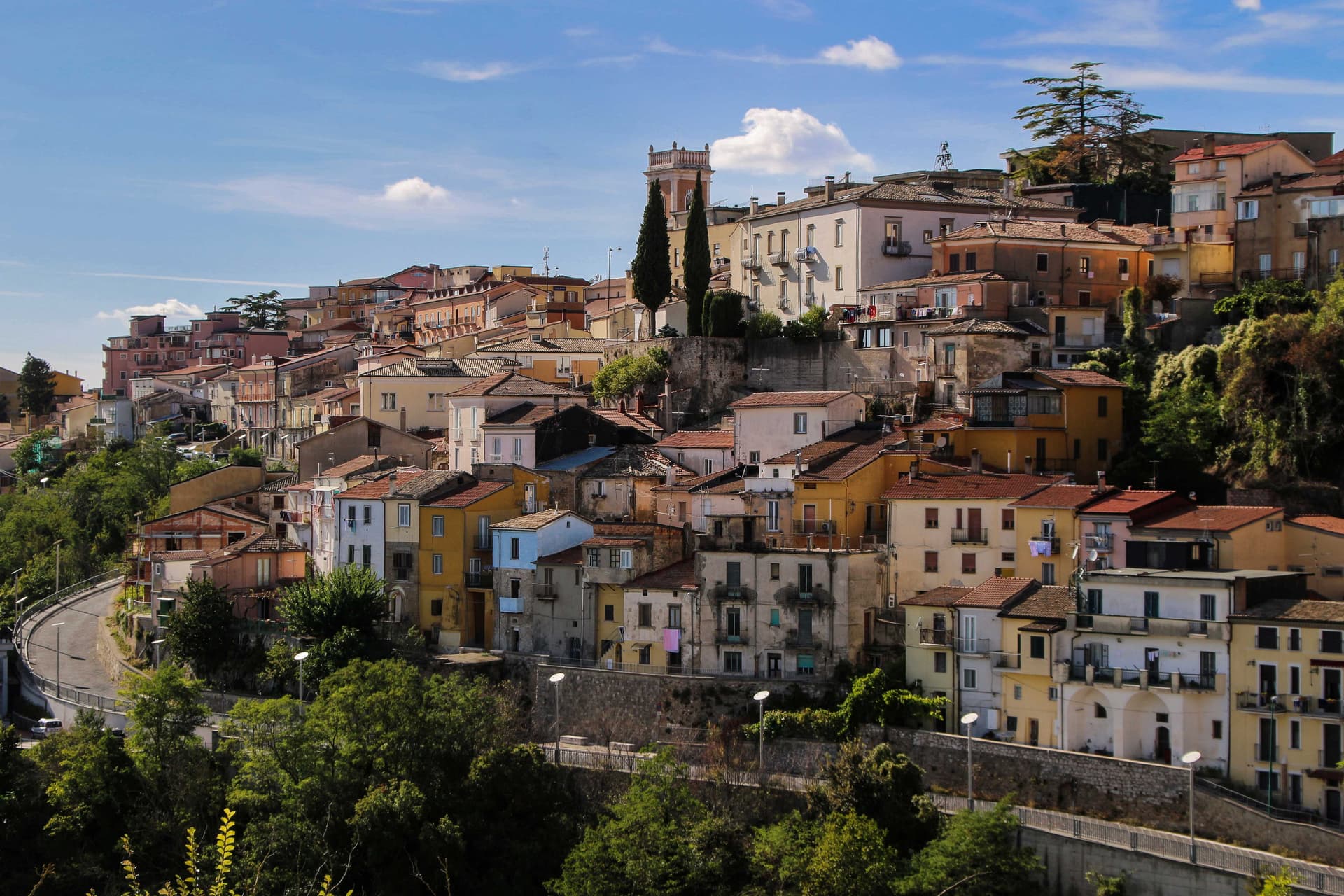
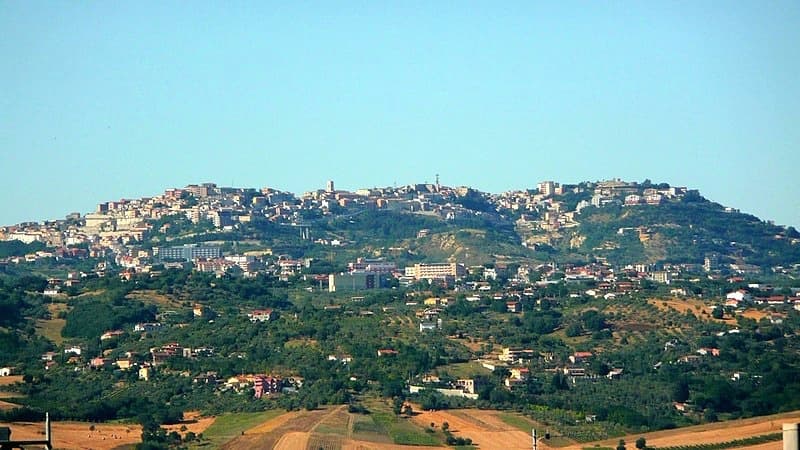
The City of the Three Hills at 788 meters, where Roger II promulgated the Assizes of 1140 and majolica kilns still fire.
Known for
ASSIZES OF ARIANO
Roger II's 1140 legal code, forty clauses unifying Norman, Lombard, Byzantine, Latin canon, Muslim and Jewish law for the Kingdom of Sicily.
MAJOLICA
Glazed ceramic made here since the medieval period, eleven kilns at the eighteenth-century peak, the basis of the Città della Ceramica designation.
TRICOLLE
Three hills, Castello, Calvario and San Bartolomeo, give the town its medieval nickname Città del Tricolle and its strategic Apennine position.
When to visit
Best · May–Oct
- J
- F
- M
- A
- M
- J
- J
- A
- S
- O
- N
- D
- Best
- Hot or crowded
- Quiet
- Mostly closed
The festa: Ottone Frangipane, 23 March
Why come
Ariano Irpino rises on three hills, Castello, Calvario and San Bartolomeo, at 788 meters above sea level, where the Apennines narrow into the pass between Campania and Apulia. The Lombards held it, the Normans rebuilt the castle, and in the summer of 1140 Roger II convened the Assizes of Ariano, the forty-clause legal code that unified Norman, Lombard, Byzantine, Latin canon, Muslim and Jewish law for the Kingdom of Sicily. The cathedral, dedicated to the Assumption, was completed in its current form in 1736.
Ariano's majolica, glazed ceramic made here in waves of style since the medieval period, hit its peak in the eighteenth century with eleven kilns and twenty-nine craftsmen; the Museo Civico e della Ceramica in Palazzo Forte holds more than 250 pieces from the fourteenth century forward. Known as Ariano di Puglia until 1930, the town carries both the Città dell'Olio and Città della Ceramica designations.
The Sunday letter
We haven’t written Ariano Irpino’s letter yet.
One town every Sunday, with the photo, the food, the festa. Be there when this one comes up. Free, by Peter & Sophia from Pietrasanta.
By subscribing you agree to Substack’s Terms of Use, our Privacy Policy and our Information collection notice.
What to see
Castello Normanno
Norman fortress on the highest of the three hills, anchor of the Assizes of Ariano in 1140 and the strategic pass between Campania and Apulia.
Cattedrale di Santa Maria Assunta
Cathedral of the Ariano-Lacedonia diocese, completed in its current form in 1736 by bishop Filippo Tipaldi.
Museo Civico e della Ceramica
Civic and Ceramics Museum in Palazzo Forte, over 250 majolica pieces from the fourteenth century onward, the record of Ariano's kiln tradition.
Santuario di San Liberatore
Sanctuary at 505 meters about three kilometres southwest, rebuilt in 1993 to anti-seismic specifications, dependent on the cathedral since 1451.
Chiesa della Madonna del Carmine
Late-seventeenth century church near the former Capuchin convent, built in 1688 on the Castello hill.
The slow-trip planner
Building a trip? Find where Ariano Irpino fits in a slow Italy circuit.
Answer five questions. We will shape a geographically coherent slow trip from the 1,000 Italian towns most travelers skip. Yours to save and share.
We recommend
Where to eat and stay
Not our picks, but places the guides put their name to — a Michelin star, a Gambero Rosso fork, a Slow Food snail, a Michelin Key for the hotels. Worth a table, a counter, or a night when you pass through.
La PignataTrattoria
A Michelin Bib Gourmand for La Pignata, along with two Gambero Rosso prawns and a Slow Food snail.
Maeba RestaurantRistorante
Maeba Restaurant holds one Michelin star and two Gambero Rosso forks (80/100).
Living here
- Population 21,023
- Off the beaten pathi
- Pharmacy in town
- High school within a 30-minute drive
- Train station in the comune
- Nearest airport Naples / Salerno, 1 h 35 min drive
- Regional capital Napoli, 1 h 39 min drive
Tags & datadesignations · numbers · sources
Recognised as
The numbers
- Elevation: 788 m
- Population: 21,023
- Surface area: 186.74 km²
These figures were compiled from public directories — ISTAT, OpenStreetMap, Wikidata — and from the official listings of the guides named on this page. Town details change; verify with official sources before you travel.
Close by
More towns near Ariano Irpino
Savignano Irpino
Province: Avellino
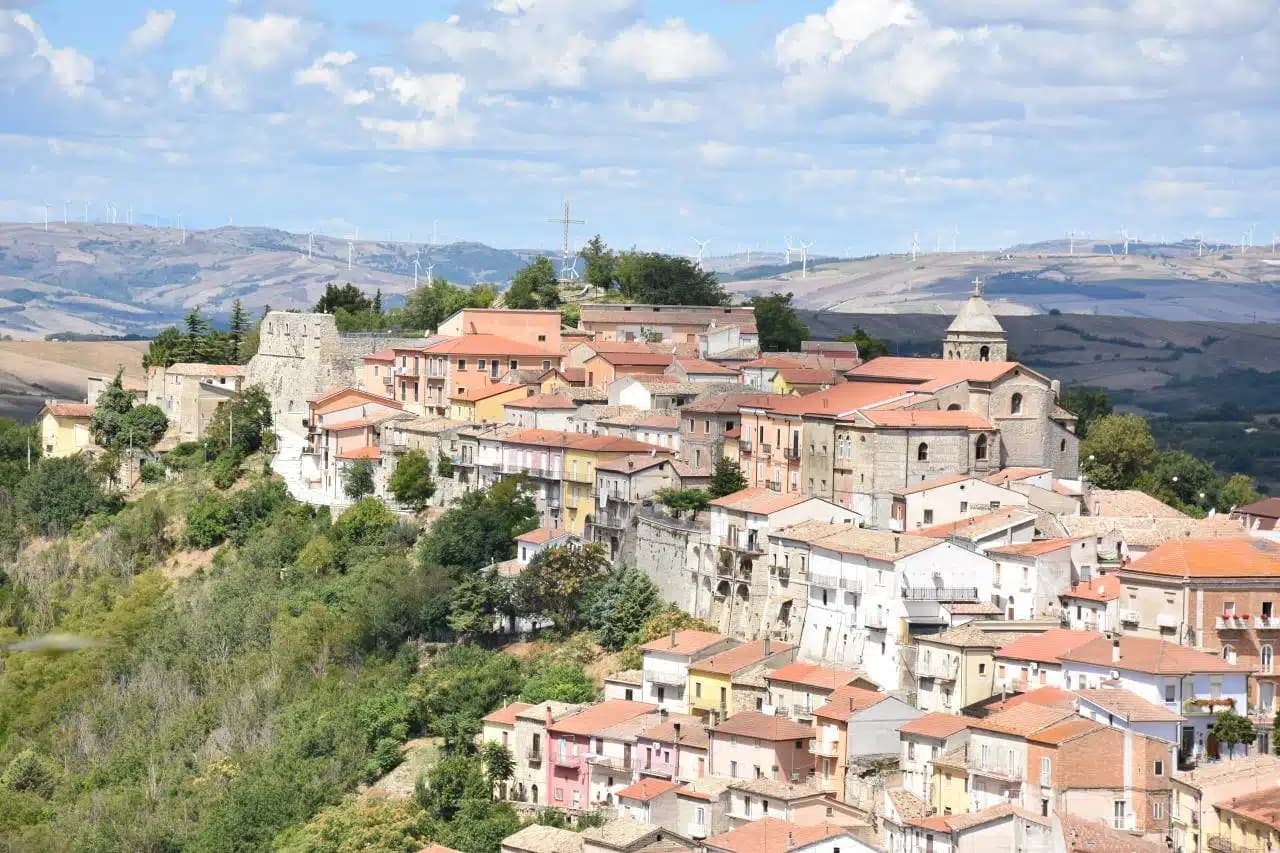
A 718-meter stone borgo above the Cervaro valley on the Campania-Apulia border, called Savignano di Puglia until 1963.
Zungoli
Province: Avellino
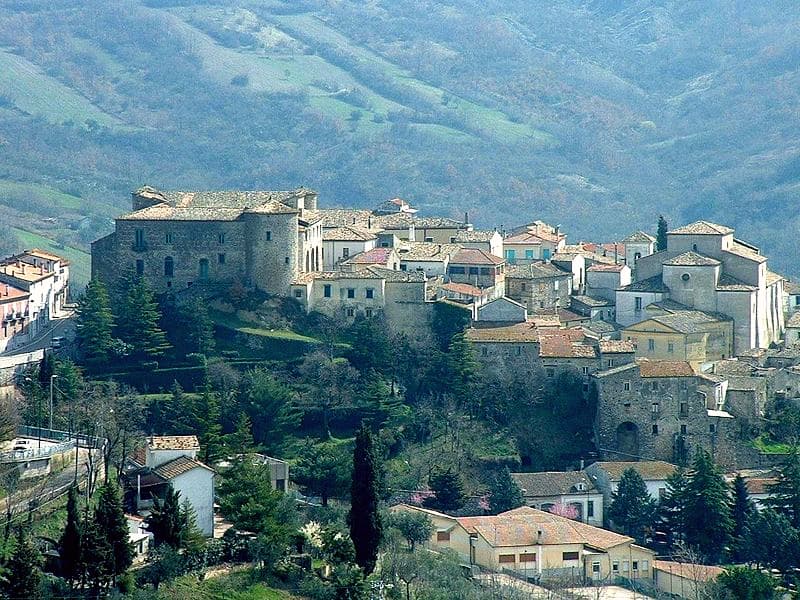
An Irpinia ridge at 657 meters between the Ufita valley and the Daunian hills, with Norman walls above and Byzantine tuff caves below the houses.
Faeto
Province: Foggia
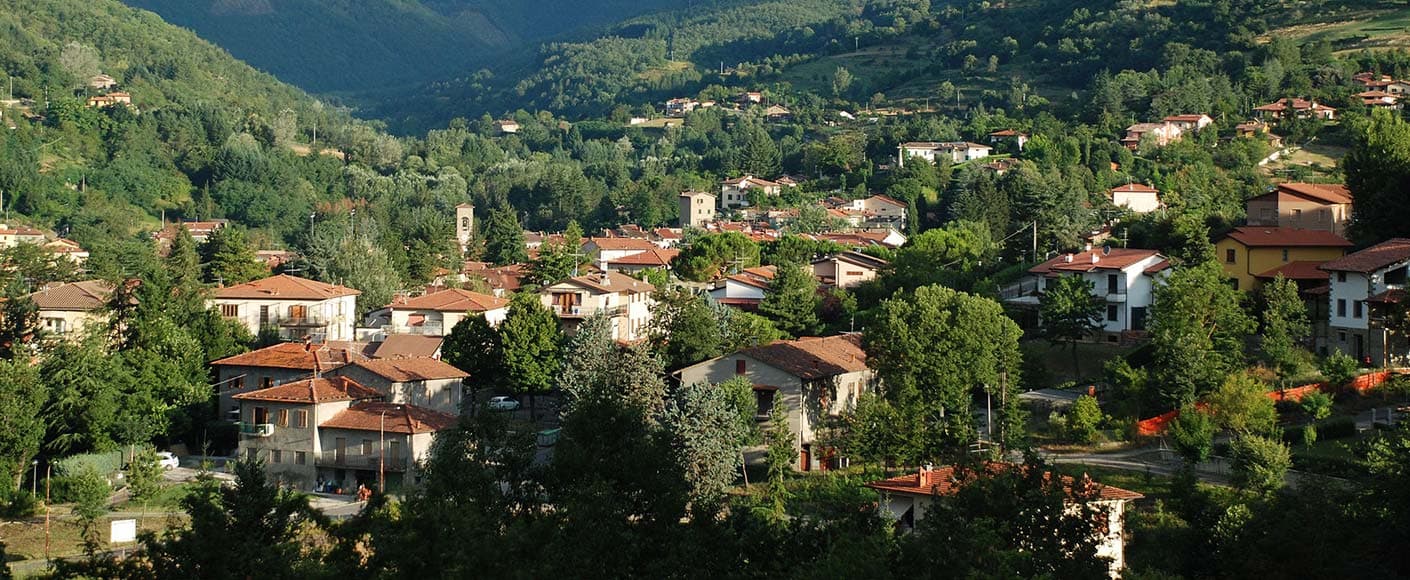
The highest village in Puglia at 820 meters, Franco-Provençal-speaking since 1266, on a Monti Dauni ridge below Monte Cornacchia.
Gesualdo
Province: Avellino
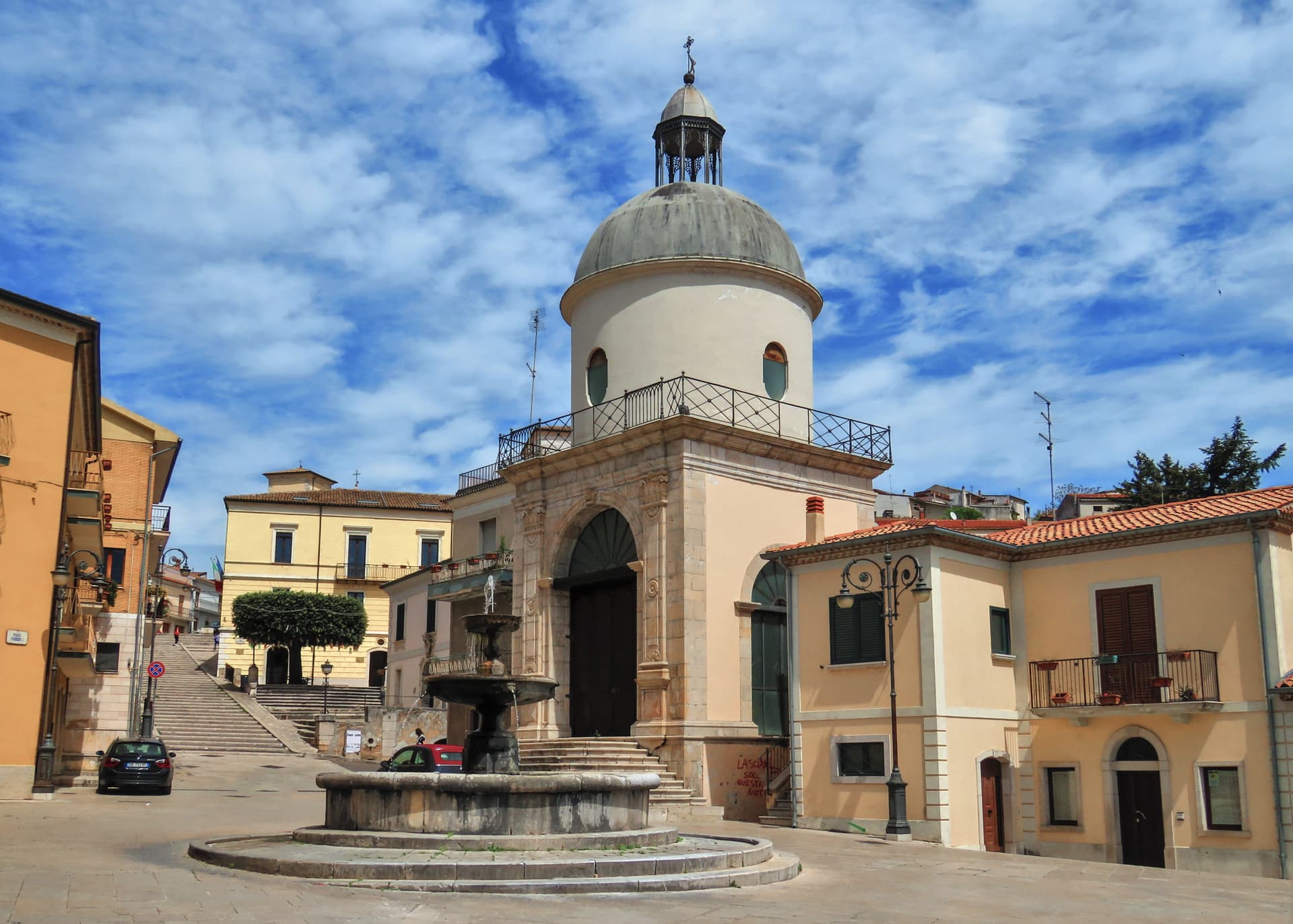
An Irpinia village at 676 meters built around the castle where Carlo Gesualdo, prince of Venosa and madrigalist murderer, wrote his six books of madrigals.
Frigento
Province: Avellino
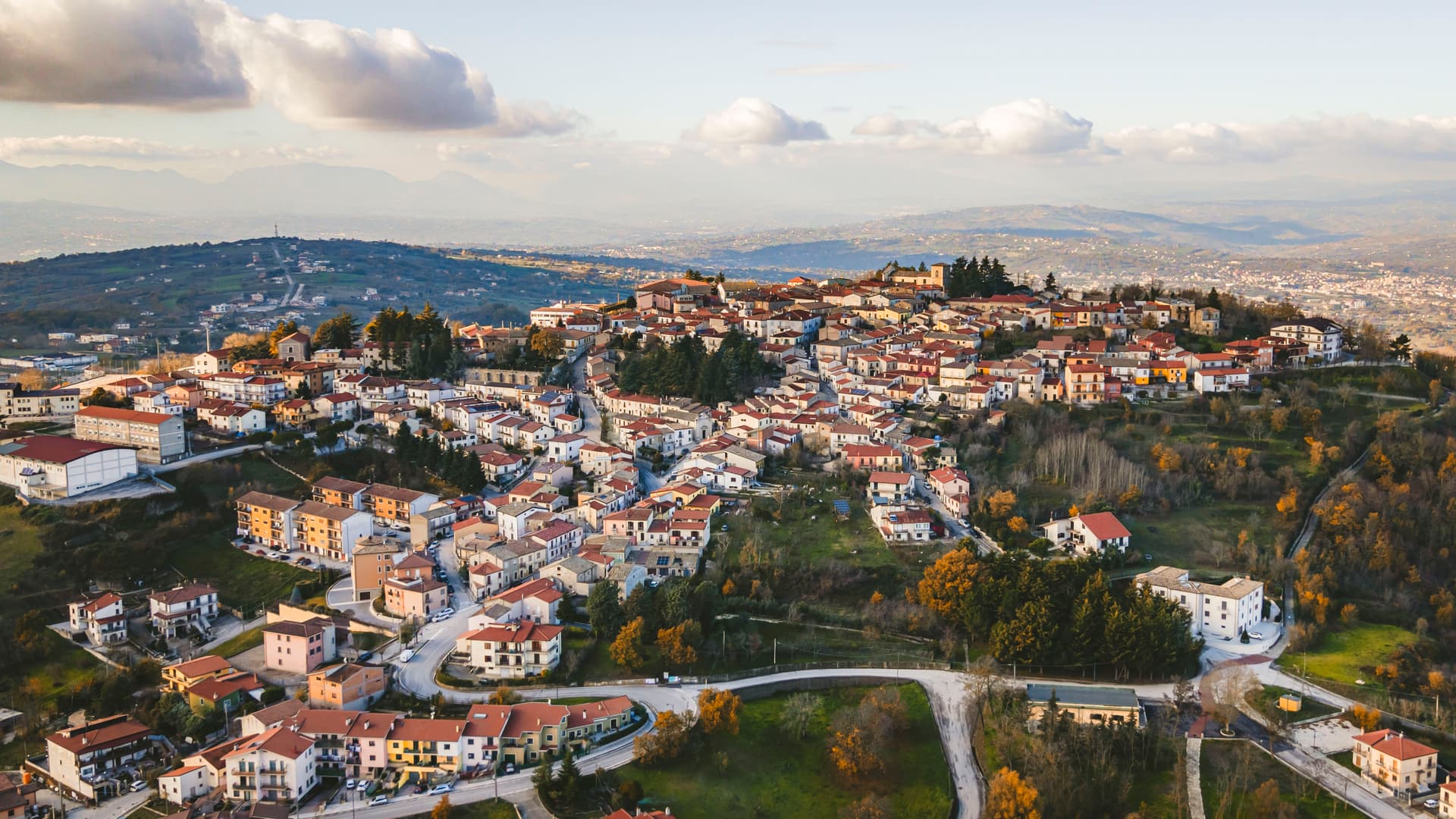
An Irpinia hill village at 911 meters with a Republican-era Roman cistern complex on its summit and four valleys at its feet.
🫒 Città dell'Olio
More Città dell'Olio towns in Campania
Anacapri
Province: Napoli
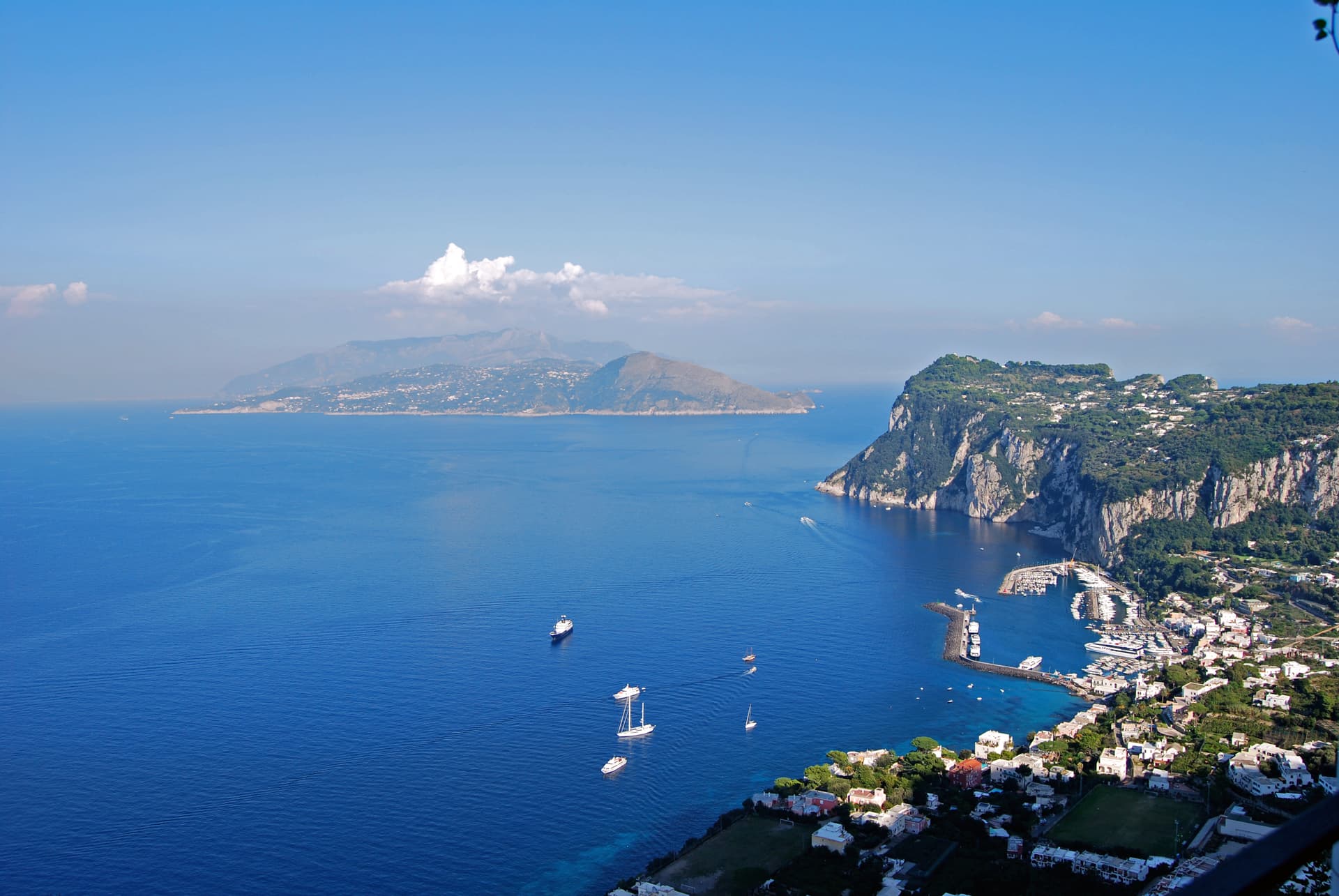
The upper half of Capri, 150 meters above its famous twin, where Axel Munthe built Villa San Michele on a Tiberian ruin.
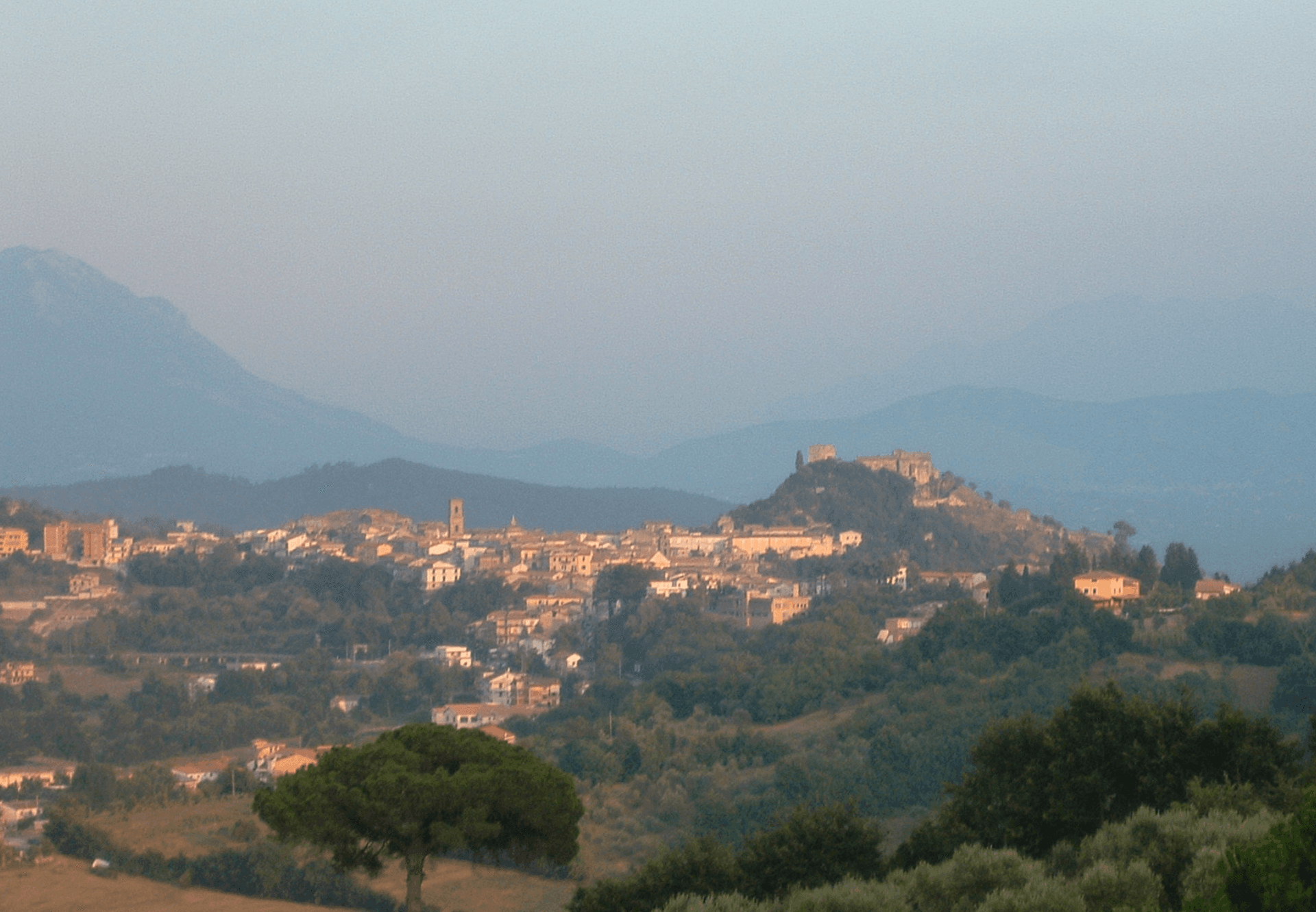
Caiazzo
Province: Caserta
A Cittaslow hill above the Volturno, turned by Franco Pepe's pizza into a destination for 800 covers a day in eighteenth-century rooms.
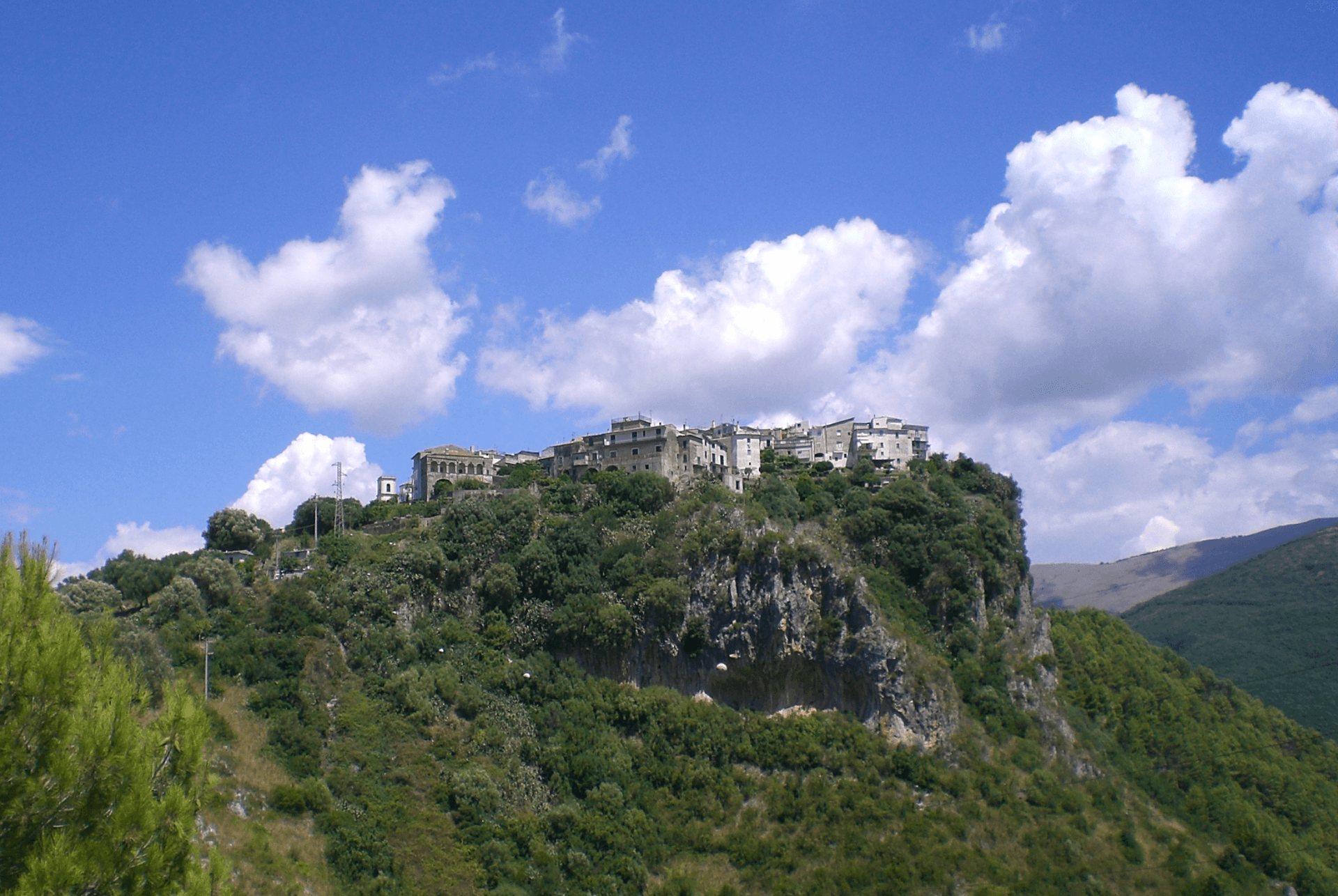
Camerota
Province: Salerno
A Cilento hill of 422 meters above the Costa degli Infreschi, with prehistoric caves documenting Neanderthal occupation along the southern Tyrrhenian.
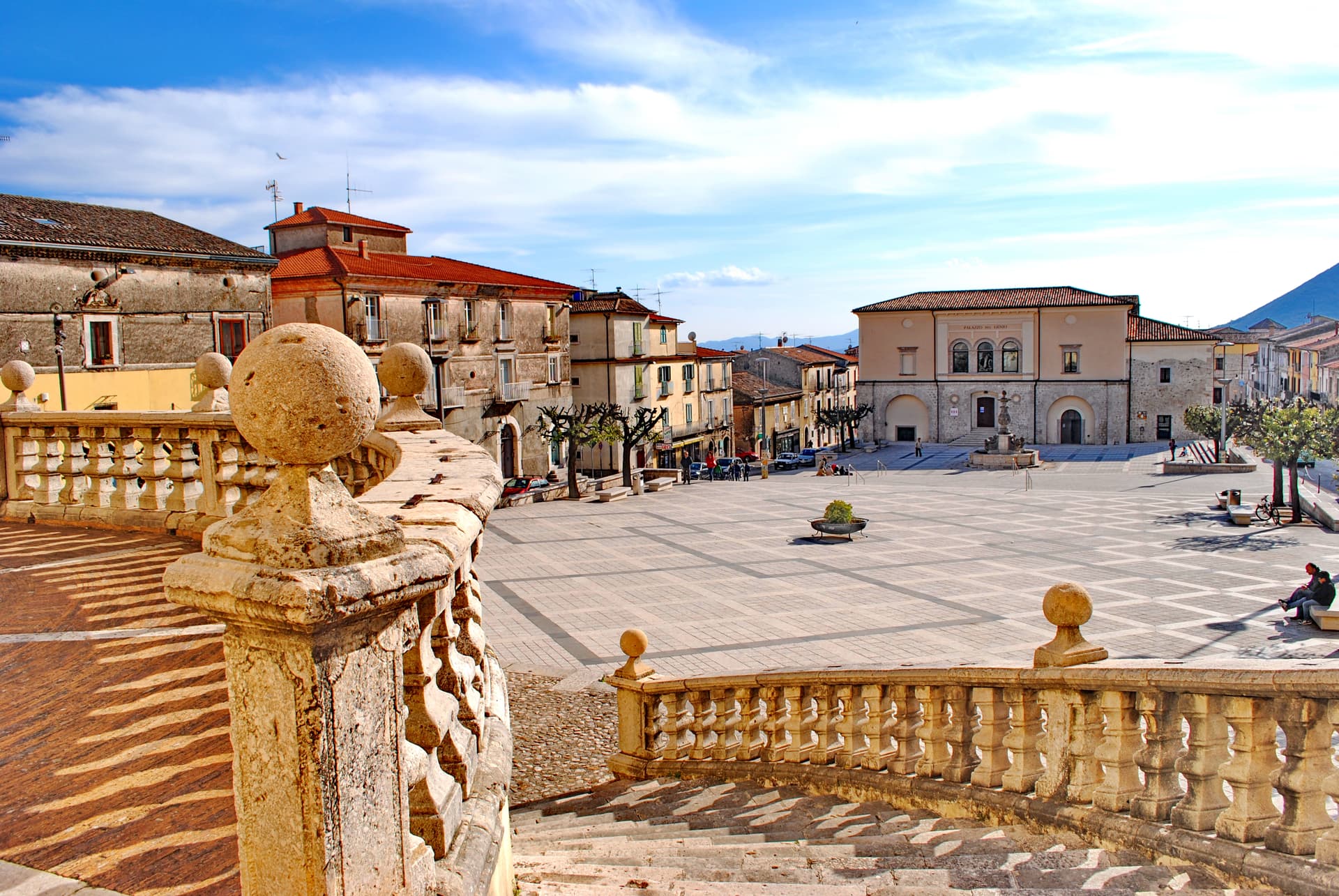
Cerreto Sannita
Province: Benevento
A Sannio ceramics town at 290 meters, rebuilt from scratch by royal engineer Giovanni Battista Manni after the 1688 earthquake leveled the old hill.
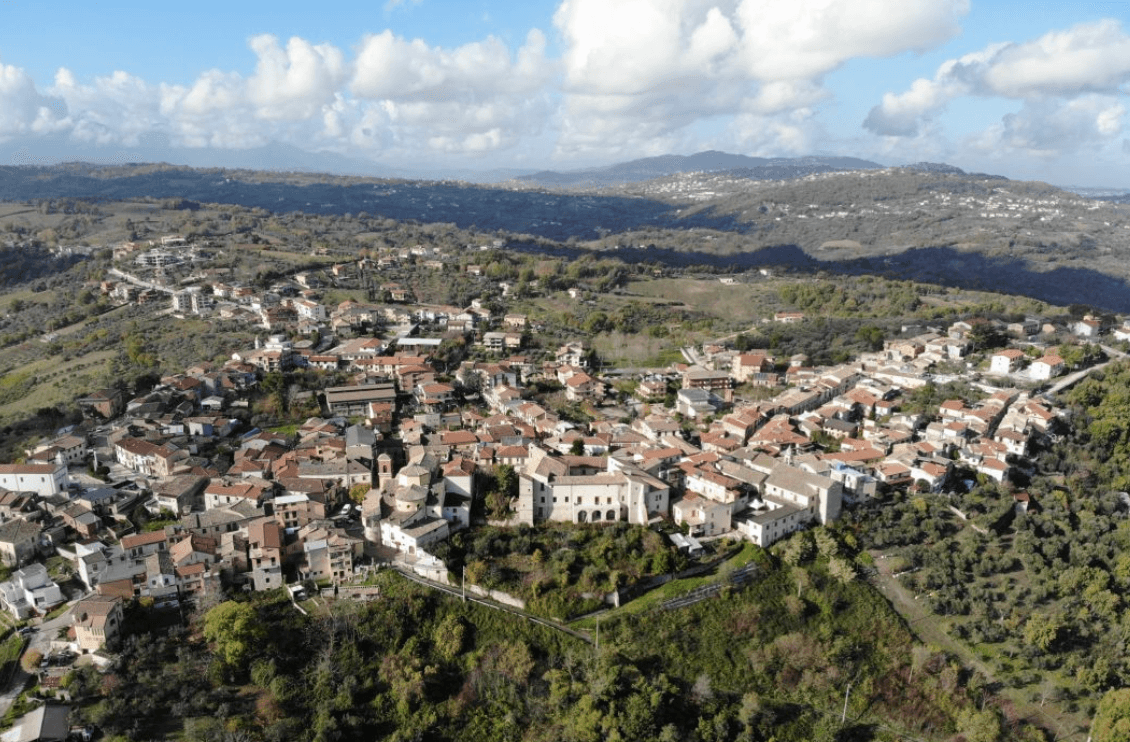
Lapio
Province: Avellino
The heart of Fiano di Avellino DOCG country — a 1,428-resident Irpinia borgo at 590m in the hills east of Avellino, with the medieval Castello Filangieri anchoring an intact centro and a rare four-signal combination (Città del Vino + Olio + Miele + Nocciola) recognising the whole local agricultural ecosystem.