
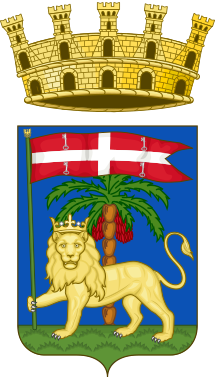
Lazio · Viterbo
Viterbo
The medieval capital of the Tuscia, papal seat for five popes between 1257 and 1281 and home to the longest conclave in Church history.
Known for
CITY OF POPES
Five popes elected in Viterbo between 1257 and 1281; the 1268-1271 conclave was the longest in Church history and gave the word its meaning.
MACCHINA DI SANTA ROSA
Five-ton thirty-meter illuminated tower carried through the streets on 3 September by a hundred Facchini, UNESCO listed since 2013.
TERME DEI PAPI
Sulfur thermal complex used since Etruscan times and rebuilt under the popes, still the largest bathing pool in central Italy.
When to visit
Best · All year
- J
- F
- M
- A
- M
- J
- J
- A
- S
- O
- N
- D
- Best
- Hot or crowded
- Quiet
- Mostly closed
The festa: Rosa da Viterbo, 3 September
Why come
Viterbo sits in the Tuscia, surrounded by the volcanic Cimini hills and the thermal springs the Etruscans and Romans already used. The city became the favourite papal residence under Eugene III in the twelfth century; between 1257 and 1281, five popes were elected here, and the conclave of 1268-1271 ran nearly three years, the longest in Church history. To end it, the city's people locked the cardinals inside the Palazzo dei Papi, tore the roof off, and reduced their rations.
The decisive conclave is still the reason the word means a place under lock and key. The San Pellegrino quarter is the largest continuous medieval district in central Italy, with profferli, the external stone staircases that climb to first-floor doorways. The Terme dei Papi outside the walls still draws sulfur-water bathers. On 3 September the Macchina di Santa Rosa, a thirty-meter illuminated tower weighing five tons, is carried through the streets by a hundred Facchini, a tradition listed by UNESCO since 2013.
The Sunday letter
We haven’t written Viterbo’s letter yet.
One town every Sunday, with the photo, the food, the festa. Be there when this one comes up. Free, by Peter & Sophia from Pietrasanta.
By subscribing you agree to Substack’s Terms of Use, our Privacy Policy and our Information collection notice.
What to see
Palazzo dei Papi
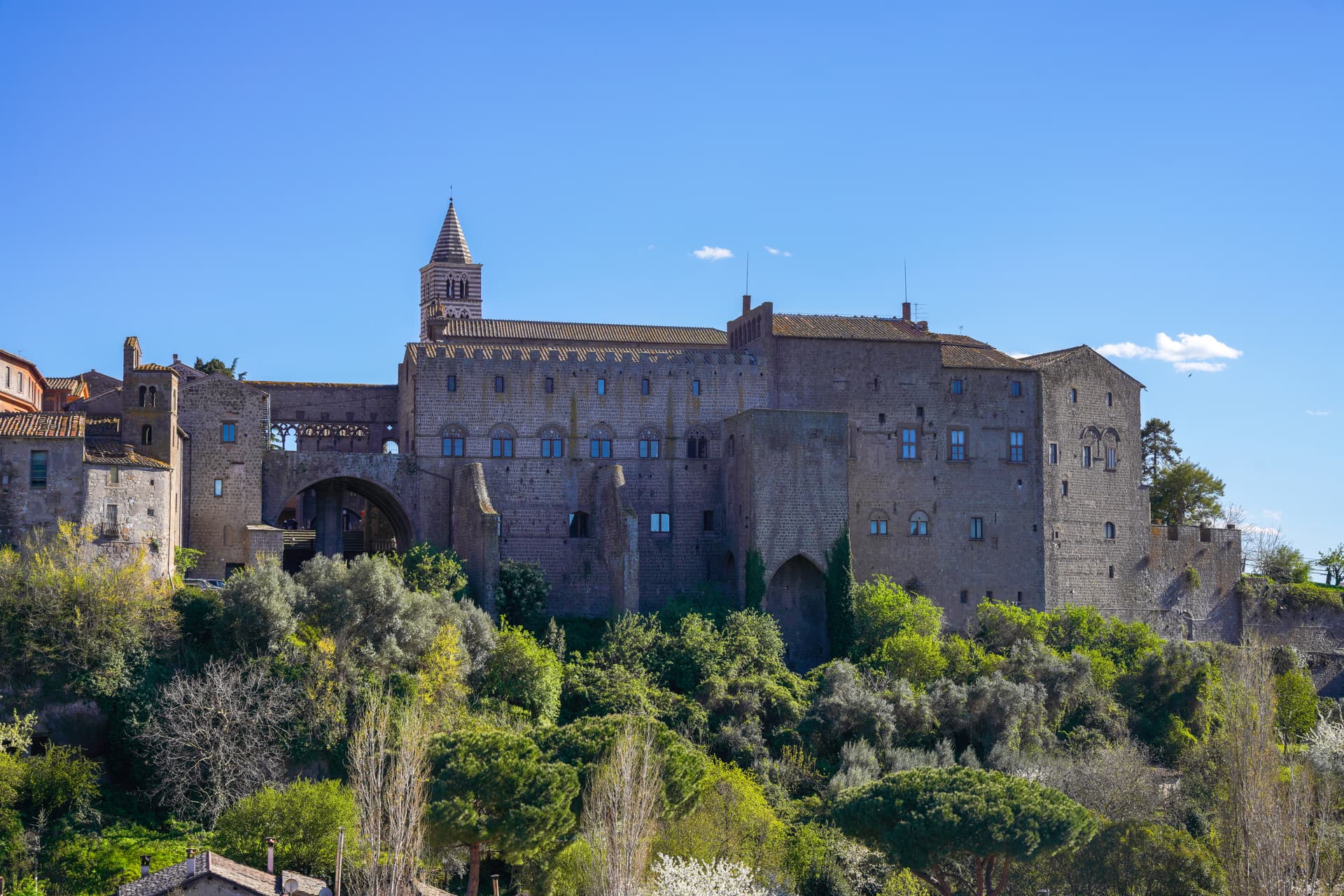
Thirteenth-century papal palace with Gothic loggia and the Sala del Conclave, where the 1268-1271 conclave ran for nearly three years.
Quartiere San Pellegrino
Largest continuous medieval quarter in central Italy, with stone profferli staircases, towers and the Piazza San Pellegrino.
Terme dei Papi
Thermal complex outside the walls, fed by sulfur springs used since Etruscan times and named for the medieval popes.
Duomo di San Lorenzo
Romanesque cathedral adjoining the Palazzo dei Papi, on the site of an earlier temple of Hercules, with cosmatesque pavement.
Macchina di Santa Rosa
Thirty-meter illuminated tower carried each 3 September by a hundred Facchini, UNESCO Intangible Heritage since 2013.
Piazza del Plebiscito
Central square anchored by the Palazzo dei Priori and the city's two heraldic lions, the civic heart since the Renaissance.
The slow-trip planner
Building a trip? Find where Viterbo fits in a slow Italy circuit.
Answer five questions. We will shape a geographically coherent slow trip from the 1,000 Italian towns most travelers skip. Yours to save and share.
We recommend
Where to eat and stay
Not our picks, but places the guides put their name to — a Michelin star, a Gambero Rosso fork, a Slow Food snail, a Michelin Key for the hotels. Worth a table, a counter, or a night when you pass through.
Agriristorante Il CasalettoAgriturismo
Agriristorante Il Casaletto holds a Gambero Rosso listing.
BistrotRistorante
Bistrot holds one Gambero Rosso fork (77/100).
Il CasalettoRistorante
Il Casaletto has a Slow Food snail to its name.
Osteria del Vecchio OrologioTrattoria
Osteria del Vecchio Orologio holds two Gambero Rosso prawns.
Terme di Vulci Glamping & SpaHotel
Terme di Vulci Glamping & Spa carries a place in the Michelin hotel guide.
Living here
- Population 65,949
- A local hubi
- Pharmacy in town
- High school within a 30-minute drive
- Train station in the comune
- Nearest airport Rome, 2 h 7 min drive
- Regional capital Roma, 1 h 33 min drive
Thermal baths in town: Bagnaccio, Tuscia Terme, Sorgenti San Cristoforo, Sorgenti dell’Asinello, Pozzo Cacciabella, Pozzo San Valentino.
Tags & datadesignations · numbers · sources
The numbers
- Elevation: 326 m
- Population: 65,949
- Surface area: 406.23 km²
These figures were compiled from public directories — ISTAT, OpenStreetMap, Wikidata — and from the official listings of the guides named on this page. Town details change; verify with official sources before you travel.
Close by
More towns near Viterbo
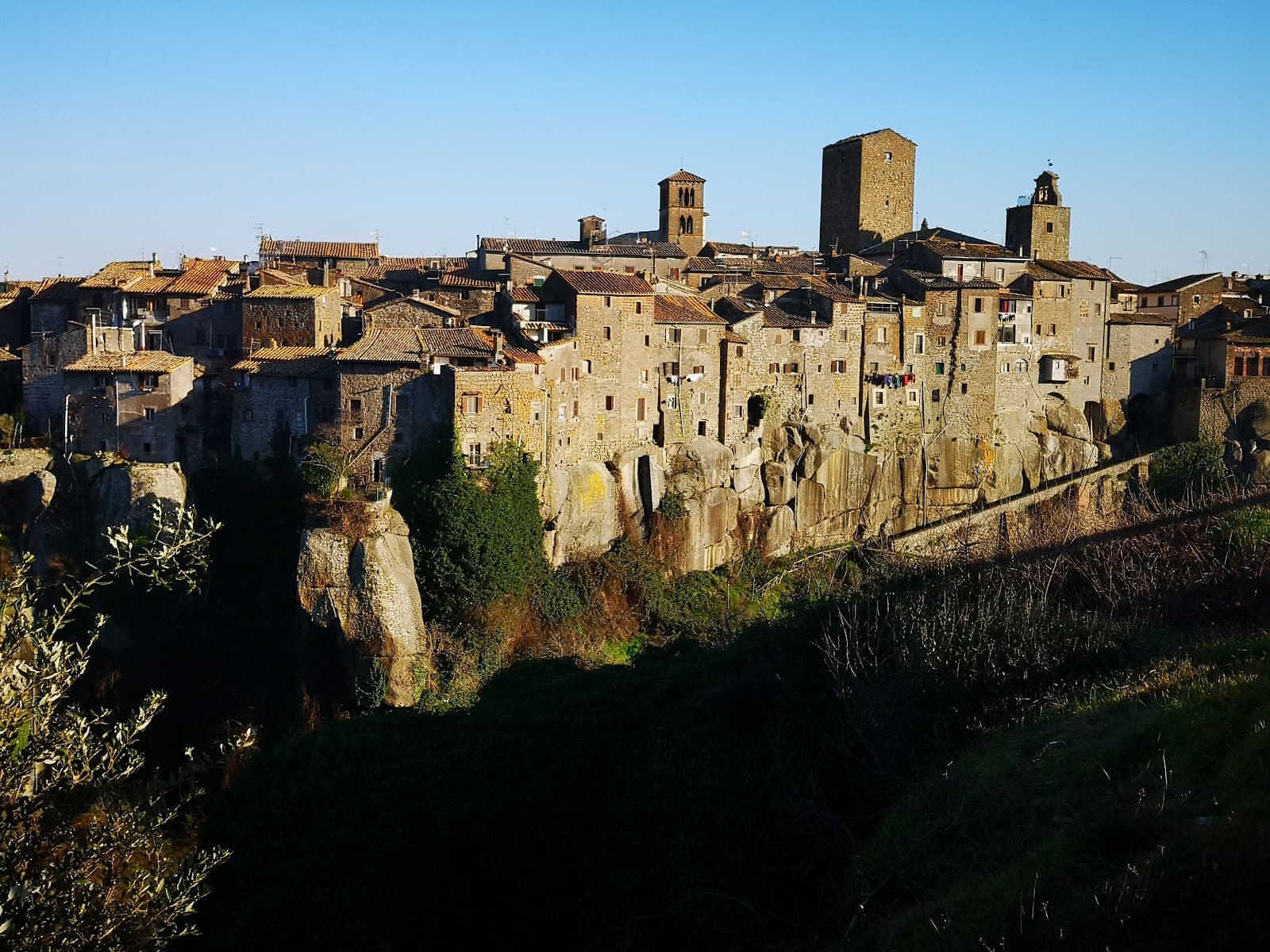
Vitorchiano
Province: Viterbo
A peperino borgo built on a single volcanic boulder near Viterbo, and the only place outside Easter Island with a true Moai.
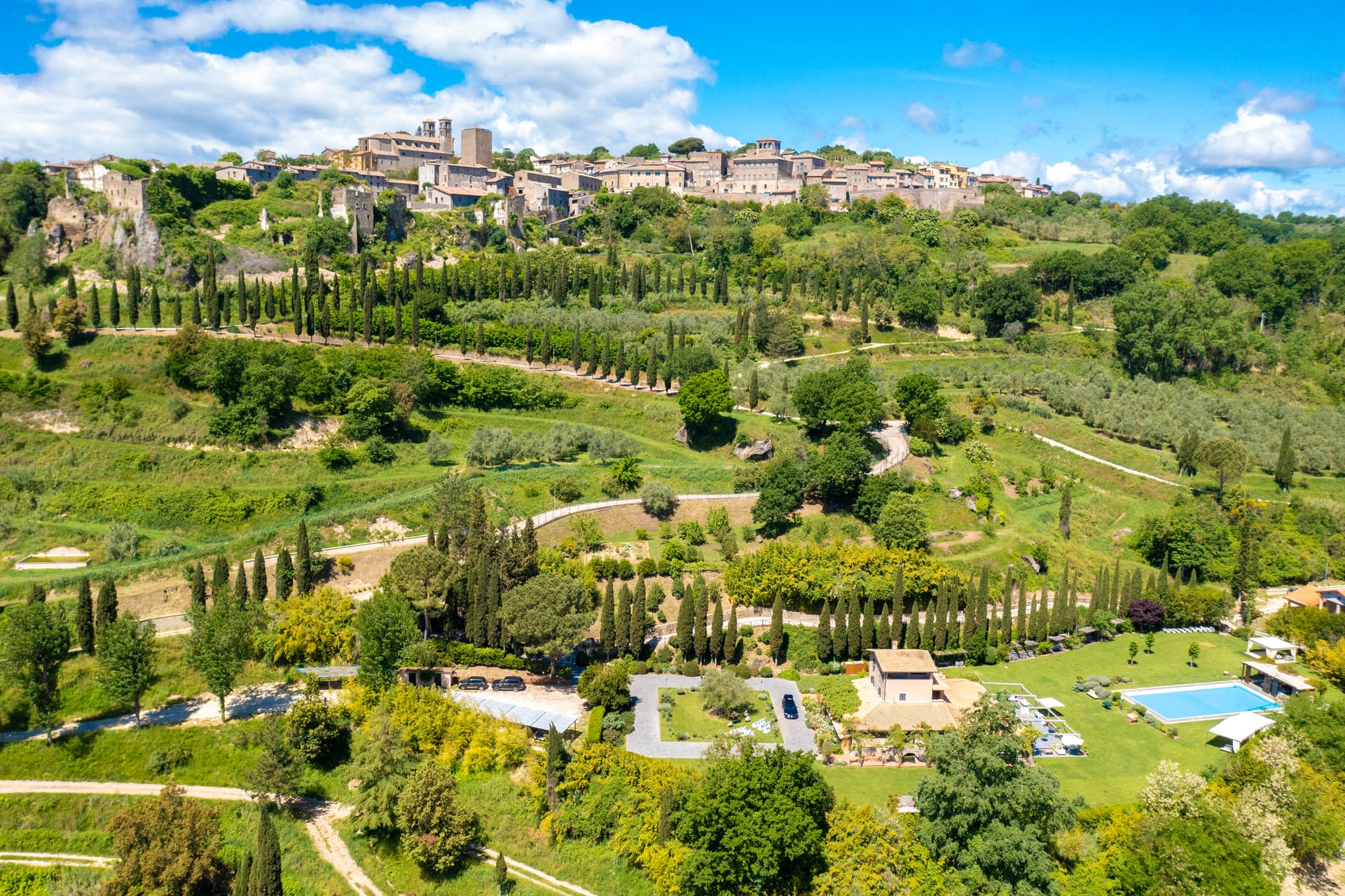
Bassano in Teverina
Province: Viterbo
A tufa-spur borgo of 1,260 above the Tiber valley between Lazio and Umbria, with a clock tower that hides an eleventh-century animated bell tower.
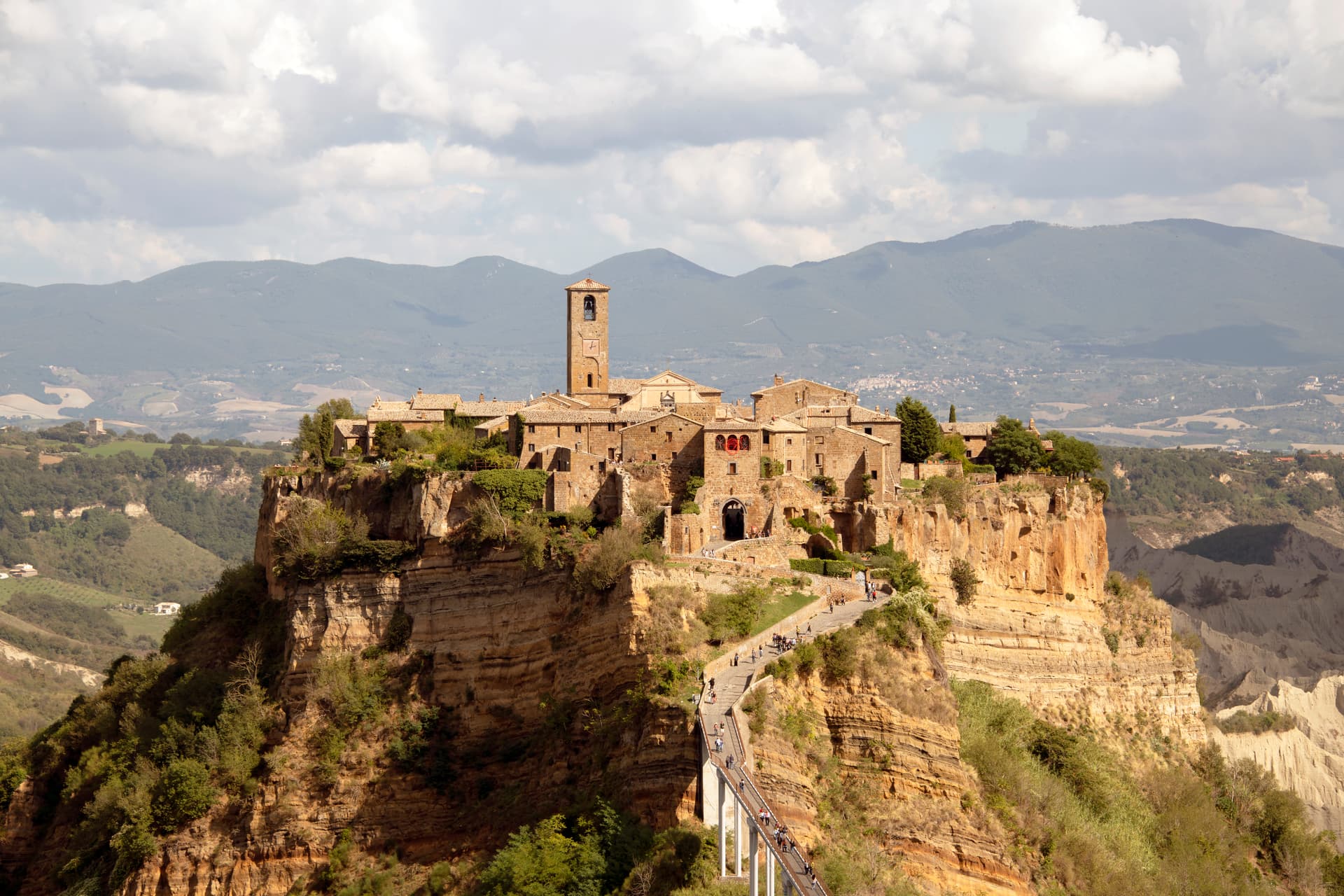
Bagnoregio
Province: Viterbo
The Etruscan-founded hill town in Tuscia whose frazione Civita di Bagnoregio sits on an eroding tuff plateau, reachable only by footbridge.
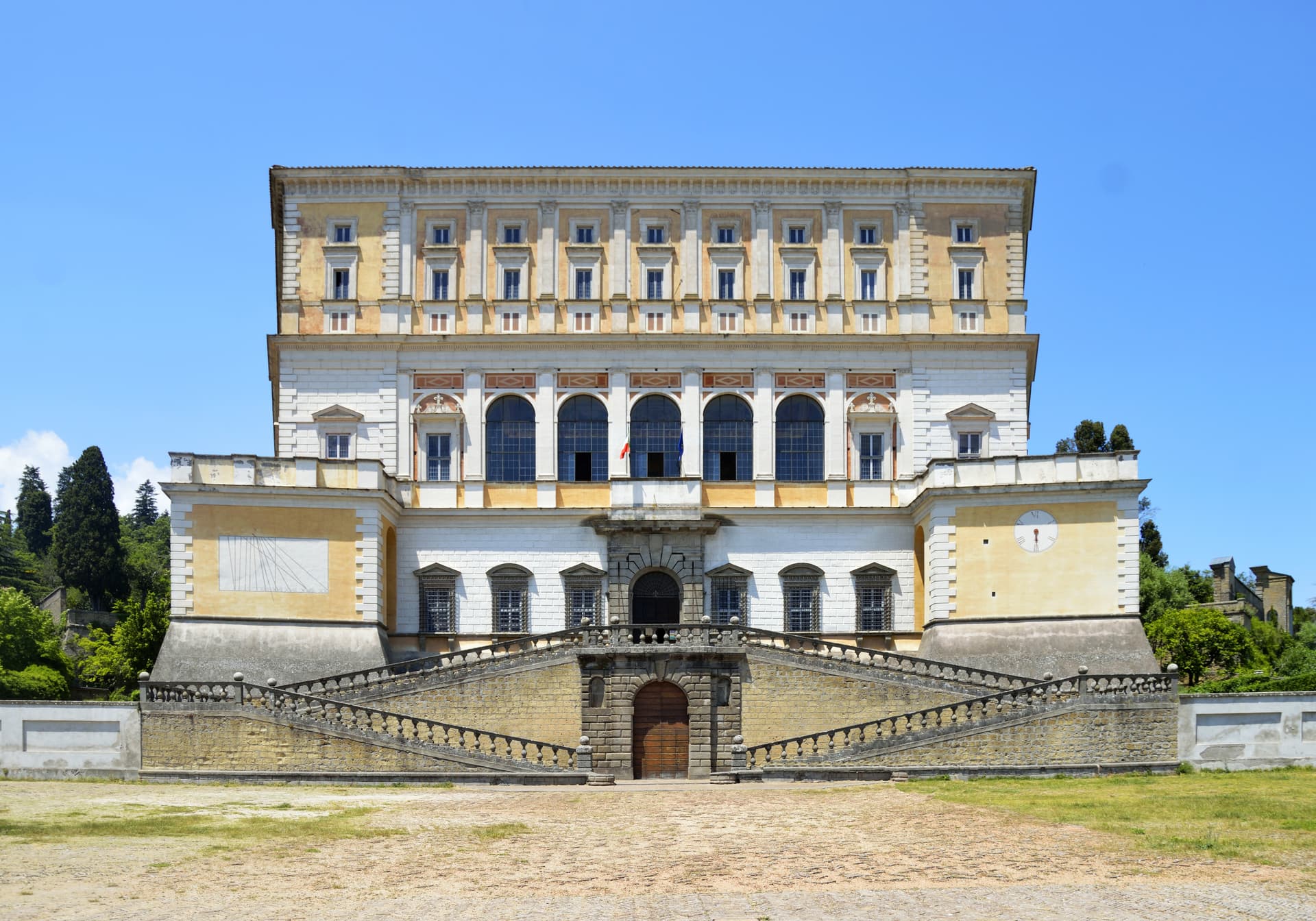
Caprarola
Province: Viterbo
A Cimini hill town above Lago di Vico, dominated by the pentagonal Villa Farnese that Vignola built for the Farnese cardinals between 1559 and 1573.
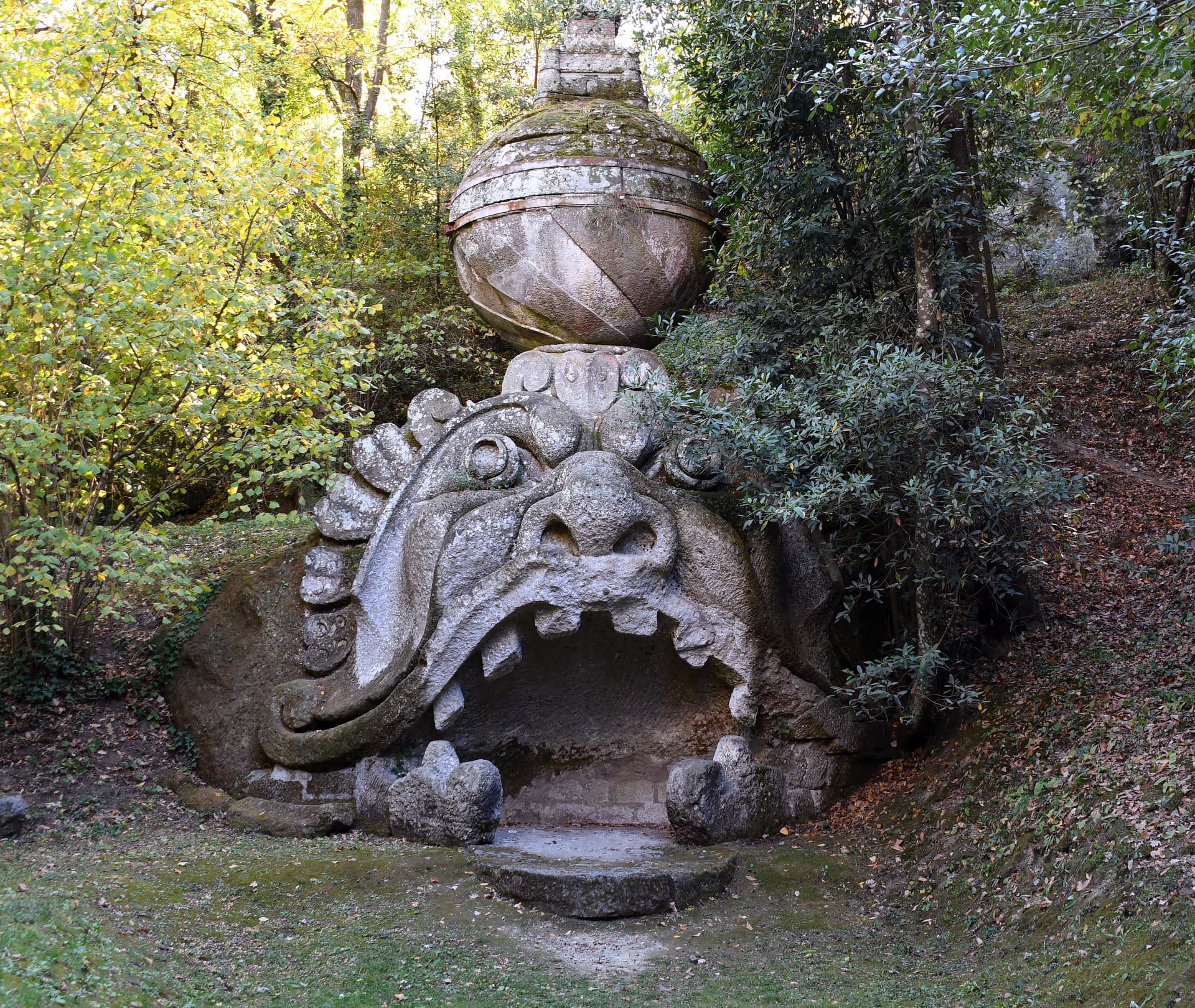
Bomarzo
Province: Viterbo
The Tuscia village below the Sacro Bosco, the 16th-century stone-monster garden built by a grieving condottiero for his dead wife.
♨️ Comuni Termali
More Comuni Termali towns
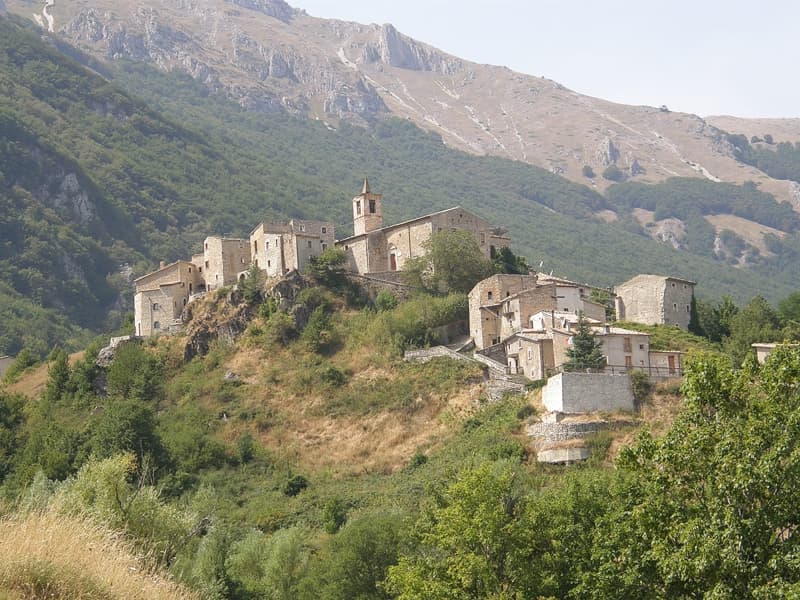
Caramanico Terme
Province: Pescara
A 650-meter Majella spa village at the confluence of the Orfento and Orta, with sulphurous springs whose properties were documented in 1576.
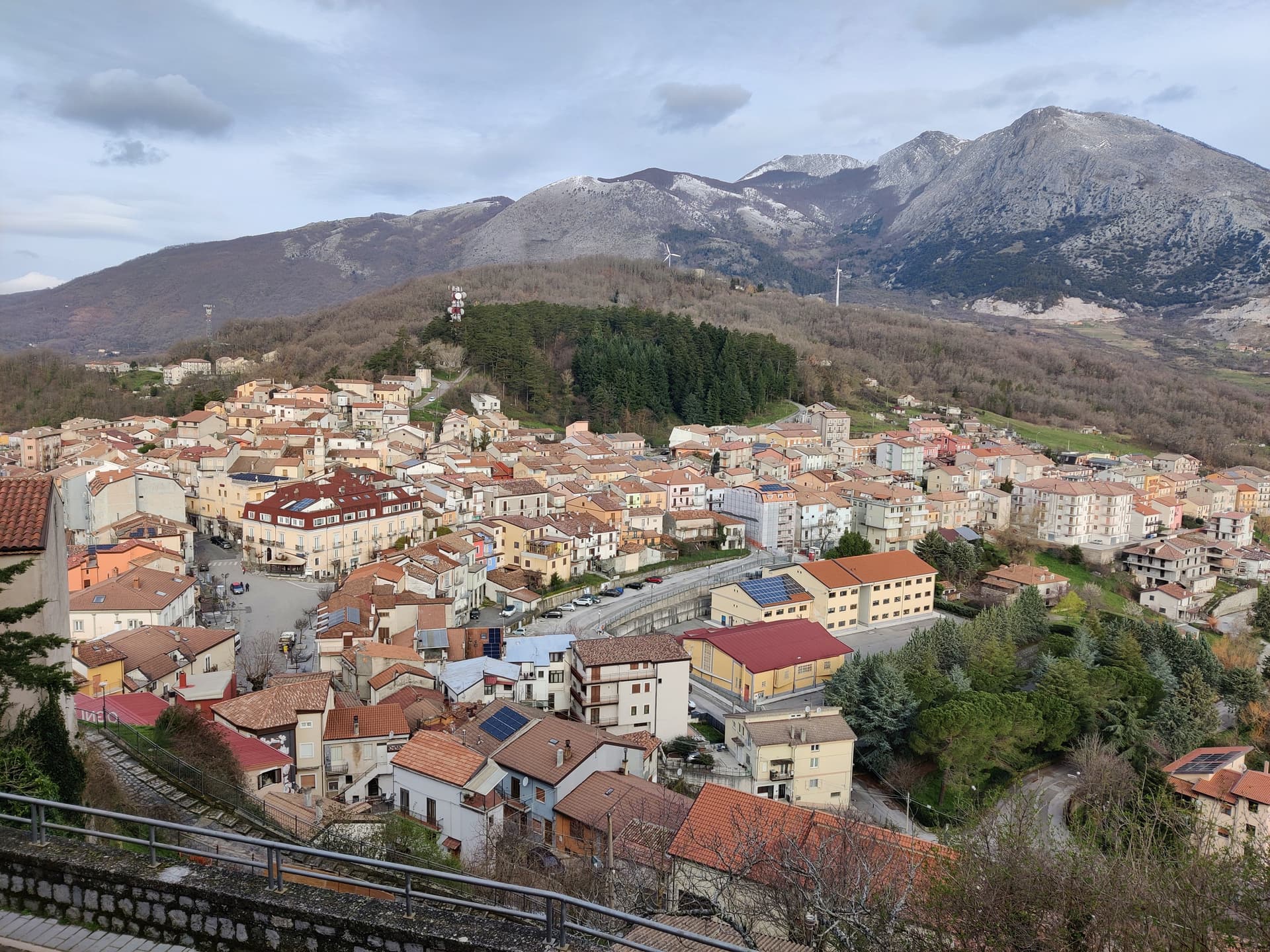
Latronico
Province: Potenza
A mountain town at 888 meters on the northern edge of the Pollino, with two prehistoric thermal springs at the Calda hamlet below.
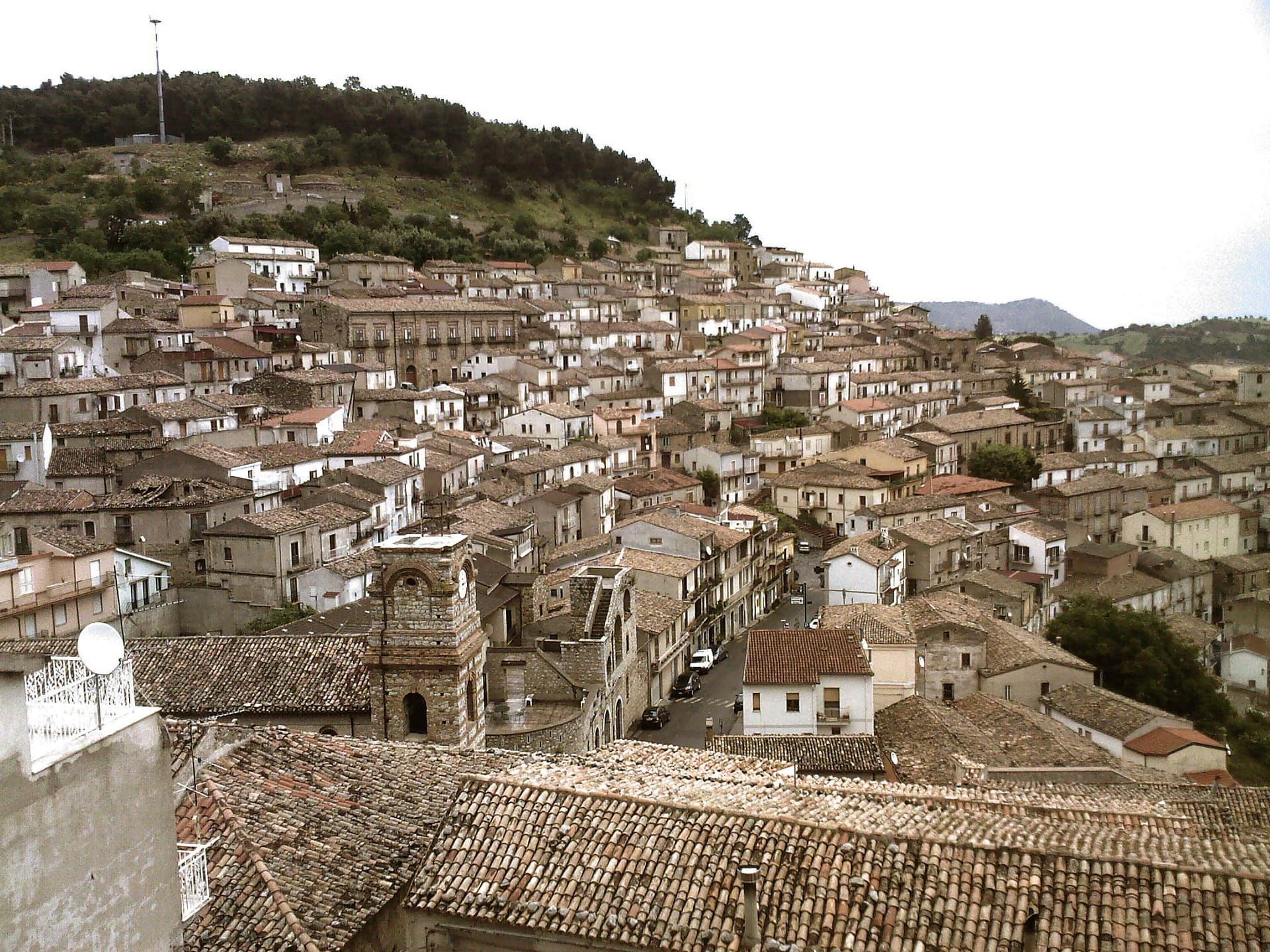
Cerchiara di Calabria
Province: Cosenza
A Città del Pane at 650 meters under Mount Sellaro, with a rock sanctuary at 1,015 meters and a sulphurous Cave of the Nymphs feeding the thermal springs.
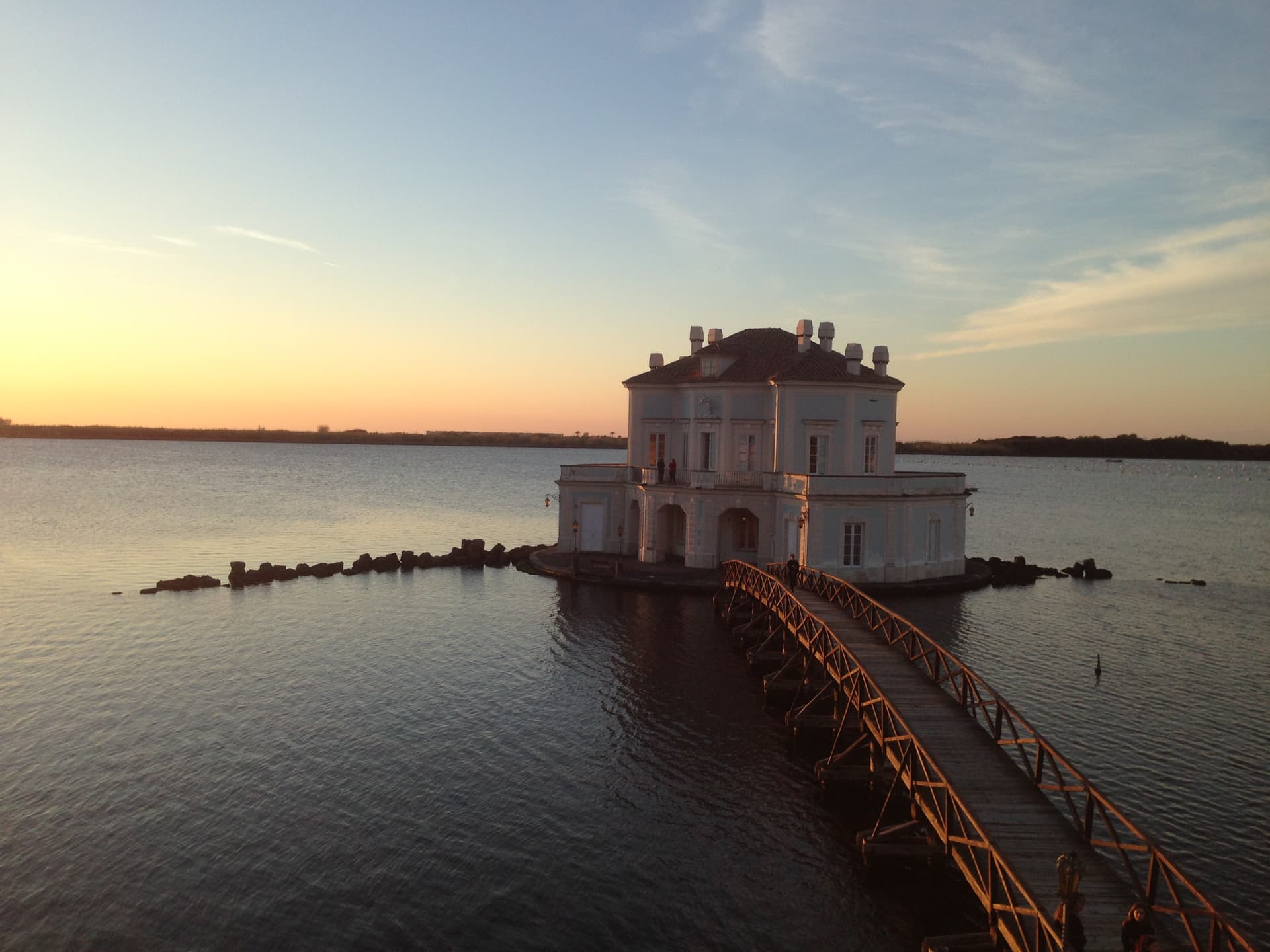
Bacoli
Province: Napoli
A Campi Flegrei town twenty kilometers west of Napoli, the Roman Bauli, where the Piscina Mirabilis fed the imperial fleet at Miseno.
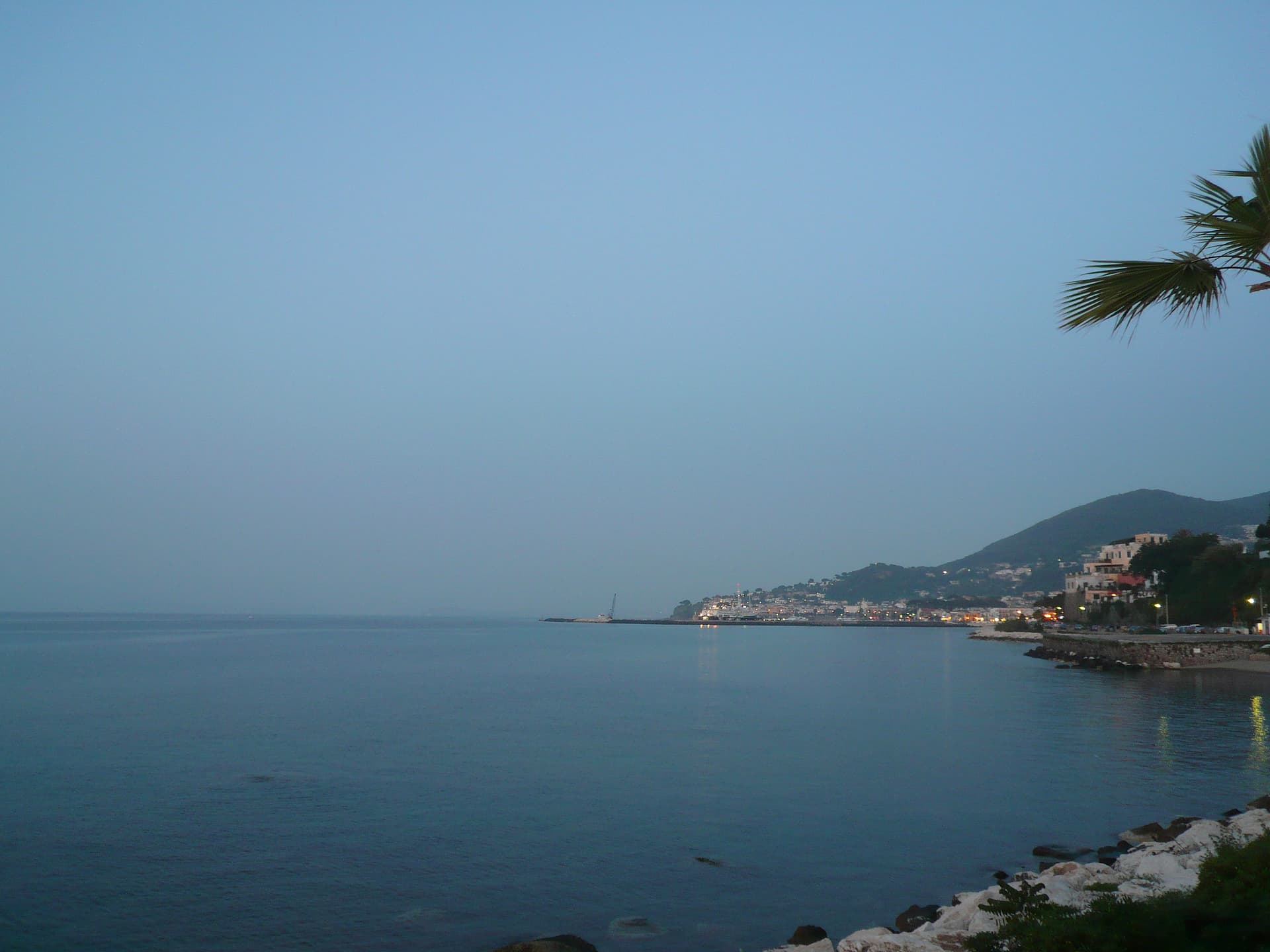
Casamicciola Terme
Province: Napoli
Ischia's thermal town on the flank of Monte Epomeo, levelled by the 1883 earthquake and again in 2017, rebuilt on the Gurgitello springs.