

Campania · Napoli
Nola
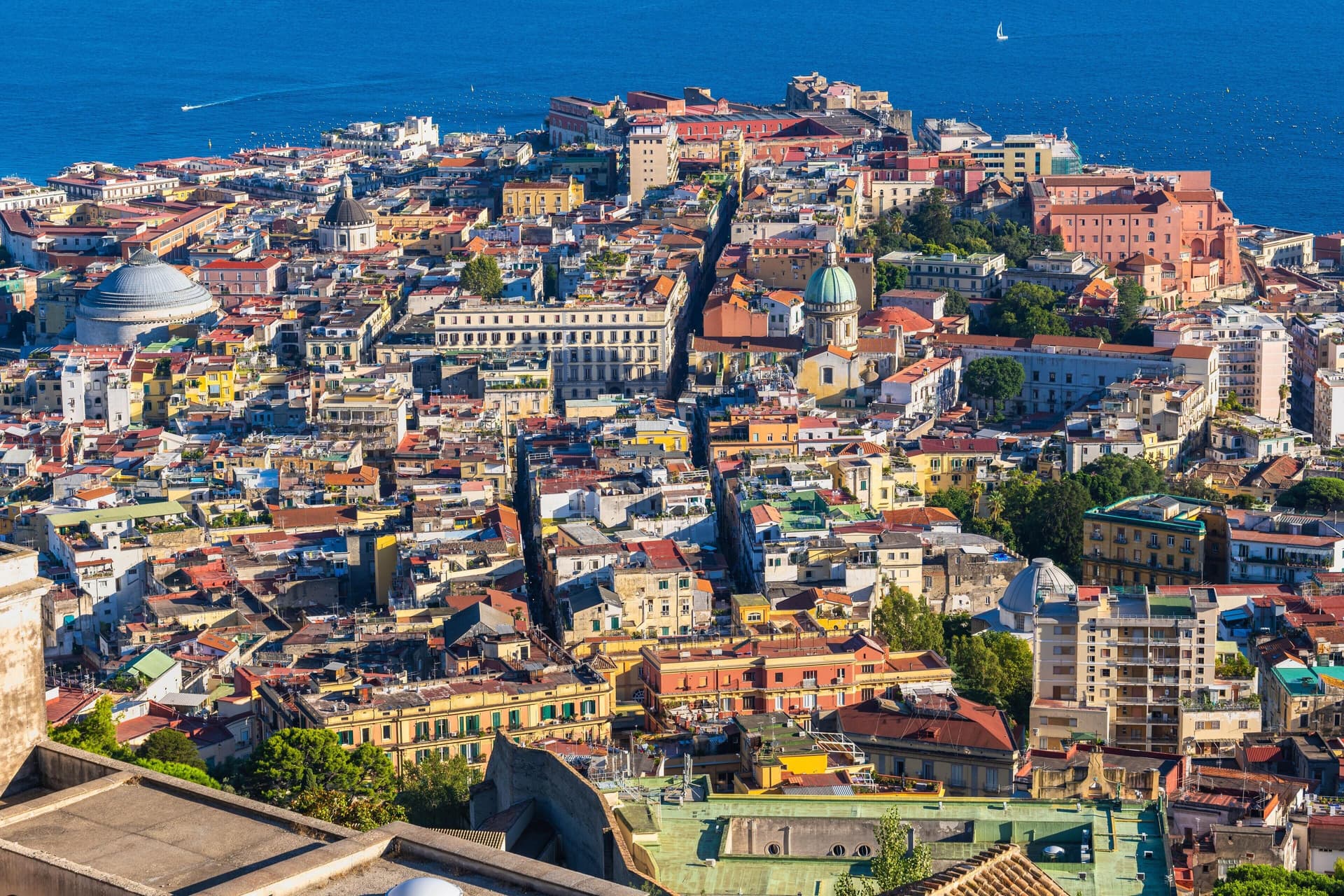
The Campanian plain town where Augustus died in AD 14 and Giordano Bruno was born in 1548, famous for the June Festa dei Gigli.
Known for
FESTA DEI GIGLI
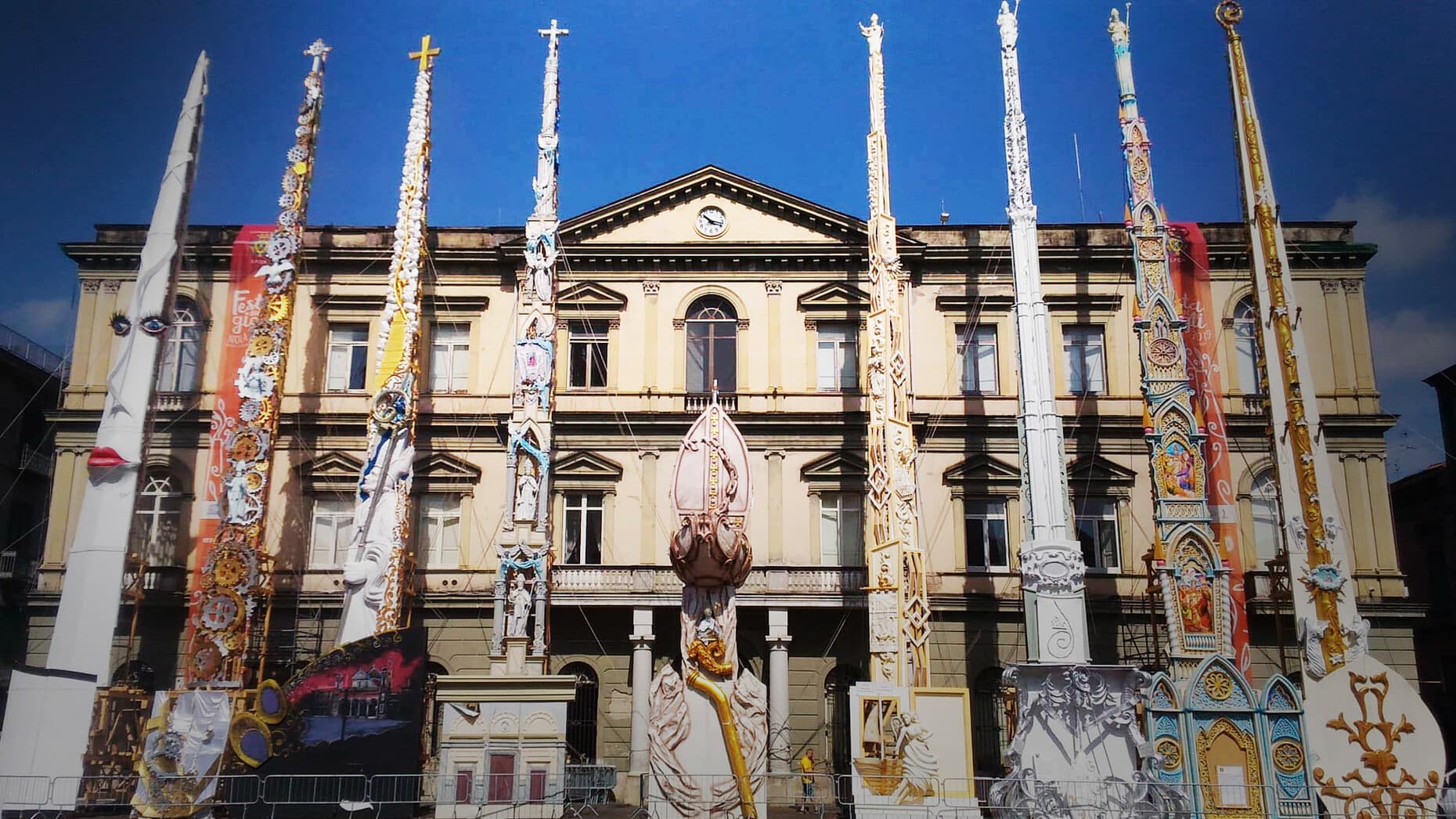
UNESCO Intangible Heritage festival in late June: eight 25-meter obelisks danced through the streets by hundred-bearer teams.
AUGUSTUS
Roman emperor Augustus died at Nola on 19 August AD 14, in the same house where his father had died decades earlier.
GIORDANO BRUNO
Philosopher and Dominican friar born in Nola in 1548, burned for heresy in Rome in 1600, the Nolano who shaped early modern thought.
When to visit
Best · Apr–Oct
- J
- F
- M
- A
- M
- J
- J
- A
- S
- O
- N
- D
- Best
- Hot or crowded
- Quiet
- Mostly closed
Why come
Nola sits on the plain between Vesuvius and the Apennines, twenty kilometers east of Napoli. It was an Oscan and Samnite town before Rome, and the place where Augustus died in AD 14, in the same house his father had died in. Giordano Bruno was born here in 1548, the Nolano who called his philosophy nolana before he was burned at the Campo de' Fiori in 1600.
The town is best known today for the Festa dei Gigli, a UNESCO Intangible Heritage celebration on the Sunday before June 22 in which eight twenty-five-meter wooden obelisks, each weighing over a ton, are carried through the streets by teams of one hundred bearers. The festival honors Paolino di Nola, the fifth-century bishop whose return from captivity in North Africa it commemorates. Outside the festival, Nola is a working town of warehouses and commerce.
The Sunday letter
We haven’t written Nola’s letter yet.
One town every Sunday, with the photo, the food, the festa. Be there when this one comes up. Free, by Peter & Sophia from Pietrasanta.
By subscribing you agree to Substack’s Terms of Use, our Privacy Policy and our Information collection notice.
What to see
Cattedrale di Nola
Cathedral of the Assunta and San Paolino, twentieth-century rebuilt after fire, with relics of the patron bishop who returned from Africa.
Festa dei Gigli
UNESCO Intangible Heritage festival in June: eight 25-meter wooden obelisks carried through the streets by teams of one hundred bearers.
Anfiteatro Romano di Nola
Roman amphitheater excavated on the southern edge of town, where Augustus was honored with funeral games in AD 14.
Museo Storico Archeologico
Town archaeology museum with finds from Oscan, Samnite and Roman Nola, plus the Bronze Age village preserved by a Vesuvian eruption.
Casa di Giordano Bruno
Eighteenth-century building marked as the philosopher's likely birthplace, in the centro storico west of the cathedral.
The slow-trip planner
Building a trip? Find where Nola fits in a slow Italy circuit.
Answer five questions. We will shape a geographically coherent slow trip from the 1,000 Italian towns most travelers skip. Yours to save and share.
We recommend
Where to eat and stay
Not our picks, but places the guides put their name to — a Michelin star, a Gambero Rosso fork, a Slow Food snail, a Michelin Key for the hotels. Worth a table, a counter, or a night when you pass through.
Re Santi e LeoniRistorante
One Michelin star for Re Santi e Leoni, along with two Gambero Rosso forks (86/100) and a place in L'Espresso's Top 300.
Rear RestaurantRistorante
Rear Restaurant has two Gambero Rosso forks (81/100) and a spot in the Michelin Guide.
Le BaccantiRistorante
Le Baccanti has a spot in the Michelin Guide to its name.
Otoro IshiFusion
Otoro Ishi has two Gambero Rosso Mappamondi to its name.
Vero - Omakase RooftopGiapponese
Three Gambero Rosso Mappamondi, at Vero - Omakase Rooftop.
Living here
- Population 33,629
- A local hubi
- Pharmacy in town
- High school within a 30-minute drive
- Train station in the comune
- Nearest airport Naples / Salerno, 24 min drive
- Regional capital Napoli, 28 min drive
Tags & datadesignations · numbers · sources
Recognised as
The numbers
- Elevation: 34 m
- Population: 33,629
- Surface area: 39.19 km²
These figures were compiled from public directories — ISTAT, OpenStreetMap, Wikidata — and from the official listings of the guides named on this page. Town details change; verify with official sources before you travel.
Close by
More towns near Nola
Caserta
Province: Caserta
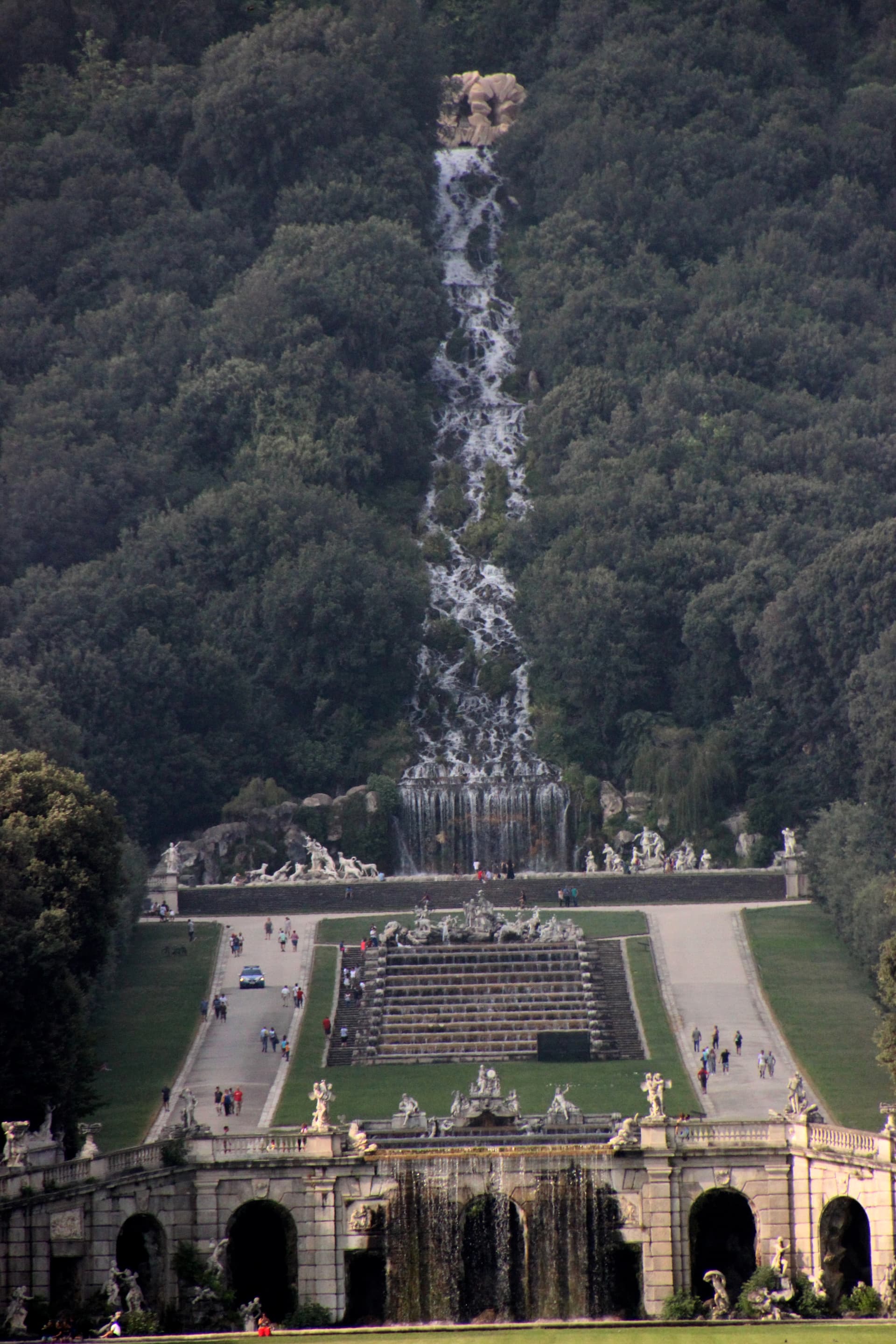
Italy's answer to Versailles, built by the Bourbons on the Campanian plain with 1,200 rooms and a three-kilometer water axis.
Pompei
Province: Napoli
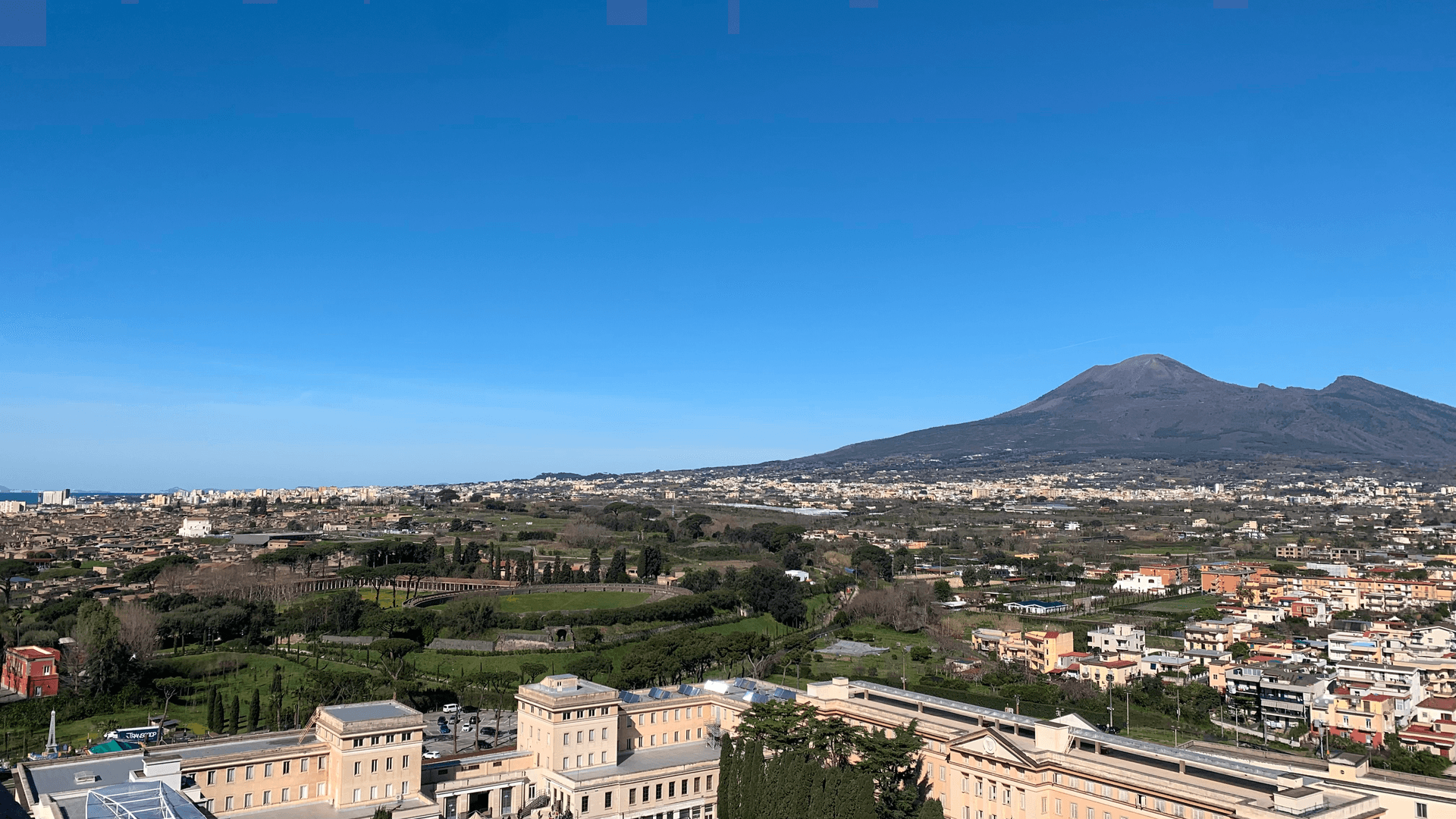
The Roman city buried by Vesuvius in 79 AD, dug back up since 1748, and a modern town around Bartolo Longo's 1876 sanctuary.
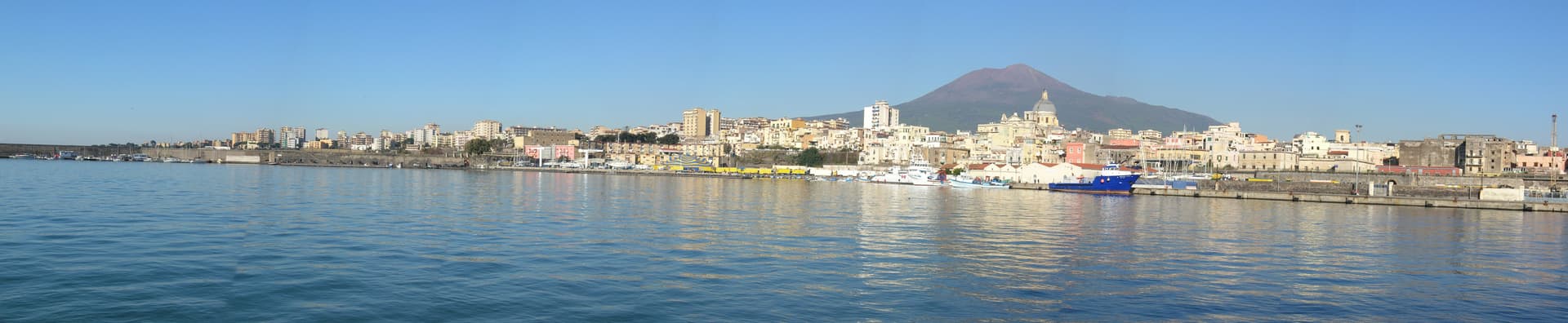
Torre Annunziata
Province: Napoli
Capital of Italian pasta in the interwar period and home of the Roman Villa di Poppea, on the bay at the foot of Vesuvius.
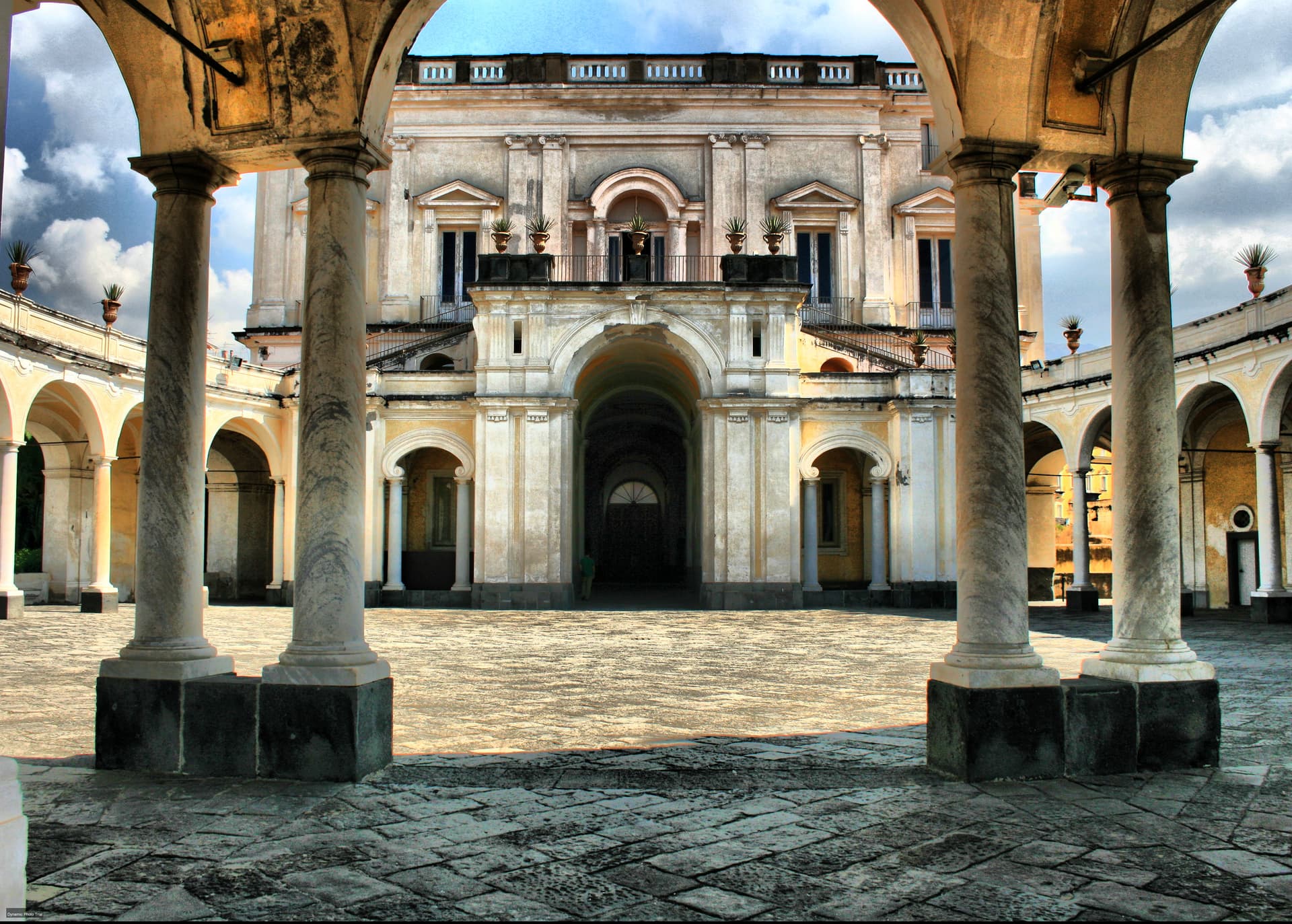
Ercolano
Province: Napoli
The smaller, denser, more intact Pompeii — Herculaneum was buried under 25m of pyroclastic mud (not ash) on 24 October AD 79, preserving wooden roofs, papyrus scrolls, and second-storey balconies that no other Roman site has, and the modern comune of Ercolano above it adds the Vesuvius National Park gateway and the 18th-c Bourbon Ville Vesuviane along the Miglio d'Oro.
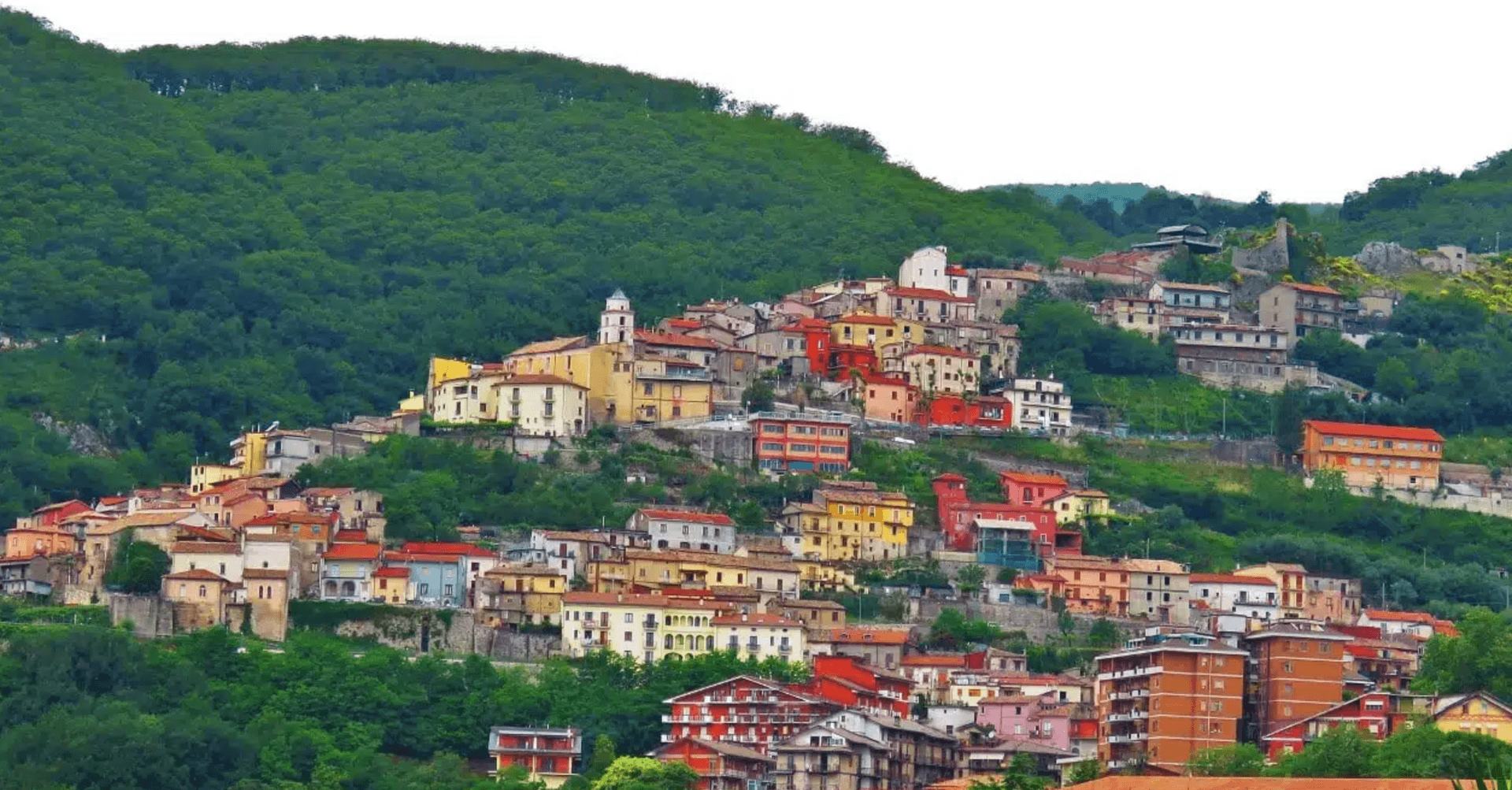
Mercogliano
Province: Avellino
A 550-meter Irpinia town on the slope of Partenio, gateway to the Montevergine Sanctuary 1,270 meters above and its Black Madonna.
🥜 Città della Nocciola
More Città della Nocciola towns in Campania
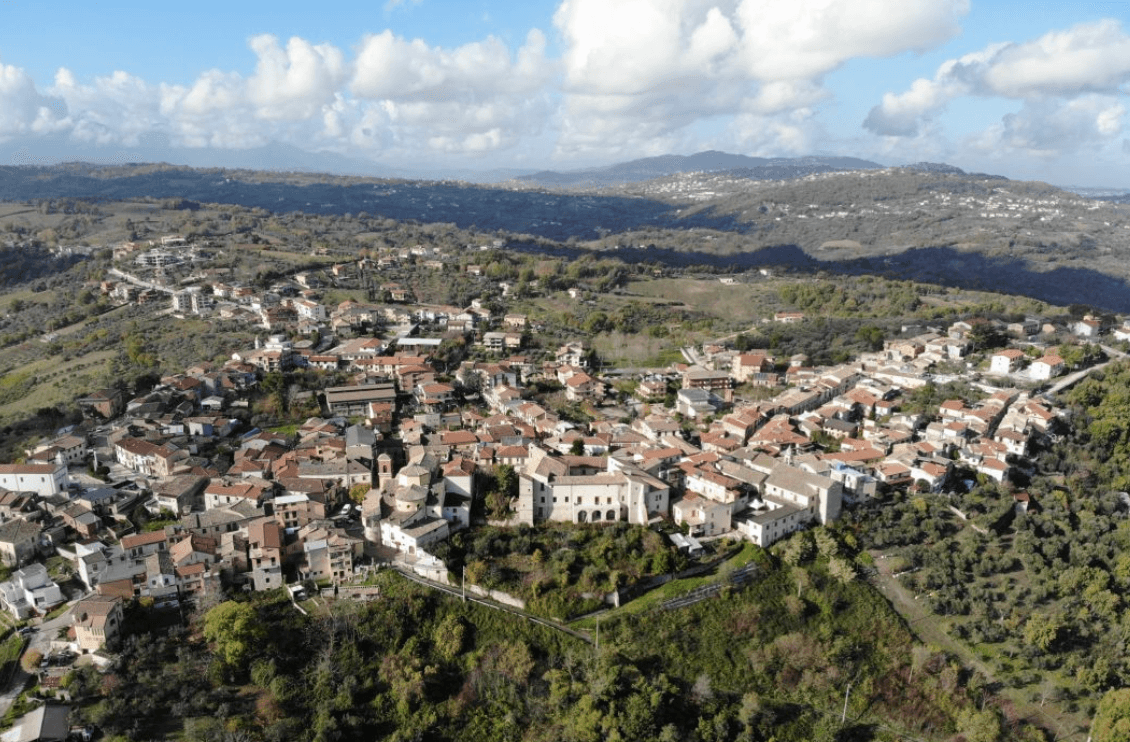
Lapio
Province: Avellino
The heart of Fiano di Avellino DOCG country — a 1,428-resident Irpinia borgo at 590m in the hills east of Avellino, with the medieval Castello Filangieri anchoring an intact centro and a rare four-signal combination (Città del Vino + Olio + Miele + Nocciola) recognising the whole local agricultural ecosystem.
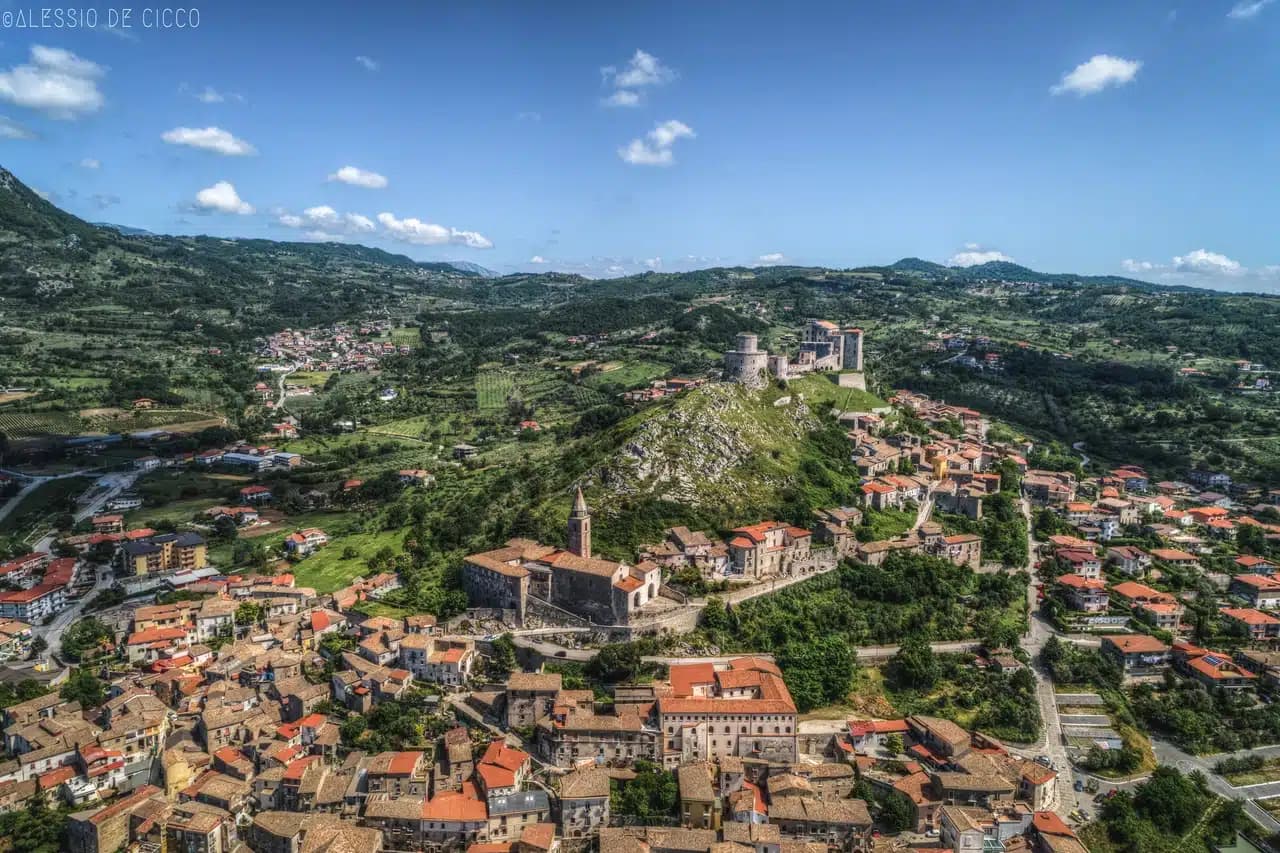
Montesarchio
Province: Benevento
Ancient Caudium at 300 meters in the Valle Caudina, the Roman defeat at the Forche Caudine still attached to the name two thousand years later.
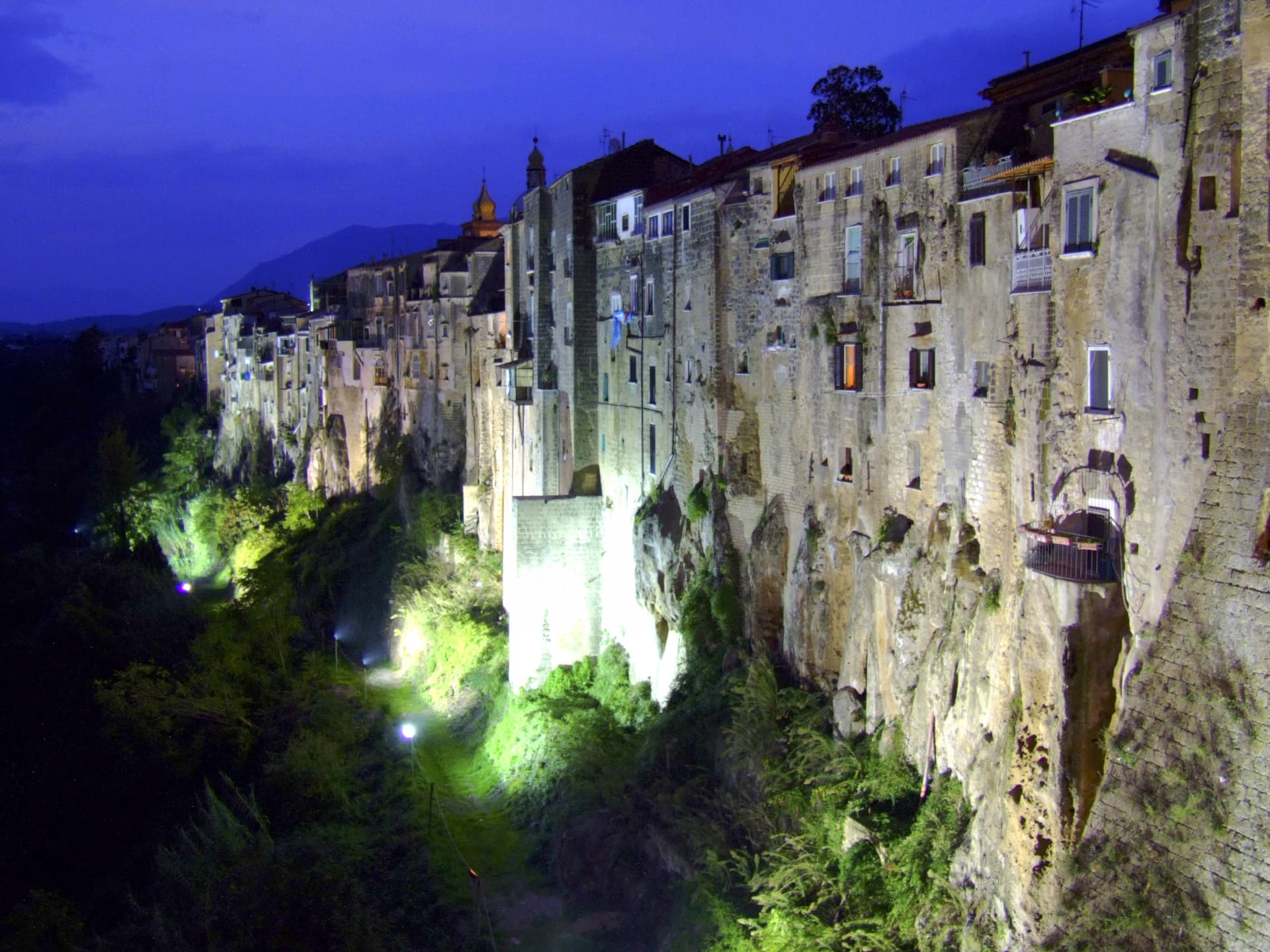
Sant'Agata de' Goti
Province: Benevento
A medieval town built on a tuff cliff between two gorges, the houses standing flush with the edge over the Isclero river below.
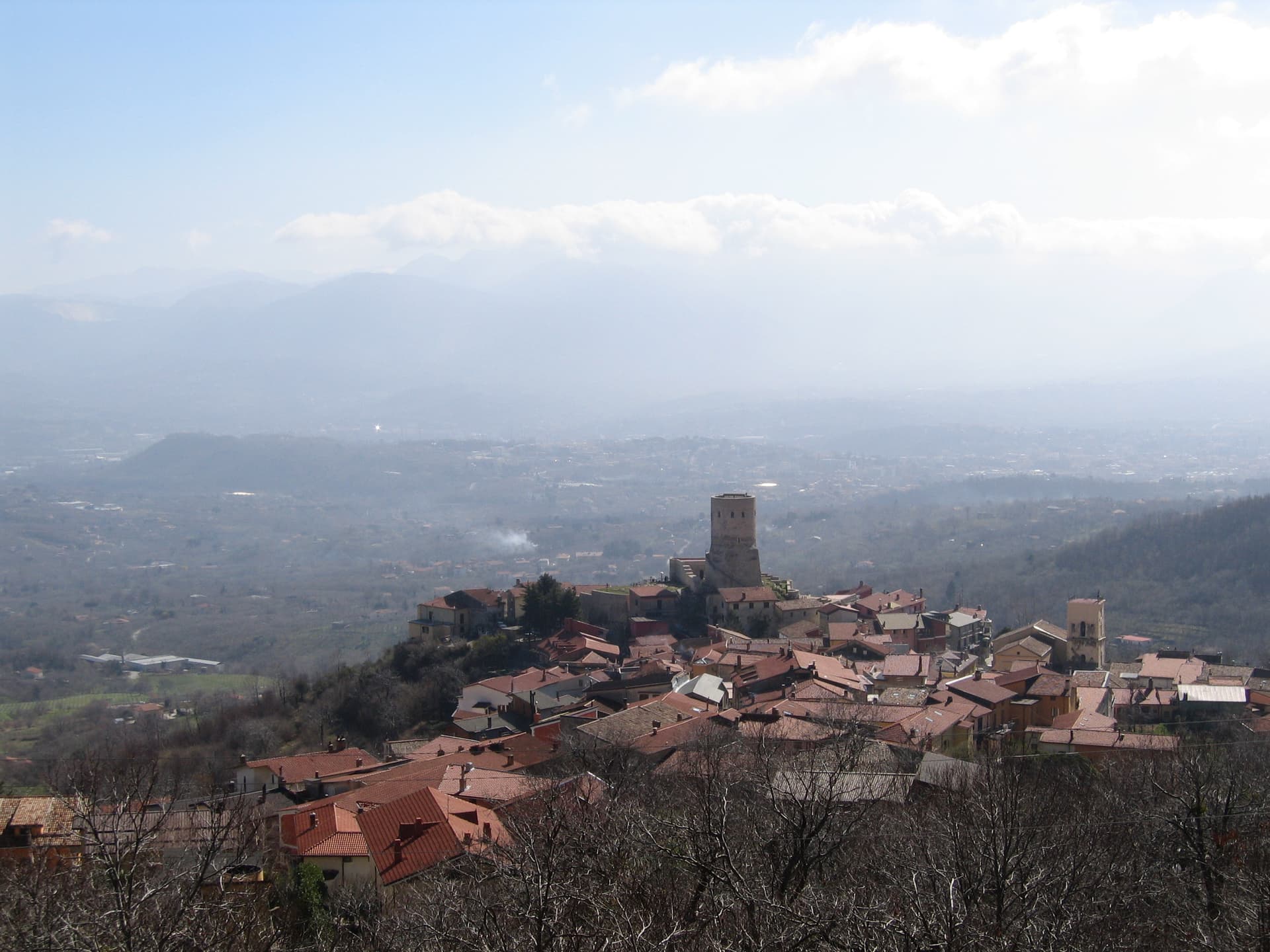
Summonte
Province: Avellino
An Irpinia hill village at 738 meters on the slope of Monte Vallatrone, built around a 16-meter Angevin cylinder tower over the Partenio.