

Lazio · Frosinone
Fiuggi
The Ernici-mountain thermal town where Boniface VIII and Michelangelo both came to dissolve kidney stones with the oligomineral spring water.
Known for
ACQUA DI FIUGGI
Oligomineral spring water bottled and drunk in the resort since the late nineteenth century, used to dissolve calcium-oxalate kidney stones.
BONIFACE VIII
The pope of the Outrage of Anagni attested in his own case to the water's effect on kidney stones; Michelangelo later confirmed the same.
BELLE ÉPOQUE
Lower town built around the springs in the late 1800s, with Liberty-style pavilions, a 1924 grand hotel, and landscaped thermal parks.
When to visit
Best · All year
- J
- F
- M
- A
- M
- J
- J
- A
- S
- O
- N
- D
- Best
- Hot or crowded
- Quiet
- Mostly closed
The festa: Biagio di Sebaste, 3 February
Why come
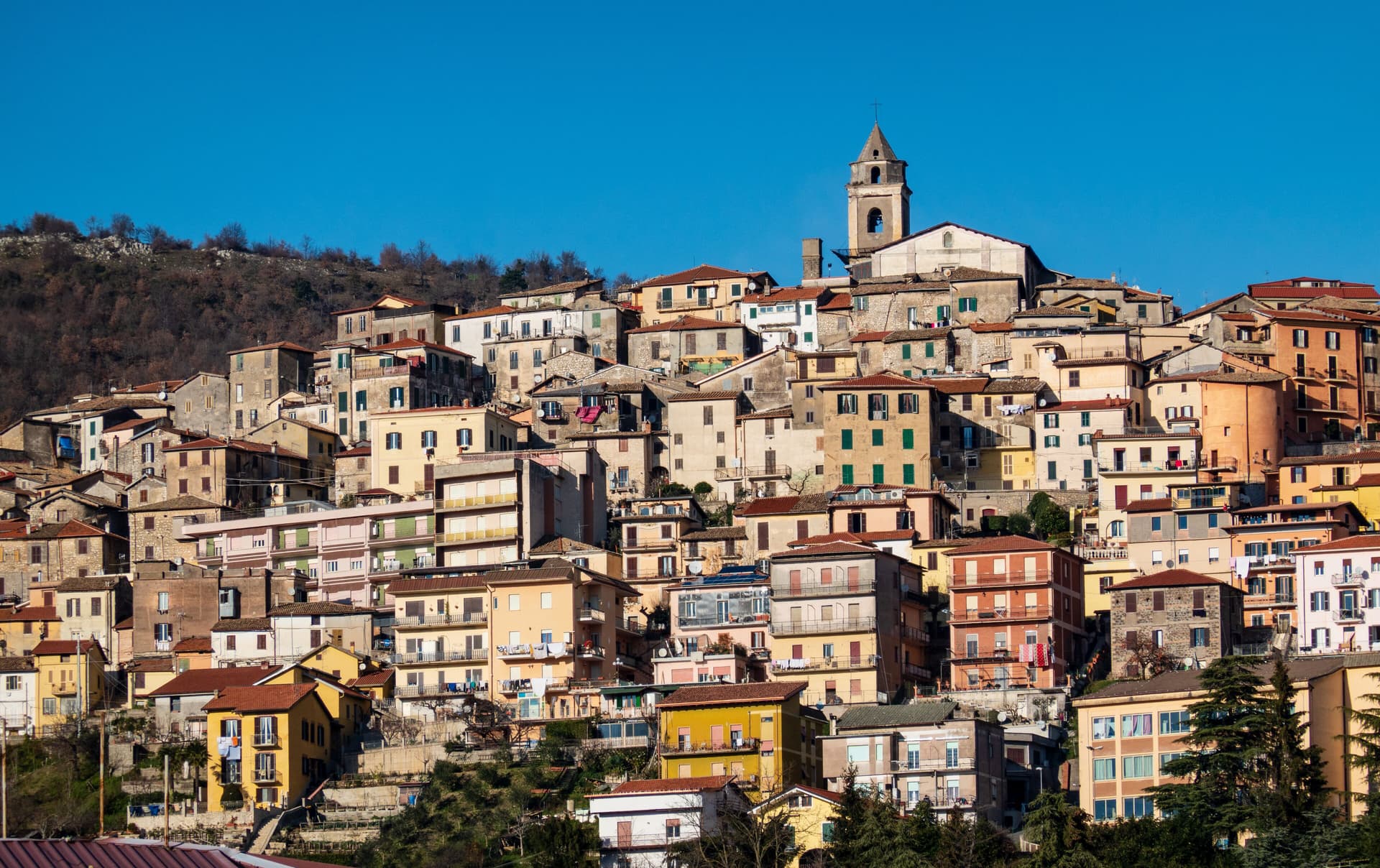
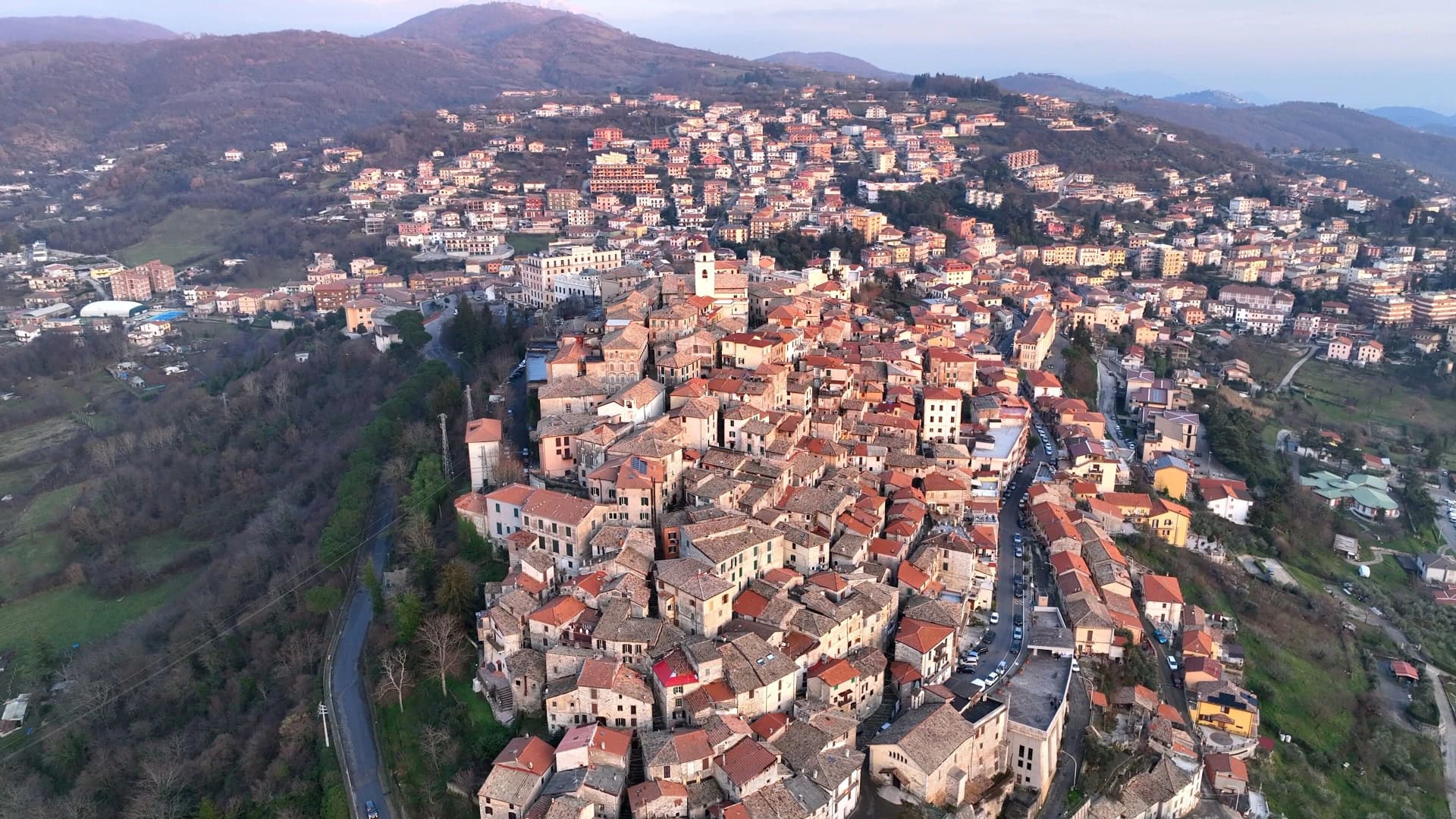
Fiuggi sits in two parts on the slope of the Ernici mountains, ninety kilometers southeast of Rome. The upper town, the medieval Anticoli di Campagna at 747 meters, is the original village; the lower town, Fiuggi Fonte at 643 meters, grew up around the springs in the late nineteenth century and was renamed Fiuggi in 1911. The Acqua di Fiuggi is the reason for the second town: an oligomineral water that runs through ancient volcanic deposits and has been used since the fourteenth century to dissolve kidney stones.
Pope Boniface VIII attested to the cure in his own case; Michelangelo wrote that it had cured him of the only kind of stone he could not love. The Fonte Bonifacio VIII and Fonte Anticolana stabilimenti, set in landscaped park grounds, are the heart of the lower town. The upper medieval centro storico has stone houses on narrow stepped streets, the Collegiata of San Pietro, and views east across the valley toward Anagni.
The Sunday letter
We haven’t written Fiuggi’s letter yet.
One town every Sunday, with the photo, the food, the festa. Be there when this one comes up. Free, by Peter & Sophia from Pietrasanta.
By subscribing you agree to Substack’s Terms of Use, our Privacy Policy and our Information collection notice.
What to see
Fonte Bonifacio VIII
Main thermal establishment in landscaped grounds, named for the pope cured of kidney stones by the water in the late thirteenth century.
Fonte Anticolana
Second thermal establishment a short walk from the first, with its own pavilions and tasting fountains in a planted park.
Centro storico di Anticoli
Upper medieval town at 747 meters, the original village before the springs town grew up below, with stone houses and the Collegiata.
Collegiata di San Pietro
Main church of the upper town, restructured several times since the medieval foundation, with works of seventeenth- and eighteenth-century devotional art.
Greenway dell'Aniene
Disused rail line converted to a cycle path between Fiuggi and the upper Aniene valley, part of the regional Greenways network.
The slow-trip planner
Building a trip? Find where Fiuggi fits in a slow Italy circuit.
Answer five questions. We will shape a geographically coherent slow trip from the 1,000 Italian towns most travelers skip. Yours to save and share.
Living here
- Population 10,082
- Off the beaten pathi
- Pharmacy: none mapped
- High school within a 30-minute drive
- Nearest airport Rome, 1 h 45 min drive
- Regional capital Roma, 1 h 14 min drive
This is a thermal town — terme operate here.
Tags & datadesignations · numbers · sources
Recognised as
The numbers
- Elevation: 747 m
- Population: 10,082
- Surface area: 32.98 km²
These figures were compiled from public directories — ISTAT, OpenStreetMap, Wikidata — and from the official listings of the guides named on this page. Town details change; verify with official sources before you travel.
Close by
More towns near Fiuggi
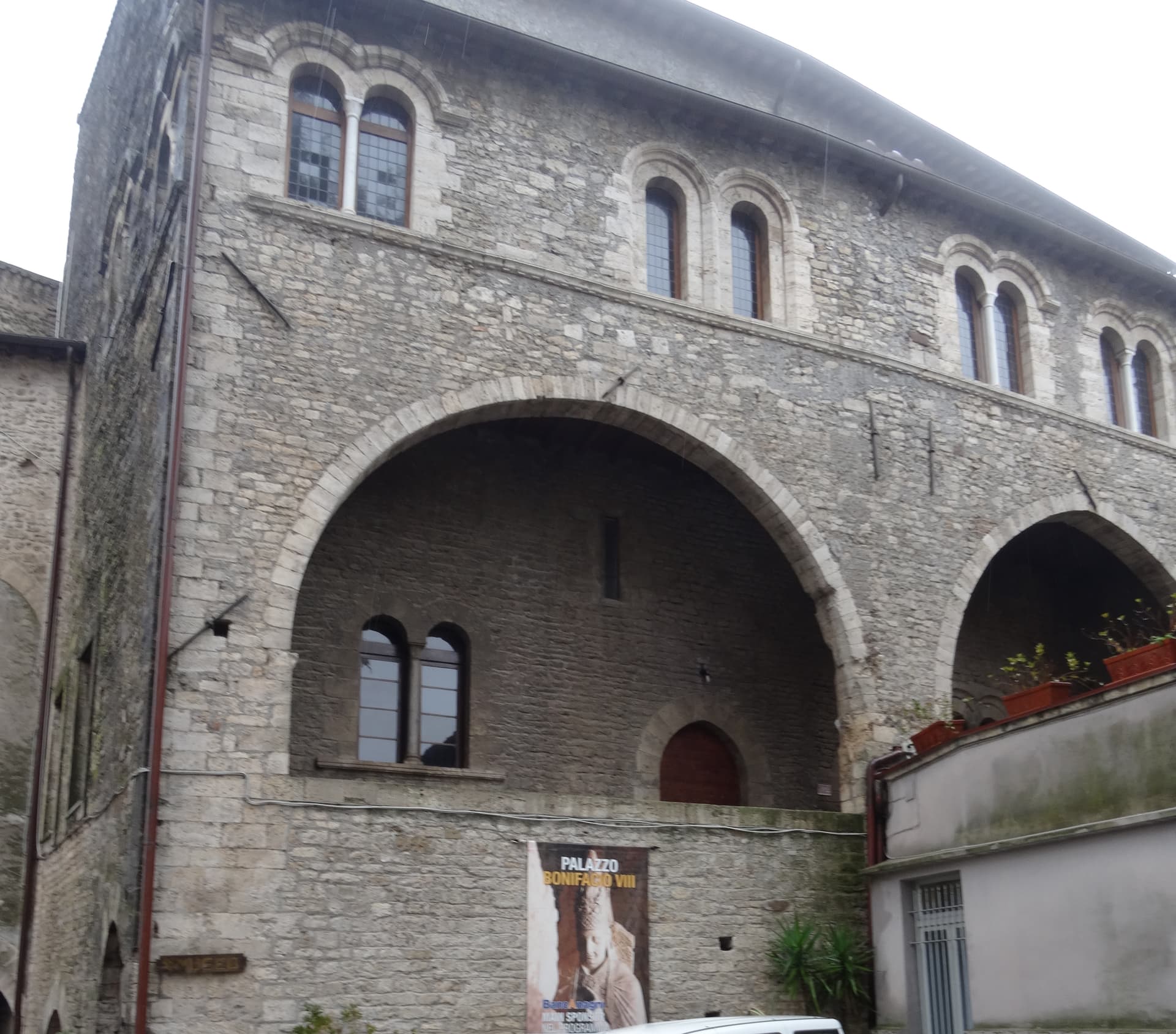
Anagni
Province: Frosinone
The hill town in Ciociaria where Sciarra Colonna struck Pope Boniface VIII in September 1303, ending the medieval claim to papal supremacy.
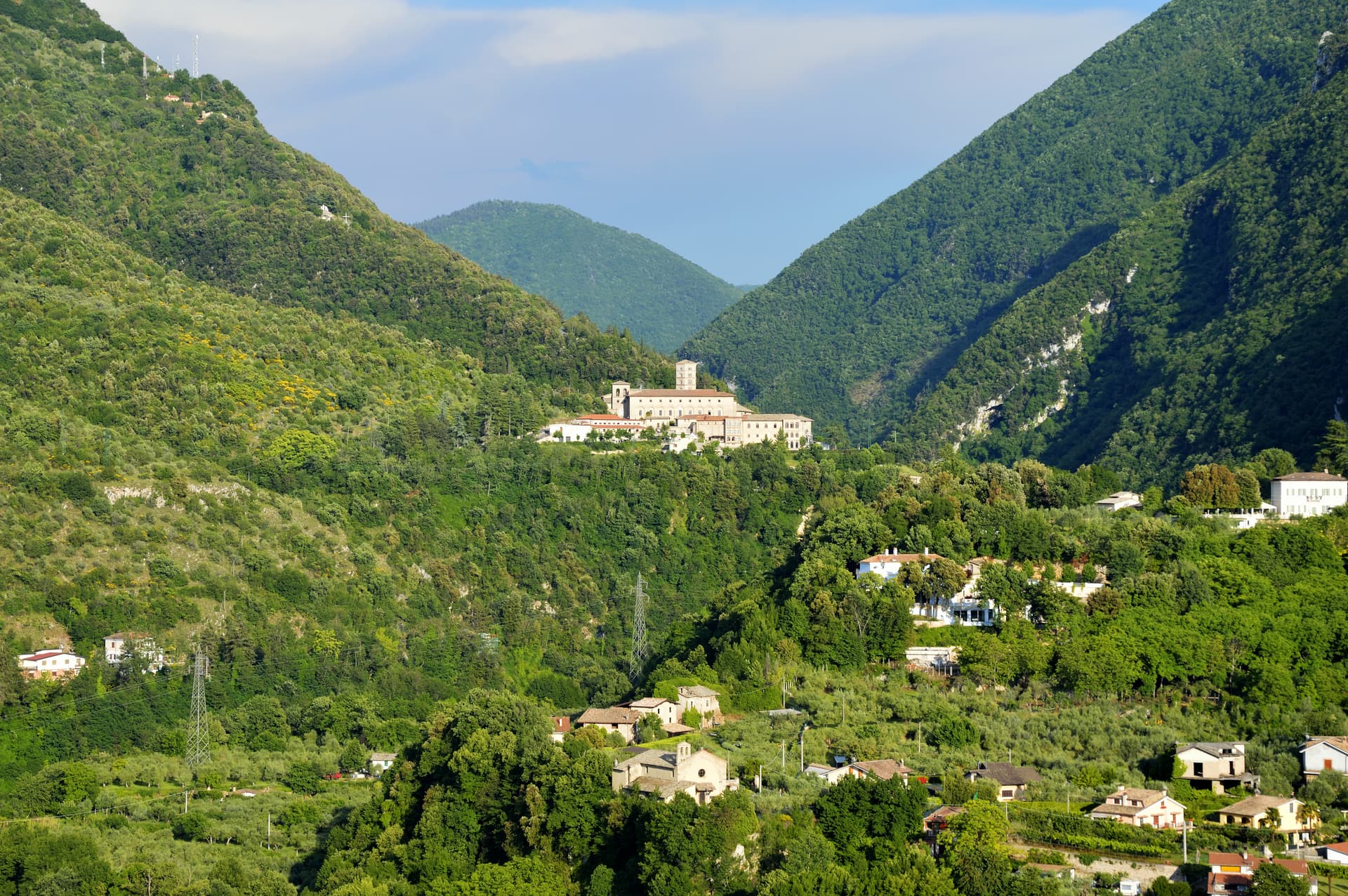
Subiaco
Province: Roma
The Aniene valley town where Benedict spent three years in a cliff cave, and where Italy's first printed book appeared in 1465.
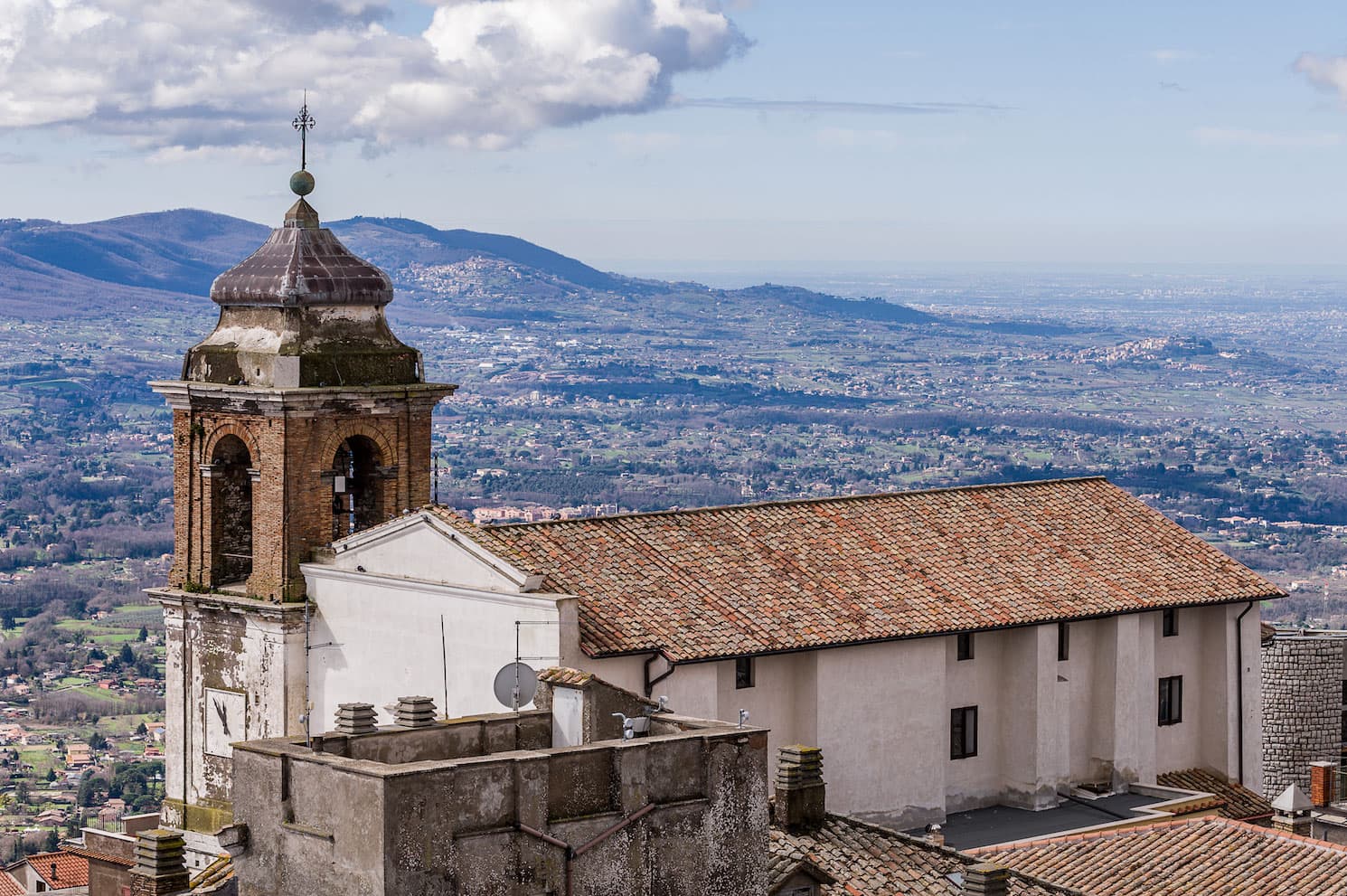
Castel San Pietro Romano
Province: Roma
A 763-meter hill village on Monte Ginestro above Palestrina, sitting on the acropolis of ancient Praeneste and inside the Colonna fortress walls.
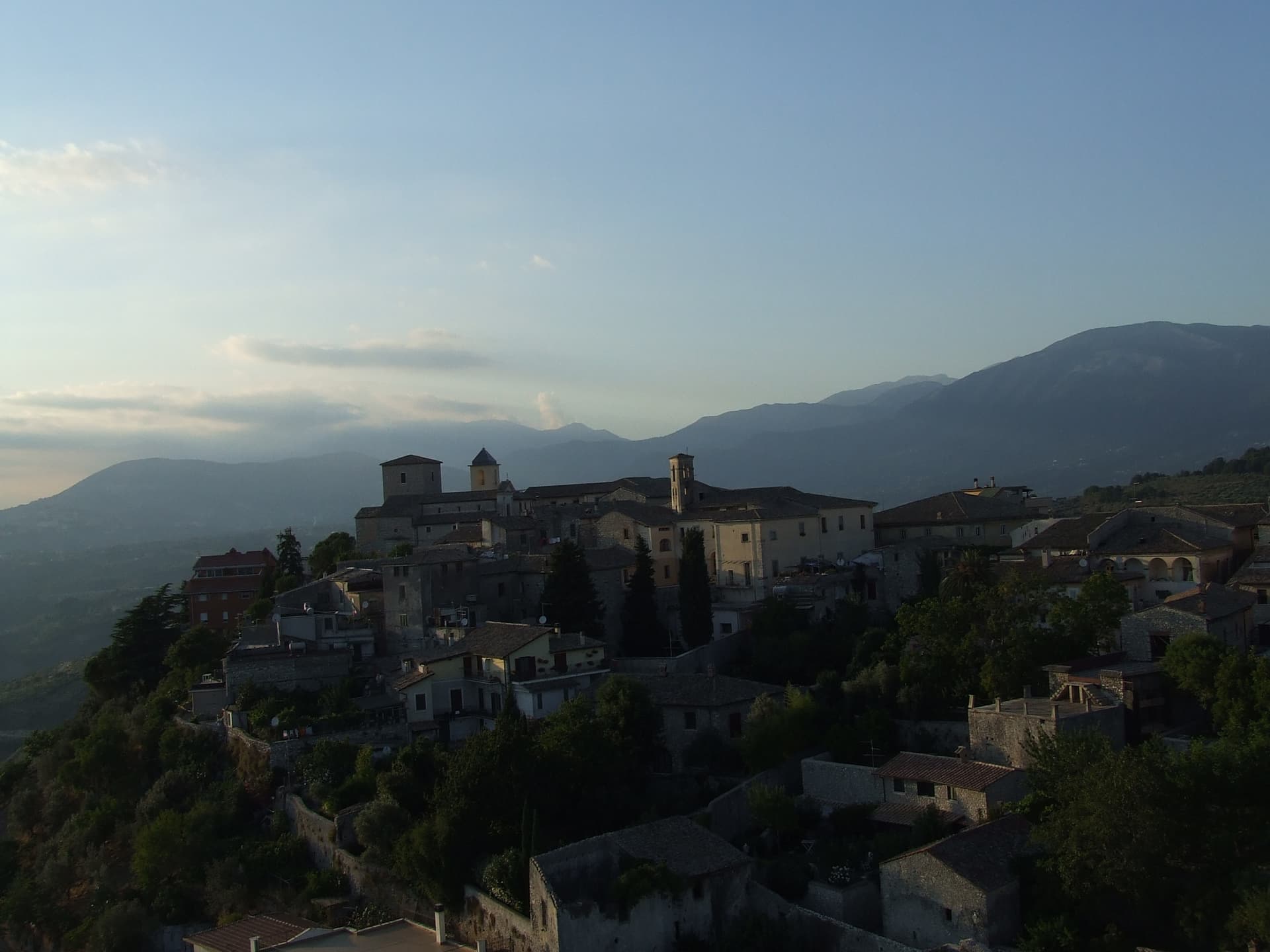
Boville Ernica
Province: Frosinone
A Ciociaria hilltop town with eighteen intact medieval towers and Giotto's only surviving mosaic, the Angelo del Navicella, in San Pietro Ispano.
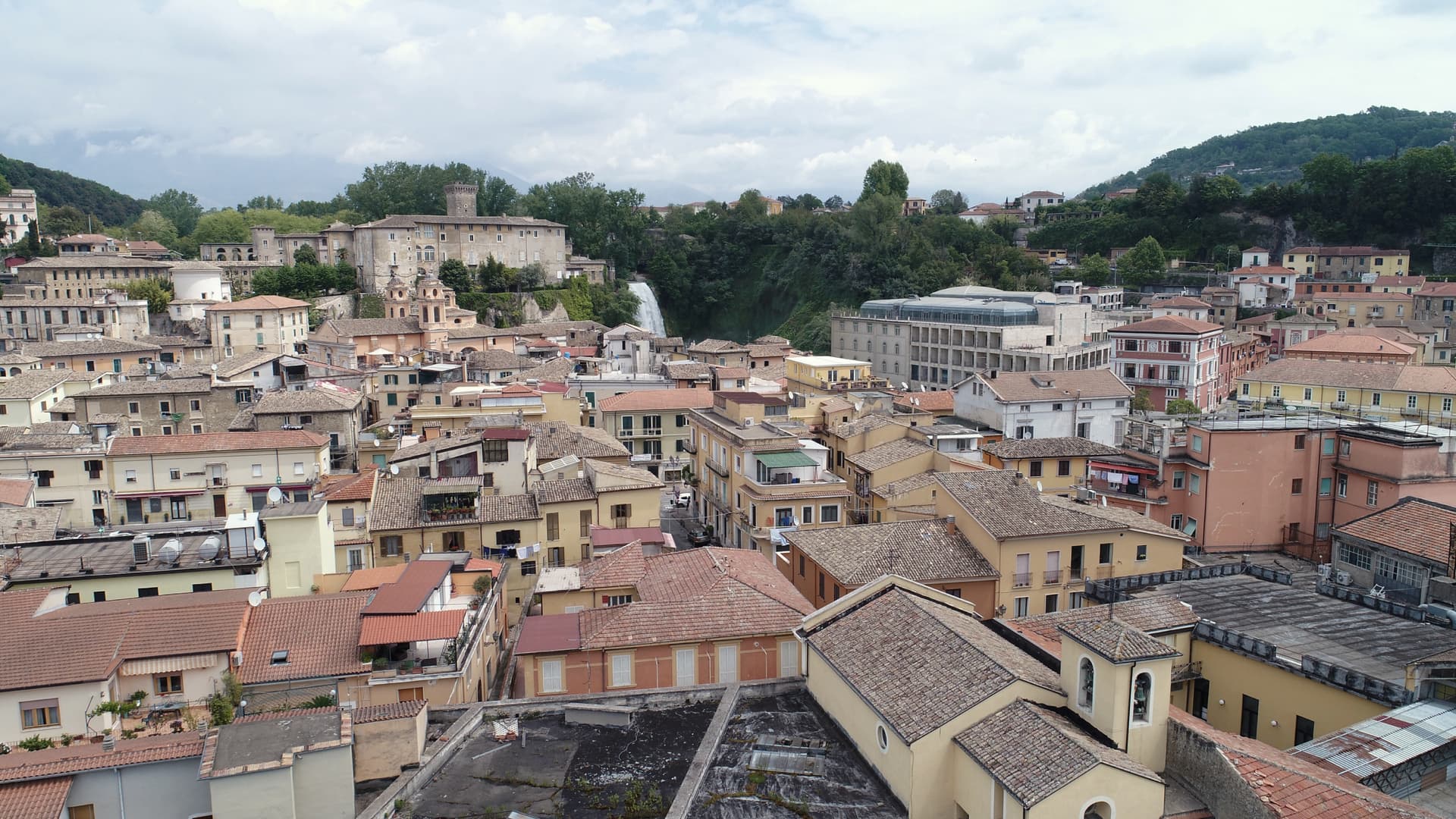
Isola del Liri
Province: Frosinone
The Ciociaria town with a 27-meter waterfall in its centro storico and a paper-mill past once called the Manchester of Italy.
♨️ Comuni Termali
More Comuni Termali towns
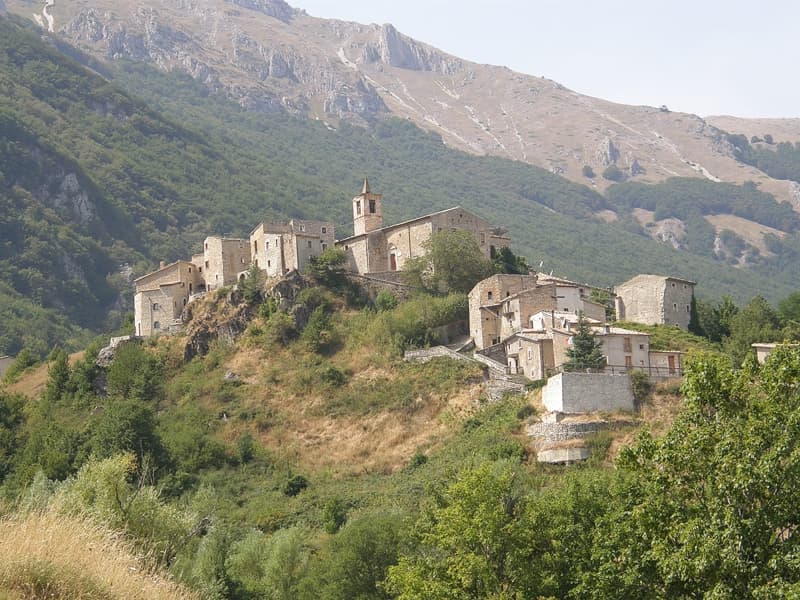
Caramanico Terme
Province: Pescara
A 650-meter Majella spa village at the confluence of the Orfento and Orta, with sulphurous springs whose properties were documented in 1576.
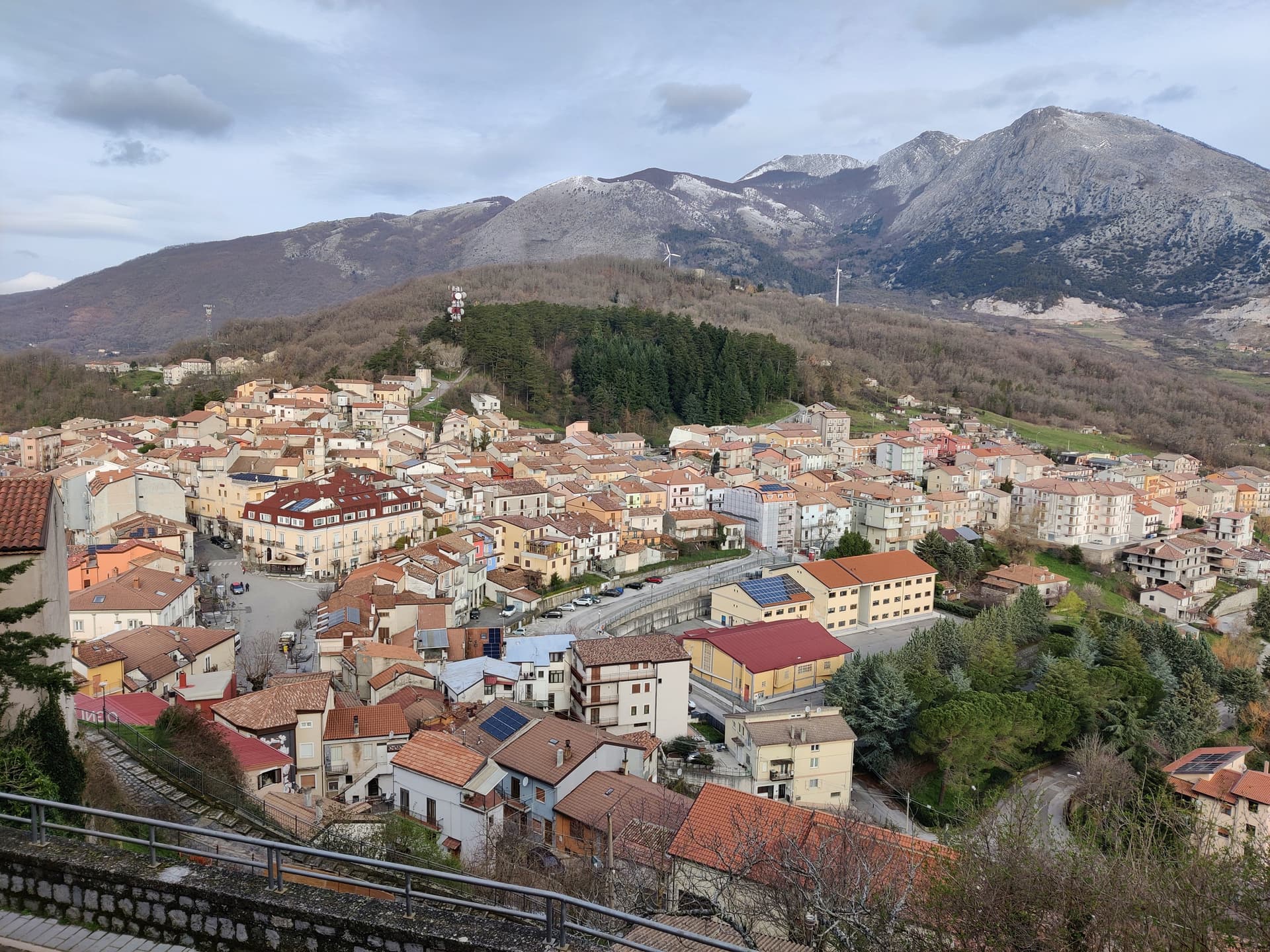
Latronico
Province: Potenza
A mountain town at 888 meters on the northern edge of the Pollino, with two prehistoric thermal springs at the Calda hamlet below.
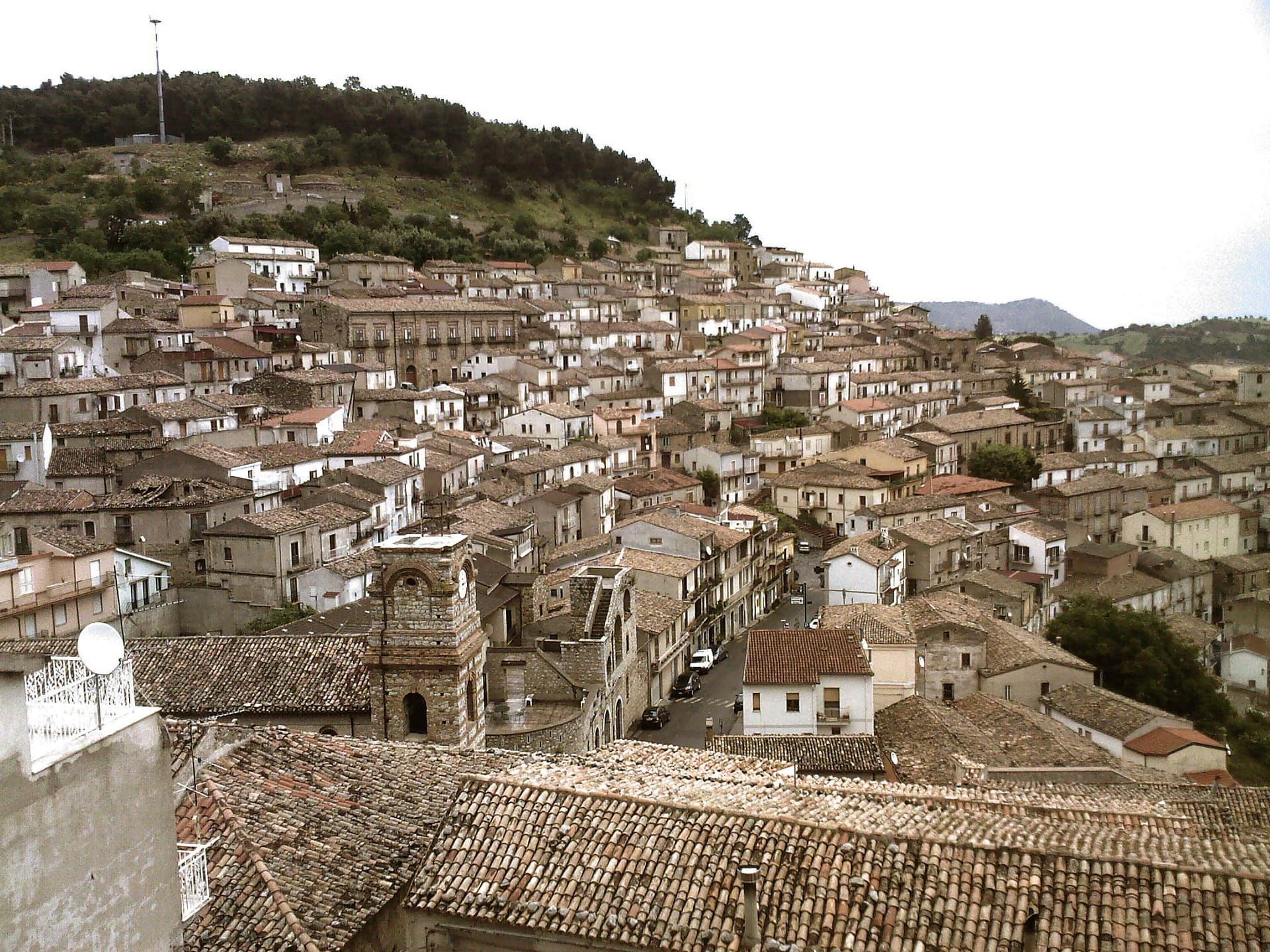
Cerchiara di Calabria
Province: Cosenza
A Città del Pane at 650 meters under Mount Sellaro, with a rock sanctuary at 1,015 meters and a sulphurous Cave of the Nymphs feeding the thermal springs.
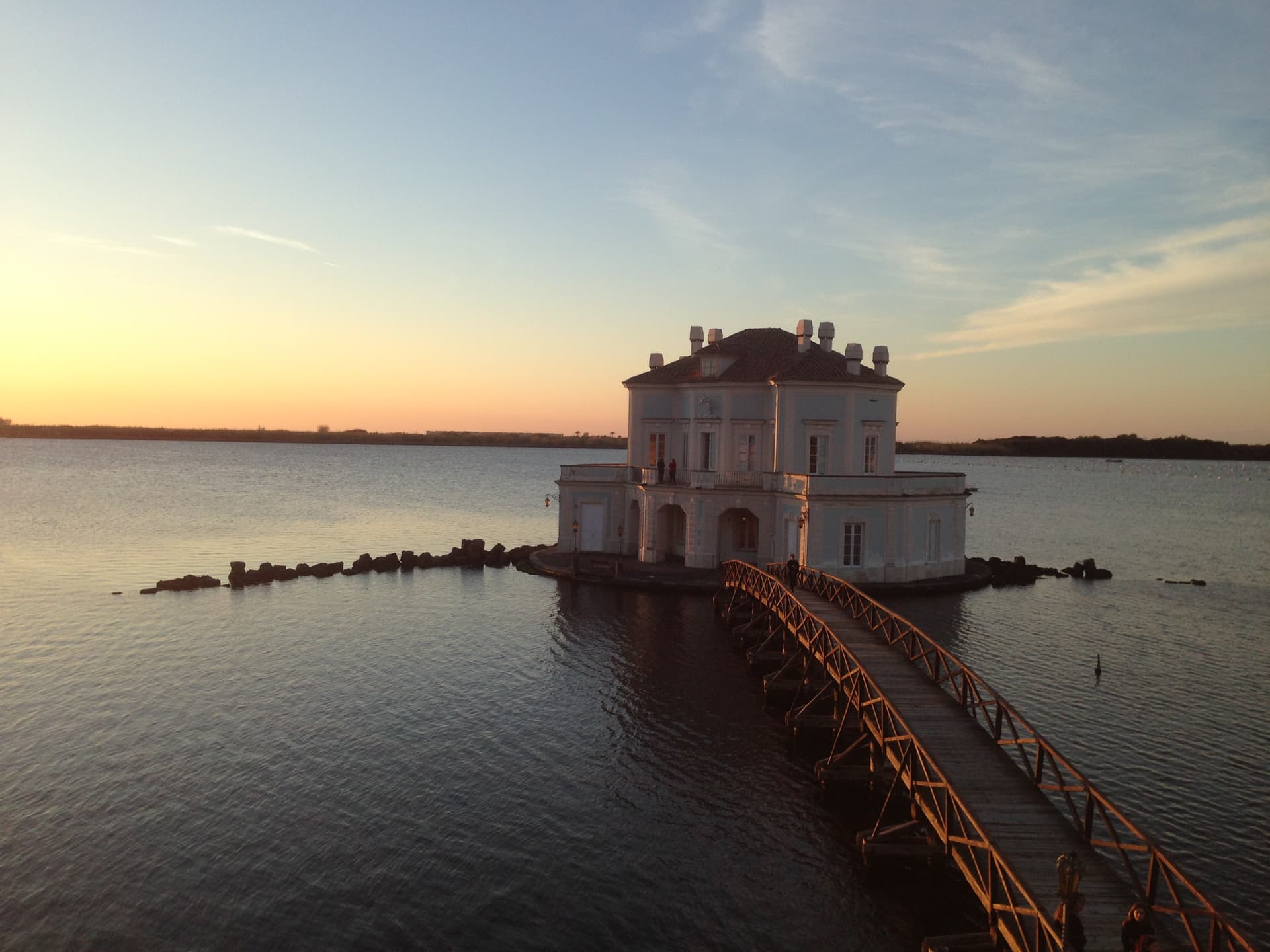
Bacoli
Province: Napoli
A Campi Flegrei town twenty kilometers west of Napoli, the Roman Bauli, where the Piscina Mirabilis fed the imperial fleet at Miseno.
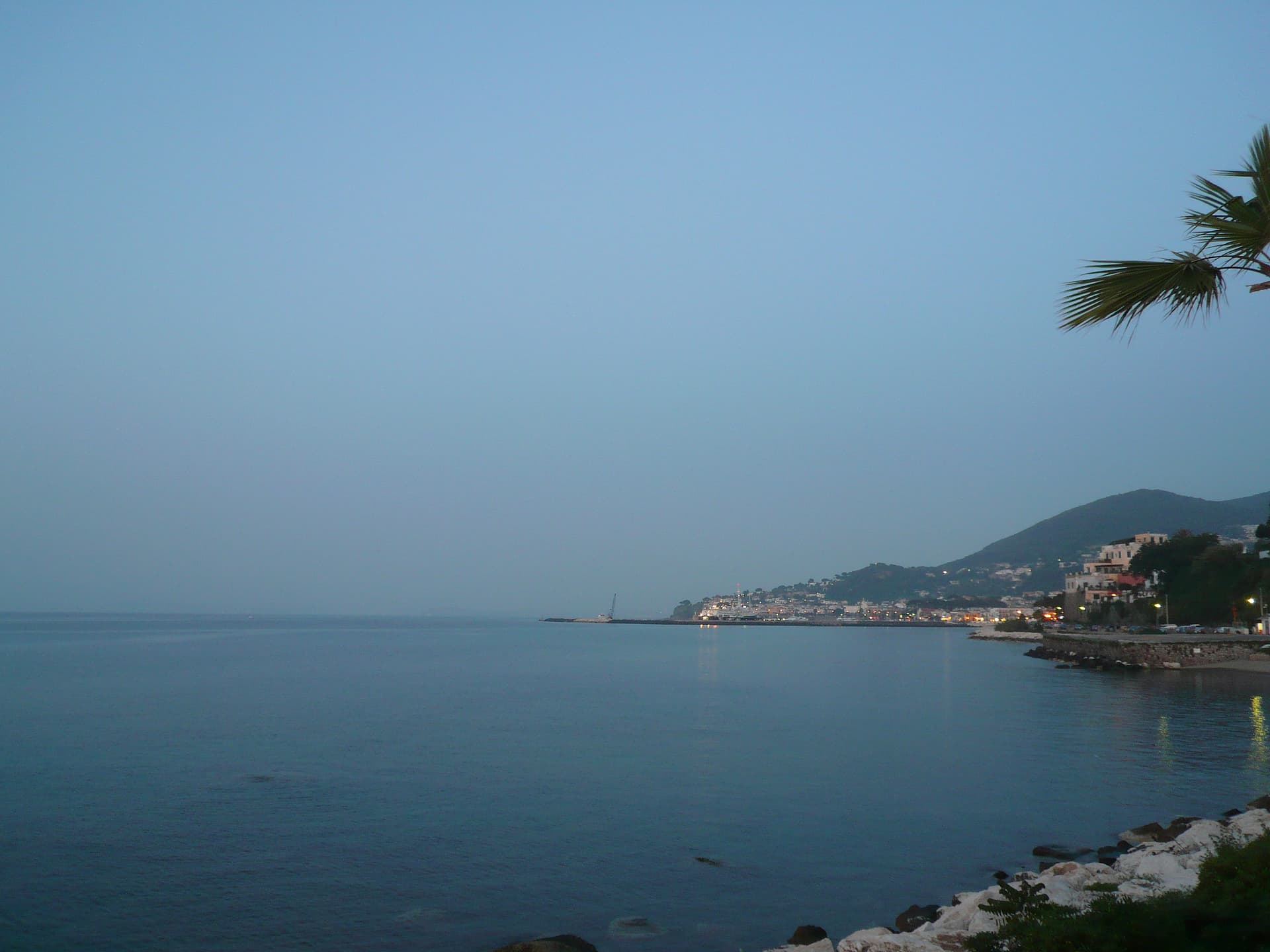
Casamicciola Terme
Province: Napoli
Ischia's thermal town on the flank of Monte Epomeo, levelled by the 1883 earthquake and again in 2017, rebuilt on the Gurgitello springs.