

Lazio · Frosinone
Anagni
The hill town in Ciociaria where Sciarra Colonna struck Pope Boniface VIII in September 1303, ending the medieval claim to papal supremacy.
Known for
THE CRYPT
540 square meters of thirteenth-century frescoes under the cathedral, the most complete medieval painting cycle in central Italy.
THE SLAP
On 7 September 1303 Sciarra Colonna struck Boniface VIII in the papal palace; the pope died a month later and the curia moved to Avignon.
CESANESE
Cesanese del Piglio, Lazio's first DOCG red, grown on the slopes around Anagni and historically served at the papal court.
When to visit
Best · Apr–Oct
- J
- F
- M
- A
- M
- J
- J
- A
- S
- O
- N
- D
- Best
- Hot or crowded
- Quiet
- Mostly closed
The festa: Magno di Anagni, 19 August
Why come
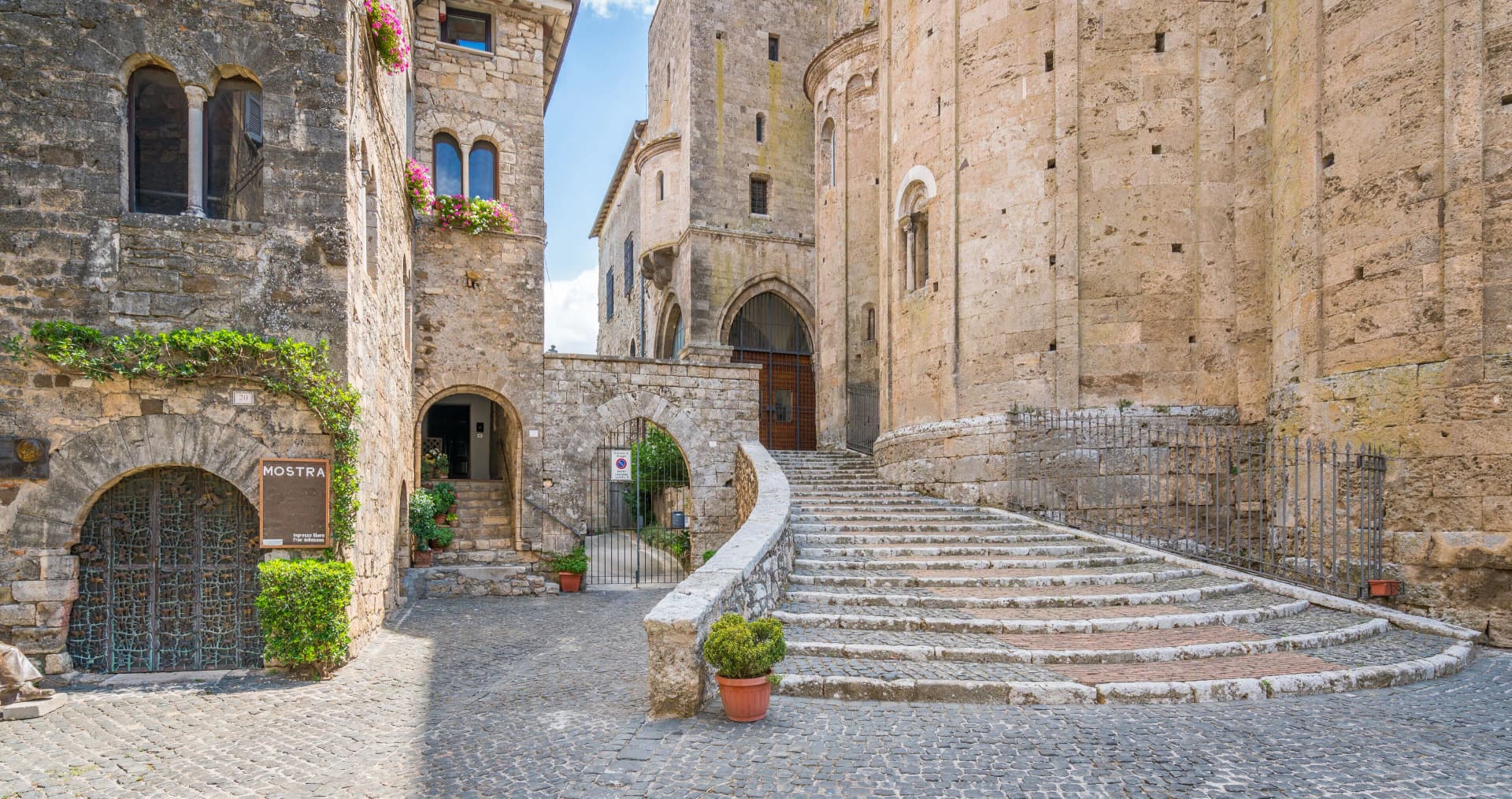
Anagni sits on a hilltop in Ciociaria, fifty-five kilometers southeast of Rome, looking over the Sacco valley and the Hernici mountains. It is one of four communes called the Città dei Papi, the others being Segni, Ferentino, and Veroli; four medieval popes were born here, Innocent III, Gregory IX, Alexander IV, and Boniface VIII. On 7 September 1303, agents of Philip IV of France led by Sciarra Colonna and Guillaume de Nogaret stormed the papal palace and physically assaulted Boniface VIII.
The pope died a month later, and the centralized medieval papacy died with him; within five years the papal court had moved to Avignon. The Cattedrale di Santa Maria, built between 1071 and 1105, holds a 540-square-meter frescoed crypt called the Sistine Chapel of the Middle Ages. The Romanesque-Byzantine cycle covering the walls is one of the most complete in Italy. Cesanese del Piglio, the local DOCG red, is grown on the slopes around the town.
The Sunday letter
We haven’t written Anagni’s letter yet.
One town every Sunday, with the photo, the food, the festa. Be there when this one comes up. Free, by Peter & Sophia from Pietrasanta.
By subscribing you agree to Substack’s Terms of Use, our Privacy Policy and our Information collection notice.
What to see
Cattedrale di Santa Maria
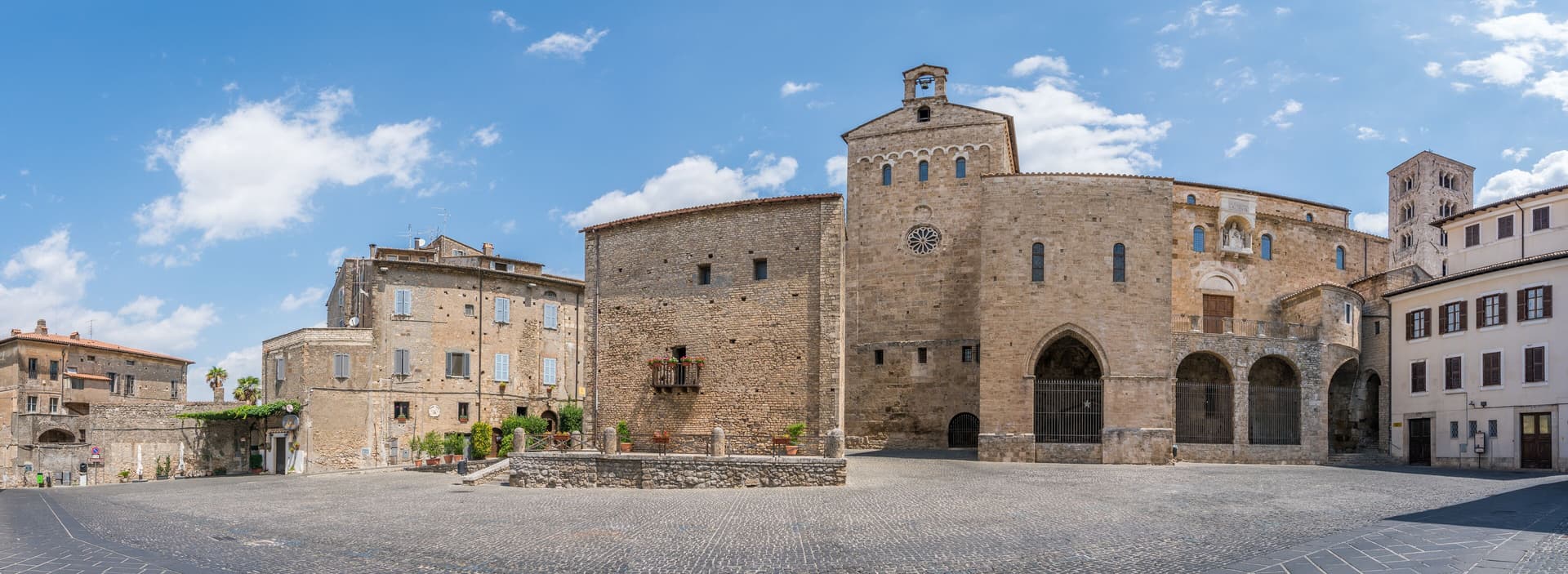
Romanesque cathedral built 1071-1105 on the highest point of the hill, with Gothic additions, a campanile, and a Cosmati pavement.
Cripta di San Magno
Frescoed crypt under the cathedral, 540 square meters of thirteenth-century Romanesque-Byzantine painting, known as the Sistine Chapel of the Middle Ages.
Palazzo di Bonifacio VIII
Thirteenth-century papal palace where Sciarra Colonna struck Boniface VIII in September 1303 during the Outrage of Anagni.
Palazzo Comunale
Medieval town hall built around 1163, with an open ground-floor loggia spanning Via Vittorio Emanuele on Romanesque arches.
Chiesa di San Pietro in Vineis
Romanesque-Gothic church on the lower edge of the centro storico, with a thirteenth-century cycle of frescoes recently restored.
Casa Barnekow
Medieval house on Via Vittorio Emanuele decorated in the nineteenth century by the Swedish baron Albert Barnekow with sgraffito Latin inscriptions.
The slow-trip planner
Building a trip? Find where Anagni fits in a slow Italy circuit.
Answer five questions. We will shape a geographically coherent slow trip from the 1,000 Italian towns most travelers skip. Yours to save and share.
Living here
- Population 20,734
- In-betweeni
- Pharmacy in town
- High school within a 30-minute drive
- Train station in the comune
- Nearest airport Rome, 1 h 26 min drive
- Regional capital Roma, 55 min drive
Tags & datadesignations · numbers · sources
Recognised as
The numbers
- Elevation: 424 m
- Population: 20,734
- Surface area: 112.82 km²
These figures were compiled from public directories — ISTAT, OpenStreetMap, Wikidata — and from the official listings of the guides named on this page. Town details change; verify with official sources before you travel.
Close by
More towns near Anagni
Fiuggi
Province: Frosinone
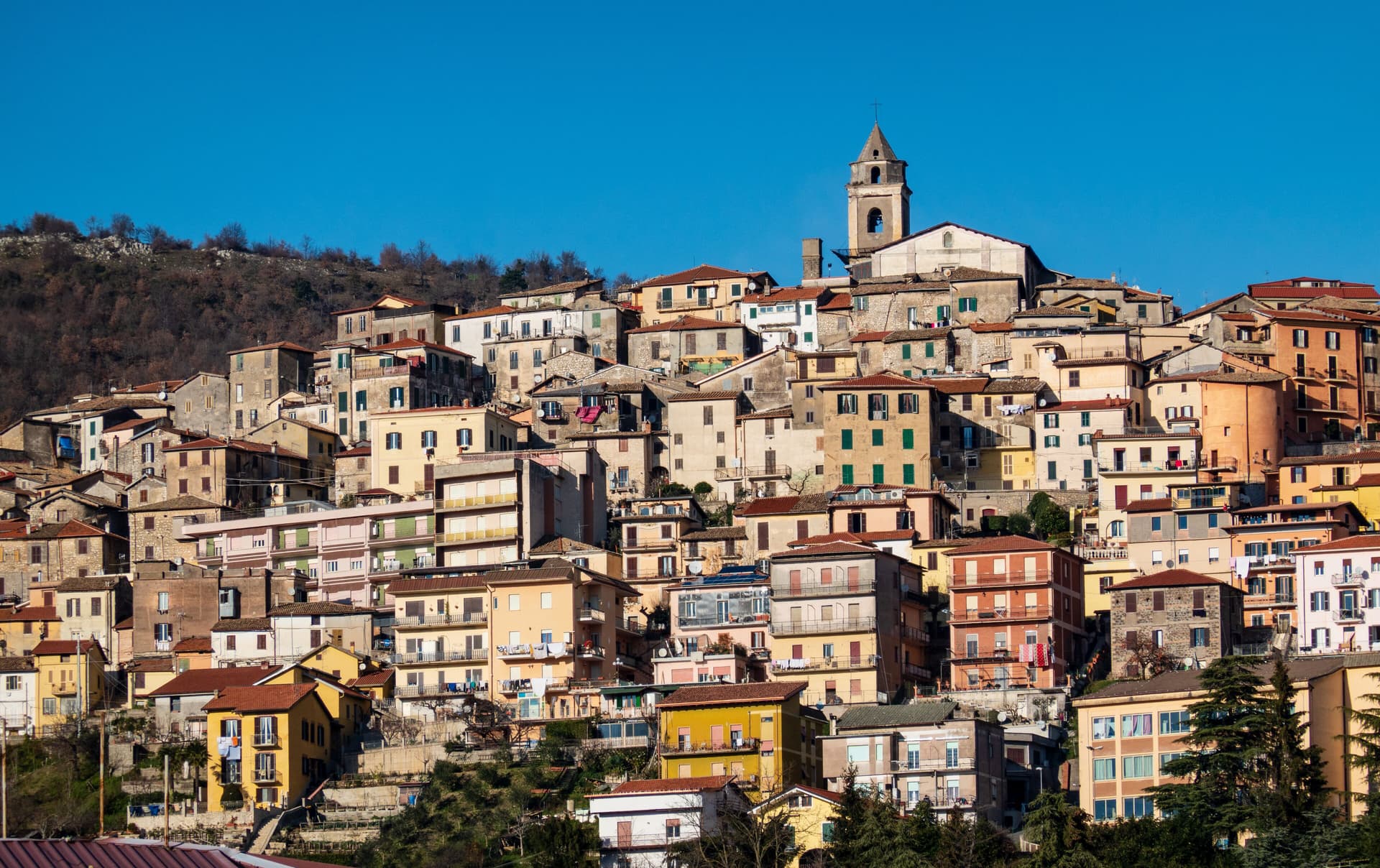
The Ernici-mountain thermal town where Boniface VIII and Michelangelo both came to dissolve kidney stones with the oligomineral spring water.
Castel San Pietro Romano
Province: Roma
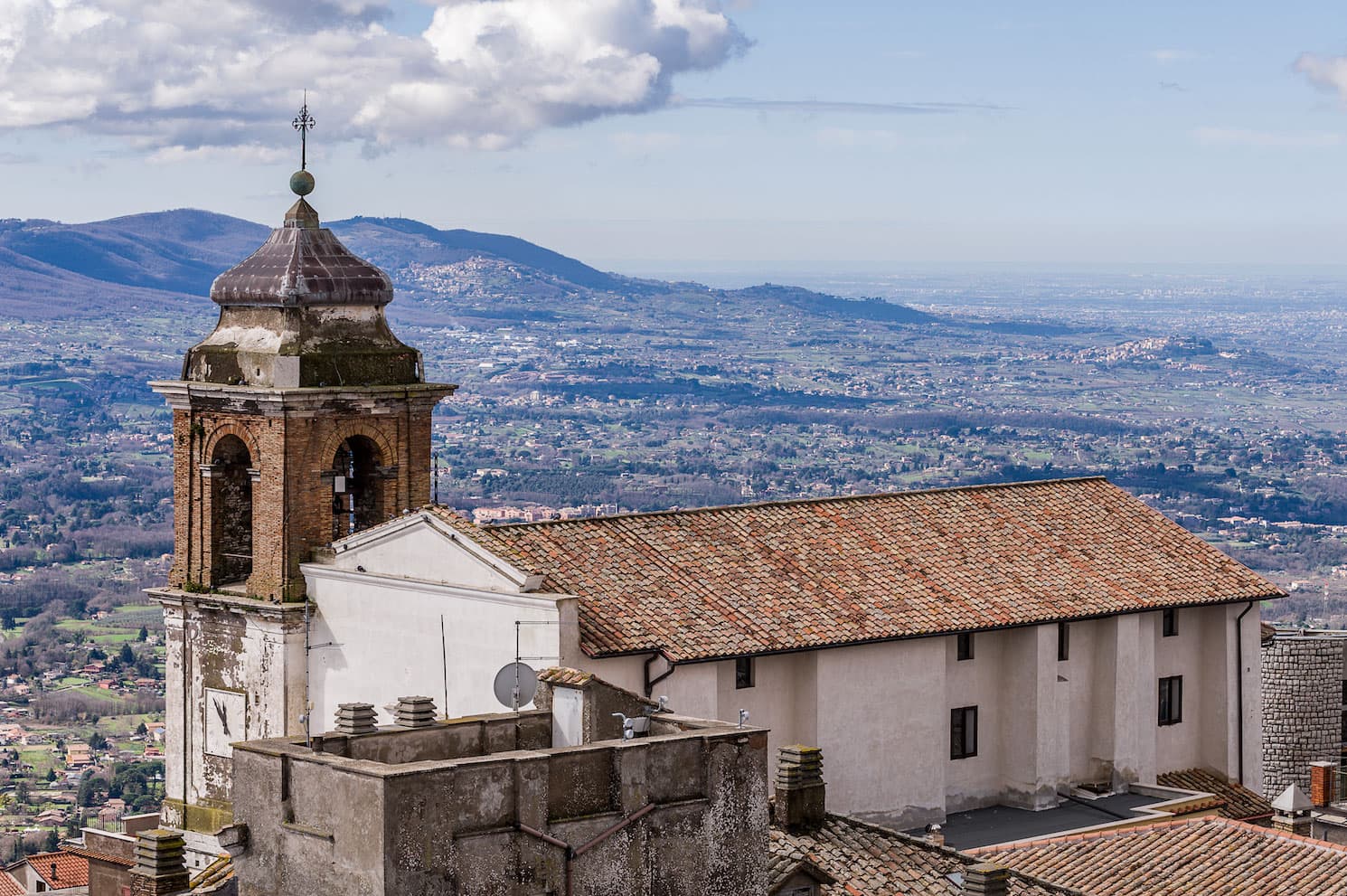
A 763-meter hill village on Monte Ginestro above Palestrina, sitting on the acropolis of ancient Praeneste and inside the Colonna fortress walls.
Boville Ernica
Province: Frosinone
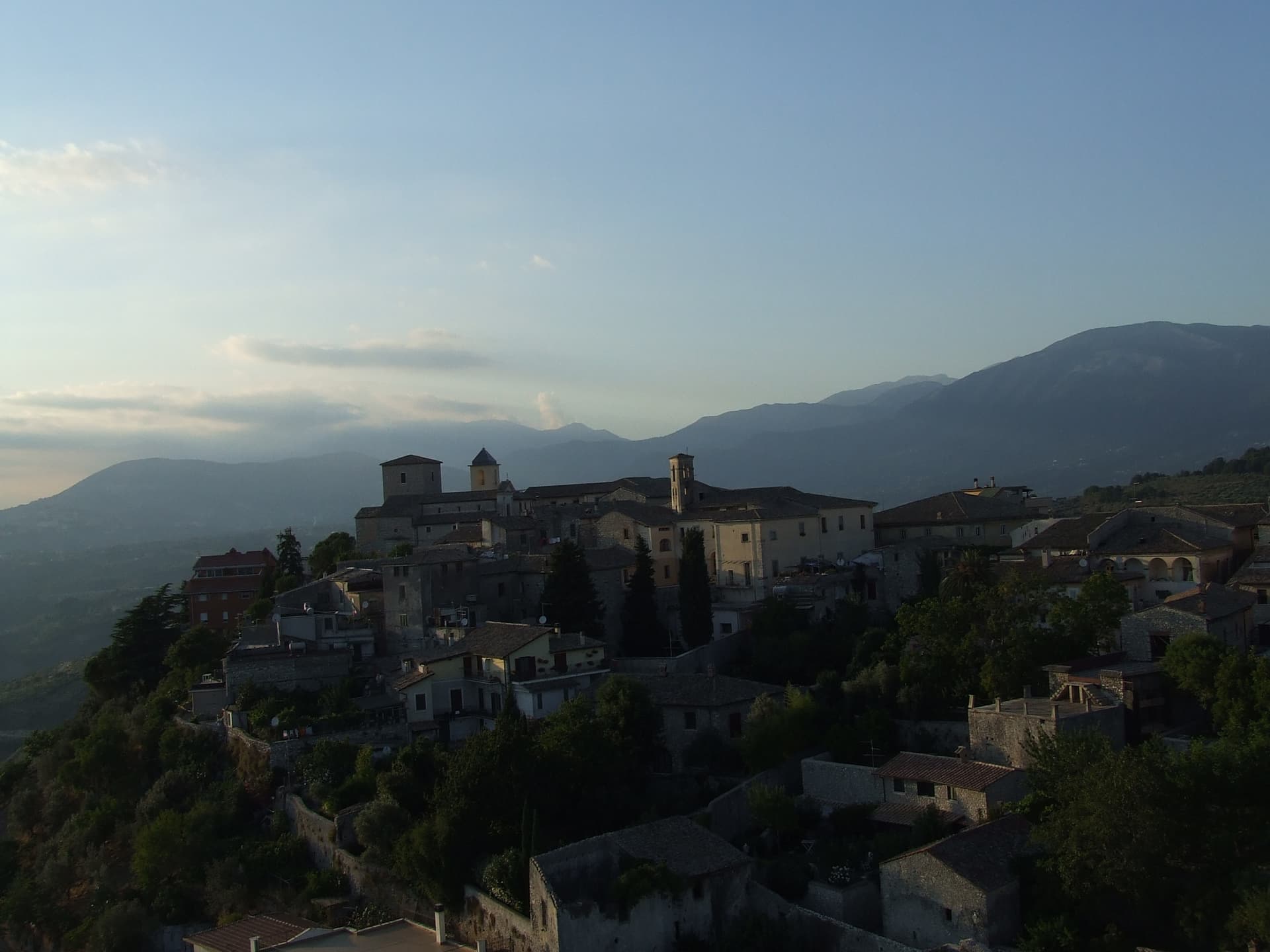
A Ciociaria hilltop town with eighteen intact medieval towers and Giotto's only surviving mosaic, the Angelo del Navicella, in San Pietro Ispano.
Tivoli
Province: Roma
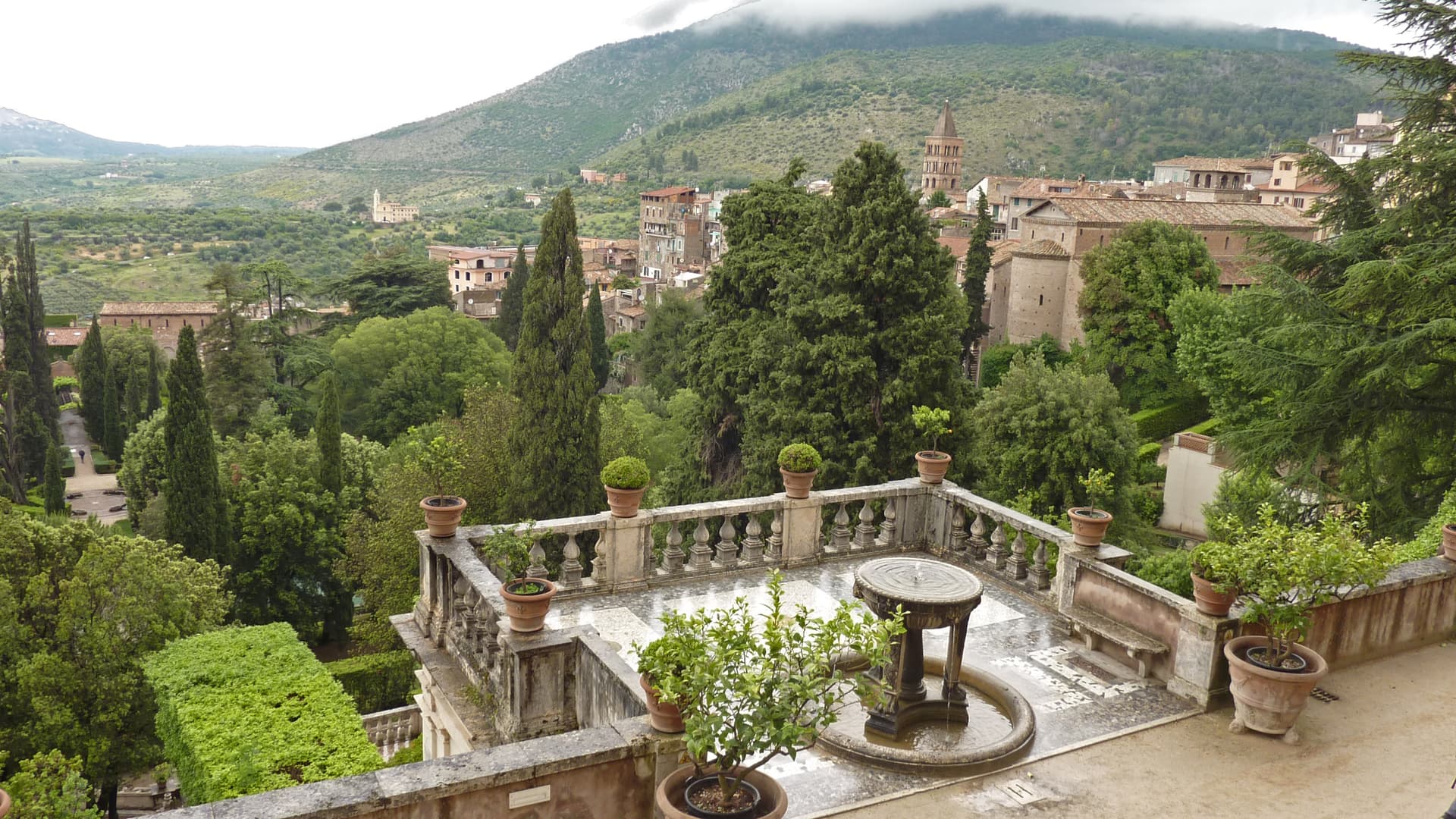
A travertine town on the Aniene falls twenty-five kilometers east of Rome, holding two separate UNESCO sites: Hadrian's villa below and the Villa d'Este above.
Velletri
Province: Roma
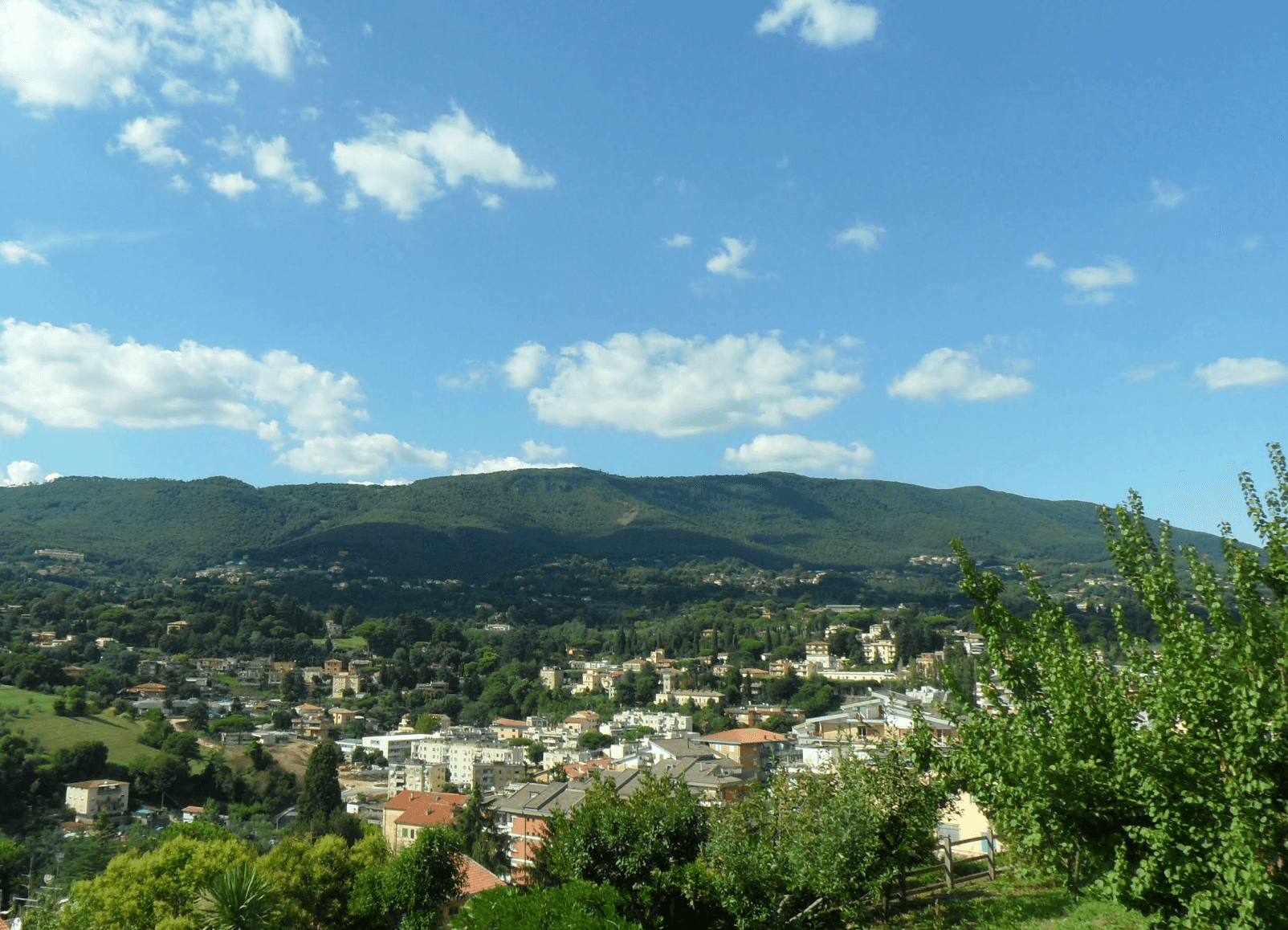
The Castelli Romani town where Augustus grew up, now the largest wine commune in the Alban Hills.
🍷 Città del Vino
More Città del Vino towns in Lazio
Ariccia
Province: Roma
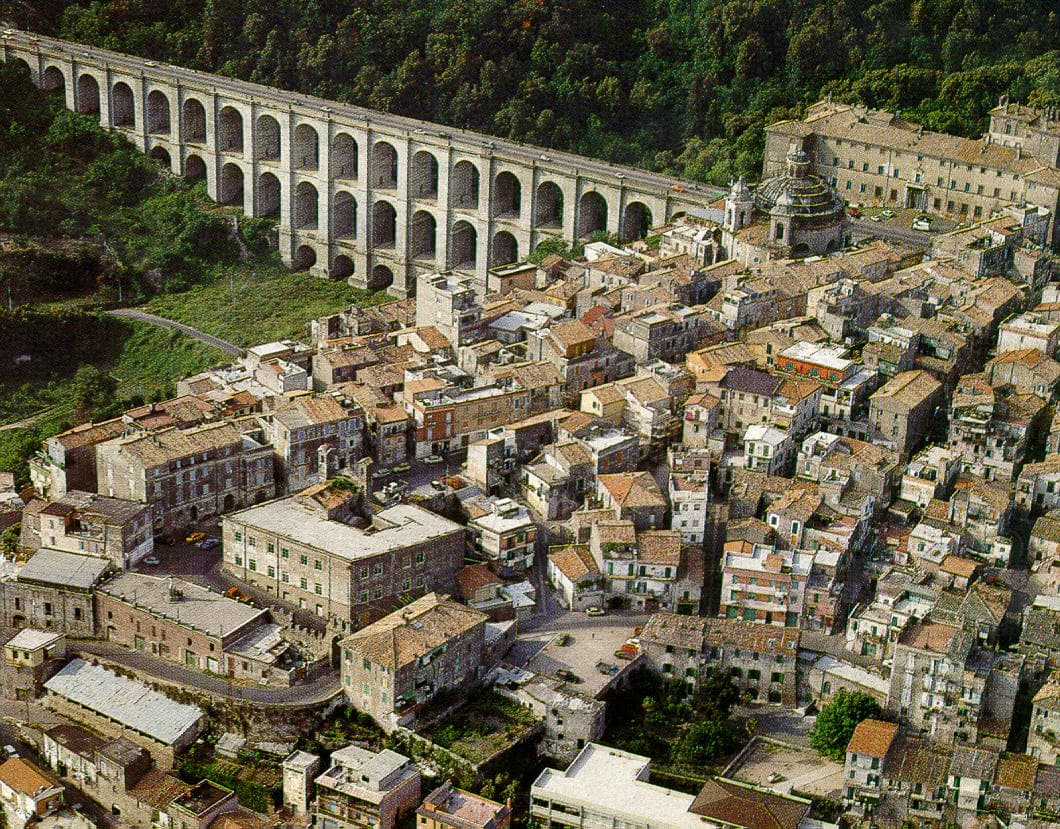
The Castelli Romani town where you go for porchetta — a Bernini-designed Baroque ensemble (palazzo + Santa Maria dell'Assunzione + Piazza di Corte) on a volcanic crater rim 25 km south of Rome, with the most concentrated cluster of fraschette porchetta restaurants in Italy and Lago di Albano below.
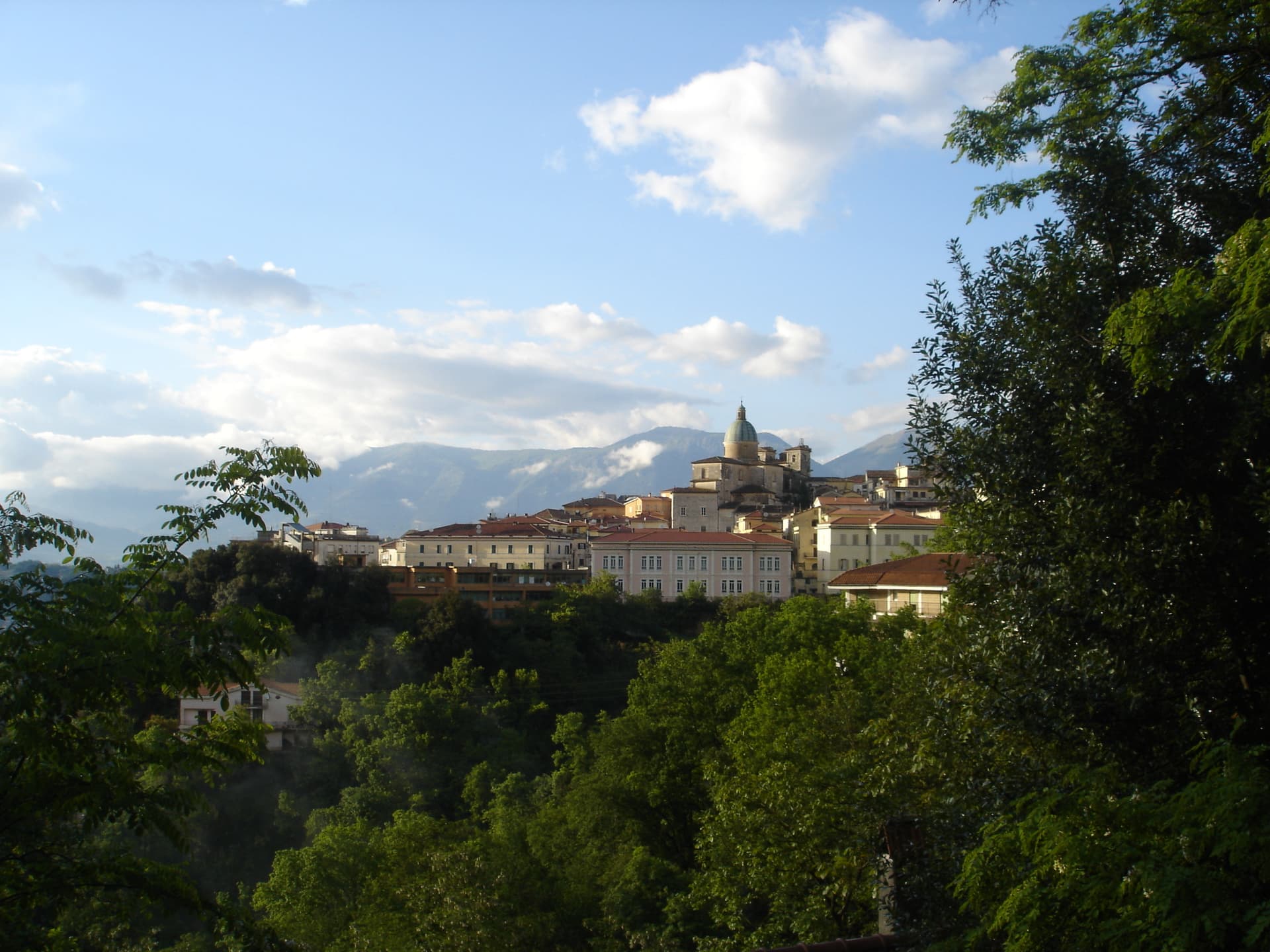
Atina
Province: Frosinone
A polygonal-walled town in the Val di Comino at the foot of the Mainarde, and the DOC that makes Cabernet in central Italy.
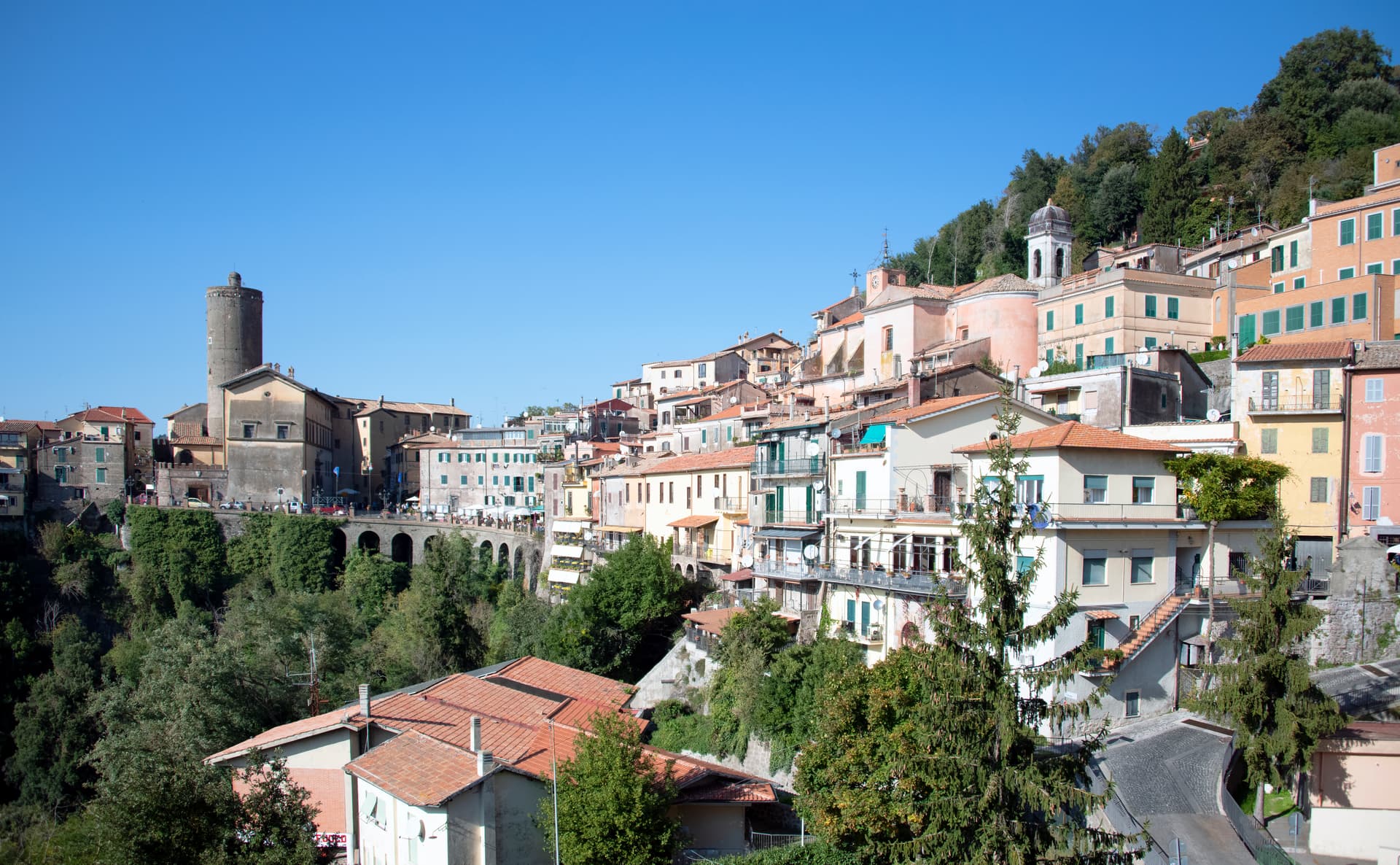
Nemi
Province: Roma
The smallest comune in the Castelli Romani, perched at 521 meters above a volcanic crater lake the Romans called the mirror of Diana.
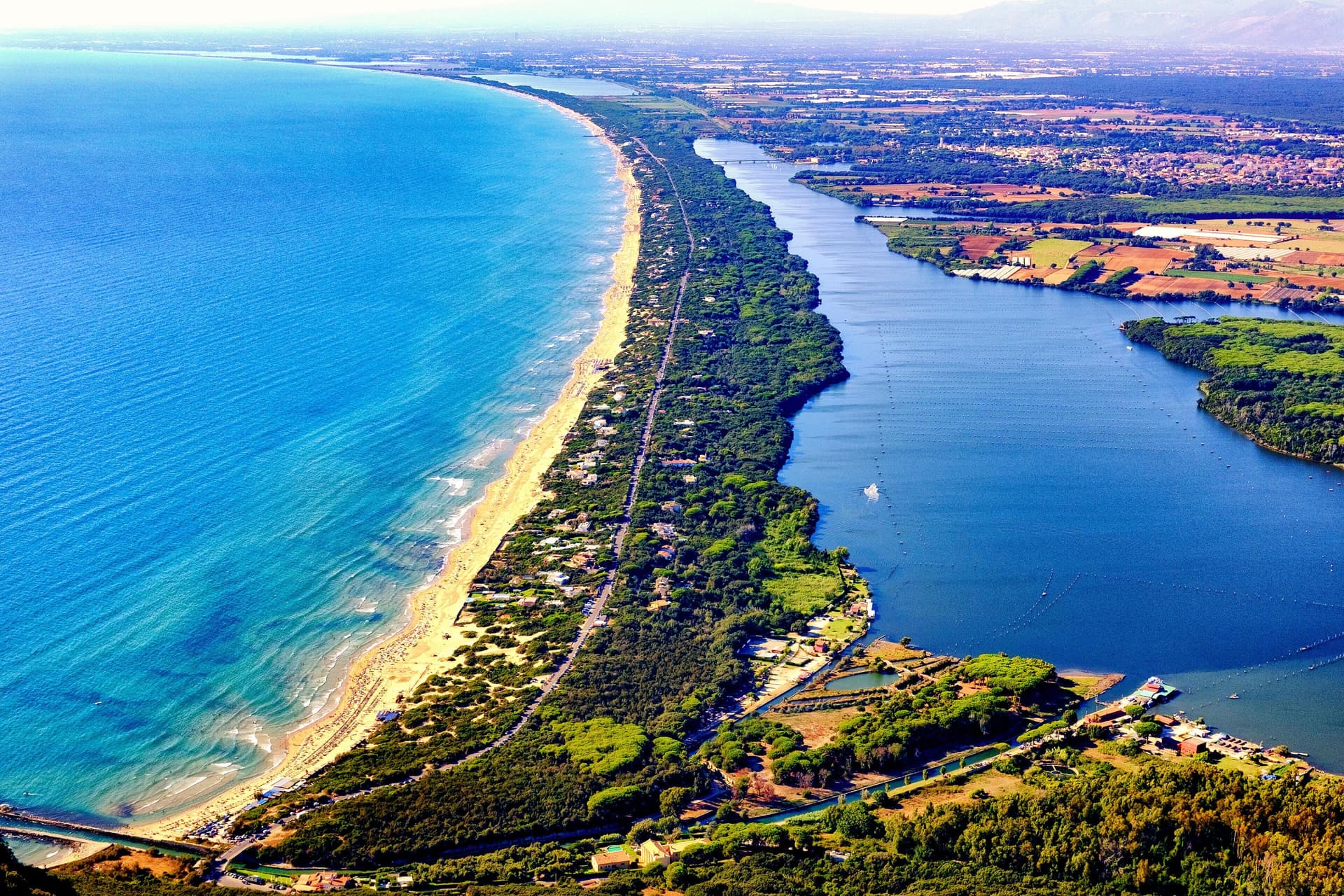
Sabaudia
Province: Latina
A rationalist city built in 253 days on drained Pontine marshland, founded 15 April 1934 between Lago di Paola and the Tyrrhenian dunes.