
Lazio · Roma
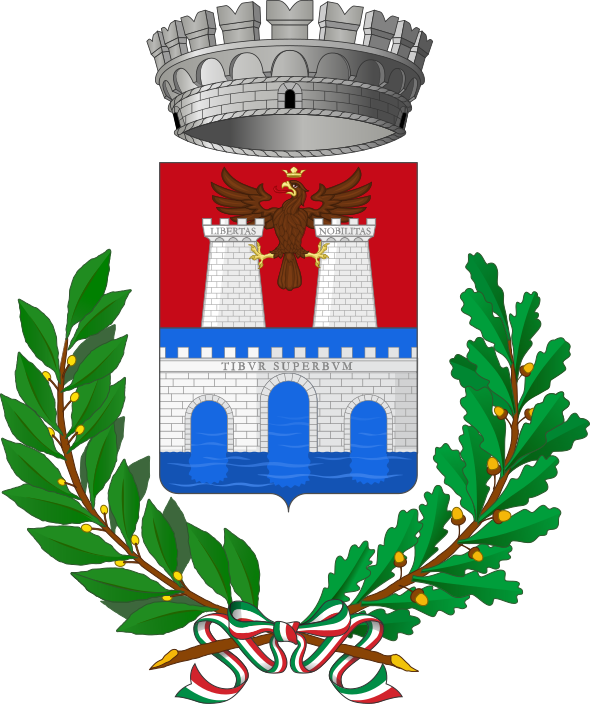
Tivoli
A travertine town on the Aniene falls twenty-five kilometers east of Rome, holding two separate UNESCO sites: Hadrian's villa below and the Villa d'Este above.
Known for
VILLA D'ESTE
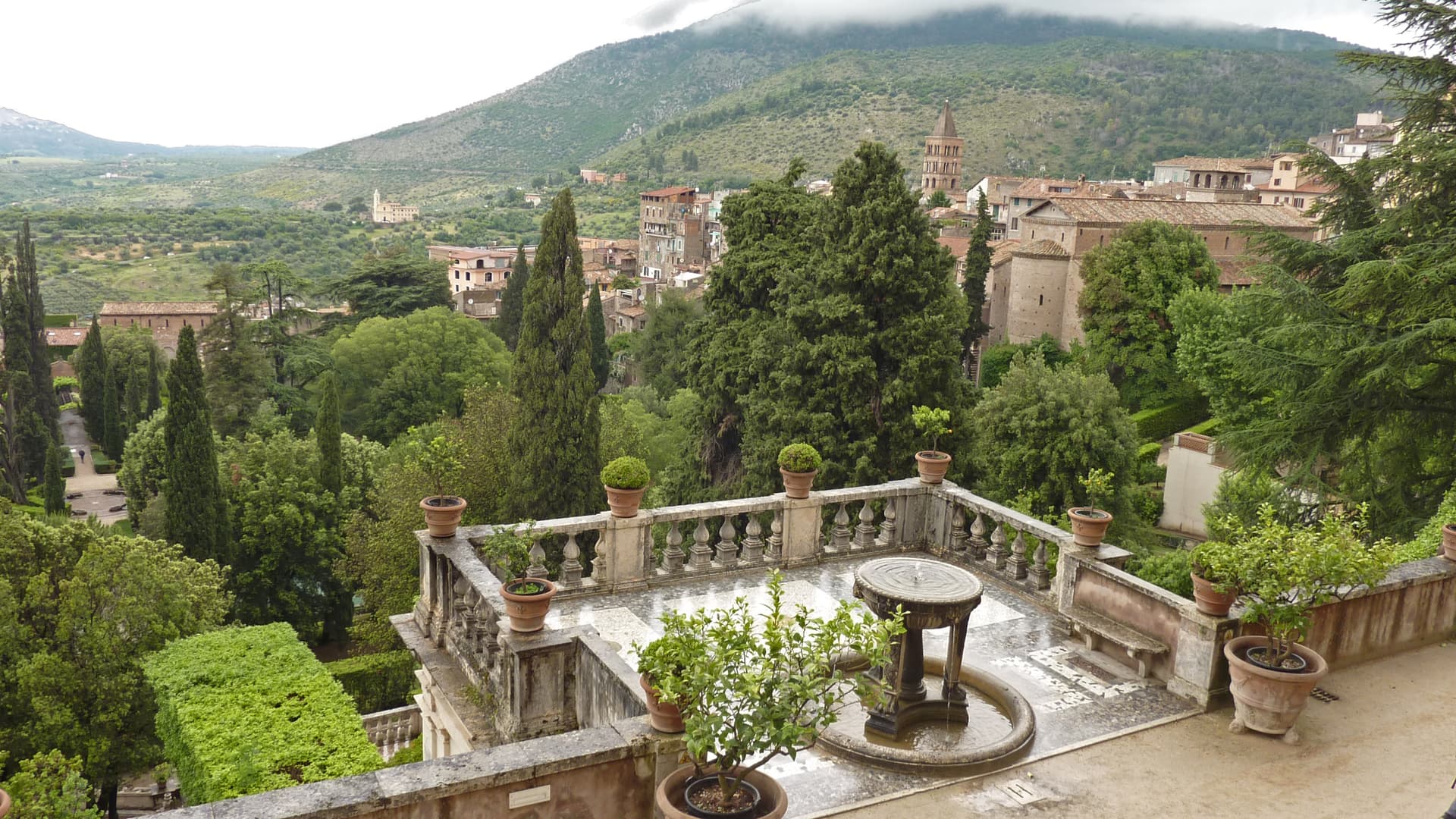
Renaissance garden with 51 fountains, all gravity-fed from the Aniene, designed by Pirro Ligorio from 1550 for Cardinal Ippolito d'Este.
VILLA ADRIANA
Hadrian's 120-hectare imperial estate, the emperor's architectural collage of Egypt, Greece and Asia Minor on the Tiburtine plain.
TRAVERTINE
Tivoli's quarries supplied the white travertine for the Colosseum, St Peter's colonnade and most of Rome's monumental construction.
When to visit
Best · Apr–Oct
- J
- F
- M
- A
- M
- J
- J
- A
- S
- O
- N
- D
- Best
- Hot or crowded
- Quiet
- Mostly closed
The festa: San Lorenzo, 10 August
Why come
Tivoli sits on the Aniene river where it drops 120 meters off the Tiburtini hills, twenty-five kilometers east of Rome. The Romans called it Tibur and built it up as their summer station; the moneyed classes carried on building here for two thousand years afterward. Two of those projects became UNESCO sites, listed separately.
Hadrian's villa, four kilometers below town, covers 120 hectares with the remains of thirty monumental buildings the emperor built between 117 and 138 AD to recreate the architectural memories of Egypt, Greece and Asia Minor. The Villa d'Este, inside the upper town, was laid out for Cardinal Ippolito d'Este from 1550 onward; its gardens carry 51 fountains powered entirely by gravity from the Aniene. Cardinal Ippolito stripped much of the marble from Hadrian's villa to decorate his own.
Below them both, the Villa Gregoriana park drops into the gorge where Gregory XVI diverted the river in 1832 to create the 120-meter Cascata Grande. The travertine quarries that built Rome are still working in the plain below.
The Sunday letter
We haven’t written Tivoli’s letter yet.
One town every Sunday, with the photo, the food, the festa. Be there when this one comes up. Free, by Peter & Sophia from Pietrasanta.
By subscribing you agree to Substack’s Terms of Use, our Privacy Policy and our Information collection notice.
What to see
Villa d'Este
UNESCO Renaissance villa and garden laid out for Cardinal Ippolito d'Este from 1550, with 51 gravity-fed fountains stepping down the hillside.
Villa Adriana
UNESCO imperial villa built by Hadrian between 117 and 138 AD, 120 hectares with the remains of 30 monumental buildings including the Canopo and Teatro Marittimo.
Villa Gregoriana
Romantic park in the Aniene gorge, opened by Pope Gregory XVI in 1835 around the 120-meter Cascata Grande diverted through Monte Catillo.
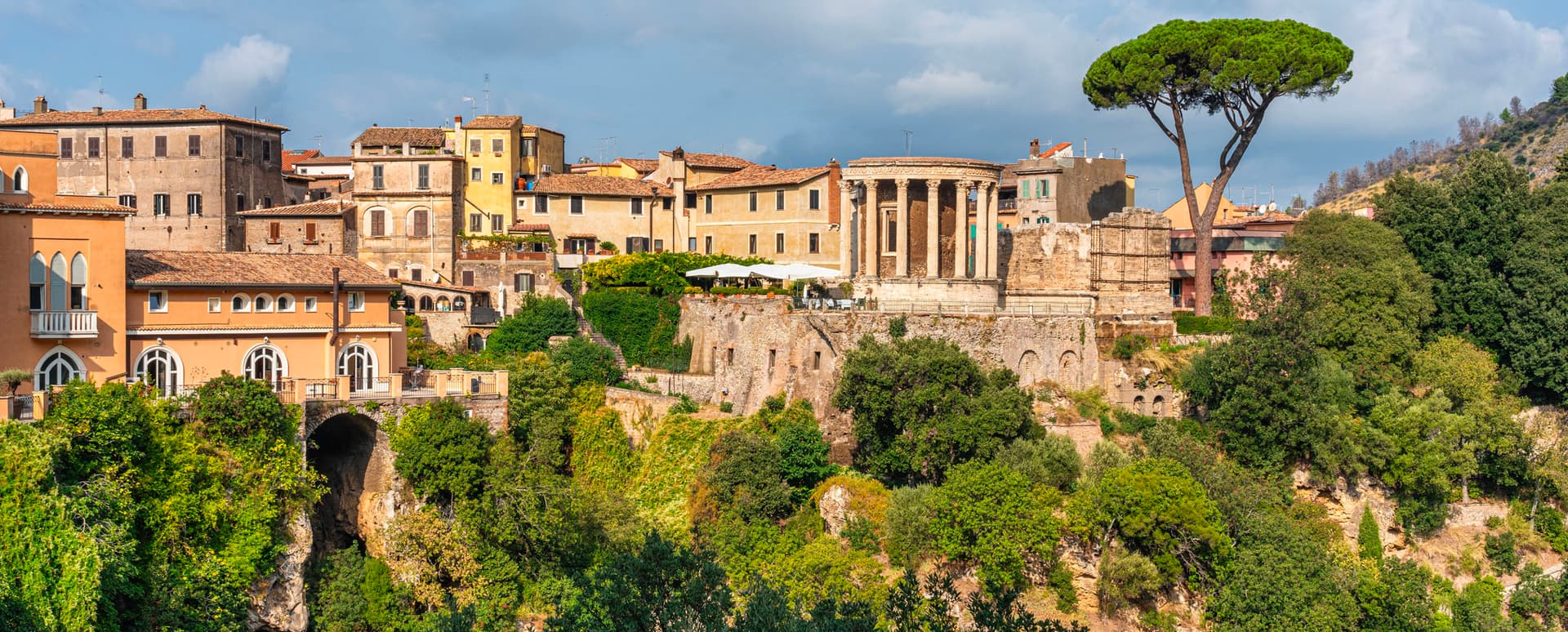
Tempio di Vesta e Tempio della Sibilla
Two small Roman temples on the acropolis above the falls, the circular Vesta and rectangular Sibilla, both 2nd century BC.
Rocca Pia
Massive four-towered fortress built by Pope Pius II in 1461 to control the restive Tiburtine population, now in the upper town.
Terme di Roma Acque Albule
Sulphurous thermal baths in the plain below town, used since Roman times and the basis of the Comuni Termali designation.
The slow-trip planner
Building a trip? Find where Tivoli fits in a slow Italy circuit.
Answer five questions. We will shape a geographically coherent slow trip from the 1,000 Italian towns most travelers skip. Yours to save and share.
We recommend
Where to eat and stay
Not our picks, but places the guides put their name to — a Michelin star, a Gambero Rosso fork, a Slow Food snail, a Michelin Key for the hotels. Worth a table, a counter, or a night when you pass through.
Al MadrigaleRistorante
One Michelin star for Al Madrigale, along with two Gambero Rosso forks (80/100) and a place in L'Espresso's Top 300.
Li SomariTrattoria
Li Somari has a Michelin Bib Gourmand, two Gambero Rosso prawns and a Slow Food snail.
NUH Osteria ContemporaneaRistorante
A spot in the Michelin Guide, at NUH Osteria Contemporanea.
Osteria La BriciolaRistorante
Osteria La Briciola holds one Gambero Rosso fork (75/100).
SibillaRistorante
A spot in the Michelin Guide, at Sibilla.
Living here
- Population 54,916
- A local hubi
- Pharmacy in town
- High school within a 30-minute drive
- Train station in the comune
- Nearest airport Rome, 1 h 12 min drive
- Regional capital Roma, 31 min drive
This is a thermal town — terme operate here.
Tags & datadesignations · numbers · sources
Recognised as
The numbers
- Elevation: 235 m
- Population: 54,916
- Surface area: 68.65 km²
These figures were compiled from public directories — ISTAT, OpenStreetMap, Wikidata — and from the official listings of the guides named on this page. Town details change; verify with official sources before you travel.
Featured on
Tivoli appears on this themed pick from our Collections:
Close by
More towns near Tivoli
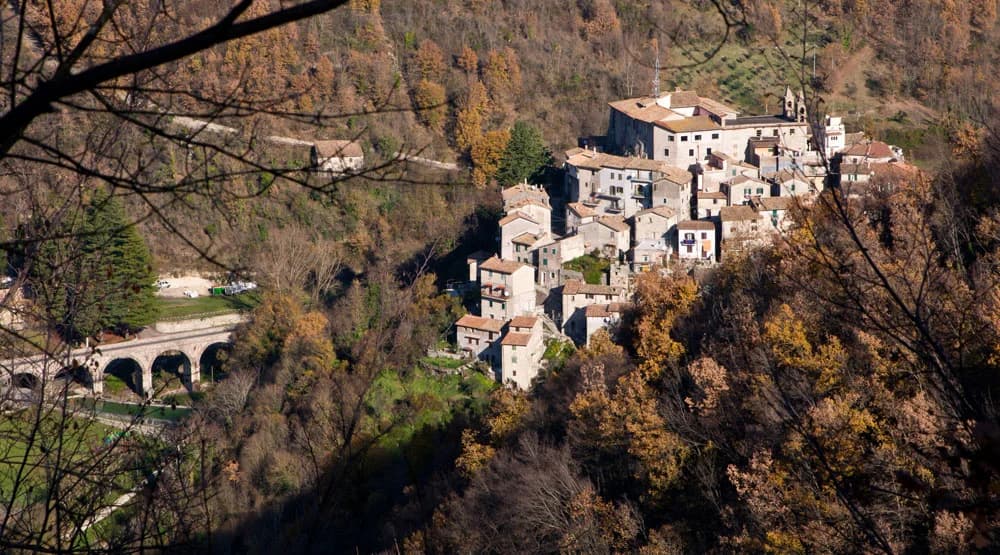
Percile
Province: Roma
A 219-person medieval borgo at 575 meters in the Monti Lucretili park, with two karst lakes called Lagustelli hidden in the beech woods above.
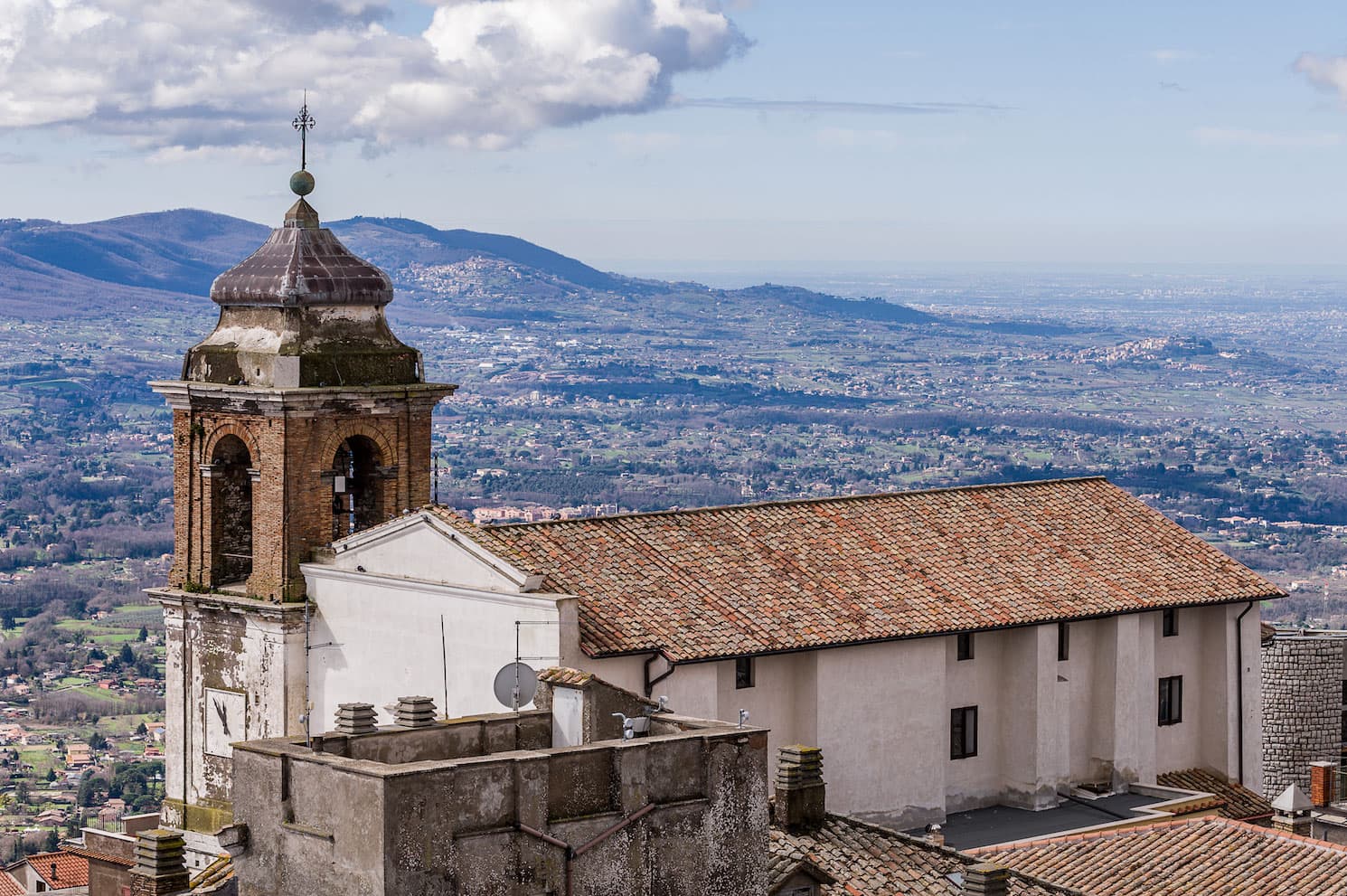
Castel San Pietro Romano
Province: Roma
A 763-meter hill village on Monte Ginestro above Palestrina, sitting on the acropolis of ancient Praeneste and inside the Colonna fortress walls.
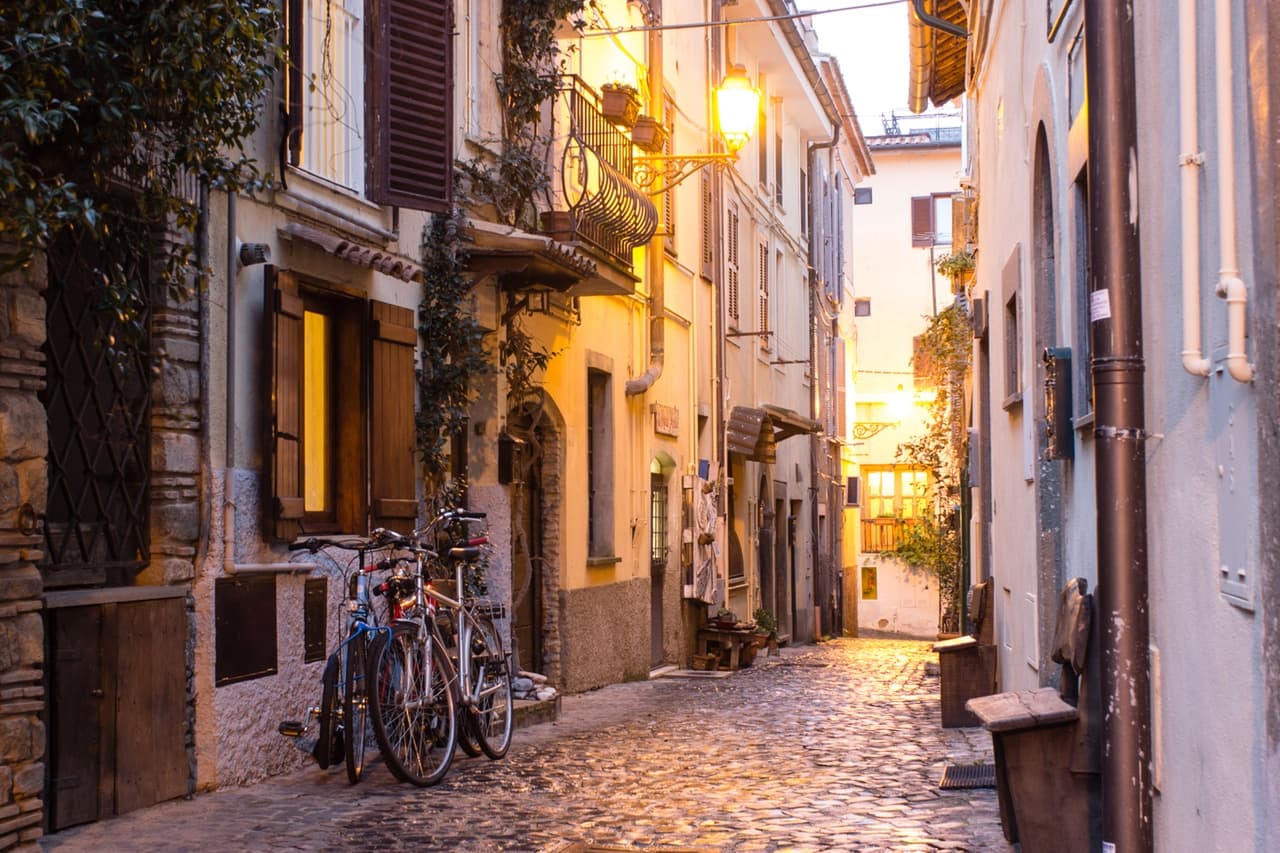
Castel Gandolfo
Province: Roma
A papal town on the rim of Lake Albano's volcanic crater, summer residence of the popes since 1626 in the Castelli Romani.
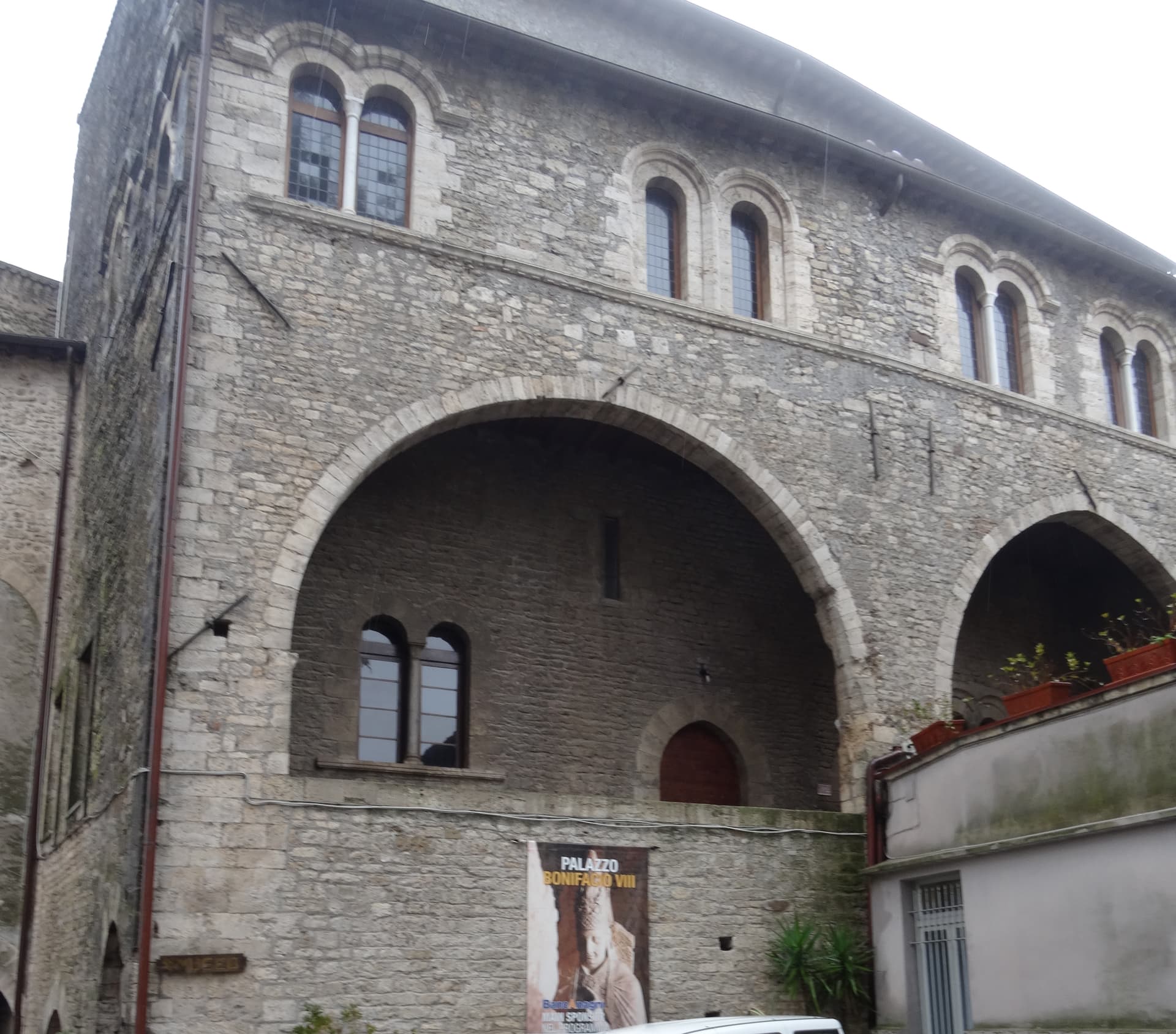
Anagni
Province: Frosinone
The hill town in Ciociaria where Sciarra Colonna struck Pope Boniface VIII in September 1303, ending the medieval claim to papal supremacy.
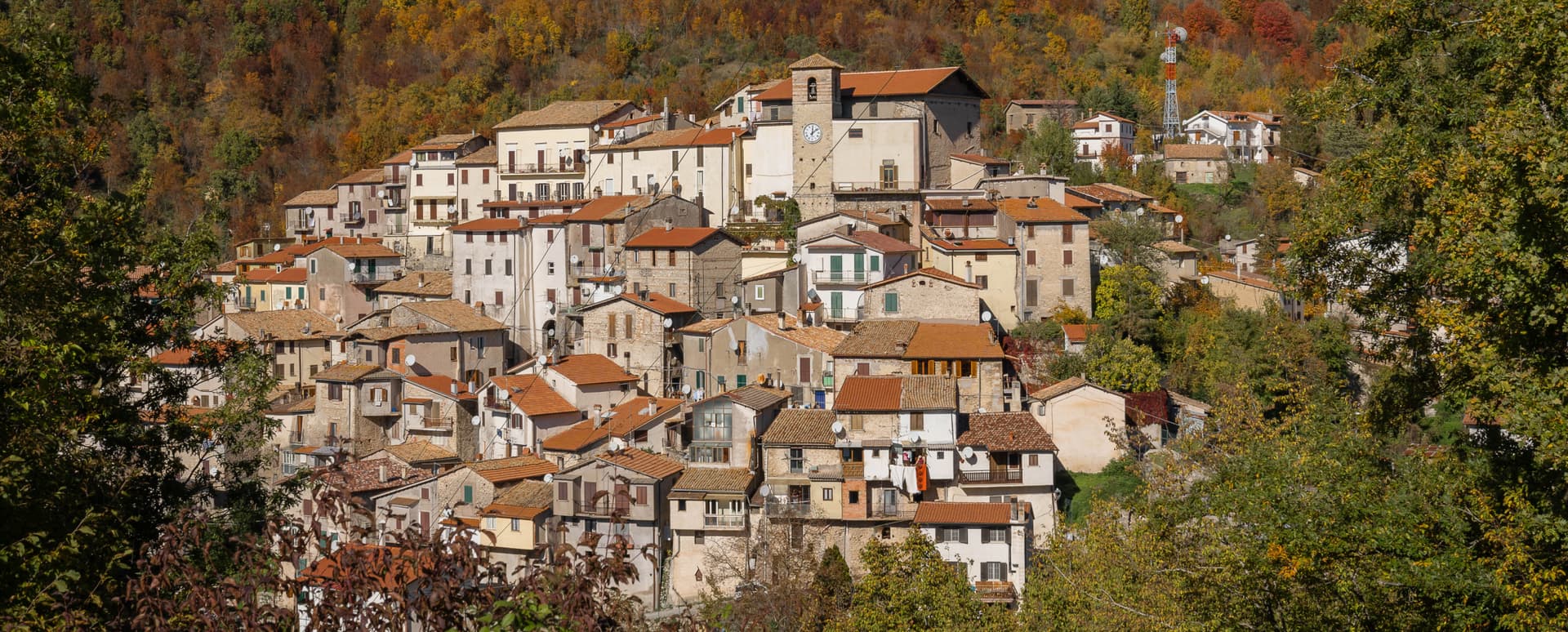
Orvinio
Province: Rieti
The highest borgo in the Monti Lucretili park at 840 meters, called Canemorto until 1863 and dominated by the Castello Malvezzi-Campeggi.
🏛️ UNESCO
More UNESCO towns
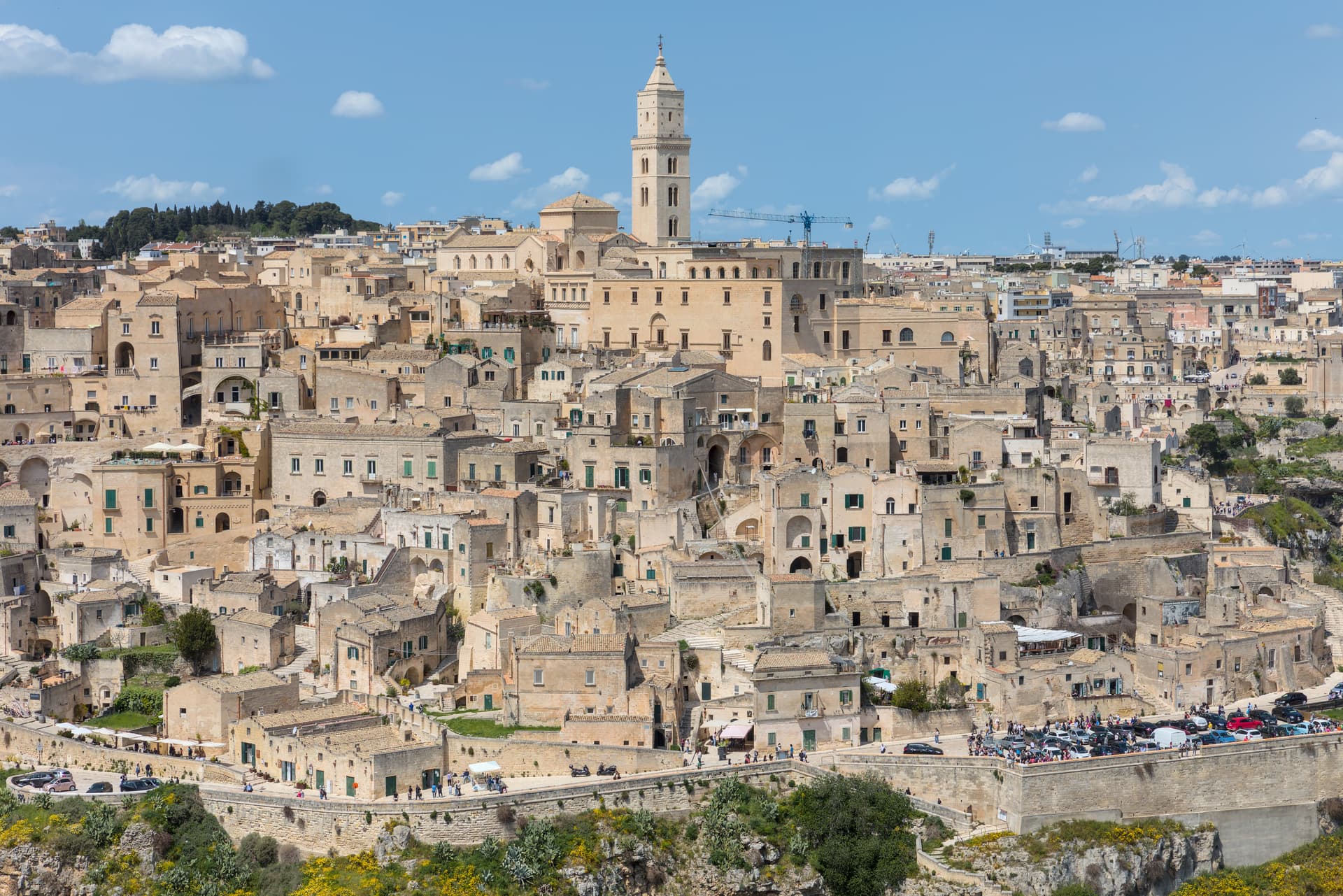
Matera
Province: Matera
Cave dwellings carved into limestone since the Paleolithic, called the shame of Italy in the 1950s and made European Capital of Culture in 2019.
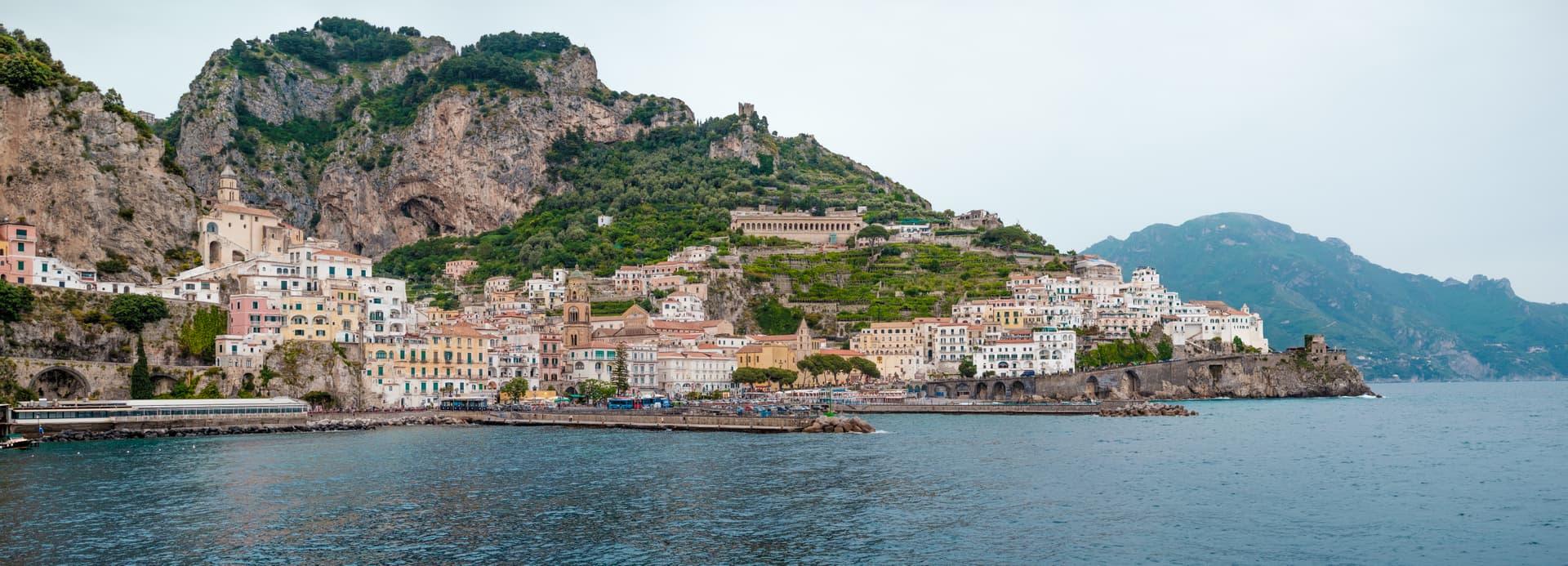
Amalfi
Province: Salerno
The first Italian maritime republic and the coast it named, six meters above the sea between cliffs that close around the duomo's steps.
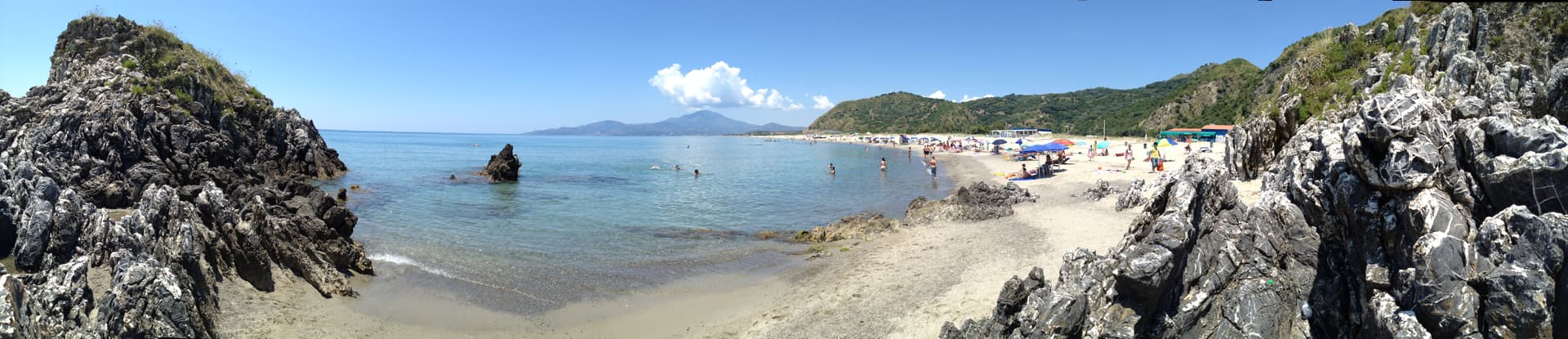
Ascea
Province: Salerno
Two villages, a hilltown at 230 meters and a Cilento marina, with Parmenides and Zeno's Eleatic school in the ruins of Greek Velia below.
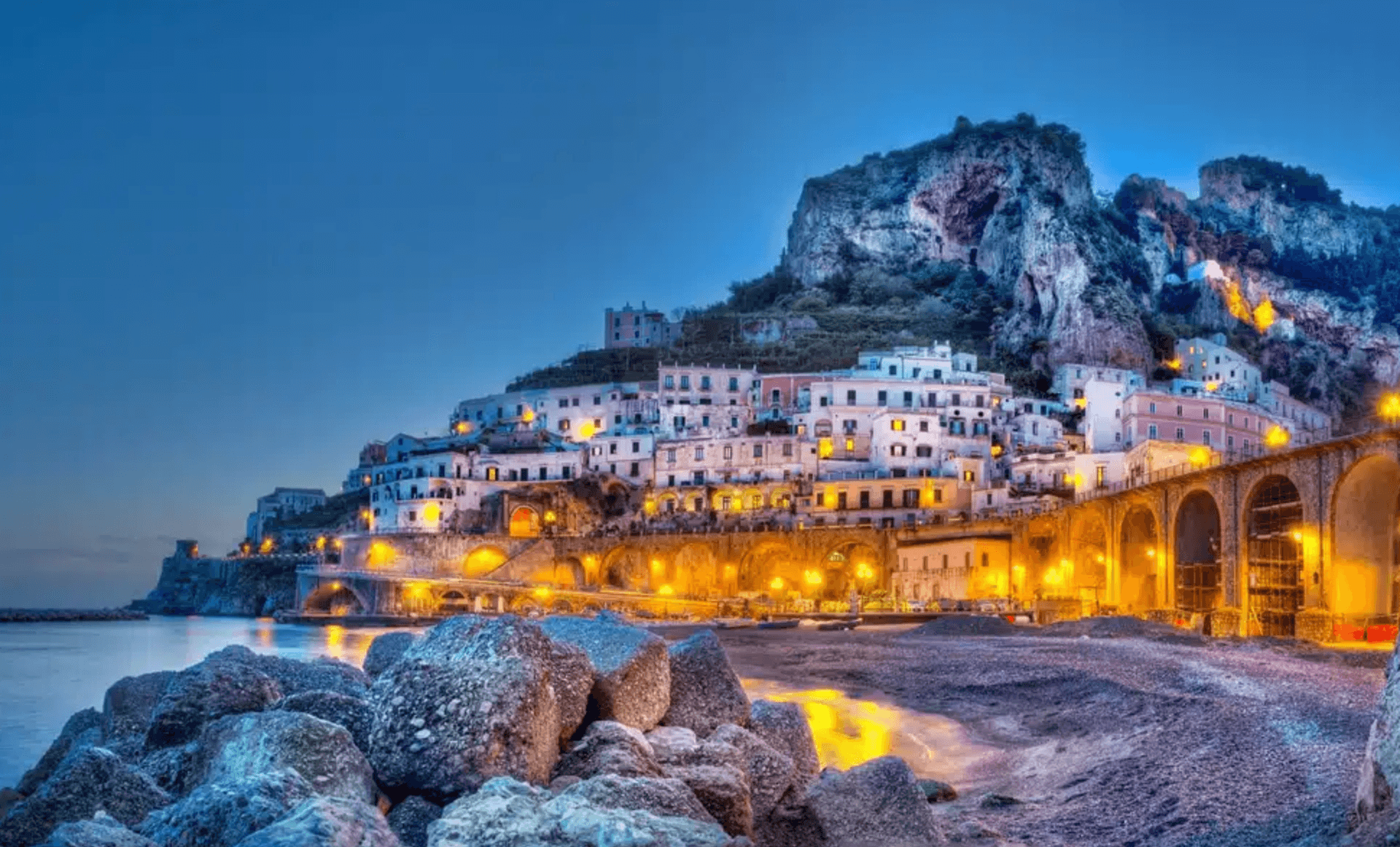
Atrani
Province: Salerno
The smallest commune in Italy by area, twelve hectares of stacked houses where the Amalfi Coast pinches shut around a single piazza.
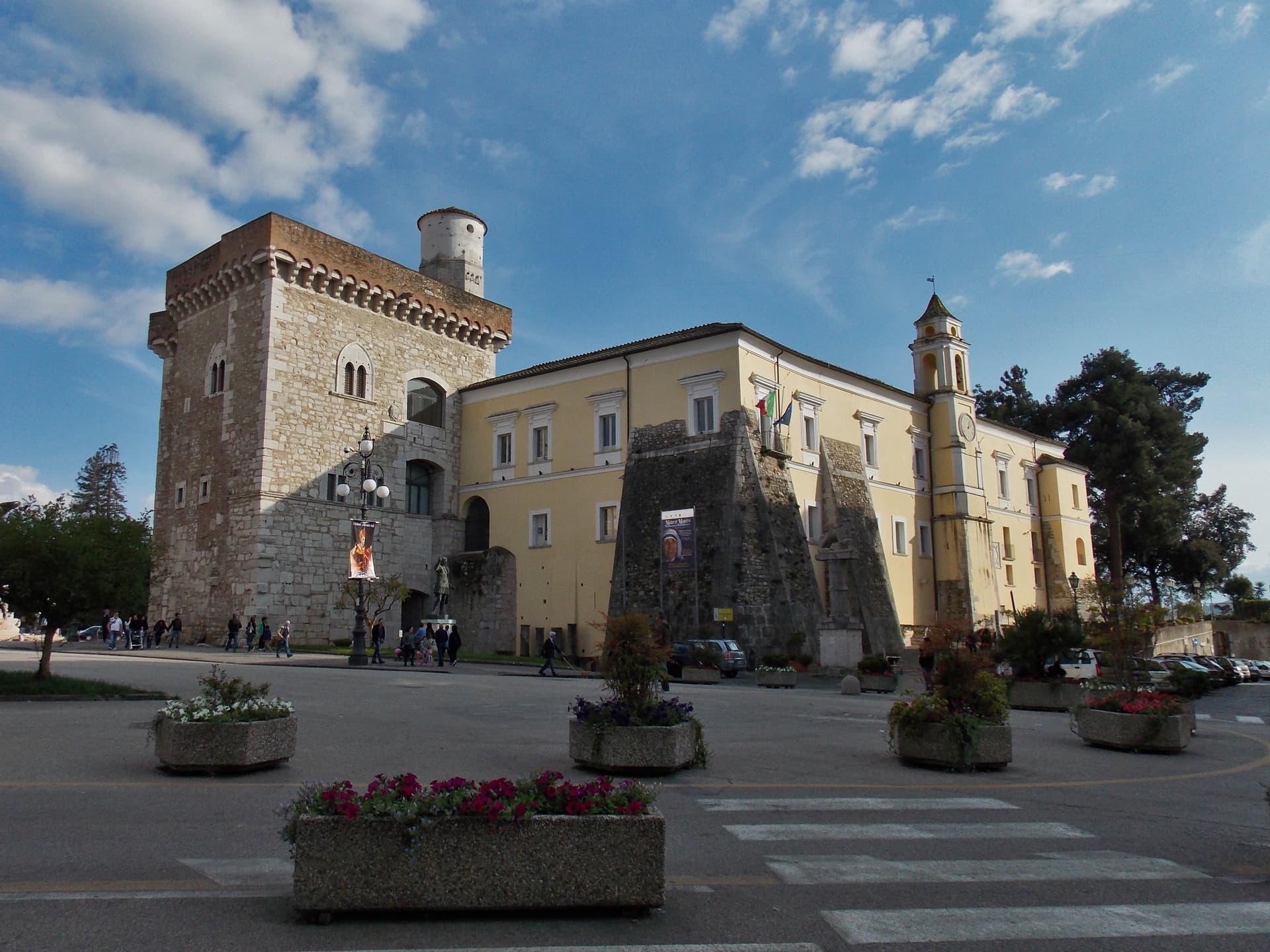
Benevento
Province: Benevento
Sannio capital at the Calore-Sabato confluence, with a 114 AD Trajan arch and a Lombard rotunda on the UNESCO list.