
Lazio · Roma
Castel Gandolfo
A papal town on the rim of Lake Albano's volcanic crater, summer residence of the popes since 1626 in the Castelli Romani.
Known for
PAPAL RESIDENCE
Summer residence of the popes since 1626, designed by Carlo Maderno for Urban VIII Barberini; restored to residential use under Leo XIV in 2025.
LAKE ALBANO
Volcanic crater lake 170 meters deep, fused from two craters at the foot of the town, ringed by the Castelli Romani.
VATICAN OBSERVATORY
Moved to the Pontifical estate in 1934 when Rome's light pollution ended astronomy from the Vatican; 1935 telescope domes still in use.
When to visit
Best · Apr–Oct
- J
- F
- M
- A
- M
- J
- J
- A
- S
- O
- N
- D
- Best
- Hot or crowded
- Quiet
- Mostly closed
The festa: San Sebastiano, 20 January
Why come
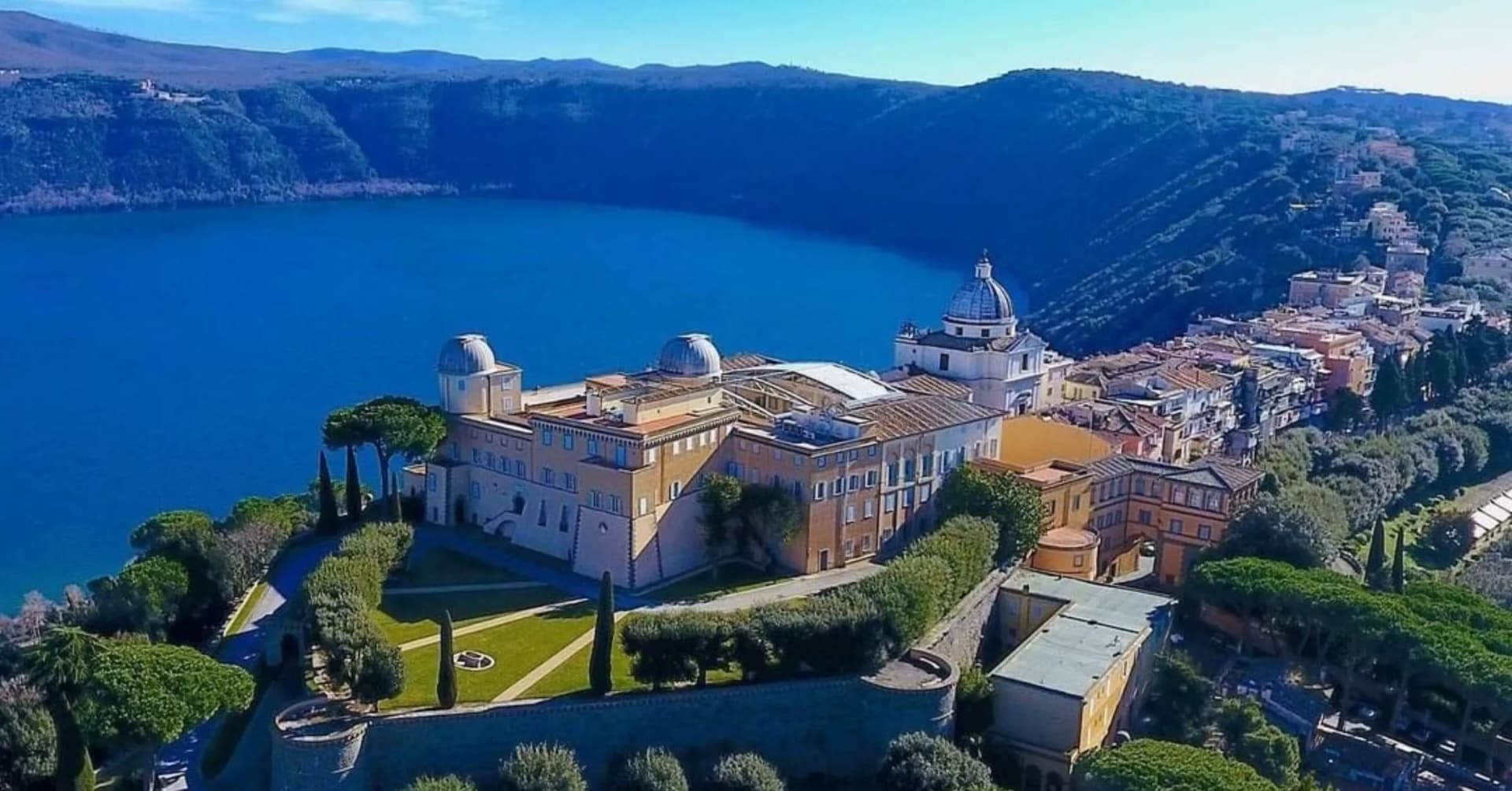
Castel Gandolfo sits on the rim of the Lake Albano crater, twenty-five kilometers southeast of Rome in the Castelli Romani. The lake below, 293 meters above sea level, was formed by the fusion of two volcanic craters and reaches 170 meters deep. The town stands on the site of Alba Longa, the city Aeneas's son Ascanius is said to have founded.
The Apostolic Palace was built by Carlo Maderno for Pope Urban VIII Barberini and has been a papal summer residence since 1626. Adjacent to it stands the Villa Barberini, acquired by Taddeo Barberini in 1631, with gardens running down to the lake. The Vatican Observatory moved here in 1934 when light pollution made astronomy impossible from Rome; its 1935 telescope domes are on the palace roofs.
Pope Francis kept the palace open as a museum after 2016. Leo XIV restored it to residential use in June 2025 and resides in the adjacent Villa Barberini. The Borgo Laudato Si, created by Francis in 2023, runs ecological education across 55 hectares of the estate.
The Sunday letter
We haven’t written Castel Gandolfo’s letter yet.
One town every Sunday, with the photo, the food, the festa. Be there when this one comes up. Free, by Peter & Sophia from Pietrasanta.
By subscribing you agree to Substack’s Terms of Use, our Privacy Policy and our Information collection notice.
What to see
Palazzo Apostolico
Built 1623-1626 by Carlo Maderno for Urban VIII, papal summer residence since 1626, museum since 2016, restored to papal use in June 2025.
Ville Pontificie e Giardini Barberini
Fifty-five hectares of papal villas and gardens running down to Lake Albano, with the seventeenth-century Villa Barberini at their center.
Lago Albano
Volcanic crater lake at 293 meters, fused from two craters, 170 meters deep, 5 square kilometers, ringed by Castel Gandolfo and Albano Laziale.
Specola Vaticana
Vatican Observatory relocated to the palace in 1934 when Rome's lights ended astronomy from the Vatican; 1935 telescope domes on the roofs.
Borgo Laudato Si'
Ecological garden, farm and education area created by Pope Francis in 2023 across 55 hectares of the Pontifical estate.
Piazza della Libertà
Central piazza in front of the Apostolic Palace, with the seventeenth-century parish church of San Tommaso da Villanova by Bernini.
The slow-trip planner
Building a trip? Find where Castel Gandolfo fits in a slow Italy circuit.
Answer five questions. We will shape a geographically coherent slow trip from the 1,000 Italian towns most travelers skip. Yours to save and share.
We recommend
Where to eat and stay
Not our picks, but places the guides put their name to — a Michelin star, a Gambero Rosso fork, a Slow Food snail, a Michelin Key for the hotels. Worth a table, a counter, or a night when you pass through.
Tinello BistrotBistrot
Two Gambero Rosso tables for Tinello Bistrot, and a spot in the Michelin Guide.
Antico Ristorante PagnanelliRistorante
Antico Ristorante Pagnanelli has a spot in the Michelin Guide to its name.
Living here
- Population 8,564
- Commuter belti
- Pharmacy in town
- High school within a 30-minute drive
- Train station in the comune
- Nearest airport Rome, 1 h 1 min drive
- Regional capital Roma, 35 min drive
Tags & datadesignations · numbers · sources
The numbers
- Elevation: 426 m
- Population: 8,564
- Surface area: 14.19 km²
These figures were compiled from public directories — ISTAT, OpenStreetMap, Wikidata — and from the official listings of the guides named on this page. Town details change; verify with official sources before you travel.
Featured on
Castel Gandolfo appears on this themed pick from our Collections:
Close by
More towns near Castel Gandolfo
Ariccia
Province: Roma
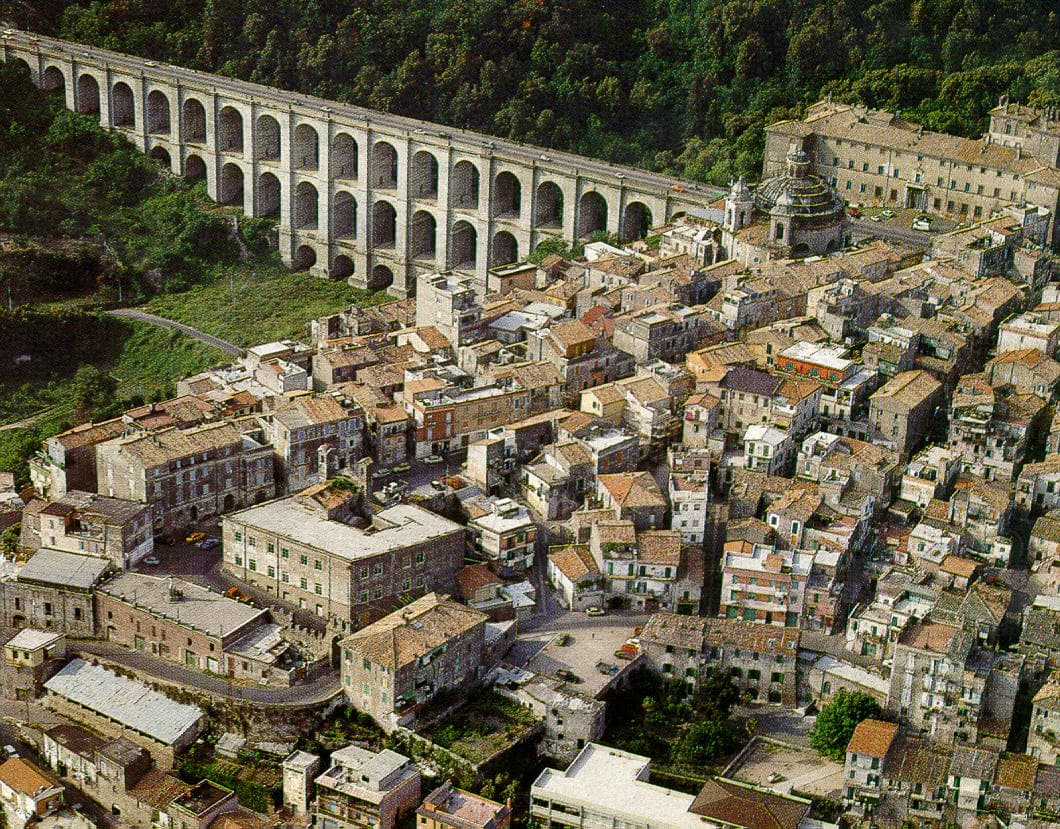
The Castelli Romani town where you go for porchetta — a Bernini-designed Baroque ensemble (palazzo + Santa Maria dell'Assunzione + Piazza di Corte) on a volcanic crater rim 25 km south of Rome, with the most concentrated cluster of fraschette porchetta restaurants in Italy and Lago di Albano below.
Nemi
Province: Roma
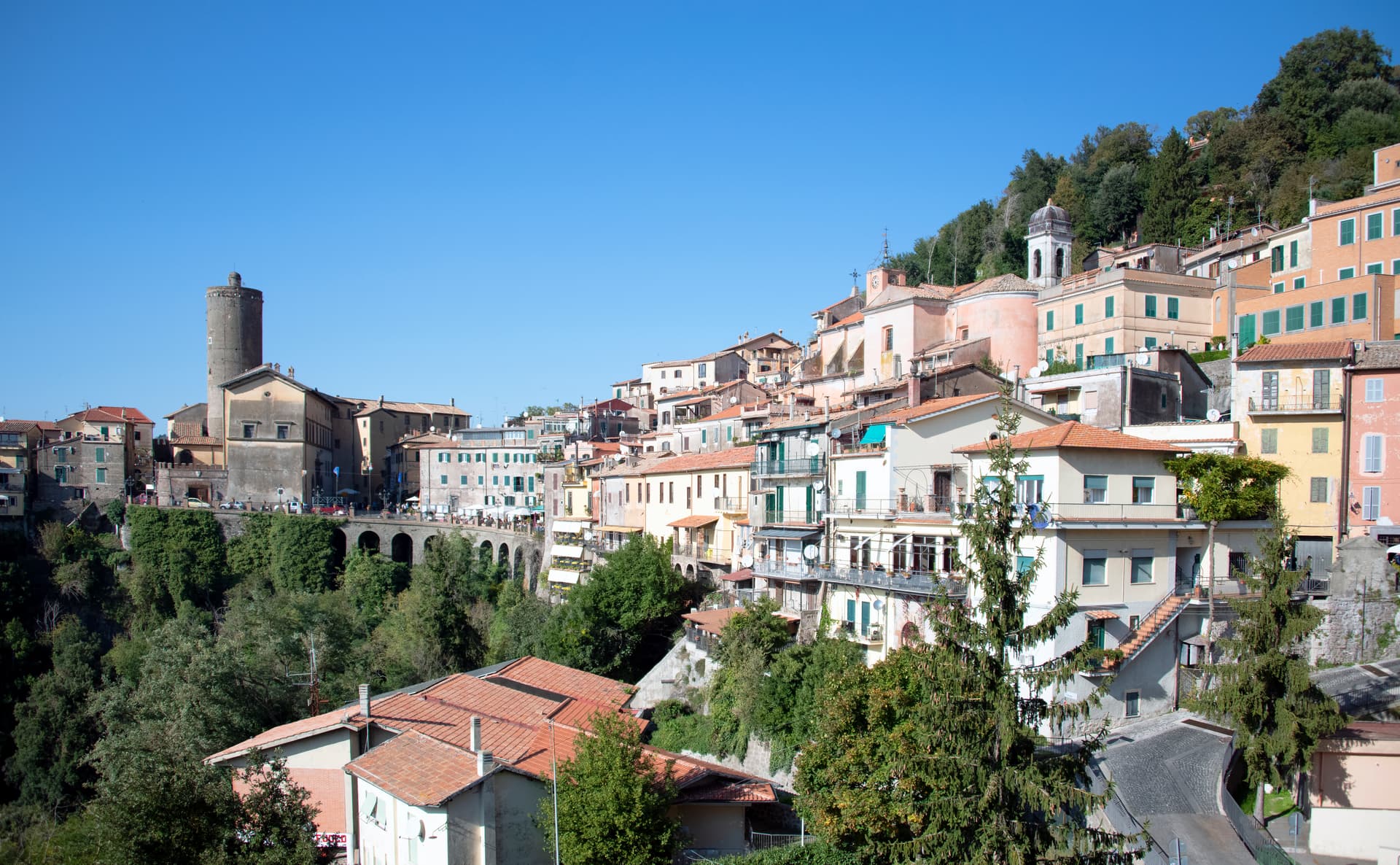
The smallest comune in the Castelli Romani, perched at 521 meters above a volcanic crater lake the Romans called the mirror of Diana.
Velletri
Province: Roma
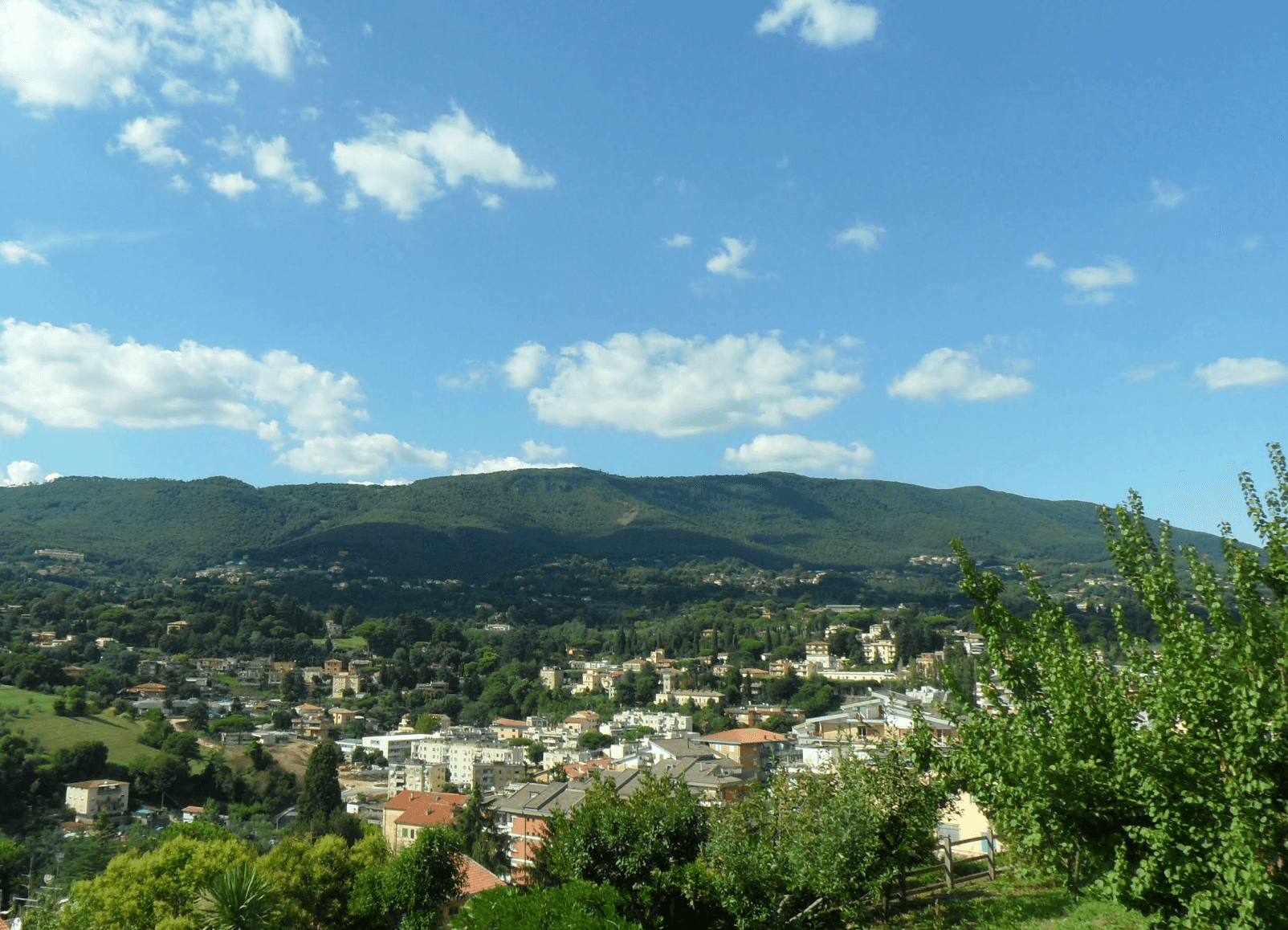
The Castelli Romani town where Augustus grew up, now the largest wine commune in the Alban Hills.
Tivoli
Province: Roma
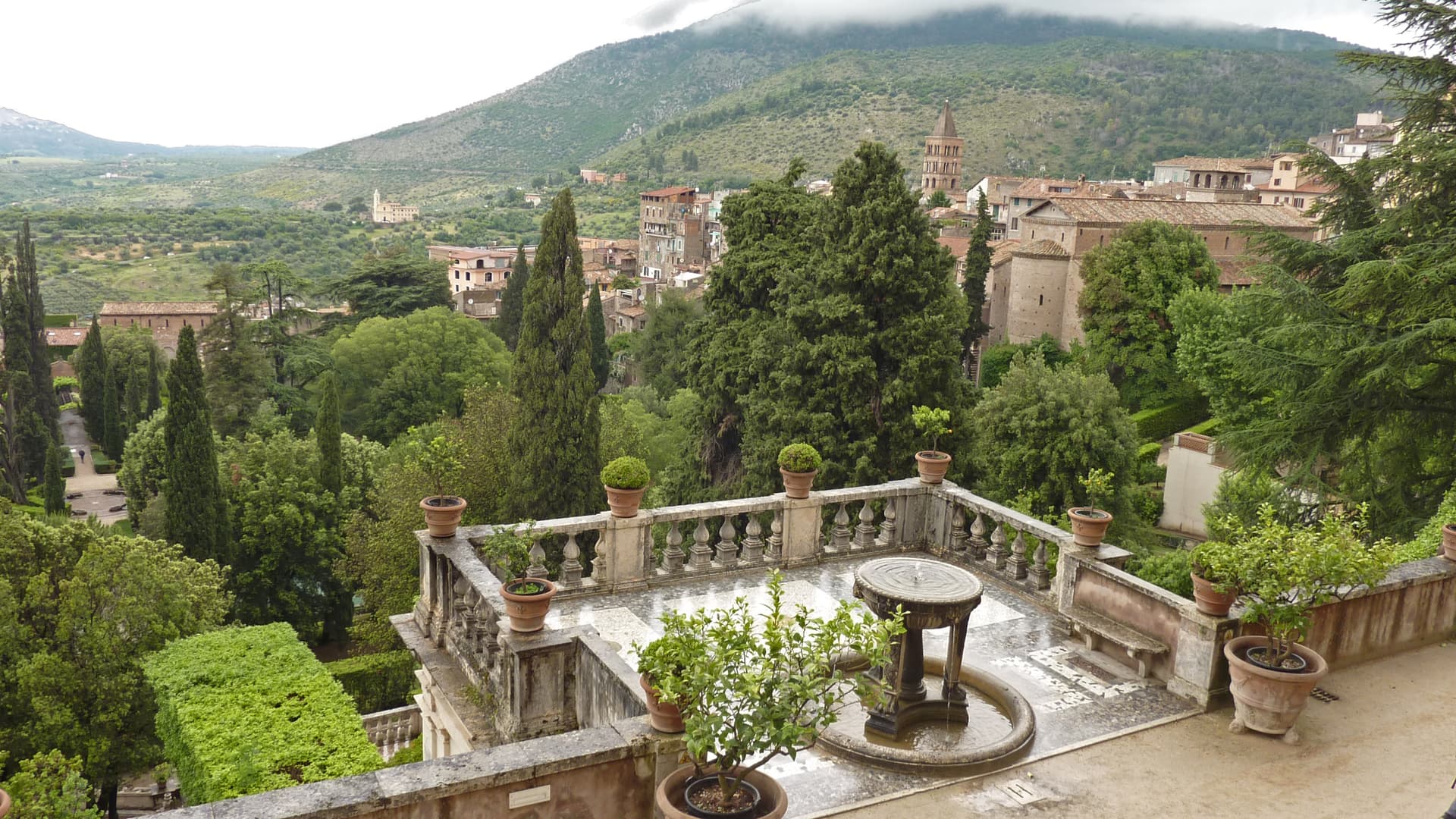
A travertine town on the Aniene falls twenty-five kilometers east of Rome, holding two separate UNESCO sites: Hadrian's villa below and the Villa d'Este above.
Castelnuovo di Porto
Province: Roma
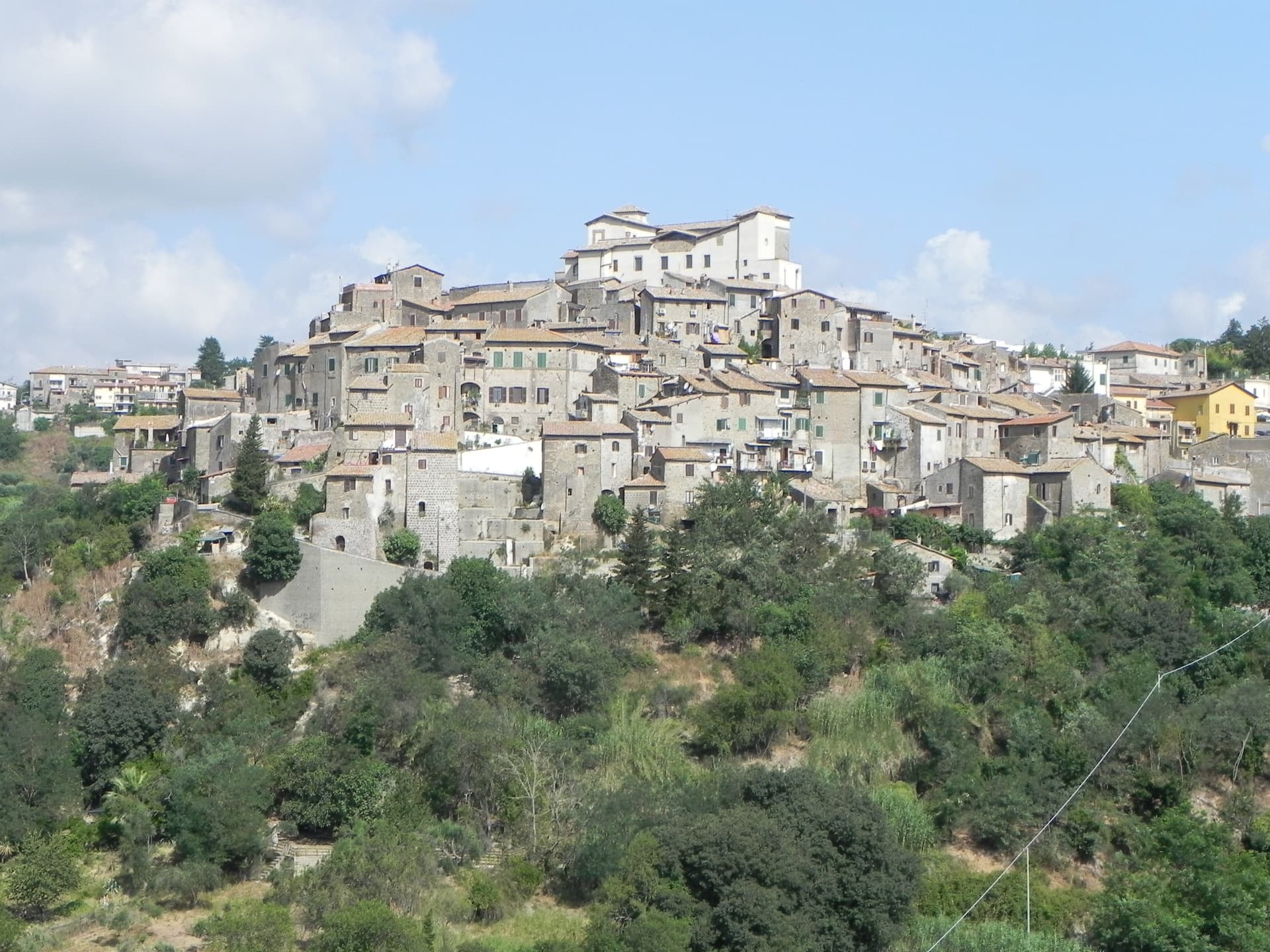
A tufa-ridge borgo twenty-five kilometers north of Rome inside the Parco di Veio, dominated by the Rocca Colonna above the Tiber valley.
🎨 Borghi più belli d'Italia
More Borghi più belli d'Italia towns in Lazio
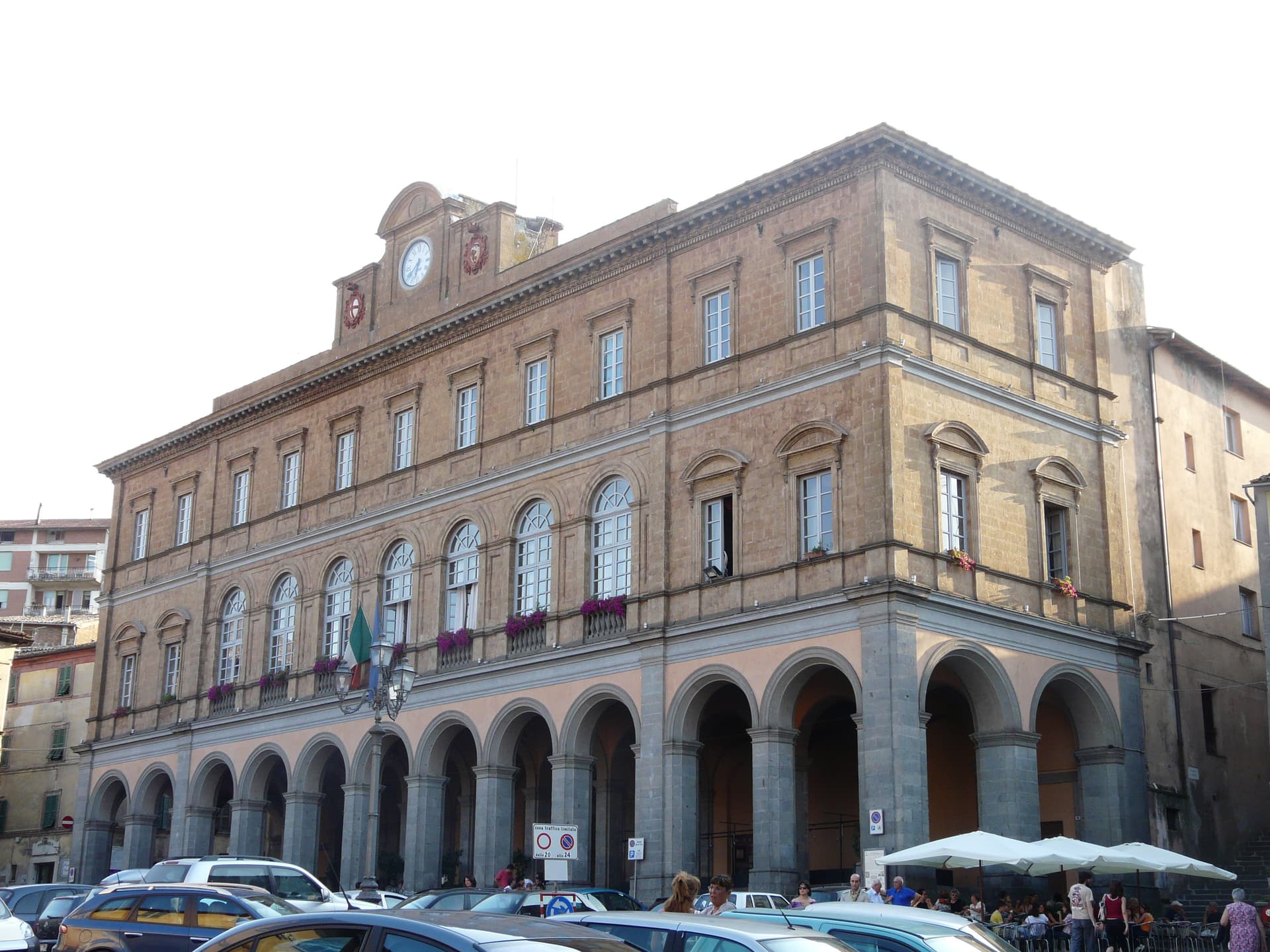
Acquapendente
Province: Viterbo
The northernmost town in Lazio on the Via Francigena, at 420 meters above the Paglia, named in 964 for its waterfalls.
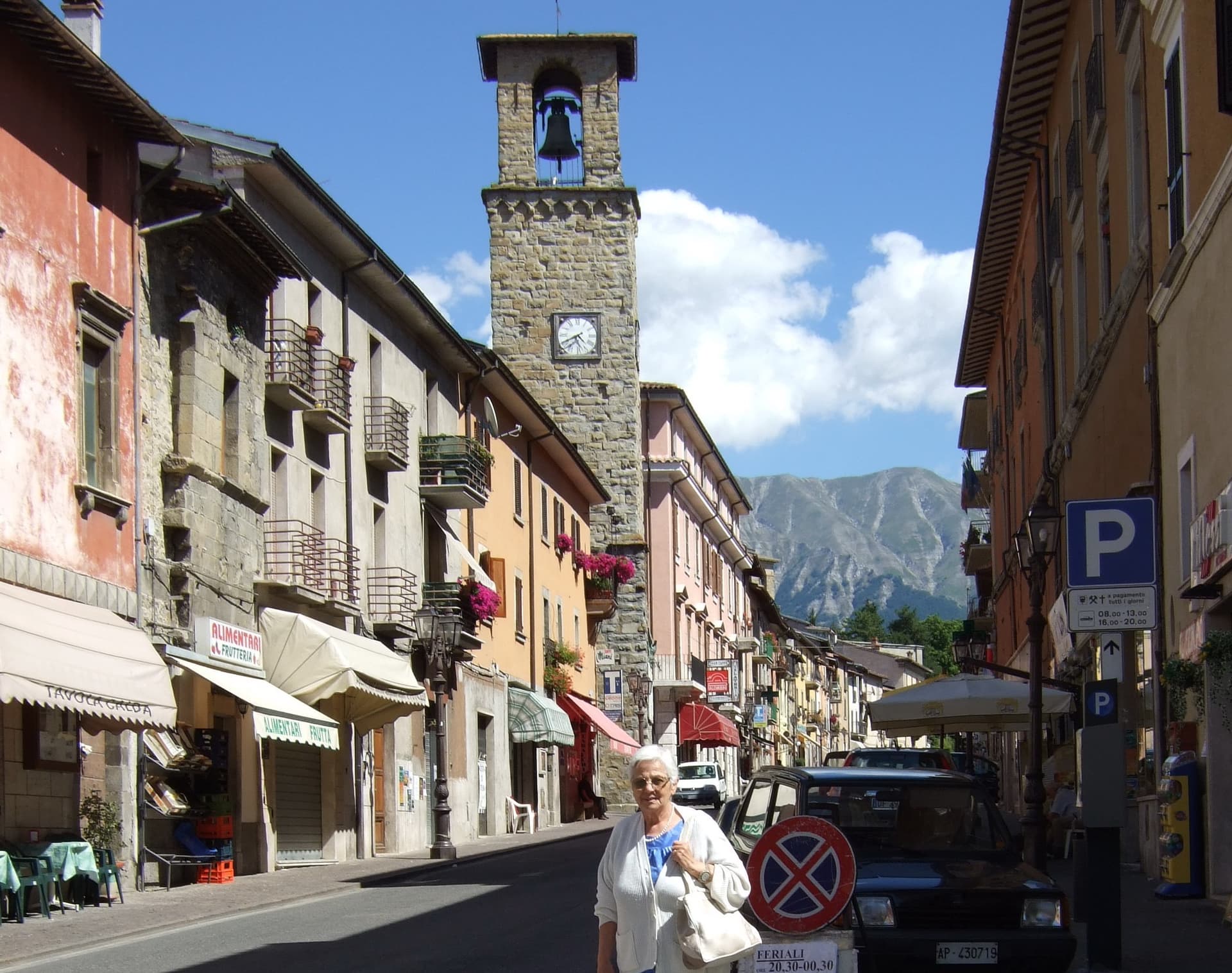
Amatrice
Province: Rieti
A 955-meter Apennine town leveled by the 24 August 2016 earthquake, slowly rebuilding the streets that gave amatriciana its name.
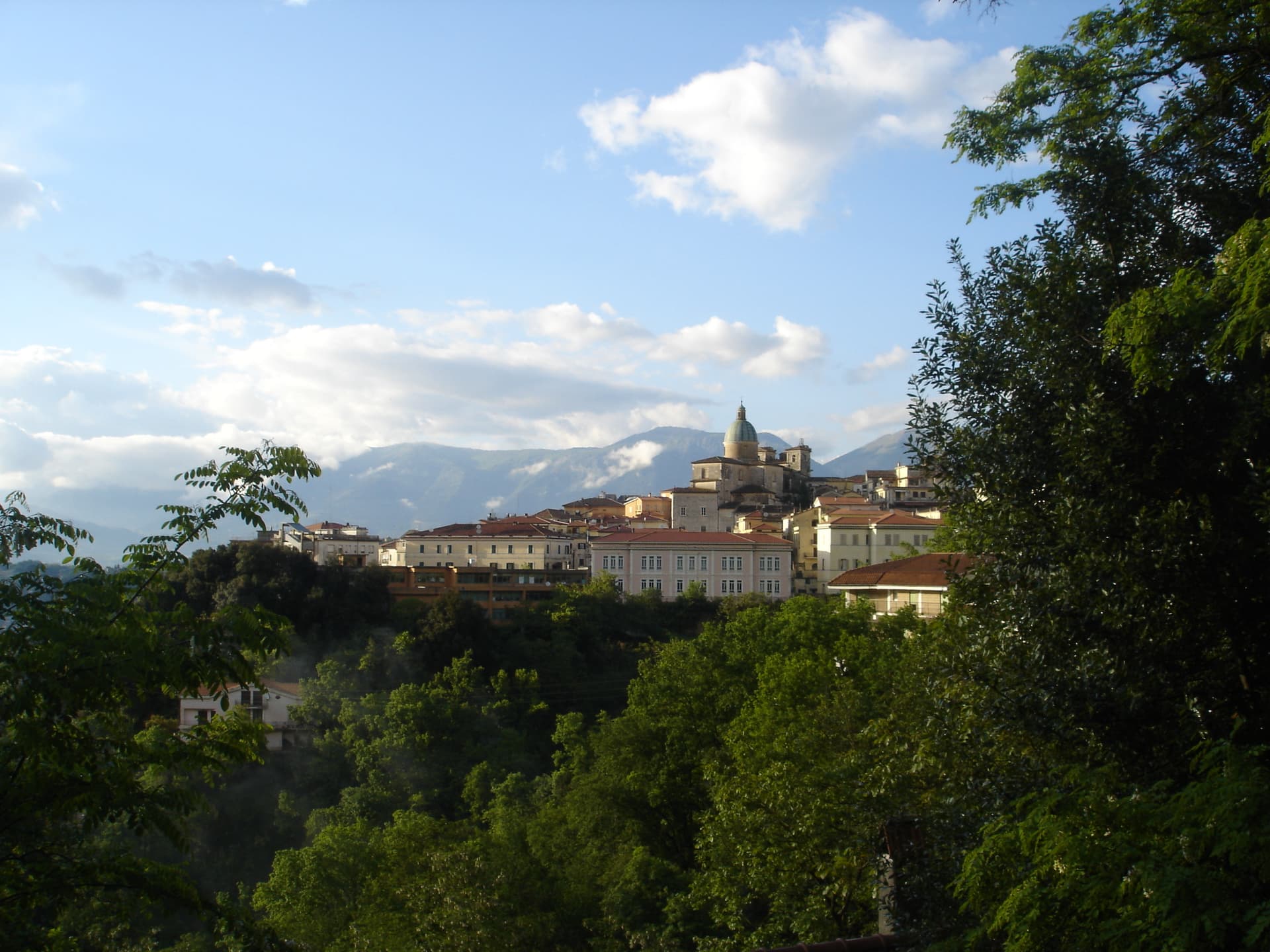
Atina
Province: Frosinone
A polygonal-walled town in the Val di Comino at the foot of the Mainarde, and the DOC that makes Cabernet in central Italy.
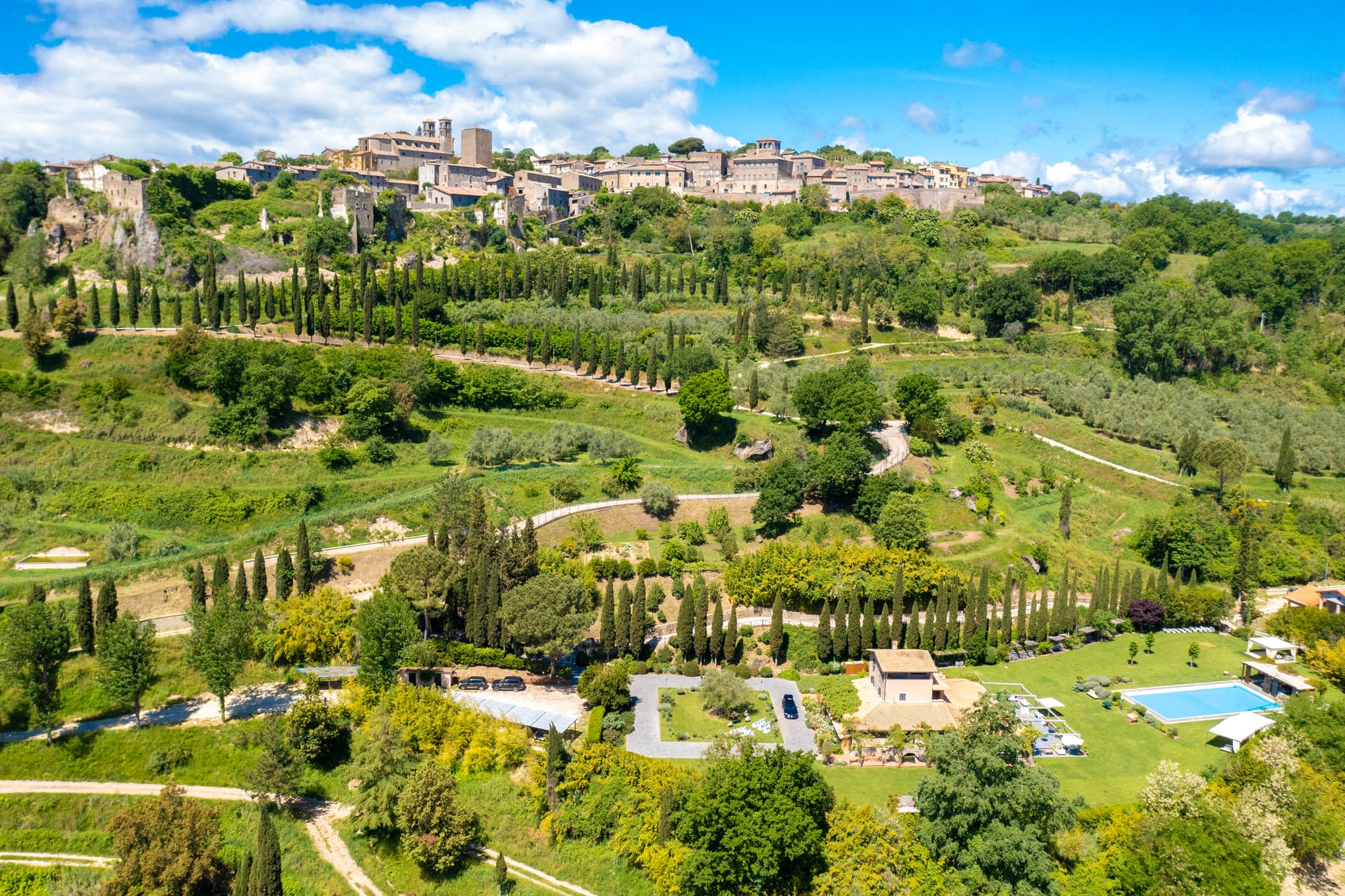
Bassano in Teverina
Province: Viterbo
A tufa-spur borgo of 1,260 above the Tiber valley between Lazio and Umbria, with a clock tower that hides an eleventh-century animated bell tower.
Boville Ernica
Province: Frosinone
A Ciociaria hilltop town with eighteen intact medieval towers and Giotto's only surviving mosaic, the Angelo del Navicella, in San Pietro Ispano.