

Lazio · Roma
Subiaco
The Aniene valley town where Benedict spent three years in a cliff cave, and where Italy's first printed book appeared in 1465.
Known for
FIRST PRINTED BOOK
Konrad Sweynheim and Arnold Pannartz set up Italy's first printing press at Santa Scolastica in 1464 and printed the Lactantius in October 1465.
SACRO SPECO
The cave where Benedict of Nursia lived three years as a hermit around 500 AD, now a frescoed sanctuary built into the cliff of Monte Taleo.
CAMMINO DI SAN BENEDETTO
Three-hundred-kilometer pilgrim path beginning at the Sacro Speco and ending at Montecassino, traced through Benedict's own monasteries.
When to visit
Best · Apr–Oct
- J
- F
- M
- A
- M
- J
- J
- A
- S
- O
- N
- D
- Best
- Hot or crowded
- Quiet
- Mostly closed
The festa: Benedetto da Norcia, 21 March
Why come
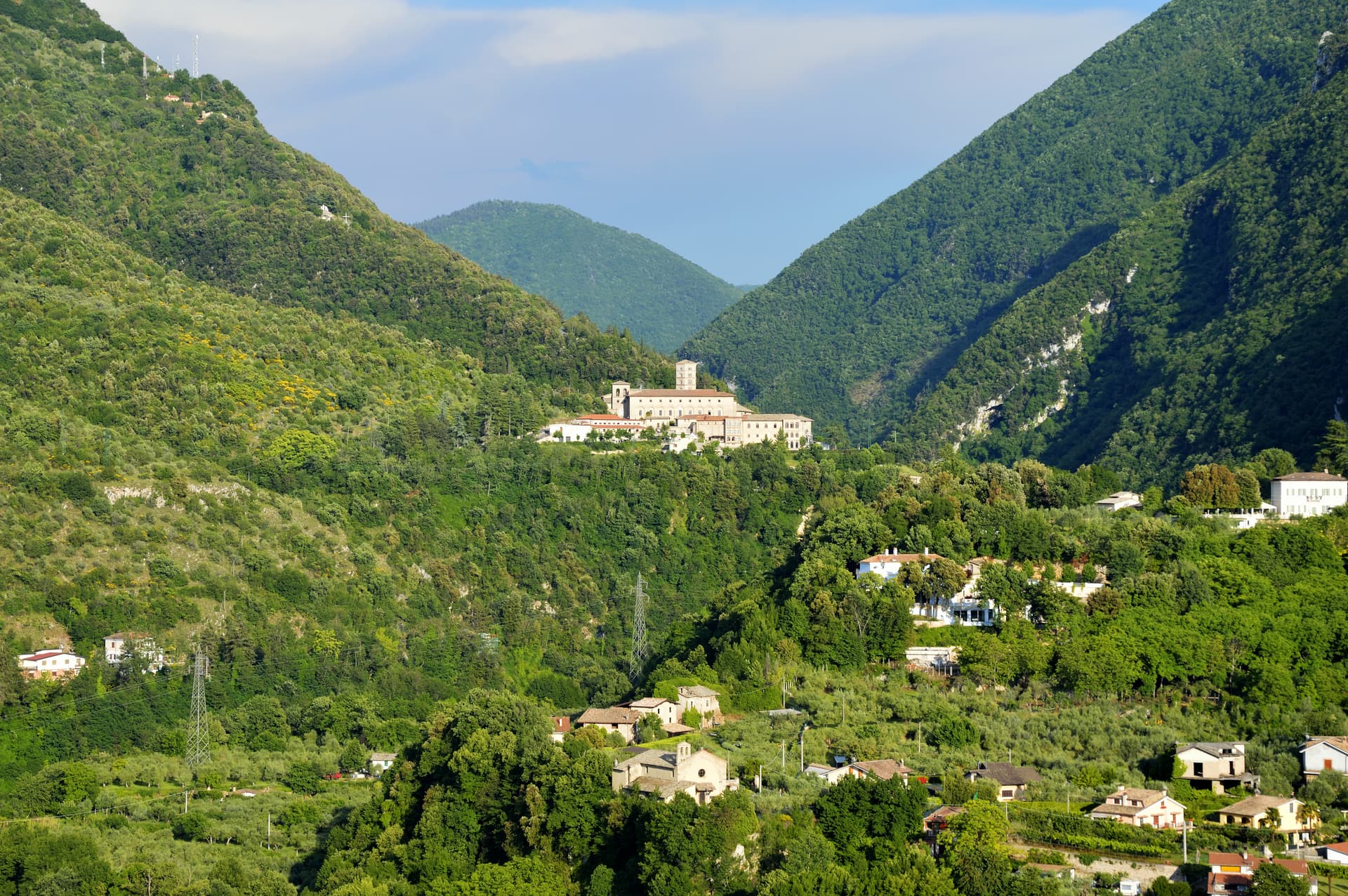
Subiaco sits along the upper Aniene, seventy-three kilometers east of Rome and forty from Tivoli. Nero built a villa here in the first century, using artificial lakes the locals called Sublaqueum, below the lake, the name that survived him. Around 500 AD a young Roman named Benedict of Nursia retreated to a cave on Monte Taleo and lived there three years as a hermit.
The Sacro Speco grew up around that cave: frescoes by the Magister Conxolus and the school of Cimabue cover its walls. Down the hill stands the Abbey of Santa Scolastica, founded by Benedict himself and the only one of his original twelve monasteries still standing. In 1465 two pupils of Gutenberg, Konrad Sweynheim and Arnold Pannartz, installed the first printing press on Italian soil here and produced the Lactantius, the first book printed in Italy. The Cammino di San Benedetto begins at the Sacro Speco and runs three hundred kilometers south to Montecassino.
The Sunday letter
We haven’t written Subiaco’s letter yet.
One town every Sunday, with the photo, the food, the festa. Be there when this one comes up. Free, by Peter & Sophia from Pietrasanta.
By subscribing you agree to Substack’s Terms of Use, our Privacy Policy and our Information collection notice.
What to see
Monastero del Sacro Speco
Benedictine sanctuary built into the cliff face of Monte Taleo over the cave where Benedict lived as a hermit; frescoes by Conxolus and the school of Cimabue.
Abbazia di Santa Scolastica
Founded by Benedict in the sixth century, the only survivor of his original twelve monasteries; library of three hundred manuscripts and a copy of the 1465 Lactantius.
Rocca Abbaziale (Rocca dei Borgia)
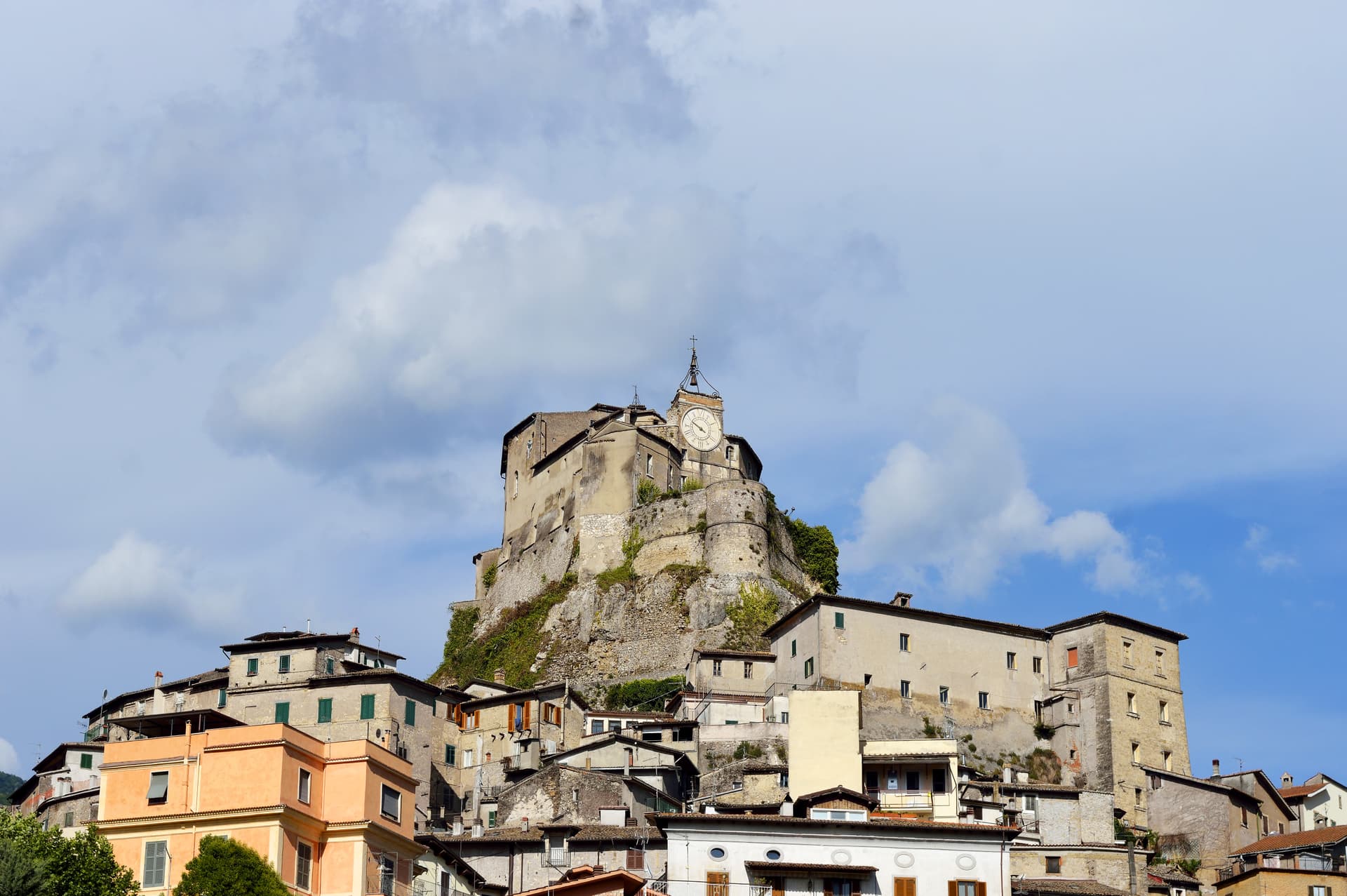
Twelfth-century fortress on the highest point of the borgo, built by abbot Giovanni V; birthplace in 1480 of Lucrezia Borgia, daughter of Rodrigo Borgia, abbot of Subiaco.
Ponte di San Francesco
Single-arch fourteenth-century bridge over the Aniene, on the pilgrim route from town to the two monasteries.
Aniene river and Neronian lakes
Remains of Nero's three artificial lakes upstream from town, the Simbruina Stagna that gave Sublaqueum its Latin name.
The slow-trip planner
Building a trip? Find where Subiaco fits in a slow Italy circuit.
Answer five questions. We will shape a geographically coherent slow trip from the 1,000 Italian towns most travelers skip. Yours to save and share.
Living here
- Population 8,466
- Off the beaten pathi
- Pharmacy in town
- High school within a 30-minute drive
- Train station in the comune
- Nearest airport Rome, 1 h 51 min drive
- Regional capital Roma, 1 h 10 min drive
Tags & datadesignations · numbers · sources
Recognised as
The numbers
- Elevation: 408 m
- Population: 8,466
- Surface area: 63.23 km²
These figures were compiled from public directories — ISTAT, OpenStreetMap, Wikidata — and from the official listings of the guides named on this page. Town details change; verify with official sources before you travel.
Featured on
Subiaco appears on this themed pick from our Collections:
Close by
More towns near Subiaco
Fiuggi
Province: Frosinone
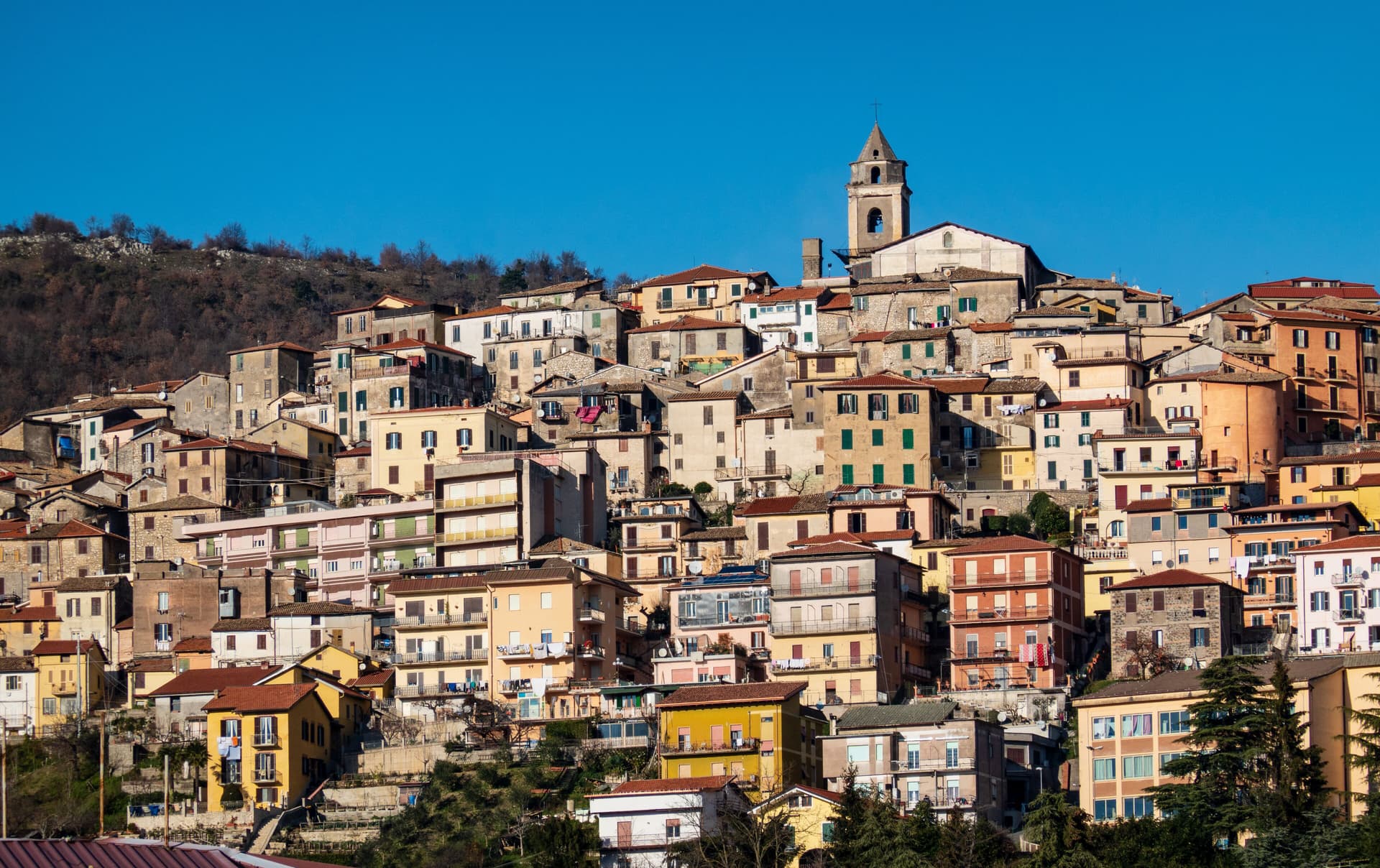
The Ernici-mountain thermal town where Boniface VIII and Michelangelo both came to dissolve kidney stones with the oligomineral spring water.
Rocca di Botte
Province: L'Aquila
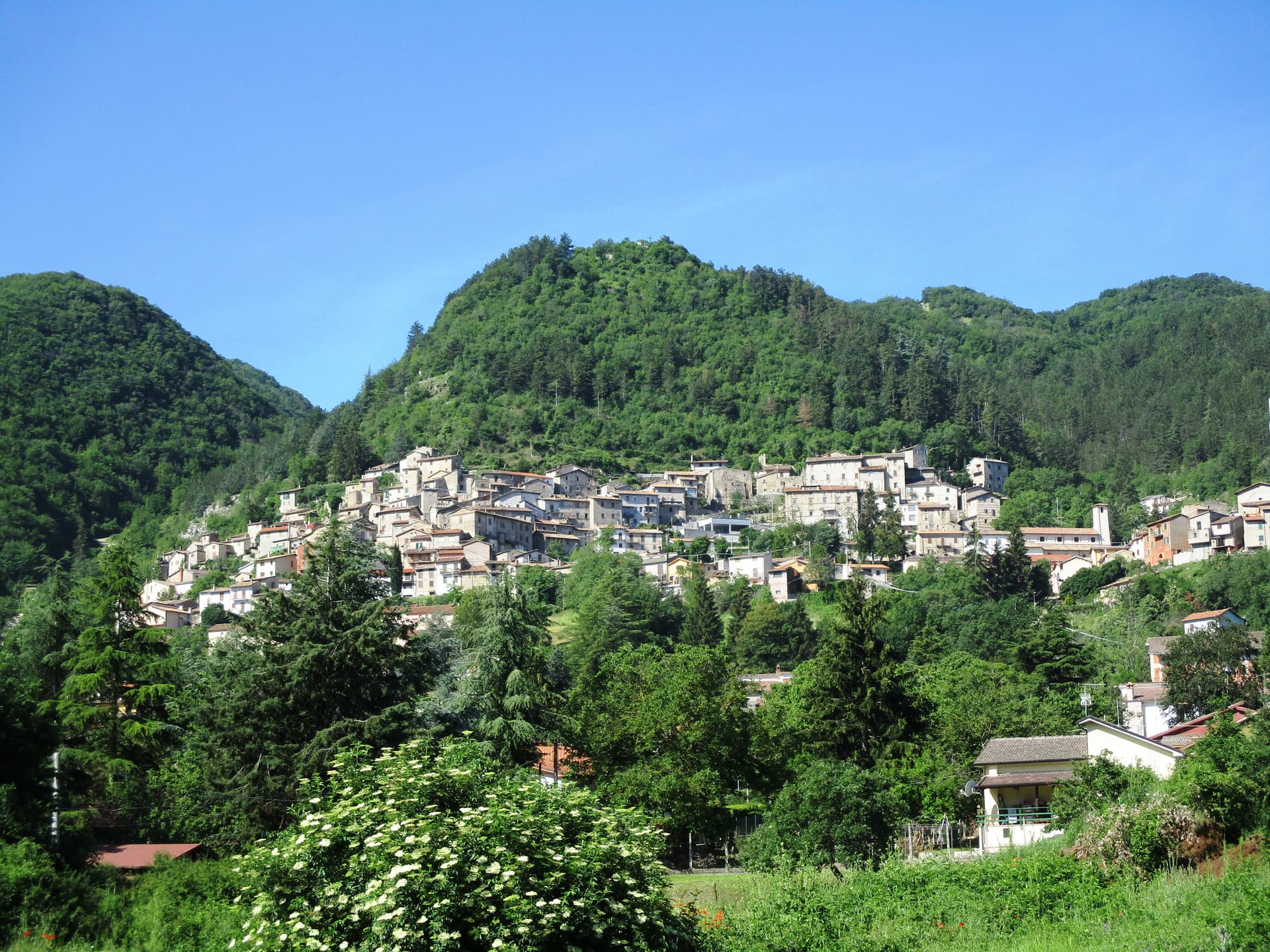
At 750 meters on the Carseolani slopes between Abruzzo and Lazio, the birthplace of an eleventh-century hermit and a fief of the Colonna.
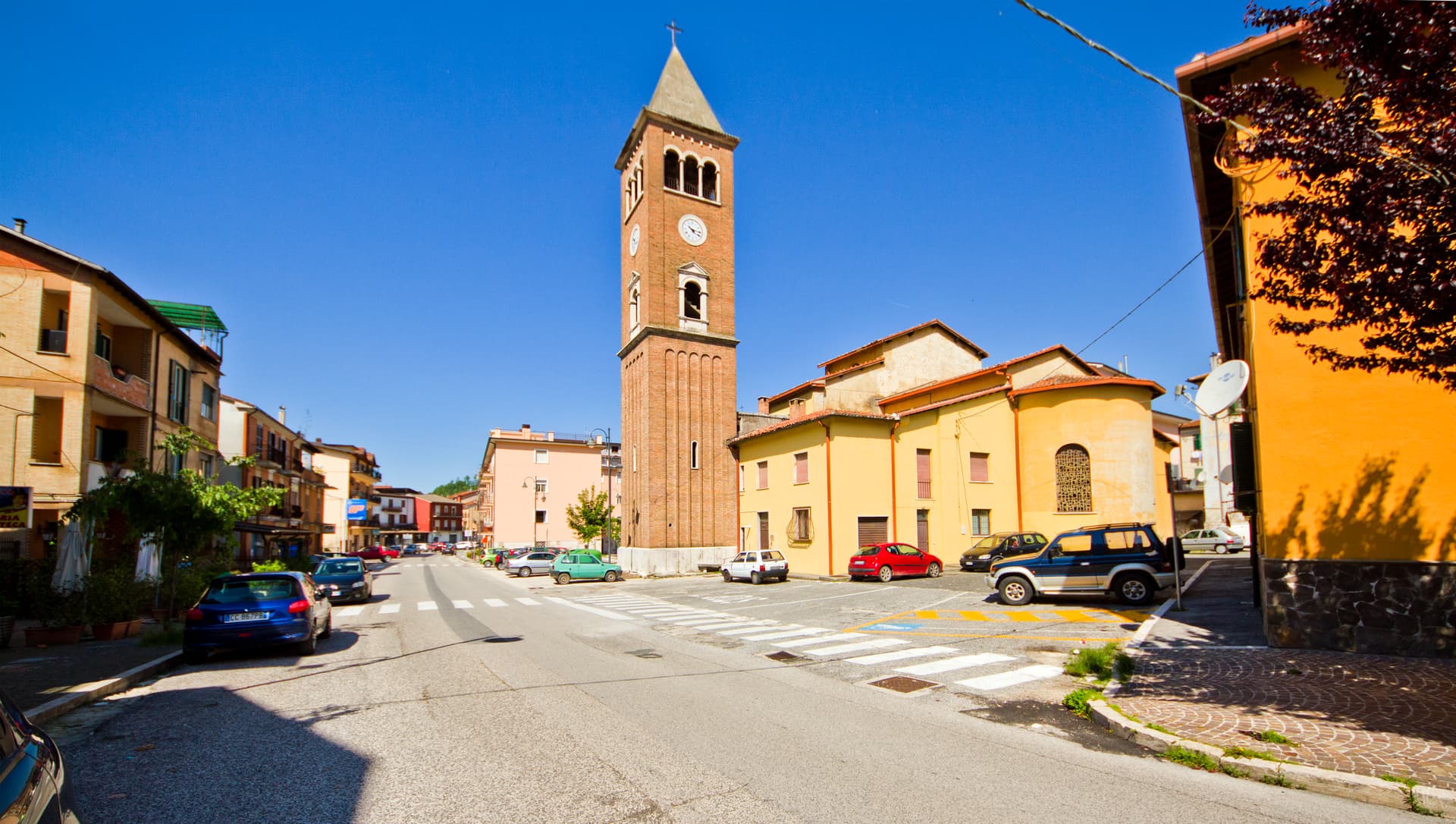
Carsoli
Province: L'Aquila
A 616-meter mountain town in the Marsica, built next to the ruins of Roman Carsioli, the 4th-century BC fortress on the road to Alba Fucens.
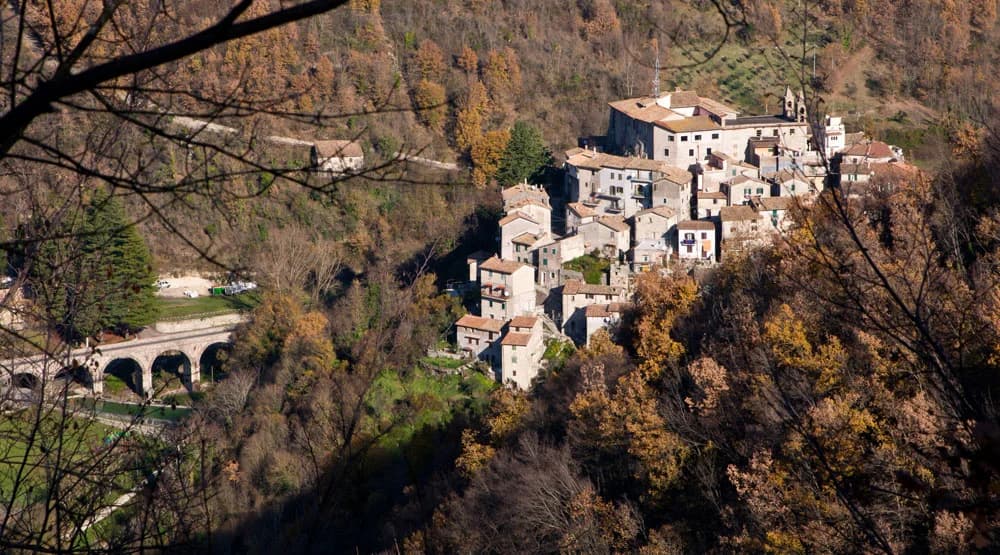
Percile
Province: Roma
A 219-person medieval borgo at 575 meters in the Monti Lucretili park, with two karst lakes called Lagustelli hidden in the beech woods above.
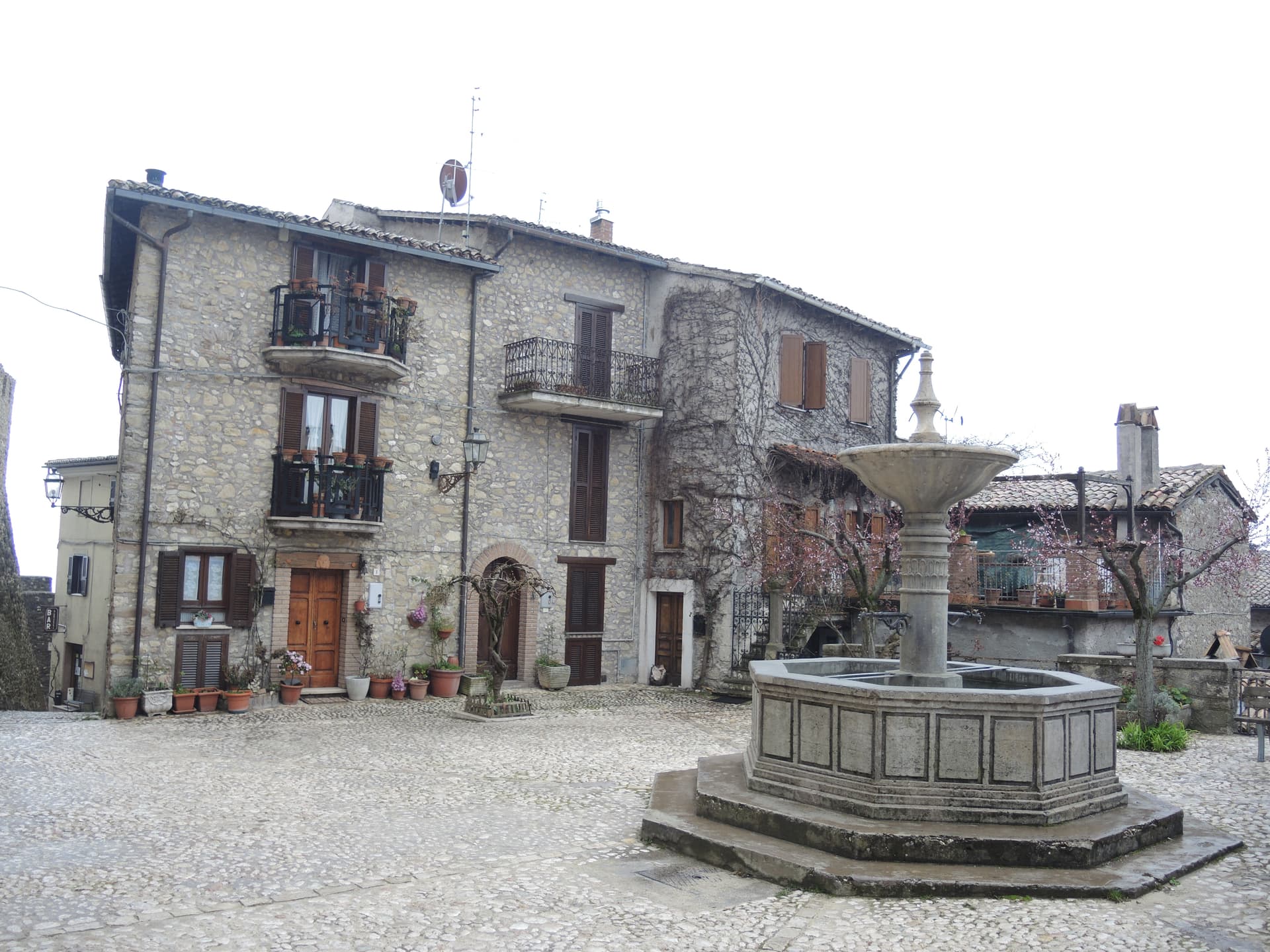
Collalto Sabino
Province: Rieti
A 980-meter Sabine borgo dominated by a Barberini baronial castle, with a 360-degree panorama from the keep over the Gran Sasso, Terminillo and Maiella.
🎨 Borghi più belli d'Italia
More Borghi più belli d'Italia towns in Lazio
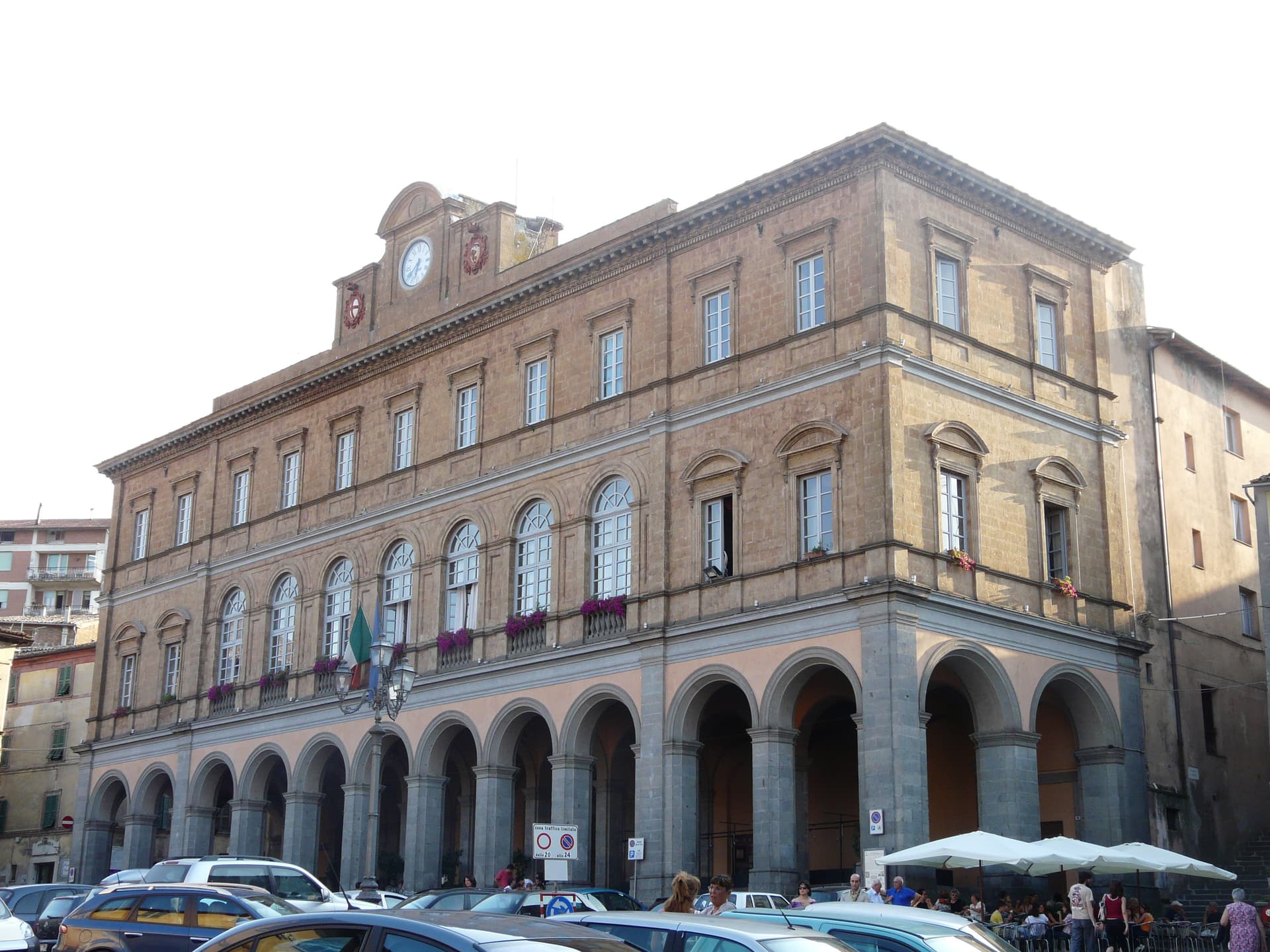
Acquapendente
Province: Viterbo
The northernmost town in Lazio on the Via Francigena, at 420 meters above the Paglia, named in 964 for its waterfalls.
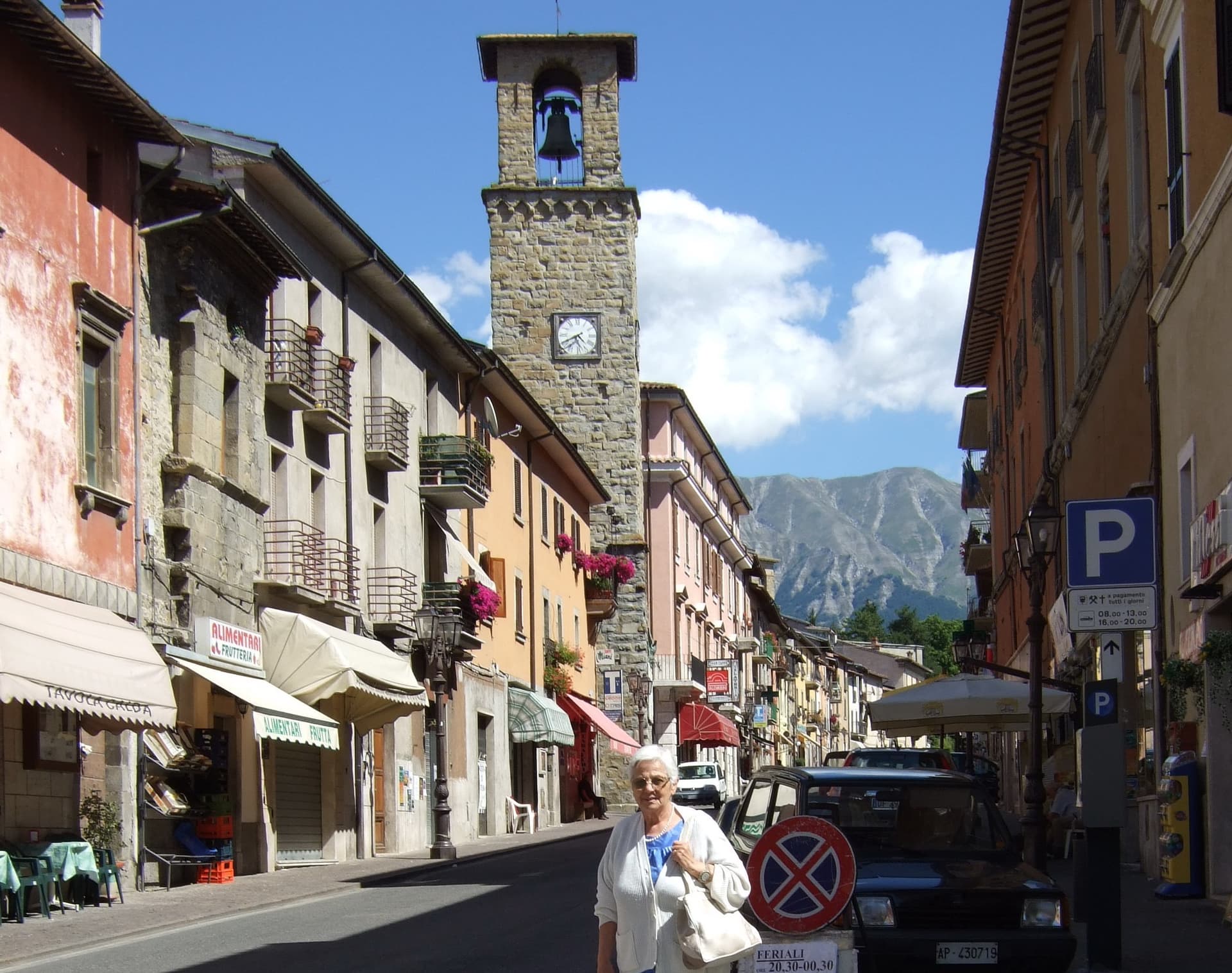
Amatrice
Province: Rieti
A 955-meter Apennine town leveled by the 24 August 2016 earthquake, slowly rebuilding the streets that gave amatriciana its name.
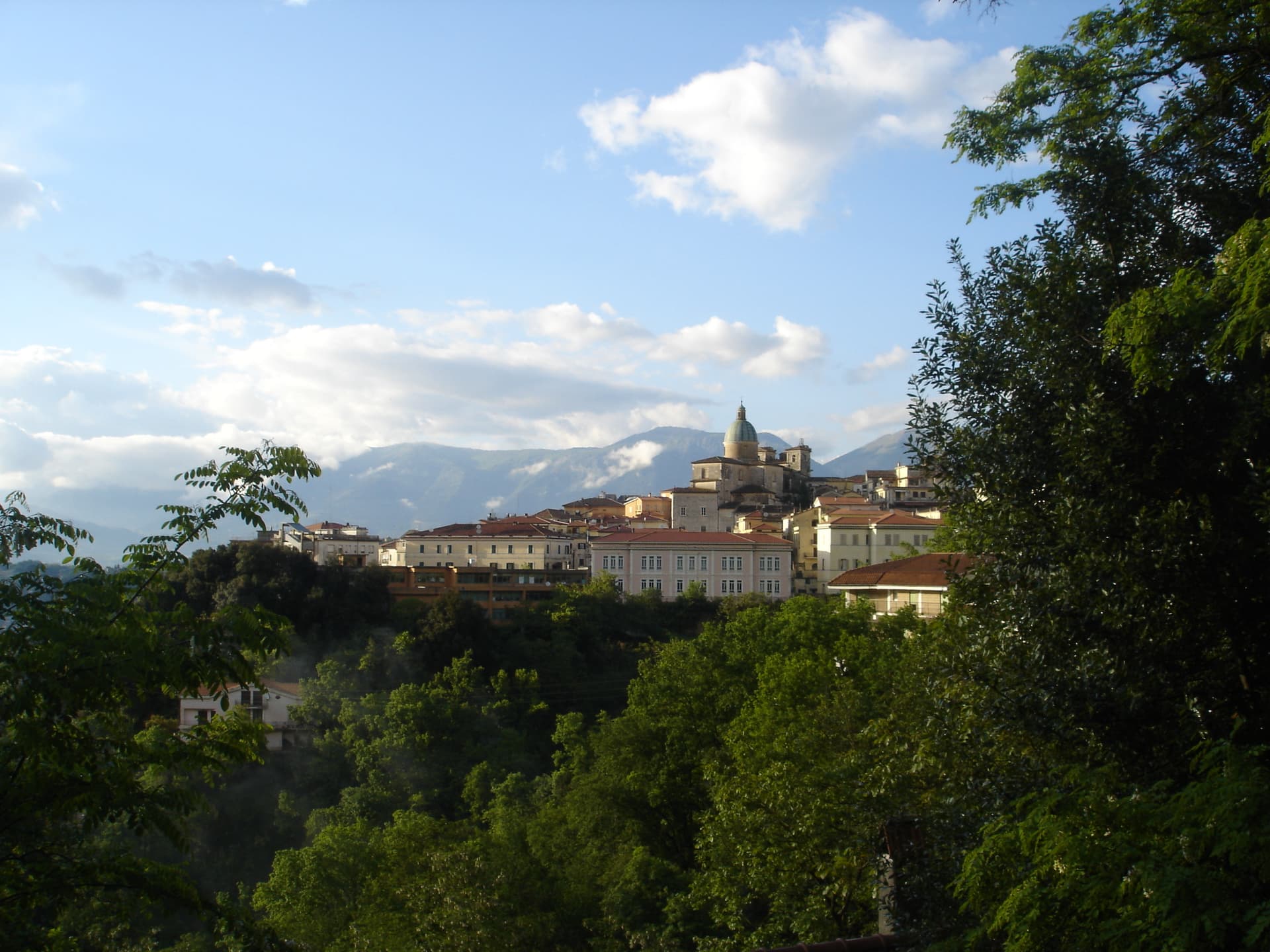
Atina
Province: Frosinone
A polygonal-walled town in the Val di Comino at the foot of the Mainarde, and the DOC that makes Cabernet in central Italy.
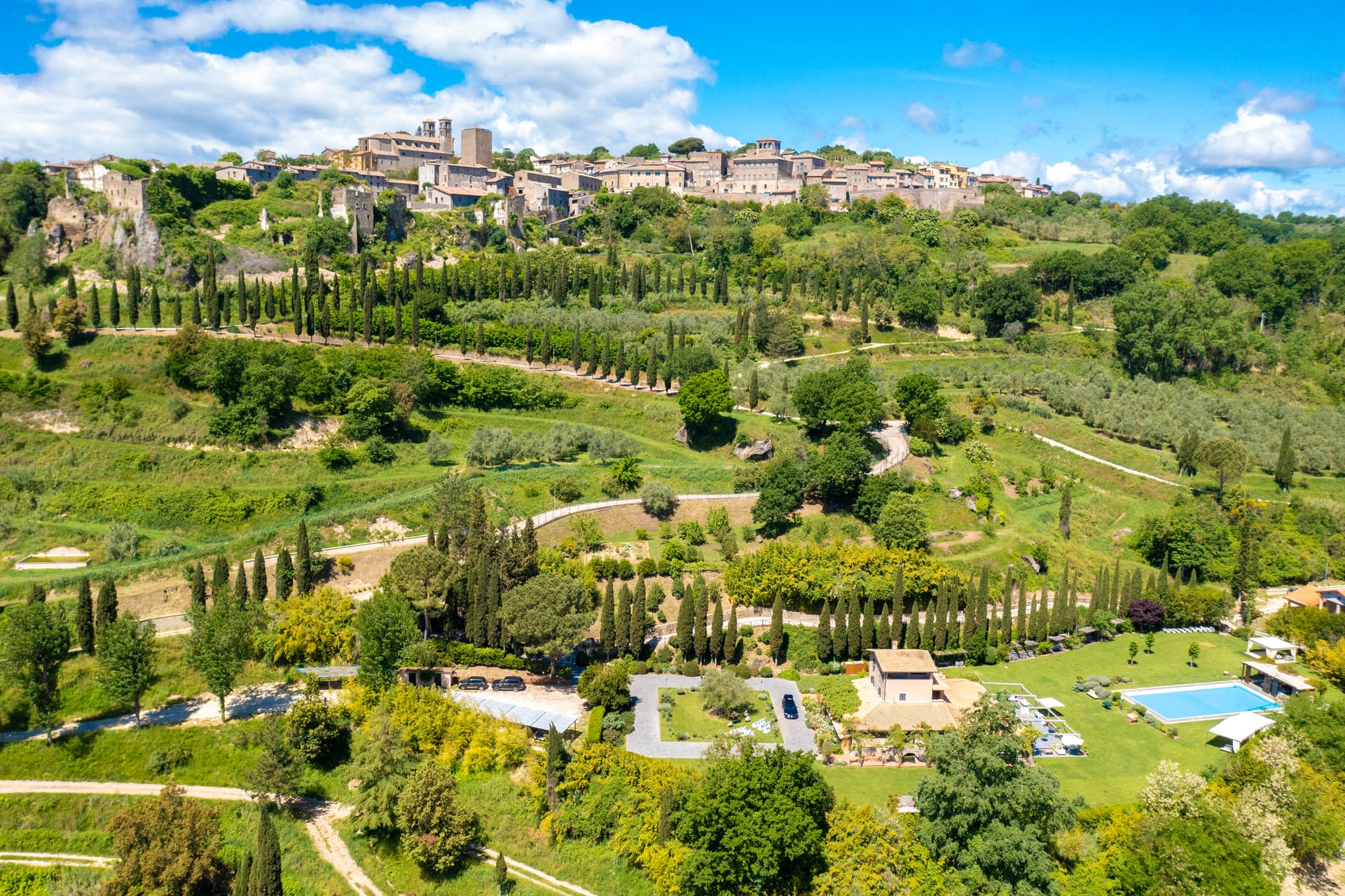
Bassano in Teverina
Province: Viterbo
A tufa-spur borgo of 1,260 above the Tiber valley between Lazio and Umbria, with a clock tower that hides an eleventh-century animated bell tower.
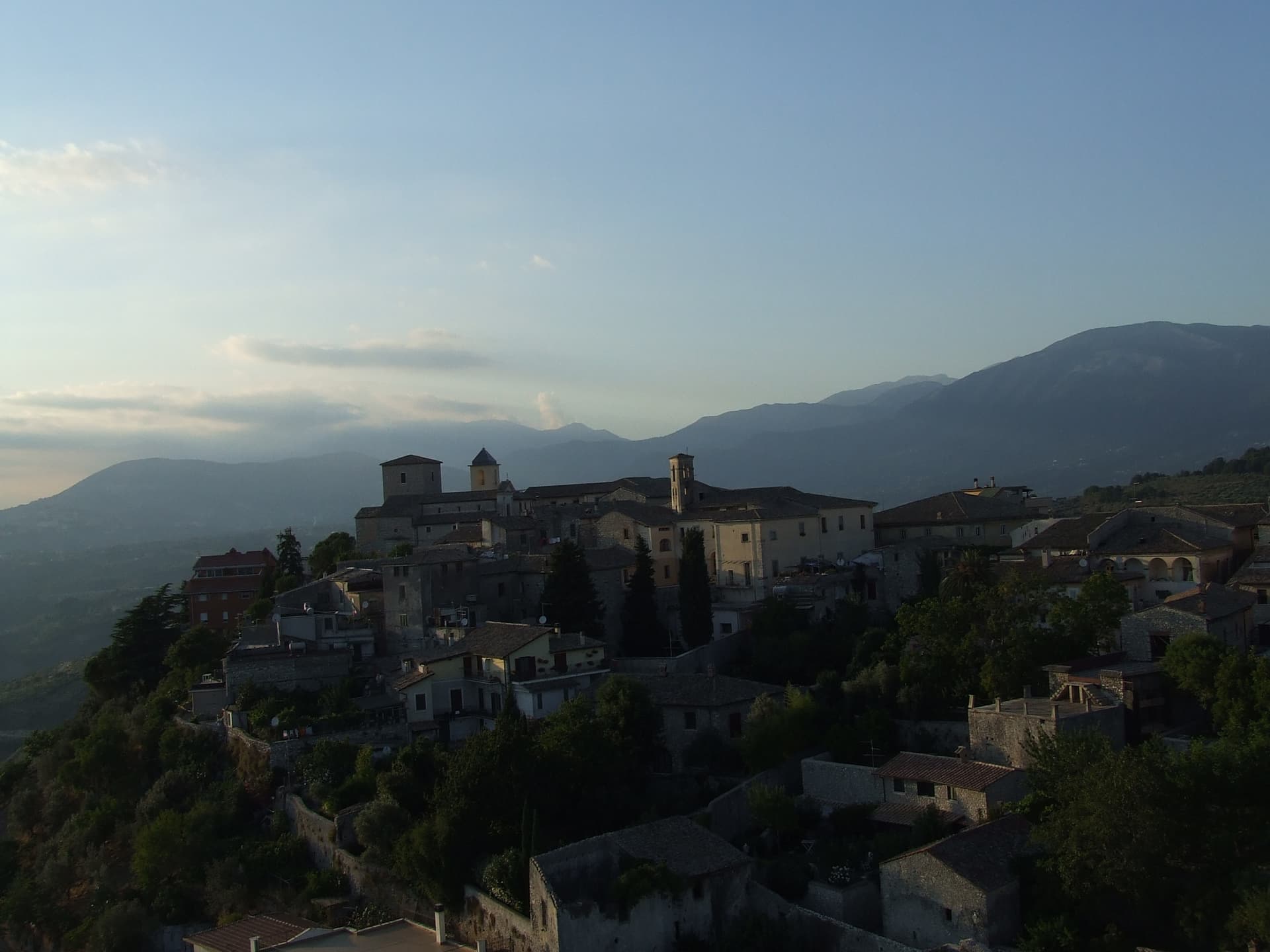
Boville Ernica
Province: Frosinone
A Ciociaria hilltop town with eighteen intact medieval towers and Giotto's only surviving mosaic, the Angelo del Navicella, in San Pietro Ispano.