

Emilia-Romagna · Forlì-Cesena
Castrocaro Terme e Terra del Sole
A pairing of two towns: a ninth-century fortress at Castrocaro and Cosimo I de' Medici's planned Renaissance fortress of Terra del Sole, founded 1564.
Known for
TERRA DEL SOLE
Renaissance fortress town founded by Cosimo I de' Medici on 8 December 1564, intact pentagonal plan, walls, and Medici governor's palace.
TERME
Iodine and bromine thermal waters discovered in 1830 by Antonio Targioni Tozzetti, with a complex active since the late nineteenth century.
CONCORSO DI CASTROCARO
Singing contest running each summer since 1957, the launching point for most of Italian post-war pop music.
When to visit
Best · All year
- J
- F
- M
- A
- M
- J
- J
- A
- S
- O
- N
- D
- Best
- Hot or crowded
- Quiet
- Mostly closed
The festa: Nicola di Bari, 6 December and 8 October (in alternate years)
Why come
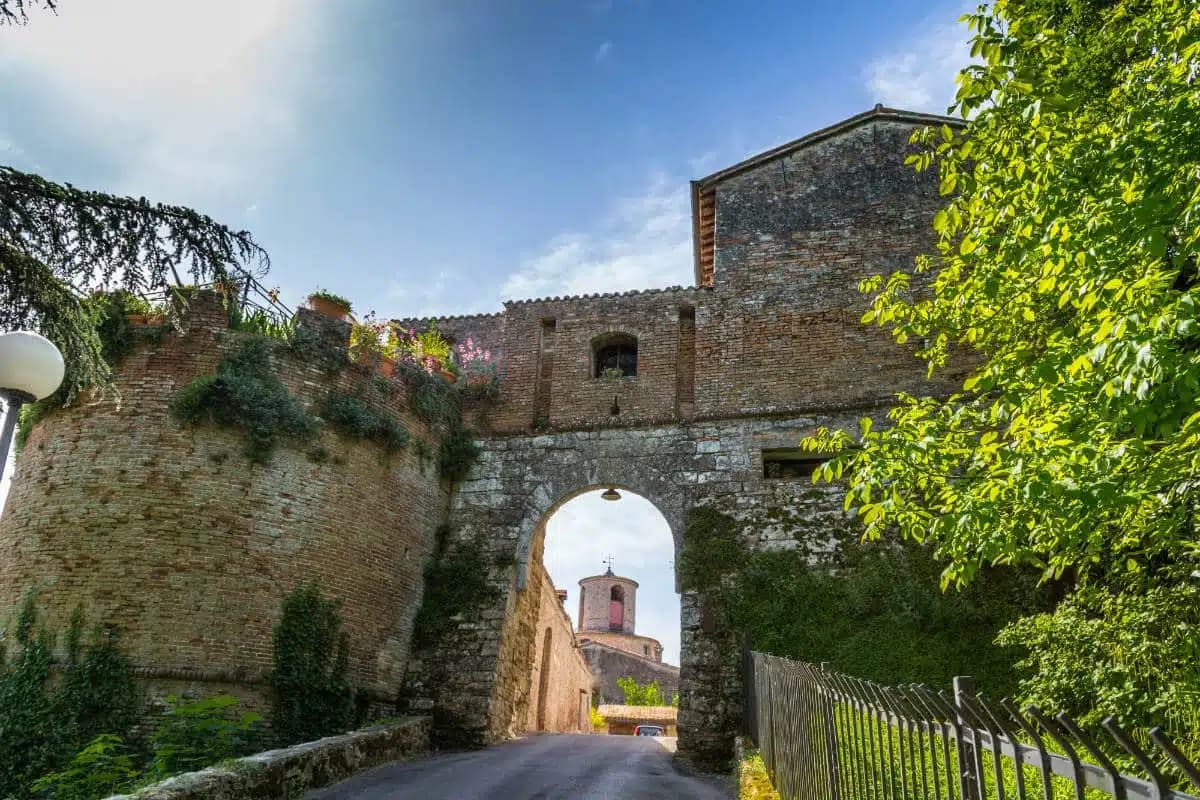
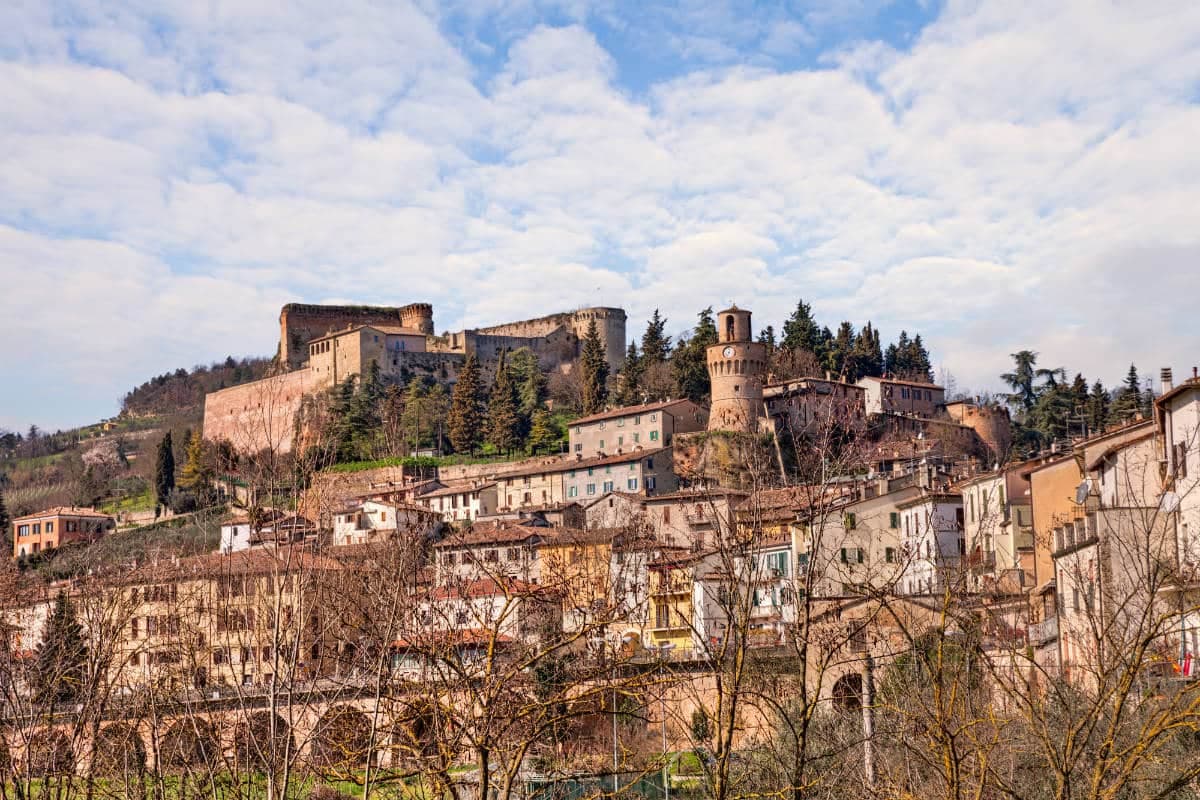
Castrocaro Terme e Terra del Sole sits on the Montone river, ten kilometers southwest of Forlì in the Apennine foothills. The commune is the union of two distinct towns. Castrocaro, on the hill, holds one of the oldest castles in Italy, documented from the late ninth century, expanded into a fortress that controlled the Montone valley.
Terra del Sole on the plain below is the rarer thing: a Renaissance fortress town founded on 8 December 1564 by Cosimo I de' Medici to display the power of the Grand Duchy of Tuscany in Romagna, built on a perfectly symmetrical pentagonal plan with two squares, four gates, and walls still intact. The Medici held the town until 1923, when the provincial border moved. The Terme di Castrocaro draw on iodine and bromine waters discovered in 1830 by Professor Antonio Targioni Tozzetti, with the thermal complex active since. From 1957 the town hosted the Concorso di Castrocaro, the singing contest that launched most of Italian post-war pop, still running each summer.
The Sunday letter
We haven’t written Castrocaro Terme e Terra del Sole’s letter yet.
One town every Sunday, with the photo, the food, the festa. Be there when this one comes up. Free, by Peter & Sophia from Pietrasanta.
By subscribing you agree to Substack’s Terms of Use, our Privacy Policy and our Information collection notice.
What to see
Rocca di Castrocaro
One of the oldest castles in Italy, documented from the late ninth century, on the hill above the centro with three concentric defensive rings.
Terra del Sole
Planned Renaissance fortress town founded by Cosimo I de' Medici in 1564, pentagonal plan with two squares, four gates, and intact bastioned walls.
Palazzo dei Commissari e del Pretorio
Sixteenth-century palace on the central square of Terra del Sole, residence of the Medici governors of Romagna Fiorentina until 1772.
Terme di Castrocaro
Thermal complex drawing on iodine and bromine waters discovered in 1830 by Targioni Tozzetti, active continuously since the late nineteenth century.
Concorso di Castrocaro
Annual singing contest founded in 1957, the entry point for most of Italian post-war pop including Andrea Bocelli, Eros Ramazzotti, and Zucchero.
The slow-trip planner
Building a trip? Find where Castrocaro Terme e Terra del Sole fits in a slow Italy circuit.
Answer five questions. We will shape a geographically coherent slow trip from the 1,000 Italian towns most travelers skip. Yours to save and share.
Living here
- Population 6,352
- Commuter belti
- Pharmacy in town
- High school within a 30-minute drive
- Nearest airport Bologna, 1 h 14 min drive
- Regional capital Bologna, 1 h 16 min drive
Thermal baths in town: Terme di Castrocaro - Spa Termale Magiche Acque, Terme di Castrocaro.
Tags & datadesignations · numbers · sources
Recognised as
The numbers
- Elevation: 68 m
- Population: 6,352
- Surface area: 38.95 km²
These figures were compiled from public directories — ISTAT, OpenStreetMap, Wikidata — and from the official listings of the guides named on this page. Town details change; verify with official sources before you travel.
Close by
More towns near Castrocaro Terme e Terra del Sole
Portico e San Benedetto
Province: Forlì-Cesena
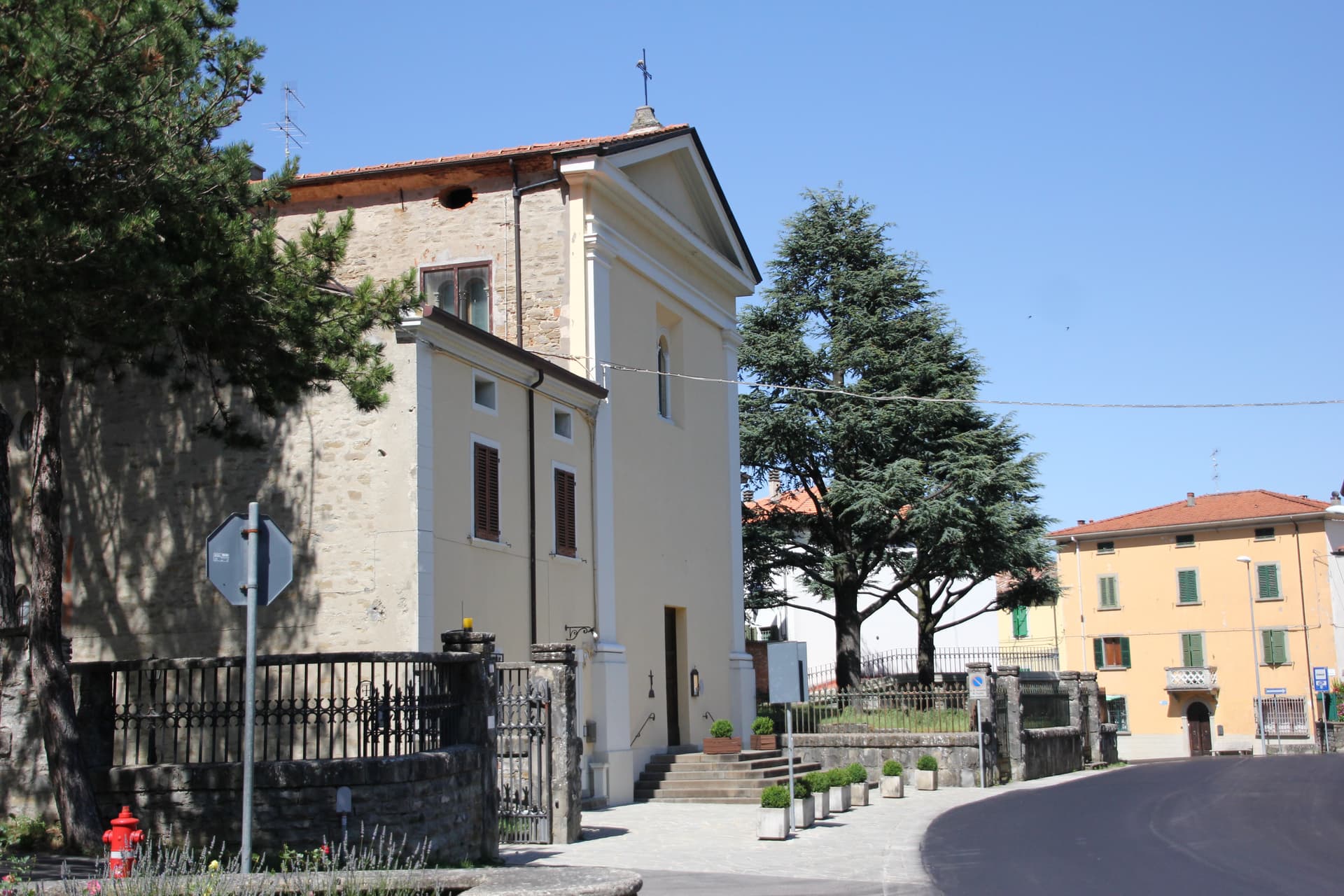
A three-tier medieval borgo at 309 meters on the Montone river, capital of Florence's Romagna territories from 1386.
Bertinoro
Province: Forlì-Cesena
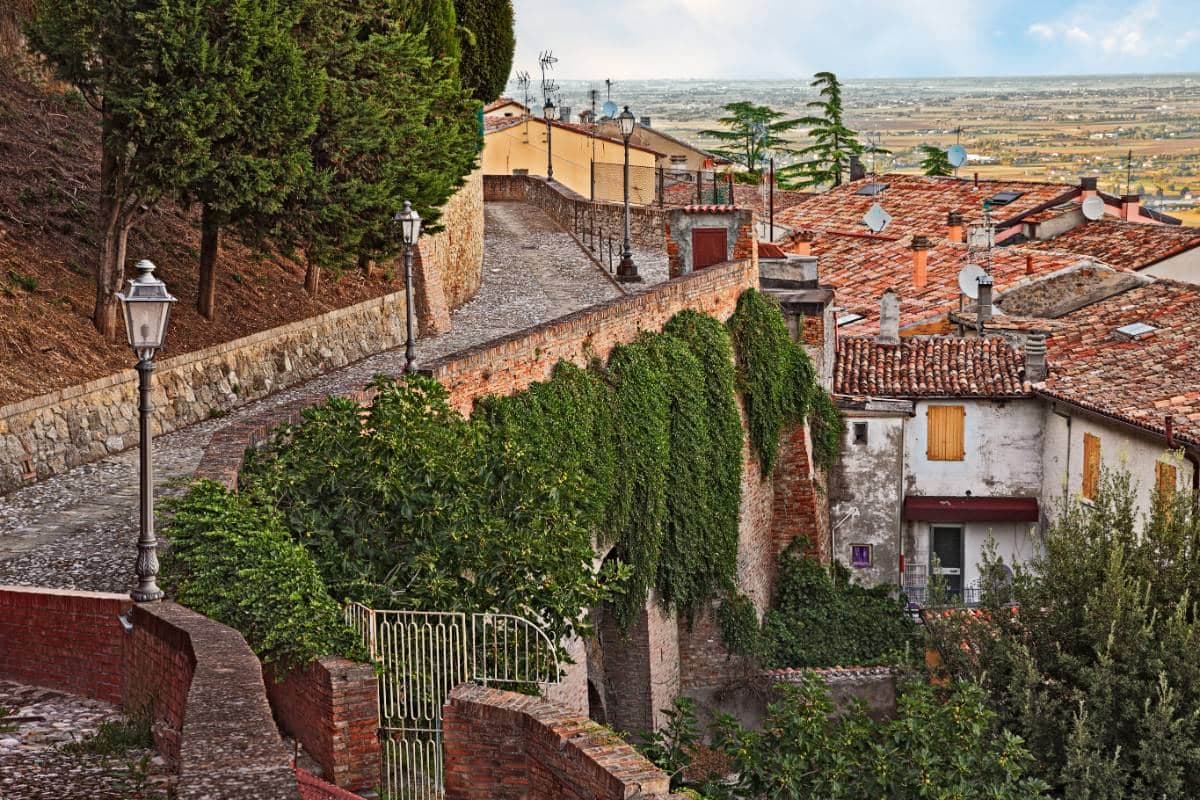
A 254-meter Romagna-hill borgo above the Via Emilia, with a twelve-ring hospitality column from 1300 and the slopes that grow Albana DOCG.
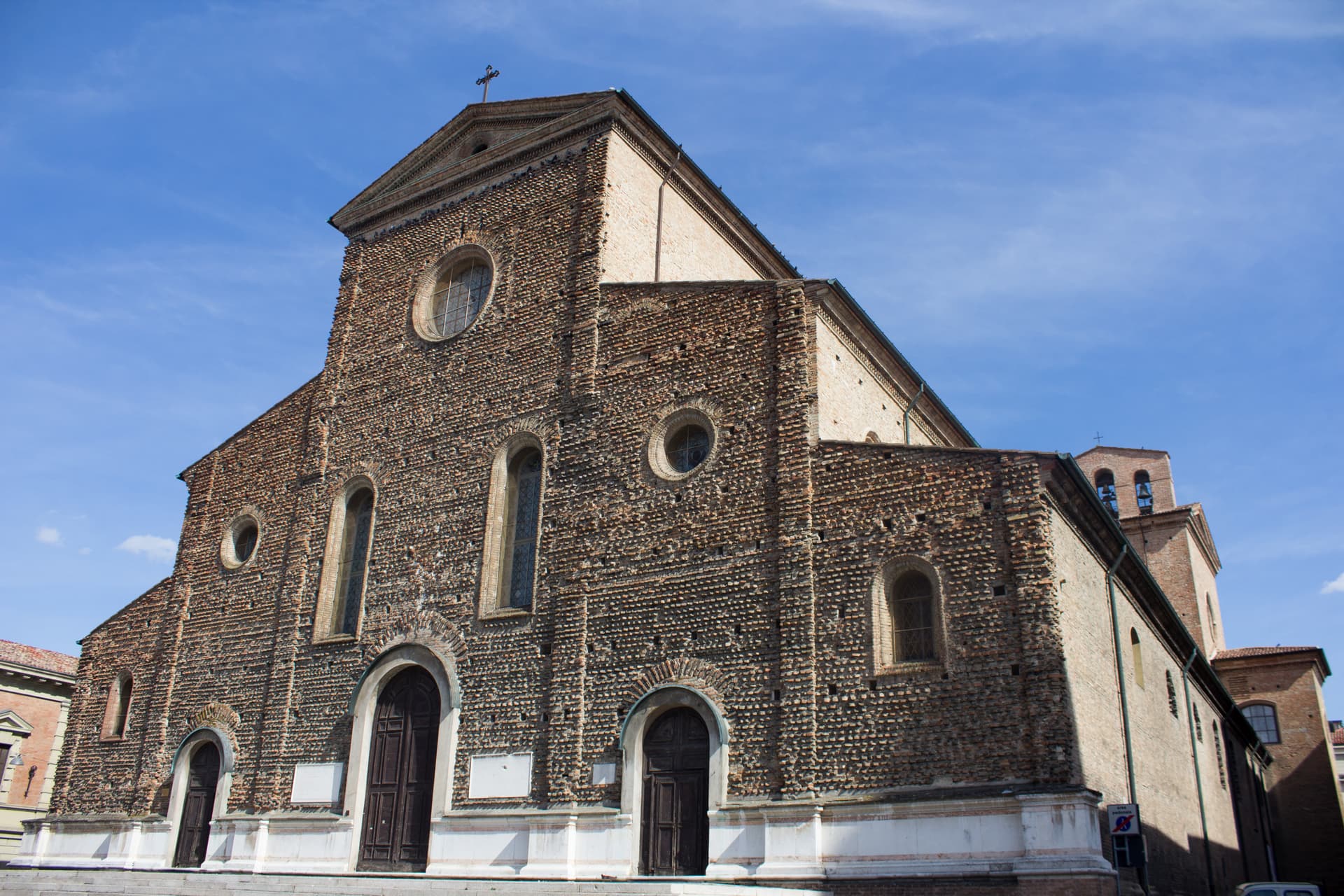
Faenza
Province: Ravenna
The city that gave its name to faïence, with a tin-glazed maiolica tradition since the fourteenth century and the world ceramics museum since 1908.
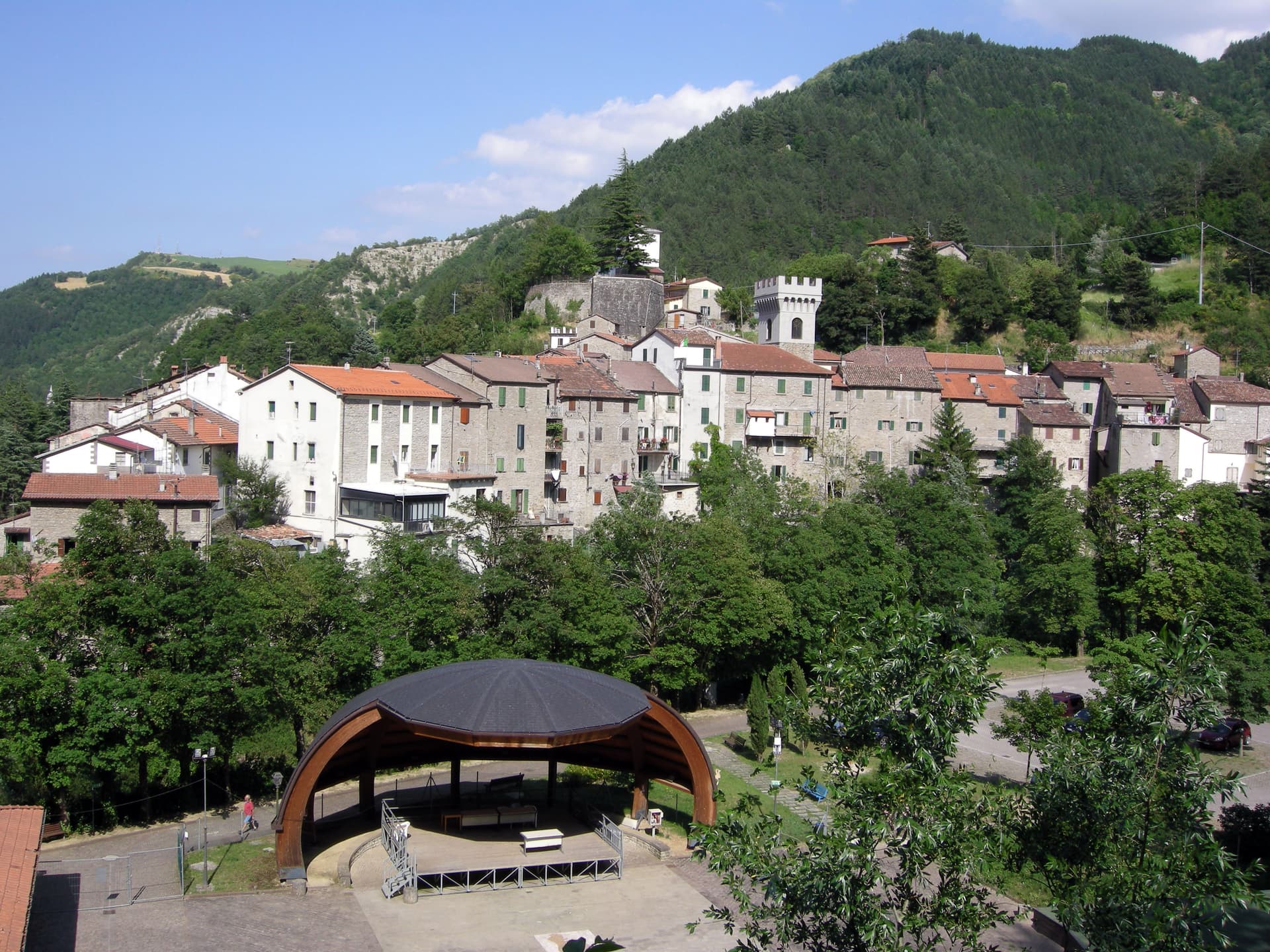
Premilcuore
Province: Forlì-Cesena
A 459-meter walled borgo on the Rabbi river, an entry point to the Foreste Casentinesi from the Romagna side.
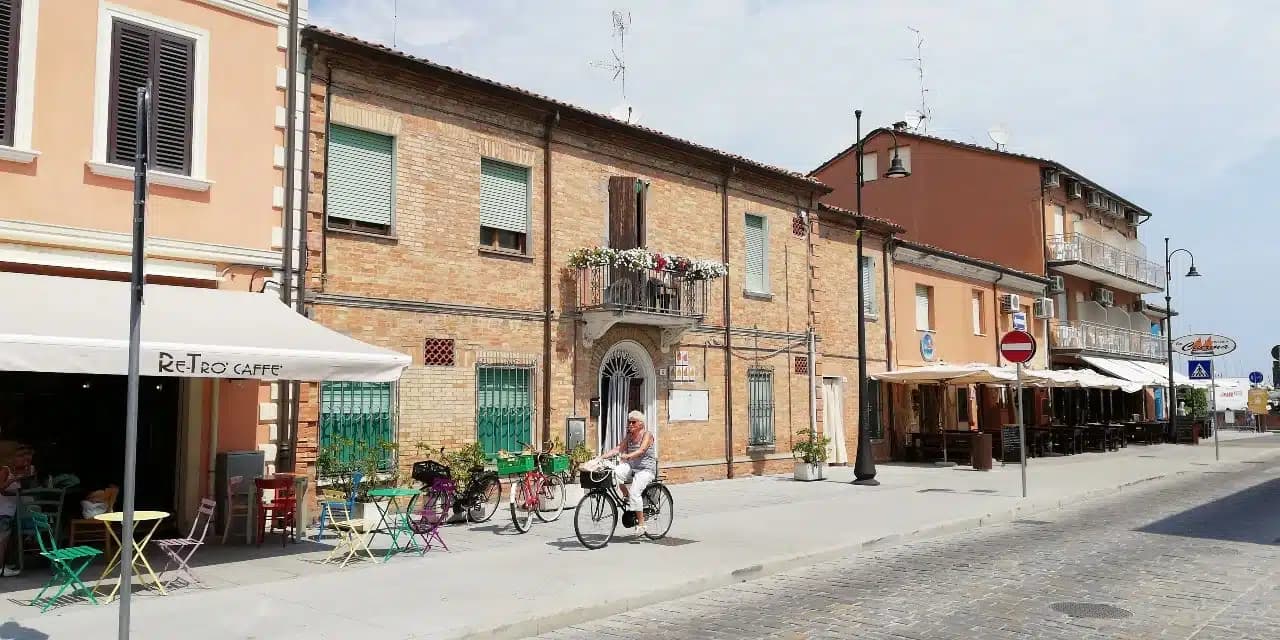
Cervia
Province: Ravenna
The Adriatic salt town with 827 hectares of working saline, planned in 1697 around a grid of salt workers' houses.
🟠 Bandiera Arancione
More Bandiera Arancione towns in Emilia-Romagna
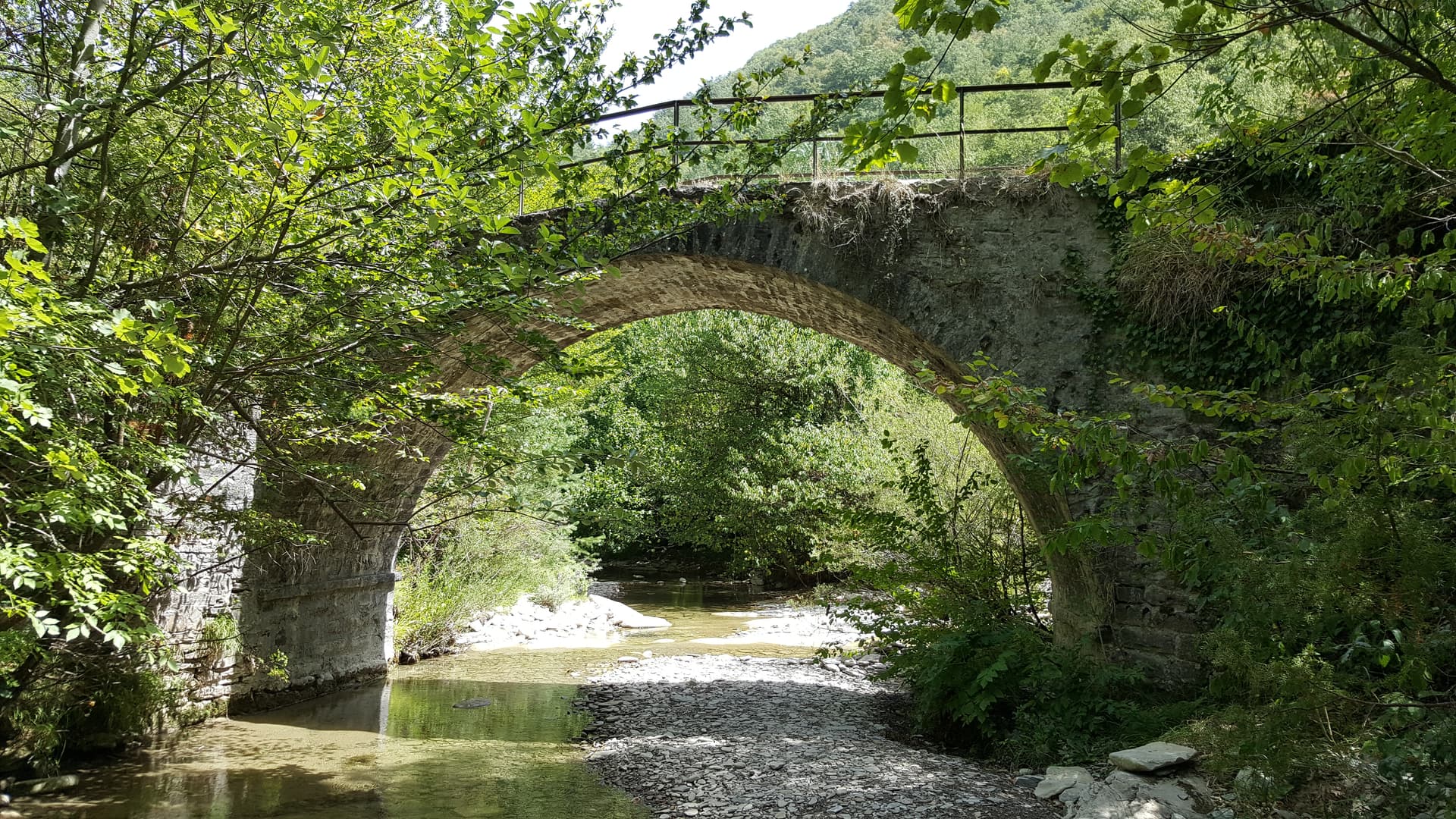
Bagno di Romagna
Province: Forlì-Cesena
A 491-meter thermal town at the head of the Savio valley, drawing on springs that have run at 47 degrees since Roman times.
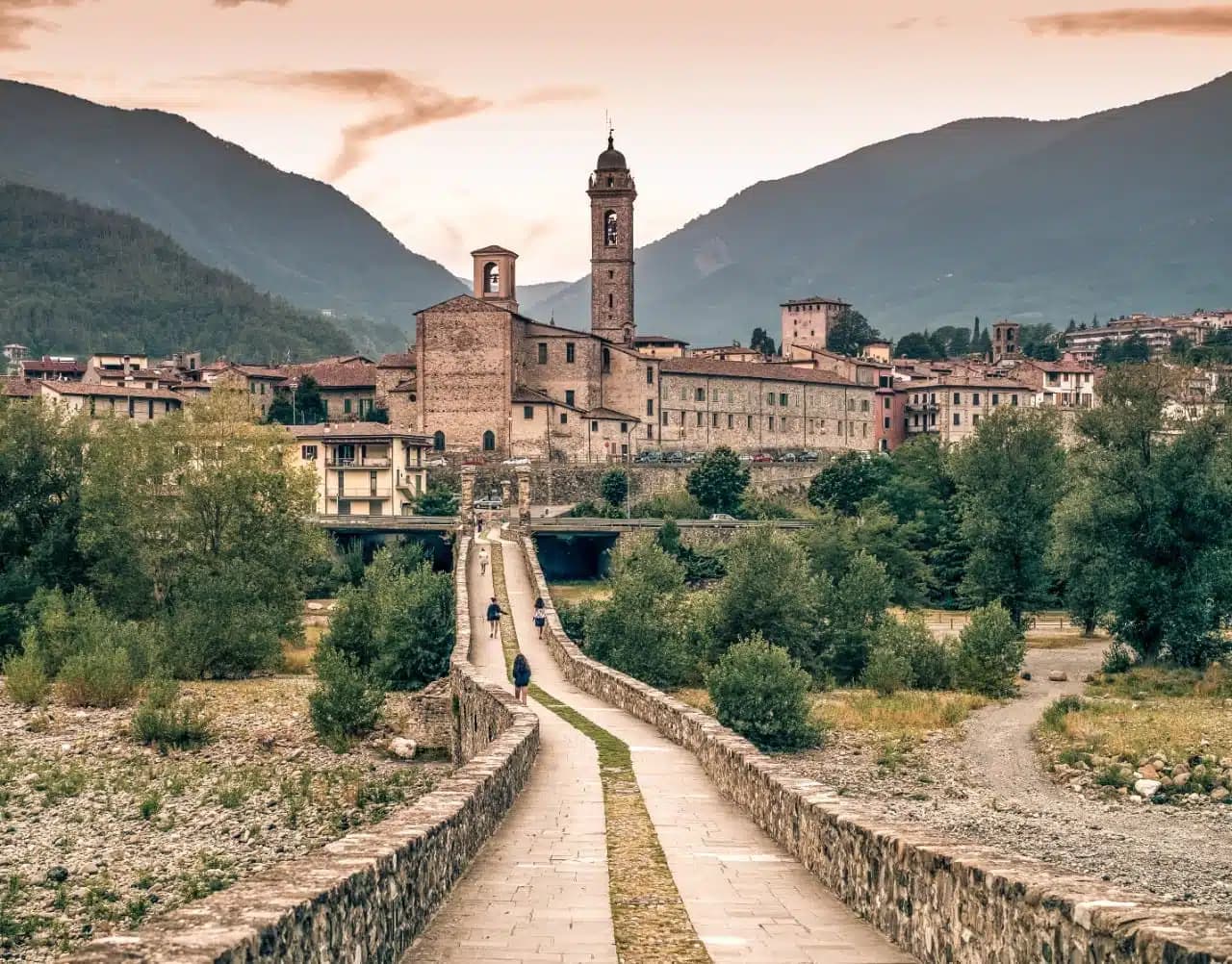
Bobbio
Province: Piacenza
A 272-meter Trebbia-valley town built around the abbey Saint Columbanus founded in 614, named Borgo dei Borghi by RAI in 2019.
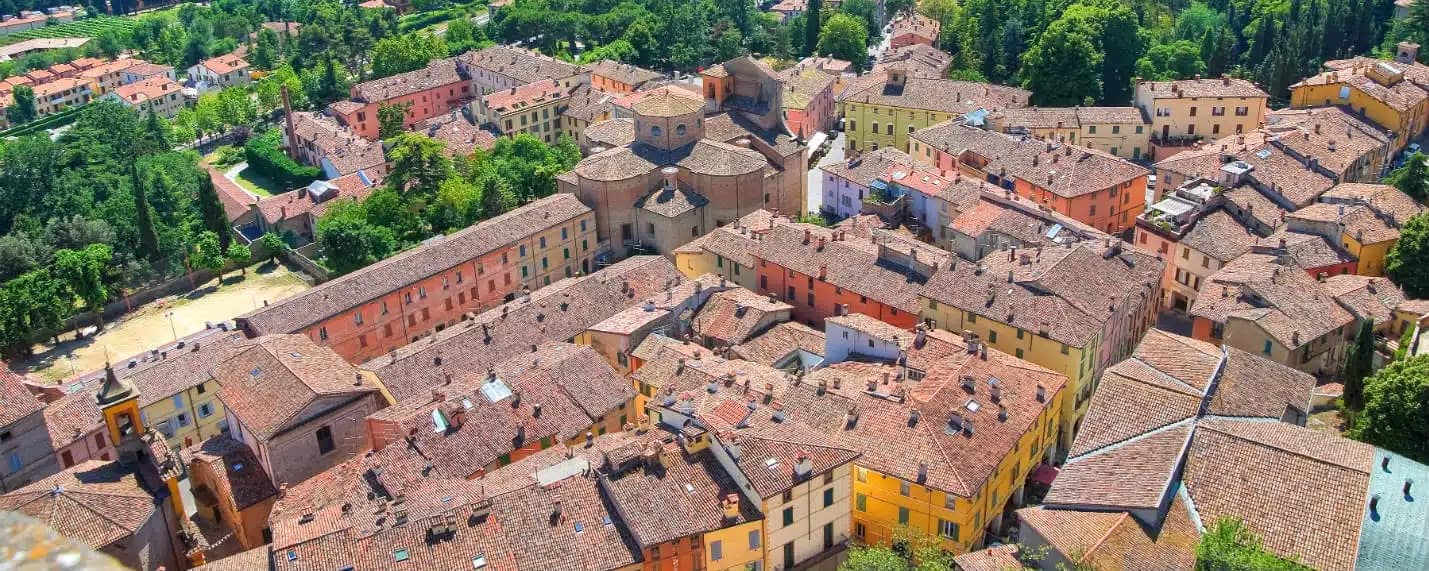
Brisighella
Province: Ravenna
A Lamone-valley borgo at 115 meters under three selenite hills crowned by a fortress, a clock tower, and a sanctuary.
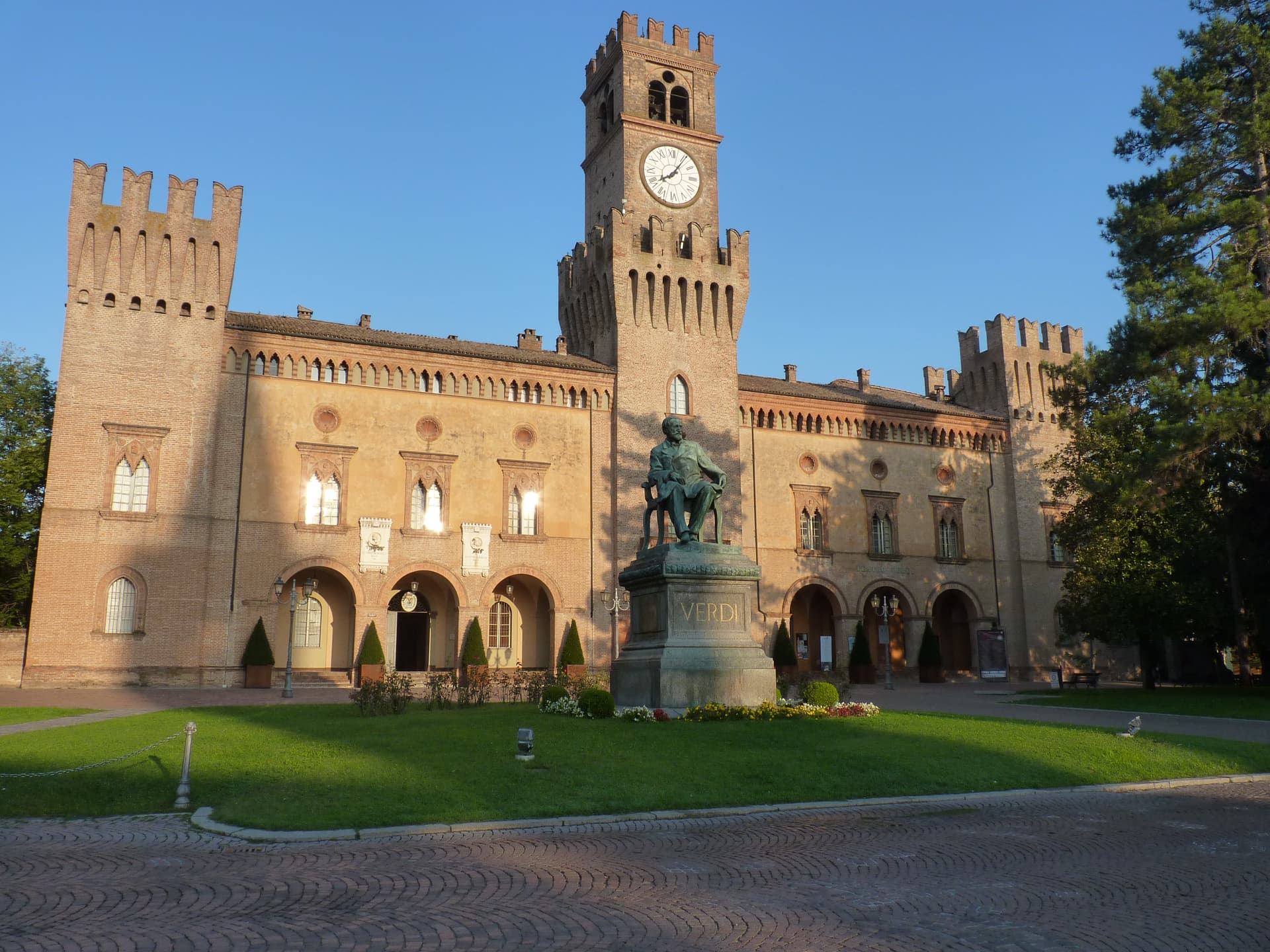
Busseto
Province: Parma
A 40-meter Bassa Parmense town where Giuseppe Verdi grew up, with a 300-seat opera house in the Rocca he refused to enter.
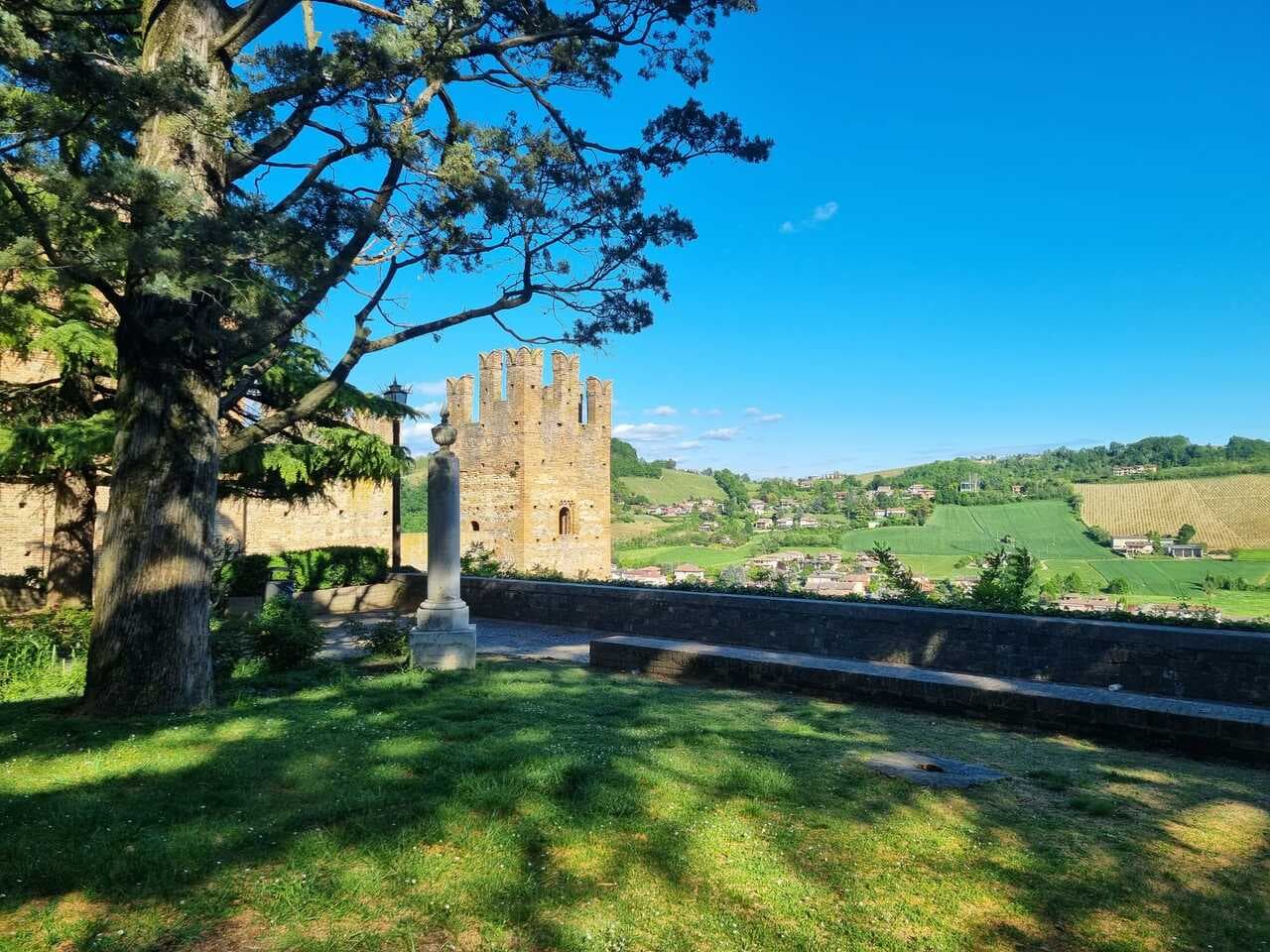
Castell'Arquato
Province: Piacenza
A 224-meter hilltop borgo in the Val d'Arda, kept intact since the tenth century and crowned by Luchino Visconti's 1342 fortress.