
Bandiera Arancione
Bandiera Arancione in Emilia-Romagna
21 towns
Emilia-Romagna carries 21 of the Bandiera Arancione towns we cover. They cluster in the Forlì-Cesena, Rimini, and Modena provinces.
The three most recognised in our catalogue are Bobbio, Brisighella, and Castell'Arquato. 18 more towns carry the mark alongside them.
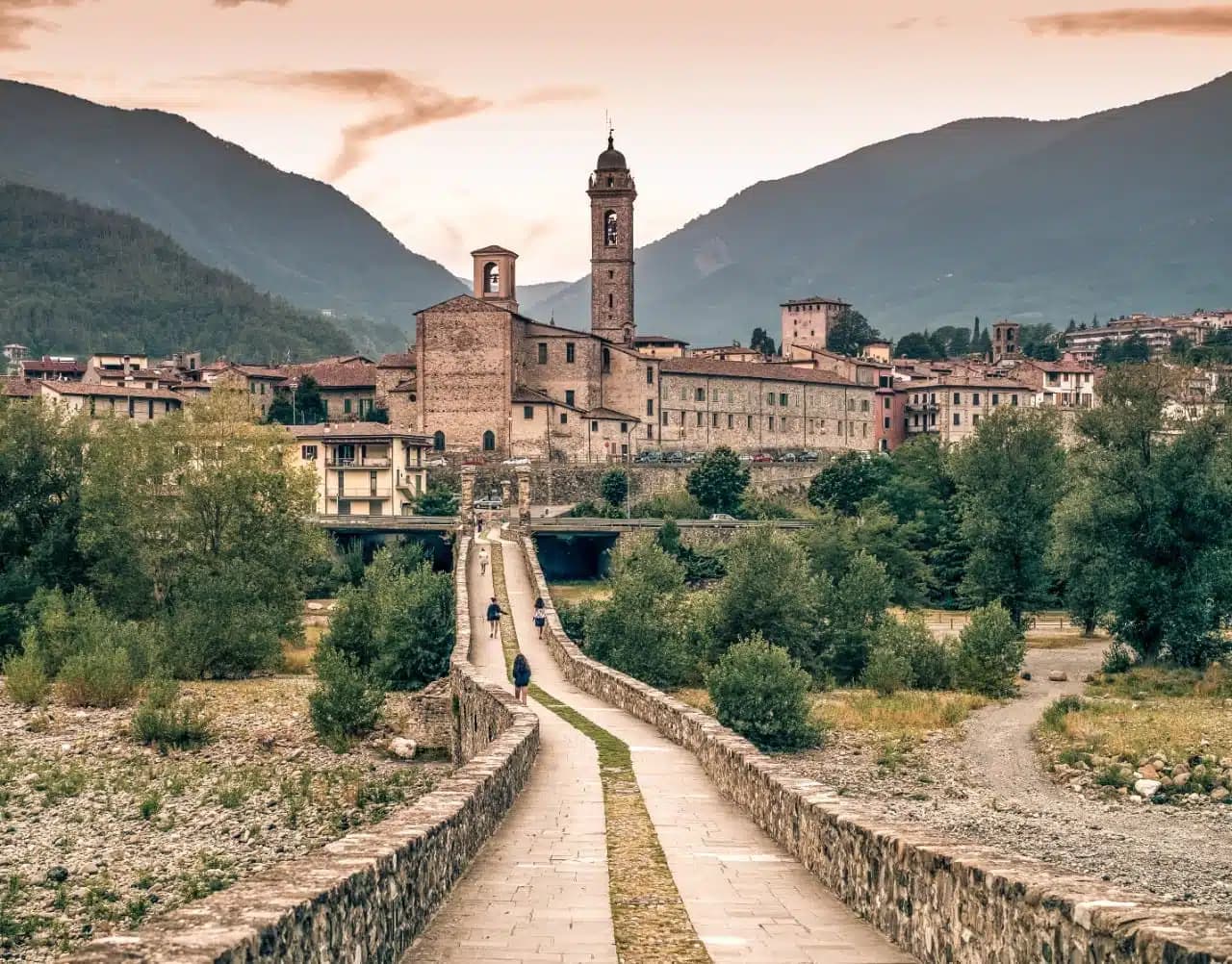
Bobbio
Province: Piacenza · 272 m
A 272-meter Trebbia-valley town built around the abbey Saint Columbanus founded in 614, named Borgo dei Borghi by RAI in 2019.
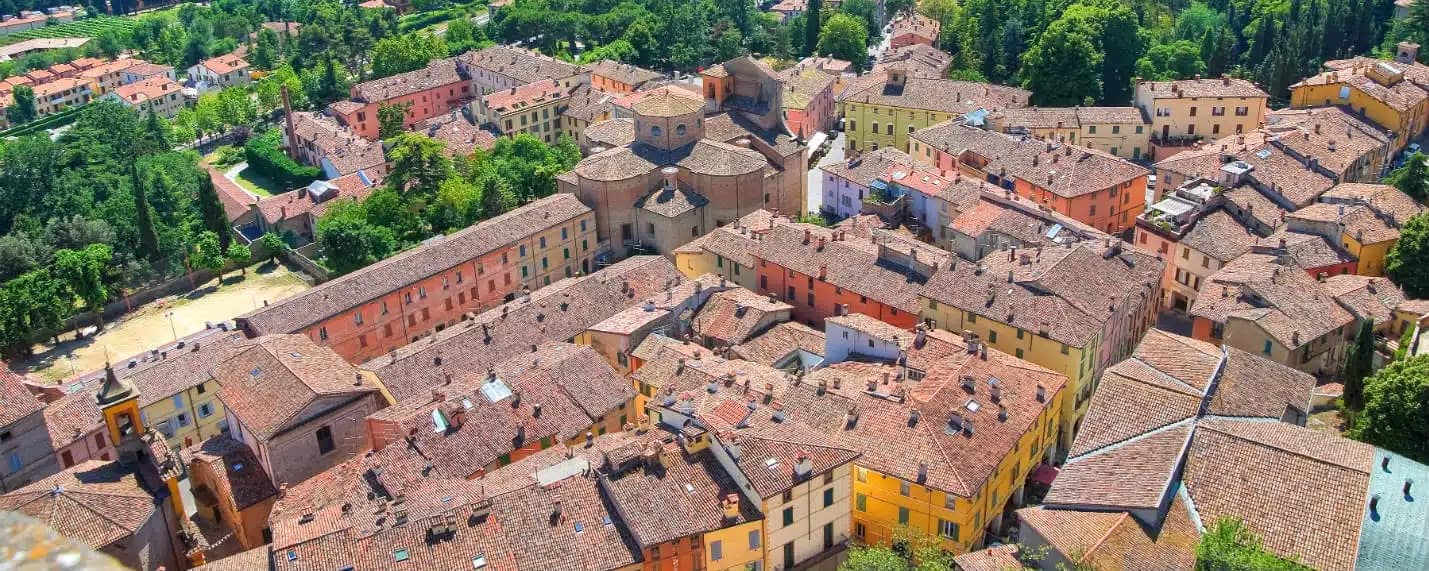
Brisighella
Province: Ravenna · 115 m
A Lamone-valley borgo at 115 meters under three selenite hills crowned by a fortress, a clock tower, and a sanctuary.
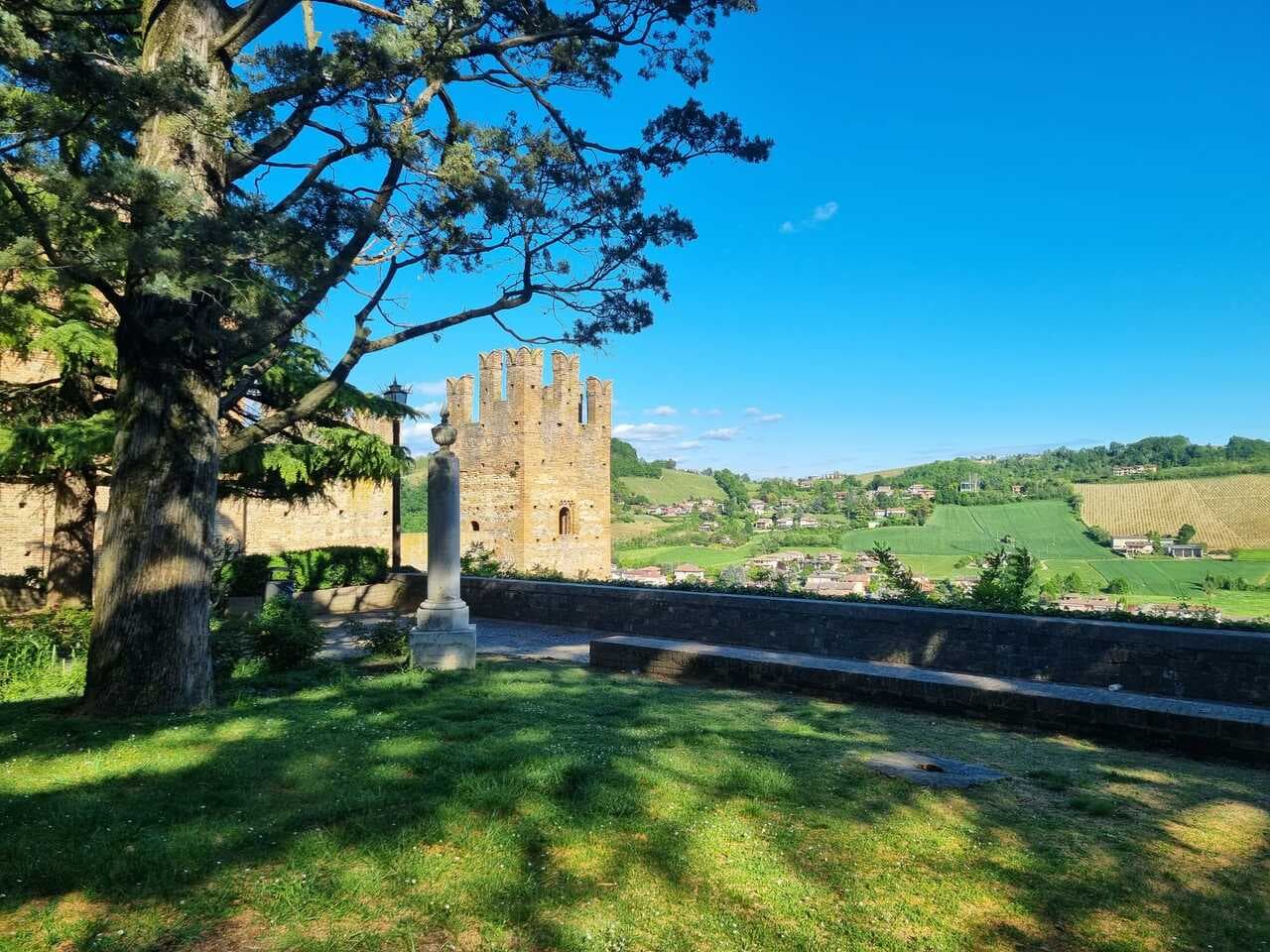
Castell'Arquato
Province: Piacenza · 224 m
A 224-meter hilltop borgo in the Val d'Arda, kept intact since the tenth century and crowned by Luchino Visconti's 1342 fortress.
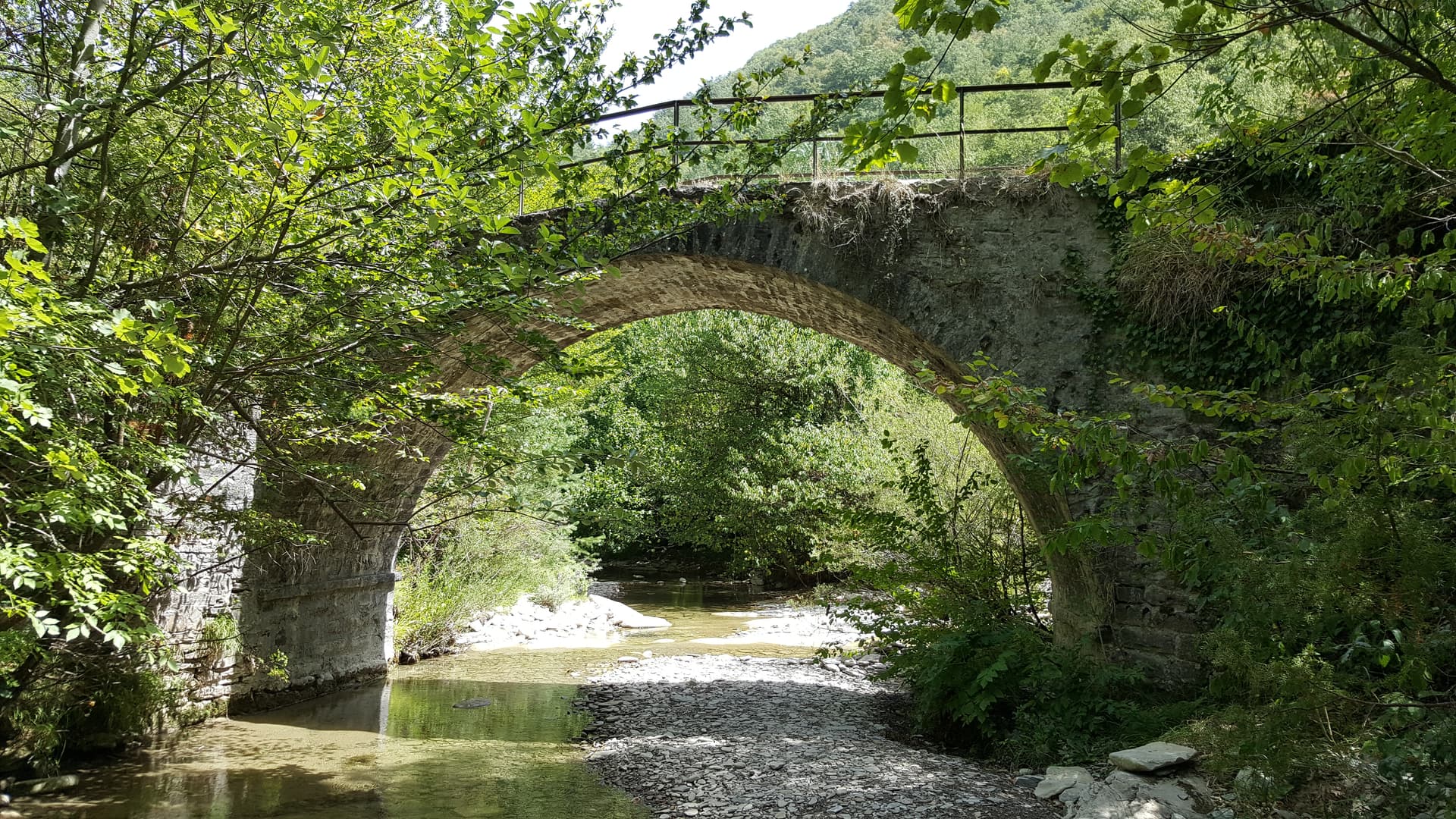
Bagno di Romagna
Province: Forlì-Cesena · 491 m
A 491-meter thermal town at the head of the Savio valley, drawing on springs that have run at 47 degrees since Roman times.
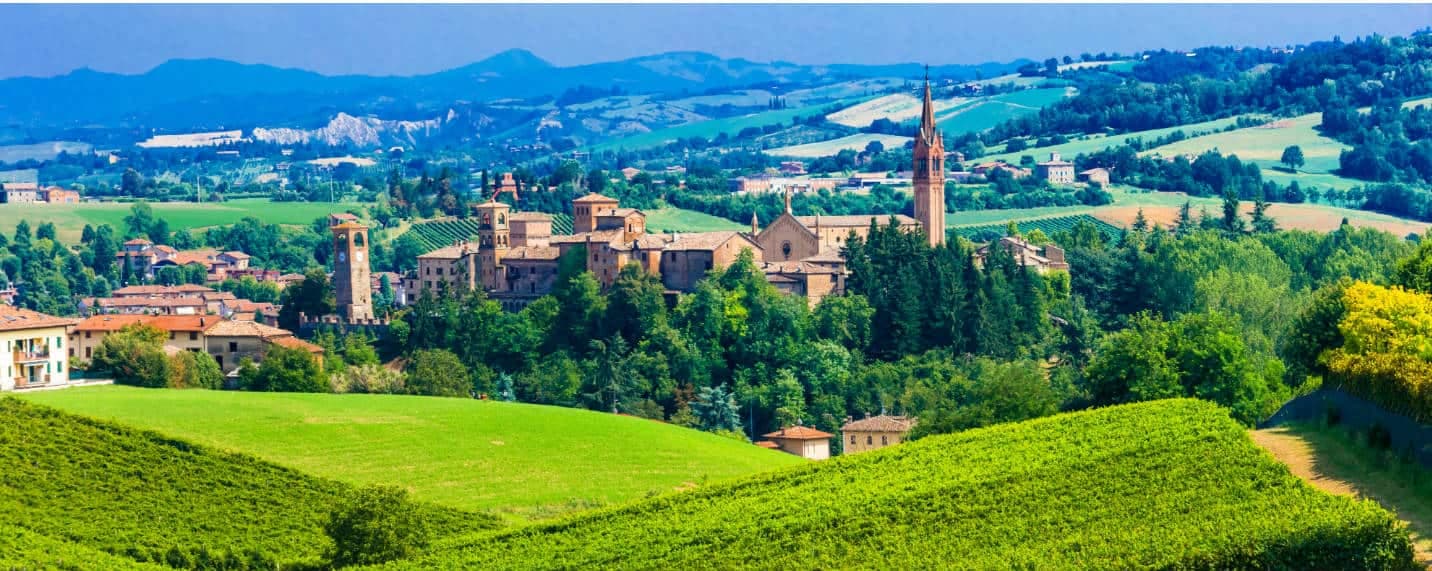
Castelvetro di Modena
Province: Modena · 152 m
A 152-meter hill borgo south of Modena whose checkerboard piazza sits above the slopes that grow Lambrusco Grasparossa.
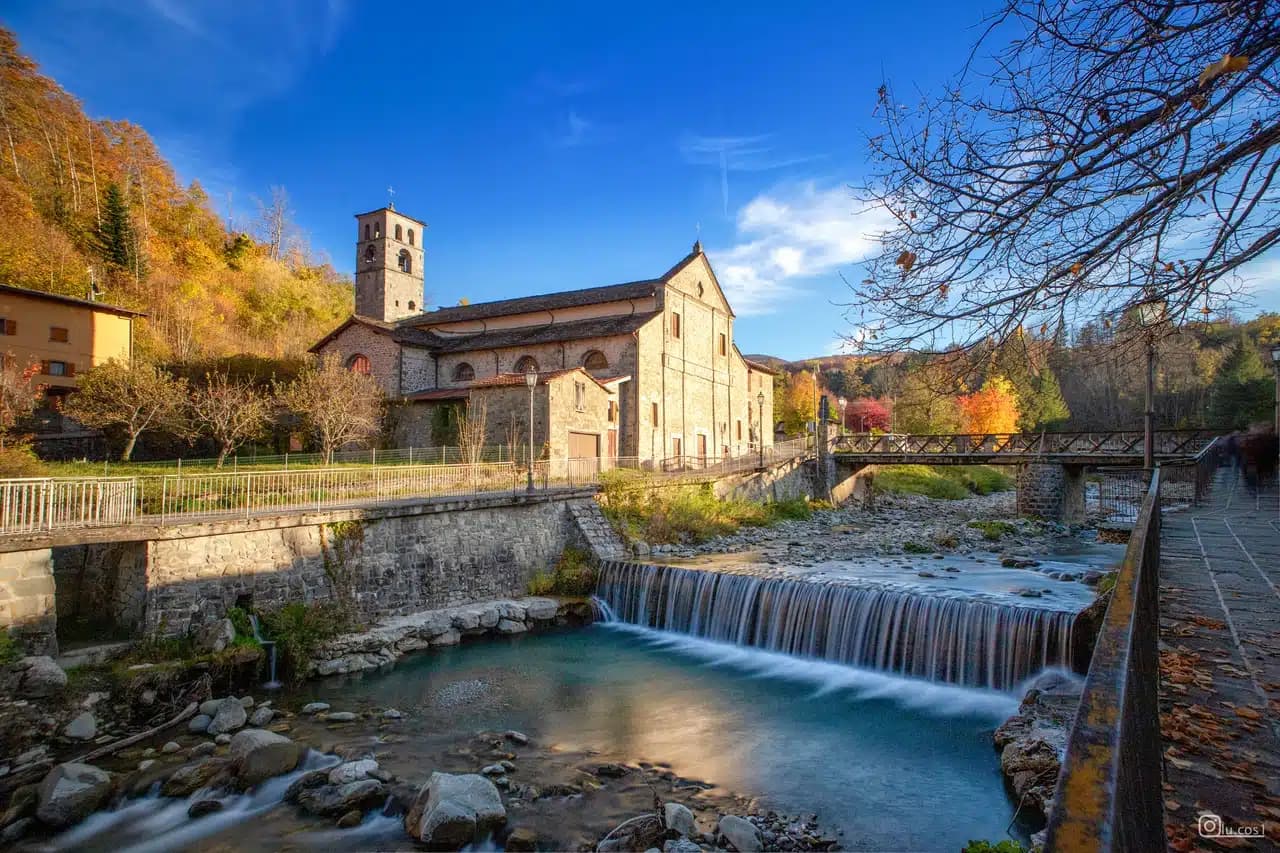
Fiumalbo
Province: Modena · 935 m
A 935-meter stone village in the Modenese Apennines on the Tuscan border, at the confluence of two rivers under Monte Cimone.
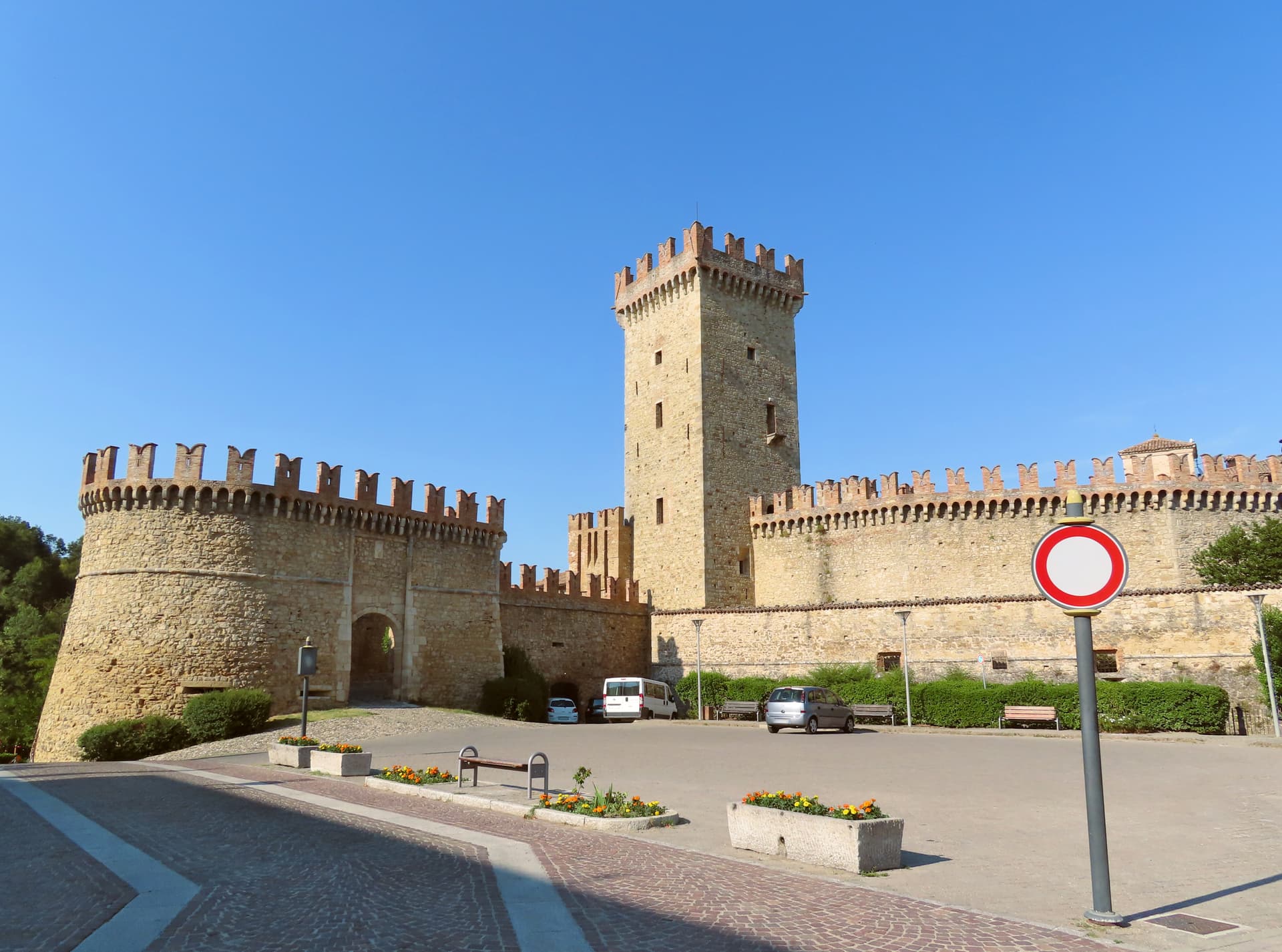
Vernasca
Province: Piacenza · 457 m
A Val d'Arda commune in the Piacenza Apennines, holding the walled village of Vigoleno and one of the most compact castled borghi in Emilia.
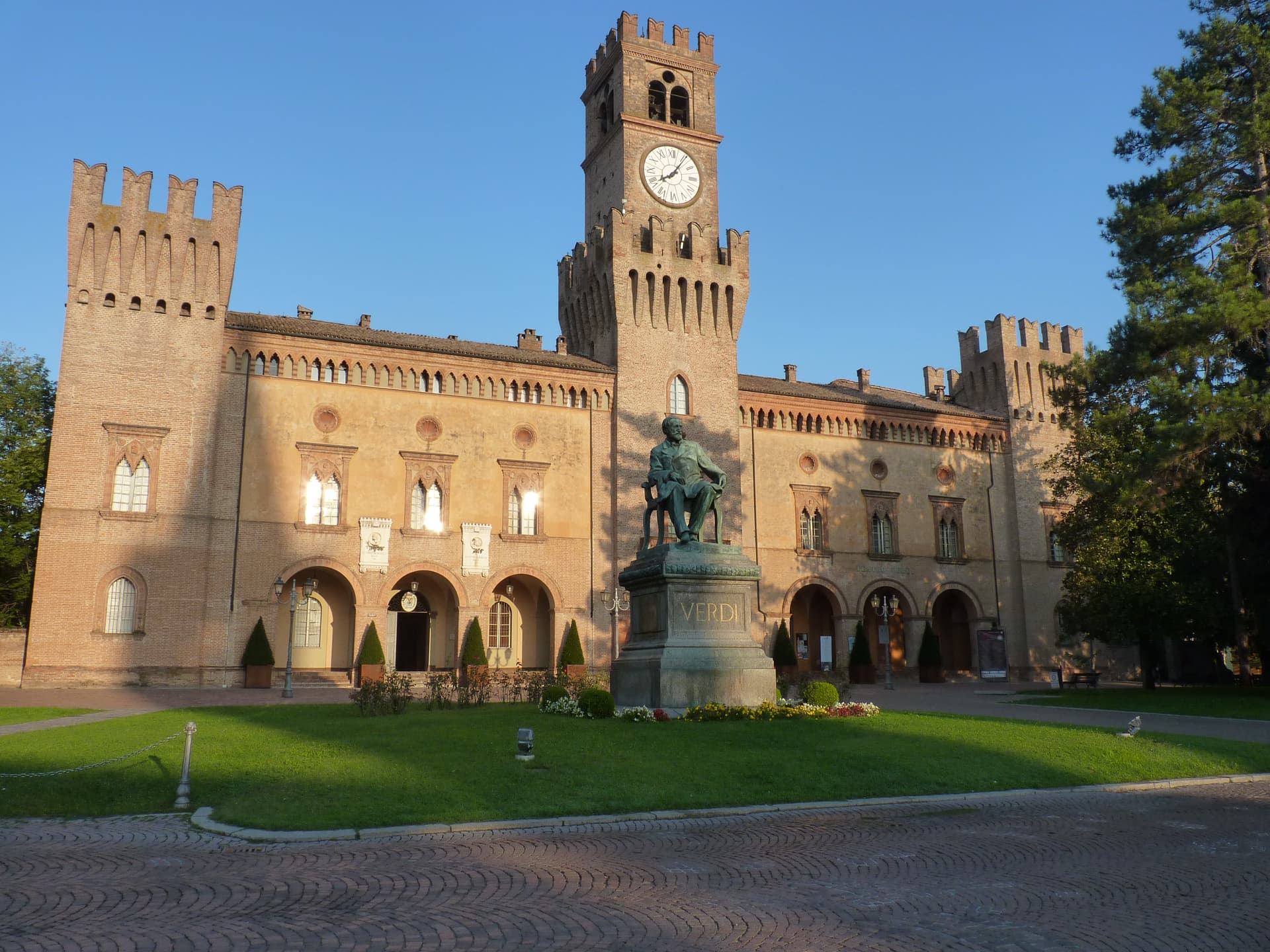
Busseto
Province: Parma · 40 m
A 40-meter Bassa Parmense town where Giuseppe Verdi grew up, with a 300-seat opera house in the Rocca he refused to enter.
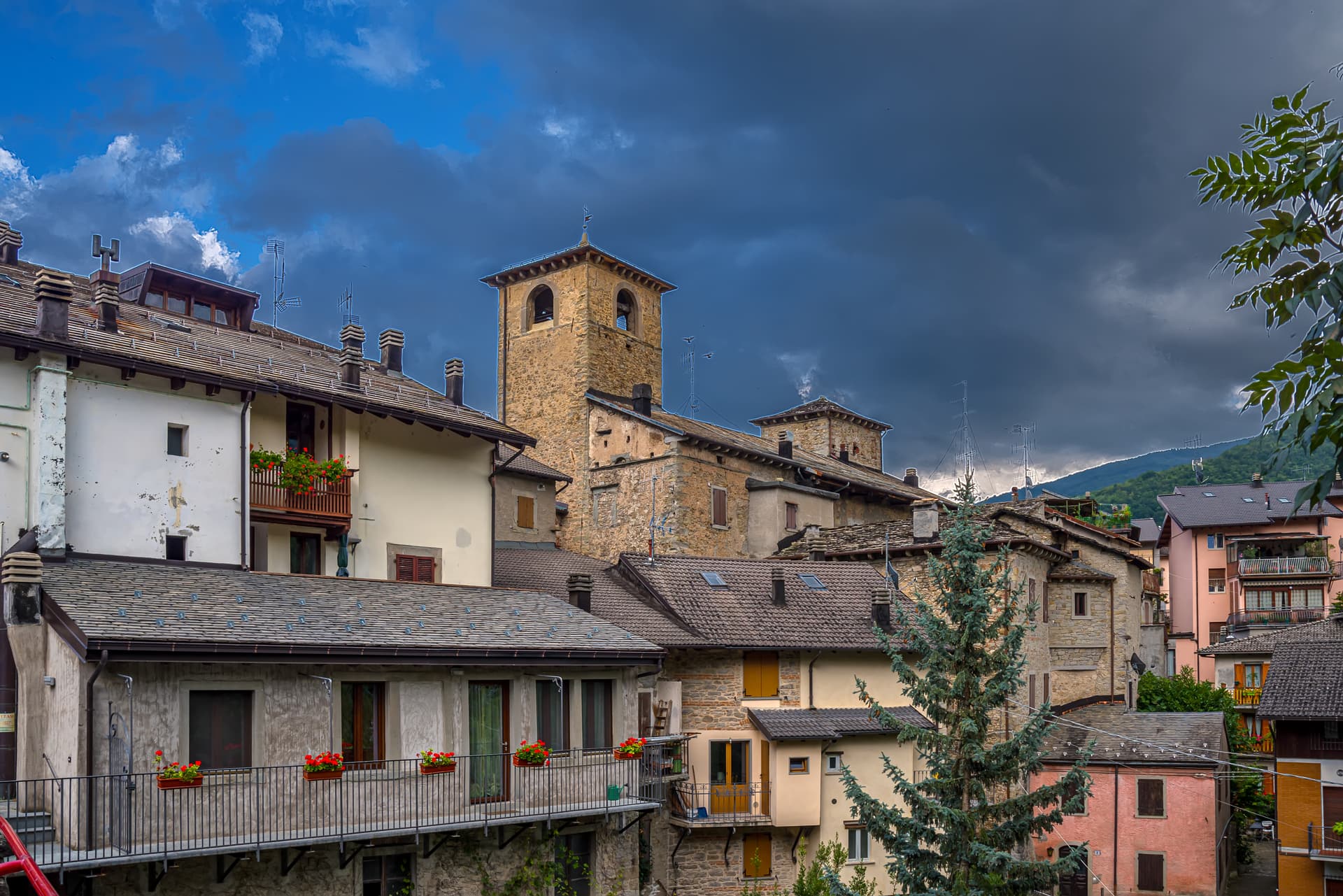
Fanano
Province: Modena · 640 m
A 640-meter stone-working town in the Modenese Apennines, set among Monte Cimone, Libro Aperto and the upper Frignano peaks.
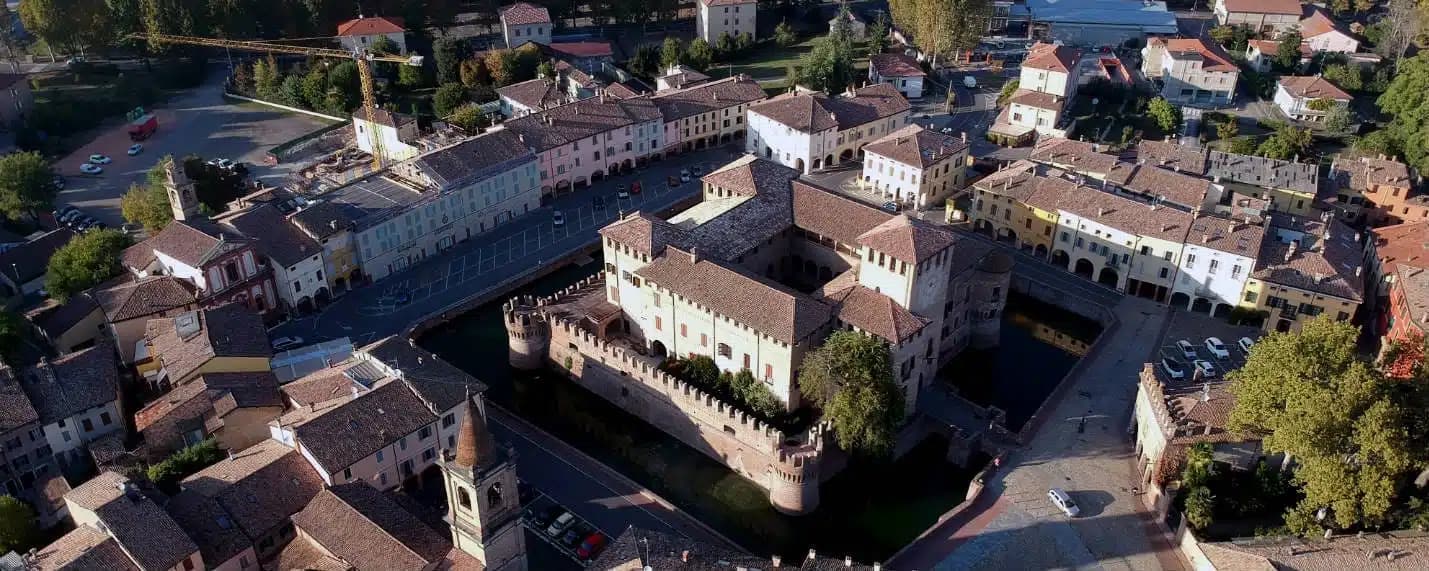
Fontanellato
Province: Parma · 45 m
A Parma-plain town built around the Rocca Sanvitale, the moated fortress with Parmigianino's 1524 fresco of Diana and Actaeon.
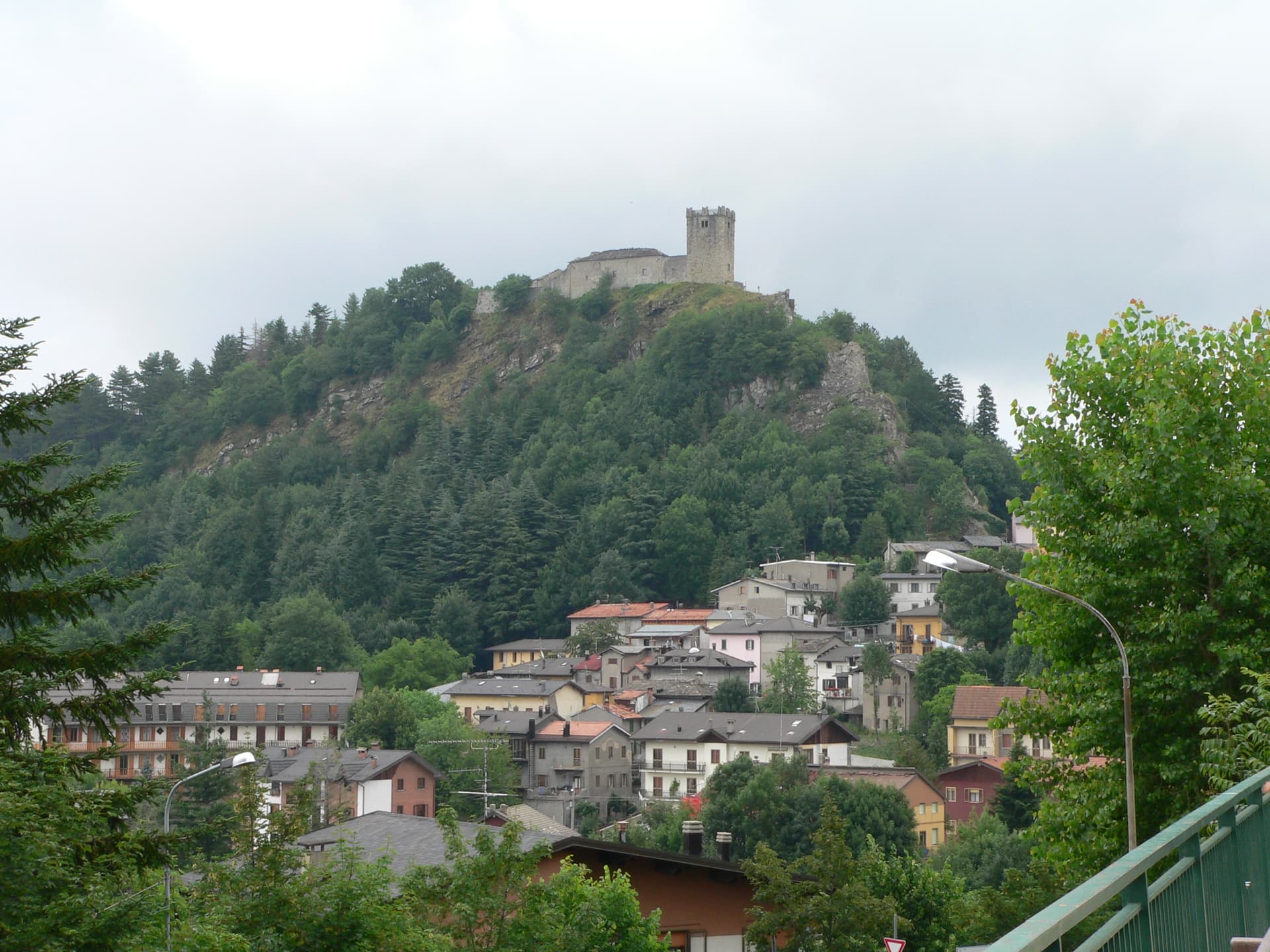
Sestola
Province: Modena · 1,020 m
A 1,020-meter Apennine town under Monte Cimone, with a Lombard-era castle above and the largest ski domain of central Italy on the slopes.
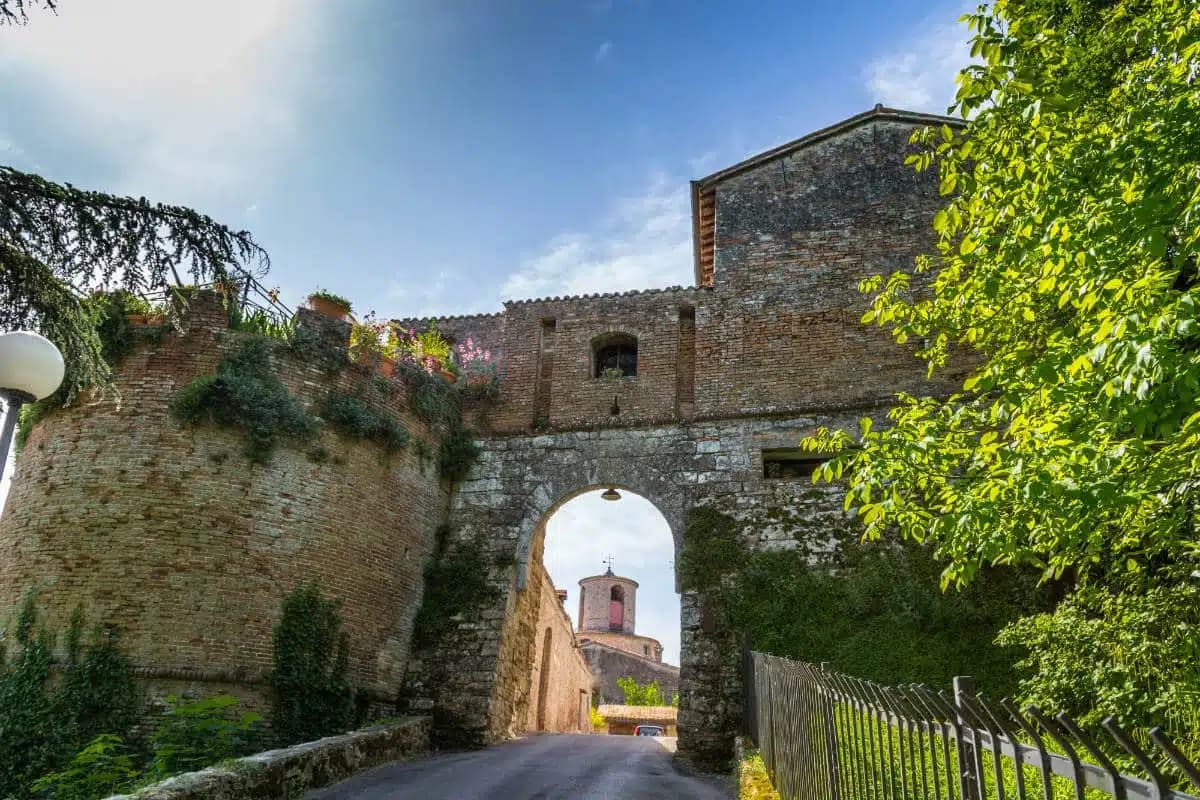
Castrocaro Terme e Terra del Sole
Province: Forlì-Cesena · 68 m
A pairing of two towns: a ninth-century fortress at Castrocaro and Cosimo I de' Medici's planned Renaissance fortress of Terra del Sole, founded 1564.
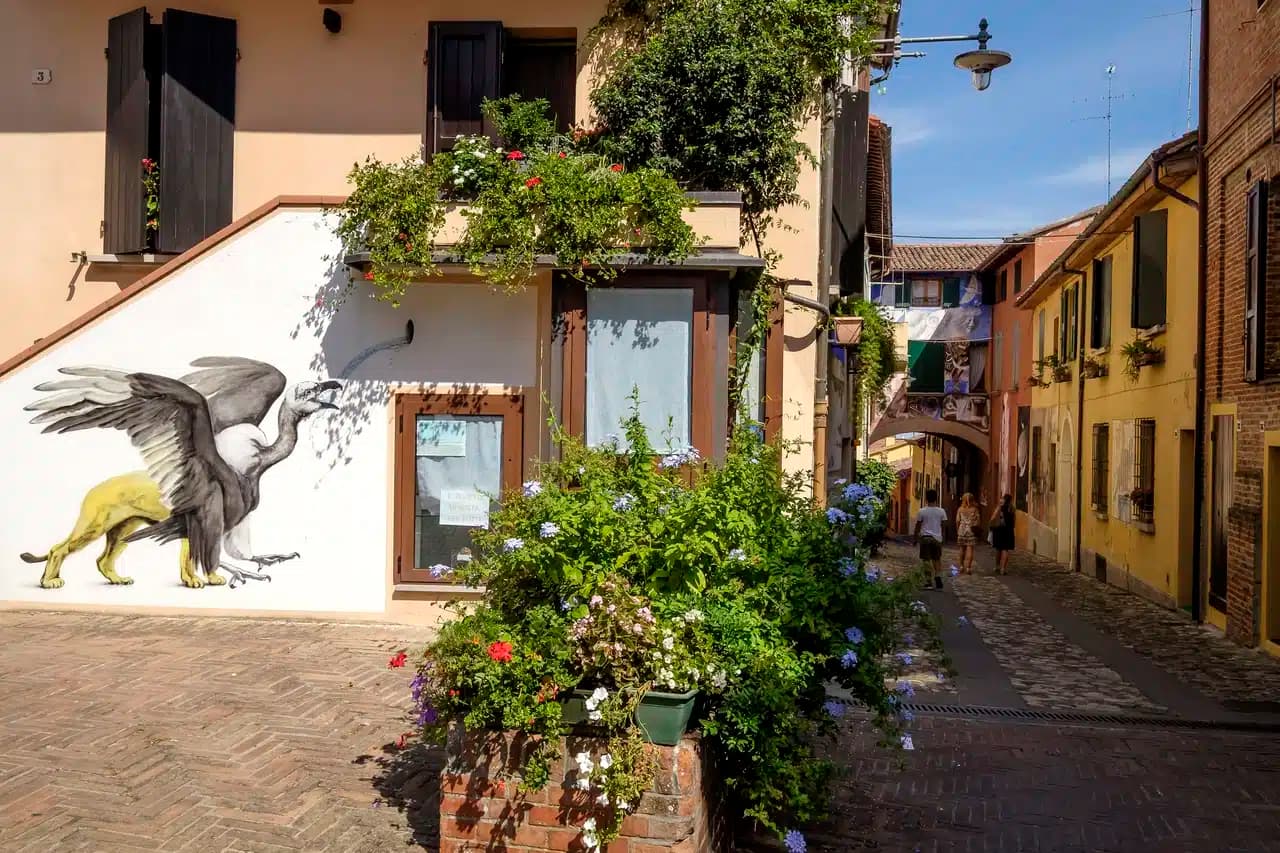
Dozza
Province: Bologna · 190 m
A 190-meter painted borgo above the Sellustra valley, where contemporary artists have repainted the house walls every two years since 1960.
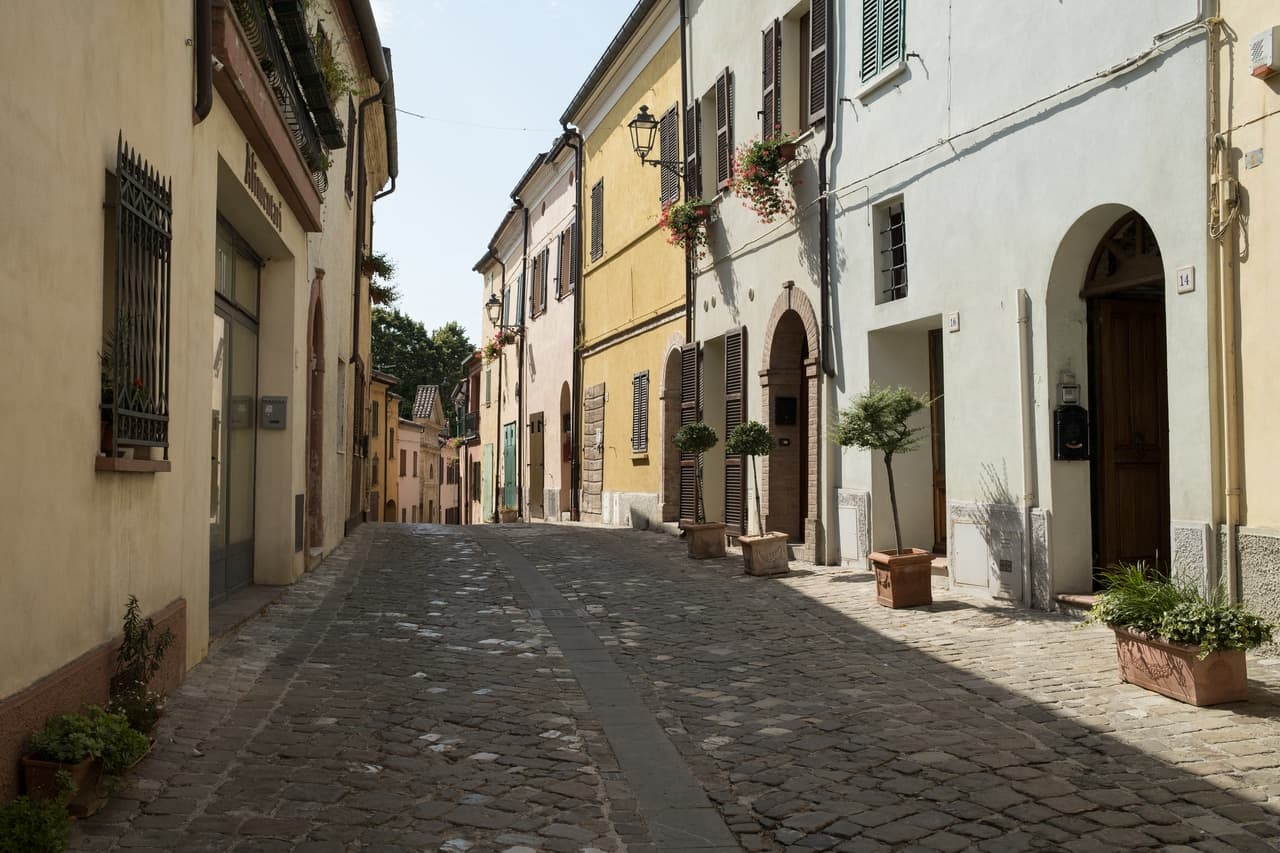
Montefiore Conca
Province: Rimini · 385 m
A 385-meter Malatesta hilltop above the Conca valley, dominated by a fourteenth-century fortress that was once a summer residence of the lords of Rimini.
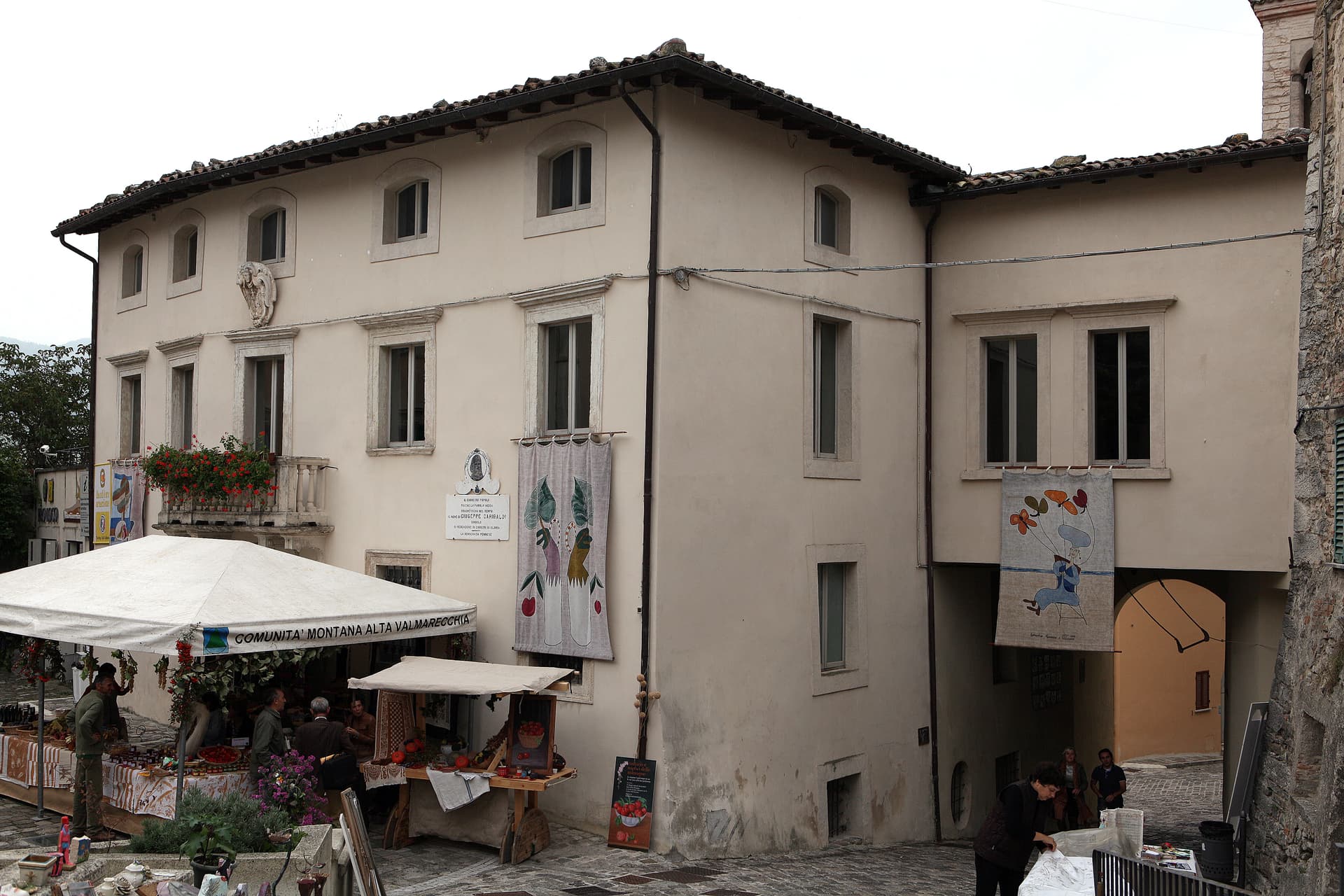
Pennabilli
Province: Rimini · 629 m
A 629-meter Montefeltro borgo between the Roccione and the Rupe, rebuilt as a poet's open-air museum by Tonino Guerra after 1989.
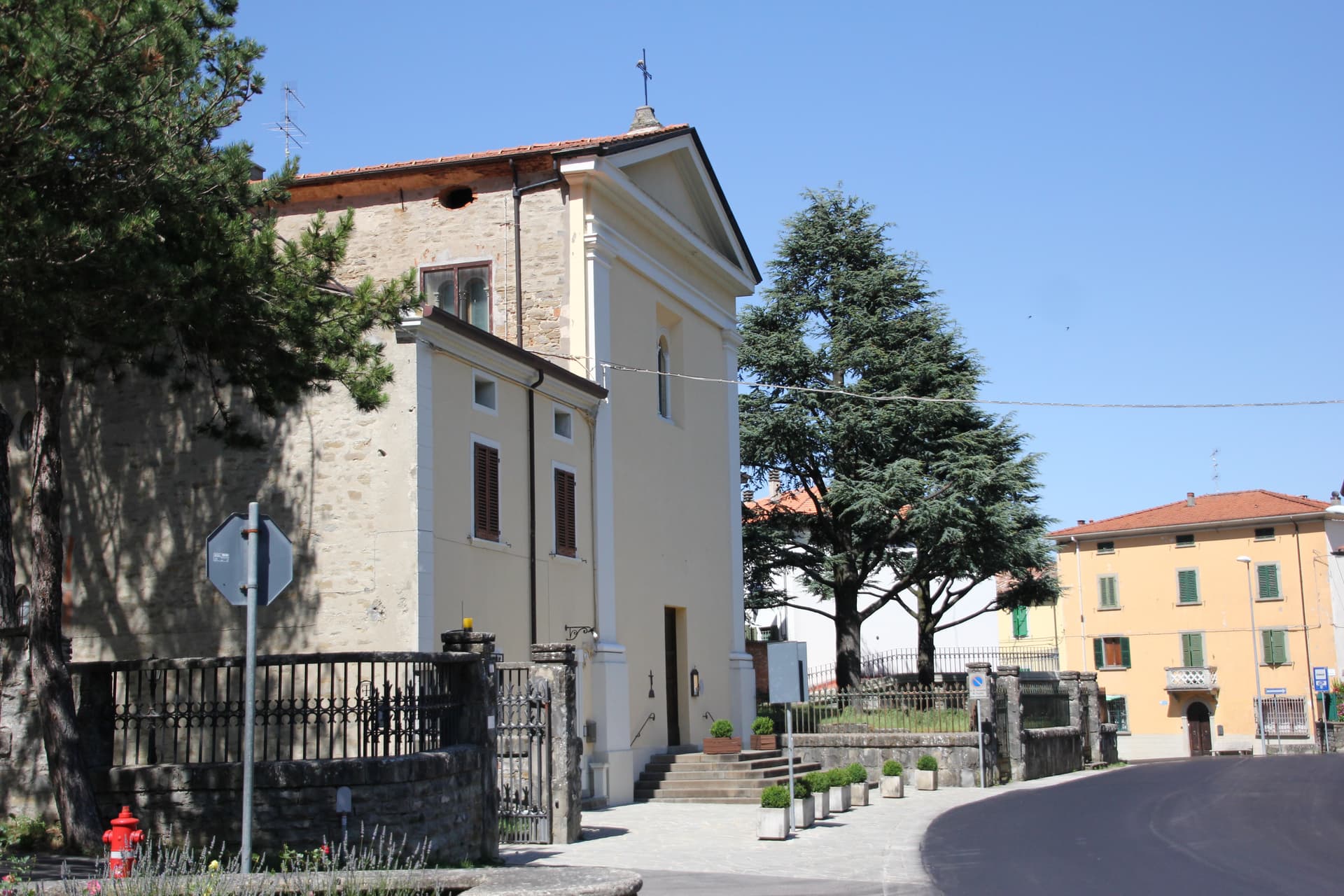
Portico e San Benedetto
Province: Forlì-Cesena · 309 m
A three-tier medieval borgo at 309 meters on the Montone river, capital of Florence's Romagna territories from 1386.
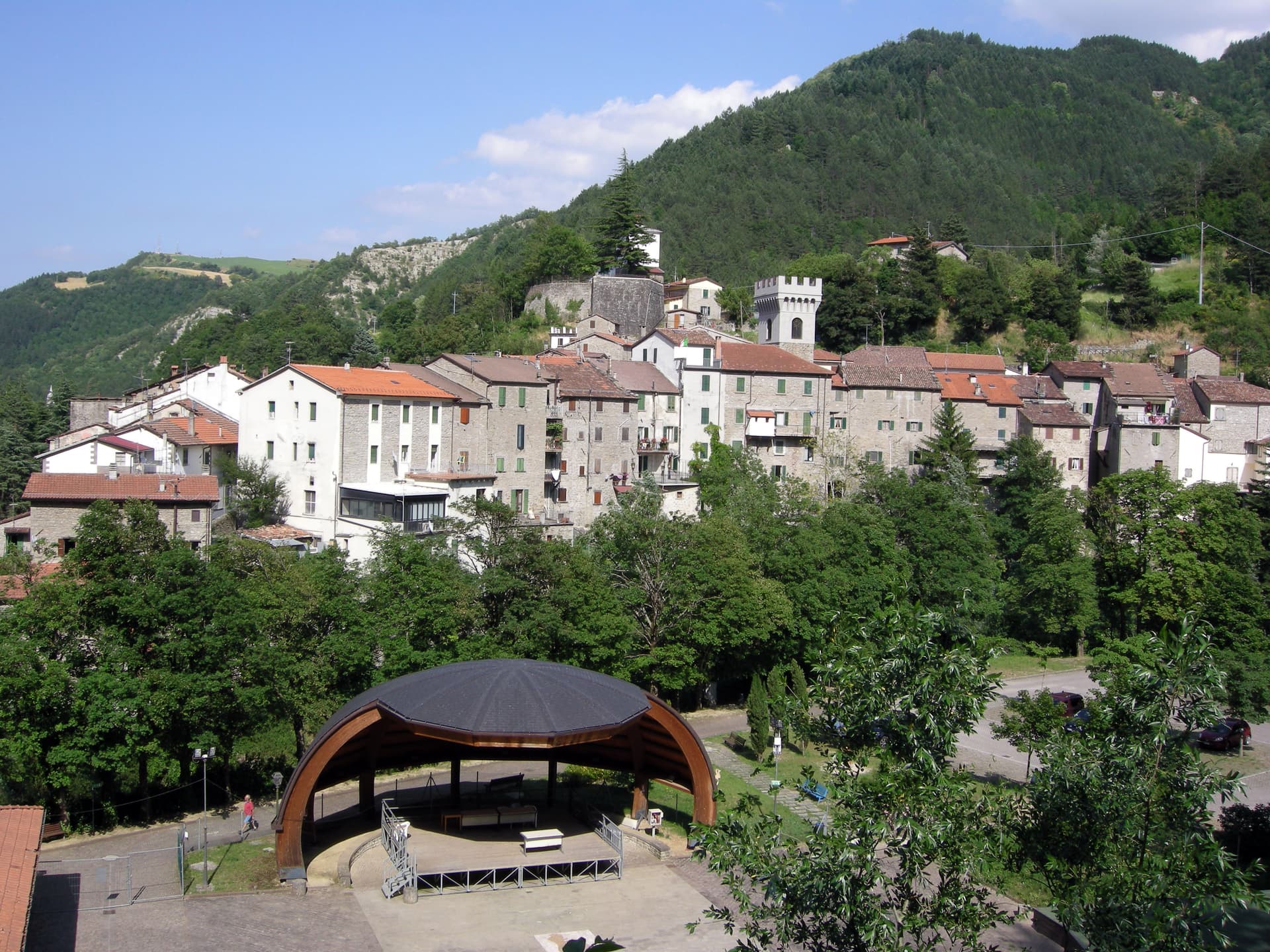
Premilcuore
Province: Forlì-Cesena · 459 m
A 459-meter walled borgo on the Rabbi river, an entry point to the Foreste Casentinesi from the Romagna side.
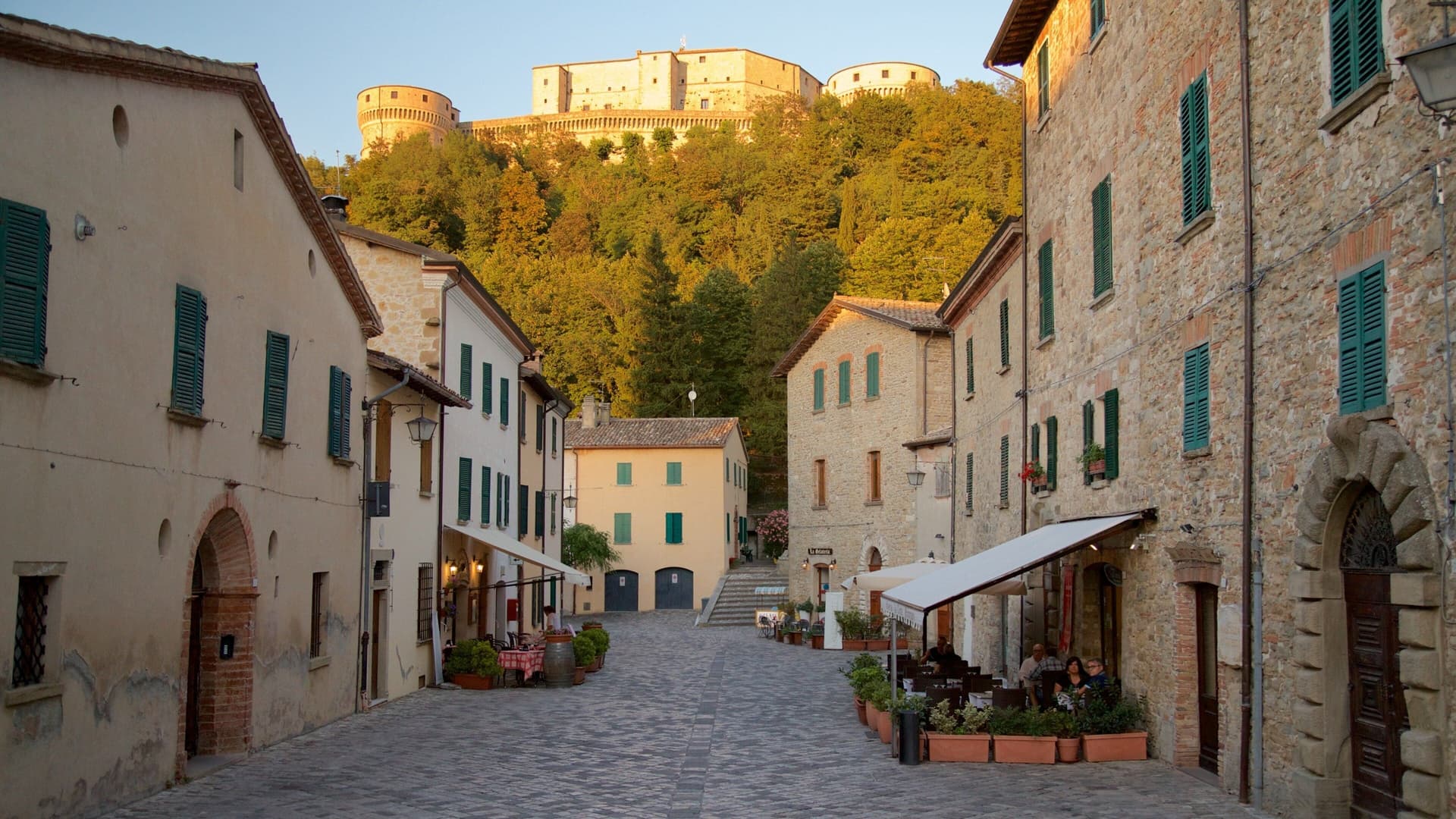
San Leo
Province: Rimini · 583 m
Italy's most dramatic hilltop fortress town — a 2,820-resident borgo on a vertical 583m limestone outcrop in the Montefeltro, 35 km from Rimini, with the Renaissance Forte di San Leo (where Cagliostro was imprisoned and died in 1795), the 9th-c Pieve, the 12th-c Duomo, and the Romagna/Marche frontier panorama from every wall.
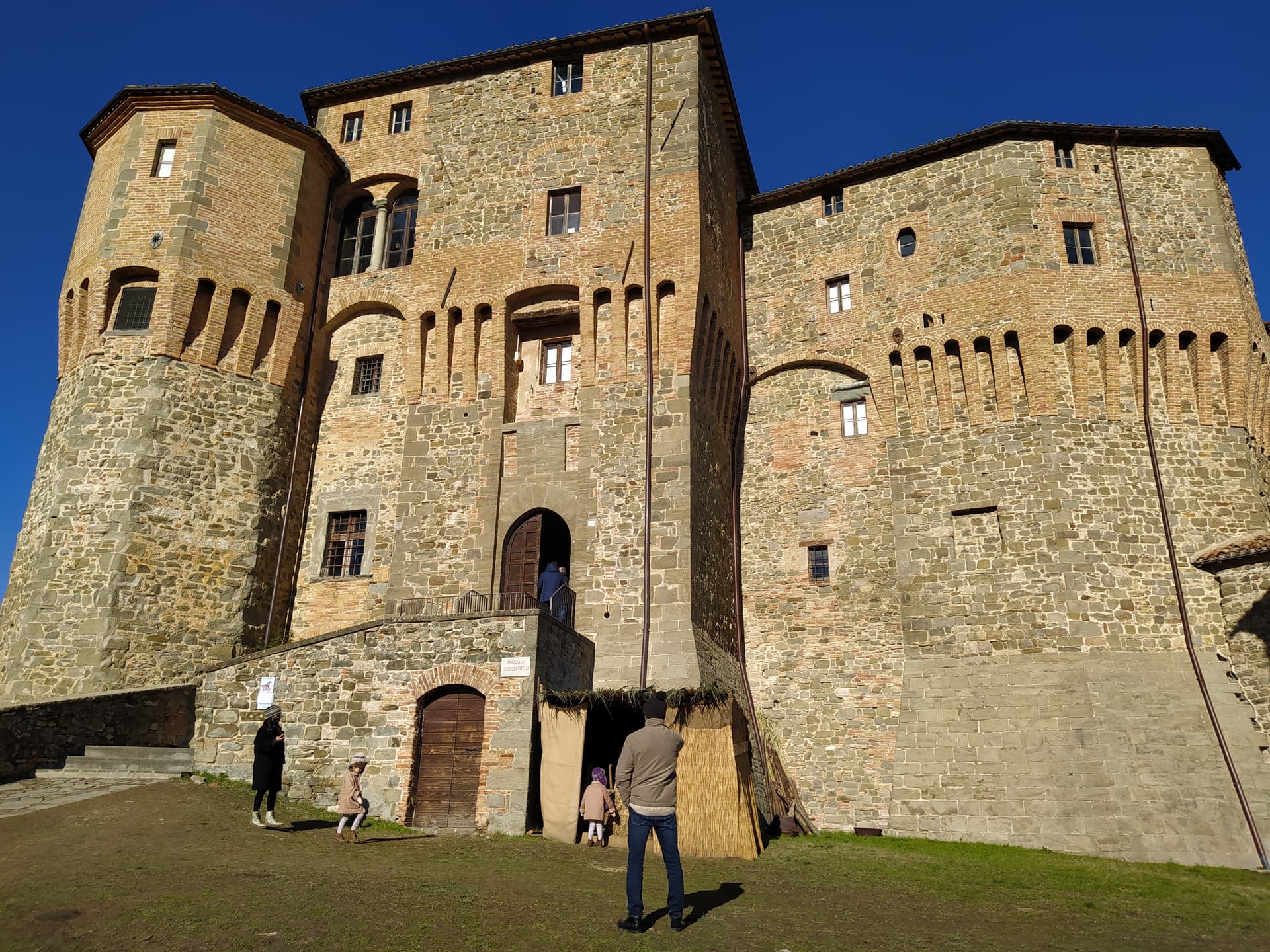
Sant'Agata Feltria
Province: Rimini · 607 m
A 607-meter Montefeltro borgo crowned by the Rocca Fregoso on the Sasso del Lupo, host of the national white truffle fair since 1985.
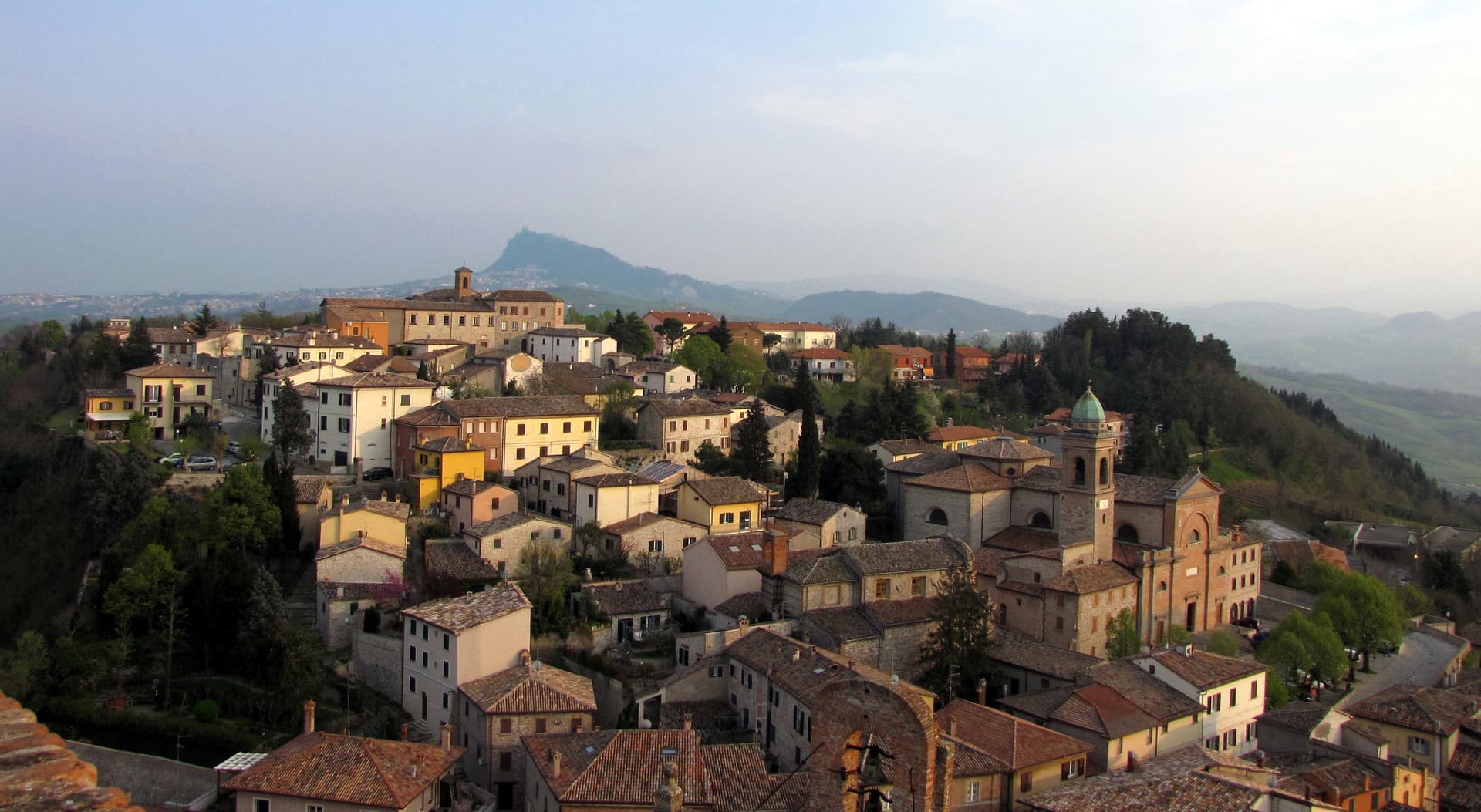
Verucchio
Province: Rimini · 330 m
A spur over the lower Marecchia valley, cradle of the Villanovan civilization and birthplace of the Malatesta lordship of Romagna.
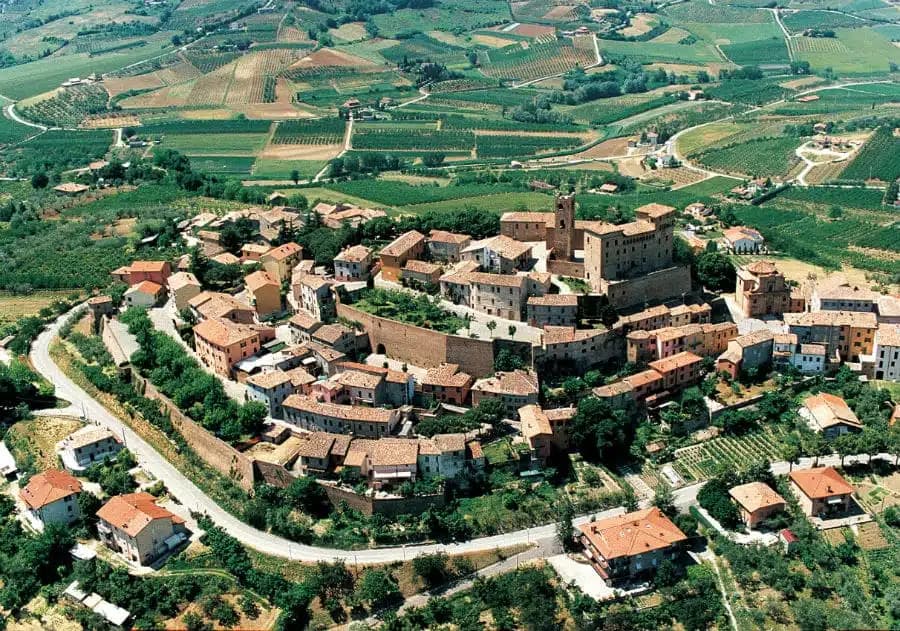
Longiano
Province: Forlì-Cesena · 179 m
A 179-meter Malatesta borgo on the hills between Cesena and Rimini, holding the Tito Balestra collection inside the family castle.
Subscribe — free
Get the best guides on hidden Italian towns.
One letter on Sundays. The week’s town, with the photo, the food, the festa. Free, by Peter & Sophia from Pietrasanta.
Substack sends a confirmation link to your inbox. The signup finishes when it’s clicked.
From elsewhere in Italy
Five more towns to discover
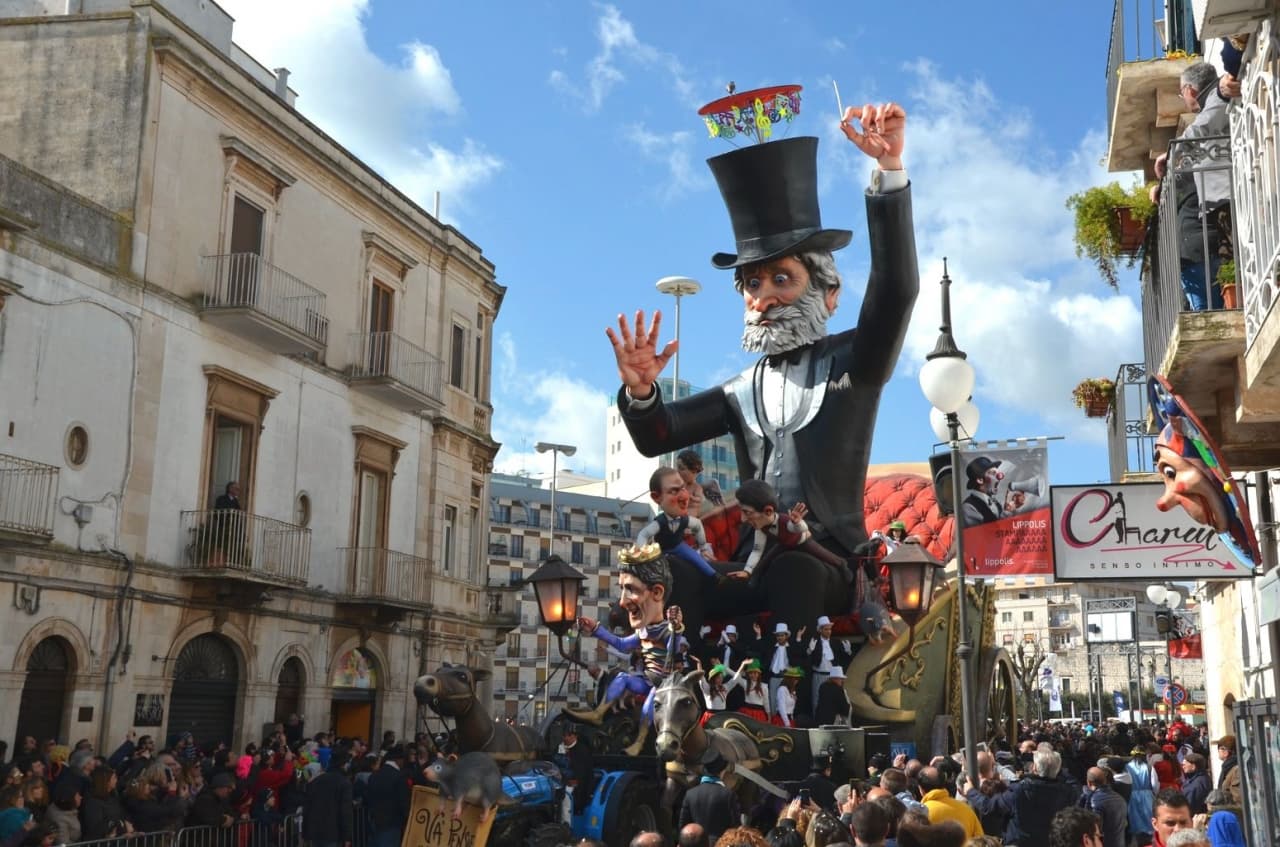
Putignano
Province: Bari
Europe's longest-running carnival — Putignano Carnevale has run continuously since 1394, with 631 years of cartapesta papier-mâché floats, a 26,000-resident Murgia town on the Bari–Lecce plateau, and the Grotta del Trullo karst cave inside the centro.

Pistoia
Province: Pistoia
Italy's nursery capital and the medieval Tuscan rival that gave its name to the pistol — a quietly extraordinary centro storico of zebra-striped Romanesque churches, Andrea della Robbia's polychrome frieze on the Ospedale del Ceppo, and Italy's Capital of Culture 2017, all 30 minutes from Florence by train.
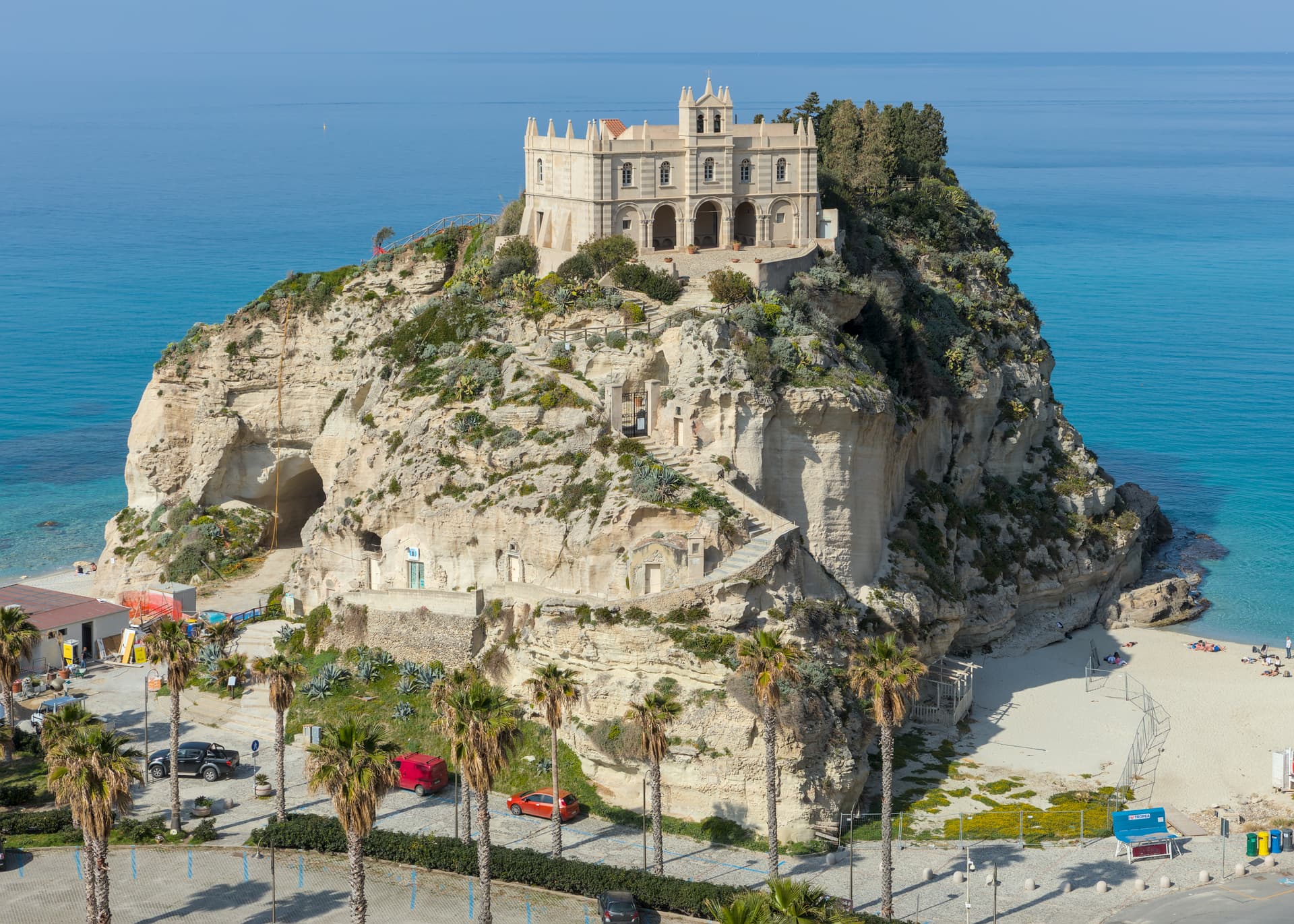
Tropea
Province: Vibo Valentia
Cliff town on a tufa headland over the Tyrrhenian Coast of the Gods, with a Norman monastery on a sea rock.
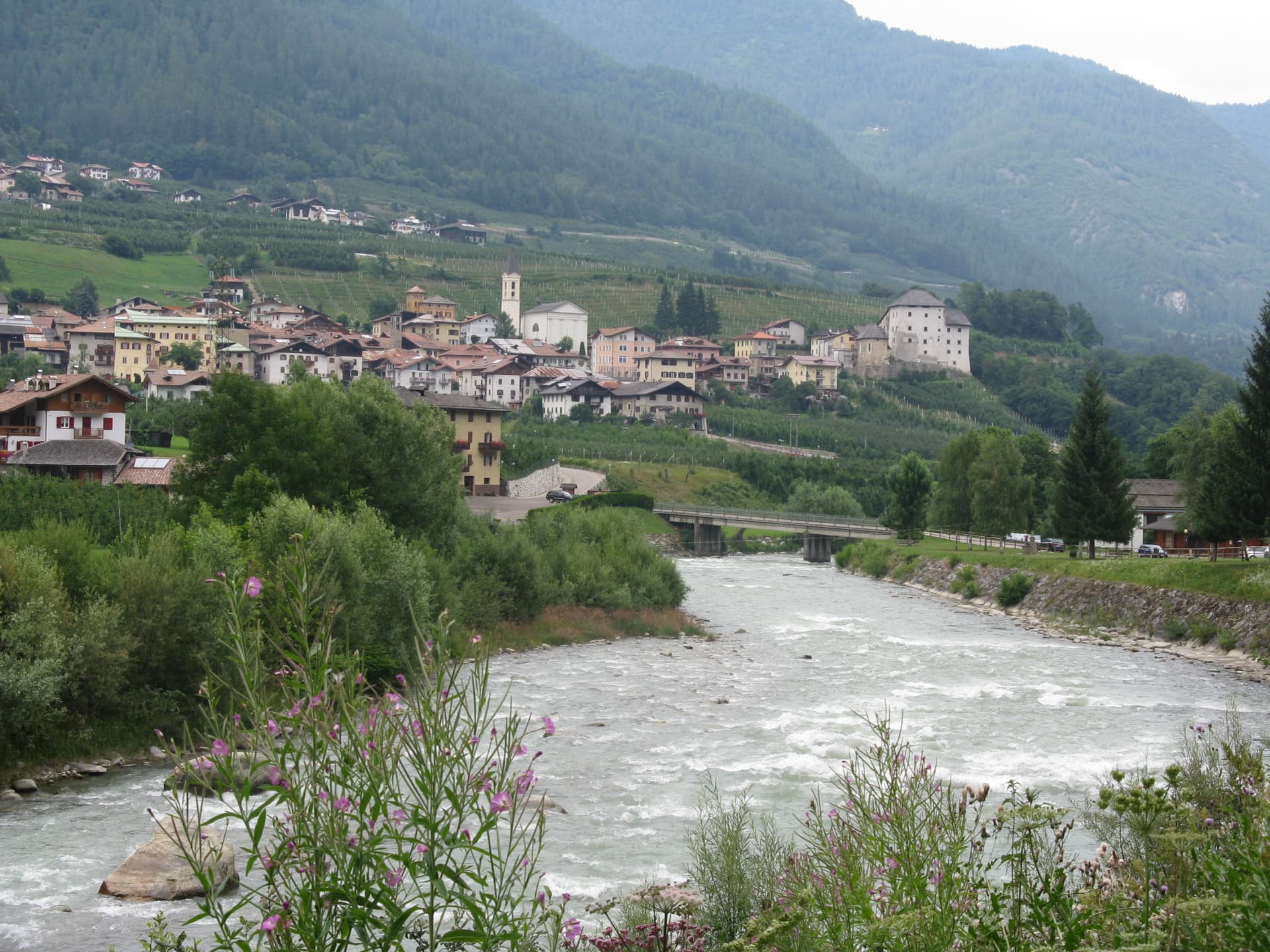
Caldes
Province: Trento
A scattered Val di Sole commune on the Noce, six hamlets gathered around a thirteenth-century tower-house castle that once belonged to the Thun family.
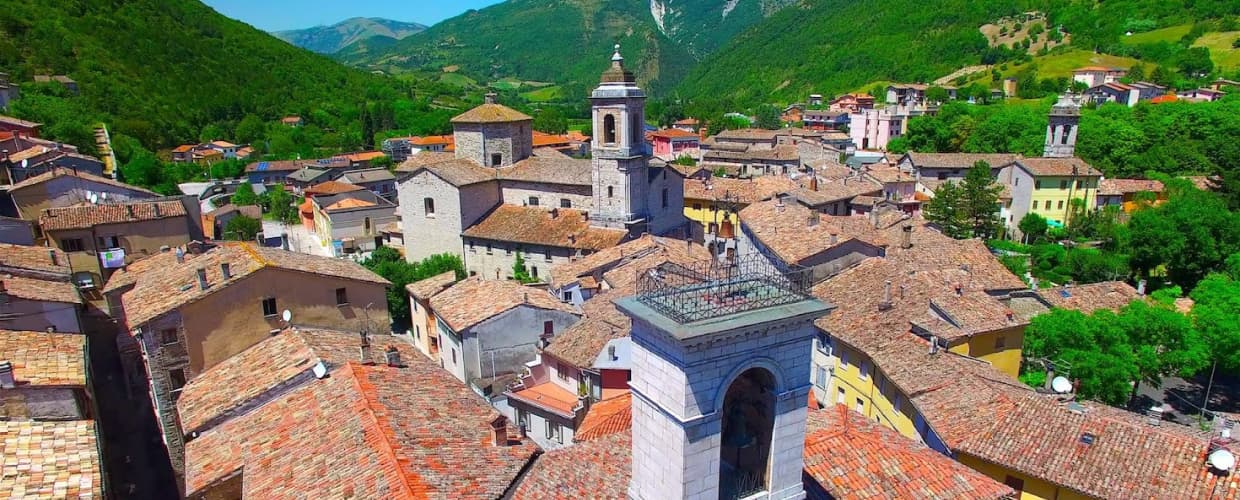
Cantiano
Province: Pesaro e Urbino
A border borgo at 374 meters under Monte Catria on the old Via Flaminia, known for the Good Friday Turba and the sour-cherry visciola harvest.