

Emilia-Romagna · Forlì-Cesena
Portico e San Benedetto
A three-tier medieval borgo on the Montone river, capital of Florence's Romagna territories from 1386.
Known for
DANTE'S BEATRICE
Palazzo Portinari preserves the tradition that Beatrice's family lived here, on the medieval road between Florence and Romagna.
ACQUACHETA
Waterfall on the Acquacheta torrent, named by Dante in Inferno XVI, twelve kilometers up the Montone from Portico.
FLORENTINE CAPITAL
Capital of the Republic of Florence's Romagna territories from 1386, the reason for the three-tier medieval urban structure.
When to visit
Best · Apr–Oct
- J
- F
- M
- A
- M
- J
- J
- A
- S
- O
- N
- D
- Best
- Hot or crowded
- Quiet
- Mostly closed
The festa: Giacomo il Maggiore, 25 July
Why come
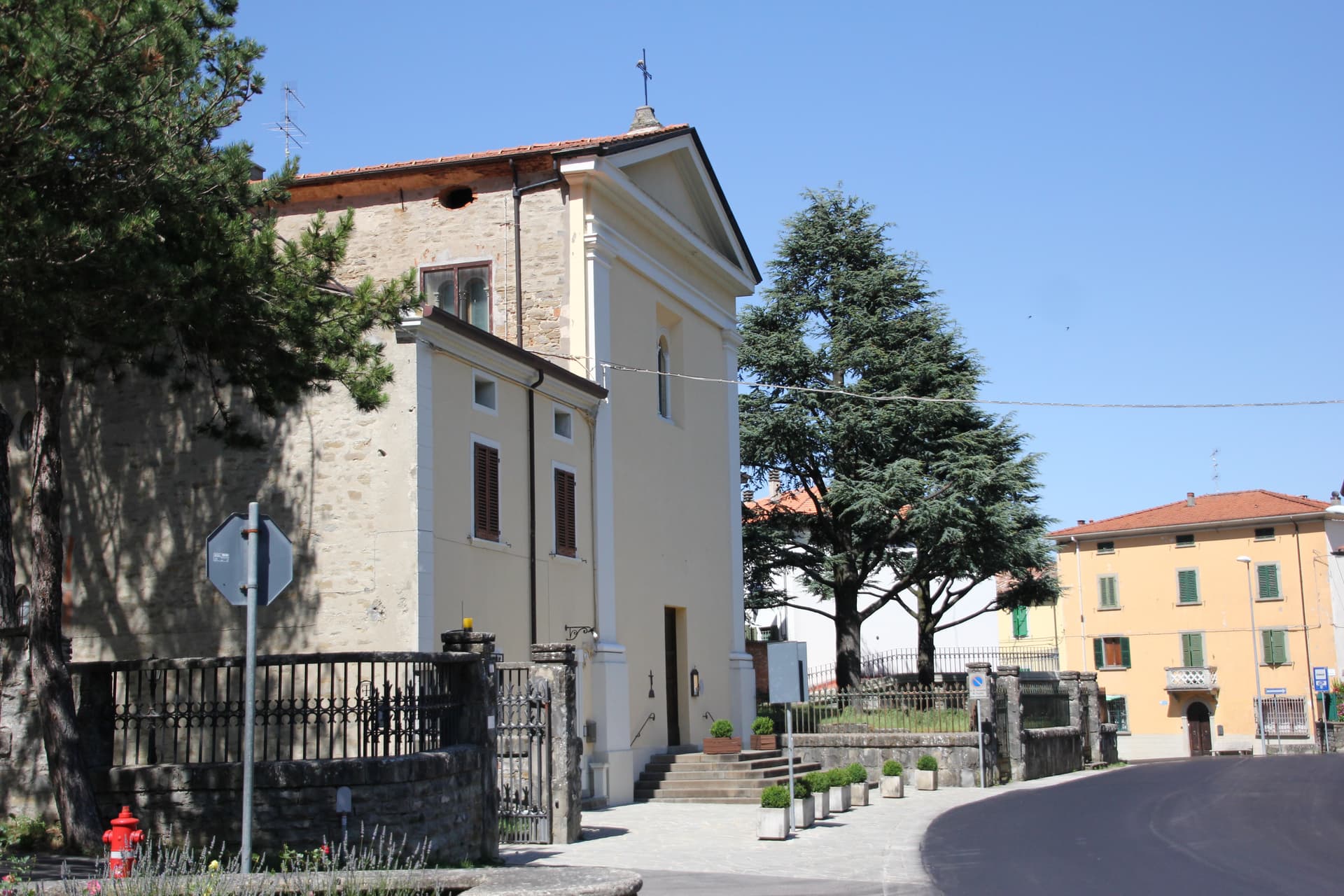
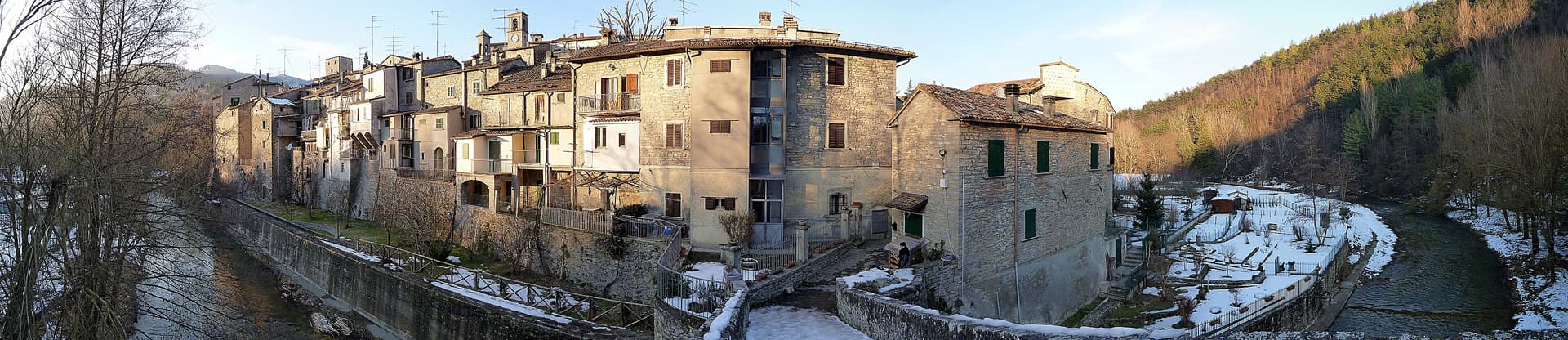
Portico di Romagna sits on the Montone river, in the Tuscan-Romagnolo Apennines forty-five kilometers north of Florence and sixty southeast of Bologna. The Republic of Florence chose Portico as the capital of its Romagna territories in 1386, and the borgo still reads as three medieval tiers: the upper part with the castle and the parish church, the middle with the noble palazzi along Via Roma, the lower with the artisan houses built vertically over four floors. Palazzo Portinari, on the central street, belonged by tradition to the family of Folco Portinari, Beatrice's father, and links the town to Dante's exile years.
Twelve kilometers up the Montone, the frazione of San Benedetto in Alpe holds the ruins of a tenth-century Benedictine abbey where San Romualdo stayed before founding Camaldoli, and the Cascata dell'Acquacheta that Dante described in Inferno XVI. The municipality lies inside the Parco Nazionale delle Foreste Casentinesi and carries the Bandiera Arancione.
The Sunday letter
We haven’t written Portico e San Benedetto’s letter yet.
One town every Sunday, with the photo, the food, the festa. Be there when this one comes up. Free, by Peter & Sophia from Pietrasanta.
By subscribing you agree to Substack’s Terms of Use, our Privacy Policy and our Information collection notice.
What to see
Centro storico di Portico
Three-tier medieval borgo arranged on the Montone slope, divided into castle quarter, noble palazzi along Via Roma, and artisan houses below.
Palazzo Portinari
Fourteenth-century palace on Via Roma, by tradition the residence of the family of Folco Portinari, father of Dante's Beatrice.
Cascata dell'Acquacheta
Waterfall on the Acquacheta torrent near San Benedetto in Alpe, named by Dante in Inferno XVI for the muffled roar it makes among the rocks.
Abbazia di San Benedetto in Alpe
Tenth-century Benedictine abbey at 485 meters in the upper Montone valley, where San Romualdo stayed before founding Camaldoli.
Ponte della Maestà
Stone bridge over the Montone at the entrance to Portico, medieval in origin and rebuilt several times after Apennine floods.
The slow-trip planner
Building a trip? Find where Portico e San Benedetto fits in a slow Italy circuit.
Answer five questions. We will shape a geographically coherent slow trip from the 1,000 Italian towns most travelers skip. Yours to save and share.
Living here
- Population 723
- In-betweeni
- Pharmacy in town
- Nearest high school over ~30 minutes away
- Nearest airport Bologna, 1 h 35 min drive
- Regional capital Bologna, 1 h 37 min drive
Tags & datadesignations · numbers · sources
Recognised as
The numbers
- Elevation: 309 m
- Population: 723
- Surface area: 61.05 km²
These figures were compiled from public directories — ISTAT, OpenStreetMap, Wikidata — and from the official listings of the guides named on this page. Town details change; verify with official sources before you travel.
Close by
More towns near Portico e San Benedetto
Premilcuore
Province: Forlì-Cesena
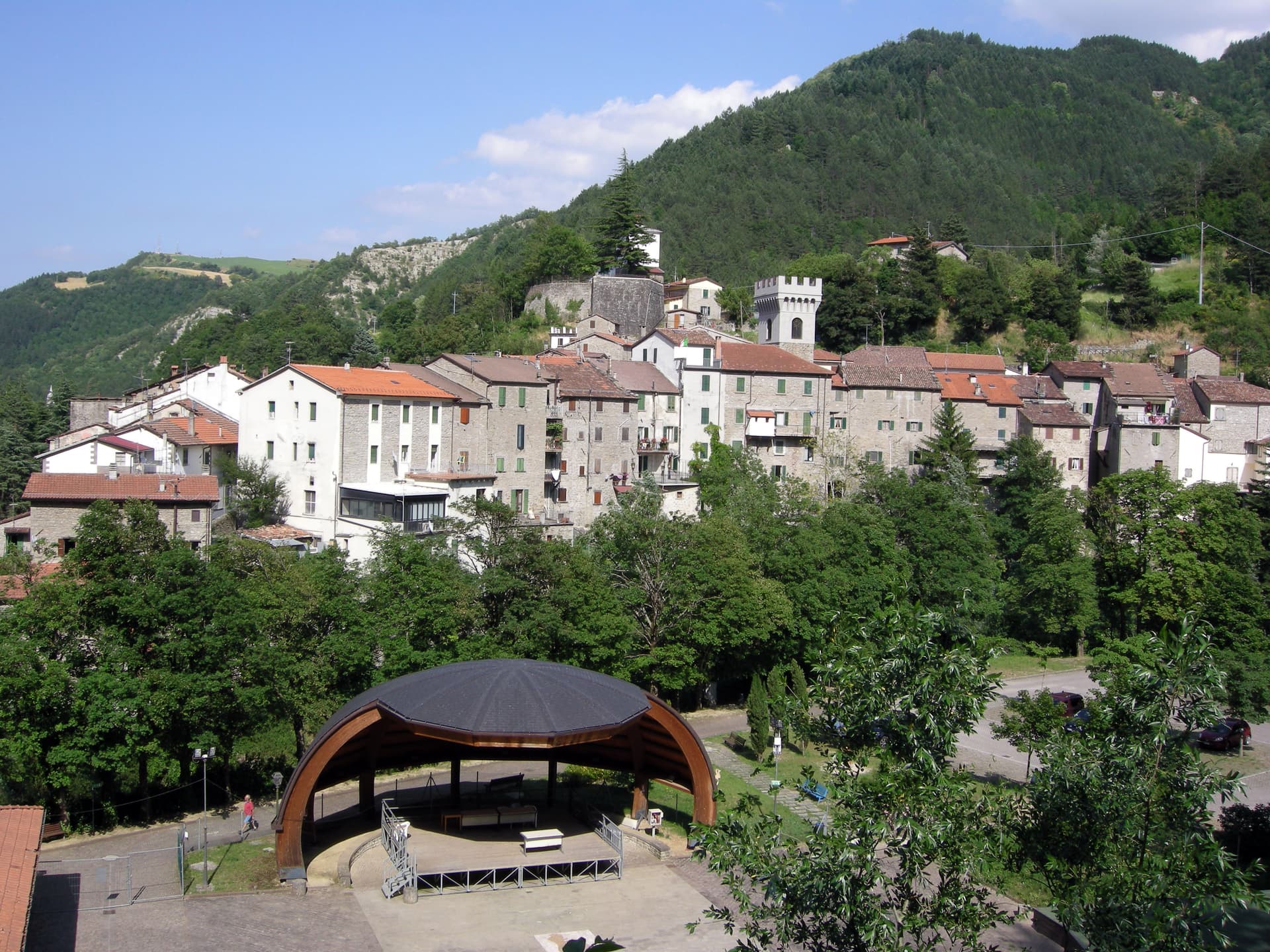
A 459-meter walled borgo on the Rabbi river, an entry point to the Foreste Casentinesi from the Romagna side.
Castrocaro Terme e Terra del Sole
Province: Forlì-Cesena
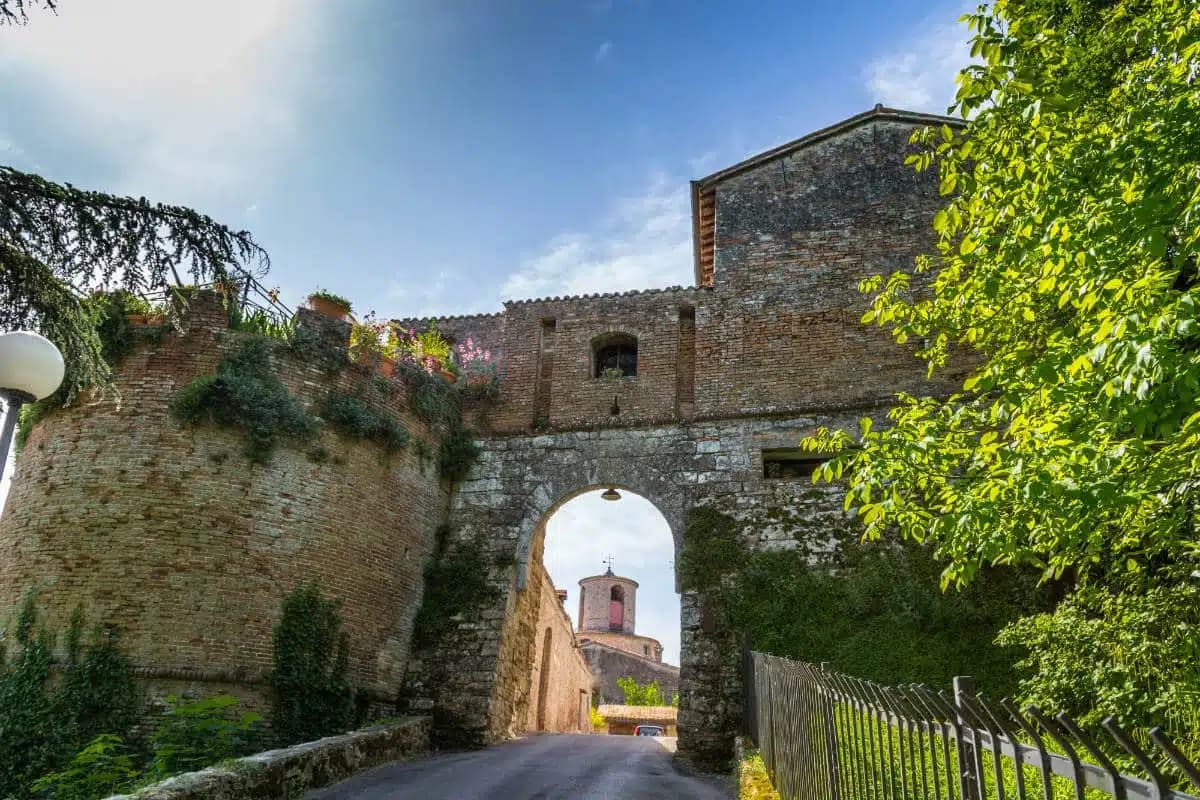
A pairing of two towns: a ninth-century fortress at Castrocaro and Cosimo I de' Medici's planned Renaissance fortress of Terra del Sole, founded 1564.
Bertinoro
Province: Forlì-Cesena
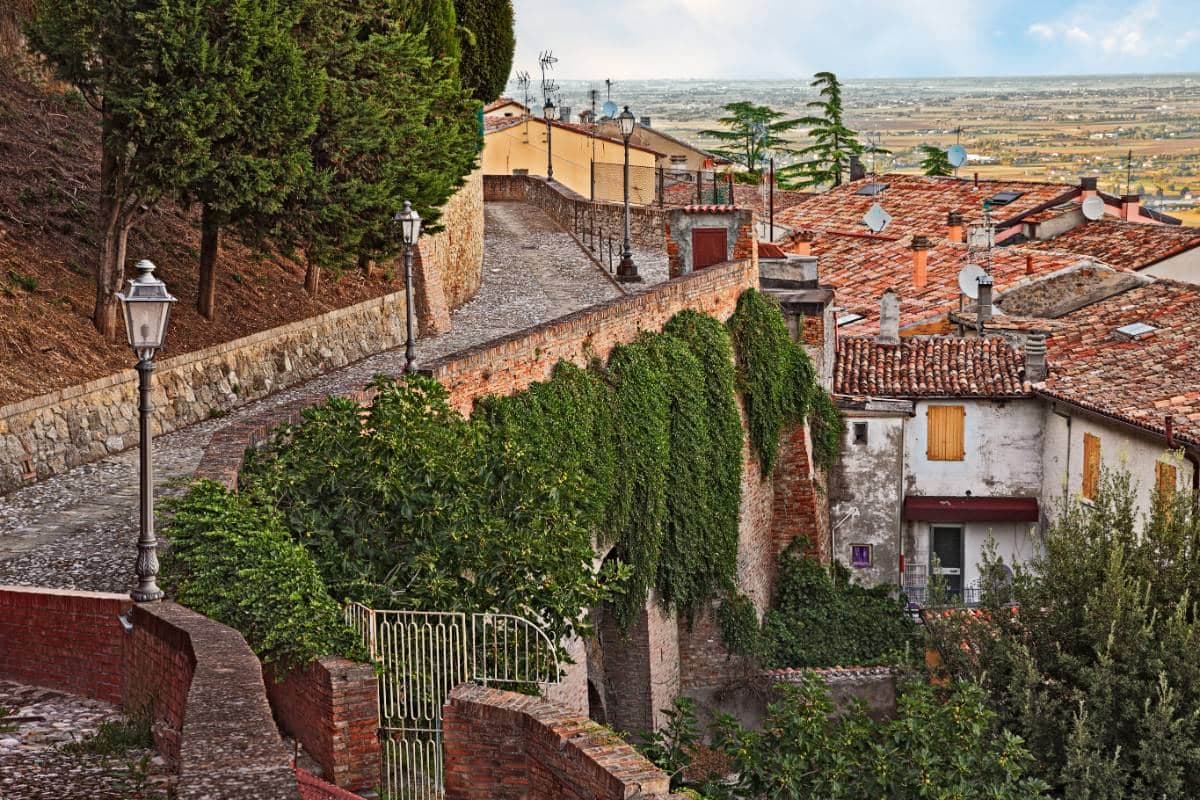
A 254-meter Romagna-hill borgo above the Via Emilia, with a twelve-ring hospitality column from 1300 and the slopes that grow Albana DOCG.
Faenza
Province: Ravenna
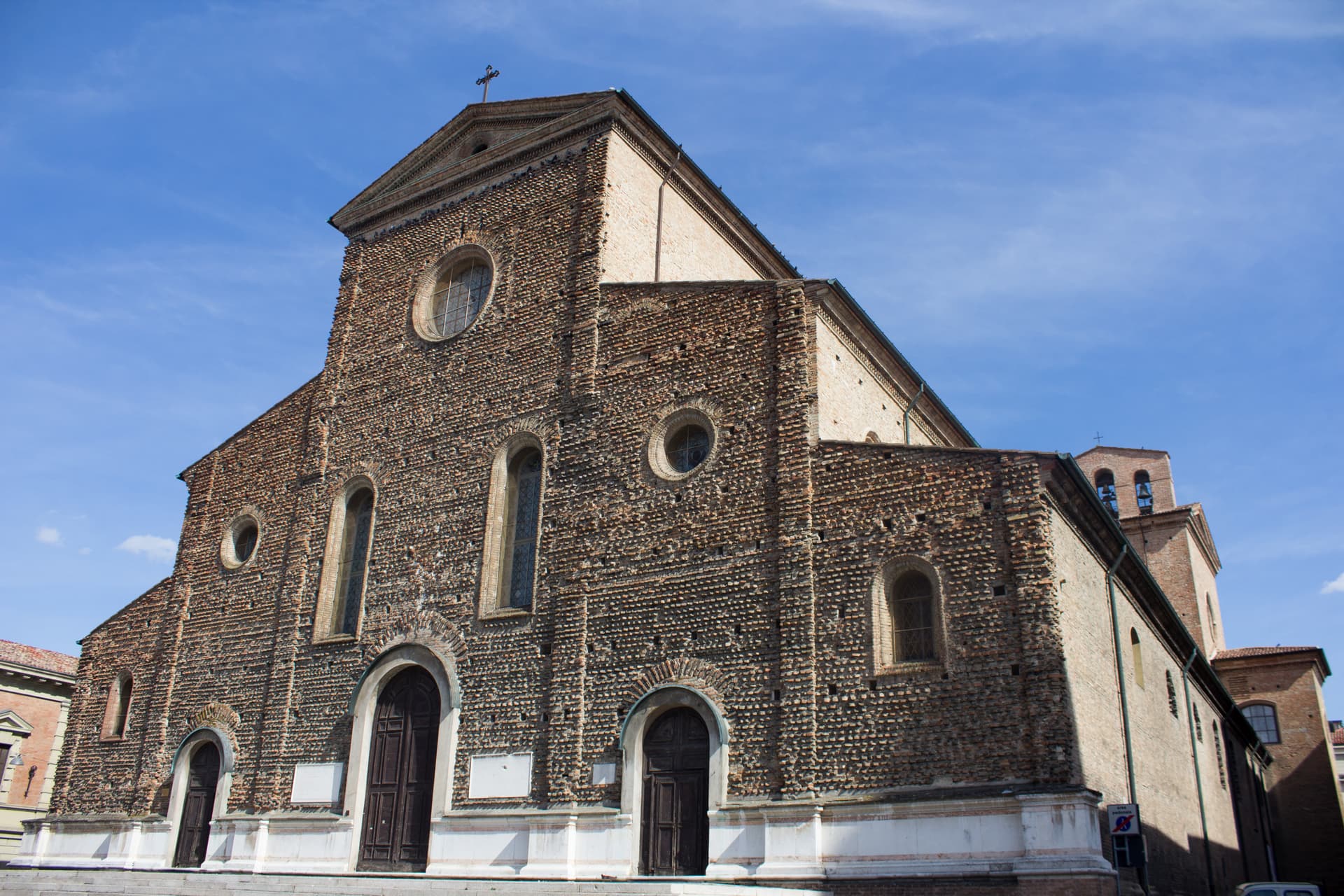
The city that gave its name to faïence, with a tin-glazed maiolica tradition since the fourteenth century and the world ceramics museum since 1908.
Brisighella
Province: Ravenna
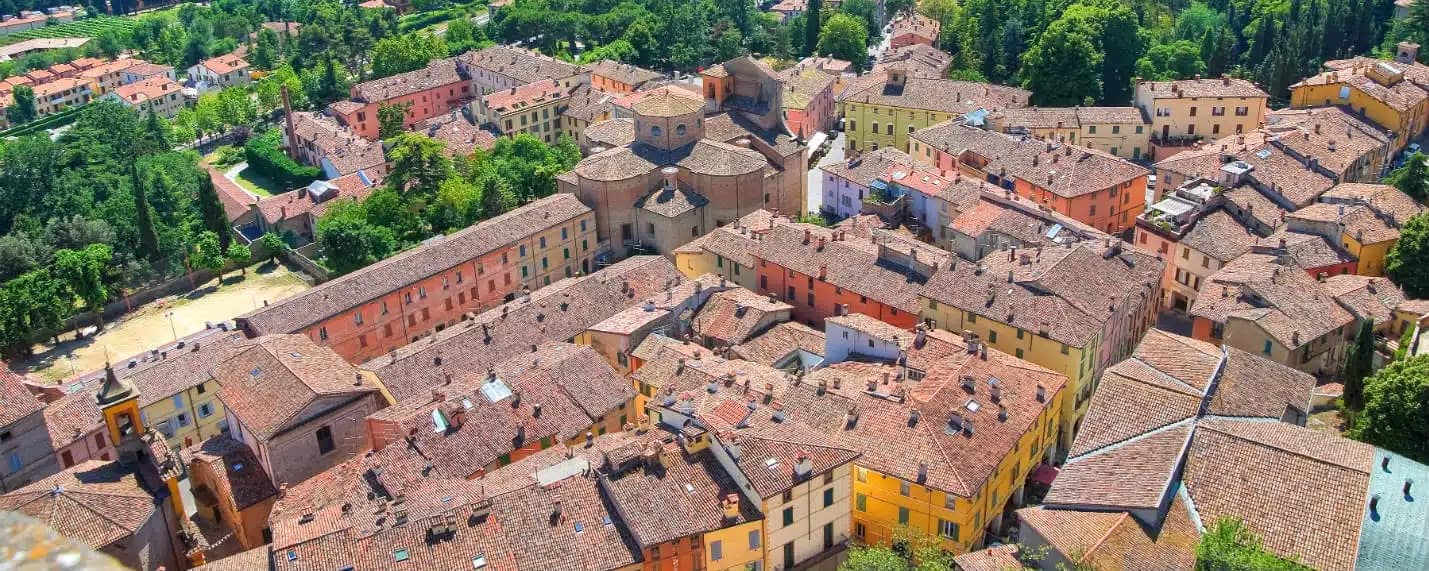
A Lamone-valley borgo at 115 meters under three selenite hills crowned by a fortress, a clock tower, and a sanctuary.
🟠 Bandiera Arancione
More Bandiera Arancione towns in Emilia-Romagna
Bagno di Romagna
Province: Forlì-Cesena
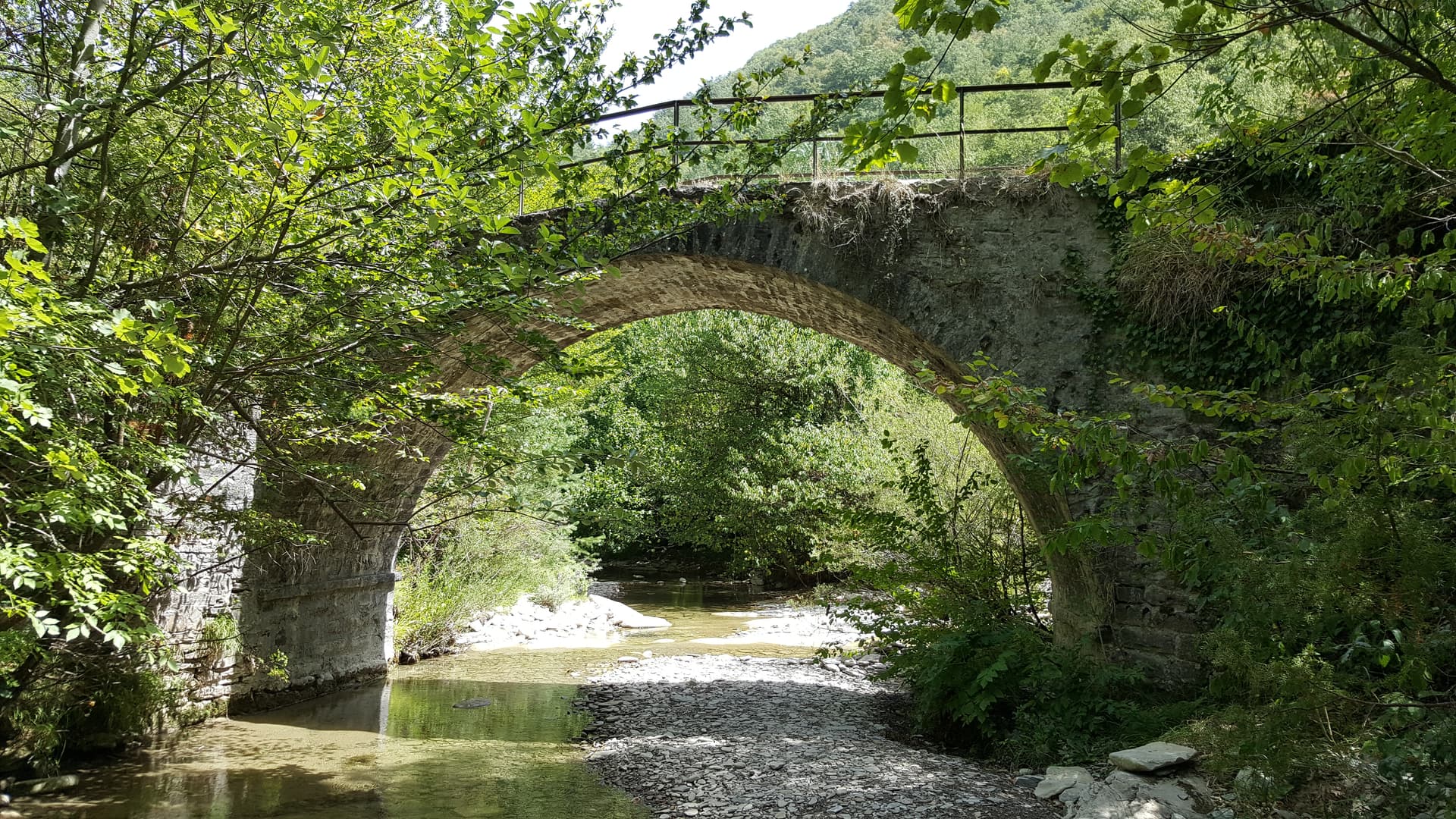
A 491-meter thermal town at the head of the Savio valley, drawing on springs that have run at 47 degrees since Roman times.
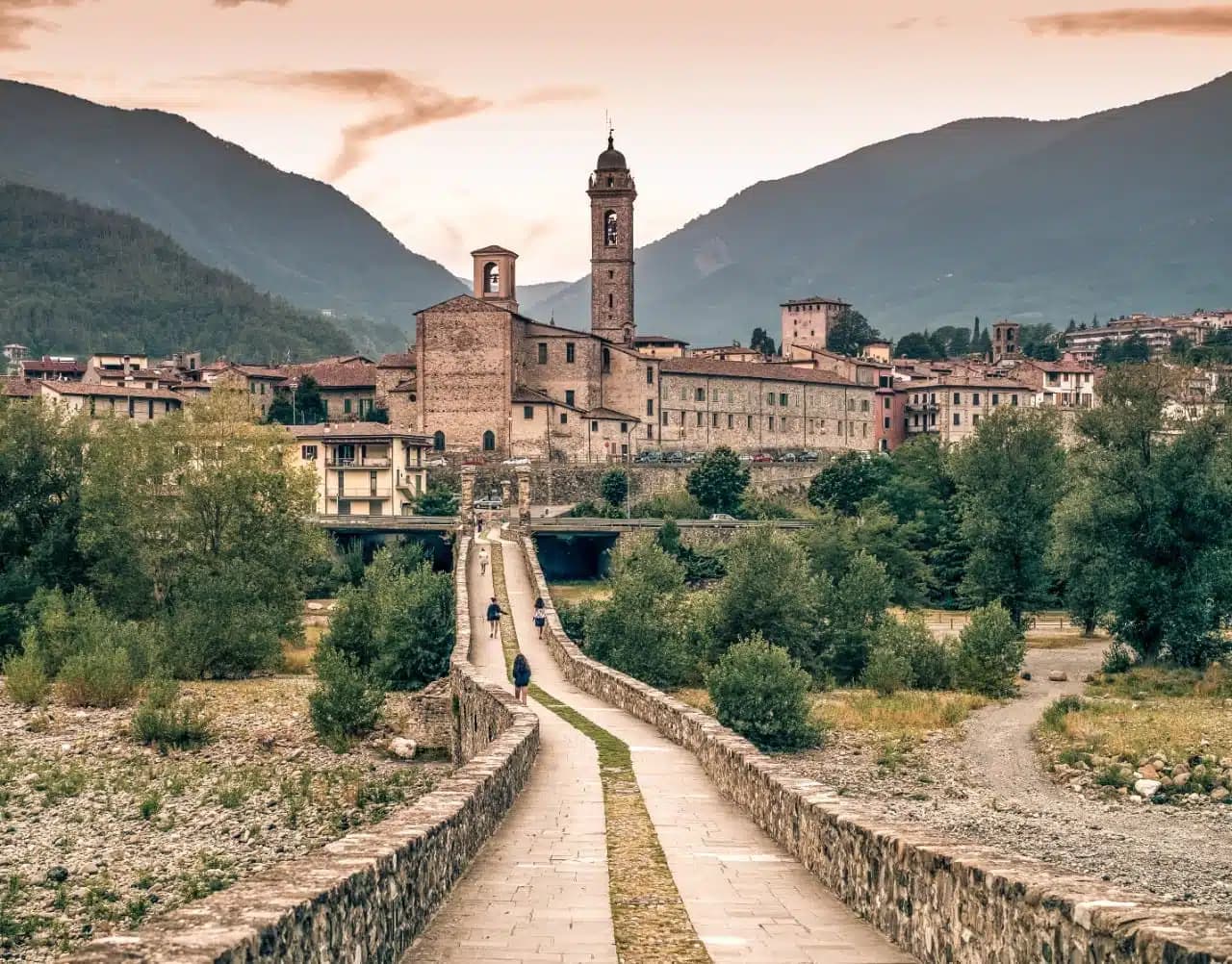
Bobbio
Province: Piacenza
A 272-meter Trebbia-valley town built around the abbey Saint Columbanus founded in 614, named Borgo dei Borghi by RAI in 2019.
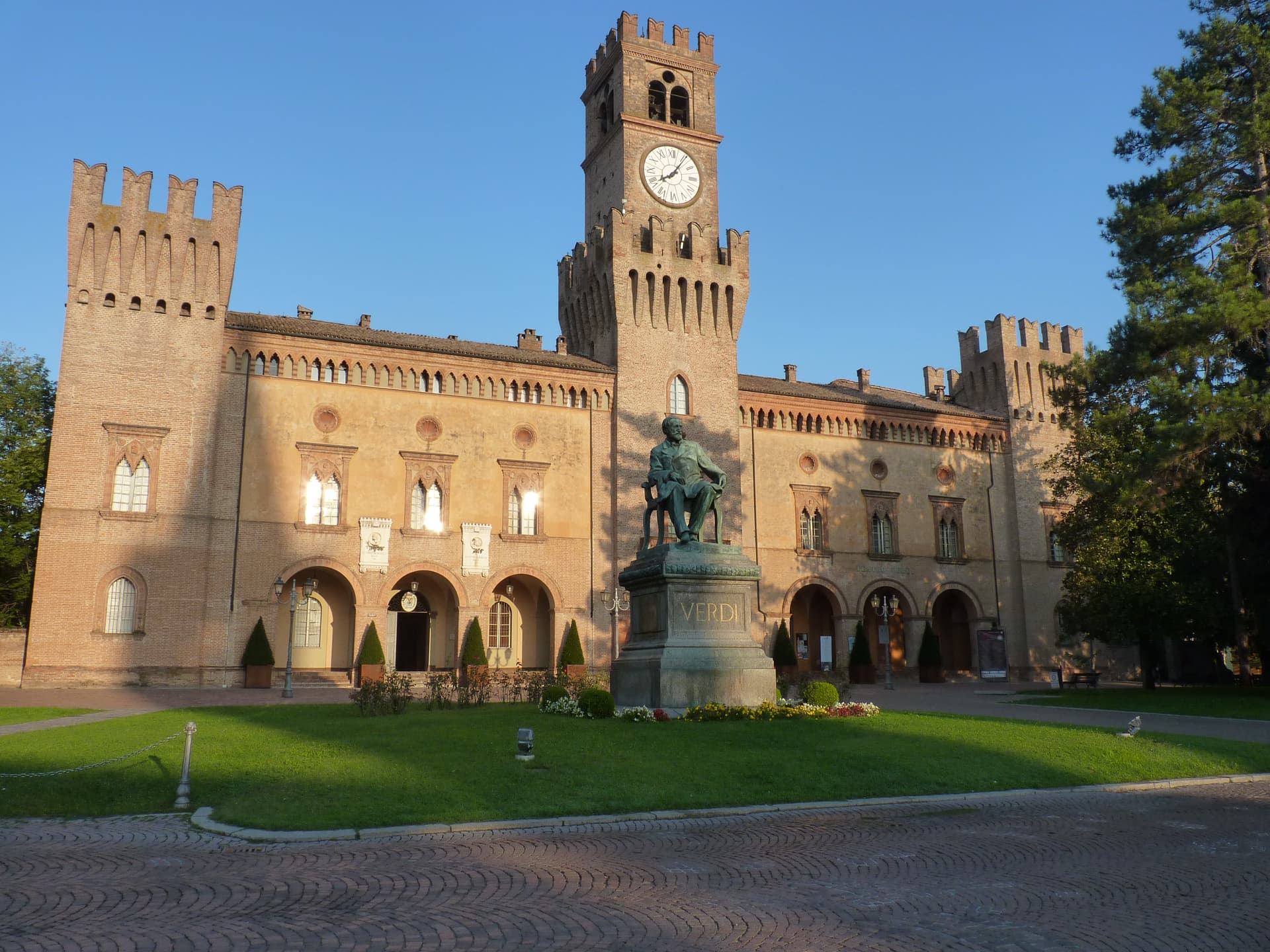
Busseto
Province: Parma
A 40-meter Bassa Parmense town where Giuseppe Verdi grew up, with a 300-seat opera house in the Rocca he refused to enter.
Castell'Arquato
Province: Piacenza
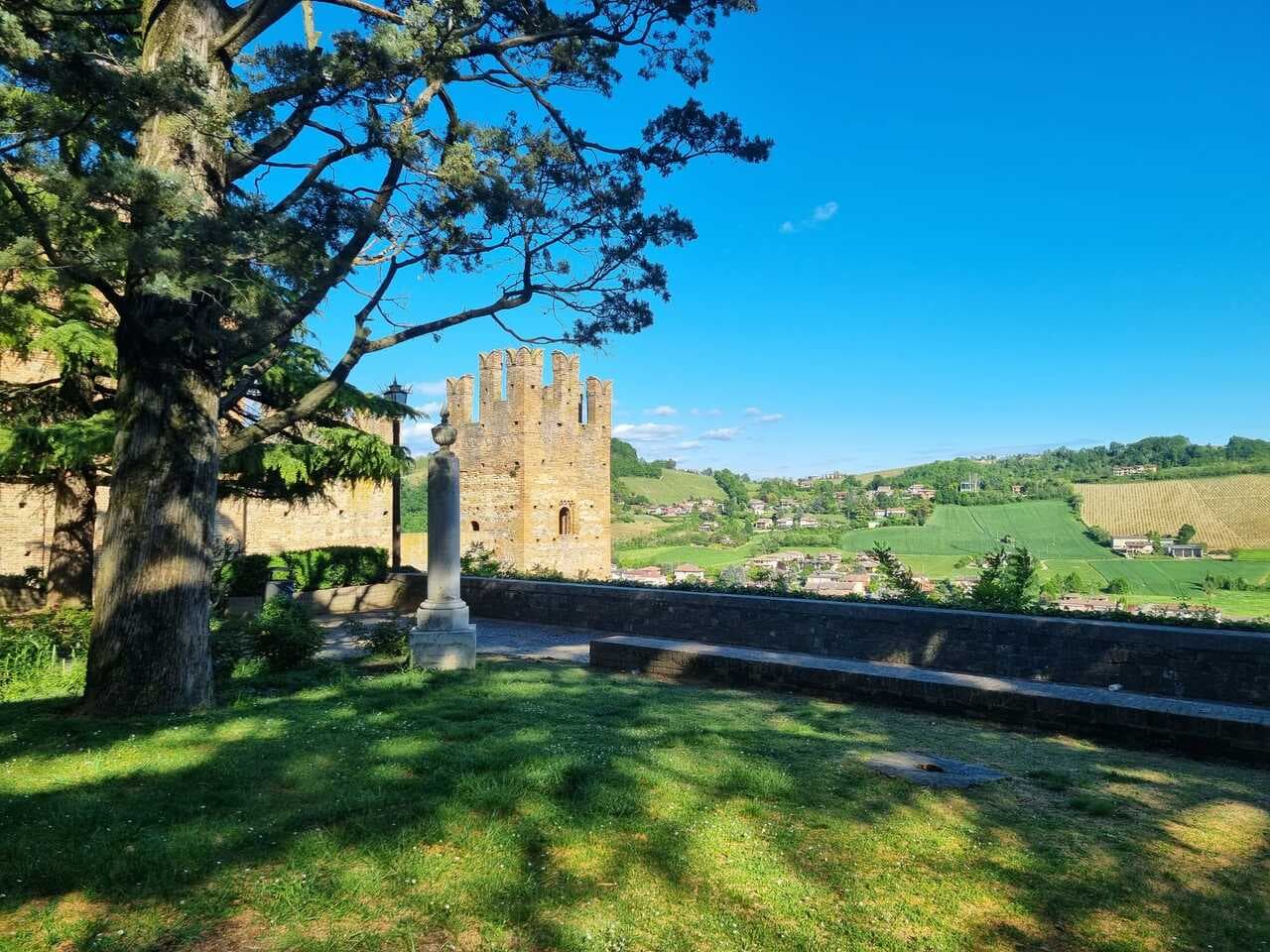
A 224-meter hilltop borgo in the Val d'Arda, kept intact since the tenth century and crowned by Luchino Visconti's 1342 fortress.
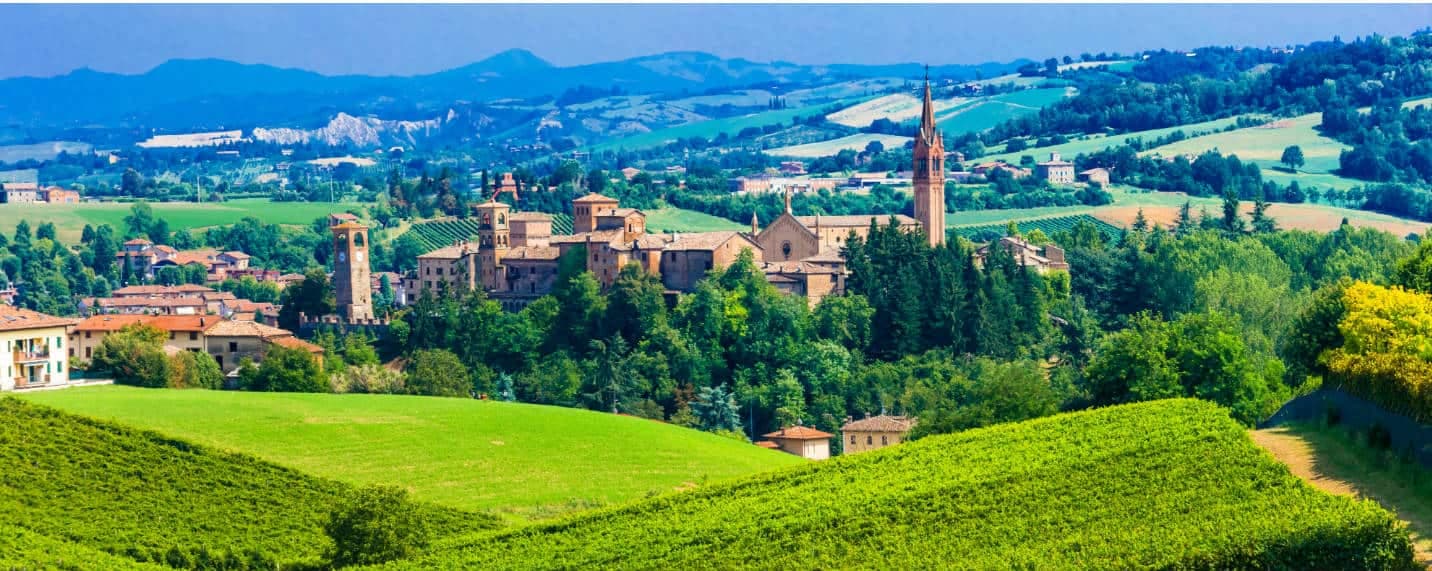
Castelvetro di Modena
Province: Modena
A 152-meter hill borgo south of Modena whose checkerboard piazza sits above the slopes that grow Lambrusco Grasparossa.