

Emilia-Romagna · Parma
Busseto
A 40-meter Bassa Parmense town where Giuseppe Verdi grew up, with a 300-seat opera house in the Rocca he refused to enter.
Known for
VERDI
Born at Roncole in 1813, the composer grew up in Busseto and bought Villa Sant'Agata north of town in 1848, where he lived until 1901.
CULATELLO
The cured pork from the surrounding Bassa Parmense holds DOP status; eight nearby communes form the small Zibello production zone.
TEATRO VERDI
Three-hundred-seat opera house in the Rocca, opened 1868; the composer funded it, kept a box, and is reputed never to have entered.
When to visit
Best · Apr–Jun, Sep–Oct
- J
- F
- M
- A
- M
- J
- J
- A
- S
- O
- N
- D
- Best
- Hot or crowded
- Quiet
- Mostly closed
The festa: Bartolomeo, 24 August
Why come
Busseto sits in the Bassa Parmense, twenty-five kilometers northwest of Parma, in the flat farming country between the Po and the Apennine foothills. The town was the capital of the Stato Pallavicino for almost five hundred years before it was absorbed into the Duchy of Parma. Giuseppe Verdi was born on 9 or 10 October 1813 in Roncole, the frazione three kilometers east, and moved into Busseto itself in 1824 as a boy.
The Teatro Giuseppe Verdi opened in 1868 inside the Rocca dei Pallavicino, seating 300; Verdi contributed 10,000 lire to its construction, kept his own box, and is reputed never to have set foot inside it. The Casa Natale at Roncole has been a national monument since 1901. Villa Sant'Agata, the country house Verdi bought in 1848 and lived in until his death, lies five kilometers north. The Bassa around the town produces Culatello di Zibello and the Parmigiano Reggiano the local consortium has aged here since the nineteenth century.
The Sunday letter
We haven’t written Busseto’s letter yet.
One town every Sunday, with the photo, the food, the festa. Be there when this one comes up. Free, by Peter & Sophia from Pietrasanta.
By subscribing you agree to Substack’s Terms of Use, our Privacy Policy and our Information collection notice.
What to see
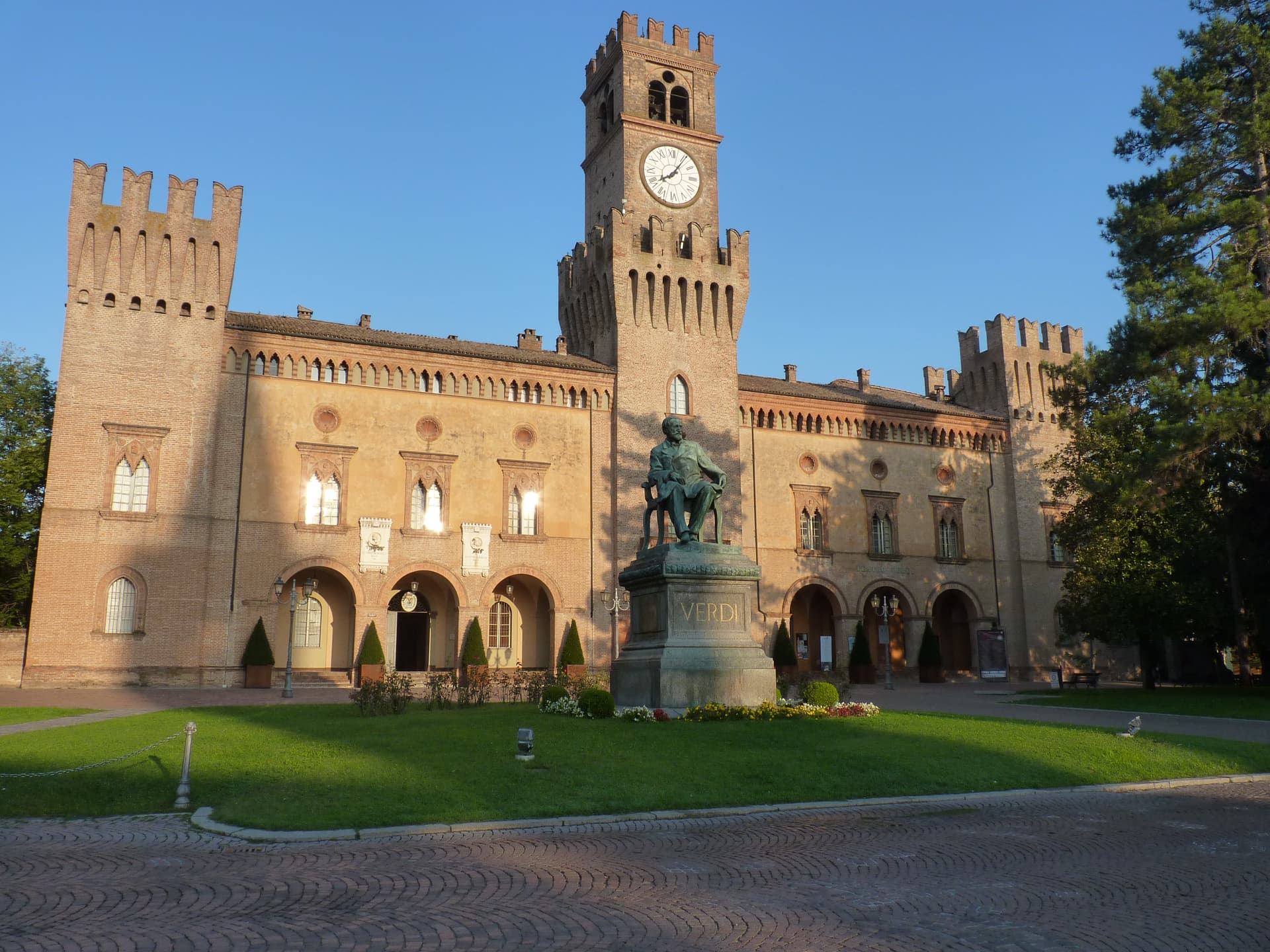
Teatro Giuseppe Verdi
Three-hundred-seat opera house opened in 1868 inside the Rocca dei Pallavicino, which Verdi funded with 10,000 lire and never entered.
Rocca dei Pallavicino
Fifteenth-century fortress in the main piazza, seat of the Stato Pallavicino for centuries, now housing the theatre and the town hall.
Casa Natale di Verdi
Verdi's birthplace at Roncole Verdi, three kilometers east, declared a national monument in 1901 and preserved as a museum.
Villa Verdi a Sant'Agata
Country house Verdi bought in 1848 and lived in until his death, with original furnishings and the garden he designed himself.
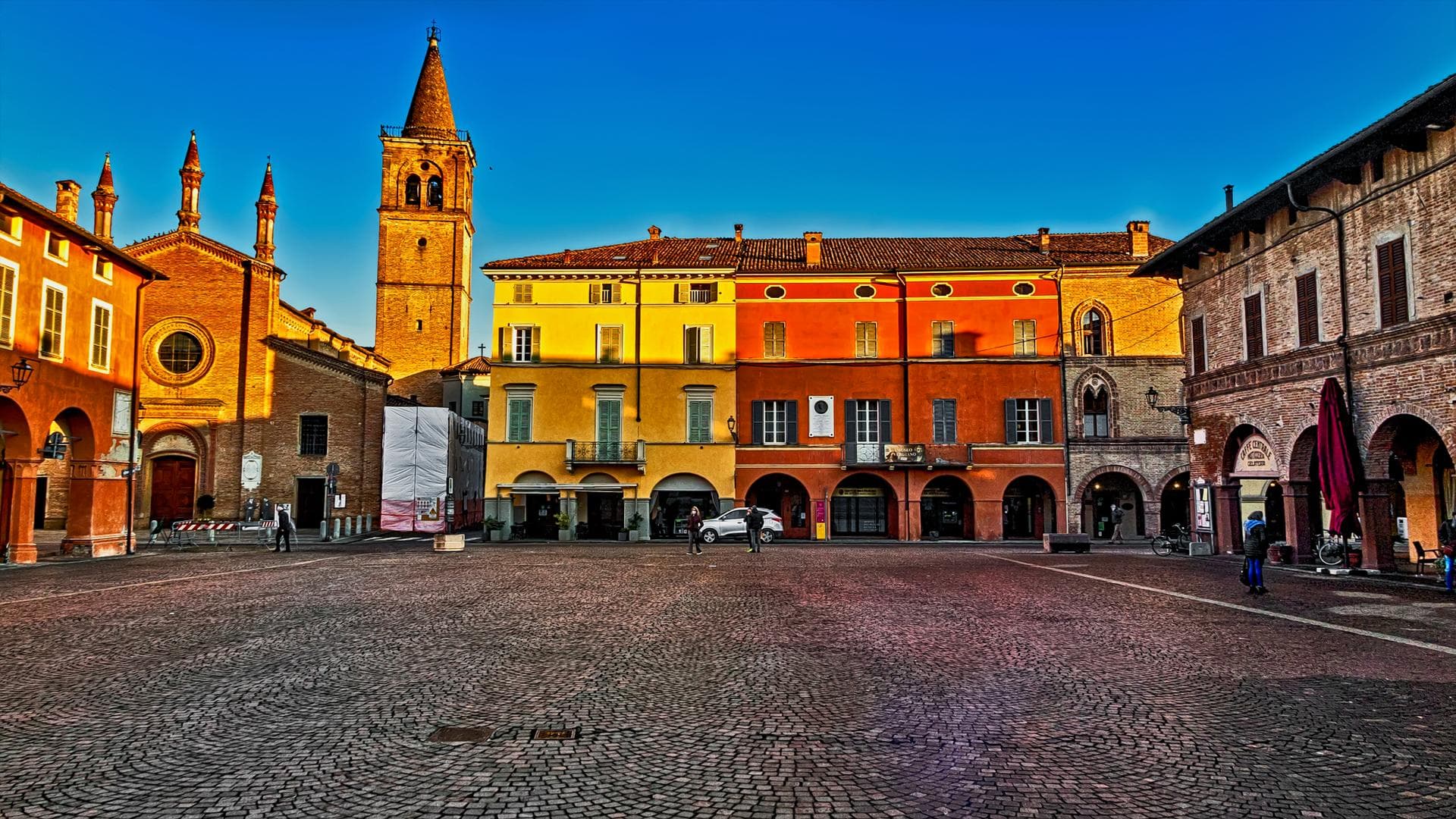
Piazza Giuseppe Verdi
Central square framed by the Rocca and the Collegiata di San Bartolomeo, with the seated Verdi monument by Gilio Monteverde from 1913.
The slow-trip planner
Building a trip? Find where Busseto fits in a slow Italy circuit.
Answer five questions. We will shape a geographically coherent slow trip from the 1,000 Italian towns most travelers skip. Yours to save and share.
Signature product
Culatello di Zibello DOPDOP
Verdi's hometown is also one of the eight Culatello di Zibello producing communes.
See every town in our catalogue producing Culatello di Zibello DOP.
Living here
- Population 6,763
- Commuter belti
- Pharmacy in town
- High school within a 30-minute drive
- Train station in the comune
- Nearest airport Bologna, 1 h 28 min drive
- Regional capital Bologna, 1 h 33 min drive
Tags & datadesignations · numbers · sources
Recognised as
The numbers
- Elevation: 40 m
- Population: 6,763
- Surface area: 76.59 km²
These figures were compiled from public directories — ISTAT, OpenStreetMap, Wikidata — and from the official listings of the guides named on this page. Town details change; verify with official sources before you travel.
Close by
More towns near Busseto
Fontanellato
Province: Parma
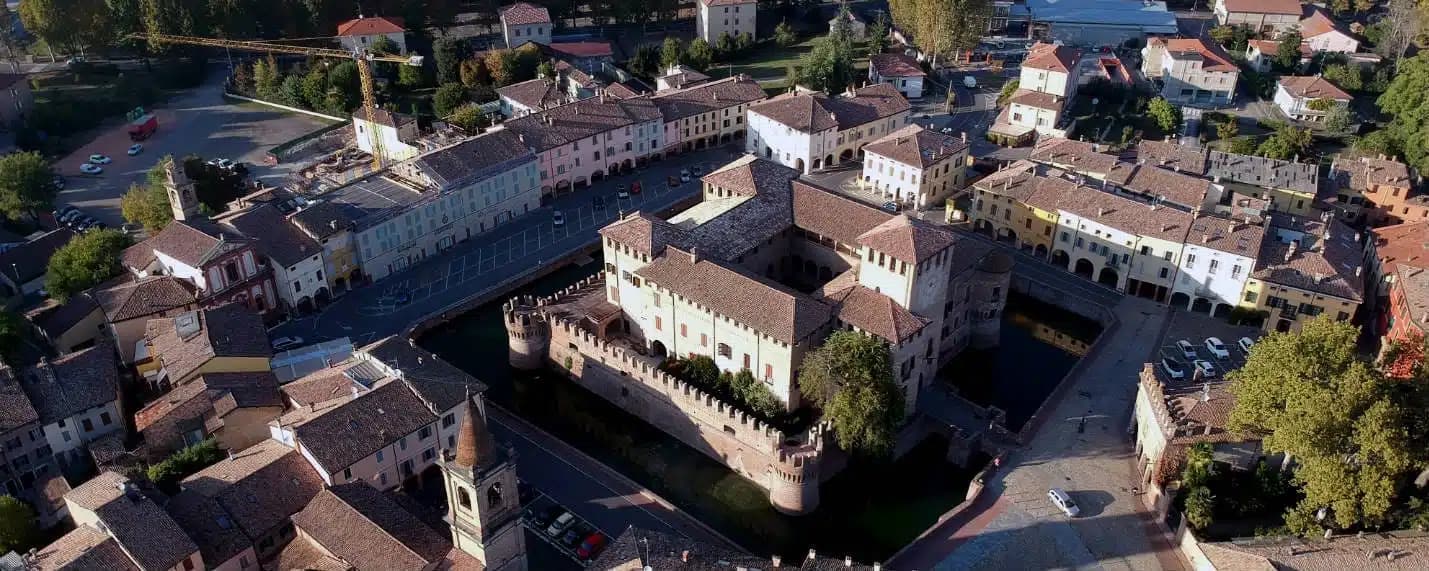
A Parma-plain town built around the Rocca Sanvitale, the moated fortress with Parmigianino's 1524 fresco of Diana and Actaeon.
Castell'Arquato
Province: Piacenza
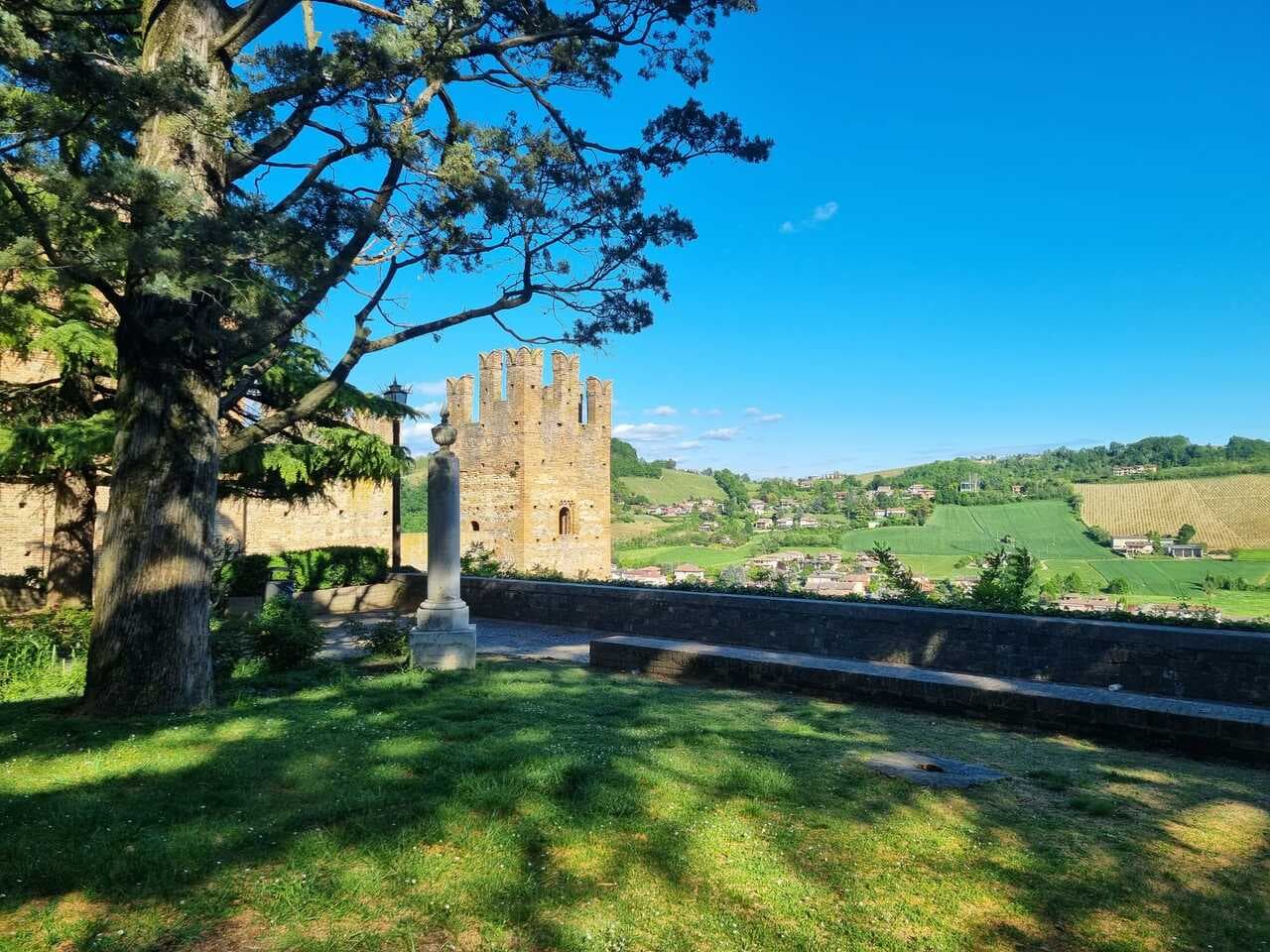
A 224-meter hilltop borgo in the Val d'Arda, kept intact since the tenth century and crowned by Luchino Visconti's 1342 fortress.
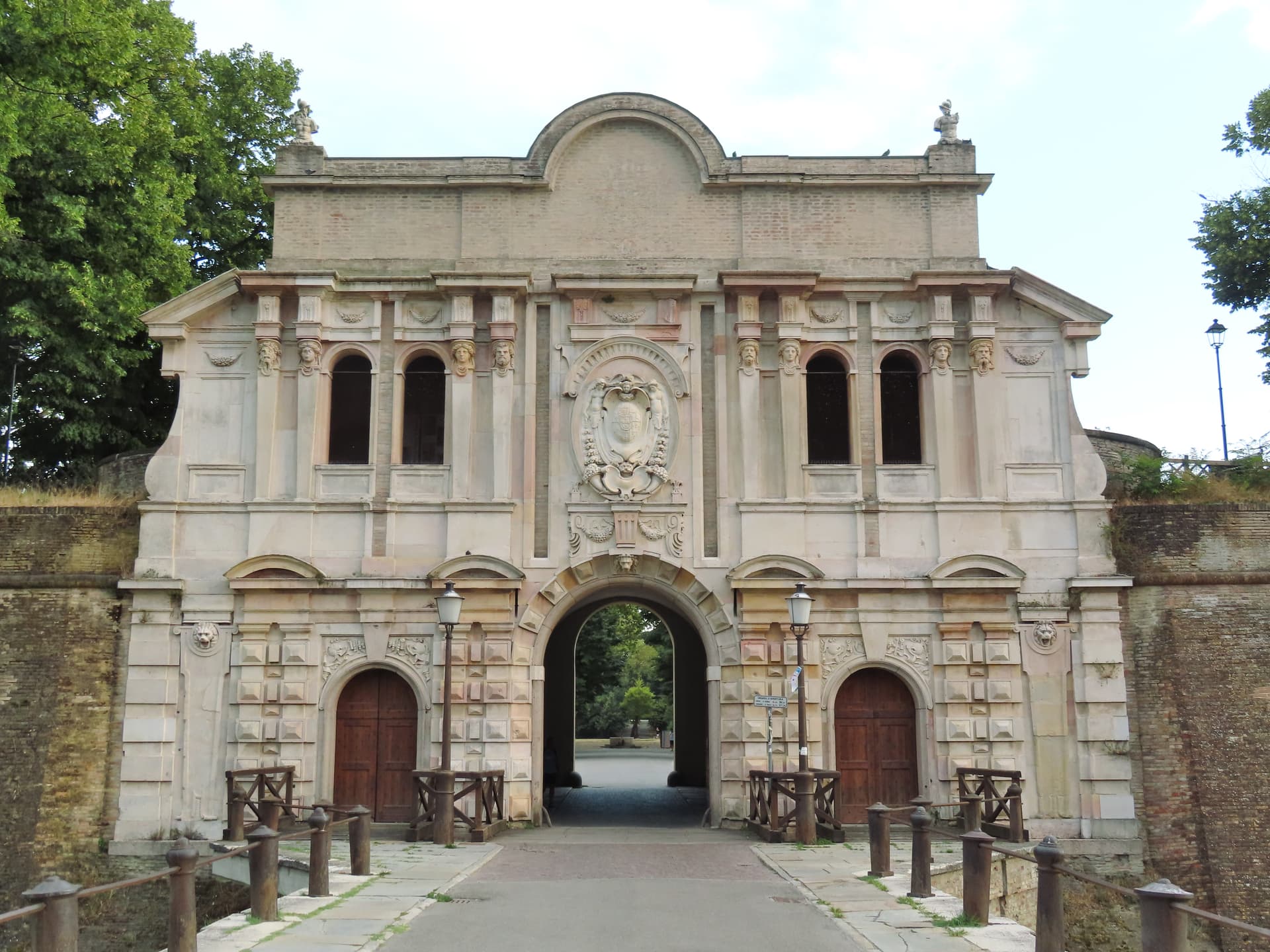
Parma
Province: Parma
A 57-meter Po-plain capital on the Via Emilia, where Correggio painted the Duomo dome and Parmigiano ages in vaults across the province.
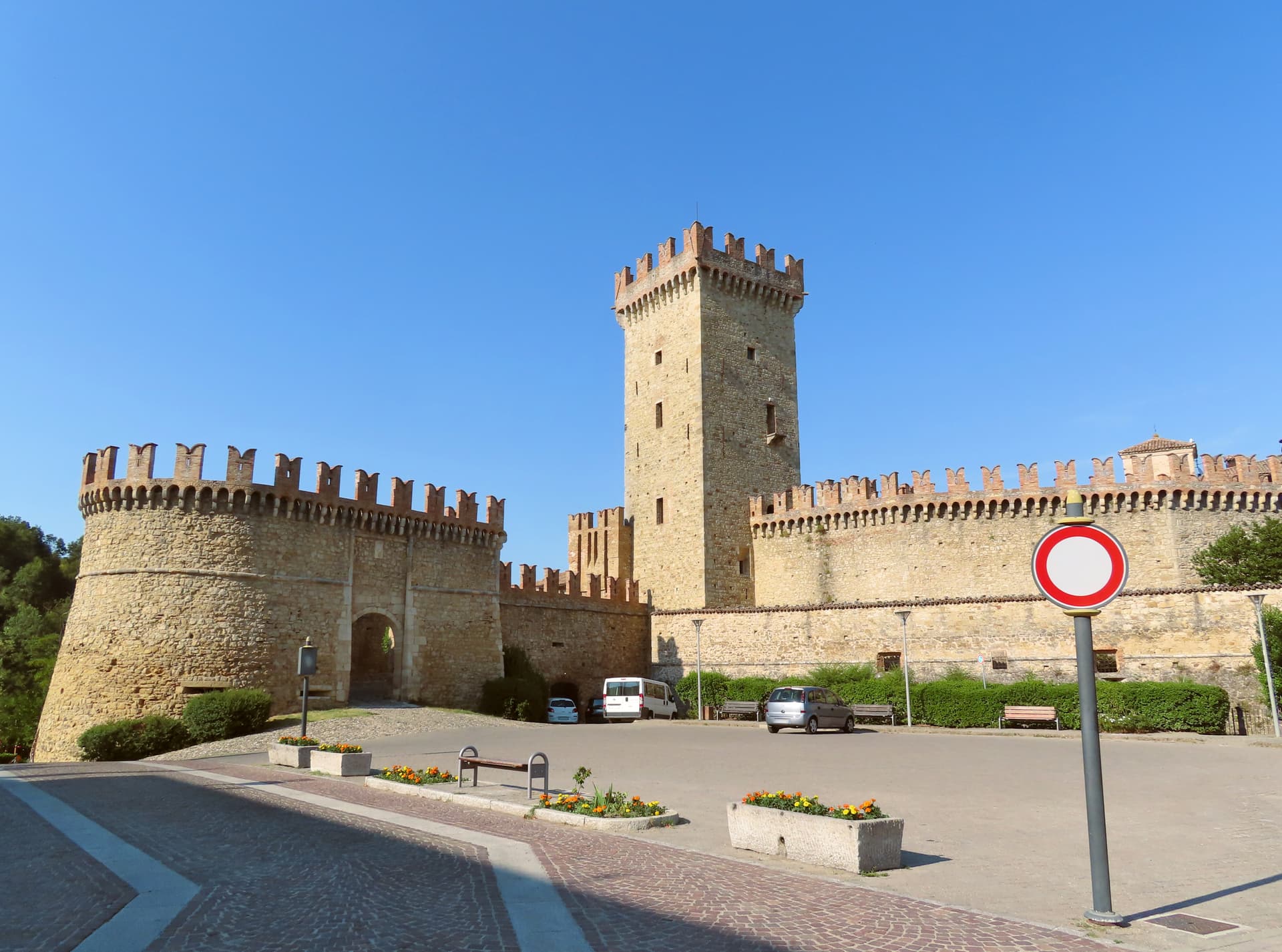
Vernasca
Province: Piacenza
A Val d'Arda commune in the Piacenza Apennines, holding the walled village of Vigoleno and one of the most compact castled borghi in Emilia.
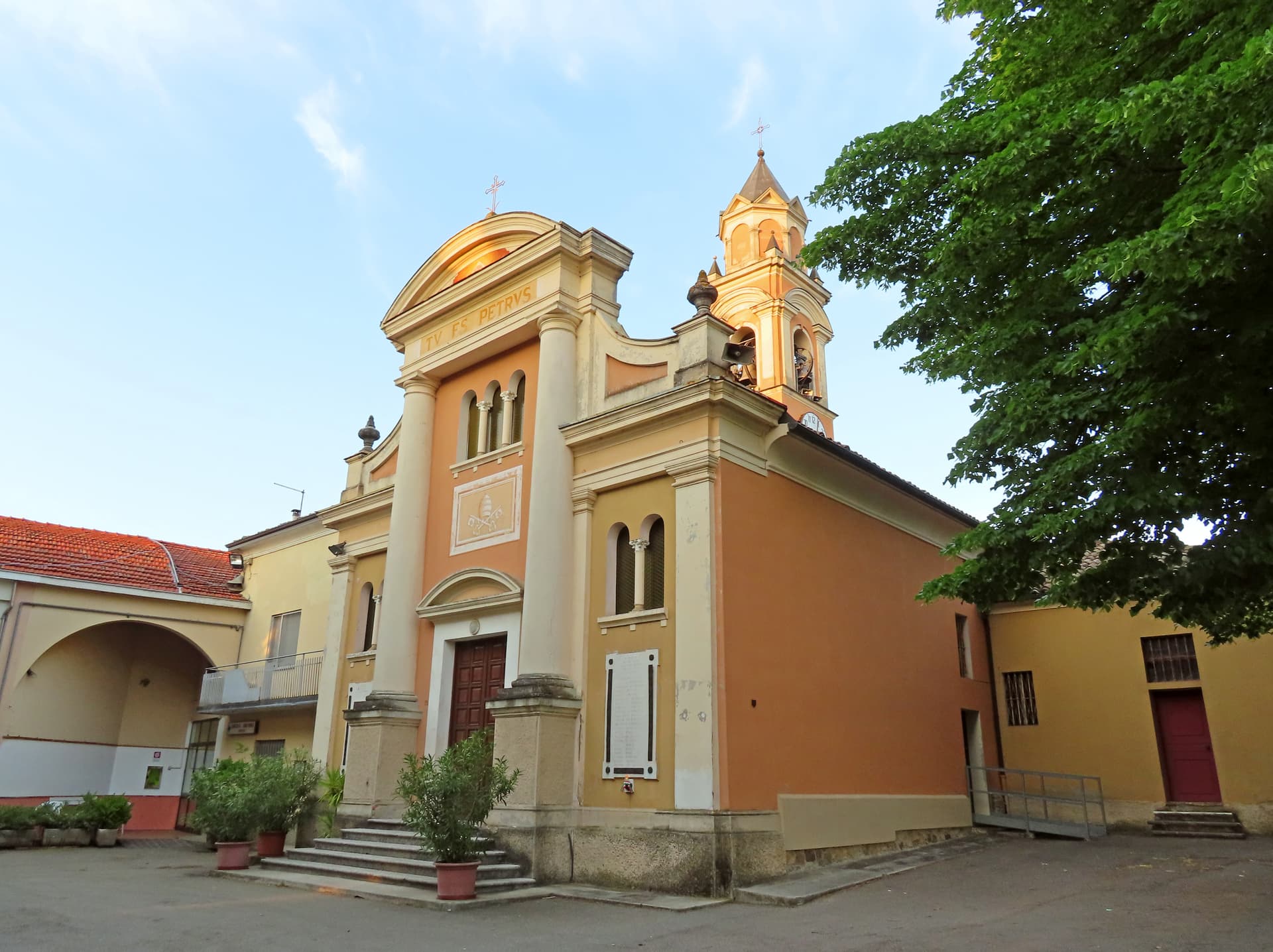
Collecchio
Province: Parma
The Parma-cintura town on the Via Francigena, home to the Pieve di San Prospero, Parmalat, and Parma F.C.'s training ground.
🟠 Bandiera Arancione
More Bandiera Arancione towns in Emilia-Romagna
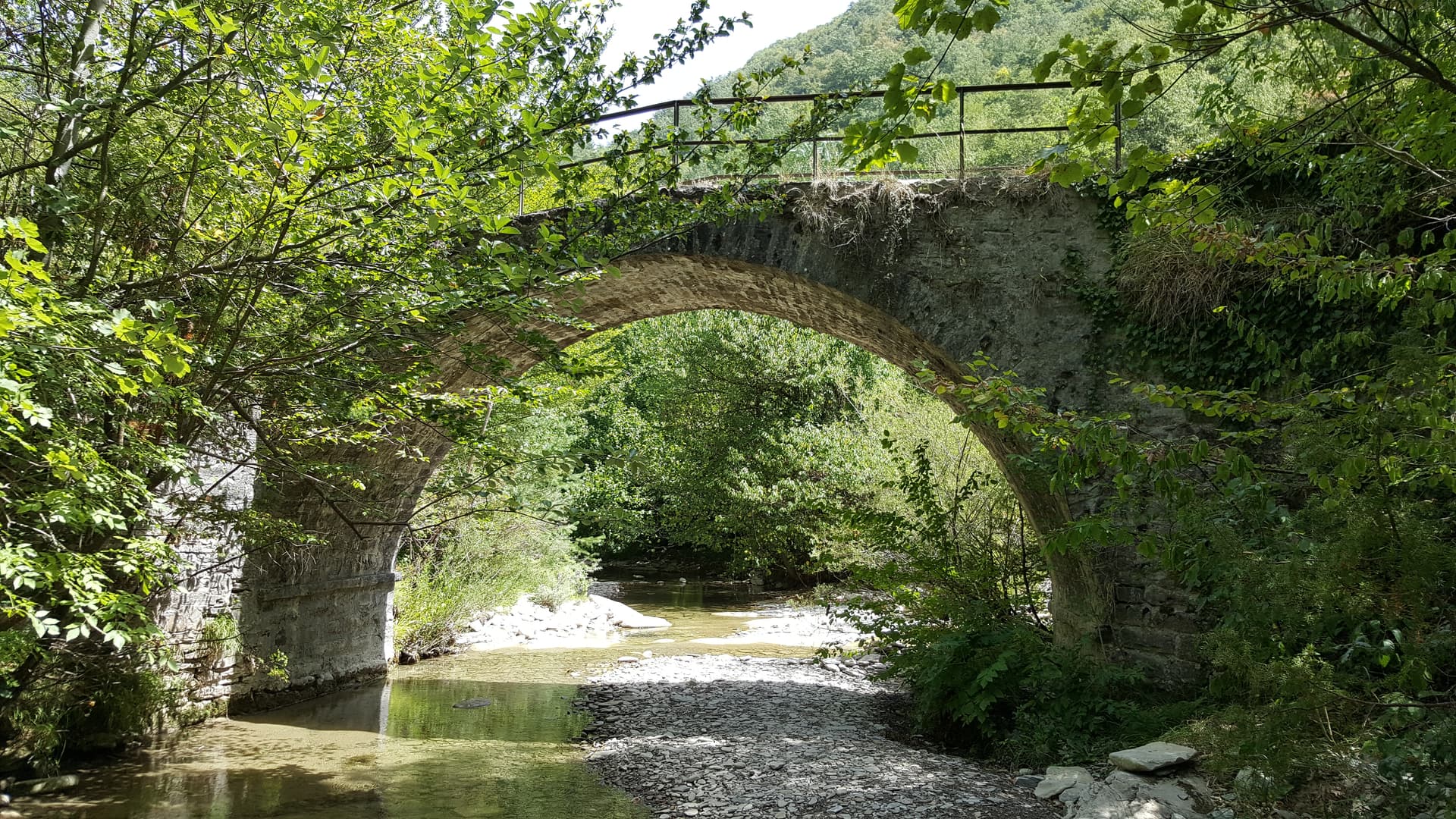
Bagno di Romagna
Province: Forlì-Cesena
A 491-meter thermal town at the head of the Savio valley, drawing on springs that have run at 47 degrees since Roman times.
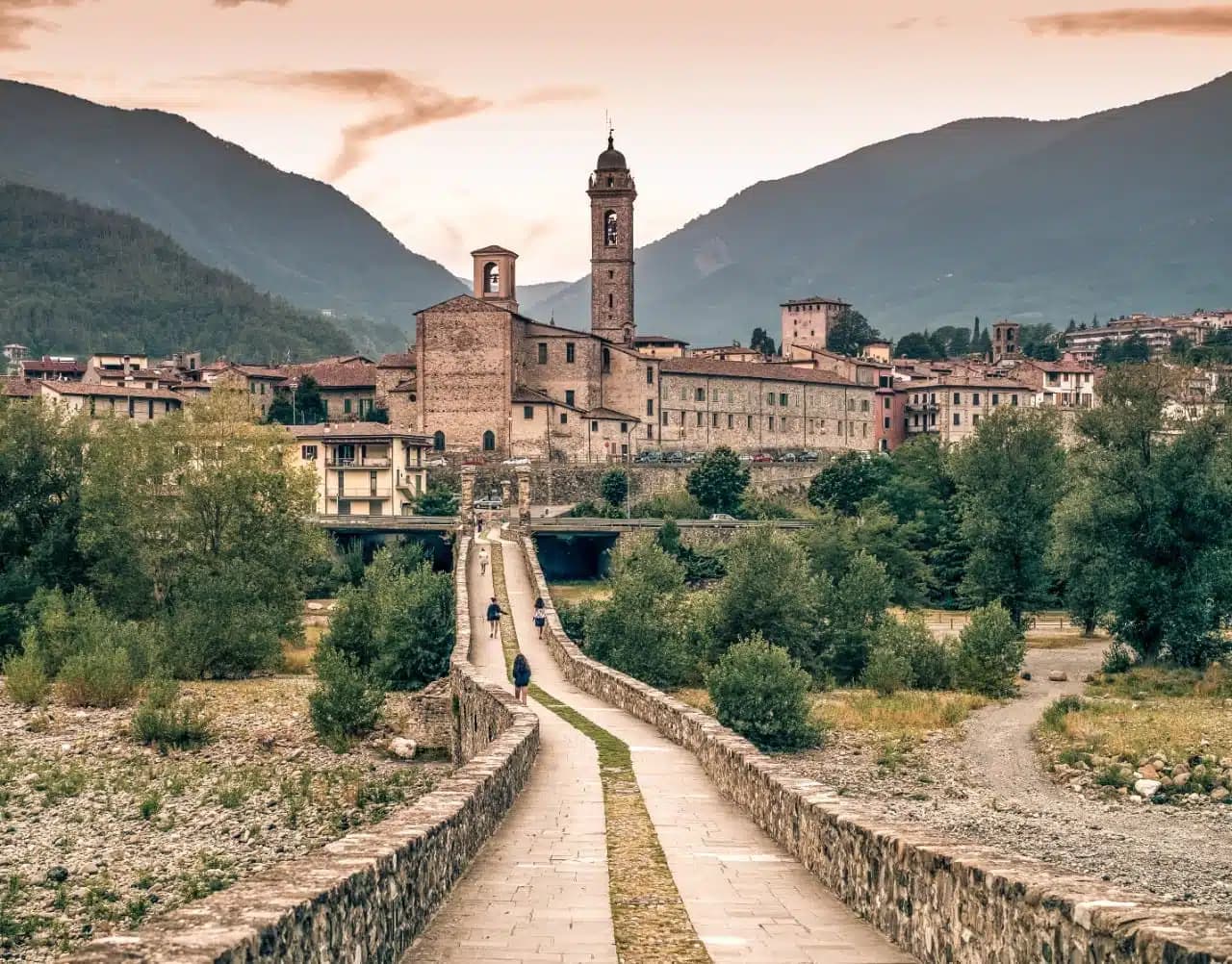
Bobbio
Province: Piacenza
A 272-meter Trebbia-valley town built around the abbey Saint Columbanus founded in 614, named Borgo dei Borghi by RAI in 2019.
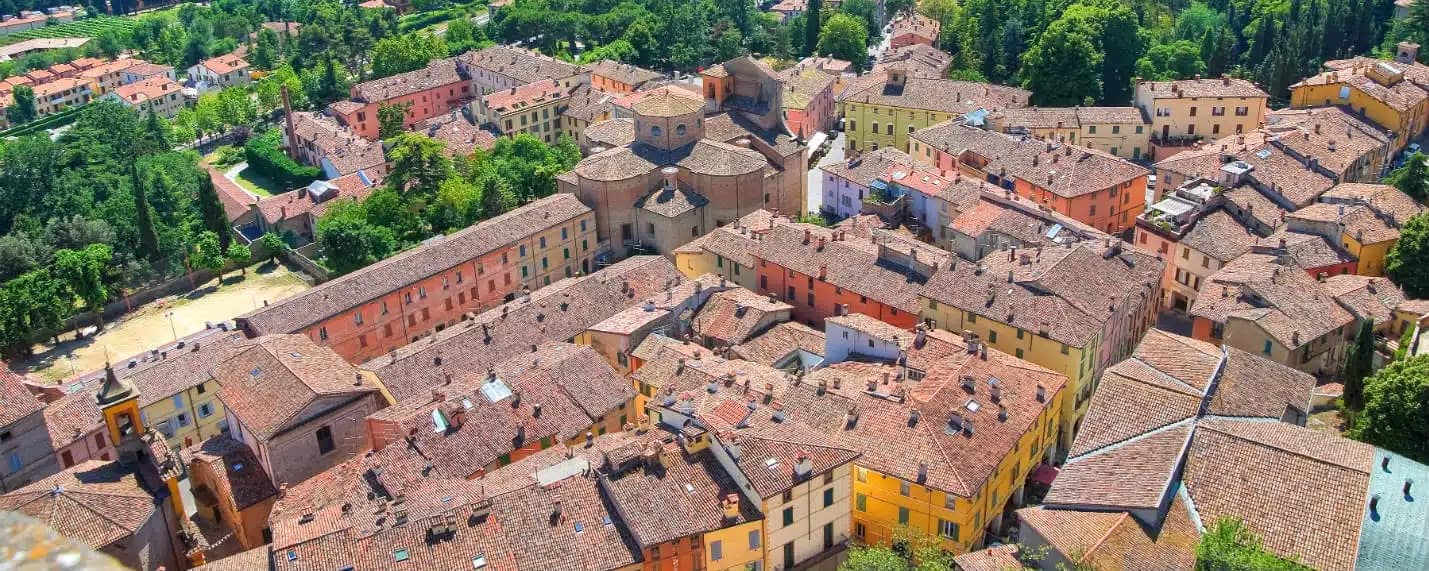
Brisighella
Province: Ravenna
A Lamone-valley borgo at 115 meters under three selenite hills crowned by a fortress, a clock tower, and a sanctuary.
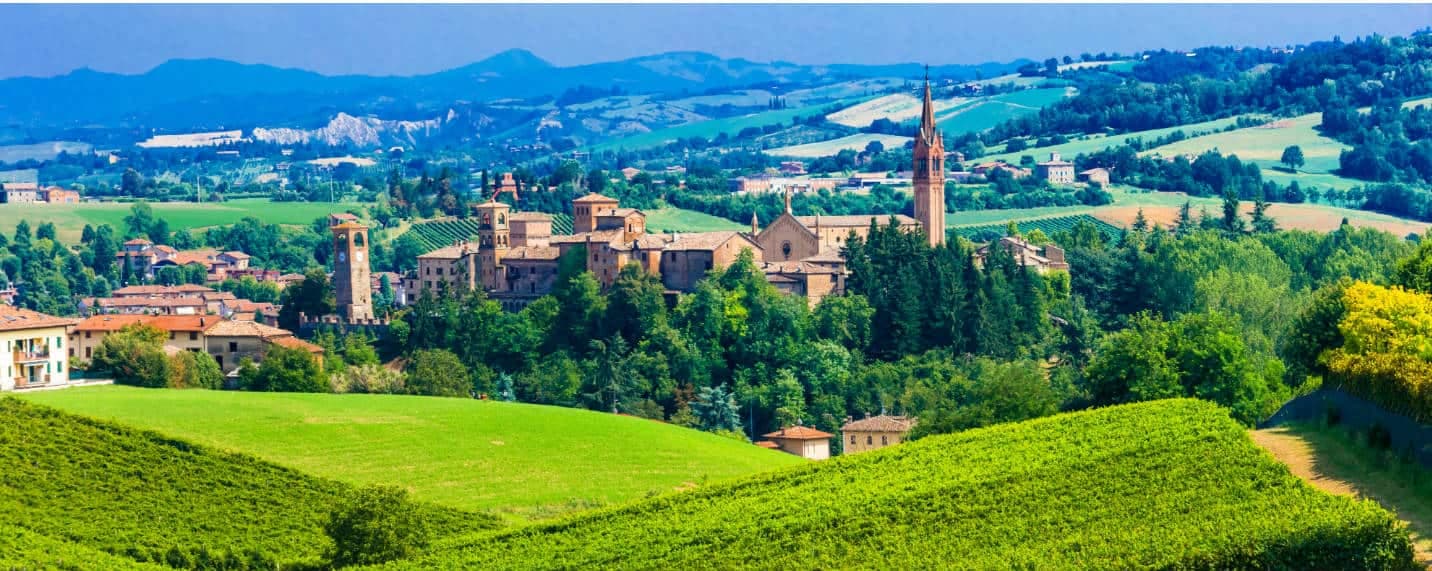
Castelvetro di Modena
Province: Modena
A 152-meter hill borgo south of Modena whose checkerboard piazza sits above the slopes that grow Lambrusco Grasparossa.
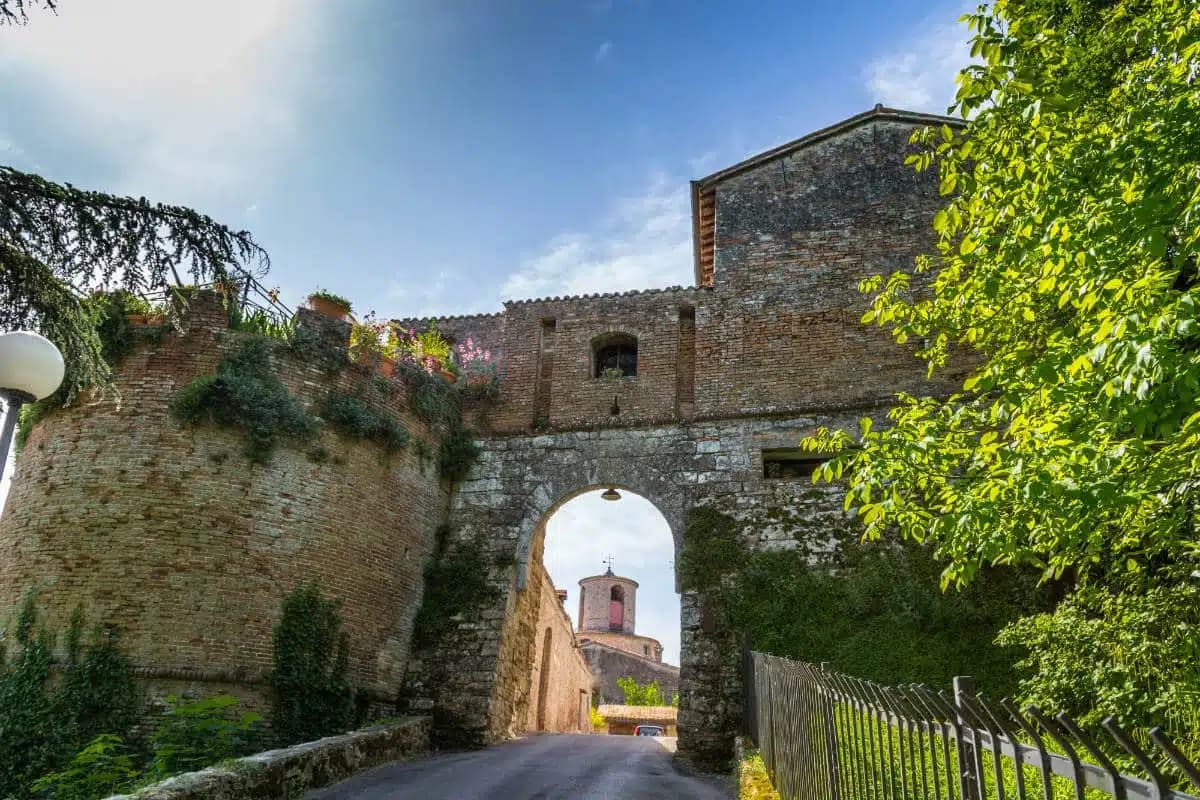
Castrocaro Terme e Terra del Sole
Province: Forlì-Cesena
A pairing of two towns: a ninth-century fortress at Castrocaro and Cosimo I de' Medici's planned Renaissance fortress of Terra del Sole, founded 1564.