
Emilia-Romagna · Piacenza
Castell'Arquato
A 224-meter hilltop borgo in the Val d'Arda, kept intact since the tenth century and crowned by Luchino Visconti's 1342 fortress.
Known for
ROCCA VISCONTEA
Visconti fortress begun 1342, its thirty-five-meter tower dominating the highest point of the village and the Val d'Arda.
PIAZZA MONUMENTALE
Medieval square framed by the Rocca, the Collegiata of 1122 and the Palazzo del Podestà of 1292, kept intact since the fourteenth century.
ILLICA
Luigi Illica, born here in 1857, wrote the libretti for Tosca, Madama Butterfly, La bohème and Andrea Chénier.
When to visit
Best · Apr–Oct
- J
- F
- M
- A
- M
- J
- J
- A
- S
- O
- N
- D
- Best
- Hot or crowded
- Quiet
- Mostly closed
The festa: San Giuseppe, 15 March
Why come
Castell'Arquato sits on the first hills of the Val d'Arda, thirty kilometers from Piacenza, the medieval borgo arranged in tight concentric levels around the old rock. The Collegiata di Santa Maria, founded by the noble Magnus in the eighth century, was rebuilt in 1122 after the 1117 earthquake destroyed the earlier church and is one of the finest Romanesque buildings in the Piacentino. The Rocca Viscontea, with its thirty-five-meter tower, was begun in 1342 by Luchino Visconti, lord of Milan, to lock down the valley for Piacenza.
The Palazzo del Podestà next door dates from 1292 and still anchors the Piazza Monumentale. Luigi Illica, the librettist of Tosca, Madama Butterfly, La bohème and Andrea Chénier, was born in town in 1857; the museum dedicated to him sits in the house next to his birthplace. The Val d'Arda hills around the town produce the white wines that earned Castell'Arquato Città del Vino status.
The Sunday letter
We haven’t written Castell'Arquato’s letter yet.
One town every Sunday, with the photo, the food, the festa. Be there when this one comes up. Free, by Peter & Sophia from Pietrasanta.
By subscribing you agree to Substack’s Terms of Use, our Privacy Policy and our Information collection notice.
What to see
Rocca Viscontea
Fortress begun in 1342 by Luchino Visconti for the municipality of Piacenza, with a thirty-five-meter tower at the highest point of the borgo.
Collegiata di Santa Maria Assunta
Romanesque collegiate church, founded in the eighth century and rebuilt in 1122 after the 1117 earthquake destroyed the earlier structure.
Palazzo del Podestà
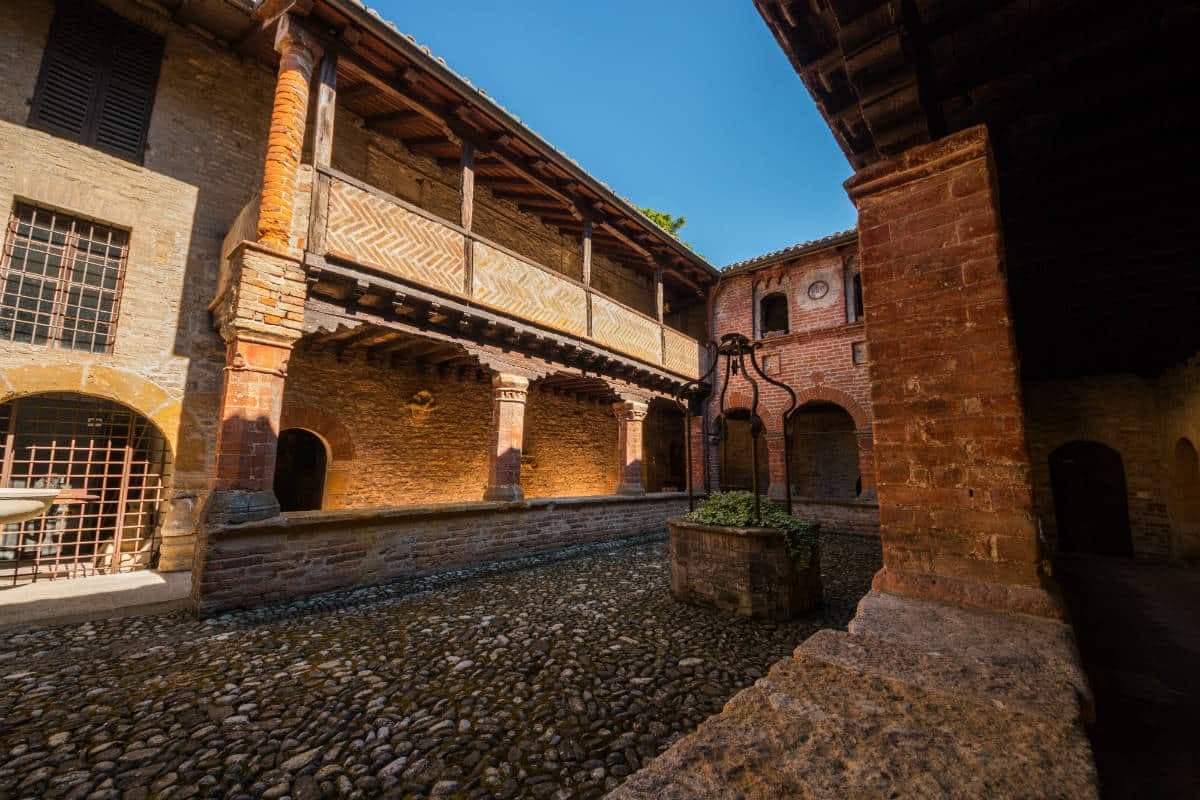
Civic palace from 1292 facing the Collegiata, with the original ghibelline merlons and a fourteenth-century loggia along its lower level.
Piazza Monumentale
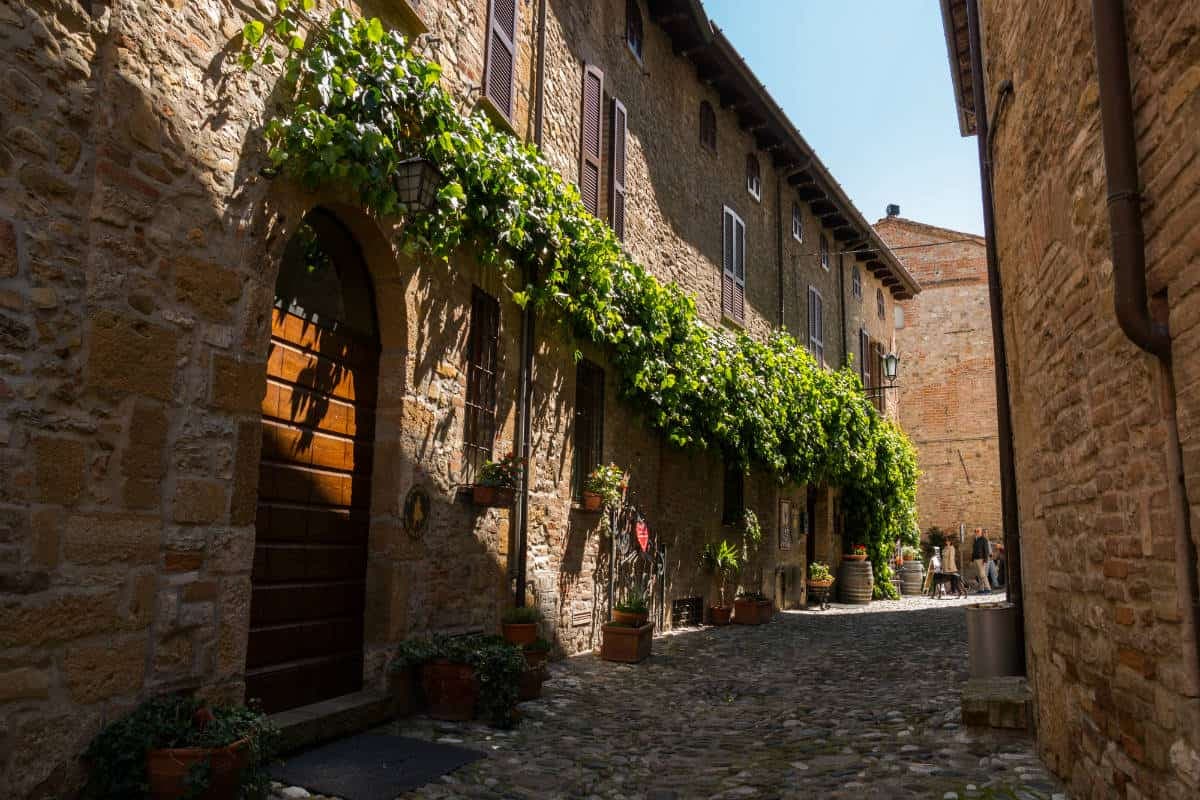
Sloping medieval square framed by the Rocca, the Collegiata and the Palazzo del Podestà, considered among Italy's best-preserved civic ensembles.
Museo Luigi Illica
Museum dedicated to the Puccini librettist, born in Castell'Arquato in 1857, housed in the building next to his birthplace.
The slow-trip planner
Building a trip? Find where Castell'Arquato fits in a slow Italy circuit.
Answer five questions. We will shape a geographically coherent slow trip from the 1,000 Italian towns most travelers skip. Yours to save and share.
Living here
- Population 4,617
- Commuter belti
- Pharmacy: none mapped
- High school within a 30-minute drive
- Nearest airport Milan, 1 h 34 min drive
- Regional capital Bologna, 1 h 40 min drive
Tags & datadesignations · numbers · sources
Recognised as
The numbers
- Elevation: 224 m
- Population: 4,617
- Surface area: 52.75 km²
These figures were compiled from public directories — ISTAT, OpenStreetMap, Wikidata — and from the official listings of the guides named on this page. Town details change; verify with official sources before you travel.
Featured on
Castell'Arquato appears on this themed pick from our Collections:
Close by
More towns near Castell'Arquato
Vernasca
Province: Piacenza
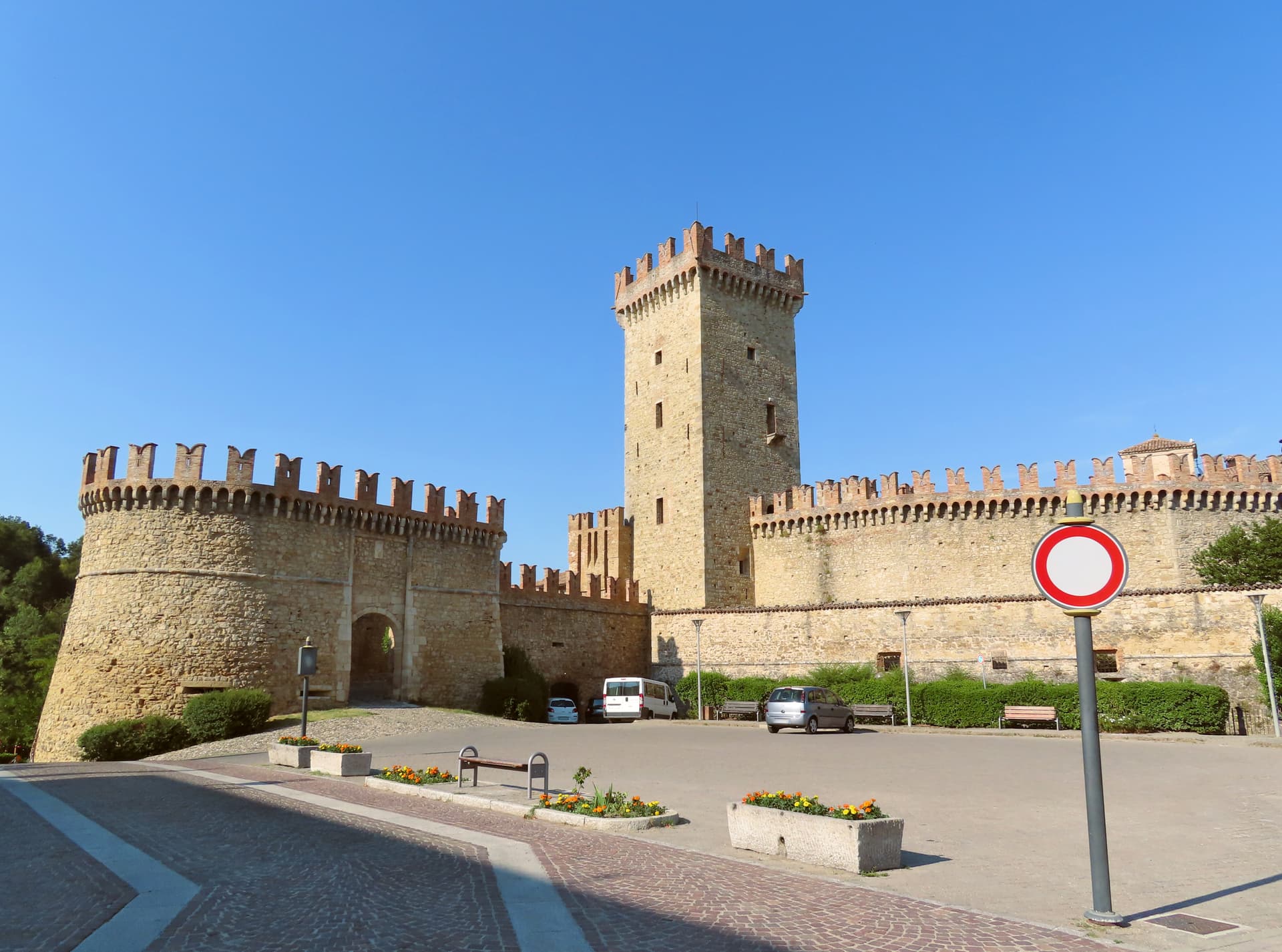
A Val d'Arda commune in the Piacenza Apennines, holding the walled village of Vigoleno and one of the most compact castled borghi in Emilia.
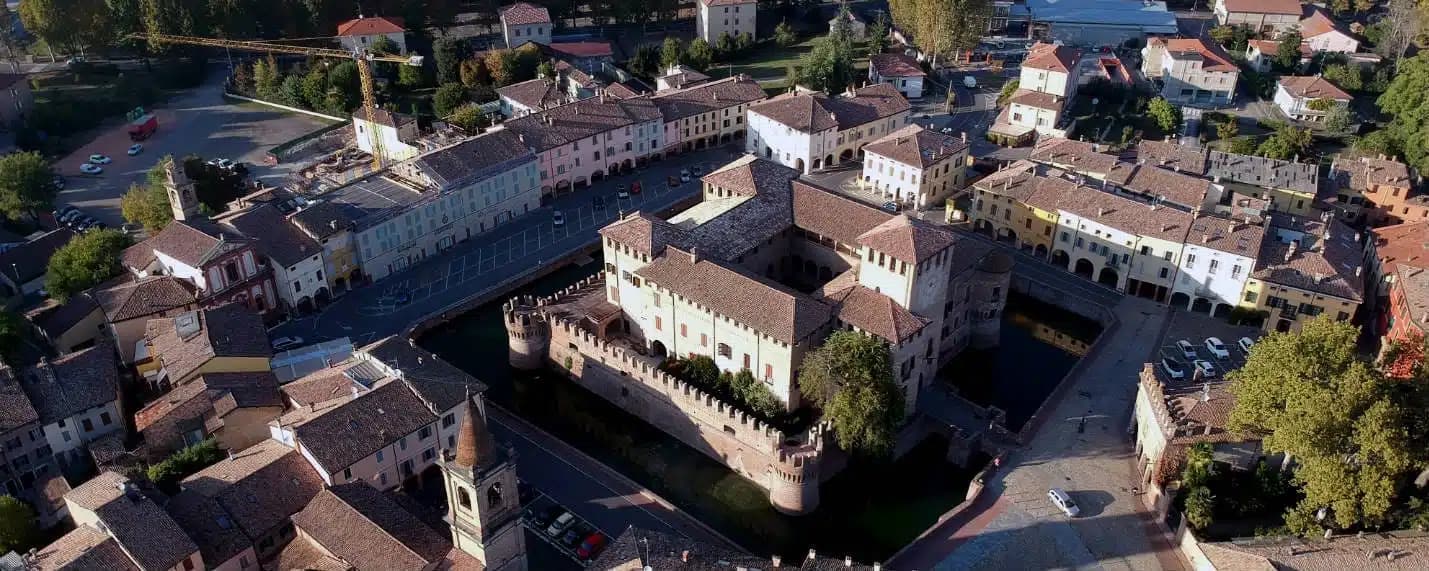
Fontanellato
Province: Parma
A Parma-plain town built around the Rocca Sanvitale, the moated fortress with Parmigianino's 1524 fresco of Diana and Actaeon.
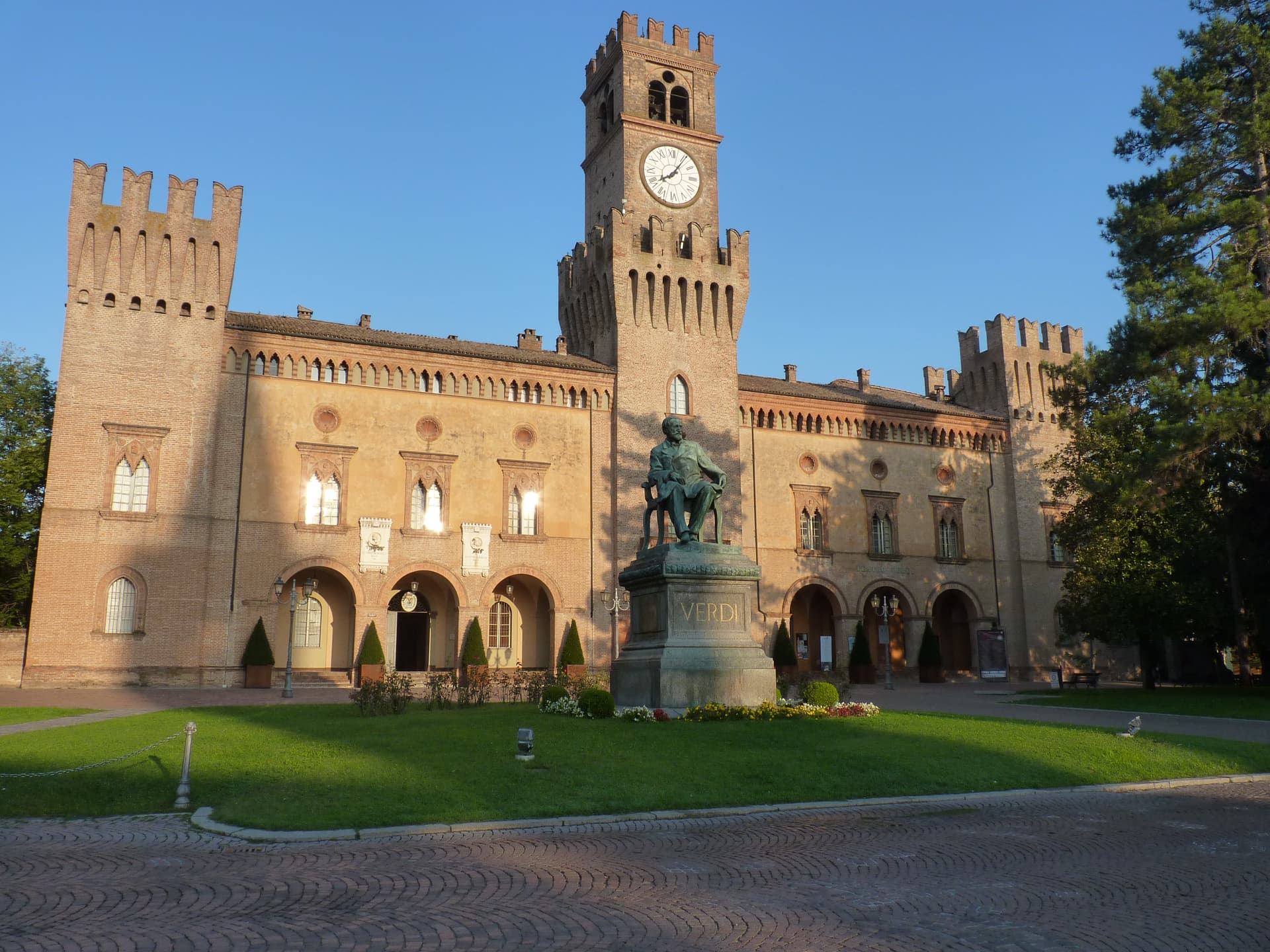
Busseto
Province: Parma
A 40-meter Bassa Parmense town where Giuseppe Verdi grew up, with a 300-seat opera house in the Rocca he refused to enter.
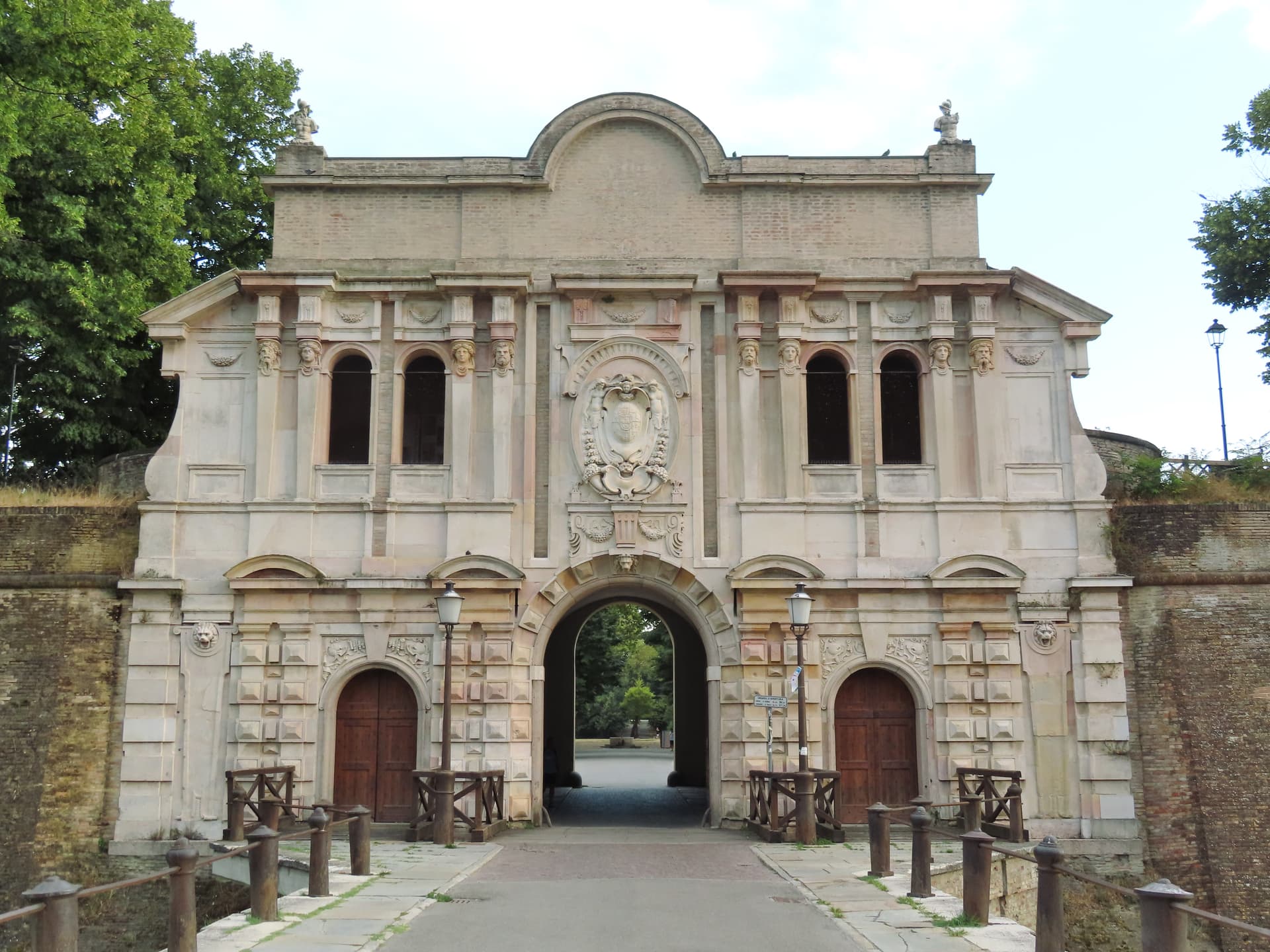
Parma
Province: Parma
A 57-meter Po-plain capital on the Via Emilia, where Correggio painted the Duomo dome and Parmigiano ages in vaults across the province.
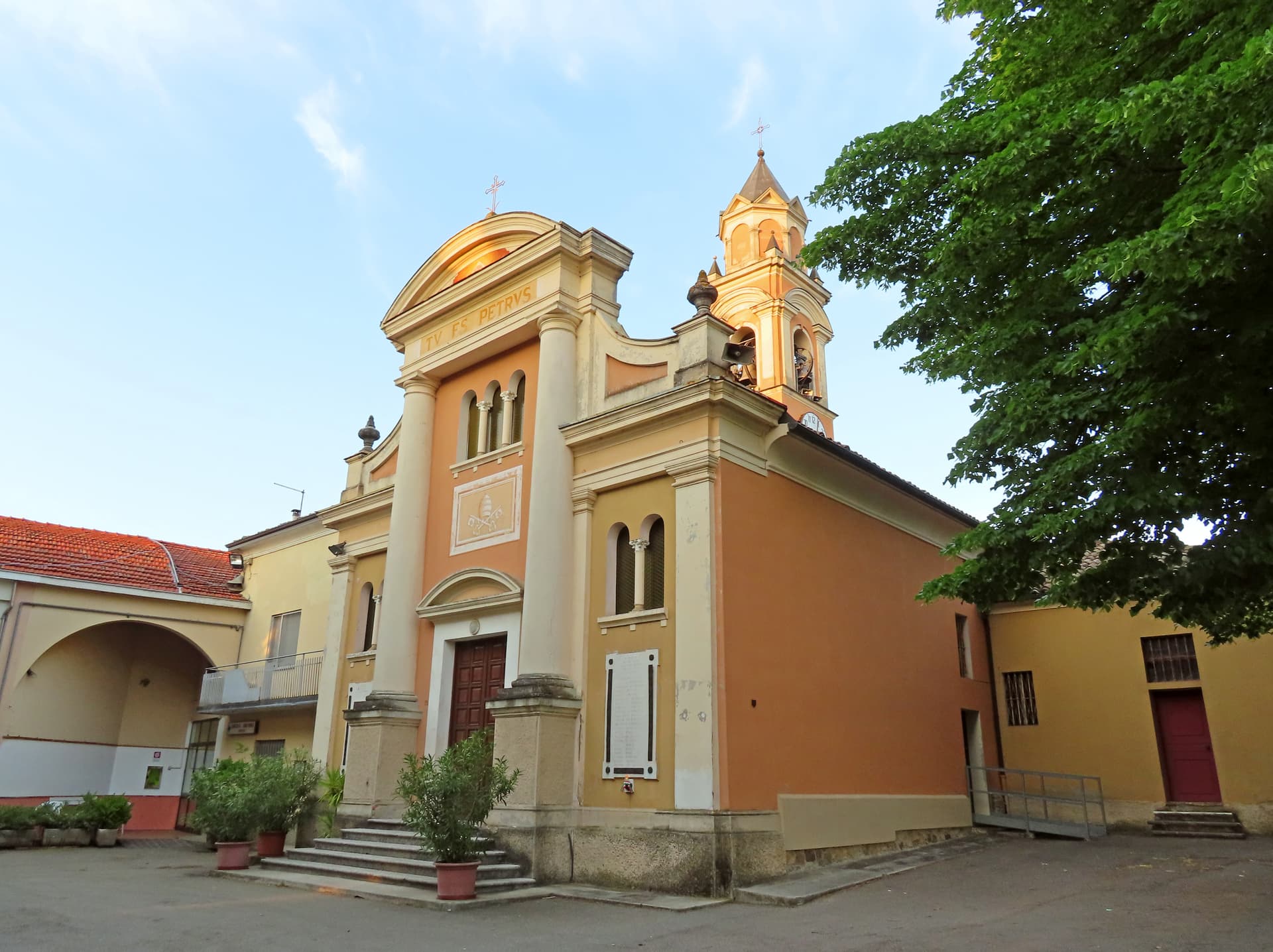
Collecchio
Province: Parma
The Parma-cintura town on the Via Francigena, home to the Pieve di San Prospero, Parmalat, and Parma F.C.'s training ground.
🎨 Borghi più belli d'Italia
More Borghi più belli d'Italia towns in Emilia-Romagna
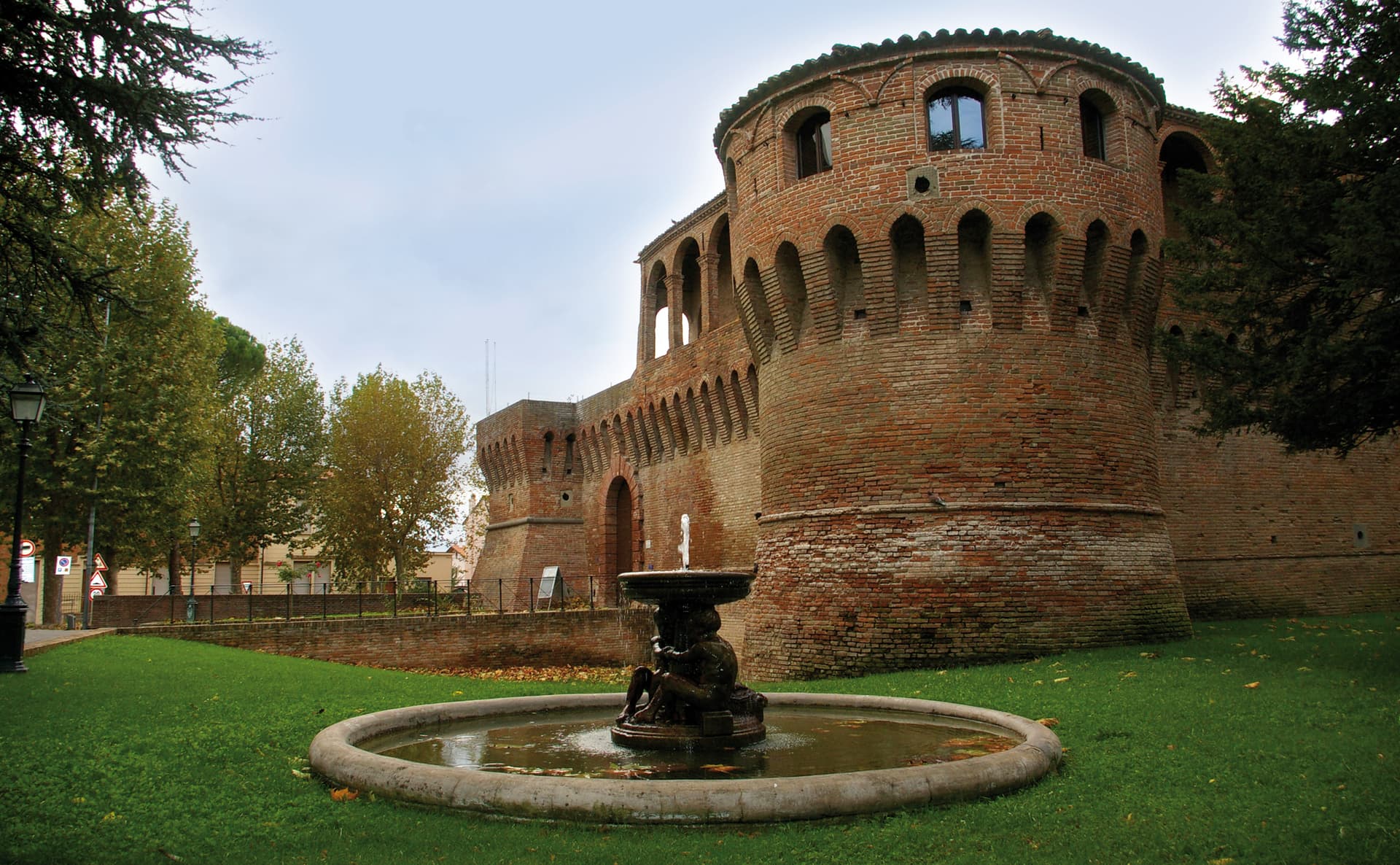
Bagnara di Romagna
Province: Ravenna
A 22-meter plain commune in the Bassa Romagna, the only fully preserved medieval castrum surviving in the Romagna lowlands.
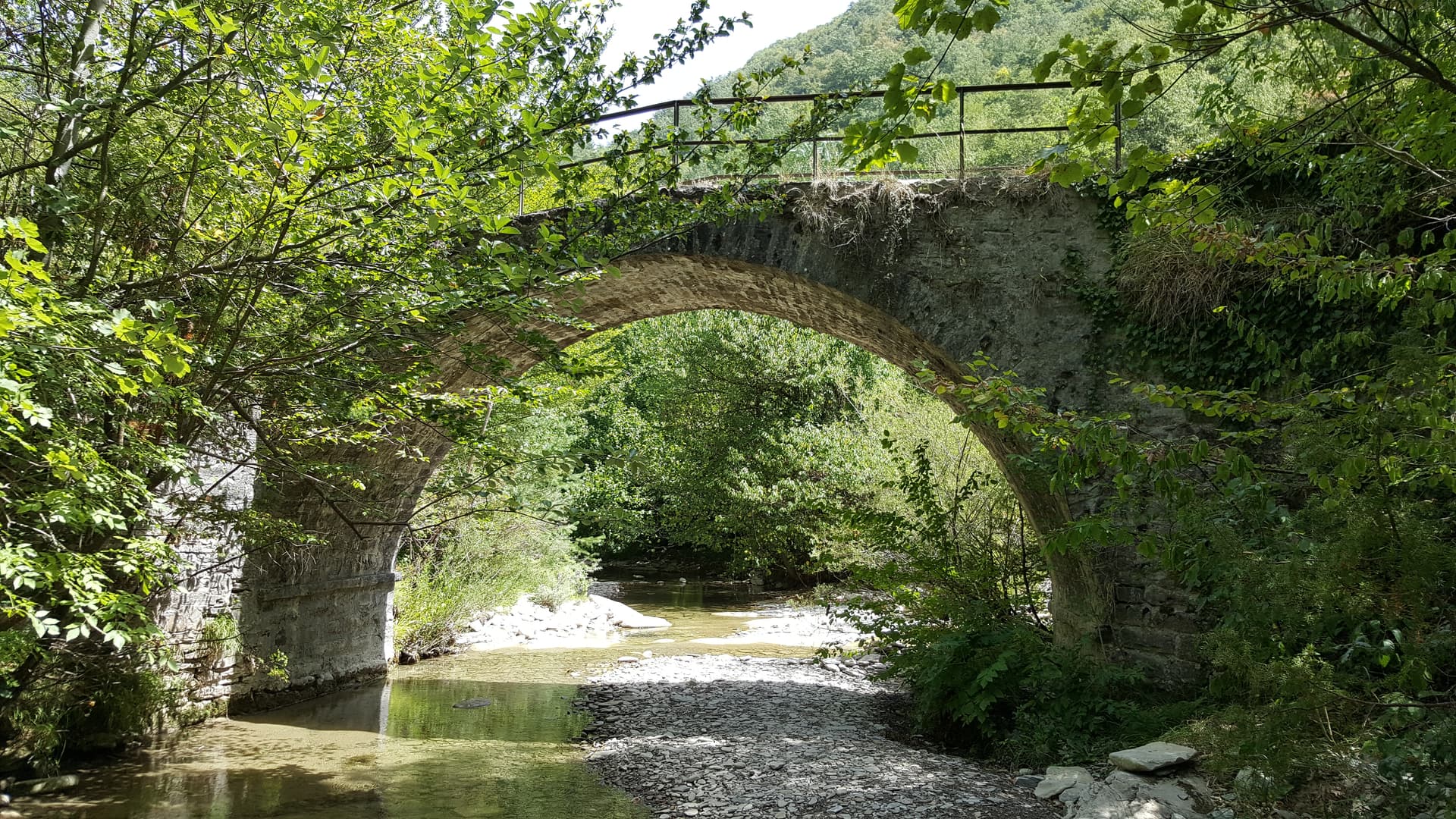
Bagno di Romagna
Province: Forlì-Cesena
A 491-meter thermal town at the head of the Savio valley, drawing on springs that have run at 47 degrees since Roman times.
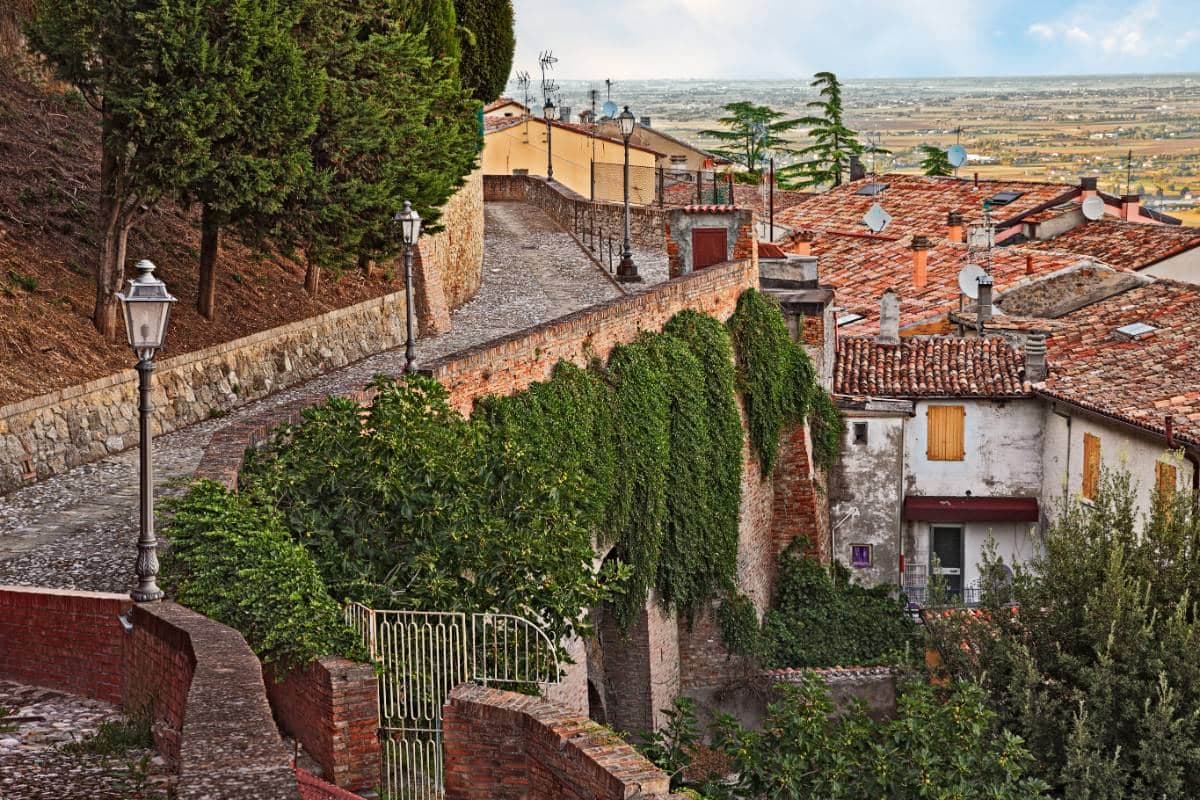
Bertinoro
Province: Forlì-Cesena
A 254-meter Romagna-hill borgo above the Via Emilia, with a twelve-ring hospitality column from 1300 and the slopes that grow Albana DOCG.
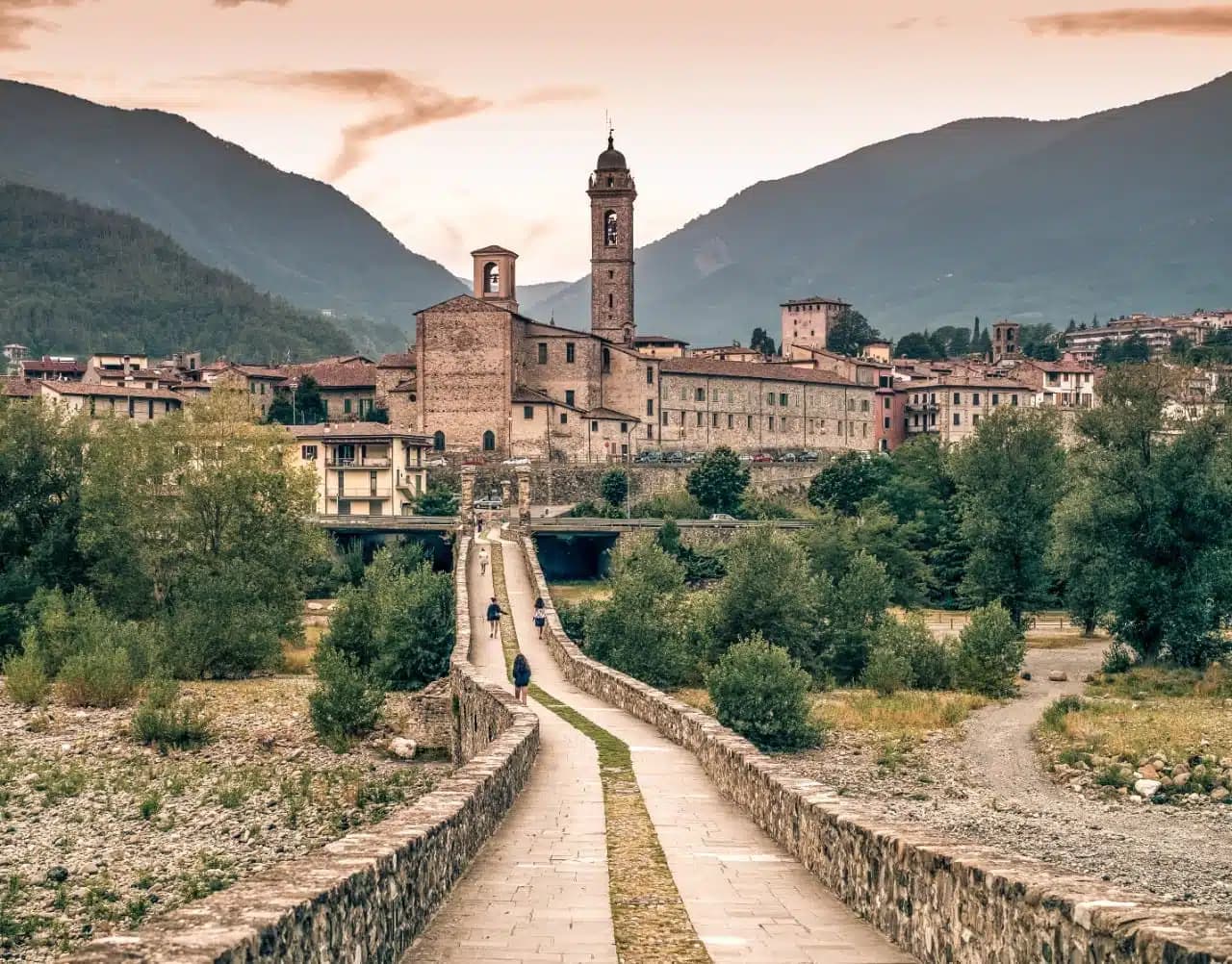
Bobbio
Province: Piacenza
A 272-meter Trebbia-valley town built around the abbey Saint Columbanus founded in 614, named Borgo dei Borghi by RAI in 2019.
Brisighella
Province: Ravenna
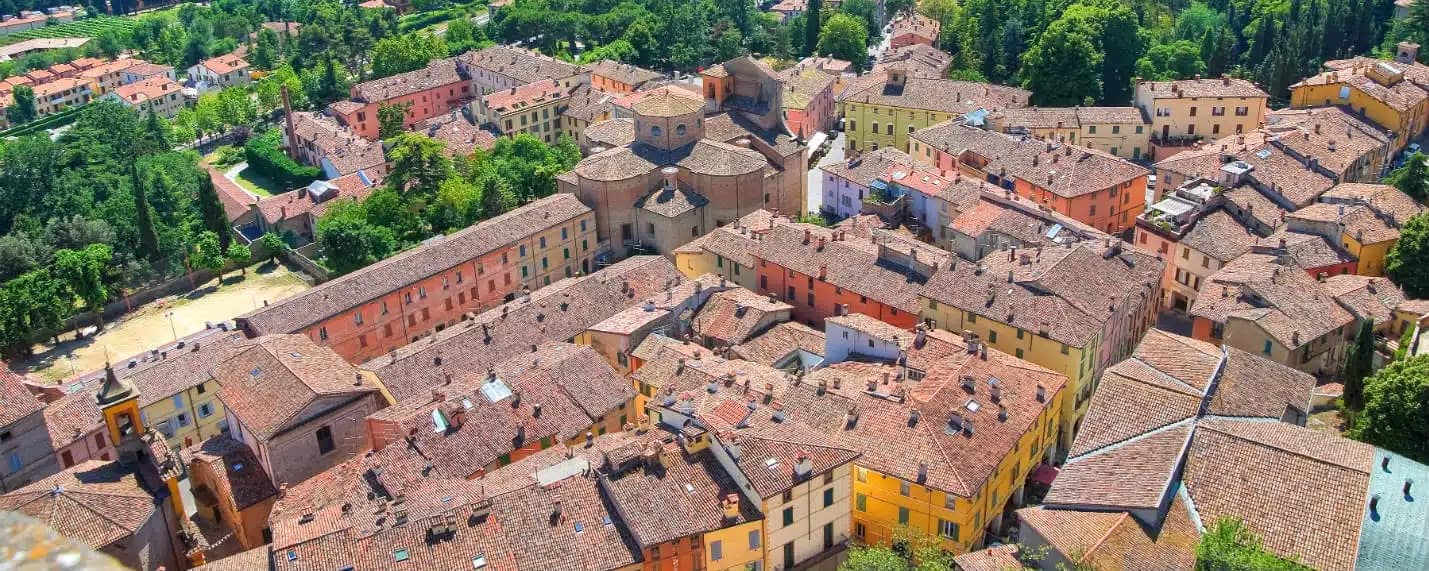
A Lamone-valley borgo at 115 meters under three selenite hills crowned by a fortress, a clock tower, and a sanctuary.