

Emilia-Romagna · Parma
Collecchio
The Parma-cintura town on the Via Francigena, home to the Pieve di San Prospero, Parmalat, and Parma F.C.'s training ground.
Known for
PARMALAT
Headquarters of the dairy multinational founded by Calisto Tanzi in 1961, still the largest employer and a defining presence in town.
VIA FRANCIGENA
Medieval pilgrim route between Parma and Fornovo passes through the centro, with the Pieve di San Prospero on the hill above.
PARMA F.C. TRAINING
The Centro Sportivo di Collecchio is the training base of Parma Calcio 1913 and home to the club's youth academy.
When to visit
Best · Apr–Jun, Sep–Oct
- J
- F
- M
- A
- M
- J
- J
- A
- S
- O
- N
- D
- Best
- Hot or crowded
- Quiet
- Mostly closed
The festa: Prospero di Reggio Emilia, 24 November
Why come
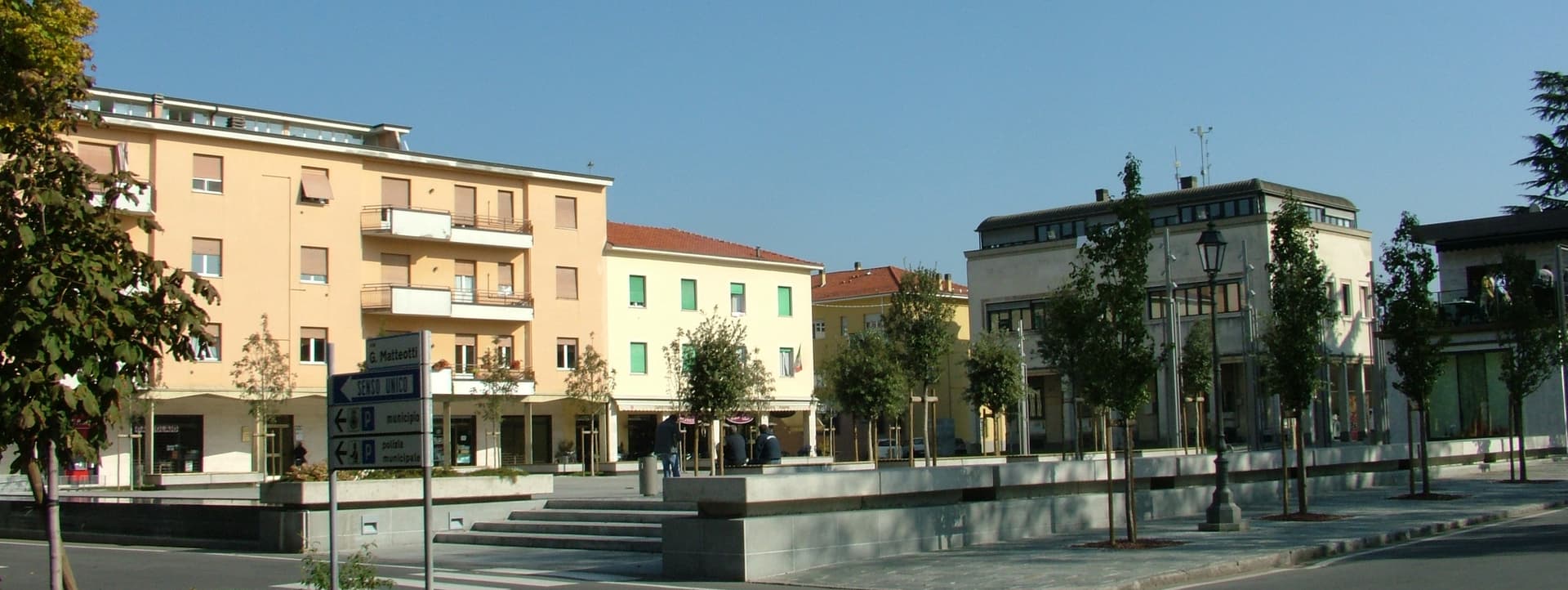
Collecchio sits on the right bank of the Taro, thirteen kilometers southwest of Parma along the Via Emilia and the medieval Via Francigena. In medieval documents the town appears as Colliculum, a possession of the bishops of Parma; the Romanesque Pieve di San Prospero on the hill above the town dates from the eleventh century, with a fragment dated 1089 and a three-nave plan completed in the thirteenth. Pilgrims walked through here on the way to Fornovo and the Cisa pass.
The town is now better known for two industrial residents: Parmalat, the dairy multinational founded by the Tanzi family in 1961 and headquartered here, and Parma Calcio, whose Centro Sportivo di Collecchio is the club's training base. The Parco Nevicati and the Boschi di Carrega regional park, where the Dukes of Parma kept their hunting grounds, fill the southern half of the municipality.
The Sunday letter
We haven’t written Collecchio’s letter yet.
One town every Sunday, with the photo, the food, the festa. Be there when this one comes up. Free, by Peter & Sophia from Pietrasanta.
By subscribing you agree to Substack’s Terms of Use, our Privacy Policy and our Information collection notice.
What to see
Pieve di San Prospero
Eleventh-century Romanesque parish church on the hill above town, with a three-nave plan completed in the thirteenth century and a fragment dated 1089.
Via Francigena
Medieval pilgrim route through the centro, marked along the Taro variant between Parma, Collecchio, and Fornovo di Taro.
Parco Boschi di Carrega
Regional park of 1,300 hectares in the southern part of the municipality, the former hunting reserve of the Dukes of Parma.
Parco Nevicati
Forty-hectare municipal park along the Taro, with old oaks, jogging paths, and a section dedicated to native Apennine fauna.
Centro Sportivo di Collecchio
Training complex of Parma Calcio 1913, used by the first team and the youth academy since the 1990s.
The slow-trip planner
Building a trip? Find where Collecchio fits in a slow Italy circuit.
Answer five questions. We will shape a geographically coherent slow trip from the 1,000 Italian towns most travelers skip. Yours to save and share.
Living here
- Population 14,684
- Commuter belti
- Pharmacy in town
- High school within a 30-minute drive
- Train station in the comune
- Nearest airport Bologna, 1 h 19 min drive
- Regional capital Bologna, 1 h 23 min drive
Tags & datadesignations · numbers · sources
Recognised as
The numbers
- Elevation: 112 m
- Population: 14,684
- Surface area: 58.83 km²
These figures were compiled from public directories — ISTAT, OpenStreetMap, Wikidata — and from the official listings of the guides named on this page. Town details change; verify with official sources before you travel.
Close by
More towns near Collecchio
Parma
Province: Parma
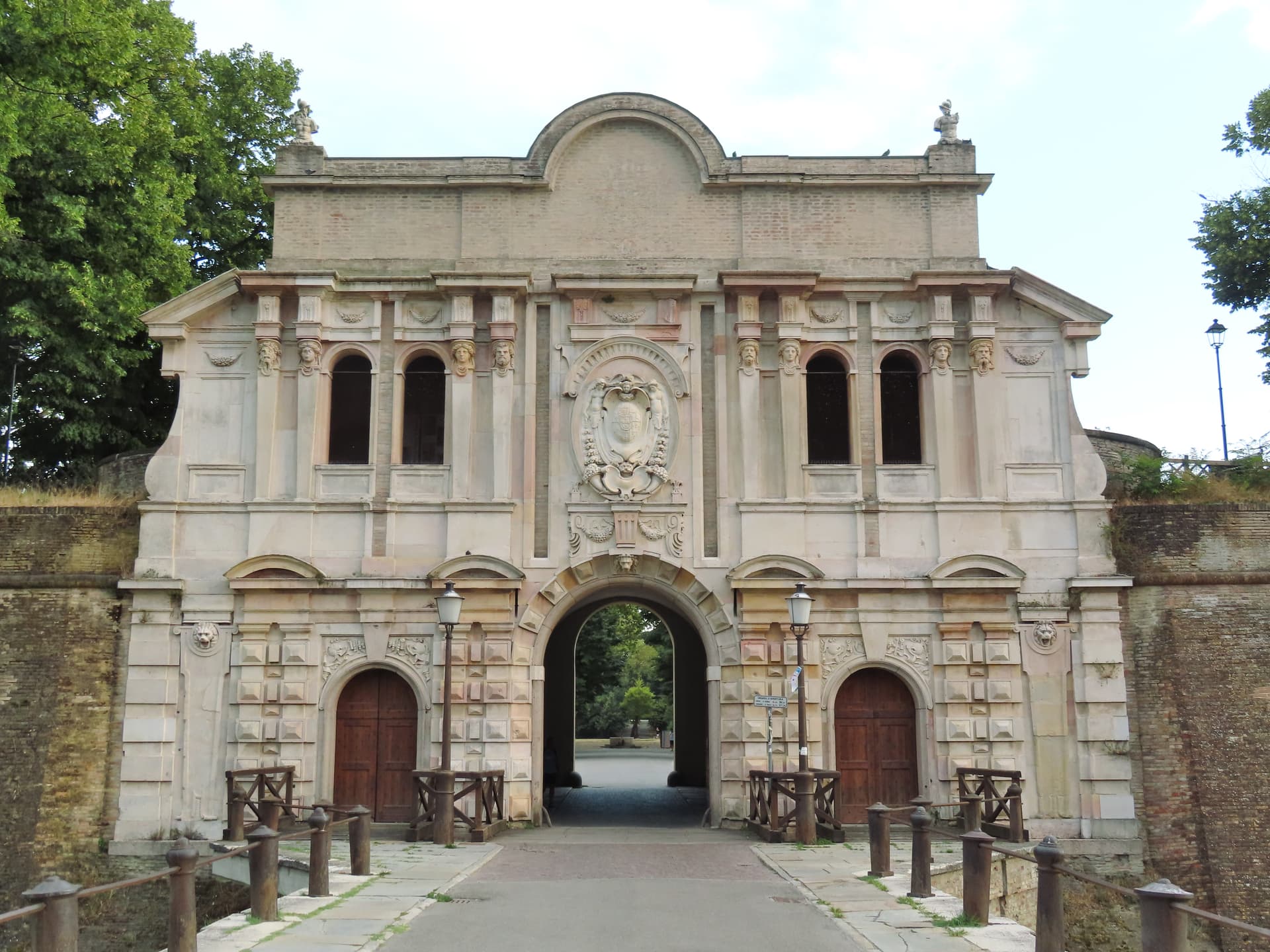
A 57-meter Po-plain capital on the Via Emilia, where Correggio painted the Duomo dome and Parmigiano ages in vaults across the province.
Fontanellato
Province: Parma
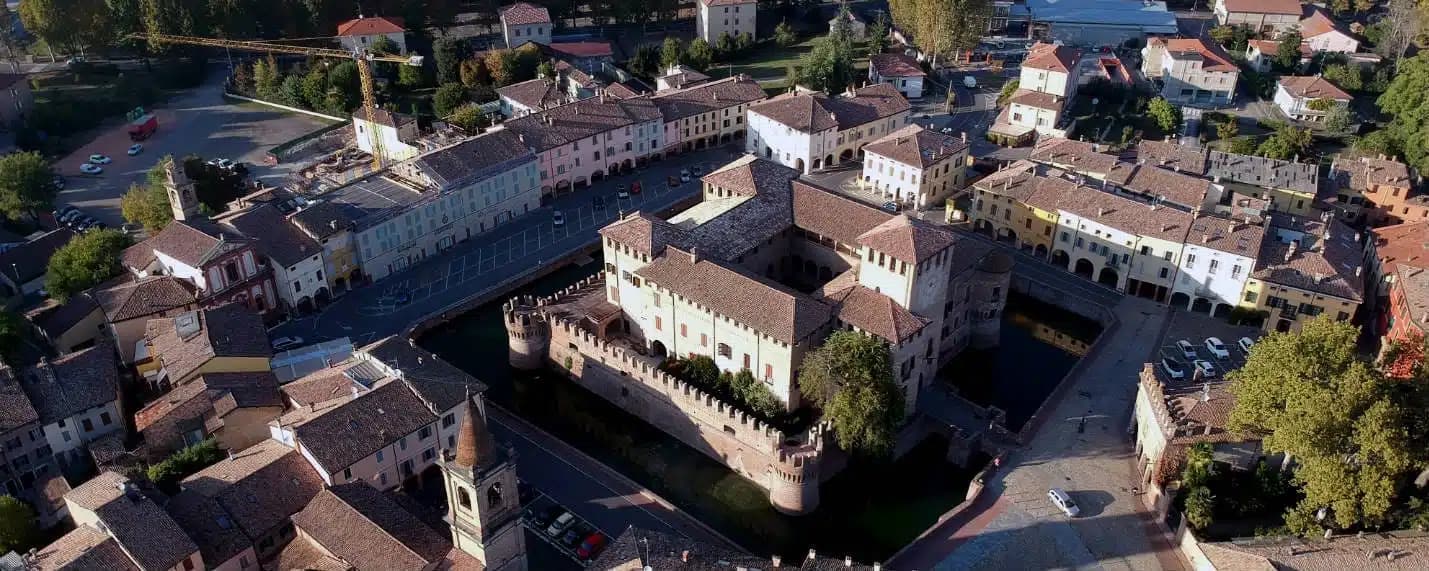
A Parma-plain town built around the Rocca Sanvitale, the moated fortress with Parmigianino's 1524 fresco of Diana and Actaeon.
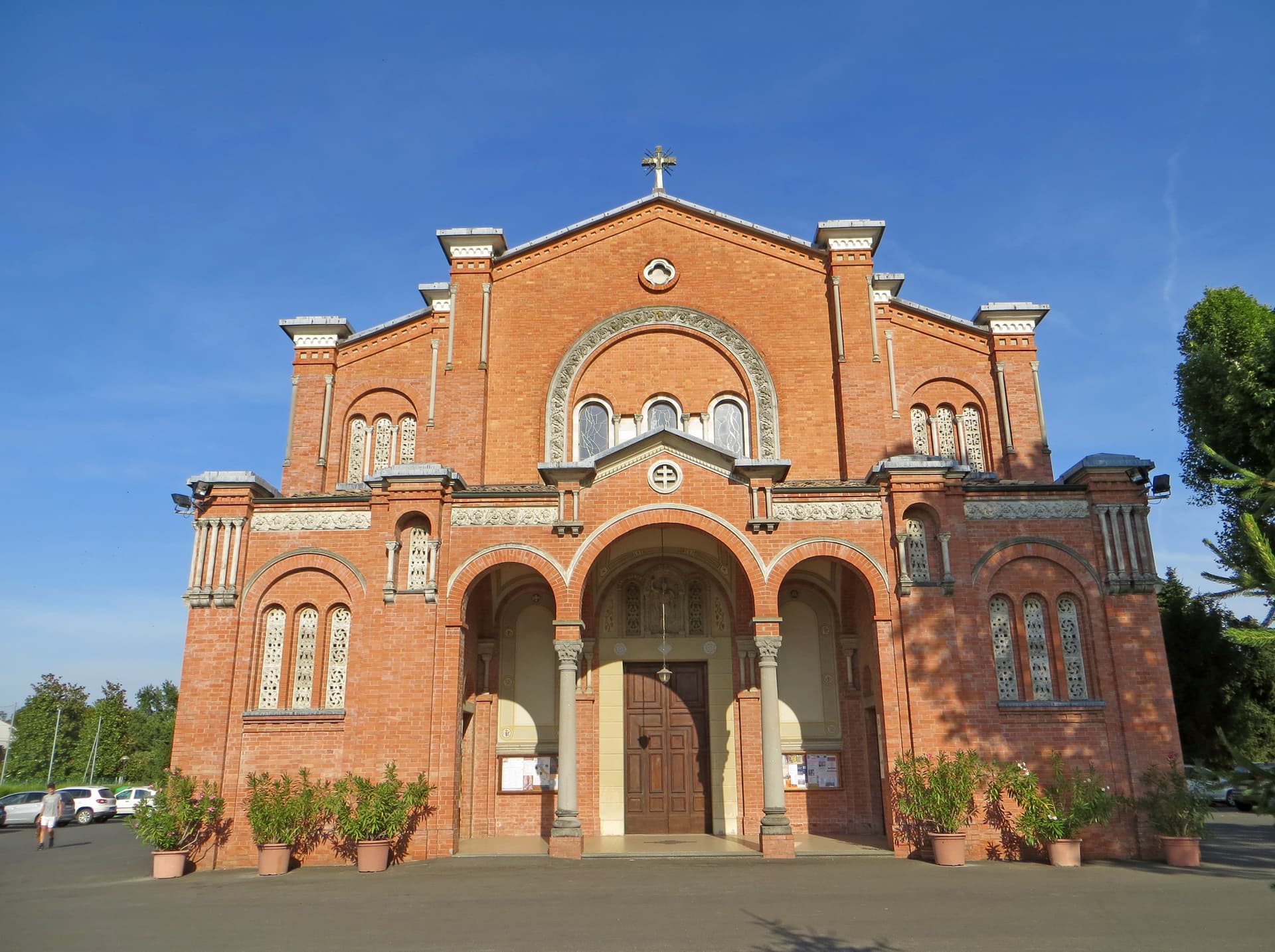
Montechiarugolo
Province: Parma
A Parmigiano-country borgo on the Enza river, built around a fourteenth-century castle that has stayed in the Marchi family since 1864.
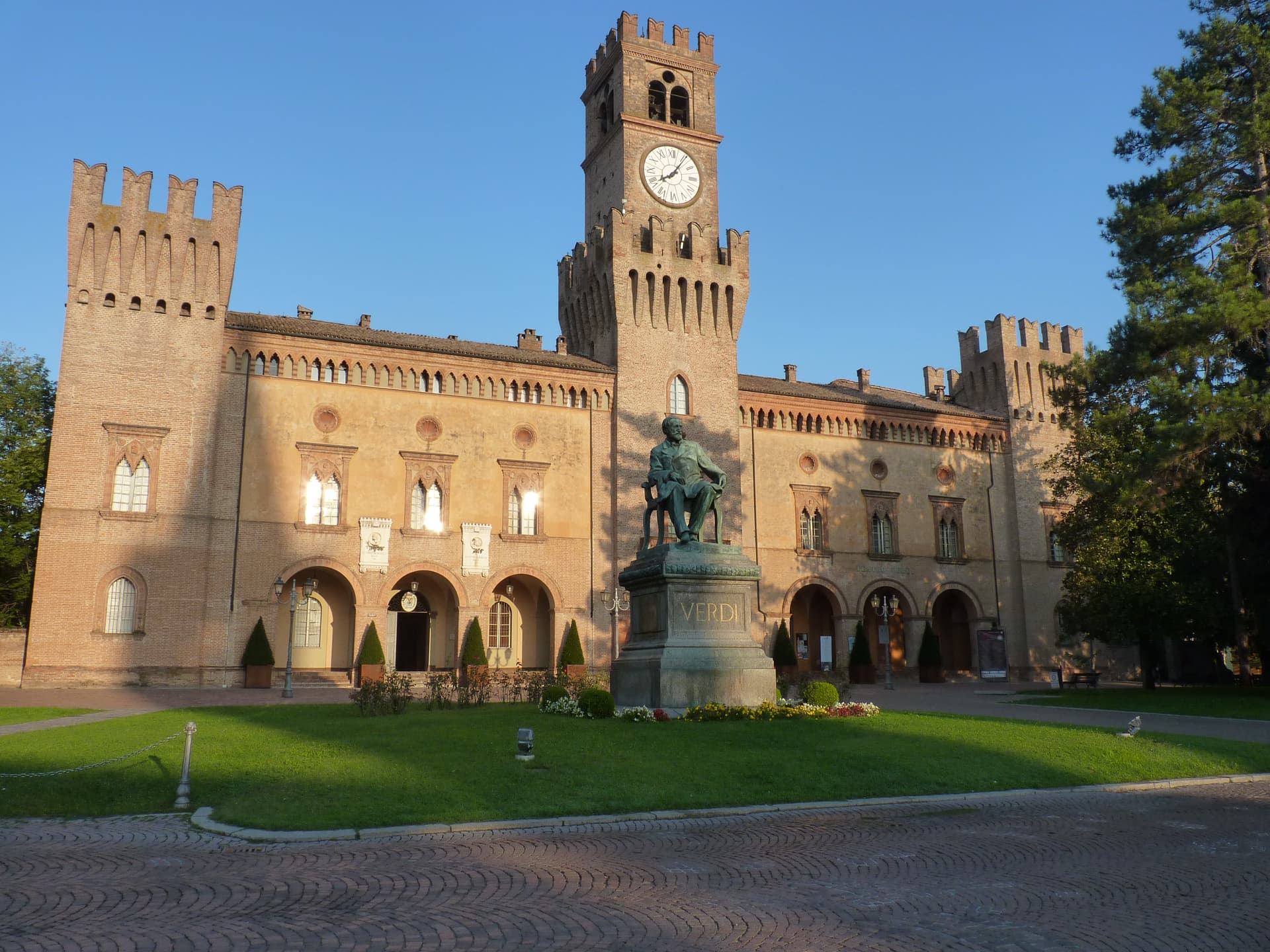
Busseto
Province: Parma
A 40-meter Bassa Parmense town where Giuseppe Verdi grew up, with a 300-seat opera house in the Rocca he refused to enter.
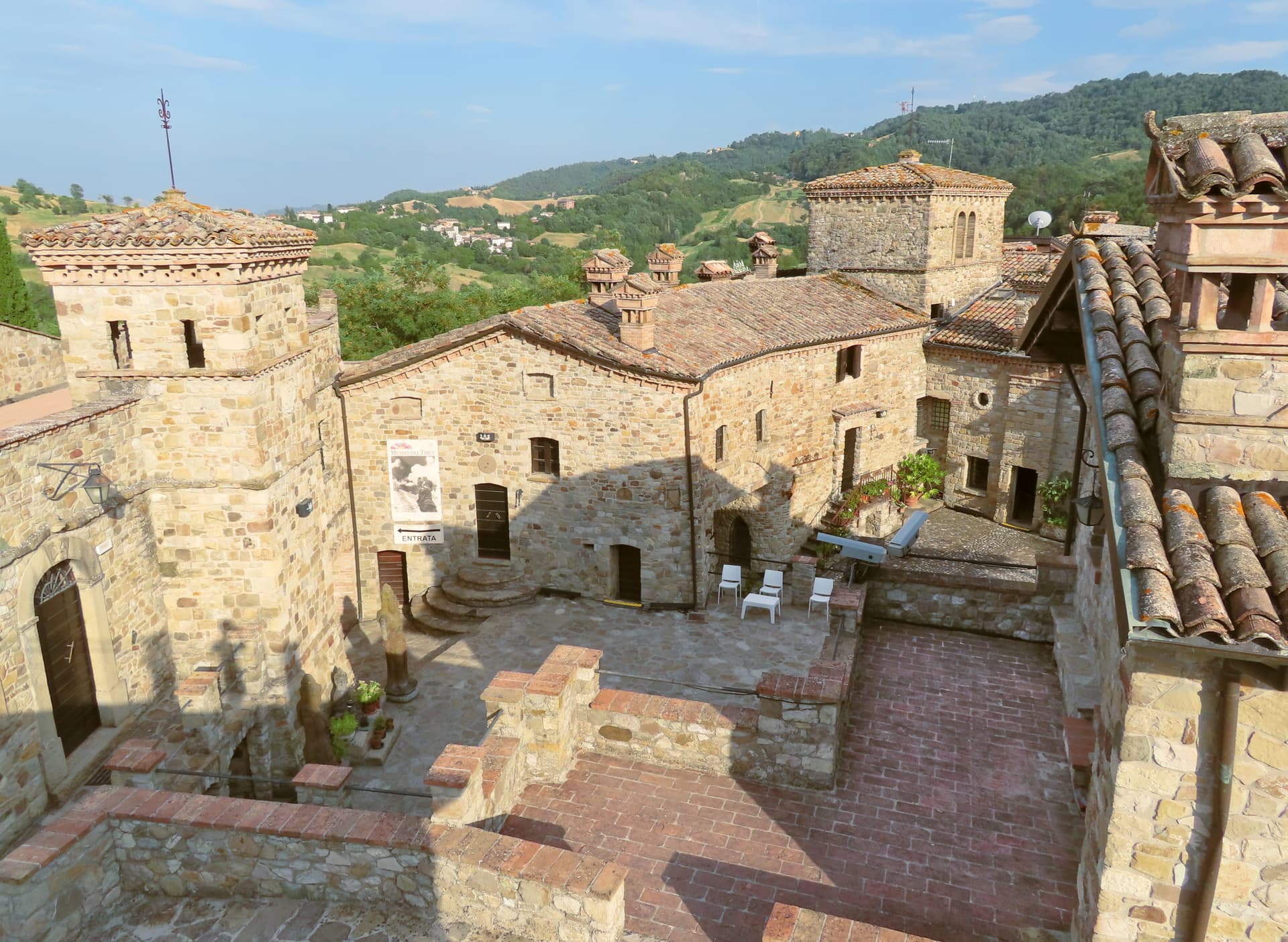
Canossa
Province: Reggio nell'Emilia
The Reggiano commune holding the ruined castle where Henry IV stood three days in the snow before Pope Gregory VII in 1077.
🌳 Parco Regionale
More Parco Regionale towns in Emilia-Romagna
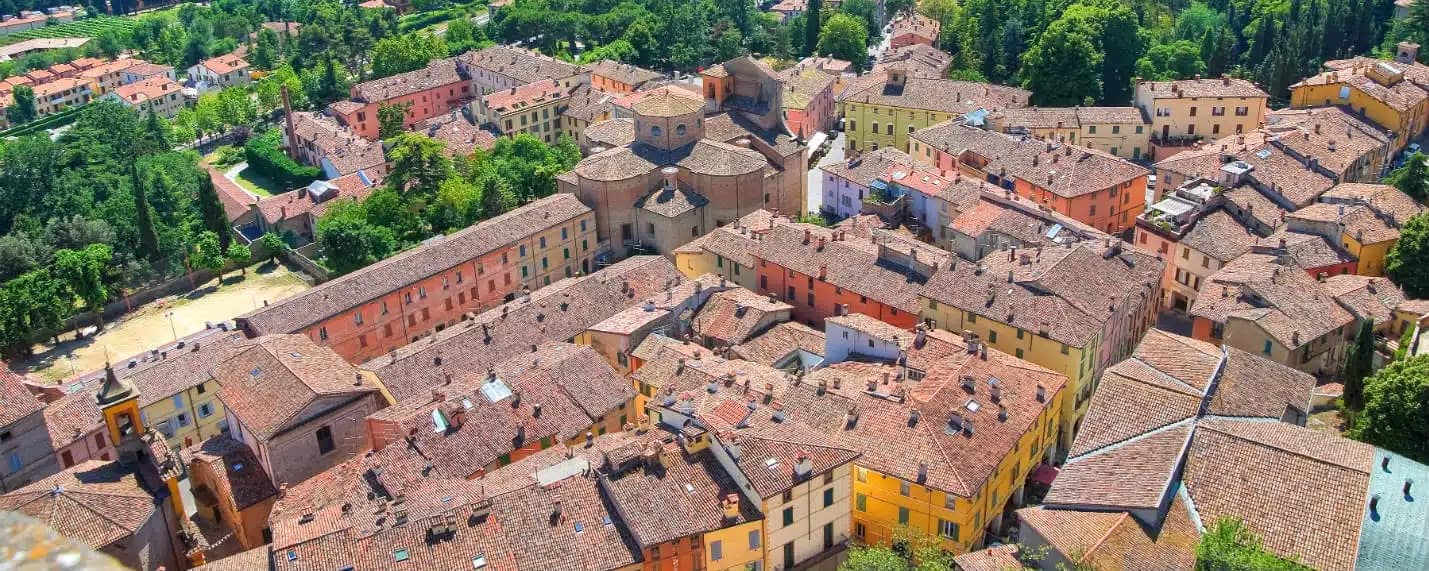
Brisighella
Province: Ravenna
A Lamone-valley borgo at 115 meters under three selenite hills crowned by a fortress, a clock tower, and a sanctuary.
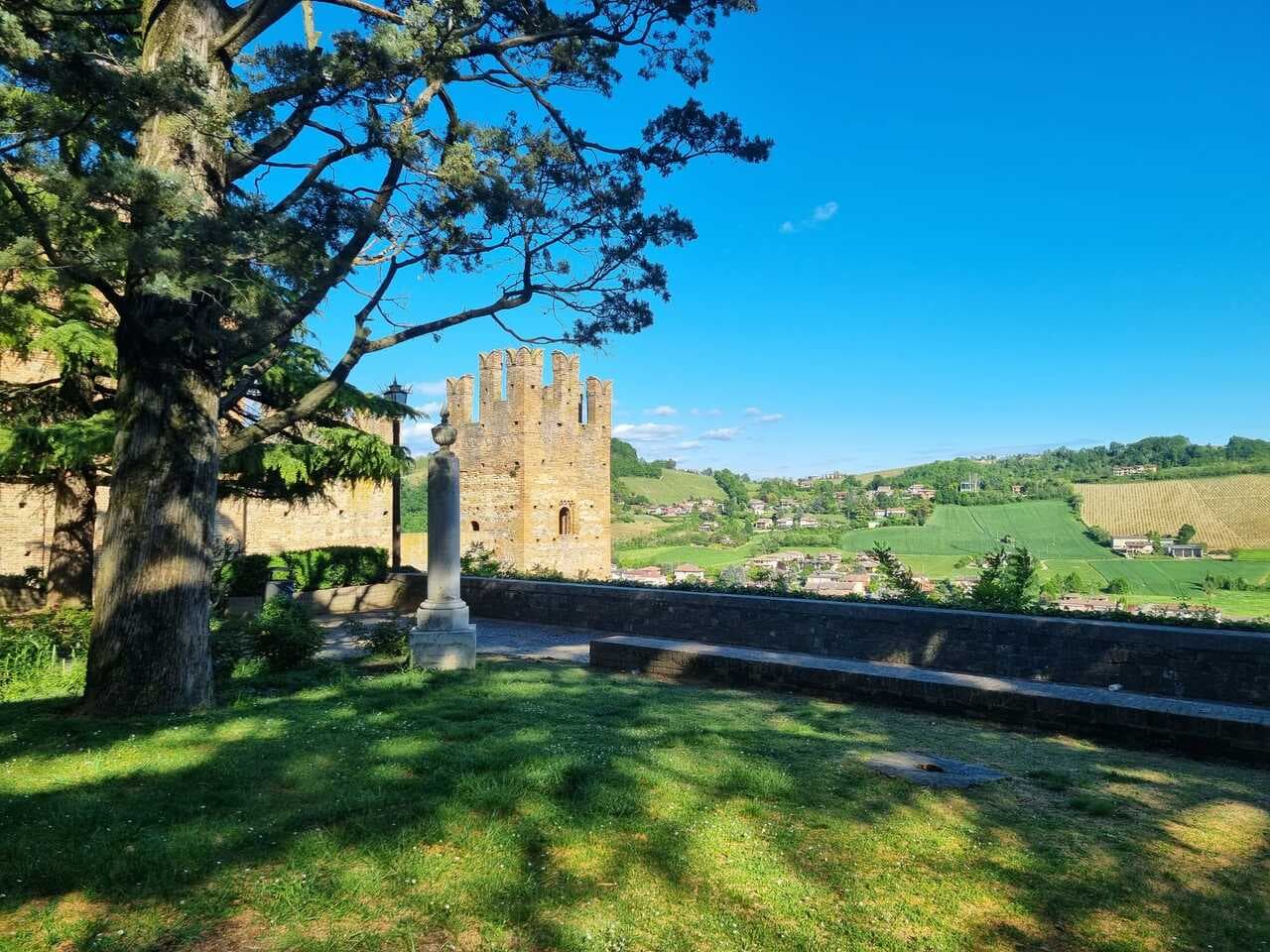
Castell'Arquato
Province: Piacenza
A 224-meter hilltop borgo in the Val d'Arda, kept intact since the tenth century and crowned by Luchino Visconti's 1342 fortress.
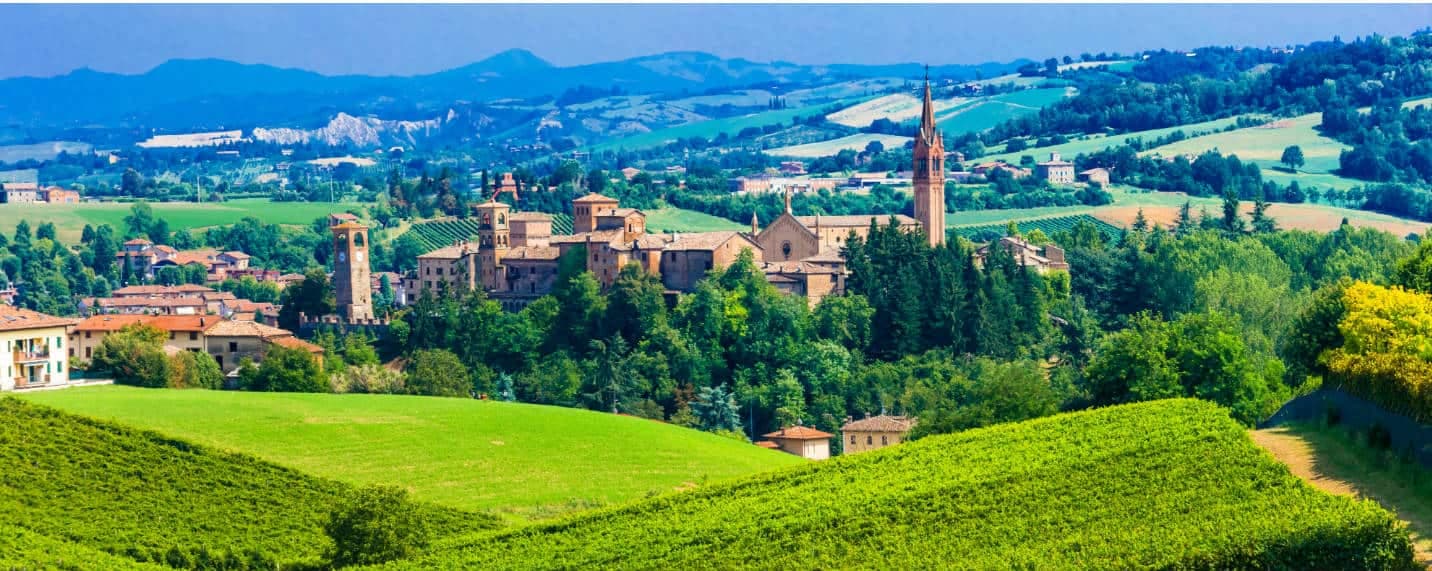
Castelvetro di Modena
Province: Modena
A 152-meter hill borgo south of Modena whose checkerboard piazza sits above the slopes that grow Lambrusco Grasparossa.
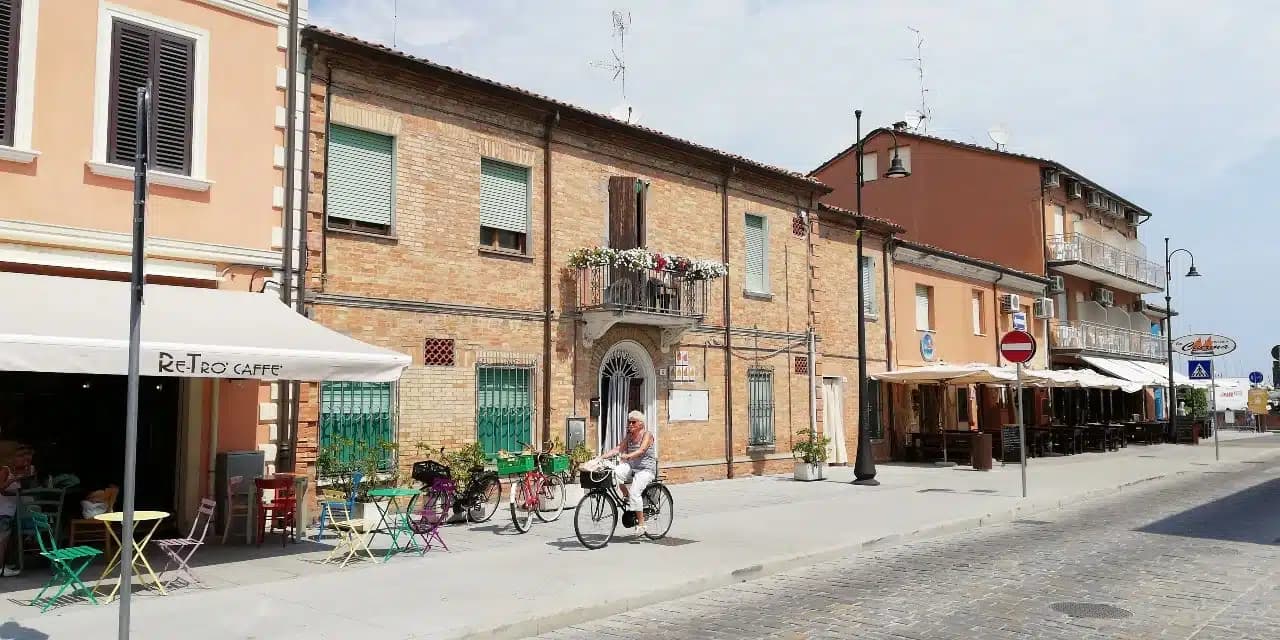
Cervia
Province: Ravenna
The Adriatic salt town with 827 hectares of working saline, planned in 1697 around a grid of salt workers' houses.
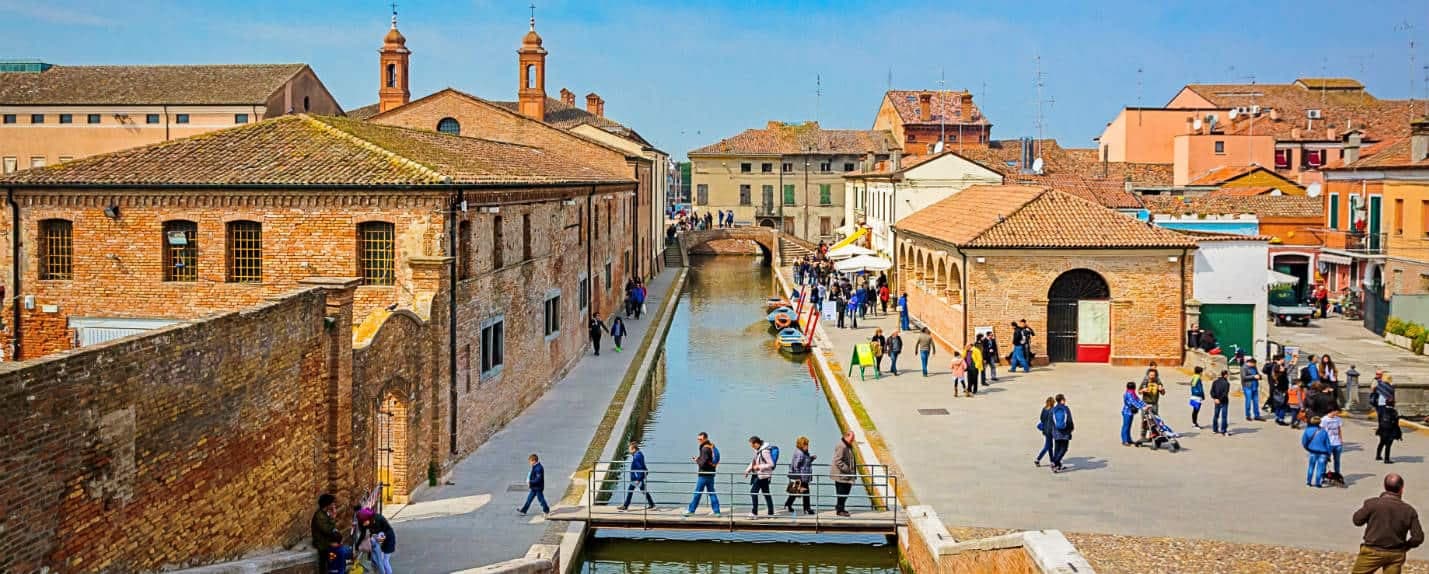
Comacchio
Province: Ferrara
A canal town on thirteen islets at the edge of the Po Delta, with brackish lagoons that hold three hundred bird species.