

Emilia-Romagna · Ravenna
Brisighella
A Lamone-valley borgo under three selenite hills crowned by a fortress, a clock tower, and a sanctuary.
Known for
BRISIGHELLO DOP
Extra virgin olive oil from the Nostrana di Brisighella variety, granted Protected Designation of Origin status by the European Union in 1996.
THREE HILLS
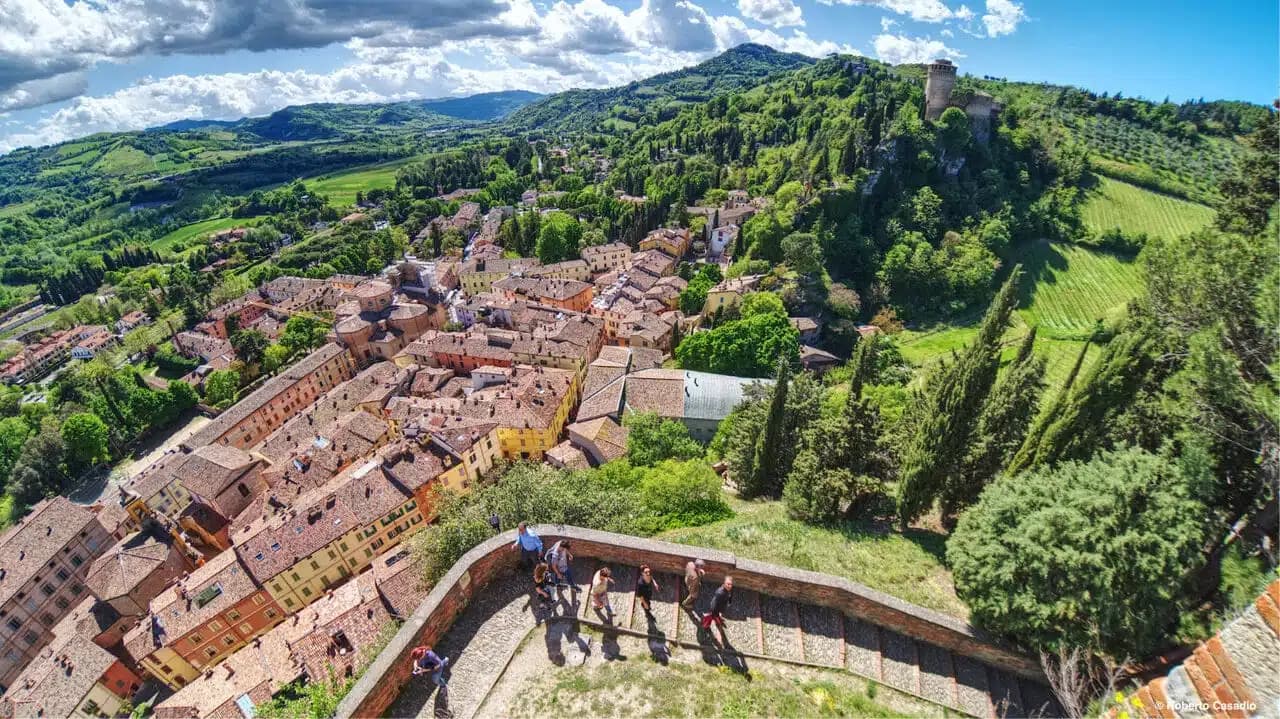
Three selenite outcrops carrying the Rocca Manfrediana, the Torre dell'Orologio and the Monticino sanctuary above the town.
VIA DEGLI ASINI
Fourteenth-century covered street running through the centro storico, named for the donkeys that once carried gypsum from the quarries.
When to visit
Best · Apr–Oct
- J
- F
- M
- A
- M
- J
- J
- A
- S
- O
- N
- D
- Best
- Hot or crowded
- Quiet
- Mostly closed
The festa: Michele, 29 September
Why come
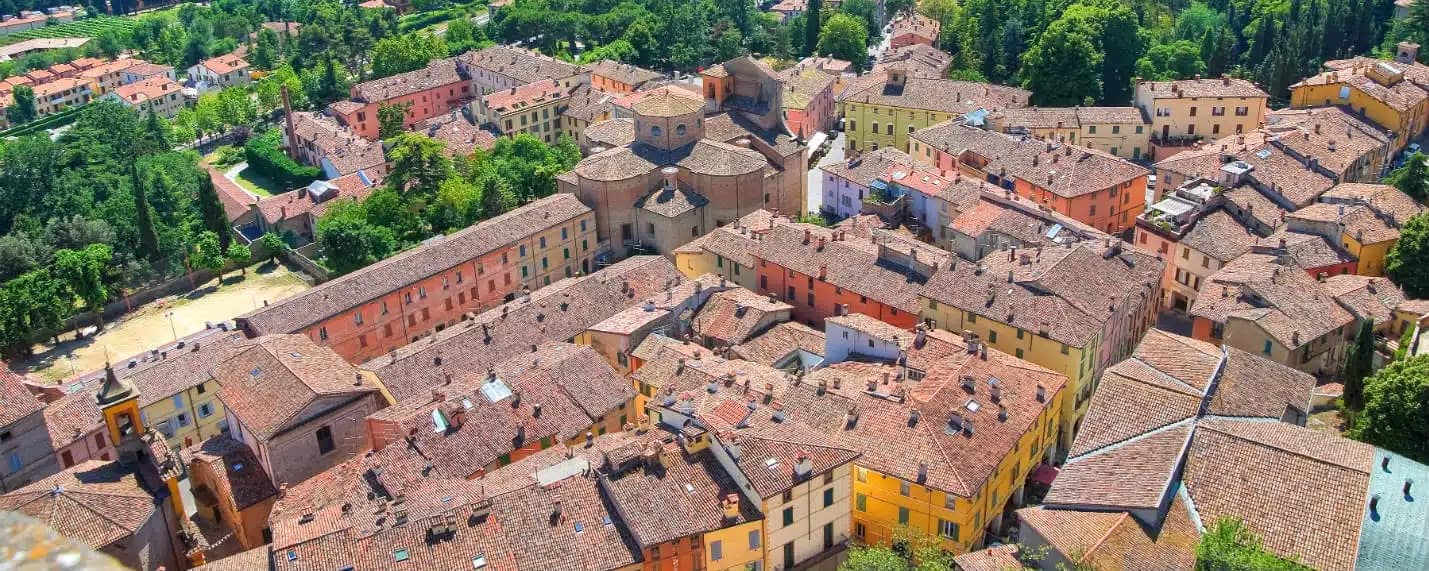
Brisighella sits in the Lamone valley, forty-five kilometers southeast of Bologna, on the Apennine slope where Romagna meets the gypsum vein the UNESCO list added in 2023. Three selenite hills rise above the rooftops, each carrying a building: the Rocca Manfrediana, built in 1310 by Francesco Manfredi and reinforced by the Venetians after 1503; the Torre dell'Orologio, rebuilt in 1850 with a six-hour dial instead of twelve; and the Santuario del Monticino above the town. The Via degli Asini runs through the centro storico as a covered elevated street, originally a fourteenth-century patrol walkway, later excavated into stables for the donkeys that hauled gypsum down from the quarries.
The Nostrana di Brisighella olive, grown on the same hills, makes the Brisighello DOP oil that has carried European protection since 1996. The town holds four institutional signals at once: Borghi più belli, Bandiera Arancione, Cittaslow, Città dell'Olio.
The Sunday letter
We haven’t written Brisighella’s letter yet.
One town every Sunday, with the photo, the food, the festa. Be there when this one comes up. Free, by Peter & Sophia from Pietrasanta.
By subscribing you agree to Substack’s Terms of Use, our Privacy Policy and our Information collection notice.
What to see
Rocca Manfrediana
Hilltop fortress begun in 1310 by Francesco Manfredi of Faenza, reinforced by Astorgio II in the 1460s and held by Venice after 1503.
Torre dell'Orologio
Clock tower rebuilt in 1850 on an earlier defensive structure, with a dial that marks six hours rather than the usual twelve.
Santuario del Monticino
Eighteenth-century sanctuary on the third selenite hill, overlooking the town and the Lamone valley below.
Via degli Asini
Covered elevated street through the centro storico, built in the fourteenth century as a patrol walkway and later cut into donkey stables.
Vena del Gesso Romagnola
Gypsum ridge running along the eastern Apennines, holding over 900 karst caves and inscribed on the UNESCO list in 2023.
The slow-trip planner
Building a trip? Find where Brisighella fits in a slow Italy circuit.
Answer five questions. We will shape a geographically coherent slow trip from the 1,000 Italian towns most travelers skip. Yours to save and share.
Living here
- Population 7,186
- Commuter belti
- Pharmacy in town
- Nearest high school over ~30 minutes away
- Train station in the comune
- Nearest airport Bologna, 1 h 19 min drive
- Regional capital Bologna, 1 h 21 min drive
Tags & datadesignations · numbers · sources
The numbers
- Elevation: 115 m
- Population: 7,186
- Surface area: 194.33 km²
These figures were compiled from public directories — ISTAT, OpenStreetMap, Wikidata — and from the official listings of the guides named on this page. Town details change; verify with official sources before you travel.
Close by
More towns near Brisighella
Faenza
Province: Ravenna
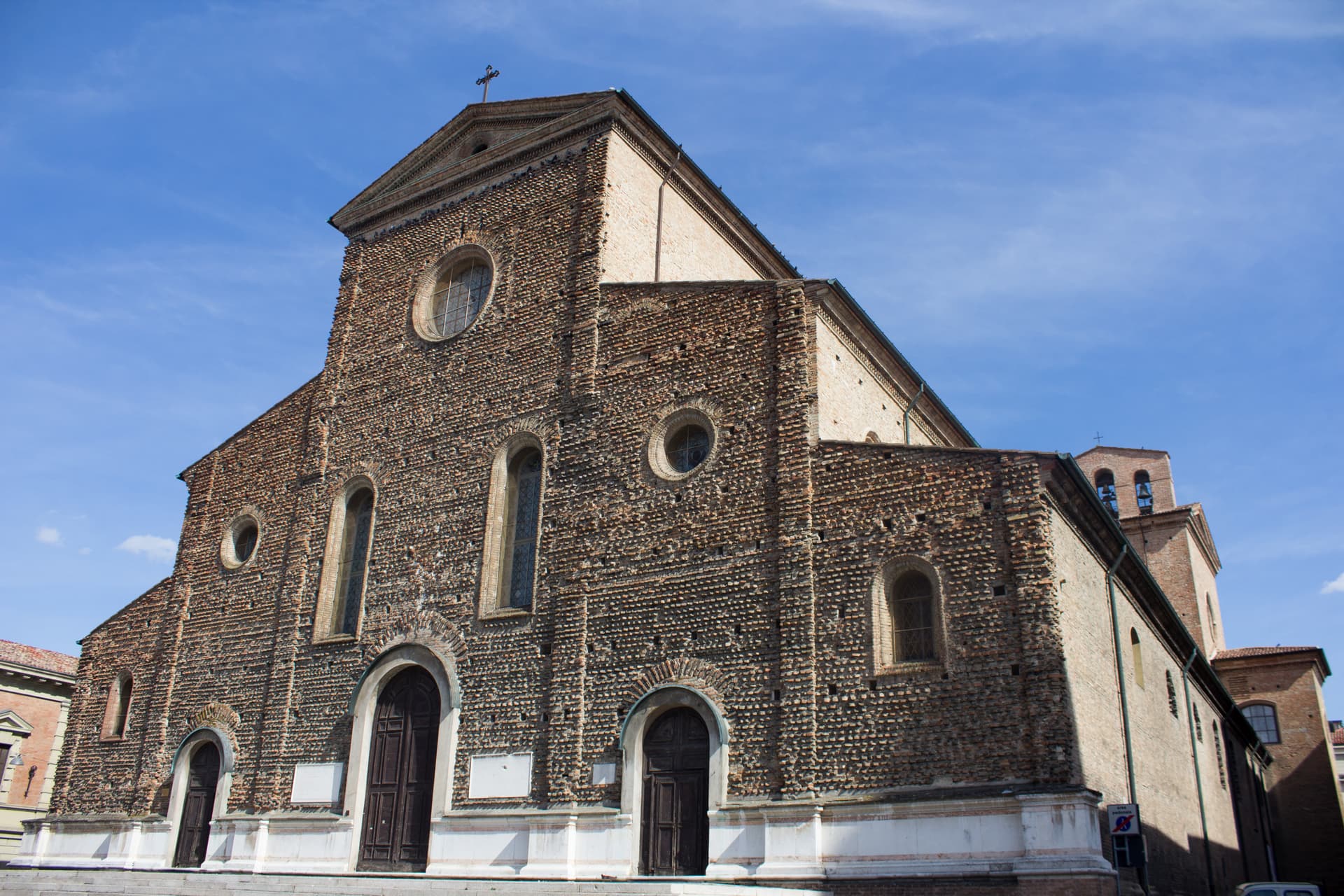
The city that gave its name to faïence, with a tin-glazed maiolica tradition since the fourteenth century and the world ceramics museum since 1908.
Imola
Province: Bologna
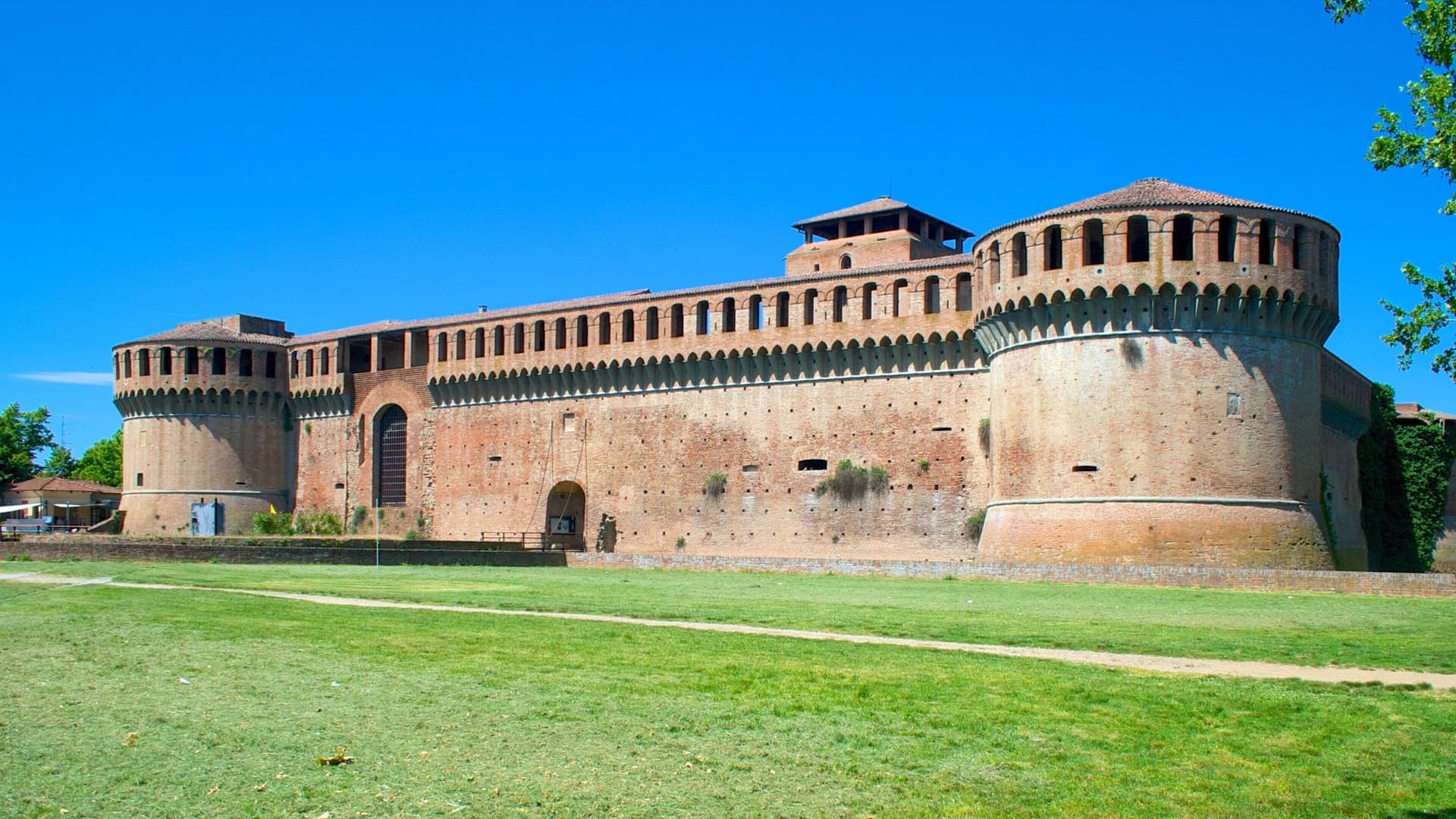
Bologna's Romagna twin — a medieval brick centro anchored by the Caterina Sforza-fortified Rocca, with the Autodromo Enzo e Dino Ferrari (the Imola F1 circuit) wrapping the Santerno river at the southern edge of town.
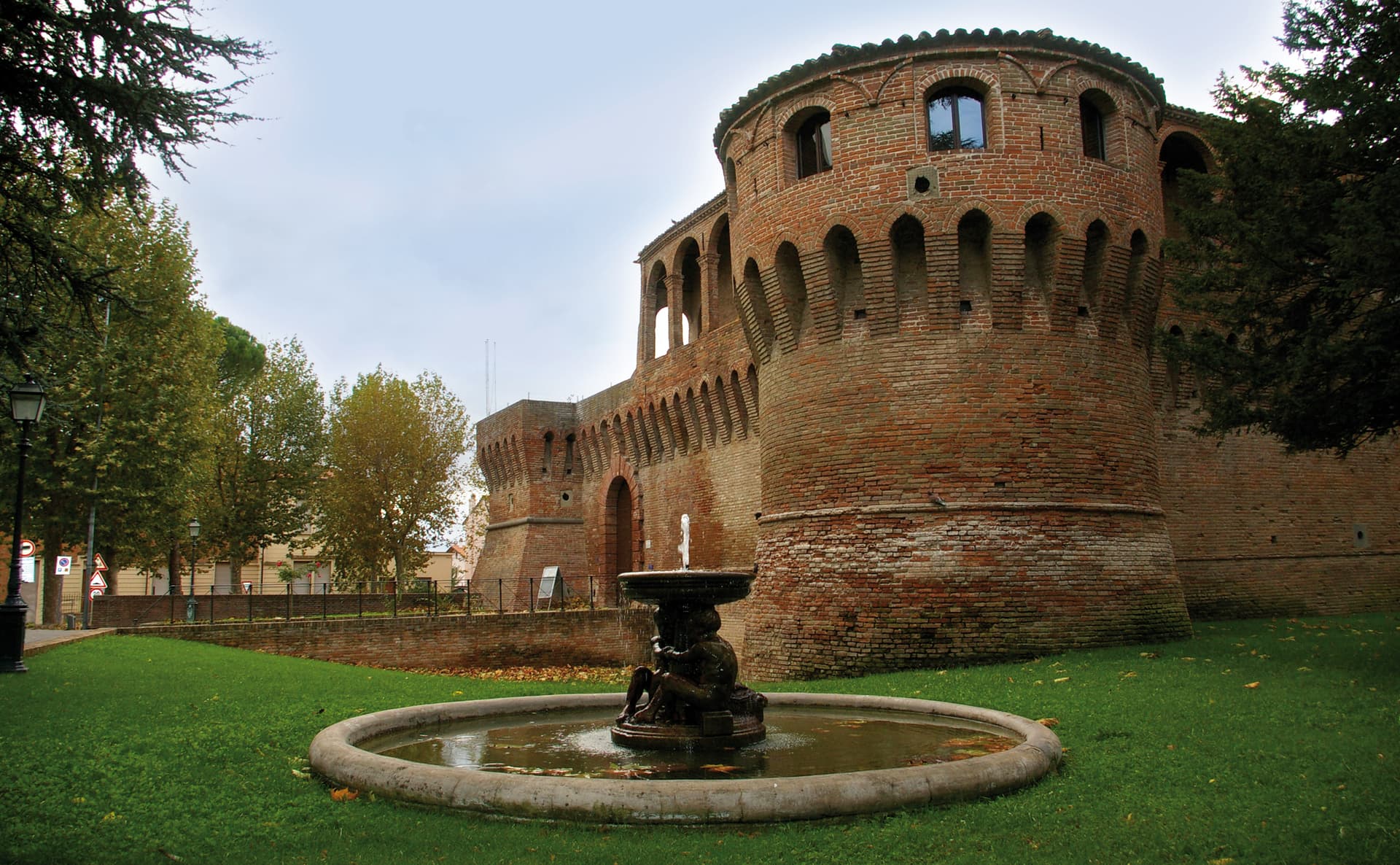
Bagnara di Romagna
Province: Ravenna
A 22-meter plain commune in the Bassa Romagna, the only fully preserved medieval castrum surviving in the Romagna lowlands.
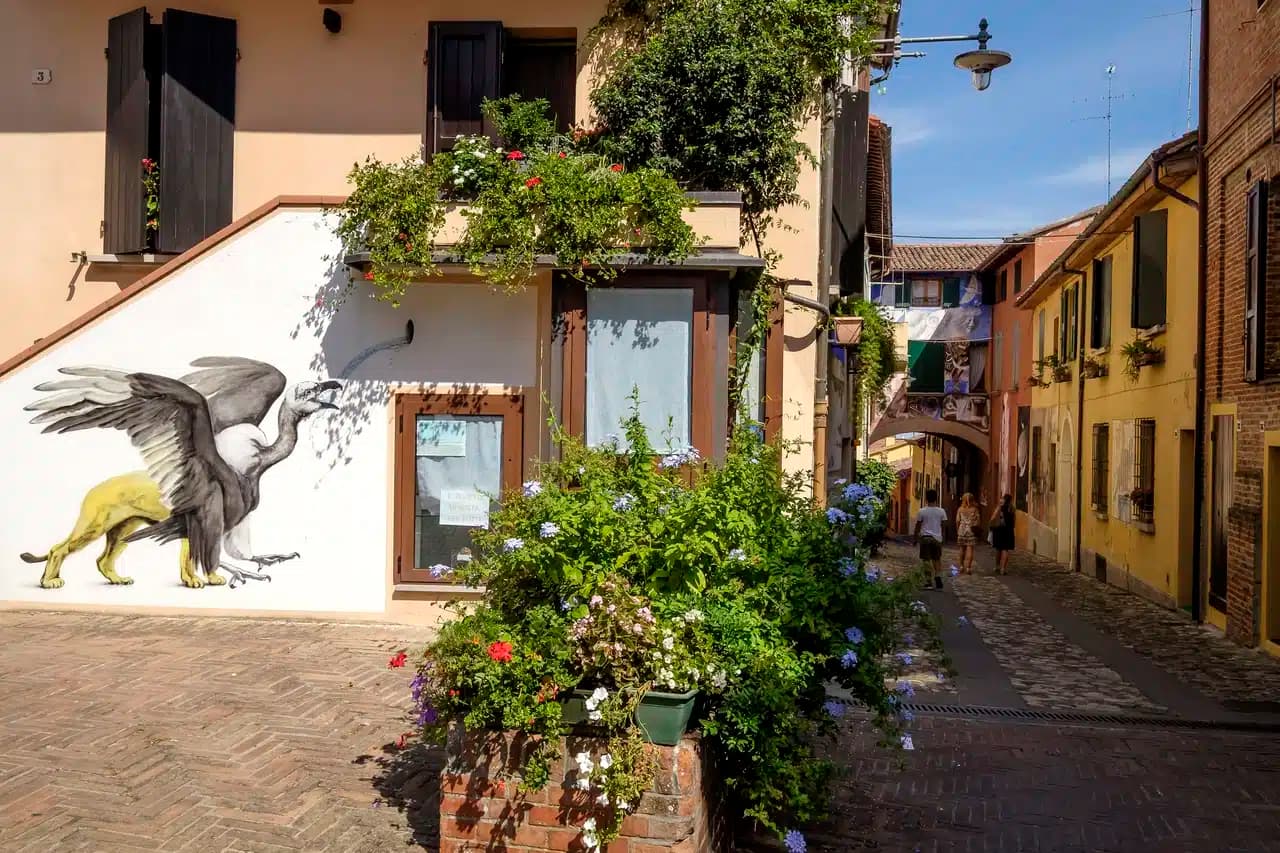
Dozza
Province: Bologna
A 190-meter painted borgo above the Sellustra valley, where contemporary artists have repainted the house walls every two years since 1960.
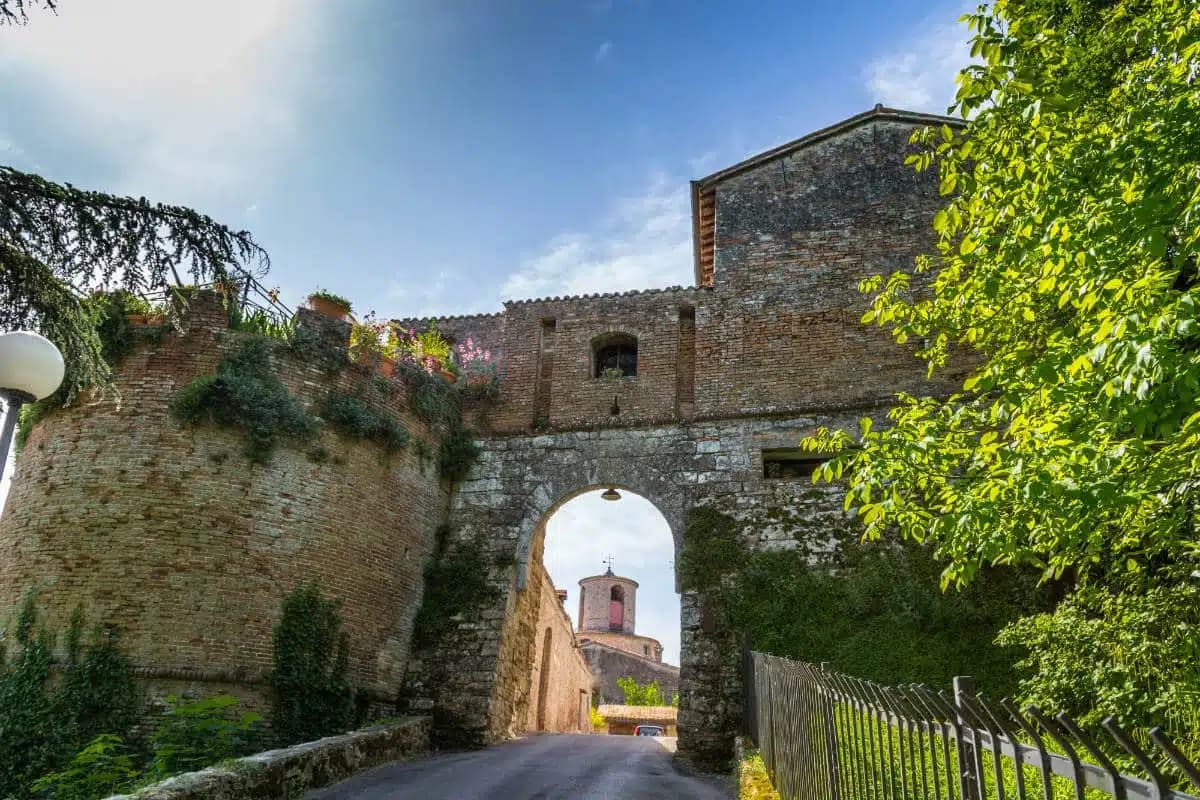
Castrocaro Terme e Terra del Sole
Province: Forlì-Cesena
A pairing of two towns: a ninth-century fortress at Castrocaro and Cosimo I de' Medici's planned Renaissance fortress of Terra del Sole, founded 1564.
🎨 Borghi più belli d'Italia
More Borghi più belli d'Italia towns in Emilia-Romagna
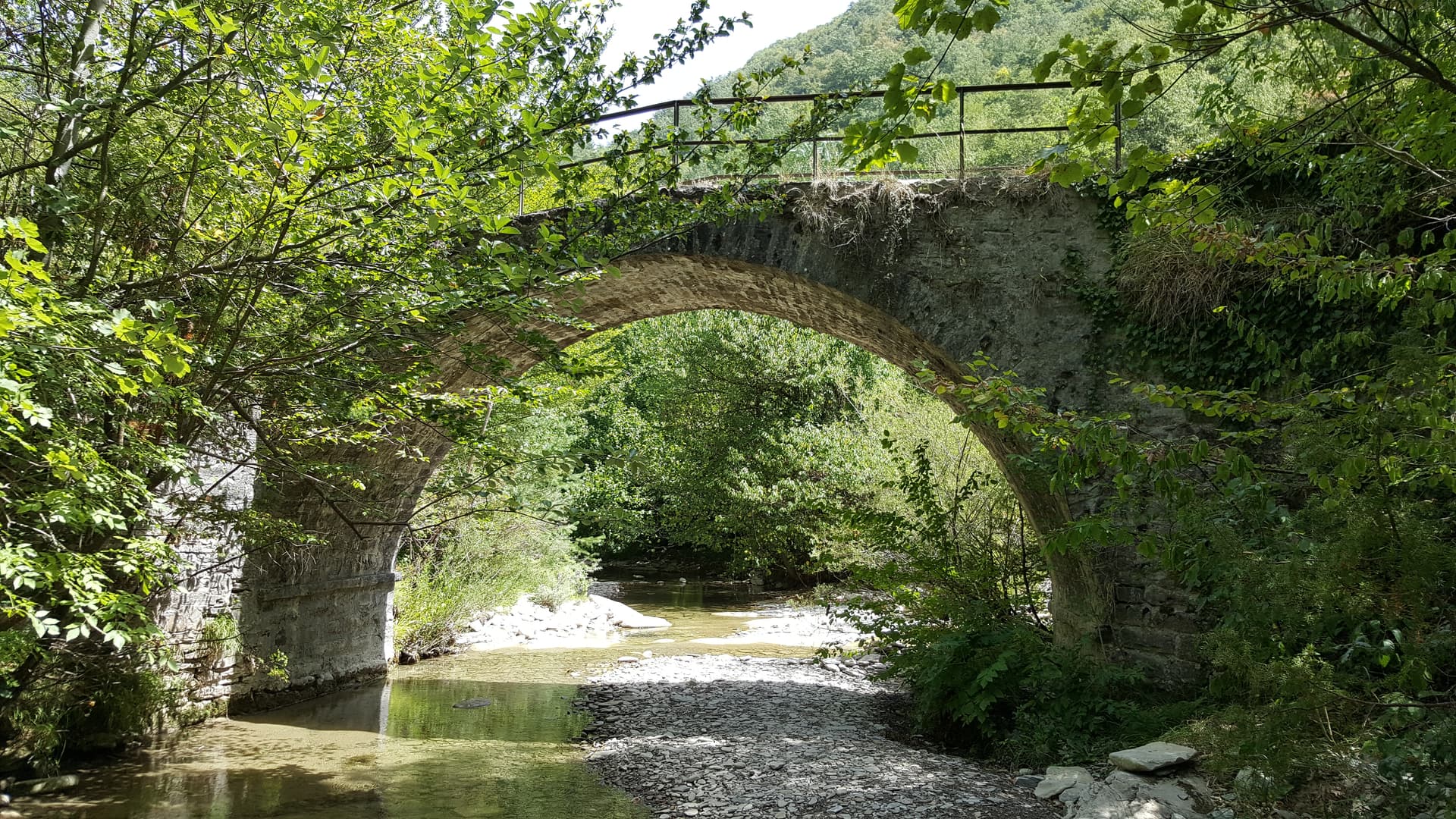
Bagno di Romagna
Province: Forlì-Cesena
A 491-meter thermal town at the head of the Savio valley, drawing on springs that have run at 47 degrees since Roman times.
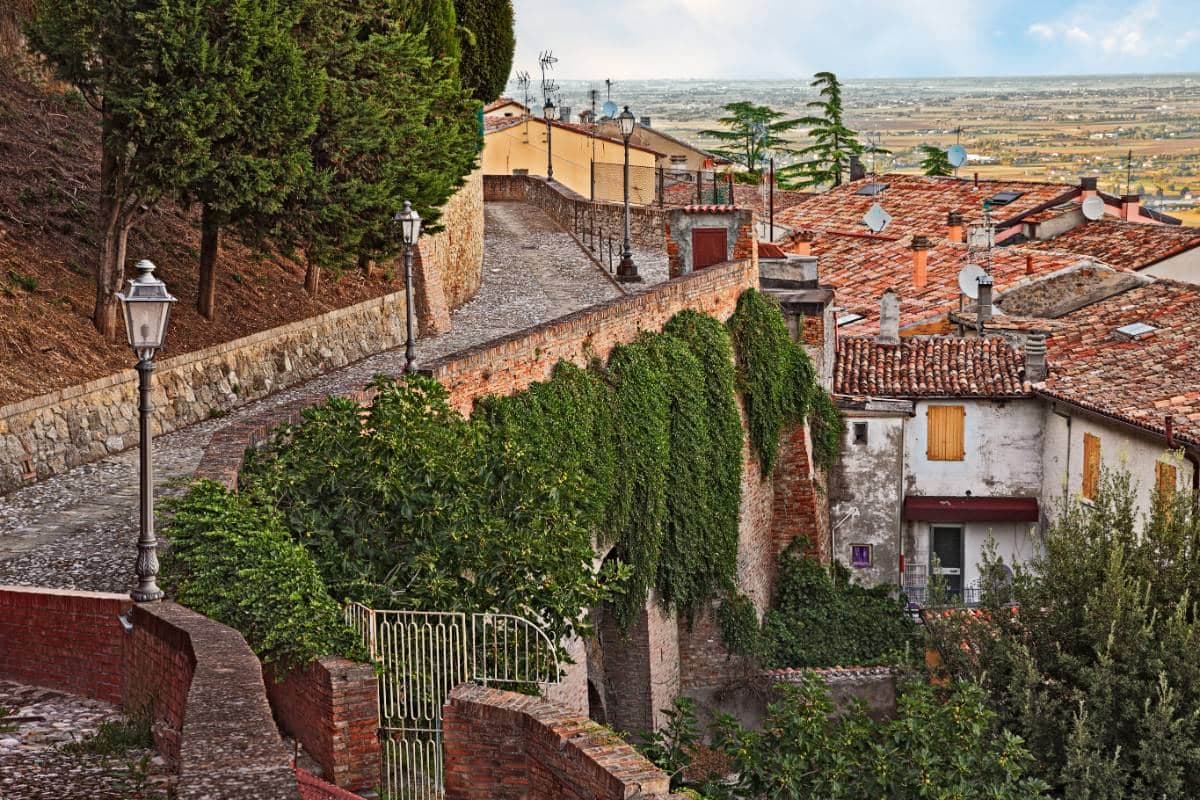
Bertinoro
Province: Forlì-Cesena
A 254-meter Romagna-hill borgo above the Via Emilia, with a twelve-ring hospitality column from 1300 and the slopes that grow Albana DOCG.
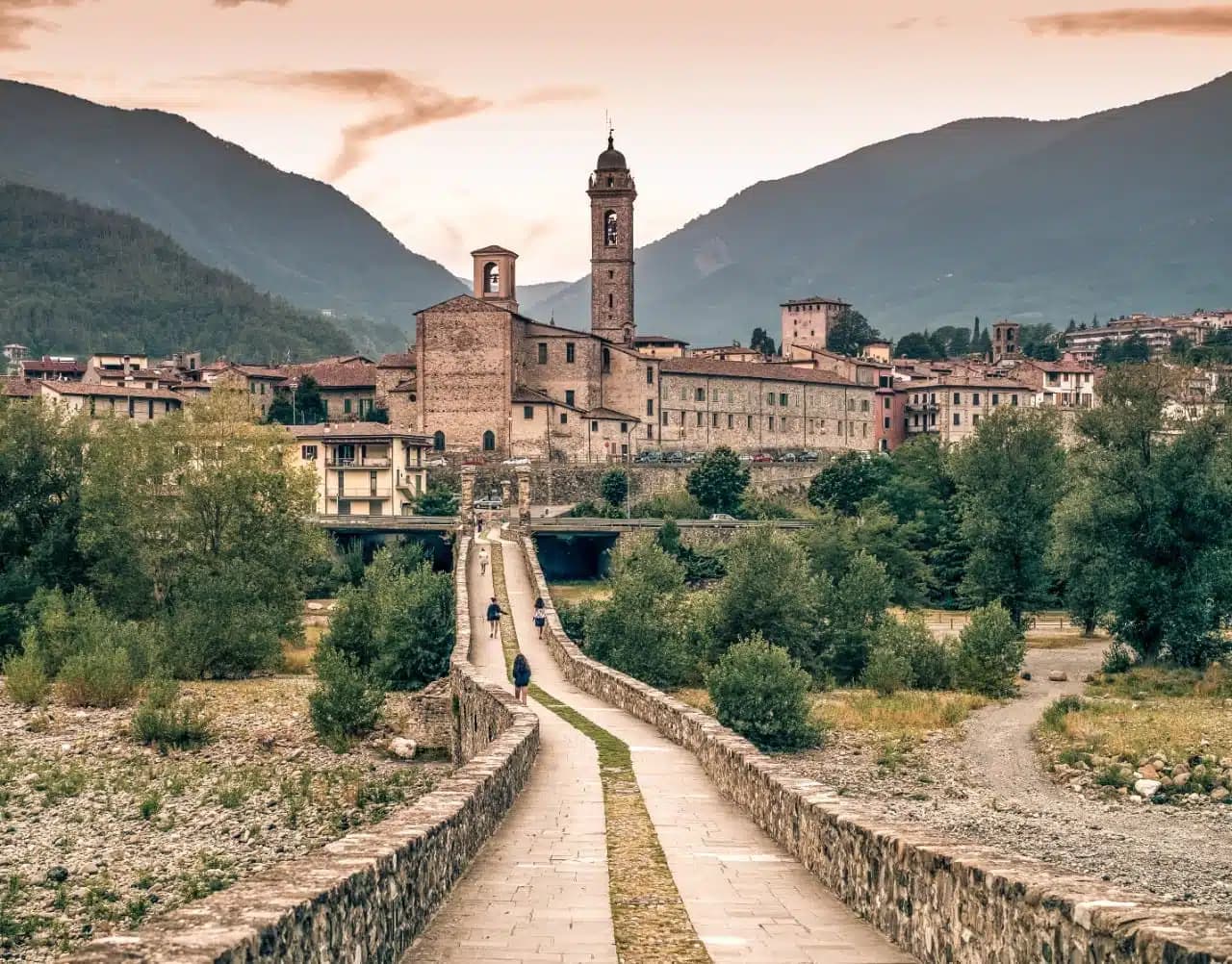
Bobbio
Province: Piacenza
A 272-meter Trebbia-valley town built around the abbey Saint Columbanus founded in 614, named Borgo dei Borghi by RAI in 2019.
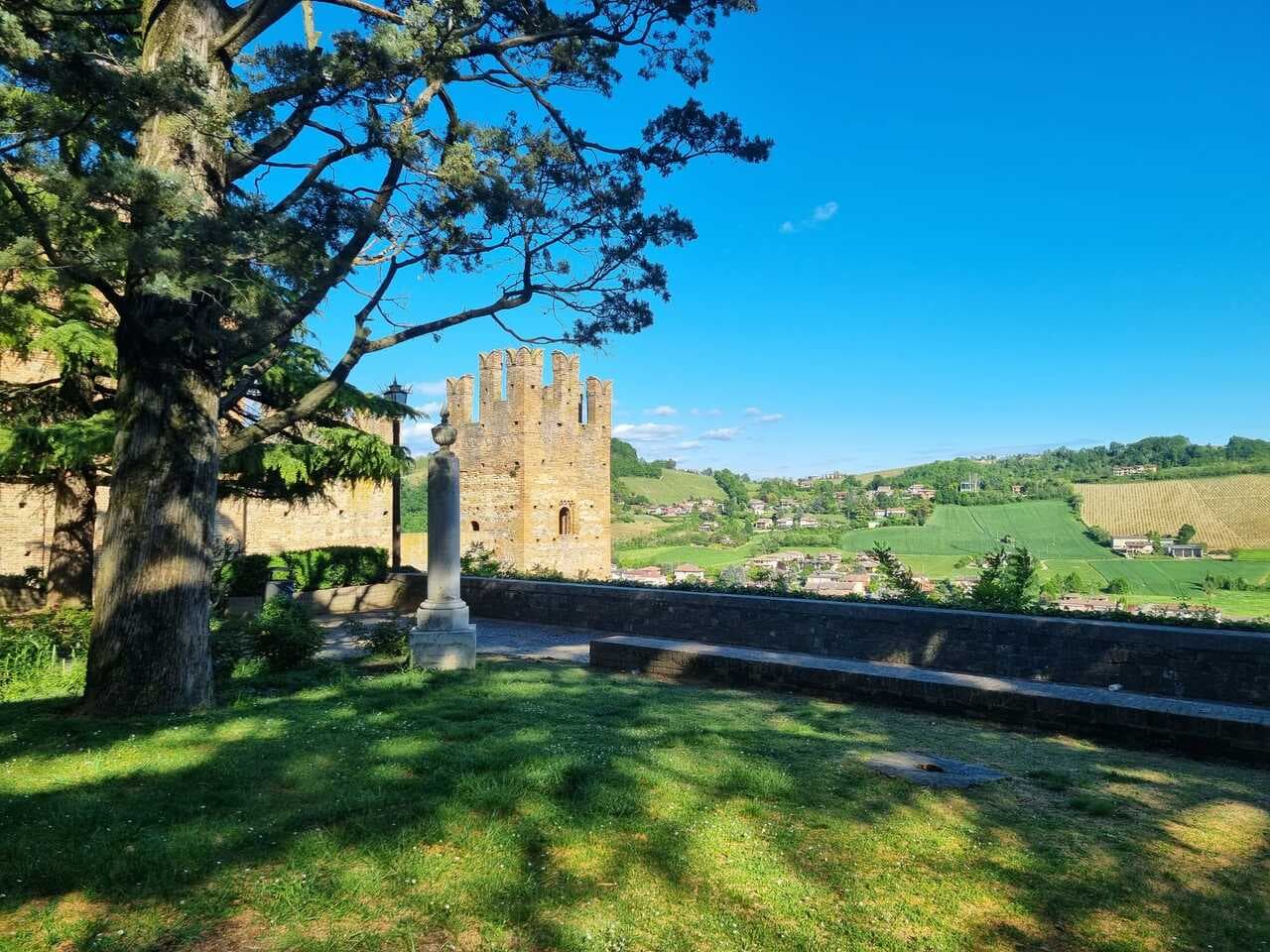
Castell'Arquato
Province: Piacenza
A 224-meter hilltop borgo in the Val d'Arda, kept intact since the tenth century and crowned by Luchino Visconti's 1342 fortress.
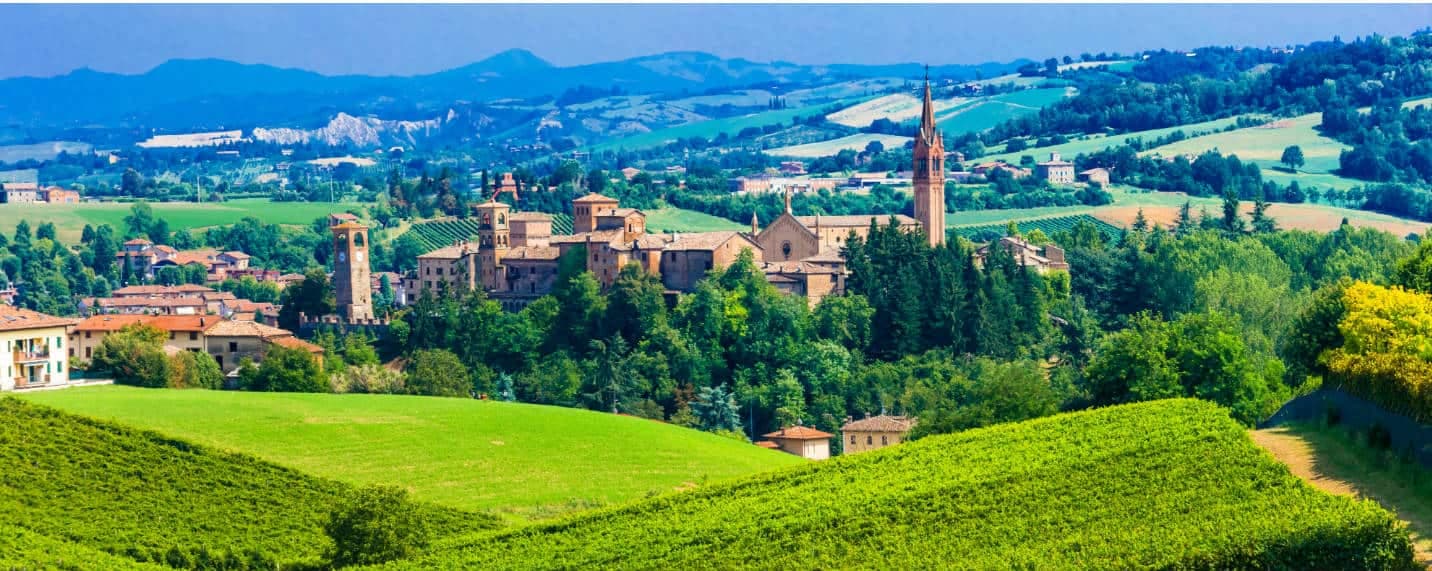
Castelvetro di Modena
Province: Modena
A 152-meter hill borgo south of Modena whose checkerboard piazza sits above the slopes that grow Lambrusco Grasparossa.