

Emilia-Romagna · Ravenna
Faenza
The city that gave its name to faïence, with a tin-glazed maiolica tradition since the fourteenth century and the world ceramics museum since 1908.
Known for
FAÏENCE
Tin-glazed maiolica that gave its name to the French and English word faïence, produced here continuously since the late fourteenth century.
MIC
Museo Internazionale delle Ceramiche, the world's largest ceramics museum, named by UNESCO a Monument Witness to a Culture of Peace in 2000.
PALIO DEL NIBALLO
Equestrian competition between the five city rioni, run every June on Piazza Nenni in costumes recalling the fifteenth century.
When to visit
Best · Apr–Jun, Sep–Oct
- J
- F
- M
- A
- M
- J
- J
- A
- S
- O
- N
- D
- Best
- Hot or crowded
- Quiet
- Mostly closed
The festa: Beata Vergine delle Grazie, Saturday preceding the second Sunday of May
Why come
Faenza sits on the Via Emilia between Bologna and Rimini, on the Lamone river fifty kilometers southeast of Bologna. The city gave its name to faïence: tin-glazed earthenware that emerged here in the late fourteenth century and reached its peak in the early sixteenth, when the bianchi di Faenza, white-on-white ceramics exported across Europe, set the standard for Renaissance maiolica. The Museo Internazionale delle Ceramiche, founded in 1908 by Gaetano Ballardini, holds 15,000 square meters of collections from 4000 BC to the present, with rooms dedicated to Picasso, Matisse, Chagall, Léger, Dalí, Burri, and Fontana.
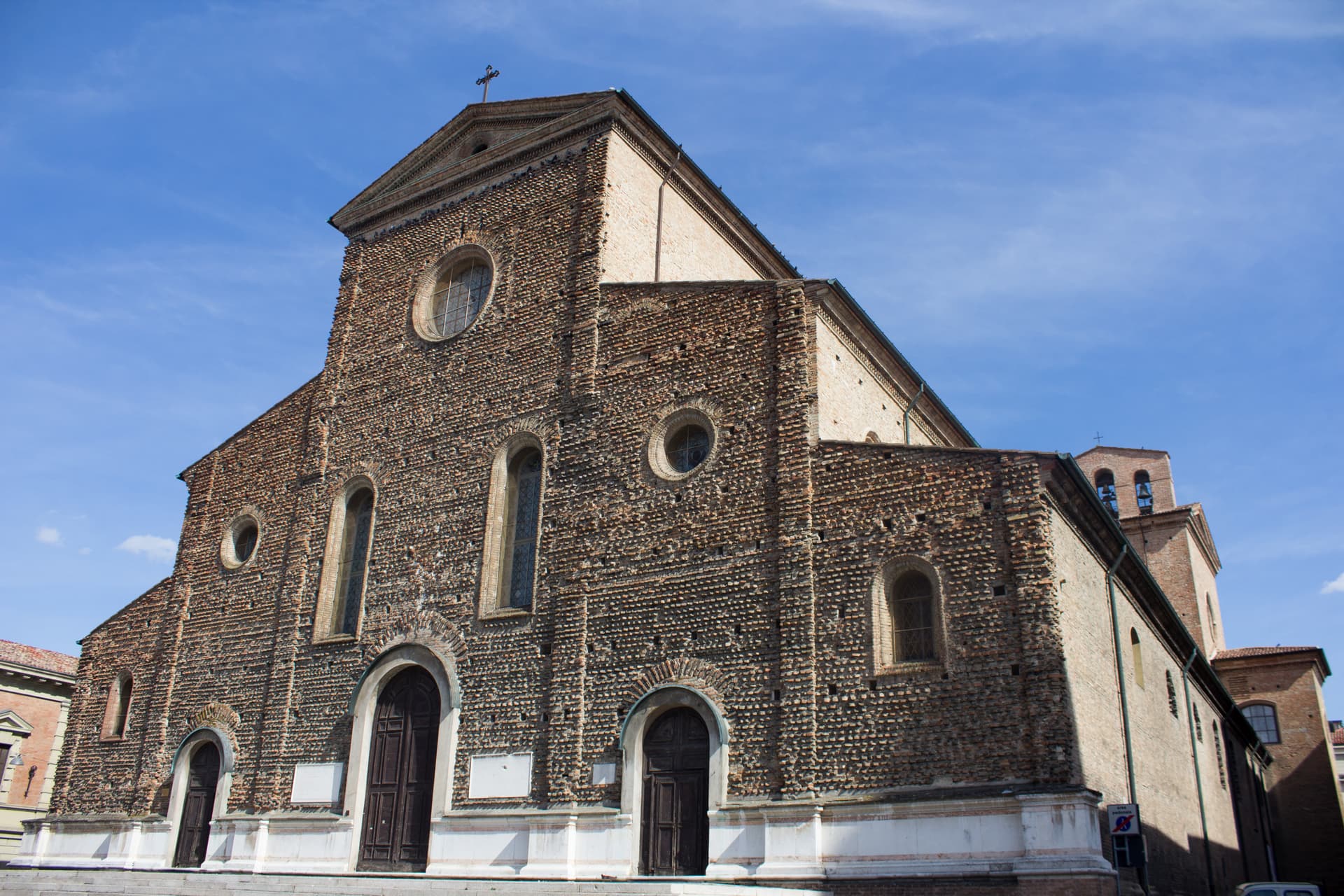
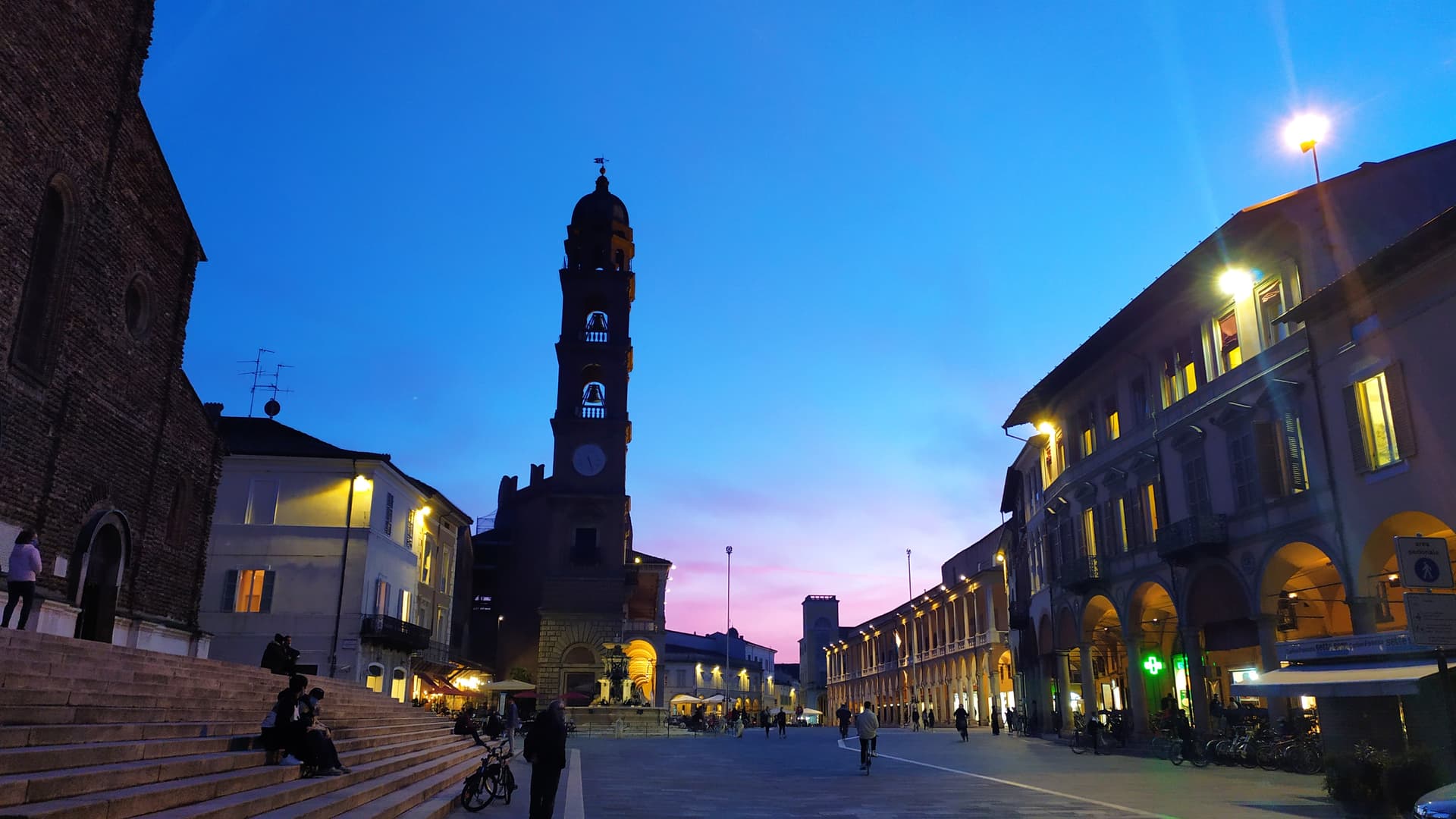
UNESCO named it a Monument Witness to a Culture of Peace in 2000. The Cattedrale di San Pietro Apostolo, begun by Giuliano da Maiano in 1474, dominates Piazza della Libertà; Piazza del Popolo next door holds the medieval Palazzo del Podestà and the municipal palace. The Palio del Niballo, an equestrian competition between the five city rioni, runs every June.
The Sunday letter
We haven’t written Faenza’s letter yet.
One town every Sunday, with the photo, the food, the festa. Be there when this one comes up. Free, by Peter & Sophia from Pietrasanta.
By subscribing you agree to Substack’s Terms of Use, our Privacy Policy and our Information collection notice.
What to see
Museo Internazionale delle Ceramiche
Founded in 1908 by Gaetano Ballardini, 15,000 square meters spanning 4000 BC to contemporary work by Picasso, Matisse, Chagall, and Fontana.
Cattedrale di San Pietro Apostolo
Renaissance cathedral begun by Giuliano da Maiano in 1474, completed by 1515, with sculptures by Benedetto da Maiano in the nave.
Piazza del Popolo
Twin medieval square to Piazza della Libertà, framed by the Palazzo del Podestà and the porticos of the municipal palace.
Piazza della Libertà
Cathedral square with the seventeenth-century fountain by Domenico Paganelli at its center, opposite the cathedral façade.
Palazzo Milzetti
Neoclassical palace begun in 1794, frescoed by Felice Giani, now the Museo Nazionale dell'Età Neoclassica in Romagna.
Teatro Masini
Late-eighteenth-century theater designed by Giuseppe Pistocchi, with a hand-painted curtain and a horseshoe auditorium of four tiers.
The slow-trip planner
Building a trip? Find where Faenza fits in a slow Italy circuit.
Answer five questions. We will shape a geographically coherent slow trip from the 1,000 Italian towns most travelers skip. Yours to save and share.
We recommend
Where to eat and stay
Not our picks, but places the guides put their name to — a Michelin star, a Gambero Rosso fork, a Slow Food snail, a Michelin Key for the hotels. Worth a table, a counter, or a night when you pass through.
Living here
- Population 58,710
- A local hubi
- Pharmacy in town
- High school within a 30-minute drive
- Train station in the comune
- Nearest airport Bologna, 47 min drive
- Regional capital Bologna, 49 min drive
Tags & datadesignations · numbers · sources
Recognised as
The numbers
- Elevation: 34 m
- Population: 58,710
- Surface area: 215.76 km²
These figures were compiled from public directories — ISTAT, OpenStreetMap, Wikidata — and from the official listings of the guides named on this page. Town details change; verify with official sources before you travel.
Close by
More towns near Faenza
Imola
Province: Bologna
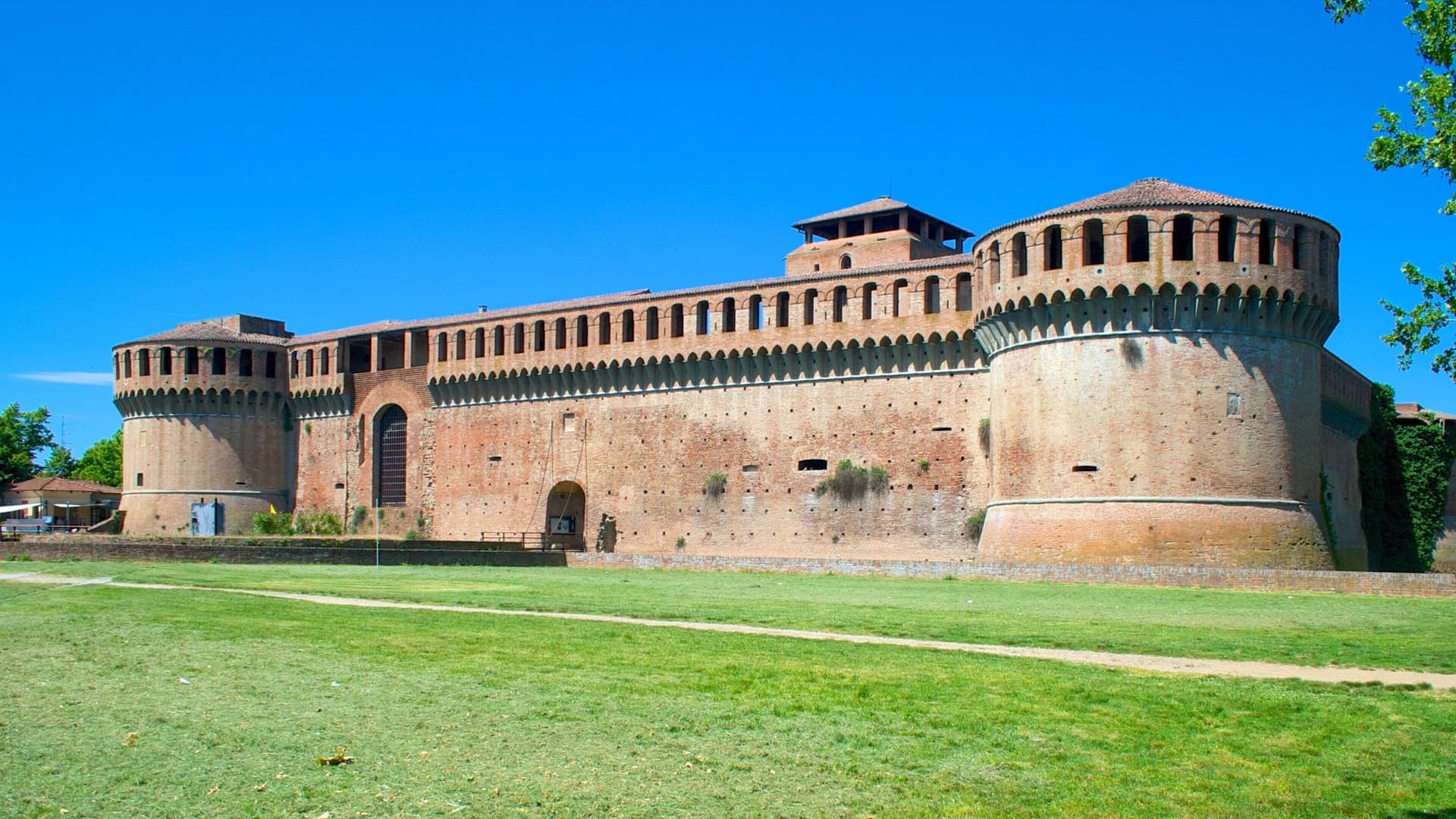
Bologna's Romagna twin — a medieval brick centro anchored by the Caterina Sforza-fortified Rocca, with the Autodromo Enzo e Dino Ferrari (the Imola F1 circuit) wrapping the Santerno river at the southern edge of town.
Bagnara di Romagna
Province: Ravenna
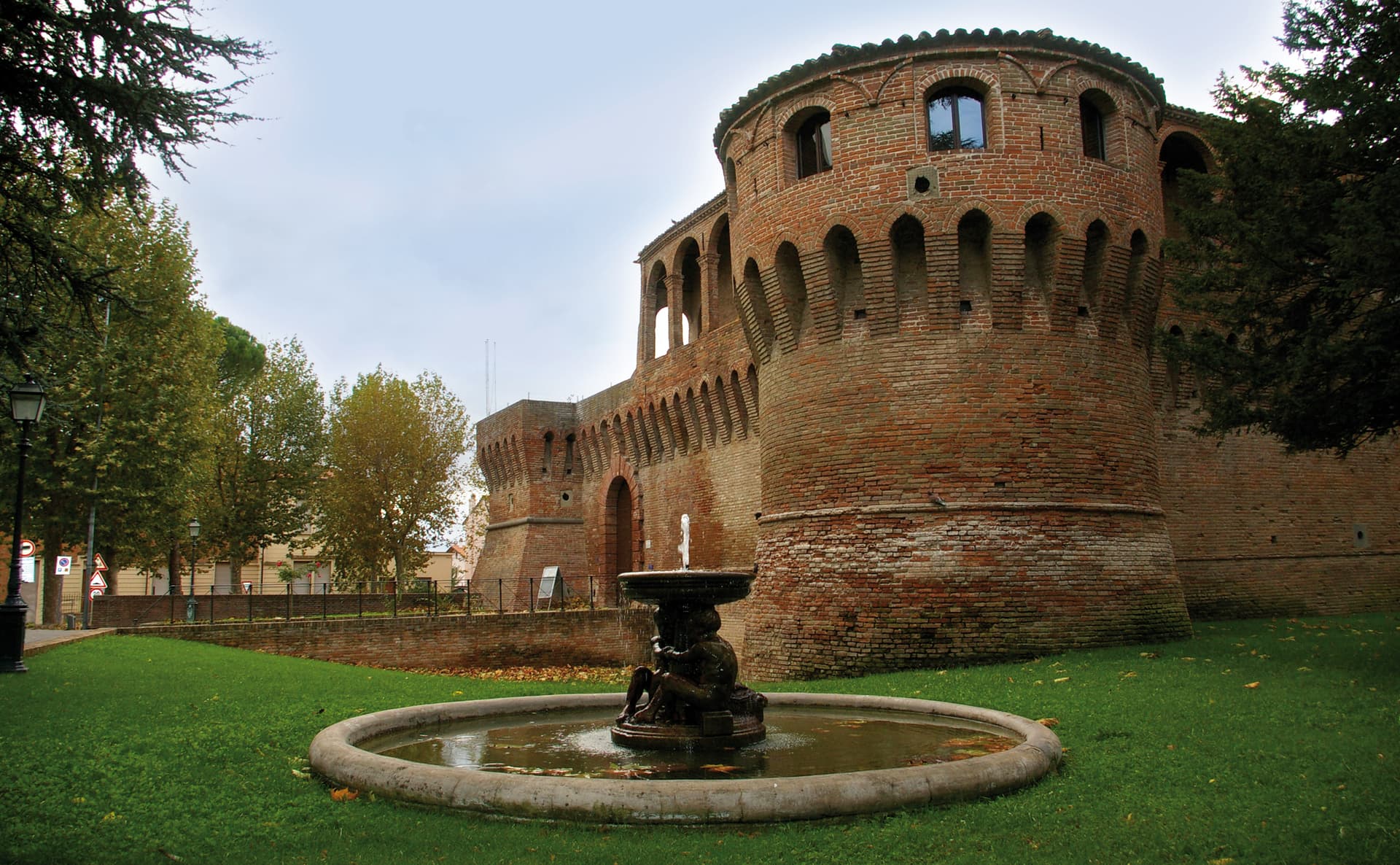
A 22-meter plain commune in the Bassa Romagna, the only fully preserved medieval castrum surviving in the Romagna lowlands.
Dozza
Province: Bologna
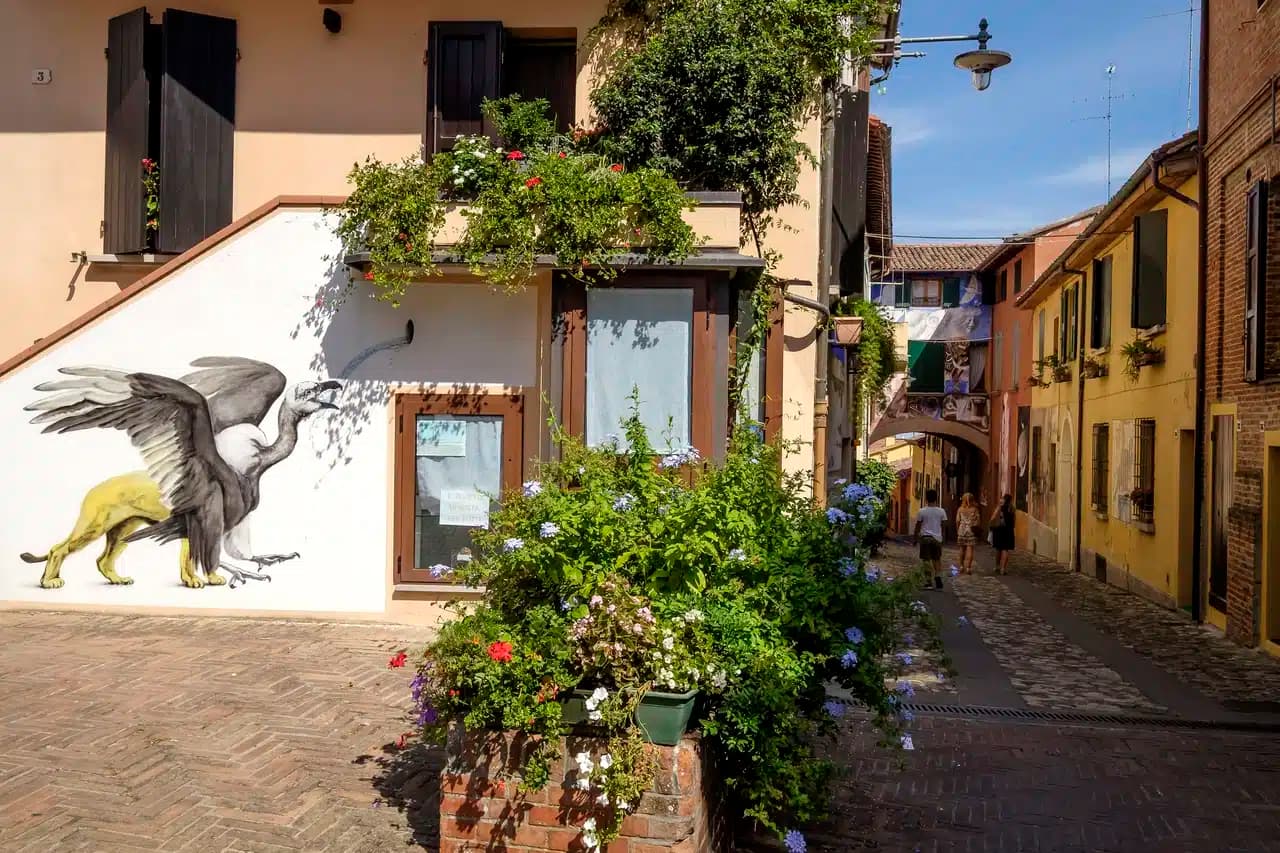
A 190-meter painted borgo above the Sellustra valley, where contemporary artists have repainted the house walls every two years since 1960.
Ravenna
Province: Ravenna
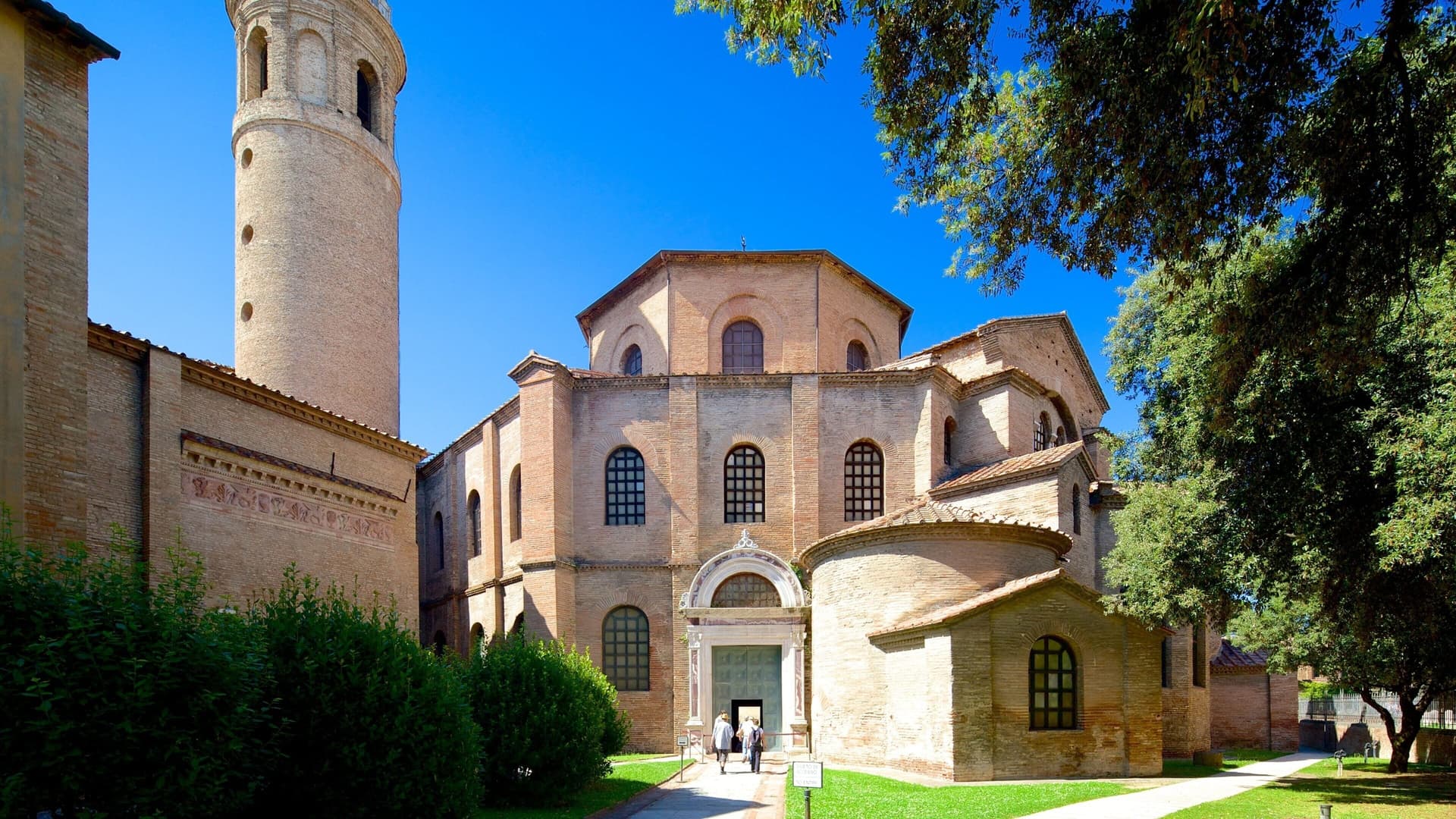
A 4-meter coastal capital of three successive empires, with eight UNESCO mosaic monuments from the fifth and sixth centuries.
Castrocaro Terme e Terra del Sole
Province: Forlì-Cesena
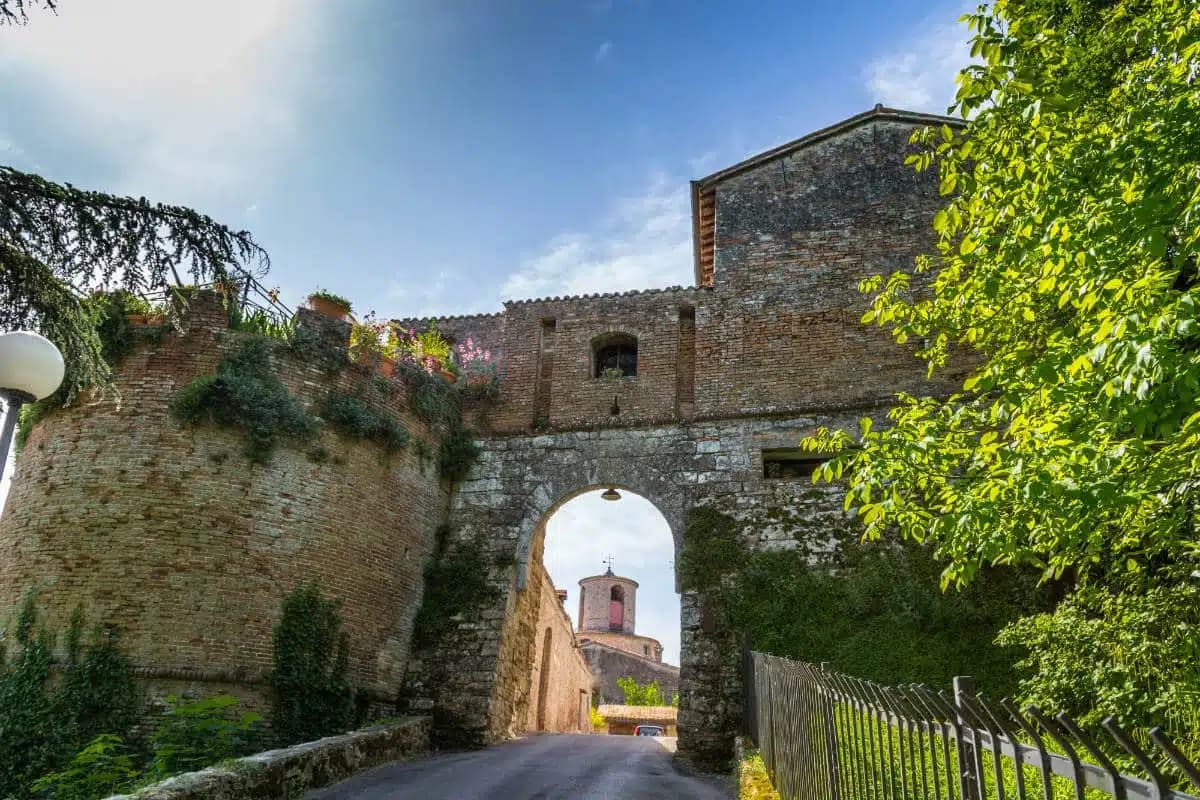
A pairing of two towns: a ninth-century fortress at Castrocaro and Cosimo I de' Medici's planned Renaissance fortress of Terra del Sole, founded 1564.
🫖 Città della Ceramica
More Città della Ceramica towns
Calvello
Province: Potenza
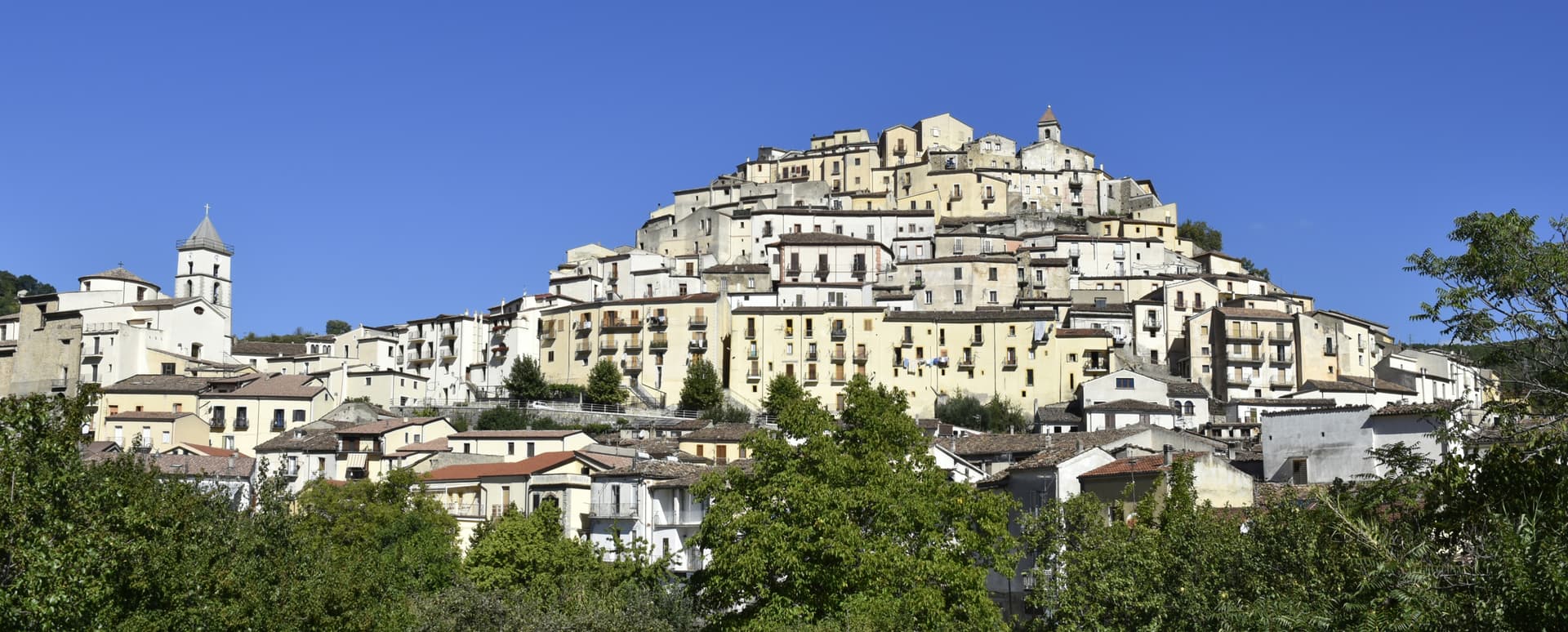
A 730-meter ceramic town at the foot of Monte Venturino, working clay since 1200 when Benedictines from Faenza brought the wheel south.
Matera
Province: Matera
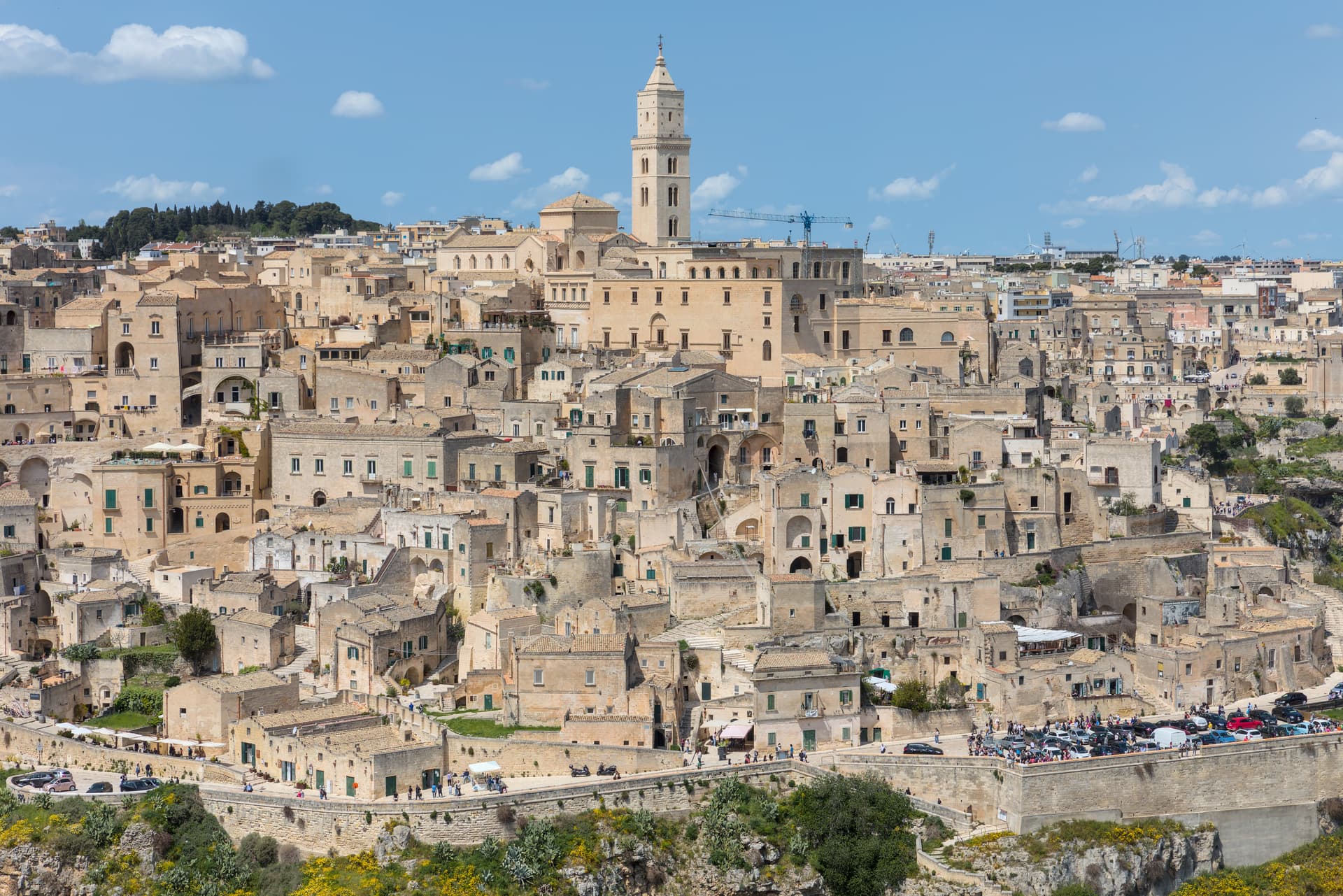
Cave dwellings carved into limestone since the Paleolithic, called the shame of Italy in the 1950s and made European Capital of Culture in 2019.
Ariano Irpino
Province: Avellino
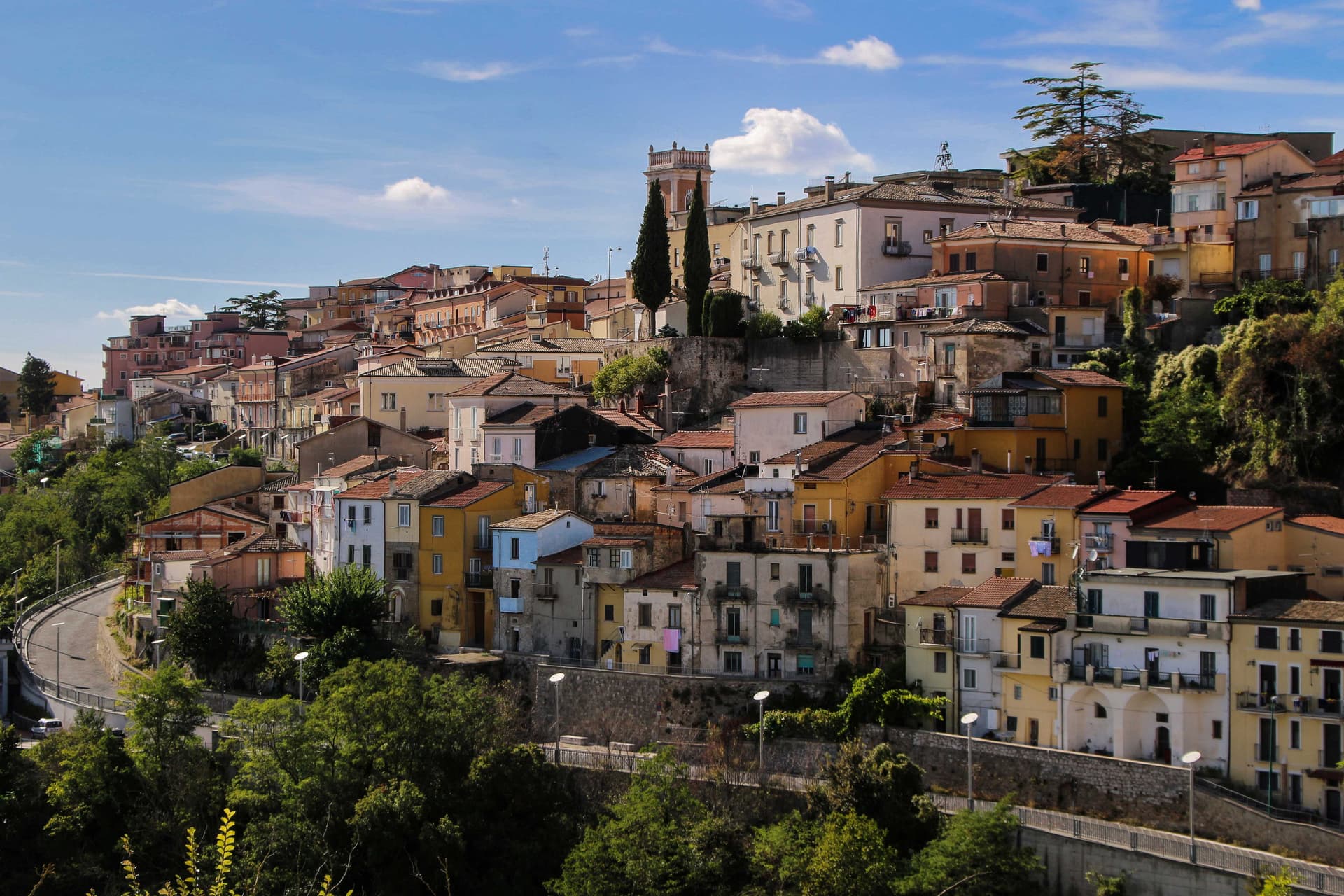
The City of the Three Hills at 788 meters, where Roger II promulgated the Assizes of 1140 and majolica kilns still fire.
Calitri
Province: Avellino
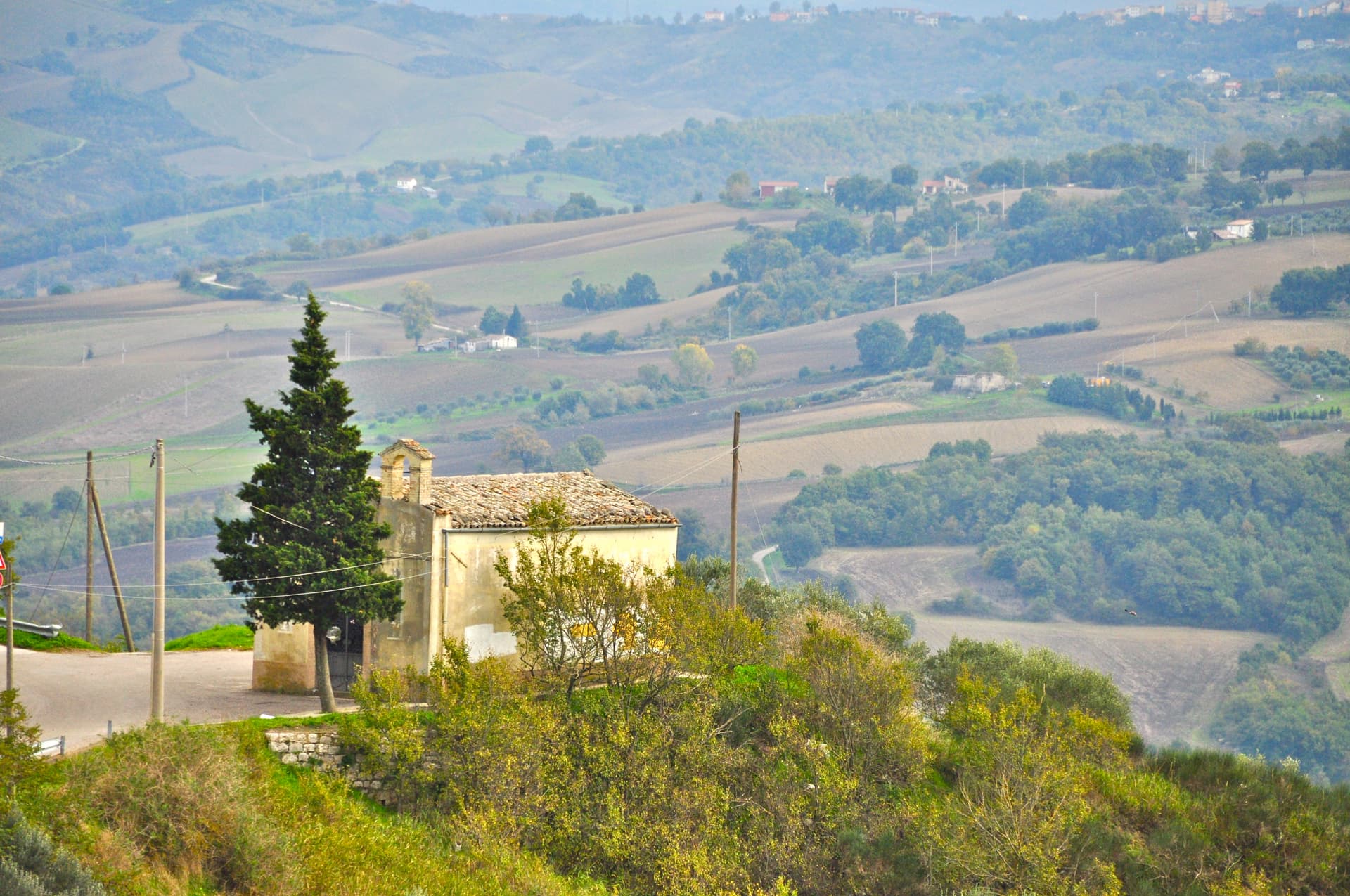
An Alta Irpinia ceramic town at 530 meters, half-emptied by the 1980 earthquake and rebuilt around Vinicio Capossela's Sponz Fest.
Cerreto Sannita
Province: Benevento
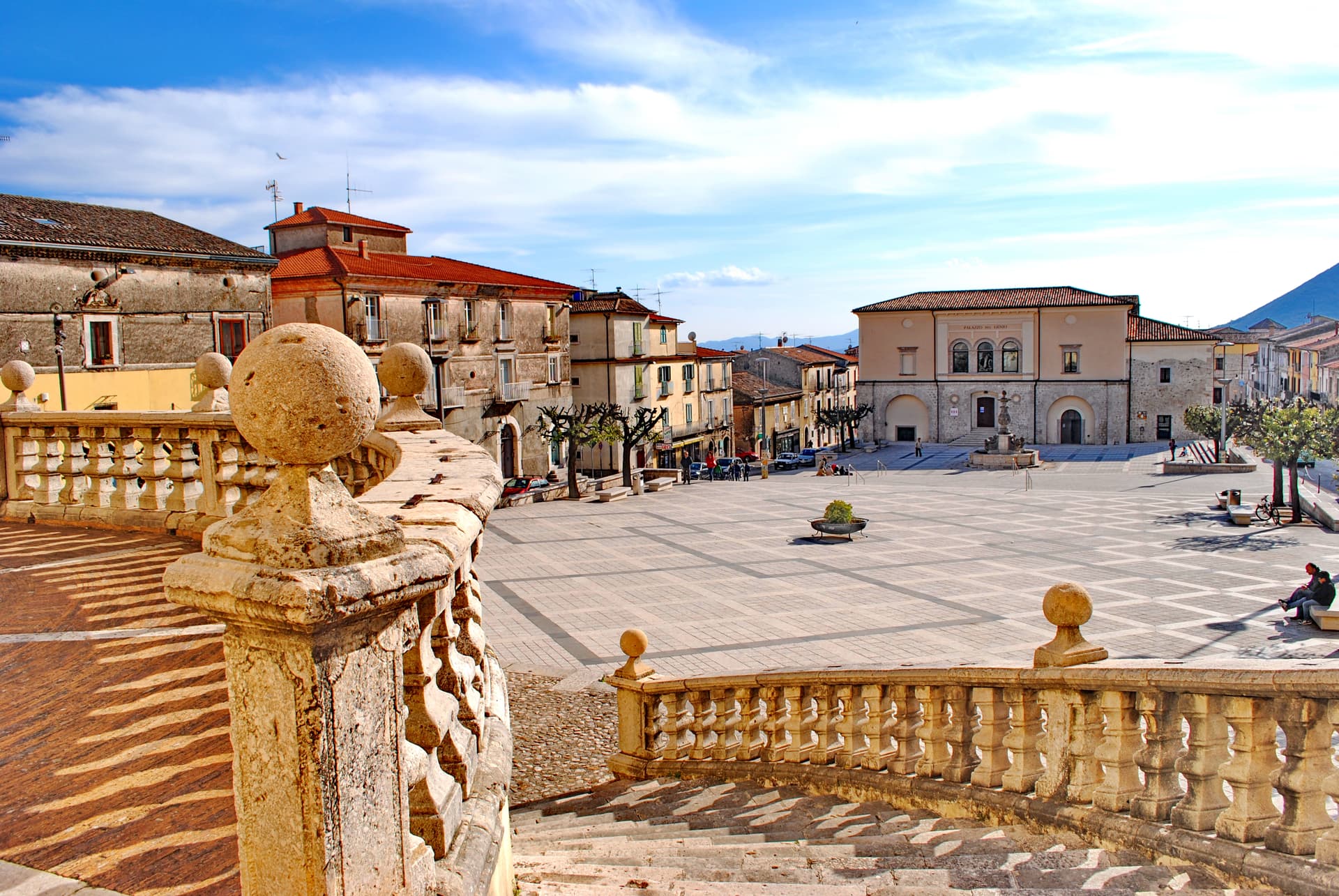
A Sannio ceramics town at 290 meters, rebuilt from scratch by royal engineer Giovanni Battista Manni after the 1688 earthquake leveled the old hill.