

Emilia-Romagna · Ravenna
Ravenna
A 4-meter coastal capital of three successive empires, with eight UNESCO mosaic monuments from the fifth and sixth centuries.
Known for
UNESCO MOSAICS
Eight monuments from the fifth and sixth centuries inscribed in 1996, including San Vitale, Galla Placidia and Sant'Apollinare Nuovo.
THREE CAPITALS
Capital of the Western Roman Empire from 402, of Theoderic's Ostrogothic kingdom from 493, and of Byzantine Italy until 751.
DANTE
The poet died here in 1321 in exile from Florence and is buried beside the Basilica of San Francesco, in a neoclassical tomb of 1781.
When to visit
Best · May–Sep
- J
- F
- M
- A
- M
- J
- J
- A
- S
- O
- N
- D
- Best
- Hot or crowded
- Quiet
- Mostly closed
The festa: Apollinare di Ravenna, 23 July
Why come
Ravenna sits four meters above sea level on the Adriatic coastal plain, ten kilometers from the sea and 105 kilometers east of Modena. The city was capital of the Western Roman Empire from 402 under Honorius, then of Theoderic's Ostrogothic kingdom, then of the Byzantine Exarchate that held northern Italy for Constantinople until 751. Each empire built churches and decorated them with mosaics.
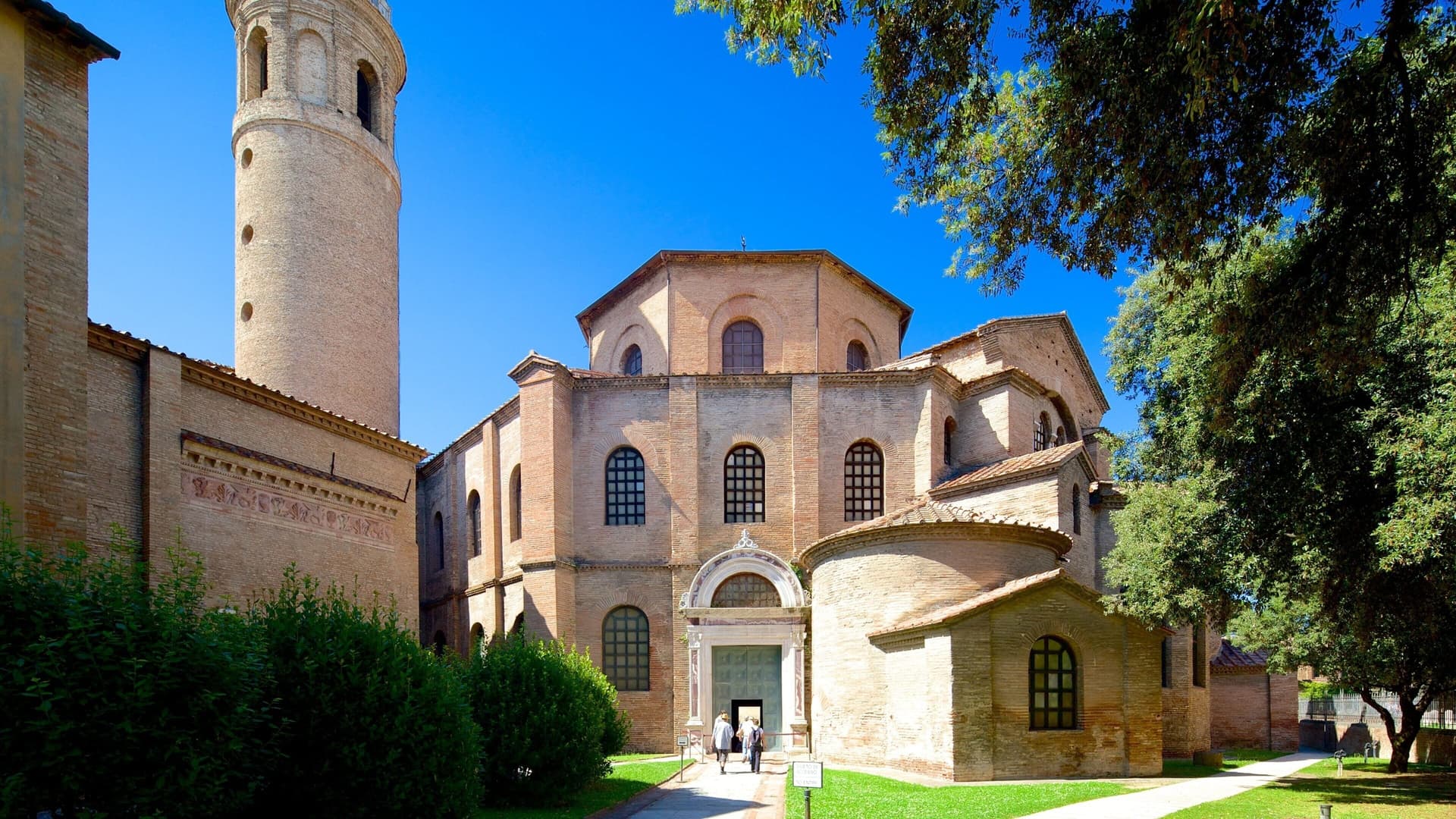
UNESCO inscribed eight of them on the World Heritage list in 1996: the Mausoleum of Galla Placidia, the Neonian and Arian Baptisteries, the Archiepiscopal Chapel, the Basilica of Sant'Apollinare Nuovo, the Mausoleum of Theoderic, the Basilica of San Vitale, and the Basilica of Sant'Apollinare in Classe five kilometers south. San Vitale, consecrated in 547, holds the imperial mosaics of Justinian and Theodora in the apse. Dante Alighieri died here in 1321 in exile from Florence and is buried in the small neoclassical tomb beside the Basilica of San Francesco.
The municipality stretches to the Adriatic and holds Bandiera Blu beaches at Marina di Ravenna and Punta Marina. Population 155,751.
The Sunday letter
We haven’t written Ravenna’s letter yet.
One town every Sunday, with the photo, the food, the festa. Be there when this one comes up. Free, by Peter & Sophia from Pietrasanta.
By subscribing you agree to Substack’s Terms of Use, our Privacy Policy and our Information collection notice.
What to see
Basilica di San Vitale
Octagonal basilica consecrated 547, holding the imperial mosaics of Justinian and Theodora in the presbytery and apse.
Mausoleo di Galla Placidia
Small fifth-century mausoleum next to San Vitale, vaulted in a starry blue mosaic sky with gold cross and the symbols of the Evangelists.
Basilica di Sant'Apollinare Nuovo
Sixth-century basilica built by Theoderic as his palace chapel, the nave walls lined with continuous mosaic processions of saints and martyrs.
Basilica di Sant'Apollinare in Classe
Sixth-century basilica five kilometers south at the ancient port of Classe, with a luminous green apse mosaic of the Transfiguration.
Battistero Neoniano
Fifth-century baptistery built by Bishop Neon, with a dome mosaic of the Baptism of Christ encircled by the twelve apostles.
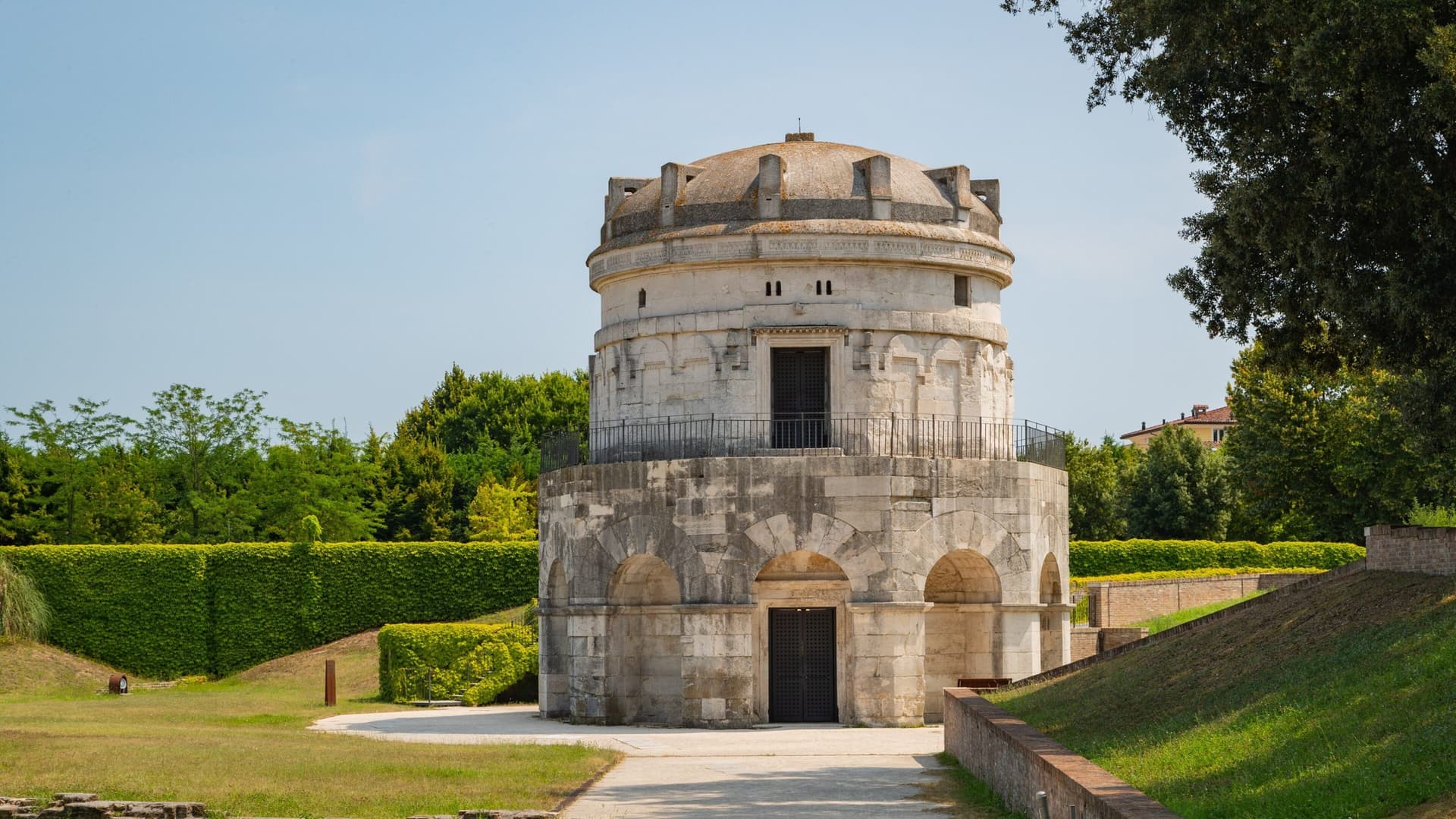
Mausoleo di Teodorico
Early sixth-century Gothic tomb of Theoderic the Great, capped by a single 230-tonne Istrian limestone monolith ten meters across.
Tomba di Dante
Neoclassical tomb of 1781 holding Dante Alighieri's remains; the poet died in Ravenna in 1321 while in exile from Florence.
The slow-trip planner
Building a trip? Find where Ravenna fits in a slow Italy circuit.
Answer five questions. We will shape a geographically coherent slow trip from the 1,000 Italian towns most travelers skip. Yours to save and share.
We recommend
Where to eat and stay
Not our picks, but places the guides put their name to — a Michelin star, a Gambero Rosso fork, a Slow Food snail, a Michelin Key for the hotels. Worth a table, a counter, or a night when you pass through.
Antica Trattoria al Gallo 1909Ristorante
Antica Trattoria al Gallo 1909 holds a place on Italy's historic-locali register and a spot in the Michelin Guide.
L'AcciugaRistorante
A spot in the Michelin Guide, at L'Acciuga.
Osteria dei BattibecchiTrattoria
Osteria dei Battibecchi holds one Gambero Rosso prawn.
Osteria del Tempo PersoRistorante
A spot in the Michelin Guide, at Osteria del Tempo Perso.
Osteria della ZabarionaTrattoria
Osteria della Zabariona carries two Gambero Rosso prawns.
Living here
- Population 155,751
- A local hubi
- Pharmacy in town
- High school within a 30-minute drive
- Train station in the comune
- Nearest airport Bologna, 1 h 0 min drive
- Regional capital Bologna, 1 h 2 min drive
Tags & datadesignations · numbers · sources
Recognised as
The numbers
- Elevation: 4 m
- Population: 155,751
- Surface area: 653.82 km²
These figures were compiled from public directories — ISTAT, OpenStreetMap, Wikidata — and from the official listings of the guides named on this page. Town details change; verify with official sources before you travel.
Featured on
Ravenna appears on this themed pick from our Collections:
Close by
More towns near Ravenna
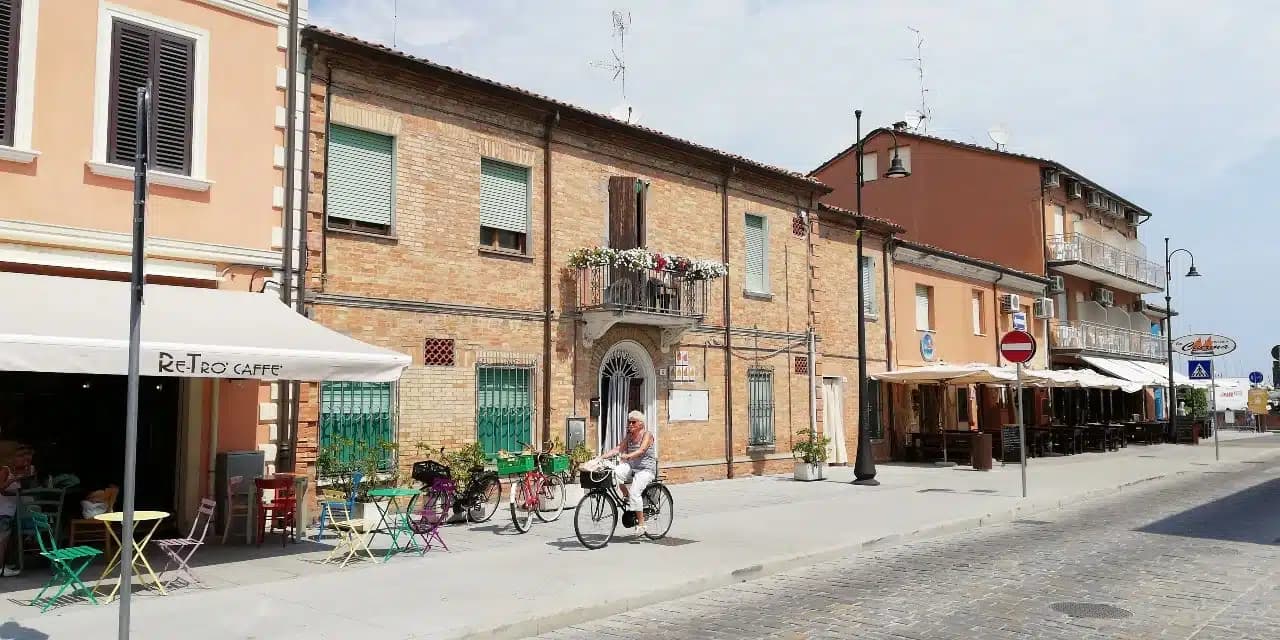
Cervia
Province: Ravenna
The Adriatic salt town with 827 hectares of working saline, planned in 1697 around a grid of salt workers' houses.
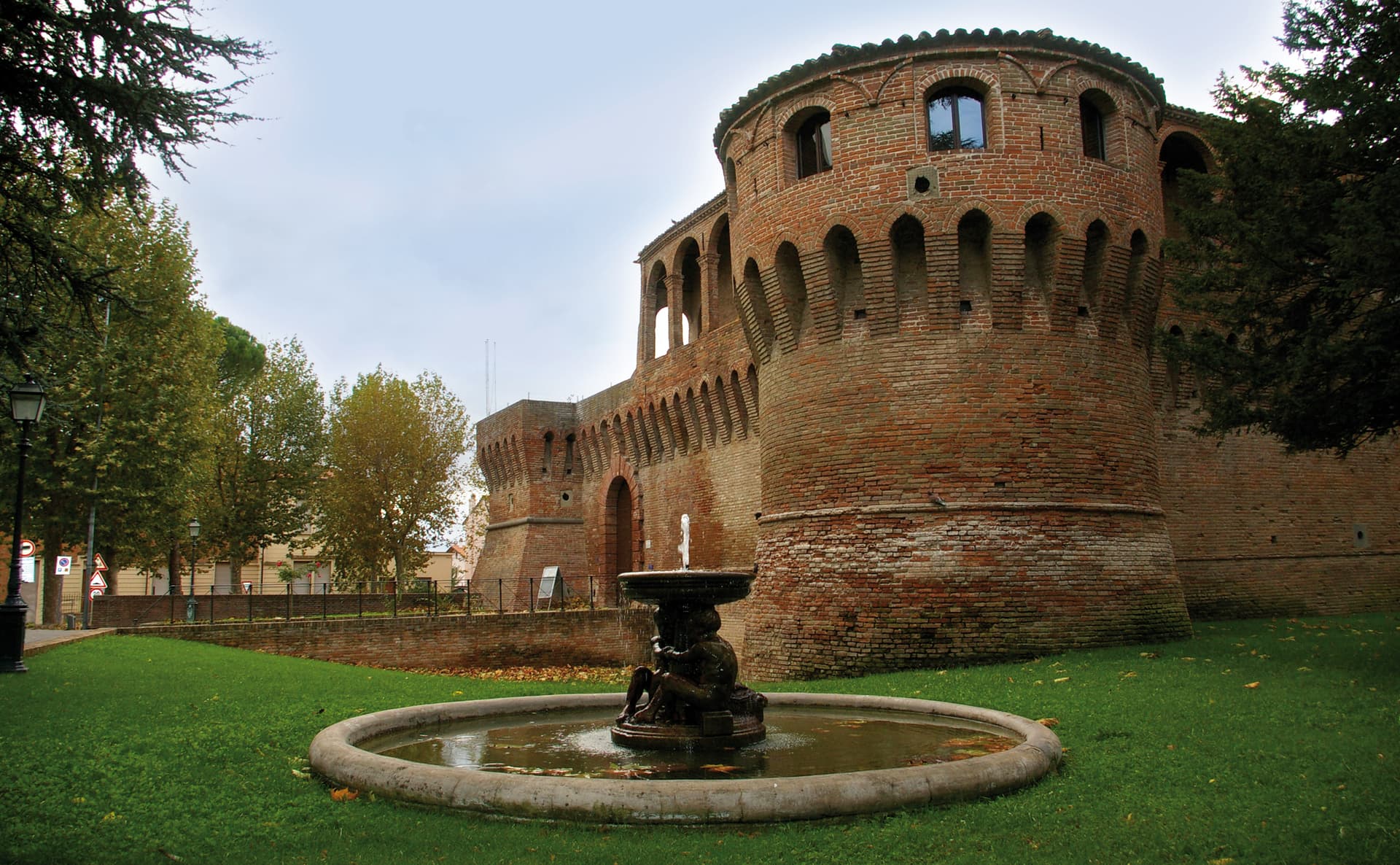
Bagnara di Romagna
Province: Ravenna
A 22-meter plain commune in the Bassa Romagna, the only fully preserved medieval castrum surviving in the Romagna lowlands.
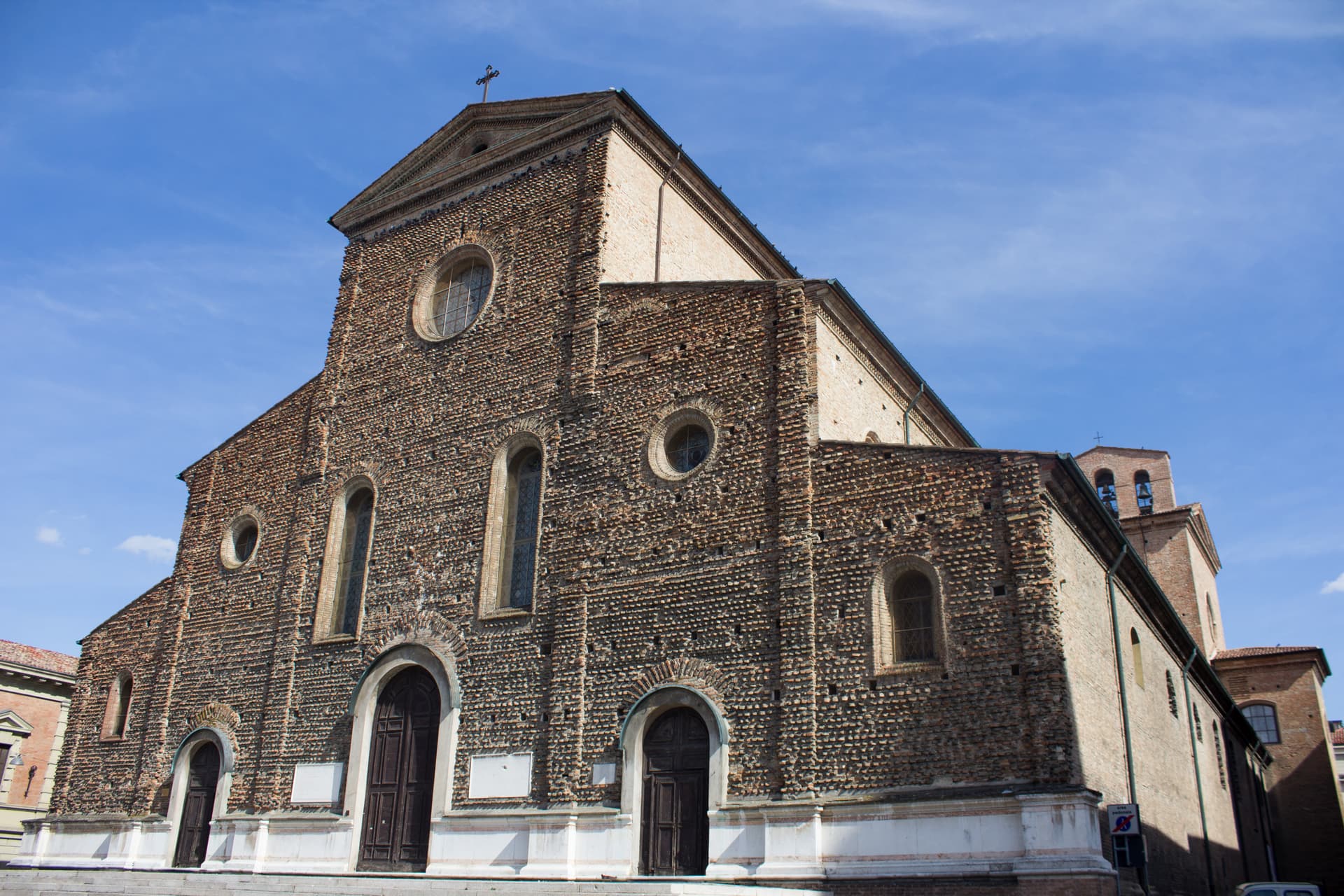
Faenza
Province: Ravenna
The city that gave its name to faïence, with a tin-glazed maiolica tradition since the fourteenth century and the world ceramics museum since 1908.
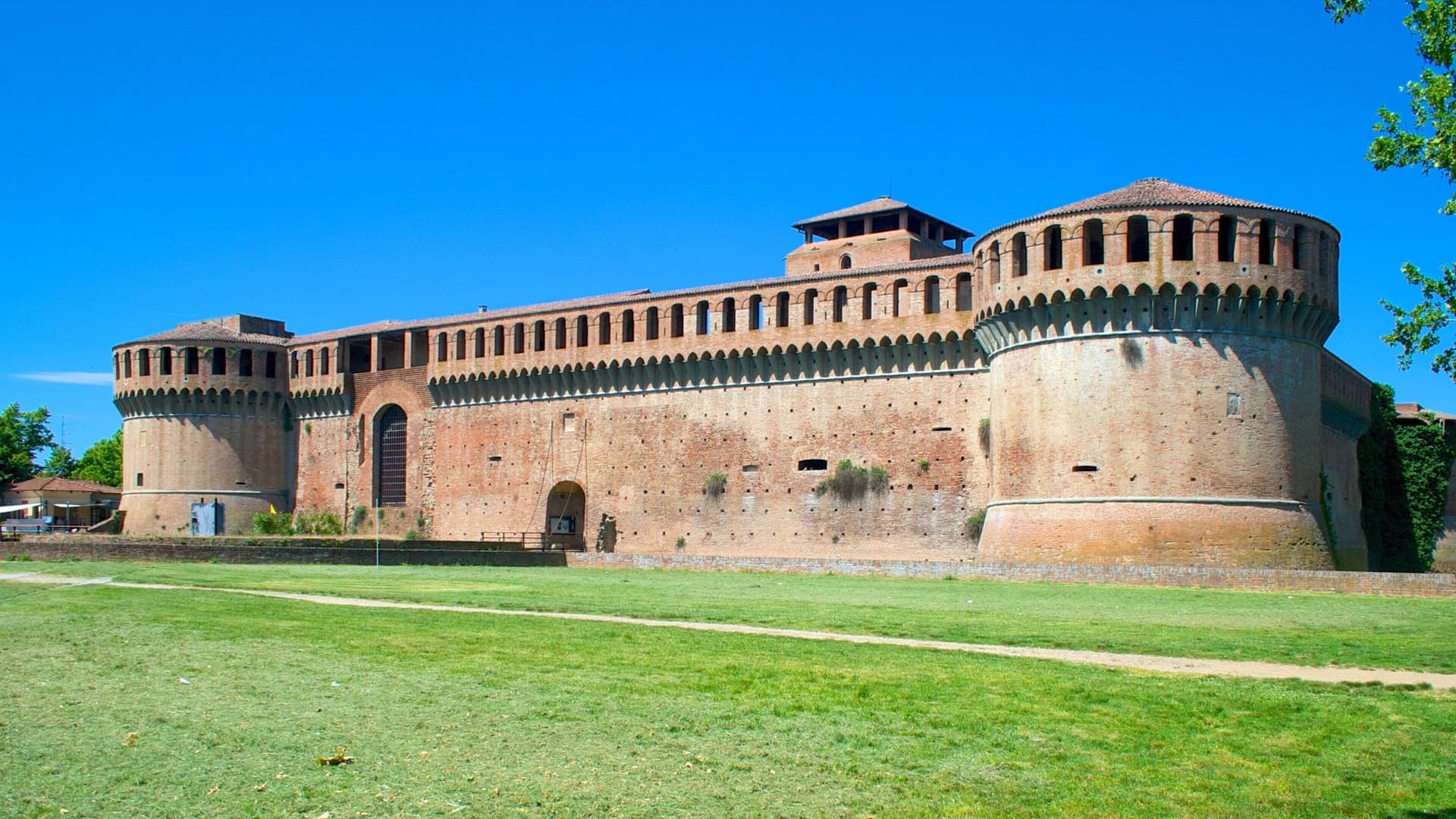
Imola
Province: Bologna
Bologna's Romagna twin — a medieval brick centro anchored by the Caterina Sforza-fortified Rocca, with the Autodromo Enzo e Dino Ferrari (the Imola F1 circuit) wrapping the Santerno river at the southern edge of town.
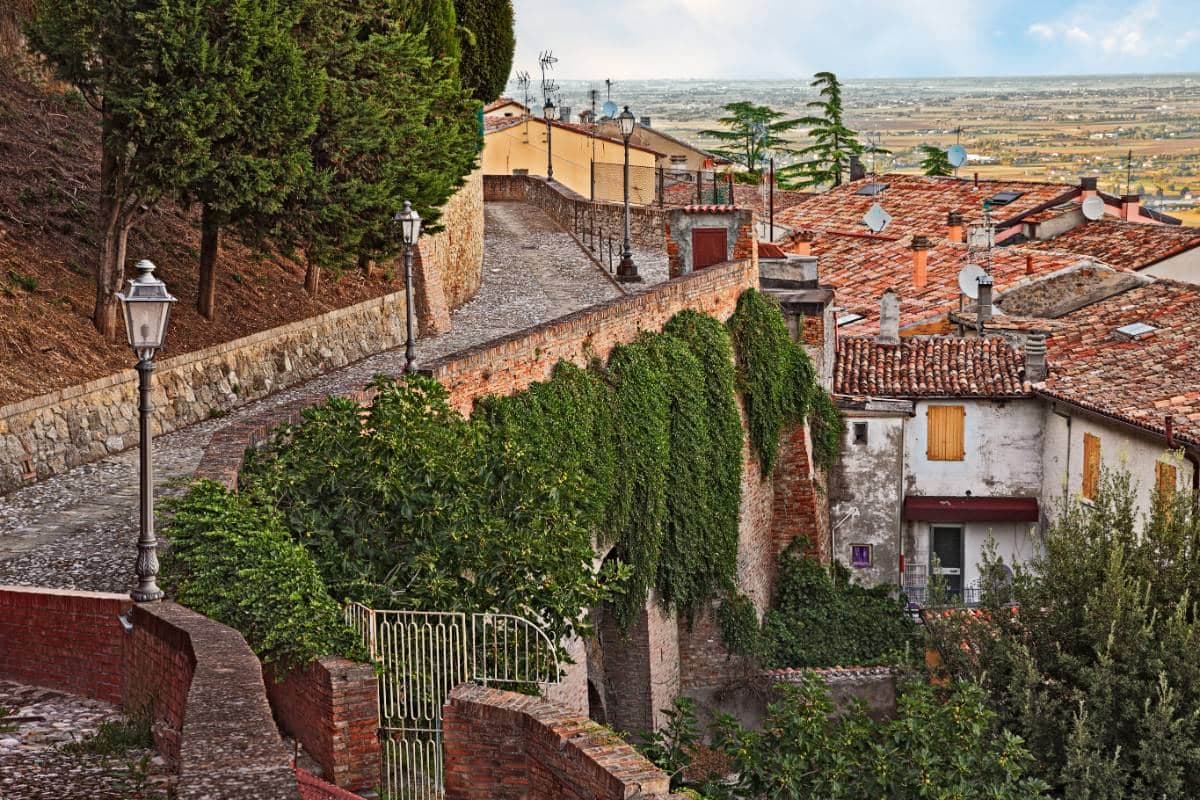
Bertinoro
Province: Forlì-Cesena
A 254-meter Romagna-hill borgo above the Via Emilia, with a twelve-ring hospitality column from 1300 and the slopes that grow Albana DOCG.
🏛️ UNESCO
More UNESCO towns
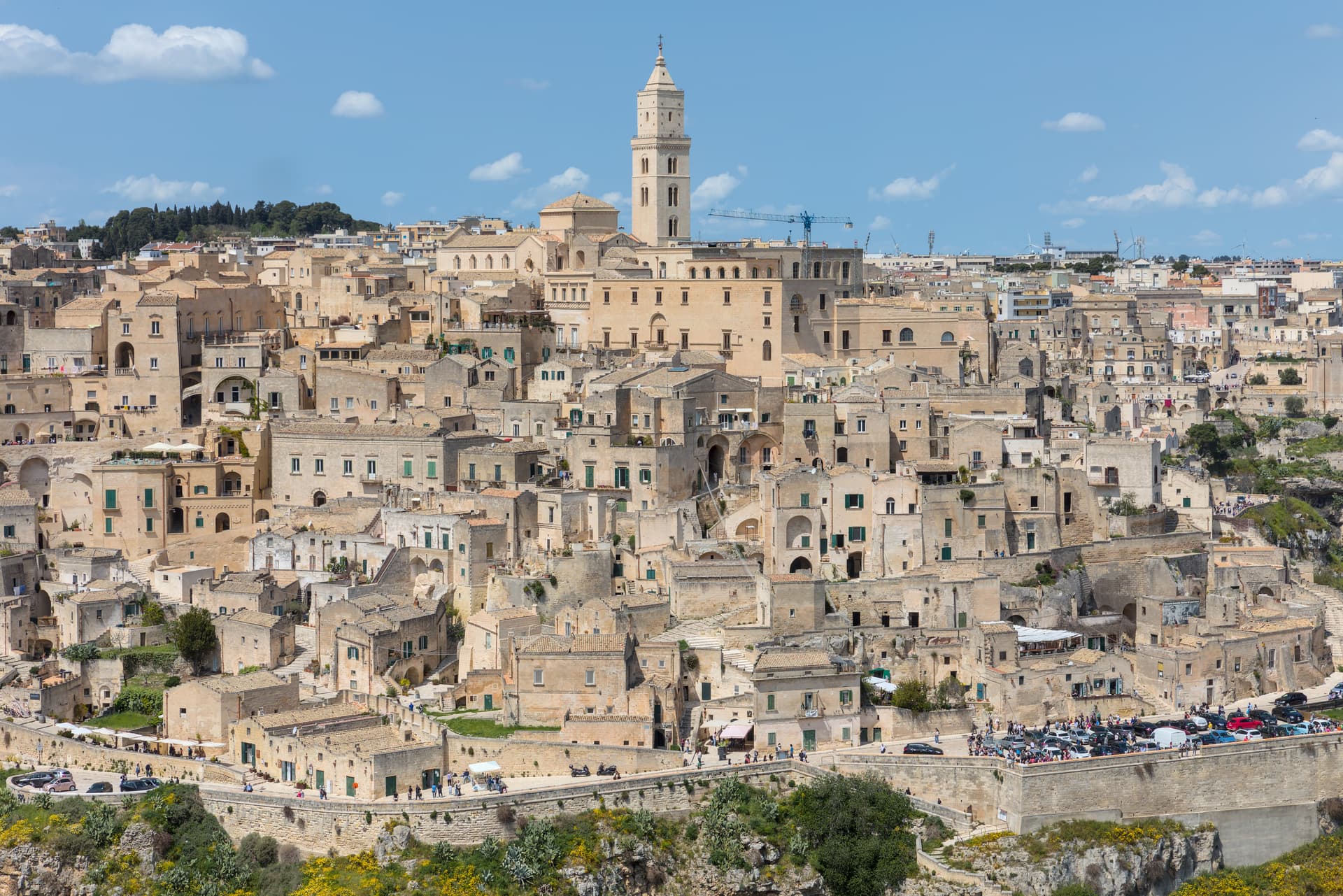
Matera
Province: Matera
Cave dwellings carved into limestone since the Paleolithic, called the shame of Italy in the 1950s and made European Capital of Culture in 2019.
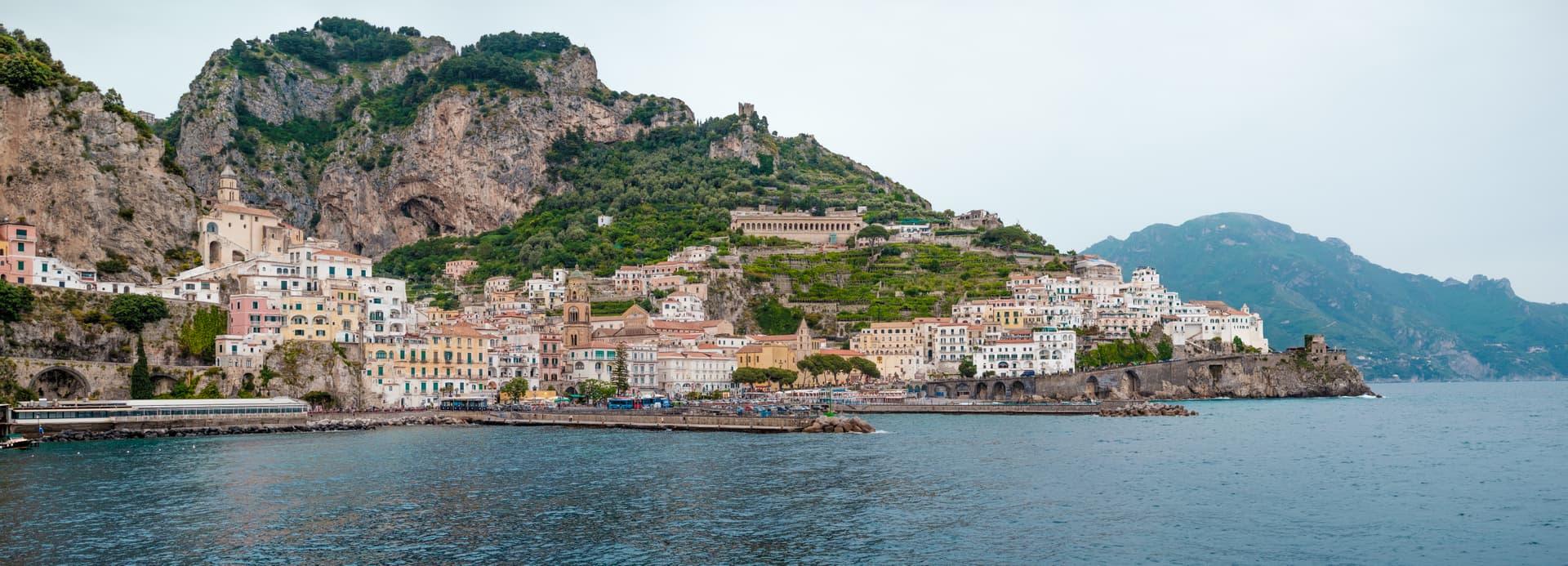
Amalfi
Province: Salerno
The first Italian maritime republic and the coast it named, six meters above the sea between cliffs that close around the duomo's steps.
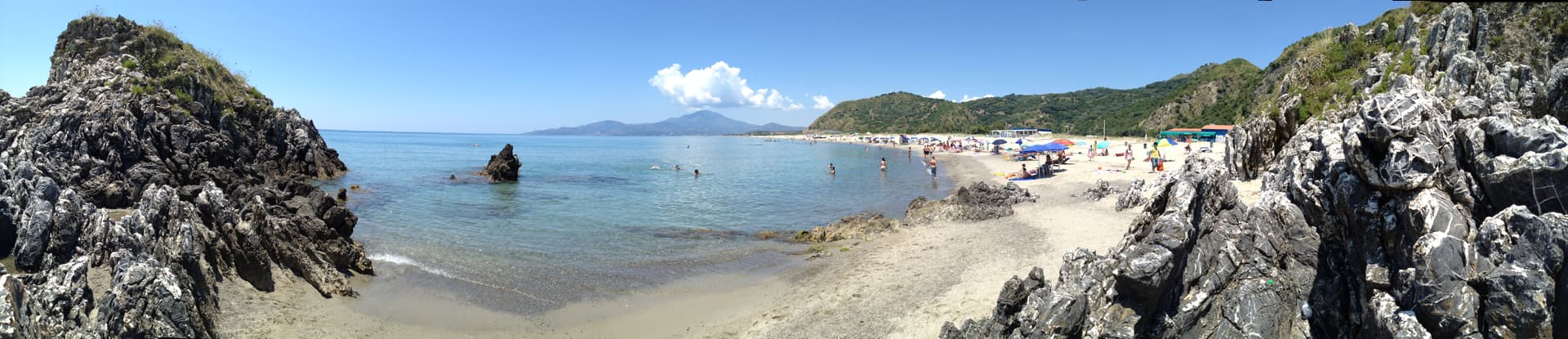
Ascea
Province: Salerno
Two villages, a hilltown at 230 meters and a Cilento marina, with Parmenides and Zeno's Eleatic school in the ruins of Greek Velia below.
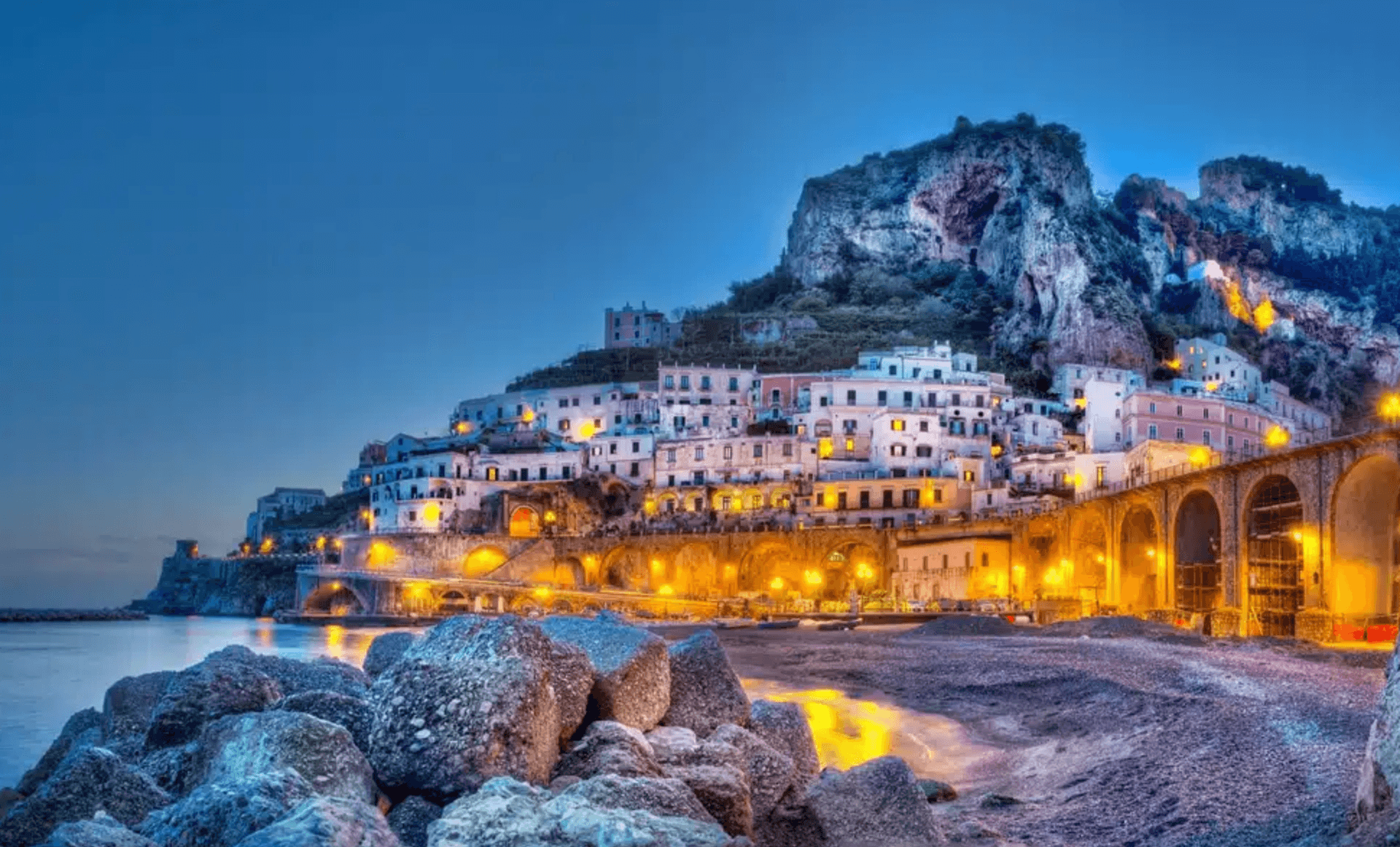
Atrani
Province: Salerno
The smallest commune in Italy by area, twelve hectares of stacked houses where the Amalfi Coast pinches shut around a single piazza.
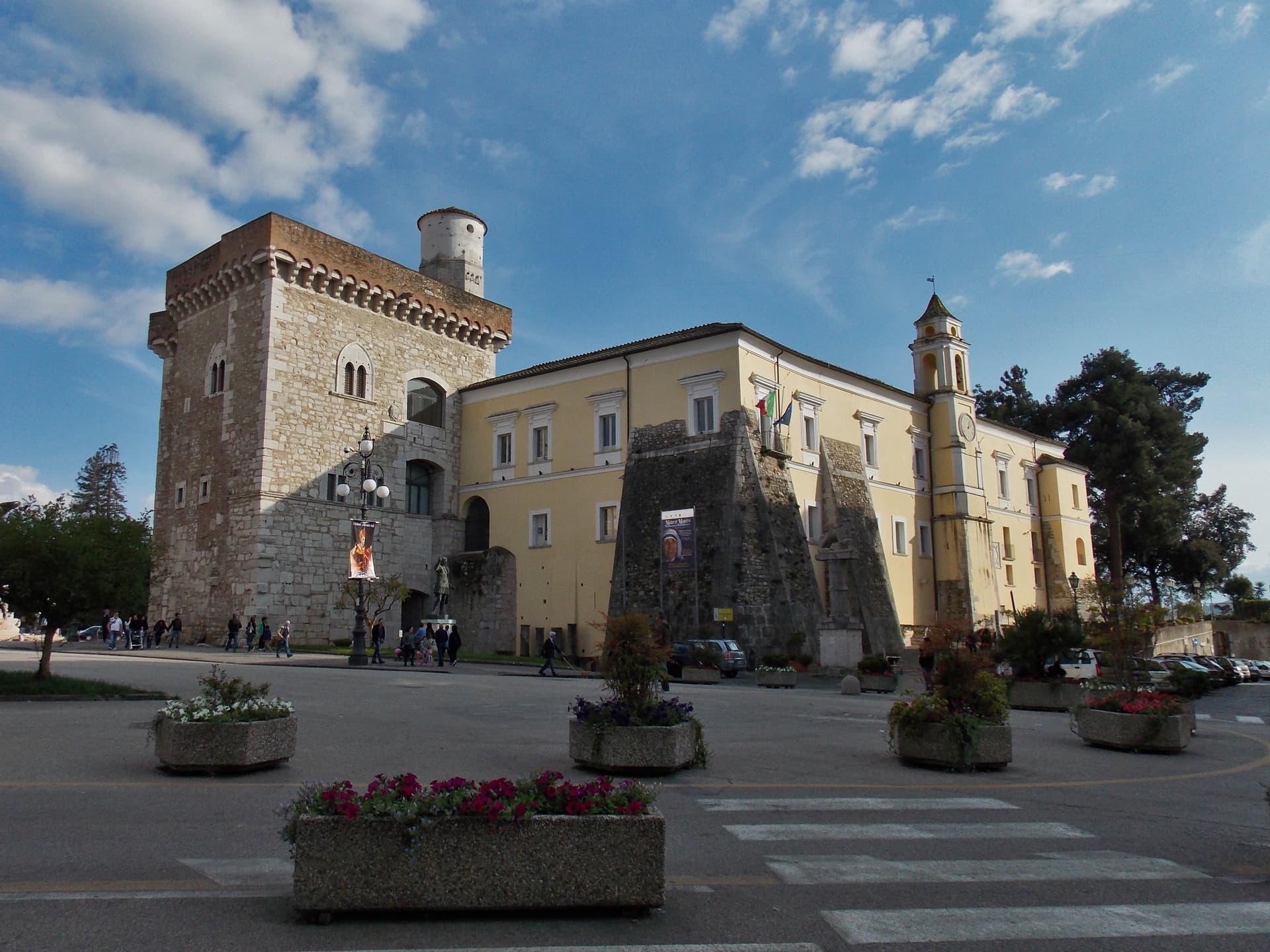
Benevento
Province: Benevento
Sannio capital at the Calore-Sabato confluence, with a 114 AD Trajan arch and a Lombard rotunda on the UNESCO list.