

Emilia-Romagna · Modena
Castelvetro di Modena
A 152-meter hill borgo south of Modena whose checkerboard piazza sits above the slopes that grow Lambrusco Grasparossa.
Known for
LAMBRUSCO GRASPAROSSA
The deepest and most tannic of the three main Lambruschi, grown on the clay slopes around the town and DOC-classified since 1970.
PIAZZA DELLA DAMA
The checkerboard square at the centre of the borgo, paved in alternating white and black stones beneath the four medieval towers.
SAGRA DELL'UVA
Grape and Lambrusco festival held the last weekend of September, with living-chess matches played on the Piazza della Dama.
When to visit
Best · Apr–Oct
- J
- F
- M
- A
- M
- J
- J
- A
- S
- O
- N
- D
- Best
- Hot or crowded
- Quiet
- Mostly closed
The festa: Senesio e Teopompo, 4 January
Why come
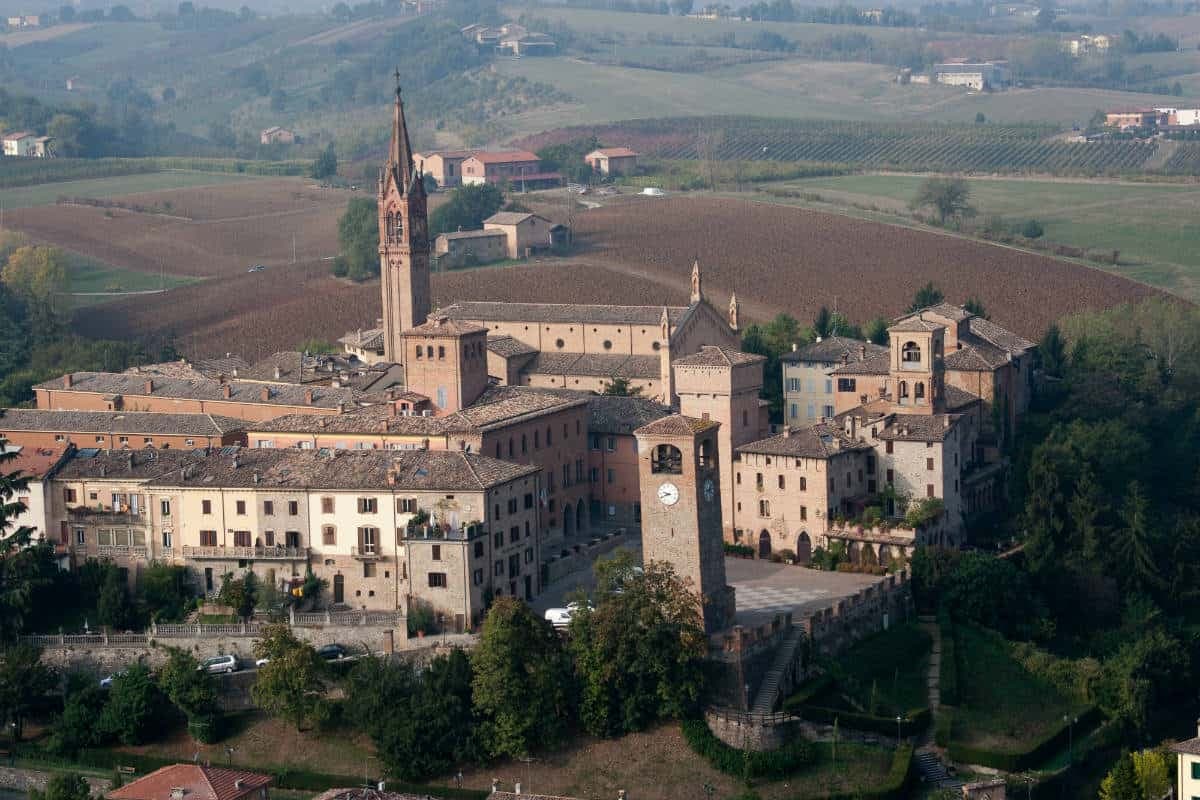
Castelvetro di Modena sits on a hill, eighteen kilometers southeast of Modena and at the northern edge of the Apennine foothills. The medieval centro storico rises around the Piazza Roma, paved in alternating white and black stones that earned it the name Piazza della Dama, the checkerboard piazza, framed by the four surviving towers of the old castle. The Grasparossa grape grows on the clay slopes around the town, the sandy soil and the south-facing aspect producing the deepest, most tannic of the three main Lambruschi; Lambrusco Grasparossa di Castelvetro received DOC status in 1970.
Above the piazza, the Palazzo Rinaldi houses the Museo del Vino and the Museo dell'Aceto Balsamico, the second tracing the same Modenese tradition that nearby Spilamberto codifies. The municipality holds three institutional signals: Borghi più belli, Bandiera Arancione, Città del Vino. The Sagra dell'Uva e del Lambrusco runs the last weekend of September, when the streets fill with the chess players from the surrounding Lambrusco towns dressed as living pieces on the piazza.
The Sunday letter
We haven’t written Castelvetro di Modena’s letter yet.
One town every Sunday, with the photo, the food, the festa. Be there when this one comes up. Free, by Peter & Sophia from Pietrasanta.
By subscribing you agree to Substack’s Terms of Use, our Privacy Policy and our Information collection notice.
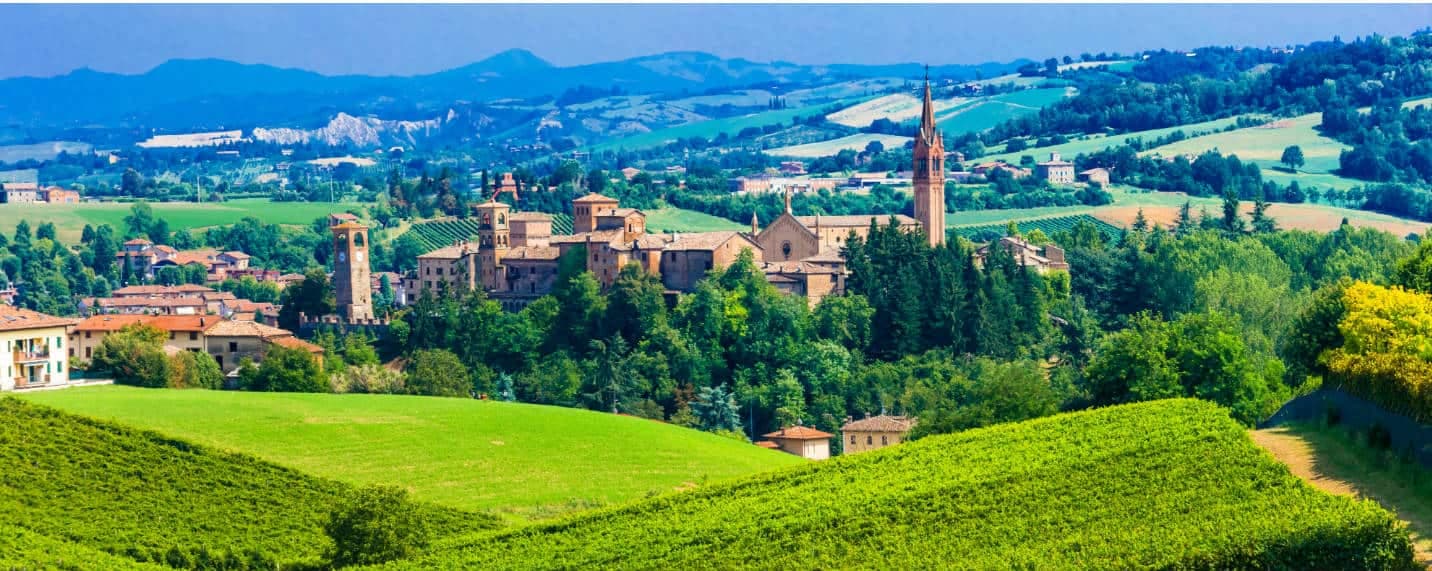
What to see
Piazza Roma
Checkerboard piazza paved in alternating white and black stones, framed by the four surviving towers of the medieval castle.
Castello di Levizzano Rangone
Tenth-century fortified frazione four kilometers north, with a tower built in the 990s and a fully preserved medieval village.
Museo del Vino
Wine museum inside the Palazzo Rinaldi, tracing the Grasparossa production cycle and the DOC zone established in 1970.
Borgo Antico
Medieval centre on the hill above the new town, with the Torre delle Prigioni, the Torre dell'Orologio and the Palazzo Rangoni Terzi.
Chiesa dei Santi Senesio e Teopompo
Parish church of the borgo, with eighteenth-century rebuilding over earlier medieval foundations and a baroque organ.
The slow-trip planner
Building a trip? Find where Castelvetro di Modena fits in a slow Italy circuit.
Answer five questions. We will shape a geographically coherent slow trip from the 1,000 Italian towns most travelers skip. Yours to save and share.
We recommend
Where to eat and stay
Not our picks, but places the guides put their name to — a Michelin star, a Gambero Rosso fork, a Slow Food snail, a Michelin Key for the hotels. Worth a table, a counter, or a night when you pass through.
Locanda del FeudoRistorante
A spot in the Michelin Guide, at Locanda del Feudo.
Opera|02Ristorante
Opera|02 has a spot in the Michelin Guide to its name.
Living here
- Population 11,101
- In-betweeni
- Pharmacy in town
- High school within a 30-minute drive
- Train station in the comune
- Nearest airport Bologna, 41 min drive
- Regional capital Bologna, 45 min drive
Tags & datadesignations · numbers · sources
The numbers
- Elevation: 152 m
- Population: 11,101
- Surface area: 49.78 km²
These figures were compiled from public directories — ISTAT, OpenStreetMap, Wikidata — and from the official listings of the guides named on this page. Town details change; verify with official sources before you travel.
Featured on
Castelvetro di Modena appears on this themed pick from our Collections:
Close by
More towns near Castelvetro di Modena
Spilamberto
Province: Modena
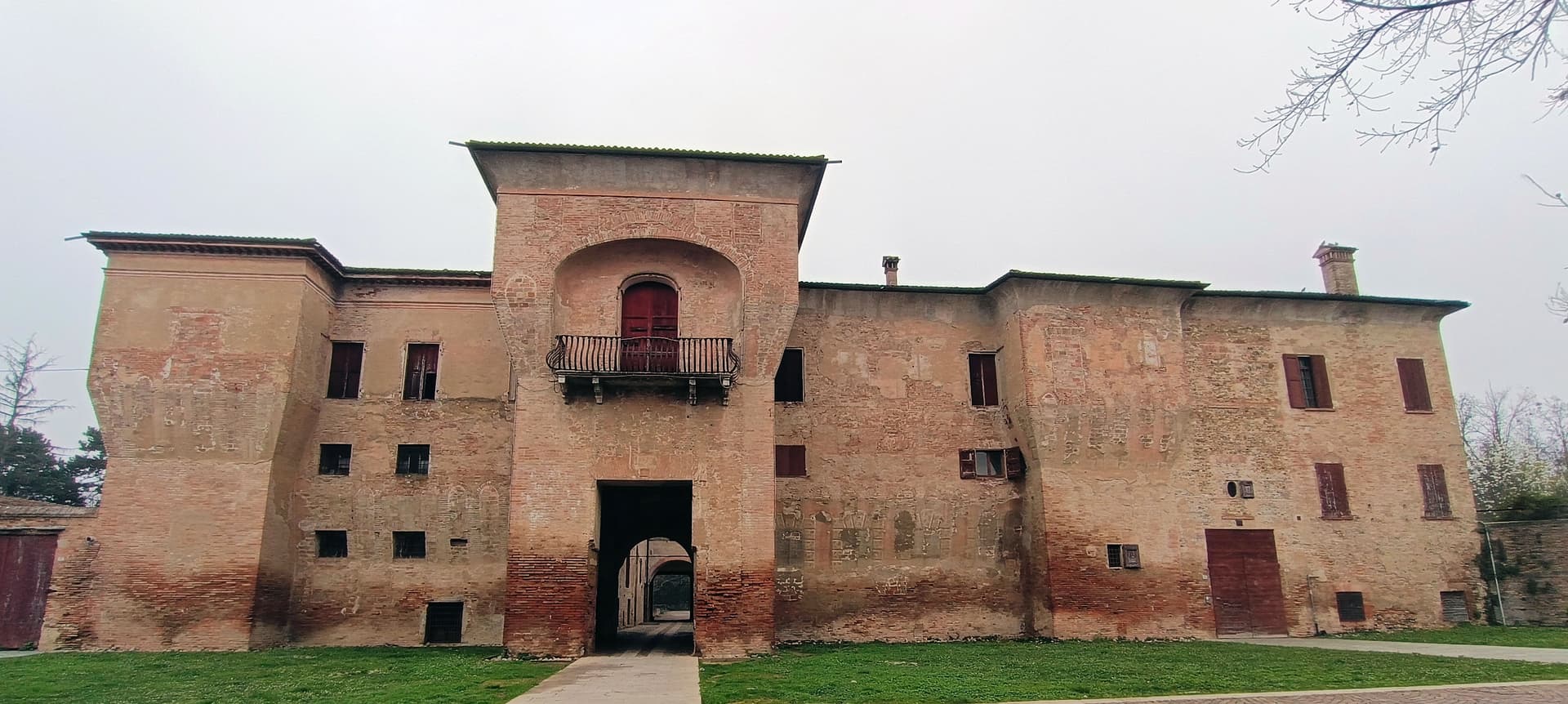
A 69-meter Po-plain town on the Via Romea, headquarters of the Consorteria that codifies Aceto Balsamico Tradizionale di Modena since 1967.
Vignola
Province: Modena
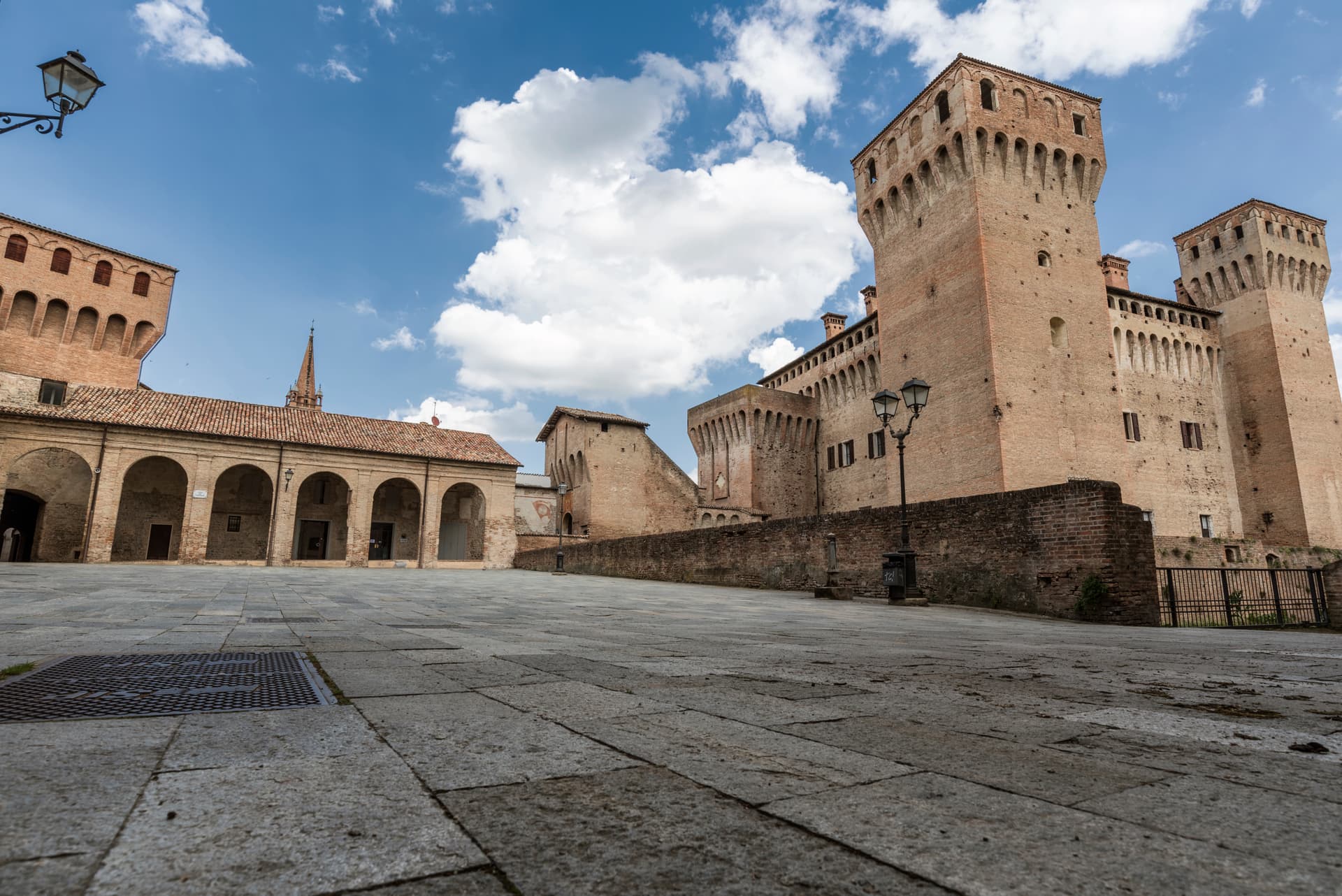
The cherry-and-castle town on the Panaro at 125 meters, with the Contrari fortress and Barozzi's self-supporting 1500s spiral staircase.
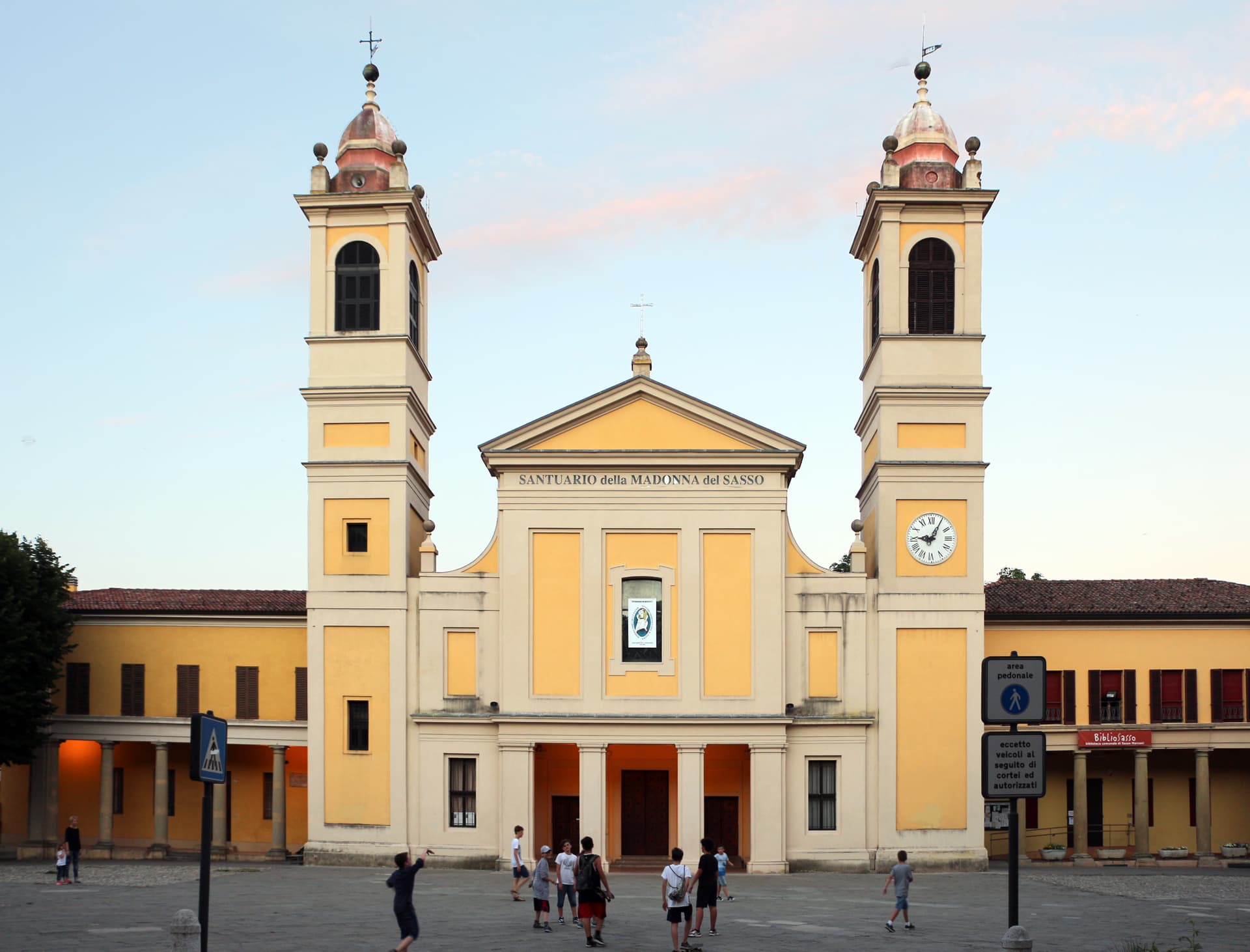
Sasso Marconi
Province: Bologna
A 128-meter pre-Apennine town renamed in 1938 for Marconi, with Villa Griffone holding his tomb and the attic where he first sent radio in 1895.
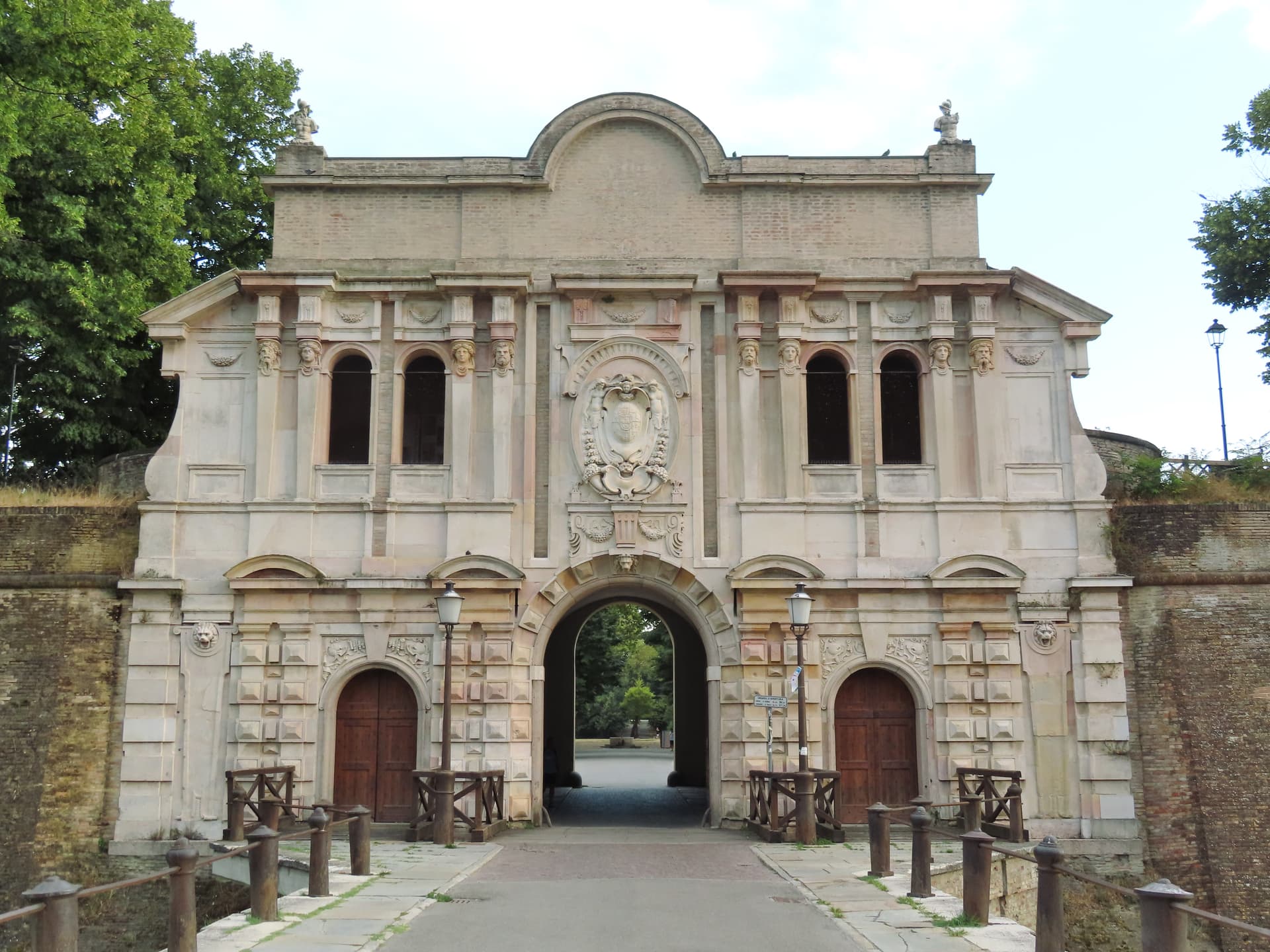
Parma
Province: Parma
A 57-meter Po-plain capital on the Via Emilia, where Correggio painted the Duomo dome and Parmigiano ages in vaults across the province.
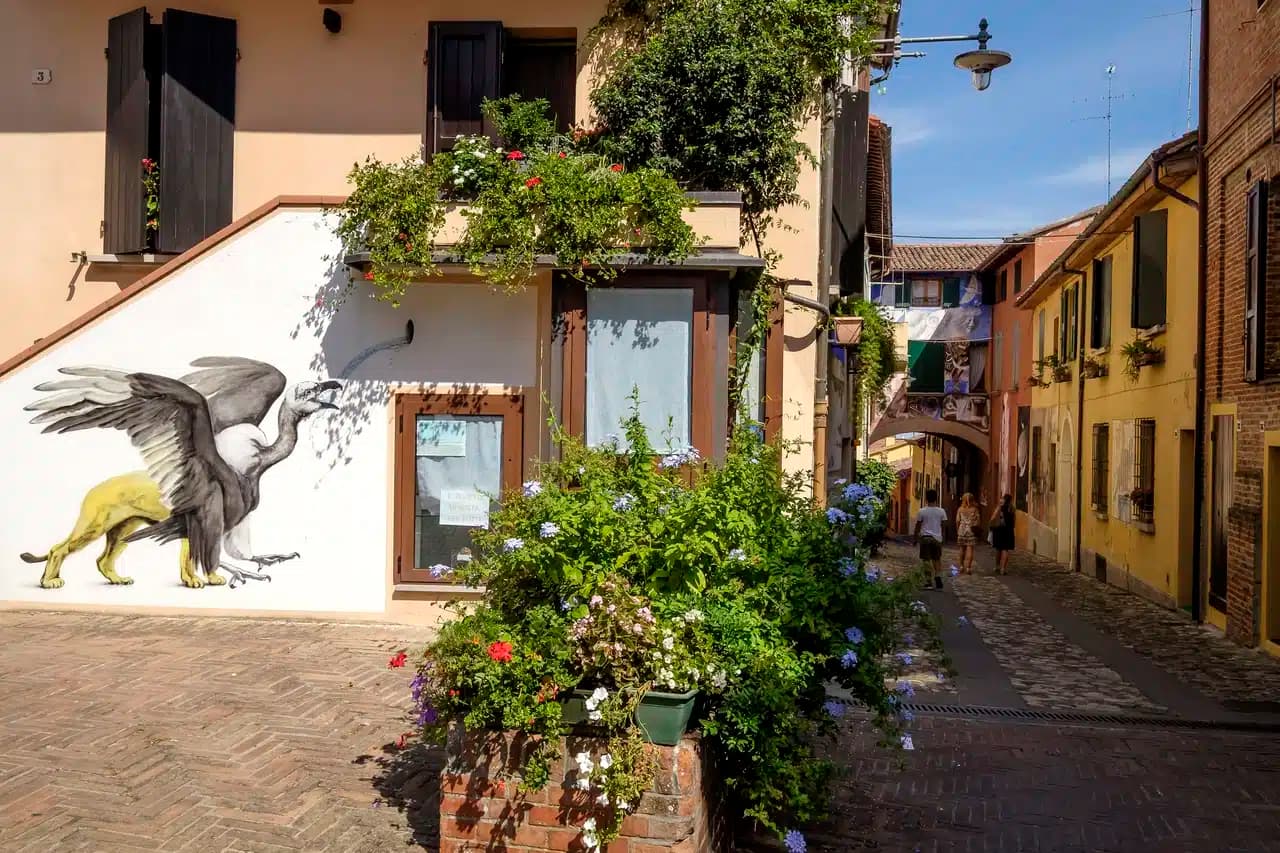
Dozza
Province: Bologna
A 190-meter painted borgo above the Sellustra valley, where contemporary artists have repainted the house walls every two years since 1960.
🎨 Borghi più belli d'Italia
More Borghi più belli d'Italia towns in Emilia-Romagna
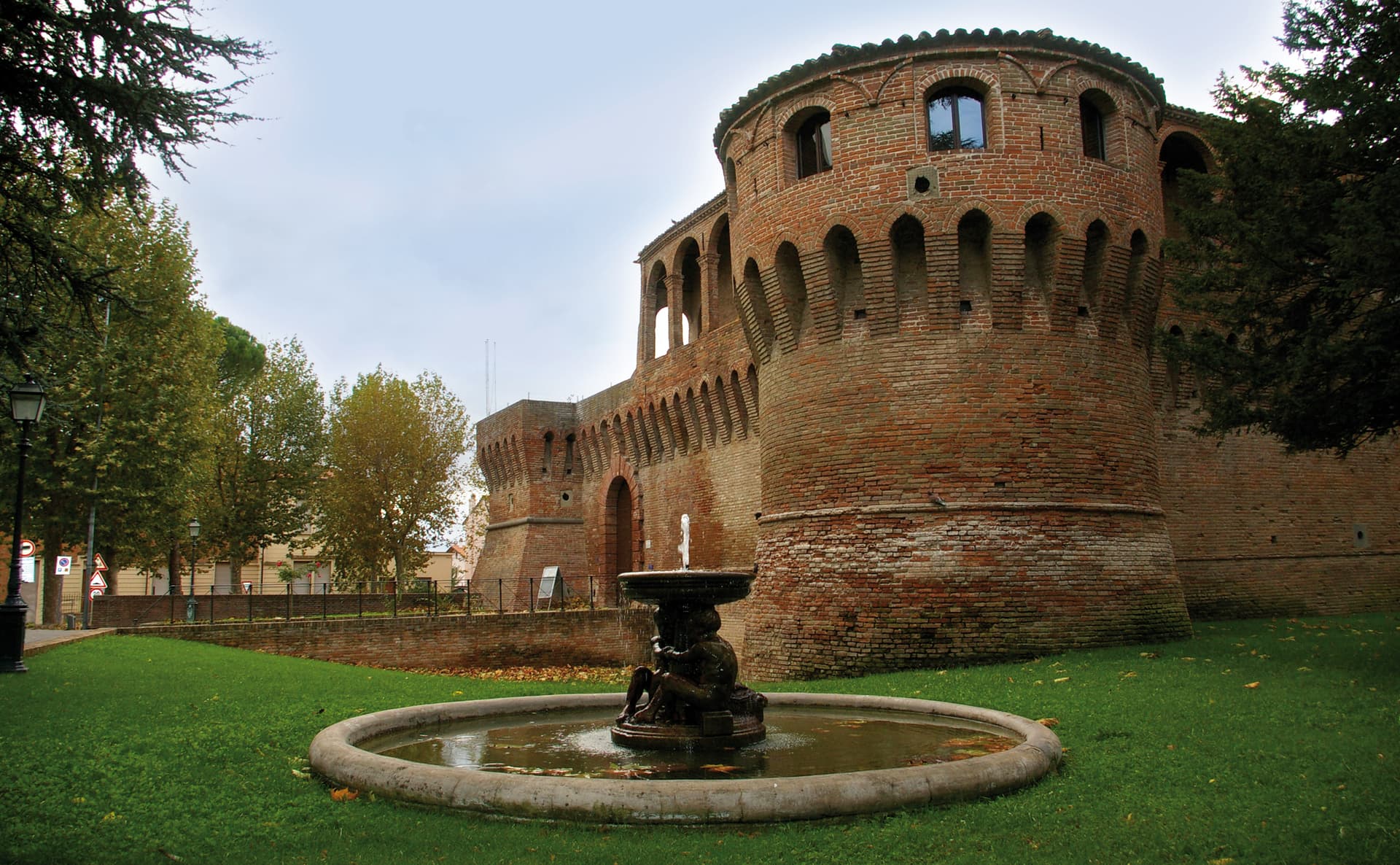
Bagnara di Romagna
Province: Ravenna
A 22-meter plain commune in the Bassa Romagna, the only fully preserved medieval castrum surviving in the Romagna lowlands.
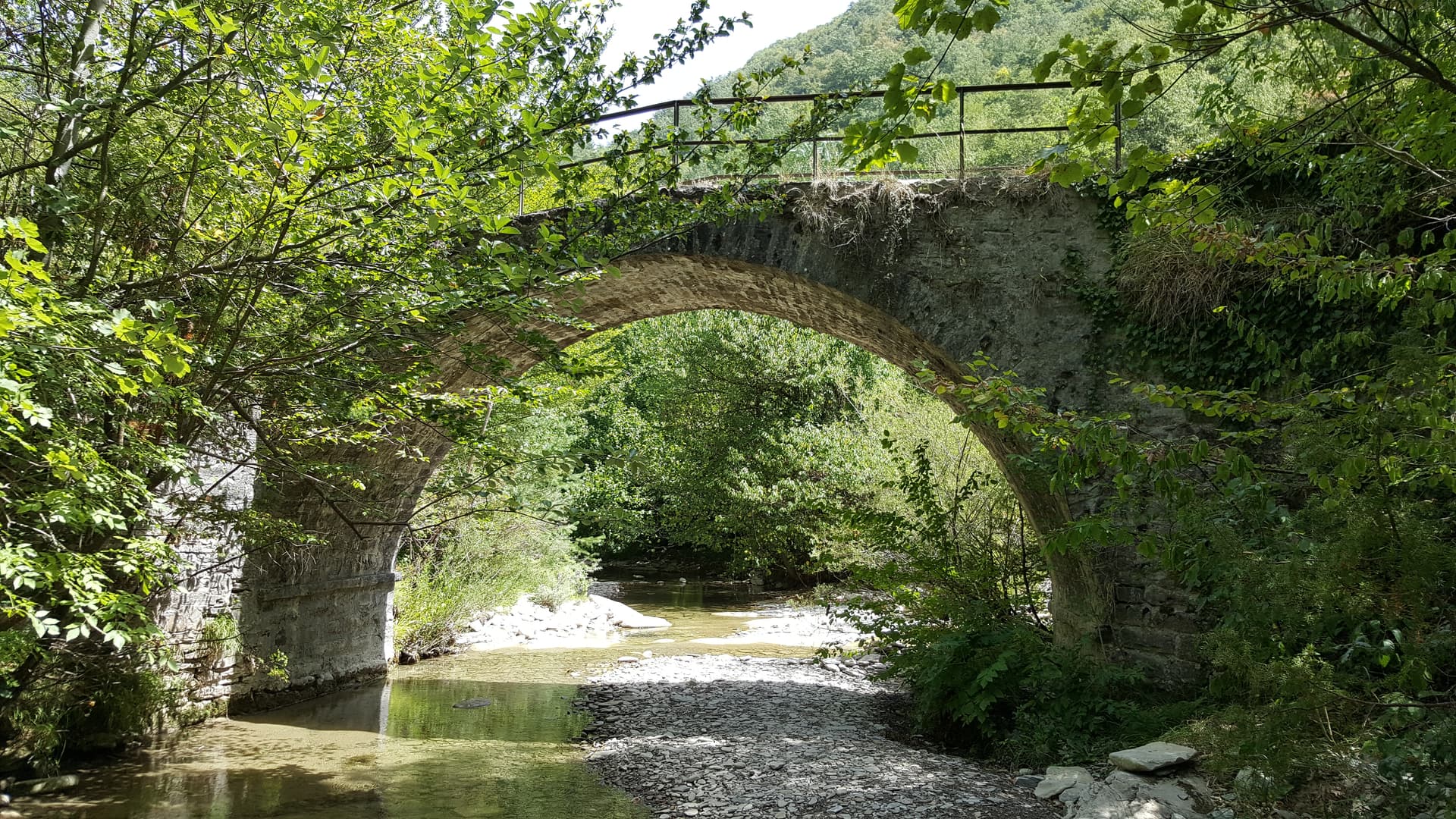
Bagno di Romagna
Province: Forlì-Cesena
A 491-meter thermal town at the head of the Savio valley, drawing on springs that have run at 47 degrees since Roman times.
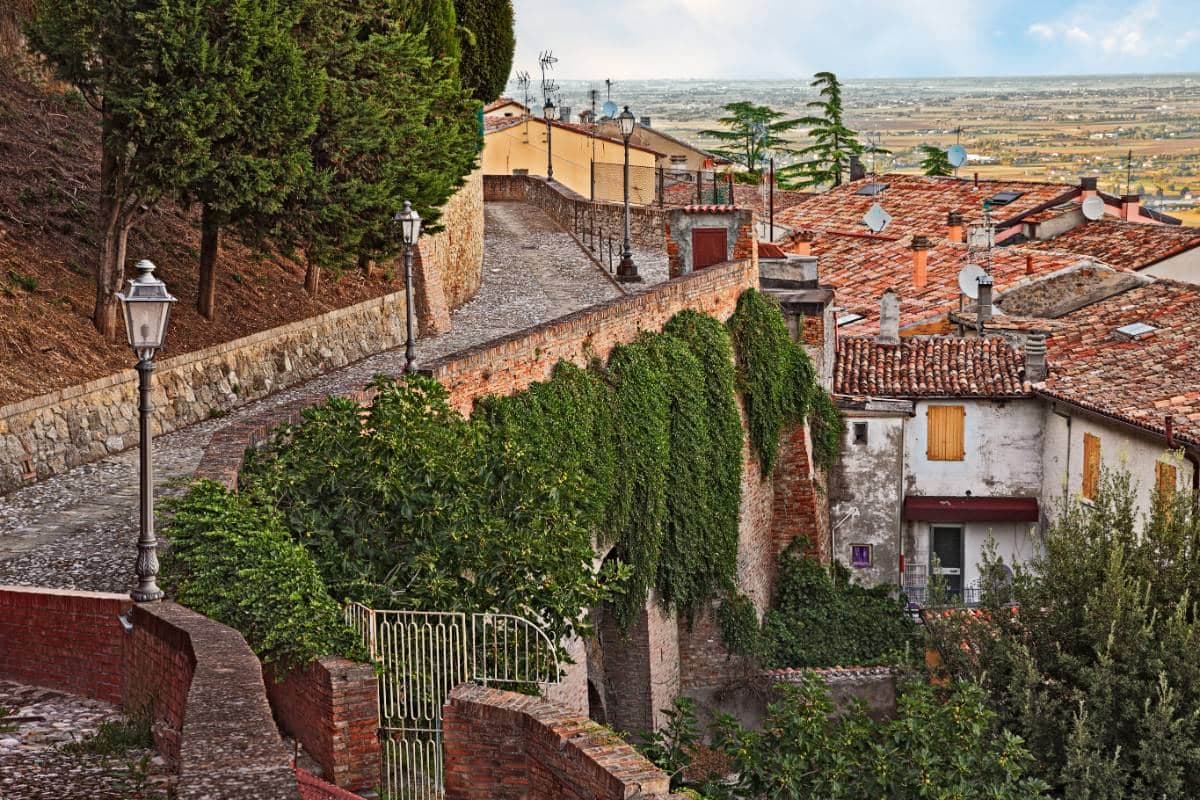
Bertinoro
Province: Forlì-Cesena
A 254-meter Romagna-hill borgo above the Via Emilia, with a twelve-ring hospitality column from 1300 and the slopes that grow Albana DOCG.
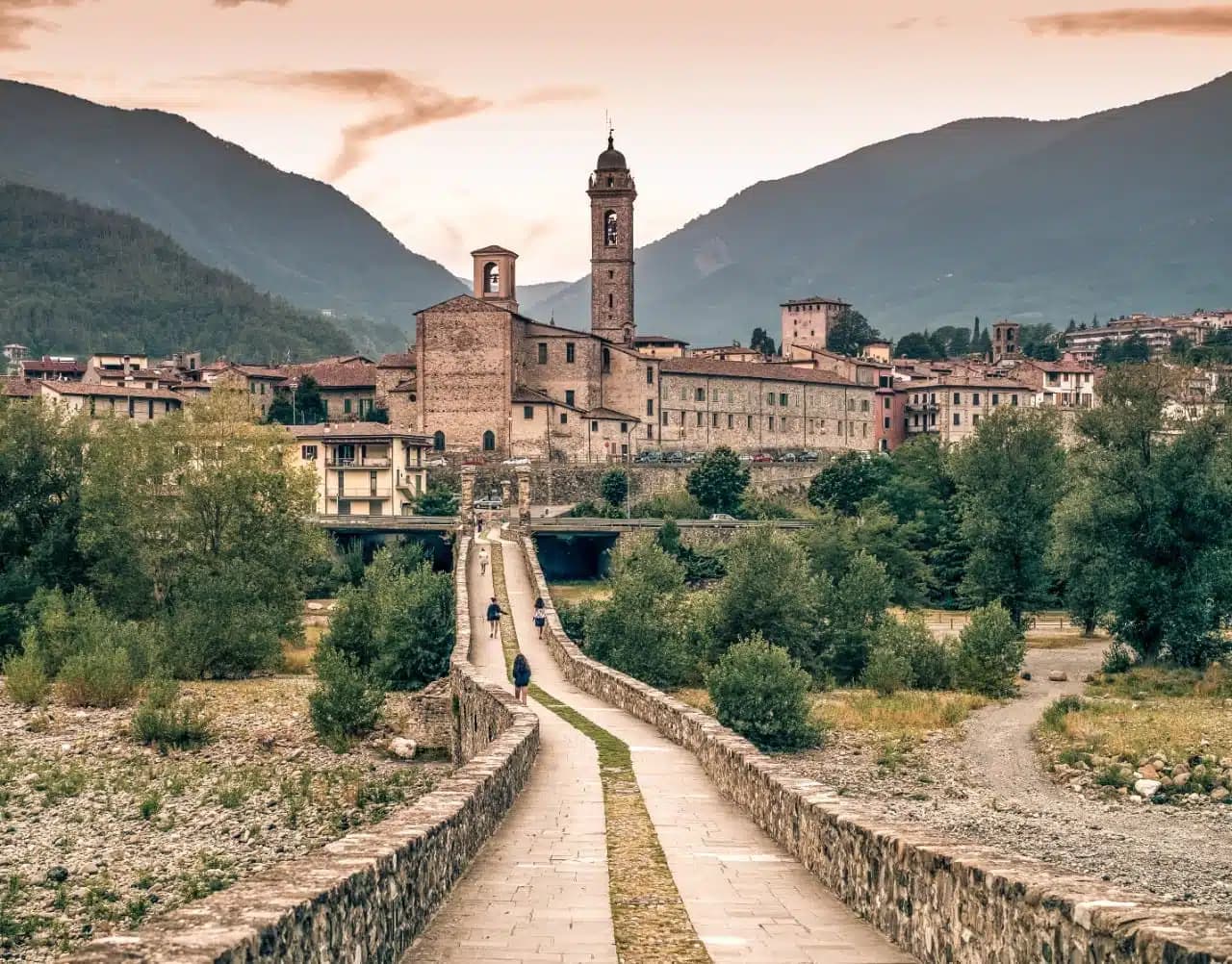
Bobbio
Province: Piacenza
A 272-meter Trebbia-valley town built around the abbey Saint Columbanus founded in 614, named Borgo dei Borghi by RAI in 2019.
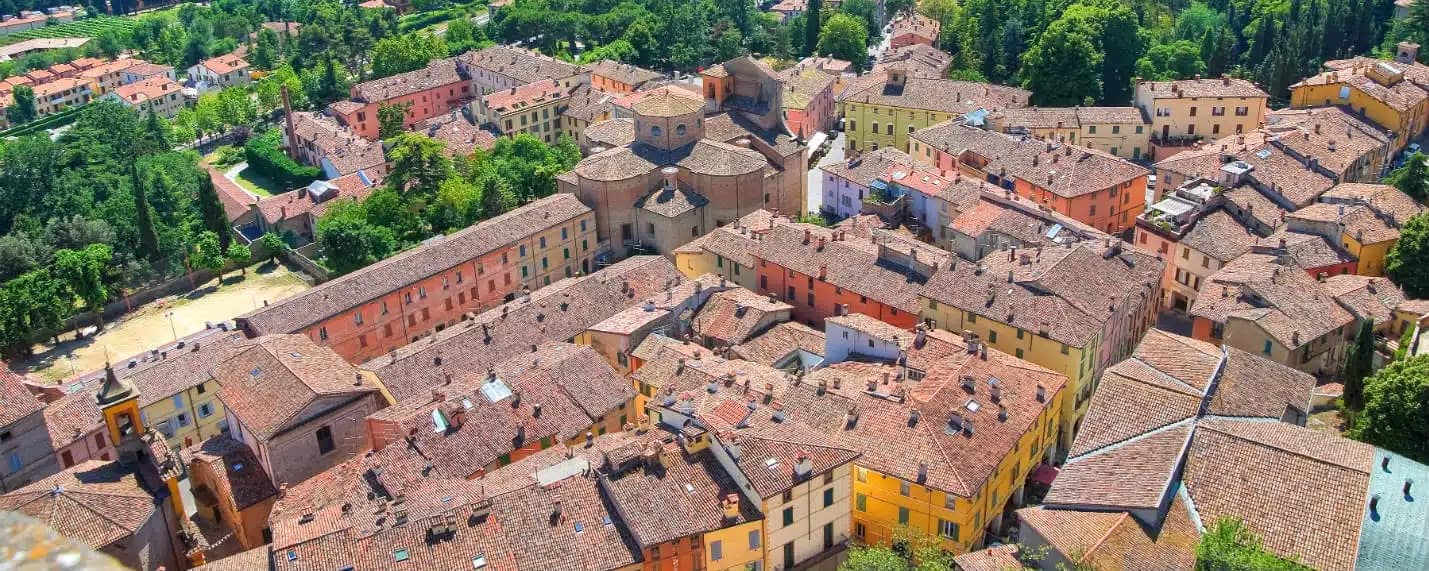
Brisighella
Province: Ravenna
A Lamone-valley borgo at 115 meters under three selenite hills crowned by a fortress, a clock tower, and a sanctuary.