

Emilia-Romagna · Parma
Parma
A 57-meter Po-plain capital on the Via Emilia, where Correggio painted the Duomo dome and Parmigiano ages in vaults across the province.
Known for
PARMIGIANO REGGIANO
DOP cheese aged across the surrounding province in vaults that hold wheels twelve to thirty-six months before sale.
PROSCIUTTO DI PARMA
Salt-cured ham produced on the Apennine hills around Langhirano, holding DOP status and protected by a consortium of about 140 producers.
TEATRO REGIO
Opera house of 1829, home of Festival Verdi every October; Toscanini, born in Parma in 1867, kept his recordings as the house standard.
When to visit
Best · Apr–Jun, Sep–Oct
- J
- F
- M
- A
- M
- J
- J
- A
- S
- O
- N
- D
- Best
- Hot or crowded
- Quiet
- Mostly closed
The festa: Ilario di Poitiers, 13 January
Why come
Parma sits on the Via Emilia, halfway between Bologna and Piacenza, the Po Valley reaching north and the Apennine foothills closing in fifteen kilometers south. Under the Farnese in the sixteenth century and Marie Louise of Habsburg in the nineteenth, the city ran its own duchy and built the institutions that still define it: the Palazzo della Pilotta, the Teatro Farnese, the Teatro Regio of 1829. The Cathedral of Santa Maria Assunta, consecrated in 1106, holds Correggio's Assumption fresco in the dome, painted between 1526 and 1530 with a vortex of figures that read as a single rotating body.
The Battistero, octagonal in pink Veronese marble, was designed and carved by Benedetto Antelami from 1196. Arturo Toscanini was born here in 1867; the Teatro Regio still treats his recordings as house standard. The city's two food appellations, Parmigiano Reggiano and Prosciutto di Parma, carry European protected status; UNESCO named the city a Creative City of Gastronomy in 2015. The population is 196,764.
The Sunday letter
We haven’t written Parma’s letter yet.
One town every Sunday, with the photo, the food, the festa. Be there when this one comes up. Free, by Peter & Sophia from Pietrasanta.
By subscribing you agree to Substack’s Terms of Use, our Privacy Policy and our Information collection notice.
What to see
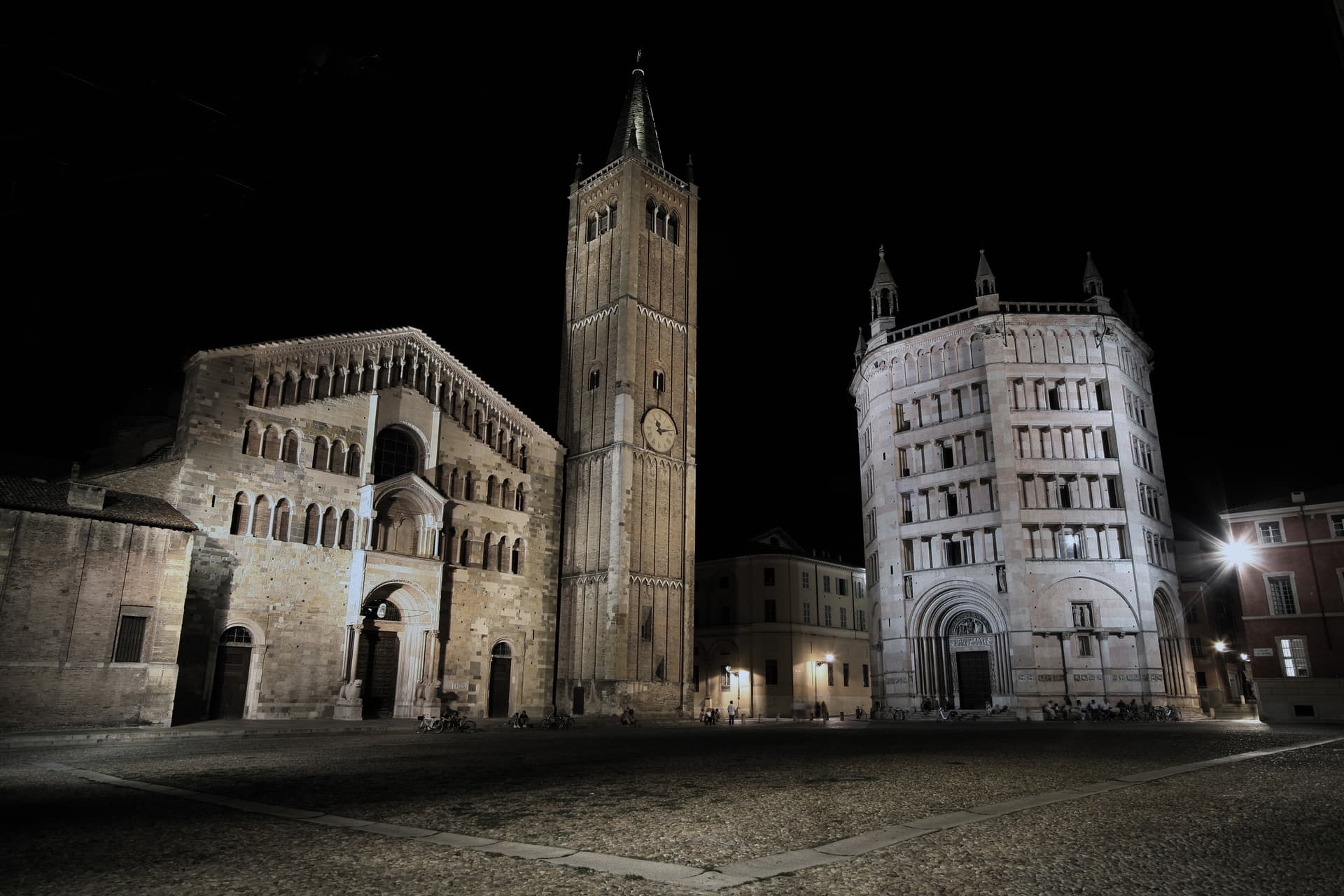
Duomo di Parma
Cathedral consecrated 1106, holding Correggio's Assumption fresco in the dome, painted 1526 to 1530 as a single rotating vortex of figures.
Battistero
Octagonal baptistery in pink Veronese marble, 35 meters tall, designed and sculpted by Benedetto Antelami from 1196, completed in 1270.
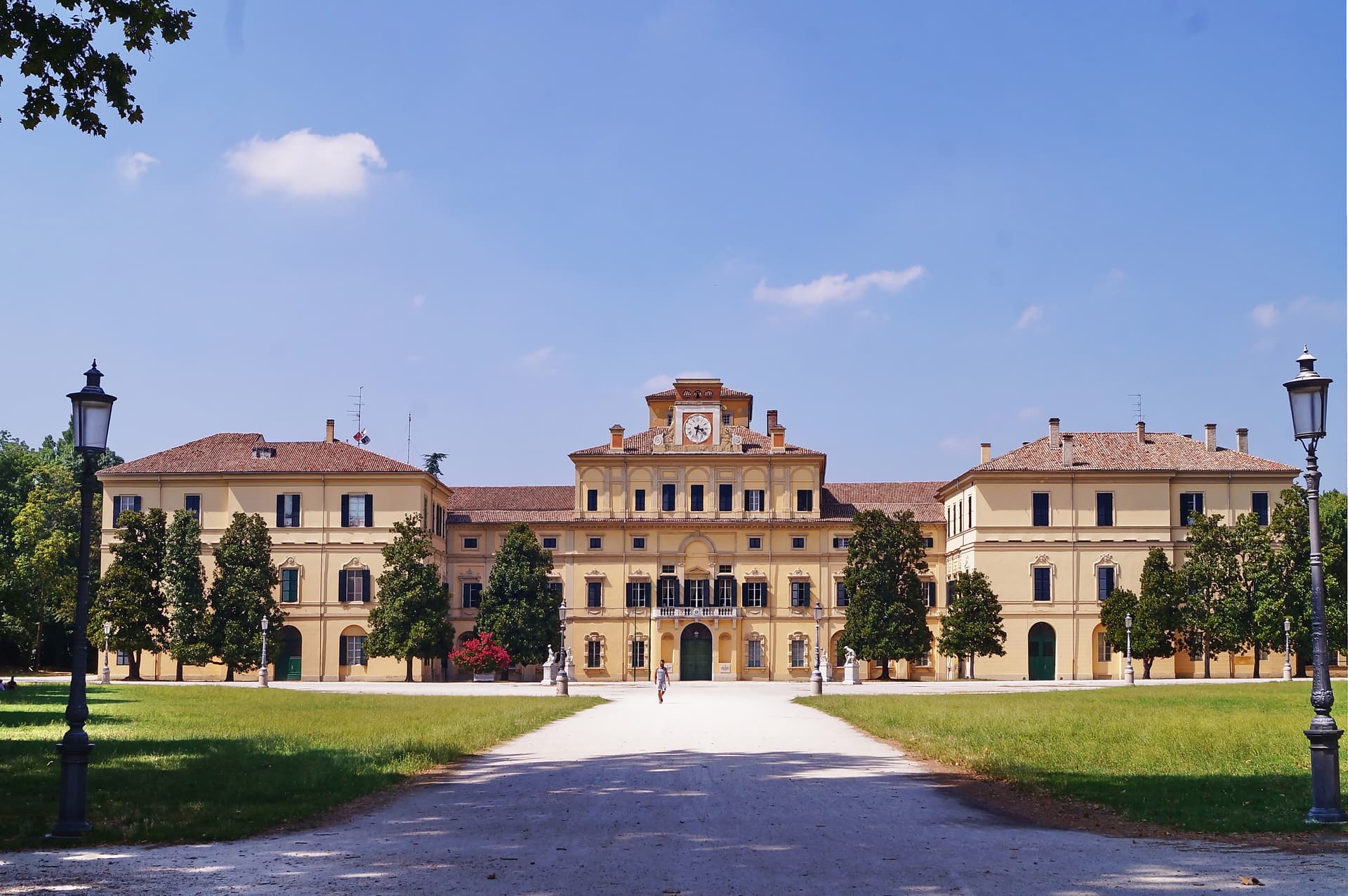
Palazzo della Pilotta
Sixteenth-century Farnese palace housing the National Gallery, the Archaeological Museum and the wooden Teatro Farnese of 1618.
Teatro Regio
Fourteen-hundred-seat opera house inaugurated 16 May 1829, home of the annual Festival Verdi every October.
Piazza Duomo
Medieval square with the Romanesque Cathedral, the Battistero of Antelami and the Palazzo Vescovile, kept as a single ensemble since the twelfth century.
Camera di San Paolo
Private chamber of the abbess of San Paolo, frescoed by Correggio in 1518 with a vault of putti and mythological scenes.
Galleria Nazionale
National gallery inside the Pilotta with works by Correggio, Parmigianino, Leonardo's Testa di Fanciulla and a major Farnese collection.
The slow-trip planner
Building a trip? Find where Parma fits in a slow Italy circuit.
Answer five questions. We will shape a geographically coherent slow trip from the 1,000 Italian towns most travelers skip. Yours to save and share.
We recommend
Where to eat and stay
Not our picks, but places the guides put their name to — a Michelin star, a Gambero Rosso fork, a Slow Food snail, a Michelin Key for the hotels. Worth a table, a counter, or a night when you pass through.
Ai Due PlataniTrattoria
Ai Due Platani carries a Michelin Bib Gourmand, three Gambero Rosso prawns, plus a place in L'Espresso's Top 300.
InkiostroRistorante
Inkiostro has one Michelin star, two Gambero Rosso forks (85/100) and a place in L'Espresso's Top 300.
Brisla TrattoriaTrattoria
Brisla Trattoria holds a Michelin Bib Gourmand and two Gambero Rosso prawns.
CocchiRistorante
Cocchi holds one Gambero Rosso fork (79/100) and a spot in the Michelin Guide.
Borgo 20Bistrot
Borgo 20 holds two Gambero Rosso tables.
Cortex BistrotBistrot
Cortex Bistrot carries two Gambero Rosso tables.
I Tri SiochèttRistorante
A Michelin Bib Gourmand, at I Tri Siochètt.
La Maison du GourmetRistorante
La Maison du Gourmet carries two Gambero Rosso forks (80/100).
MeltemiRistorante
Meltemi holds a spot in the Michelin Guide.
Officina Alimentare DedicataBistrot
Officina Alimentare Dedicata carries two Gambero Rosso tables.
Osteria del 36Ristorante
Osteria del 36 has a spot in the Michelin Guide to its name.
Osteria VirgilioTrattoria
Osteria Virgilio carries two Gambero Rosso prawns.
ParizziRistorante
Parizzi holds a spot in the Michelin Guide.
Parma RottaRistorante
Parma Rotta holds a spot in the Michelin Guide.
Soj - Vino e CucinaBistrot
Soj - Vino e Cucina holds two Gambero Rosso tables.
Trattoria Antichi SaporiRistorante
Trattoria Antichi Sapori carries a Michelin Bib Gourmand.
Trattoria CorrieriTrattoria
Trattoria Corrieri holds one Gambero Rosso prawn.
Trattoria Le VioleRistorante
Trattoria Le Viole carries a spot in the Michelin Guide.
NH ParmaHotel
NH Parma has a place in the Michelin hotel guide to its name.
Signature product
Parmigiano-Reggiano DOPDOP
The cheese aged 24 months minimum, made from raw milk on the plain south of the Po. Production is restricted to five provinces; Parma is the namesake.
See every town in our catalogue producing Parmigiano-Reggiano DOP.
Living here
- Population 196,764
- A local hubi
- Pharmacy in town
- High school within a 30-minute drive
- Train station in the comune
- Nearest airport Bologna, 1 h 7 min drive
- Regional capital Bologna, 1 h 12 min drive
Tags & datadesignations · numbers · sources
The numbers
- Elevation: 57 m
- Population: 196,764
- Surface area: 260.6 km²
These figures were compiled from public directories — ISTAT, OpenStreetMap, Wikidata — and from the official listings of the guides named on this page. Town details change; verify with official sources before you travel.
Close by
More towns near Parma
Collecchio
Province: Parma
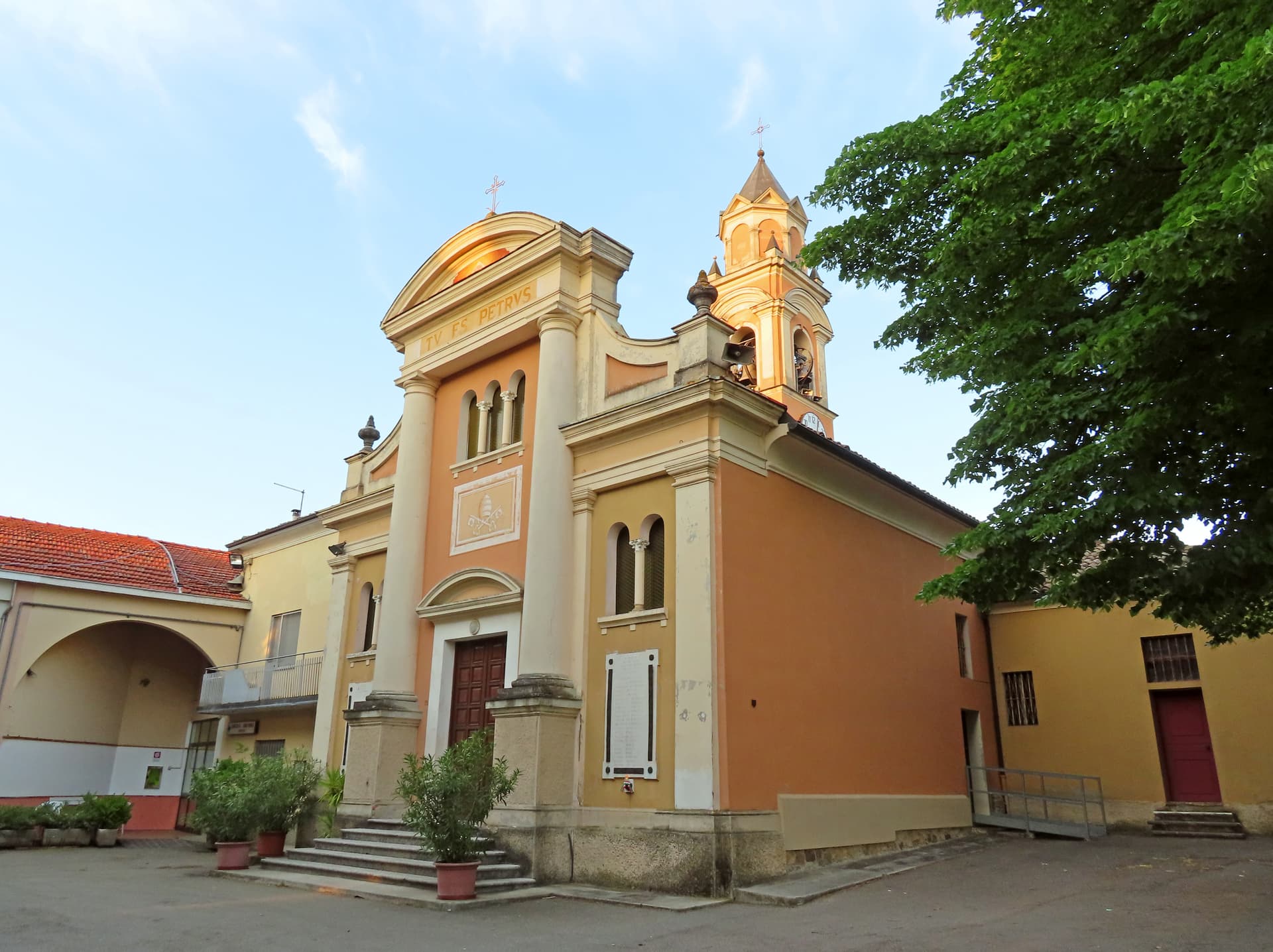
The Parma-cintura town on the Via Francigena, home to the Pieve di San Prospero, Parmalat, and Parma F.C.'s training ground.
Montechiarugolo
Province: Parma
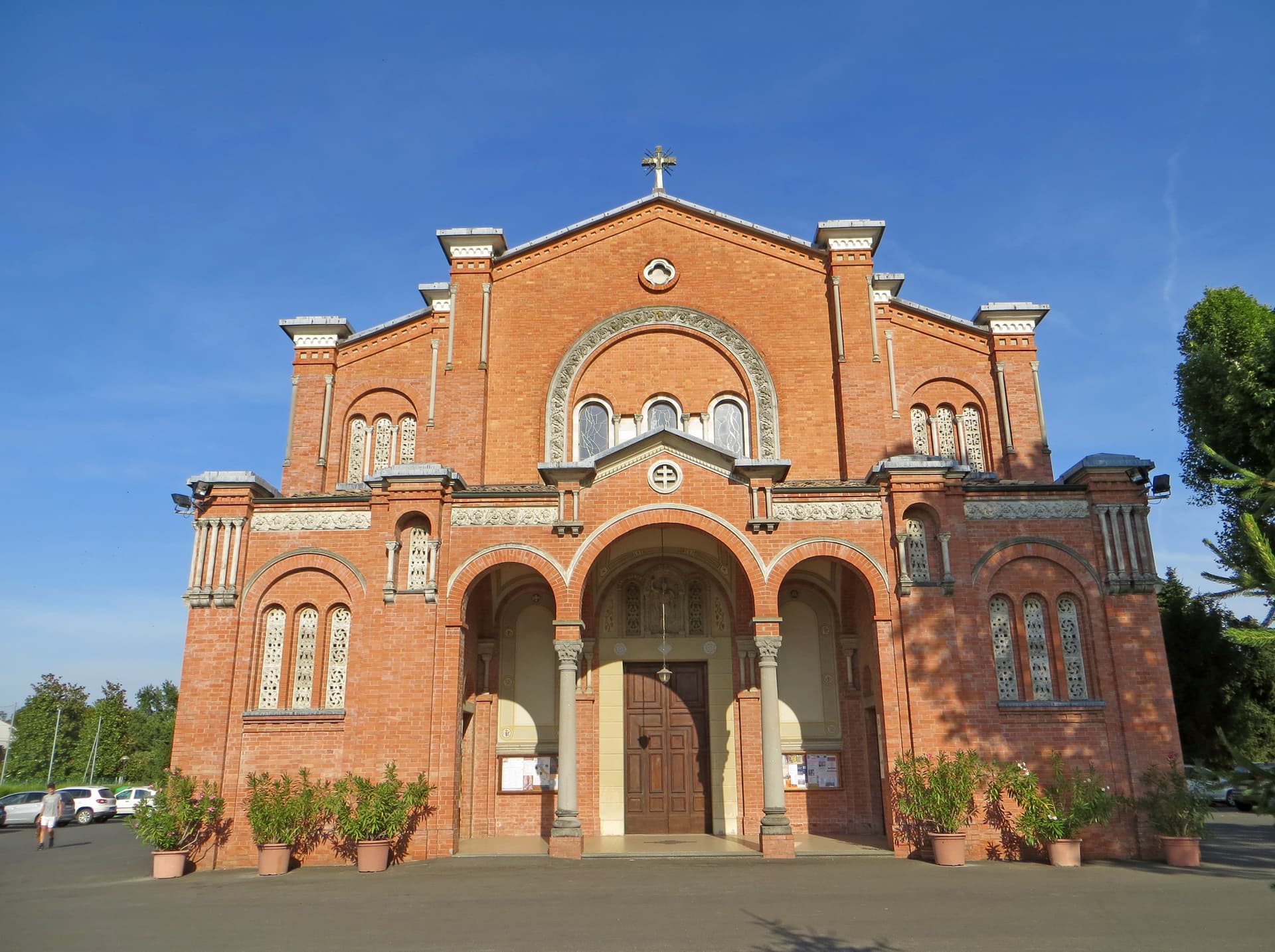
A Parmigiano-country borgo on the Enza river, built around a fourteenth-century castle that has stayed in the Marchi family since 1864.
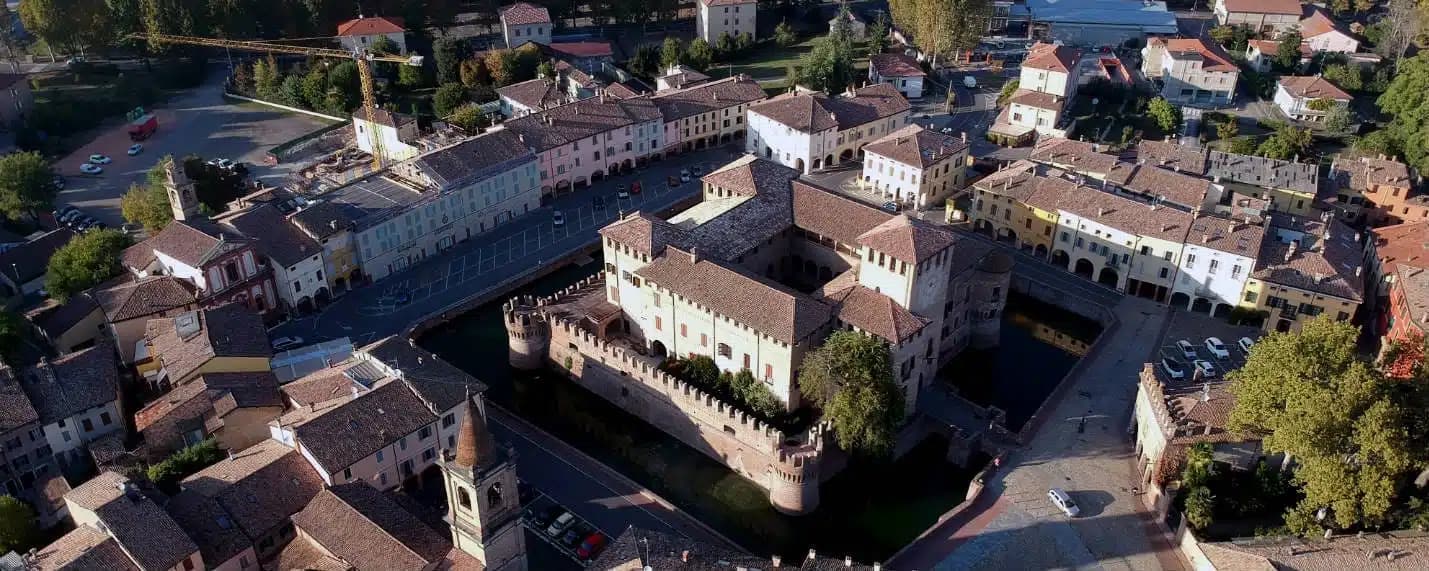
Fontanellato
Province: Parma
A Parma-plain town built around the Rocca Sanvitale, the moated fortress with Parmigianino's 1524 fresco of Diana and Actaeon.
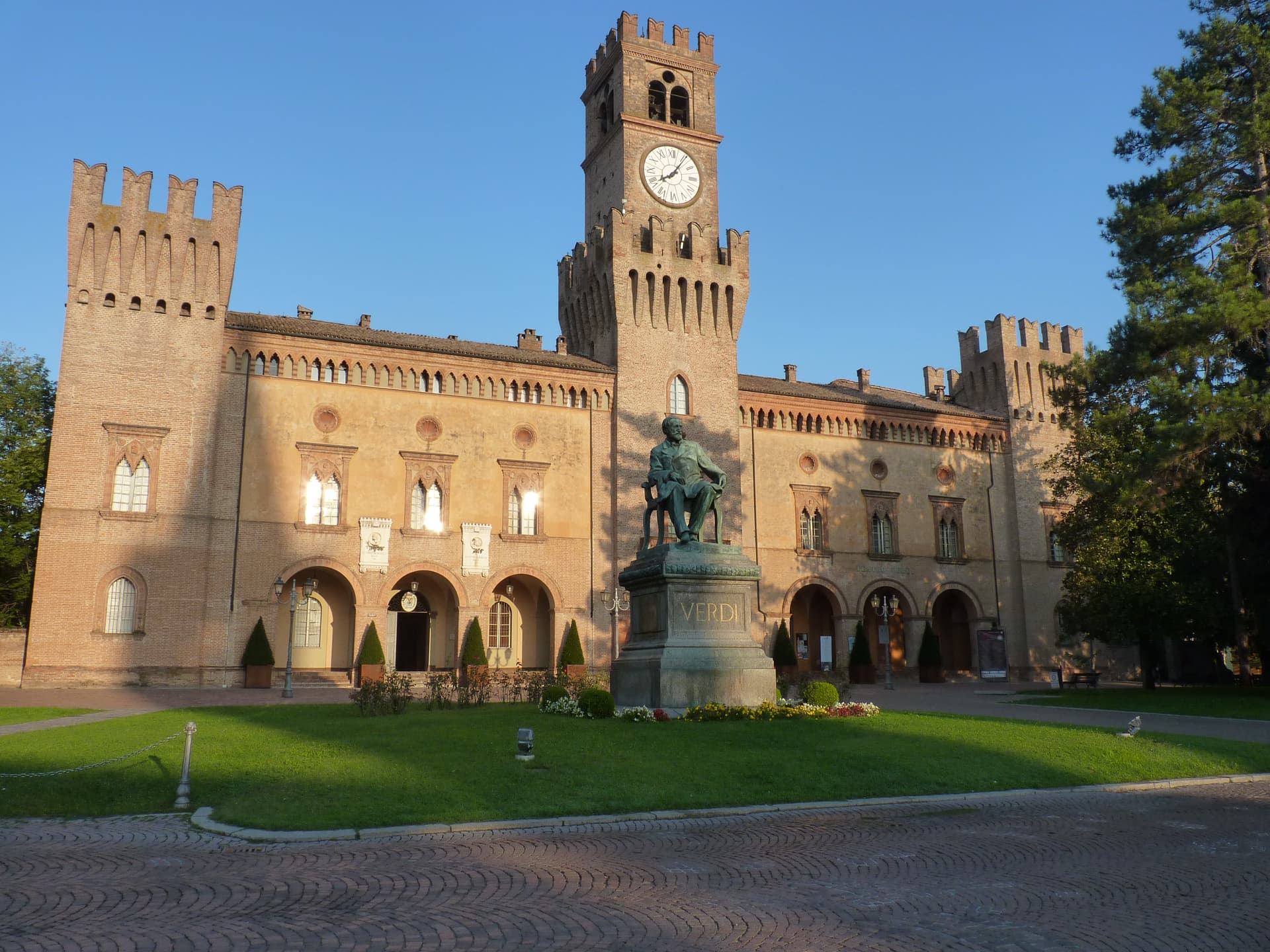
Busseto
Province: Parma
A 40-meter Bassa Parmense town where Giuseppe Verdi grew up, with a 300-seat opera house in the Rocca he refused to enter.
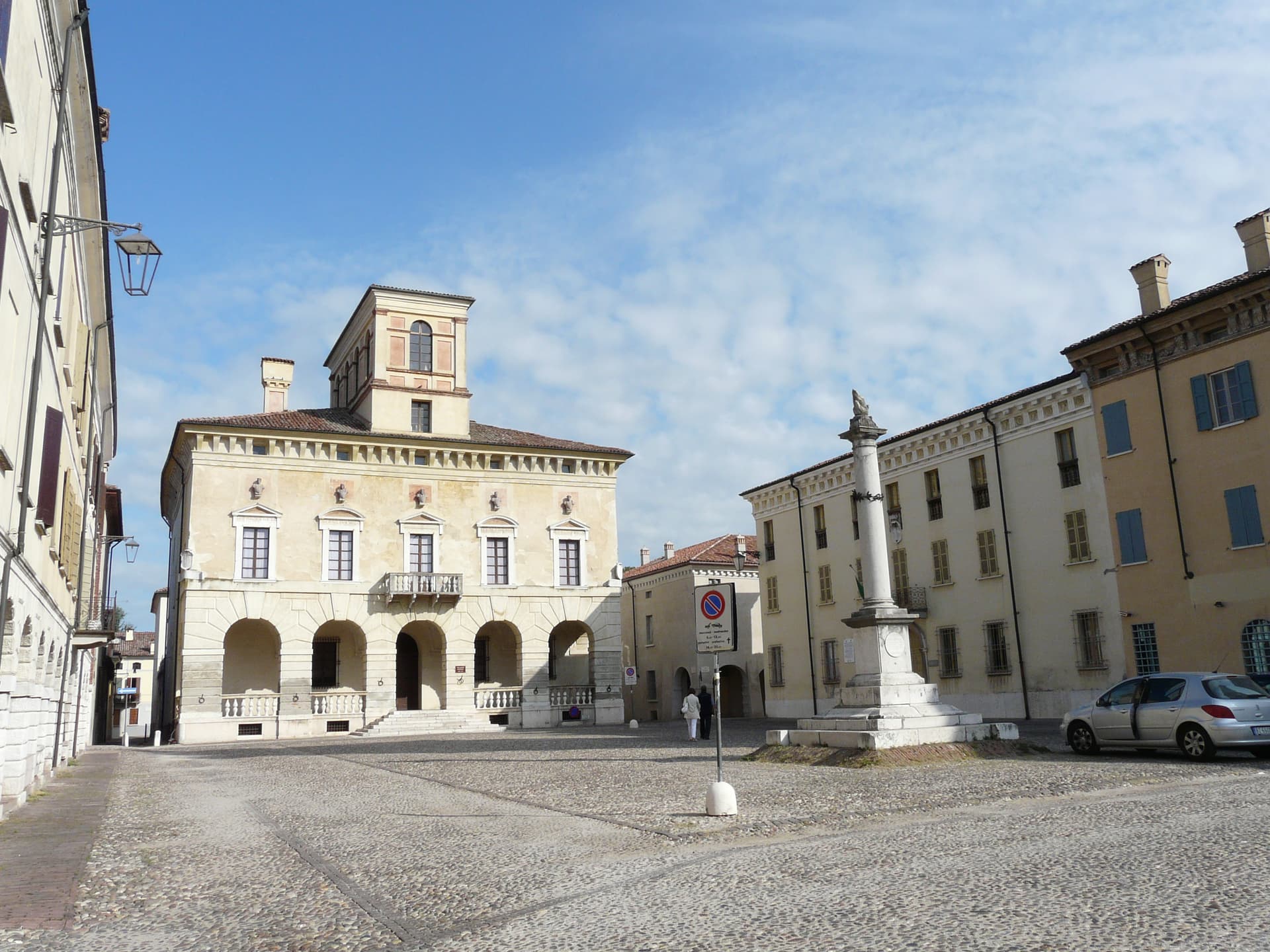
Sabbioneta
Province: Mantova
A Renaissance ideal city on the Po, built in thirty years by Vespasiano I Gonzaga and laid out as a six-pointed star.
🌻 Spighe Verdi
More Spighe Verdi towns
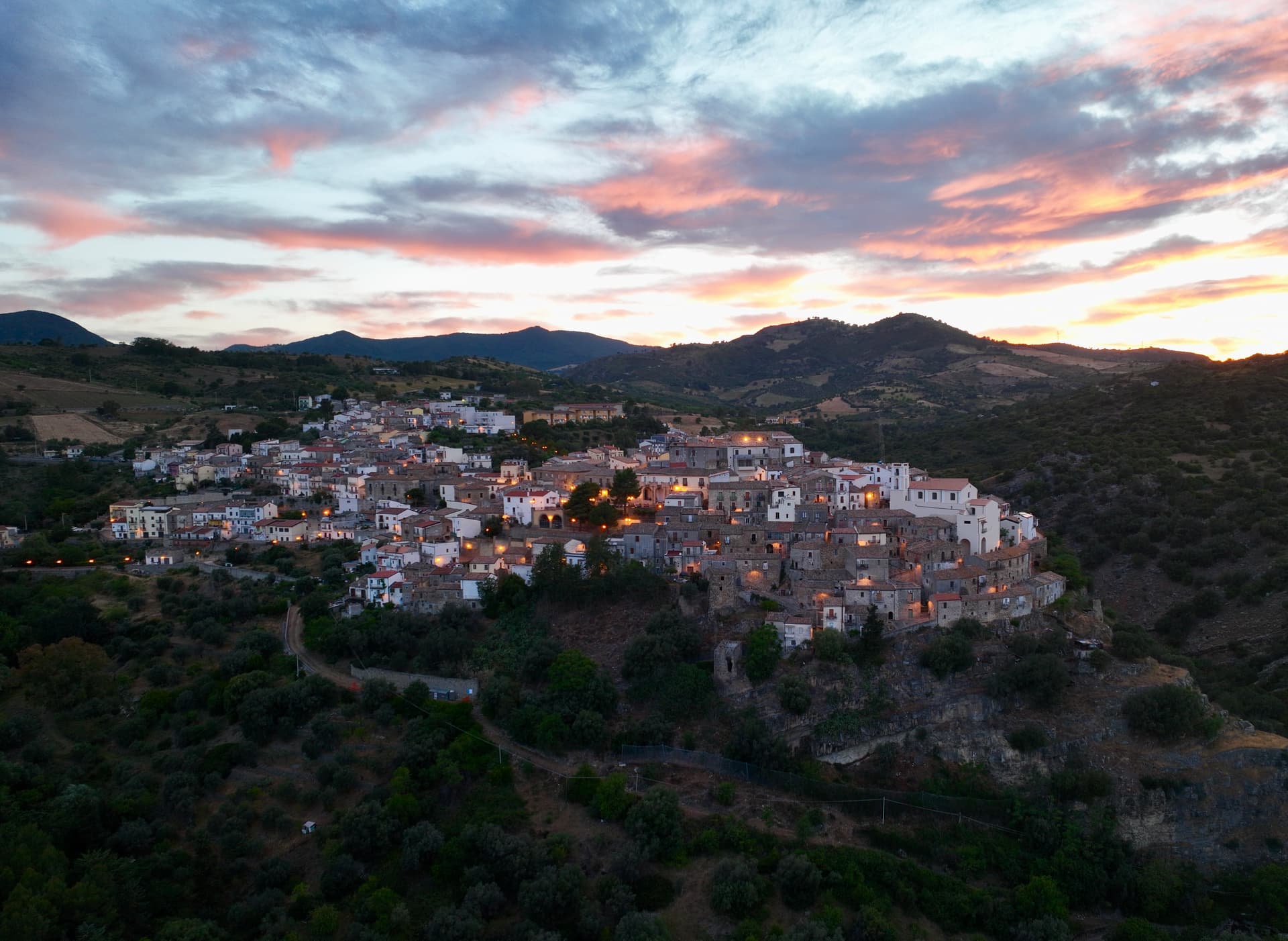
Nova Siri
Province: Matera
A 350-meter Ionian hill town with a Blue Flag beach nine kilometers below, near the site of the ancient Greek colony of Siris.
Pisticci
Province: Matera
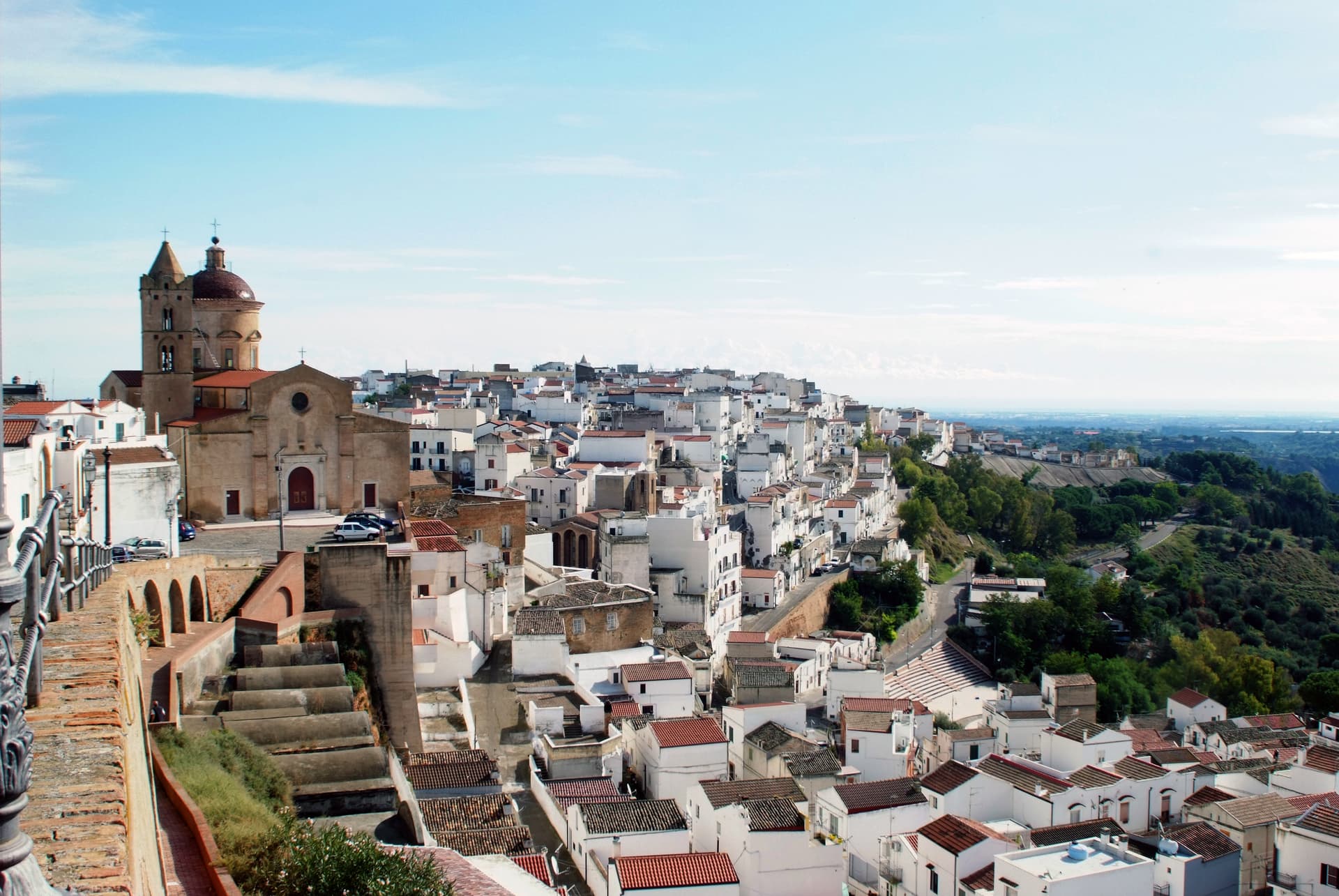
A hill town at 364 meters above the Ionian, rebuilt in three hundred identical white houses after the 1688 landslide killed four hundred.
Cariati
Province: Cosenza
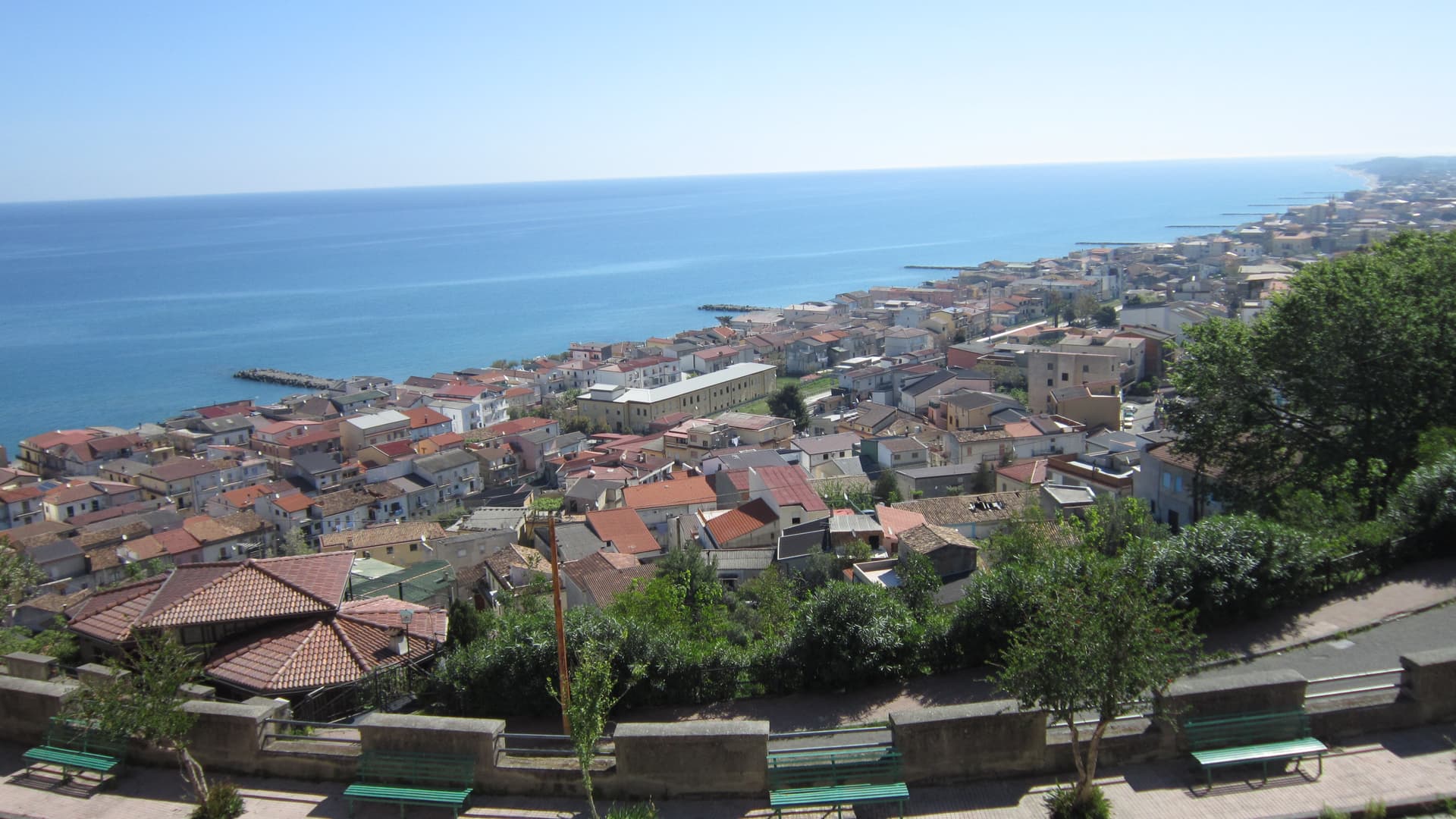
A walled Ionian fishing town on the Saracen Coast, its kilometer of medieval ramparts and eight towers among the most intact in southern Italy.
Montegiordano
Province: Cosenza
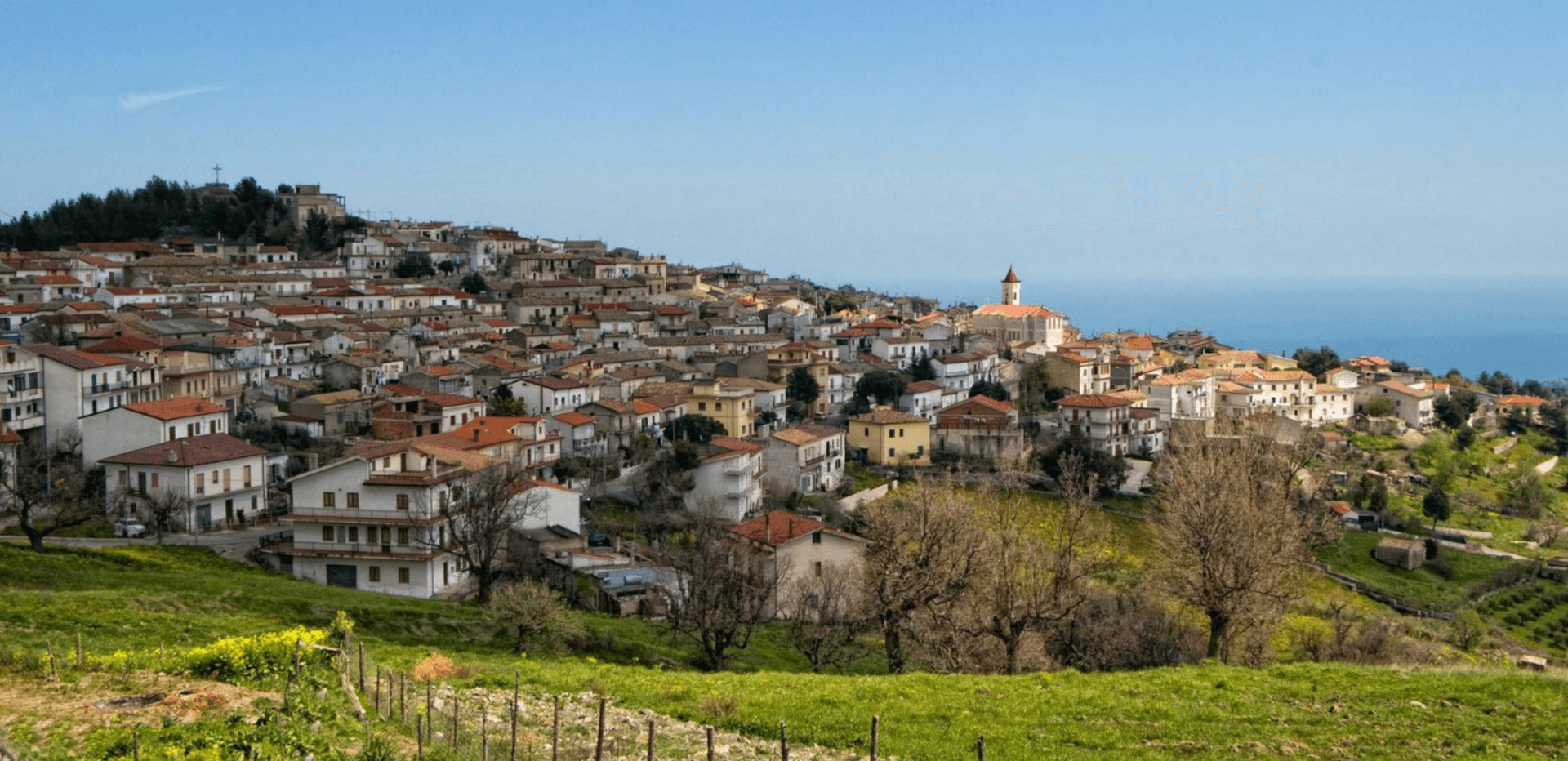
A 619-meter Alto Jonio hill town with a Pignone del Carretto hunting castle and more than two hundred murals across its centro storico.
Roseto Capo Spulico
Province: Cosenza
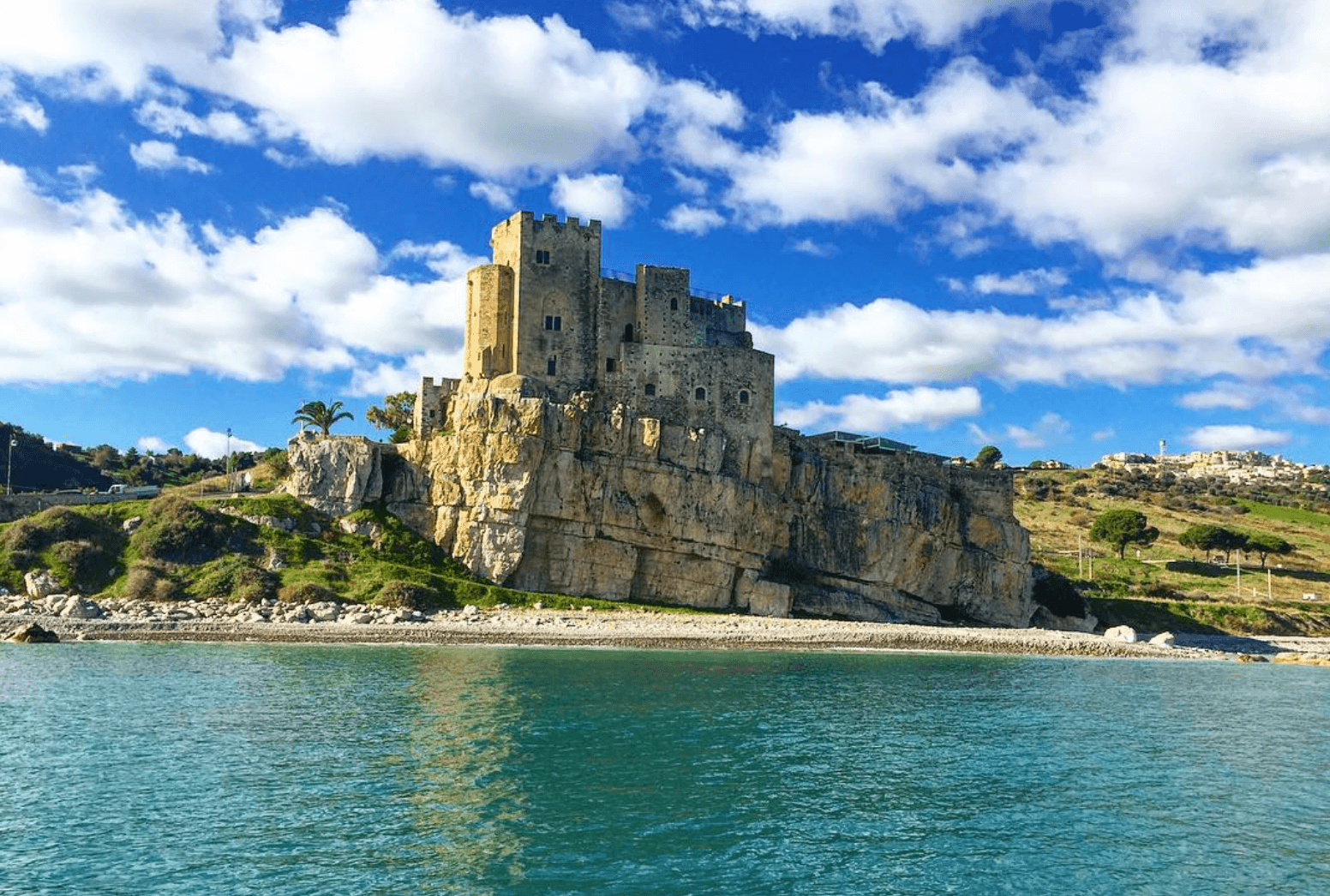
A Frederician castle on a rock above the Ionian, a former Sybaris satellite city founded in the seventh century BC, Templar legend included.