
Emilia-Romagna · Reggio nell'Emilia
Canossa
The Reggiano commune holding the ruined castle where Henry IV stood three days in the snow before Pope Gregory VII in 1077.
Known for
WALK TO CANOSSA
January 1077 penance of Holy Roman Emperor Henry IV before Pope Gregory VII, three days in the snow at the castle gate.
MATILDE DI CANOSSA
The Tuscan countess who ruled most of northern Italy from this hill until her death in 1115, ally of Gregory VII and Urban II.
SPERGOLA
White grape native to the Canossa hills, vinified still and sparkling under the Colli di Scandiano e Canossa DOC.
When to visit
Best · Apr–Oct
- J
- F
- M
- A
- M
- J
- J
- A
- S
- O
- N
- D
- Best
- Hot or crowded
- Quiet
- Mostly closed
The festa: Martino di Tours, 11 November
Why come
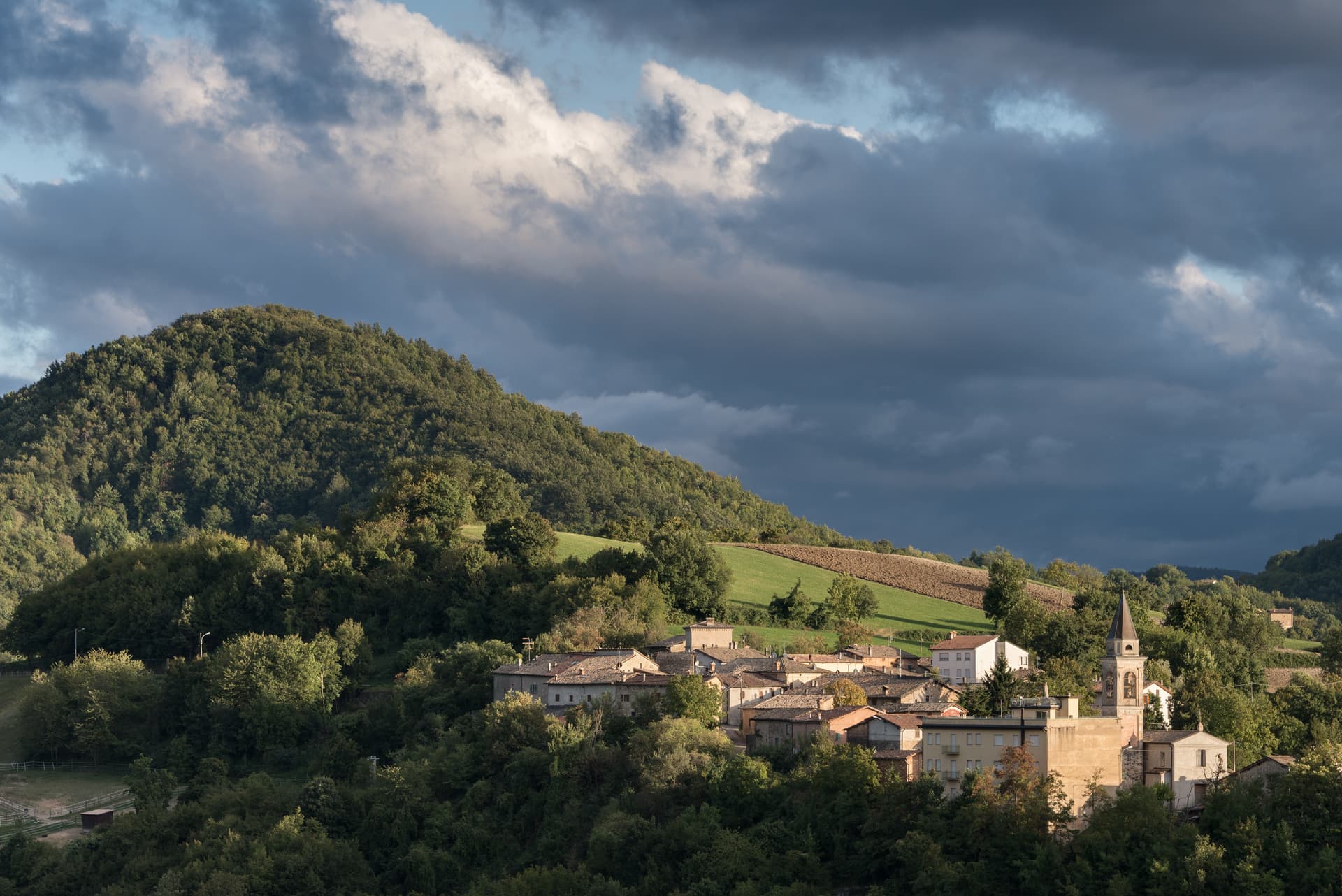
Canossa sits on the Apennine slope thirty kilometers south of Parma and twenty-five southwest of Reggio Emilia at the seat in Ciano d'Enza. The commune is named for the ruined fortress on a white limestone outcrop eight kilometers east, built before 950 by Adalbert Atto of Lucca and held by Matilde di Canossa until her death in 1115. The Walk to Canossa happened here: in January 1077 the Holy Roman Emperor Henry IV stood three days bare-headed in the snow at the castle gate, waiting for Pope Gregory VII to lift his excommunication.
The fortress was destroyed by Reggio Emilia in 1255 and is now the Museo Nazionale Naborre Campanini. The commune was called Ciano d'Enza until 1992, when it took the older name back. Vineyards on the surrounding slopes produce Lambrusco and the Spergola white grape, and the path between Ciano and the castle ruin remains the Sentiero Matilde.
The Sunday letter
We haven’t written Canossa’s letter yet.
One town every Sunday, with the photo, the food, the festa. Be there when this one comes up. Free, by Peter & Sophia from Pietrasanta.
By subscribing you agree to Substack’s Terms of Use, our Privacy Policy and our Information collection notice.
What to see
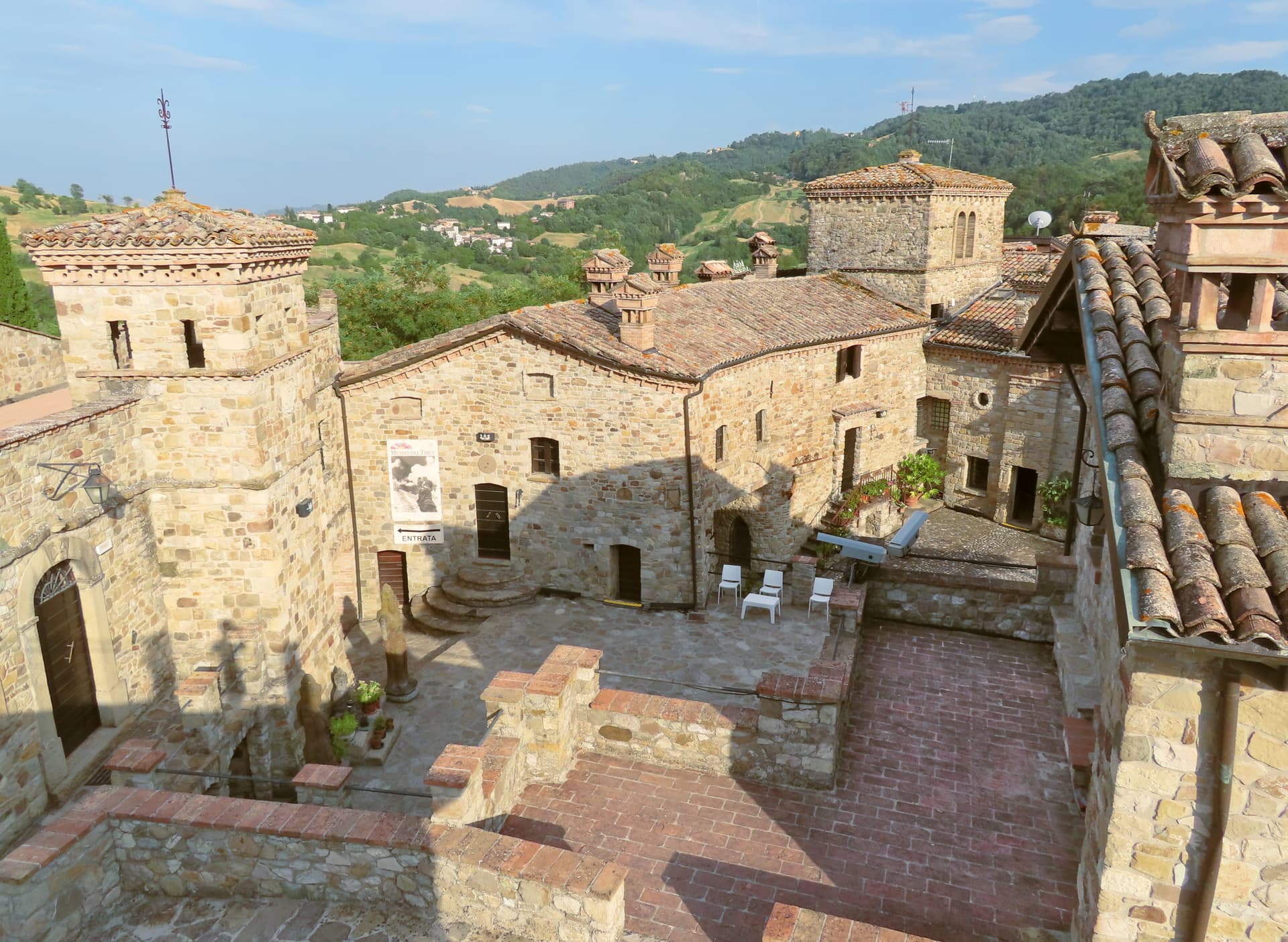
Castello di Canossa
Tenth-century fortress on a white sandstone outcrop, destroyed in 1255 and now a ruin housing the Museo Nazionale Naborre Campanini.
Castello di Rossena
Best-preserved of the Matildic castles, built in the tenth century on volcanic rock to guard the western approach to Canossa.
Torre di Rossenella
Square watchtower a kilometer from Rossena, built on a separate basalt pinnacle as a forward observation post for the Canossa system.
Sentiero Matilde
Marked footpath linking Ciano d'Enza to the castle ruin, climbing through vineyards and oak woods over four kilometers.
Museo Nazionale Naborre Campanini
Small museum at the castle site, holding medieval sculpture fragments, ceramics, and documents recovered from the Matildic fortifications.
The slow-trip planner
Building a trip? Find where Canossa fits in a slow Italy circuit.
Answer five questions. We will shape a geographically coherent slow trip from the 1,000 Italian towns most travelers skip. Yours to save and share.
Living here
- Population 3,759
- In-betweeni
- Pharmacy in town
- High school within a 30-minute drive
- Train station in the comune
- Nearest airport Bologna, 1 h 30 min drive
- Regional capital Bologna, 1 h 34 min drive
Tags & datadesignations · numbers · sources
Recognised as
The numbers
- Elevation: 219 m
- Population: 3,759
- Surface area: 53.08 km²
These figures were compiled from public directories — ISTAT, OpenStreetMap, Wikidata — and from the official listings of the guides named on this page. Town details change; verify with official sources before you travel.
Close by
More towns near Canossa
Montechiarugolo
Province: Parma
A Parmigiano-country borgo on the Enza river, built around a fourteenth-century castle that has stayed in the Marchi family since 1864.
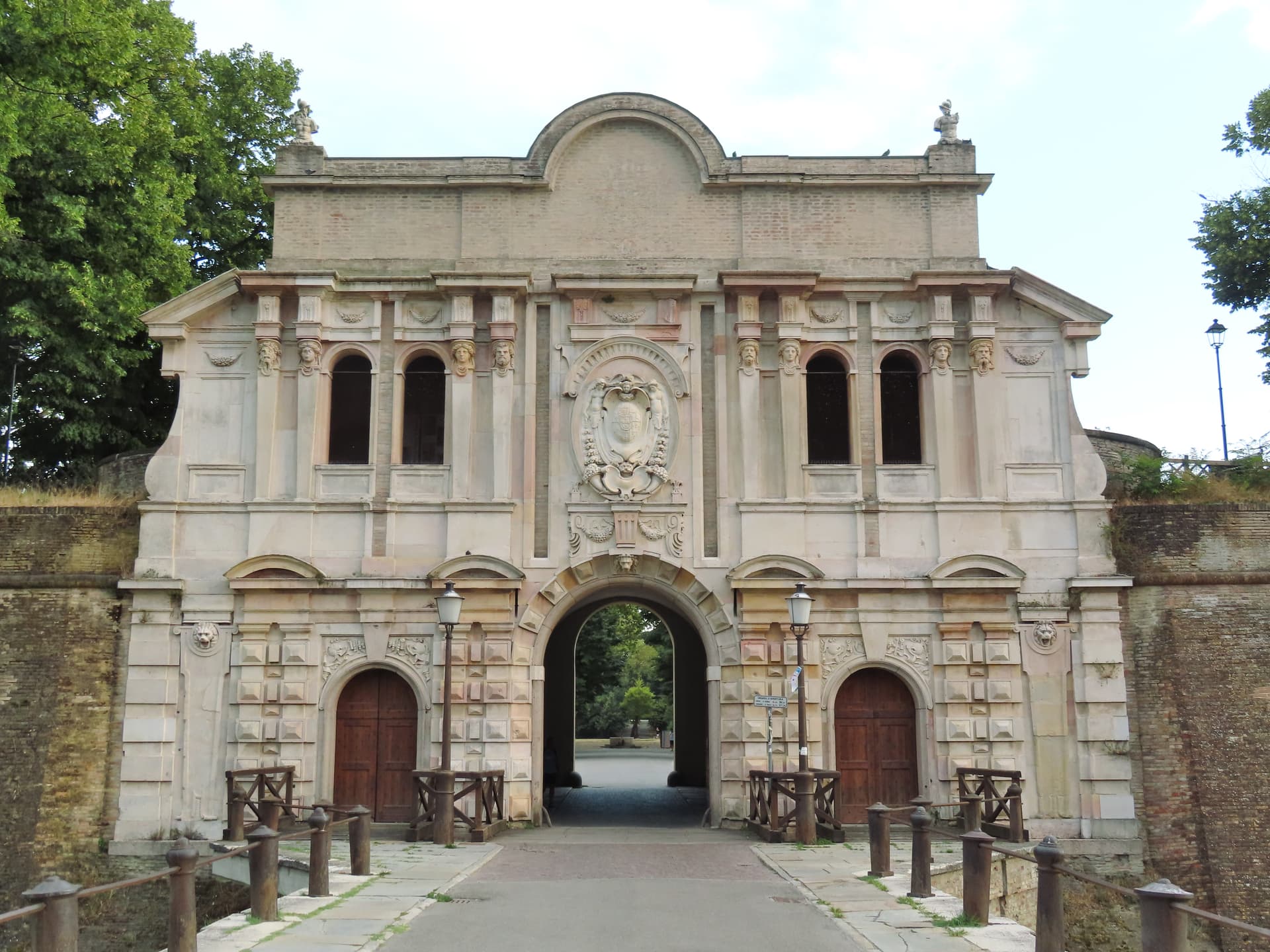
Parma
Province: Parma
A 57-meter Po-plain capital on the Via Emilia, where Correggio painted the Duomo dome and Parmigiano ages in vaults across the province.
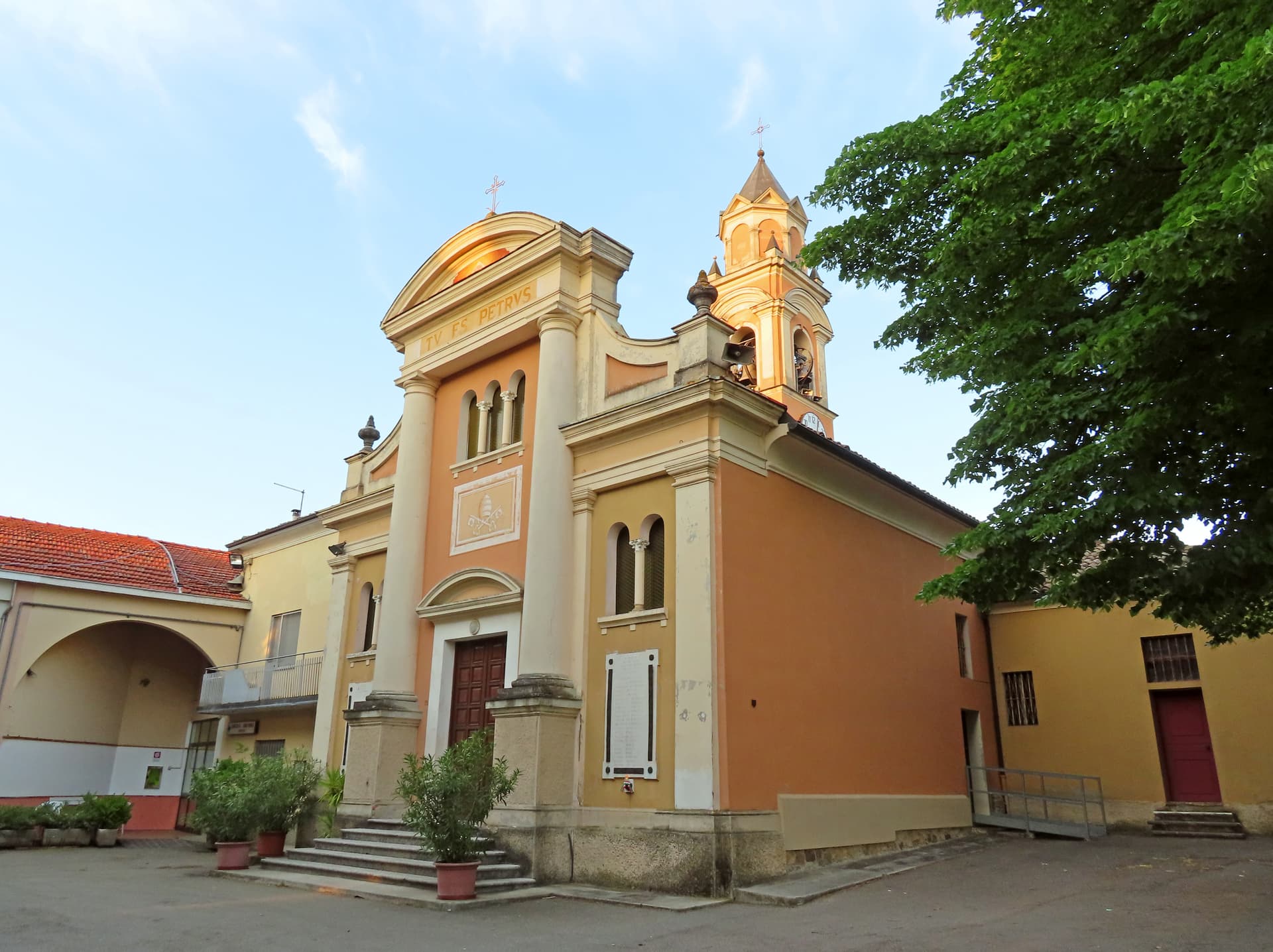
Collecchio
Province: Parma
The Parma-cintura town on the Via Francigena, home to the Pieve di San Prospero, Parmalat, and Parma F.C.'s training ground.
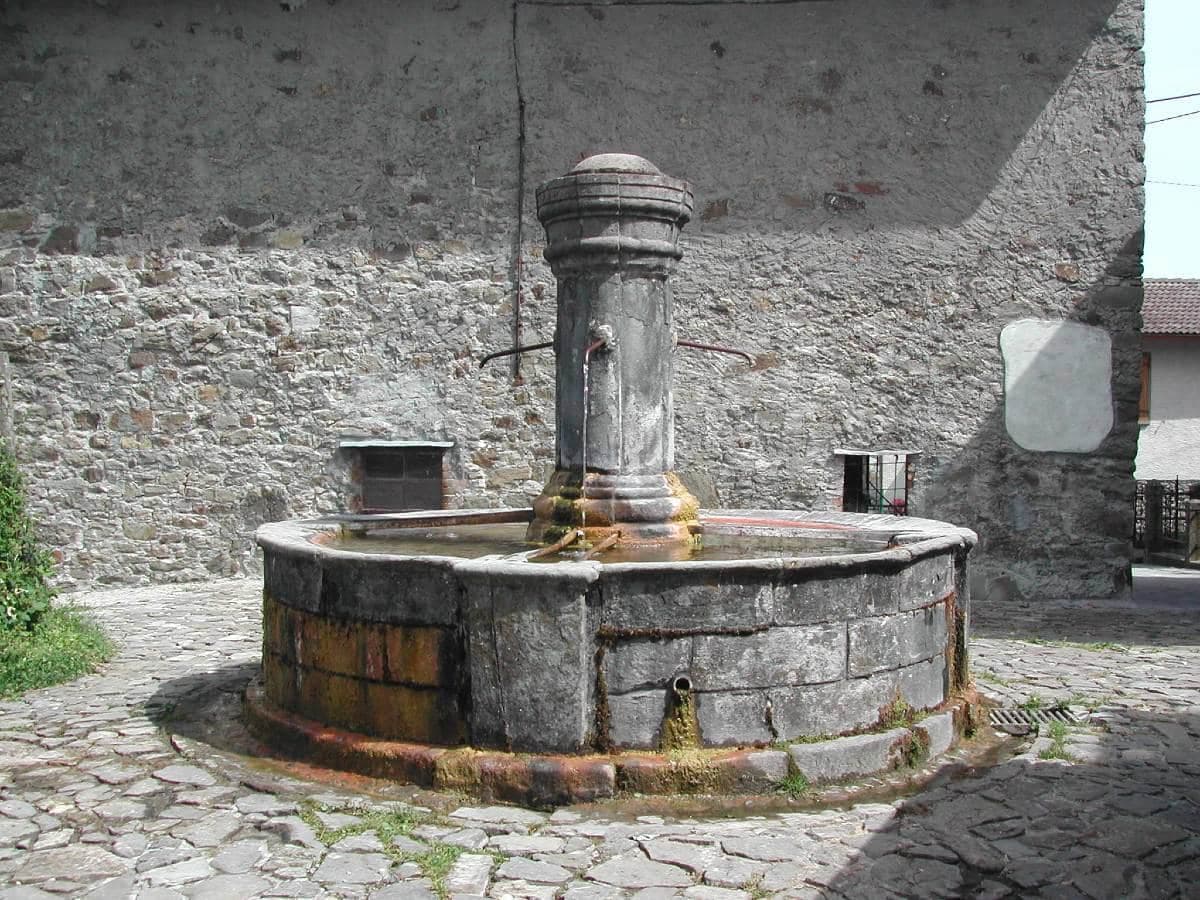
Corniglio
Province: Parma
A 690-meter Parma-Apennine commune inside the Tosco-Emiliano park, with a thirteenth-century Rossi castle and the Lagdei plateau above.
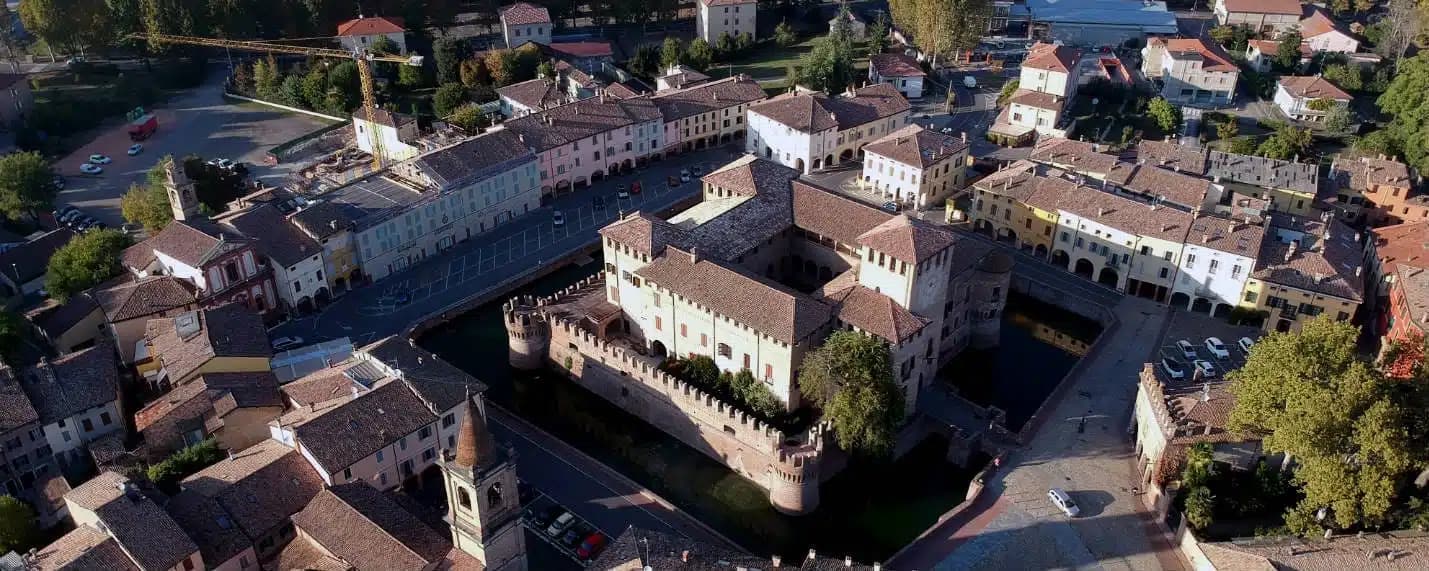
Fontanellato
Province: Parma
A Parma-plain town built around the Rocca Sanvitale, the moated fortress with Parmigianino's 1524 fresco of Diana and Actaeon.
🏆 Borgo dei Borghi
More Borgo dei Borghi towns
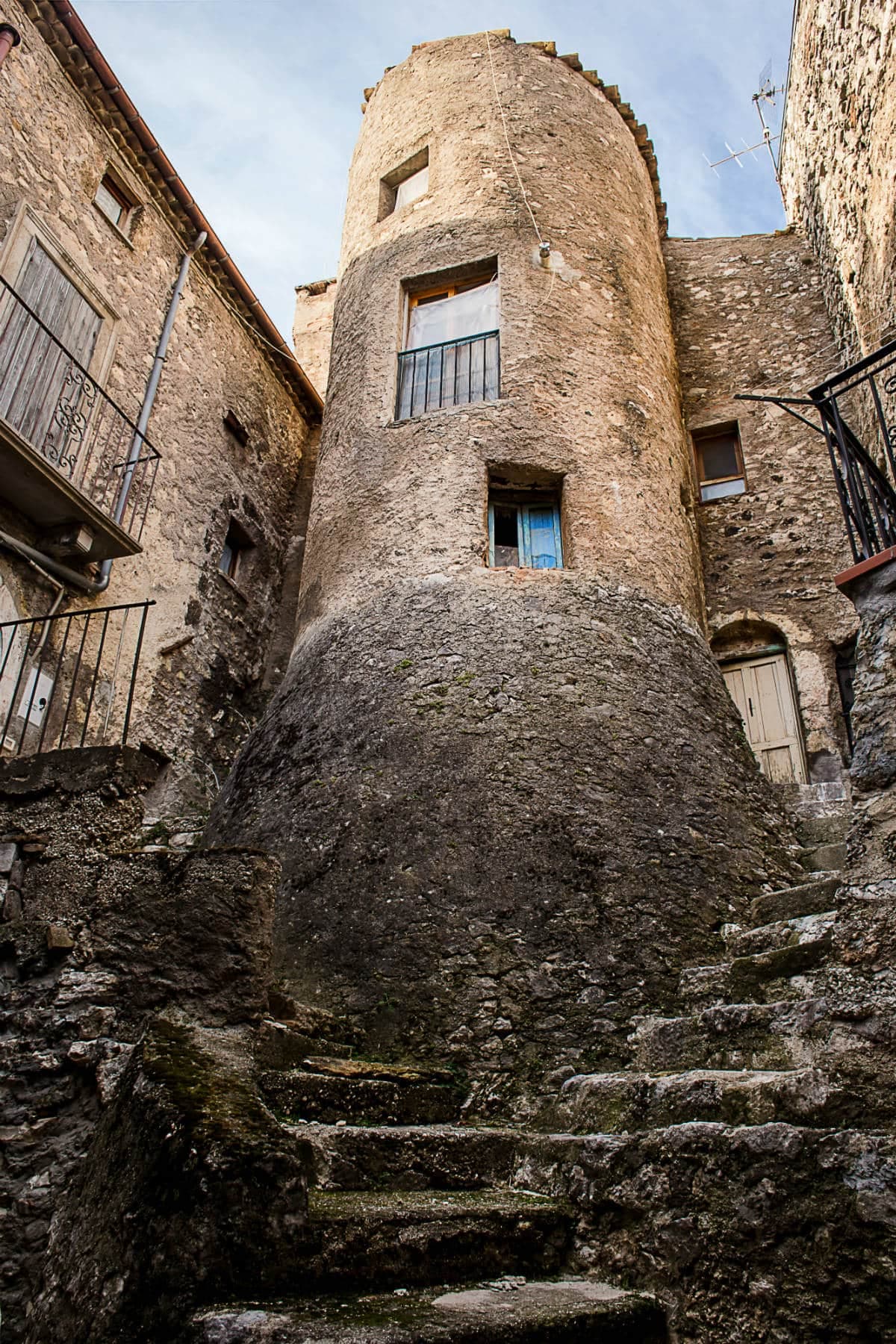
Villalago
Province: L'Aquila
A 930-meter village above three lakes, named for the nine that once filled the valley, with a hermit's cave on the water's edge.
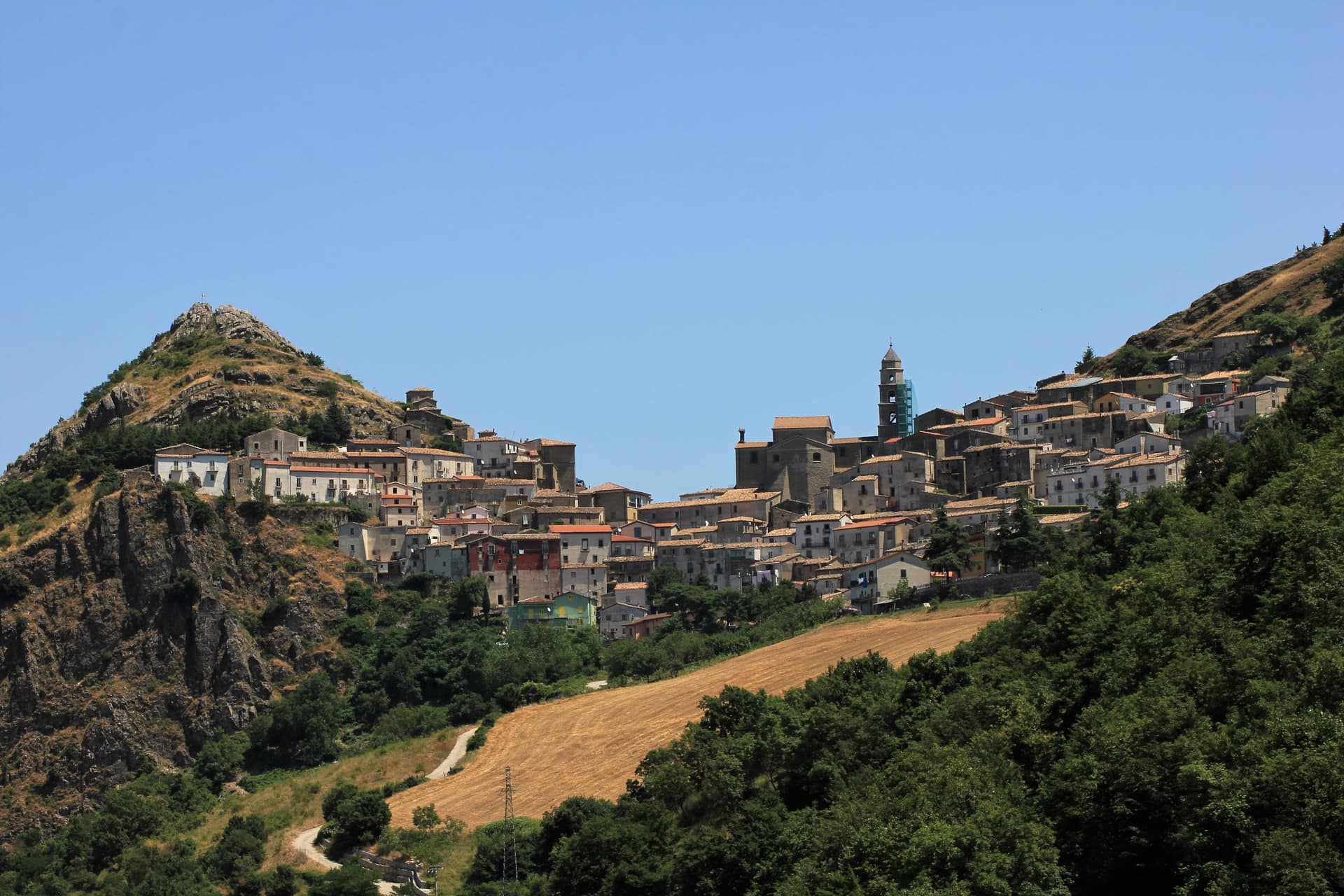
San Fele
Province: Potenza
A stone village at 872 meters between Monte Toretta and Castello, anchored by Otto I's 969 fortress and ten waterfalls down the Bradano.
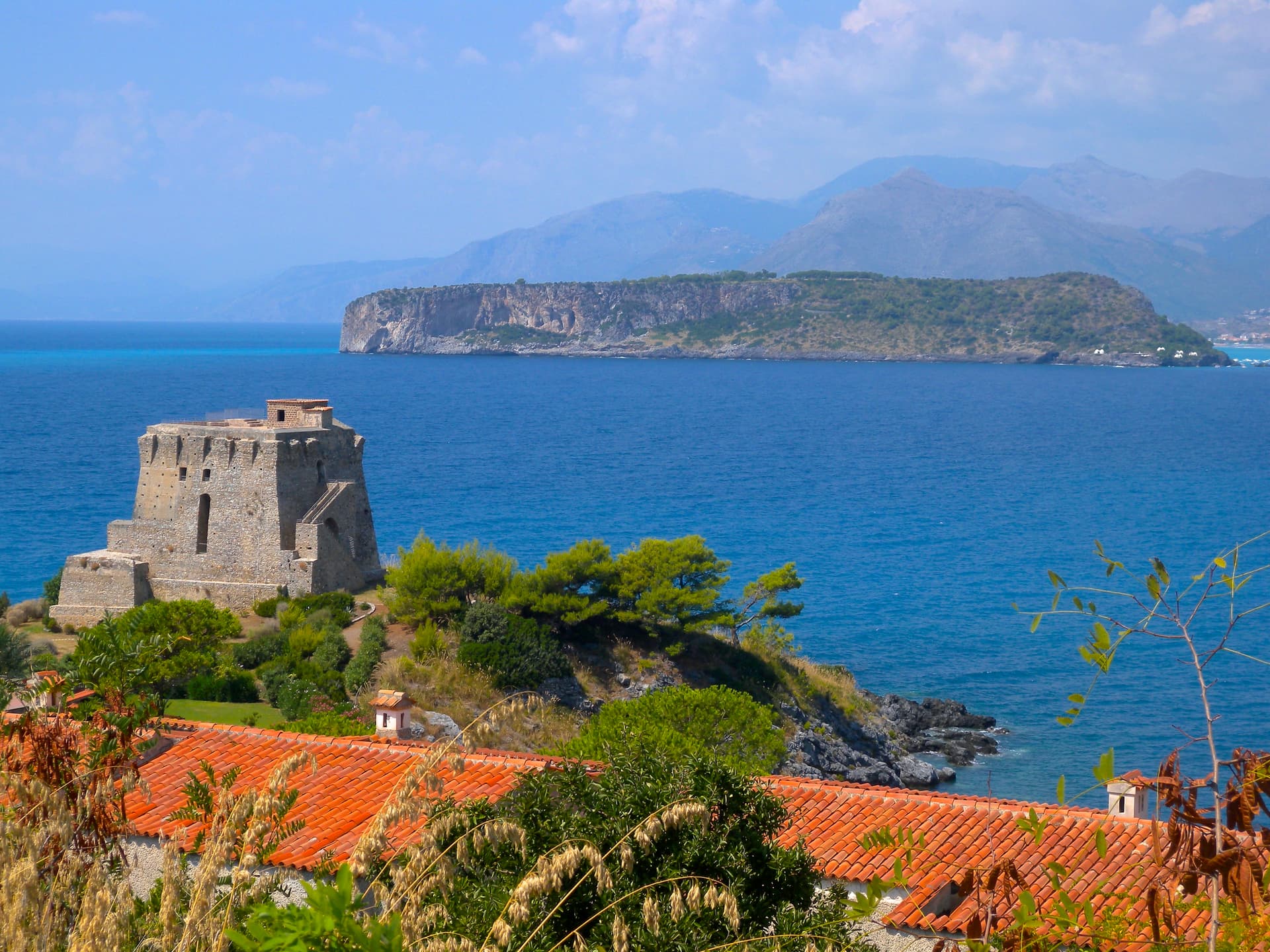
San Nicola Arcella
Province: Cosenza
A cliff village above the Tyrrhenian Riviera dei Cedri, where the Arco Magno sea arch fronts a cove only reachable on foot or by boat.
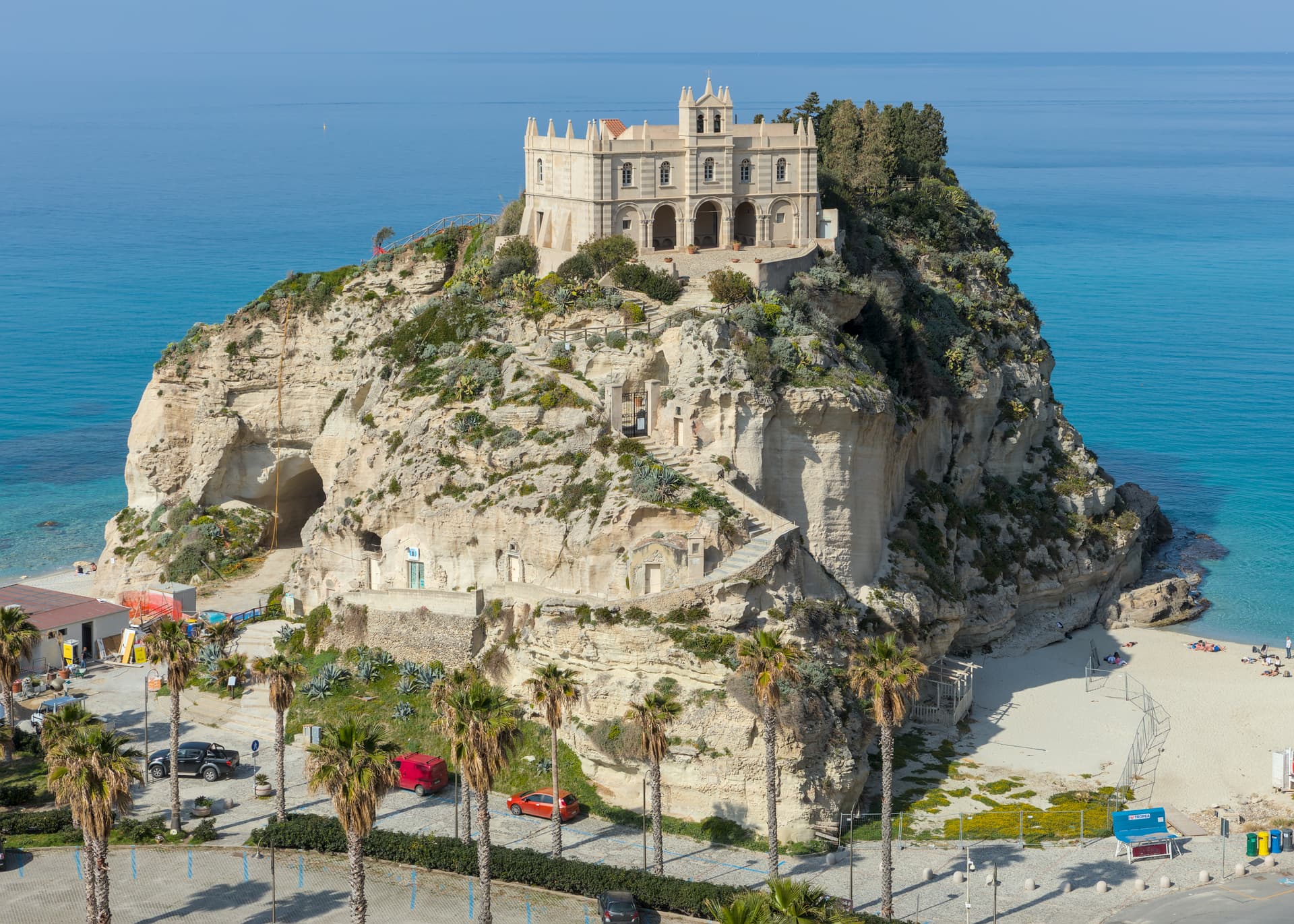
Tropea
Province: Vibo Valentia
Cliff town on a tufa headland over the Tyrrhenian Coast of the Gods, with a Norman monastery on a sea rock.
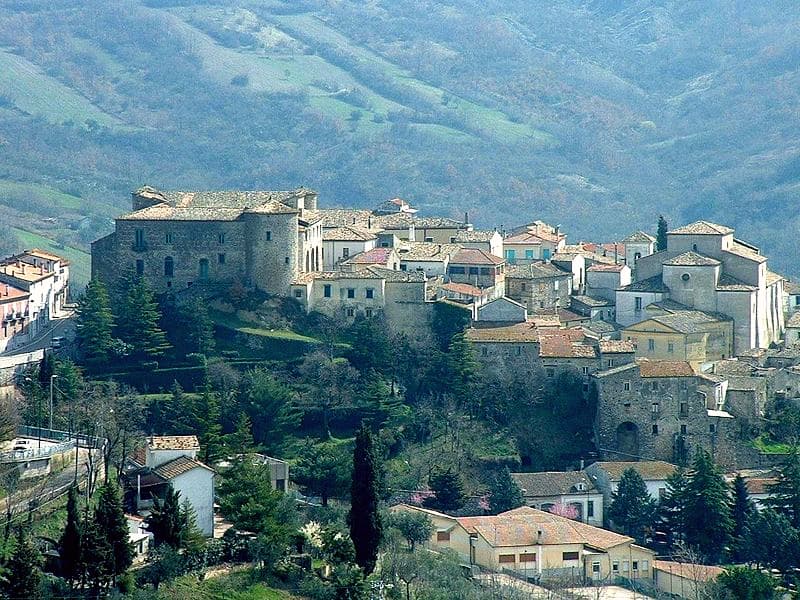
Zungoli
Province: Avellino
An Irpinia ridge at 657 meters between the Ufita valley and the Daunian hills, with Norman walls above and Byzantine tuff caves below the houses.