

Emilia-Romagna · Piacenza
Vernasca
A Val d'Arda commune in the Piacenza Apennines, holding the walled village of Vigoleno and one of the most compact castled borghi in Emilia.
Known for
VIGOLENO
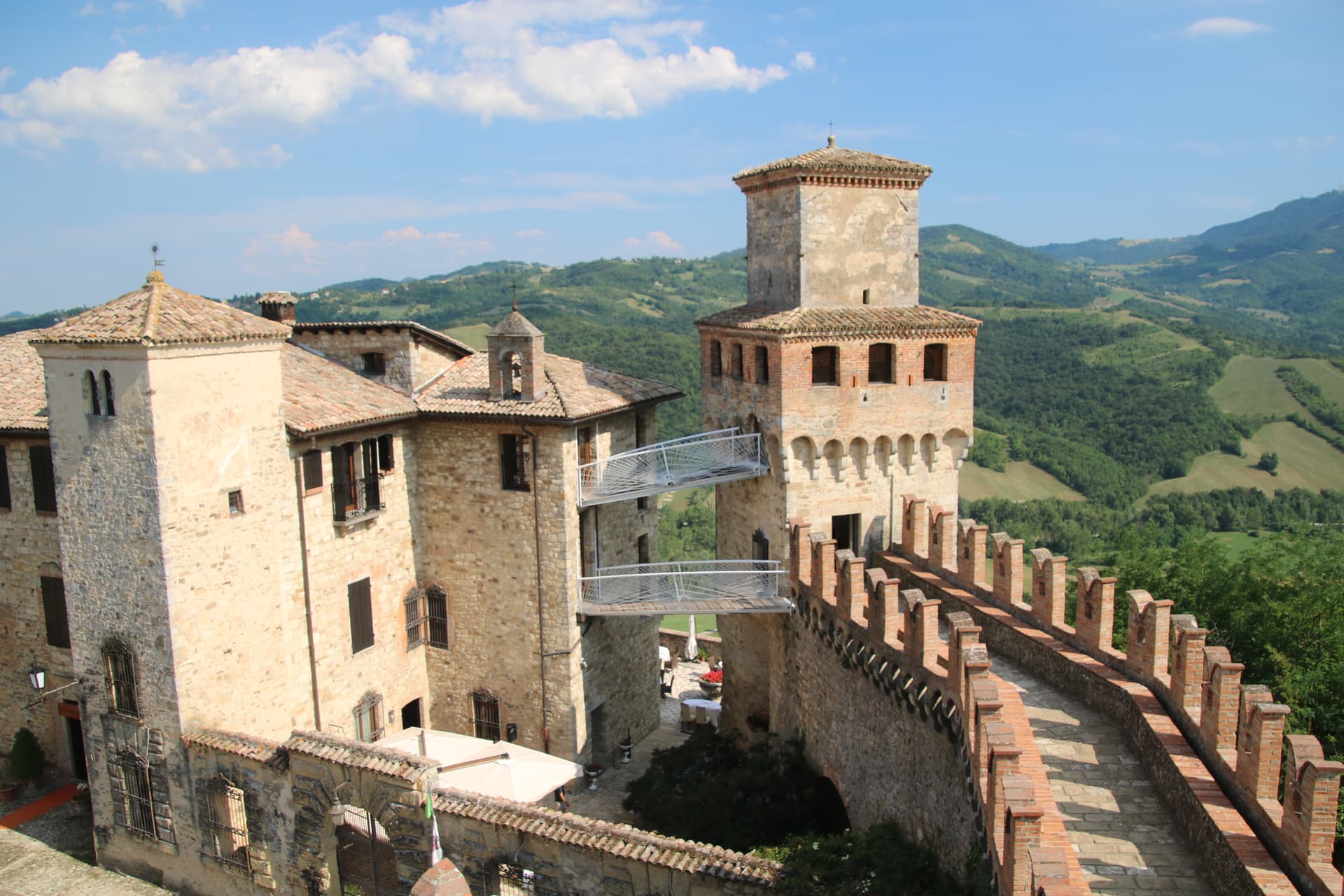
Walled hilltop frazione with a fifteenth-century Scotti Douglas castle, absorbed into Vernasca in 1815 and now one of the smallest Borghi più belli.
VIN SANTO DI VIGOLENO
Sweet passito wine produced on the Vigoleno hills under a Slow Food Presidium, made from Santa Maria, Marsanne, Bervedino, Sauvignon and Trebbiano grapes.
RISERVA PIACENZIANO
Pliocene fossil badlands within the commune, type-locality of the Piacenzian stage in the geological time scale named after Piacenza.
When to visit
Best · Apr–Oct
- J
- F
- M
- A
- M
- J
- J
- A
- S
- O
- N
- D
- Best
- Hot or crowded
- Quiet
- Mostly closed
Why come
Vernasca sits in the upper Val d'Arda, in the Piacenza Apennines forty kilometers southeast of Parma. The commune carries both its institutional signals through its frazione Vigoleno, a walled village on a 350-meter ridge between the Ongina and Stirone valleys whose castle is documented from 1141 and whose current quadrangular plan dates from the early fifteenth century. The Scotti Douglas family, granted the county of Vigoleno in 1404 by the Visconti of Milan, rebuilt the keep, mastio and circuit walls after Visconti troops dismantled it in 1373.
Vigoleno was an autonomous commune until 1815, when it was absorbed into Vernasca. The Val d'Arda below produces Gutturnio and Ortrugo wines under the Colli Piacentini DOC. The territory holds the Riserva Naturale del Piacenziano, a fossil-bearing badlands site referenced in the geological epoch named for the Piacenza area.
The Sunday letter
We haven’t written Vernasca’s letter yet.
One town every Sunday, with the photo, the food, the festa. Be there when this one comes up. Free, by Peter & Sophia from Pietrasanta.
By subscribing you agree to Substack’s Terms of Use, our Privacy Policy and our Information collection notice.
What to see
Castello di Vigoleno
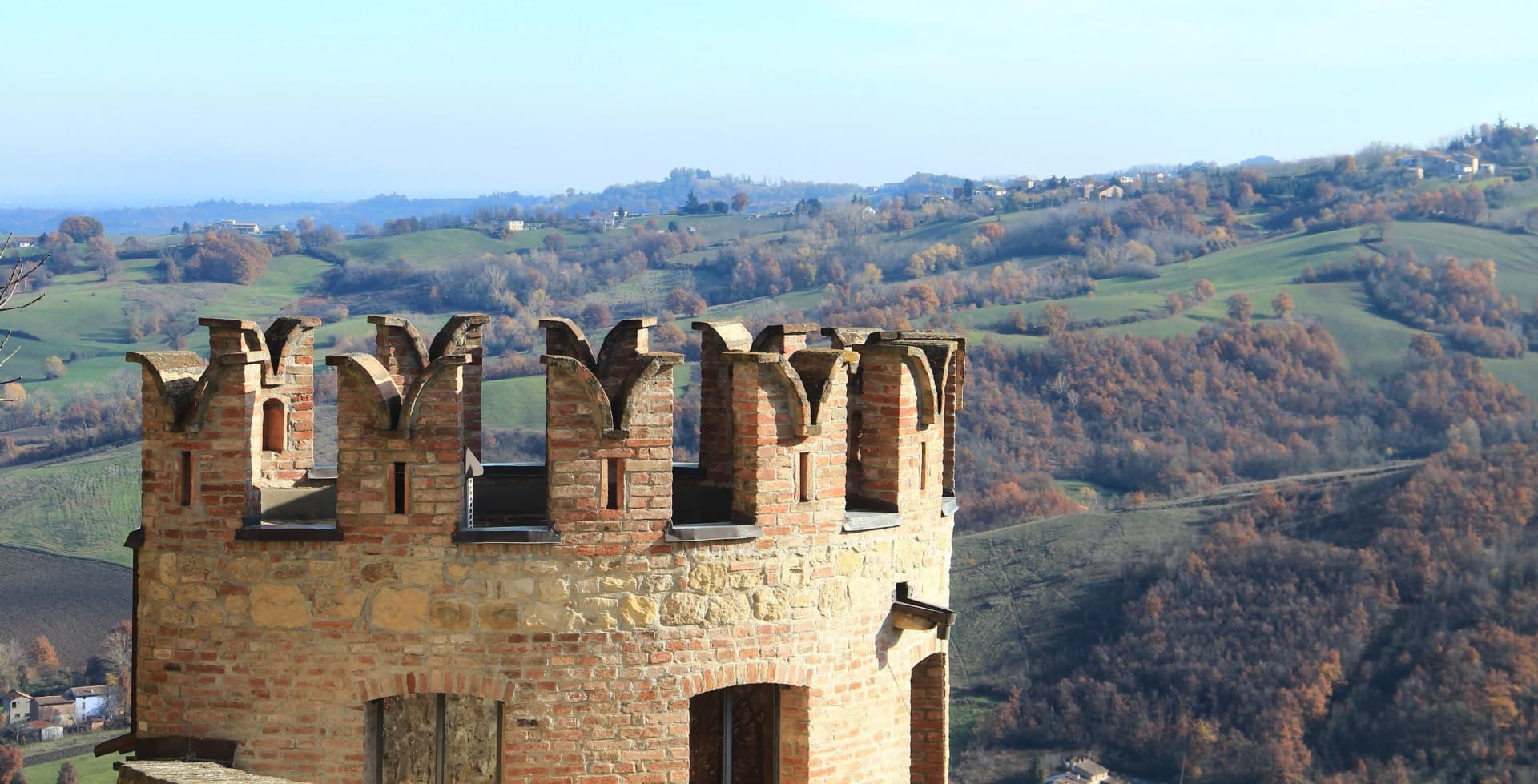
Walled medieval village and Scotti Douglas keep on a 350-meter ridge, with a circuit of walls and a mastio rebuilt in the early fifteenth century.
Pieve di San Giorgio
Twelfth-century Romanesque pieve inside the Vigoleno walls, with fifteenth-century frescoes by the school of the Pordenone.
Riserva Naturale del Piacenziano
Pliocene fossil-bearing badlands and clay outcrops within the commune, type-locality of the Piacenzian geological age named for the province.
Val d'Arda vineyards
Colli Piacentini DOC vineyards on the slopes around Vigoleno and Vernasca, producing Gutturnio, Ortrugo, and the sweet Vin Santo di Vigoleno.
The slow-trip planner
Building a trip? Find where Vernasca fits in a slow Italy circuit.
Answer five questions. We will shape a geographically coherent slow trip from the 1,000 Italian towns most travelers skip. Yours to save and share.
Living here
- Population 2,004
- Commuter belti
- Pharmacy in town
- High school within a 30-minute drive
- Nearest airport Bologna, 1 h 46 min drive
- Regional capital Bologna, 1 h 50 min drive
Tags & datadesignations · numbers · sources
The numbers
- Elevation: 457 m
- Population: 2,004
- Surface area: 72.57 km²
These figures were compiled from public directories — ISTAT, OpenStreetMap, Wikidata — and from the official listings of the guides named on this page. Town details change; verify with official sources before you travel.
Close by
More towns near Vernasca
Castell'Arquato
Province: Piacenza
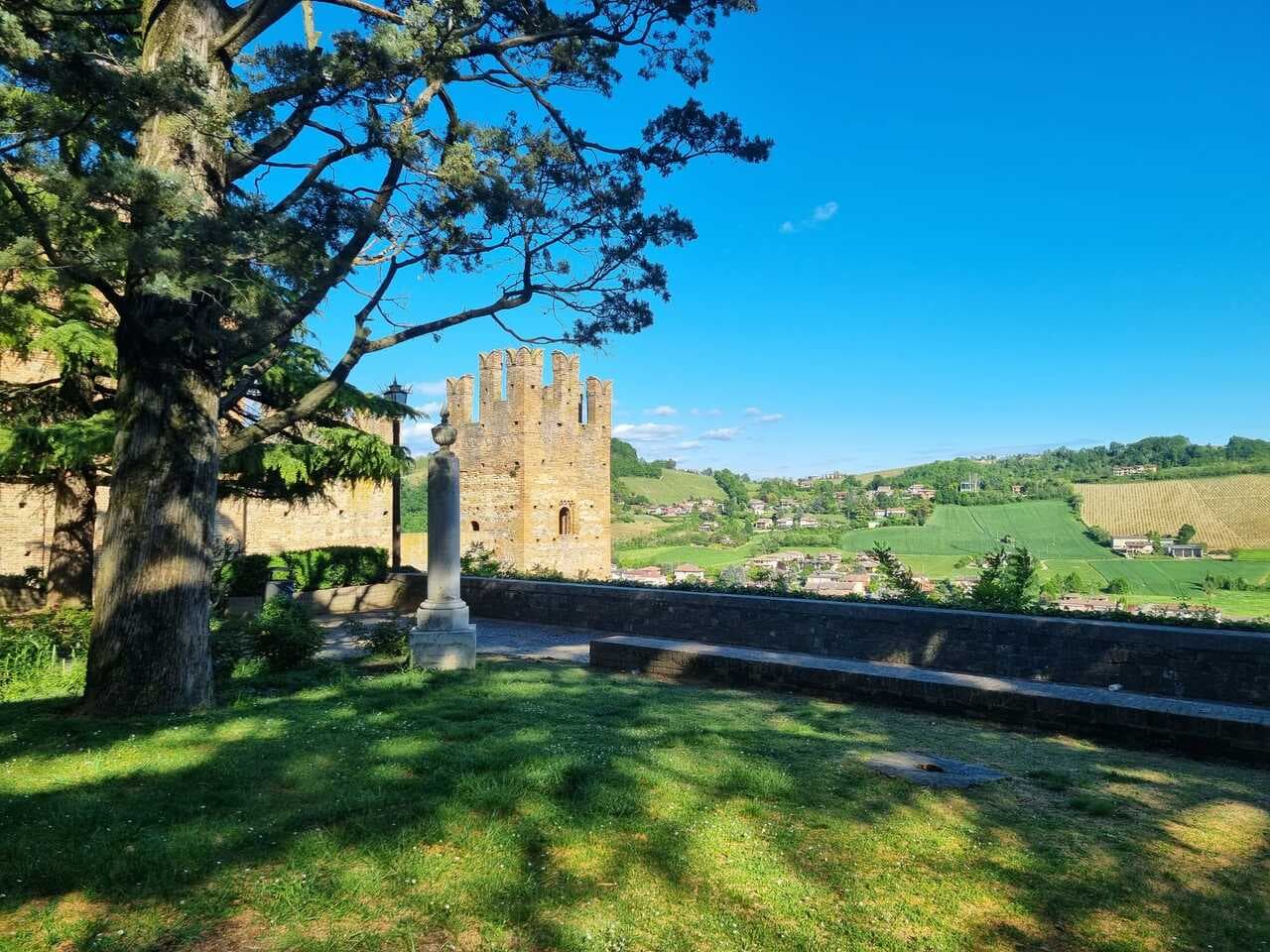
A 224-meter hilltop borgo in the Val d'Arda, kept intact since the tenth century and crowned by Luchino Visconti's 1342 fortress.
Busseto
Province: Parma
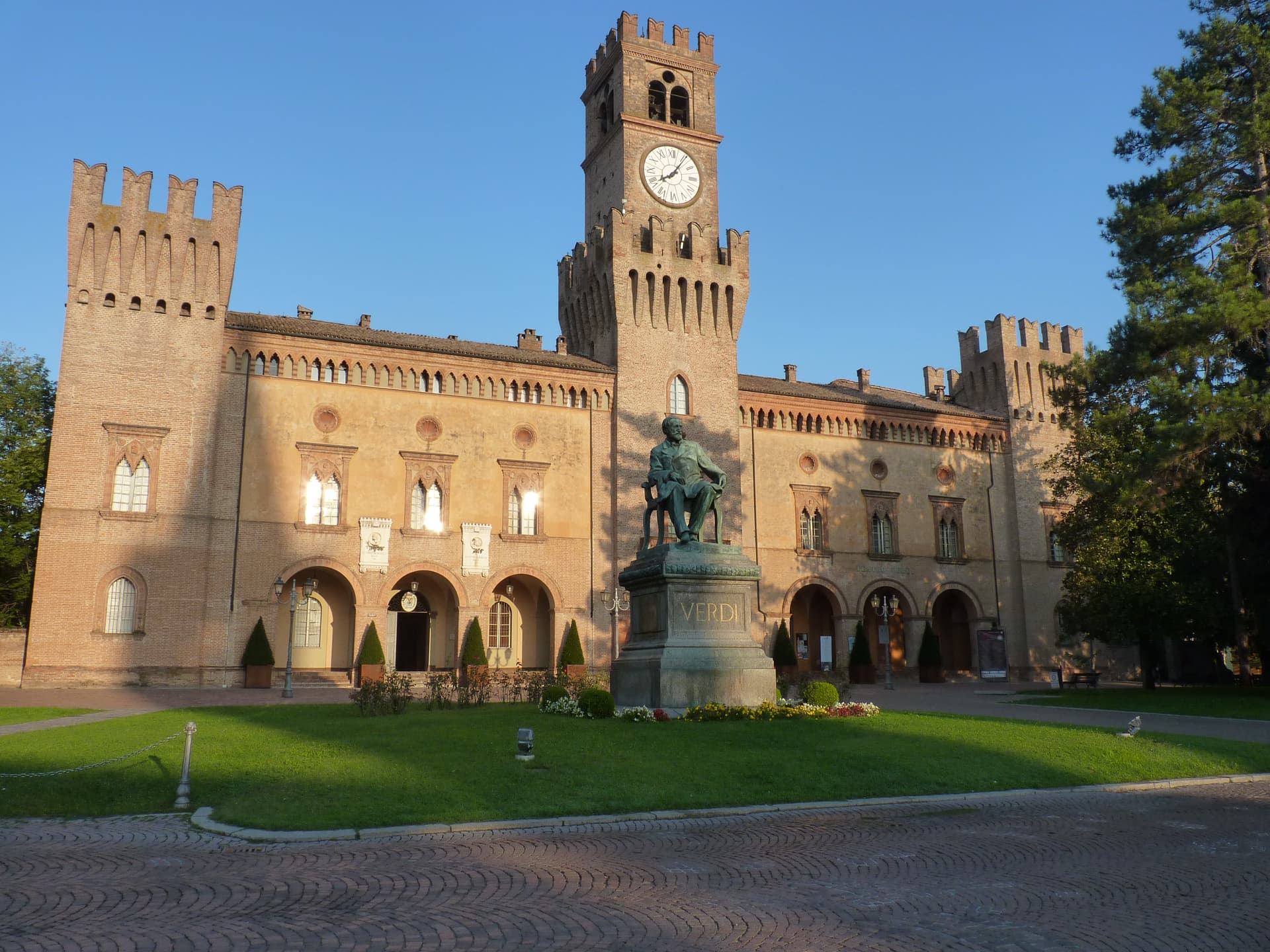
A 40-meter Bassa Parmense town where Giuseppe Verdi grew up, with a 300-seat opera house in the Rocca he refused to enter.
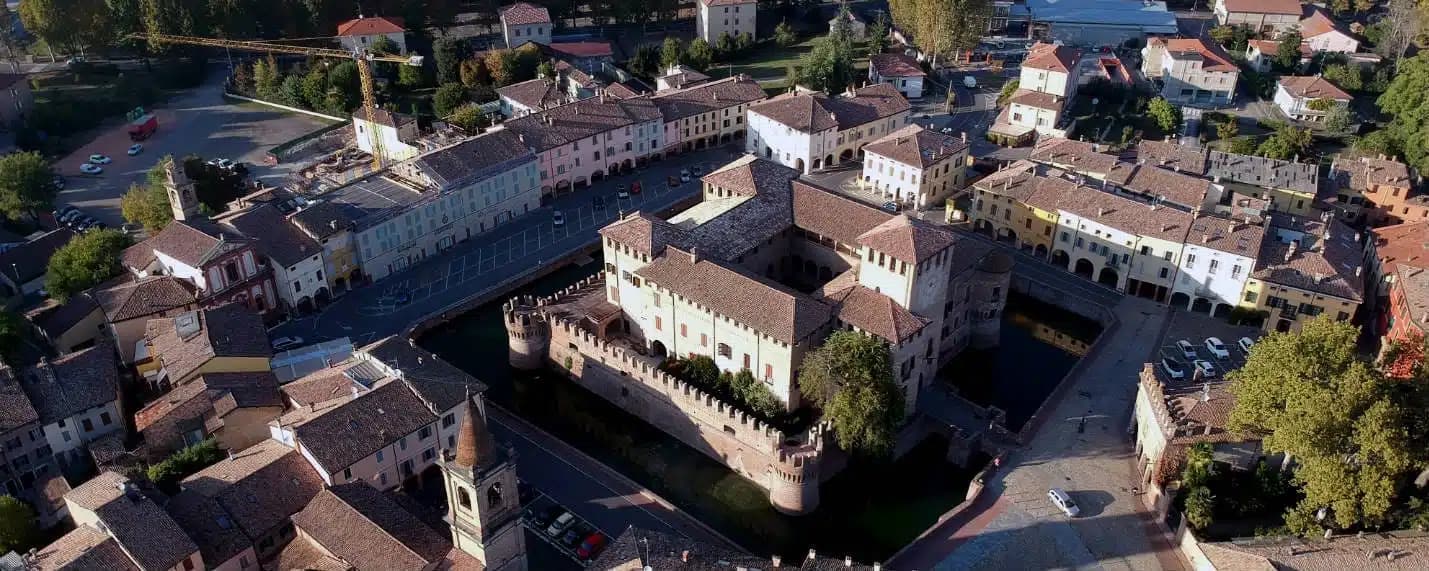
Fontanellato
Province: Parma
A Parma-plain town built around the Rocca Sanvitale, the moated fortress with Parmigianino's 1524 fresco of Diana and Actaeon.
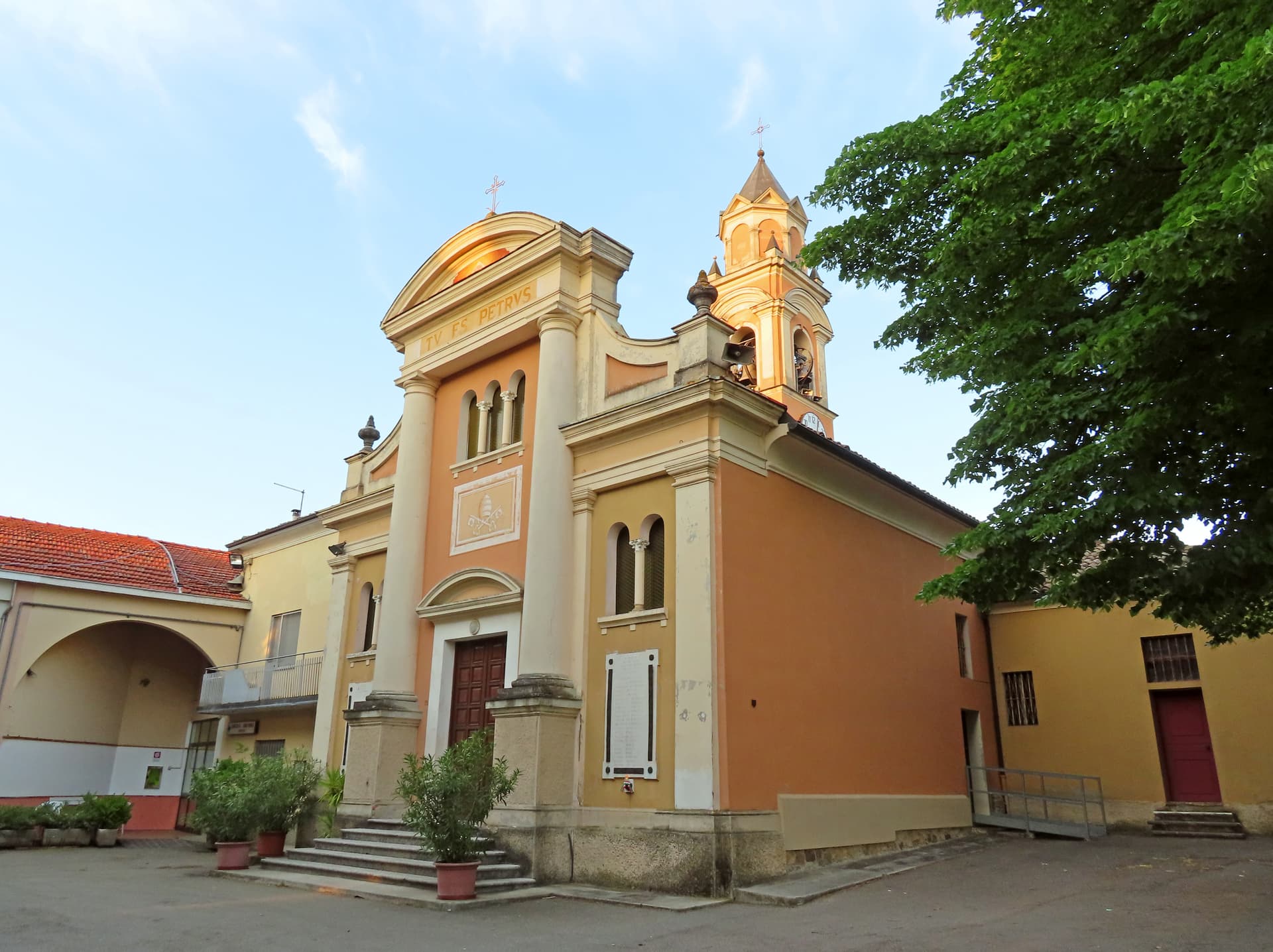
Collecchio
Province: Parma
The Parma-cintura town on the Via Francigena, home to the Pieve di San Prospero, Parmalat, and Parma F.C.'s training ground.
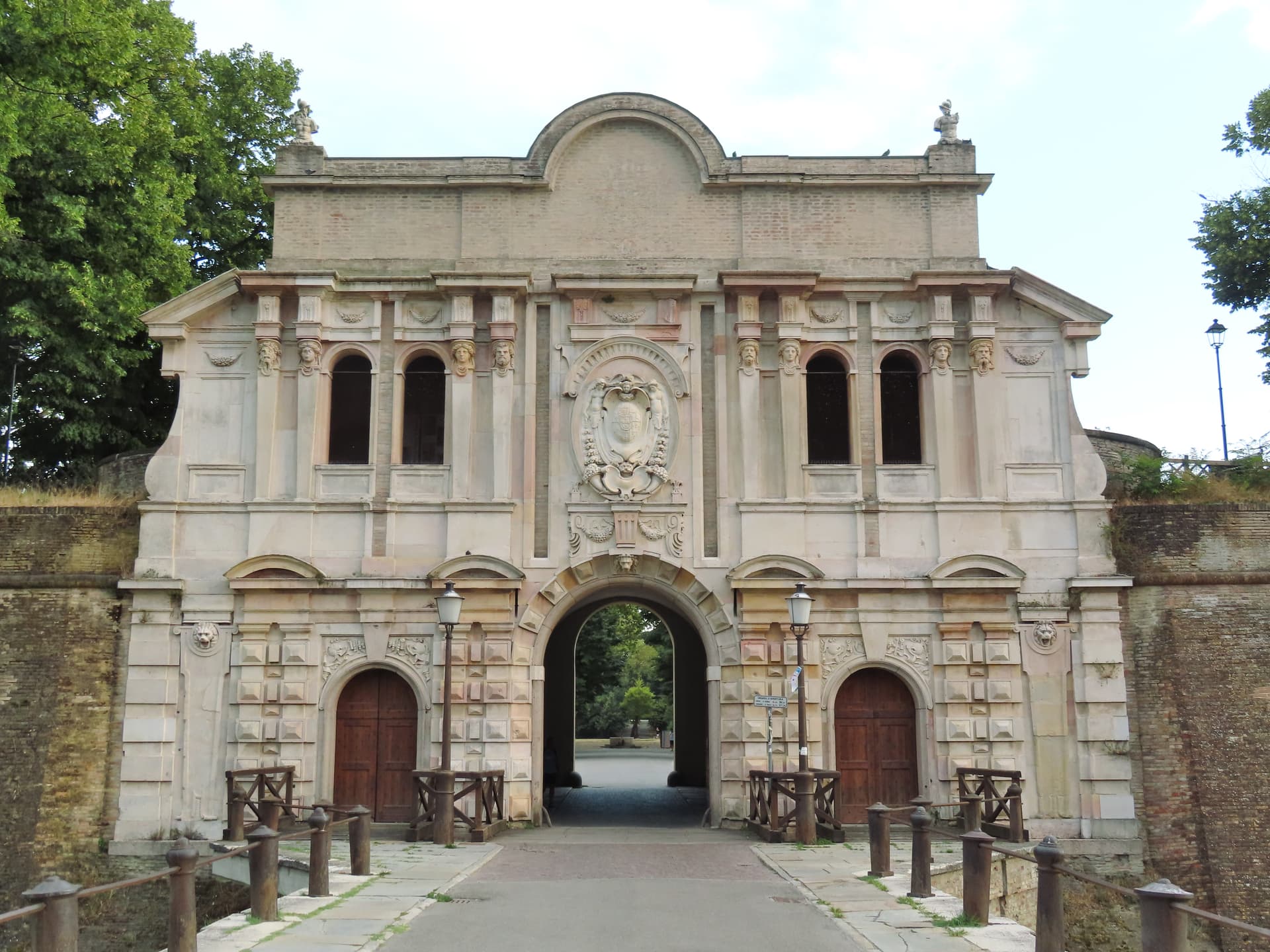
Parma
Province: Parma
A 57-meter Po-plain capital on the Via Emilia, where Correggio painted the Duomo dome and Parmigiano ages in vaults across the province.
🎨 Borghi più belli d'Italia
More Borghi più belli d'Italia towns in Emilia-Romagna
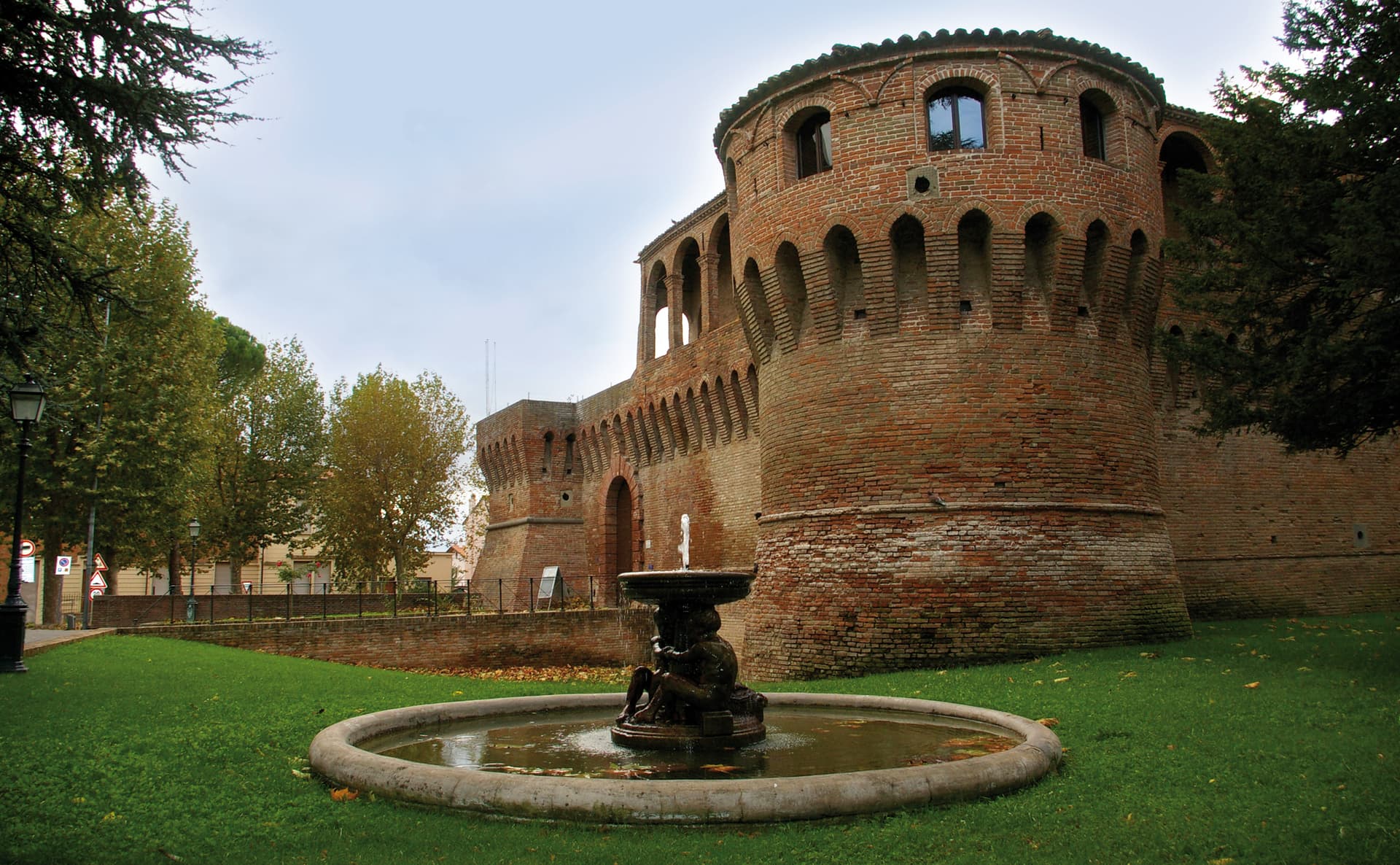
Bagnara di Romagna
Province: Ravenna
A 22-meter plain commune in the Bassa Romagna, the only fully preserved medieval castrum surviving in the Romagna lowlands.
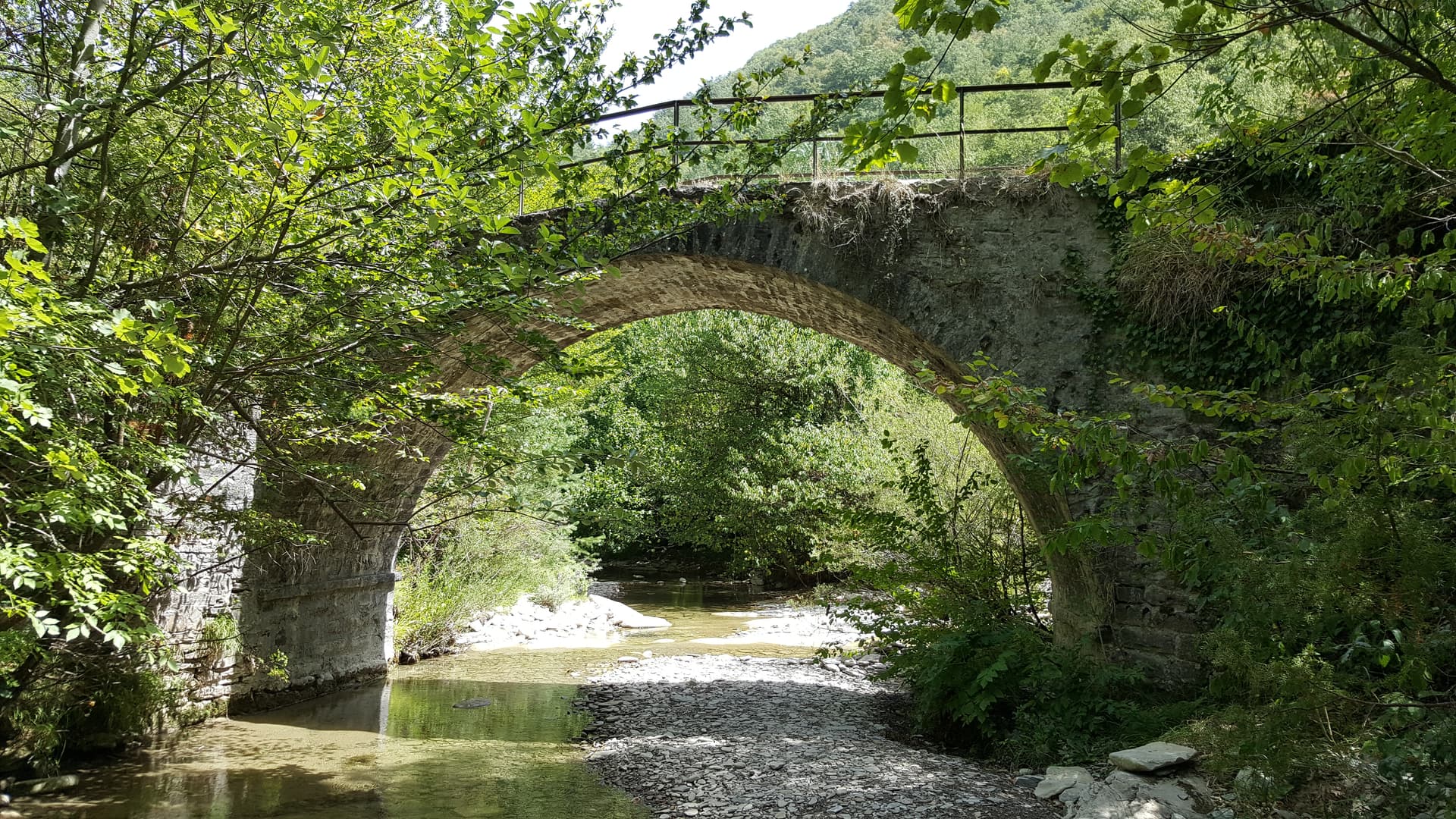
Bagno di Romagna
Province: Forlì-Cesena
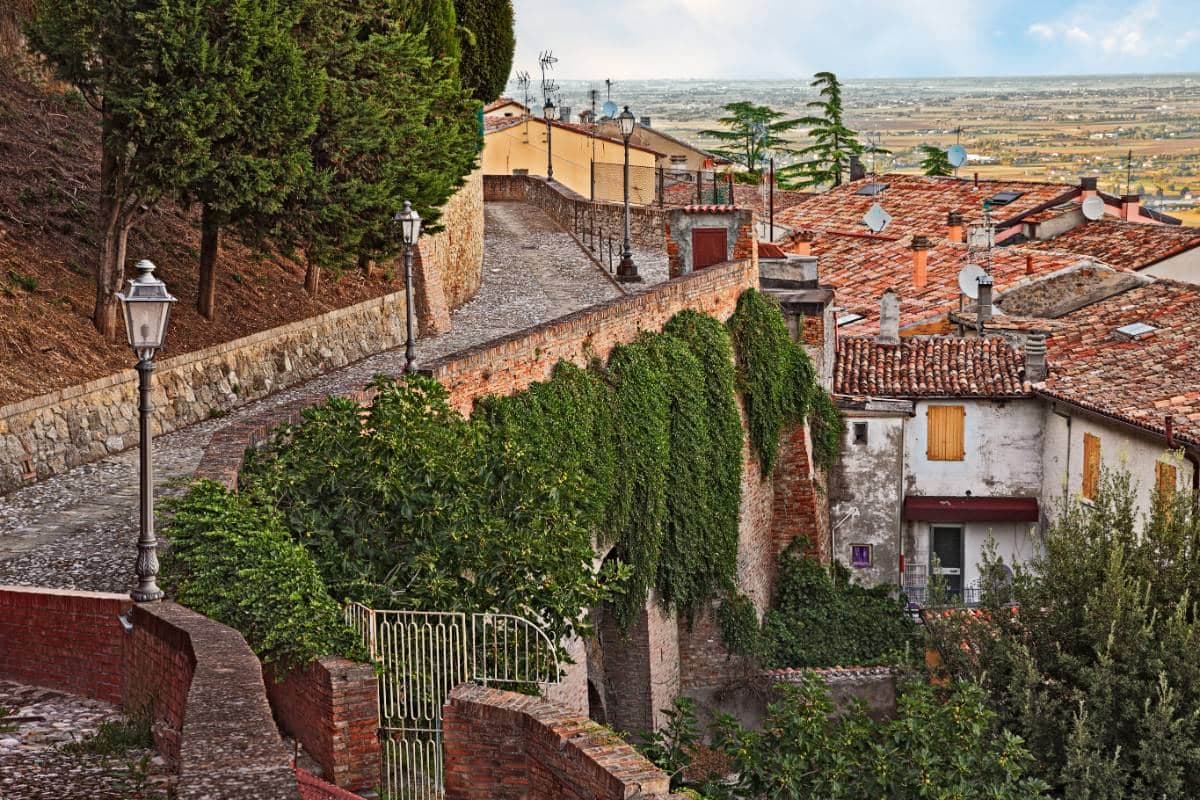
A 491-meter thermal town at the head of the Savio valley, drawing on springs that have run at 47 degrees since Roman times.
Bertinoro
Province: Forlì-Cesena
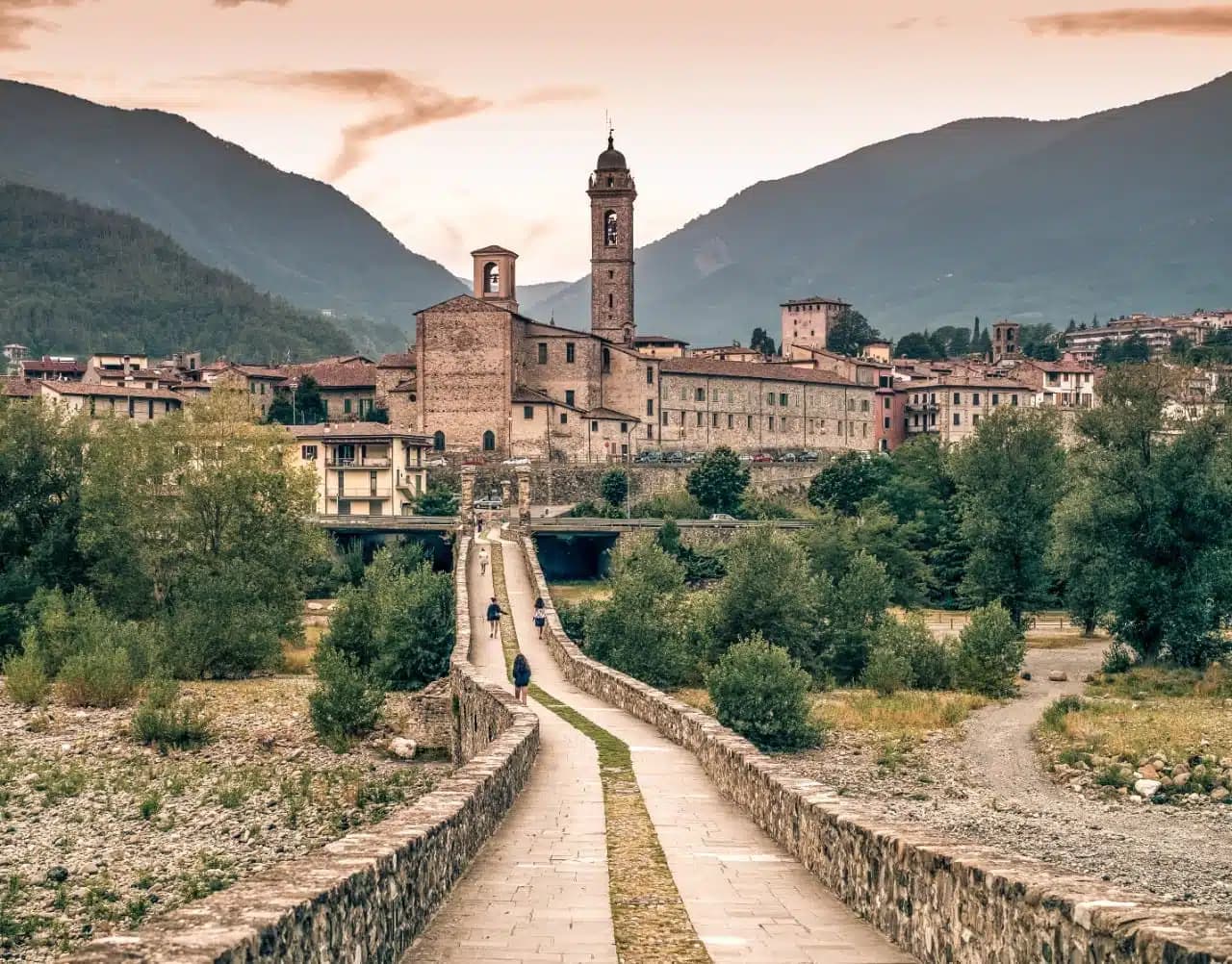
A 254-meter Romagna-hill borgo above the Via Emilia, with a twelve-ring hospitality column from 1300 and the slopes that grow Albana DOCG.
Bobbio
Province: Piacenza
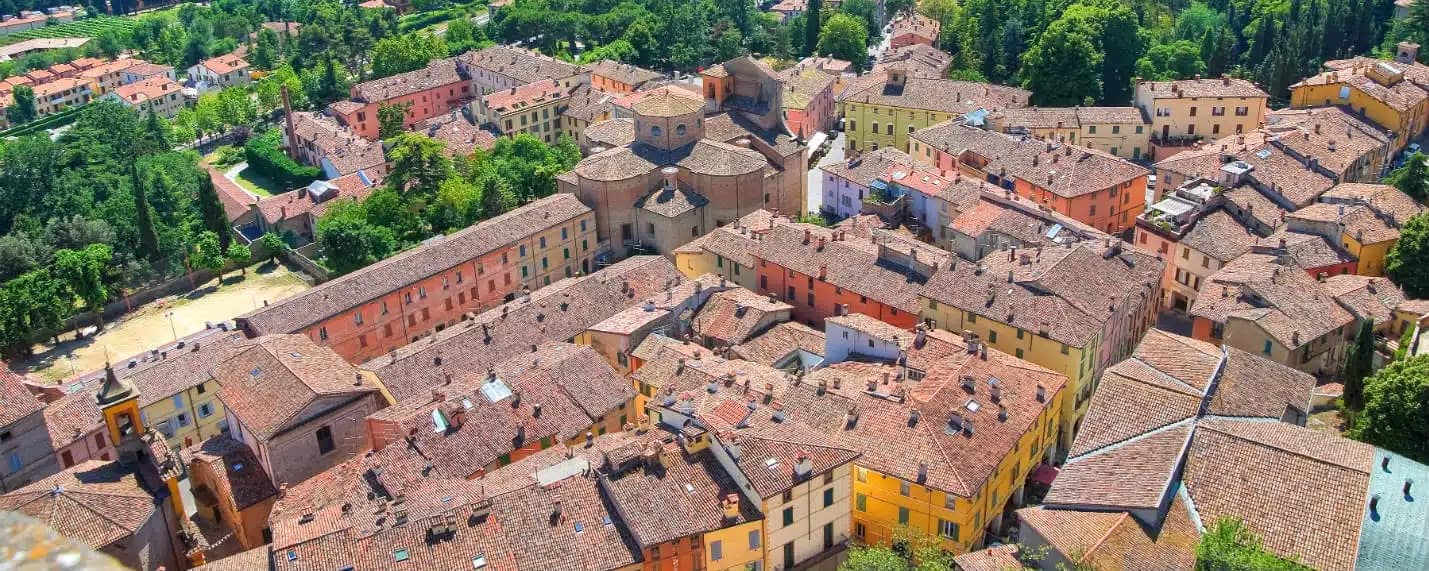
A 272-meter Trebbia-valley town built around the abbey Saint Columbanus founded in 614, named Borgo dei Borghi by RAI in 2019.
Brisighella
Province: Ravenna
A Lamone-valley borgo at 115 meters under three selenite hills crowned by a fortress, a clock tower, and a sanctuary.