

Emilia-Romagna · Rimini
Pennabilli
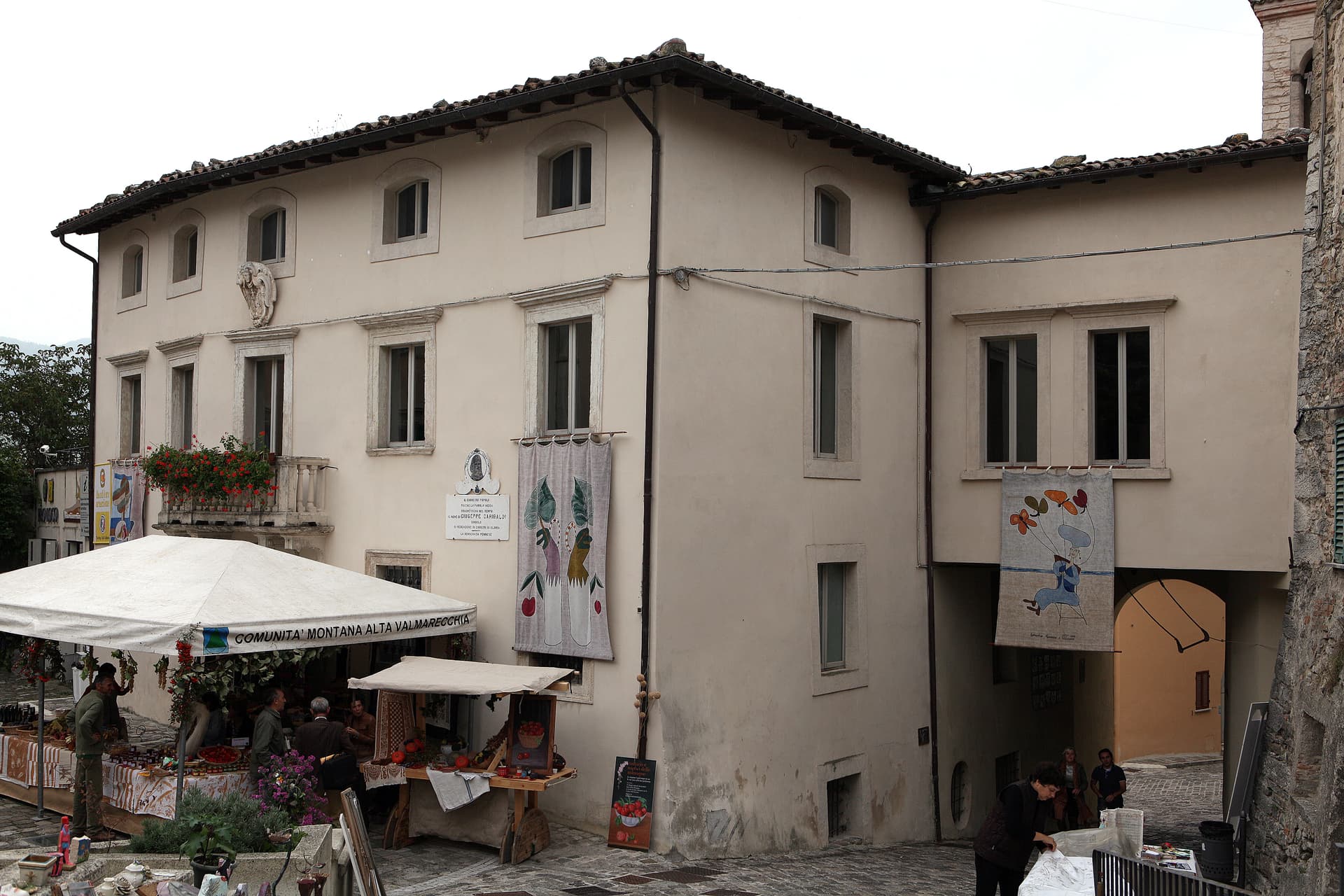
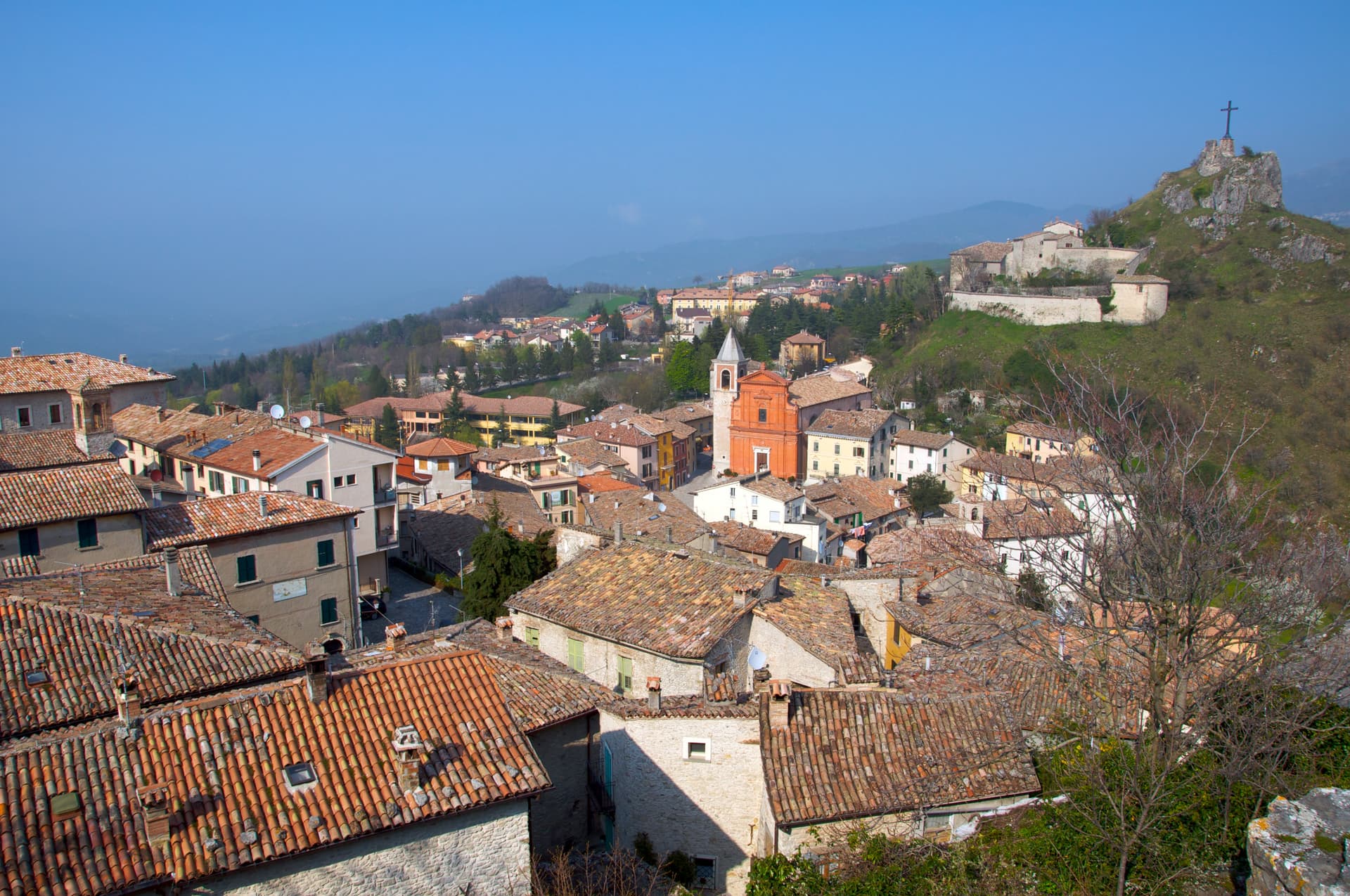
A 629-meter Montefeltro borgo between the Roccione and the Rupe, rebuilt as a poet's open-air museum by Tonino Guerra after 1989.
Known for
TONINO GUERRA
The poet and screenwriter behind Amarcord and Nostalghia lived here from 1989 and remade the town as an outdoor museum he called the Landscape of the Soul.
FORGOTTEN FRUITS
The Orto dei Frutti Dimenticati, opened in 1990, holds Apennine fruit varieties saved from extinction inside a walled garden below the Roccione.
ANTIQUES FAIR
The Mostra Mercato Nazionale d'Antiquariato has run every July since 1970, bringing dealers from across Italy to the upper Marecchia.
When to visit
Best · May–Oct
- J
- F
- M
- A
- M
- J
- J
- A
- S
- O
- N
- D
- Best
- Hot or crowded
- Quiet
- Mostly closed
The festa: papa Pio V, 5 May
Why come
Pennabilli sits at 629 meters on the western slope of Monte Carpegna, at the head of the upper Marecchia valley, forty-five kilometers south of Rimini and inside the historic Montefeltro region. The town grew from the union of two hilltop castles, Penna on the Roccione and Billi on the Rupe, formally joined in 1350 by a stone of peace placed in the marketplace between them. Pennabilli has been the episcopal seat of the Diocese of Montefeltro since 1572.
The poet and screenwriter Tonino Guerra, long-time collaborator of Fellini, Antonioni and Tarkovsky, settled in Pennabilli in 1989 and turned the town into a diffuse outdoor museum he called I Luoghi dell'Anima. The Orto dei Frutti Dimenticati, opened in 1990, gathers Apennine fruit species at risk of extinction inside a walled garden below the Roccione. The annual Mostra Mercato Nazionale d'Antiquariato, running since 1970, brings dealers from across Italy to the centro storico every July.
The Sunday letter
We haven’t written Pennabilli’s letter yet.
One town every Sunday, with the photo, the food, the festa. Be there when this one comes up. Free, by Peter & Sophia from Pietrasanta.
By subscribing you agree to Substack’s Terms of Use, our Privacy Policy and our Information collection notice.
What to see
Orto dei Frutti Dimenticati
Walled garden opened by Tonino Guerra in 1990, gathering Apennine fruit species at risk of extinction, with sculptures and installations along the paths.
I Luoghi dell'Anima
Network of seven outdoor installations across Pennabilli and the Marecchia valley, conceived by Tonino Guerra between 1989 and 2012.
Roccione and Rupe
Two rocky outcrops that carried the medieval castles of Penna and Billi, joined into a single commune in 1350.
Cattedrale di San Leone
Cathedral of the Diocese of Montefeltro, whose seat was transferred to Pennabilli in 1572 from the older episcopal town of San Leo.
Mostra Mercato Nazionale d'Antiquariato
National antiques fair running since 1970, held in the centro storico every July.
The slow-trip planner
Building a trip? Find where Pennabilli fits in a slow Italy circuit.
Answer five questions. We will shape a geographically coherent slow trip from the 1,000 Italian towns most travelers skip. Yours to save and share.
Living here
- Population 2,623
- Off the beaten pathi
- Pharmacy: none mapped
- High school within a 30-minute drive
- Nearest airport Rimini, 1 h 17 min drive
- Regional capital Bologna, 2 h 2 min drive
Tags & datadesignations · numbers · sources
Recognised as
The numbers
- Elevation: 629 m
- Population: 2,623
- Surface area: 69.8 km²
These figures were compiled from public directories — ISTAT, OpenStreetMap, Wikidata — and from the official listings of the guides named on this page. Town details change; verify with official sources before you travel.
Close by
More towns near Pennabilli
Carpegna
Province: Pesaro e Urbino
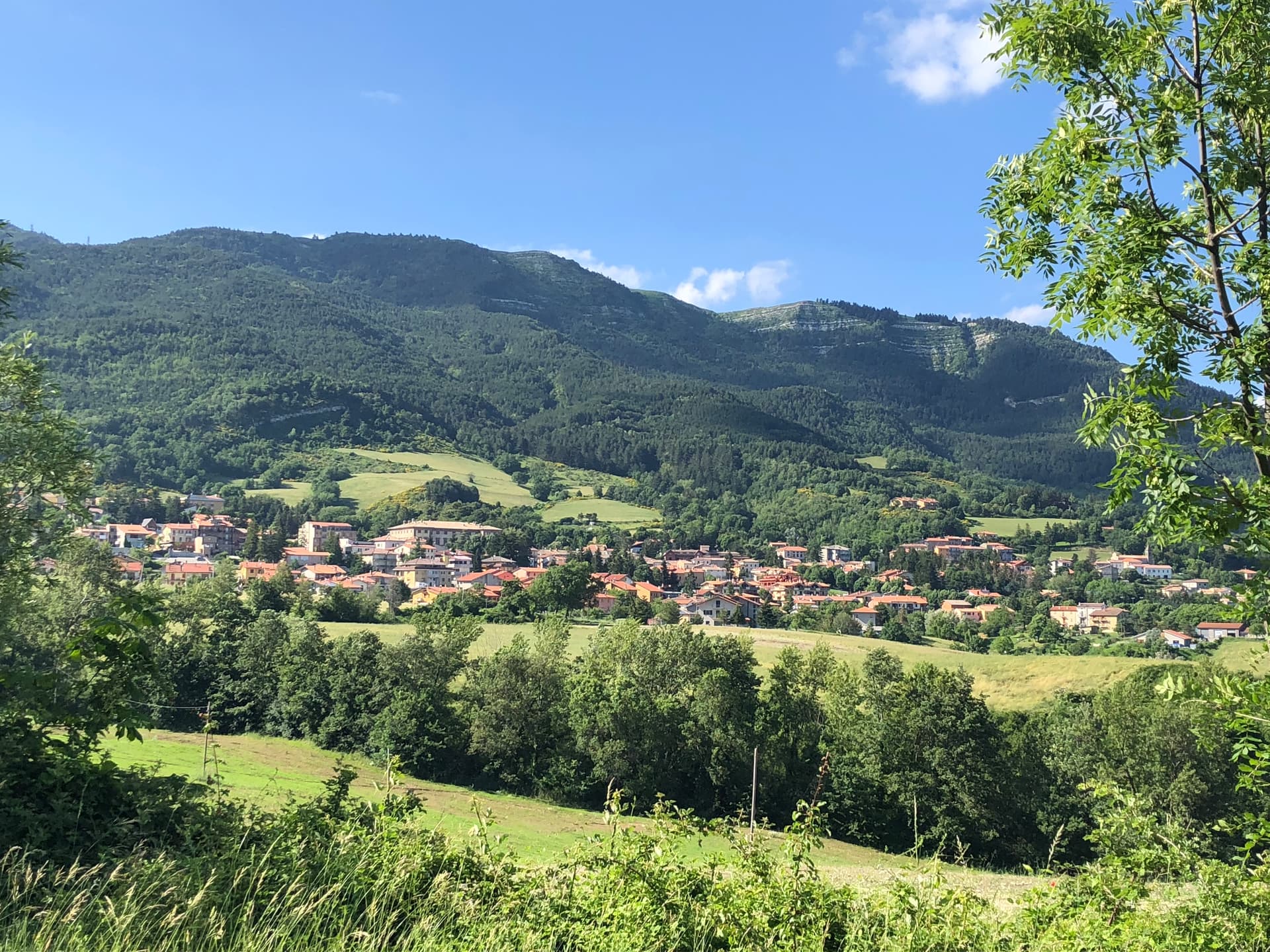
A Montefeltro mountain town at 748 meters under Monte Carpegna, home of the DOP prosciutto and the Carpegna family seat built in 1675.
Sant'Agata Feltria
Province: Rimini
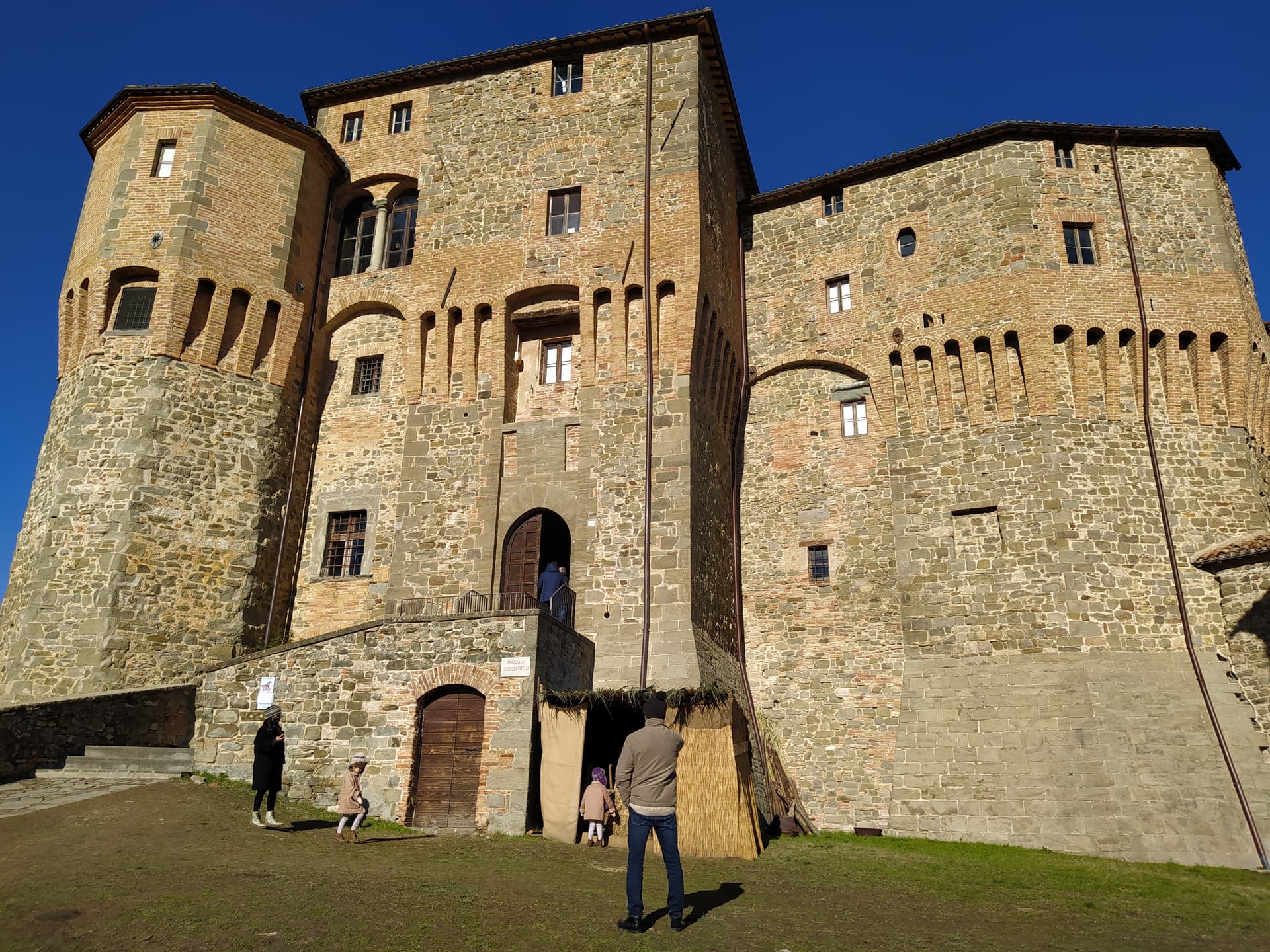
A 607-meter Montefeltro borgo crowned by the Rocca Fregoso on the Sasso del Lupo, host of the national white truffle fair since 1985.
San Leo
Province: Rimini
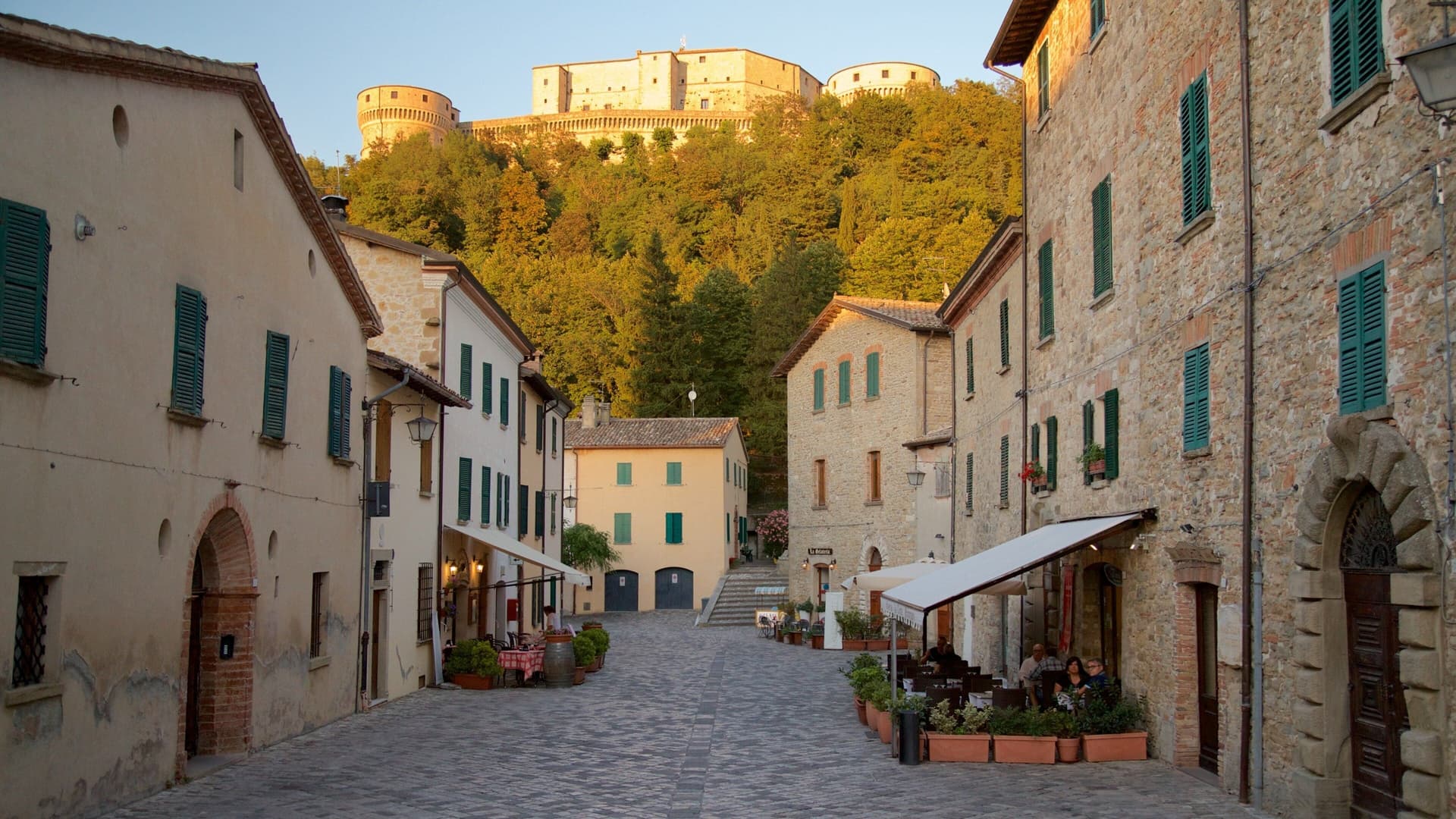
Italy's most dramatic hilltop fortress town — a 2,820-resident borgo on a vertical 583m limestone outcrop in the Montefeltro, 35 km from Rimini, with the Renaissance Forte di San Leo (where Cagliostro was imprisoned and died in 1795), the 9th-c Pieve, the 12th-c Duomo, and the Romagna/Marche frontier panorama from every wall.
Verucchio
Province: Rimini
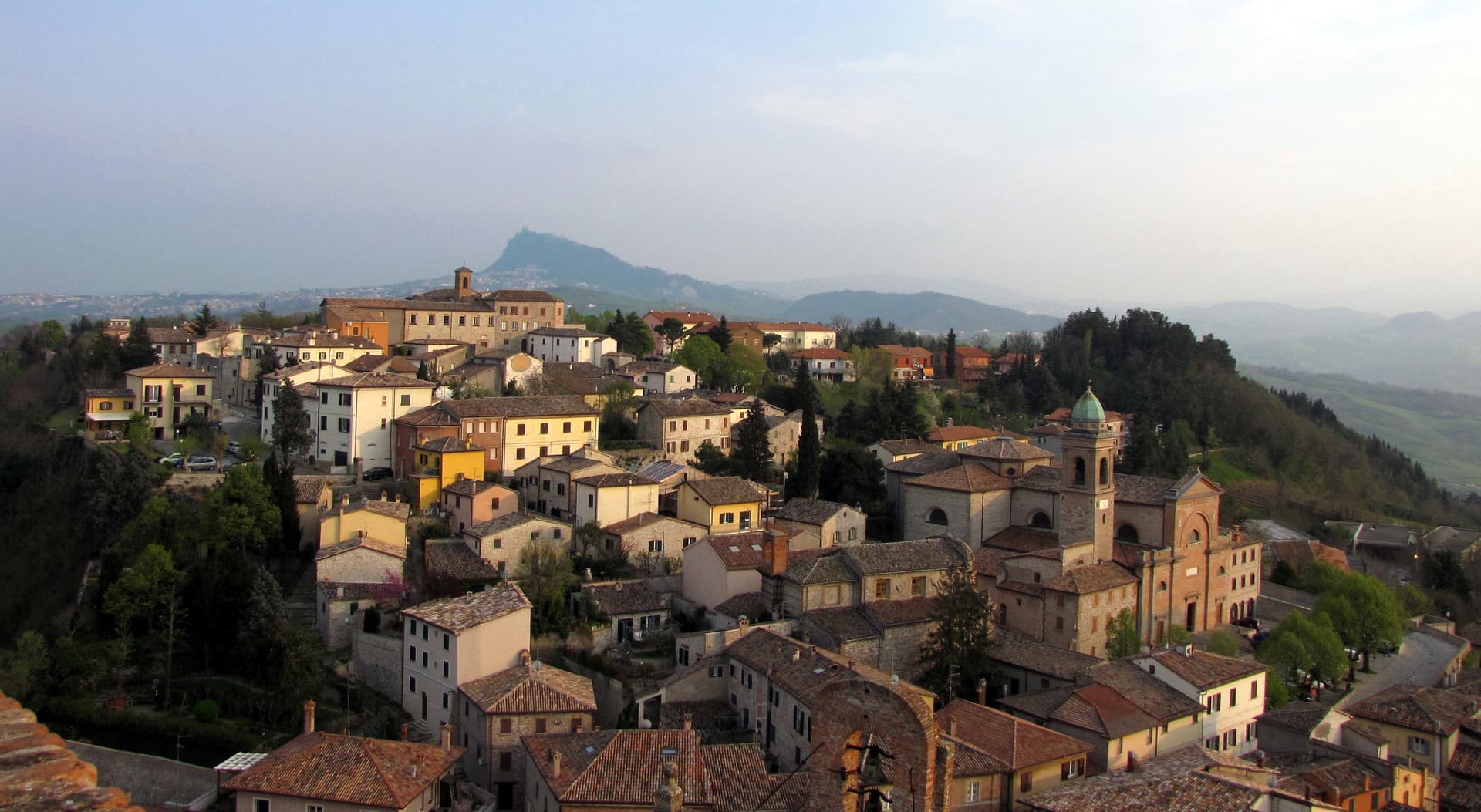
A spur over the lower Marecchia valley, cradle of the Villanovan civilization and birthplace of the Malatesta lordship of Romagna.
Macerata Feltria
Province: Pesaro e Urbino
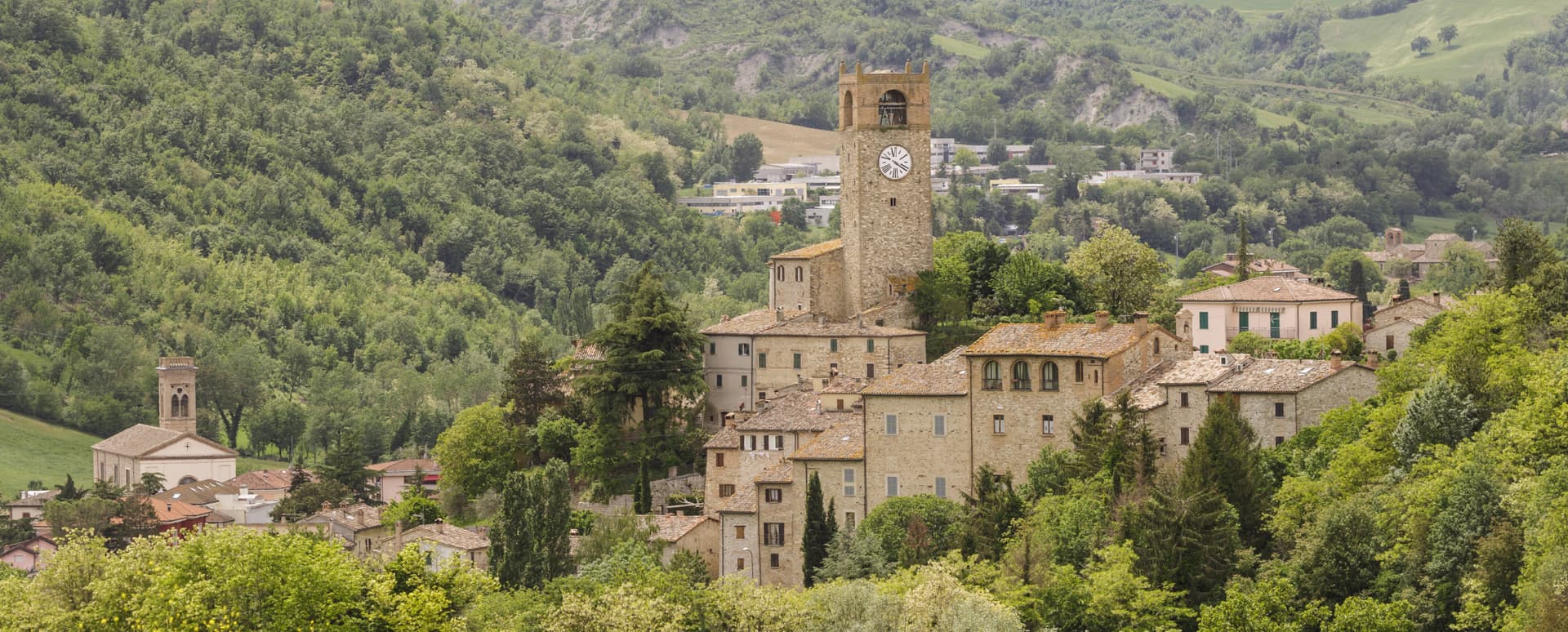
Roman Pitinum + Renaissance Montefeltro — a 1,889-resident BPB borgo at 321m in the Marche side of the Montefeltro, built over the Roman municipium of Pitinum Pisaurense (1st c BC), with the Pieve di San Cassiano, a small thermal spa using sulphurous spring water, and Federico da Montefeltro fortifications.
🟠 Bandiera Arancione
More Bandiera Arancione towns in Emilia-Romagna
Bagno di Romagna
Province: Forlì-Cesena
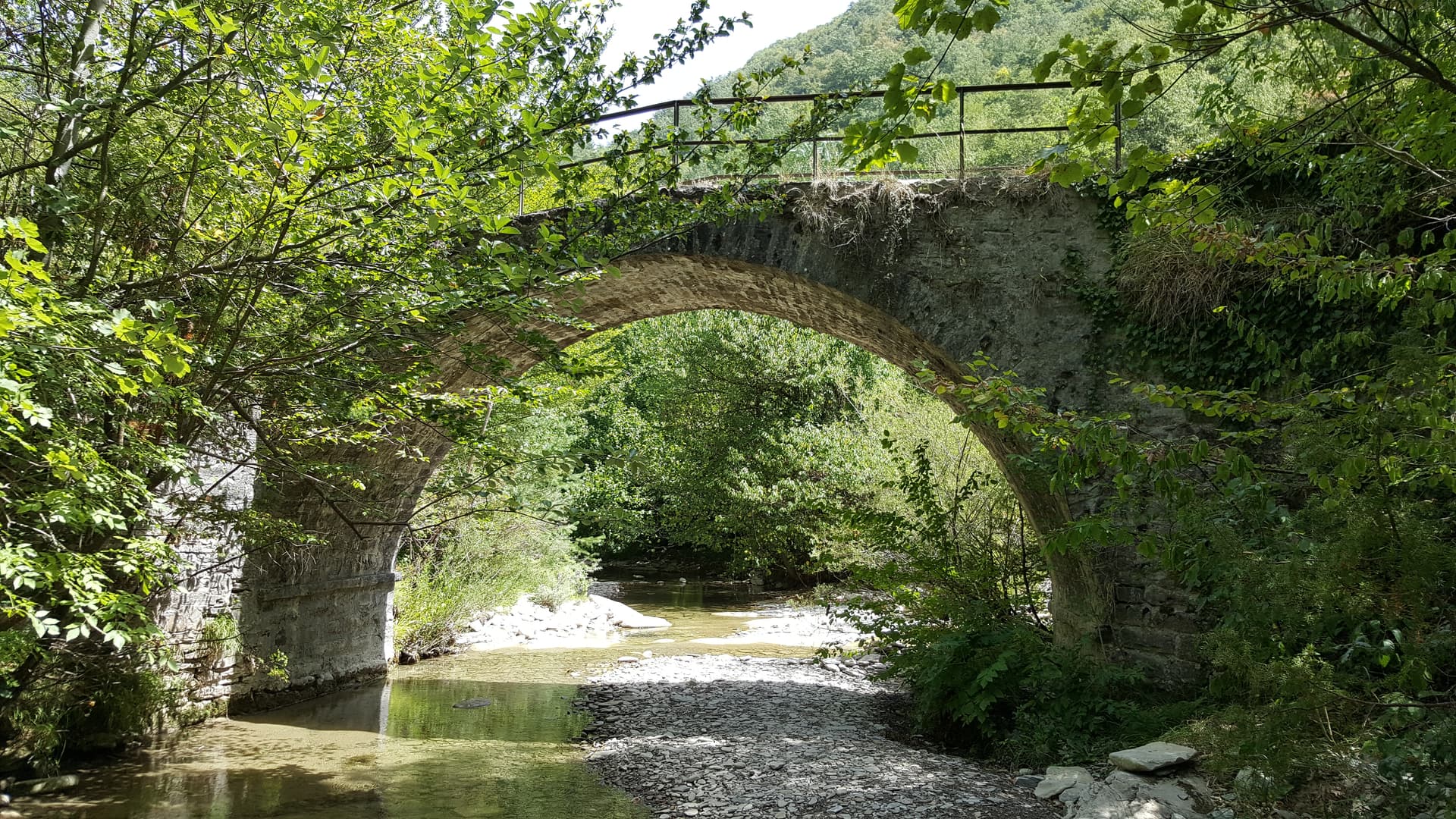
A 491-meter thermal town at the head of the Savio valley, drawing on springs that have run at 47 degrees since Roman times.
Bobbio
Province: Piacenza
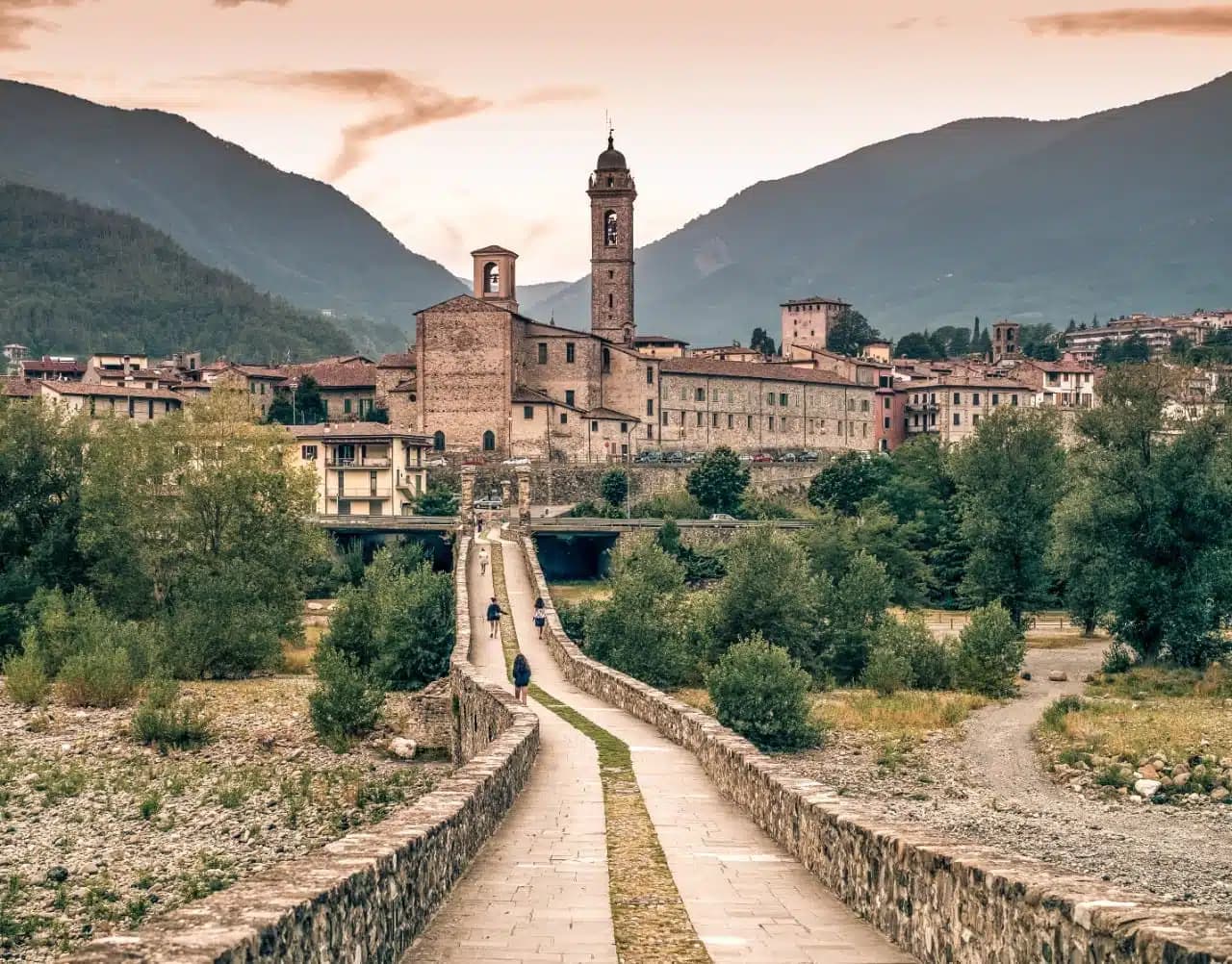
A 272-meter Trebbia-valley town built around the abbey Saint Columbanus founded in 614, named Borgo dei Borghi by RAI in 2019.
Brisighella
Province: Ravenna
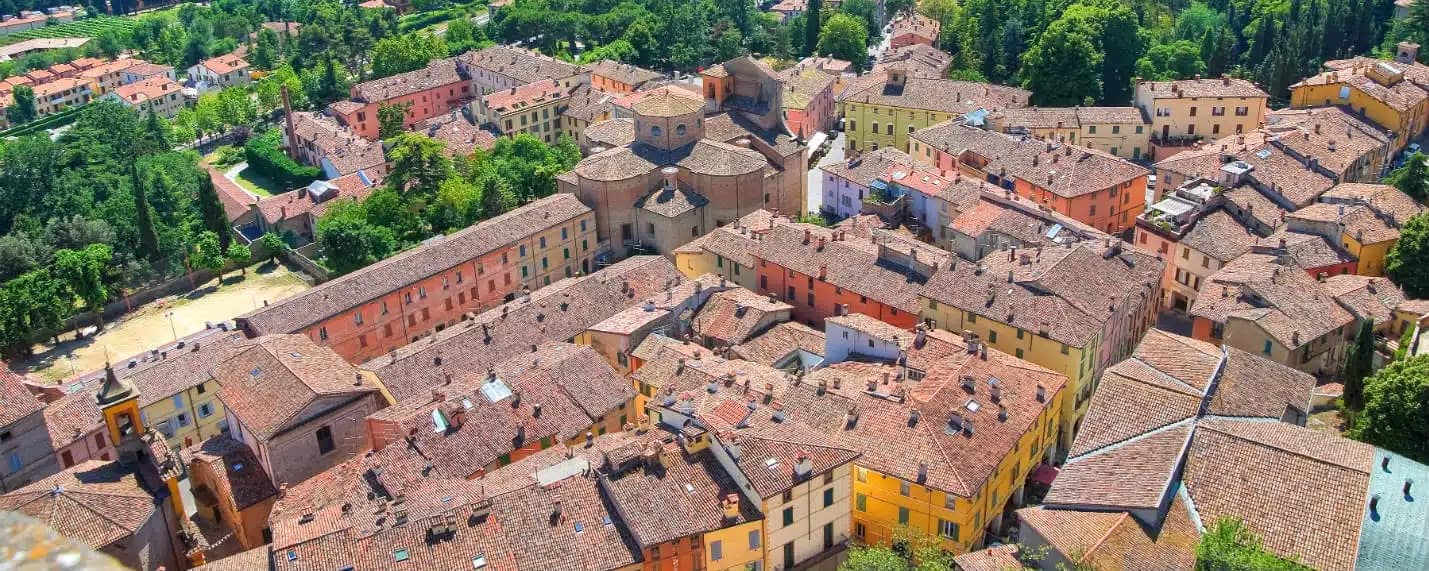
A Lamone-valley borgo at 115 meters under three selenite hills crowned by a fortress, a clock tower, and a sanctuary.
Busseto
Province: Parma
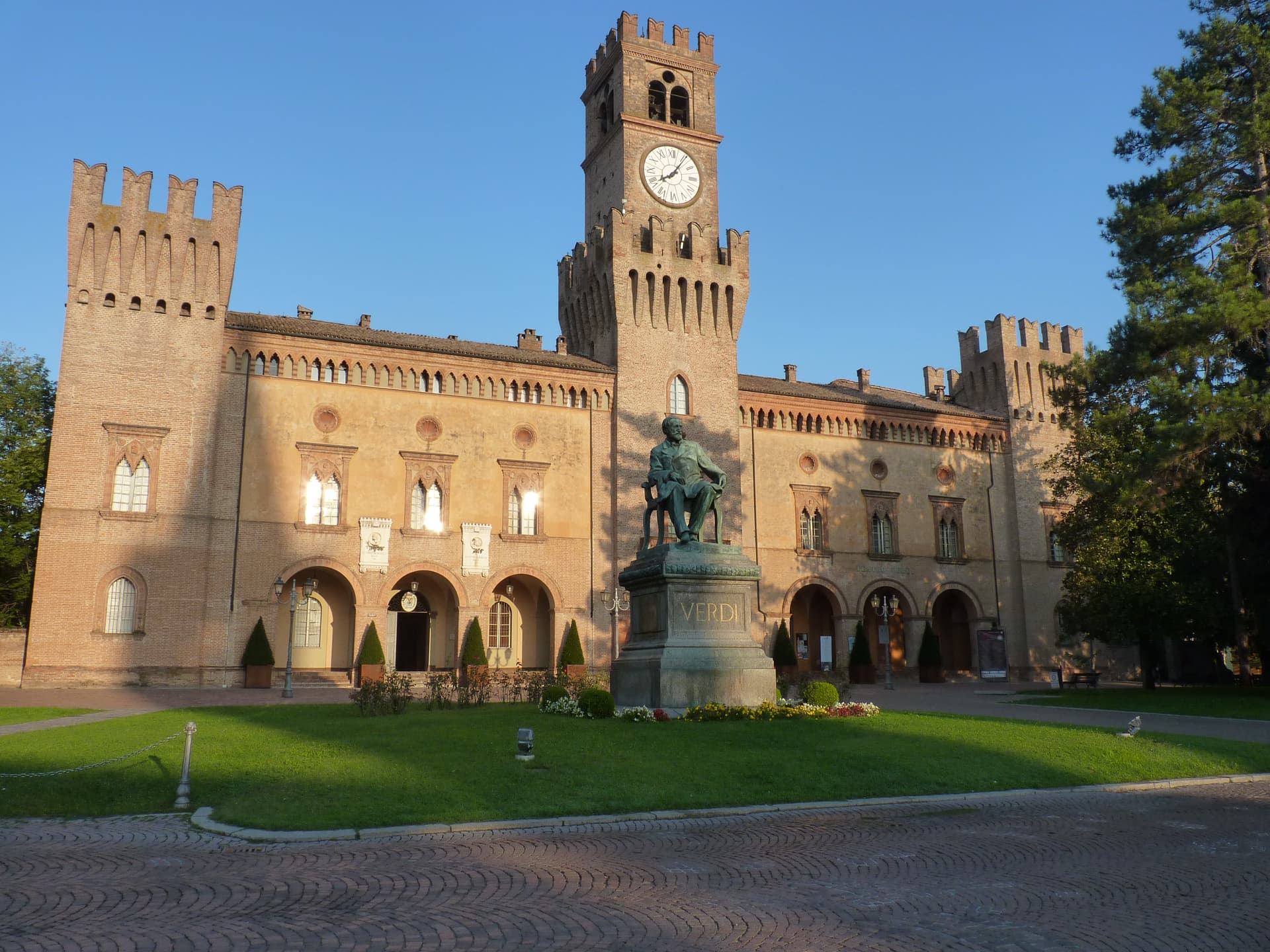
A 40-meter Bassa Parmense town where Giuseppe Verdi grew up, with a 300-seat opera house in the Rocca he refused to enter.
Castell'Arquato
Province: Piacenza
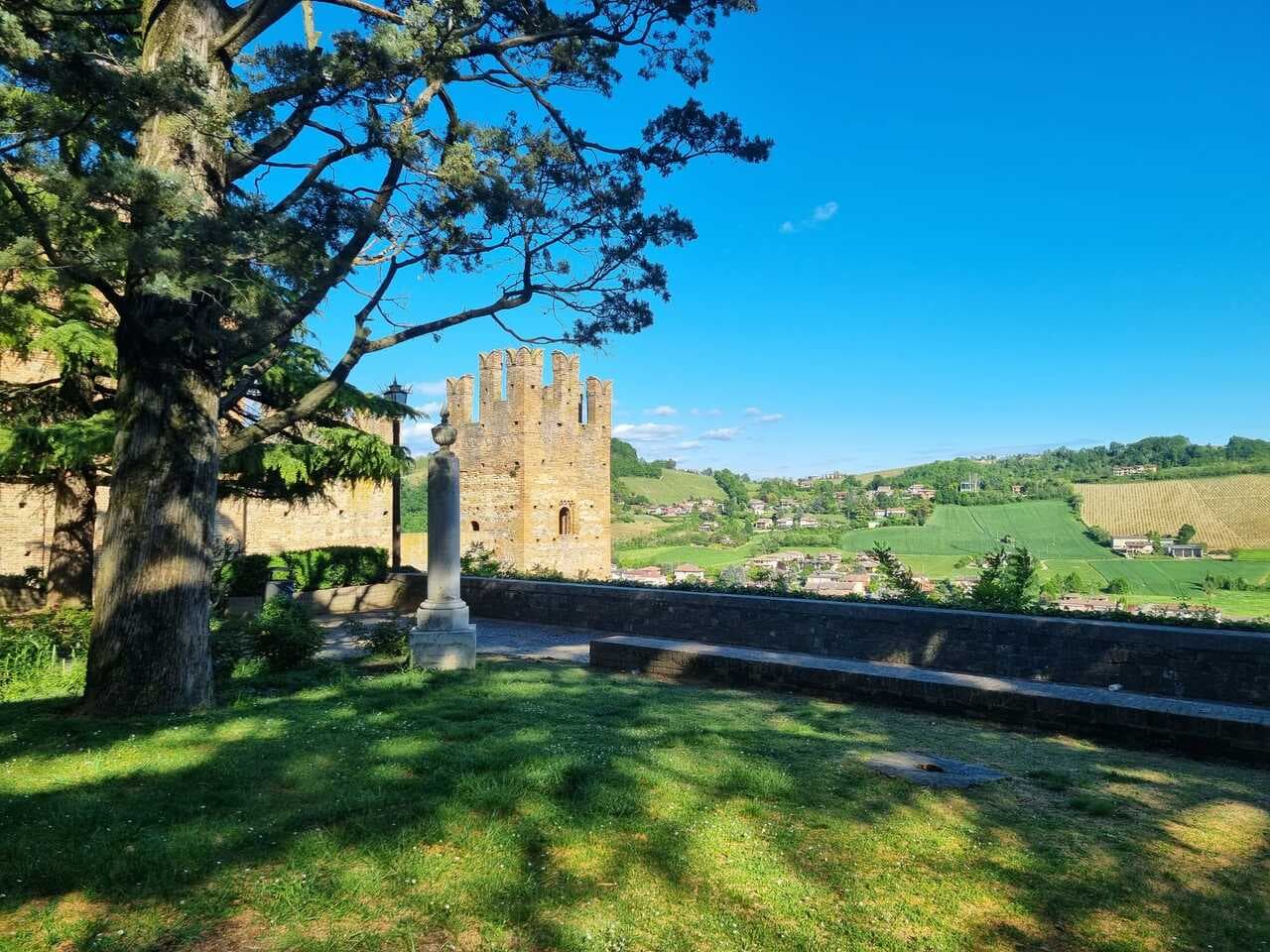
A 224-meter hilltop borgo in the Val d'Arda, kept intact since the tenth century and crowned by Luchino Visconti's 1342 fortress.