
Emilia-Romagna · Rimini
Verucchio
A spur over the lower Marecchia valley, cradle of the Villanovan civilization and birthplace of the Malatesta lordship of Romagna.
Known for
VILLANOVAN CRADLE
Twelfth-to-seventh-century BC settlement on the ridge, with a necropolis whose finds form one of the richest Villanovan collections in Italy.
MALATESTA BIRTHPLACE
Birthplace of Malatesta da Verucchio, founder of the lordship that ruled Rimini and most of Romagna from the late thirteenth century onward.
CIPRESSO DI SAN FRANCESCO
Cypress planted by Saint Francis in 1213 in the cloister of the Villa Verucchio convent, still living after eight centuries.
When to visit
Best · Apr–Oct
- J
- F
- M
- A
- M
- J
- J
- A
- S
- O
- N
- D
- Best
- Hot or crowded
- Quiet
- Mostly closed
The festa: Martino di Tours, 11 November
Why come
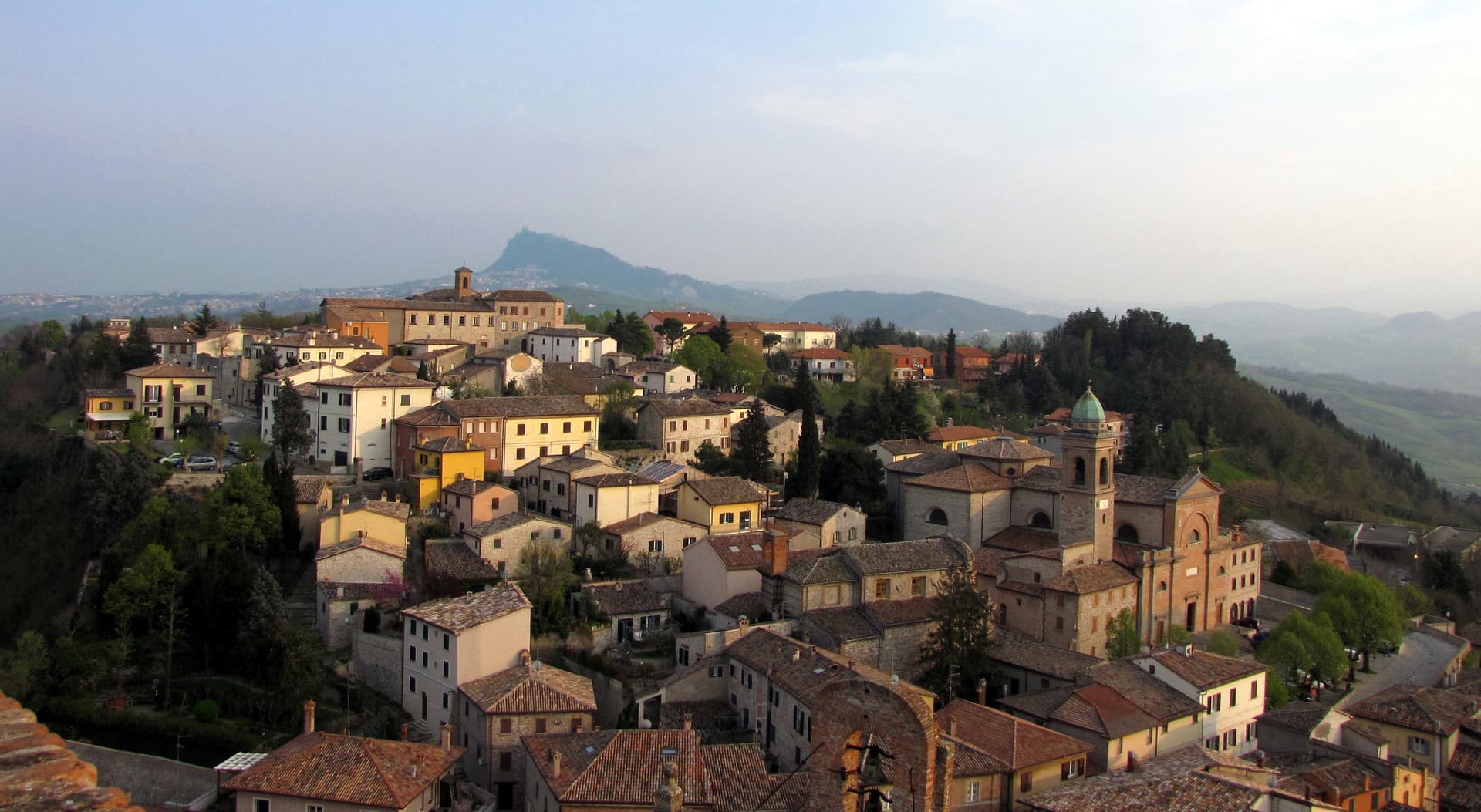
Verucchio sits on a 330-meter spur over the lower Marecchia valley, eighteen kilometers from Rimini and within sight of the Adriatic plain. A Villanovan settlement occupied this ridge from the twelfth to the seventh century BC and left a necropolis whose chamber tombs, amber, bronze, and worked wood form the Museo Civico Archeologico collection now housed in the former Augustinian convent. The town is also the home ground of the Malatesta, named for Malatesta da Verucchio, founder of the lordship that would rule Rimini, Cesena, Pesaro, Fano and Fossombrone for two centuries; his Rocca Malatestiana, also called Castel del Sasso, is one of the largest and best-preserved Malatesta fortifications and his birthplace.
A second fortress, the Rocca del Passerello, holds the lower end of the ridge. The commune extends to the frazione of Villa Verucchio, where the cypress planted by Saint Francis of Assisi during a 1213 visit still grows in the convent cloister.
The Sunday letter
We haven’t written Verucchio’s letter yet.
One town every Sunday, with the photo, the food, the festa. Be there when this one comes up. Free, by Peter & Sophia from Pietrasanta.
By subscribing you agree to Substack’s Terms of Use, our Privacy Policy and our Information collection notice.
What to see
Rocca Malatestiana
Twelfth-to-sixteenth-century fortress on the highest point of the ridge, birthplace of Malatesta da Verucchio and one of the largest Malatesta fortifications surviving.
Museo Civico Archeologico
Villanovan archaeology museum in the former Augustinian convent, holding amber jewellery, bronze armour and a wooden throne from the seventh-century BC necropolis.
Rocca del Passerello
Second Malatesta fortress at the lower end of the ridge, smaller than the Sasso but built into the same defensive system in the fourteenth century.
Collegiata di Verucchio
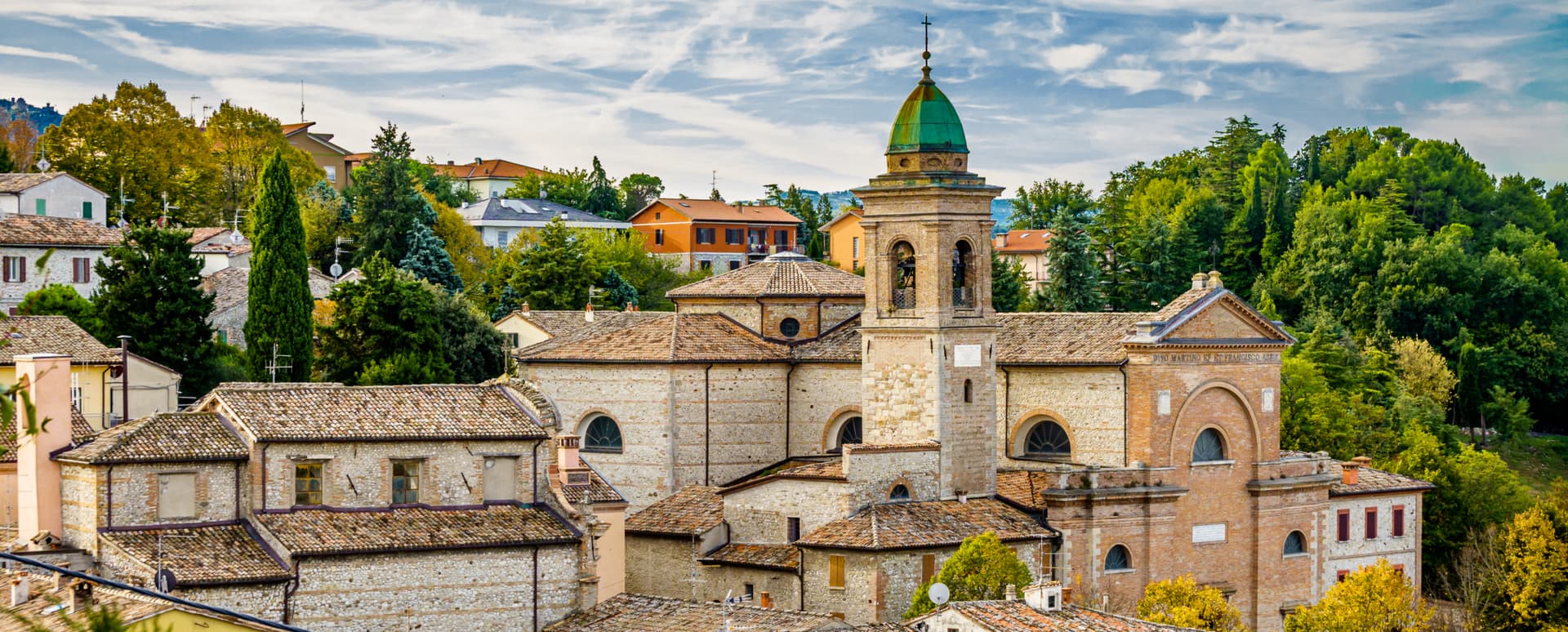
Eighteenth-century collegiate church on the main piazza, holding a wooden crucifix from the school of Giotto and a fifteenth-century painted panel attributed to Nicolò di Pietro.
Cipresso di San Francesco
Cypress planted in the Villa Verucchio Franciscan convent cloister by Saint Francis in 1213, still alive and recognised as one of the oldest in Italy.
The slow-trip planner
Building a trip? Find where Verucchio fits in a slow Italy circuit.
Answer five questions. We will shape a geographically coherent slow trip from the 1,000 Italian towns most travelers skip. Yours to save and share.
Living here
- Population 10,052
- Commuter belti
- Pharmacy in town
- High school within a 30-minute drive
- Train station in the comune
- Nearest airport Rimini, 48 min drive
- Regional capital Bologna, 1 h 36 min drive
Tags & datadesignations · numbers · sources
Recognised as
The numbers
- Elevation: 330 m
- Population: 10,052
- Surface area: 27.3 km²
These figures were compiled from public directories — ISTAT, OpenStreetMap, Wikidata — and from the official listings of the guides named on this page. Town details change; verify with official sources before you travel.
Featured on
Verucchio appears on this themed pick from our Collections:
Close by
More towns near Verucchio
San Leo
Province: Rimini
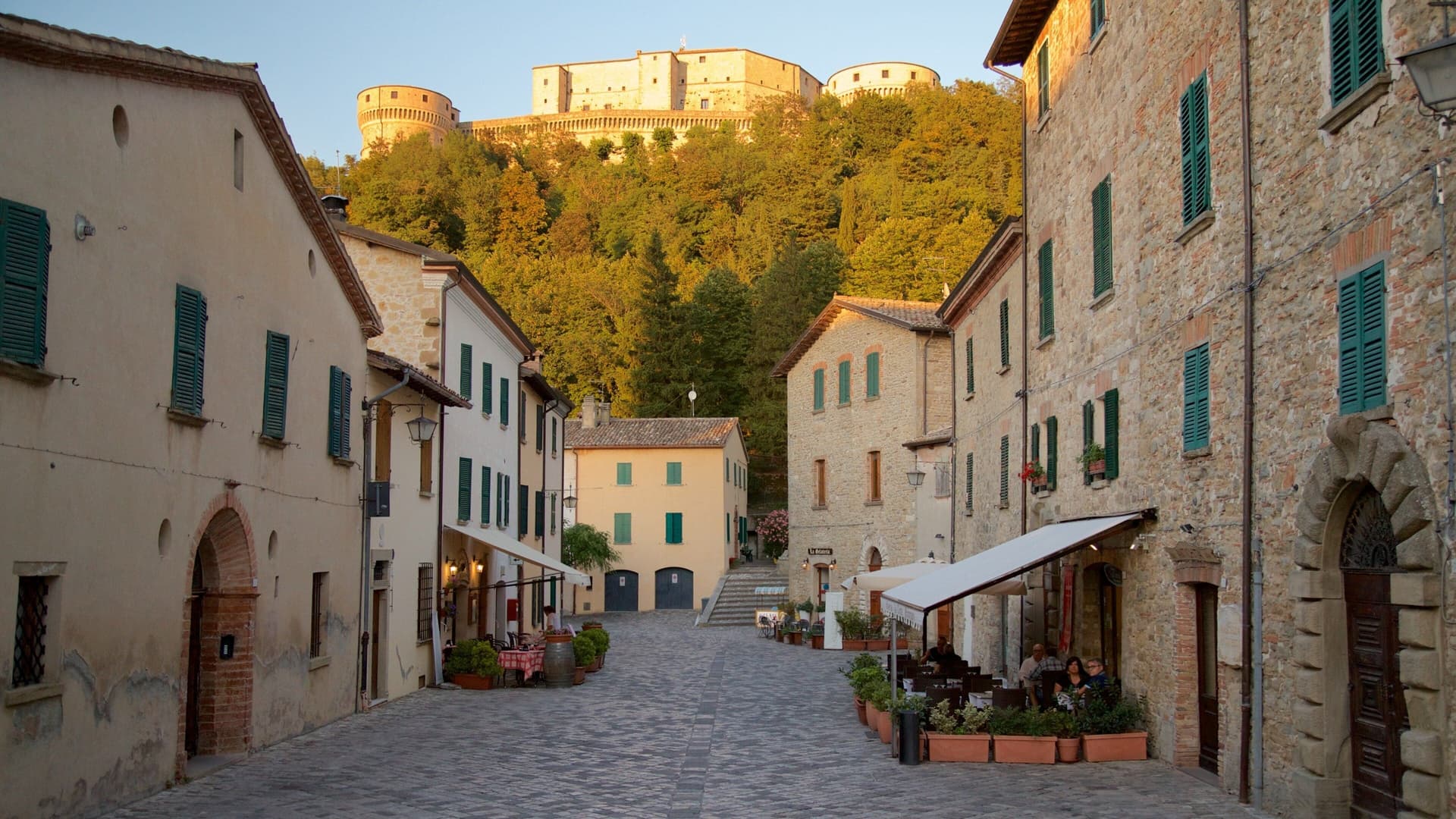
Italy's most dramatic hilltop fortress town — a 2,820-resident borgo on a vertical 583m limestone outcrop in the Montefeltro, 35 km from Rimini, with the Renaissance Forte di San Leo (where Cagliostro was imprisoned and died in 1795), the 9th-c Pieve, the 12th-c Duomo, and the Romagna/Marche frontier panorama from every wall.
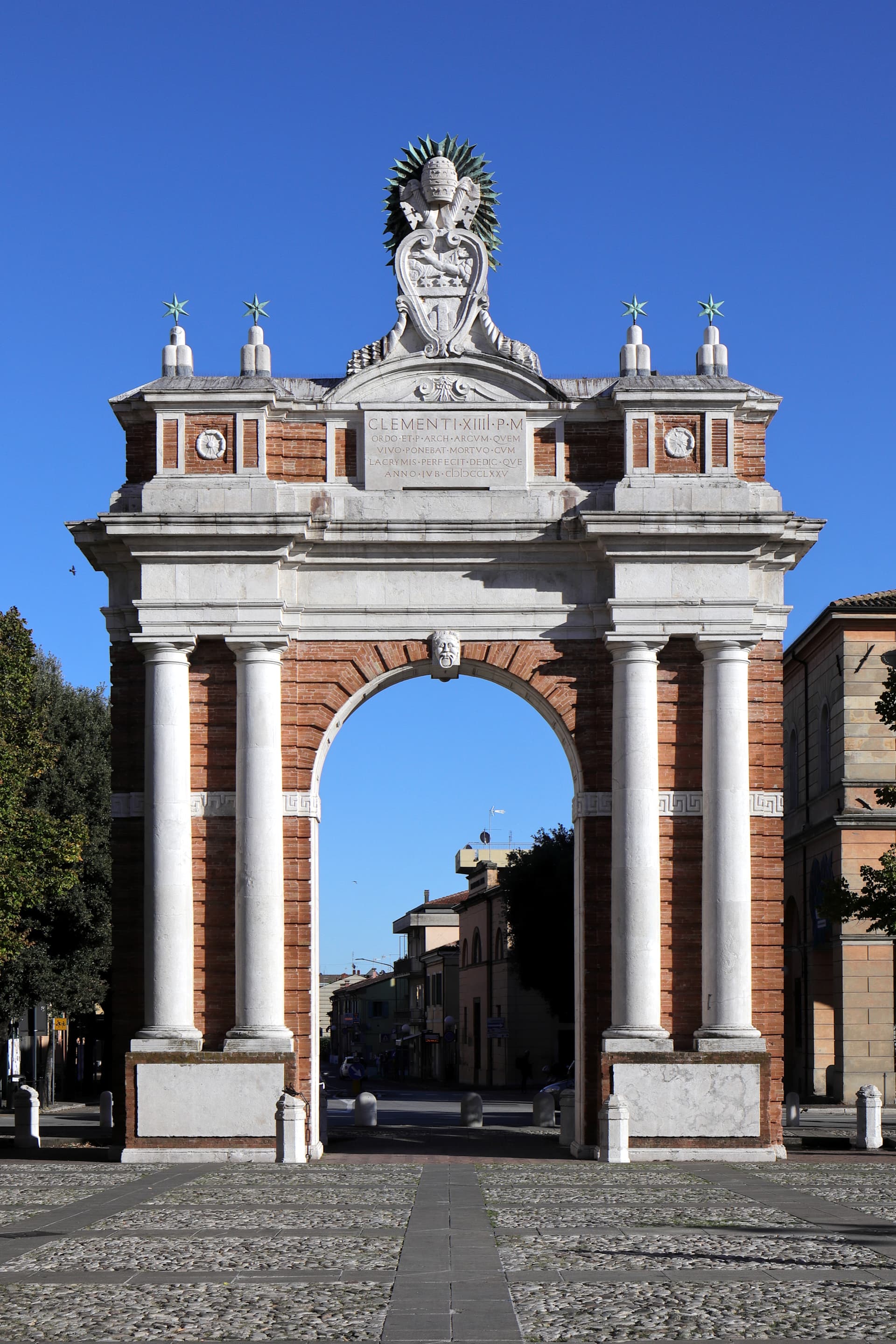
Santarcangelo di Romagna
Province: Rimini
A Via Emilia hill town on the Marecchia plain, with over 150 tufa caves under the centro and a Malatesta fortress on its summit.
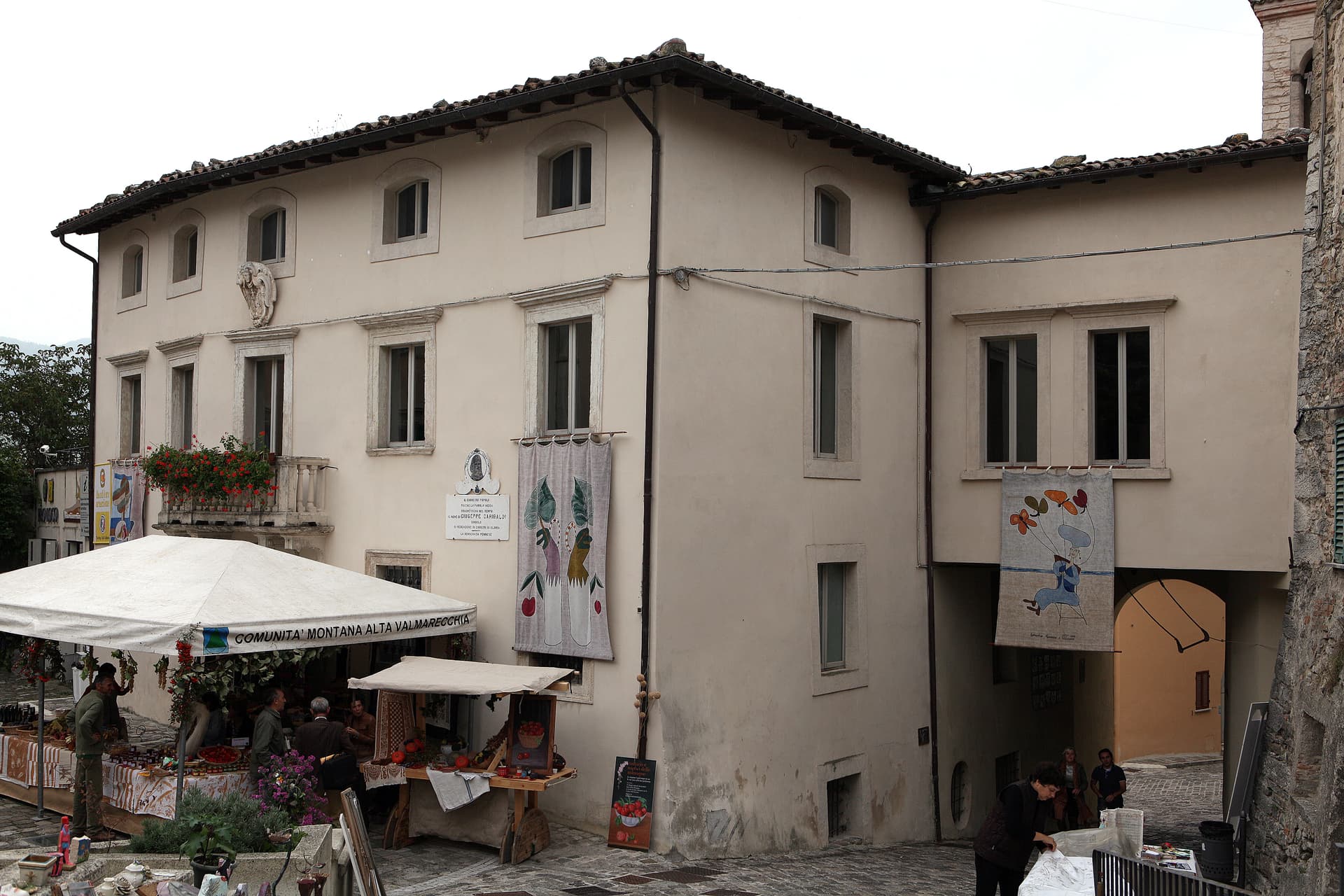
Pennabilli
Province: Rimini
A 629-meter Montefeltro borgo between the Roccione and the Rupe, rebuilt as a poet's open-air museum by Tonino Guerra after 1989.
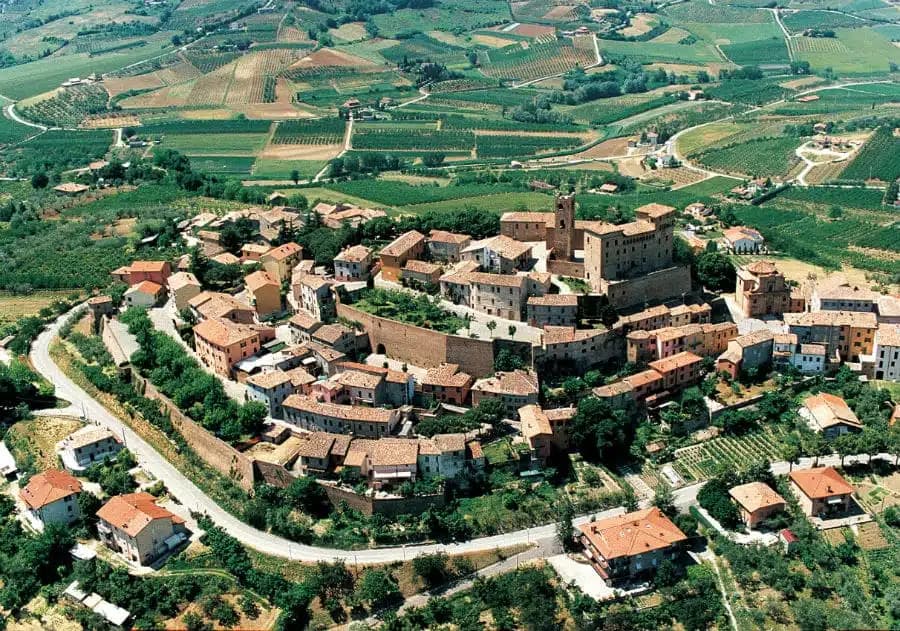
Longiano
Province: Forlì-Cesena
A 179-meter Malatesta borgo on the hills between Cesena and Rimini, holding the Tito Balestra collection inside the family castle.
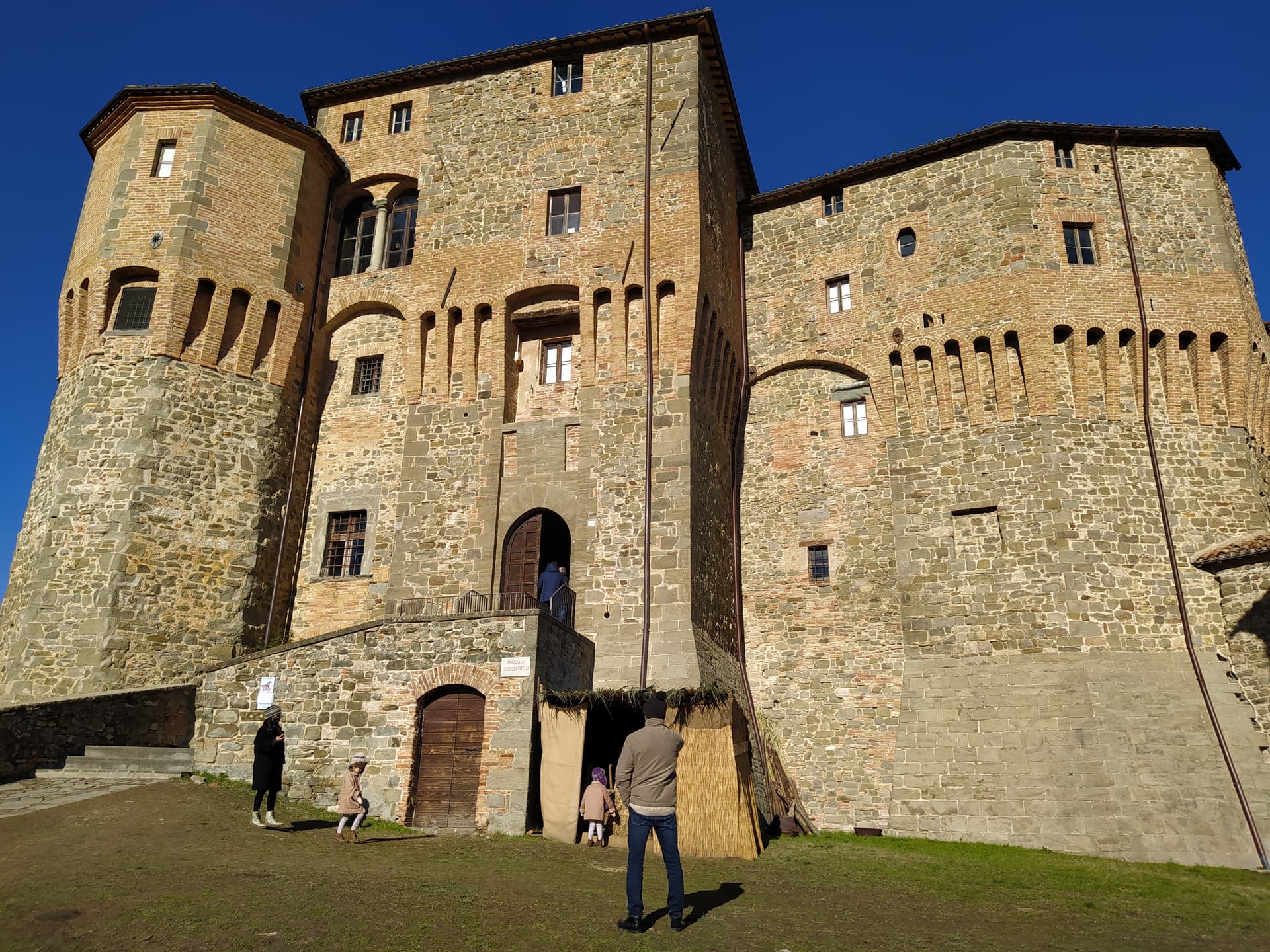
Sant'Agata Feltria
Province: Rimini
A 607-meter Montefeltro borgo crowned by the Rocca Fregoso on the Sasso del Lupo, host of the national white truffle fair since 1985.
🎨 Borghi più belli d'Italia
More Borghi più belli d'Italia towns in Emilia-Romagna
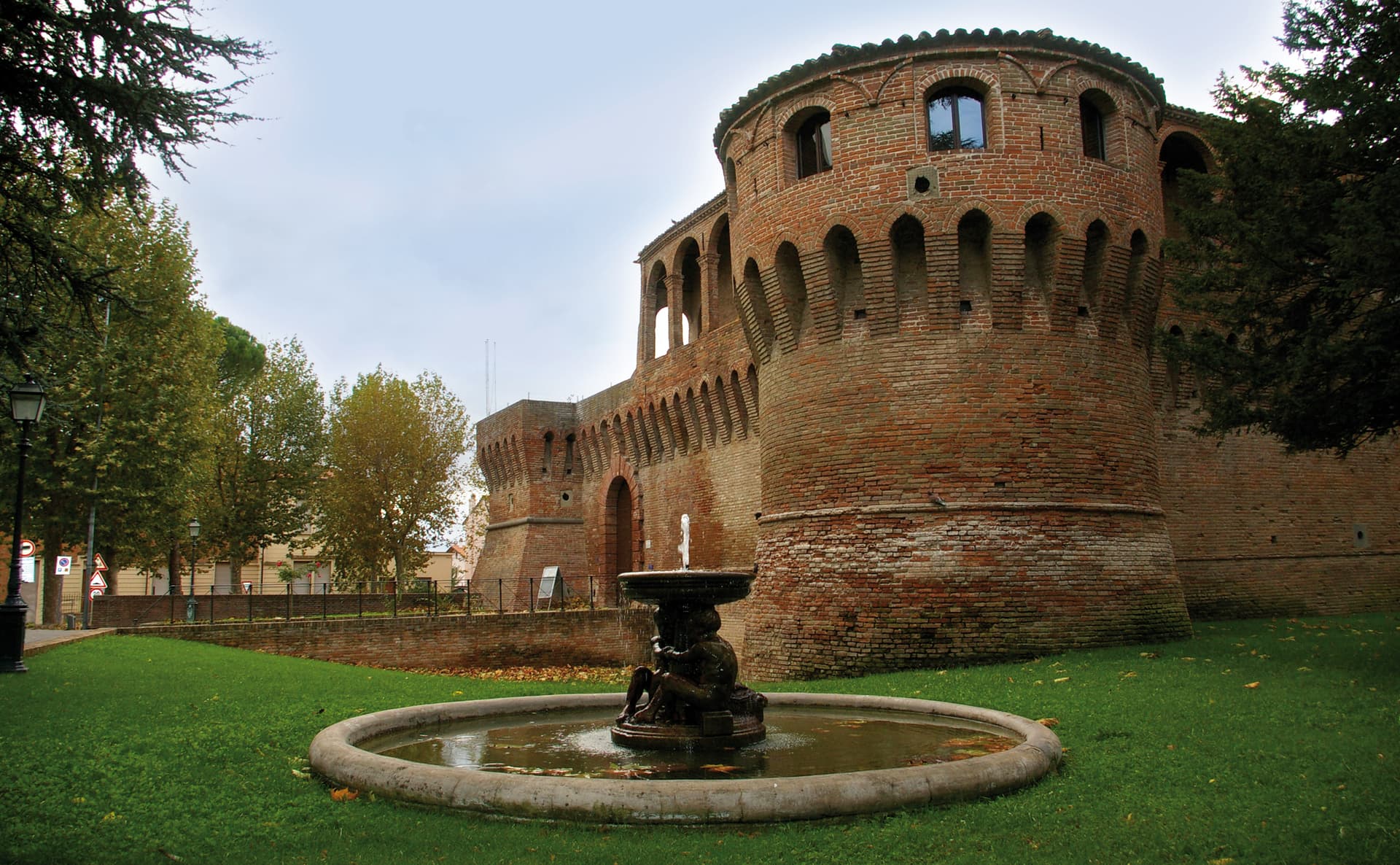
Bagnara di Romagna
Province: Ravenna
A 22-meter plain commune in the Bassa Romagna, the only fully preserved medieval castrum surviving in the Romagna lowlands.
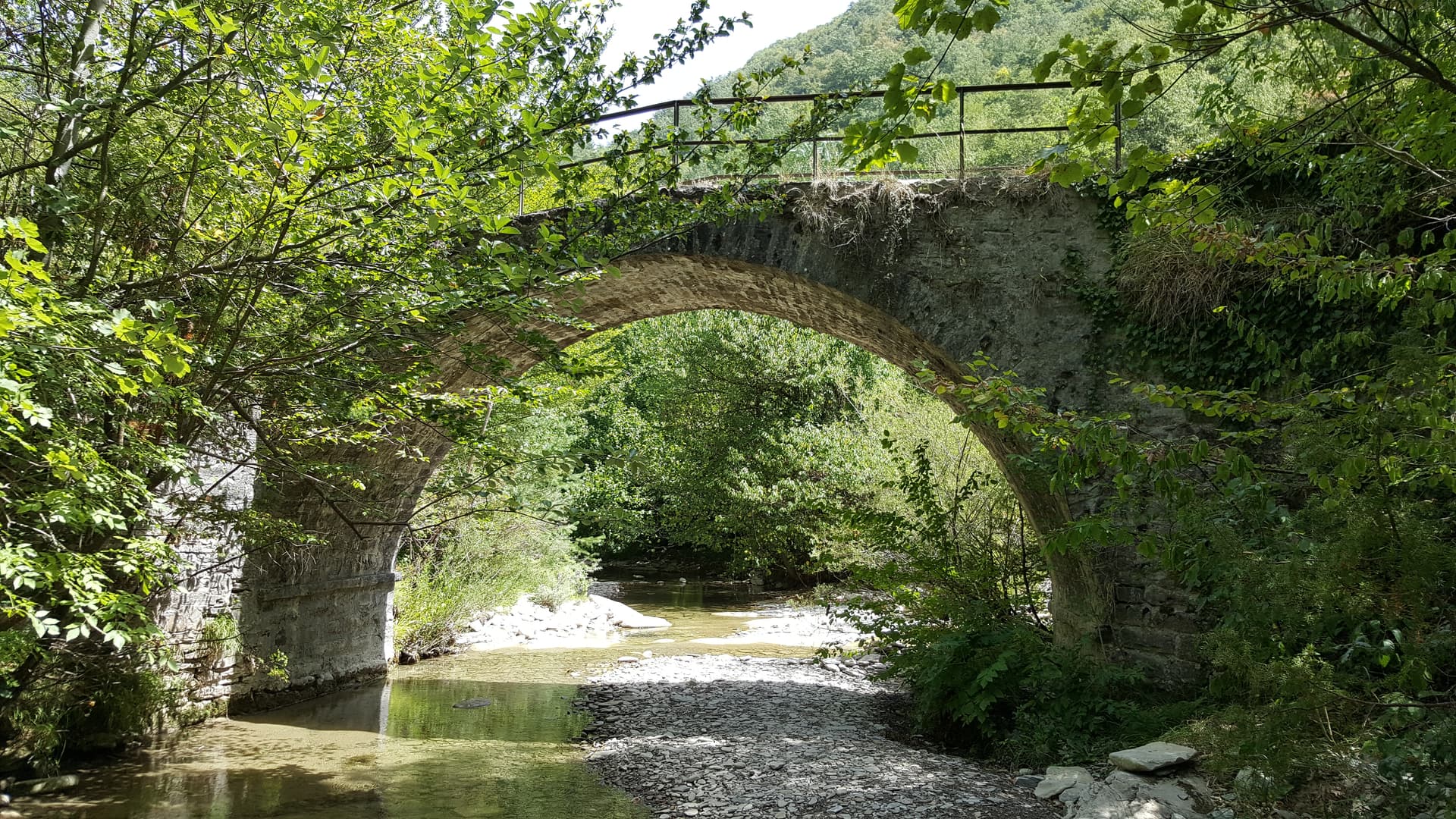
Bagno di Romagna
Province: Forlì-Cesena
A 491-meter thermal town at the head of the Savio valley, drawing on springs that have run at 47 degrees since Roman times.
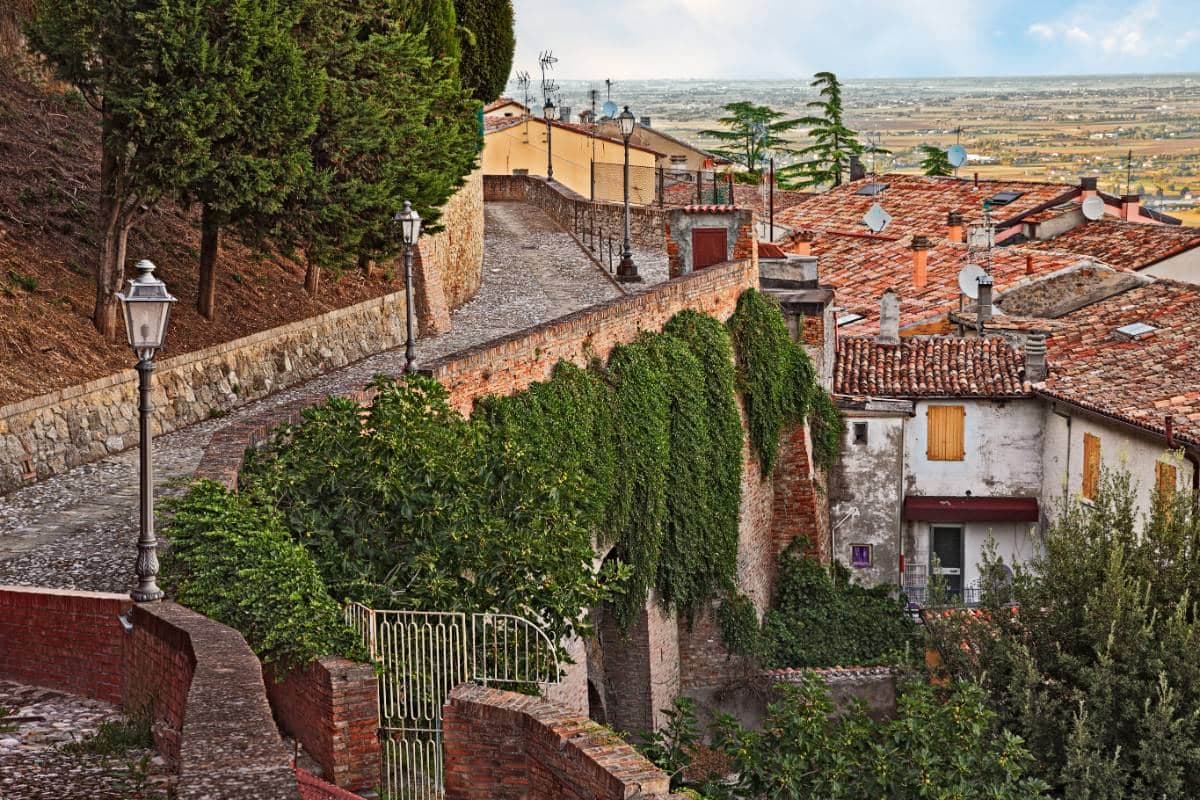
Bertinoro
Province: Forlì-Cesena
A 254-meter Romagna-hill borgo above the Via Emilia, with a twelve-ring hospitality column from 1300 and the slopes that grow Albana DOCG.
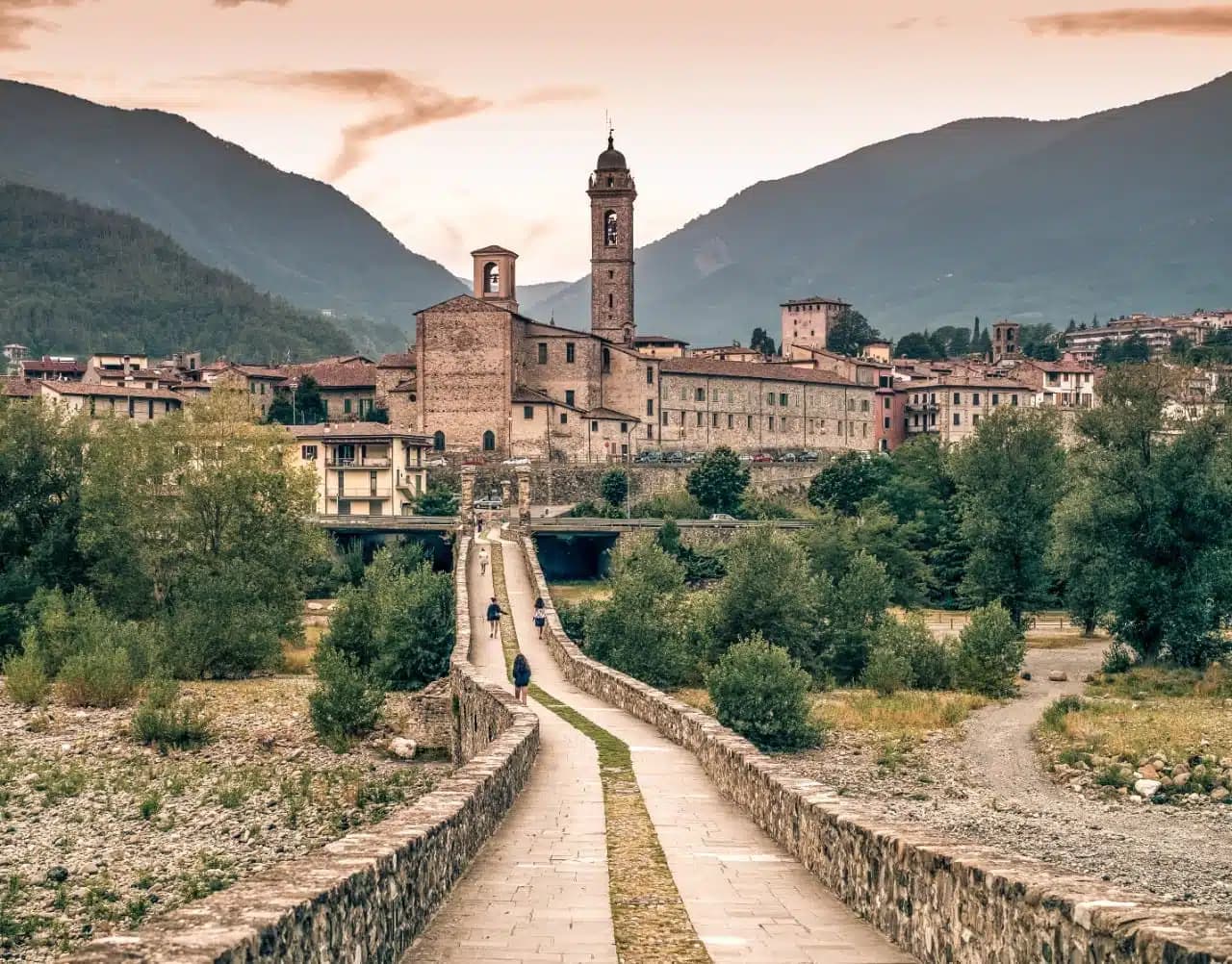
Bobbio
Province: Piacenza
A 272-meter Trebbia-valley town built around the abbey Saint Columbanus founded in 614, named Borgo dei Borghi by RAI in 2019.
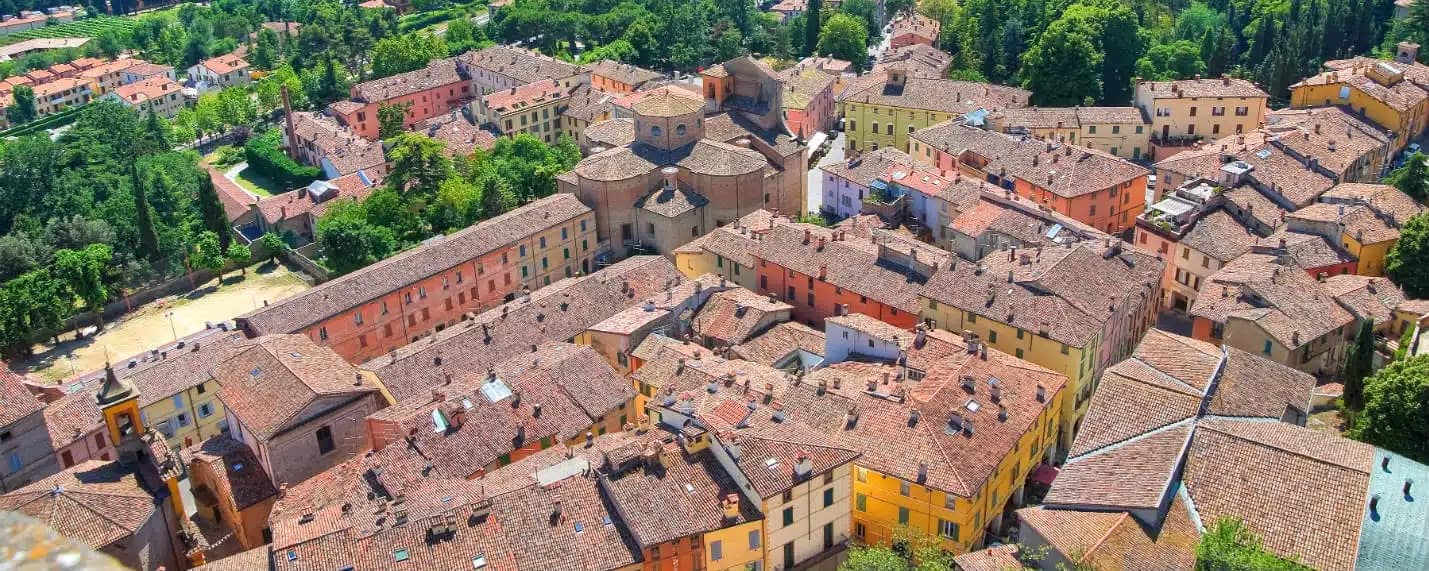
Brisighella
Province: Ravenna
A Lamone-valley borgo at 115 meters under three selenite hills crowned by a fortress, a clock tower, and a sanctuary.