
Veneto · Padova
Battaglia Terme
A barge village at the foot of the Euganean Hills, built around the 1201 canal and Italy's only river navigation museum.
Known for
THE CANAL TOWN
Seven centuries of barge traffic on the 1201 canal; the Museo della Navigazione Fluviale is the only one of its kind in Italy.
CATAJO
The Obizzi castle of 1570-73, built to control the canal, with forty-plus frescoed rooms and Renaissance esoteric programs.
VAPOUR GROTTO
Natural vapour cave and saline thermal springs known since the Middle Ages, exploited by the modern Terme from the eighteenth century.
When to visit
Best · All year
- J
- F
- M
- A
- M
- J
- J
- A
- S
- O
- N
- D
- Best
- Hot or crowded
- Quiet
- Mostly closed
The festa: Giacomo il Maggiore, 22 August
Why come
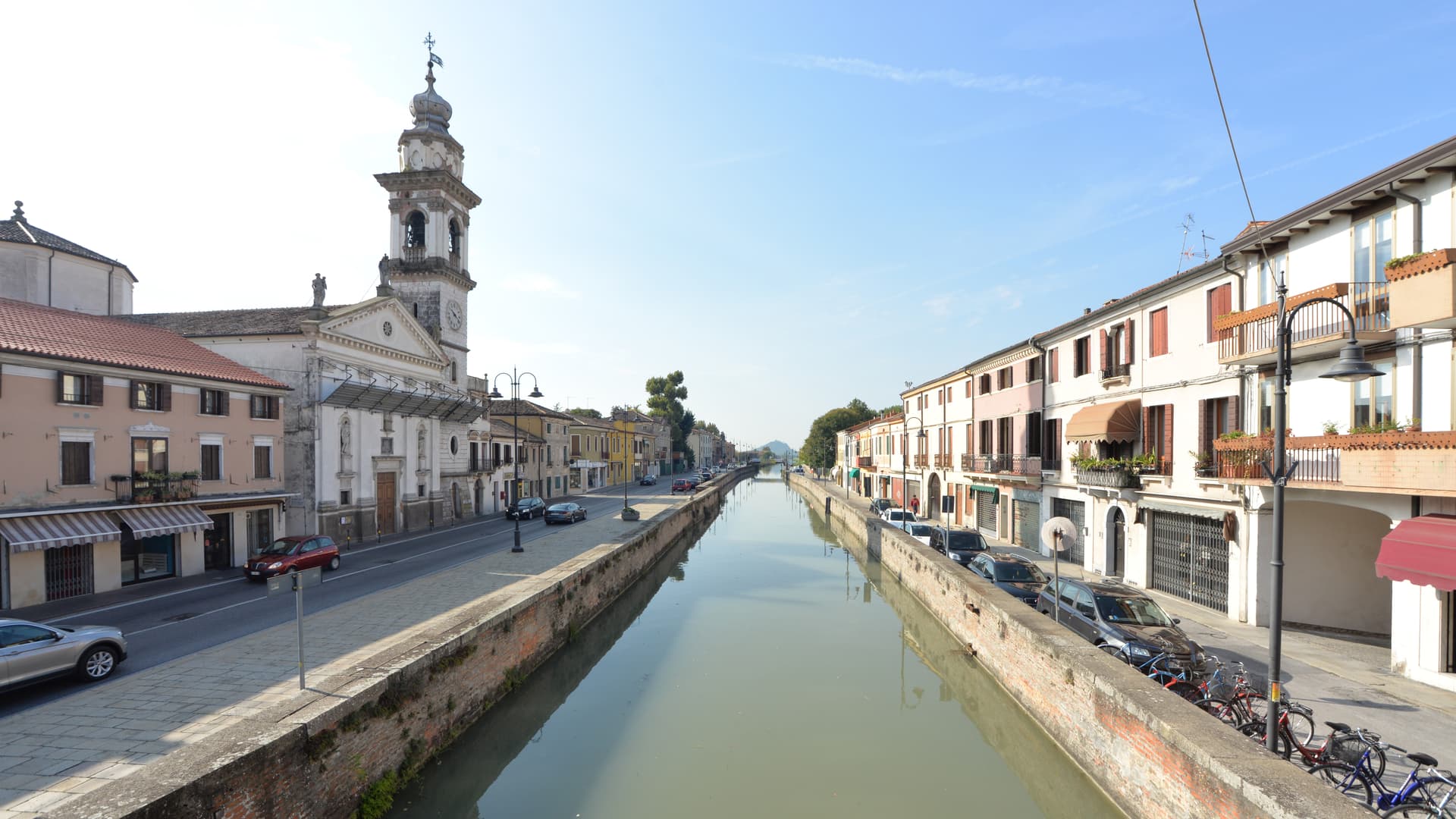
Battaglia Terme sits on the eastern edge of the Euganean Hills, fifteen kilometers south of Padova. The Paduans dug the Battaglia Canal between 1189 and 1201 to link Padova to Monselice, Este and ultimately the Adige and the lagoon; the town grew up at the confluence with the older Bisato Canal from Monselice, completed in 1139. For seven centuries Battaglia lived from the barge traffic that hauled wheat, marble and wine north and south through the navigable network.
The Museo della Navigazione Fluviale, the only river navigation museum in Italy, holds more than four thousand objects from boats and tools to navigation charts and boatmen's diaries. The thermal springs surface here too: warm saline water and a natural vapour grotto known since the Middle Ages, exploited from the eighteenth century at the Terme di Battaglia. Above town stands the Castello del Catajo, built 1570-73 by Pio Aeneas I degli Obizzi to control the canal, with frescoes and Renaissance esoteric symbols across forty rooms.
The Sunday letter
We haven’t written Battaglia Terme’s letter yet.
One town every Sunday, with the photo, the food, the festa. Be there when this one comes up. Free, by Peter & Sophia from Pietrasanta.
By subscribing you agree to Substack’s Terms of Use, our Privacy Policy and our Information collection notice.
What to see
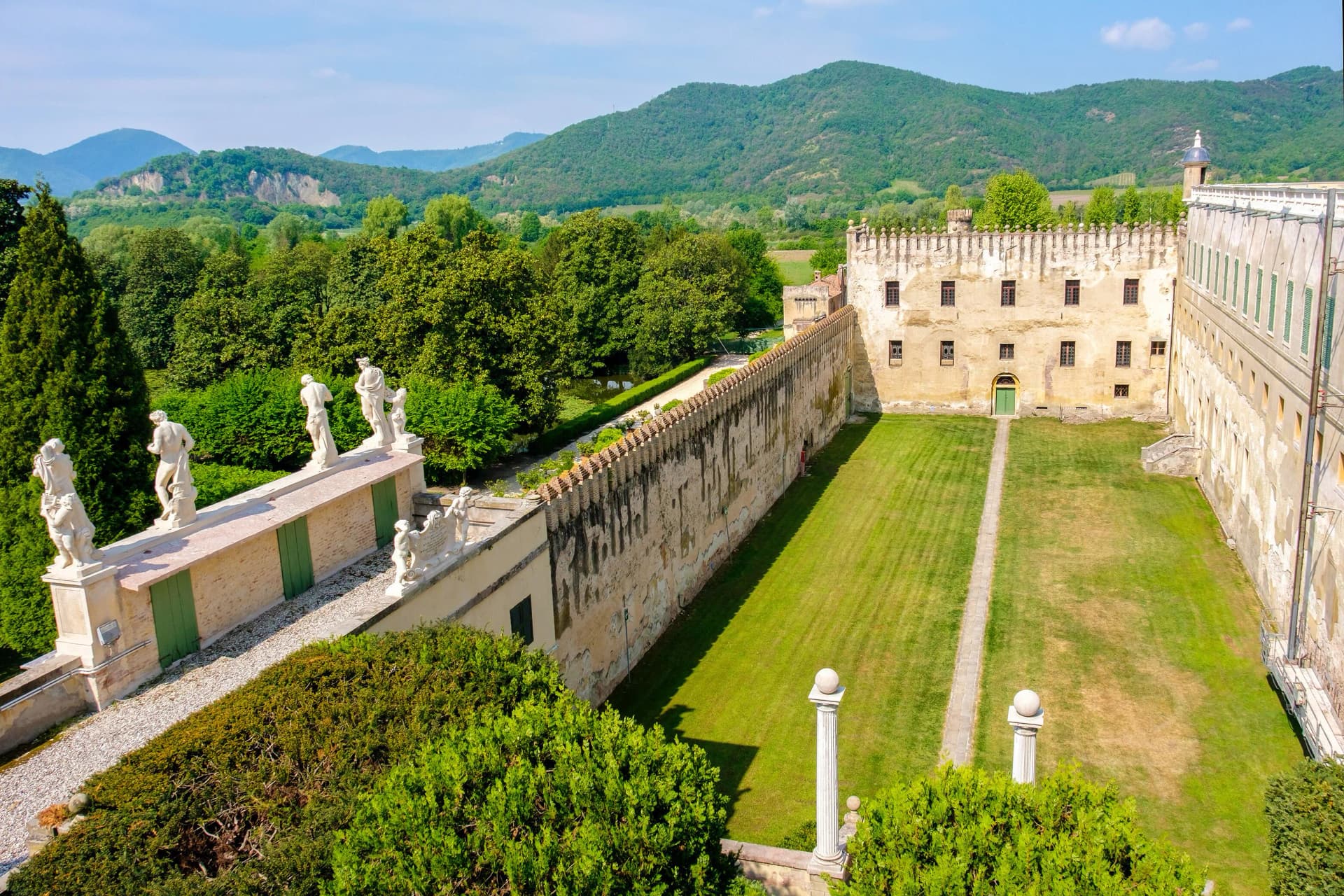
Castello del Catajo
Hilltop castle built 1570-73 by Pio Aeneas I degli Obizzi, with frescoes and esoteric Renaissance symbols across more than forty rooms.
Museo della Navigazione Fluviale
Italy's only river navigation museum, with over four thousand objects from boats and tools to boatmen's diaries and navigation charts.
Canale di Battaglia
Canal dug 1189-1201 by the Paduans, still navigable, running through the center of town and crossed by historic bridges.
Terme di Battaglia
Thermal complex on the natural vapour grotto, with saline mineral water and one of the deepest thermal pools in the world at Hotel Millepini.
Chiesa di San Giacomo
Parish church above the canal, rebuilt in the seventeenth century, with the funerary chapel of the Obizzi family.
The slow-trip planner
Building a trip? Find where Battaglia Terme fits in a slow Italy circuit.
Answer five questions. We will shape a geographically coherent slow trip from the 1,000 Italian towns most travelers skip. Yours to save and share.
Living here
- Population 3,766
- Commuter belti
- Pharmacy in town
- High school within a 30-minute drive
- Train station in the comune
- Nearest airport Venice, 56 min drive
- Regional capital Venezia, 43 min drive
Thermal baths in town: Stabilimento Termale La Contea.
Tags & datadesignations · numbers · sources
Recognised as
The numbers
- Elevation: 9 m
- Population: 3,766
- Surface area: 6.23 km²
These figures were compiled from public directories — ISTAT, OpenStreetMap, Wikidata — and from the official listings of the guides named on this page. Town details change; verify with official sources before you travel.
Close by
More towns near Battaglia Terme
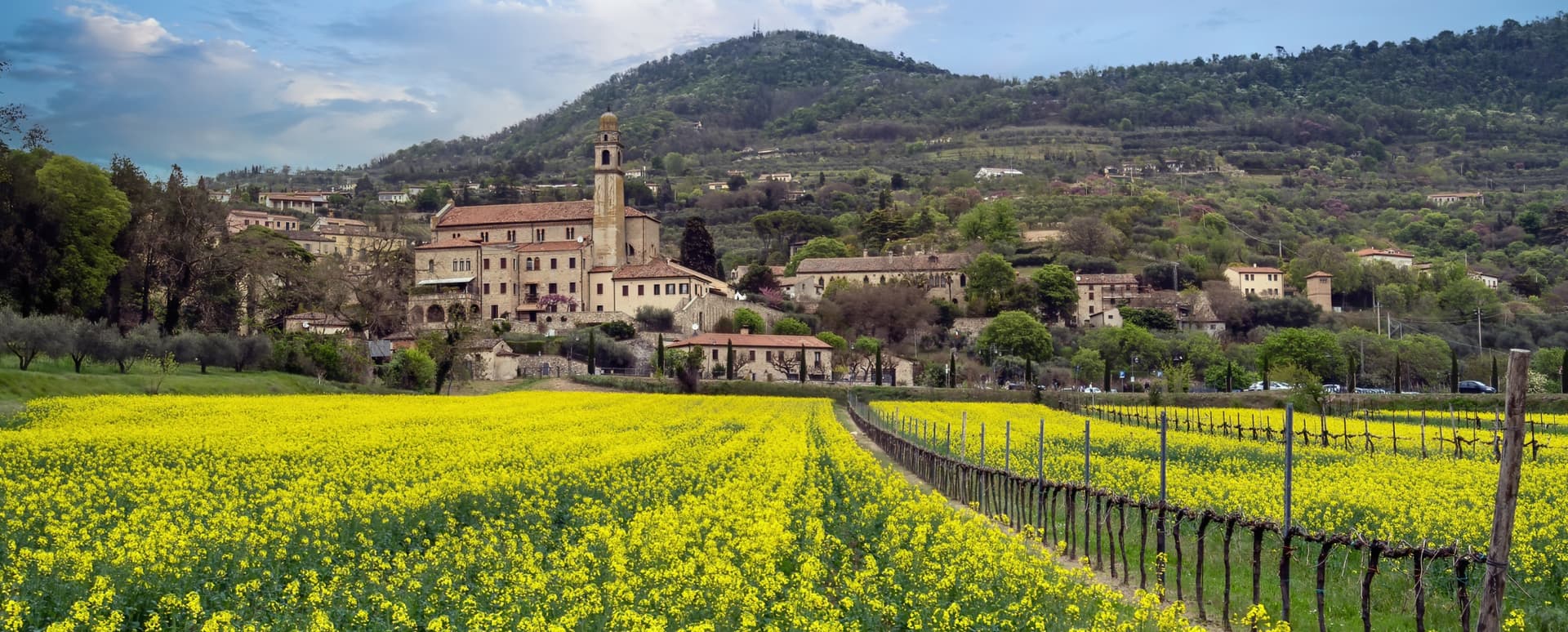
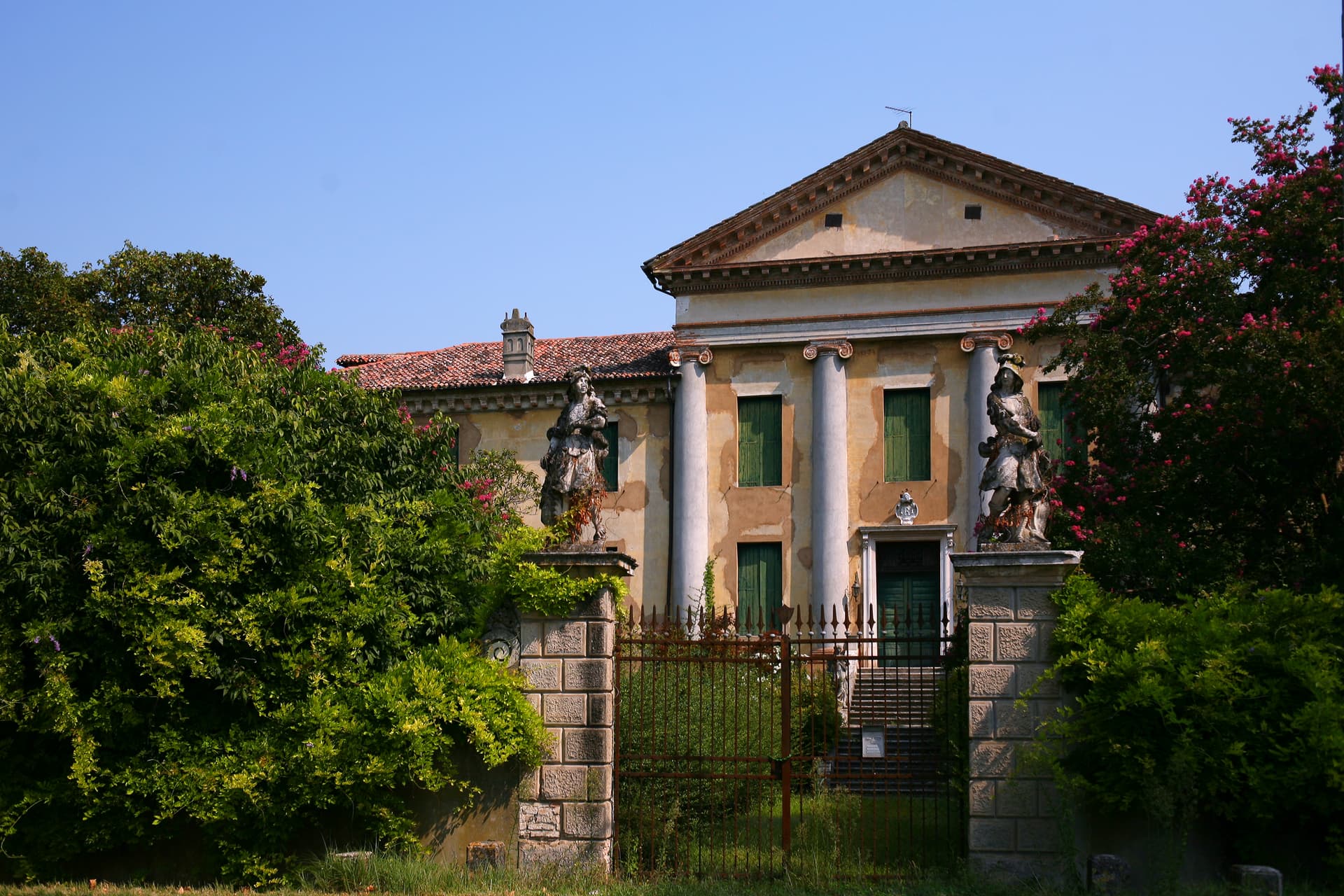
Arquà Petrarca
Province: Padova
The Euganean Hills village where Francesco Petrarca spent his last four years and died in 1374, renamed in his honor in 1868.
Abano Terme
Province: Padova
Europe's oldest thermal town on the Euganean Hills' eastern slope, where 80°C bromo-iodine springs have been drawing bathers since the eighth century BC.
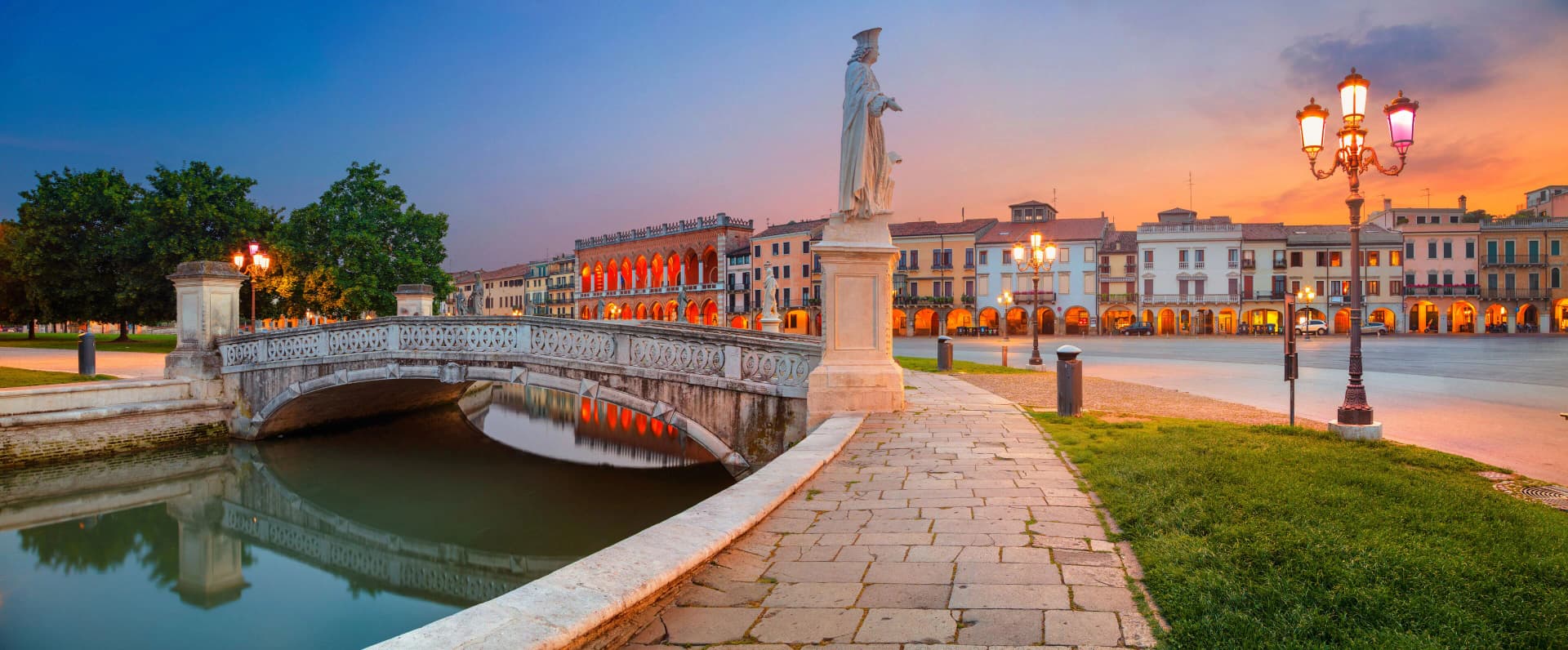
Padova
Province: Padova
The university town that gave Giotto a chapel and the world a science of plants — TWO UNESCO inscriptions inside one city (Padua's 14th-century fresco cycles + the 1545 Orto Botanico, the world's first), plus Prato della Valle, Italy's largest piazza, and Galileo's old lecture hall.
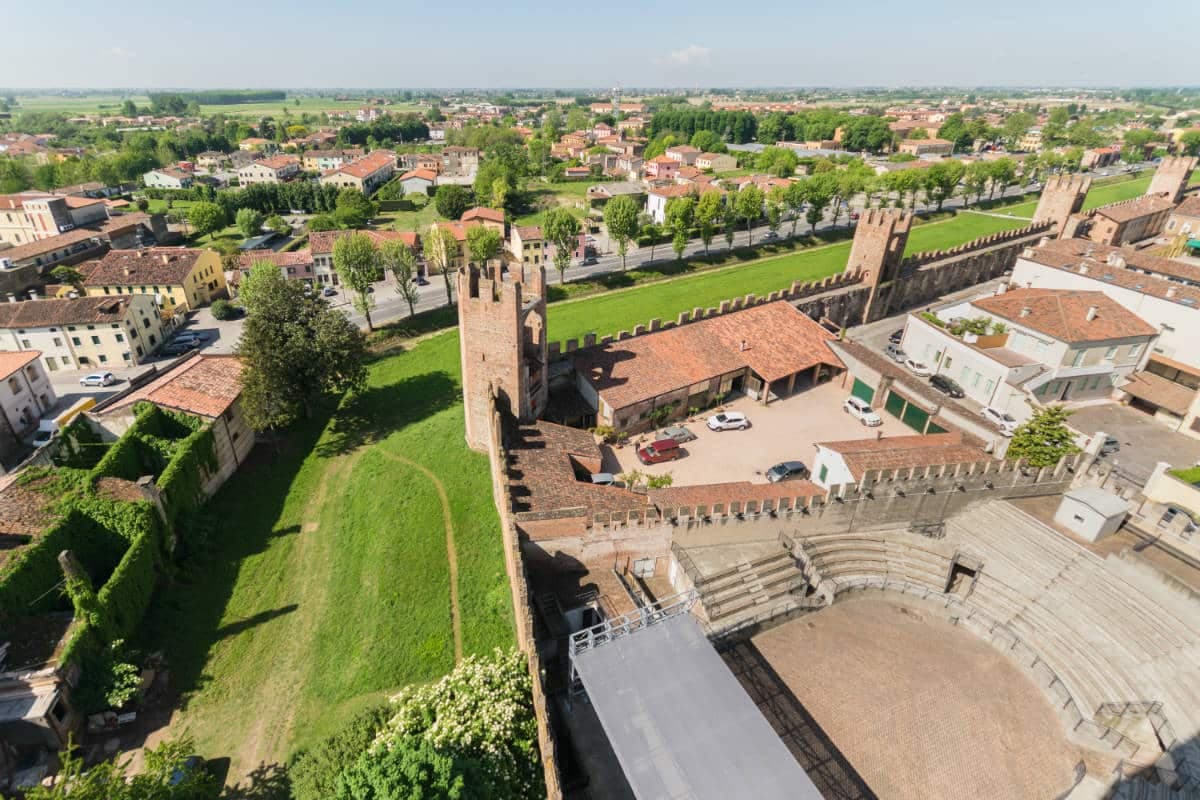
Montagnana
Province: Padova
A walled town on the lower Padova plain with two kilometers of medieval ramparts and 24 hexagonal towers, headquarters of Prosciutto Veneto DOP.
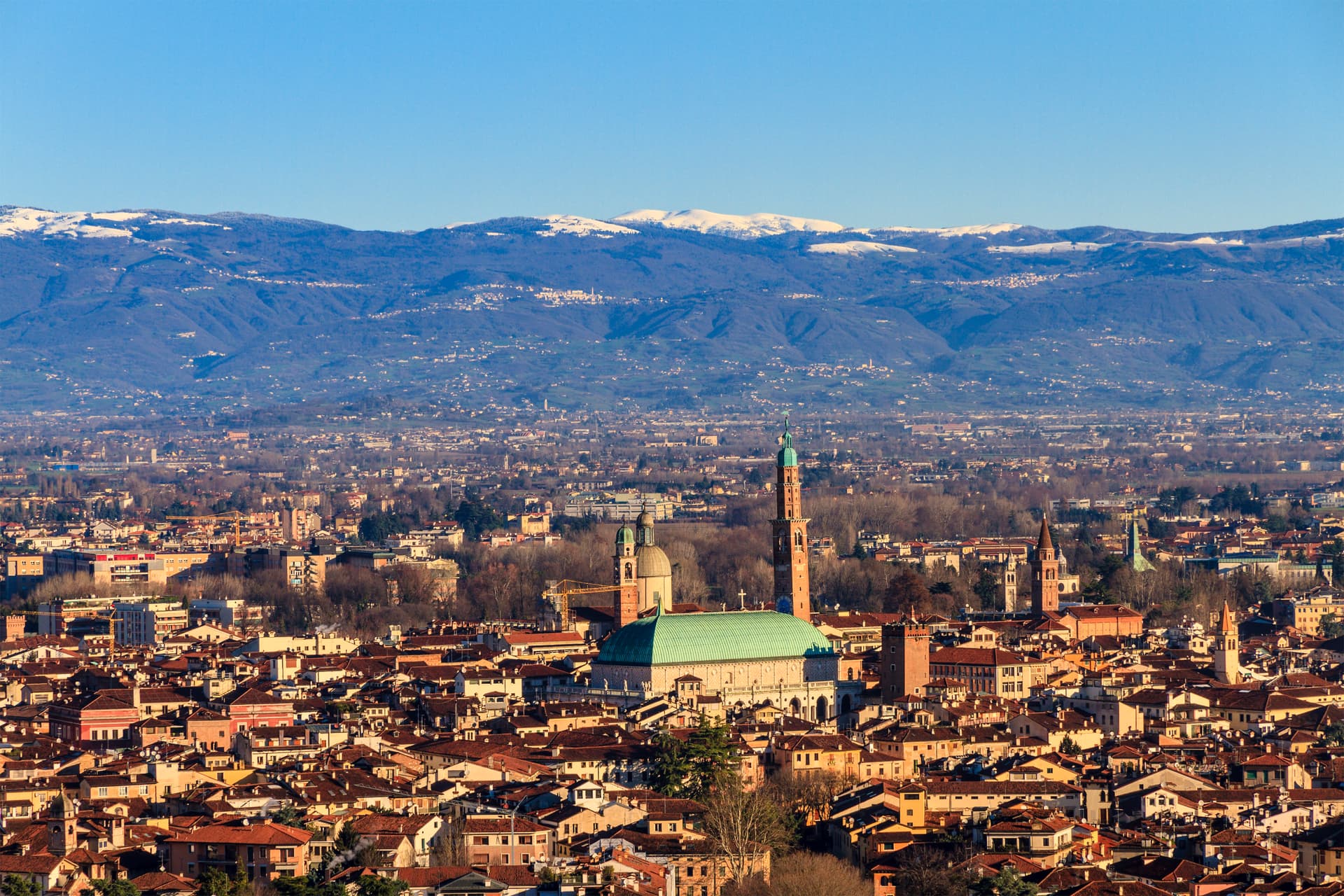
Vicenza
Province: Vicenza
Andrea Palladio's home city — a UNESCO-inscribed open-air museum of the architect who reshaped Western architecture, with 23 Palladian buildings inside the centro and the Villa Rotonda + Teatro Olimpico just outside it.
🏆 Borgo dei Borghi
More Borgo dei Borghi towns
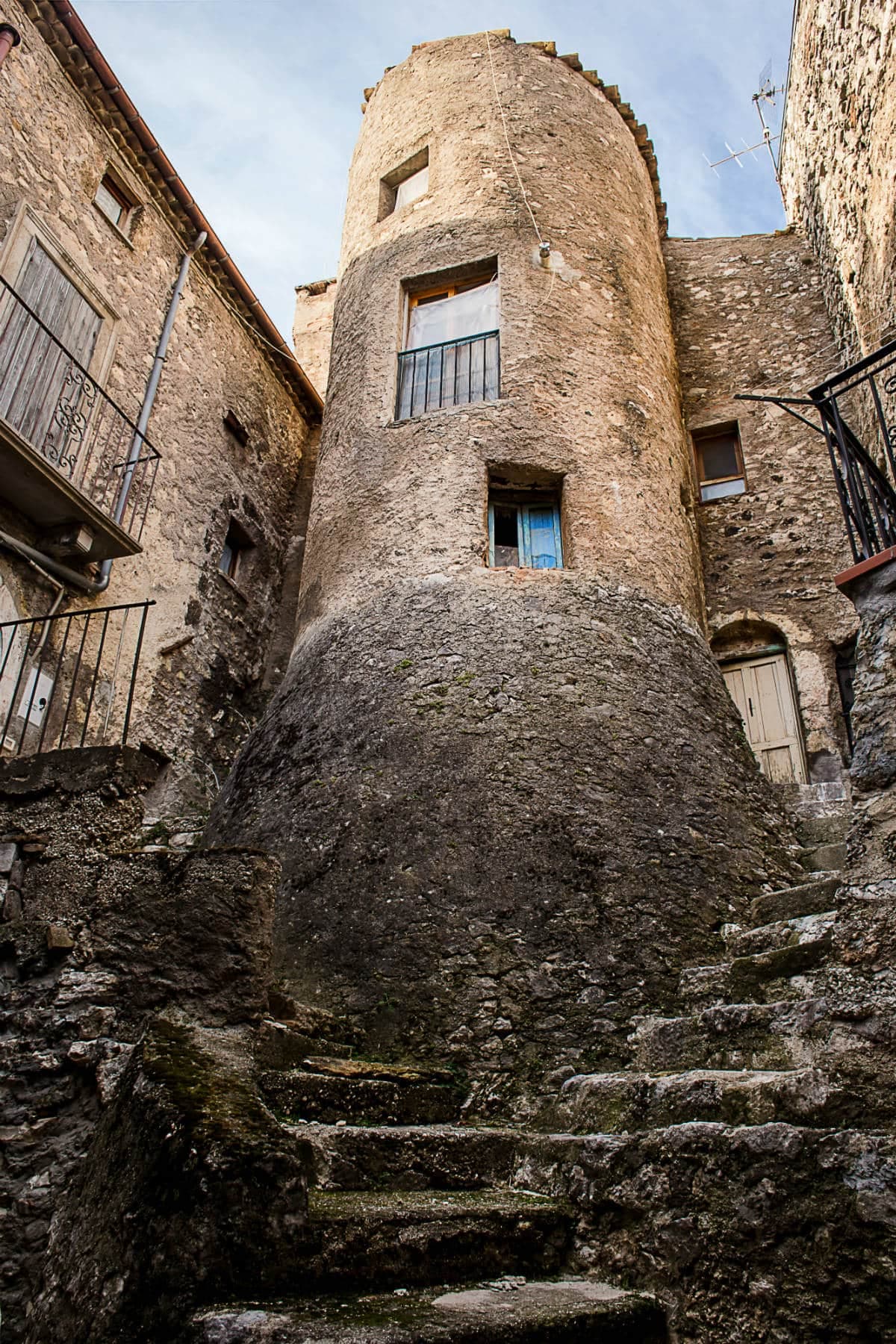
Villalago
Province: L'Aquila
A 930-meter village above three lakes, named for the nine that once filled the valley, with a hermit's cave on the water's edge.
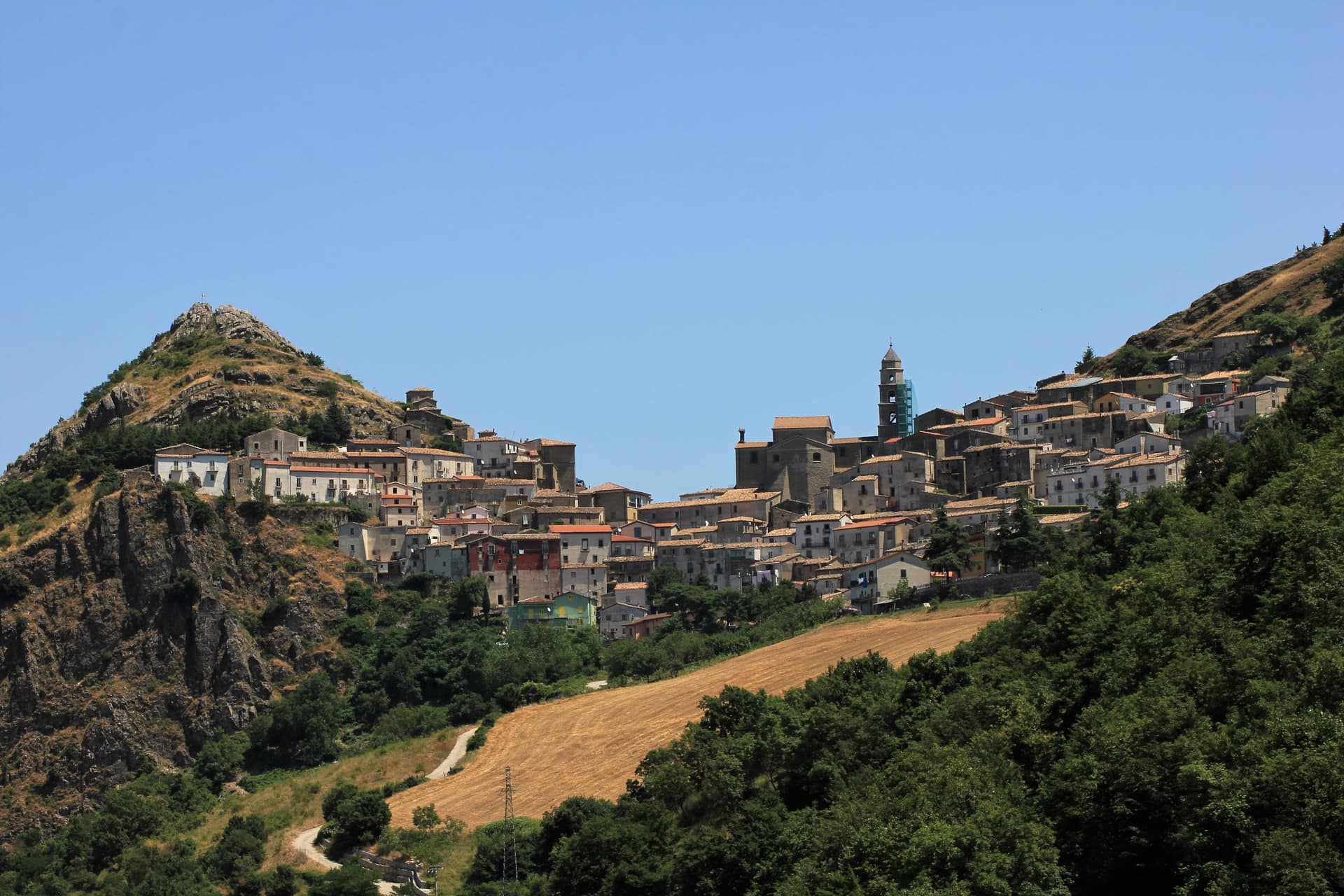
San Fele
Province: Potenza
A stone village at 872 meters between Monte Toretta and Castello, anchored by Otto I's 969 fortress and ten waterfalls down the Bradano.
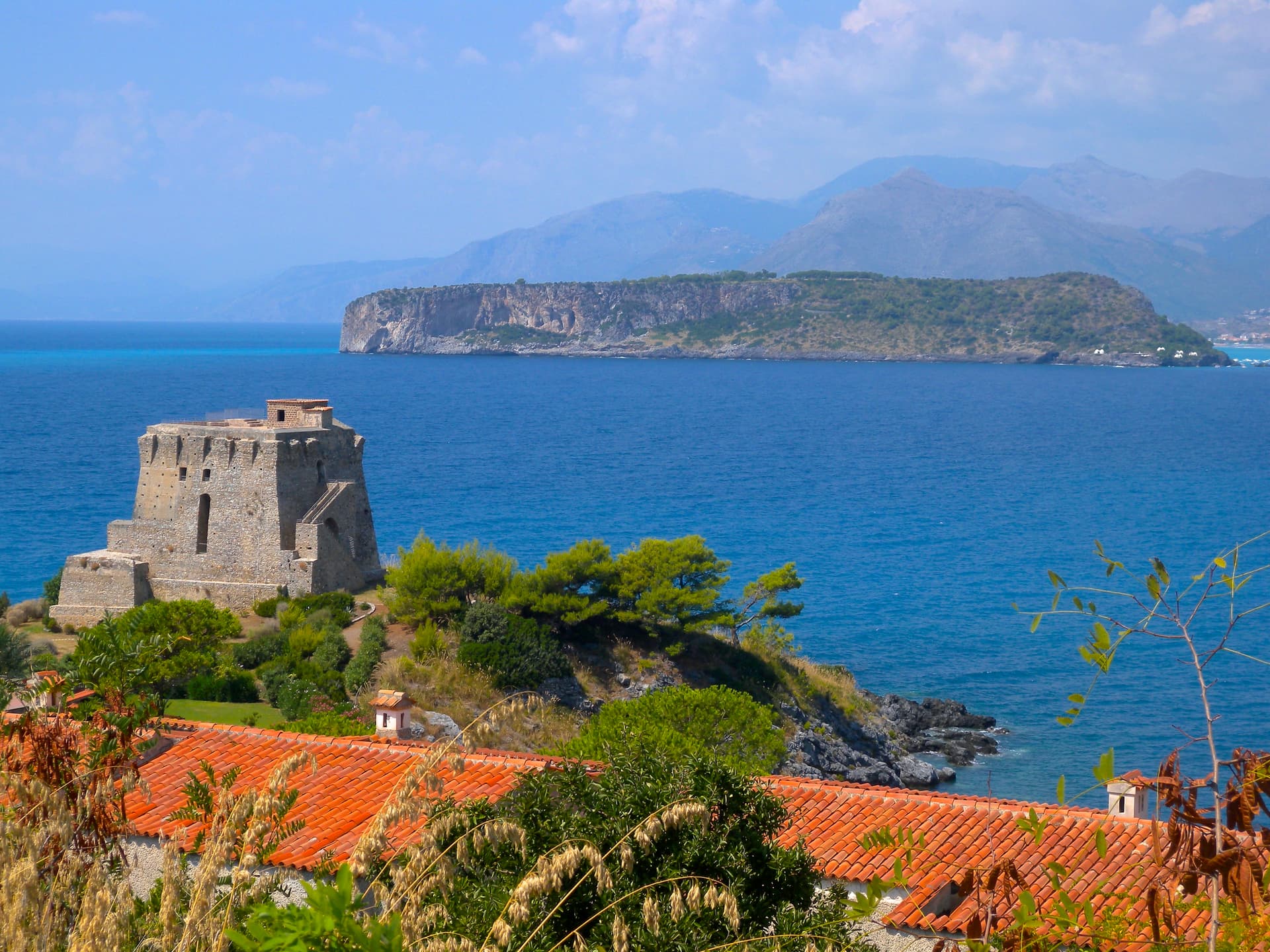
San Nicola Arcella
Province: Cosenza
A cliff village above the Tyrrhenian Riviera dei Cedri, where the Arco Magno sea arch fronts a cove only reachable on foot or by boat.
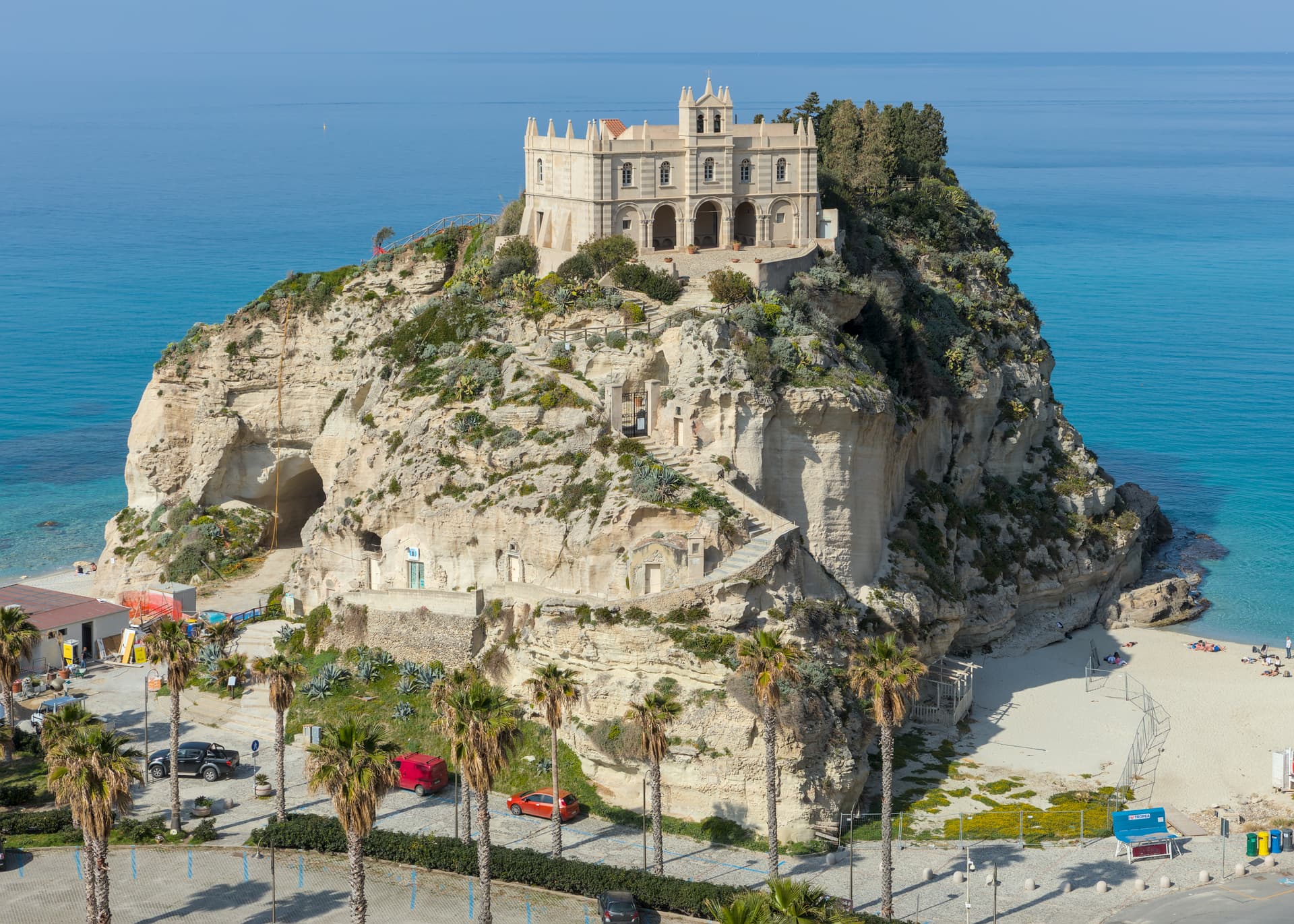
Tropea
Province: Vibo Valentia
Cliff town on a tufa headland over the Tyrrhenian Coast of the Gods, with a Norman monastery on a sea rock.
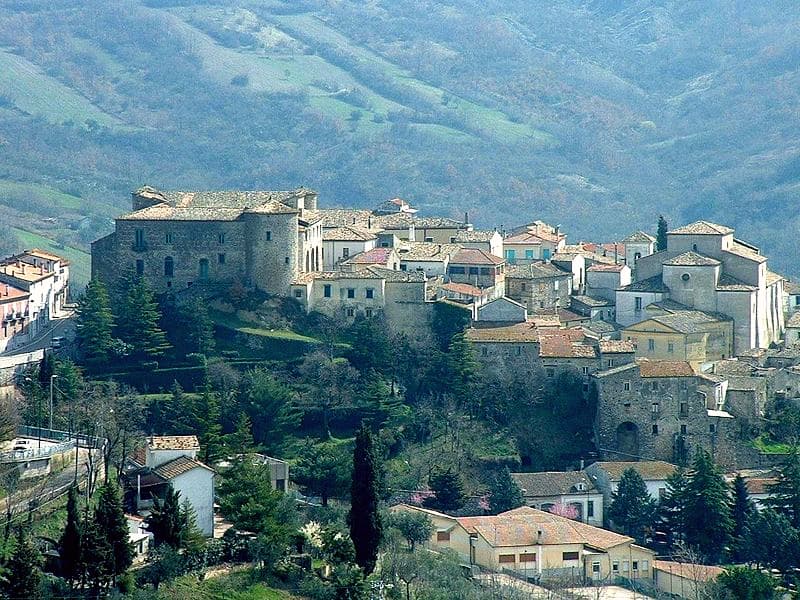
Zungoli
Province: Avellino
An Irpinia ridge at 657 meters between the Ufita valley and the Daunian hills, with Norman walls above and Byzantine tuff caves below the houses.