

Veneto · Padova
Abano Terme
Europe's oldest thermal town on the Euganean Hills' eastern slope, where 80°C bromo-iodine springs have been drawing bathers since the eighth century BC.
Known for
THERMAL SPRINGS
Hyperthermal bromo-iodine-salt water at 80°C, the largest spa basin in Europe with continuous use since the eighth century BC.
APONUS
Roman name for the springs, taken from a pre-Roman deity; Colle Montirone preserves traces of the imperial-era complex.
FANGO
Mineral mud aged sixty days in the thermal basins before treatment, the technique that built the modern spa industry from the 1950s.
When to visit
Best · All year
- J
- F
- M
- A
- M
- J
- J
- A
- S
- O
- N
- D
- Best
- Hot or crowded
- Quiet
- Mostly closed
The festa: San Lorenzo, 10 August
Why come
Abano Terme sits on the eastern slope of the Euganean Hills, ten kilometers southwest of Padova. The springs surface at 80°C, classified as hyperthermal bromo-iodine-salt water, and the Veneti were already worshipping them in the eighth century BC. The Romans built a temple to Aponus here and called the place Aquae Patavinae.
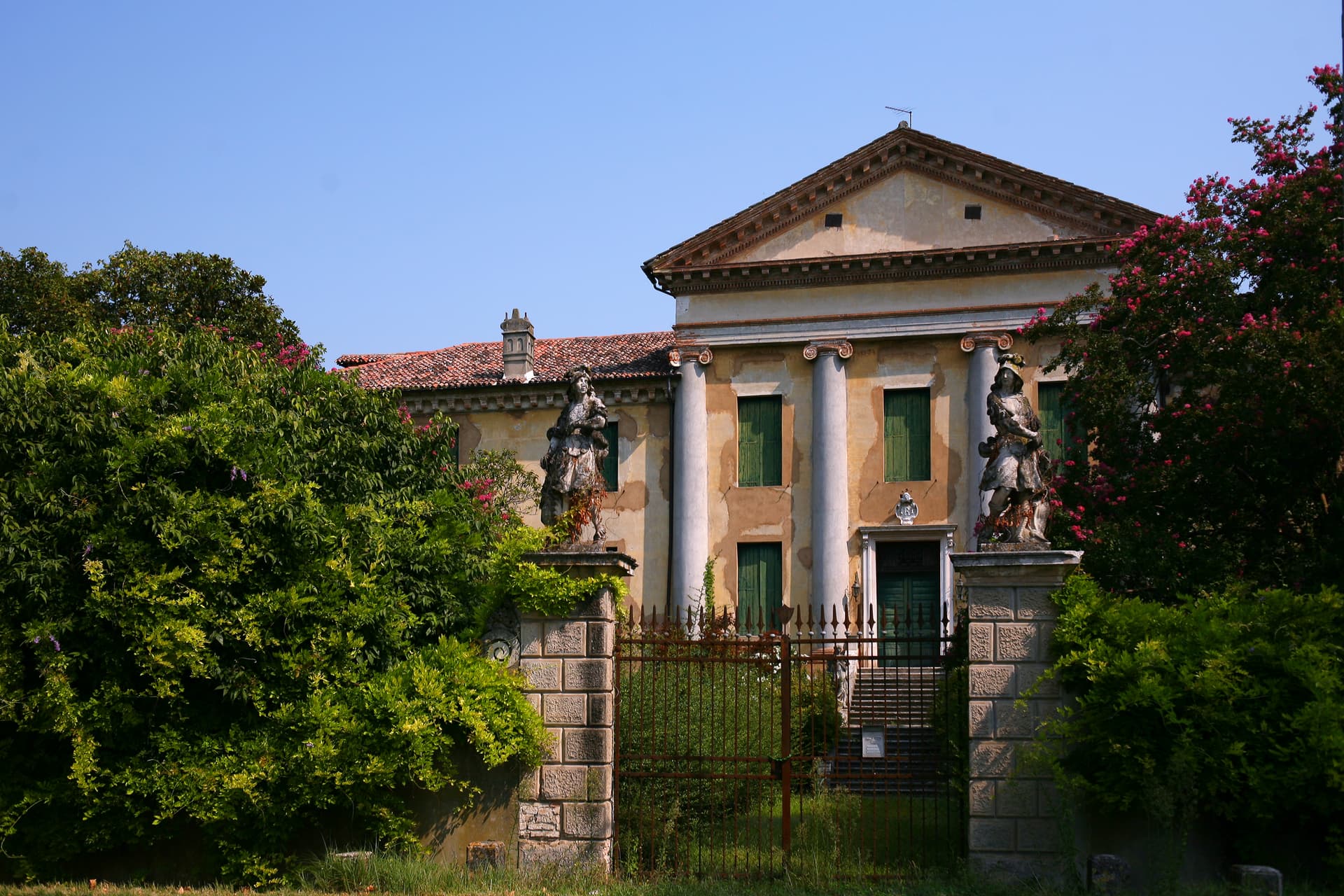
The Lombards destroyed the baths in the sixth century. They were rebuilt when Abano became an autonomous comune in the twelfth, enlarged again in the late fourteenth, and absorbed into the Republic of Venice from 1405 to 1797. The Colle Montirone archaeological site still holds traces of the Roman thermal complex, and the Duomo di San Lorenzo, rebuilt in 1780 over an older church, anchors the historic center.
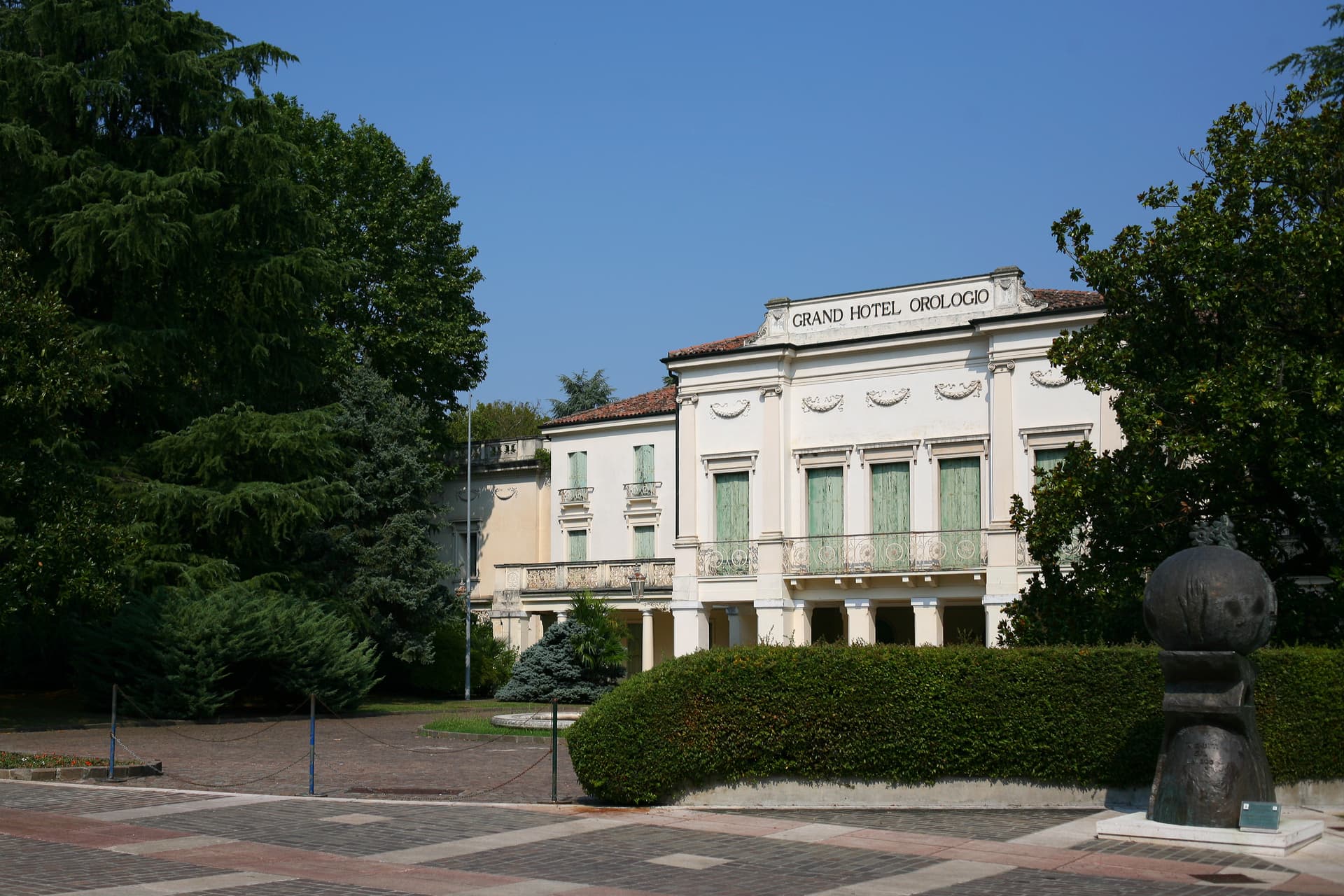
The contemporary draw is fango-balneotherapy: mineral mud aged for sixty days in the source basins, then applied at body temperature. Most of the 250 hotels in Abano-Montegrotto are spa hotels.
The Sunday letter
We haven’t written Abano Terme’s letter yet.
One town every Sunday, with the photo, the food, the festa. Be there when this one comes up. Free, by Peter & Sophia from Pietrasanta.
By subscribing you agree to Substack’s Terms of Use, our Privacy Policy and our Information collection notice.
What to see
Duomo di San Lorenzo
Cathedral rebuilt in 1780 over a pre-existing church, with a campanile dating to the fourteenth century and a Baroque interior.
Colle Montirone
Archaeological site on a small thermal hill, with traces of the Roman baths of Aponus and an obelisk erected in the eighteenth century.
Parco Termale Urbano
Public thermal park threading the centro storico, with footpaths between hotels, gardens and the source pools.
Santuario della Madonna della Salute di Monteortone
Fifteenth-century sanctuary in the frazione of Monteortone, built after a 1428 apparition recorded during the plague.
Colli Euganei
Volcanic hills behind the town, a regional park of vineyards, olive groves and walking trails between Abano and Arquà Petrarca.
The slow-trip planner
Building a trip? Find where Abano Terme fits in a slow Italy circuit.
Answer five questions. We will shape a geographically coherent slow trip from the 1,000 Italian towns most travelers skip. Yours to save and share.
We recommend
Where to eat and stay
Not our picks, but places the guides put their name to — a Michelin star, a Gambero Rosso fork, a Slow Food snail, a Michelin Key for the hotels. Worth a table, a counter, or a night when you pass through.
AubergineRistorante
Aubergine has a spot in the Michelin Guide to its name.
Abano Grand HotelHotel
Abano Grand Hotel carries a place in the Michelin hotel guide.
Living here
- Population 20,231
- Commuter belti
- Pharmacy in town
- High school within a 30-minute drive
- Train station in the comune
- Nearest airport Venice, 58 min drive
- Regional capital Venezia, 44 min drive
This is a thermal town — terme operate here.
Tags & datadesignations · numbers · sources
Recognised as
The numbers
- Elevation: 14 m
- Population: 20,231
- Surface area: 21.41 km²
These figures were compiled from public directories — ISTAT, OpenStreetMap, Wikidata — and from the official listings of the guides named on this page. Town details change; verify with official sources before you travel.
Close by
More towns near Abano Terme
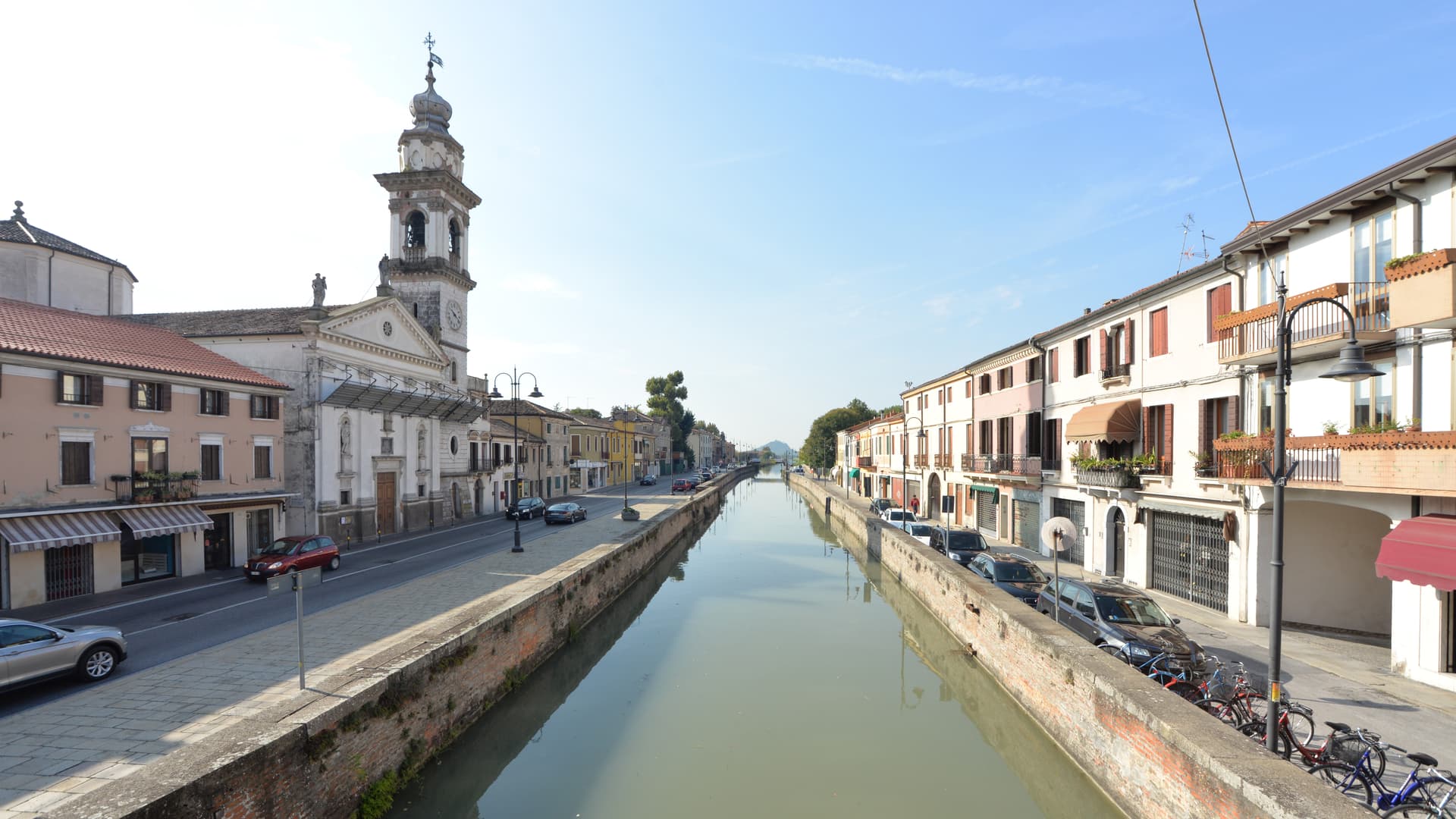
Battaglia Terme
Province: Padova
A barge village at the foot of the Euganean Hills, built around the 1201 canal and Italy's only river navigation museum.
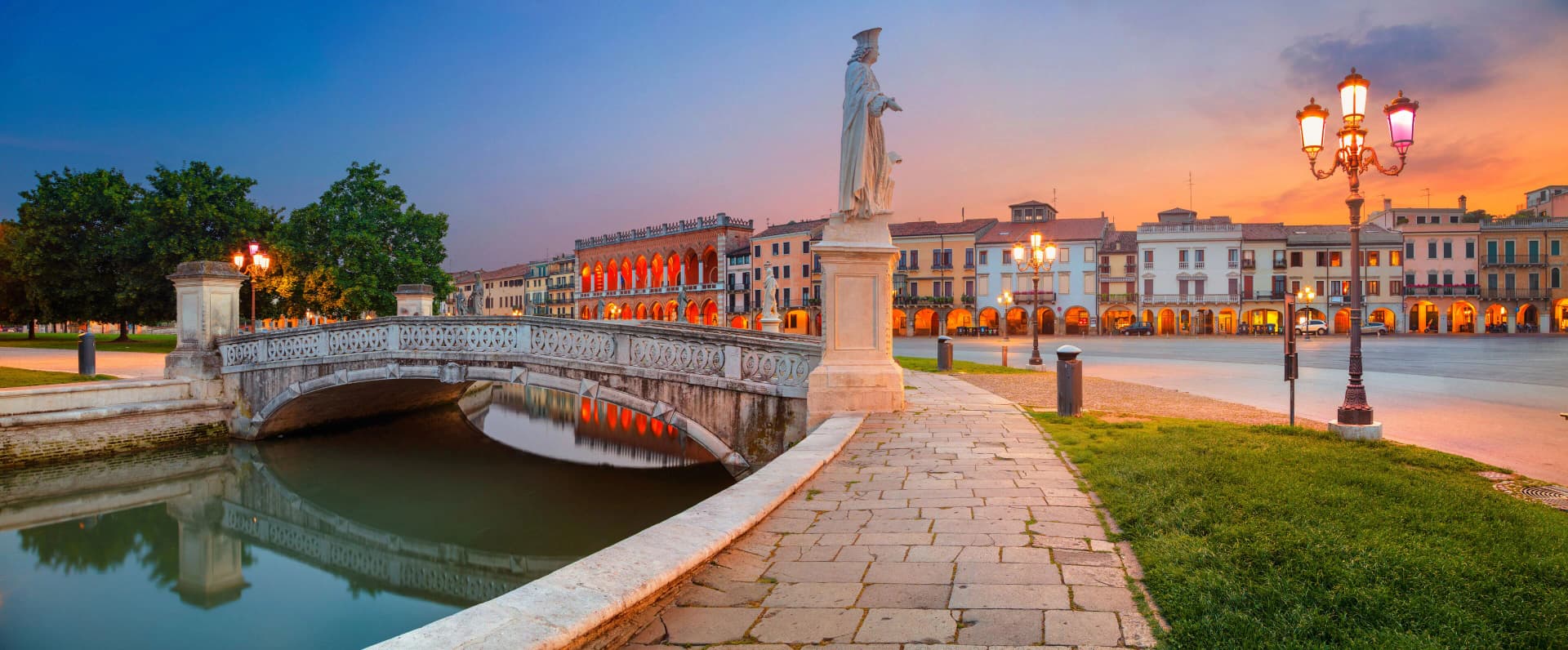
Padova
Province: Padova
The university town that gave Giotto a chapel and the world a science of plants — TWO UNESCO inscriptions inside one city (Padua's 14th-century fresco cycles + the 1545 Orto Botanico, the world's first), plus Prato della Valle, Italy's largest piazza, and Galileo's old lecture hall.
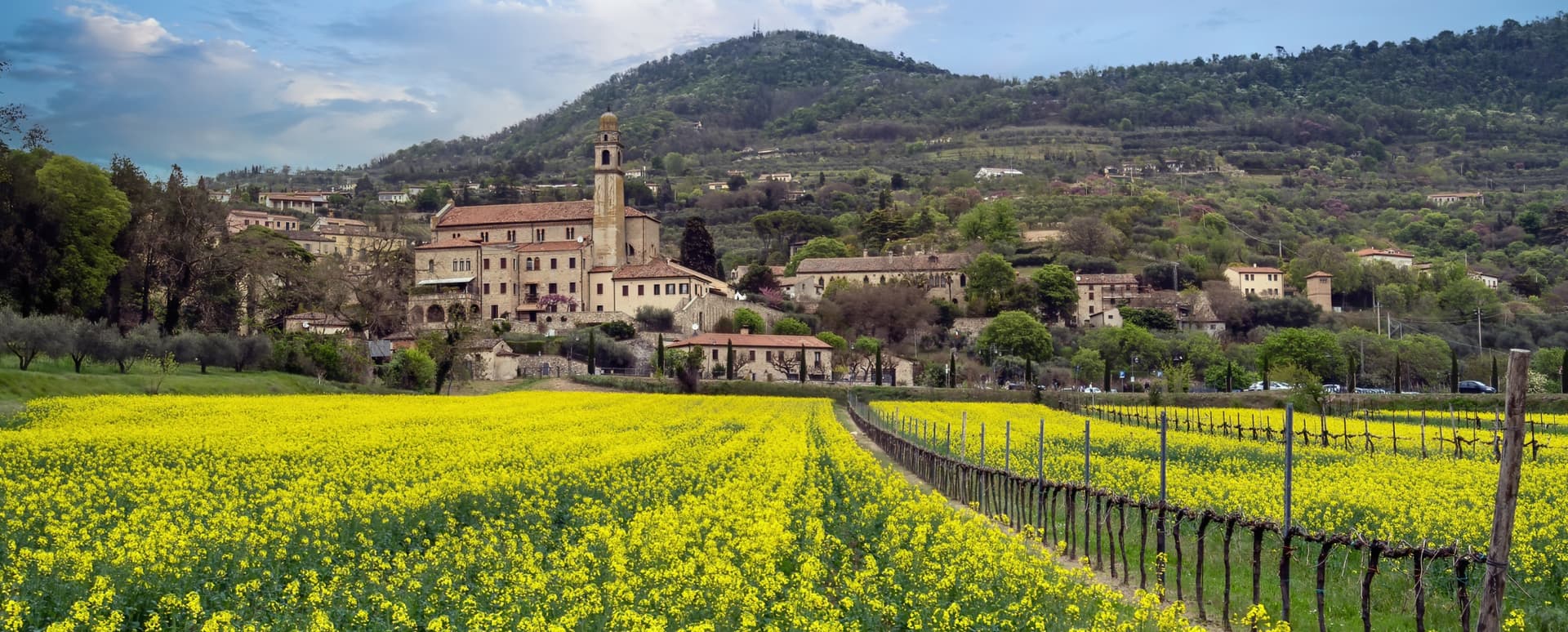
Arquà Petrarca
Province: Padova
The Euganean Hills village where Francesco Petrarca spent his last four years and died in 1374, renamed in his honor in 1868.
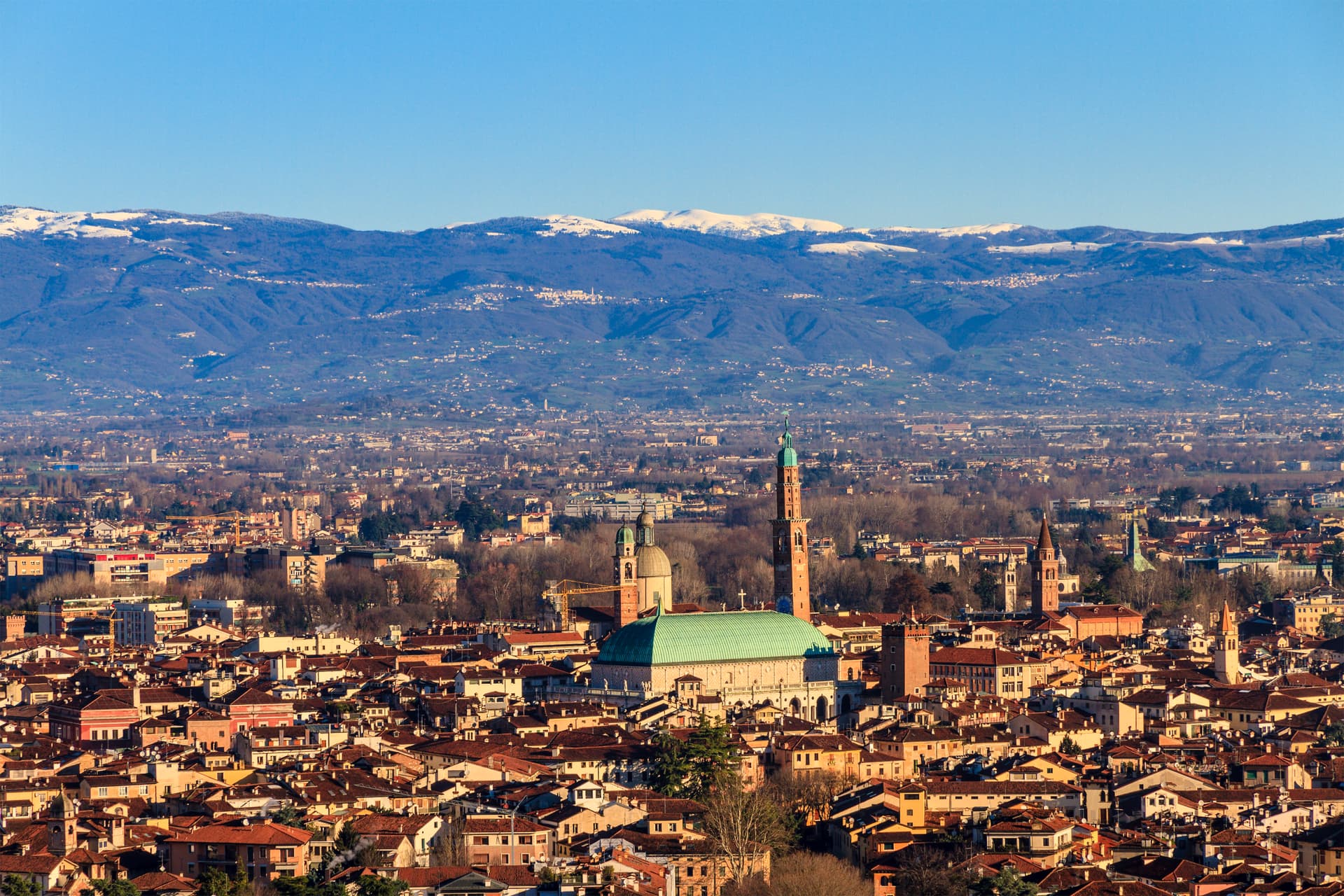
Vicenza
Province: Vicenza
Andrea Palladio's home city — a UNESCO-inscribed open-air museum of the architect who reshaped Western architecture, with 23 Palladian buildings inside the centro and the Villa Rotonda + Teatro Olimpico just outside it.
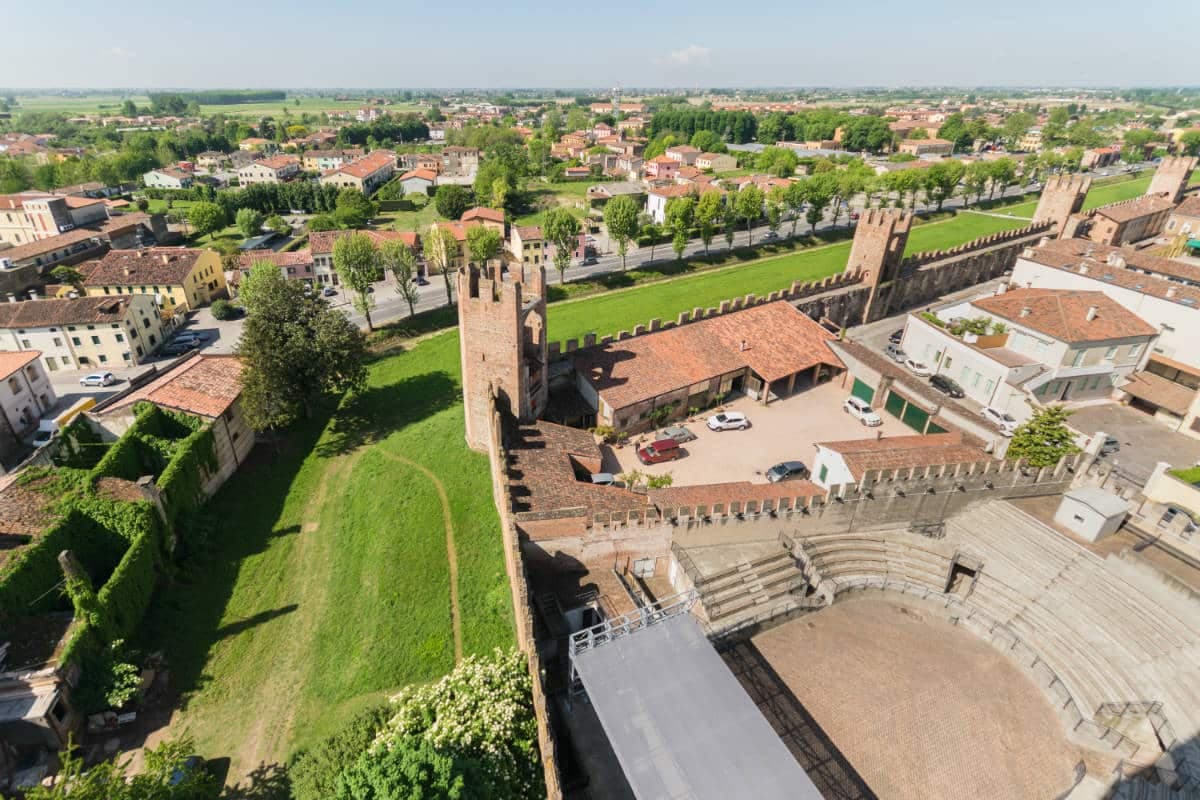
Montagnana
Province: Padova
A walled town on the lower Padova plain with two kilometers of medieval ramparts and 24 hexagonal towers, headquarters of Prosciutto Veneto DOP.
♨️ Comuni Termali
More Comuni Termali towns
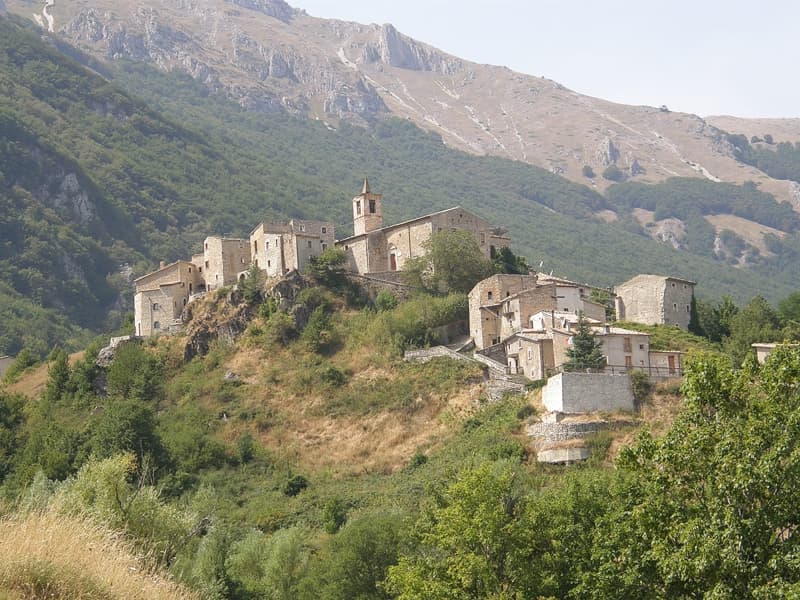
Caramanico Terme
Province: Pescara
A 650-meter Majella spa village at the confluence of the Orfento and Orta, with sulphurous springs whose properties were documented in 1576.
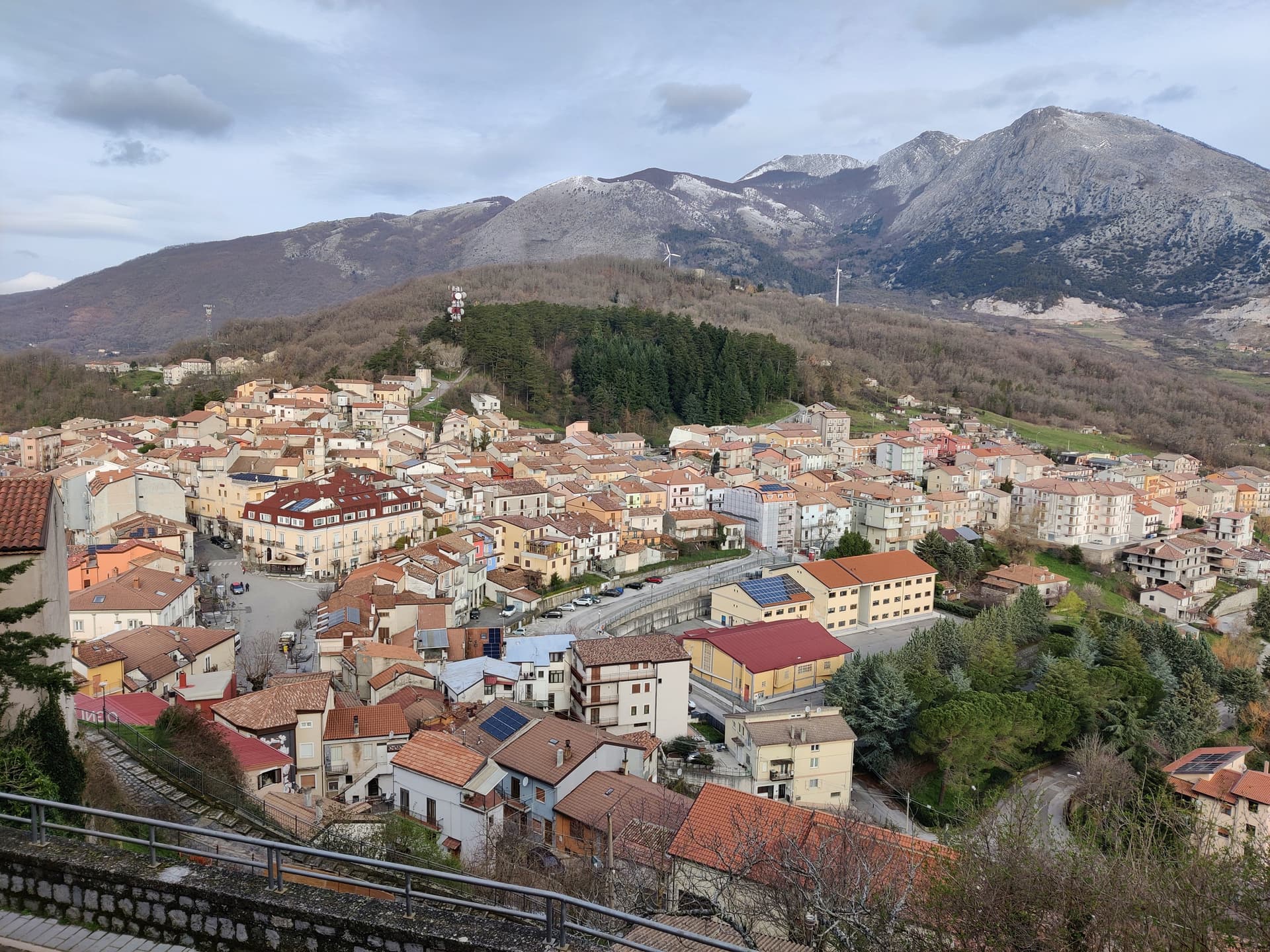
Latronico
Province: Potenza
A mountain town at 888 meters on the northern edge of the Pollino, with two prehistoric thermal springs at the Calda hamlet below.
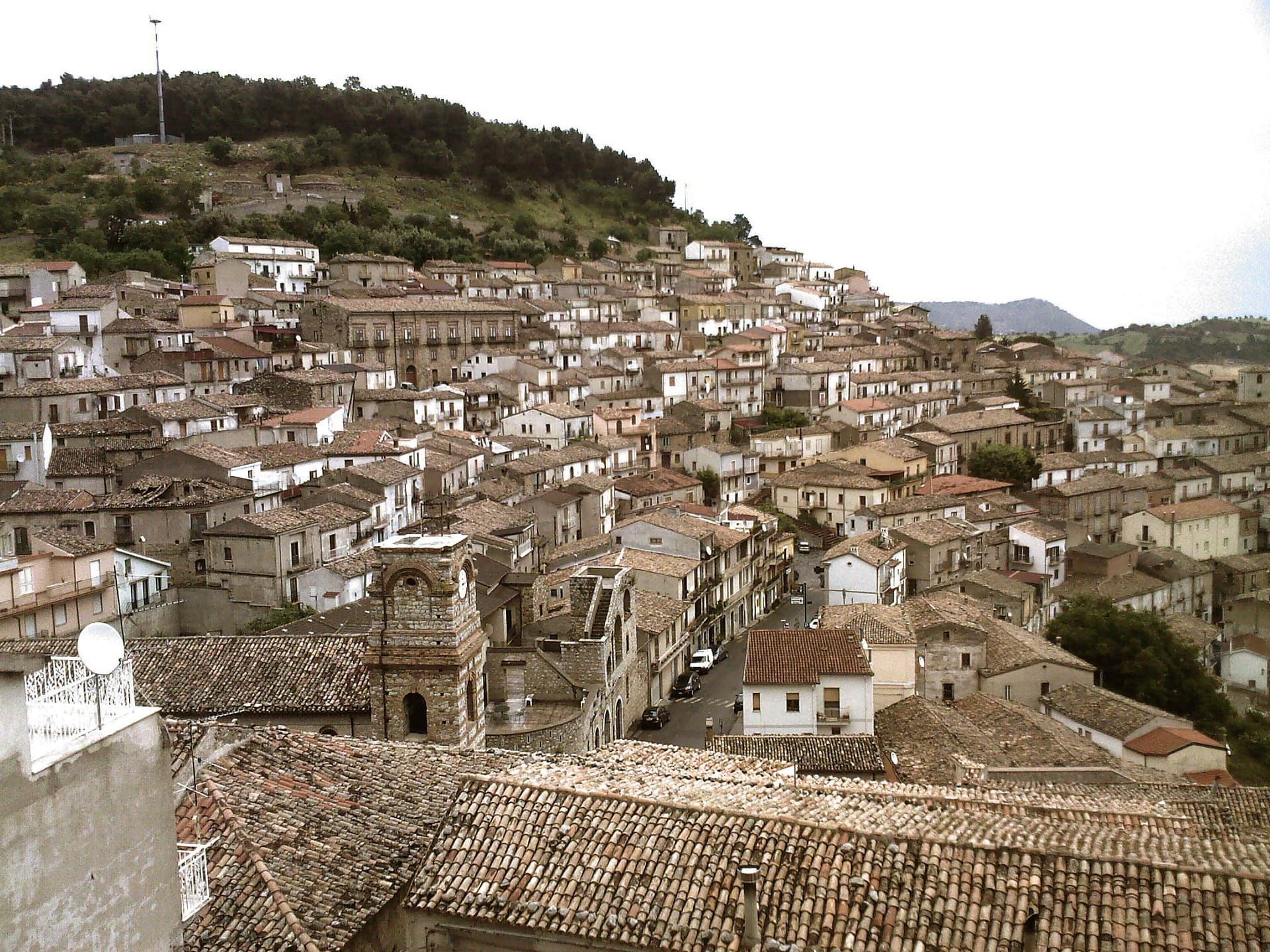
Cerchiara di Calabria
Province: Cosenza
A Città del Pane at 650 meters under Mount Sellaro, with a rock sanctuary at 1,015 meters and a sulphurous Cave of the Nymphs feeding the thermal springs.
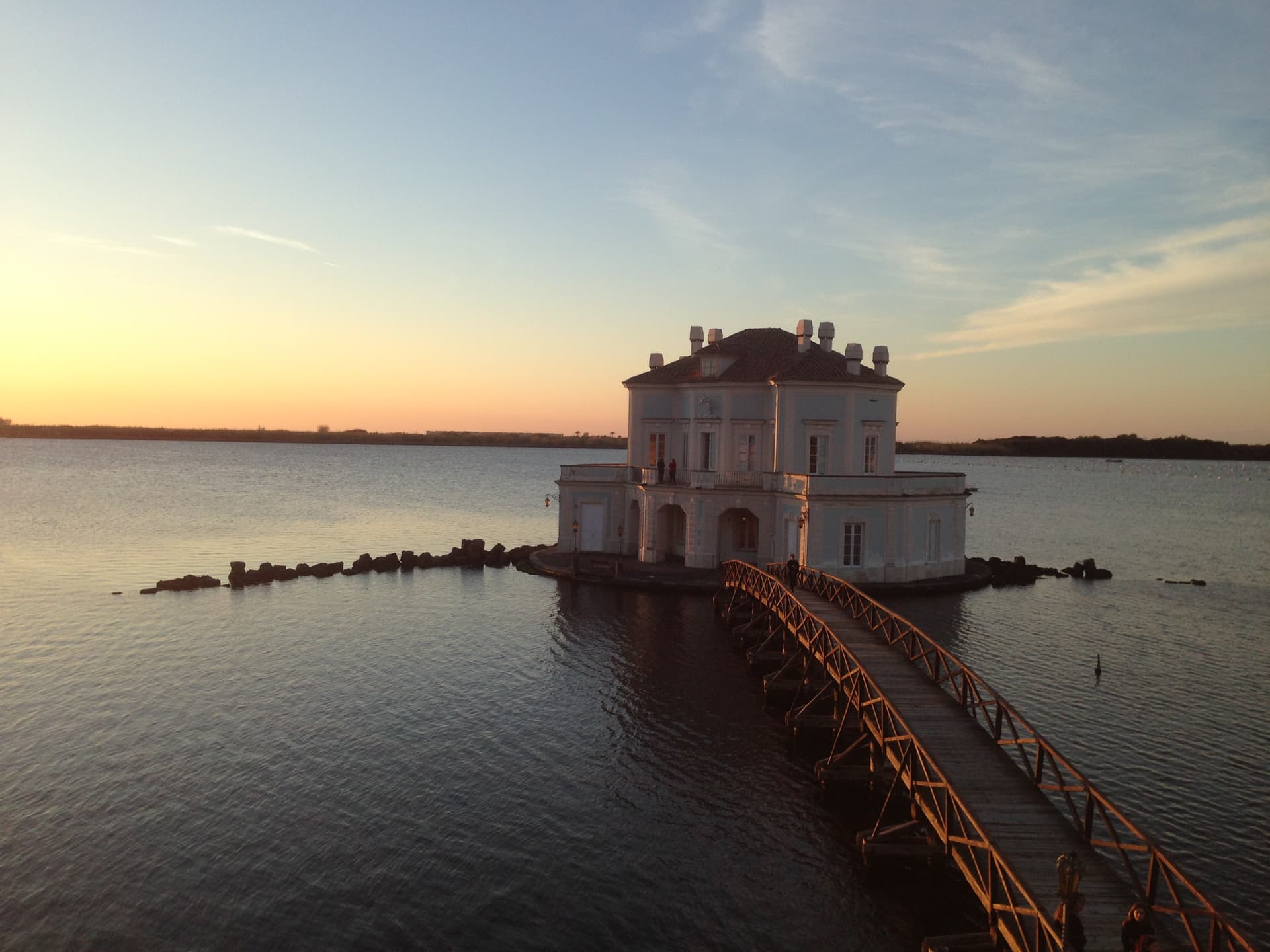
Bacoli
Province: Napoli
A Campi Flegrei town twenty kilometers west of Napoli, the Roman Bauli, where the Piscina Mirabilis fed the imperial fleet at Miseno.
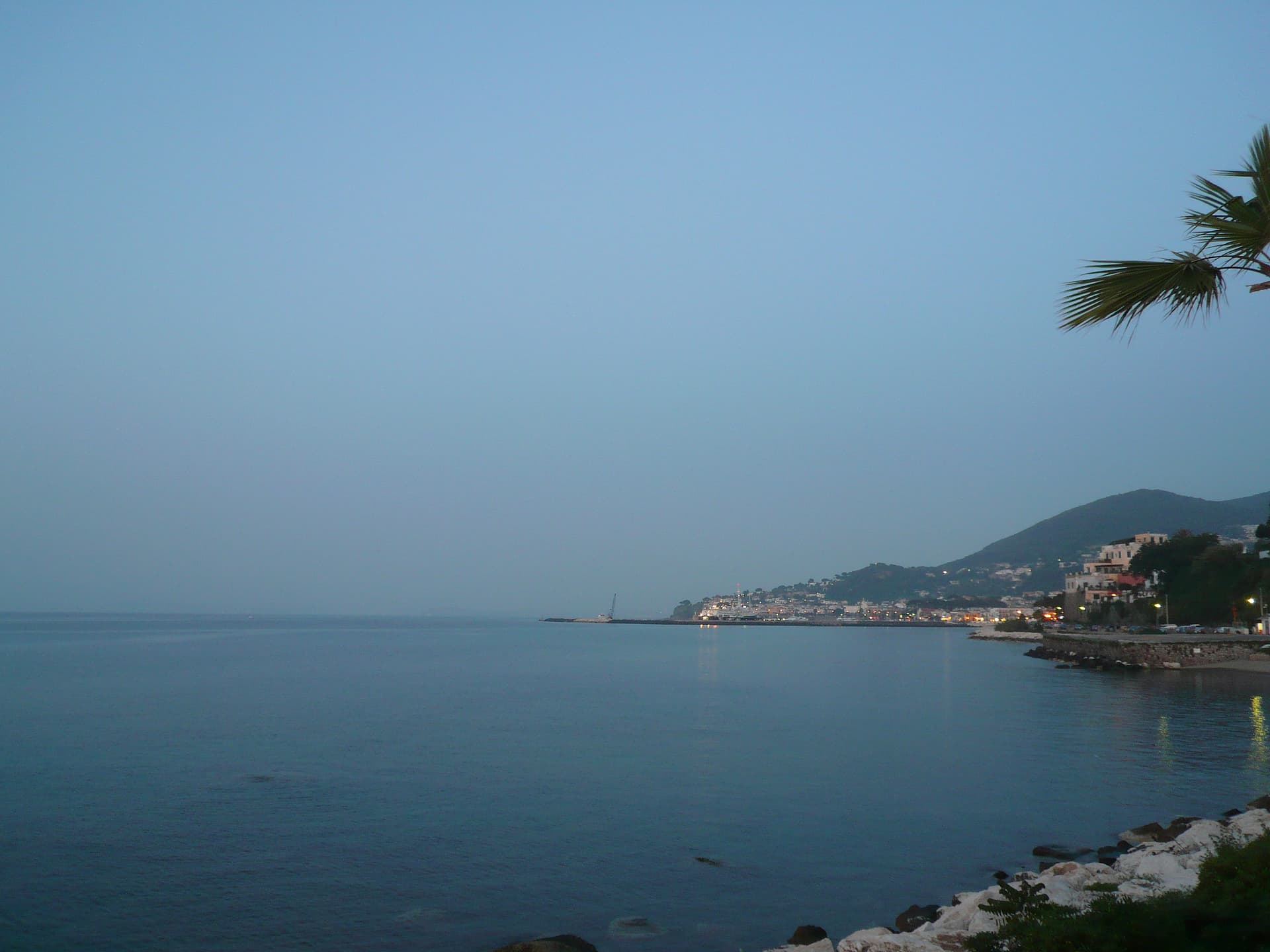
Casamicciola Terme
Province: Napoli
Ischia's thermal town on the flank of Monte Epomeo, levelled by the 1883 earthquake and again in 2017, rebuilt on the Gurgitello springs.