

Veneto · Padova
Padova
The university town that gave Giotto a chapel and the world a science of plants — TWO UNESCO inscriptions inside one city (Padua's 14th-century fresco cycles + the 1545 Orto Botanico, the world's first), plus Prato della Valle, Italy's largest piazza, and Galileo's old lecture hall.
Known for
GIOTTO'S SCROVEGNI
The fresco cycle that started the Renaissance. UNESCO 2021. Timed-entry, books out weeks ahead.
WORLD'S FIRST BOTANICAL GARDEN
Orto Botanico (1545), still in its original walled circular plan. UNESCO 1997. The modern biodiversity dome is worth the trip alone.
1222 UNIVERSITY
Galileo taught here. Vesalius dissected here. The world's first woman PhD graduated here in 1678. Palazzo Bo + Teatro Anatomico still operate.
BASILICA OF ST ANTHONY
Third-largest pilgrimage church in Catholicism. Donatello's Gattamelata stands outside — the first equestrian bronze since antiquity.
When to visit
Best · Apr–Jun, Sep–Oct
- J
- F
- M
- A
- M
- J
- J
- A
- S
- O
- N
- D
- Best
- Hot or crowded
- Quiet
- Mostly closed
The festa: Antonio di Padova, 13 June
Why come
Padova is what happens when 800 years of a major university pile up inside the same brick walls. The Università degli Studi di Padova was founded in 1222 by scholars fleeing Bologna for academic freedom, and counts Galileo (who lectured on physics here 1592–1610), Copernicus, Vesalius (modern anatomy started in the still-extant 1594 Teatro Anatomico inside Palazzo Bo), Elena Cornaro Piscopia (the world's first woman to receive a university doctorate, 1678), and most of the Veneto's medical and legal classes for half a millennium. But Padova's main story is older: in 1303 Enrico Scrovegni commissioned Giotto to fresco the family chapel in atonement for his father's usury, and the result — the Cappella degli Scrovegni — is the single most important fresco cycle in Western art, the work that ended the Byzantine style and made the Renaissance possible.
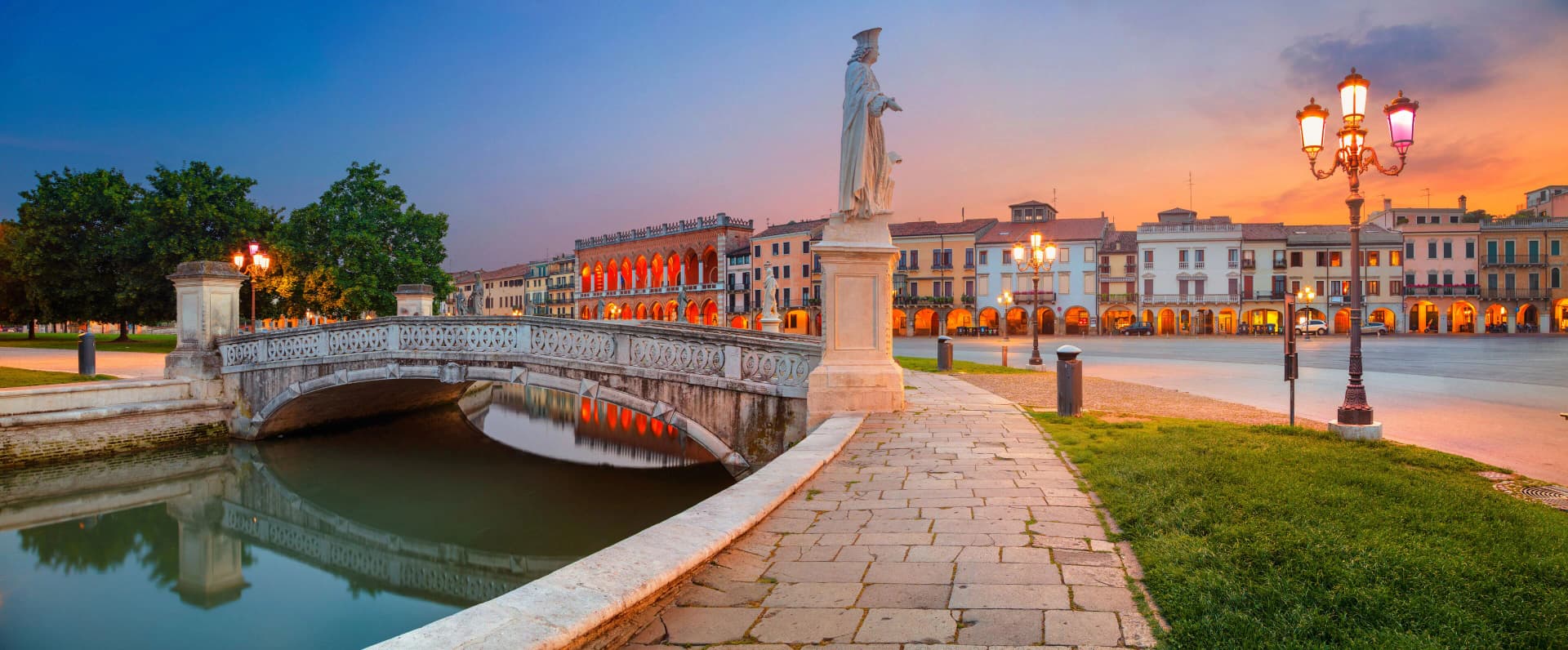
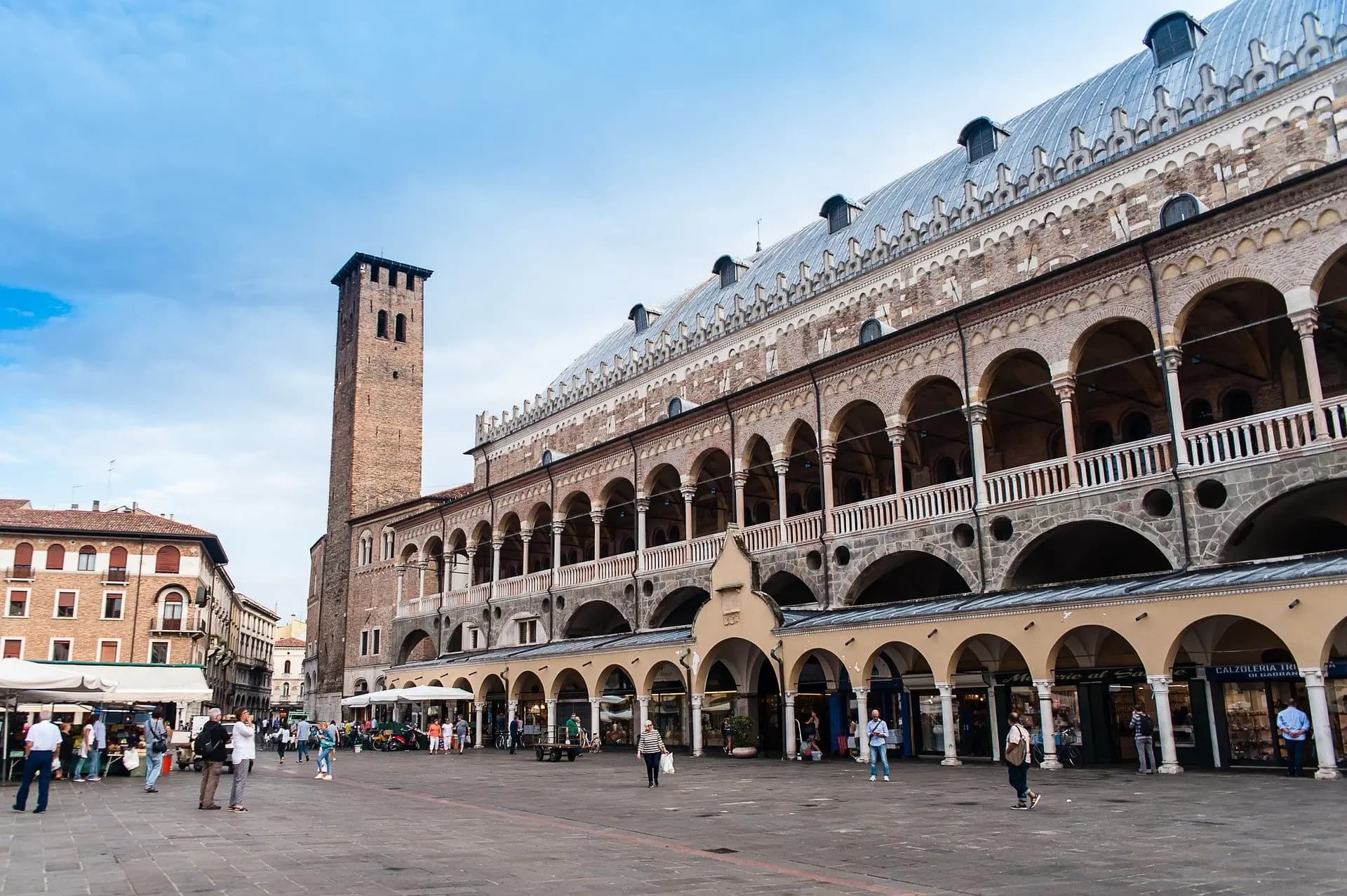
UNESCO inscribed it in 2021 (the cycle had been delayed for decades because the air-handling for the frescoes is so precarious that visits are still timed-entry, 25 people for 15 minutes). The OTHER UNESCO is the Orto Botanico (1545) — the world's first university botanical garden, still on its original walled circular plan, the place Goethe stood when he conceived the idea of the 'Urpflanze'. Beyond the two UNESCOs: Prato della Valle (88,000 m², Italy's largest piazza, with an elliptical canal lined with 78 statues of Padovan worthies), the Basilica di Sant'Antonio (third-largest pilgrimage church in Catholicism — the Saint's tongue is on display), the Palazzo della Ragione with its astrological fresco hall and 200-year-old wooden horse, the Caffè Pedrocchi (open since 1831, neoclassical, the 'caffè without doors' that became the Risorgimento headquarters). The Veneto kitchen: bigoli with duck ragù, baccalà mantecato, risi e bisi in spring, and the famous Padovan asparago bianco IGP at the Mercato di Piazza delle Erbe in May.
The Sunday letter
We haven’t written Padova’s letter yet.
One town every Sunday, with the photo, the food, the festa. Be there when this one comes up. Free, by Peter & Sophia from Pietrasanta.
By subscribing you agree to Substack’s Terms of Use, our Privacy Policy and our Information collection notice.
What to see
Cappella degli Scrovegni (Giotto, 1303–1305)
The fresco cycle that ended the Byzantine era and started the Renaissance — 38 scenes from the life of Christ and Mary. UNESCO 2021. Strict timed entry (15 min, 25 people).
Orto Botanico (1545, UNESCO)
The world's first university botanical garden, still on its original walled circular plan. Goethe stood here. The modern biodiversity garden is also stunning.
Prato della Valle
Italy's largest piazza (88,000 m²) — an elliptical canal lined with 78 statues of Padovan worthies, framing a central island and the Basilica of Santa Giustina.
Basilica di Sant'Antonio
Third-largest pilgrimage church in Catholicism — the Saint's tongue and chin are on display in the reliquary. Donatello's Gattamelata equestrian statue (1453, first since antiquity) stands outside.
Caffè Pedrocchi + Palazzo Bo
1831 'caffè without doors' (open 24/7 until WWII), still operating. Across the street, Palazzo Bo — Galileo's lecture hall and the 1594 Teatro Anatomico, the oldest surviving anatomy theatre.
The slow-trip planner
Building a trip? Find where Padova fits in a slow Italy circuit.
Answer five questions. We will shape a geographically coherent slow trip from the 1,000 Italian towns most travelers skip. Yours to save and share.
We recommend
Where to eat and stay
Not our picks, but places the guides put their name to — a Michelin star, a Gambero Rosso fork, a Slow Food snail, a Michelin Key for the hotels. Worth a table, a counter, or a night when you pass through.
Ai Porteghi BistrotBistrot
Two Gambero Rosso tables for Ai Porteghi Bistrot, and a spot in the Michelin Guide.
Enotavola PinoBistrot
Enotavola Pino holds a Gambero Rosso listing and a spot in the Michelin Guide.
ExforoRistorante
Exforo holds one Gambero Rosso fork (77/100) and a spot in the Michelin Guide.
Tola RasaRistorante
Tola Rasa holds a Gambero Rosso listing and a spot in the Michelin Guide.
A Banda del BusoTrattoria
A Banda del Buso has two Gambero Rosso prawns to its name.
Belle PartiRistorante
A spot in the Michelin Guide, at Belle Parti.
Caffè PedrocchiCaffè
Caffè Pedrocchi has a place on Italy's historic-locali register to its name.
Da Nane della GiuliaTrattoria
Two Gambero Rosso prawns, at Da Nane della Giulia.
Osteria TestamattaRistorante
Osteria Testamatta holds one Gambero Rosso fork (77/100).
Stefano Mocellin al PadovaninoRistorante
Stefano Mocellin al Padovanino holds a spot in the Michelin Guide.
Trattoria da CrakTrattoria
Trattoria da Crak carries a Gambero Rosso listing.
UvaBistrot
Two Gambero Rosso tables, at Uva.
Living here
- Population 206,496
- A local hubi
- Pharmacy in town
- High school within a 30-minute drive
- Train station in the comune
- Nearest airport Venice, 48 min drive
- Regional capital Venezia, 34 min drive
Tags & datadesignations · numbers · sources
Recognised as
The numbers
- Elevation: 12 m
- Population: 206,496
- Surface area: 93.03 km²
These figures were compiled from public directories — ISTAT, OpenStreetMap, Wikidata — and from the official listings of the guides named on this page. Town details change; verify with official sources before you travel.
Close by
More towns near Padova
Abano Terme
Province: Padova
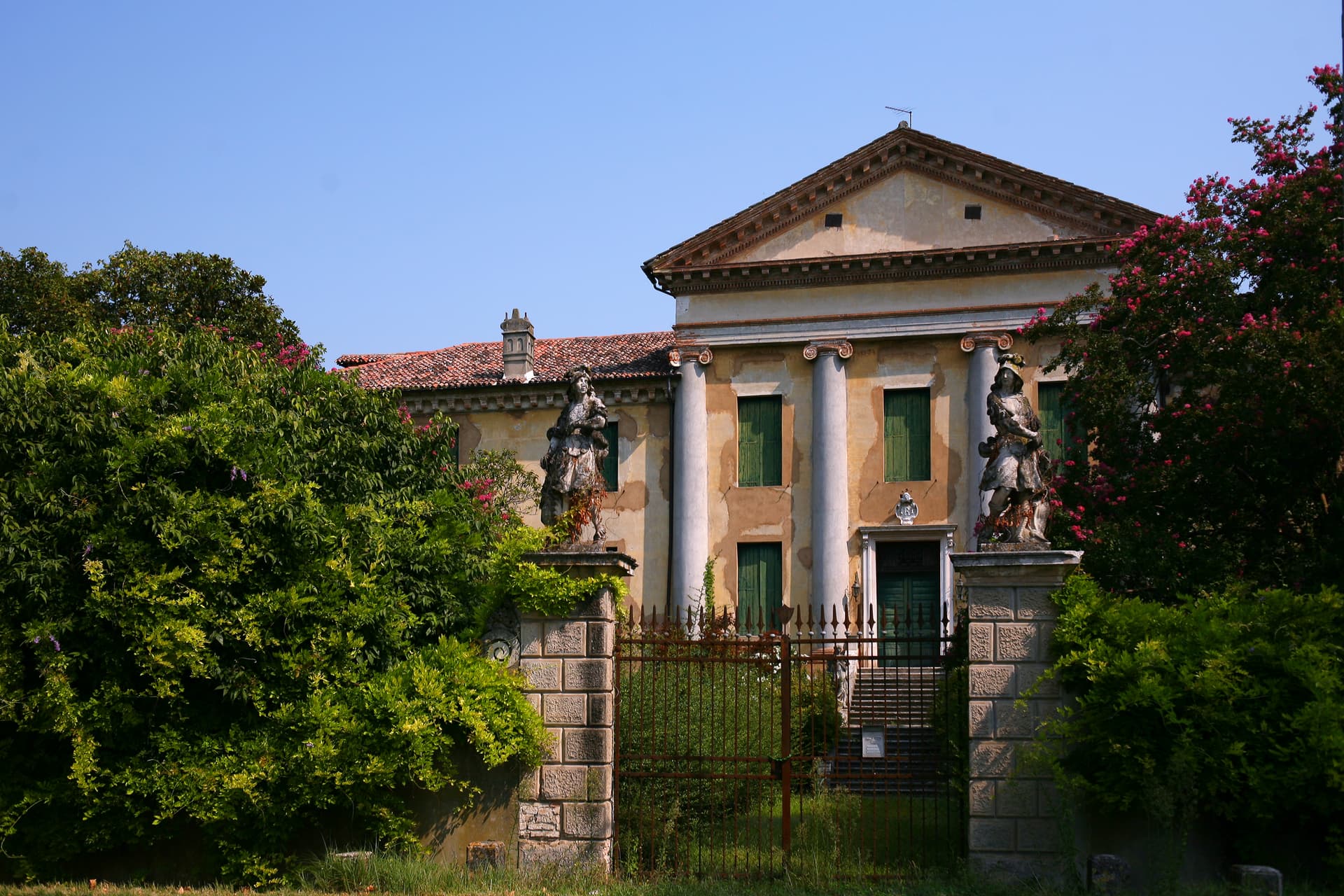
Europe's oldest thermal town on the Euganean Hills' eastern slope, where 80°C bromo-iodine springs have been drawing bathers since the eighth century BC.
Battaglia Terme
Province: Padova
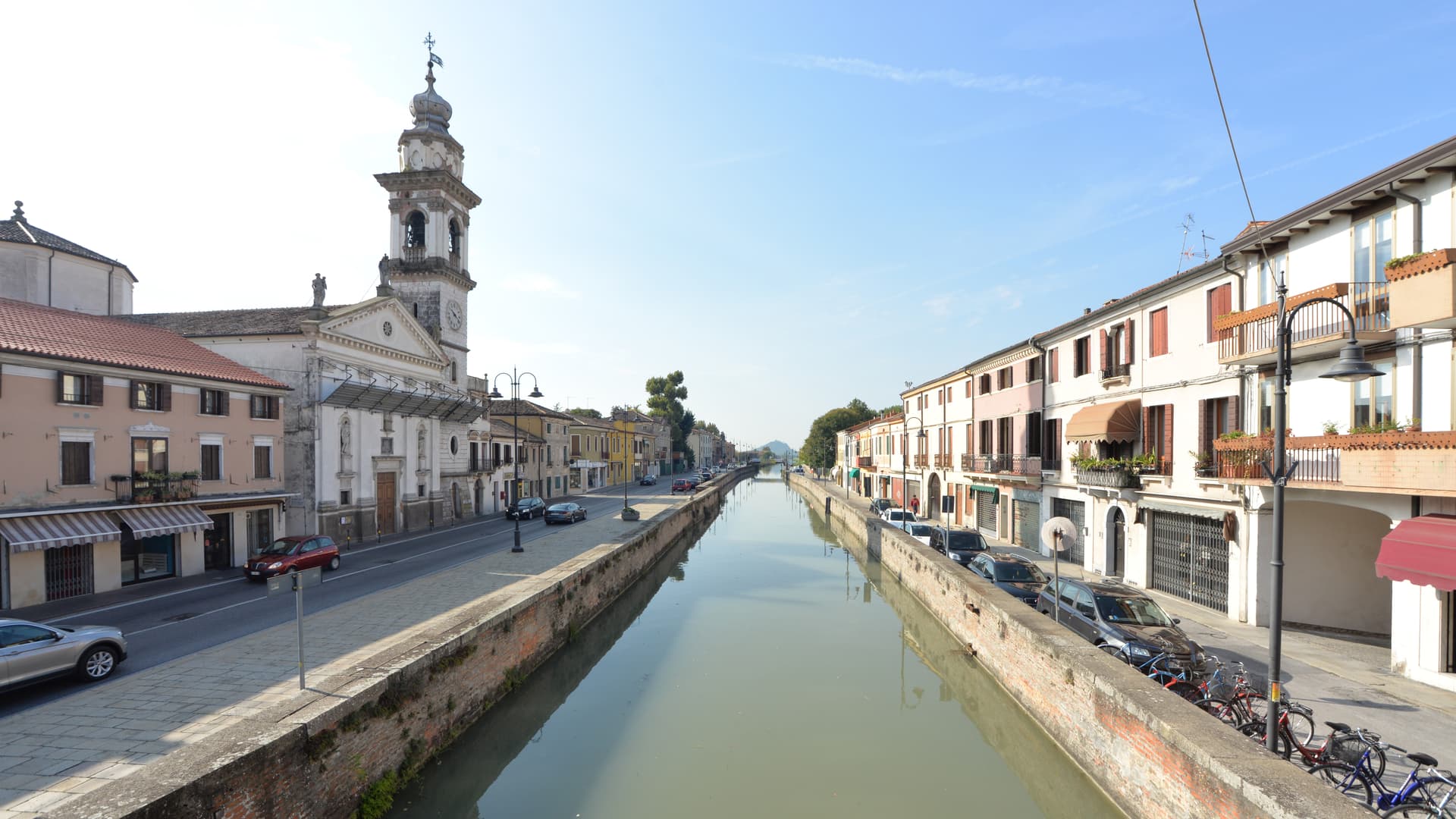
A barge village at the foot of the Euganean Hills, built around the 1201 canal and Italy's only river navigation museum.
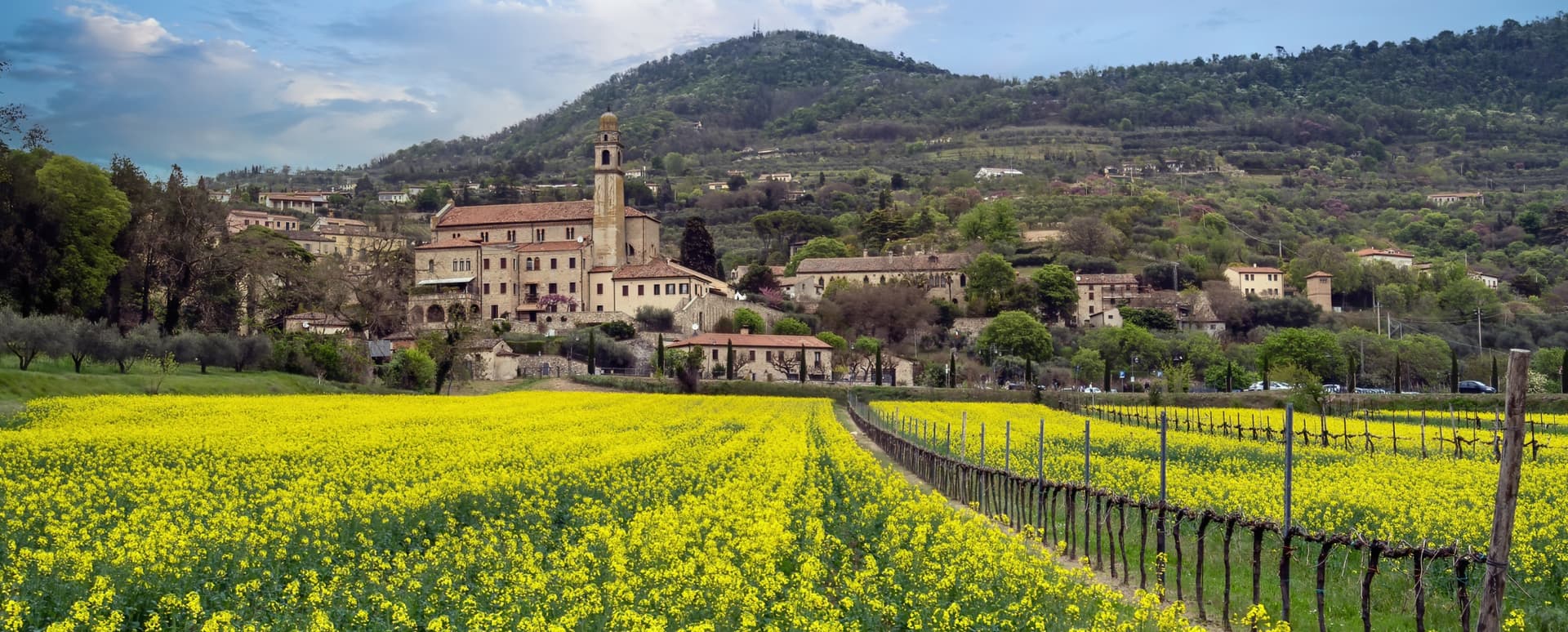
Arquà Petrarca
Province: Padova
The Euganean Hills village where Francesco Petrarca spent his last four years and died in 1374, renamed in his honor in 1868.
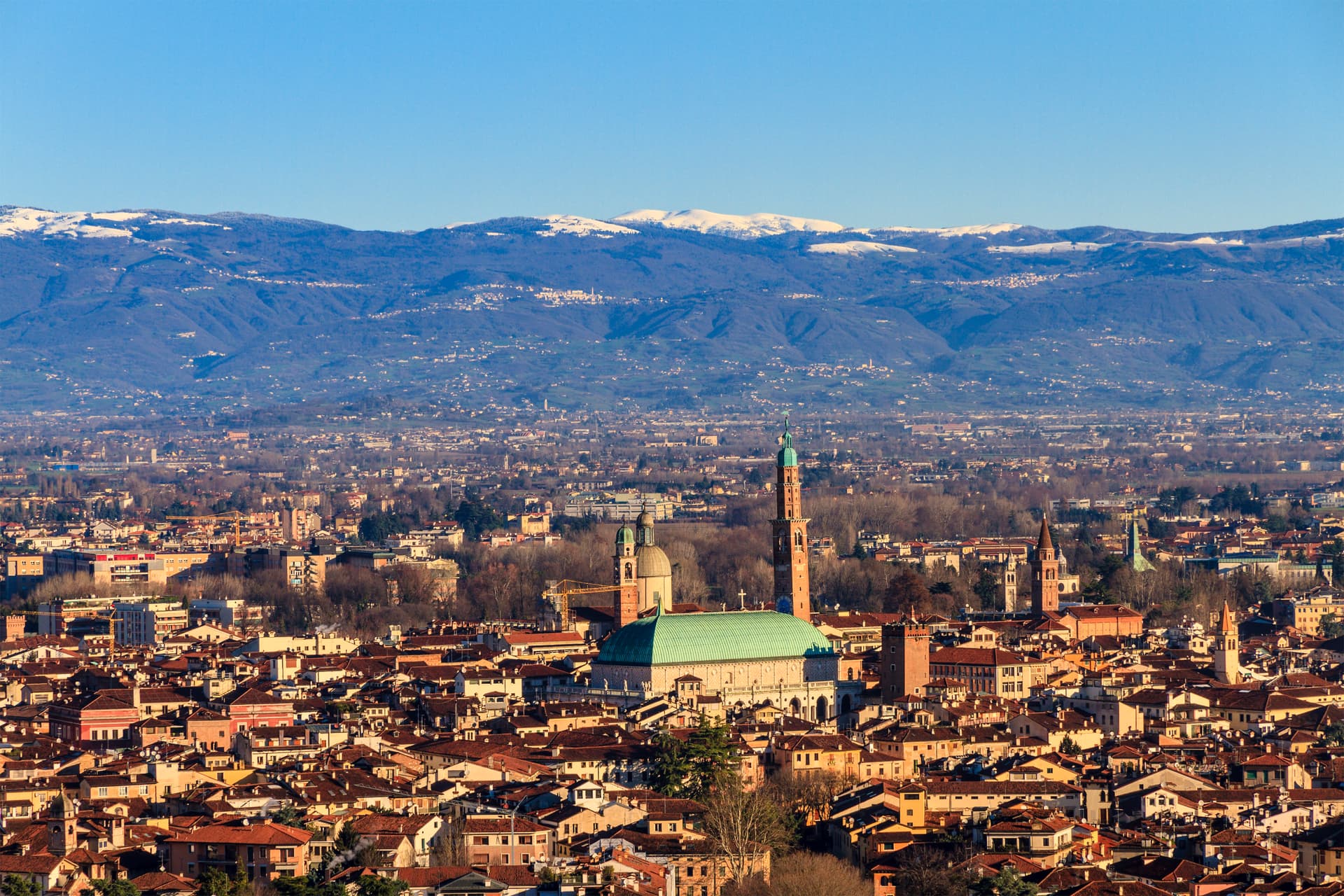
Vicenza
Province: Vicenza
Andrea Palladio's home city — a UNESCO-inscribed open-air museum of the architect who reshaped Western architecture, with 23 Palladian buildings inside the centro and the Villa Rotonda + Teatro Olimpico just outside it.
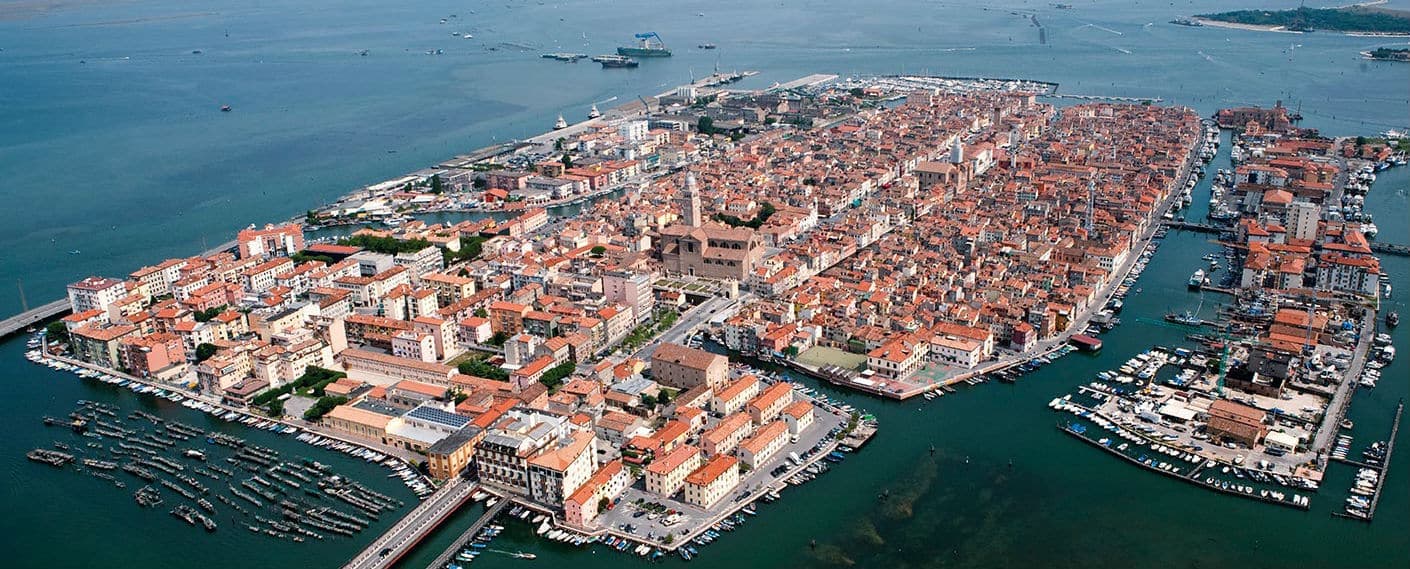
Chioggia
Province: Venezia
Italy's second fishing port, on an island at the south end of the Venetian Lagoon, called Little Venice for the Canale Vena.
🏛️ UNESCO
More UNESCO towns in Veneto
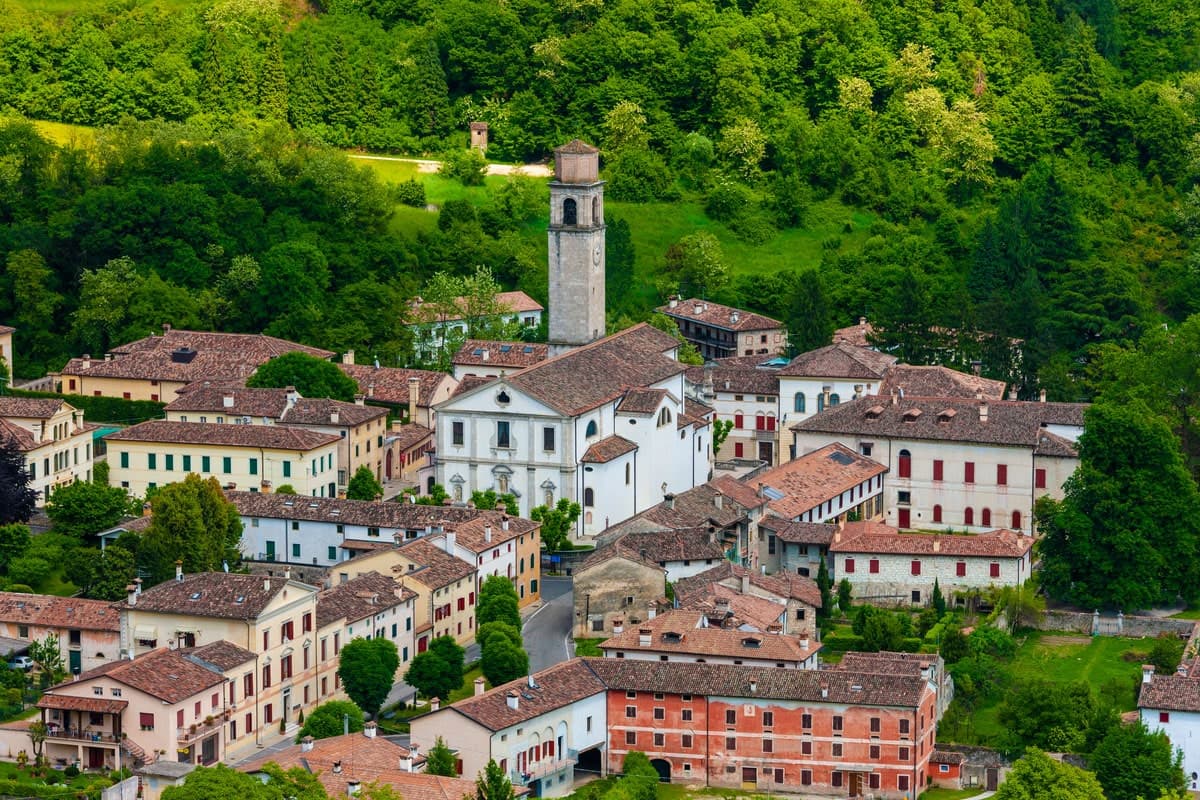
Cison di Valmarino
Province: Treviso
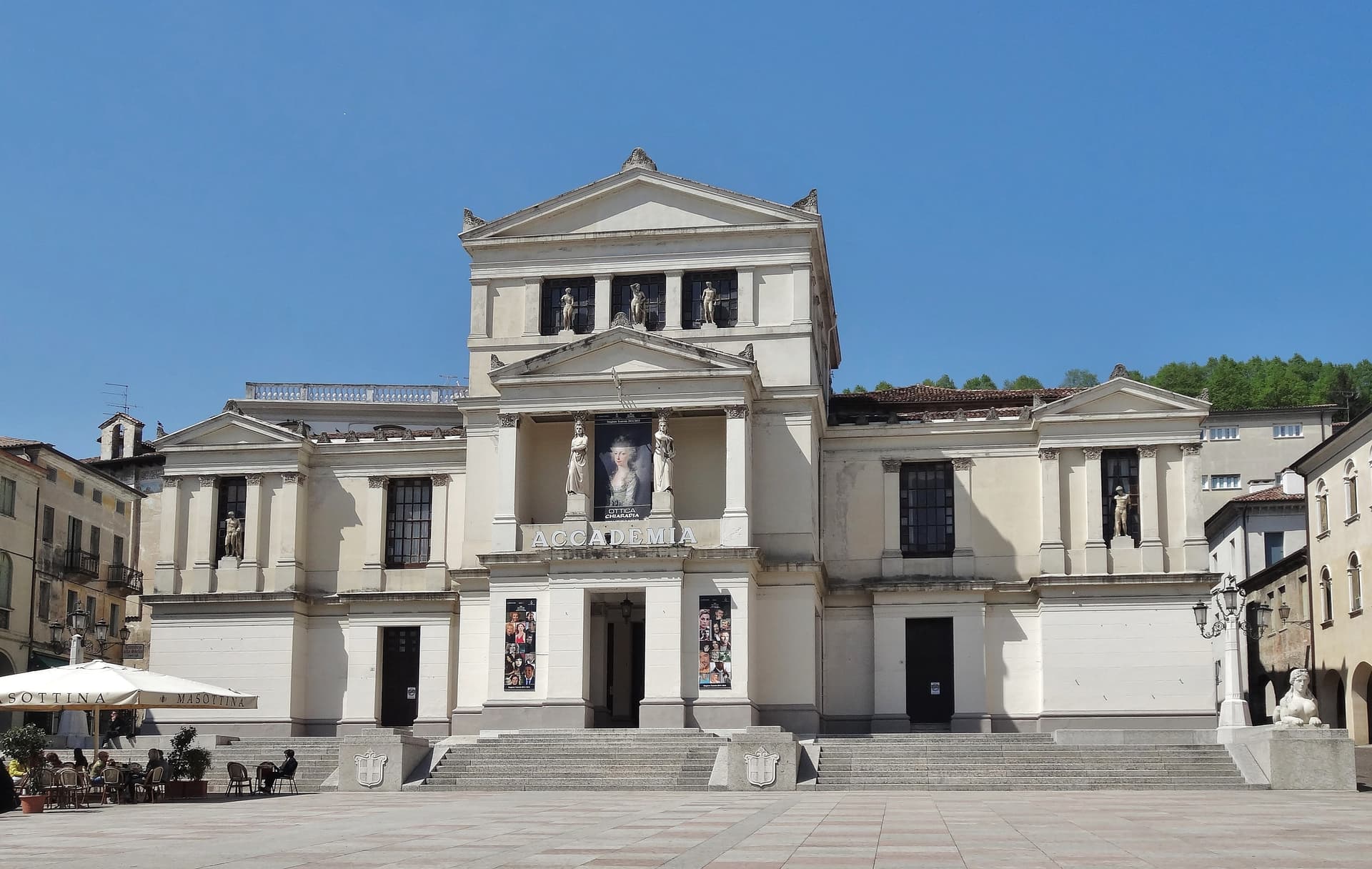
A Prosecco hills borgo at 261 meters under the dolomite rock of CastelBrando, the largest inhabited castle complex in Europe.
Conegliano
Province: Treviso
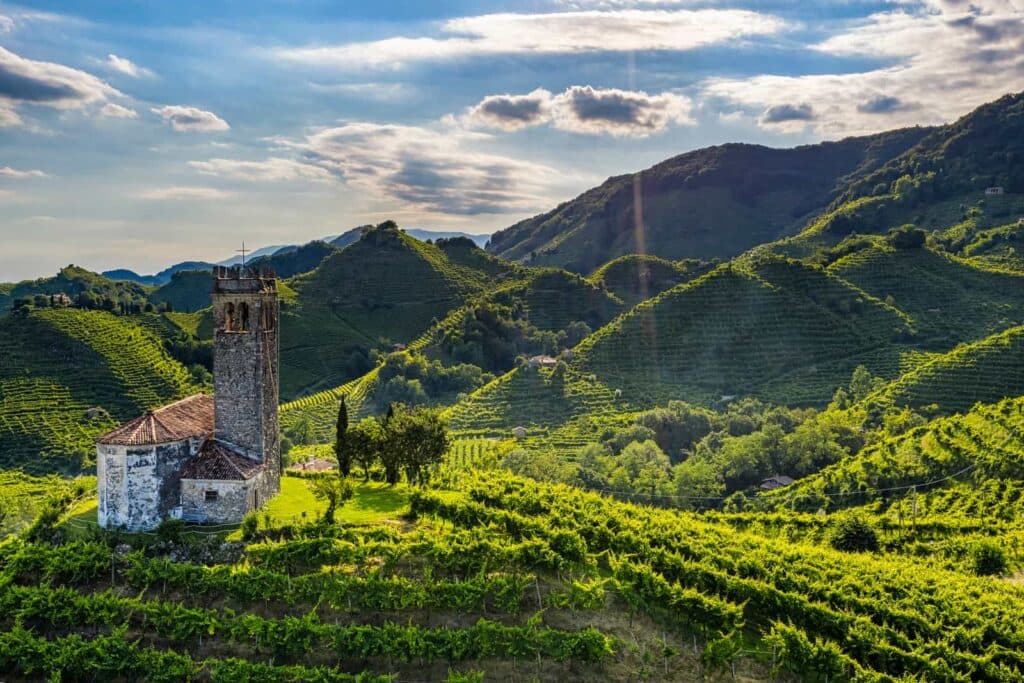
The Prosecco capital at 65 meters, birthplace of the painter Cima and home of Italy's first oenology school, opened in 1876.
Farra di Soligo
Province: Treviso
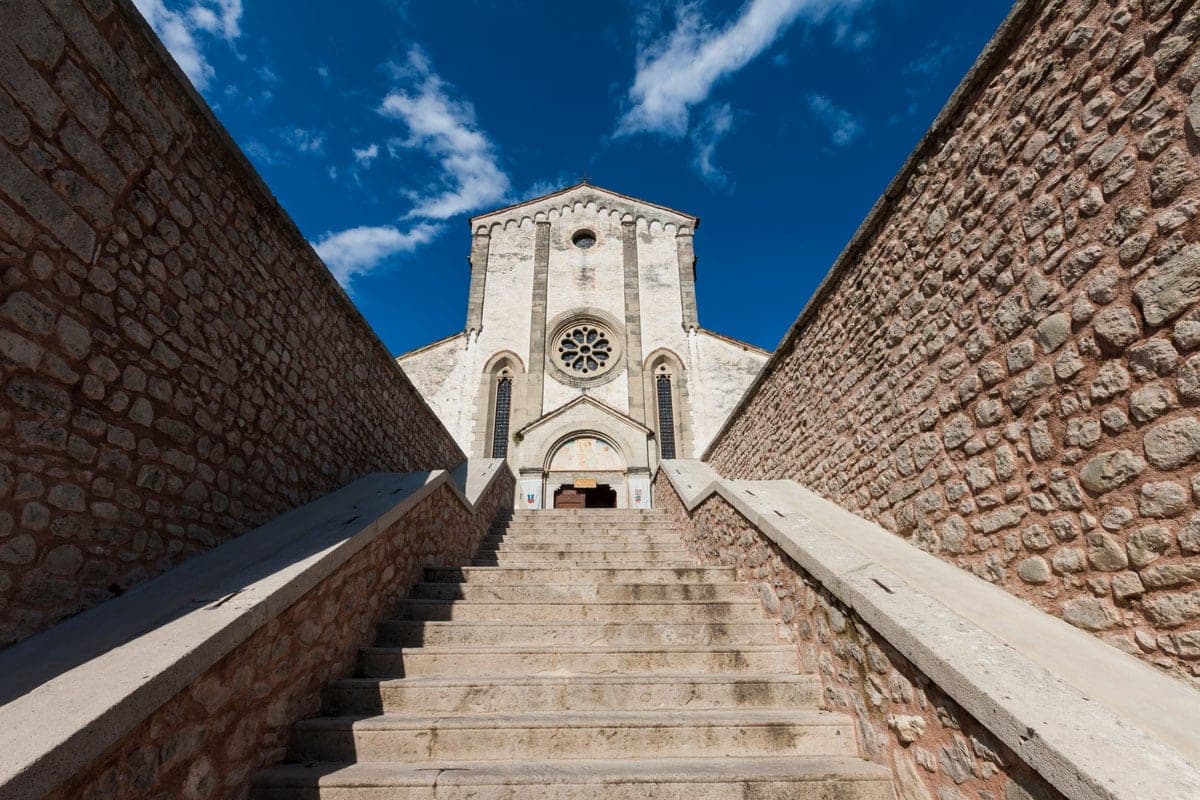
The heart of the Prosecco Hills UNESCO landscape — an 8,477-resident comune in the Conegliano-Valdobbiadene DOCG zone (UNESCO World Heritage since 2019), with the three medieval Torri di Credazzo crowning a hilltop above its vineyards, Cittaslow + Città del Vino signals, and direct walking access to the most photographed stretch of the hogback ridge.
Follina
Province: Treviso
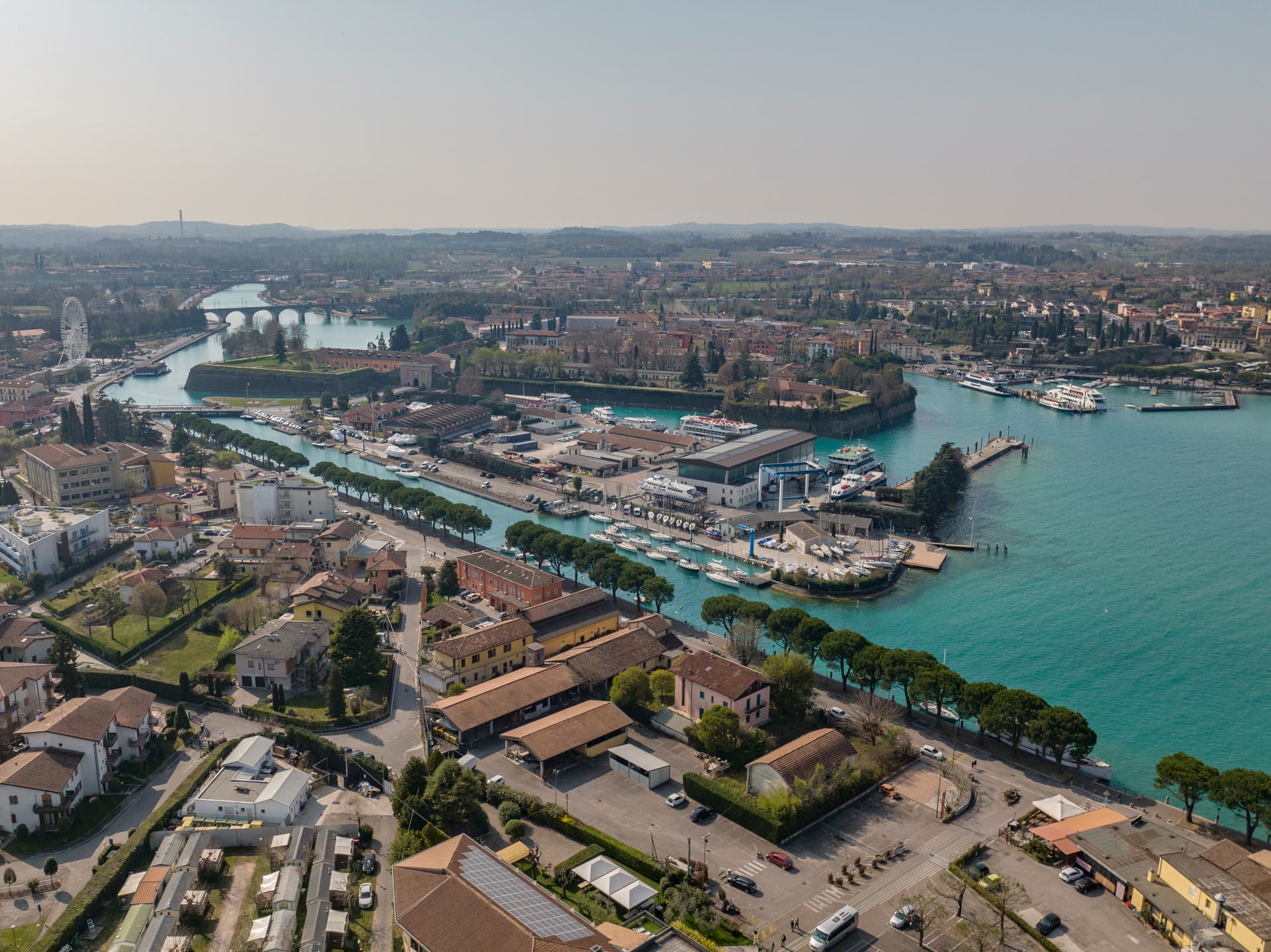
A Prosecco-hills borgo at 191 meters around the Cistercian Abbey of Santa Maria, with a cloister finished in 1268.
Peschiera del Garda
Province: Verona
The Venetian fortress town on a Mincio island at the southern outlet of Lake Garda, UNESCO-listed in 2017 for its Sanmicheli bastions.