
Trentino-South Tyrol · Bolzano
Meran
A Habsburg spa city on the Passer river, palm-lined promenades below 3,000-metre peaks and the gardens where Empress Sissi spent her winters.
Known for
SISSI'S SPA
Empress Elisabeth wintered here from 1870, drawing Kafka, Rilke and Richard Strauss and turning Merano into a late-Habsburg health resort.
TRAUTTMANSDORFF GARDENS
Twelve hectares of botanical gardens around the castle where Sissi stayed, with eighty different landscapes and the Touriseum museum of tourism.
MERANO WINEFESTIVAL
International wine and spirits gathering at the Kurhaus each November since 1992, the most important wine event in the Italian Alps.
When to visit
Best · Apr–Oct
- J
- F
- M
- A
- M
- J
- J
- A
- S
- O
- N
- D
- Best
- Hot or crowded
- Quiet
- Mostly closed
Why come
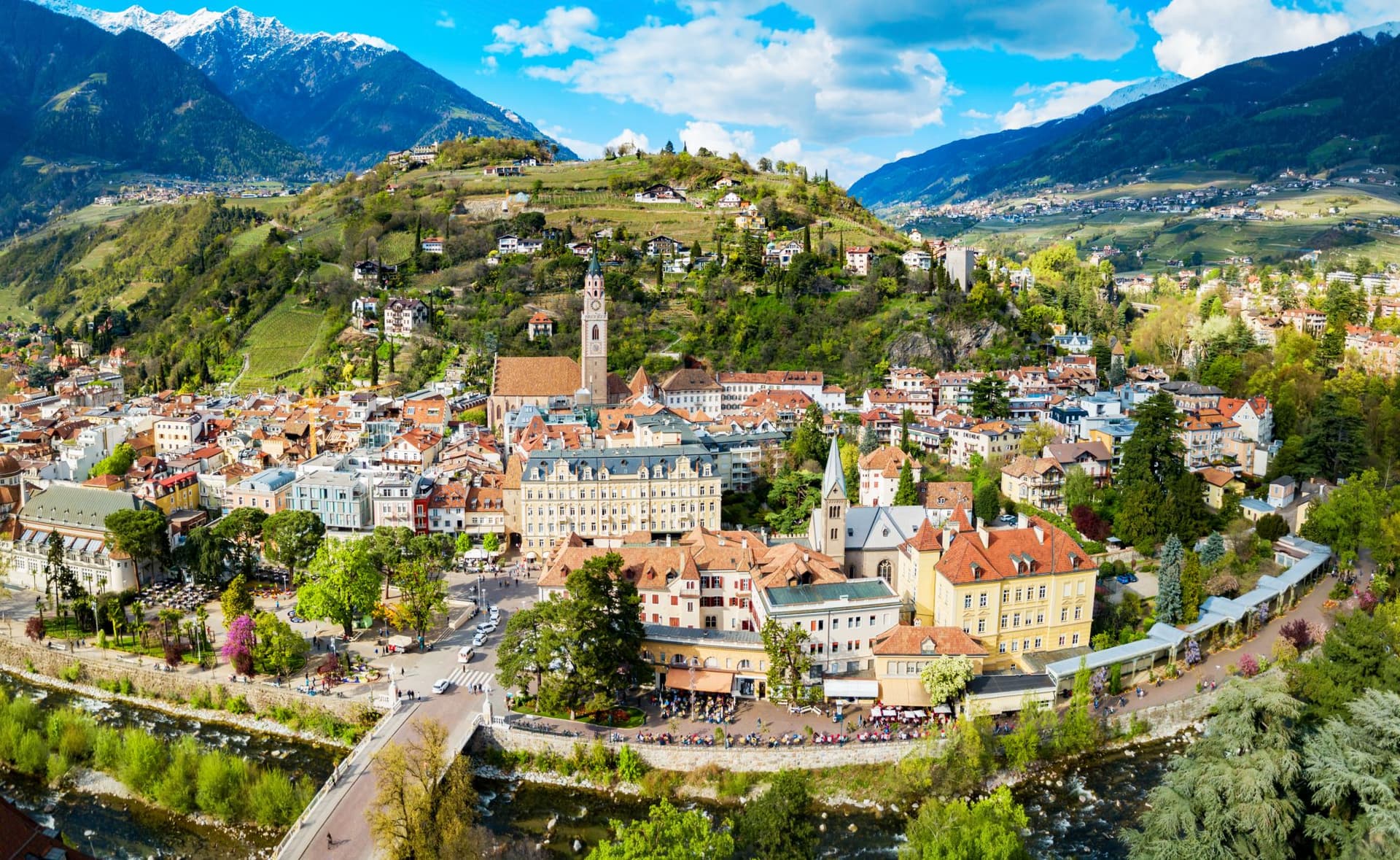
Merano sits in the basin where the Passer river meets the Adige, at the entrance to the Passeier and Vinschgau valleys, with mountains rising to 3,335 metres around it. The town was the capital of the County of Tyrol from the thirteenth century until 1420, when the Habsburgs moved the residence to Innsbruck. Empress Elisabeth of Austria began wintering here in 1870 for the climate and the mild basin air; her stays turned Merano into a late-Habsburg spa destination, drawing Kafka, Rilke and Richard Strauss.
The Kurhaus, an Art Nouveau pavilion on the Passer promenade, and Castel Trauttmansdorff, where Sissi stayed and which now holds twelve hectares of botanical gardens and the Touriseum, anchor the imperial layer of the city. Merano was annexed to Italy in 1919 under the Treaty of Saint-Germain. The bilingual city today is the centre of South Tyrolean wine and apple farming, host of the Merano WineFestival each November at the Kurhaus.
The Sunday letter
We haven’t written Meran’s letter yet.
One town every Sunday, with the photo, the food, the festa. Be there when this one comes up. Free, by Peter & Sophia from Pietrasanta.
By subscribing you agree to Substack’s Terms of Use, our Privacy Policy and our Information collection notice.
What to see
Giardini di Castel Trauttmansdorff
Twelve hectares of botanical gardens around the castle where Empress Elisabeth wintered, with eighty landscapes over a hundred-metre slope and the Touriseum tourism museum.
Kurhaus
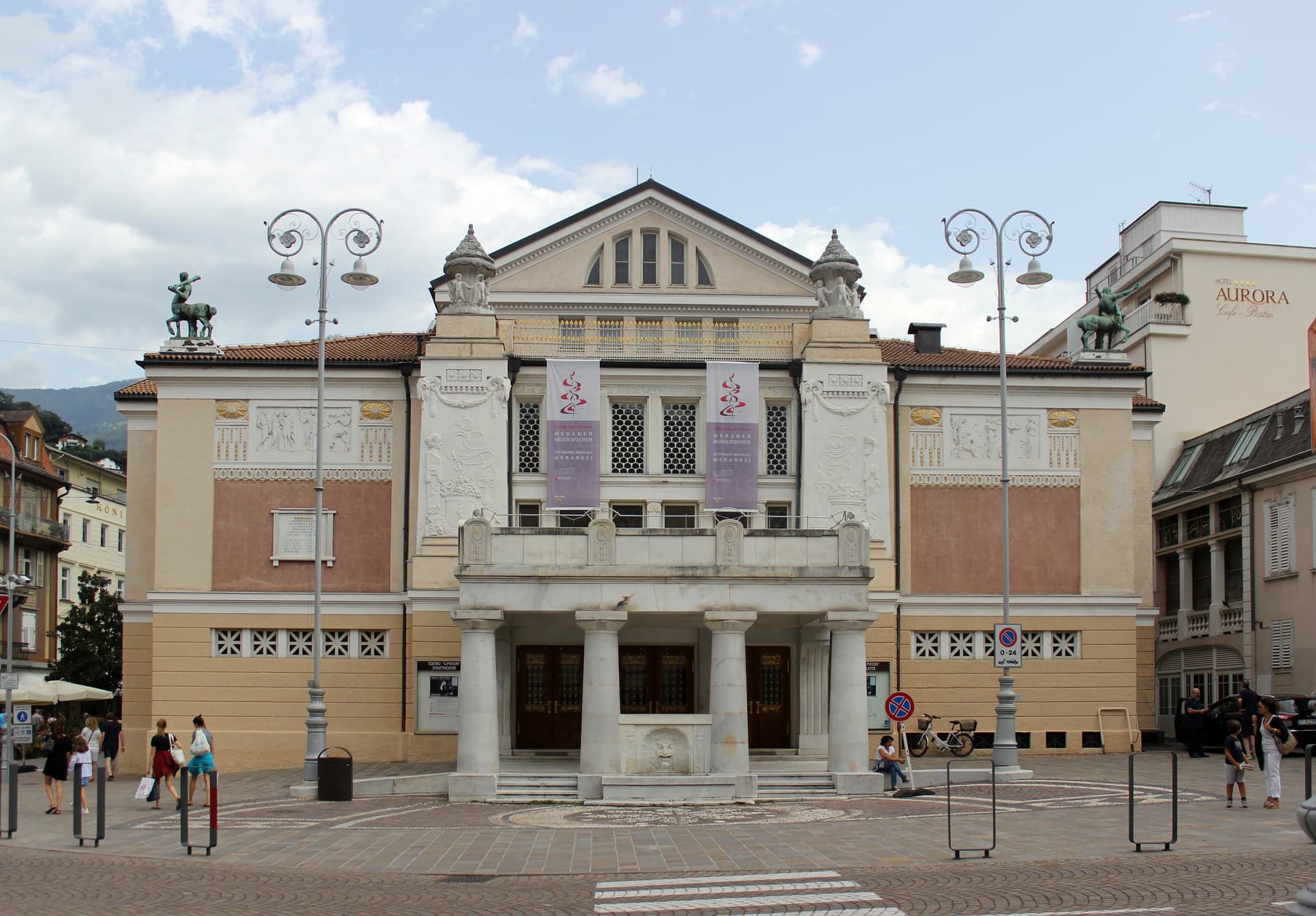
Art Nouveau pavilion on the Passer promenade, the spa-town centrepiece of nineteenth-century Merano and venue of the Merano WineFestival each November.
Passeggiata Lungo Passirio
Spa promenade along the Passer river through the centre of the city, lined with palms, flowers and the Wandelhalle, the covered Art Nouveau walking gallery.
Duomo di San Nicolò
Gothic parish church in the old town, with a sixty-five-metre bell tower and the late-medieval frescoes that mark Merano's medieval Tyrolean centre.
Sentiero di Sissi
Forty-minute walking trail from the historic centre to the Trauttmansdorff gardens, passing the Passirio promenades, the Wandelhalle and the winter walk.
Centro storico
Medieval Tyrolean old town around the Steinach district, with Laubengasse arcades, the Stadttheater of 1900 and the Habsburg-era spa quarter.
The slow-trip planner
Building a trip? Find where Meran fits in a slow Italy circuit.
Answer five questions. We will shape a geographically coherent slow trip from the 1,000 Italian towns most travelers skip. Yours to save and share.
We recommend
Where to eat and stay
Not our picks, but places the guides put their name to — a Michelin star, a Gambero Rosso fork, a Slow Food snail, a Michelin Key for the hotels. Worth a table, a counter, or a night when you pass through.
In Viaggio - Claudio Melis Ristorante dell'Hotel Villa IrmaRistorante
In Viaggio - Claudio Melis Ristorante dell'Hotel Villa Irma has two Gambero Rosso forks (83/100) to its name.
Prezioso del Castel FragsburgRistorante
Prezioso del Castel Fragsburg holds two Gambero Rosso forks (81/100).
SissiRistorante
Sissi holds two Gambero Rosso forks (86/100).
Castel FragsburgHotel
Castel Fragsburg holds two Michelin Keys.
Villa Eden The Private RetreatHotel
Villa Eden The Private Retreat has two Michelin Keys to its name.
Living here
- Population 41,071
- In-betweeni
- Pharmacy in town
- High school within a 30-minute drive
- Train station in the comune
- Nearest airport Verona, 2 h 6 min drive
- Regional capital Bolzano, 29 min drive
Thermal baths in town: Therme Meran, Terme di Merano.
Tags & datadesignations · numbers · sources
Recognised as
The numbers
- Elevation: 324 m
- Population: 41,071
- Surface area: 26.34 km²
These figures were compiled from public directories — ISTAT, OpenStreetMap, Wikidata — and from the official listings of the guides named on this page. Town details change; verify with official sources before you travel.
Close by
More towns near Meran
San Pancrazio
Province: Bolzano
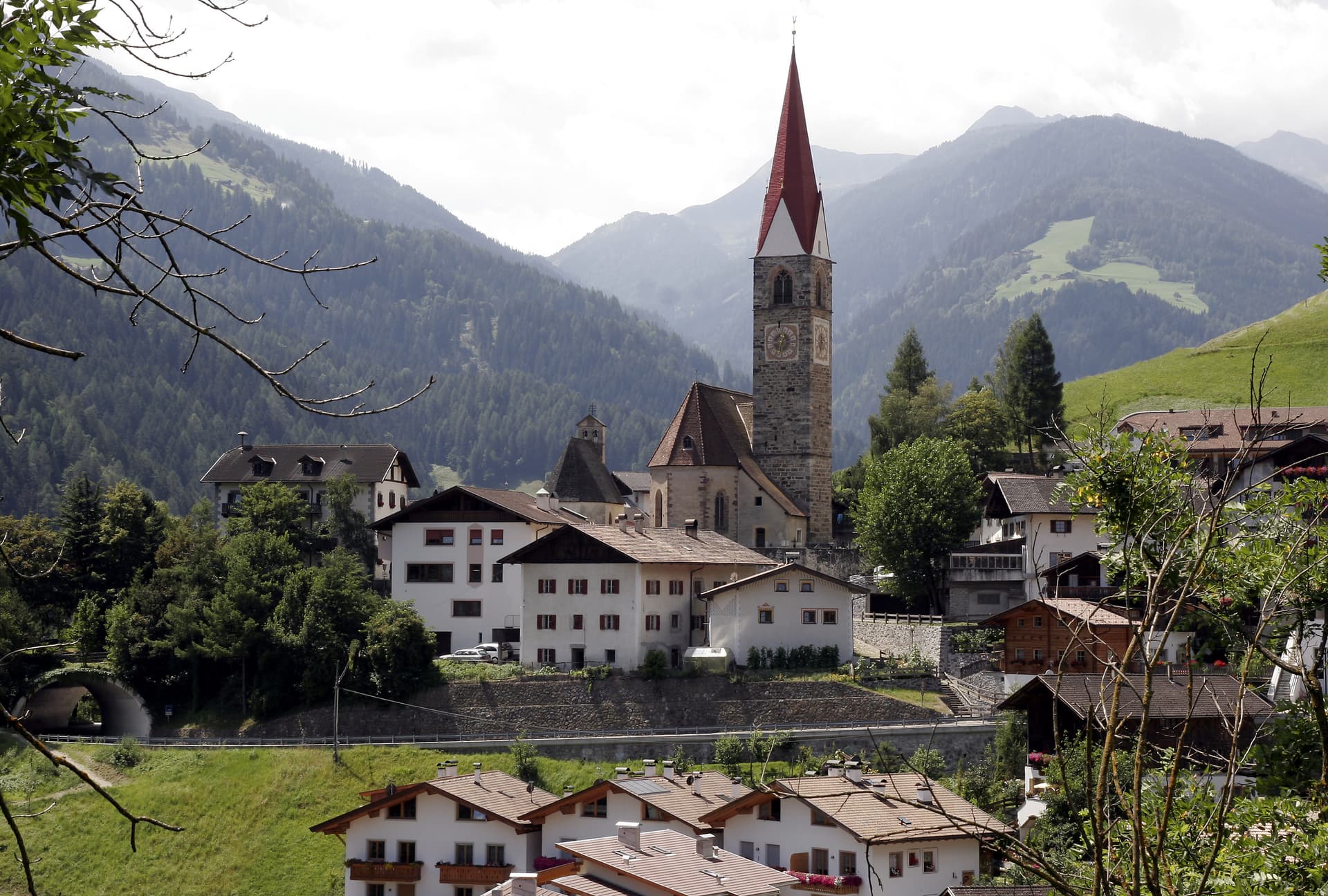
A South-Tyrolean village at 736 metres on the entrance of the Ultental/Val d'Ultimo, German-speaking St. Pankraz, the gateway to one of the most isolated alpine valleys in the Adige basin and the centuries-old larch forests of the Lahnerlärchen.
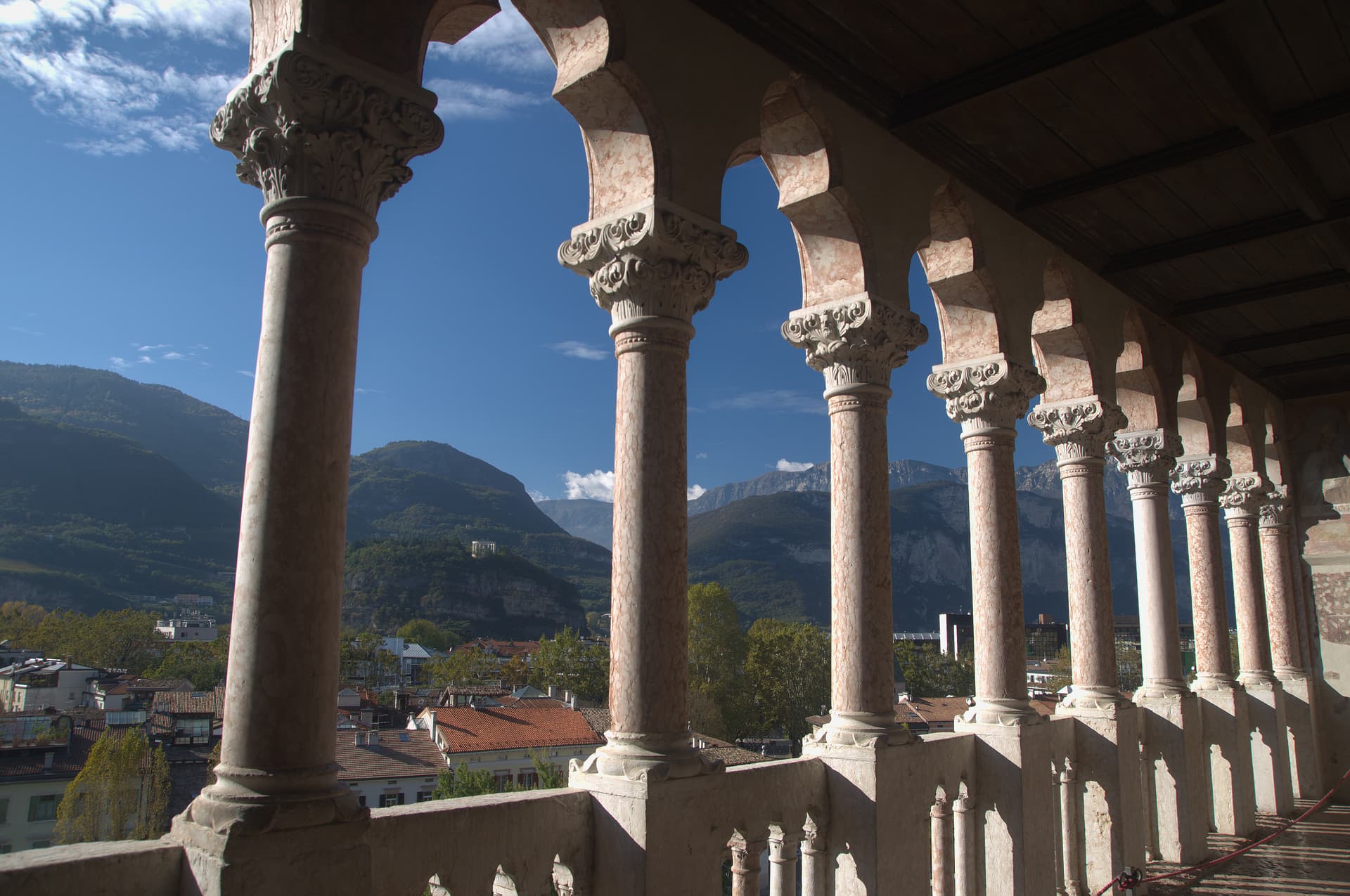
Trento
Province: Trento
The Alpine capital on the Adige at 194 metres, where the Council that reshaped the Catholic Church met in a castle still standing above the city.
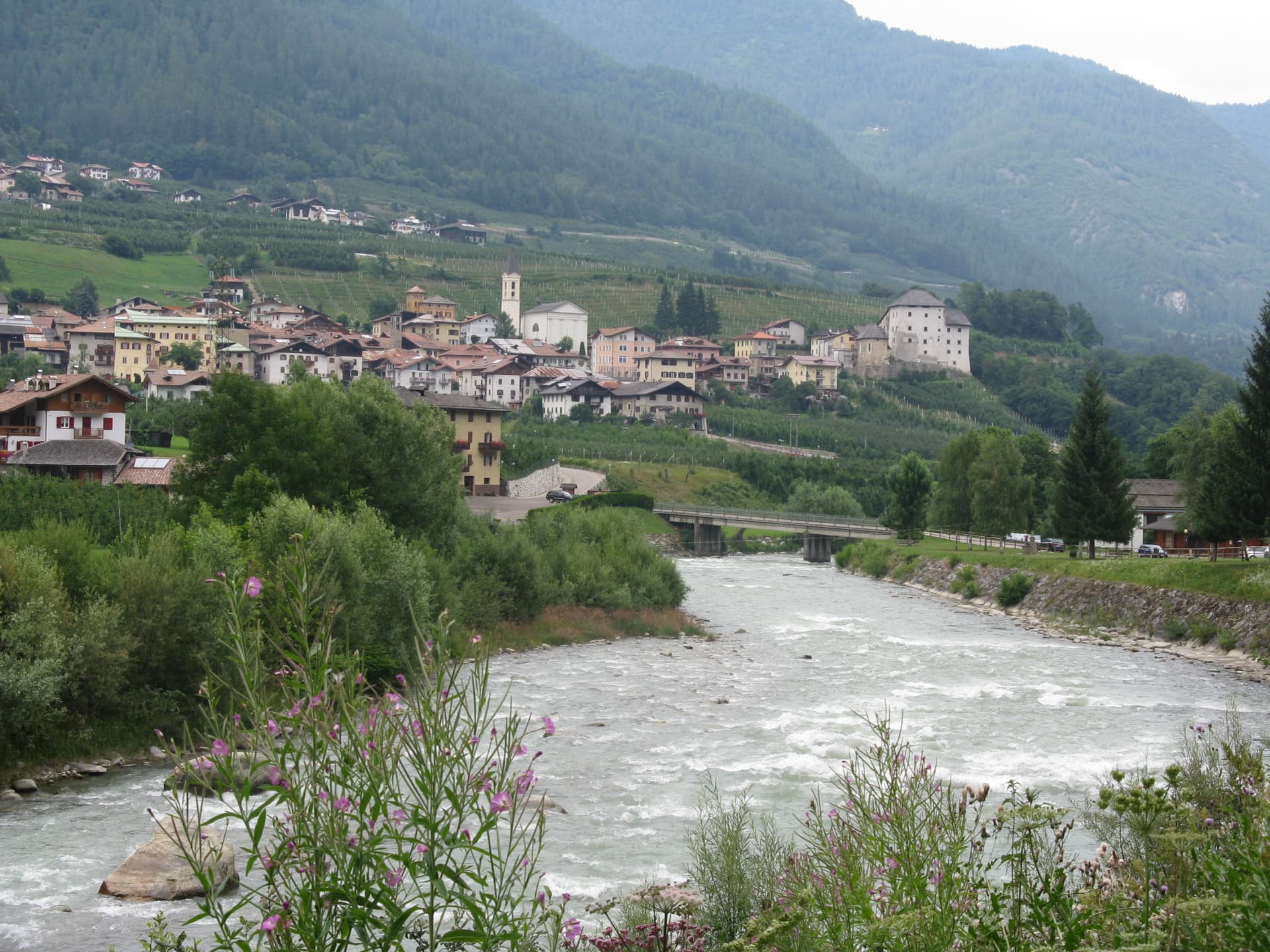
Caldes
Province: Trento
A scattered Val di Sole commune on the Noce, six hamlets gathered around a thirteenth-century tower-house castle that once belonged to the Thun family.
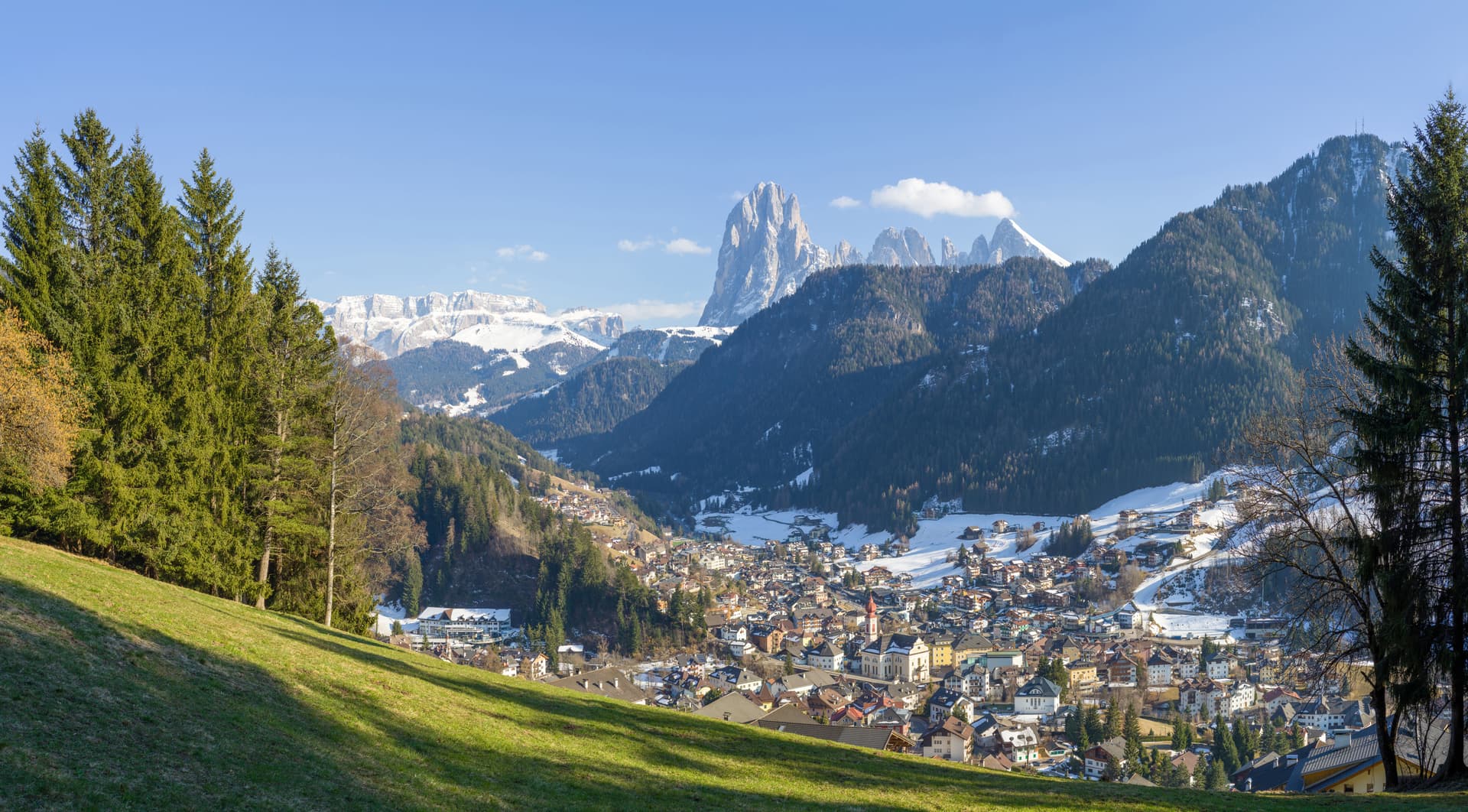
St. Ulrich
Province: Bolzano
The Ladin capital of Val Gardena, a wood-carving town at 1,236 metres between Seceda and the Alpe di Siusi.
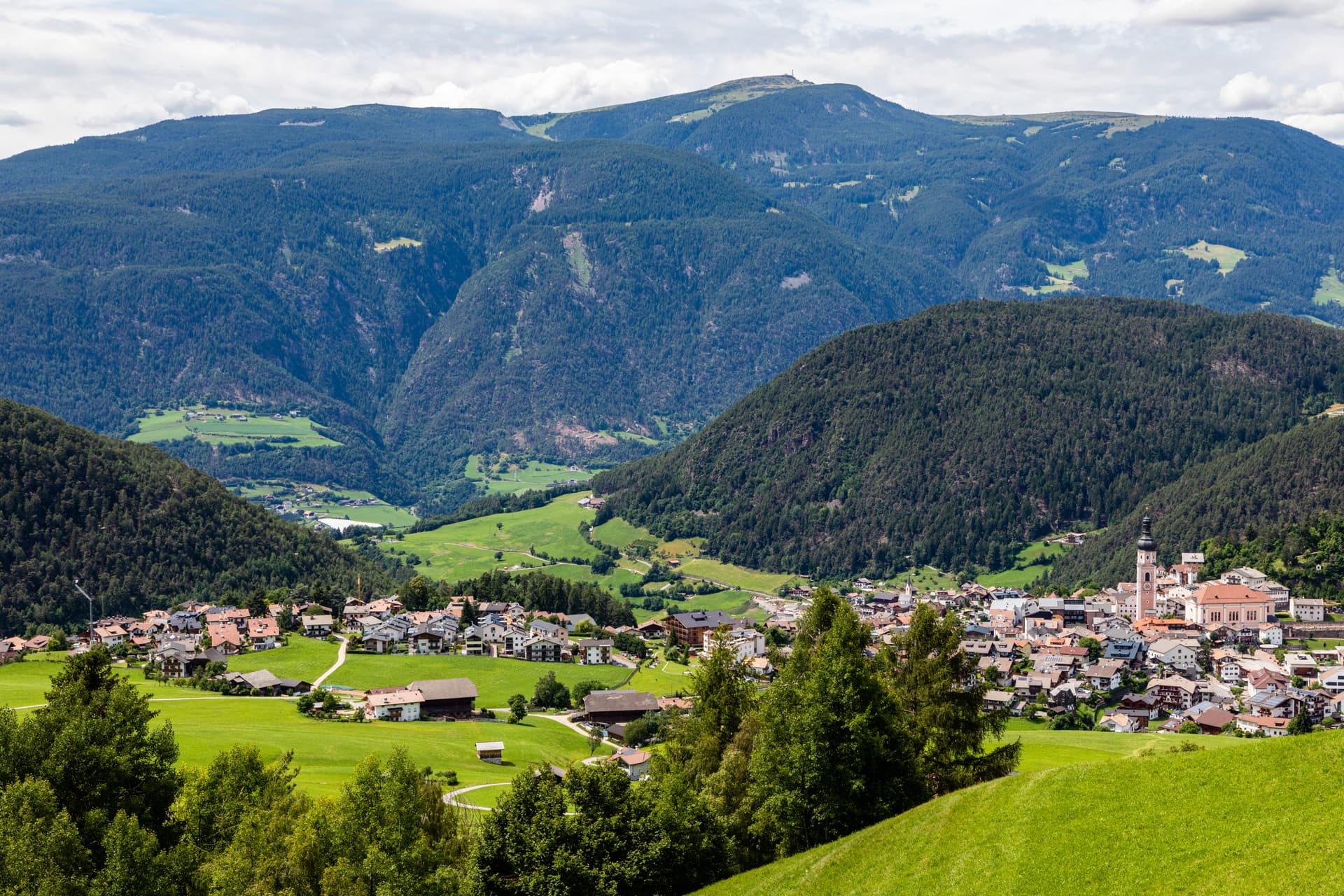
Kastelruth
Province: Bolzano
South Tyrolean gateway to the Alpe di Siusi at 1,060 metres, eighty-two-metre bell tower over the square, home of the Kastelruther Spatzen.
♨️ Terme
More Terme towns
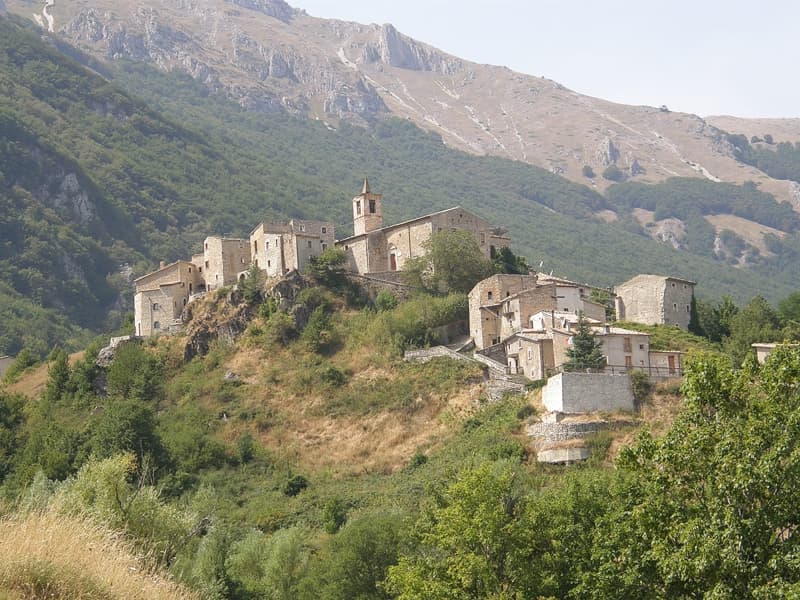
Caramanico Terme
Province: Pescara
A 650-meter Majella spa village at the confluence of the Orfento and Orta, with sulphurous springs whose properties were documented in 1576.
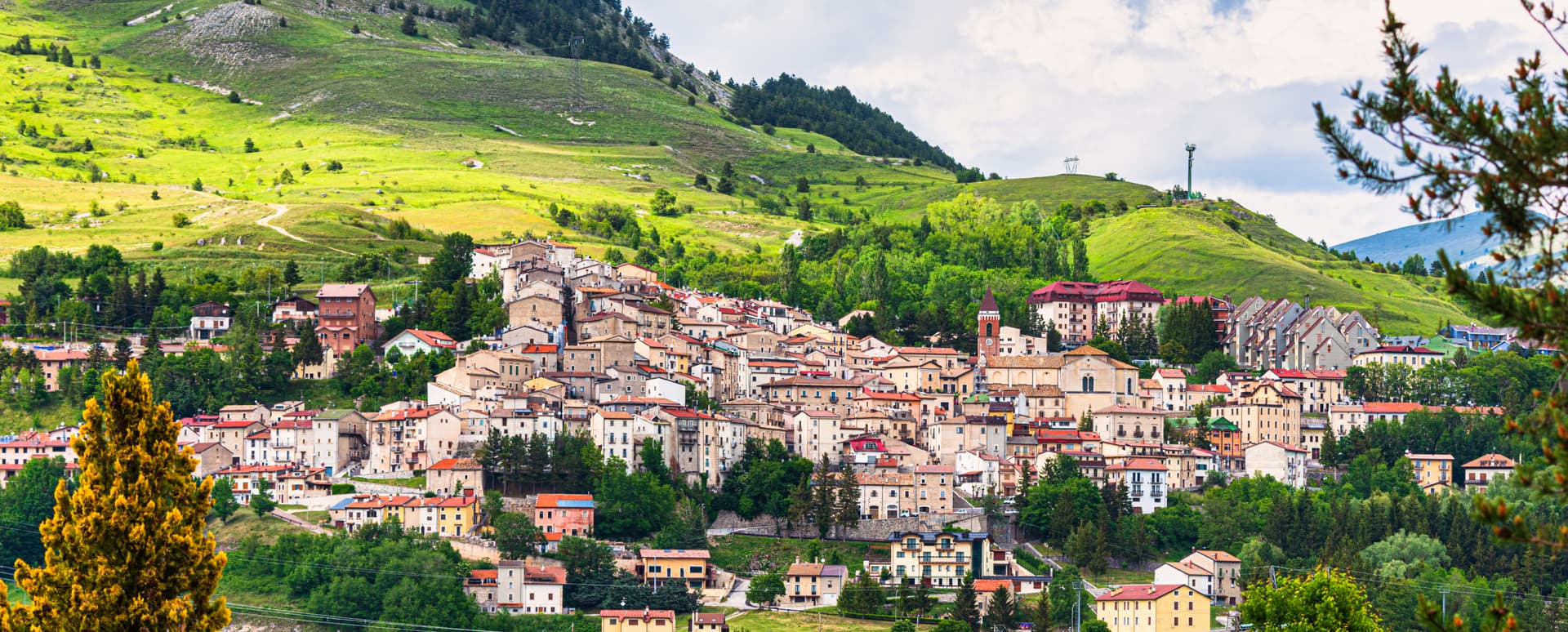
Rivisondoli
Province: L'Aquila
At 1,320 meters on the Cinque Miglia plateau, paired with Roccaraso in the Alto Sangro ski domain and known for its Epiphany living nativity.
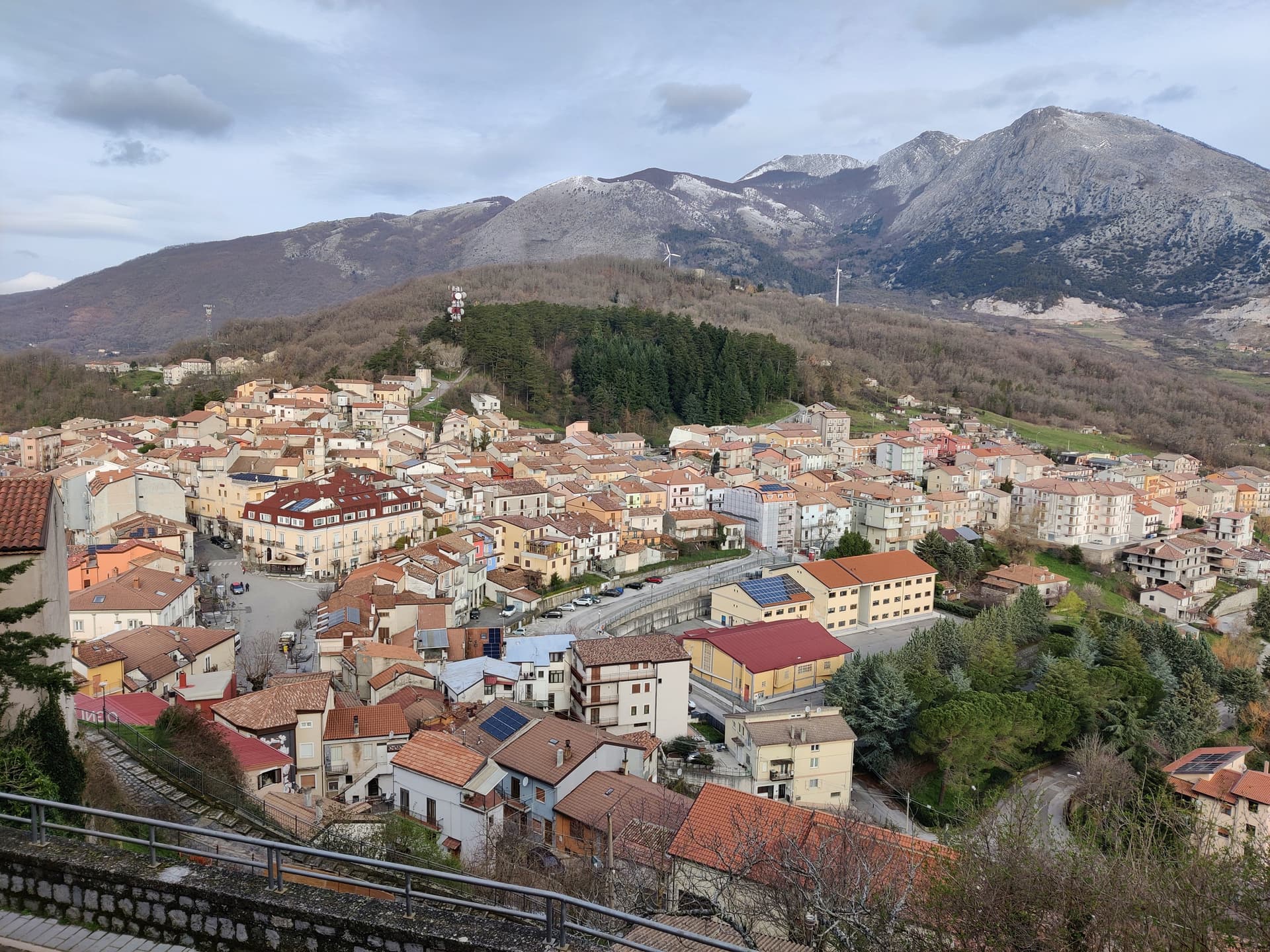
Latronico
Province: Potenza
A mountain town at 888 meters on the northern edge of the Pollino, with two prehistoric thermal springs at the Calda hamlet below.
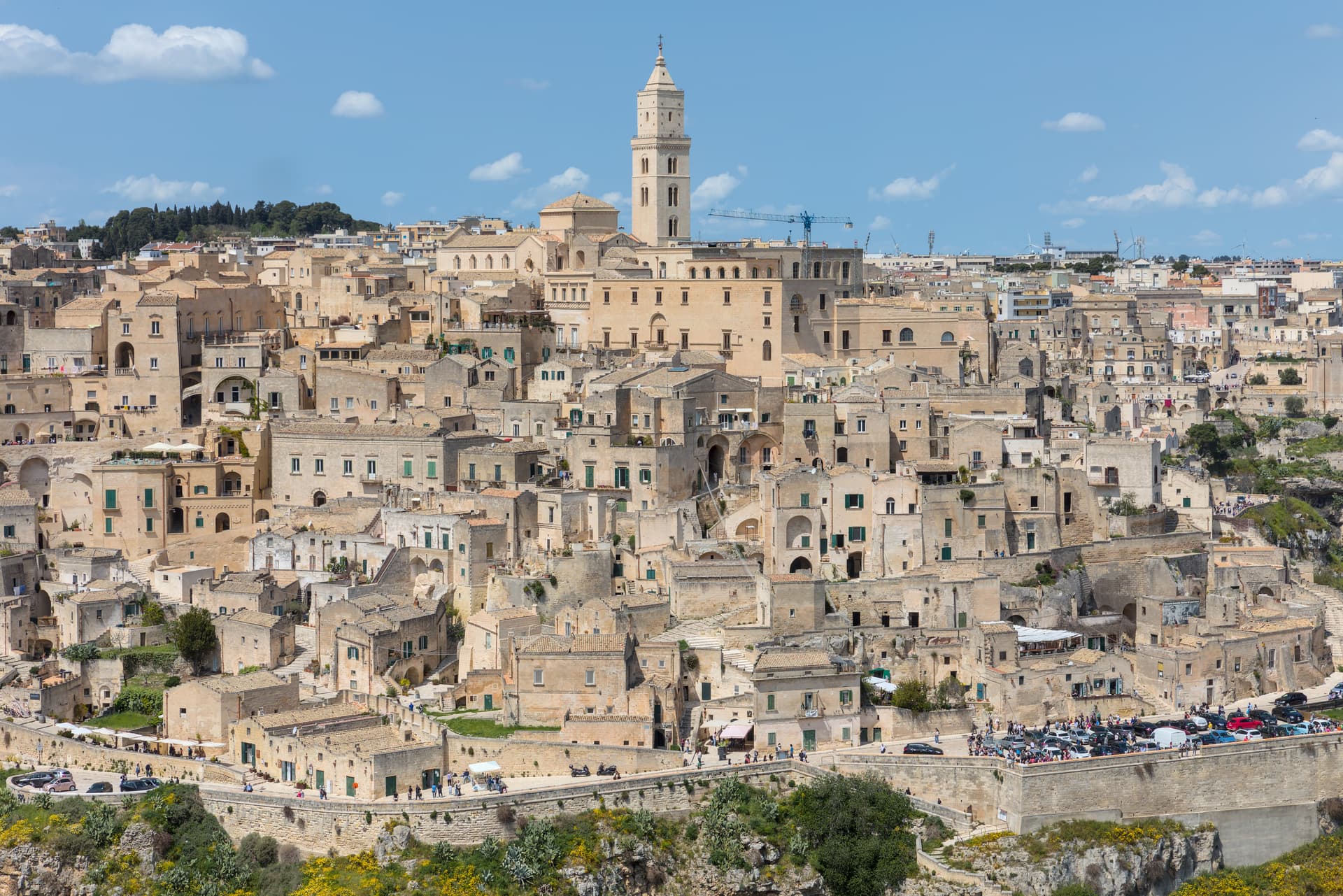
Matera
Province: Matera
Cave dwellings carved into limestone since the Paleolithic, called the shame of Italy in the 1950s and made European Capital of Culture in 2019.
Caccuri
Province: Crotone
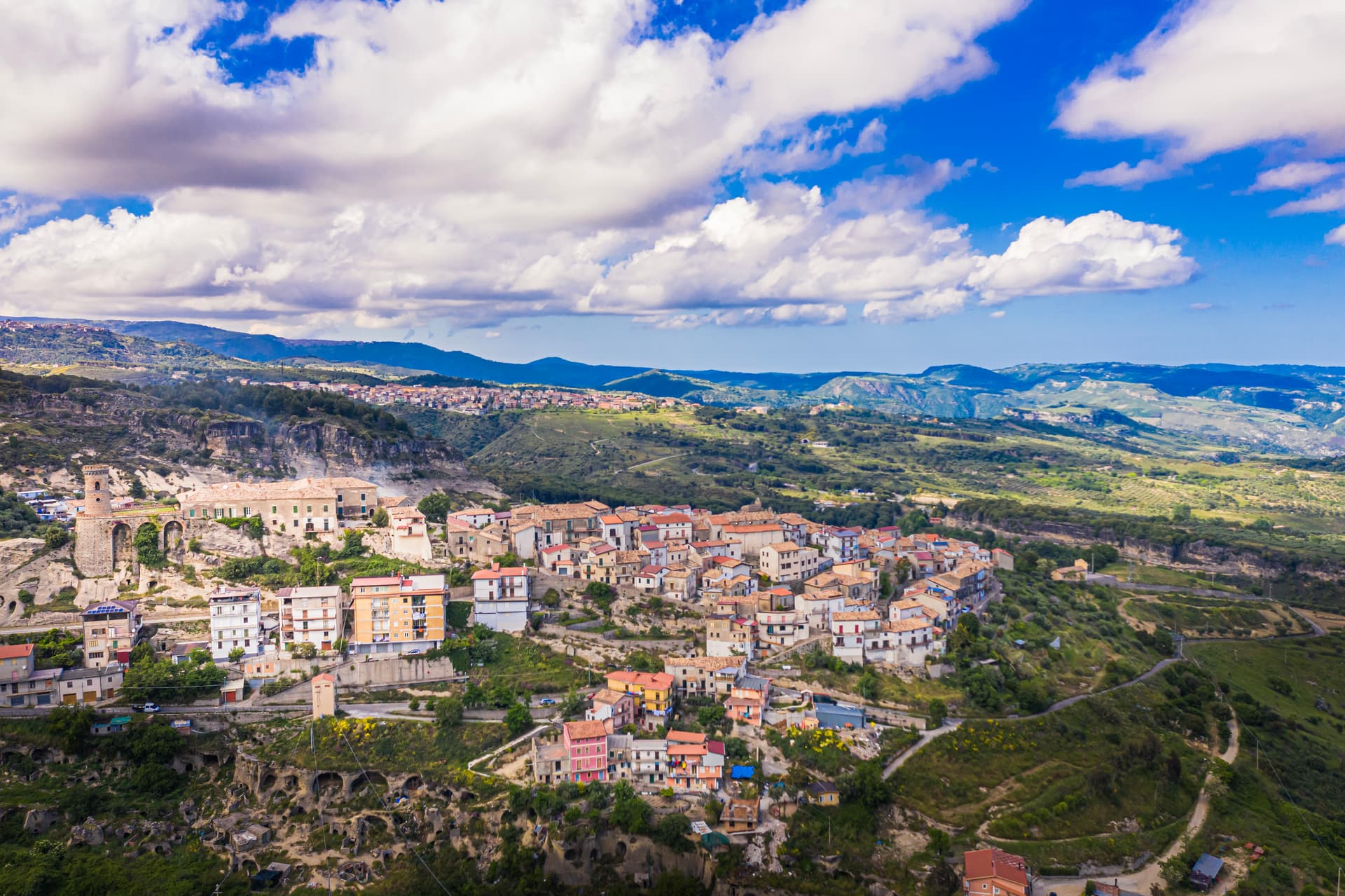
A 646-meter Presila borgo dominated by a sixth-century Byzantine castle with a cylindrical tower built in 1882, birthplace of Renaissance statesman Cicco Simonetta.