

Tuscany · Pisa
San Giuliano Terme
A thermal spa at the foot of Monte Pisano, ten kilometers from Pisa, where the springs were bathed since the Romans called them Aquae Pisanae.
Known for
AQUAE PISANAE
Hot springs known to the Romans, rebuilt by the Medici and Lorena, with water between 38 and 41 degrees.
BYRON & SHELLEY
Byron, the Shelleys and Leopardi took the waters here in the 1820s, with both Byron and Shelley writing during their stays.
ACQUEDOTTO MEDICEO
Six kilometers and 934 arches built by Cosimo I from 1592 to carry Monte Pisano spring water down to Pisa.
When to visit
Best · All year
- J
- F
- M
- A
- M
- J
- J
- A
- S
- O
- N
- D
- Best
- Hot or crowded
- Quiet
- Mostly closed
The festa: Bartolomeo, 24 August
Why come
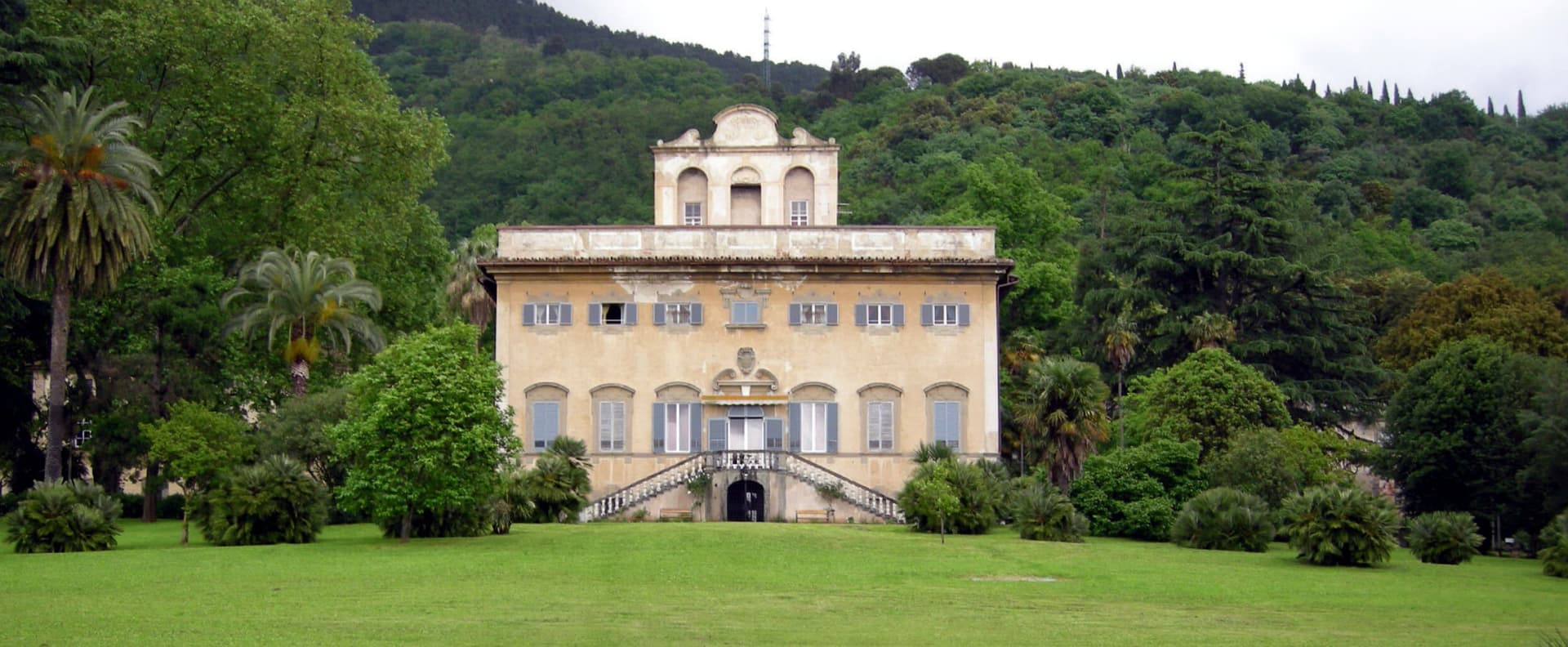
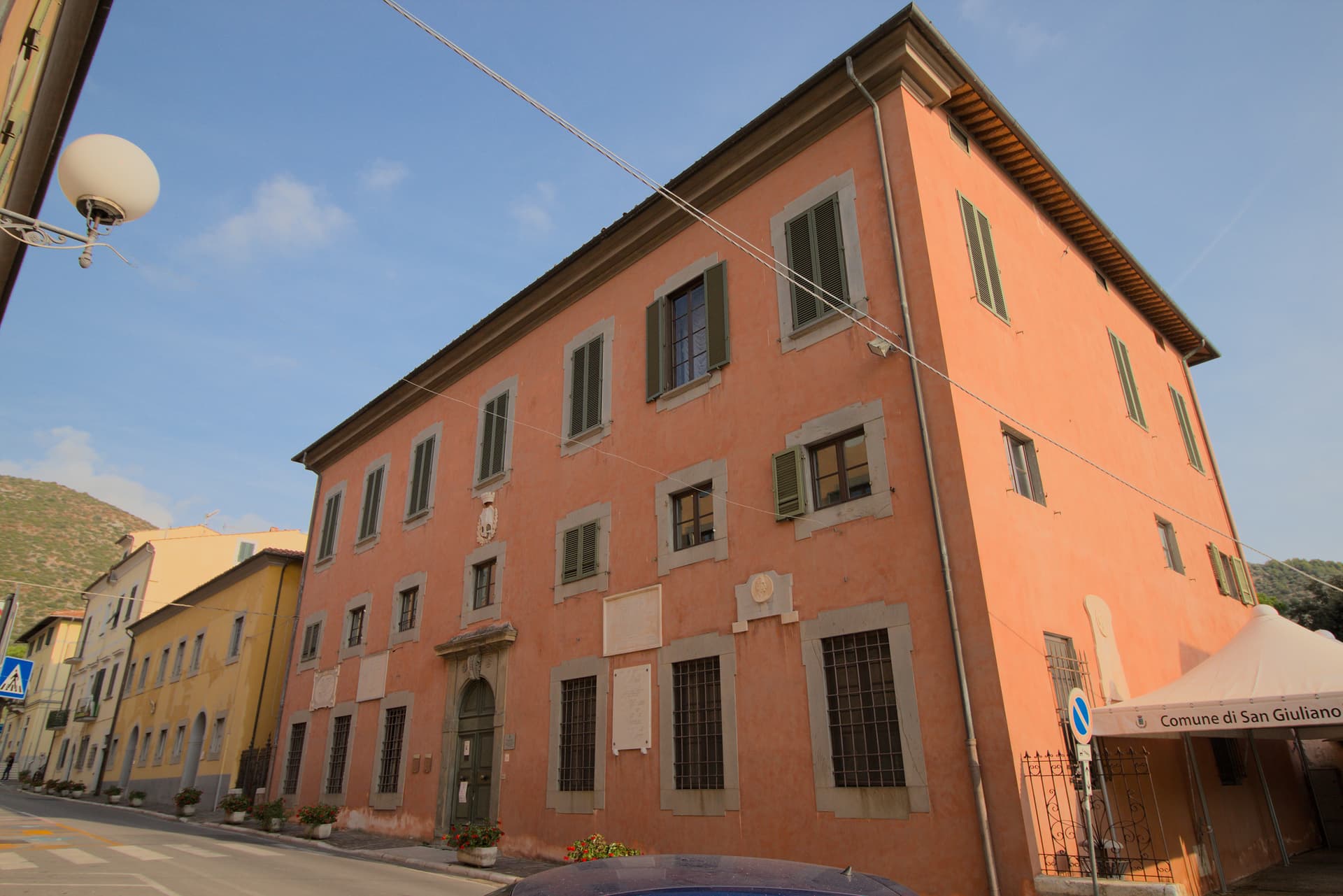
San Giuliano Terme sits at the southern foot of Monte Pisano, ten kilometers north of Pisa. The hot springs that rise here, between 38 and 41 degrees, were known to the Romans as Aquae Pisanae and rebuilt as a spa town by the Medici and later the Lorena. The Bagni di Pisa thermal complex, restored from the eighteenth-century Lorena baths, is where Byron, Shelley and Mary Shelley took the waters in 1821, while the latter finished Valperga and the former drafted The Two Foscari.
Giacomo Leopardi was a patient here in 1827 and again in 1828. The Acquedotto Mediceo, a 6-kilometer aqueduct of 934 arches built by Cosimo I starting in 1592, runs from the springs of Asciano down to Pisa, parallel to the modern road. The town's frazioni climb the slope of the Monte Pisano, with olive groves and the trails of the Parco di Migliarino-San Rossore-Massaciuccoli on the plain below.
What to see
Bagni di Pisa
Eighteenth-century Lorena thermal complex, restored and reopened, taken by Byron, Shelley and Leopardi in the 1820s.
Acquedotto Mediceo
Six-kilometer aqueduct of 934 arches built by Cosimo I starting in 1592, running from the Asciano springs down to Pisa.
Monte Pisano
The granite ridge above the town, with olive groves on the lower slopes and trails leading to Rocca della Verruca.
Parco di Migliarino-San Rossore-Massaciuccoli
Coastal-plain park bordering the comune, with the old Medici hunting estate of San Rossore and pine forests behind the dunes.
Pieve di San Giovanni Battista a Pugnano
Eleventh-century Romanesque parish church in the frazione of Pugnano, on the old Pisa-Lucca road.
The slow-trip planner
Building a trip? Find where San Giuliano Terme fits in a slow Italy circuit.
Answer five questions. We will shape a geographically coherent slow trip from the 1,000 Italian towns most travelers skip. Yours to save and share.
We recommend
Where to eat and stay
Not our picks, but places the guides put their name to — a Michelin star, a Gambero Rosso fork, a Slow Food snail, a Michelin Key for the hotels. Worth a table, a counter, or a night when you pass through.
Locanda Sant'AgataRistorante
Locanda Sant'Agata has a spot in the Michelin Guide to its name.
Bagni di Pisa Palace & Thermal SpaHotel
A Leading Hotels of the World listing, at Bagni di Pisa Palace & Thermal Spa.
The Sunday letter
San Giuliano Terme got its letter. One town every Sunday, free — the photo, the food, the festa.
By subscribing you agree to Substack’s Terms of Use, our Privacy Policy and our Information collection notice.
Living here
- Population 30,652
- Commuter belti
- Pharmacy in town
- High school within a 30-minute drive
- Train station in the comune
- Nearest airport Florence / Pisa, 26 min drive
- Regional capital Firenze, 1 h 20 min drive
This is a thermal town — terme operate here.
Tags & datadesignations · numbers · sources
Recognised as
The numbers
- Elevation: 10 m
- Population: 30,652
- Surface area: 91.77 km²
These figures were compiled from public directories — ISTAT, OpenStreetMap, Wikidata — and from the official listings of the guides named on this page. Town details change; verify with official sources before you travel.
Close by
More towns near San Giuliano Terme
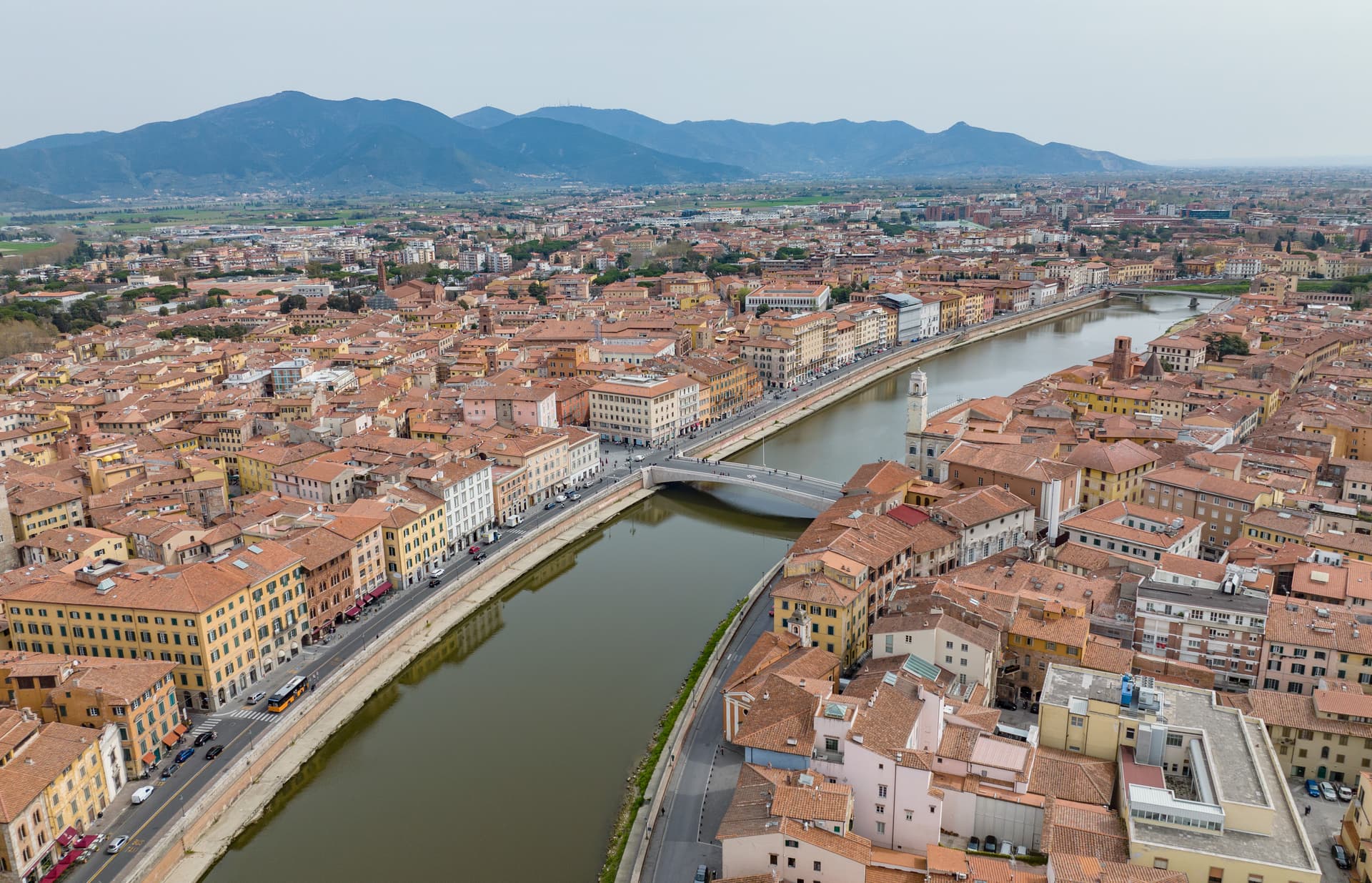
Pisa
Province: Pisa
Maritime republic on the Arno, twelve kilometers from the Ligurian Sea, with the leaning bell tower at the center of a single UNESCO-listed walled compound.
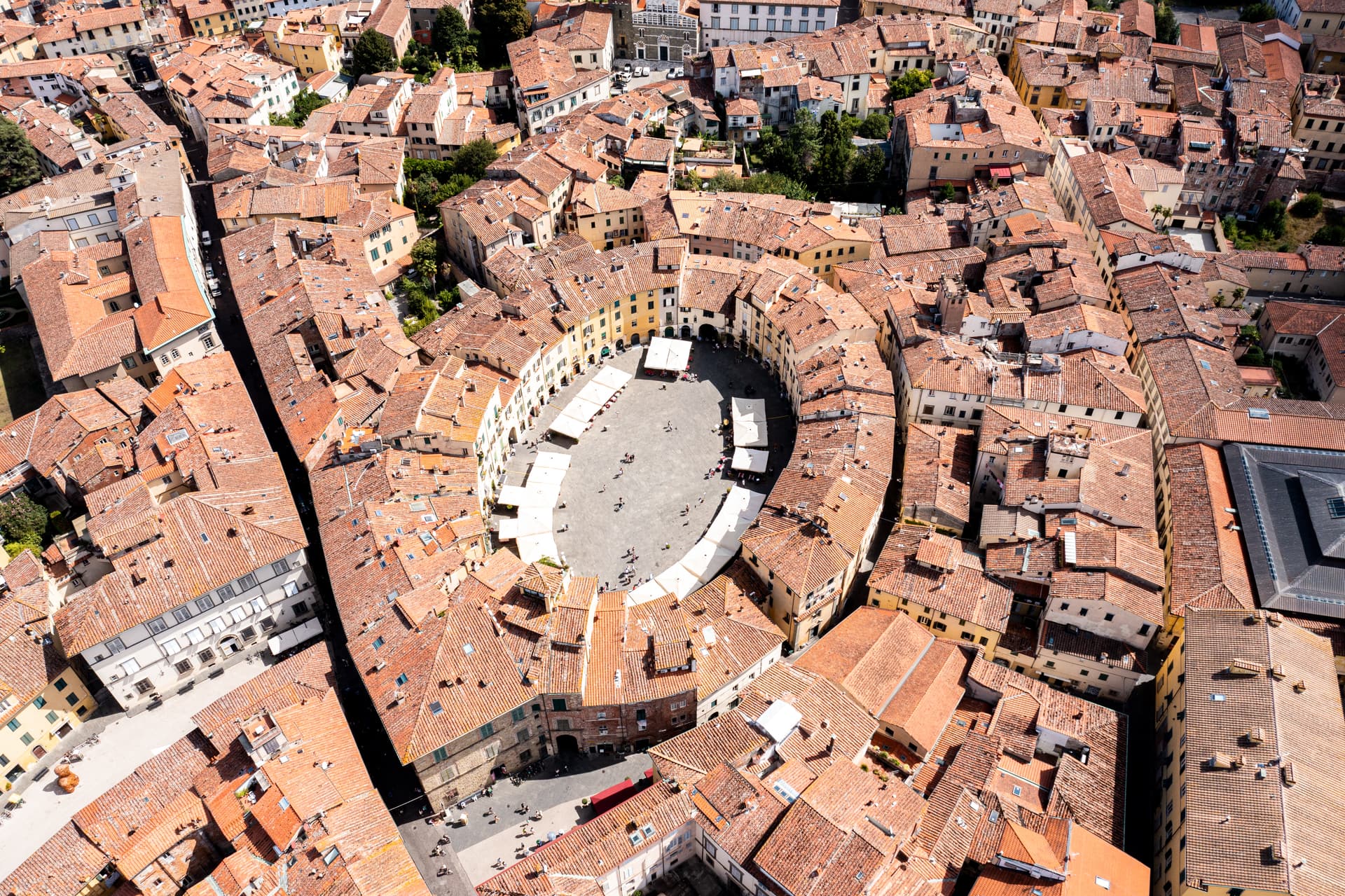
Lucca
Province: Lucca
The provincial capital ringed by four kilometers of intact sixteenth-century walls, birthplace of Puccini and the only fully walled Italian city of its scale.
Viareggio
Province: Lucca
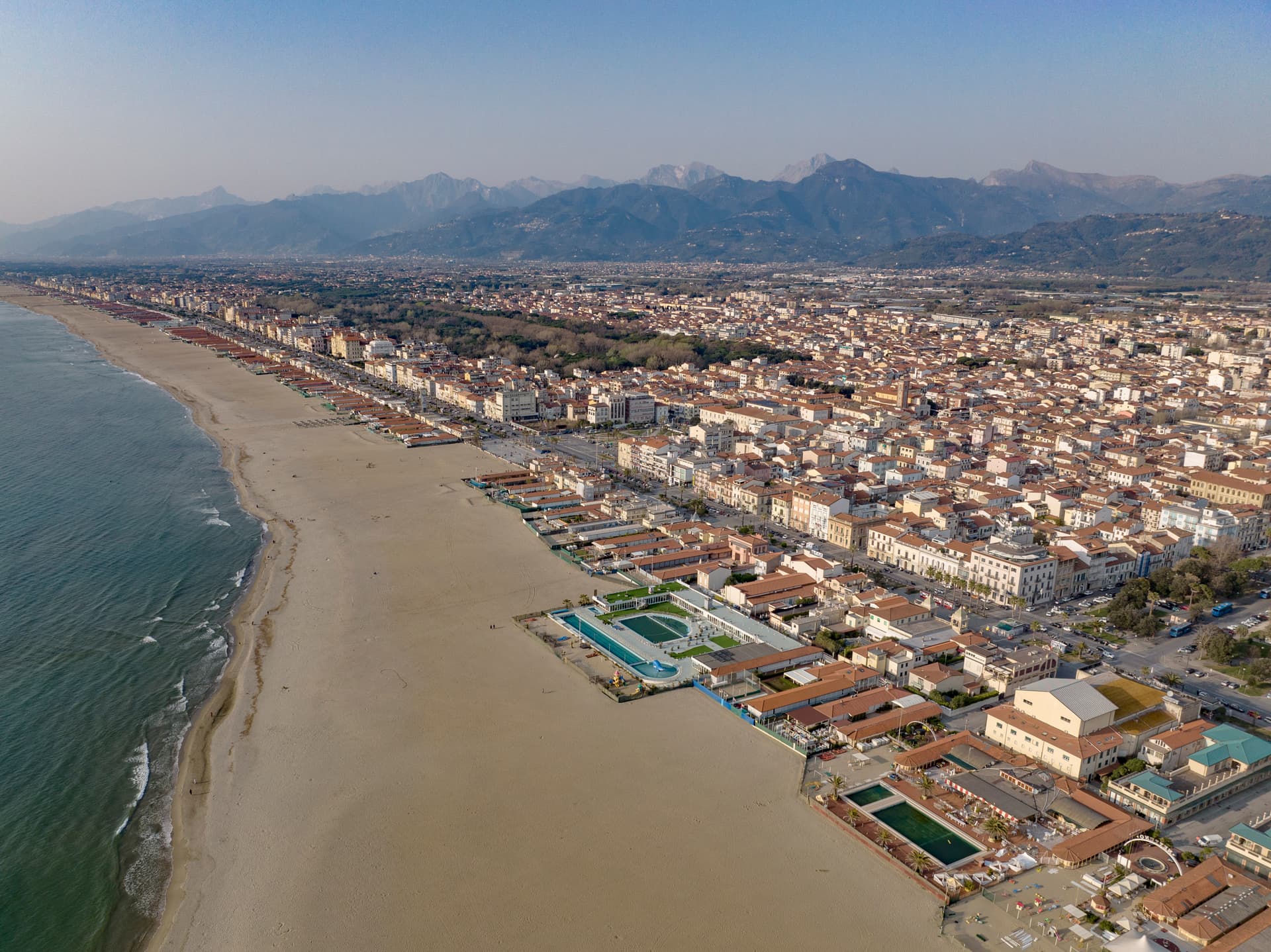
The Versilia capital, a Liberty-architecture seafront built around the 1873 Carnival and the 254-kilogram papier-mâché floats that still parade every February.
Livorno
Province: Livorno
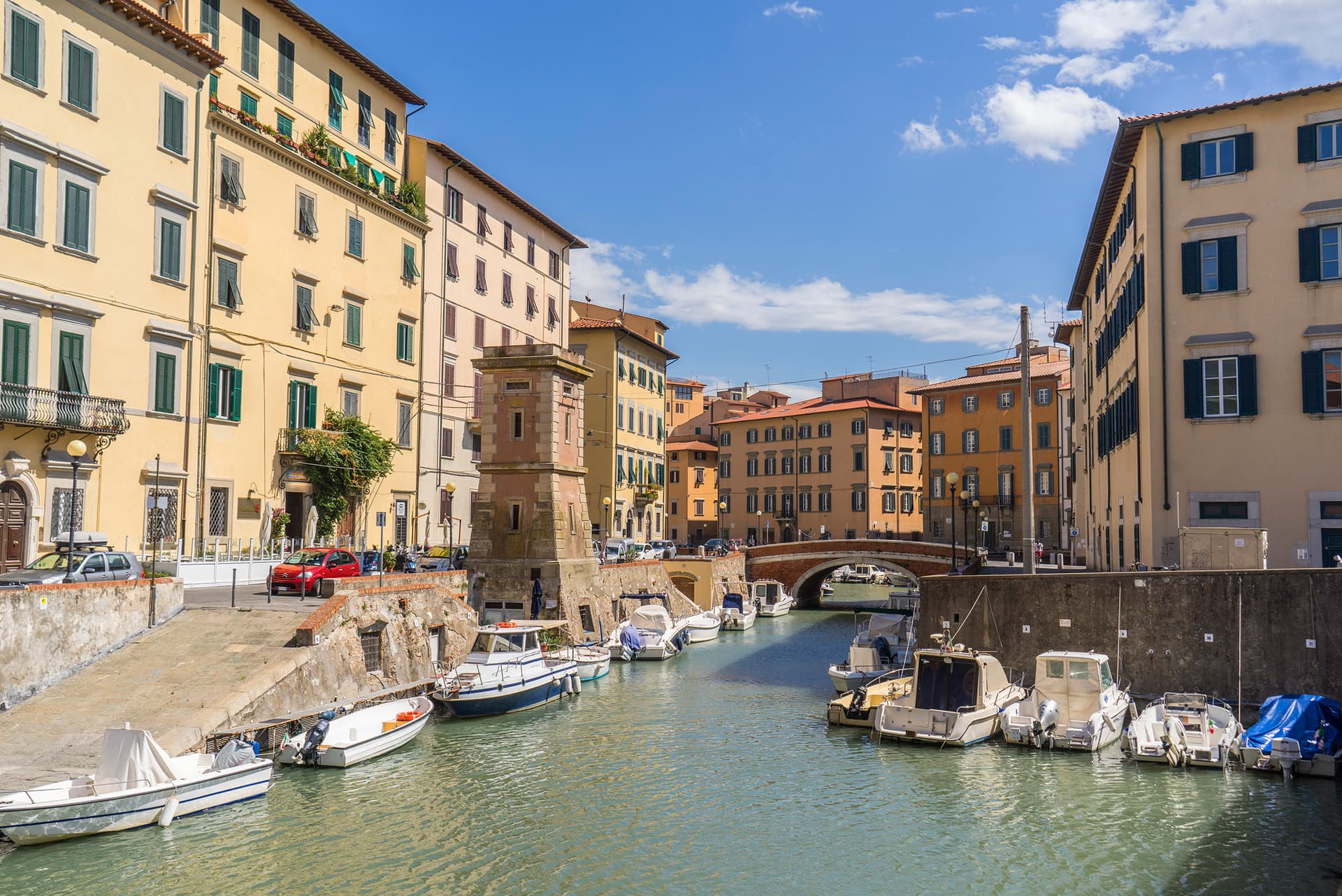
Tuscany's working port and Medici-planned 'New City' — a 16th-century planned town built on reclaimed coast, with a Venice-like canal quarter, the Quattro Mori monument, and a 1.5-km seafront promenade that locals call the world's most beautiful balcony.
Vicopisano
Province: Pisa
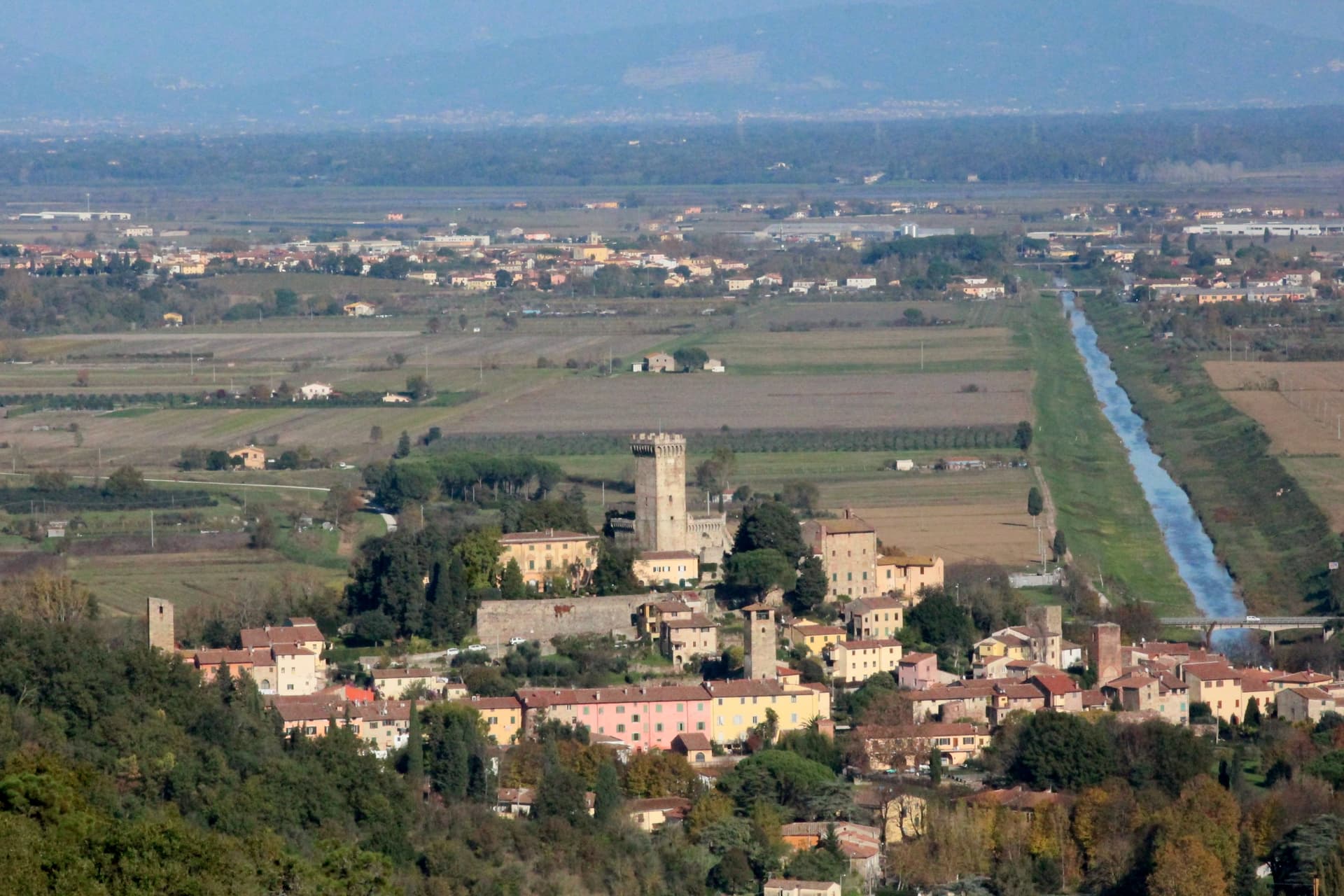
A medieval river port on the southern slope of Monte Pisano, rebuilt by Brunelleschi in 1434 after Florence took the town from Pisa.
♨️ Comuni Termali
More Comuni Termali towns in Tuscany
Campiglia Marittima
Province: Livorno
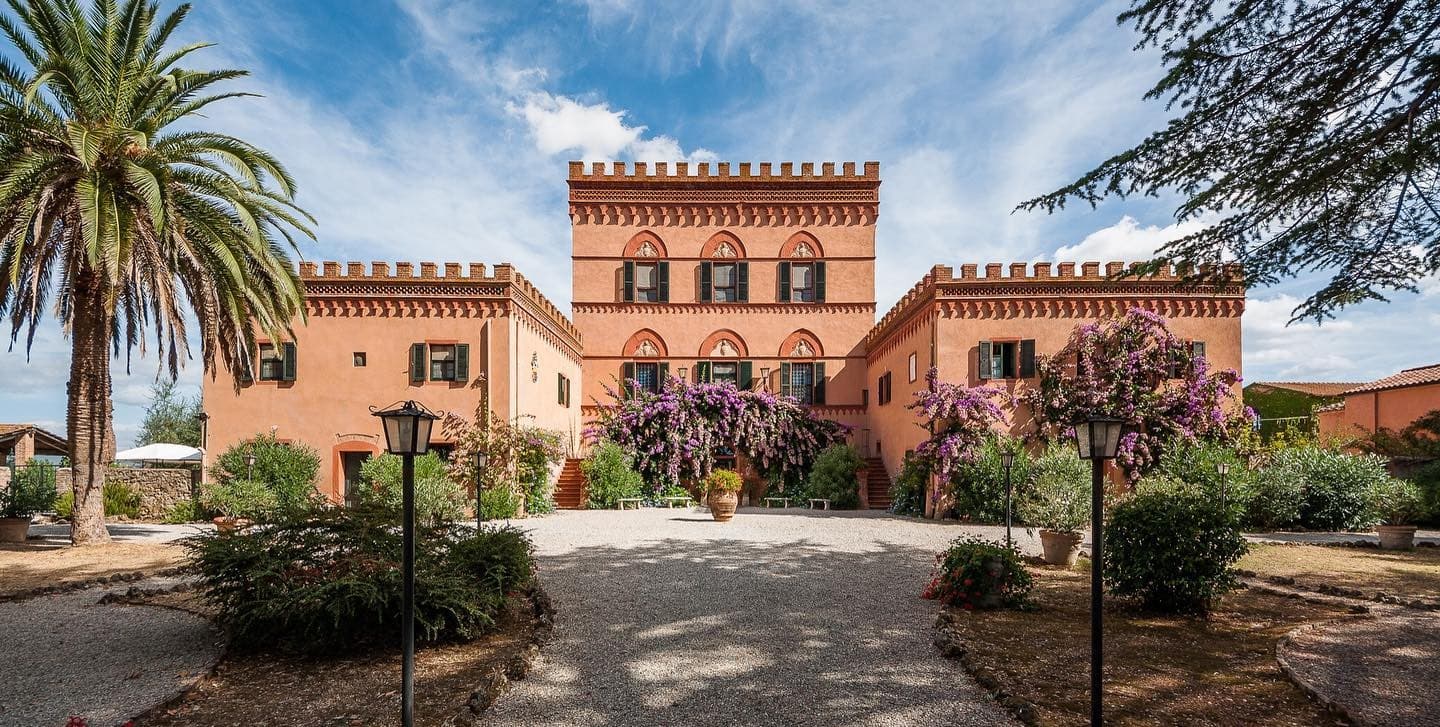
A walled hilltop borgo above the Val di Cornia, where the Rocca tower watches a mining landscape worked from the Etruscans to 1976.
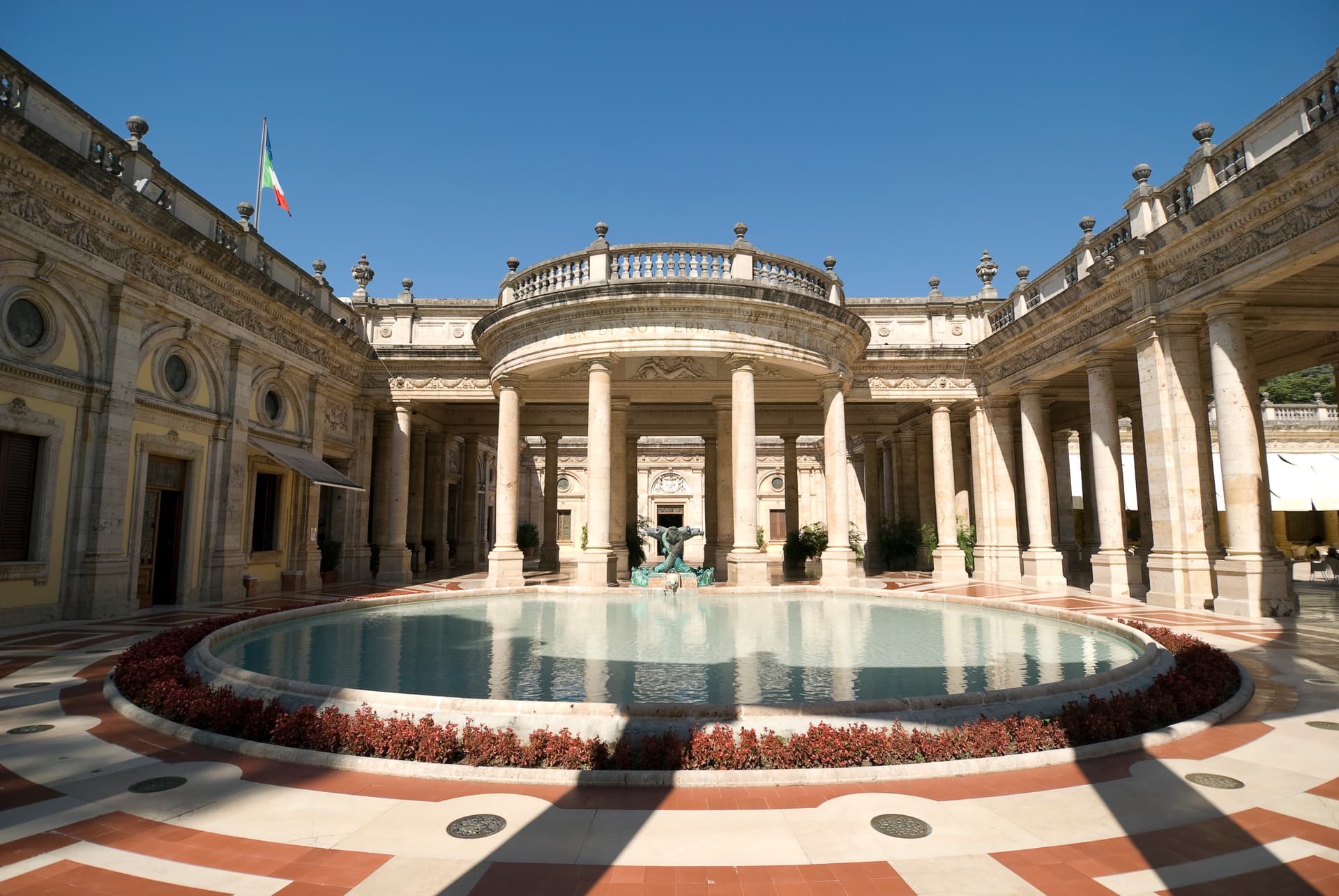
Montecatini-Terme
Province: Pistoia
Eleven thermal springs in a Liberty-style park at the foot of the Apennines, one of the Great Spa Towns of Europe inscribed by UNESCO in 2021.
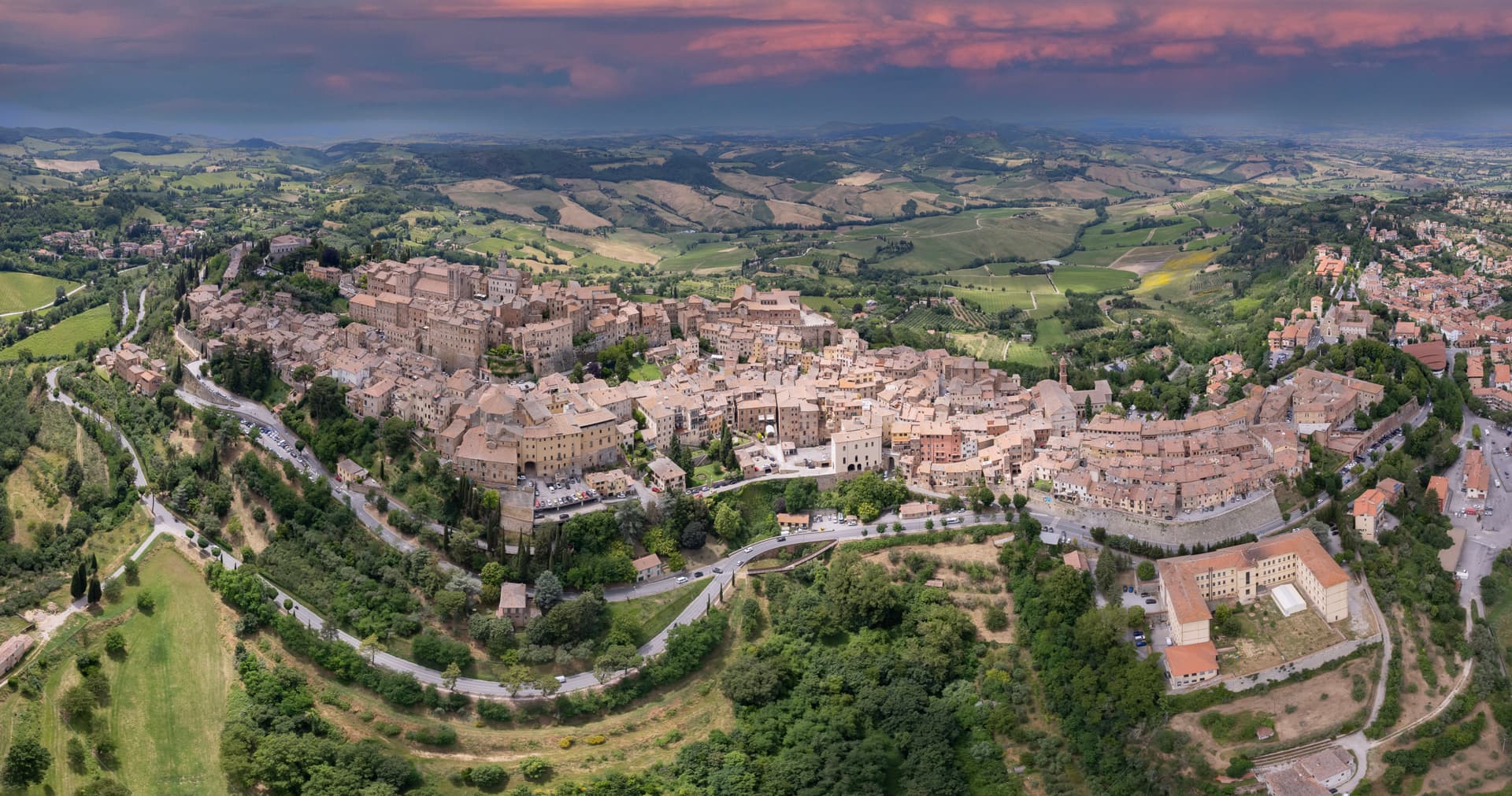
Montepulciano
Province: Siena
A Renaissance hill town at 605 meters on a limestone ridge, where Vino Nobile is aged in vaulted cellars beneath the palazzi of Piazza Grande.
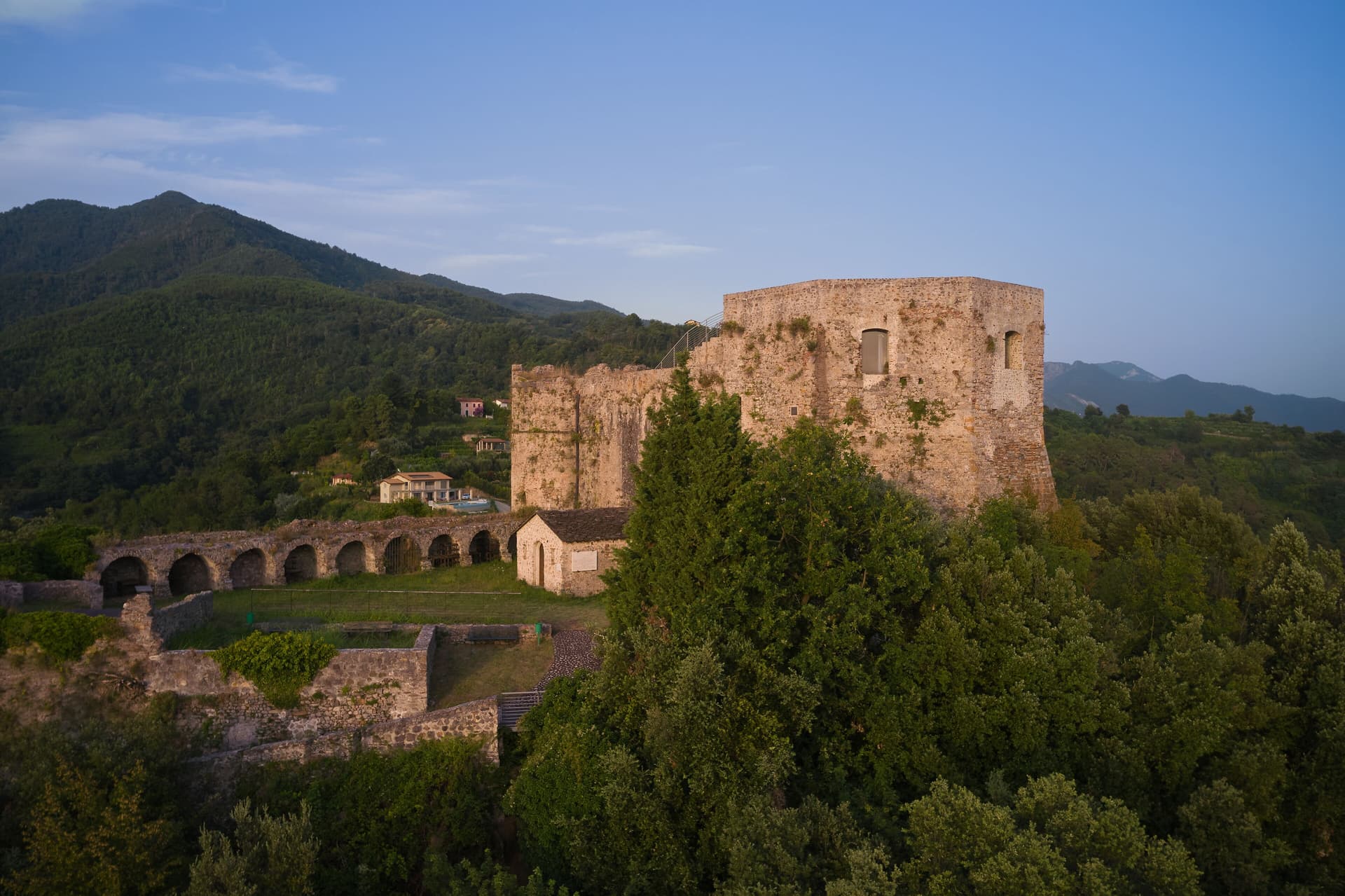
Montignoso
Province: Massa-Carrara
A Riviera Apuana commune split between the Cinquale coastal frazione, the Castello Aghinolfi on the hill, and the Lago di Porta wetland on the Versilia plain.
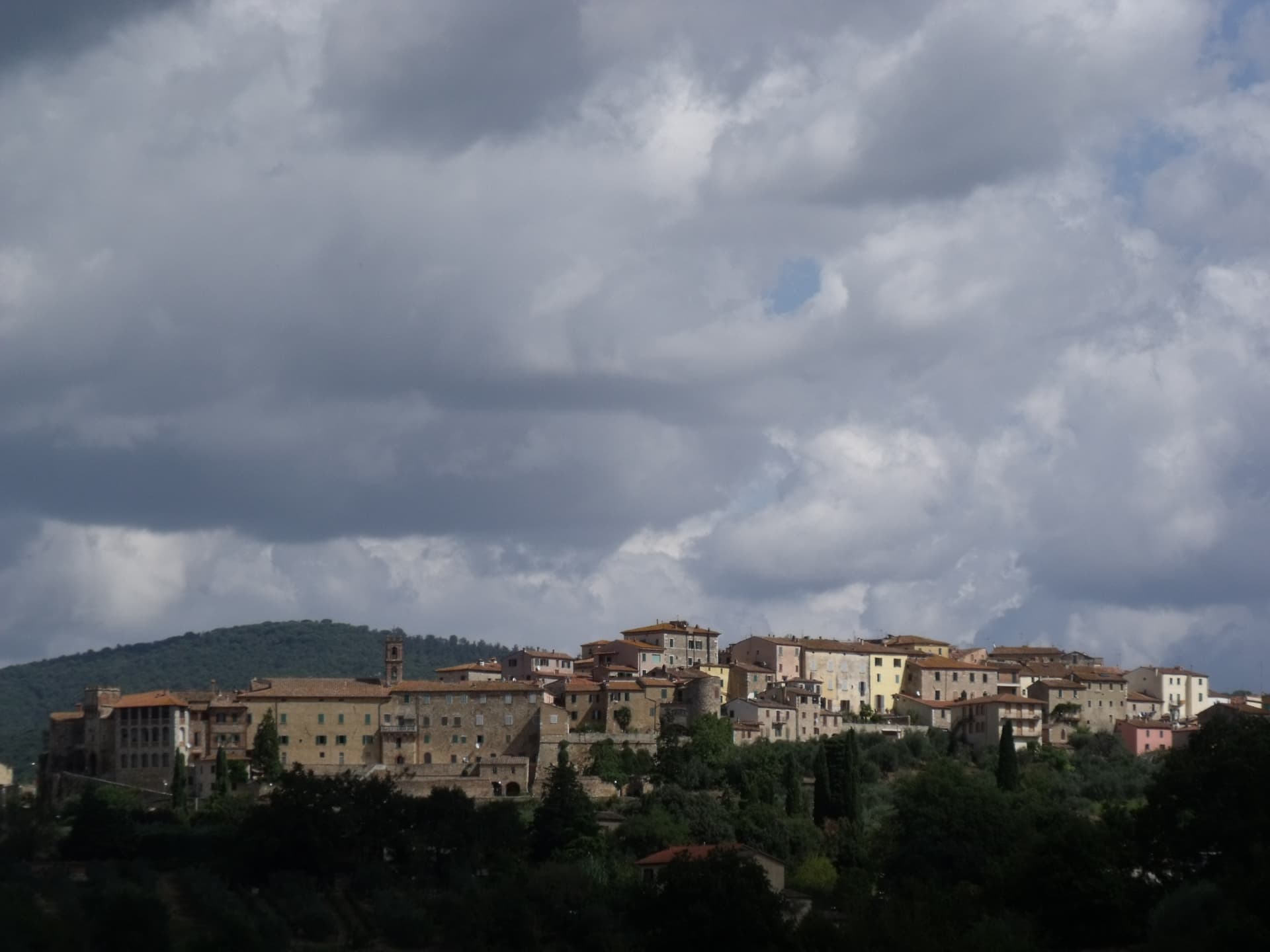
Rapolano Terme
Province: Siena
A Sienese thermal town in the Crete Senesi, 38-degree calcium-sulphur waters and travertine quarries that supplied the Pienza Duomo and Montepulciano's San Biagio.