

Tuscany · Pisa
Vicopisano
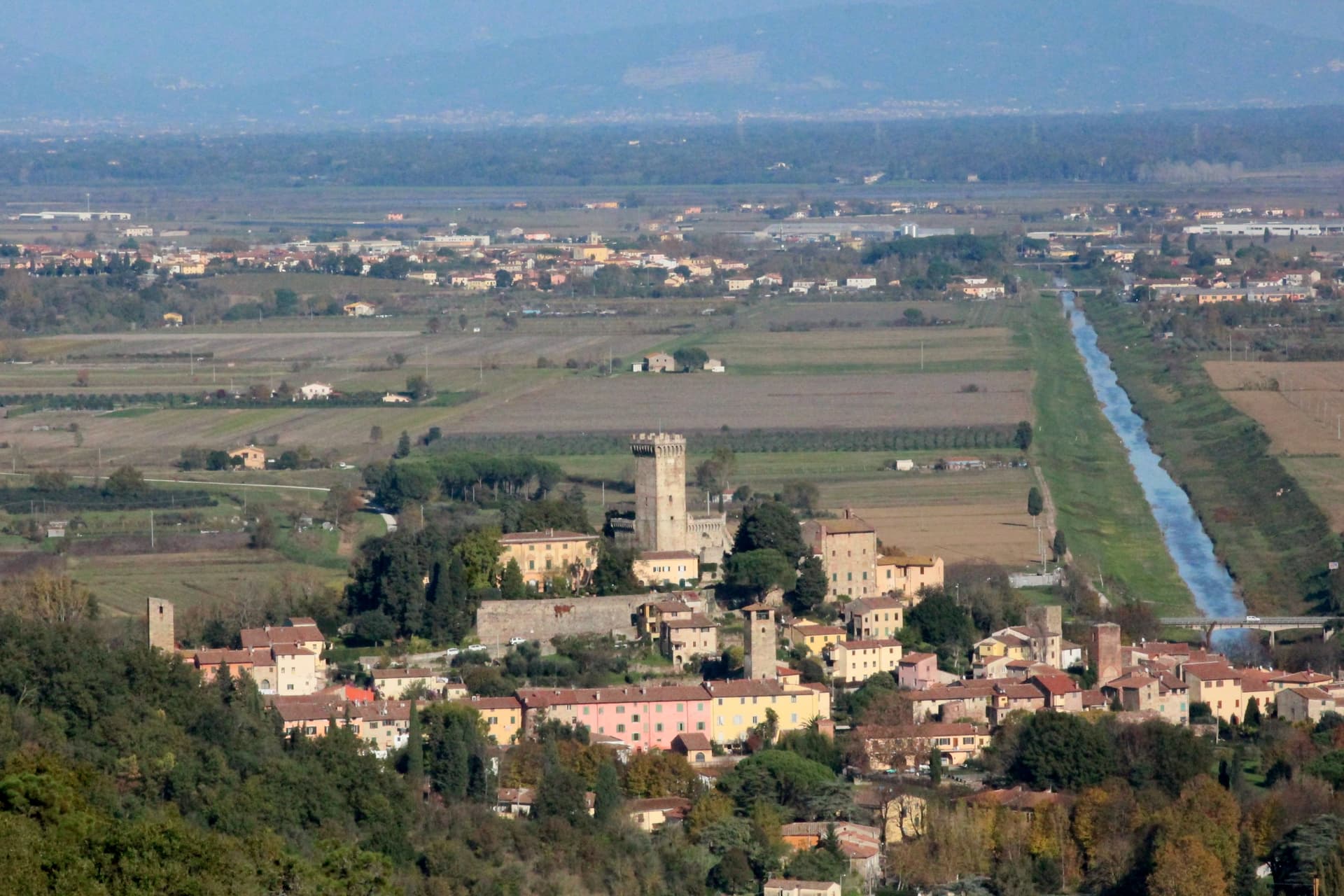
A medieval river port on the southern slope of Monte Pisano, rebuilt by Brunelleschi in 1434 after Florence took the town from Pisa.
Known for
BRUNELLESCHI
The Florentine architect spent six years rebuilding the fortress and connecting passage, his only completed military commission.
EIGHT TOWERS
More surviving medieval towers than any other Tuscan commune of comparable size, including the Torre delle Quattro Porte.
OLIVE OIL
Monte Pisano slopes produce DOP extra virgin oil, with the harvest celebrated each November at the Festa dell'Olio Nuovo.
When to visit
Best · Apr–Oct
- J
- F
- M
- A
- M
- J
- J
- A
- S
- O
- N
- D
- Best
- Hot or crowded
- Quiet
- Mostly closed
Why come
Vicopisano sits at the foot of Monte Pisano where the plain of the Arno meets the hills, twenty kilometers east of Pisa. The town was a Pisan river port on the old course of the Arno until the river shifted south in the sixteenth century, leaving the walls inland. After Florence captured Vicopisano in 1407, the Republic sent Filippo Brunelleschi to rebuild its defenses.
He raised the Rocca and the Torre del Brunelleschi between 1434 and 1440, connecting them with a covered passage and reinforcing the existing Torre delle Quattro Porte. Eight medieval towers still stand in the centro storico, more than in any other comune of comparable size in Tuscany. The Pieve di Santa Maria, eleventh-century Romanesque, holds a wooden Deposition carved around 1200, the second oldest in Italy. The hills above the town carry the olive groves that earned Vicopisano its Città dell'Olio listing.
The Sunday letter
We haven’t written Vicopisano’s letter yet.
One town every Sunday, with the photo, the food, the festa. Be there when this one comes up. Free, by Peter & Sophia from Pietrasanta.
By subscribing you agree to Substack’s Terms of Use, our Privacy Policy and our Information collection notice.
What to see
Rocca del Brunelleschi
Florentine fortress built by Filippo Brunelleschi between 1434 and 1440 after the conquest of Pisan territory, fully restored and open to visitors.
Torre delle Quattro Porte
Twelfth-century watchtower with four arched gates, the architectural symbol of the medieval town.
Pieve di Santa Maria
Eleventh-century Romanesque parish church holding a wooden Deposition group carved around 1200.
Palazzo Pretorio
Medieval seat of the Florentine podestà, with coats of arms of the rectors set into the façade.
Centro storico
Walled town with eight surviving medieval towers, connected by stepped lanes climbing the slope of Monte Pisano.
The slow-trip planner
Building a trip? Find where Vicopisano fits in a slow Italy circuit.
Answer five questions. We will shape a geographically coherent slow trip from the 1,000 Italian towns most travelers skip. Yours to save and share.
Living here
- Population 8,563
- Commuter belti
- Pharmacy in town
- High school within a 30-minute drive
- Train station in the comune
- Nearest airport Florence / Pisa, 41 min drive
- Regional capital Firenze, 1 h 14 min drive
Tags & datadesignations · numbers · sources
Recognised as
The numbers
- Elevation: 12 m
- Population: 8,563
- Surface area: 26.85 km²
These figures were compiled from public directories — ISTAT, OpenStreetMap, Wikidata — and from the official listings of the guides named on this page. Town details change; verify with official sources before you travel.
Featured on
Vicopisano appears on this themed pick from our Collections:
Close by
More towns near Vicopisano
Montecarlo
Province: Lucca
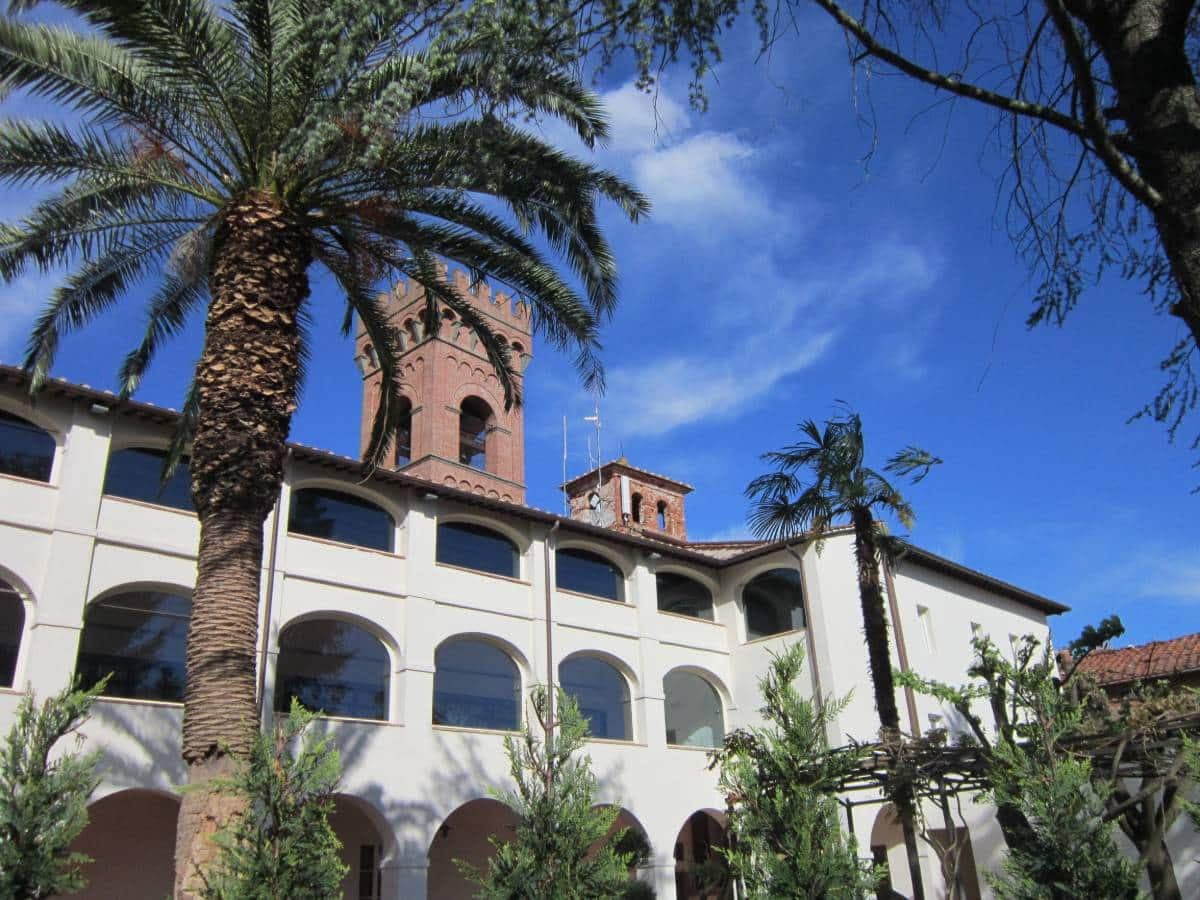
A walled hill village at 163 meters above the Lucca plain, founded by Emperor Charles IV in 1333 and named for him, surrounded by twenty wineries.
Pisa
Province: Pisa
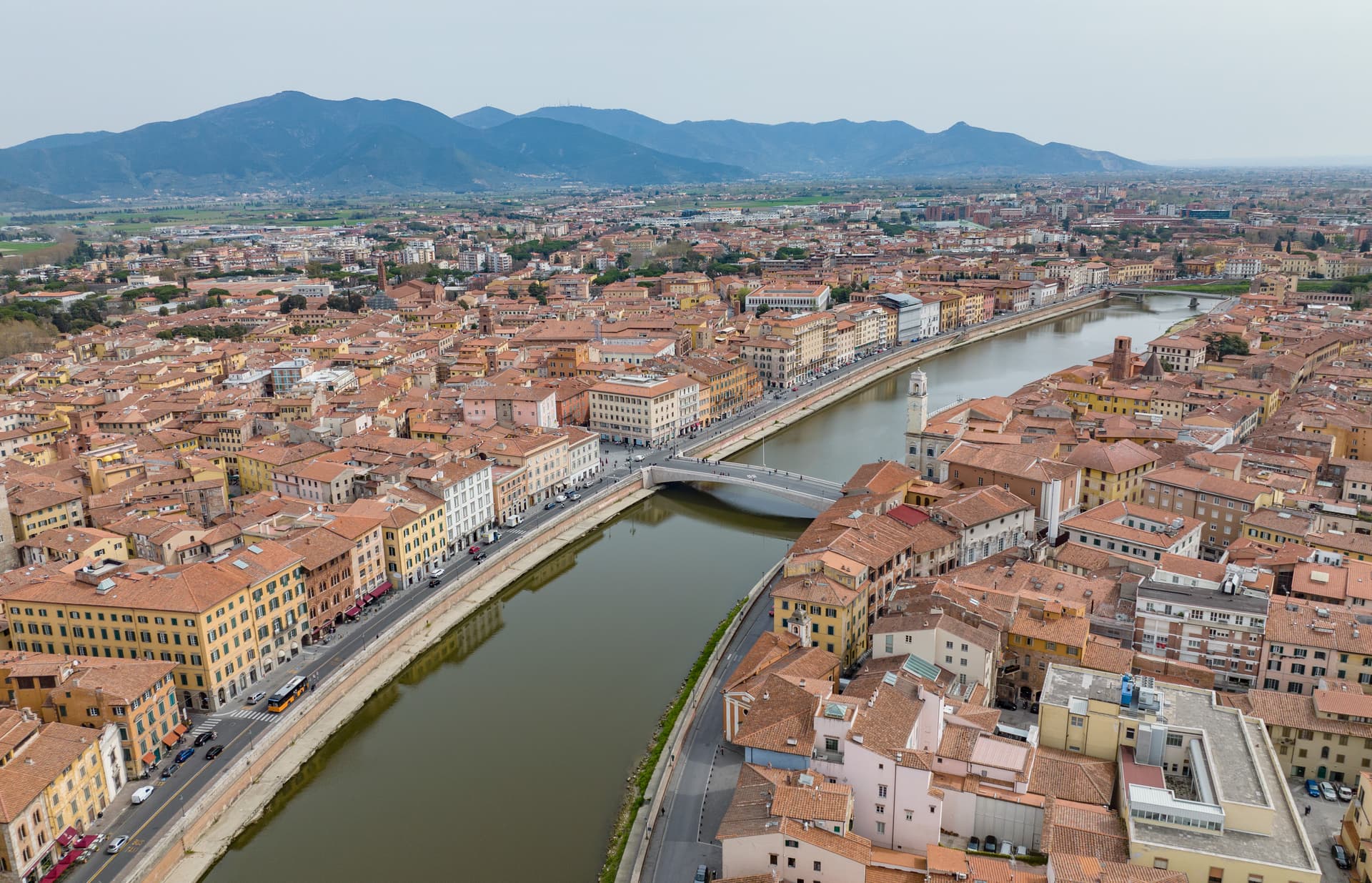
Maritime republic on the Arno, twelve kilometers from the Ligurian Sea, with the leaning bell tower at the center of a single UNESCO-listed walled compound.
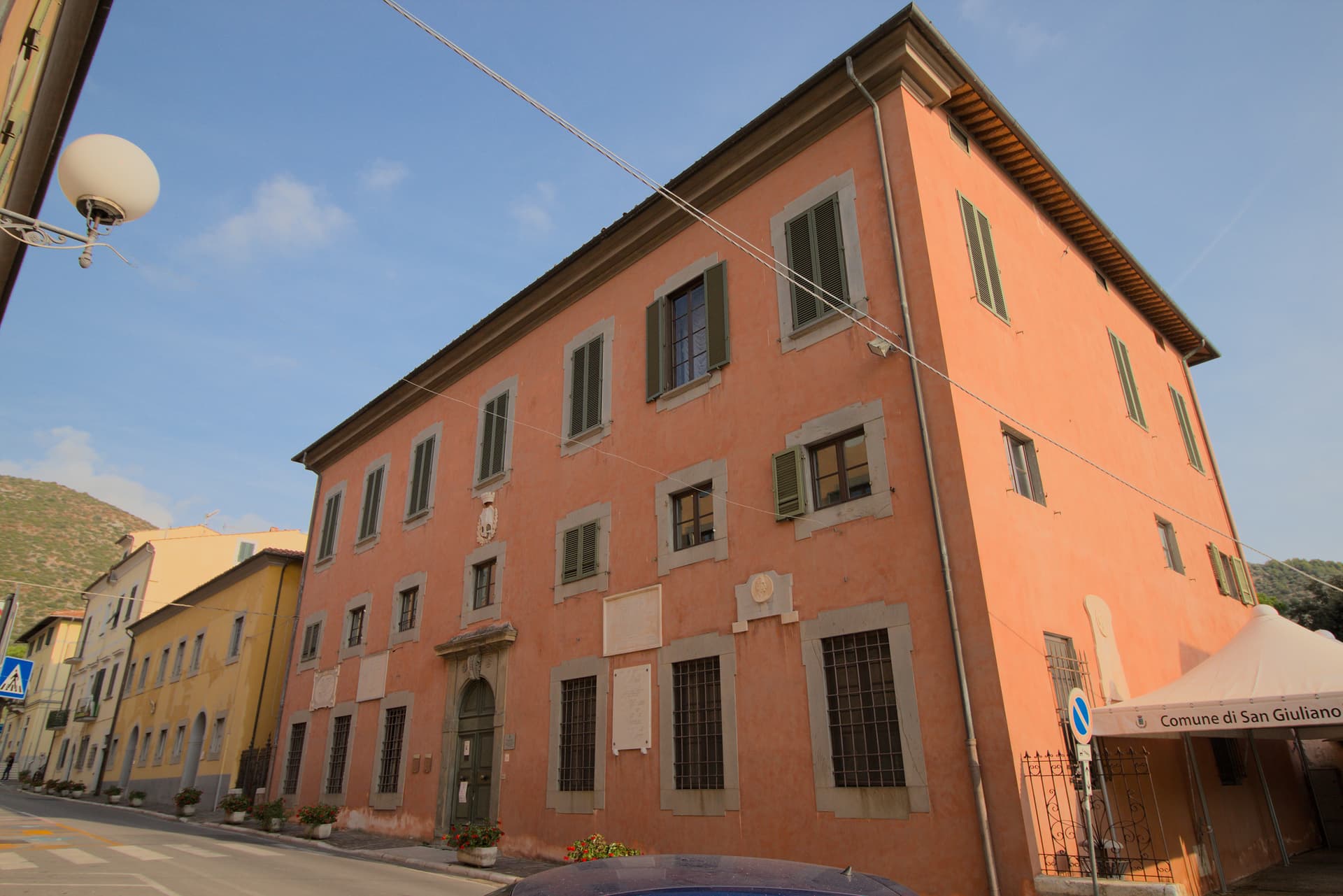
San Giuliano Terme
Province: Pisa
A thermal spa at the foot of Monte Pisano, ten kilometers from Pisa, where the springs were bathed since the Romans called them Aquae Pisanae.
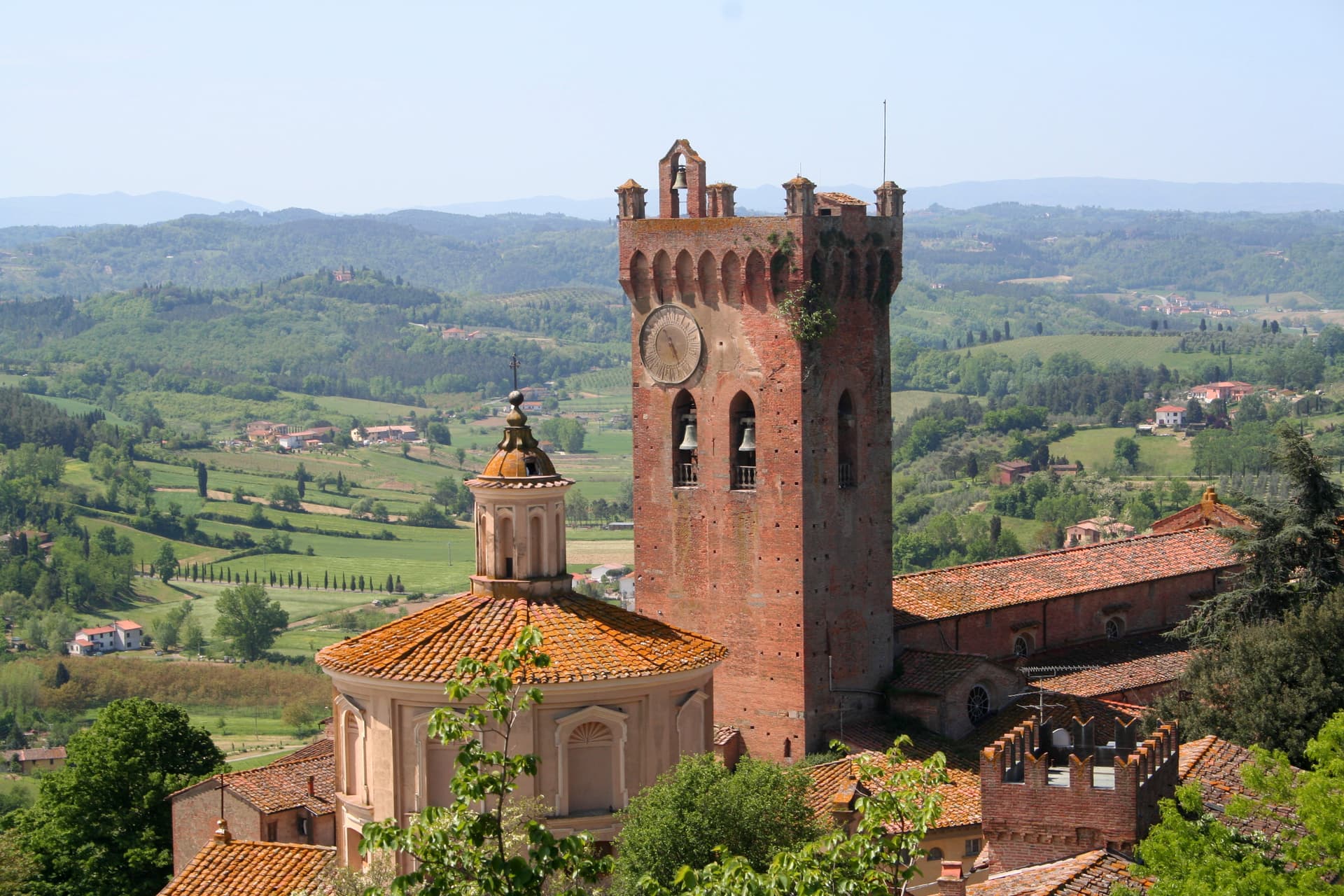
San Miniato
Province: Pisa
The hilltop town between Pisa and Florence that produces a quarter of Tuscany's white truffles and once held the imperial seat of Otto I.
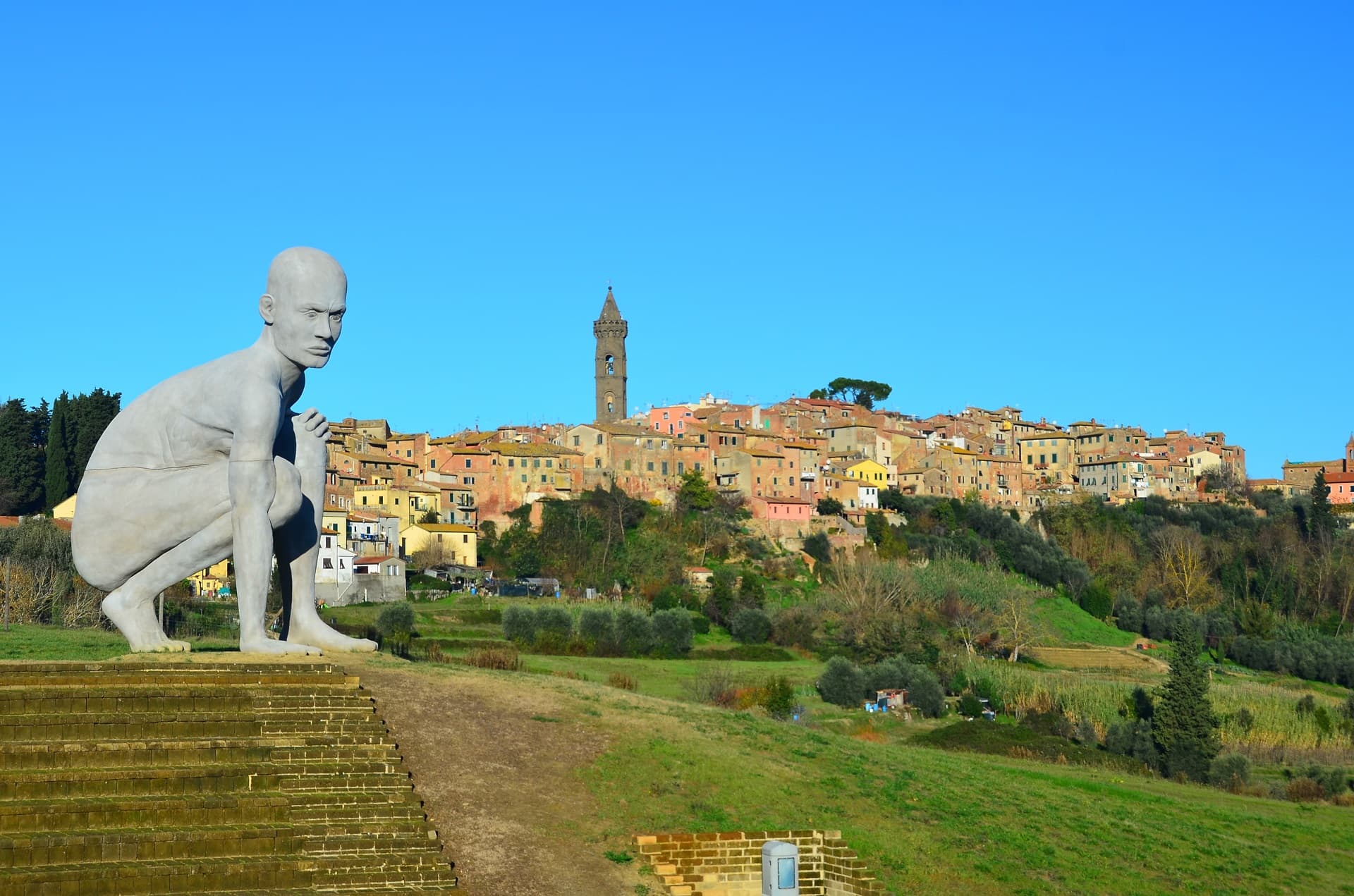
Peccioli
Province: Pisa
Borgo dei Borghi 2024 in the Valdera hills, a medieval village that funded a public contemporary-art program with revenue from its landfill plant.
🟠 Bandiera Arancione
More Bandiera Arancione towns in Tuscany
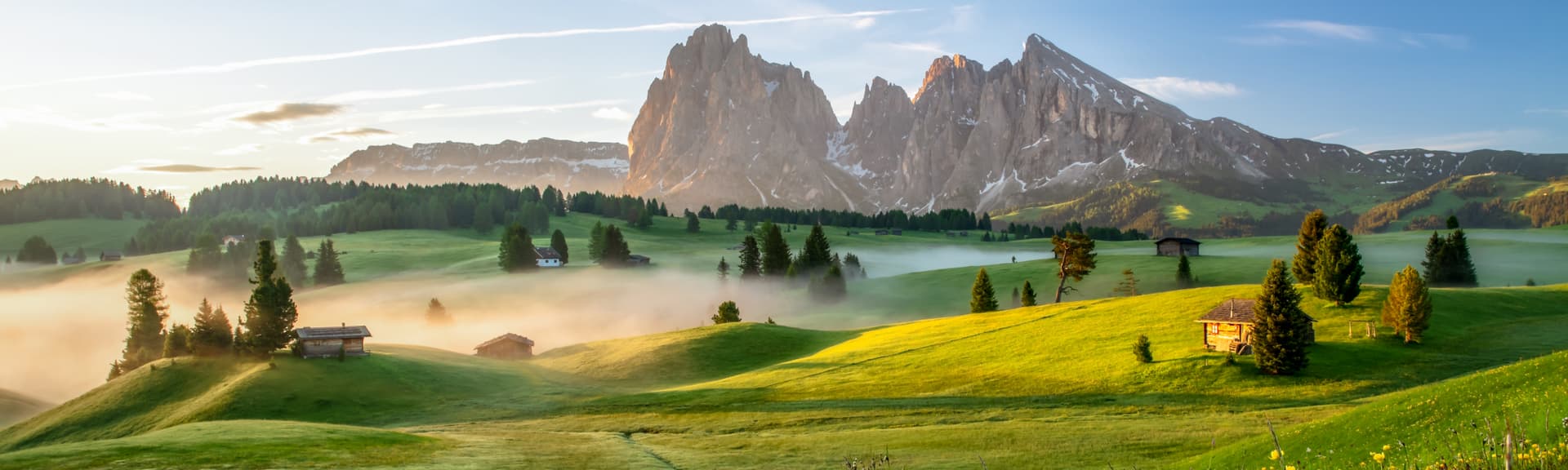
Abetone Cutigliano
Province: Pistoia
The Apennine ski pass at 1,388 meters where the Granduca's two stone pyramids of 1778 mark the old Tuscan-Modenese border.
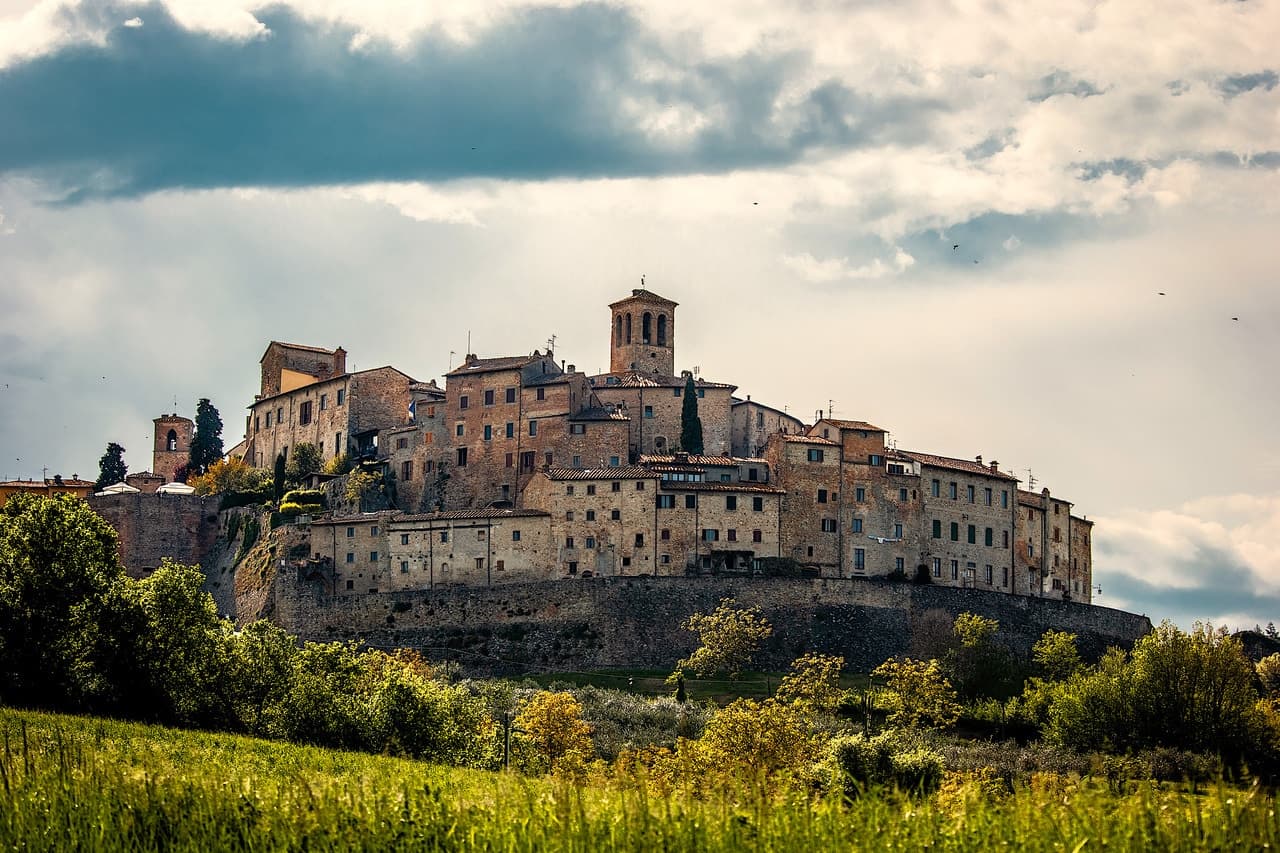
Anghiari
Province: Arezzo
A walled medieval town at 430 meters over the upper Tiber valley, where Florence beat Milan in 1440 and Leonardo started the fresco he never finished.
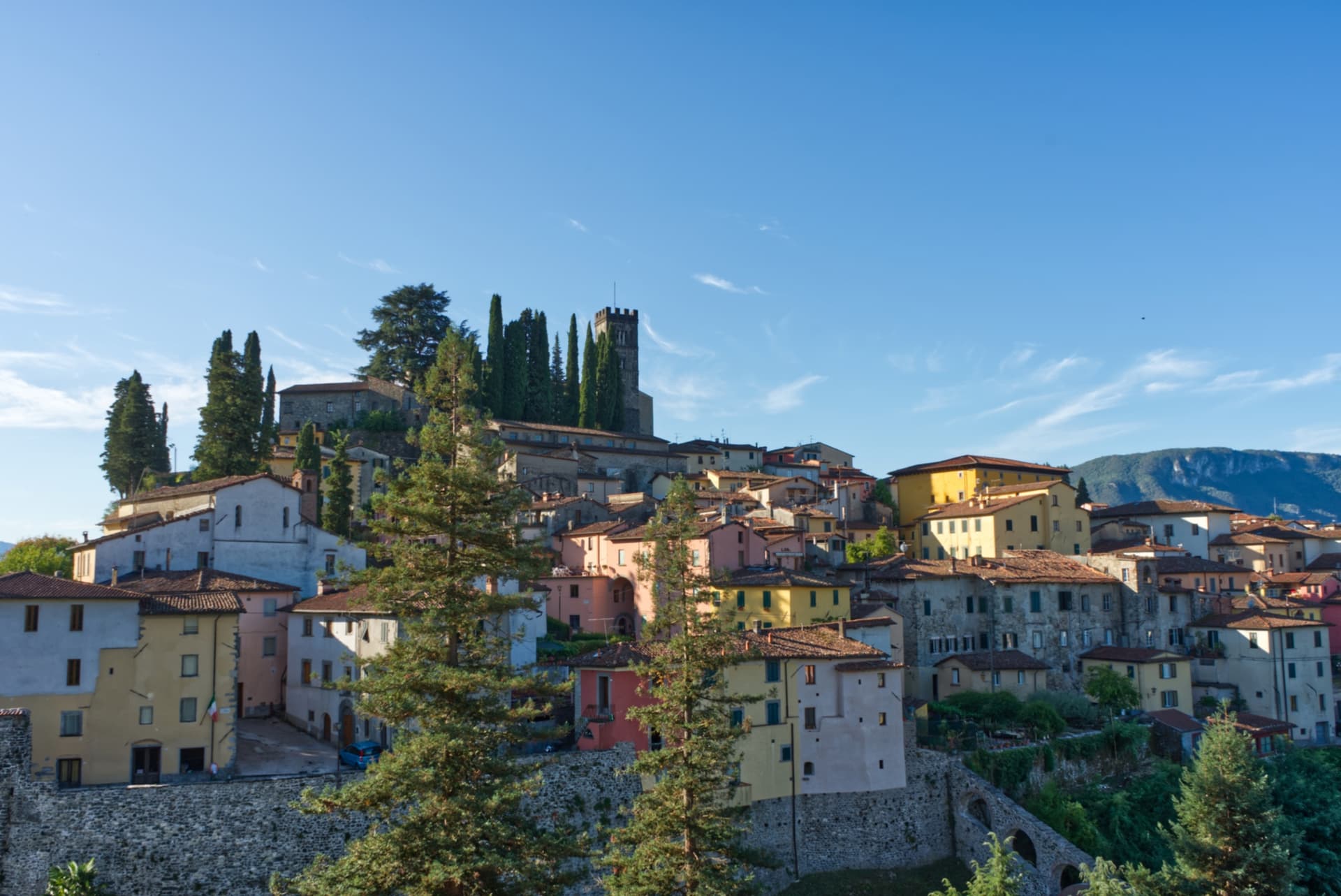
Barga
Province: Lucca
A medieval hilltop town at 410 meters in the Serchio valley between the Apuan Alps and the Apennines, where Giovanni Pascoli wrote his last poems and the August festival serves fish and chips.
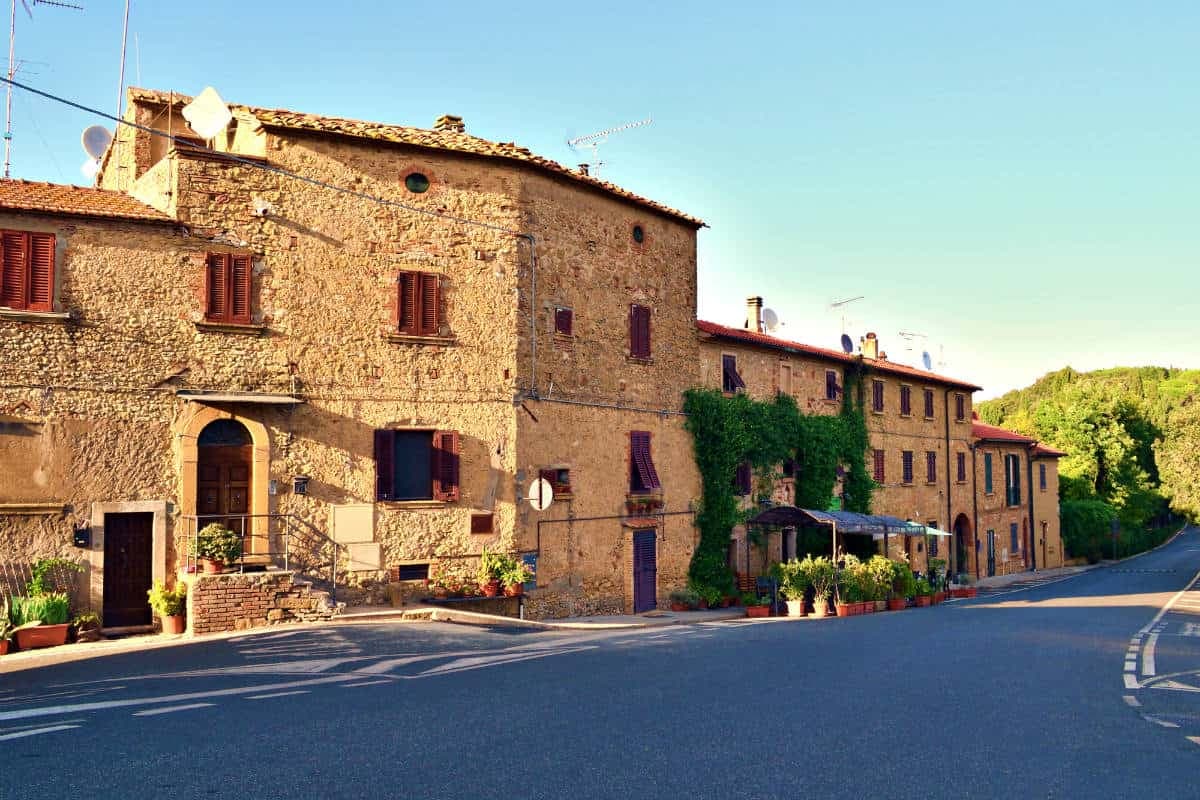
Casale Marittimo
Province: Pisa
A concentric stone borgo at 214 meters above the Val di Cecina, built where a seventh-century BC Etruscan outpost of Volterra once stood.
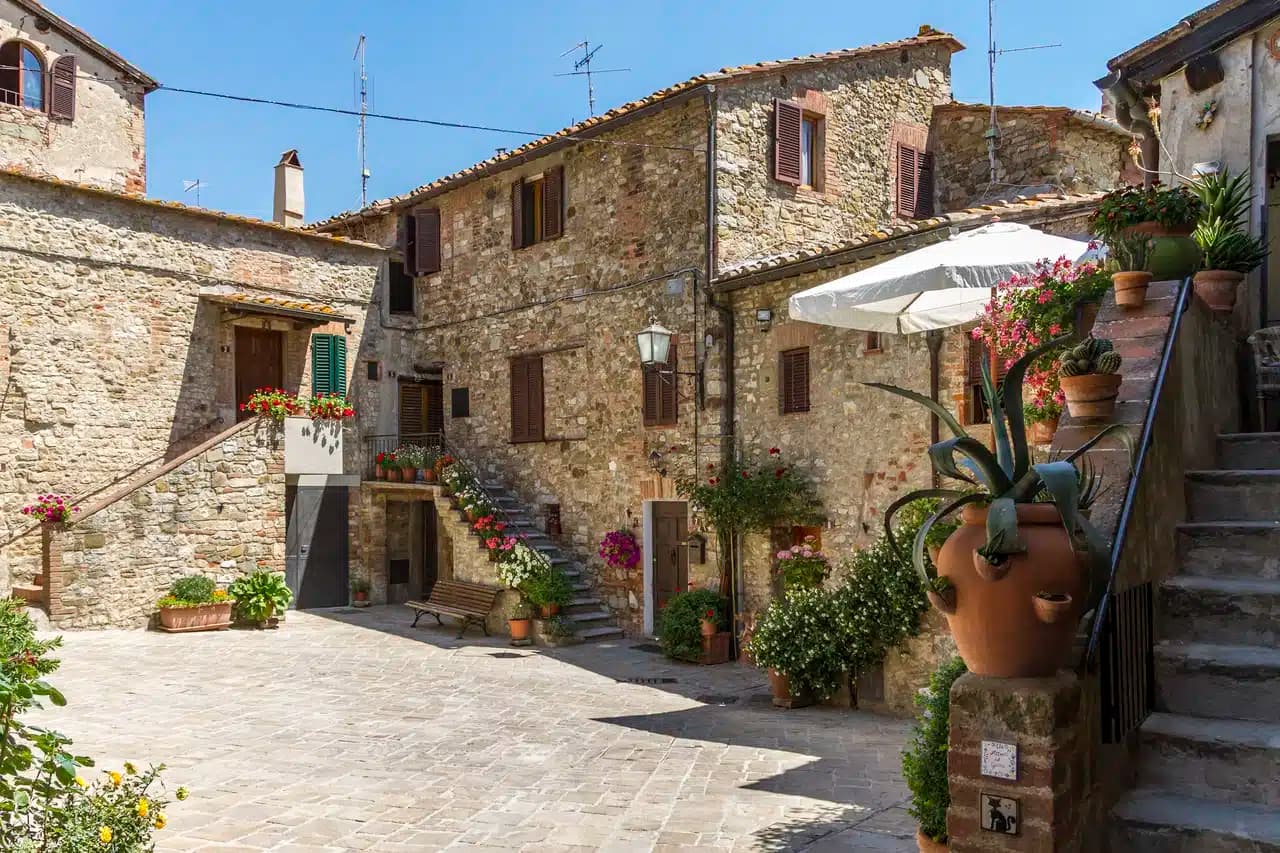
Castelnuovo Berardenga
Province: Siena
A Chianti Classico commune at 351 meters between the Ombrone and the Crete Senesi, the last castle Siena built against Florence, in 1366.