

Tuscany · Pisa
Peccioli
Borgo dei Borghi 2024 in the Valdera hills, a medieval village that funded a public contemporary-art program with revenue from its landfill plant.
Known for
BORGO DEI BORGHI 2024
Won the RAI contest for the most beautiful village in Italy in April 2024, the first Pisa-province winner of the program.
PUBLIC ART
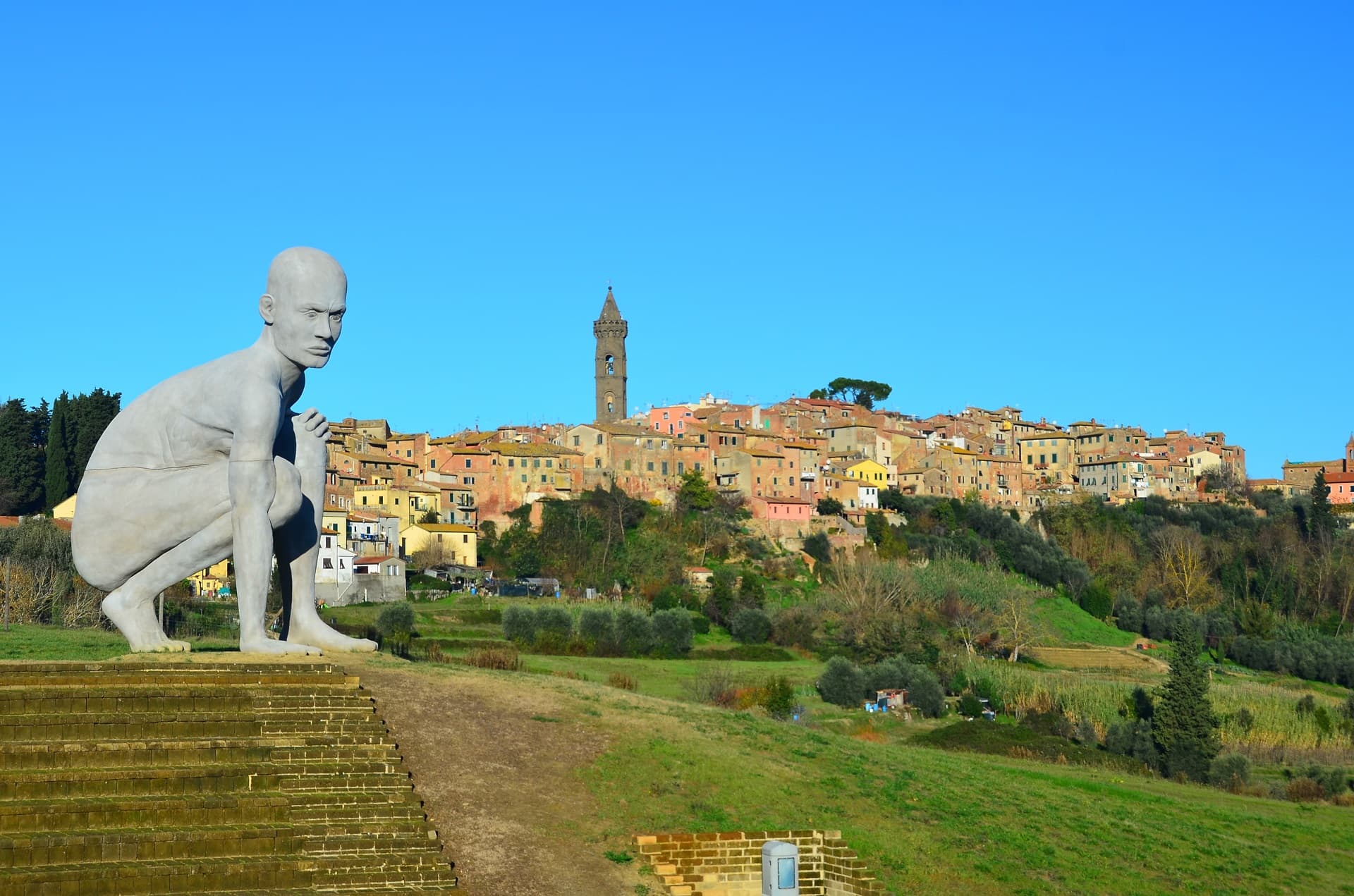
Fondazione Peccioliper has commissioned contemporary-art interventions throughout the borgo since 2004, funded by landfill revenue.
THE LANDFILL
Municipal waste plant on the slope below the village, run as a public-private joint, whose revenue funds the cultural foundation and the open-air theaters.
When to visit
Best · Apr–Oct
- J
- F
- M
- A
- M
- J
- J
- A
- S
- O
- N
- D
- Best
- Hot or crowded
- Quiet
- Mostly closed
The festa: Verano di Cavaillon, 27 October
Why come
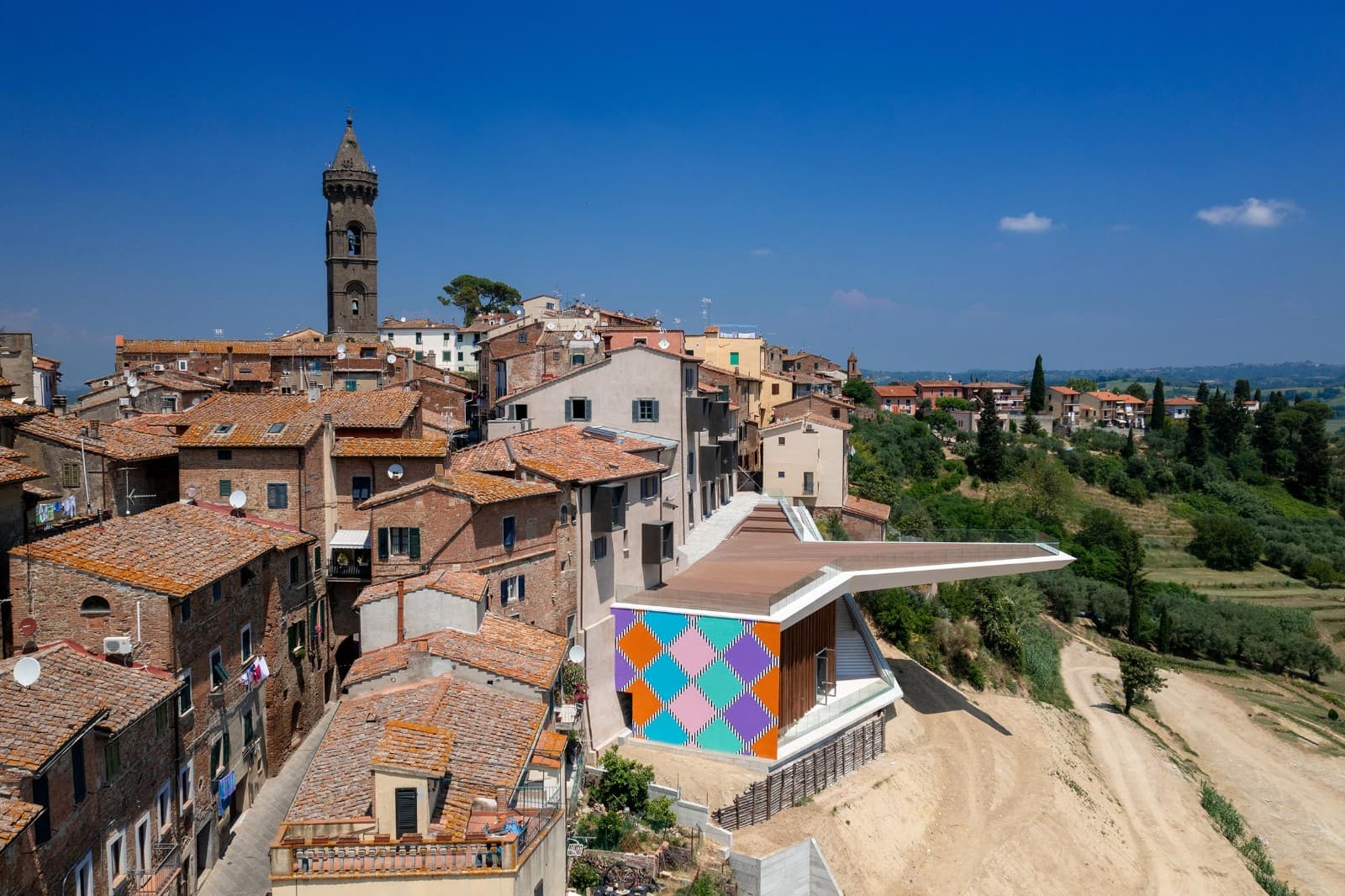
Peccioli sits in the Valdera, thirty kilometers southeast of Pisa, on a hill above the Era river. The historic center is medieval: the Pieve di San Verano is documented in 1171 in a papal bull of Alexander III, the layout standing today is twelfth and thirteenth century, and the bell tower beside it climbs forty-two meters above the rooftops. What sets Peccioli apart is what happened after.
In the 1990s the comune partnered with a private operator to build a waste treatment plant on the slope below town. The Triangolo Verde, the green amphitheater built into the landfill site, hosts open-air concerts and contemporary-art installations. Revenue from the plant funds the Fondazione Peccioliper, a cultural foundation that since 2004 has commissioned sculptural and painted interventions throughout the borgo by international artists. The village won the RAI Borgo dei Borghi contest in 2024 on that combination: medieval bones, open-air contemporary art, and a landfill that paid for it.
The Sunday letter
We haven’t written Peccioli’s letter yet.
One town every Sunday, with the photo, the food, the festa. Be there when this one comes up. Free, by Peter & Sophia from Pietrasanta.
By subscribing you agree to Substack’s Terms of Use, our Privacy Policy and our Information collection notice.
What to see
Pieve di San Verano
Romanesque parish church documented in 1171, twelfth-century layout, with a forty-two meter bell tower beside it.
Anfiteatro Fonte Mazzola
Open-air theater built in the shape of an ancient Greek amphitheater, two thousand seats, used for the Peccioli summer festival.
Museo di Palazzo Pretorio
Civic museum on the main square, part of the Museum Complex that includes the archaeological collection and the Sacred Art museum.
Campanile di San Verano
Forty-two meter bell tower beside the parish church, a nineteenth-century work by architect Bellincioni, the visual anchor of the skyline.
Triangolo Verde
Green amphitheater built into the landfill site below the village, a balcony overlooking the waste treatment plant, with eco-compatible art installations.
Centro storico
Medieval village with contemporary-art interventions throughout, commissioned by the Fondazione Peccioliper since 2004.
The slow-trip planner
Building a trip? Find where Peccioli fits in a slow Italy circuit.
Answer five questions. We will shape a geographically coherent slow trip from the 1,000 Italian towns most travelers skip. Yours to save and share.
Living here
- Population 4,662
- Commuter belti
- Pharmacy in town
- High school within a 30-minute drive
- Nearest airport Florence / Pisa, 58 min drive
- Regional capital Firenze, 1 h 20 min drive
Tags & datadesignations · numbers · sources
The numbers
- Elevation: 144 m
- Population: 4,662
- Surface area: 92.52 km²
These figures were compiled from public directories — ISTAT, OpenStreetMap, Wikidata — and from the official listings of the guides named on this page. Town details change; verify with official sources before you travel.
Featured on
Peccioli appears on 2 themed picks from our Collections:
Close by
More towns near Peccioli
Montaione
Province: Firenze
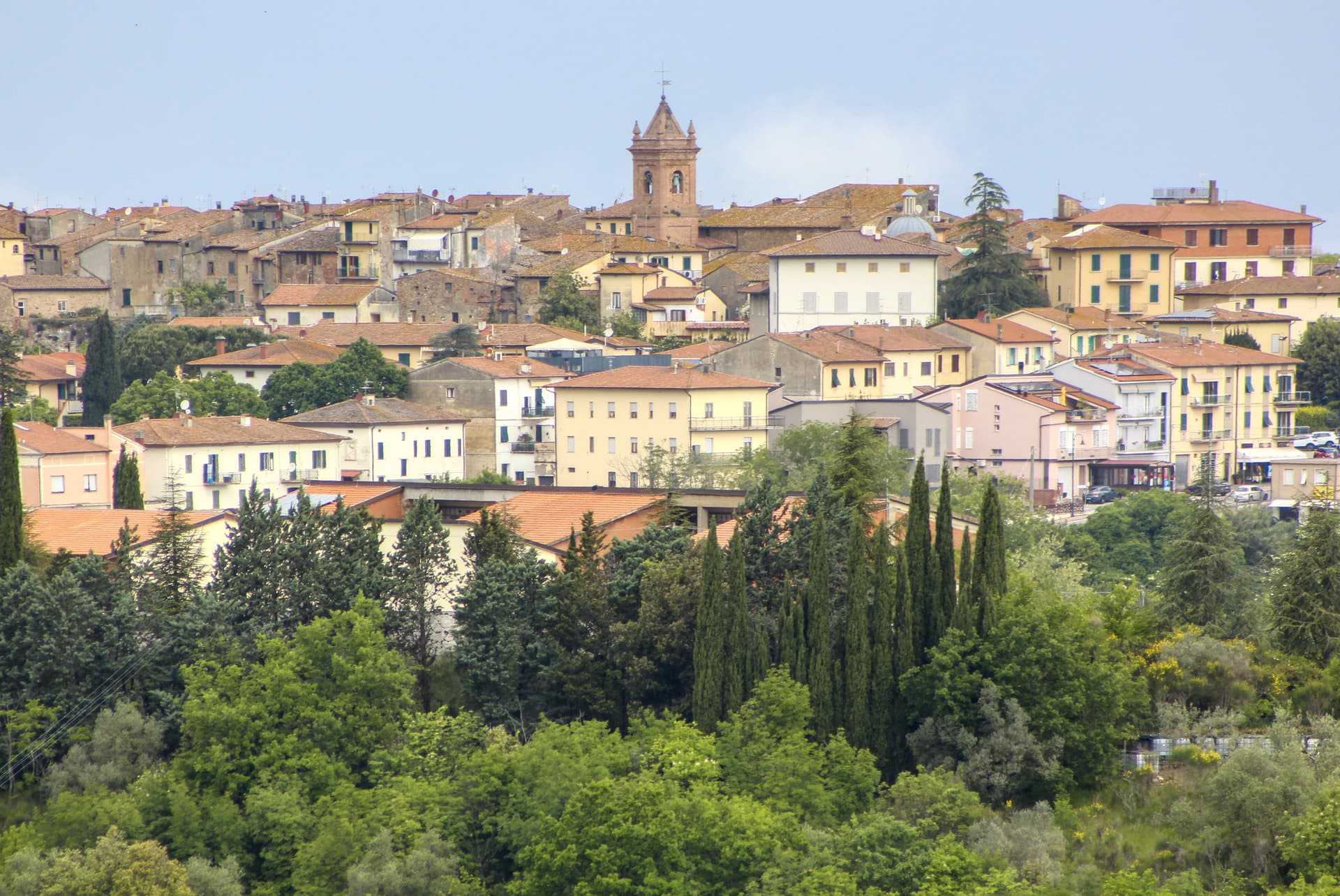
A medieval glassmaking and truffle borgo at 341 meters above the Valdelsa, with a Franciscan replica of Jerusalem in the woods at San Vivaldo.

Volterra
Province: Pisa
The Etruscan acropolis of Velathri at 531 meters, the alabaster town that has been carving the same stone for three thousand years.
San Miniato
Province: Pisa
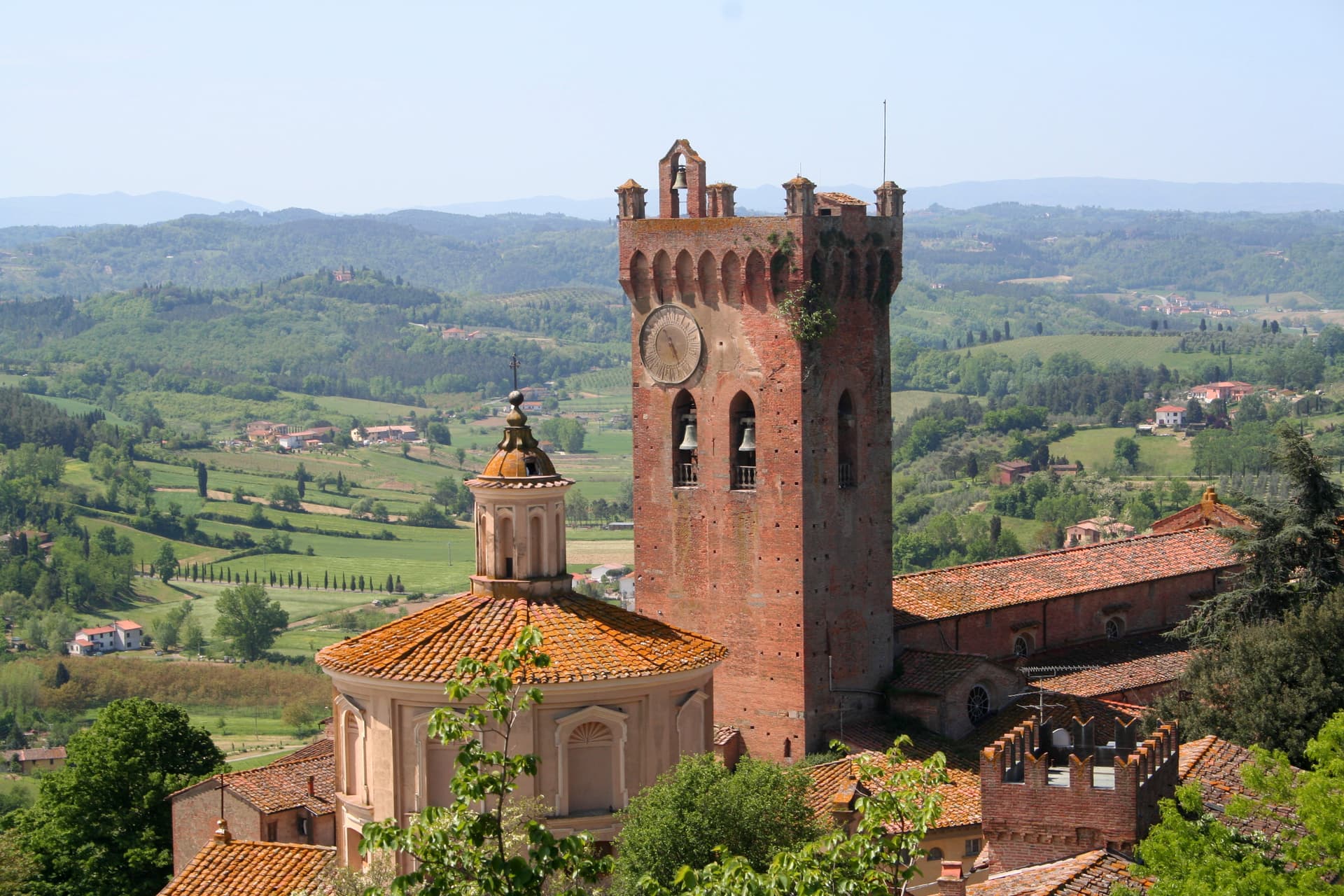
The hilltop town between Pisa and Florence that produces a quarter of Tuscany's white truffles and once held the imperial seat of Otto I.
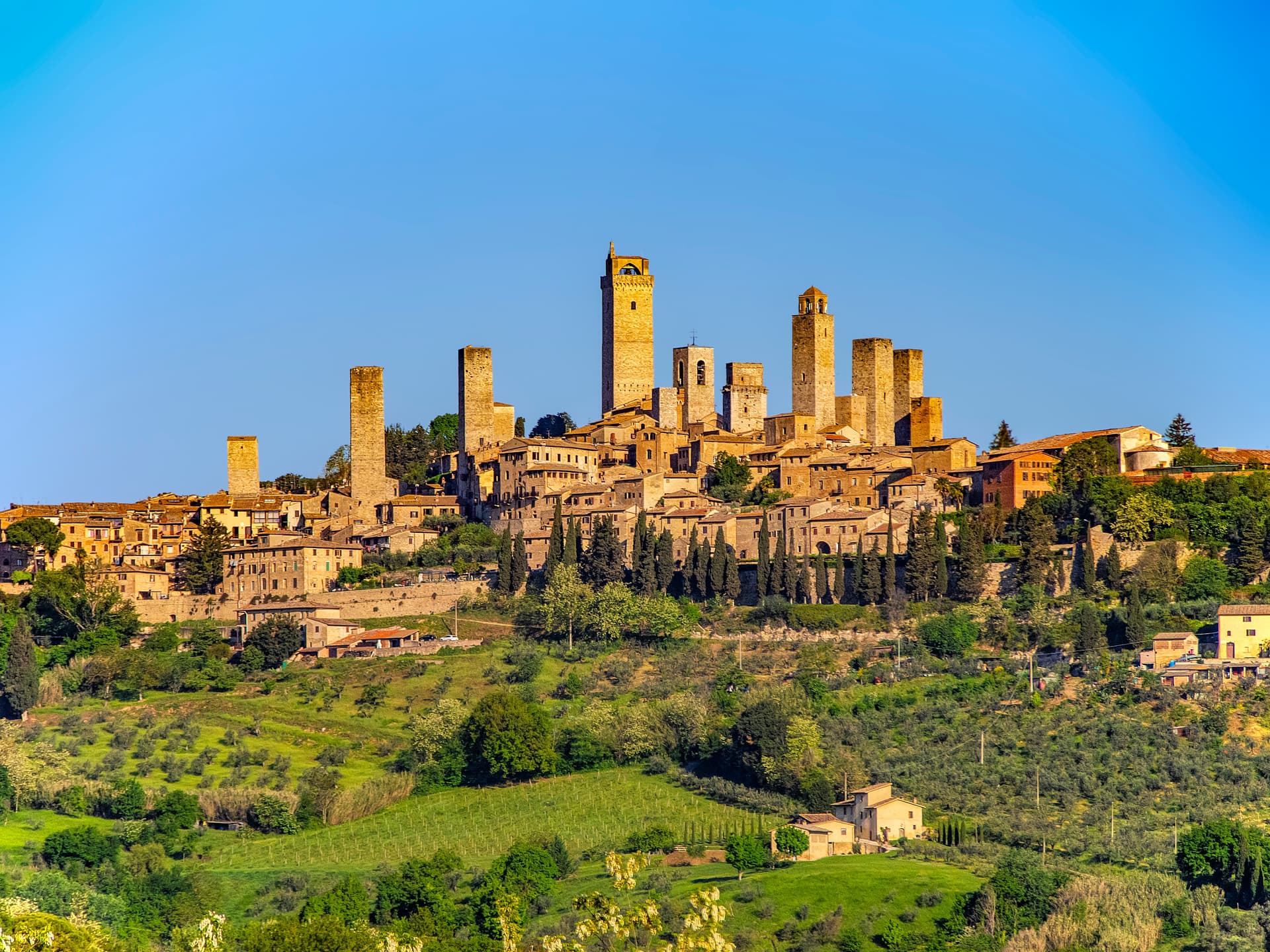
San Gimignano
Province: Siena
A walled hill town at 334 meters with 14 surviving medieval towers, UNESCO listed since 1990 and the home of Vernaccia.
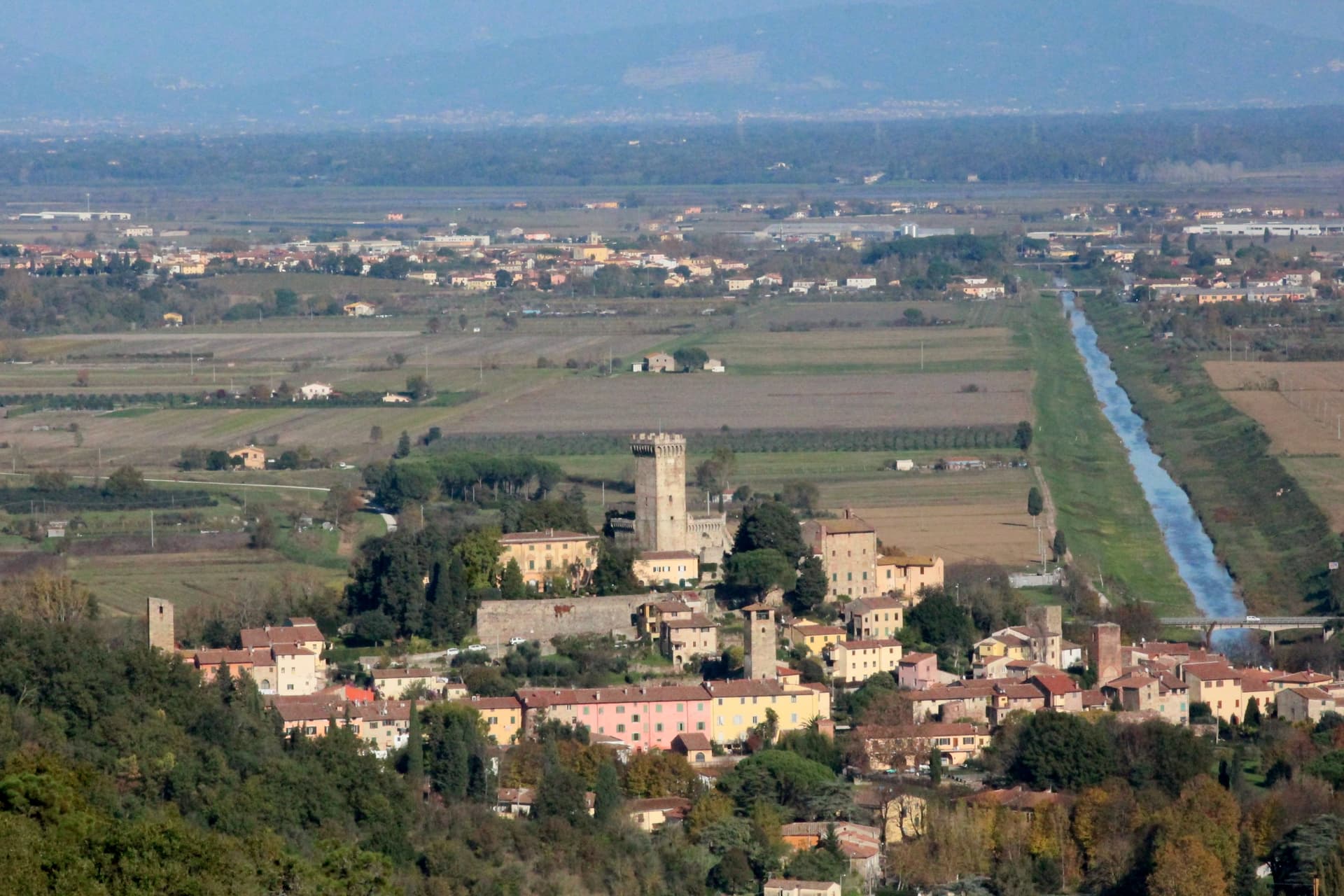
Vicopisano
Province: Pisa
A medieval river port on the southern slope of Monte Pisano, rebuilt by Brunelleschi in 1434 after Florence took the town from Pisa.
🏆 Borgo dei Borghi
More Borgo dei Borghi towns
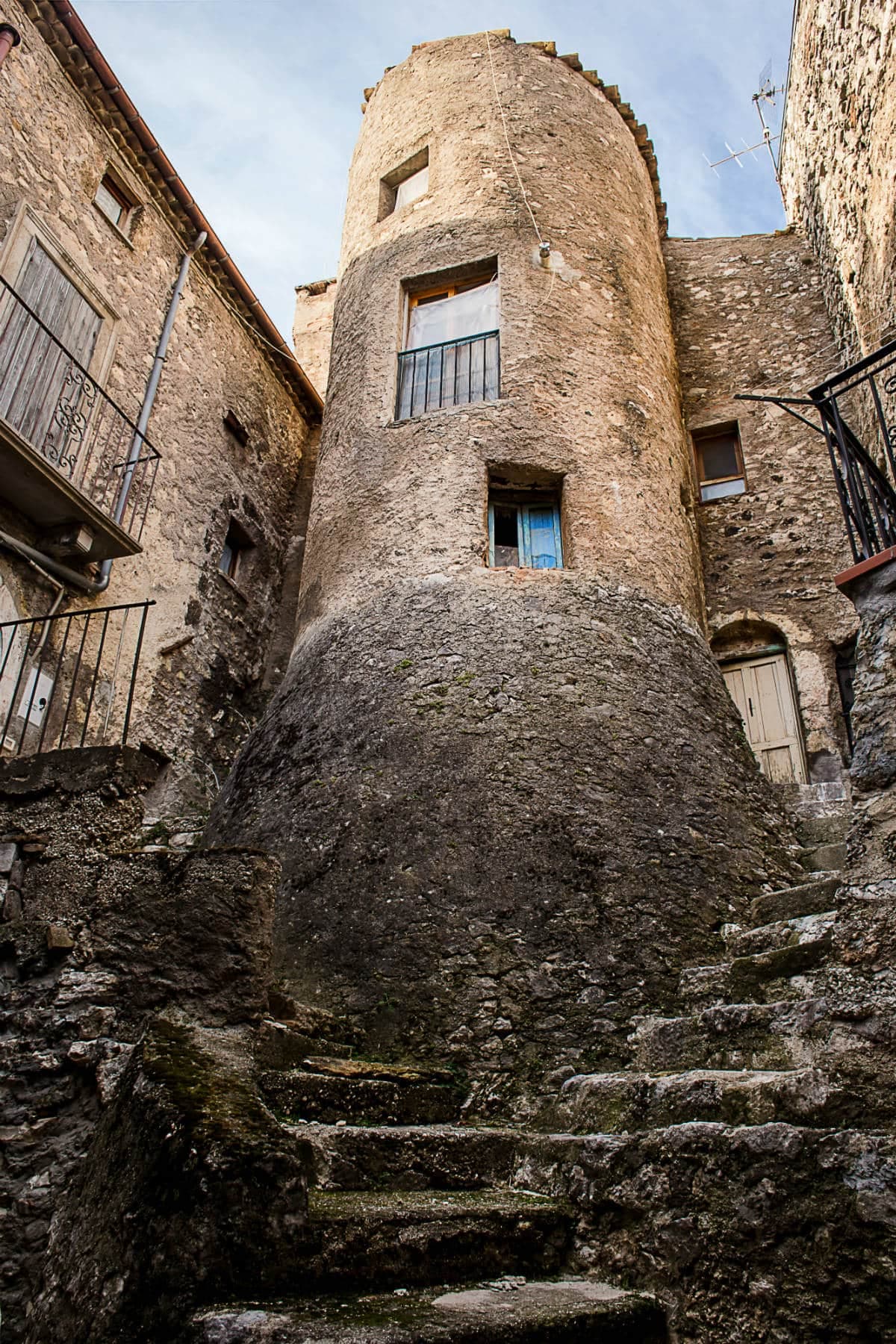
Villalago
Province: L'Aquila
A 930-meter village above three lakes, named for the nine that once filled the valley, with a hermit's cave on the water's edge.
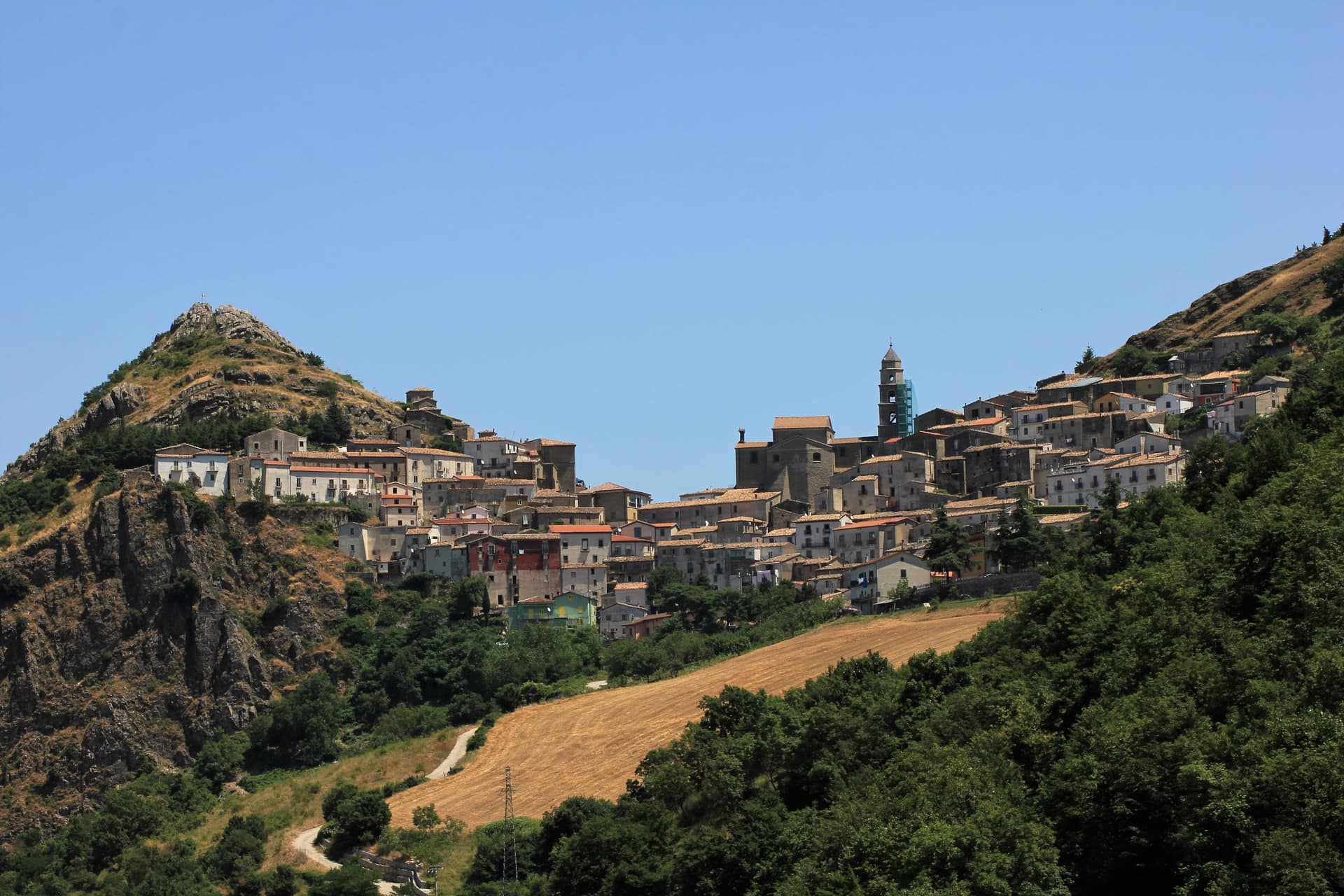
San Fele
Province: Potenza
A stone village at 872 meters between Monte Toretta and Castello, anchored by Otto I's 969 fortress and ten waterfalls down the Bradano.
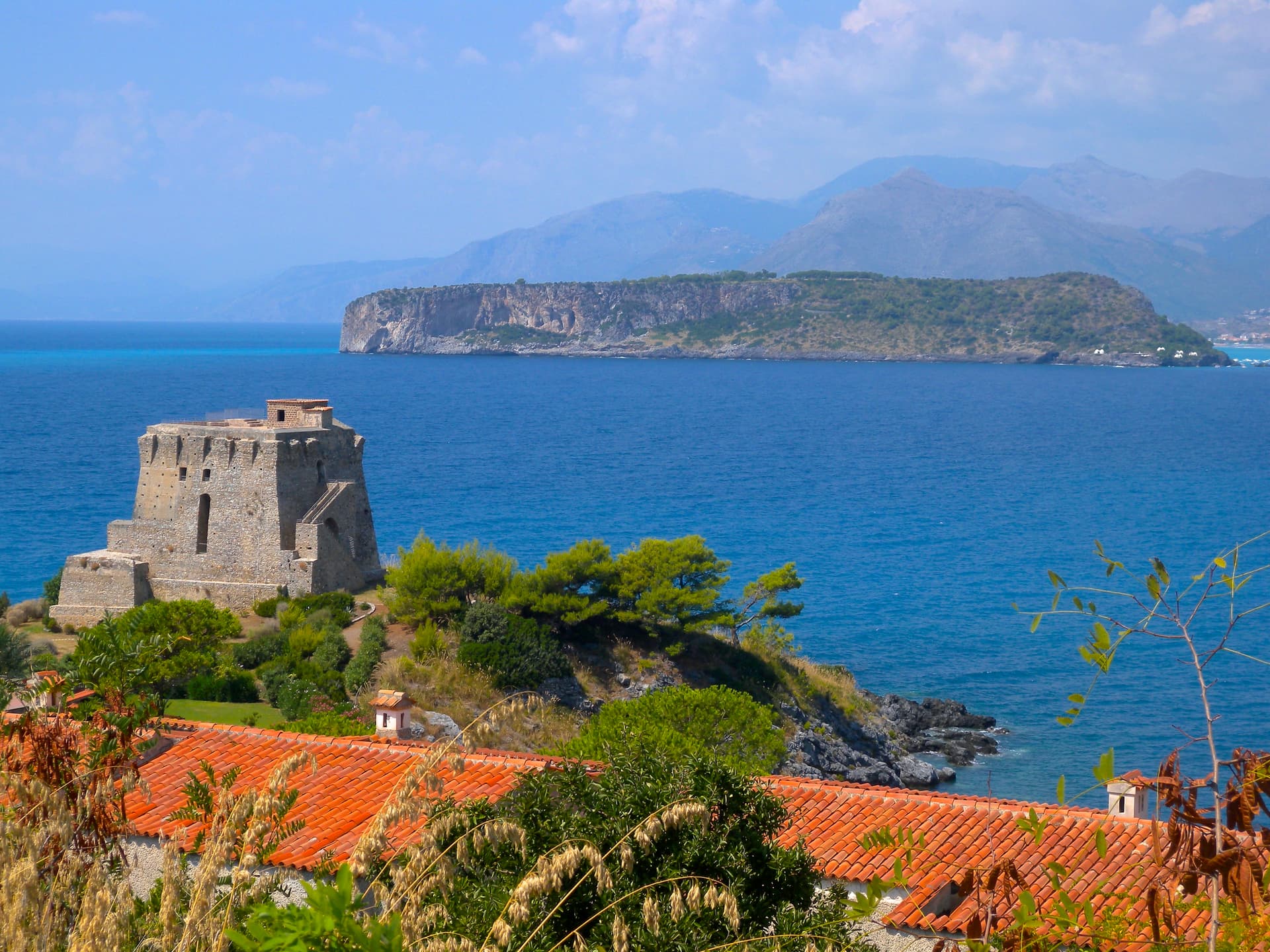
San Nicola Arcella
Province: Cosenza
A cliff village above the Tyrrhenian Riviera dei Cedri, where the Arco Magno sea arch fronts a cove only reachable on foot or by boat.
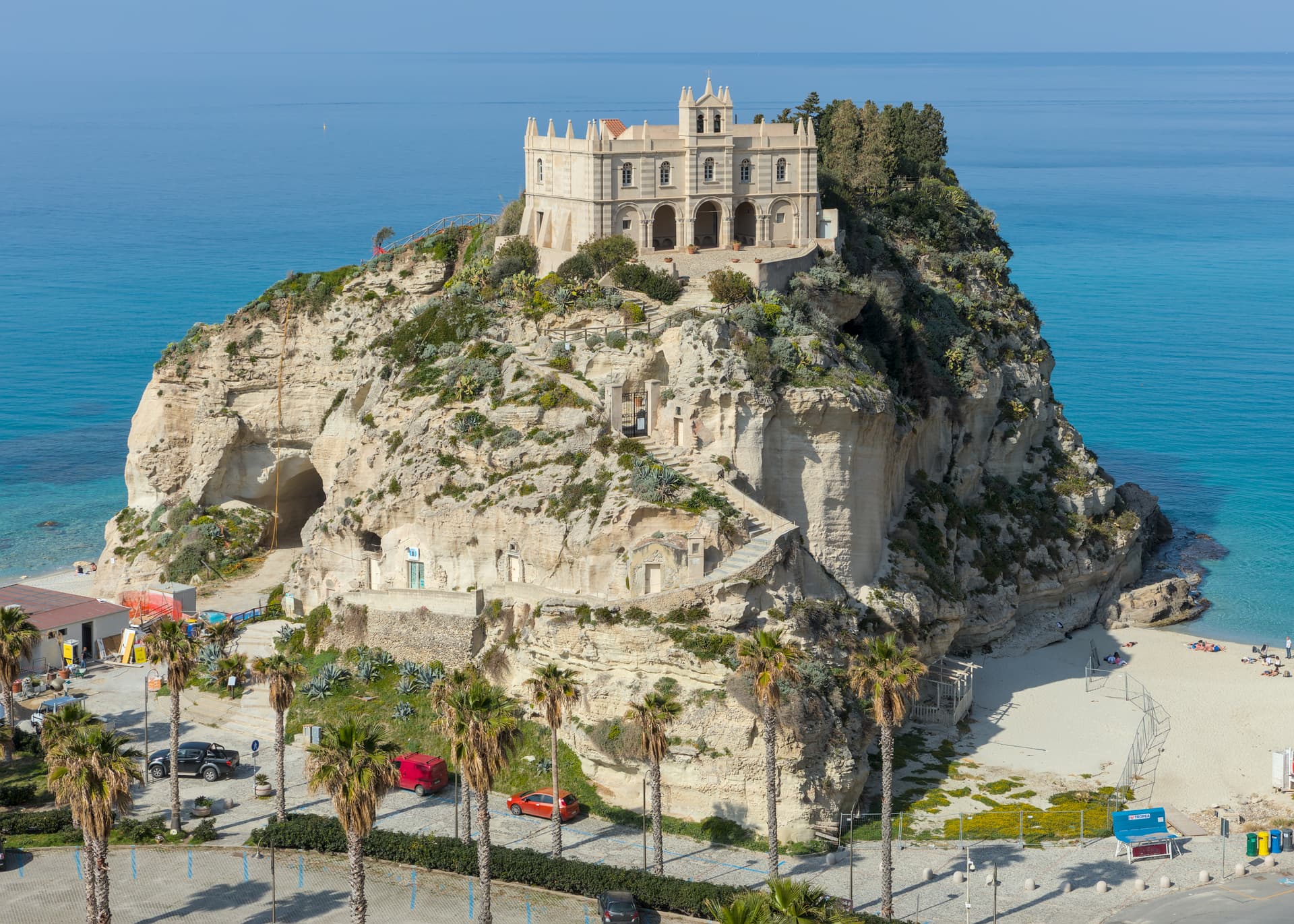
Tropea
Province: Vibo Valentia
Cliff town on a tufa headland over the Tyrrhenian Coast of the Gods, with a Norman monastery on a sea rock.
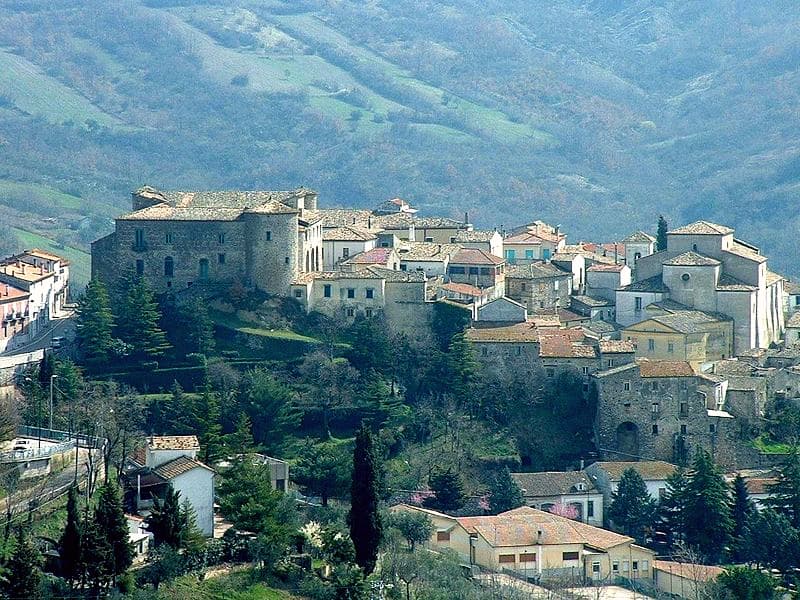
Zungoli
Province: Avellino
An Irpinia ridge at 657 meters between the Ufita valley and the Daunian hills, with Norman walls above and Byzantine tuff caves below the houses.