
Themed picks · Florence · Wine
10 Tuscan wine towns near Florence
10 comuni · within 150 minutes of Firenze · drive times OSRM-computed
Tuscany is the most-named Italian wine region and the most layered. Chianti Classico, the DOCG that runs from Florence south to Siena, is the famous core; everything outside its boundary tends to get described in relation to it. The truth is more interesting. Carmignano (DOCG, just west of Florence) has been making Sangiovese-Cabernet blends since the 1700s, two centuries before Bordeaux blends became fashionable in Tuscany. San Gimignano holds Vernaccia DOCG, Italy's oldest white DOC zone (1966) and the only town with two DOCG products inside its boundary. The lower Pisan hills (Montescudaio DOC, Peccioli) make a lighter style of Sangiovese that few Florence visitors taste.
Florence is the right base because the city's road network puts the major DOCGs inside two and a half hours: Chianti Classico south (the SR222 Chiantigiana runs from Florence's edge to Siena, the slowest beautiful drive in central Italy), Carmignano west (40 minutes), San Gimignano southwest (90 minutes), the Pisan hills further west, Lucca and Montecarlo north. The food at each stretch is genuinely different from the city's standard (bistecca in town, pecorino di Pienza further south, vin santo and cantucci in Chianti, the wild boar of the Maremma at the western edge).
We picked ten comuni that show the breadth, with weight toward the DOCG-anchored zones. Drive times below are OSRM-computed from Florence Santa Maria Novella by car and run conservative on the Chianti SR222, where the real-world drive matches them honestly because the road itself is slow. The wider two-and-a-half-hour radius is deliberate: the Chianti Classico inner comuni (Castellina, Castelnuovo Berardenga) and the Pisan hills sit at the edge of a one-hour cap but are central to the wine story.
 1
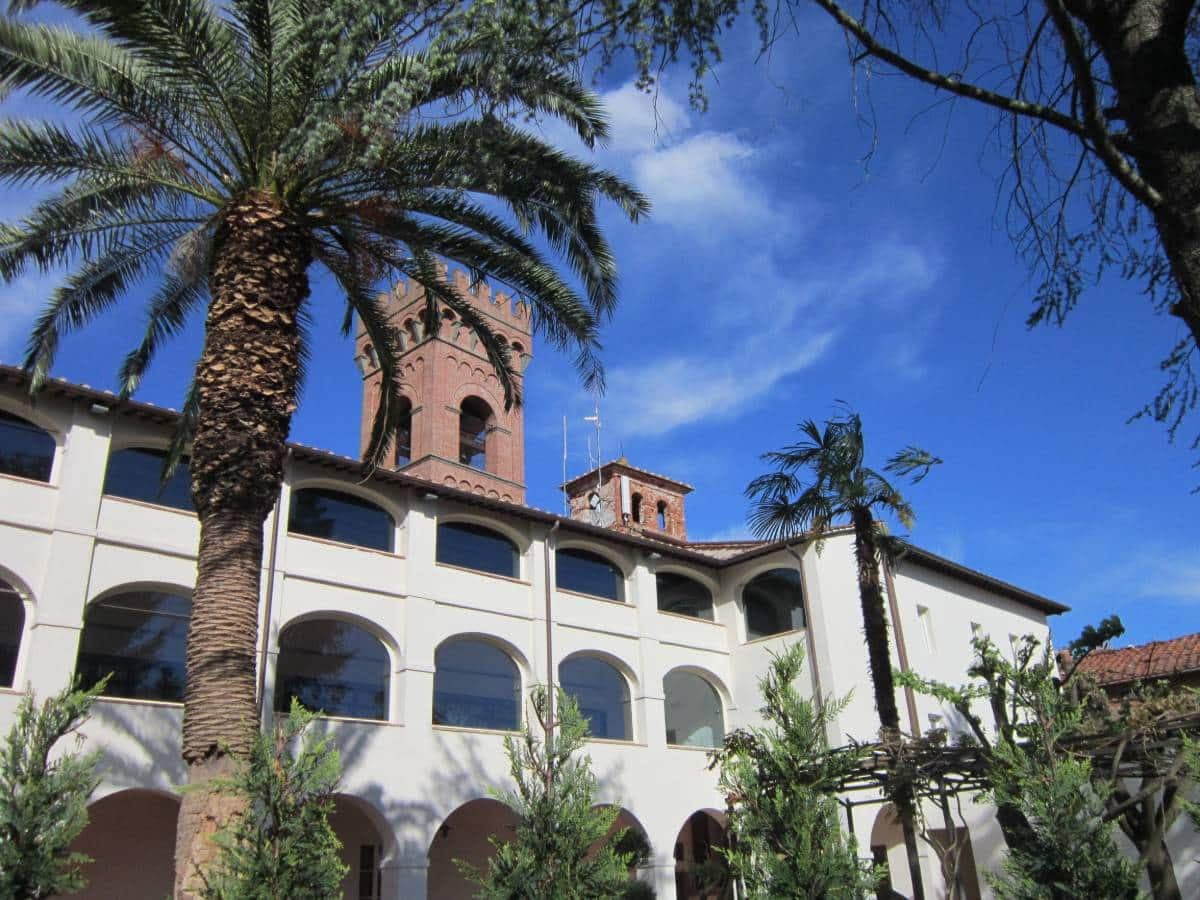
1Lucca · Tuscany · 57 min from Firenze
Montecarlo
A walled hill village at 163 meters above the Lucca plain, founded by Emperor Charles IV in 1333 and named for him, surrounded by twenty wineries.
1969 DOC for a Trebbiano-French white blend and a Sangiovese-led red, with around twenty wineries inside the commune.
Named on the Città del Vino territorial trail.
 2
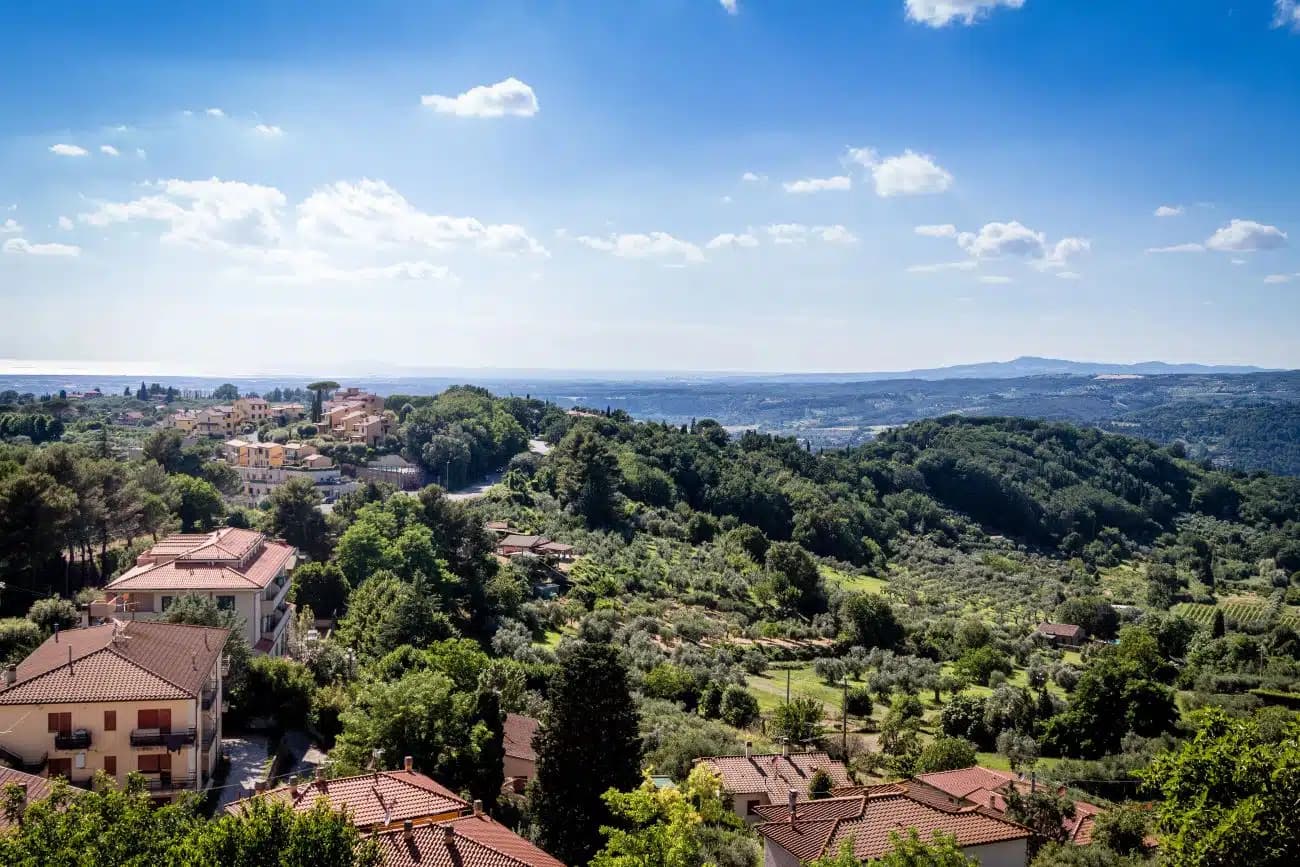
2Pisa · Tuscany · 57 min from Firenze
Montescudaio
A fortified hill borgo at 242 meters above the Val di Cecina, named for a mountain of shields, with DOC wine since 1977 and bread, oil and grape all stamped in its identity.
DOC registered in 1977 covering the Cecina valley: Sangiovese-based red, Trebbiano-Malvasia-Vermentino white, grown on the slopes below the borgo.
 3
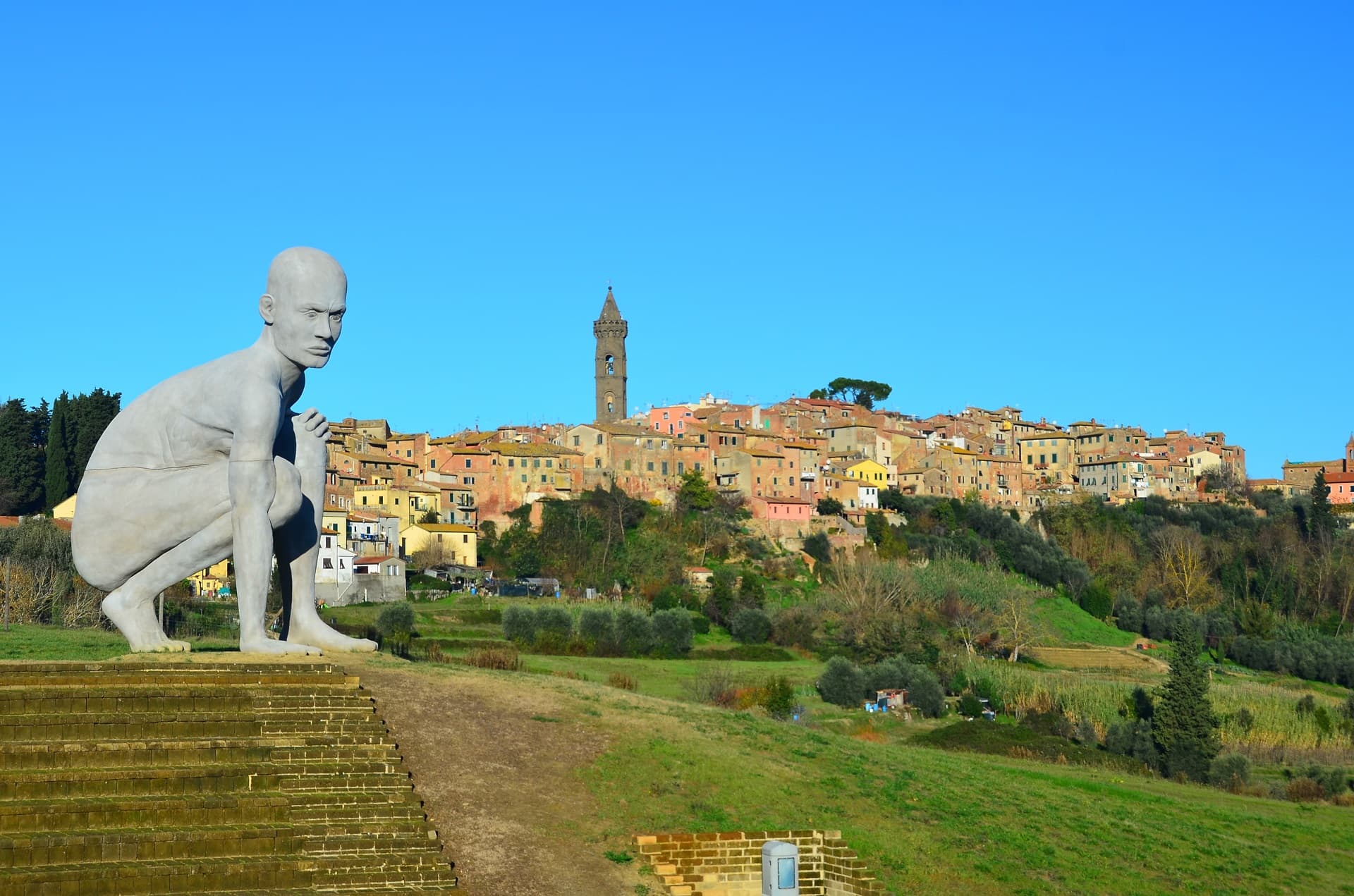
3Pisa · Tuscany · 58 min from Firenze
Peccioli
Borgo dei Borghi 2024 in the Valdera hills, a medieval village that funded a public contemporary-art program with revenue from its landfill plant.
Won the RAI contest for the most beautiful village in Italy in April 2024, the first Pisa-province winner of the program.
 4
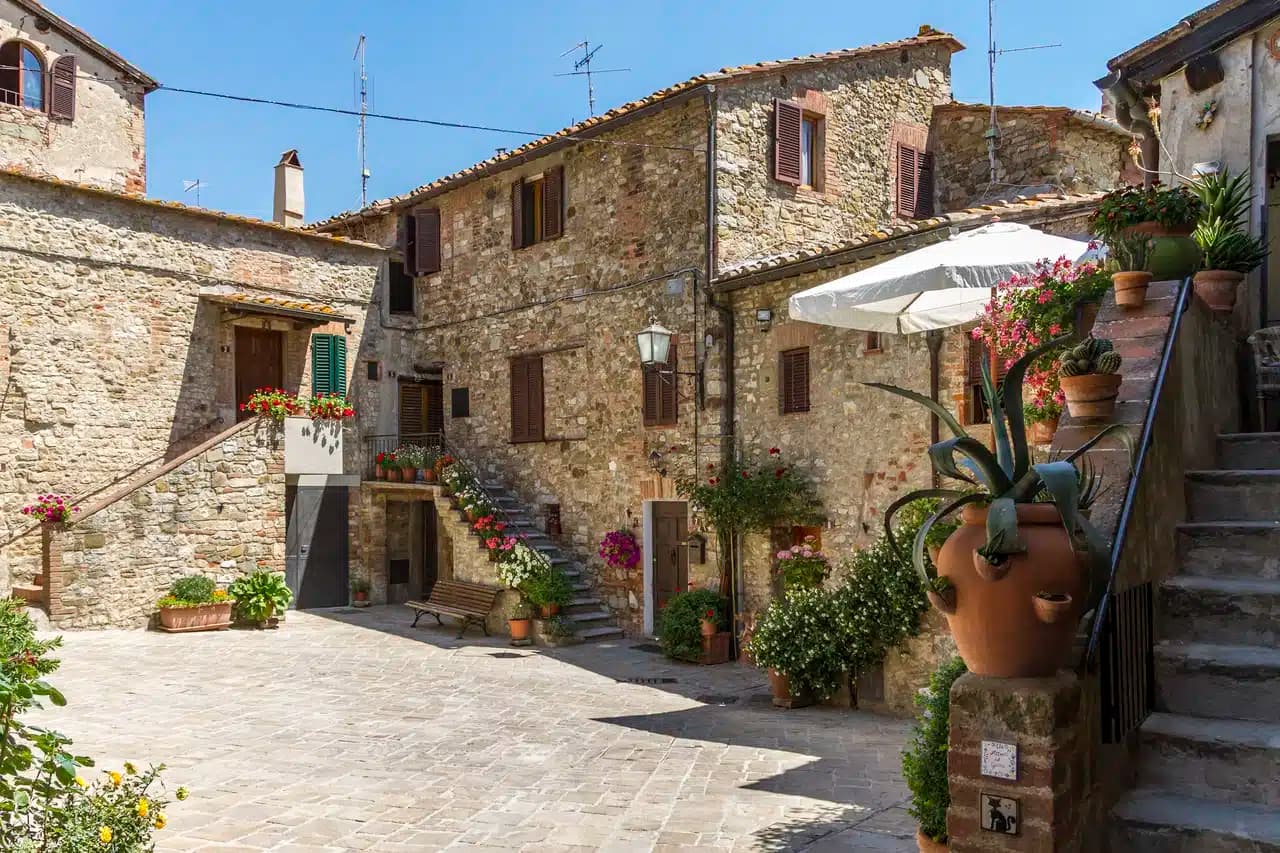
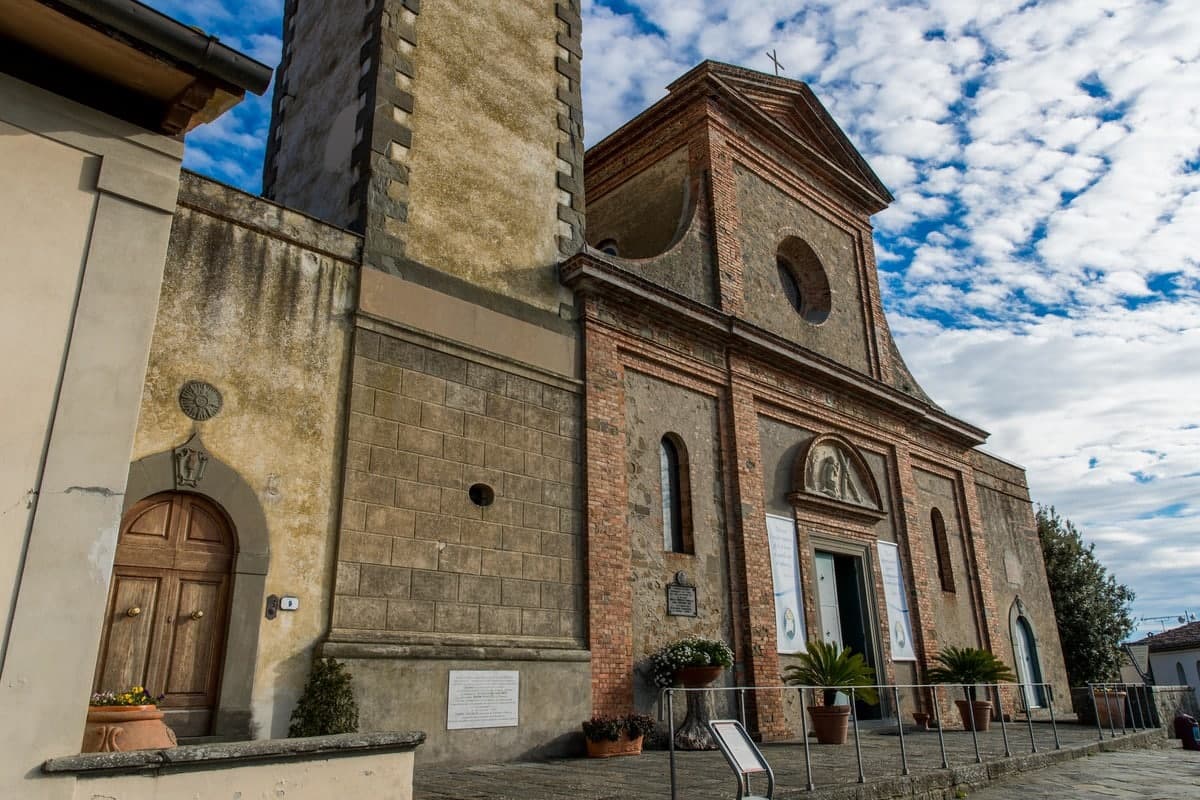
4Siena · Tuscany · 140 min from Firenze
Castelnuovo Berardenga
A Chianti Classico commune at 351 meters between the Ombrone and the Crete Senesi, the last castle Siena built against Florence, in 1366.
Southernmost Chianti Classico commune, reaching almost to the gates of Siena.
Chianti Classico DOCG (DOCG) anchors this town's cellars.
 5
5Firenze · Tuscany · 69 min from Firenze
Vinci
The hill town on Montalbano where Leonardo was born in 1452, with a ship-shaped castle that now holds his machines.
Born 15 April 1452 at Anchiano, raised in Vinci, baptized in Santa Croce; the town carries his name for the Museo Leonardiano.
The slow-trip planner
Building a trip? Find where Florence fits in a slow Italy circuit.
Answer five questions. We will shape a geographically coherent slow trip from the 1,000 Italian towns most travelers skip. Yours to save and share.
 6
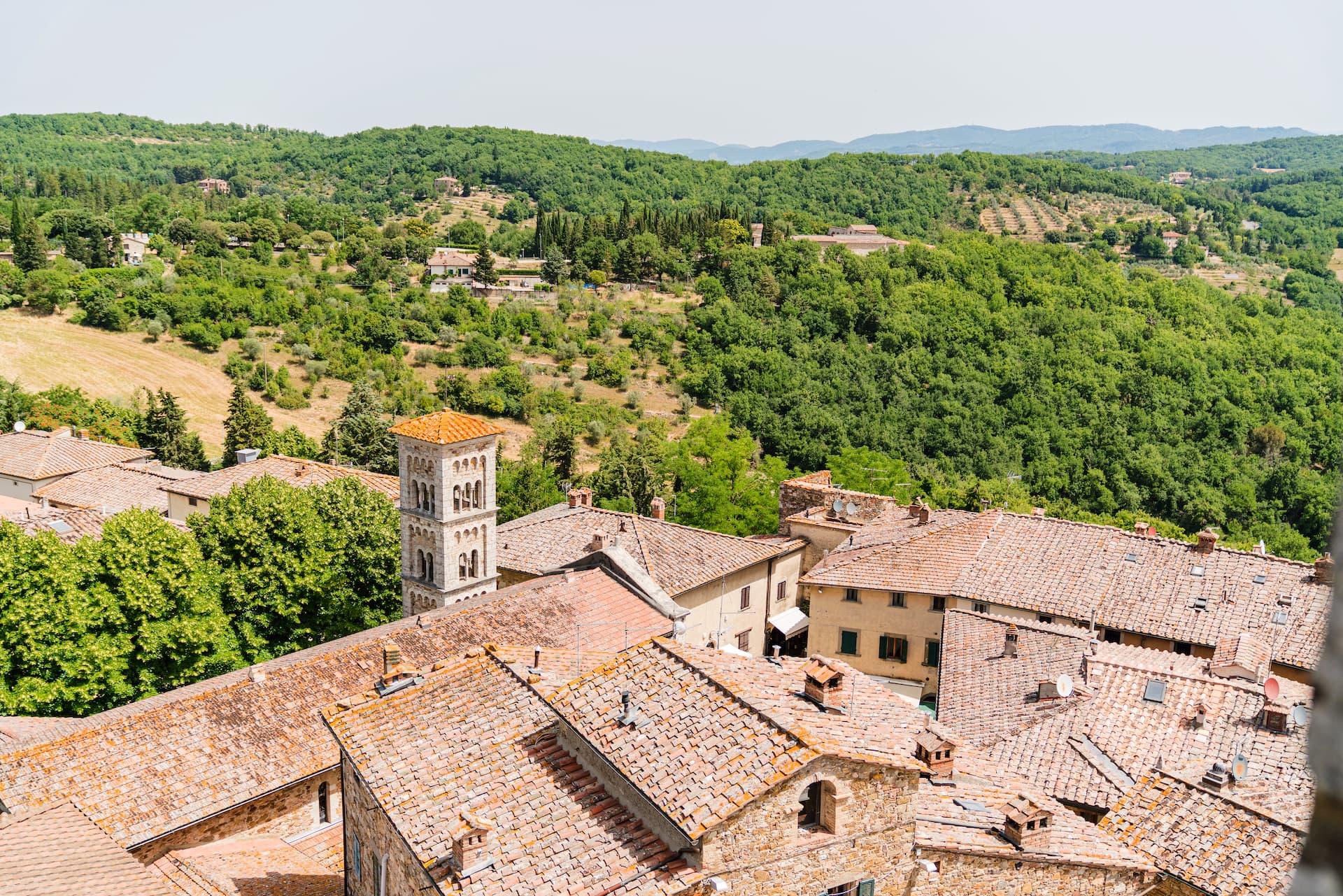
6Siena · Tuscany · 122 min from Firenze
Castellina in Chianti
A Chianti hill town at 578 meters on the watershed between the Arno and the Ombrone, with an Etruscan tumulus, a Brunelleschi-reinforced wall and a covered medieval walkway around its edge.
One of the founding Chianti Classico communes; central, on the watershed between the Arno and the Ombrone.
 7
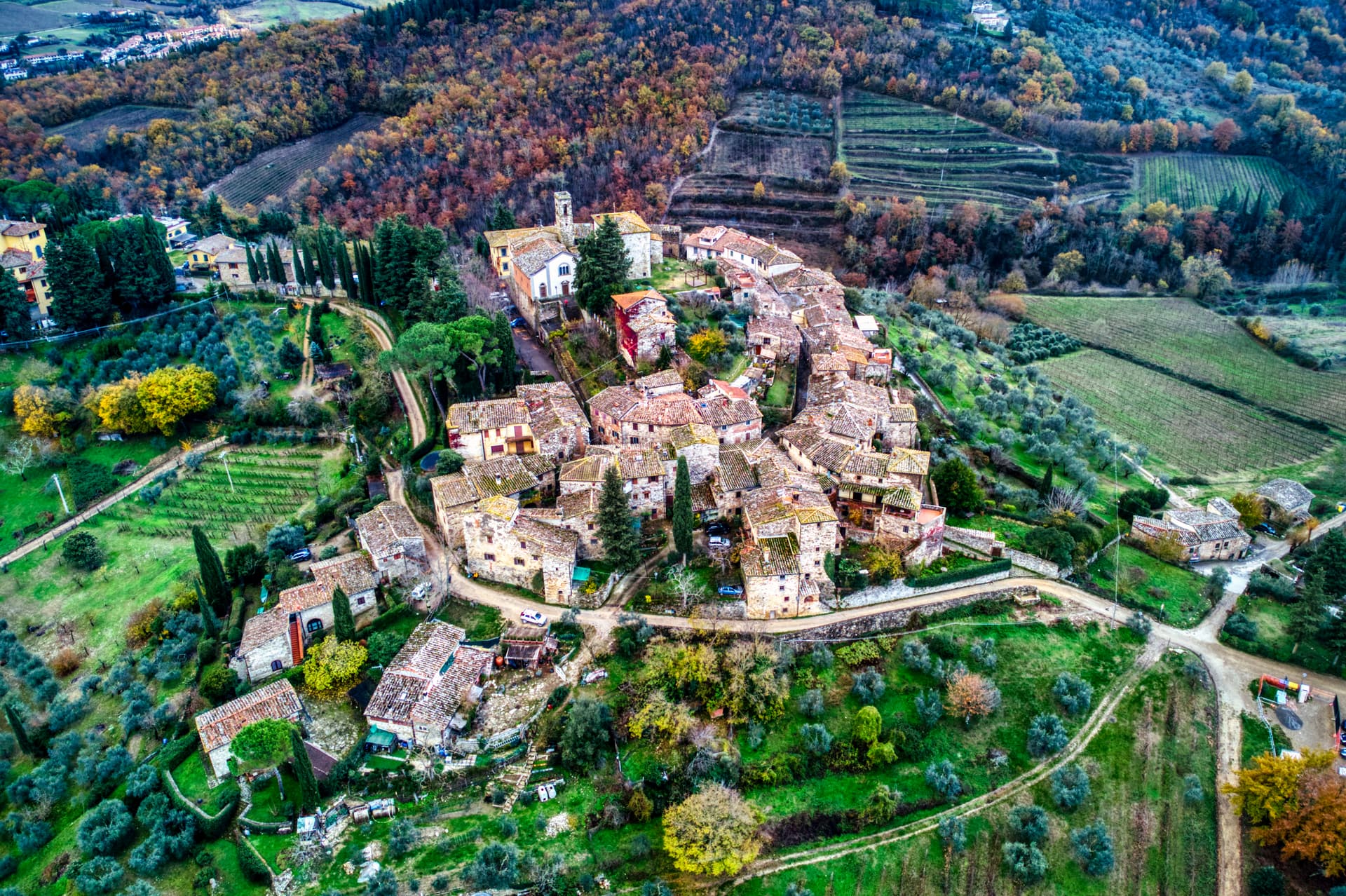
7Firenze · Tuscany · 112 min from Firenze
Greve in Chianti
The market town of the Chianti Classico zone on the Greve river, with a triangular piazza arcaded since the sixteenth century.
Sangiovese-dominant; one of nine Chianti Classico communes between Florence and Siena.
 8
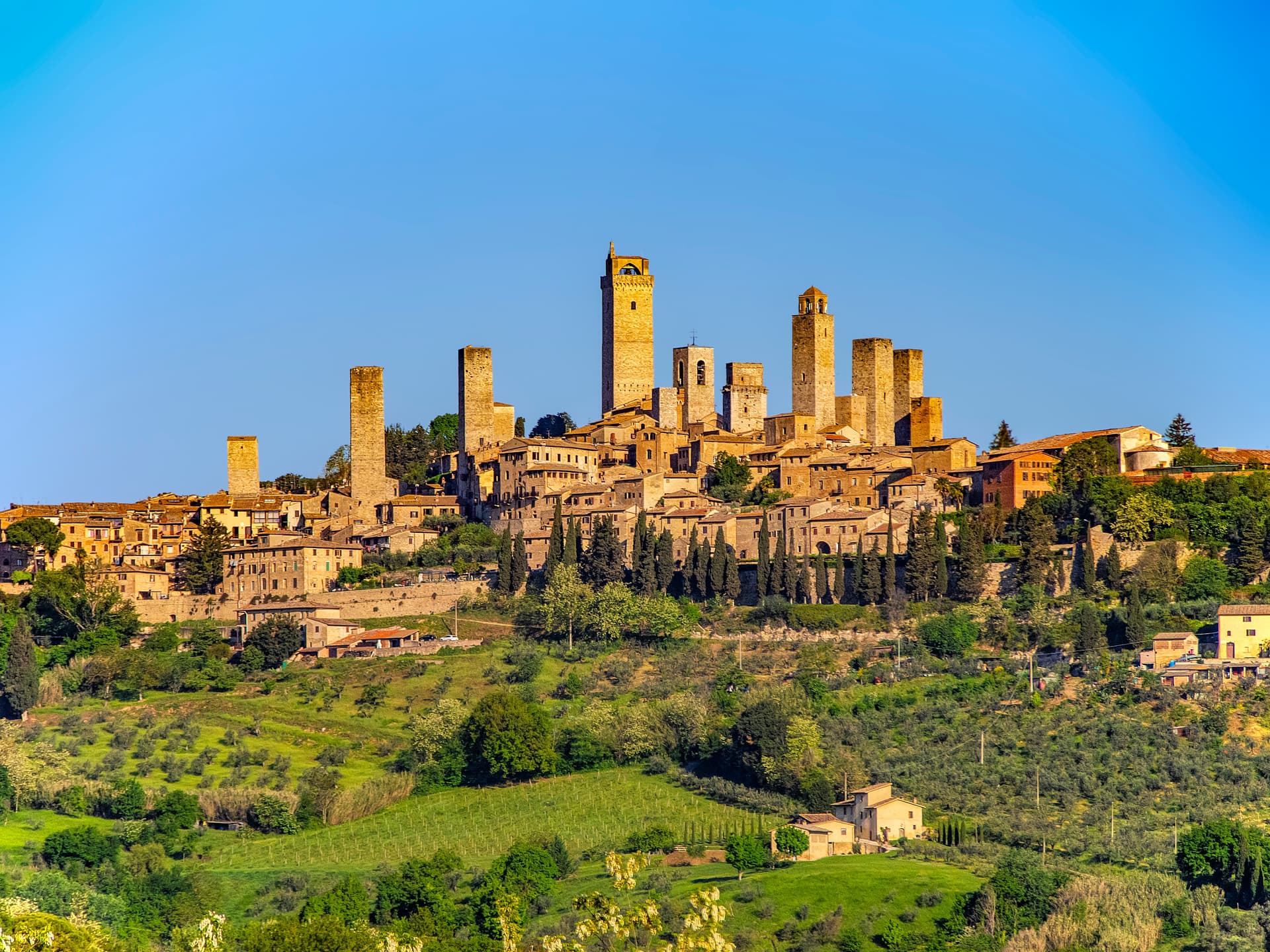
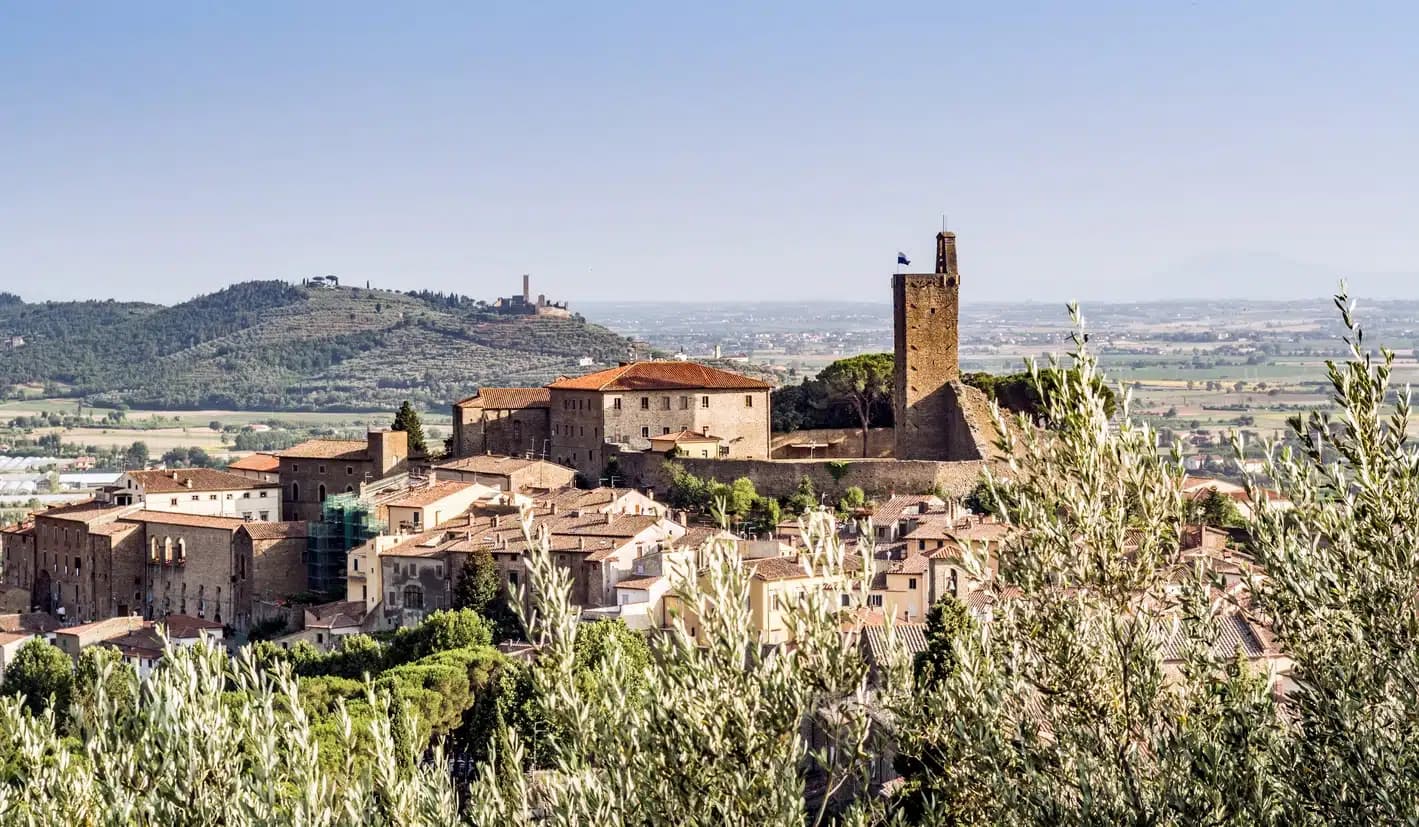
8Siena · Tuscany · 87 min from Firenze
San Gimignano
A walled hill town at 334 meters with 14 surviving medieval towers, UNESCO listed since 1990 and the home of Vernaccia.
Surviving tower-houses out of 72 built between the twelfth and fourteenth centuries by patrician families, the skyline UNESCO listed since 1990.
 9
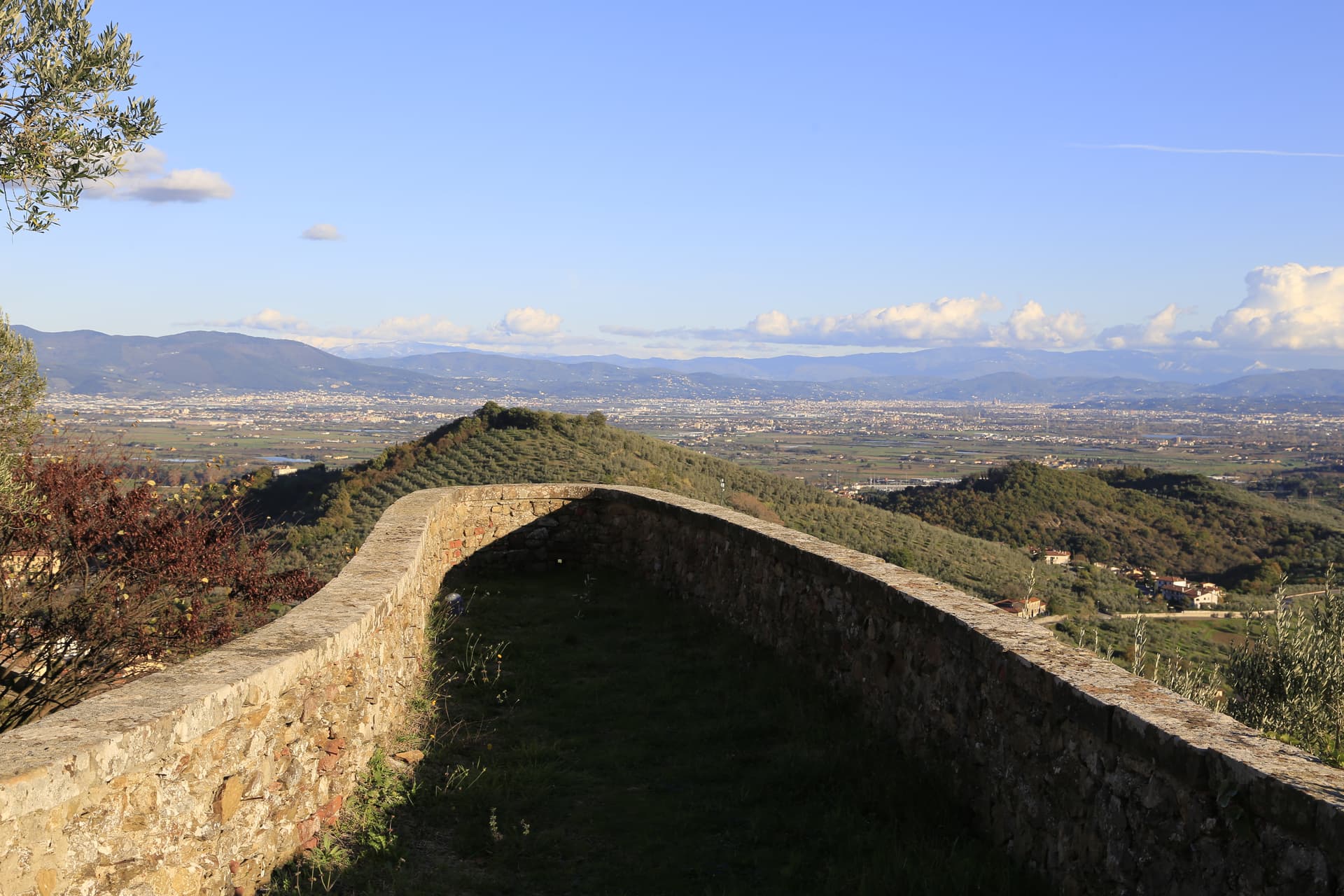
9Arezzo · Tuscany · 147 min from Firenze
Castiglion Fiorentino
A walled hill town at 342 meters between Arezzo and Cortona, where Etruscan walls support the medieval Cassero and Vasari's loggia frames the Val di Chiana below.
Medieval fortified core with high tower grafted onto Etruscan fourth-century BC walls, the visual symbol of the town from the Val di Chiana below.
 10
10Prato · Tuscany · 78 min from Firenze
Carmignano
A Medici village at 189 meters on the Montalbano slopes, where Pontormo's Visitation hangs in the parish church and Etruscan tumuli sit below the Renaissance villas.
The Visitation, painted 1528-1529, hangs in the parish church of San Michele e San Francesco, one of the major works of late Florentine Mannerism.
We write about towns like these every Sunday, one town a week, with the photo, the food, the festa. Free, from Pietrasanta.
By subscribing you agree to Substack’s Terms of Use, our Privacy Policy and our Information collection notice.
Why Firenze is the base
Florence is the only Tuscan city with a Centrale-grade station, three motorways converging on it, and the FLR airport. It is also the city where most of the wine ends up in the glass: Coquinarius, Enoteca Pinchiorri, Trattoria Cammillo, the wine bars around Sant'Ambrogio market. Tasting in the cellar at La Morra is its own pleasure; comparing fifteen Chianti producers across a single dinner in Florence is something only the city allows.
When to go
Mid-September through mid-November is the working season: harvest starts in late August in Carmignano, runs into October in the higher Chianti, and the new wine pours by late October. Spring (mid-April through June) is the second window — green vines, the smaller spring sagre, and the Vino Nobile festivals further south. Avoid August, when most smaller cellars close for family holidays.
Questions people ask
- What is the difference between Chianti and Chianti Classico?
- Chianti is the broader DOCG, covering a large swath of central Tuscany. Chianti Classico is the smaller, inner DOCG (its boundary corresponds roughly to the medieval Lega del Chianti) covering nine comuni between Florence and Siena. Wines labelled Chianti Classico carry the black rooster (Gallo Nero) seal. The boundary was effectively finalised in 1932; the DOCG label was granted in 1984.
- Where is the Chianti Classico road?
- The SR222 (the Chiantigiana) runs from Florence's southern edge through Strada in Chianti, Greve in Chianti, Panzano in Chianti, Castellina in Chianti, and into Siena. About 70 km of slow road through the heart of the Classico zone. Allow a full day; the drive itself takes 90 minutes without stops, but the point is to stop.
- What other DOCGs are inside this list's range?
- Carmignano DOCG (just west of Florence; Sangiovese with up to 20% Cabernet), Vernaccia di San Gimignano DOCG (Italy's first DOC, granted 1966; upgraded to DOCG 1993), Chianti Classico DOCG (Florence to Siena, 1984), Chianti DOCG (the broader zone). The Vino Nobile di Montepulciano and Brunello di Montalcino DOCGs sit further south and are outside this two-and-a-half-hour radius.
- Can I day-trip the Chianti by train from Florence?
- No, not directly. There is no rail line through the Chianti hills; the SR222 corridor is car-only. Greve in Chianti, the gateway, is 35 km south of Florence; the SITA bus from Piazza Adua handles it but takes 90 minutes each way. A rental car or a guided tour are the practical options.
How we picked these · We filtered every Tuscan town within 150 minutes of Florence to those carrying a Città del Vino designation, a signature wine DOP/DOC/DOCG product, or both. Ranked by signal density and DOP presence; the Chianti Classico communes get extra weight via the DOP bonus because the named Chianti Classico DOCG anchors the wine story.
Subscribe — free
Get the best guides on hidden Italian towns.
One letter on Sundays. The week’s town, with the photo, the food, the festa. Free, by Peter & Sophia from Pietrasanta.
Substack sends a confirmation link to your inbox. The signup finishes when it’s clicked.
From elsewhere in Italy
Five more towns to discover
Putignano
Province: Bari
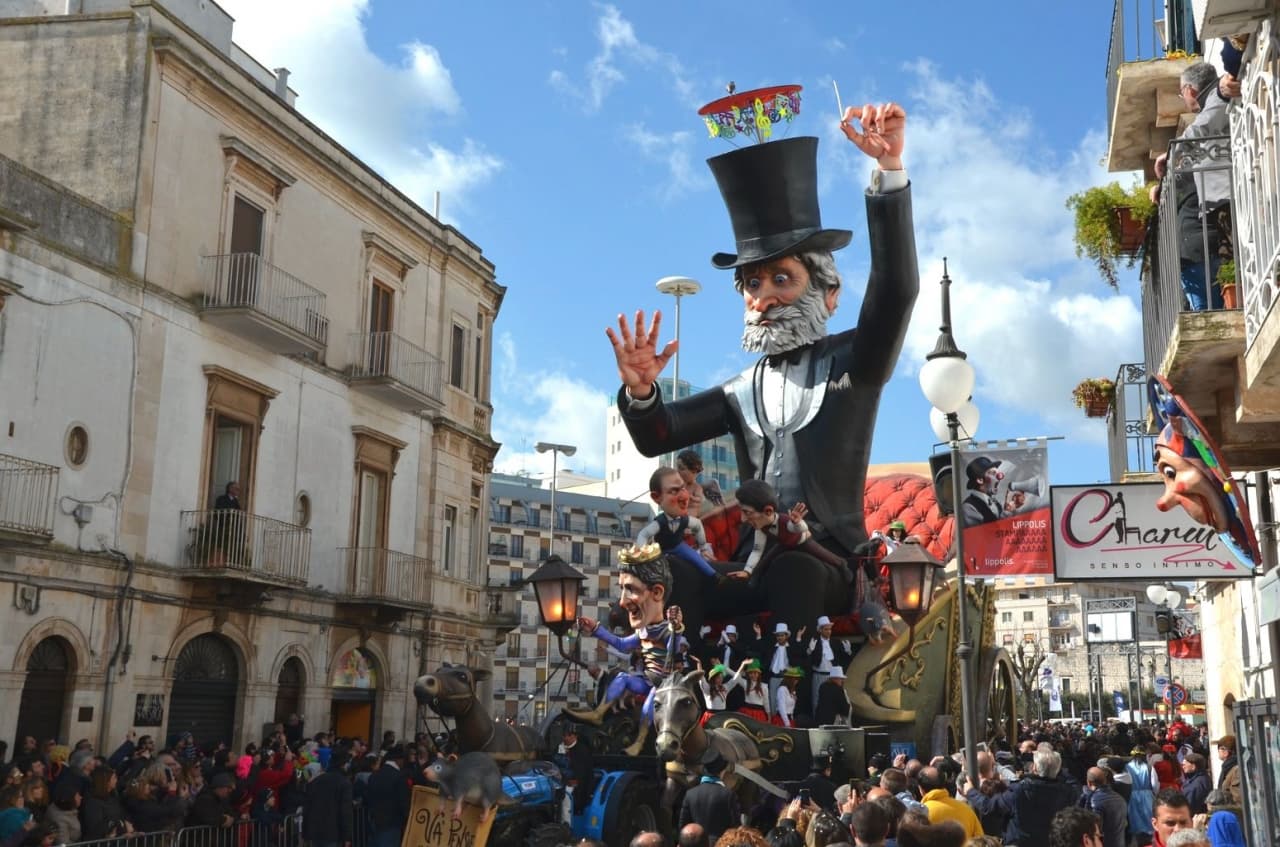
Europe's longest-running carnival — Putignano Carnevale has run continuously since 1394, with 631 years of cartapesta papier-mâché floats, a 26,000-resident Murgia town on the Bari–Lecce plateau, and the Grotta del Trullo karst cave inside the centro.

Pistoia
Province: Pistoia
Italy's nursery capital and the medieval Tuscan rival that gave its name to the pistol — a quietly extraordinary centro storico of zebra-striped Romanesque churches, Andrea della Robbia's polychrome frieze on the Ospedale del Ceppo, and Italy's Capital of Culture 2017, all 30 minutes from Florence by train.
Tropea
Province: Vibo Valentia
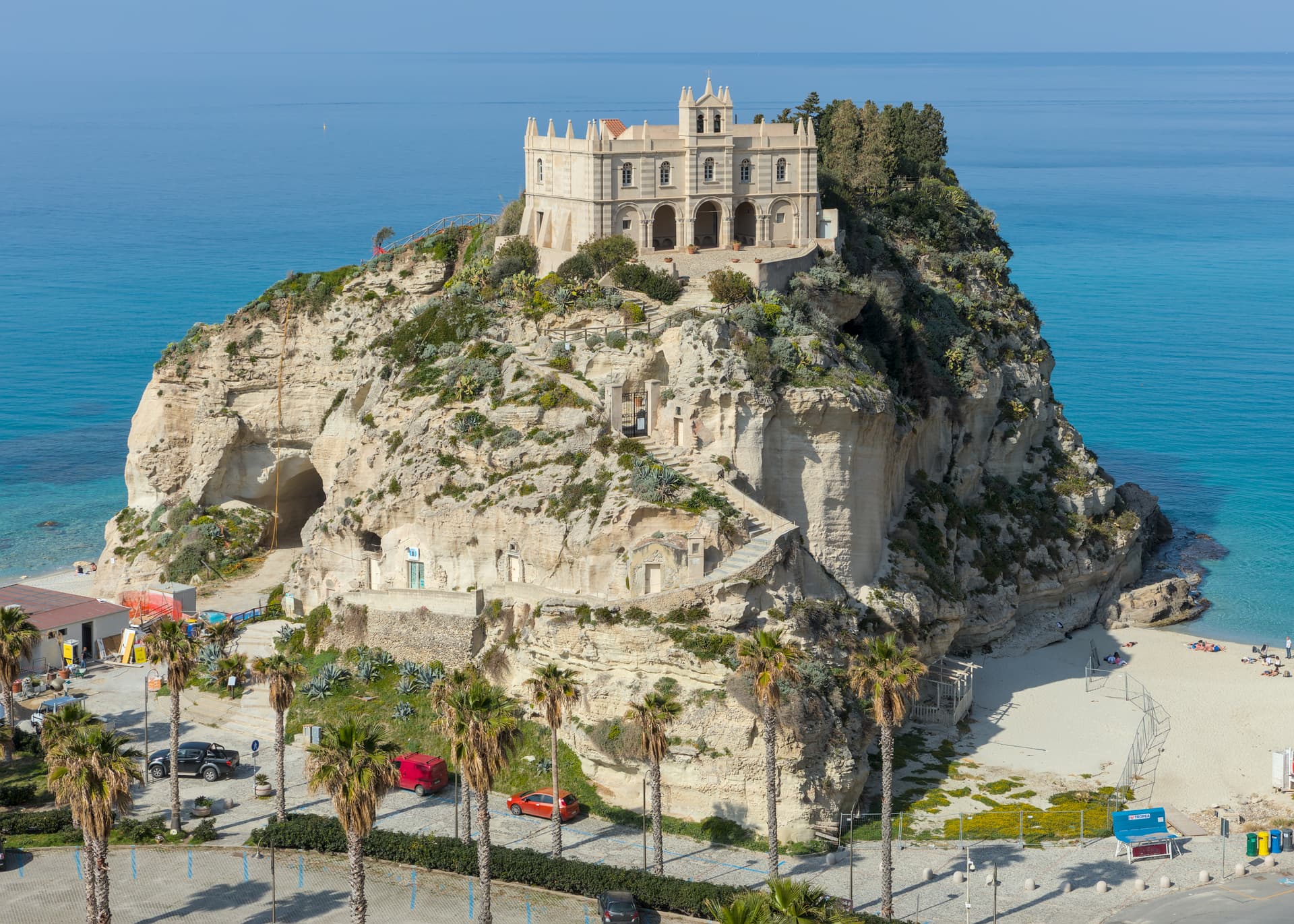
Cliff town on a tufa headland over the Tyrrhenian Coast of the Gods, with a Norman monastery on a sea rock.
Caldes
Province: Trento
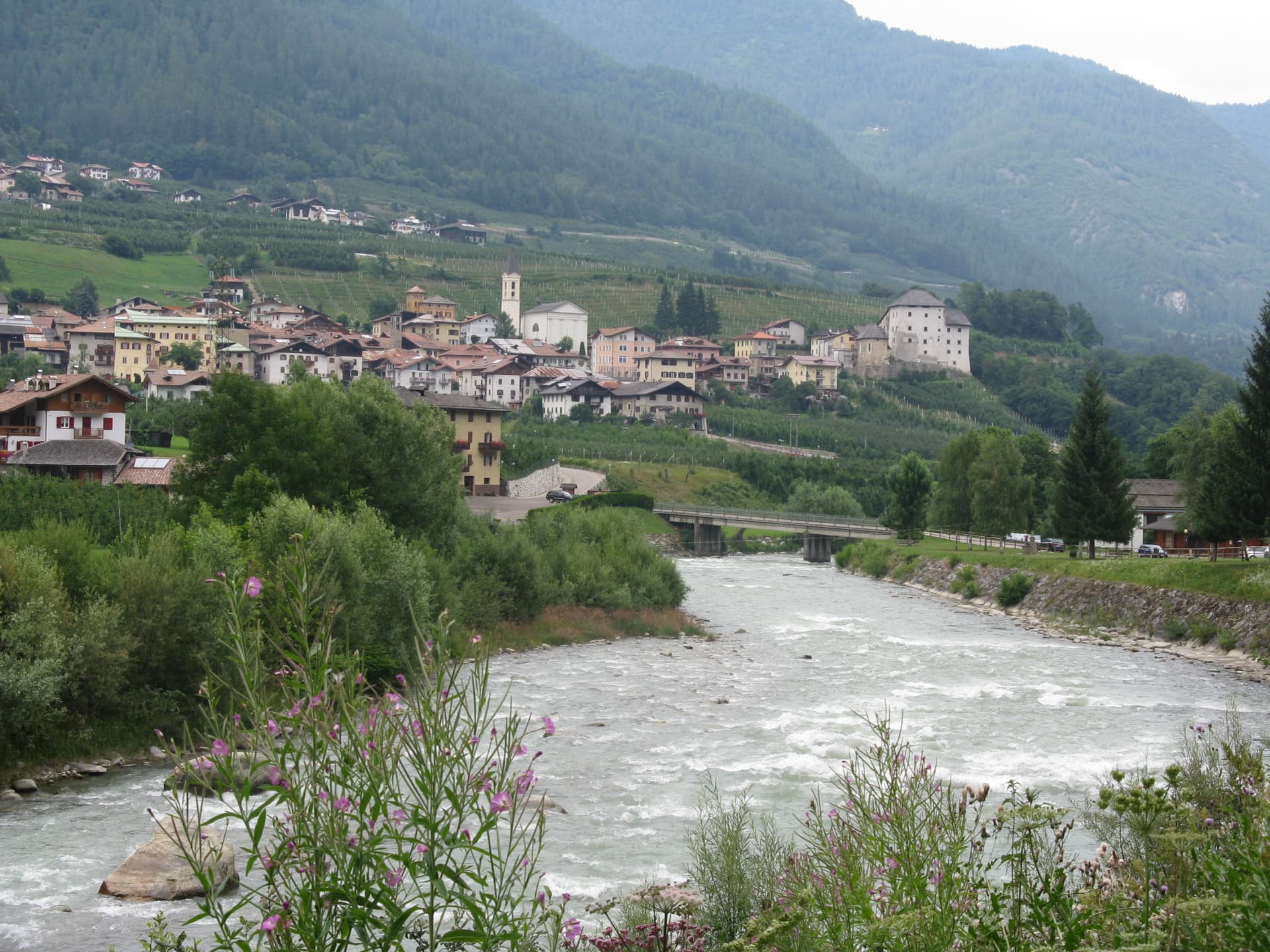
A scattered Val di Sole commune on the Noce, six hamlets gathered around a thirteenth-century tower-house castle that once belonged to the Thun family.
Cantiano
Province: Pesaro e Urbino
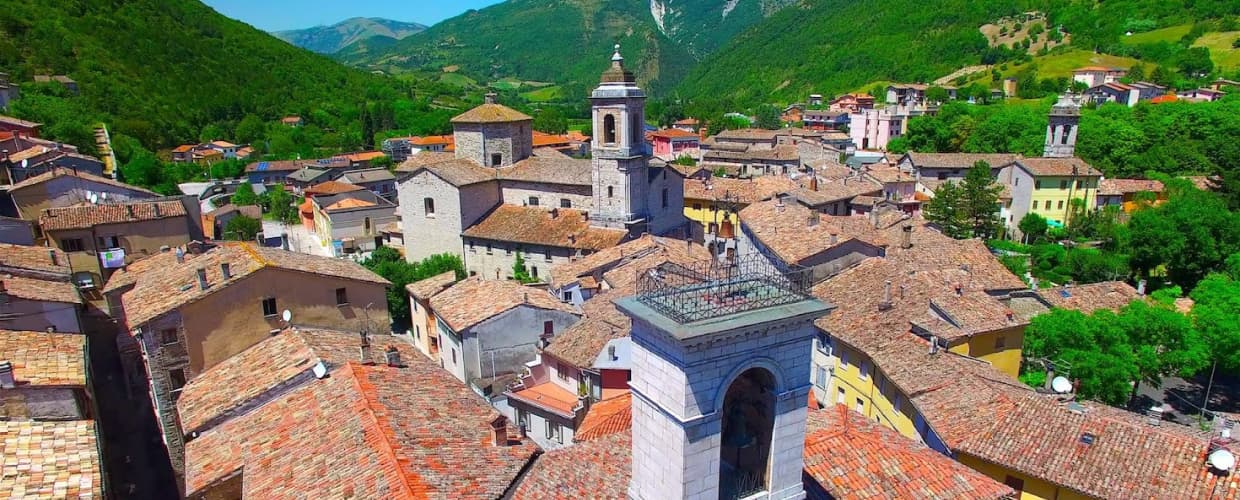
A border borgo at 374 meters under Monte Catria on the old Via Flaminia, known for the Good Friday Turba and the sour-cherry visciola harvest.