

Tuscany · Firenze
Vinci
The hill town on Montalbano where Leonardo was born in 1452, with a ship-shaped castle that now holds his machines.
Known for
LEONARDO
Born 15 April 1452 at Anchiano, raised in Vinci, baptized in Santa Croce; the town carries his name for the Museo Leonardiano.
SHIP CASTLE
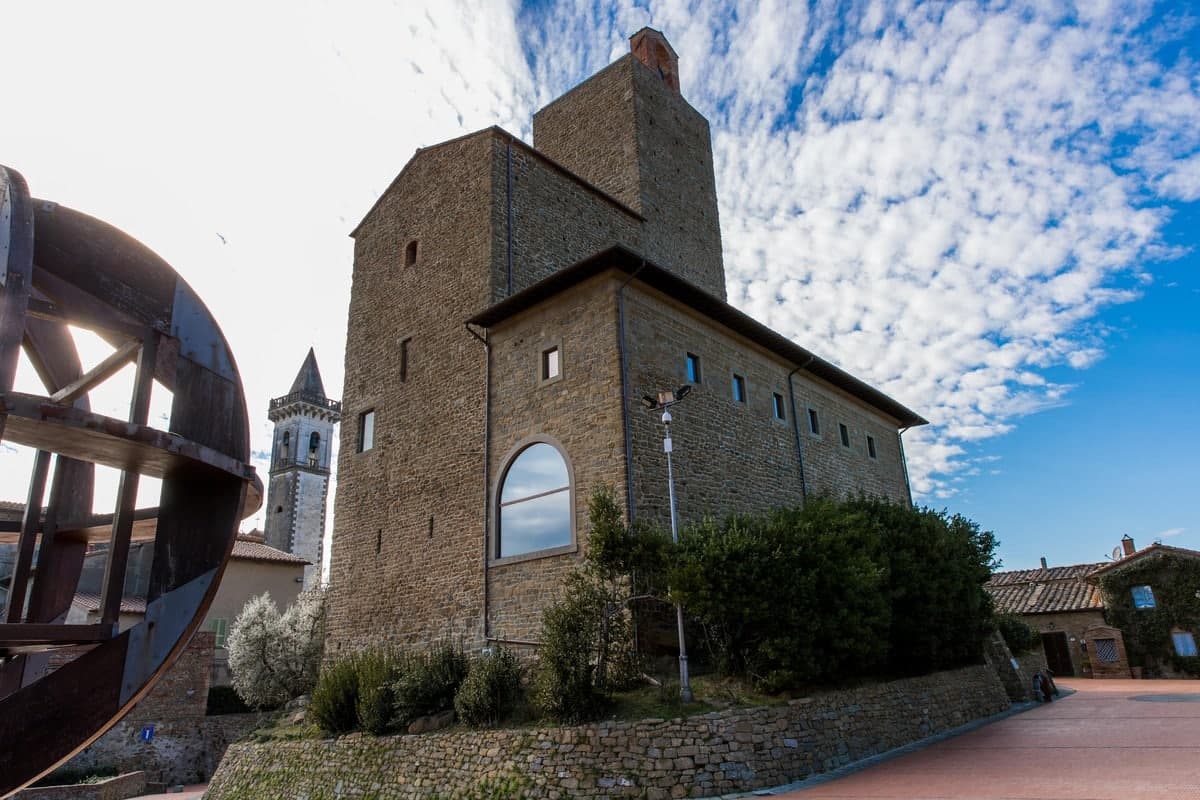
Castello dei Conti Guidi with its elliptical walls and tall keep, holding three sections of the Museo Leonardiano since 1953.
MONTALBANO
Hilly massif rising west of Florence, planted with Chianti Montalbano vines and olives on terraces of dry stone walls.
When to visit
Best · Apr–Oct
- J
- F
- M
- A
- M
- J
- J
- A
- S
- O
- N
- D
- Best
- Hot or crowded
- Quiet
- Mostly closed
The festa: Andrea, 30 November
Why come
Vinci sits on the slopes of Montalbano, twenty-five kilometers west of Florence, vineyards and olive groves laid out on terraces held by dry stone walls. Leonardo di ser Piero da Vinci was born on 15 April 1452 in a stone farmhouse at Anchiano, three kilometers uphill, and baptized in the parish church of Santa Croce below. The Castello dei Conti Guidi, a twelfth-century fortress with an elliptical wall and a tall keep that locals call the ship castle, has held the Museo Leonardiano since 1953.
The museum runs across three buildings and shows one of the largest collections in the world of working models built from Leonardo's drawings: war machines, flying studies, the bicycle, hydraulic engines. The Strada Verde, a two-kilometer pedestrian path between Vinci and the Casa Natale at Anchiano, crosses the same Montalbano landscape Leonardo drew as a boy.
The Sunday letter
We haven’t written Vinci’s letter yet.
One town every Sunday, with the photo, the food, the festa. Be there when this one comes up. Free, by Peter & Sophia from Pietrasanta.
By subscribing you agree to Substack’s Terms of Use, our Privacy Policy and our Information collection notice.
What to see
Castello dei Conti Guidi
Twelfth-century elliptical castle with tall keep, called the ship castle, home of the Museo Leonardiano since 1953.
Museo Leonardiano
One of the world's largest collections of models built from Leonardo's drawings, spread across the castle and the Palazzina Uzielli.
Casa Natale di Leonardo (Anchiano)
Stone farmhouse three kilometers uphill, traditionally identified as Leonardo's birthplace on 15 April 1452, restored as a small museum.
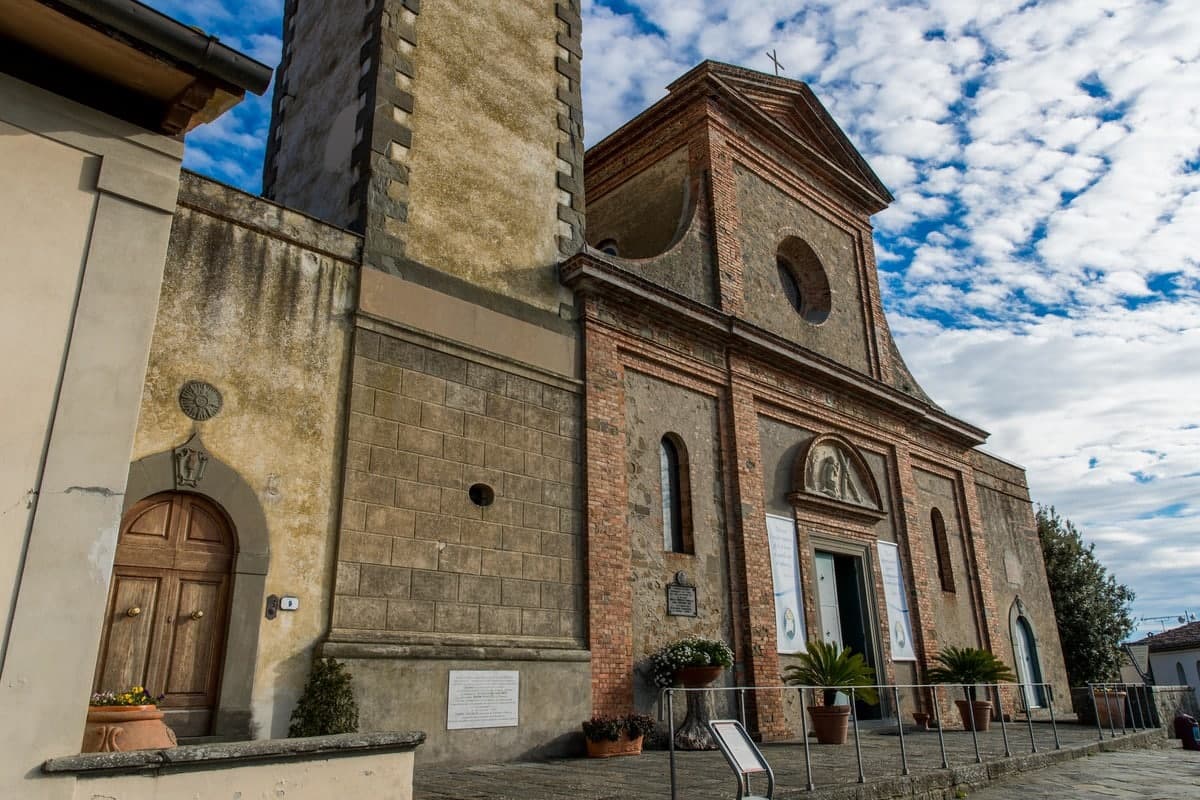
Chiesa di Santa Croce
Parish church at the foot of the castle, where Leonardo was baptized in April 1452; restored Romanesque structure with later additions.
Strada Verde
Two-kilometer pedestrian path linking Vinci to the Casa Natale at Anchiano, crossing vineyards and olive terraces of Montalbano.
The slow-trip planner
Building a trip? Find where Vinci fits in a slow Italy circuit.
Answer five questions. We will shape a geographically coherent slow trip from the 1,000 Italian towns most travelers skip. Yours to save and share.
Living here
- Population 14,438
- Commuter belti
- Pharmacy in town
- High school within a 30-minute drive
- Nearest airport Florence / Pisa, 1 h 9 min drive
- Regional capital Firenze, 50 min drive
Tags & datadesignations · numbers · sources
Recognised as
The numbers
- Elevation: 97 m
- Population: 14,438
- Surface area: 54.19 km²
These figures were compiled from public directories — ISTAT, OpenStreetMap, Wikidata — and from the official listings of the guides named on this page. Town details change; verify with official sources before you travel.
Featured on
Vinci appears on 2 themed picks from our Collections:
Close by
More towns near Vinci
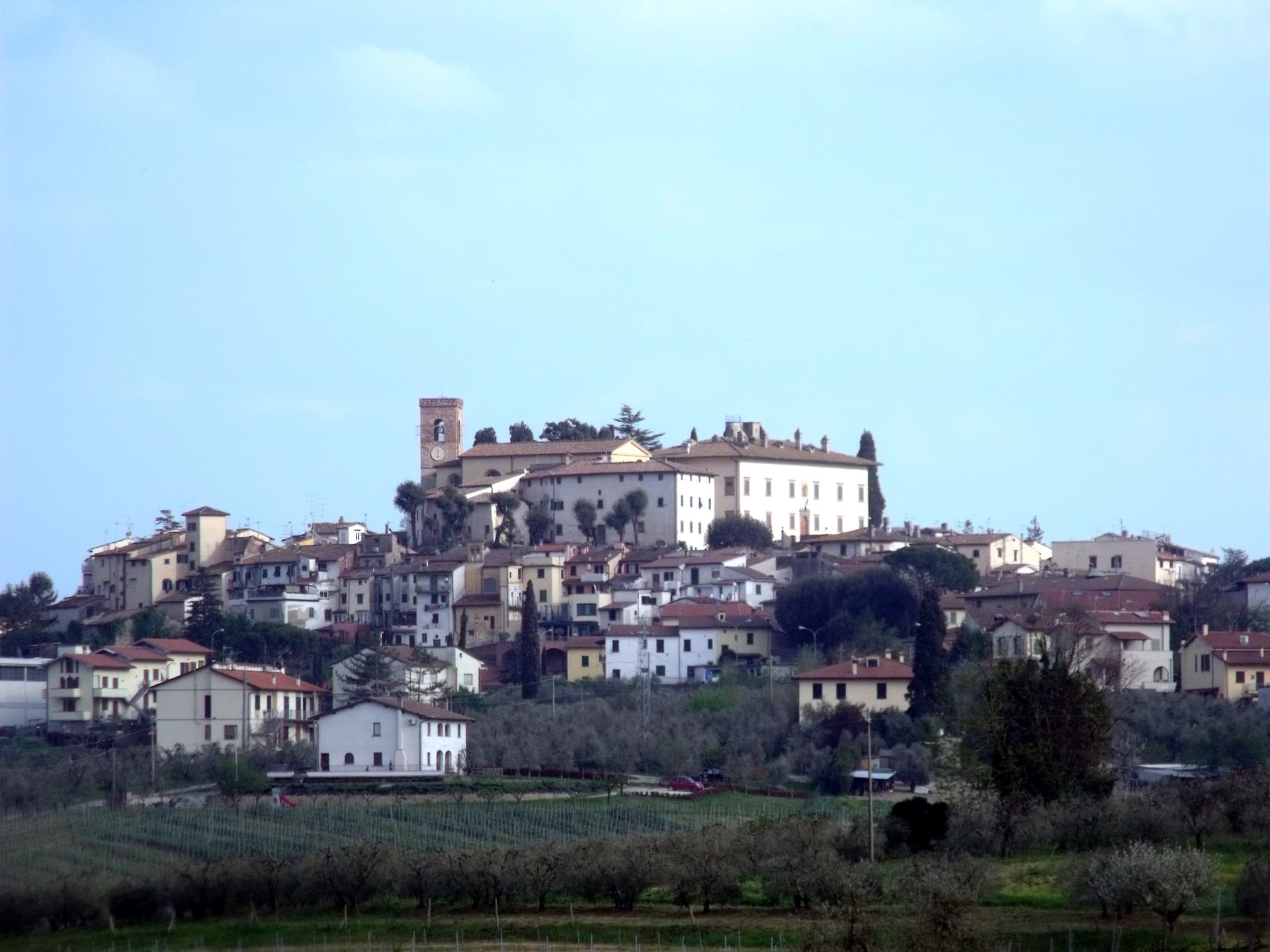
Cerreto Guidi
Province: Firenze
The Medici hunting villa above the Padule di Fucecchio, where Cosimo I sent his court for the marshland game and Buontalenti built four ramps of stairs.
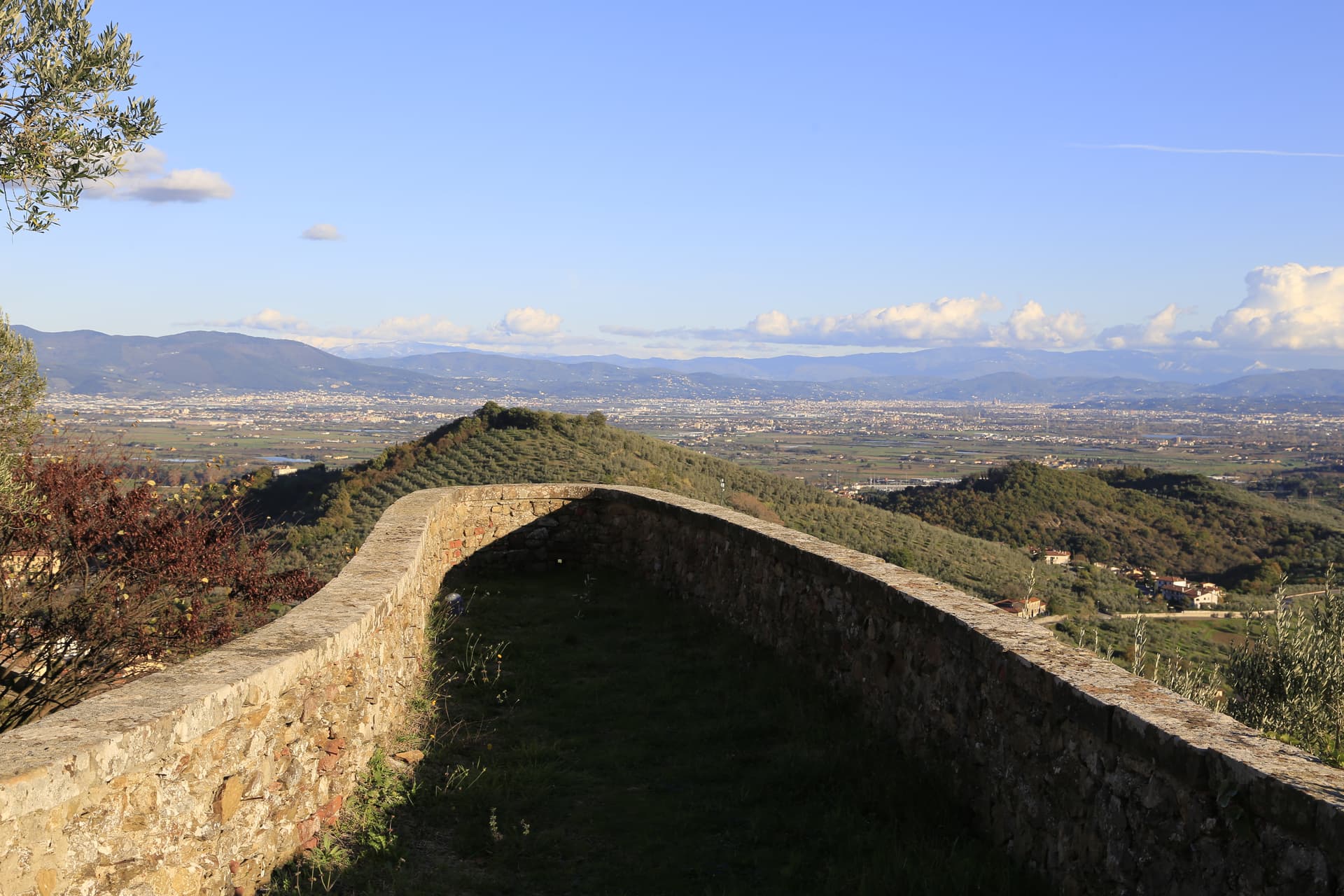
Carmignano
Province: Prato
A Medici village at 189 meters on the Montalbano slopes, where Pontormo's Visitation hangs in the parish church and Etruscan tumuli sit below the Renaissance villas.
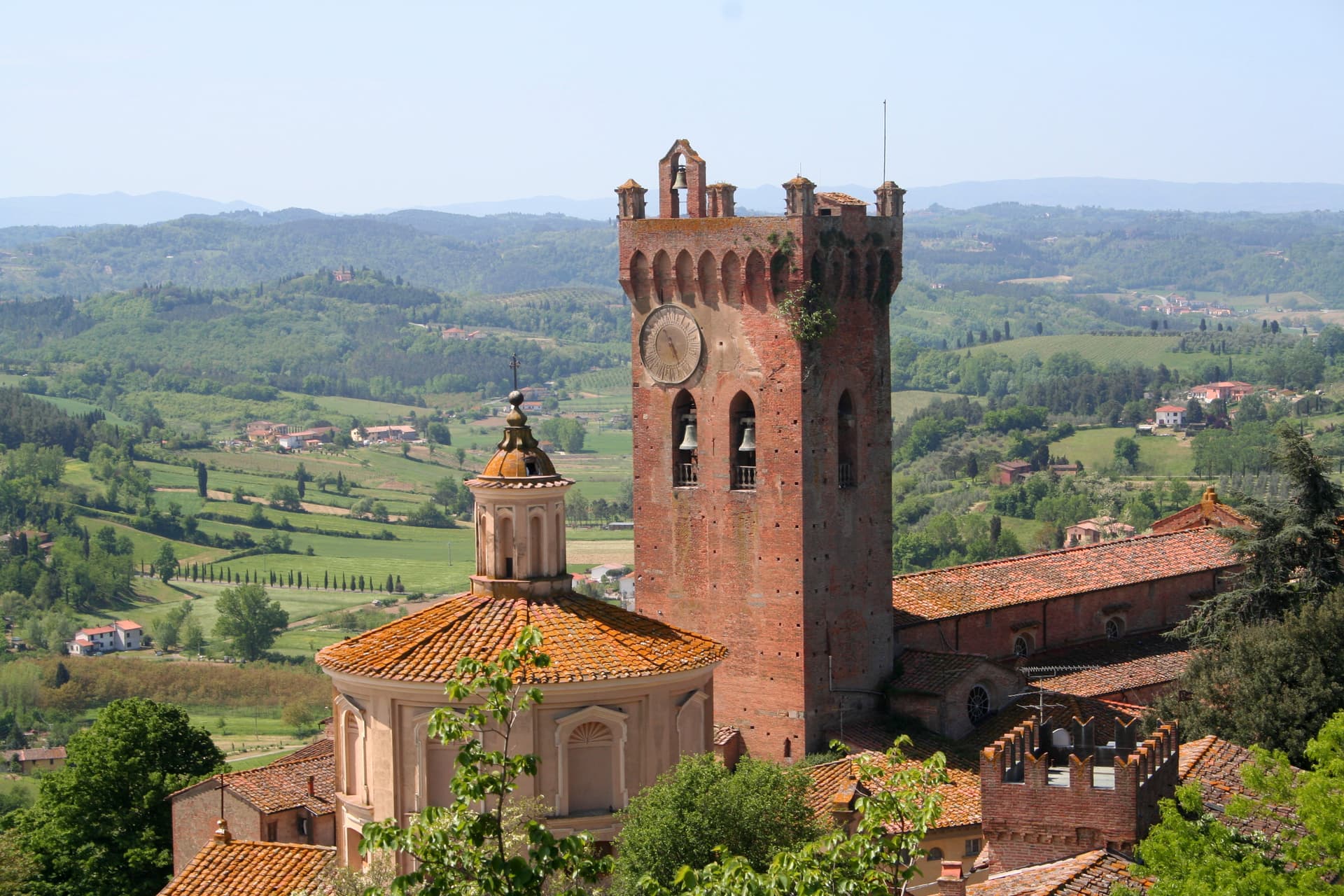
San Miniato
Province: Pisa
The hilltop town between Pisa and Florence that produces a quarter of Tuscany's white truffles and once held the imperial seat of Otto I.
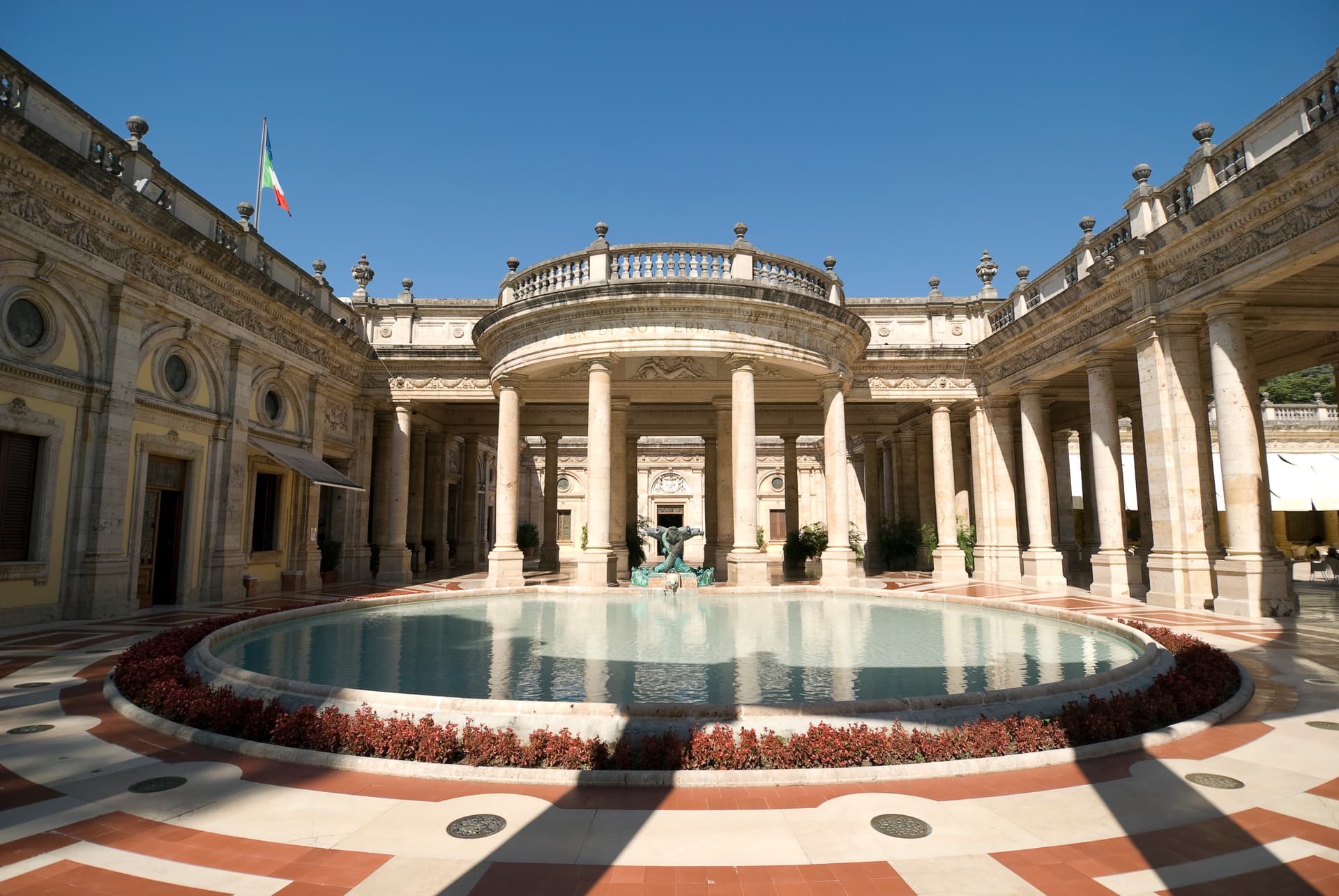
Montecatini-Terme
Province: Pistoia
Eleven thermal springs in a Liberty-style park at the foot of the Apennines, one of the Great Spa Towns of Europe inscribed by UNESCO in 2021.

Pistoia
Province: Pistoia
Italy's nursery capital and the medieval Tuscan rival that gave its name to the pistol — a quietly extraordinary centro storico of zebra-striped Romanesque churches, Andrea della Robbia's polychrome frieze on the Ospedale del Ceppo, and Italy's Capital of Culture 2017, all 30 minutes from Florence by train.
🟠 Bandiera Arancione
More Bandiera Arancione towns in Tuscany
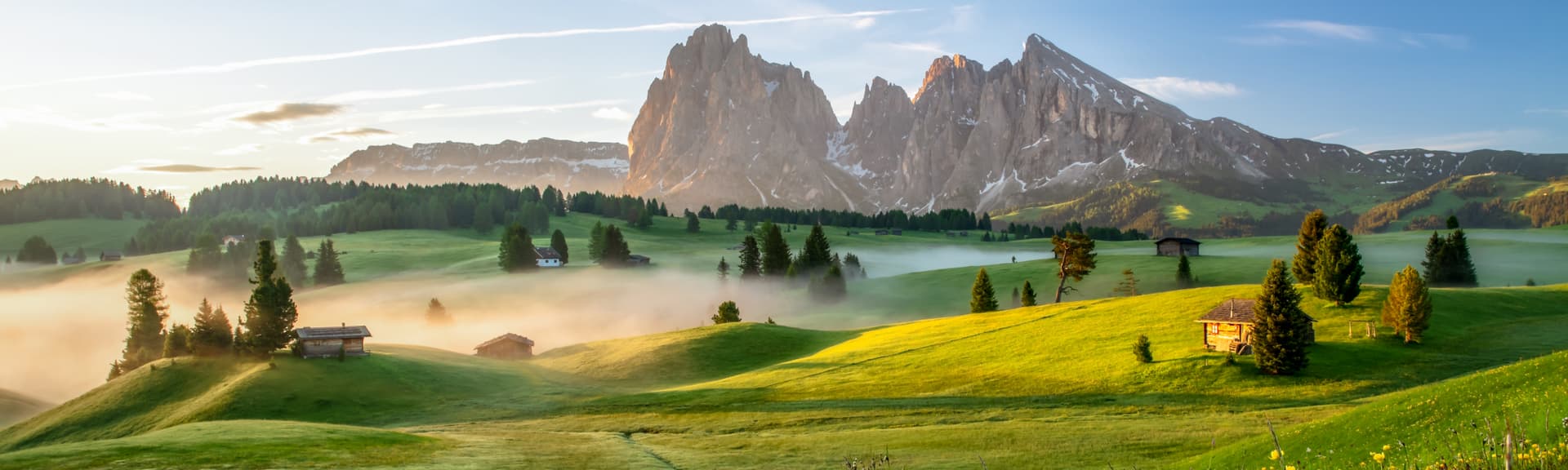
Abetone Cutigliano
Province: Pistoia
The Apennine ski pass at 1,388 meters where the Granduca's two stone pyramids of 1778 mark the old Tuscan-Modenese border.
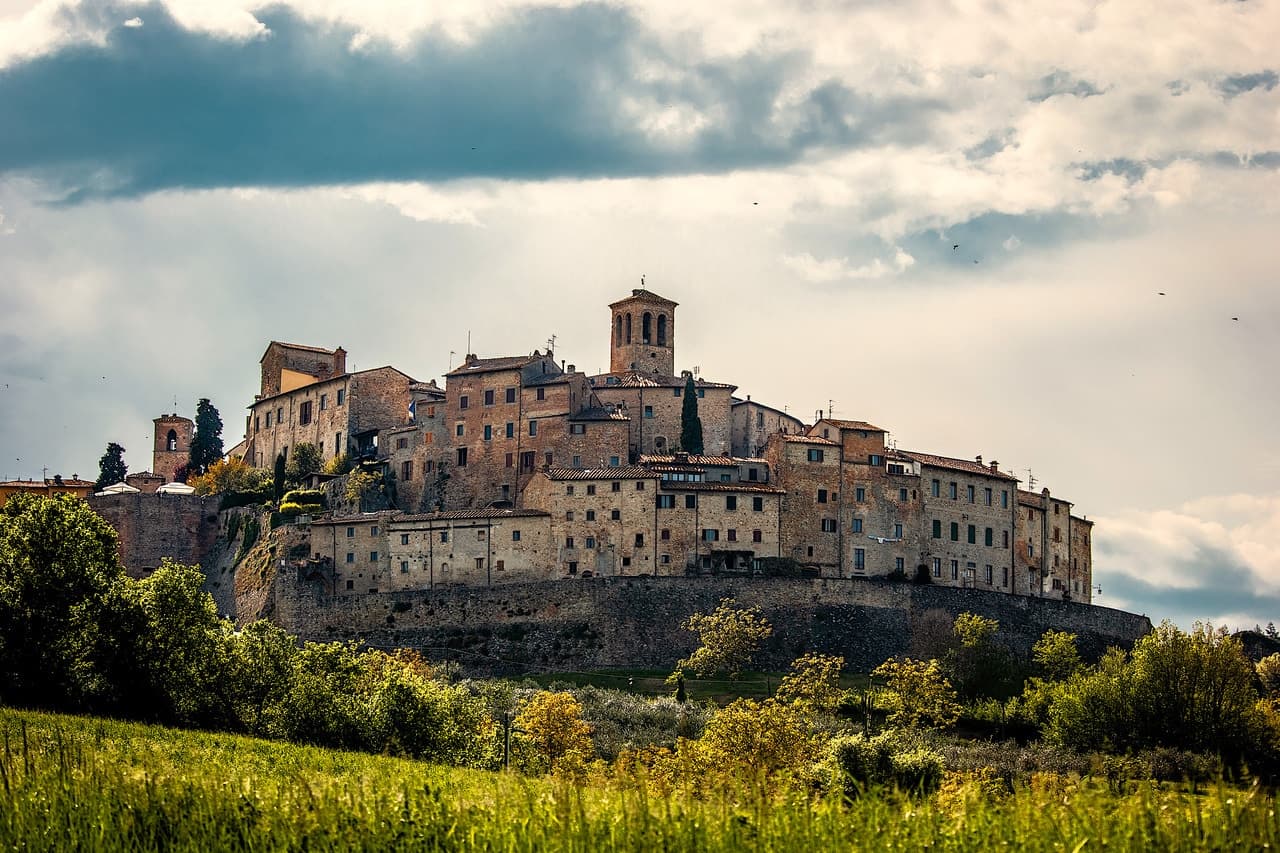
Anghiari
Province: Arezzo
A walled medieval town at 430 meters over the upper Tiber valley, where Florence beat Milan in 1440 and Leonardo started the fresco he never finished.
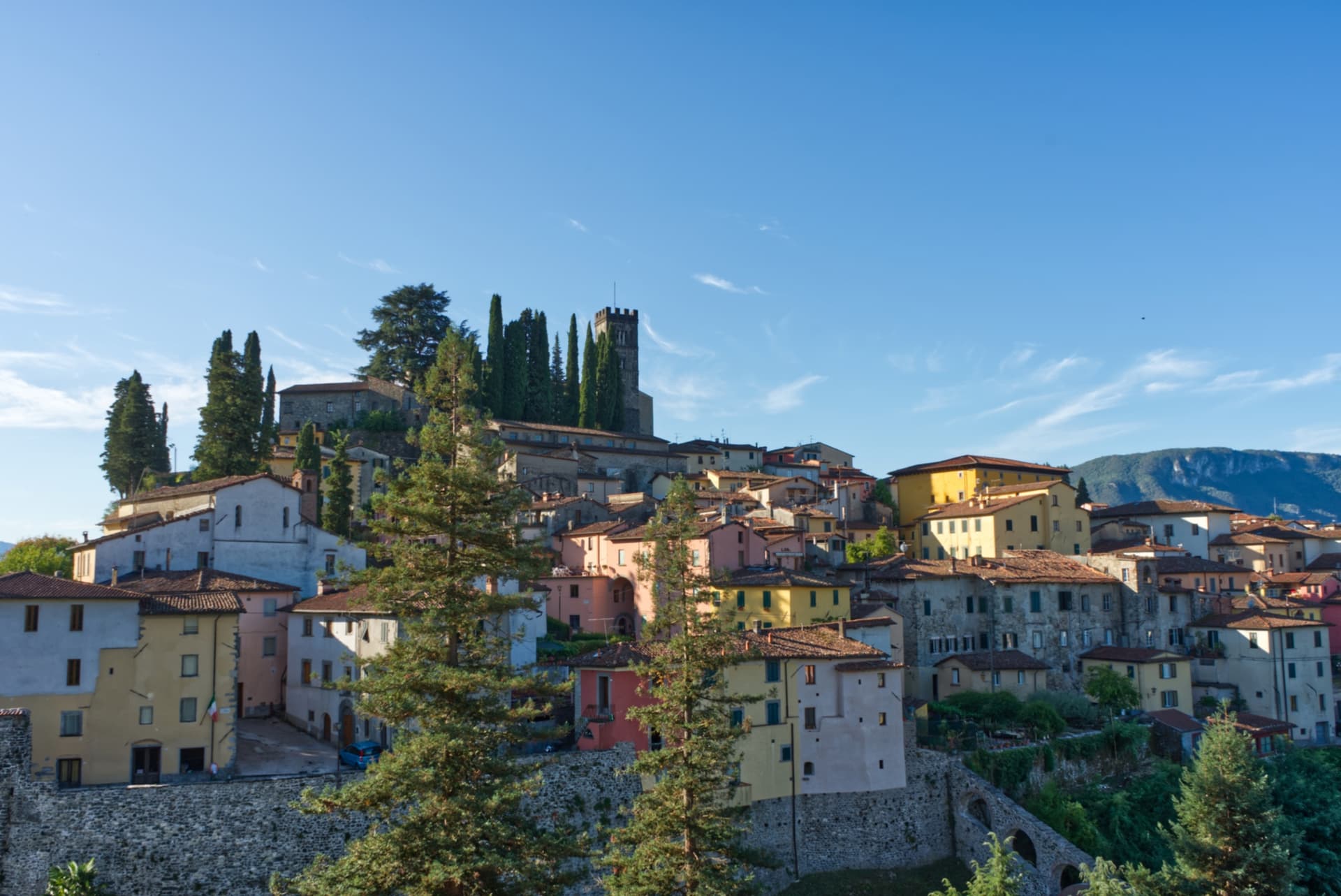
Barga
Province: Lucca
A medieval hilltop town at 410 meters in the Serchio valley between the Apuan Alps and the Apennines, where Giovanni Pascoli wrote his last poems and the August festival serves fish and chips.
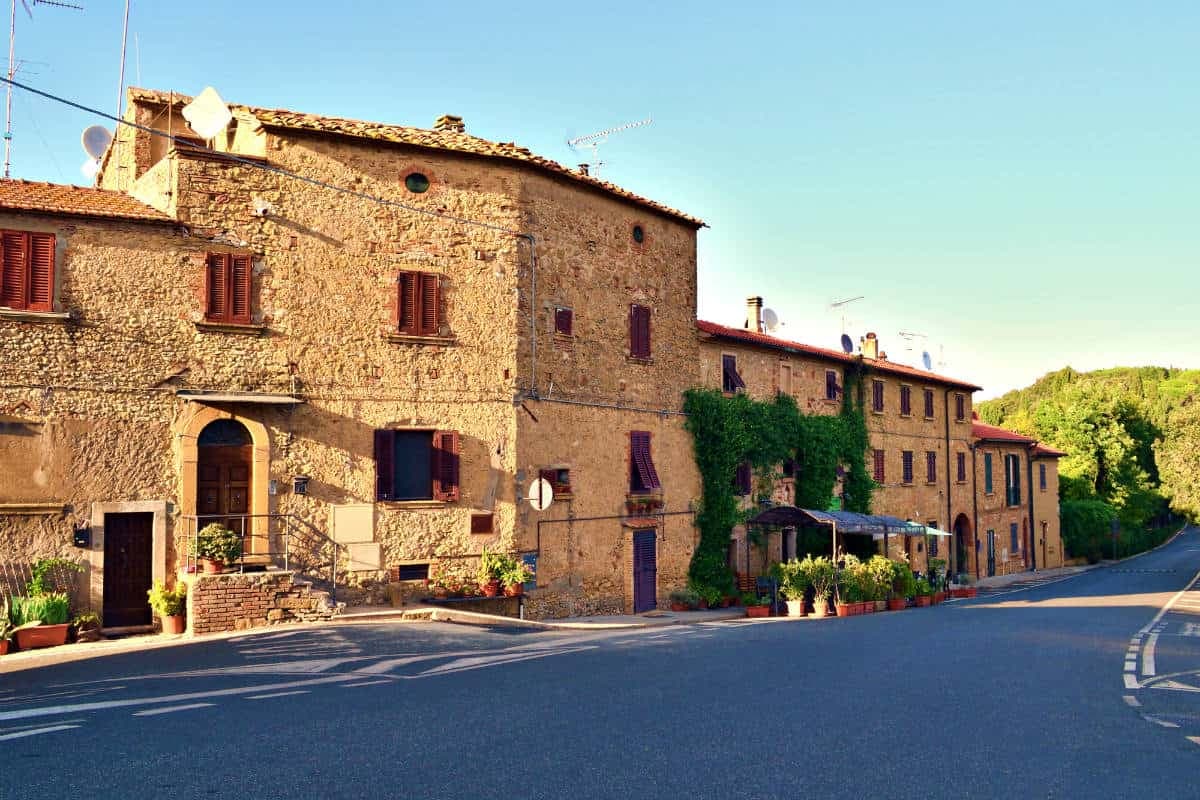
Casale Marittimo
Province: Pisa
A concentric stone borgo at 214 meters above the Val di Cecina, built where a seventh-century BC Etruscan outpost of Volterra once stood.
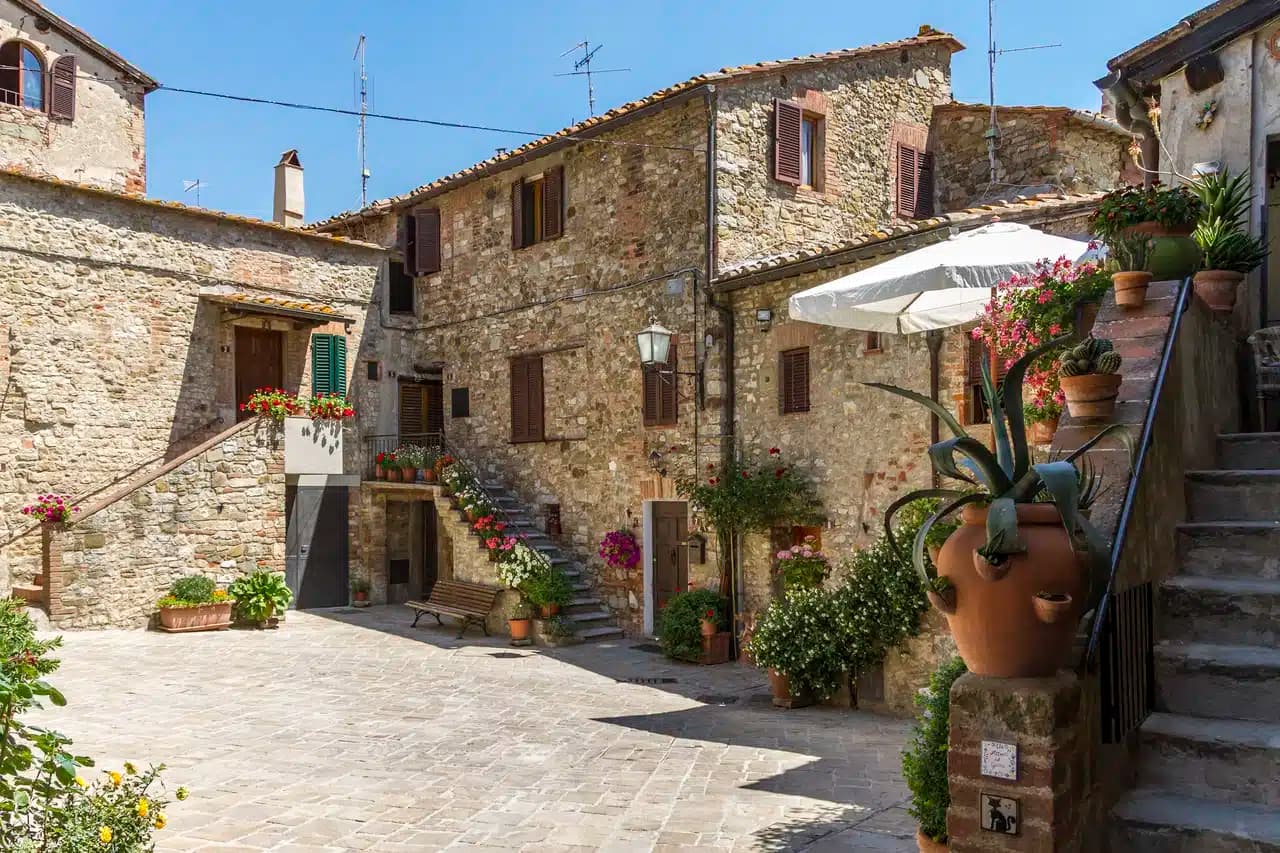
Castelnuovo Berardenga
Province: Siena
A Chianti Classico commune at 351 meters between the Ombrone and the Crete Senesi, the last castle Siena built against Florence, in 1366.