

Tuscany · Pistoia
Montecatini-Terme
Eleven thermal springs in a Liberty-style park at the foot of the Apennines, one of the Great Spa Towns of Europe inscribed by UNESCO in 2021.
Known for
ELEVEN SPRINGS
Eleven thermal springs rising from seventy meters at 24 to 33 degrees, mineralizing into four named waters: Leopoldina, Regina, Tettuccio, Rinfresco.
UNESCO SPA TOWN
One of the eleven Great Spa Towns of Europe inscribed by UNESCO in 2021, alongside Bath, Vichy, Baden-Baden and Karlovy Vary.
GIGIO E GIGIA
The two red funicular cars in service since June 1898, climbing from the spa town to Montecatini Alto in eight and a half minutes.
When to visit
Best · All year
- J
- F
- M
- A
- M
- J
- J
- A
- S
- O
- N
- D
- Best
- Hot or crowded
- Quiet
- Mostly closed
The festa: Santa Barbara, 4 December
Why come
Montecatini Terme sits in the Valdinievole, forty kilometers west of Florence, at the foot of the hills that hold its older twin Montecatini Alto. Eleven thermal springs rise from a depth of around seventy meters at temperatures between 24 and 33 degrees, mineralizing on the way up into four named waters: Leopoldina, Regina, Tettuccio, Rinfresco. Each treats a different complaint.
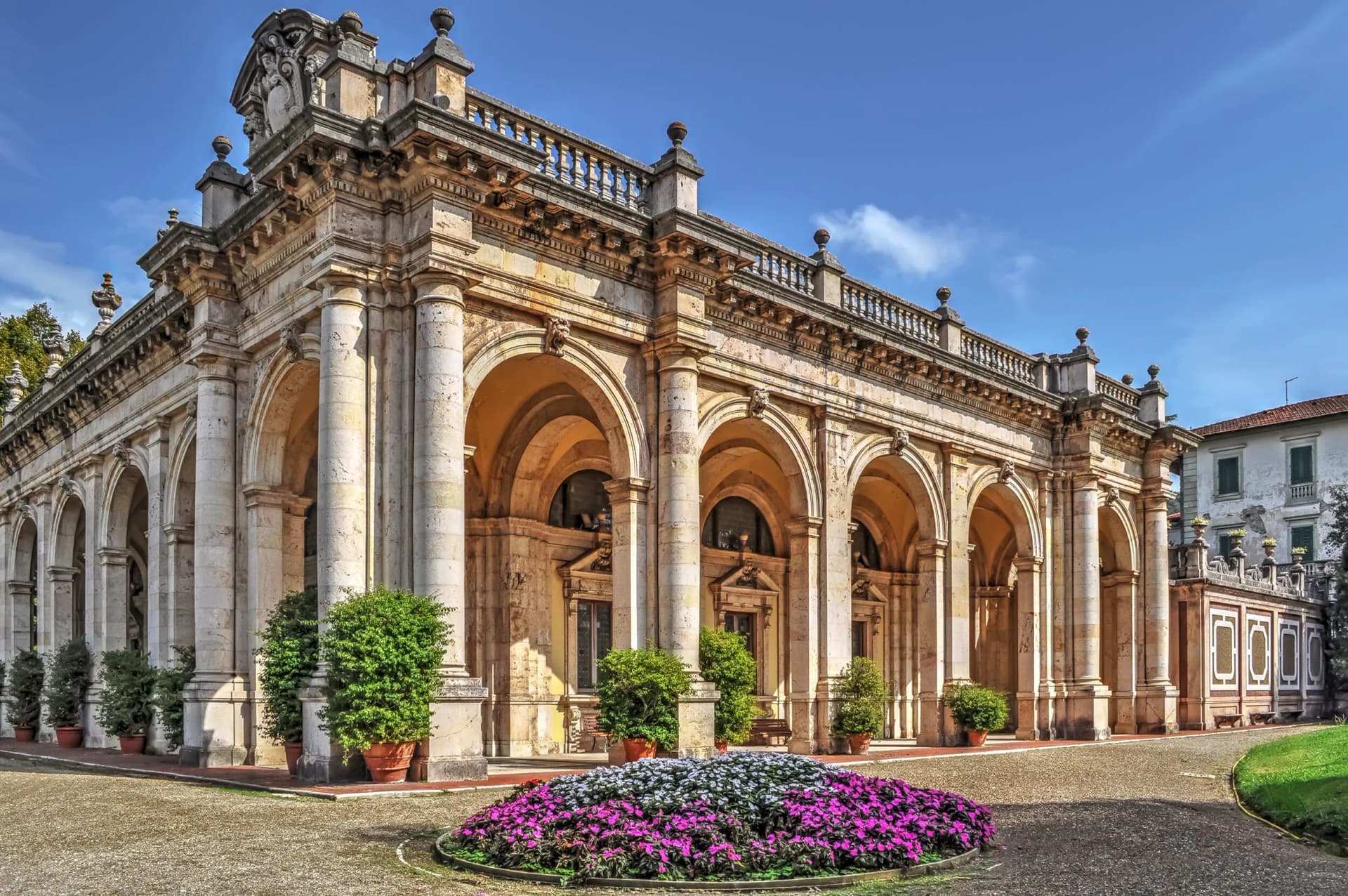
The Tettuccio thermal complex, designed by Ugo Giovannozzi and rebuilt in the 1920s, is the architectural centerpiece of the Thermal Park, an enclave of Liberty and neo-Renaissance pavilions laid out around the springs. In 2021 the town was inscribed on the UNESCO list as one of the eleven Great Spa Towns of Europe, alongside Bath, Vichy, Baden-Baden and Karlovy Vary. The red funicular cars Gigio and Gigia, in service since 4 June 1898 when Verdi attended the opening, still climb to Montecatini Alto in eight and a half minutes.
What to see
Terme Tettuccio
The most famous of the thermal establishments, designed by Ugo Giovannozzi, with Liberty interiors built on the concept of the Roman baths.
Parco Termale
Walled thermal park holding the major spa pavilions, laid out around the eleven springs that surface in the lower town.
Funicolare di Montecatini
Historic red funicular built in 1898, two cars named Gigio and Gigia carrying passengers to Montecatini Alto in eight and a half minutes.
Montecatini Alto
Medieval village on the hill above the spa town, with the Piazza Giusti and the eighteenth-century Baroque Chiesa dei Santi Jacopo e Filippo.
Terme Leopoldine
Spa pavilion named for Leopoldo II of Habsburg-Lorraine, who promoted the development of the springs at the start of the nineteenth century.
The slow-trip planner
Building a trip? Find where Montecatini-Terme fits in a slow Italy circuit.
Answer five questions. We will shape a geographically coherent slow trip from the 1,000 Italian towns most travelers skip. Yours to save and share.
We recommend
Where to eat and stay
Not our picks, but places the guides put their name to — a Michelin star, a Gambero Rosso fork, a Slow Food snail, a Michelin Key for the hotels. Worth a table, a counter, or a night when you pass through.
Caffè Storico TettuccioCaffè
Caffè Storico Tettuccio has a place on Italy's historic-locali register to its name.
Enoteca GiovanniRistorante
One Gambero Rosso fork (77/100), at Enoteca Giovanni.
Grand Hotel & La PaceHotel
A place on Italy's historic-locali register, at Grand Hotel & La Pace.
Signature dish
Cialde di MontecatiniSweet
Thin round almond wafers pressed hot between irons, a sweet tied to the spa town's café tradition.
See every town in our catalogue with a dish of its own.
The Sunday letter
Montecatini-Terme got its letter. One town every Sunday, free — the photo, the food, the festa.
By subscribing you agree to Substack’s Terms of Use, our Privacy Policy and our Information collection notice.
Living here
- Population 20,690
- Commuter belti
- Pharmacy in town
- High school within a 30-minute drive
- Train station in the comune
- Nearest airport Florence / Pisa, 1 h 1 min drive
- Regional capital Firenze, 46 min drive
Thermal baths in town: Terme di Montecatini, Terme Tettuccio, Terme Leopoldine, Terme Regina, Terme Tamerici, Terme Excelsior.
Tags & datadesignations · numbers · sources
The numbers
- Elevation: 27 m
- Population: 20,690
- Surface area: 17.69 km²
These figures were compiled from public directories — ISTAT, OpenStreetMap, Wikidata — and from the official listings of the guides named on this page. Town details change; verify with official sources before you travel.
Close by
More towns near Montecatini-Terme

Pistoia
Province: Pistoia
Italy's nursery capital and the medieval Tuscan rival that gave its name to the pistol — a quietly extraordinary centro storico of zebra-striped Romanesque churches, Andrea della Robbia's polychrome frieze on the Ospedale del Ceppo, and Italy's Capital of Culture 2017, all 30 minutes from Florence by train.
Montecarlo
Province: Lucca
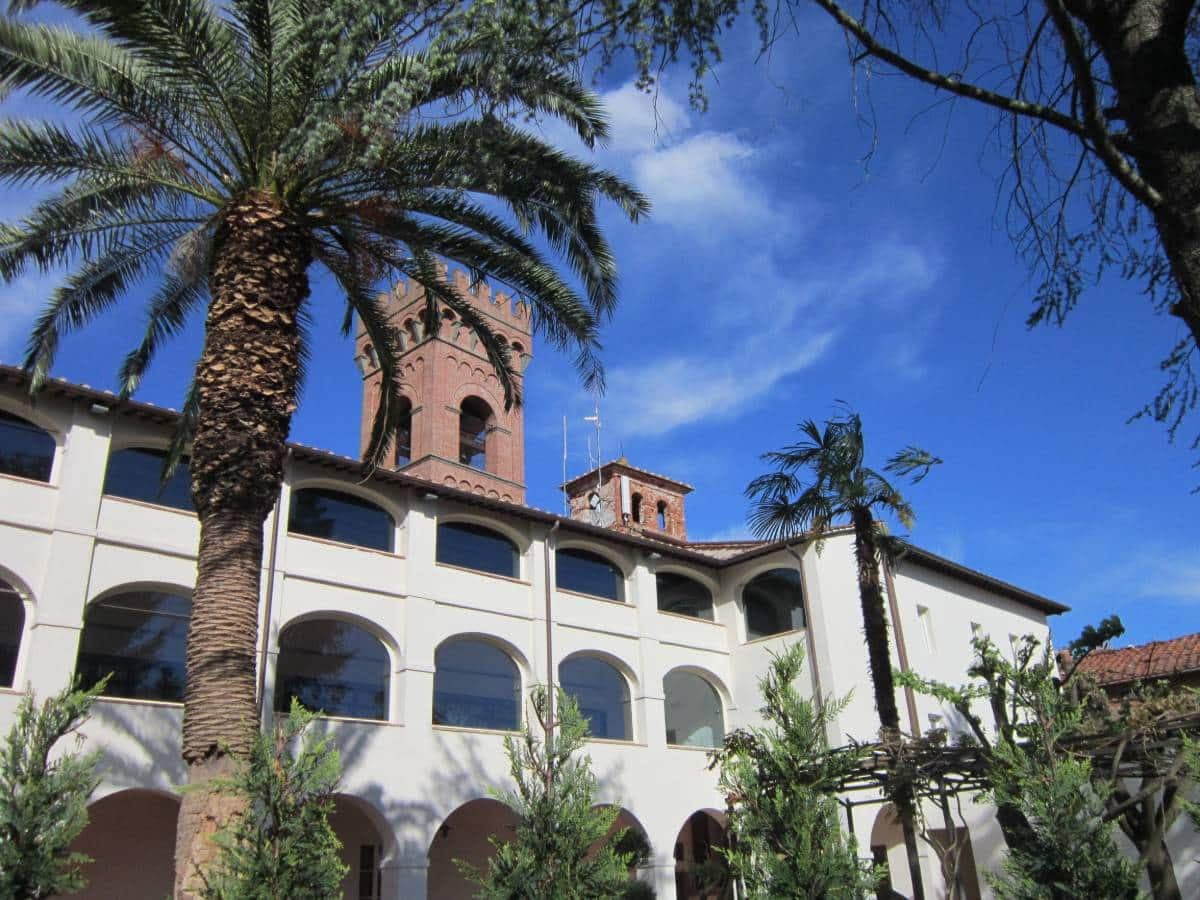
A walled hill village at 163 meters above the Lucca plain, founded by Emperor Charles IV in 1333 and named for him, surrounded by twenty wineries.
Cerreto Guidi
Province: Firenze
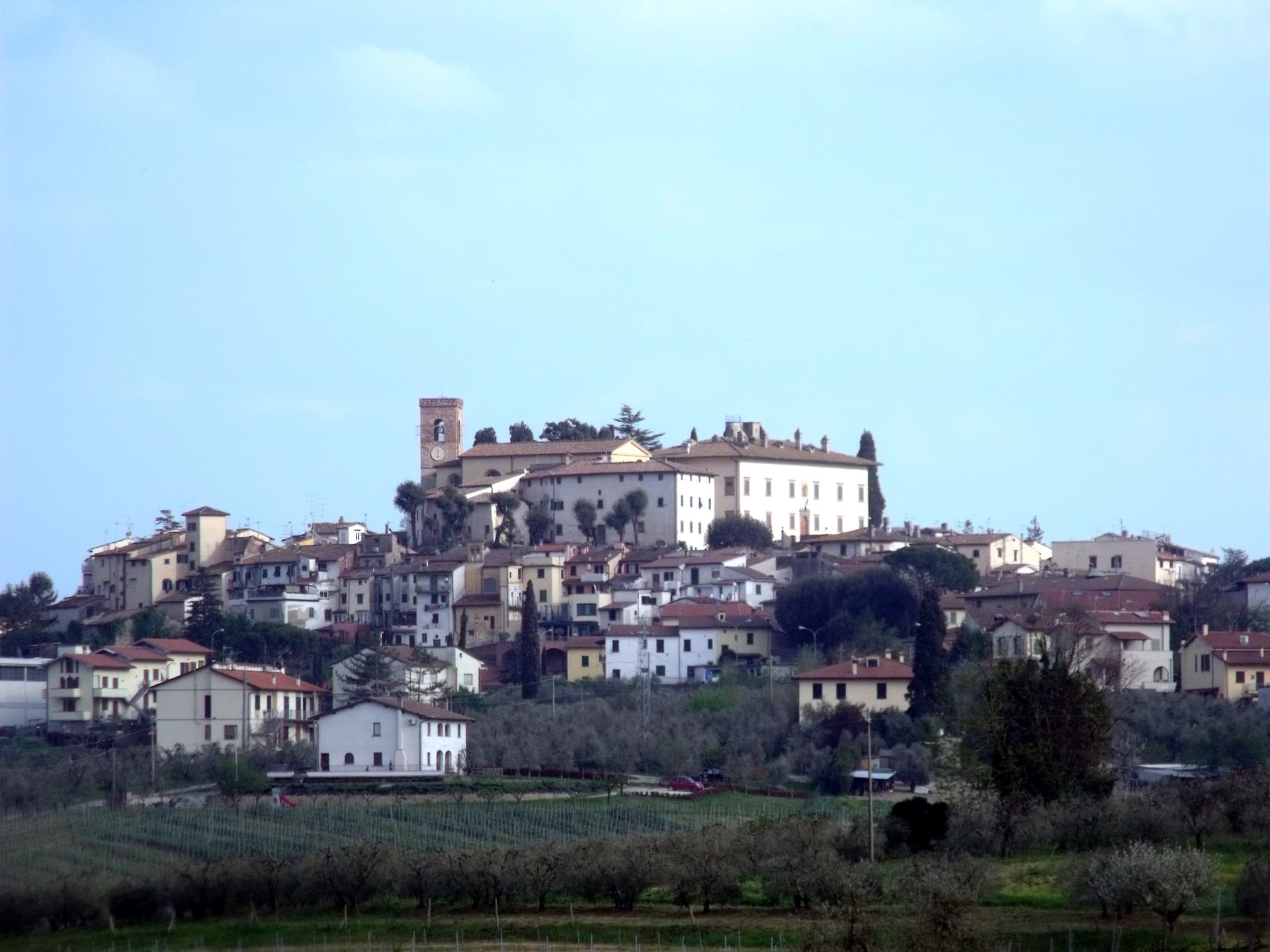
The Medici hunting villa above the Padule di Fucecchio, where Cosimo I sent his court for the marshland game and Buontalenti built four ramps of stairs.
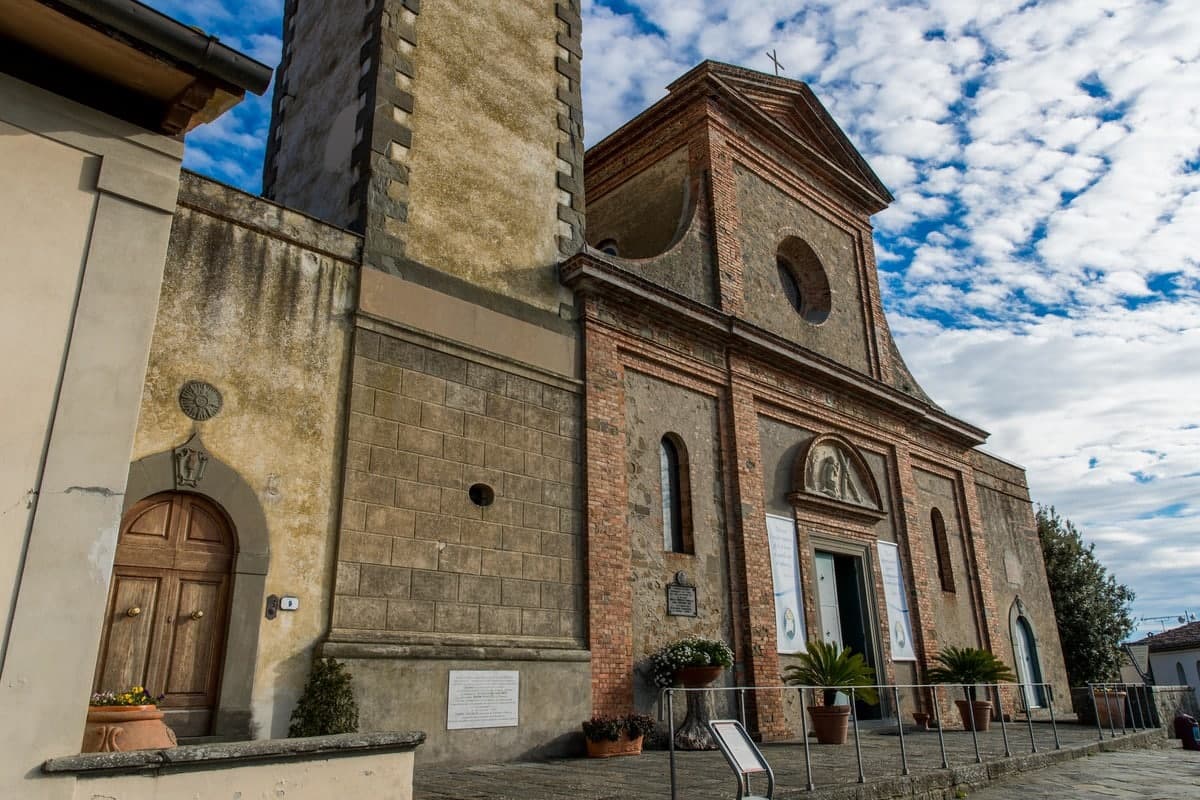
Vinci
Province: Firenze
The hill town on Montalbano where Leonardo was born in 1452, with a ship-shaped castle that now holds his machines.
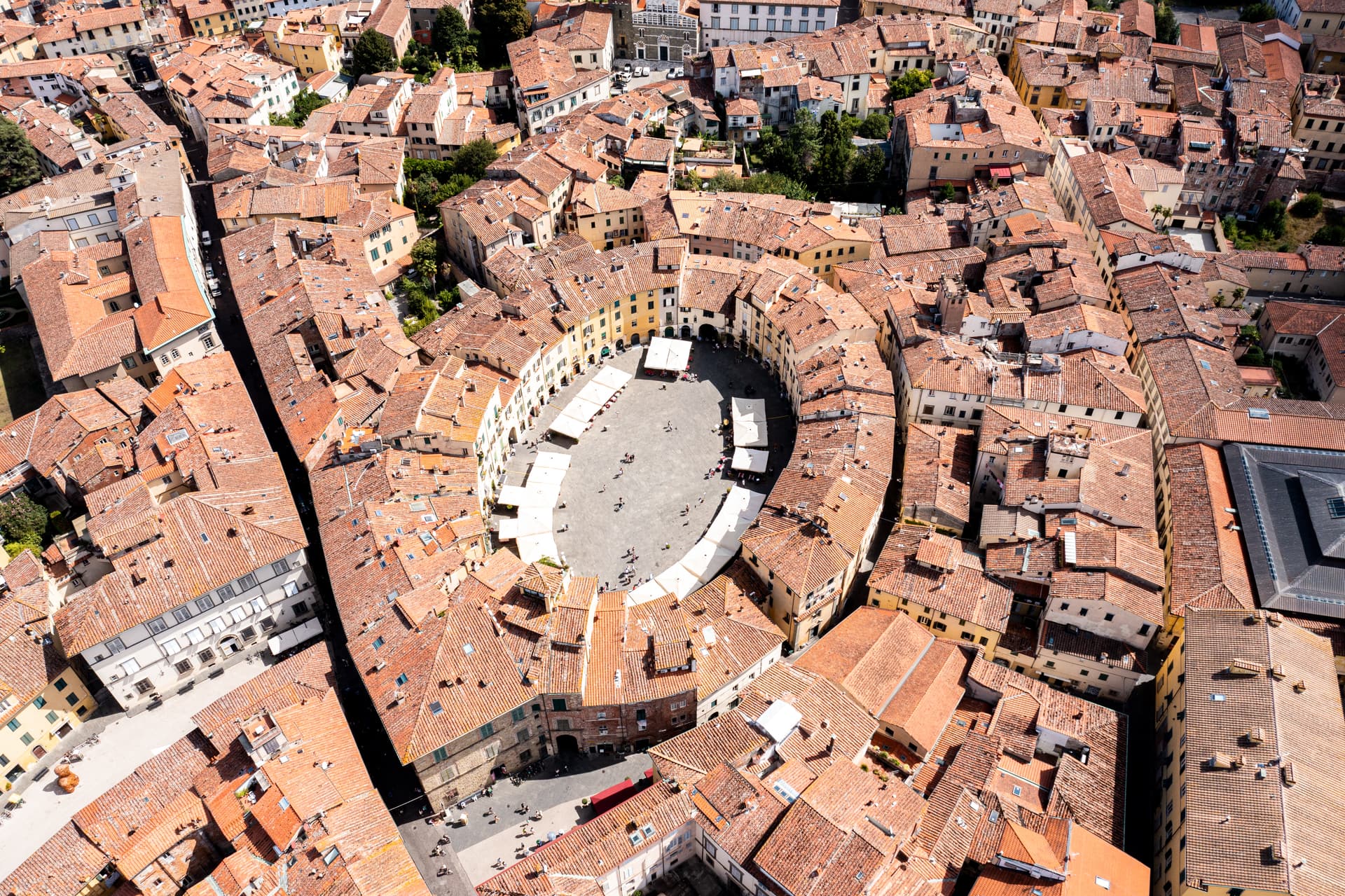
Lucca
Province: Lucca
The provincial capital ringed by four kilometers of intact sixteenth-century walls, birthplace of Puccini and the only fully walled Italian city of its scale.
🏛️ UNESCO
More UNESCO towns in Tuscany
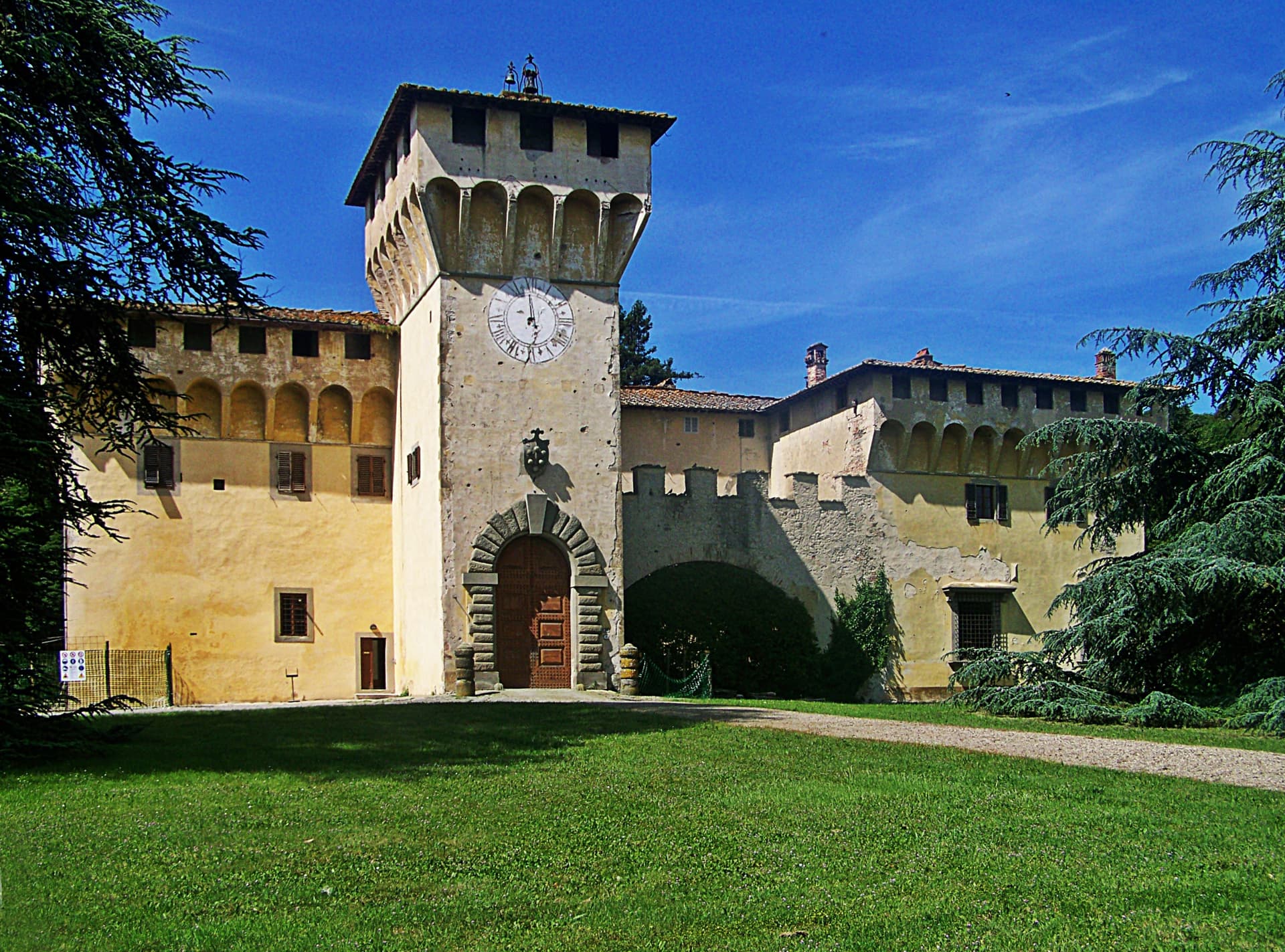
Barberino di Mugello
Province: Firenze
The Mugello gateway at 272 meters where the Medici family kept its first country villas, with Michelozzo's Cafaggiolo and the artificial Lago di Bilancino below.
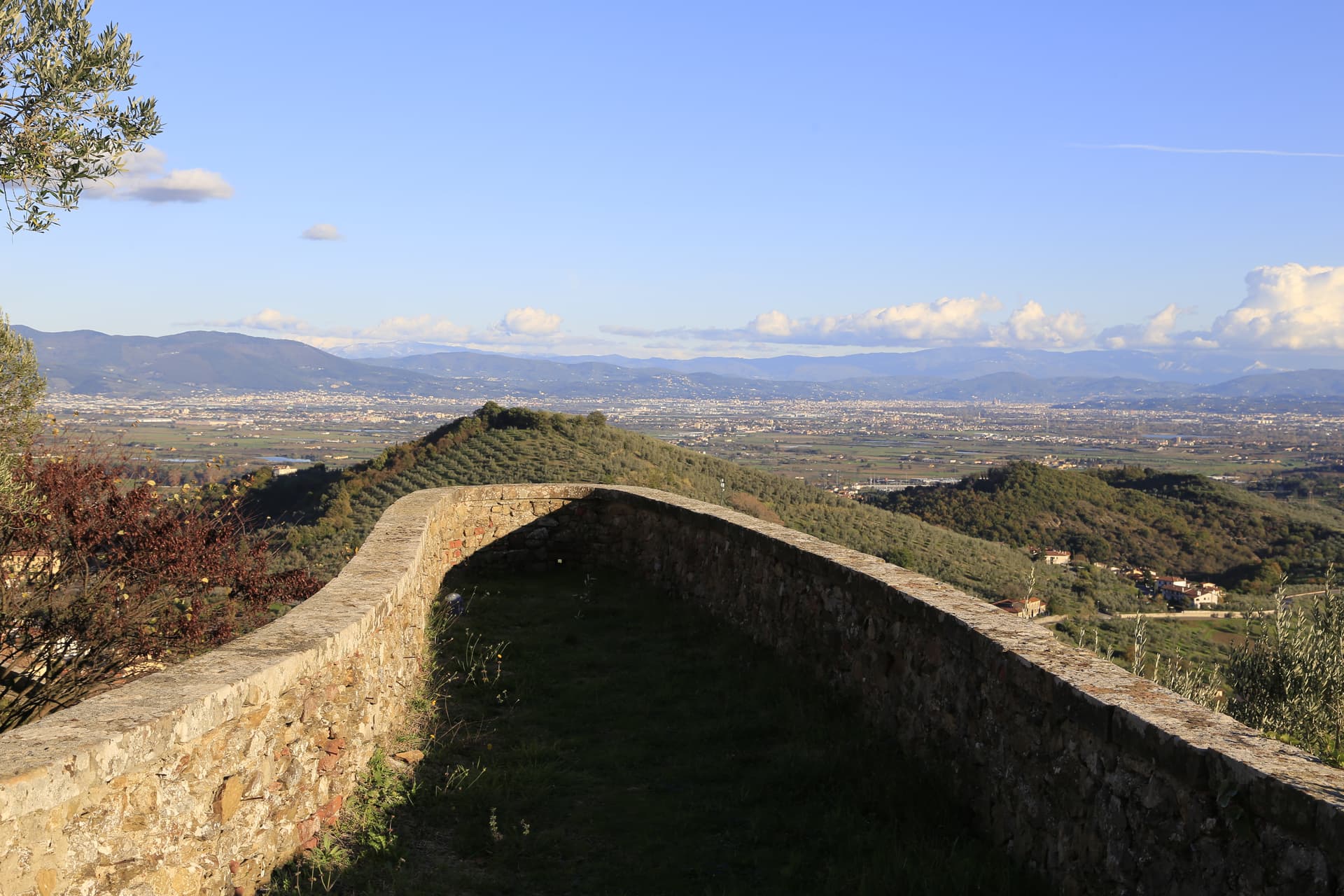
Carmignano
Province: Prato
A Medici village at 189 meters on the Montalbano slopes, where Pontormo's Visitation hangs in the parish church and Etruscan tumuli sit below the Renaissance villas.
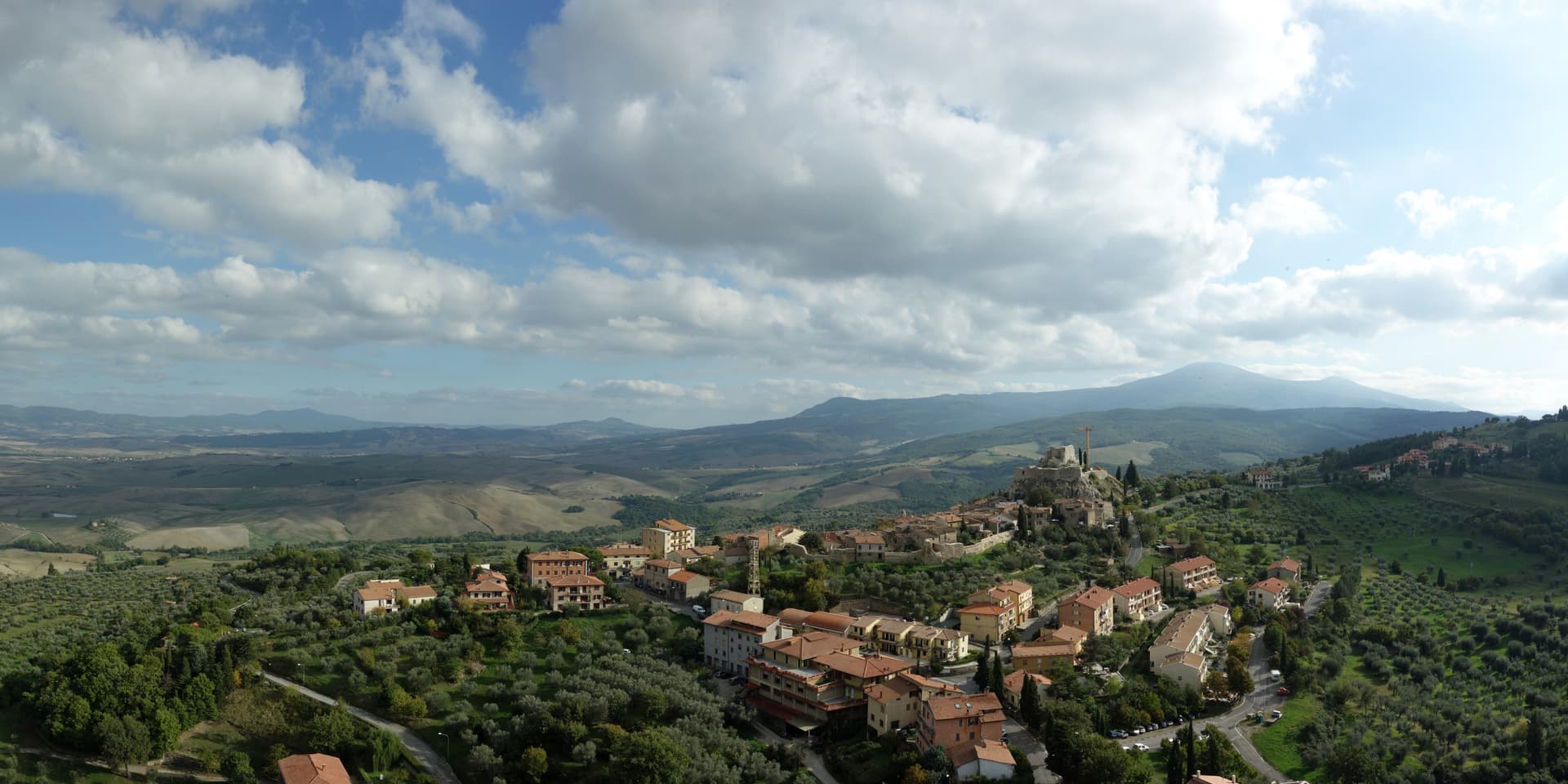
Castiglione d'Orcia
Province: Siena
A stone borgo at 540 meters in the UNESCO Val d'Orcia, first recorded in 714, with two fortresses guarding the road from Amiata to the Via Francigena.
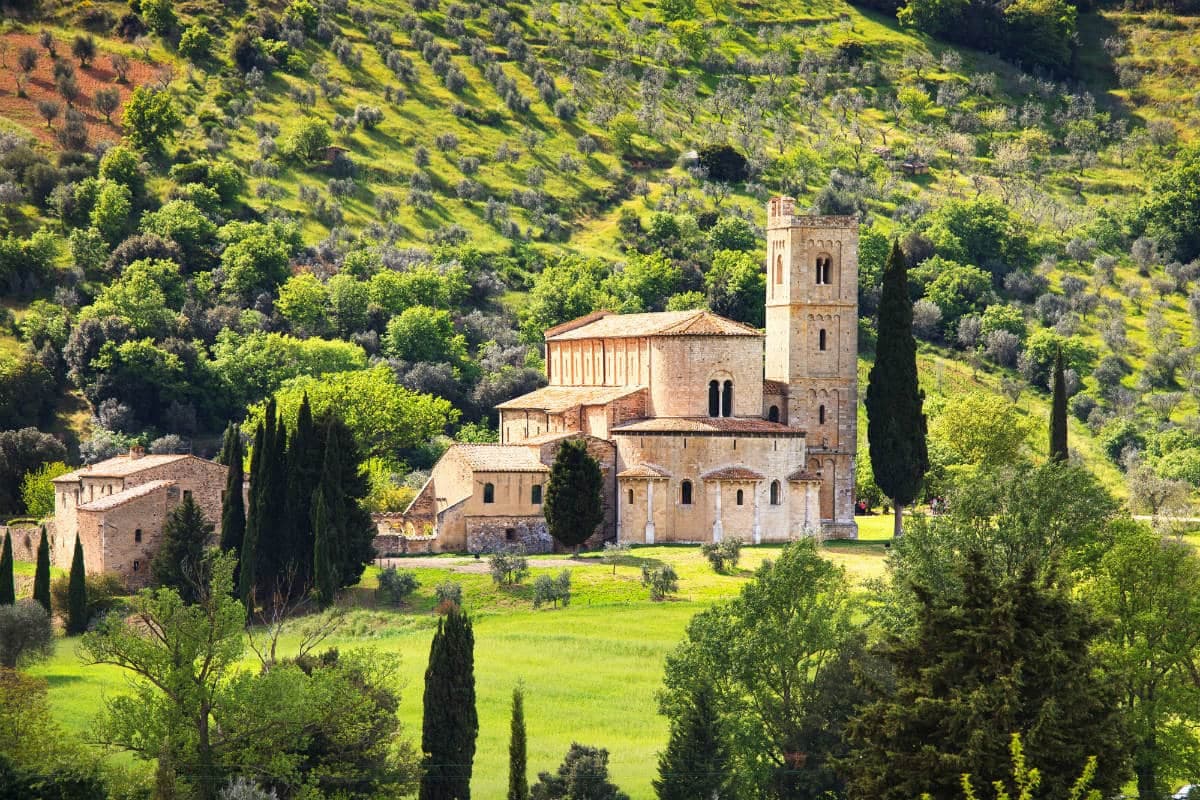
Montalcino
Province: Siena
A walled hill town at 564 meters above the Val d'Orcia, the last fortress to hold out for the Sienese Republic and the birthplace of Brunello.
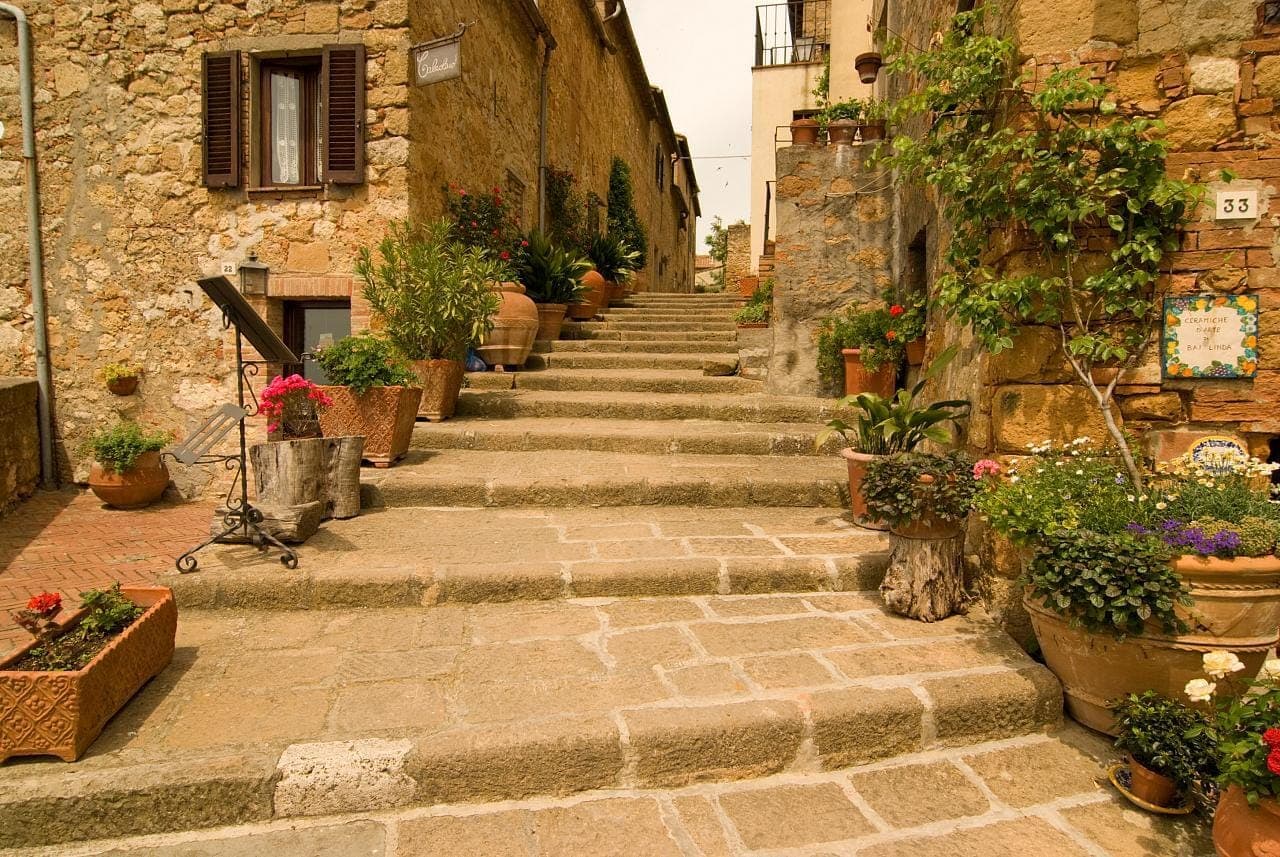
Pienza
Province: Siena
The first Renaissance ideal city, built from 1459 by Bernardo Rossellino for Pope Pius II on the Val d'Orcia ridge.