
Themed picks · Verona · Wine
10 wine towns near Verona
10 comuni · within 90 minutes of Verona · drive times OSRM-computed
Verona is the wine city of the Veneto. Vinitaly, the largest wine fair in the world, runs here every April. The surrounding hills hold five major DOC and DOCG zones in a tight arc: Valpolicella to the north (Amarone, Ripasso, Valpolicella Classico), Soave to the east (the Garganega-based whites), Bardolino on the southwestern shore of Lake Garda, Custoza further south of Garda, and Lugana stretching across the Verona-Brescia border at the bottom of the lake. All five are inside an hour's drive from the city.
Verona itself is the right base because the city is dense (Roman arena, Castelvecchio museum, the river bend) and the rail and motorway access (A4, A22, Porta Nuova station) put the wine country at the edge of the suburbs. Most of the cellars are open by appointment; the Strade del Vino routes are signposted in the hills and connect the villages in a way that makes a multi-cellar day possible without a guide.
We picked ten comuni that anchor the five zones, with a deliberate spread (3 Valpolicella, 2 Soave, 2 Bardolino, 1 Custoza, 1 Lugana, 1 outside the main zones for context). Drive times below are OSRM-computed from Verona Porta Nuova by car; rail times are flagged on the per-town pages where they apply (Soave and Bardolino are rail-served; Valpolicella's inner valleys need a car).
 1
1Mantova · Lombardy · 37 min from Verona
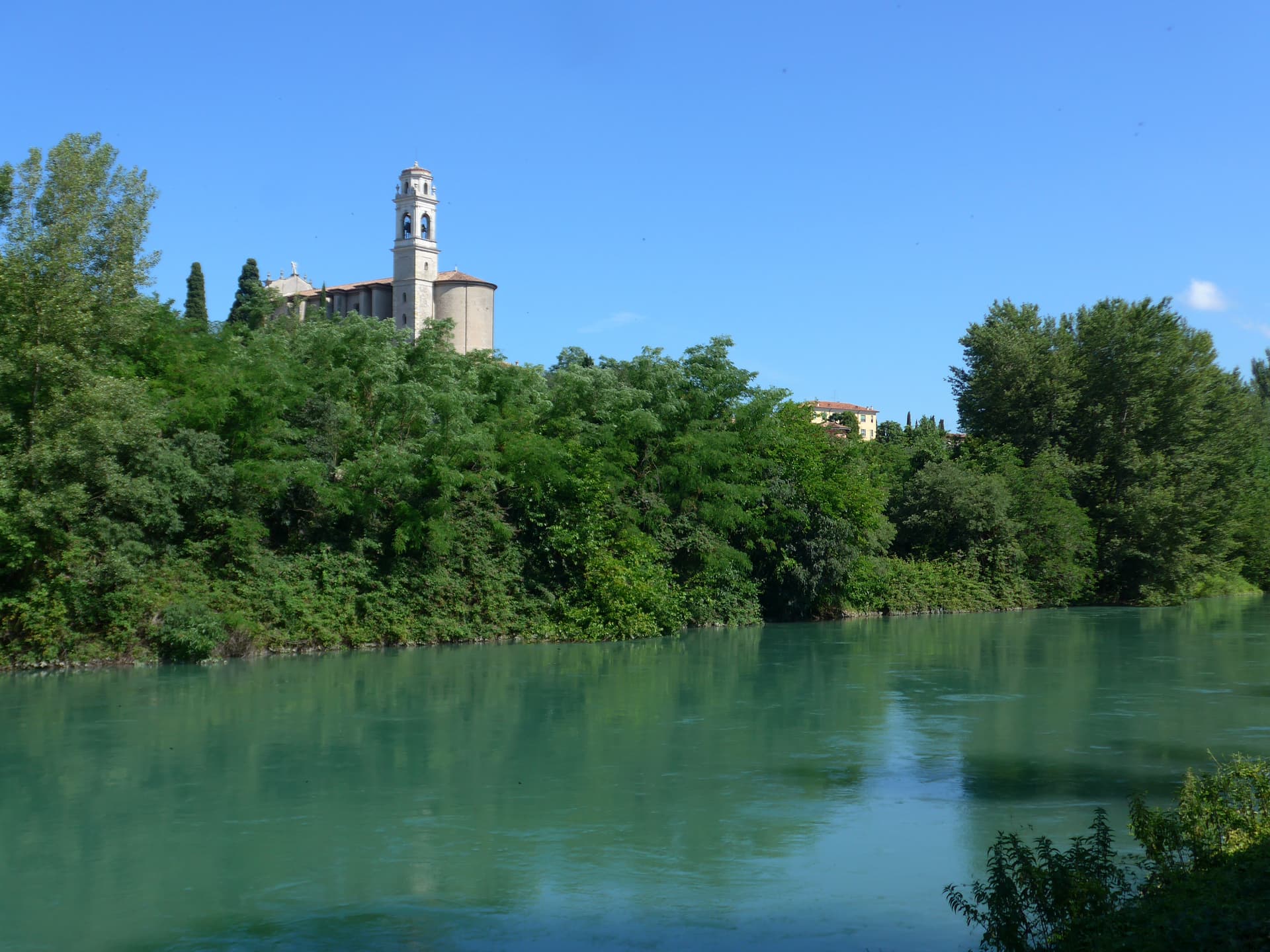
Monzambano
A Mincio commune at 88 meters in the moraine hills west of Mantova, whose frazione Castellaro Lagusello sits on a heart-shaped lake inside fortified walls.
Small glacial lake below Castellaro's walls, shaped like a heart on the map, fed by the moraine springs of the Alto Mantovano.
Named on the Città del Vino trail.
 2
2Verona · Veneto · 47 min from Verona
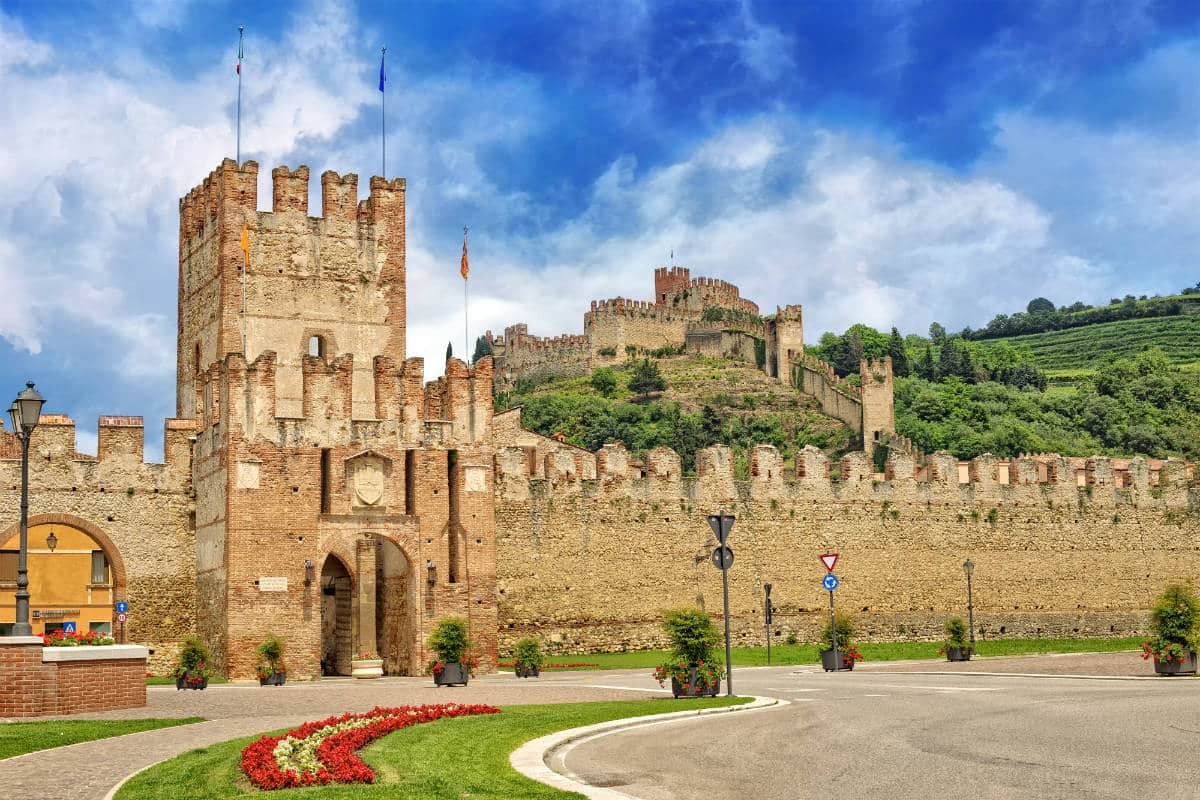
Soave
A walled wine town twenty kilometers east of Verona, 2022 Borgo dei Borghi winner, where Garganega vineyards climb to the Scaligeri castle on Colle Tenda.
Garganega-based white wine from the volcanic hills east of Verona.
Soave Classico DOCG (DOCG) anchors this town's cellar.
 3
3Brescia · Lombardy · 39 min from Verona
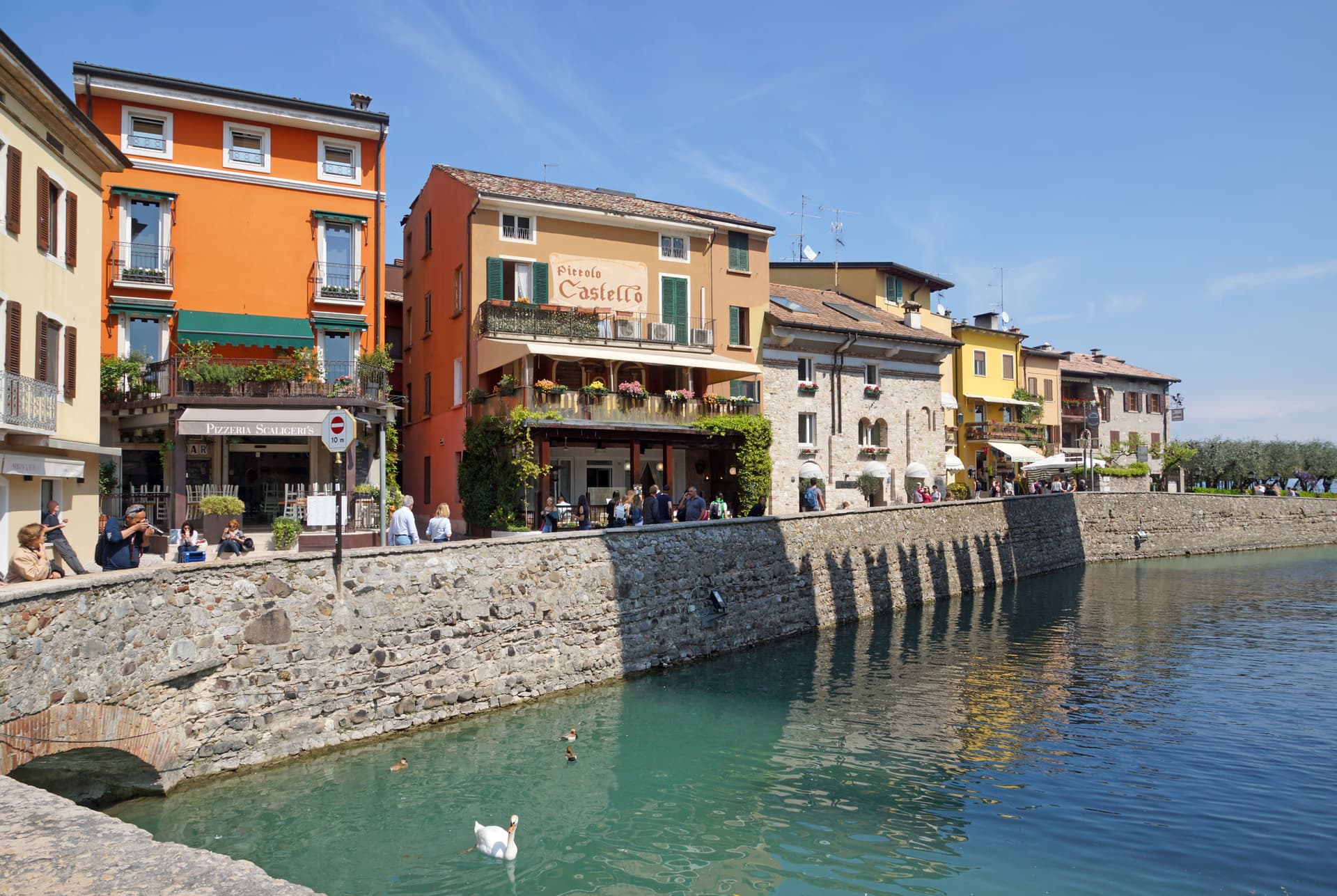
Sirmione
A 4-kilometer peninsula reaching into the southern Garda, with the Scaliger fortified port and the Roman villa called the Grotte di Catullo at its tip.
Roman villa at the peninsula tip, the largest in northern Italy, named for the poet who returned here in his thirty-first poem.
 4
4Verona · Veneto · 40 min from Verona
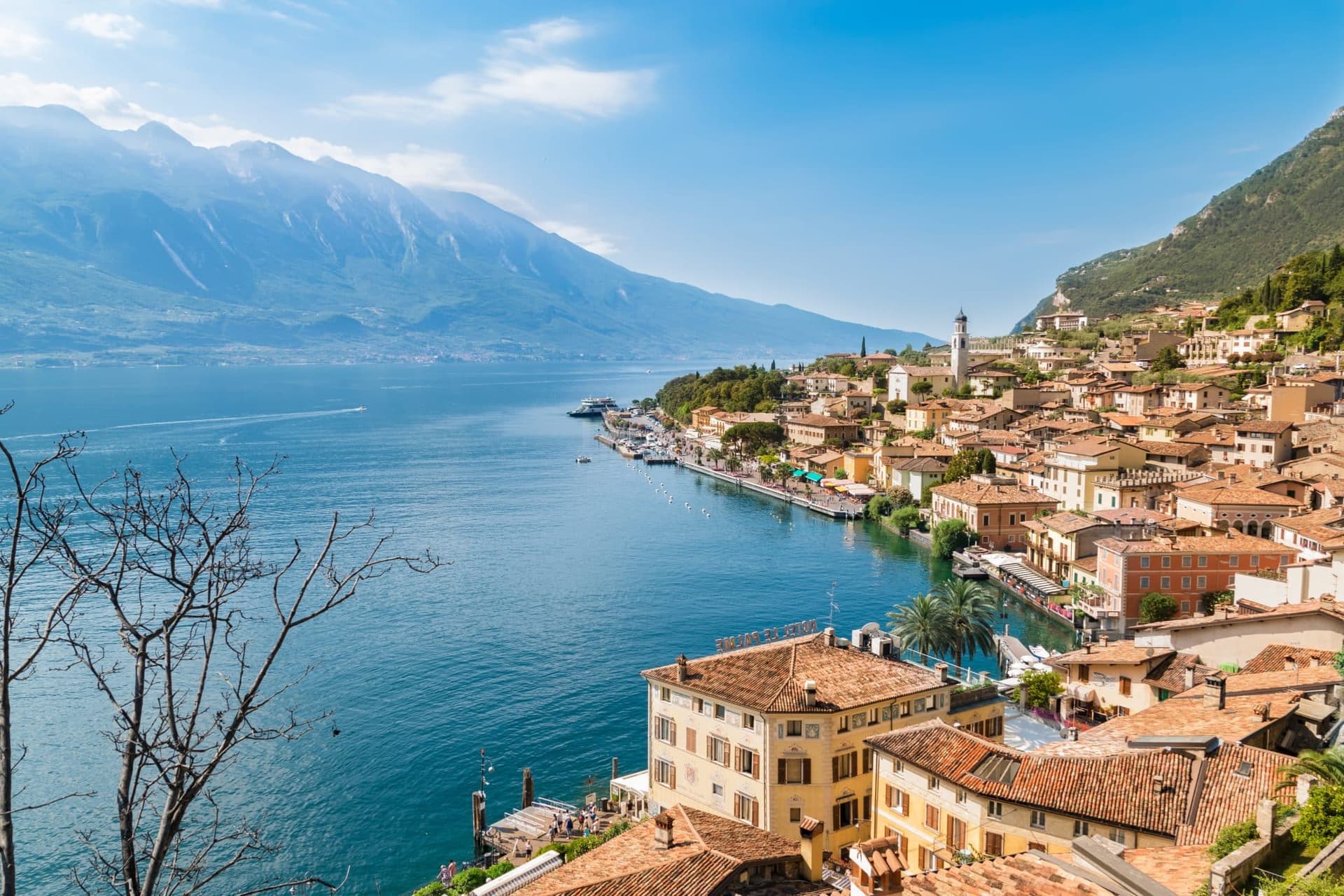
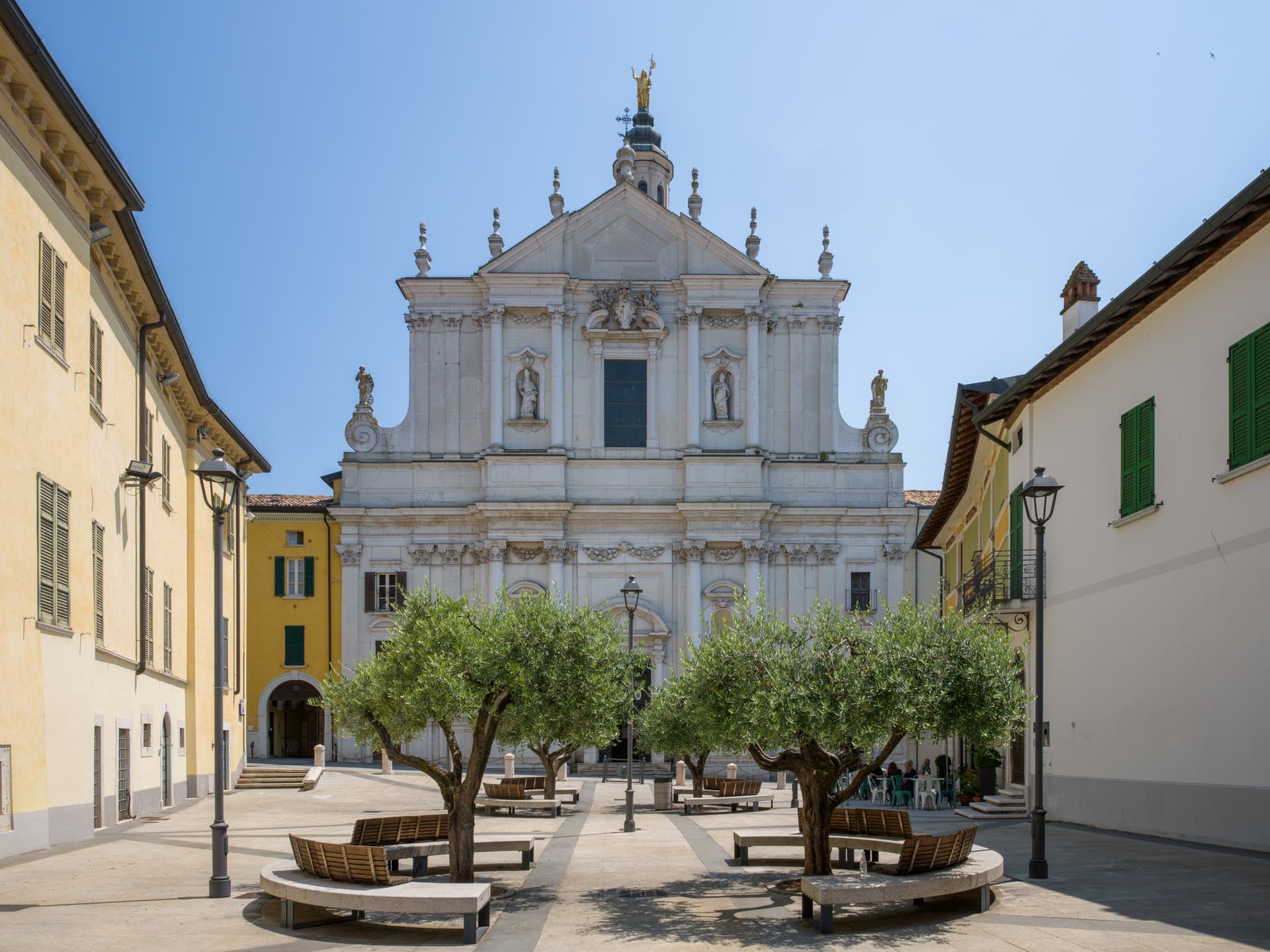
Lazise
The walled port on the southeastern shore of Lake Garda granted the right to fortify in 983, considered the first comune in Italy.
Otto I's grant to fortify the village and collect tolls, often cited as the founding act of the first comune in Italy.
 5
5Brescia · Lombardy · 42 min from Verona
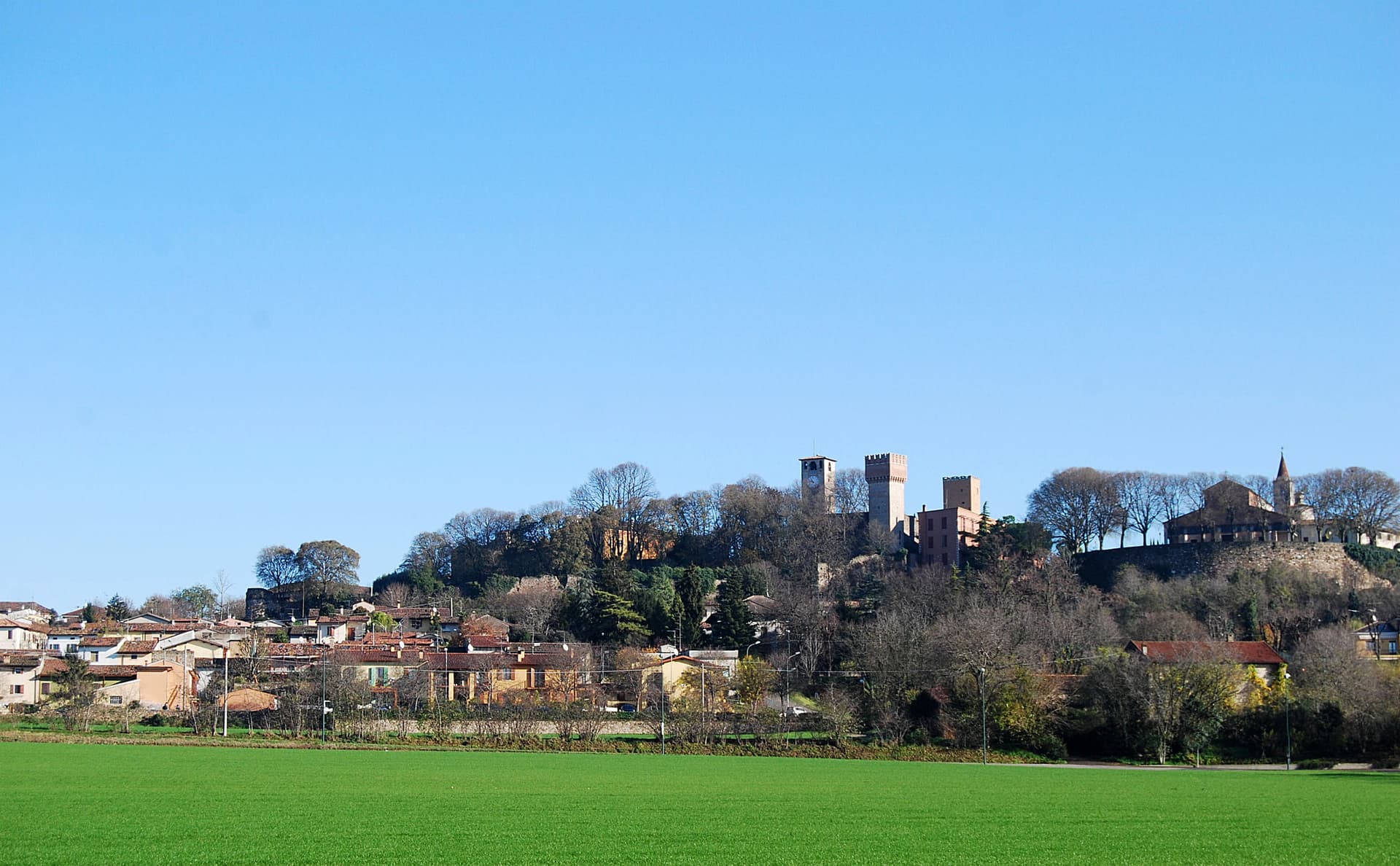
Lonato del Garda
A hilltop commune on the southwestern Garda morainic ridge, with a Visconti Rocca and the 52,000-volume Casa del Podestà library.
Castle ordered in 1376 by Regina della Scala, reshaped by the Visconti, 180 metres long on the upper level.
The slow-trip planner
Building a trip? Find where Verona fits in a slow Italy circuit.
Answer five questions. We will shape a geographically coherent slow trip from the 1,000 Italian towns most travelers skip. Yours to save and share.
 6
6Mantova · Lombardy · 42 min from Verona
Volta Mantovana
A morainic hill town between Mantua and Lake Garda where Ludovico Gonzaga built a country palace inside the old medieval castle.
Country villa Ludovico Gonzaga built inside the medieval castle in the 1460s, with Italian terrace gardens still intact.
 7
7Verona · Veneto · 44 min from Verona
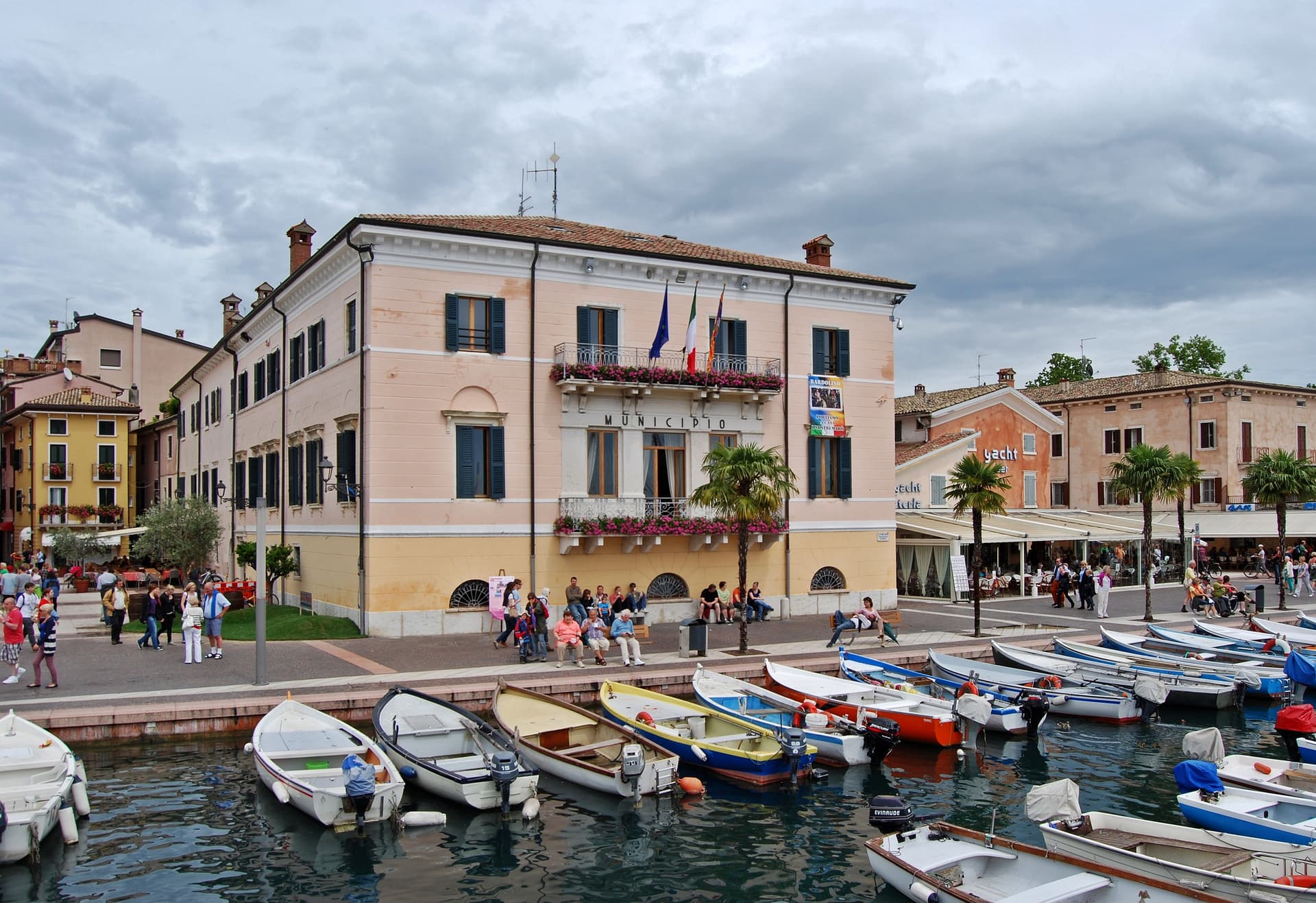
Bardolino
Lake Garda's east-shore wine town at 65 meters, where Corvina and Rondinella grapes have made Bardolino and Chiaretto since the Roman period.
DOC red from Corvina, Rondinella and Molinara, granted in 1968 and produced in the hills between the lake and Verona.
 8
8Trento · Trentino-Alto Adige/Südtirol · 67 min from Verona
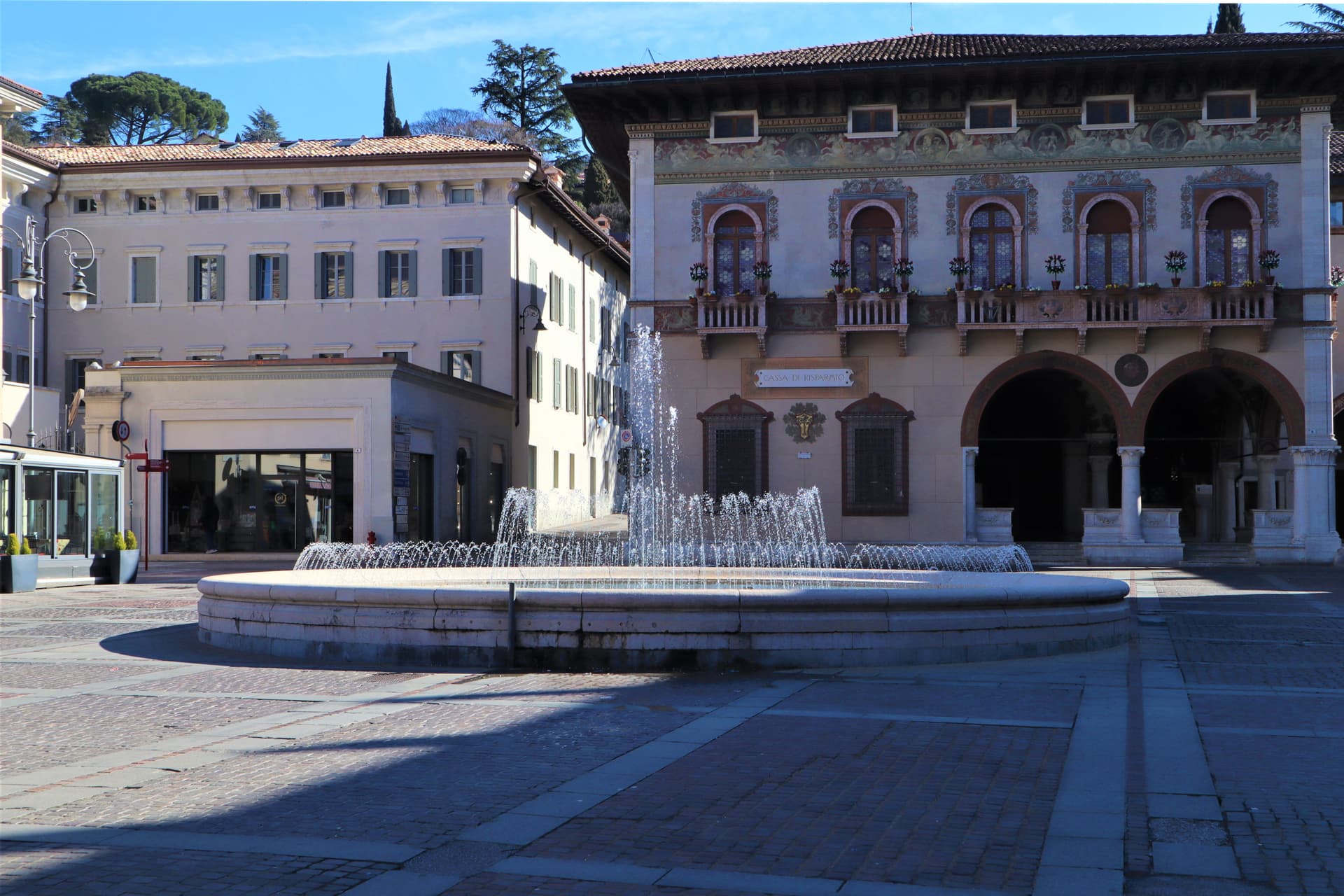
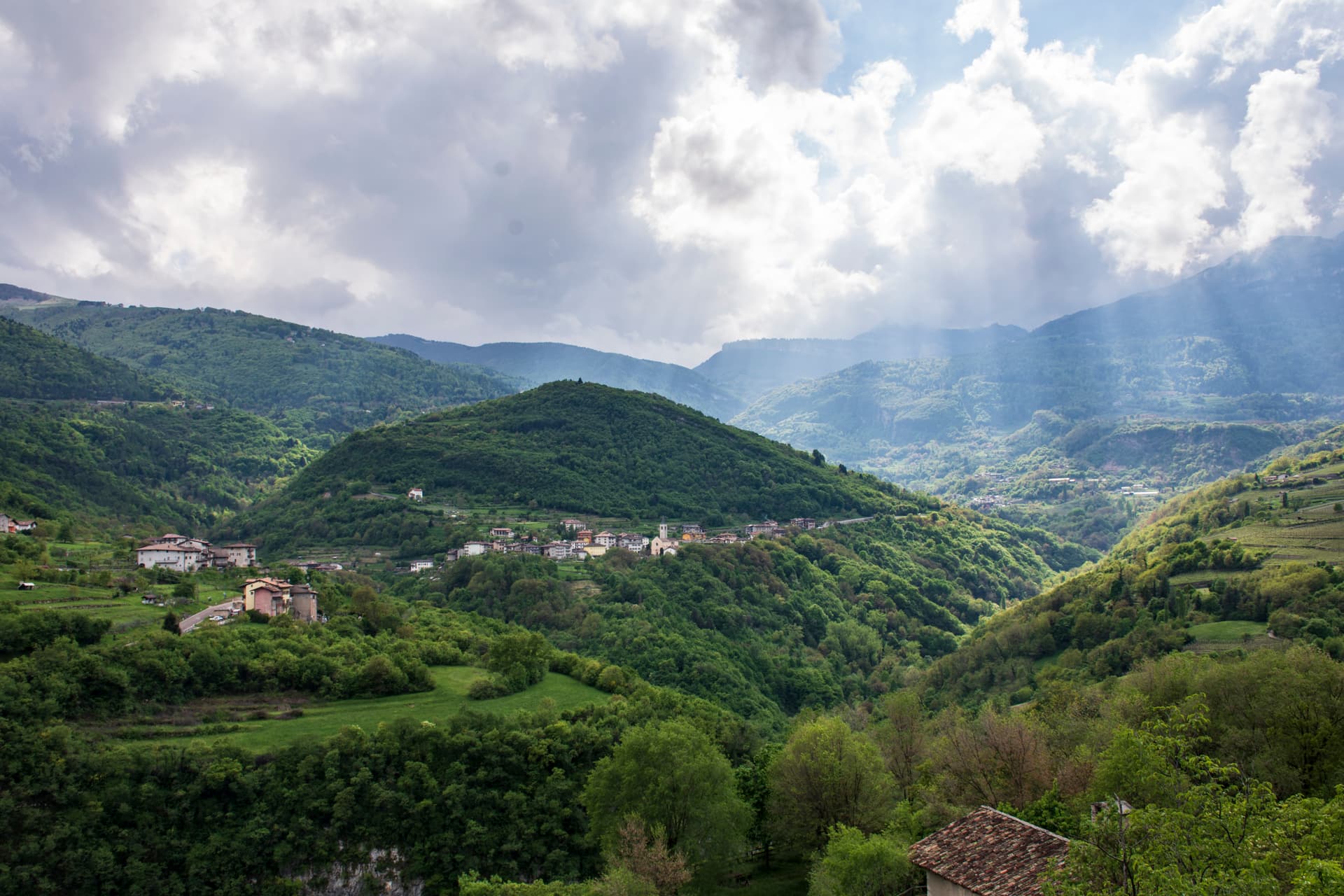
Rovereto
The Vallagarina city at 204 metres where a Venetian-Austrian castle holds the Italian war museum and a Mario Botta dome holds Italy's largest contemporary art collection.
Mario Botta's 2002 circular museum, the largest collection of modern and contemporary art in the Italian Alps, anchored by Fortunato Depero and the Italian Futurists.
 9
9Trento · Trentino-Alto Adige/Südtirol · 75 min from Verona
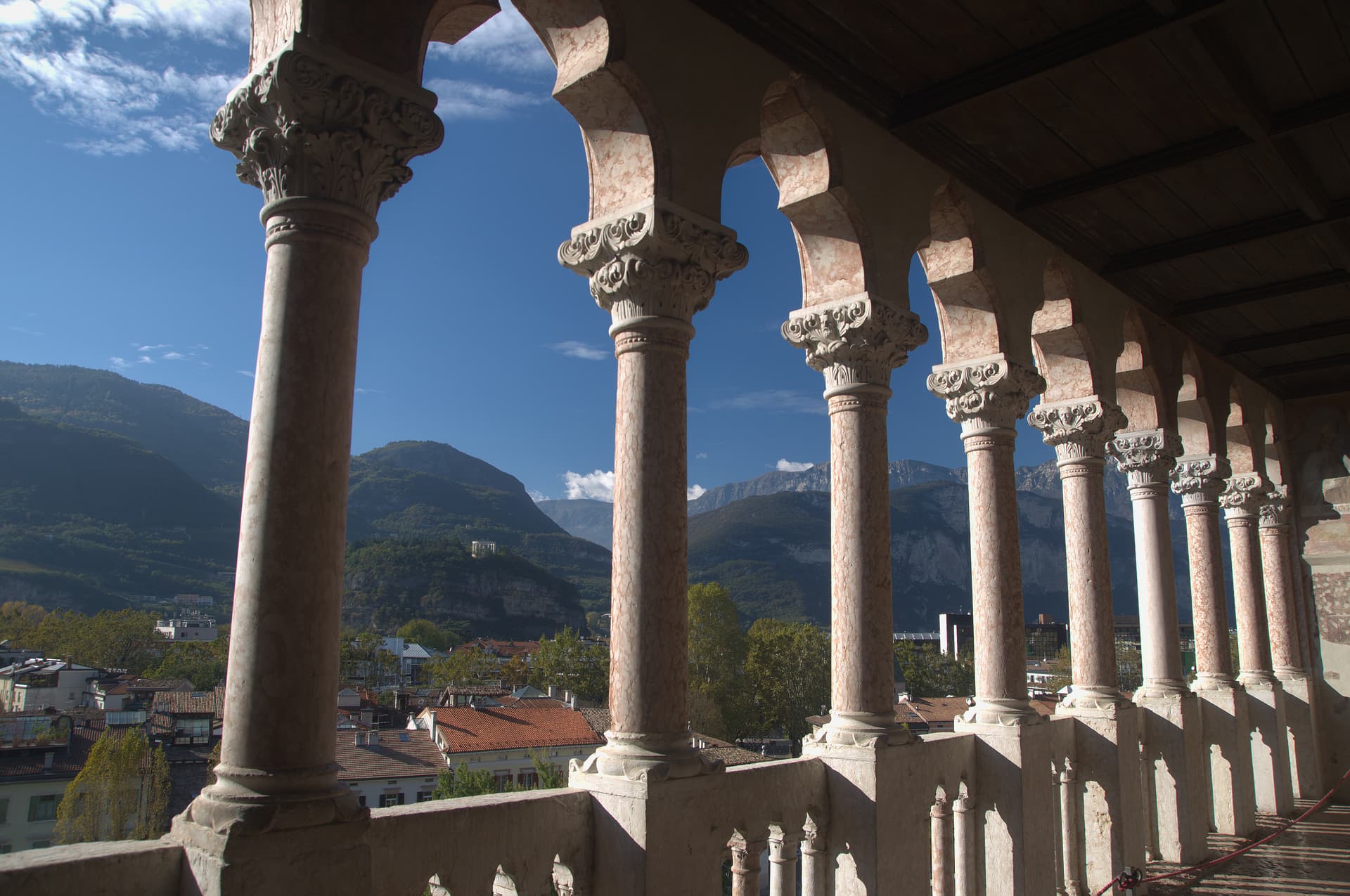
Brentonico
The Monte Baldo plateau town between Lake Garda and the Vallagarina, with chestnut groves, war trenches and a botanical garden of the Garden of Italy.
Terraced chestnut and marroni groves above the Vallagarina, producing a third of all Trentino chestnut output and feeding the autumn sagra calendar.
 10
10Trento · Trentino-Alto Adige/Südtirol · 76 min from Verona
Trento
The Alpine capital on the Adige at 194 metres, where the Council that reshaped the Catholic Church met in a castle still standing above the city.
Twenty-five sessions held in the Duomo and the Buonconsiglio between 1545 and 1563, formulating the Catholic response to the Protestant Reformation.
We write about towns like these every Sunday, one town a week, with the photo, the food, the festa. Free, from Pietrasanta.
By subscribing you agree to Substack’s Terms of Use, our Privacy Policy and our Information collection notice.
Why Verona is the base
Verona is the only Italian city with a UNESCO-listed centre, a working Roman amphitheatre (Arena di Verona, the summer opera season runs June through September), and a major wine fair (Vinitaly, mid-April) inside its boundaries. The food in the city itself closes the loop: bigoli all'anatra in the trattorie around Sant'Anastasia, pastissada de caval (horse stew, a Verona specialty) in the older osterie, and the wines from each surrounding zone available by the glass in even the most ordinary bars.
When to go
April for Vinitaly, late September and October for harvest, and through November for the appassimento (the grape-drying process that gives Amarone its concentration). The Soave hills are at their best in spring; Valpolicella in autumn; Bardolino any month from May through October. Avoid the August lull, when many smaller cellars close for the family holidays.
Questions people ask
- What is the difference between Valpolicella, Ripasso, and Amarone?
- All three come from the same blend of grapes (mainly Corvina, Corvinone, Rondinella) and the same hills north of Verona. Valpolicella Classico is the lighter, everyday wine. Ripasso is Valpolicella Classico re-fermented over the spent grape skins from Amarone production, giving it more body. Amarone della Valpolicella is made from semi-dried grapes (appassimento) for 100 to 120 days, producing a higher-alcohol, concentrated wine that ages for decades.
- Where should I taste Soave?
- In the hills east of Verona, in the comune of Soave itself (around the walled town and castle) or in Monteforte d'Alpone and Cazzano di Tramigna. The Pieropan and Inama estates are open by appointment; the Suavia and Coffele estates run regular tastings.
- Is Bardolino on Lake Garda a real wine zone or a tourist label?
- Real. The Bardolino DOC has been producing a light, food-friendly red (predominantly Corvina) since the lake shore was planted in the Middle Ages. The Chiaretto version (rosé) is the locals' summer wine. Bardolino itself is touristy in July and August; the inland Bardolino comuni (Cavaion Veronese, Affi) are calmer.
- When is Vinitaly?
- Mid-April every year, four days at the Verona fairground (Veronafiere). It is trade-only, but the entire city pivots around it for the week: tastings spill into the bars and restaurants, the Quartiere Veronetta runs Vinitaly And The City as an open-public spinoff in the evenings.
How we picked these · We filtered every Veneto town within 90 minutes of Verona (44 candidates), kept those carrying a Città del Vino designation or a signature wine DOP/DOC/DOCG product, and ranked by signal density plus drive-time tightness. We made sure each of the five major zones is represented on the list and the largest (Valpolicella) gets three slots.
Subscribe — free
Get the best guides on hidden Italian towns.
One letter on Sundays. The week’s town, with the photo, the food, the festa. Free, by Peter & Sophia from Pietrasanta.
Substack sends a confirmation link to your inbox. The signup finishes when it’s clicked.
From elsewhere in Italy
Five more towns to discover
Putignano
Province: Bari
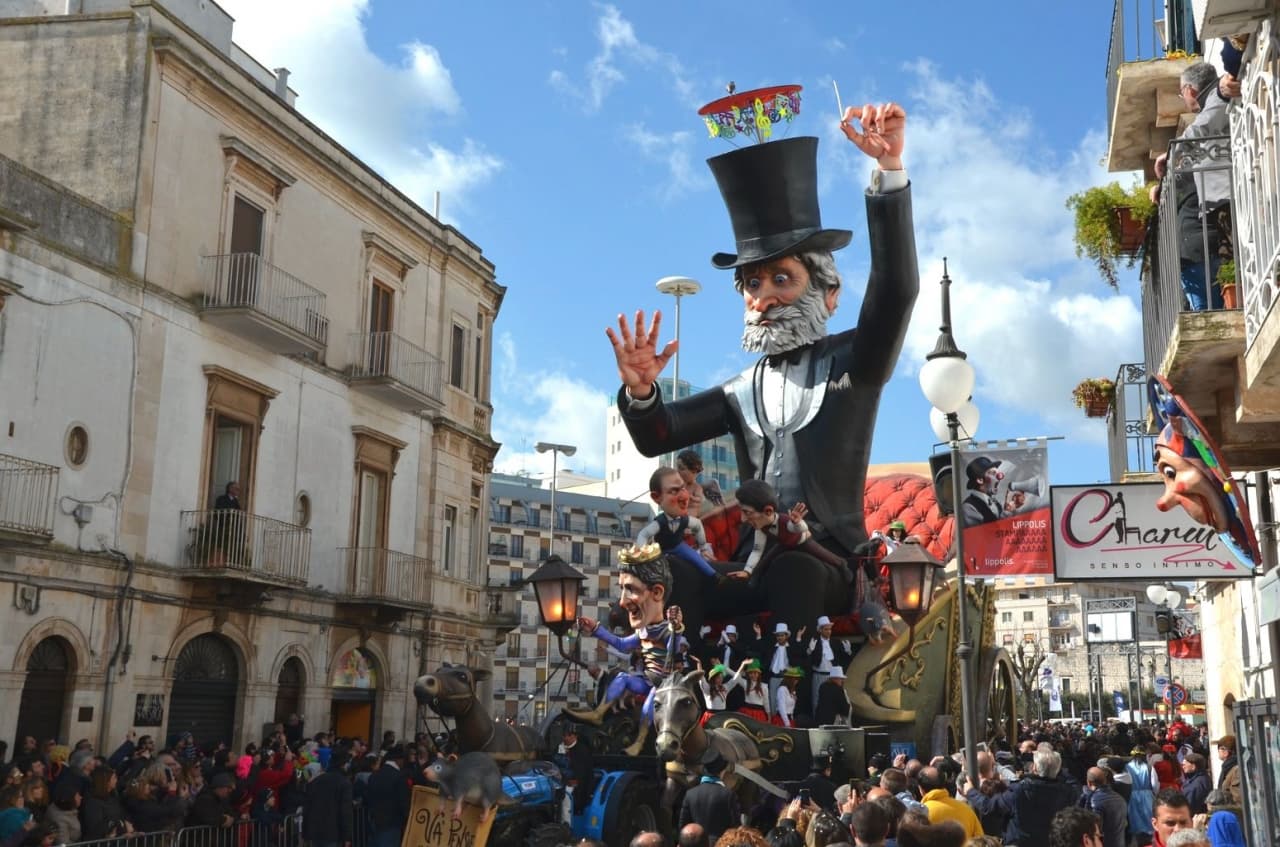
Europe's longest-running carnival — Putignano Carnevale has run continuously since 1394, with 631 years of cartapesta papier-mâché floats, a 26,000-resident Murgia town on the Bari–Lecce plateau, and the Grotta del Trullo karst cave inside the centro.

Pistoia
Province: Pistoia
Italy's nursery capital and the medieval Tuscan rival that gave its name to the pistol — a quietly extraordinary centro storico of zebra-striped Romanesque churches, Andrea della Robbia's polychrome frieze on the Ospedale del Ceppo, and Italy's Capital of Culture 2017, all 30 minutes from Florence by train.
Tropea
Province: Vibo Valentia
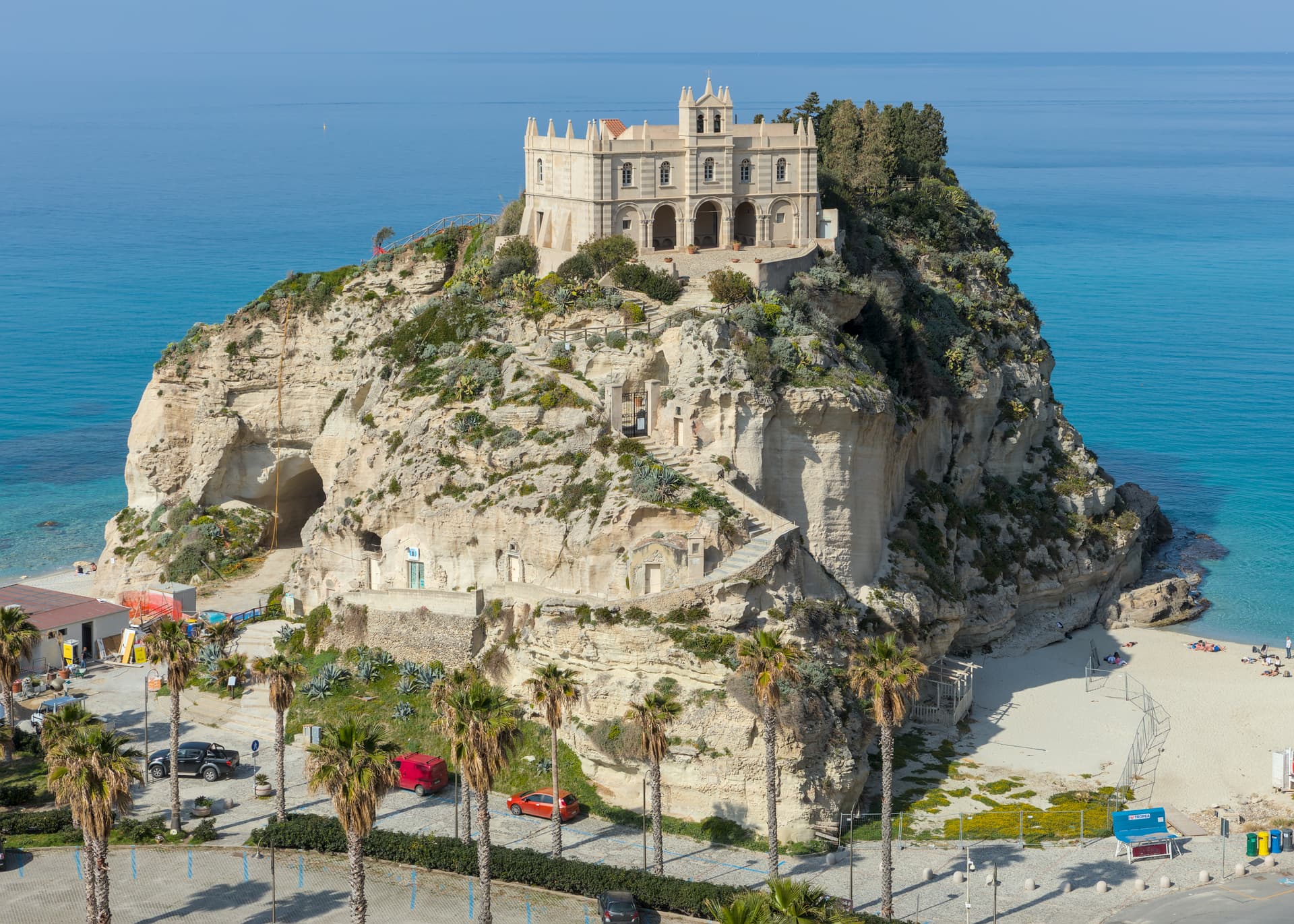
Cliff town on a tufa headland over the Tyrrhenian Coast of the Gods, with a Norman monastery on a sea rock.
Caldes
Province: Trento
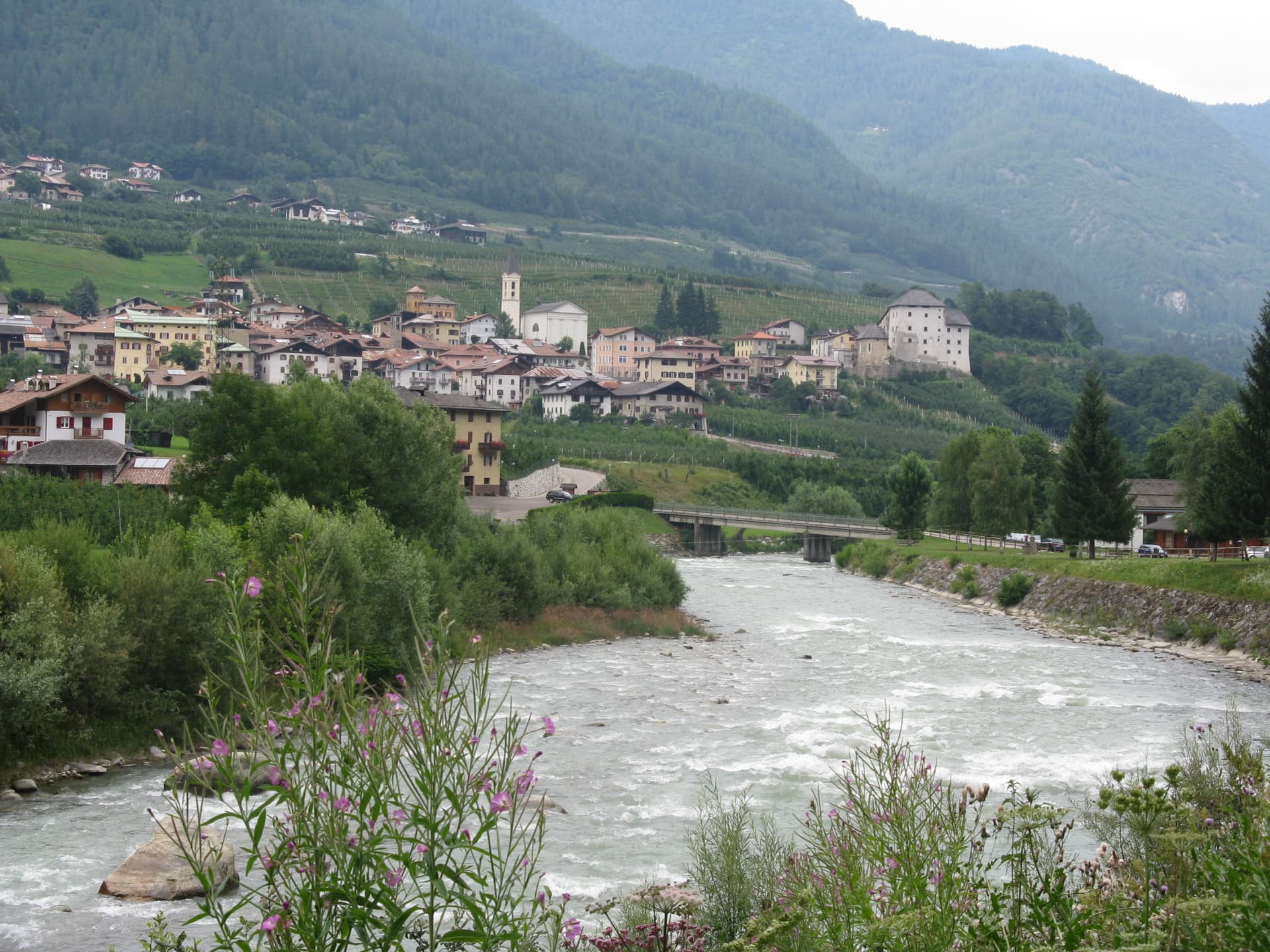
A scattered Val di Sole commune on the Noce, six hamlets gathered around a thirteenth-century tower-house castle that once belonged to the Thun family.
Cantiano
Province: Pesaro e Urbino
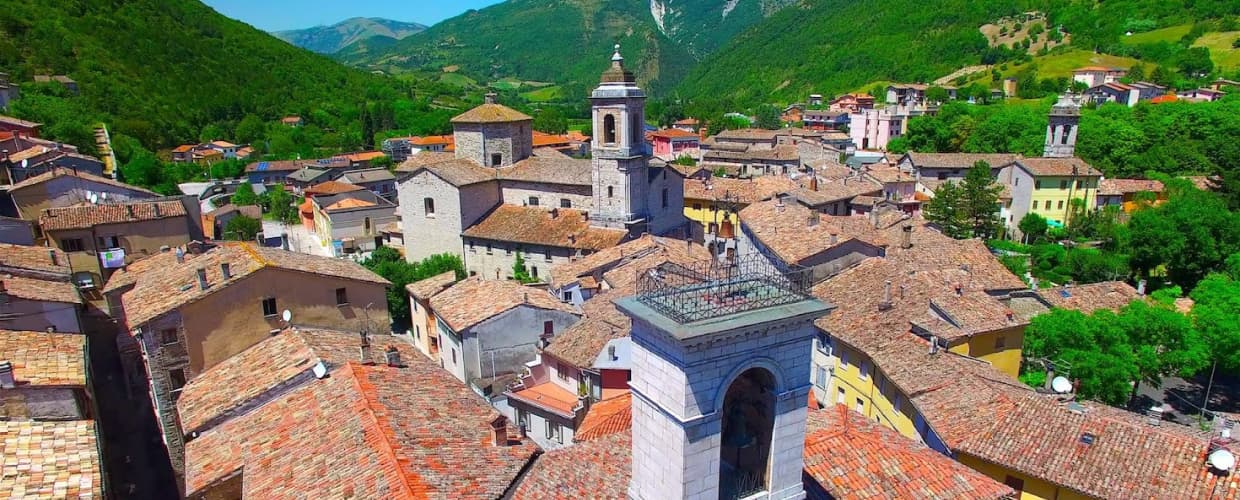
A border borgo at 374 meters under Monte Catria on the old Via Flaminia, known for the Good Friday Turba and the sour-cherry visciola harvest.