

Tuscany · Siena
San Gimignano
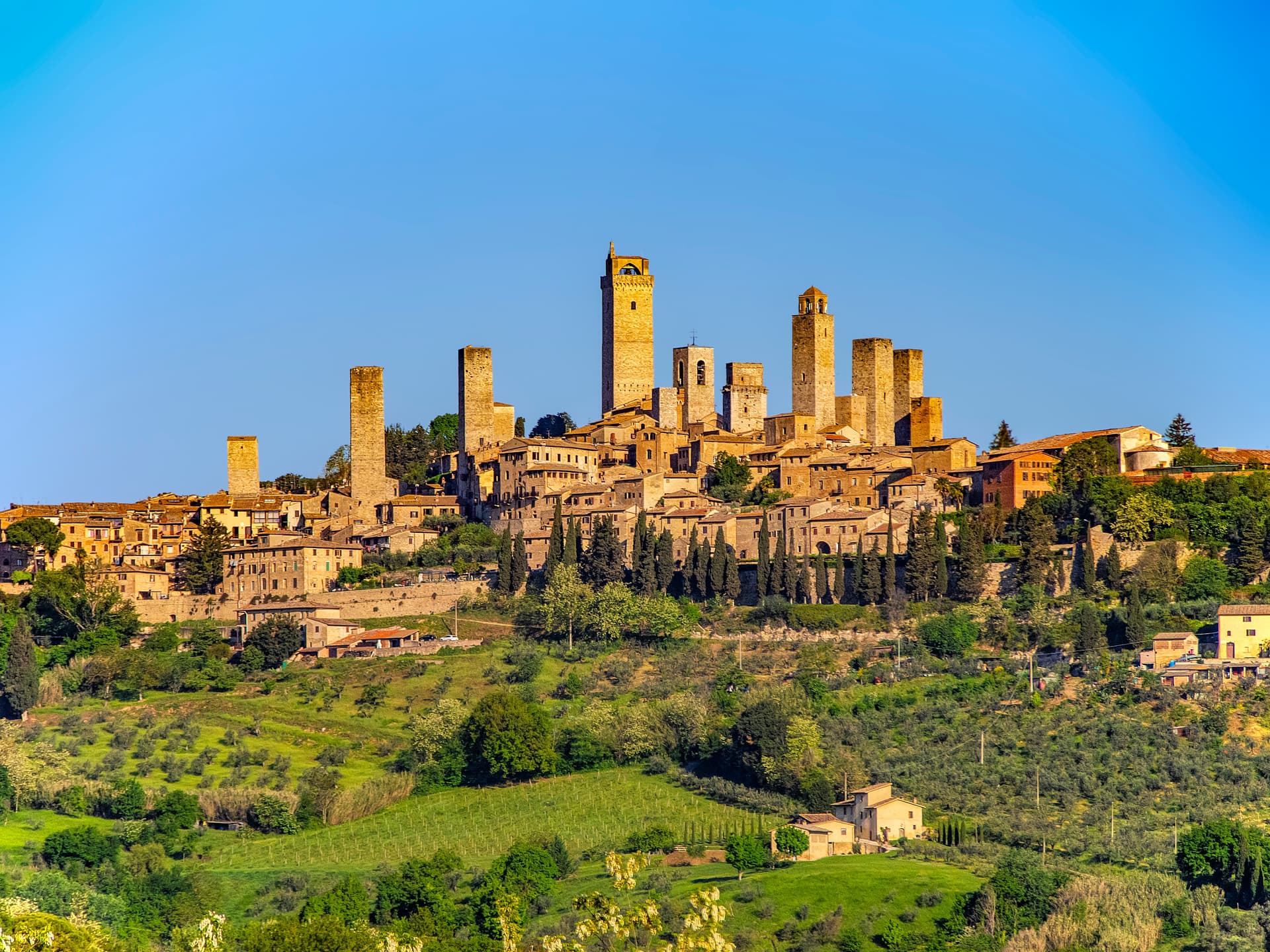
A walled hill town with 14 surviving medieval towers, UNESCO listed since 1990 and the home of Vernaccia.
Known for
FOURTEEN TOWERS
Surviving tower-houses out of 72 built between the twelfth and fourteenth centuries by patrician families, the skyline UNESCO listed since 1990.
VERNACCIA
White wine from local vineyards, praised by Dante in Purgatorio XXIV and the first Italian wine to receive DOC status in 1966.
1348
Year the Black Death halved the population and forced submission to Florence, freezing the medieval skyline in place.
When to visit
Best · Apr–Oct
- J
- F
- M
- A
- M
- J
- J
- A
- S
- O
- N
- D
- Best
- Hot or crowded
- Quiet
- Mostly closed
Why come
San Gimignano sits in the Val d'Elsa, halfway between Firenze and Siena on the medieval pilgrim road to Rome. Patrician families built 72 tower-houses in the twelfth and thirteenth centuries as proofs of wealth and platforms for vendettas; 14 still stand, the tallest being the Torre Grossa. The town declared independence from the bishops of Volterra in 1199 and grew rich on saffron and Vernaccia, the white wine grown on the surrounding hills and praised since Dante.
The Black Death of 1348 broke the boom; San Gimignano lost more than half its population and submitted to Florence. That collapse is the reason the medieval skyline survived. UNESCO listed the historic centre in 1990 as a complete record of feudal architecture. Roughly three million visitors come each year, more than 400 times the resident population, and the centro storico empties into the surrounding olive groves once the day-trippers leave.

What to see
Torre Grossa
Fifty-four meter civic tower attached to the Palazzo Comunale, the tallest of the surviving 14, open for the climb to the panoramic terrace.
Piazza della Cisterna
Triangular medieval square paved in brick around an octagonal well of 1287, lined by tower houses and Romanesque palaces.
Collegiata di Santa Maria Assunta
Romanesque parish church on Piazza Duomo, walls covered by Bartolo di Fredi and Lippo Memmi frescoes of Old and New Testament scenes.
Palazzo Comunale
Thirteenth-century town hall on Piazza Duomo, holding the civic art collection with works by Lippo Memmi, Pinturicchio and Benozzo Gozzoli.
Chiesa di Sant'Agostino
Augustinian church at the northern end of town with a fresco cycle on the life of Saint Augustine by Benozzo Gozzoli from 1465.
Museo della Tortura
Private museum of medieval and modern instruments of torture, controversial but among the most visited collections in the town.
The slow-trip planner
Building a trip? Find where San Gimignano fits in a slow Italy circuit.
Answer five questions. We will shape a geographically coherent slow trip from the 1,000 Italian towns most travelers skip. Yours to save and share.
We recommend
Where to eat and stay
Not our picks, but places the guides put their name to — a Michelin star, a Gambero Rosso fork, a Slow Food snail, a Michelin Key for the hotels. Worth a table, a counter, or a night when you pass through.
San Martino 26Ristorante
San Martino 26 carries two Gambero Rosso forks (82/100), plus a spot in the Michelin Guide.
Da PodeRistorante
Da Pode has a Michelin Bib Gourmand to its name.
LinfaRistorante
Linfa carries one Michelin star.
La CollegiataHotel
A place in the Michelin hotel guide, at La Collegiata.
The Sunday letter
San Gimignano got its letter. One town every Sunday, free — the photo, the food, the festa.
By subscribing you agree to Substack’s Terms of Use, our Privacy Policy and our Information collection notice.
Living here
- Population 7,480
- In-betweeni
- Pharmacy in town
- High school within a 30-minute drive
- Nearest airport Florence / Pisa, 1 h 27 min drive
- Regional capital Firenze, 1 h 1 min drive
Tags & datadesignations · numbers · sources
The numbers
- Elevation: 334 m
- Population: 7,480
- Surface area: 138.6 km²
These figures were compiled from public directories — ISTAT, OpenStreetMap, Wikidata — and from the official listings of the guides named on this page. Town details change; verify with official sources before you travel.
Featured on
San Gimignano appears on 2 themed picks from our Collections:
Close by
More towns near San Gimignano
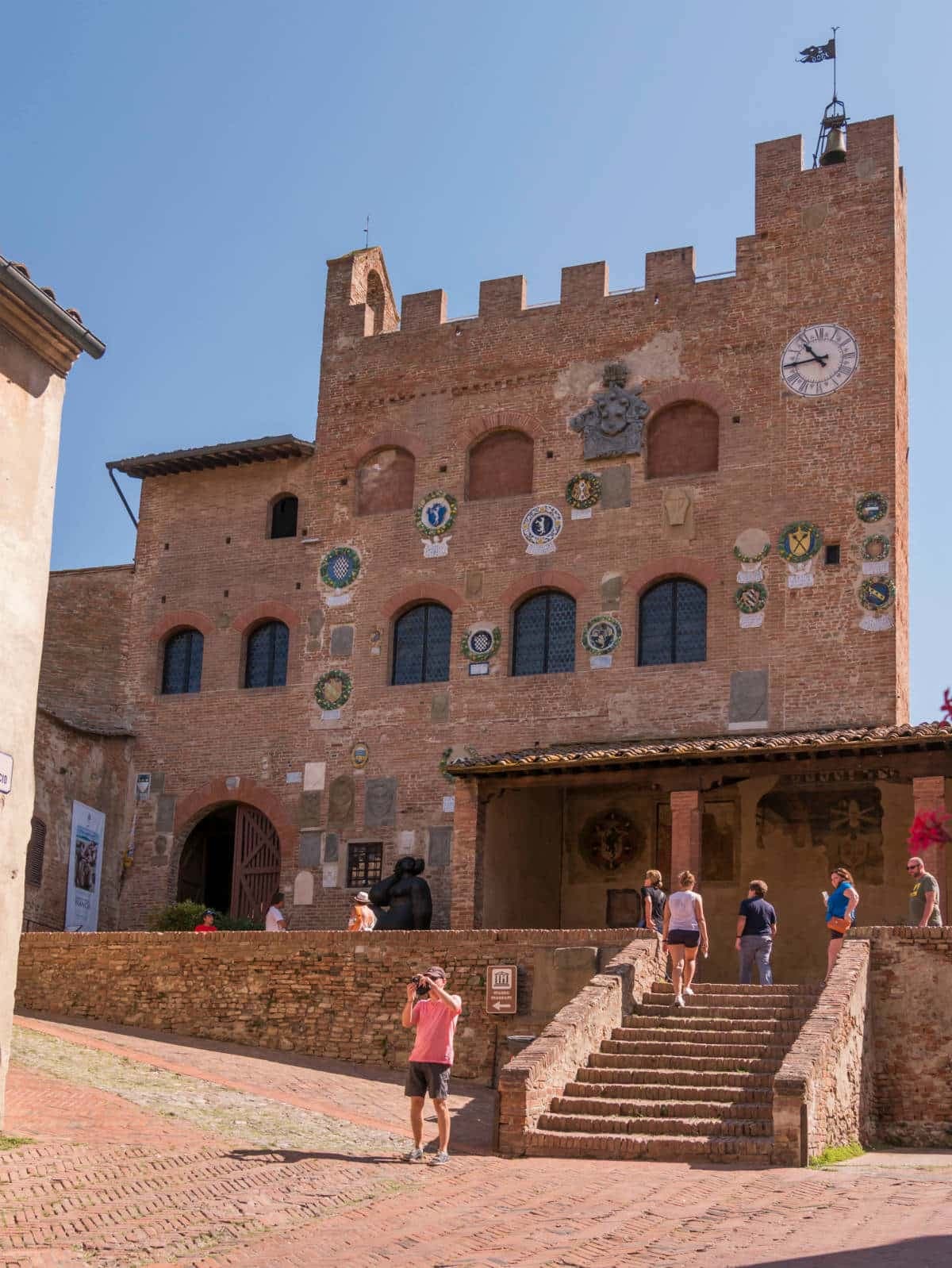
Certaldo
Province: Firenze
The brick-built upper town in the Valdelsa where Boccaccio spent his last years, twenty-five kilometers from Florence on the medieval road to Siena.
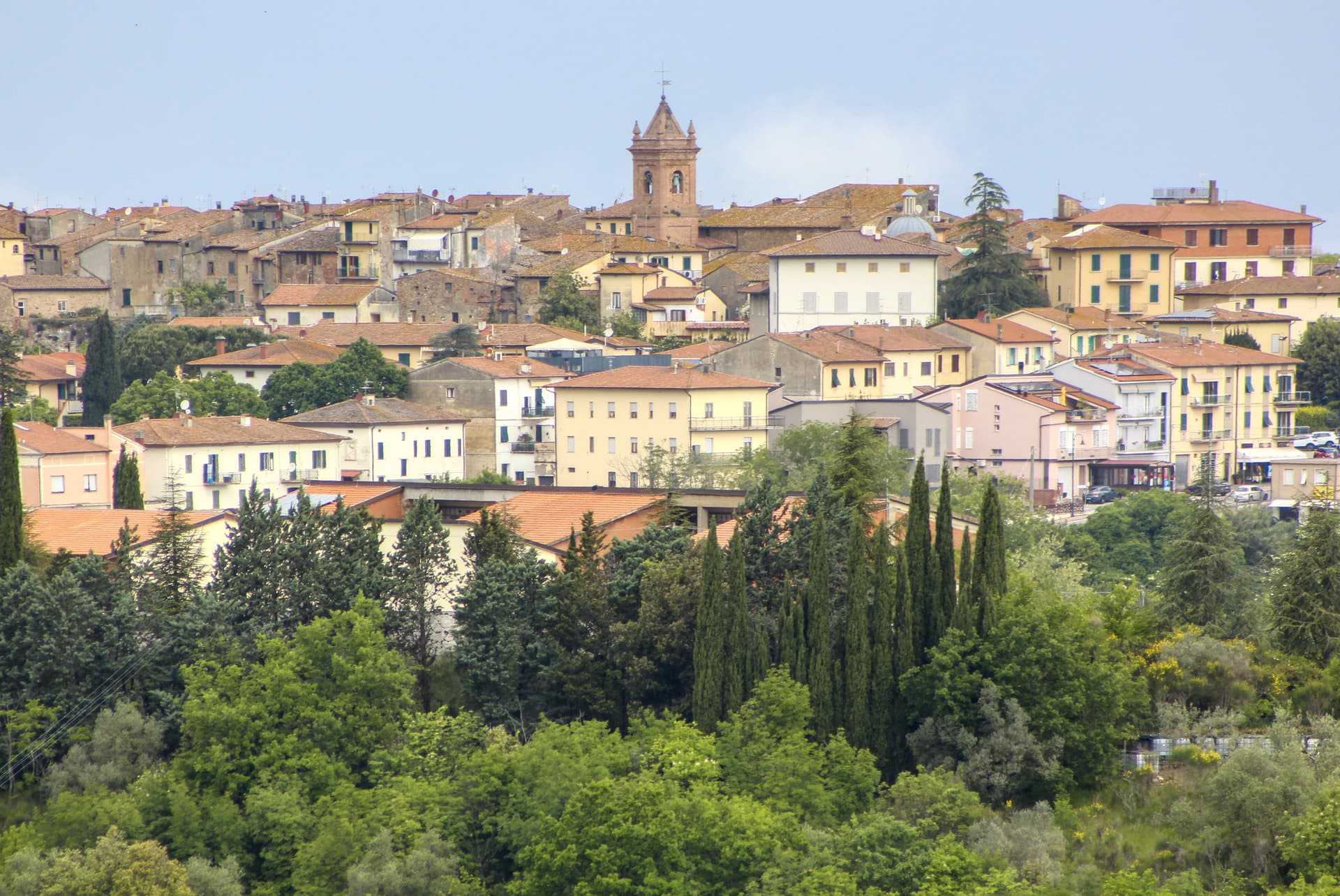
Montaione
Province: Firenze
A medieval glassmaking and truffle borgo at 341 meters above the Valdelsa, with a Franciscan replica of Jerusalem in the woods at San Vivaldo.

Volterra
Province: Pisa
The Etruscan acropolis of Velathri at 531 meters, the alabaster town that has been carving the same stone for three thousand years.
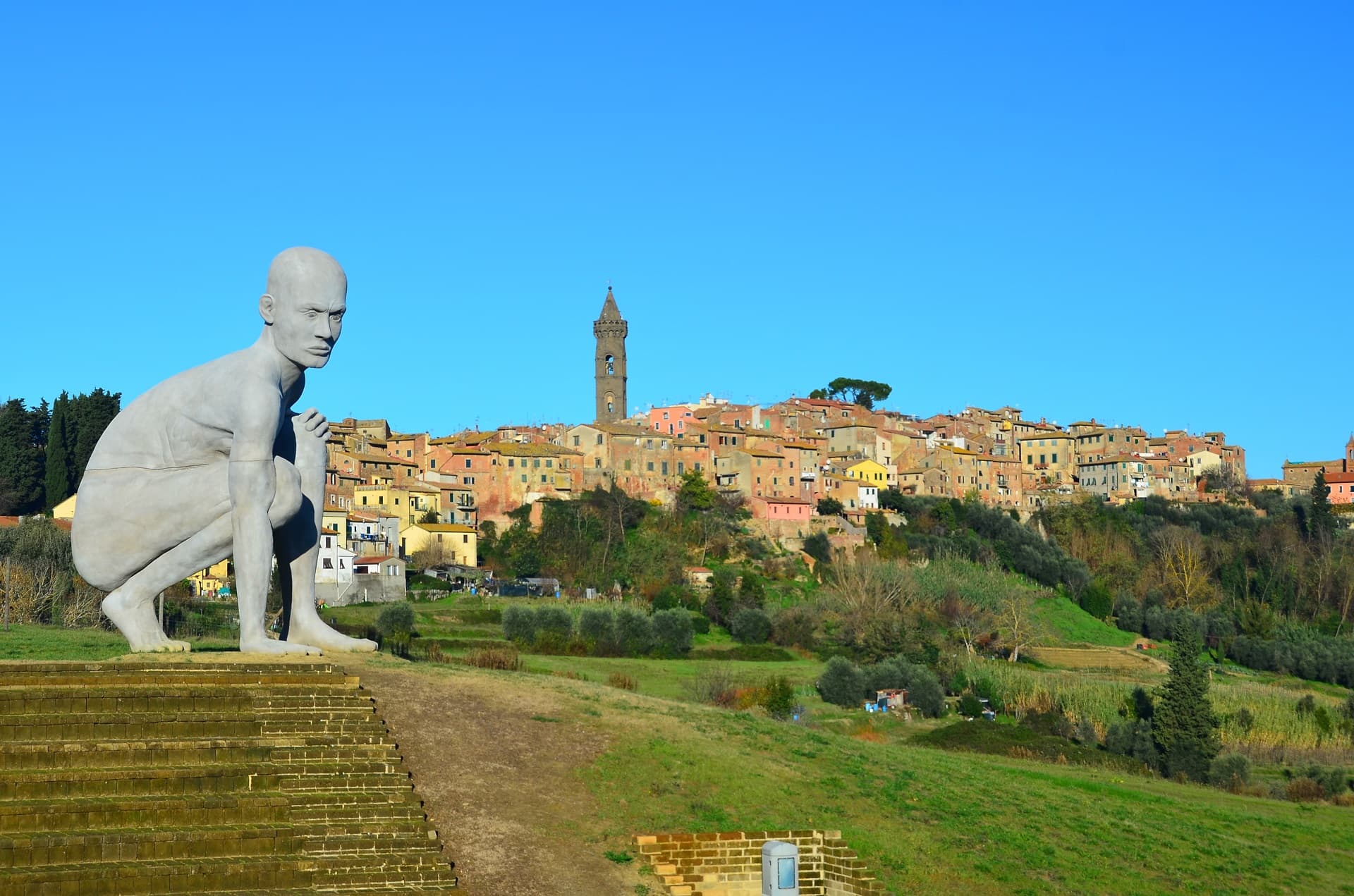
Peccioli
Province: Pisa
Borgo dei Borghi 2024 in the Valdera hills, a medieval village that funded a public contemporary-art program with revenue from its landfill plant.
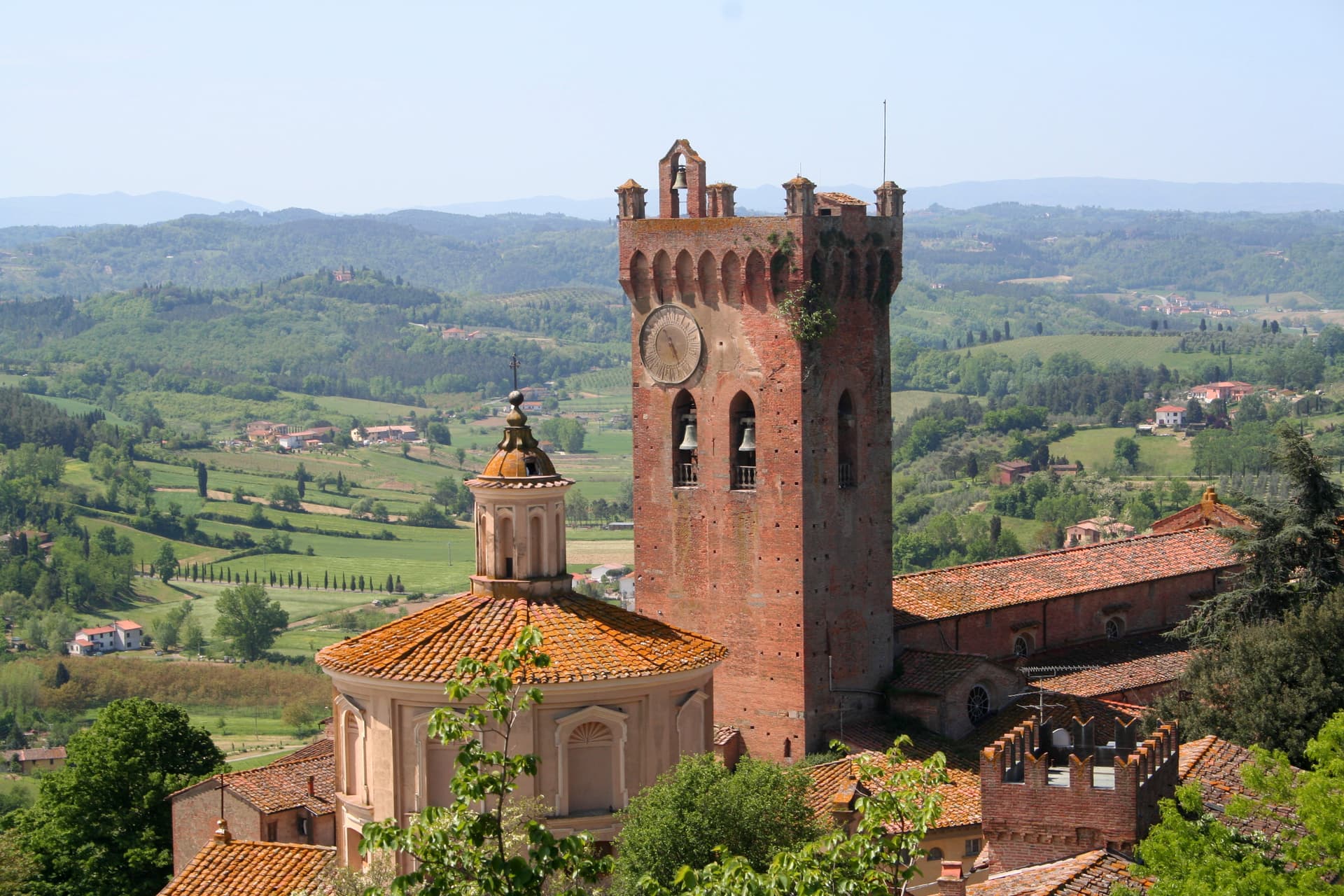
San Miniato
Province: Pisa
The hilltop town between Pisa and Florence that produces a quarter of Tuscany's white truffles and once held the imperial seat of Otto I.
🏛️ UNESCO
More UNESCO towns in Tuscany
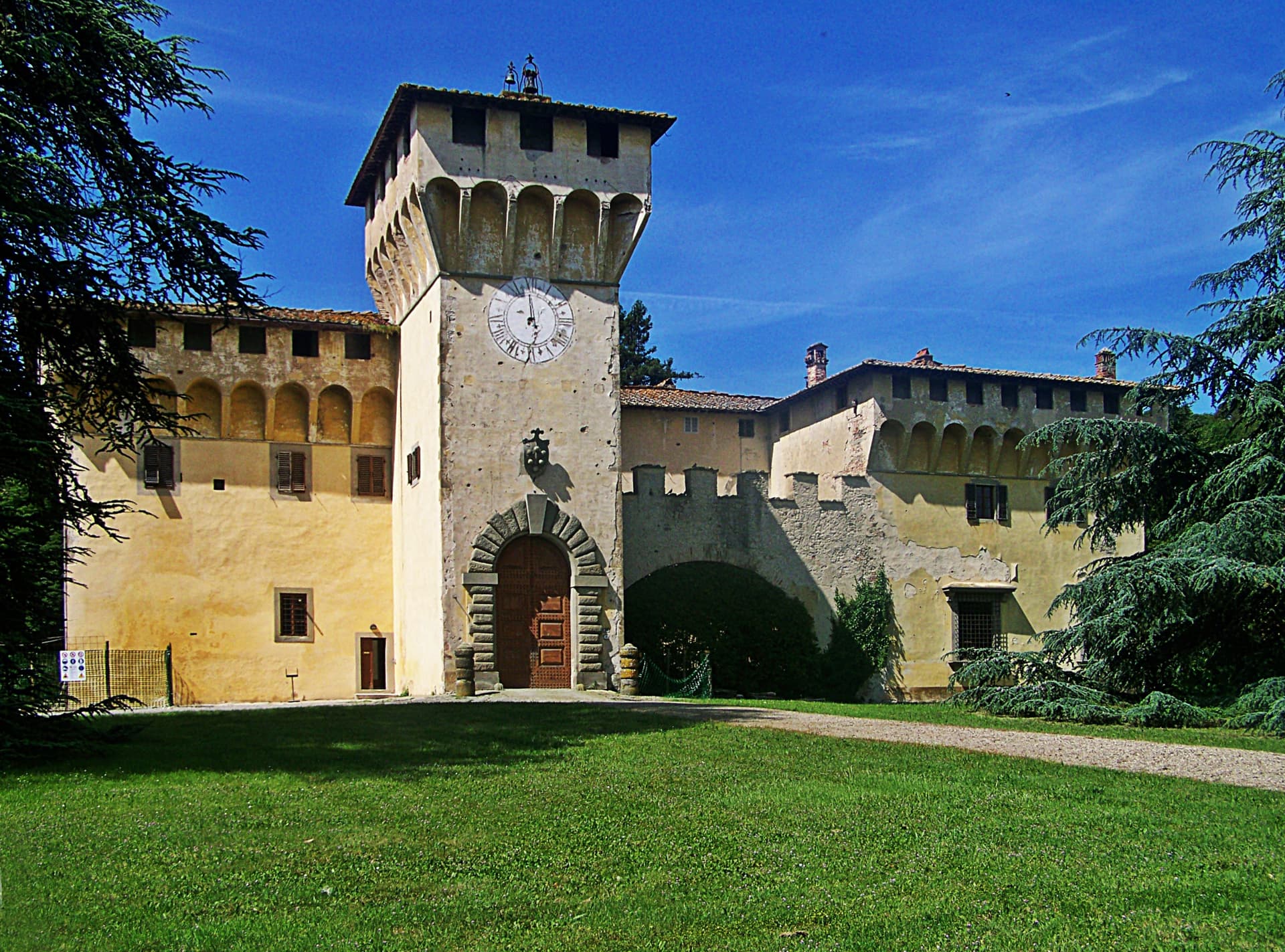
Barberino di Mugello
Province: Firenze
The Mugello gateway at 272 meters where the Medici family kept its first country villas, with Michelozzo's Cafaggiolo and the artificial Lago di Bilancino below.
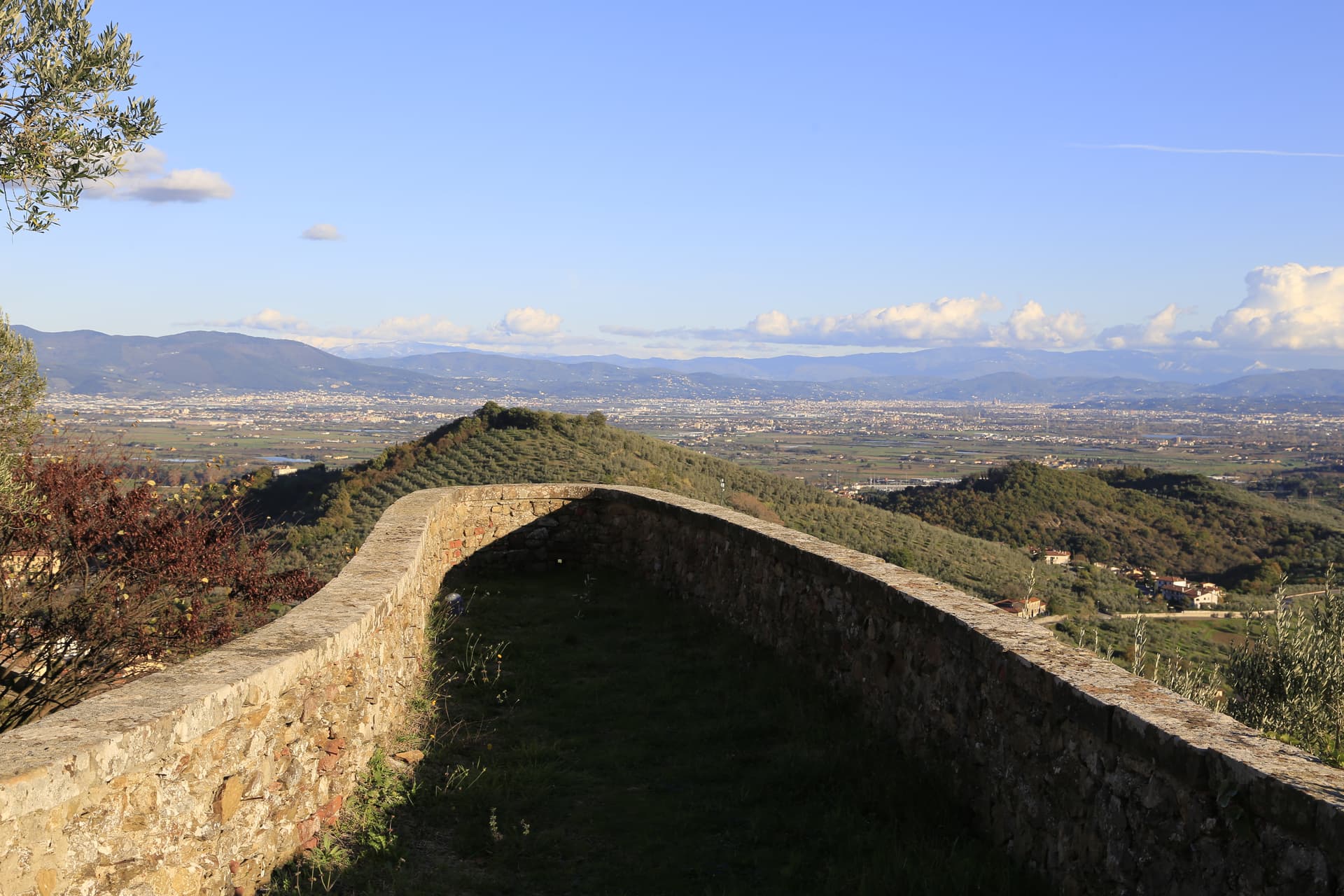
Carmignano
Province: Prato
A Medici village at 189 meters on the Montalbano slopes, where Pontormo's Visitation hangs in the parish church and Etruscan tumuli sit below the Renaissance villas.
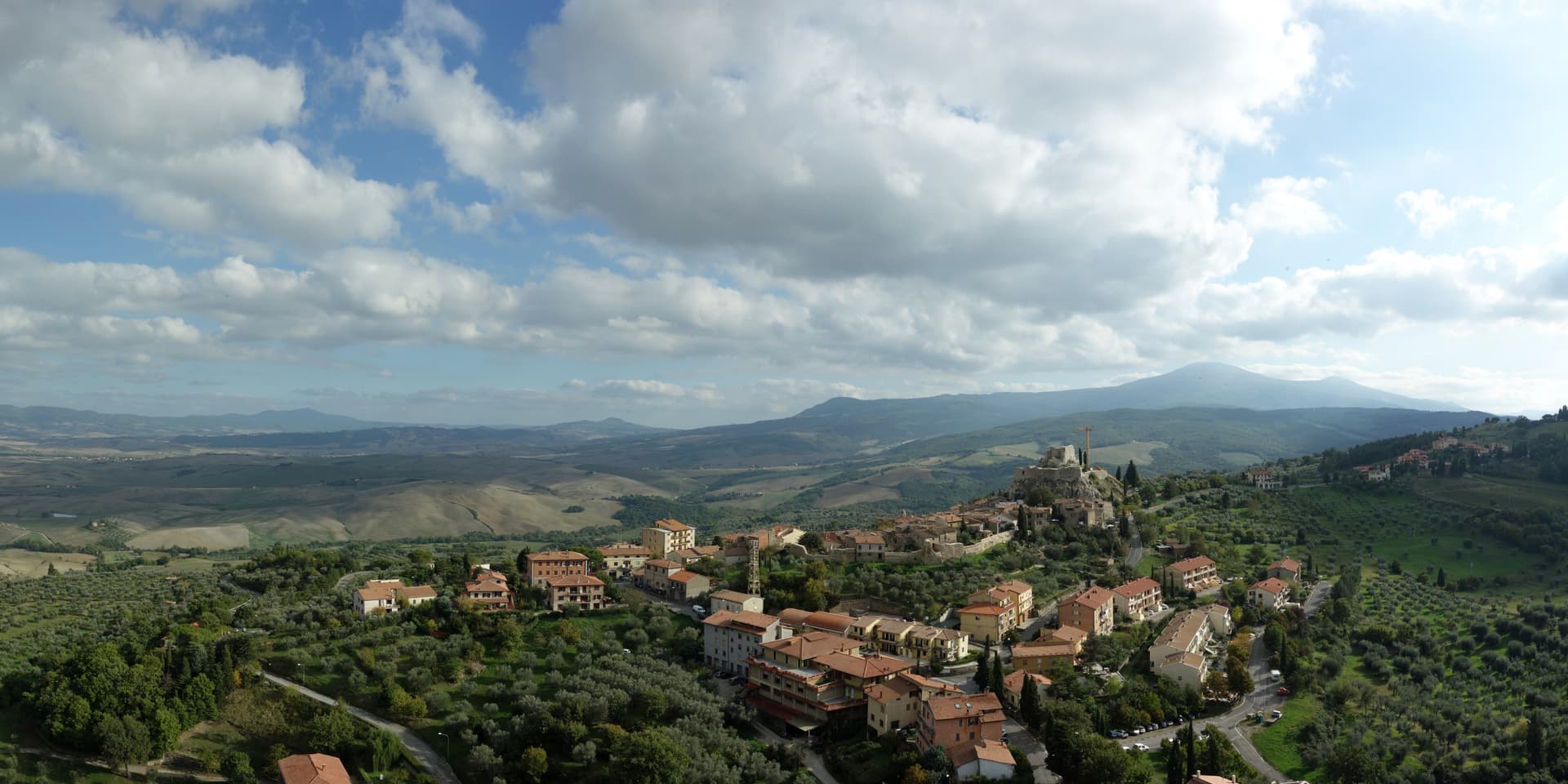
Castiglione d'Orcia
Province: Siena
A stone borgo at 540 meters in the UNESCO Val d'Orcia, first recorded in 714, with two fortresses guarding the road from Amiata to the Via Francigena.
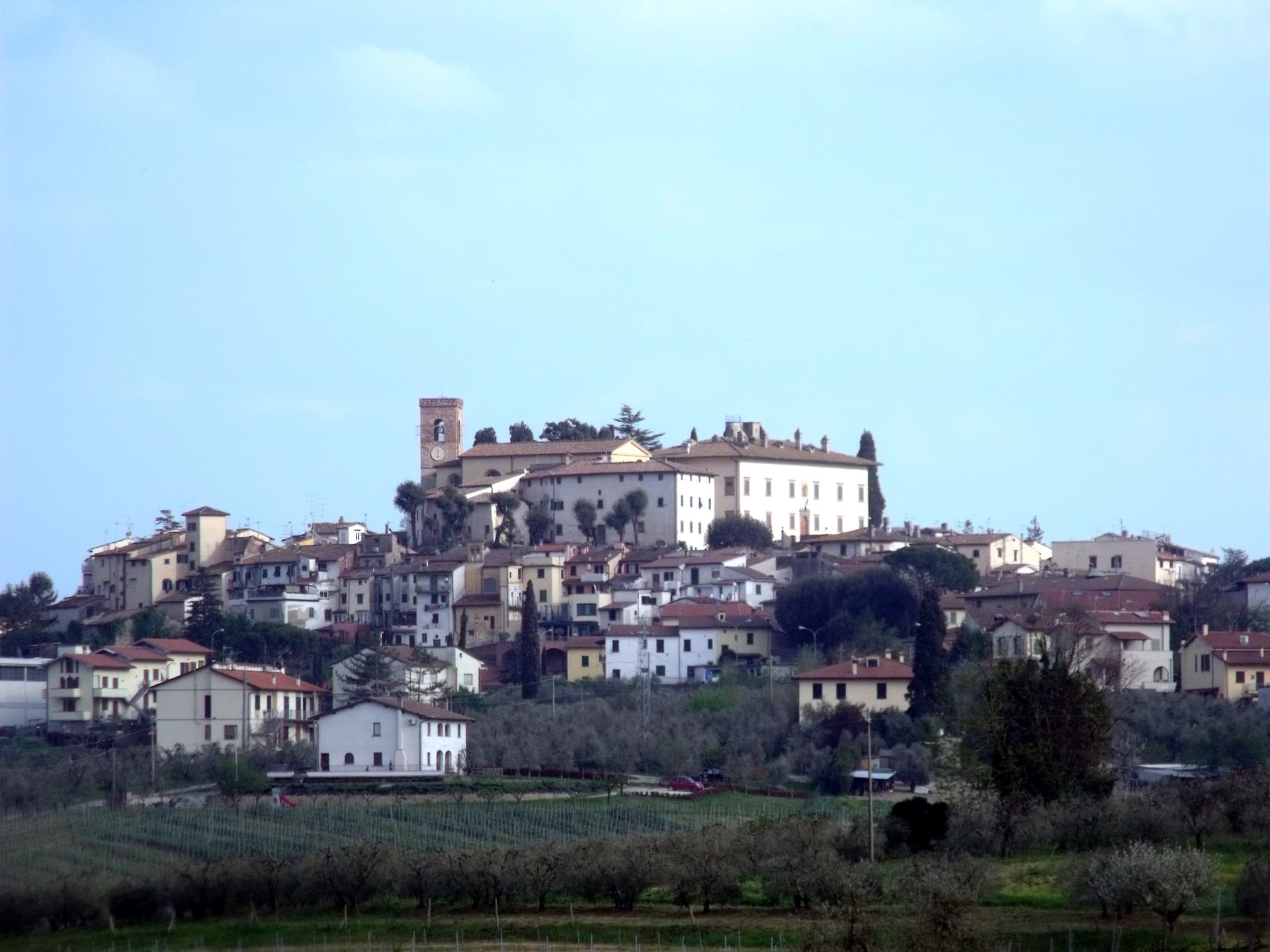
Cerreto Guidi
Province: Firenze
The Medici hunting villa above the Padule di Fucecchio, where Cosimo I sent his court for the marshland game and Buontalenti built four ramps of stairs.
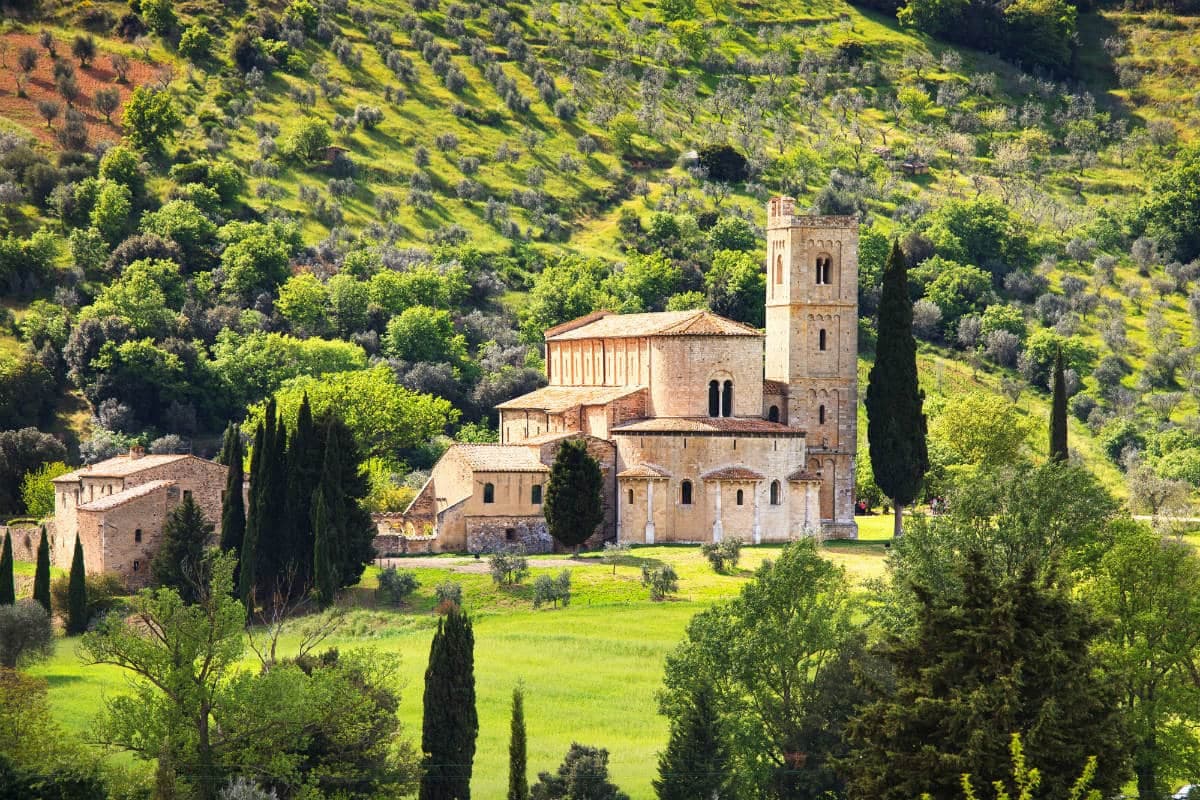
Montalcino
Province: Siena
A walled hill town at 564 meters above the Val d'Orcia, the last fortress to hold out for the Sienese Republic and the birthplace of Brunello.