

Sicily · Agrigento
Sciacca
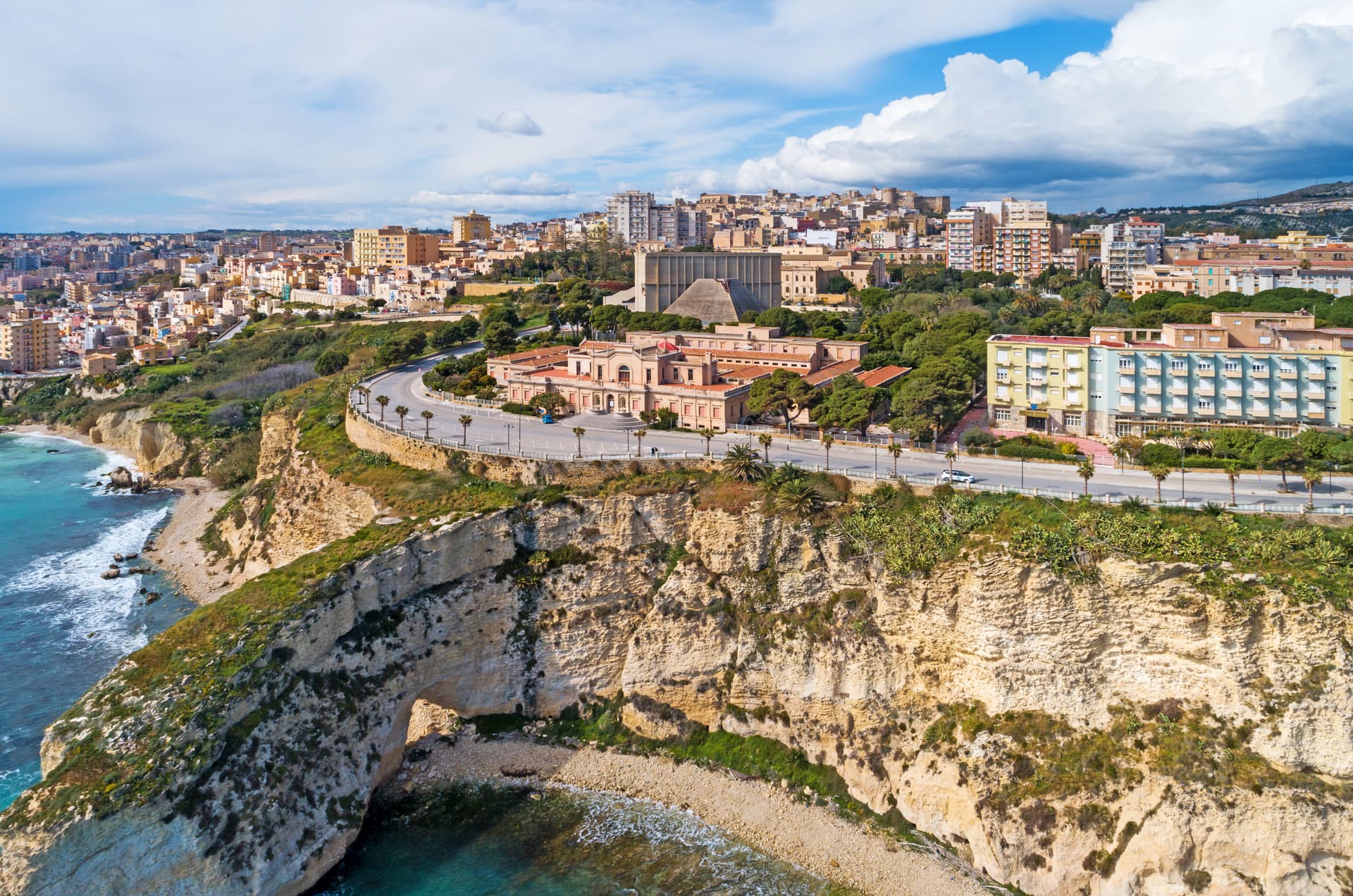
A terraced fishing harbor on Sicily's southwestern coast, Selinunte's thermal spa in the fifth century BC and a ceramics city since the fourteenth.
Known for
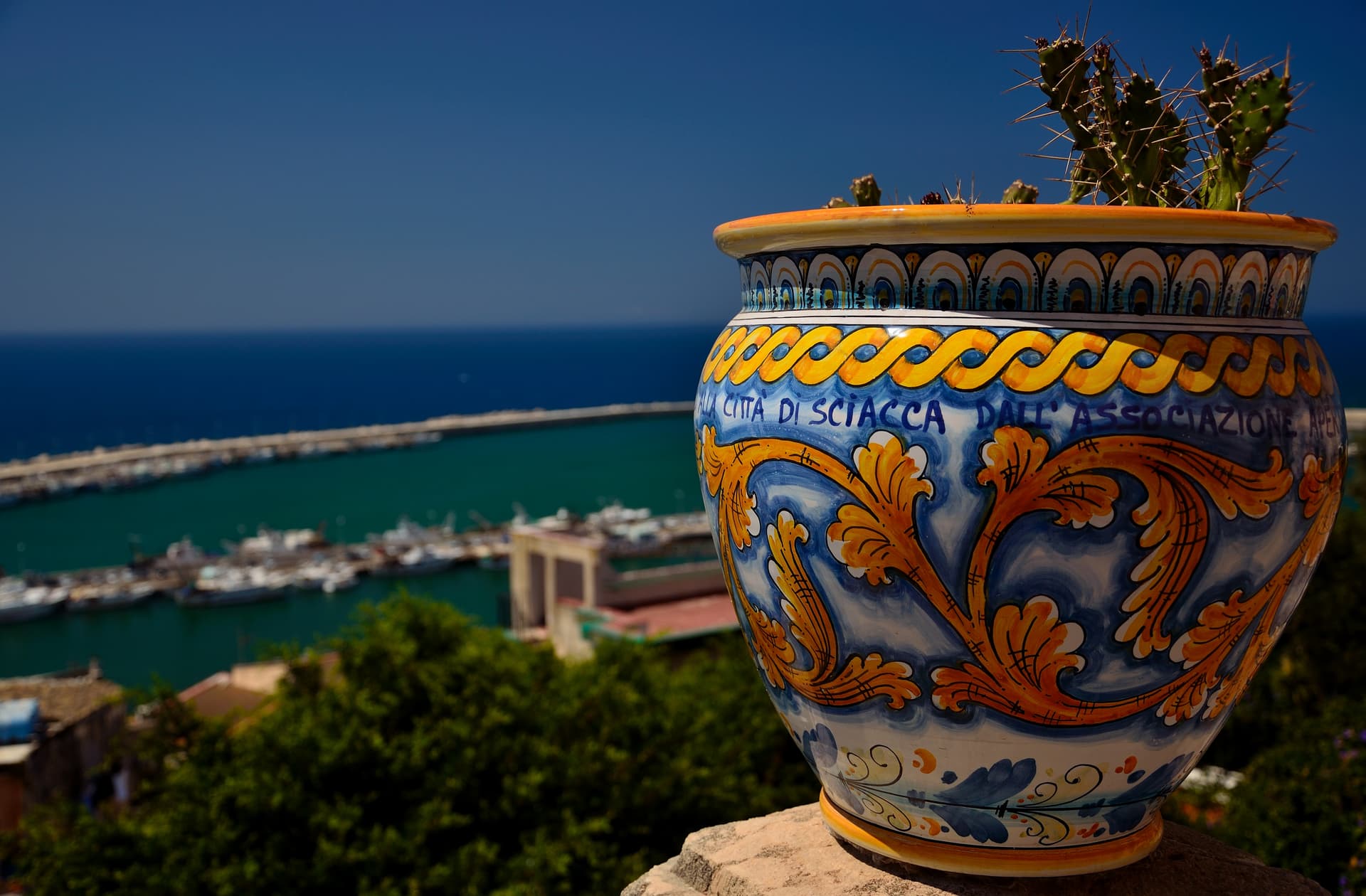
CERAMICA
One of five Città della Ceramica of Sicily, with continuous majolica production since the fifteenth century and exports across the island.
CARNIVAL
One of the oldest and most attended Italian carnivals, traced to the Roman Saturnalia, with float parades through the centro storico for ten days.
STUFE DI SAN CALOGERO
Steam caves on Monte Kronio in continuous spa use since the Greeks of Selinunte founded Thermae here in the fifth century BC.
When to visit
Best · May–Oct
- J
- F
- M
- A
- M
- J
- J
- A
- S
- O
- N
- D
- Best
- Hot or crowded
- Quiet
- Mostly closed
Why come
Sciacca sits on terraces above its harbor on the southwestern coast of Sicily, between Selinunte and Agrigento. The Greeks of Selinunte founded Thermae here in the fifth century BC as a spa for the sulfurous springs of Monte Kronio, which rises 386 meters behind the town and still vents steam into rock chambers called the Stufe di San Calogero, where temperatures reach 40 degrees inside the cave walls. The Arabs renamed the town Xacca, water; the present name comes from that.
Sciacca is the second-largest commune in the Agrigento province after the capital, with about 39,000 inhabitants, and one of the great fishing harbors of southern Sicily. Two industries define the modern town. The first is ceramic: the territory is one of the five Città della Ceramica of Sicily, with continuous majolica production since the fifteenth century.
The second is its Carnival, one of the oldest and most attended in Italy, with origins traced to the Roman Saturnalia. Palazzo Steripinto, built in 1501, is the town's diamond-pointed Plateresque landmark.
The Sunday letter
We haven’t written Sciacca’s letter yet.
One town every Sunday, with the photo, the food, the festa. Be there when this one comes up. Free, by Peter & Sophia from Pietrasanta.
By subscribing you agree to Substack’s Terms of Use, our Privacy Policy and our Information collection notice.
What to see
Palazzo Steripinto
1501 palazzo with a diamond-pointed ashlar façade, one of the finest examples of Gothic-Renaissance Plateresque art in Sicily.
Stufe di San Calogero
Natural steam caves on Monte Kronio with temperatures of 40-45 degrees, used as a thermal spa continuously since Greek times.
Castello Incantato
Open-air museum on the outskirts with hundreds of stone heads carved into the rock by the artist Filippo Bentivegna in the early twentieth century.
Centro storico
Medieval town divided into the original quarters of fishermen and artisans, terraced on the cliff above the harbor.
Duomo di Maria Santissima del Soccorso
Romanesque cathedral founded in the twelfth century by the Normans, with later Baroque interiors and a statue of the patroness.
Porto di Sciacca
Historic fishing port between Selinunte and Agrigento, one of the largest fishing fleets in southern Sicily.
The slow-trip planner
Building a trip? Find where Sciacca fits in a slow Italy circuit.
Answer five questions. We will shape a geographically coherent slow trip from the 1,000 Italian towns most travelers skip. Yours to save and share.
We recommend
Where to eat and stay
Not our picks, but places the guides put their name to — a Michelin star, a Gambero Rosso fork, a Slow Food snail, a Michelin Key for the hotels. Worth a table, a counter, or a night when you pass through.
Hostaria del VicoloRistorante
A spot in the Michelin Guide, at Hostaria del Vicolo.
La LamparaRistorante
La Lampara holds two Gambero Rosso forks (80/100).
Verdura Resort, a Rocco Forte HotelHotel
Verdura Resort, a Rocco Forte Hotel has a Leading Hotels of the World listing to its name.
Living here
- Population 38,967
- Off the beaten pathi
- Pharmacy in town
- High school within a 30-minute drive
- Nearest airport Sicily, 3 h 23 min drive
- Regional capital Palermo, 1 h 39 min drive
Thermal baths in town: Stabilimento Termale, Terme di Sciacca.
Tags & datadesignations · numbers · sources
Recognised as
The numbers
- Elevation: 60 m
- Population: 38,967
- Surface area: 191.67 km²
These figures were compiled from public directories — ISTAT, OpenStreetMap, Wikidata — and from the official listings of the guides named on this page. Town details change; verify with official sources before you travel.
Close by
More towns near Sciacca
Menfi
Province: Agrigento
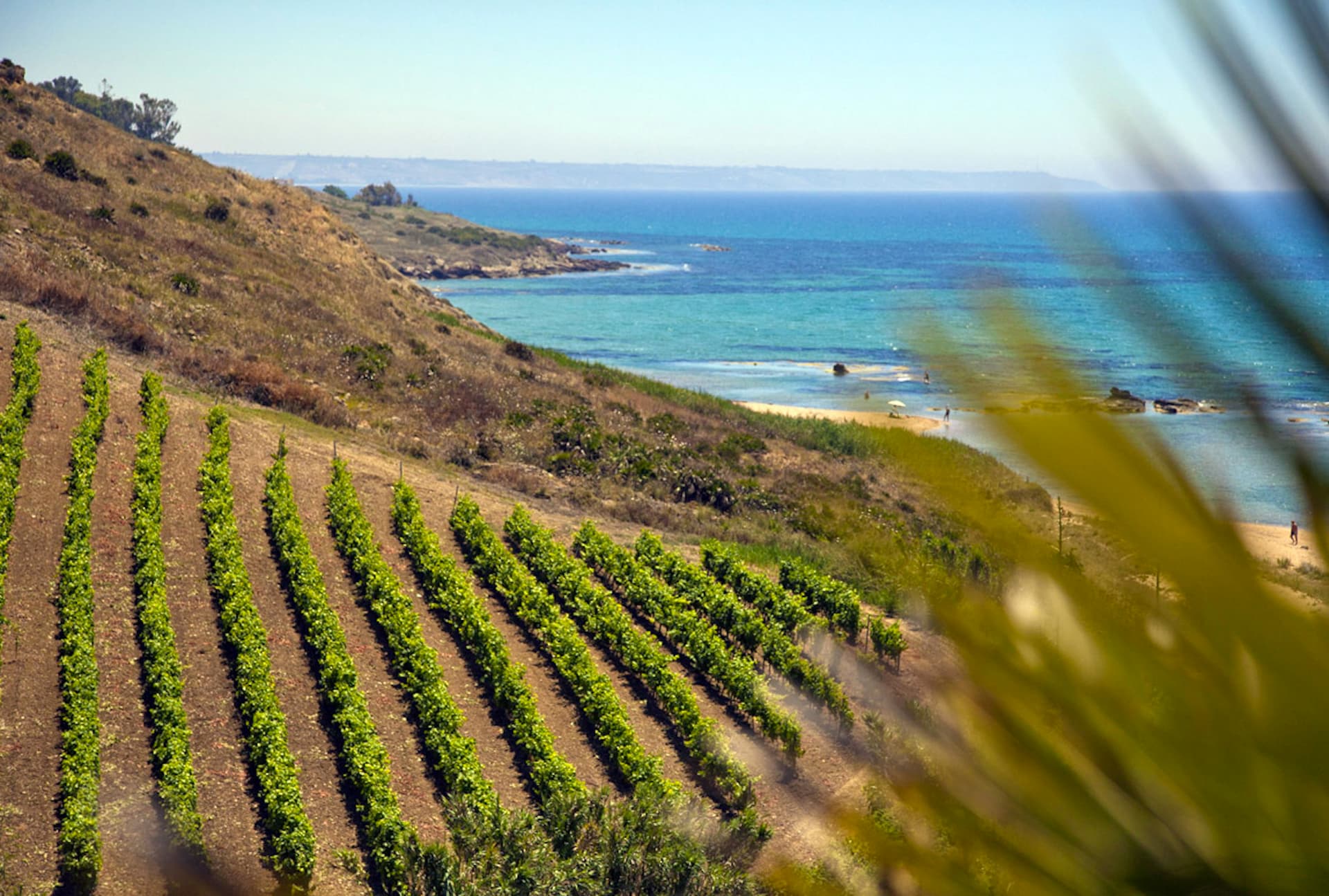
Sicily's triple-signal western coast town — 11,800 residents on a low ridge above 9 km of Bandiera Blu sand at Porto Palo, with the Federico II tower, the Cantine Settesoli cooperative (Italy's largest by volume, 2,000 grower-members), and the rare Bandiera Blu + Città del Vino + Città dell'Olio combination.
Sambuca di Sicilia
Province: Agrigento
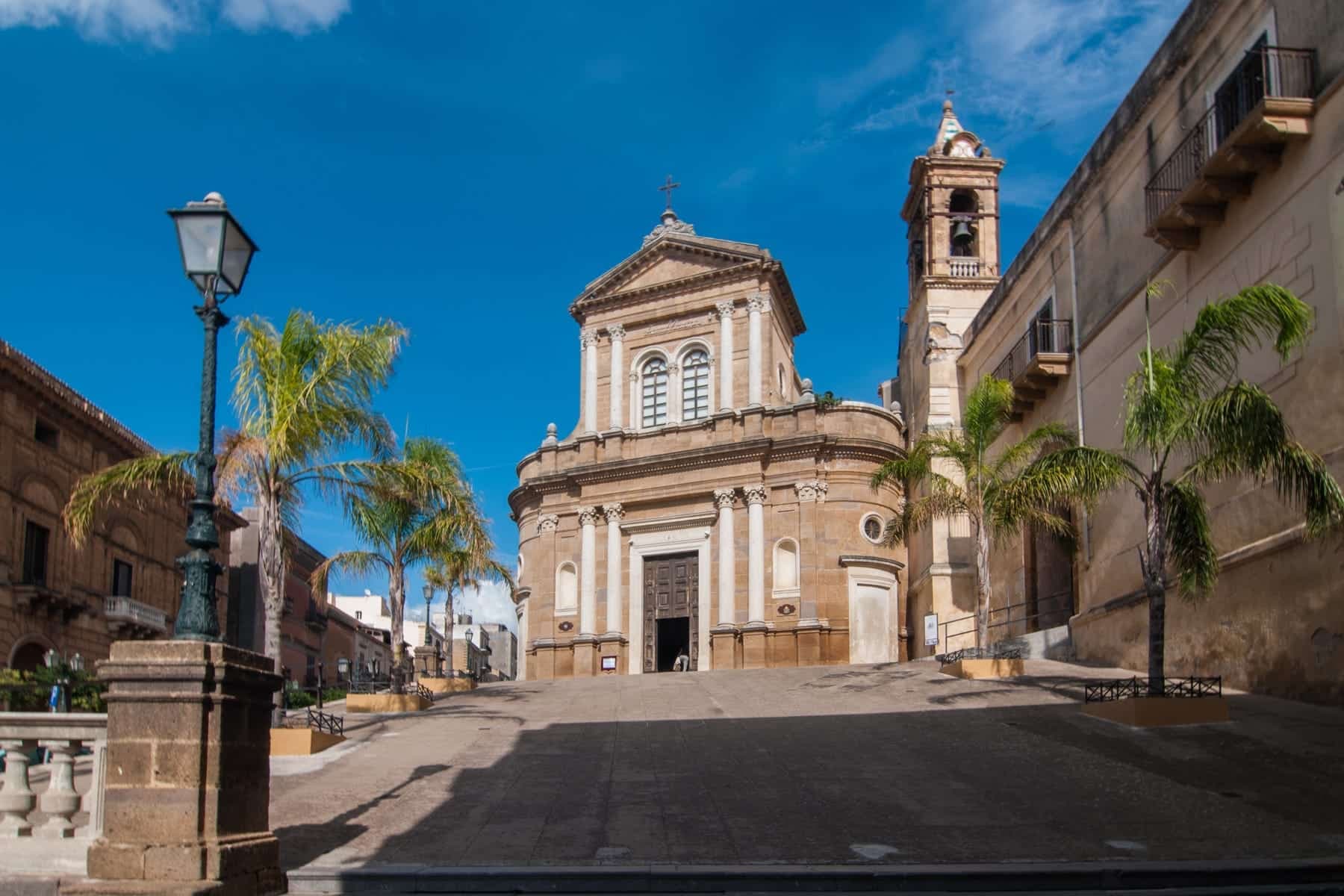
An Arab-founded hill town in the Belice valley, named Borgo dei Borghi in 2016, still called Zabut in living memory before 1923.
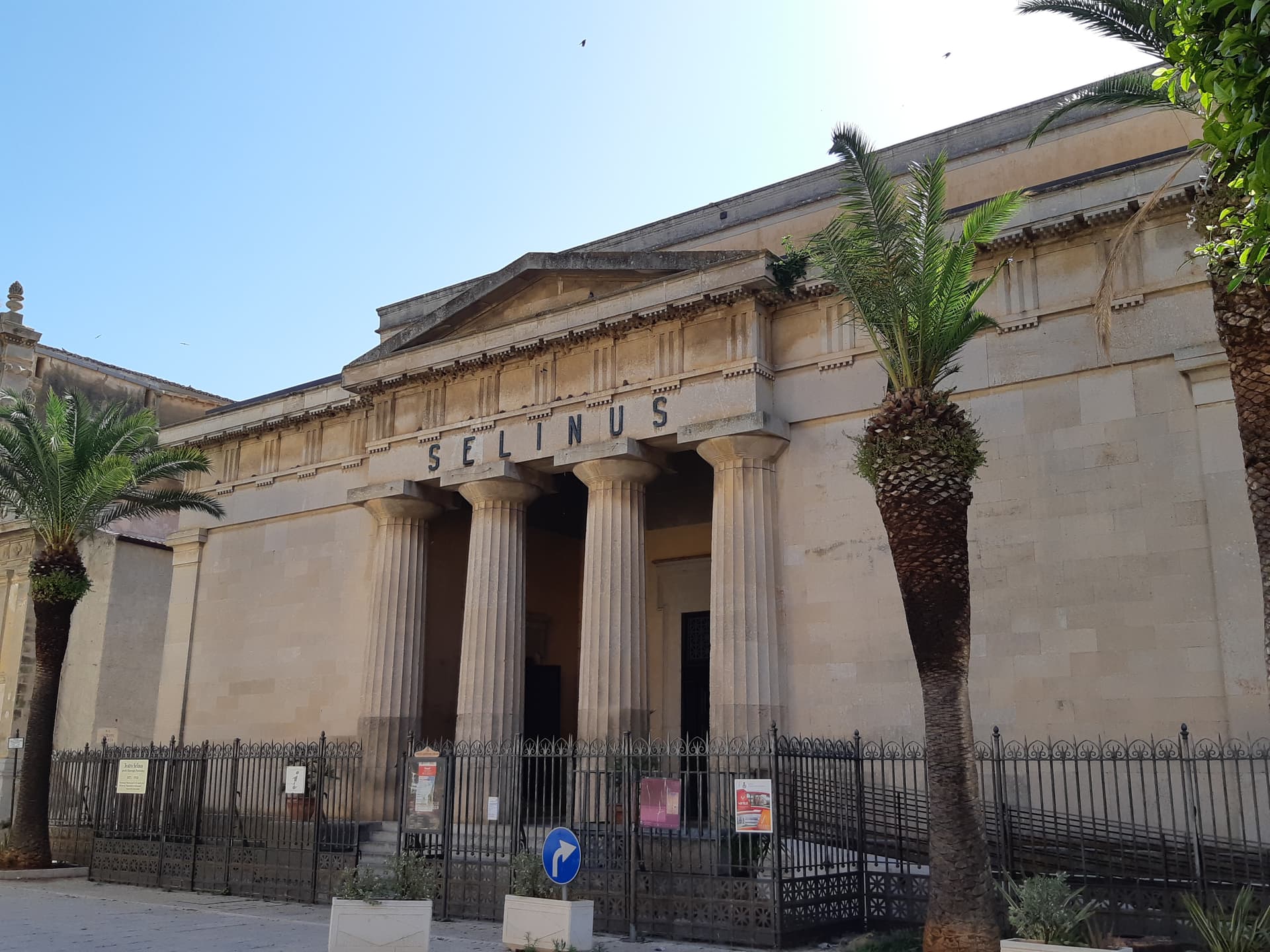
Castelvetrano
Province: Trapani
The Belice valley town that owns Selinunte, the largest archaeological park in Europe, and bakes black bread from grain found in its tombs.
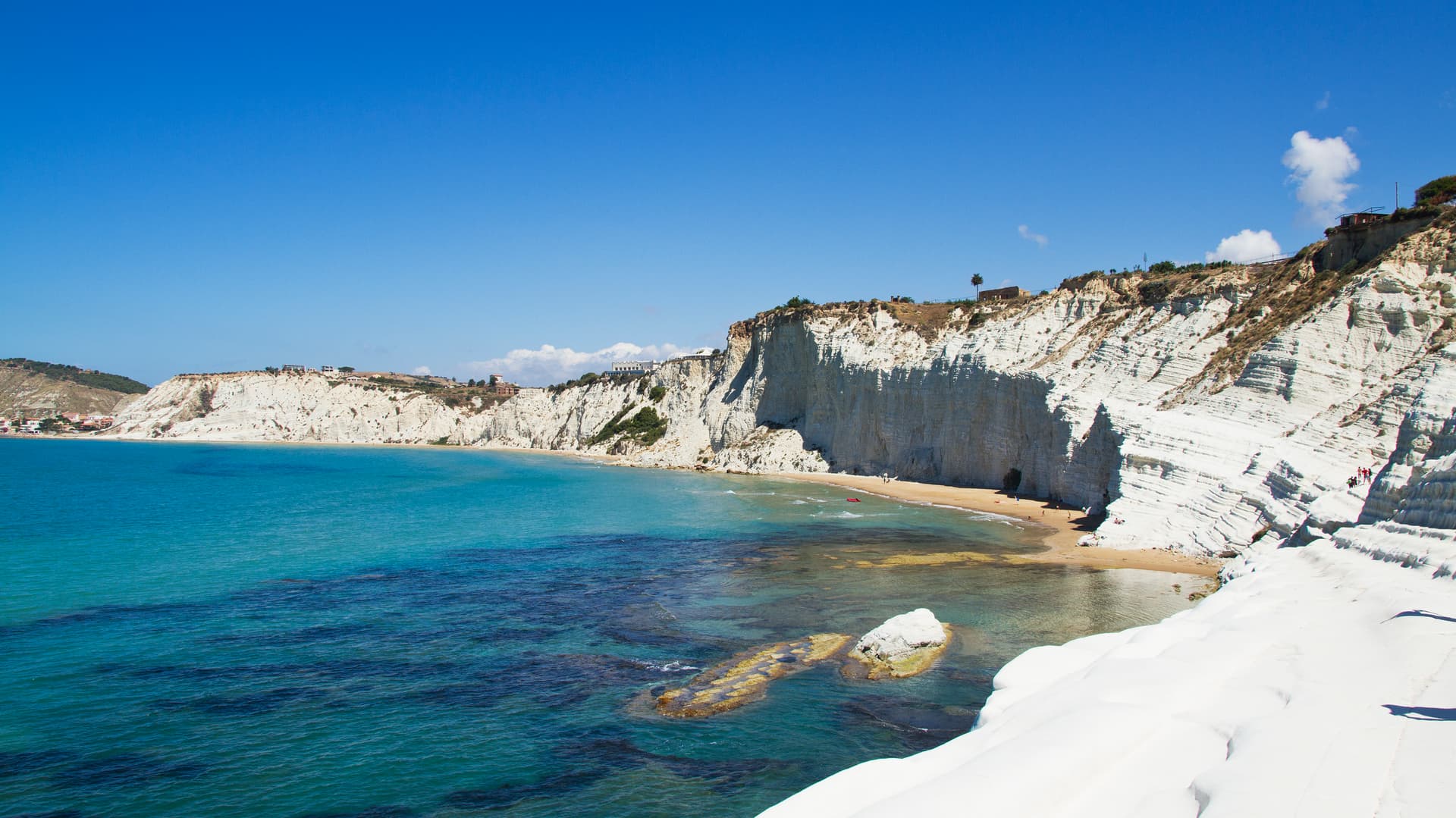
Realmonte
Province: Agrigento
The Agrigento coast commune with the white marl cliff of the Scala dei Turchi and a salt mine carved into 5-million-year-old halite.
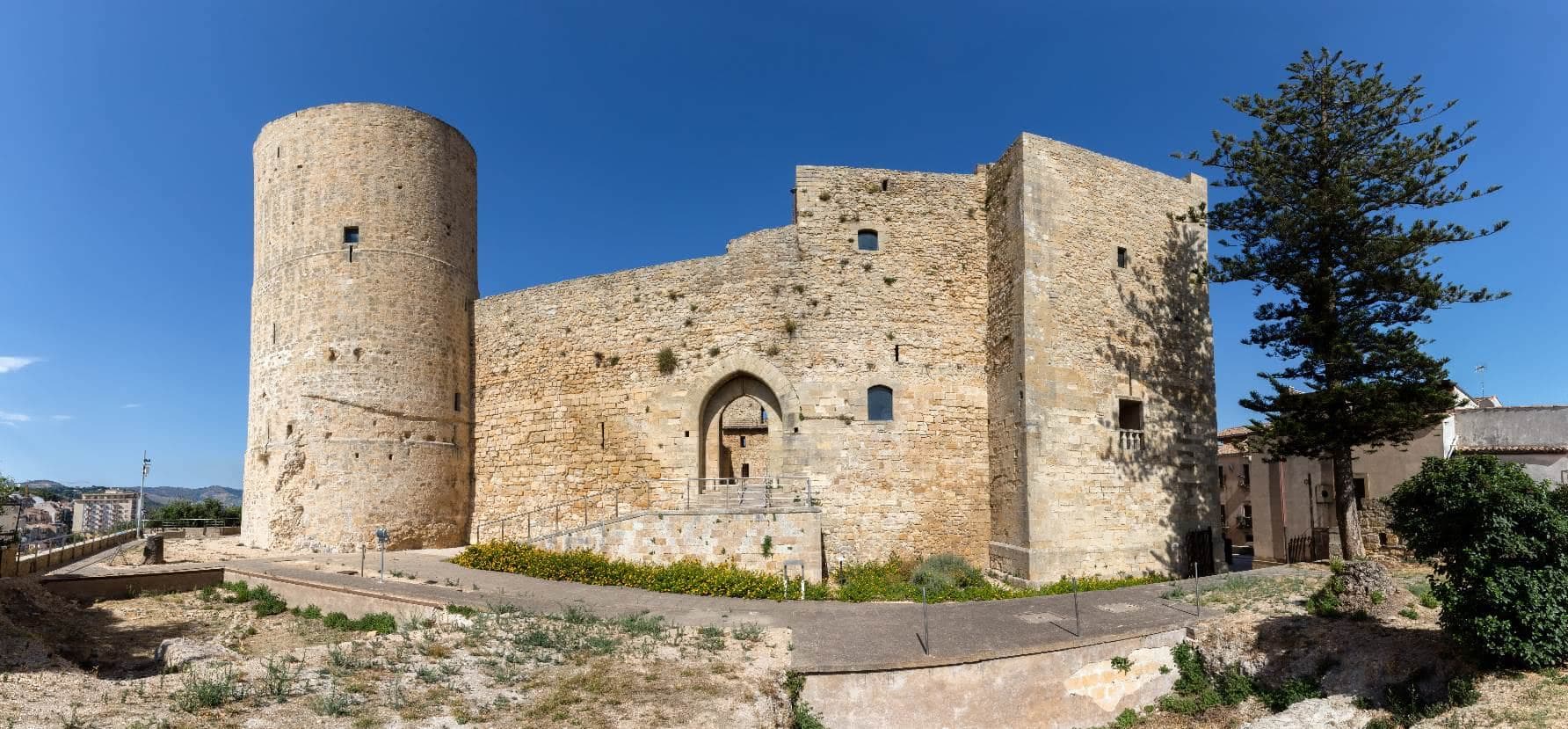
Salemi
Province: Trapani
The Belice Valley town where Garibaldi raised the tricolor on 14 May 1860 and proclaimed Salemi the capital of Italy for a day.
♨️ Terme
More Terme towns
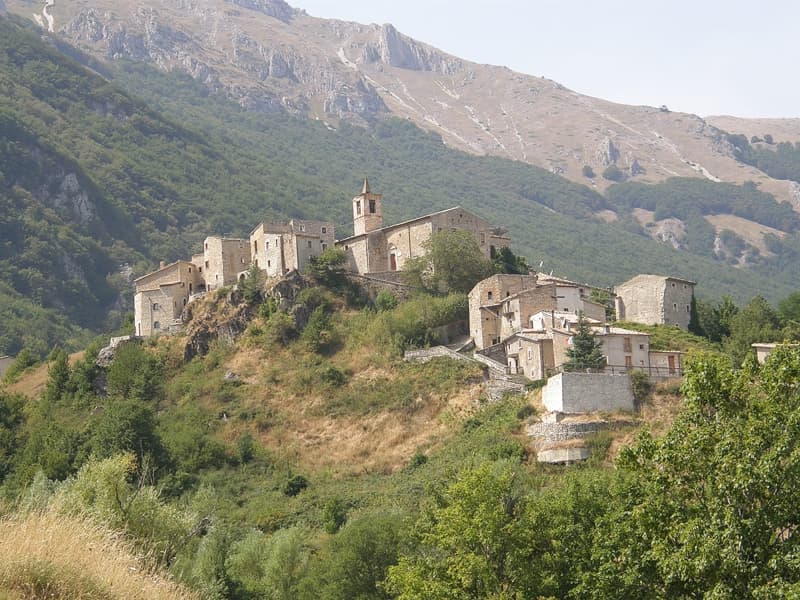
Caramanico Terme
Province: Pescara
A 650-meter Majella spa village at the confluence of the Orfento and Orta, with sulphurous springs whose properties were documented in 1576.
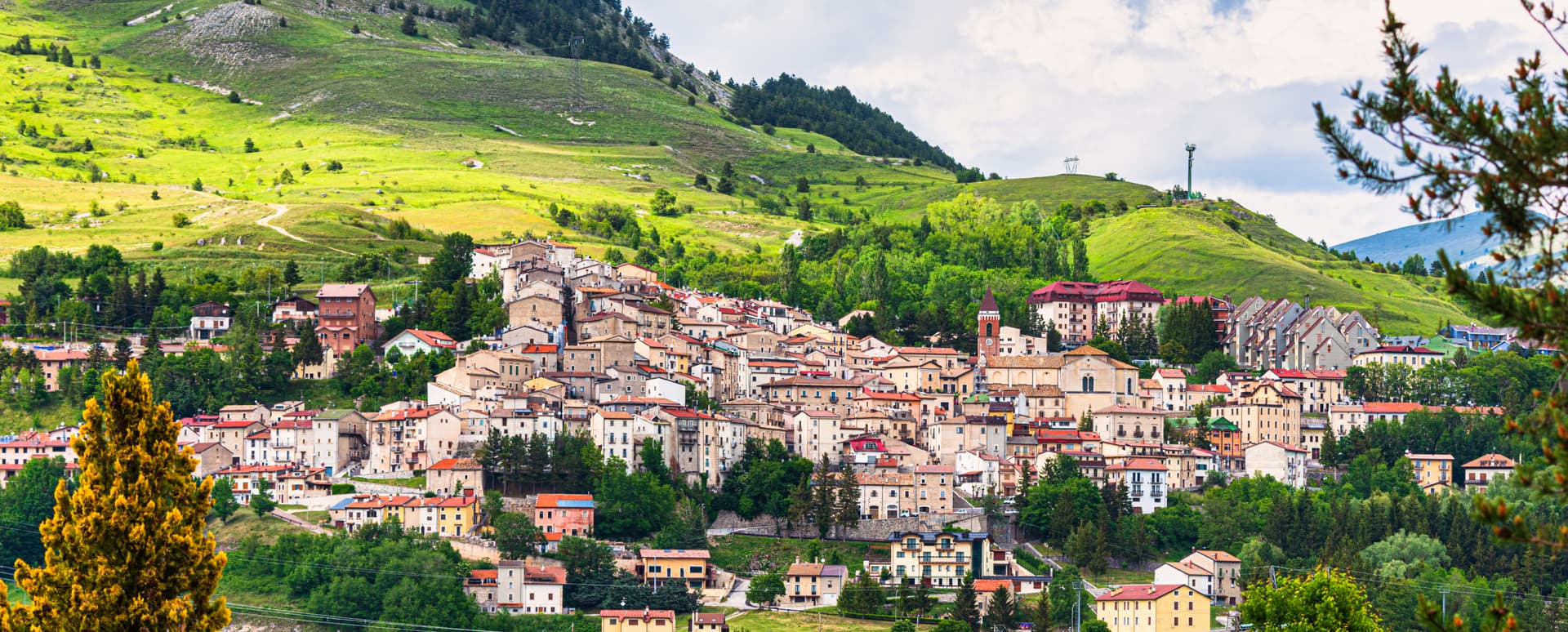
Rivisondoli
Province: L'Aquila
At 1,320 meters on the Cinque Miglia plateau, paired with Roccaraso in the Alto Sangro ski domain and known for its Epiphany living nativity.
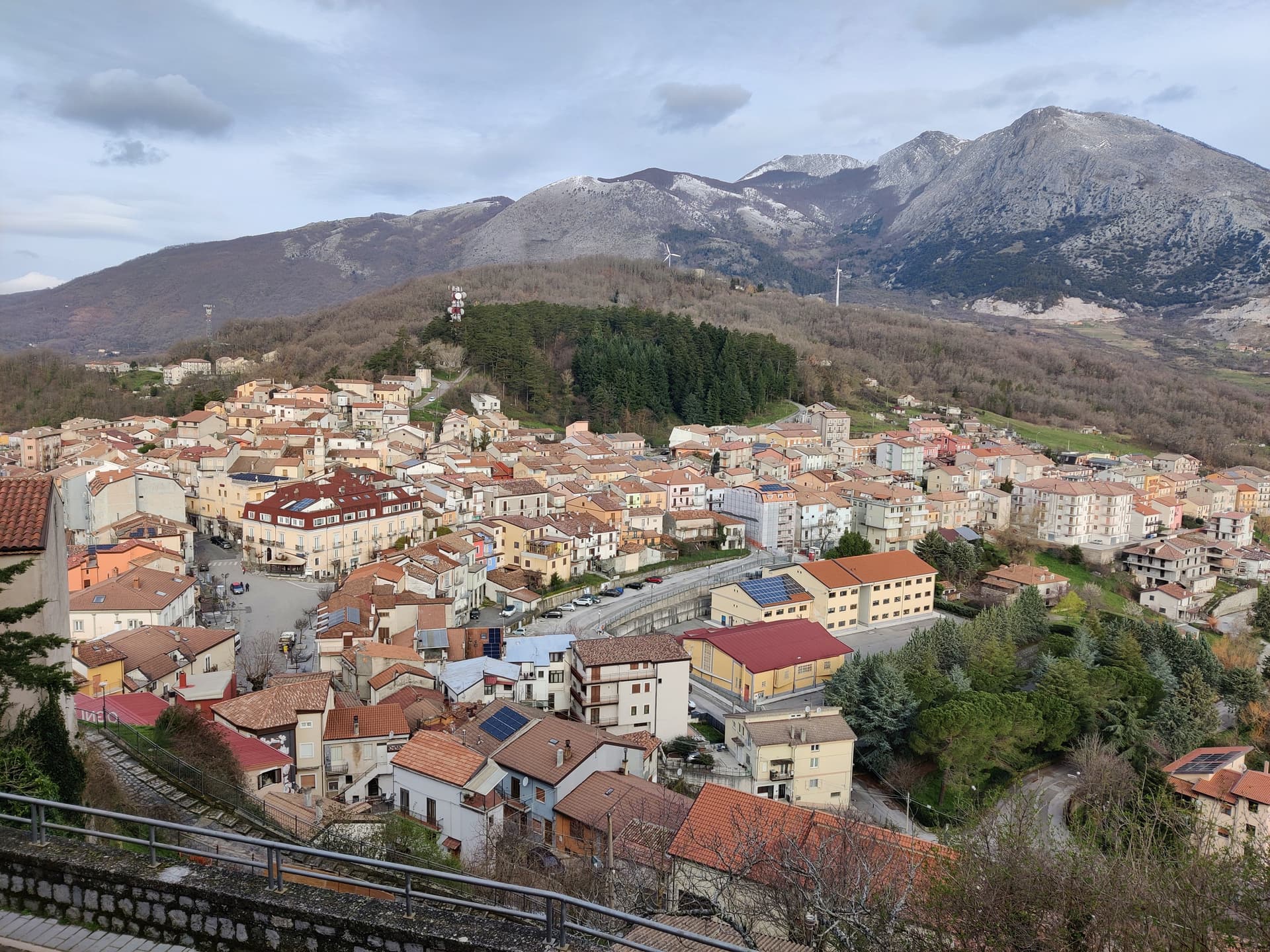
Latronico
Province: Potenza
A mountain town at 888 meters on the northern edge of the Pollino, with two prehistoric thermal springs at the Calda hamlet below.
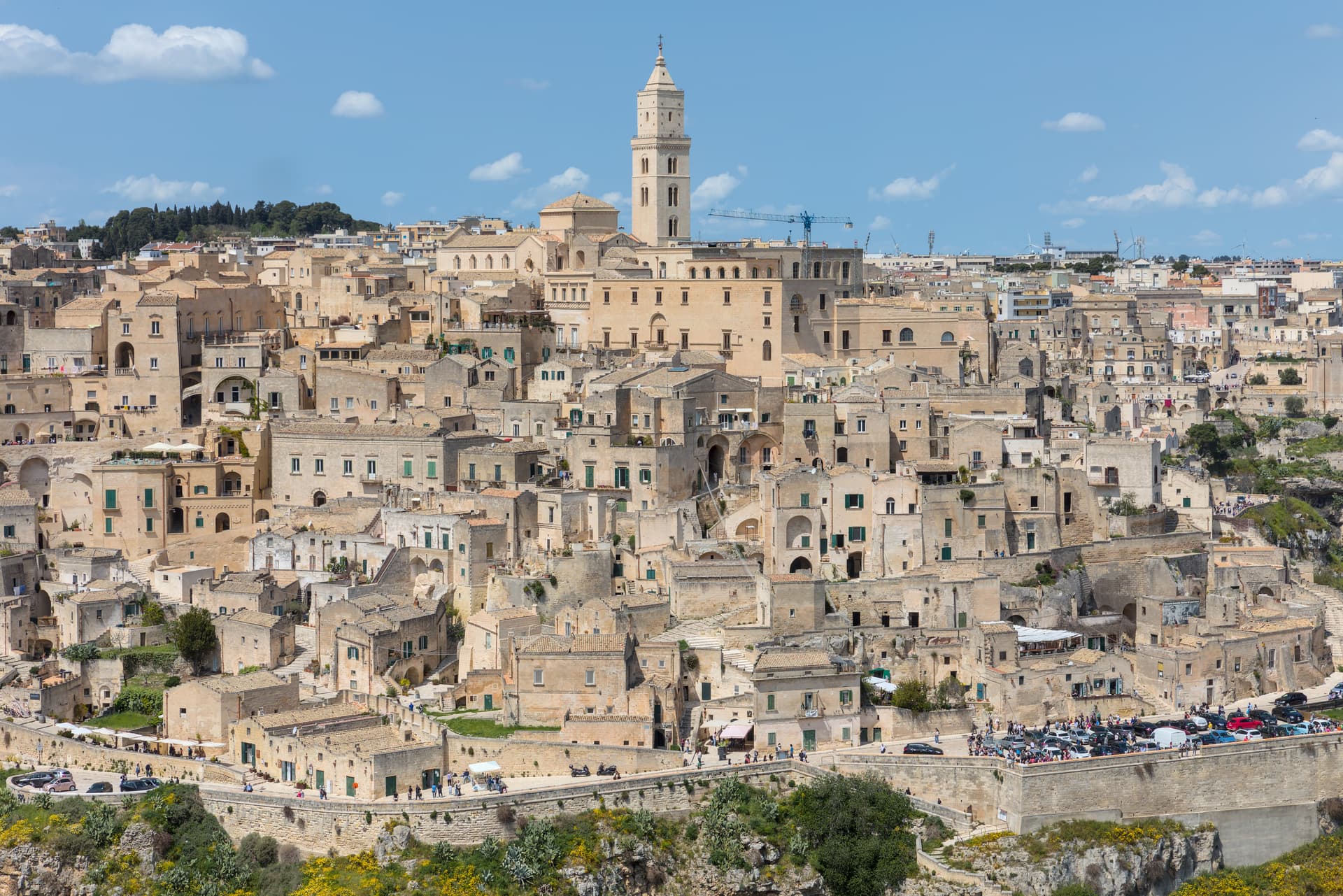
Matera
Province: Matera
Cave dwellings carved into limestone since the Paleolithic, called the shame of Italy in the 1950s and made European Capital of Culture in 2019.
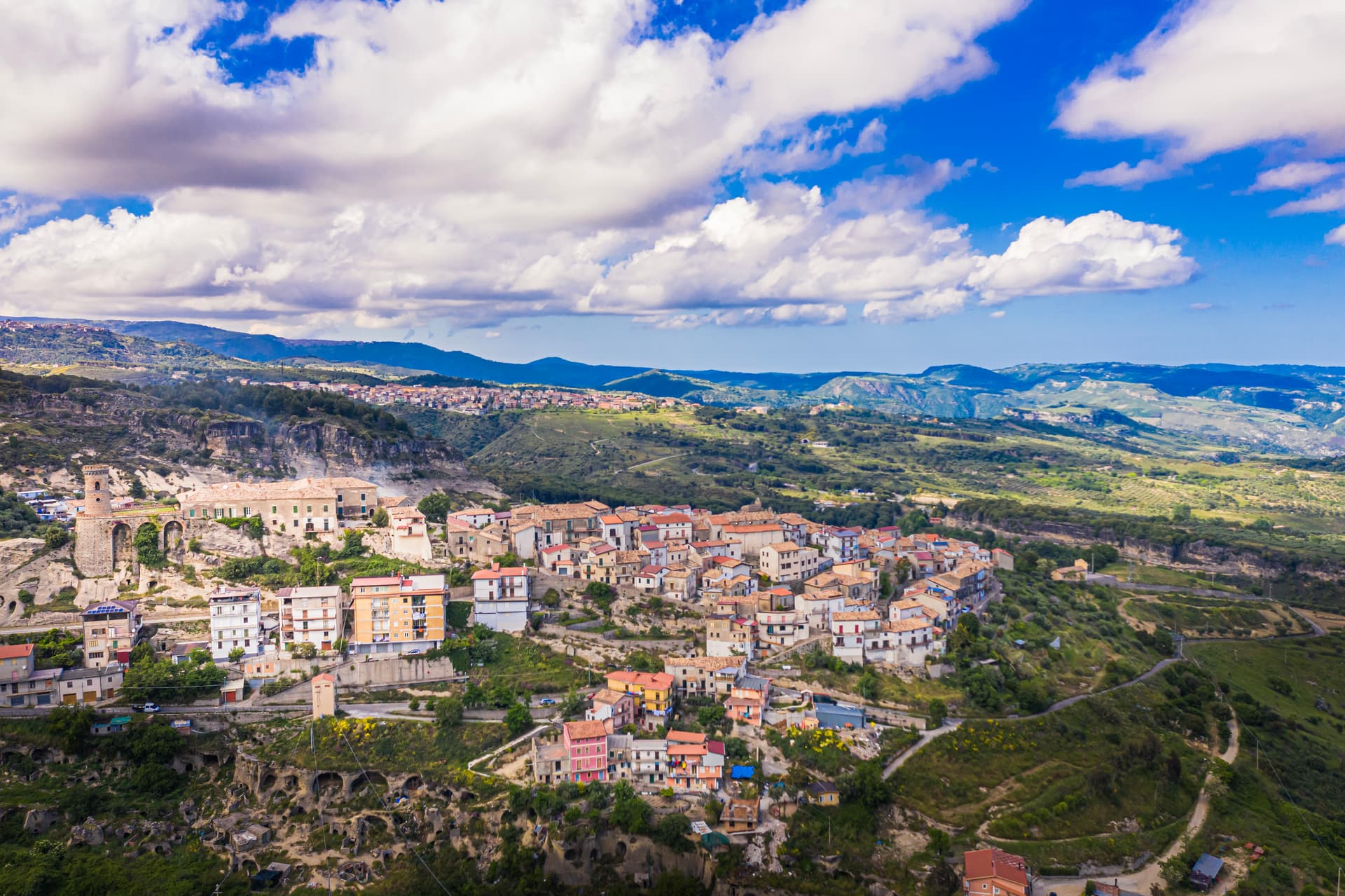
Caccuri
Province: Crotone
A 646-meter Presila borgo dominated by a sixth-century Byzantine castle with a cylindrical tower built in 1882, birthplace of Renaissance statesman Cicco Simonetta.