

Emilia-Romagna · Bologna
Castel San Pietro Terme
A 75-meter thermal town on the Via Emilia east of Bologna, with sulphurous waters in use since 1137 and a 1200-built Cassero.
Known for
THERMAL WATERS
Sulphurous and salt-bromine-iodide springs documented since 1137, with a working spa complex still drawing the same waters in the centro storico.
THE CASSERO
1200-built gateway into the medieval castrum walls, the symbol of the town, now serving as the civic theater.
CITTASLOW
Castel San Pietro joined the international Cittaslow network in 2005, the first Bolognese commune to do so.
When to visit
Best · All year
- J
- F
- M
- A
- M
- J
- J
- A
- S
- O
- N
- D
- Best
- Hot or crowded
- Quiet
- Mostly closed
The festa: Madonna del Rosario, 7 October
Why come
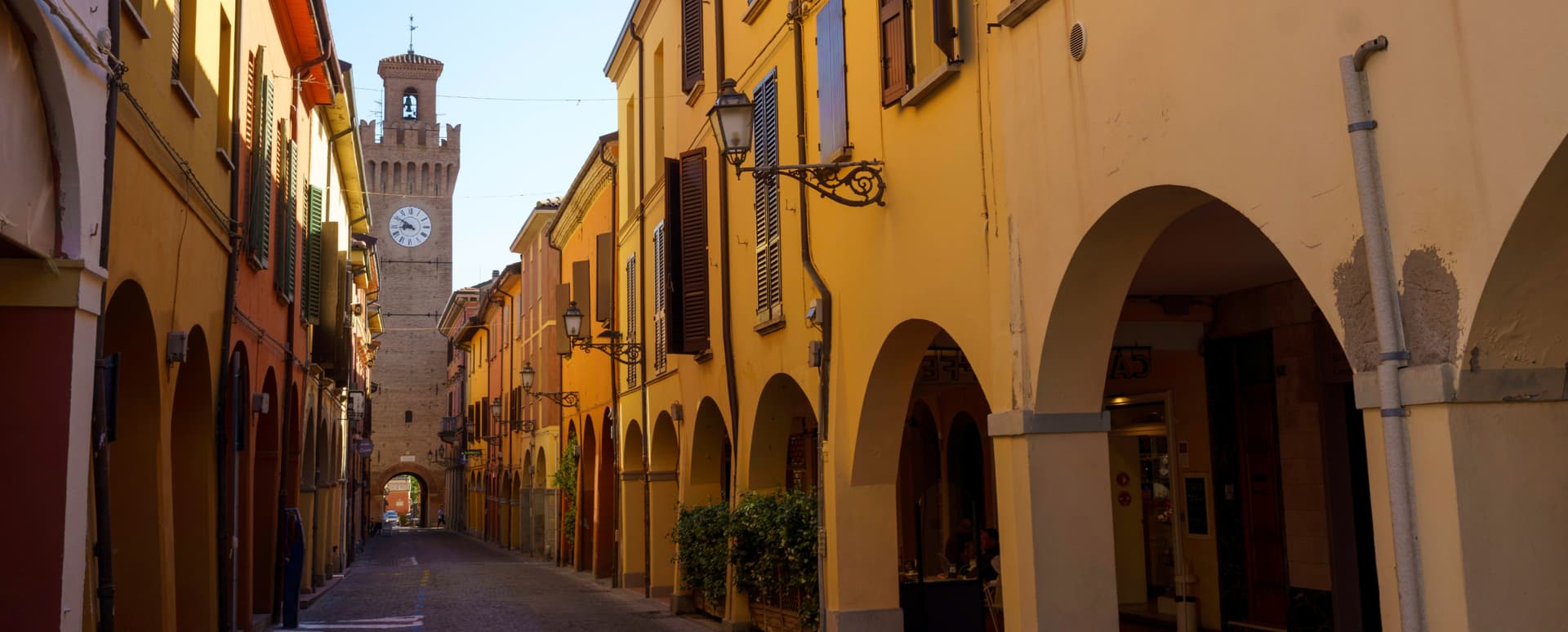
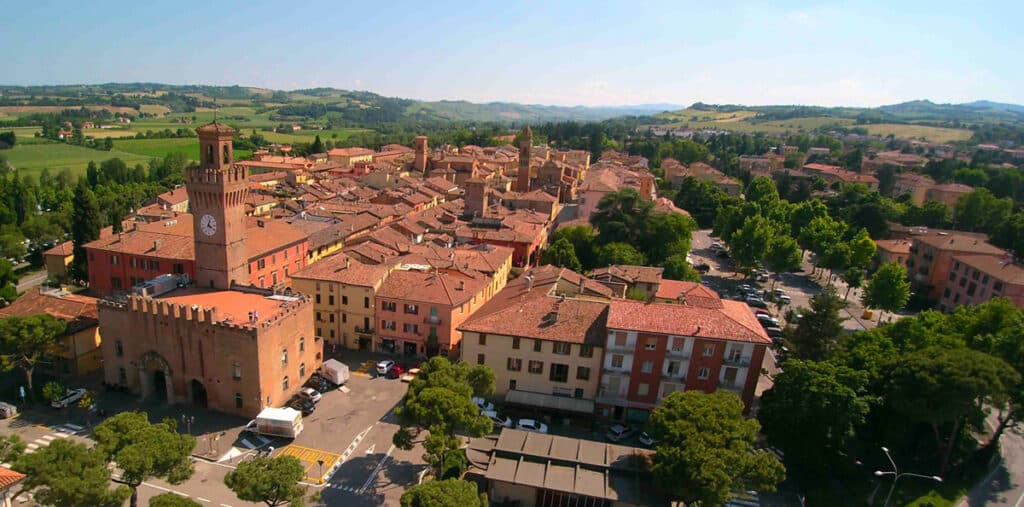
Castel San Pietro Terme sits on the Via Emilia, twenty kilometers east of Bologna and on the Sillaro river that marks the historic border between Emilia and Romagna. The town was founded as a Bolognese castrum in 1200, with the Cassero gateway built into the southern walls as its main access; the gateway still stands and now serves as the civic theater. The sulphurous, ferruginous and salt-bromine-iodide waters of the Terme have been documented since 1137, with the first thermal establishment built in 1870; the present complex draws on the same springs and runs year-round.
Castel San Pietro joined the Cittaslow network in 2005 and the Città dell'Olio network for its hillside olive cultivation. The Santuario del Crocifisso del Piratello, on the road to Imola, holds a fifteenth-century pilgrimage shrine that drew traffic from across northern Emilia. The Conservatorio Santa Caterina, founded in 1741, is one of the older female educational institutions still active in the region.
The Sunday letter
We haven’t written Castel San Pietro Terme’s letter yet.
One town every Sunday, with the photo, the food, the festa. Be there when this one comes up. Free, by Peter & Sophia from Pietrasanta.
By subscribing you agree to Substack’s Terms of Use, our Privacy Policy and our Information collection notice.
What to see
Cassero
Defensive gateway built into the southern town walls in 1200 as the main entry to the medieval castrum, now home to the civic theater.
Terme di Castel San Pietro
Thermal complex drawing on sulphurous, ferruginous and salt-bromine-iodide springs documented since 1137, with the first establishment opened in 1870.
Santuario del Crocifisso del Piratello
Pilgrimage shrine on the Via Emilia toward Imola, built around a fifteenth-century crucifix and decorated by Innocenzo da Imola.
Palazzo del Municipio
Town hall on Piazza XX Settembre, with the seventeenth-century Torre dell'Orologio and the local civic museum.
Centro storico
Medieval walled core on the Via Emilia, with the Cassero, the Conservatorio Santa Caterina of 1741 and the Sillaro river bridge.
The slow-trip planner
Building a trip? Find where Castel San Pietro Terme fits in a slow Italy circuit.
Answer five questions. We will shape a geographically coherent slow trip from the 1,000 Italian towns most travelers skip. Yours to save and share.
We recommend
Where to eat and stay
Not our picks, but places the guides put their name to — a Michelin star, a Gambero Rosso fork, a Slow Food snail, a Michelin Key for the hotels. Worth a table, a counter, or a night when you pass through.
GastareaBistrot
Gastarea holds one Gambero Rosso table.
Il GrifoneRistorante
A spot in the Michelin Guide, at Il Grifone.
Osteria La CivichellaTrattoria
Osteria La Civichella has one Gambero Rosso prawn to its name.
Living here
- Population 20,737
- Commuter belti
- Pharmacy in town
- High school within a 30-minute drive
- Train station in the comune
- Nearest airport Bologna, 37 min drive
- Regional capital Bologna, 39 min drive
Thermal baths in town: Terme di Castel San Pietro, Anusca Palace Wellnes & SPA.
Tags & datadesignations · numbers · sources
Recognised as
The numbers
- Elevation: 75 m
- Population: 20,737
- Surface area: 148.42 km²
These figures were compiled from public directories — ISTAT, OpenStreetMap, Wikidata — and from the official listings of the guides named on this page. Town details change; verify with official sources before you travel.
Close by
More towns near Castel San Pietro Terme
Dozza
Province: Bologna
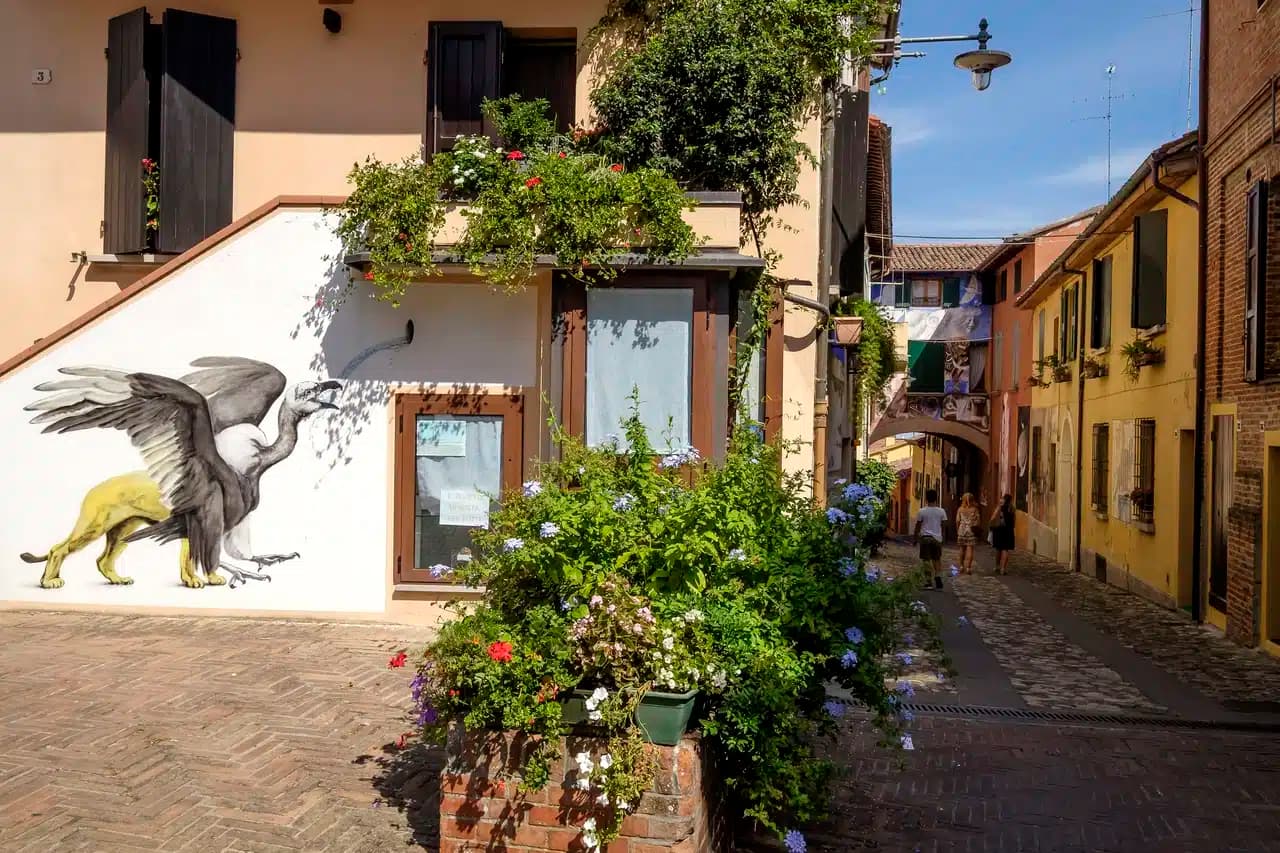
A 190-meter painted borgo above the Sellustra valley, where contemporary artists have repainted the house walls every two years since 1960.
Imola
Province: Bologna
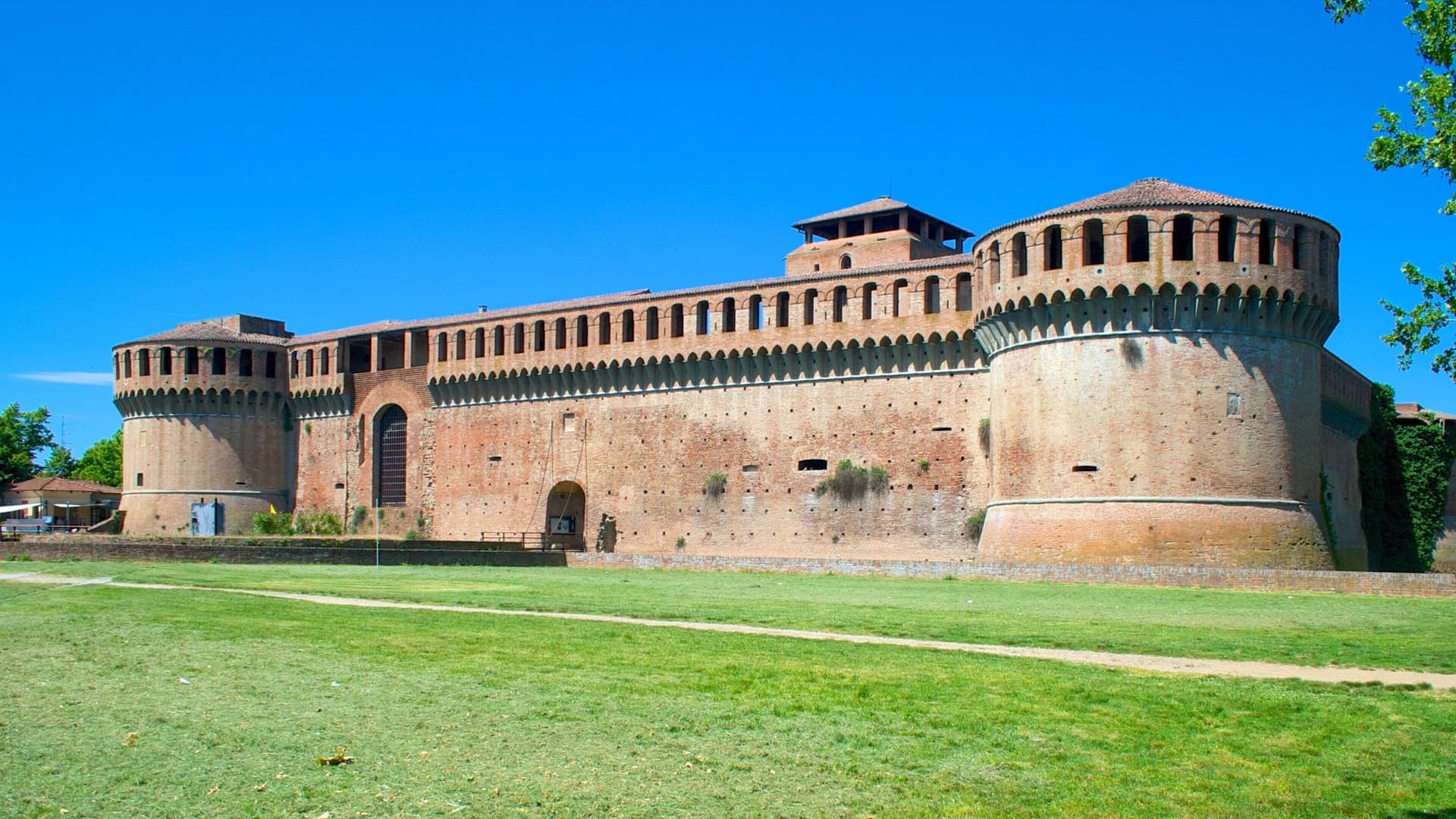
Bologna's Romagna twin — a medieval brick centro anchored by the Caterina Sforza-fortified Rocca, with the Autodromo Enzo e Dino Ferrari (the Imola F1 circuit) wrapping the Santerno river at the southern edge of town.
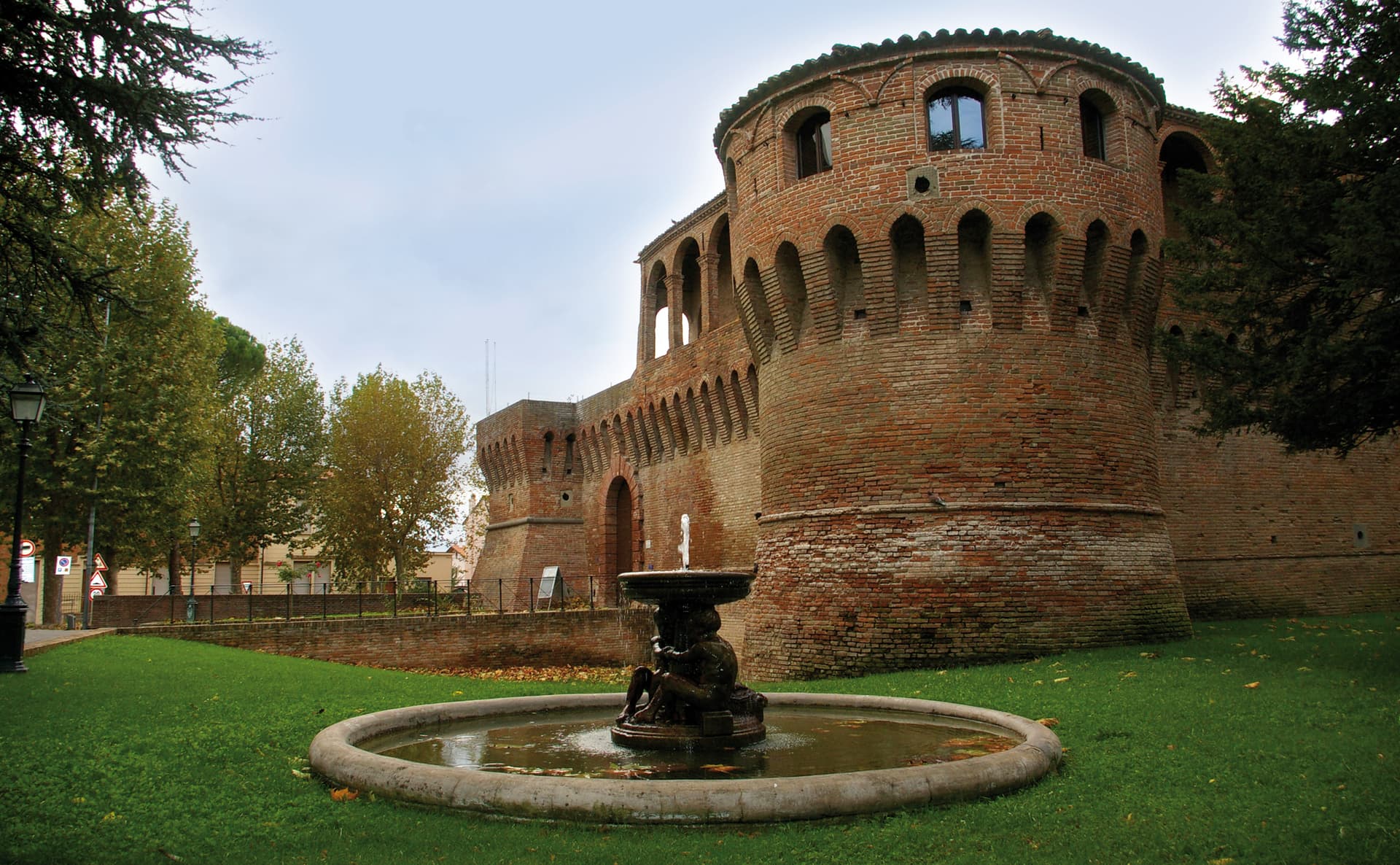
Bagnara di Romagna
Province: Ravenna
A 22-meter plain commune in the Bassa Romagna, the only fully preserved medieval castrum surviving in the Romagna lowlands.
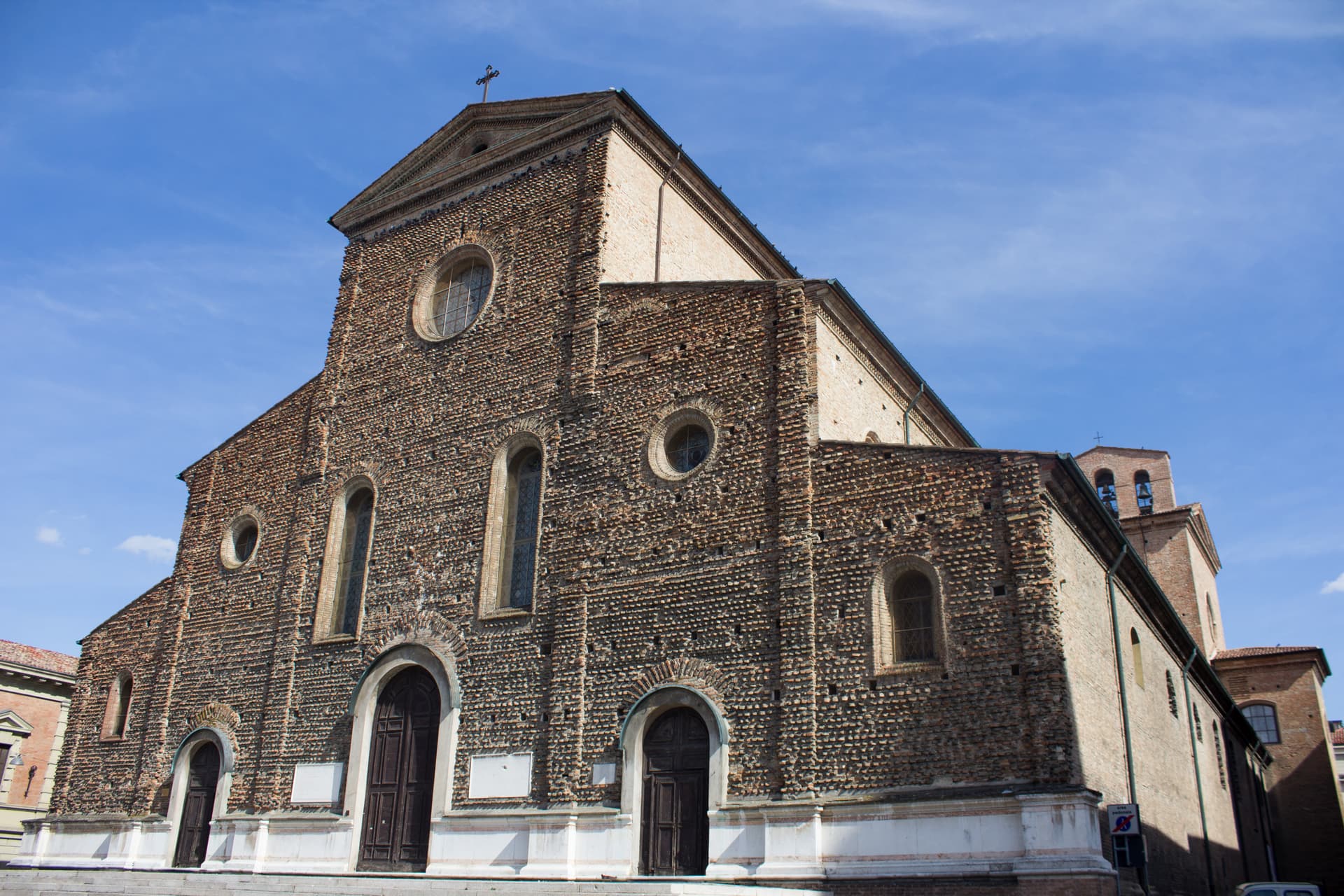
Faenza
Province: Ravenna
The city that gave its name to faïence, with a tin-glazed maiolica tradition since the fourteenth century and the world ceramics museum since 1908.
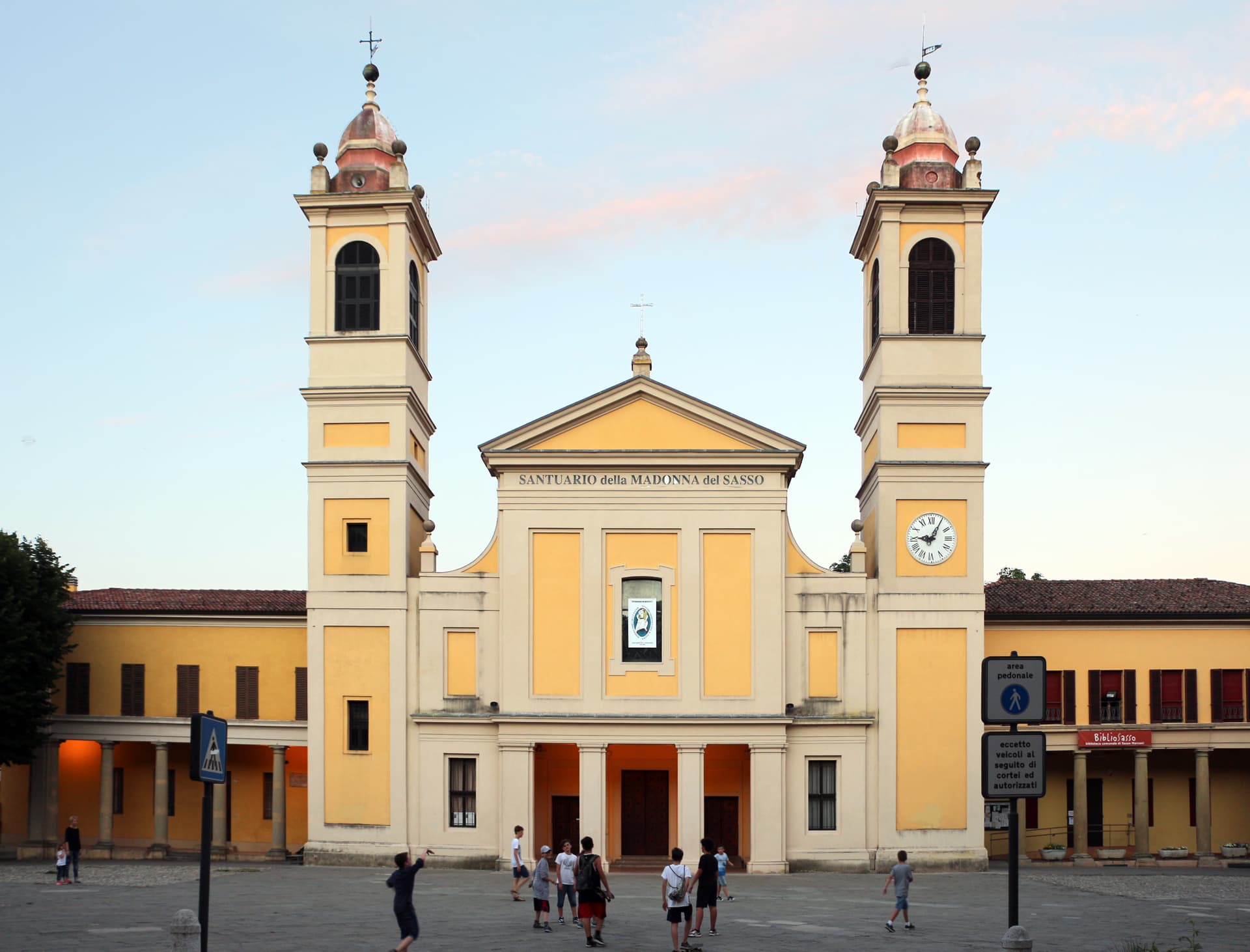
Sasso Marconi
Province: Bologna
A 128-meter pre-Apennine town renamed in 1938 for Marconi, with Villa Griffone holding his tomb and the attic where he first sent radio in 1895.
🐌 Cittaslow
More Cittaslow towns in Emilia-Romagna
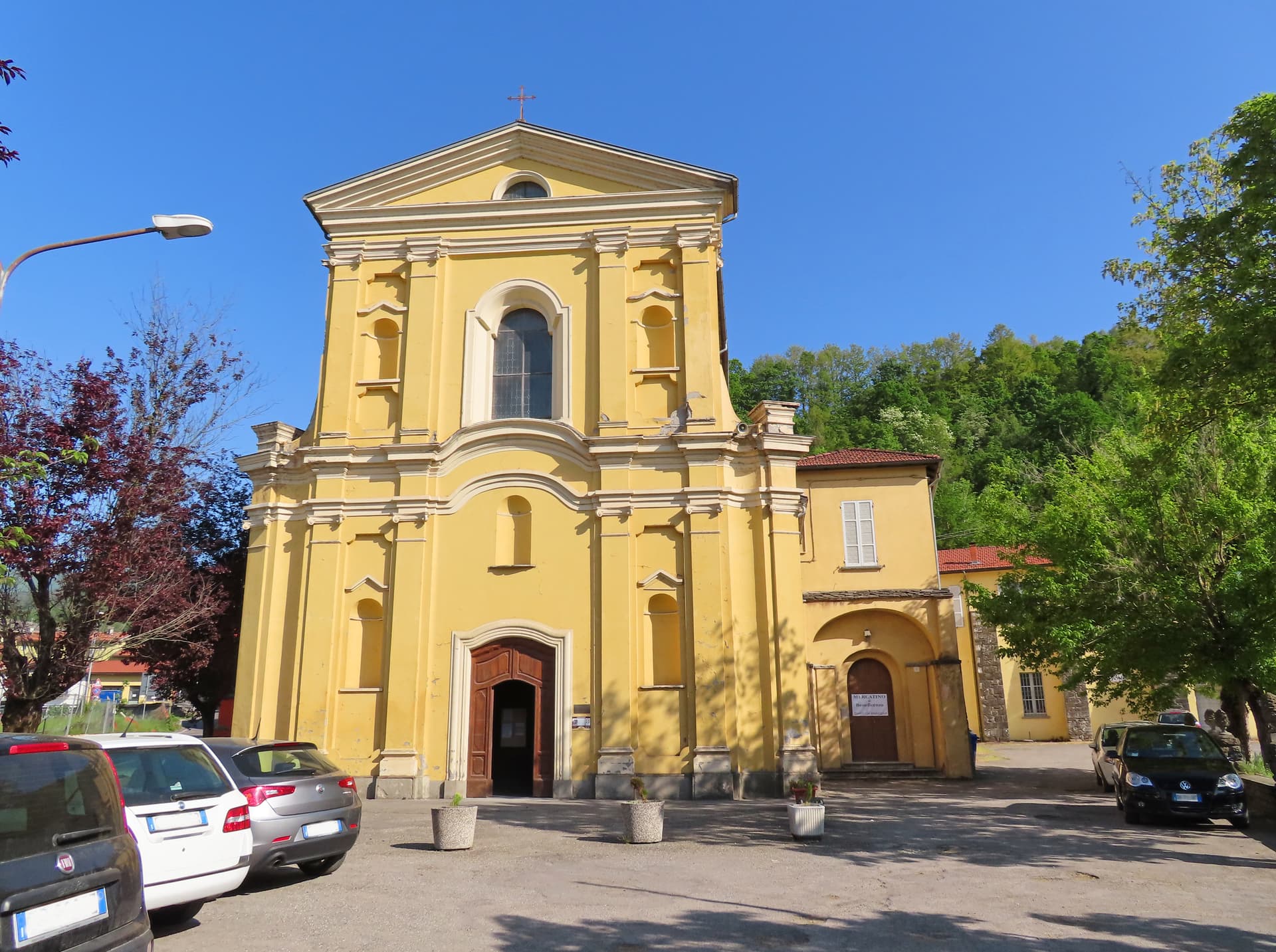
Borgo Val di Taro
Province: Parma
The Cittaslow capital of the upper Taro valley at 411 meters, where the Fungo di Borgotaro IGP porcini has been protected since 1996.
Brisighella
Province: Ravenna
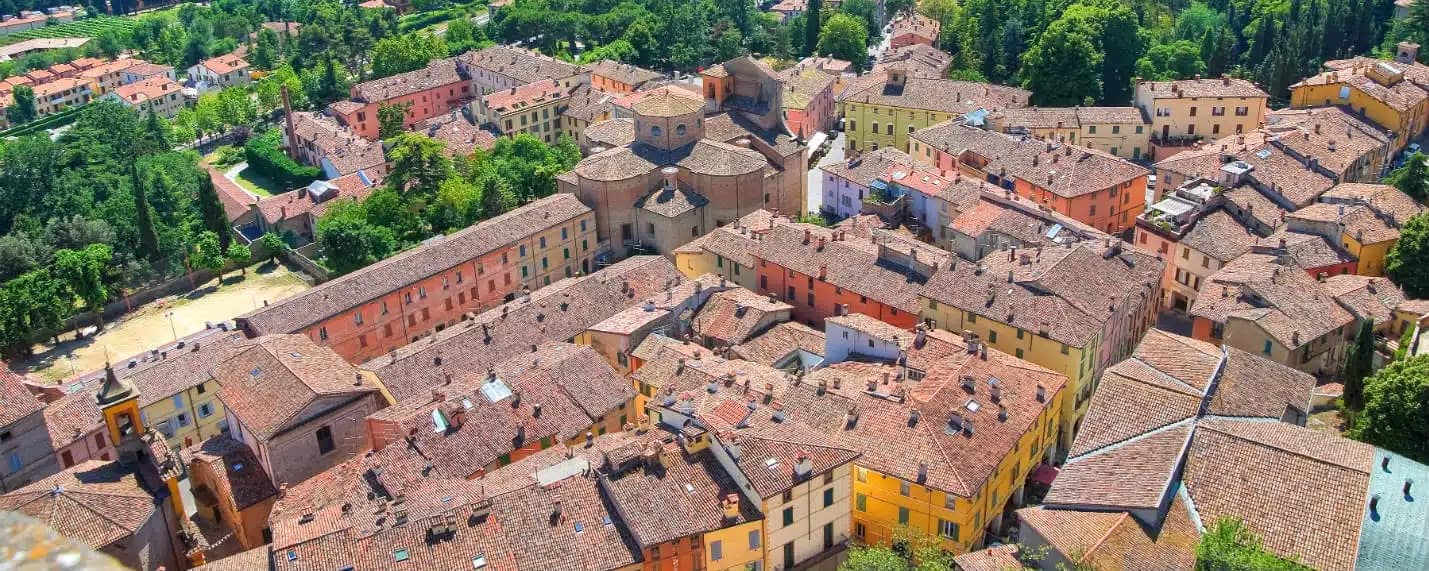
A Lamone-valley borgo at 115 meters under three selenite hills crowned by a fortress, a clock tower, and a sanctuary.
Fontanellato
Province: Parma
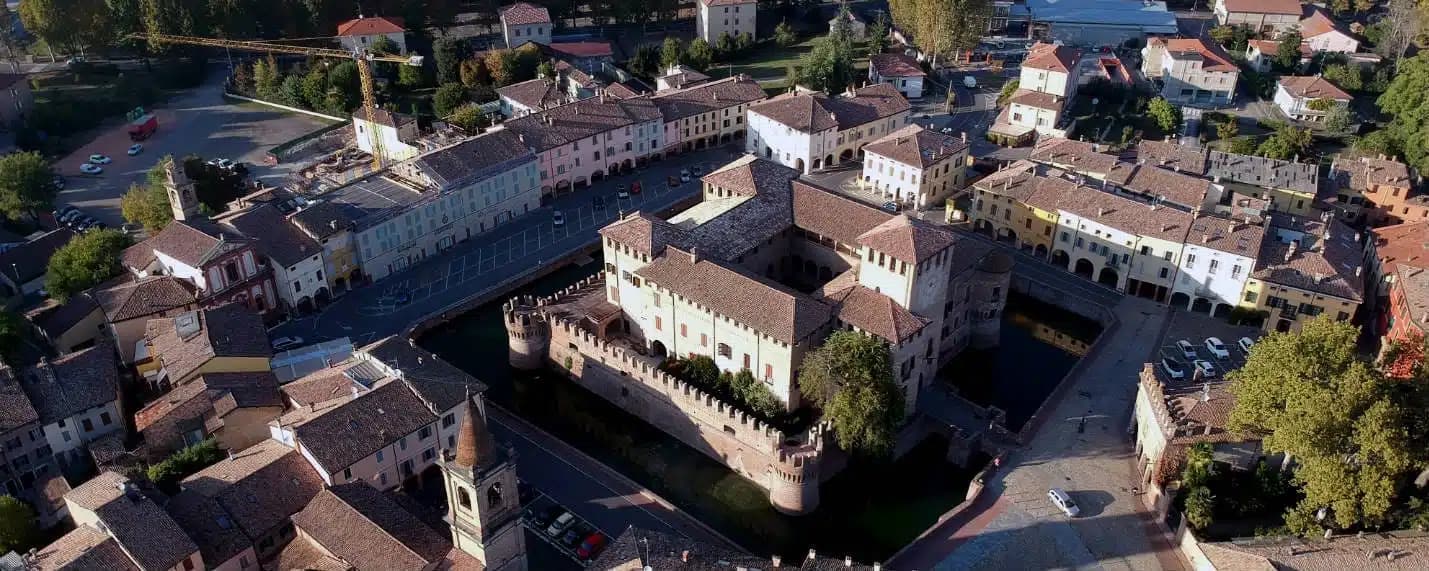
A Parma-plain town built around the Rocca Sanvitale, the moated fortress with Parmigianino's 1524 fresco of Diana and Actaeon.
Santarcangelo di Romagna
Province: Rimini
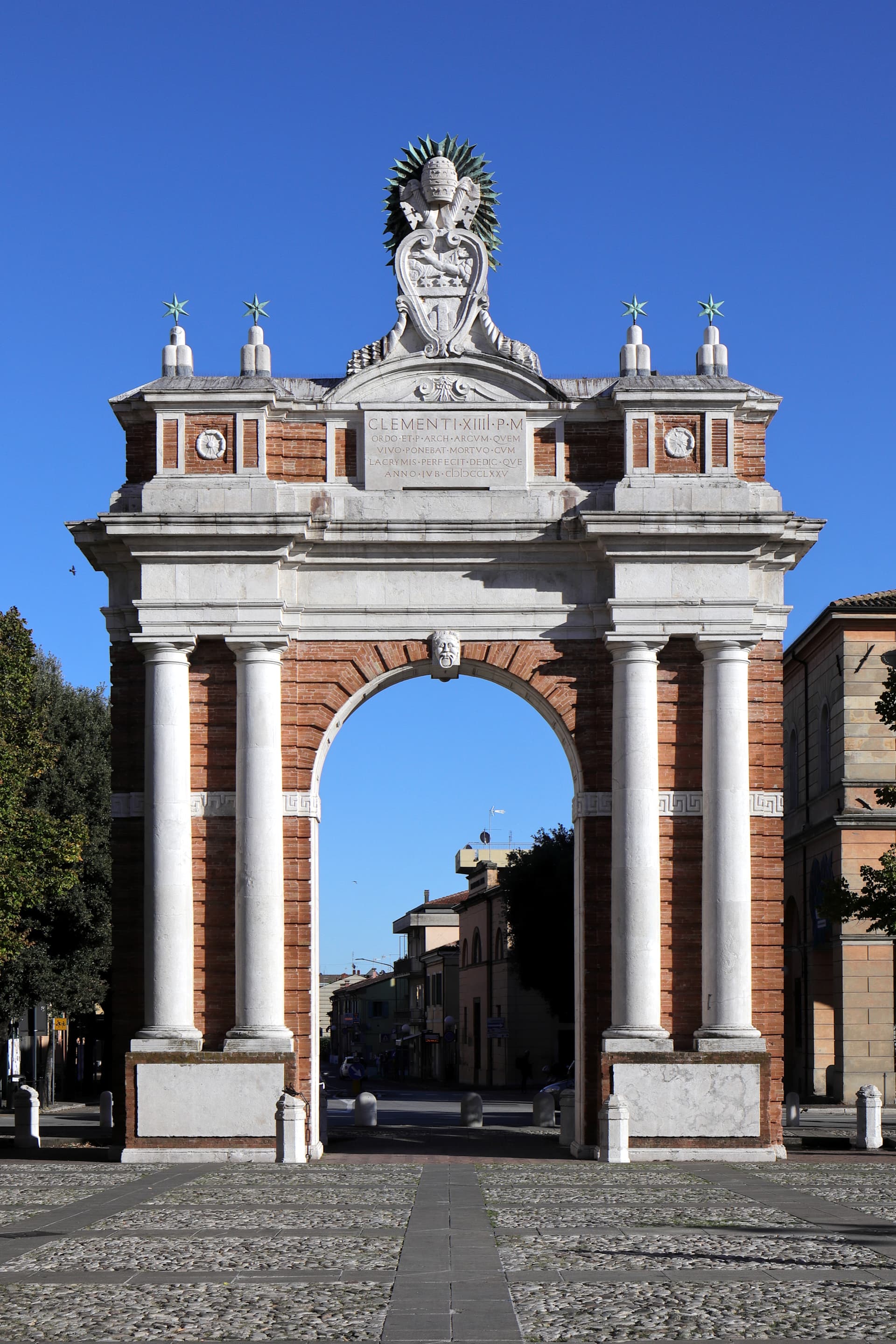
A Via Emilia hill town on the Marecchia plain, with over 150 tufa caves under the centro and a Malatesta fortress on its summit.