

Sardinia · Sud Sardegna
Sardara
A Campidano thermal town where Nuragic well-temples, Roman Aquae Neapolitanae and a hilltop Arborea castle share the same hot springs.
Known for
THERMAL WATERS
Hyperthermal springs at 45-60 degrees used continuously from the Nuragic period through Roman Aquae Neapolitanae to the modern Antiche Terme.
CASTELLO DI MONREALE
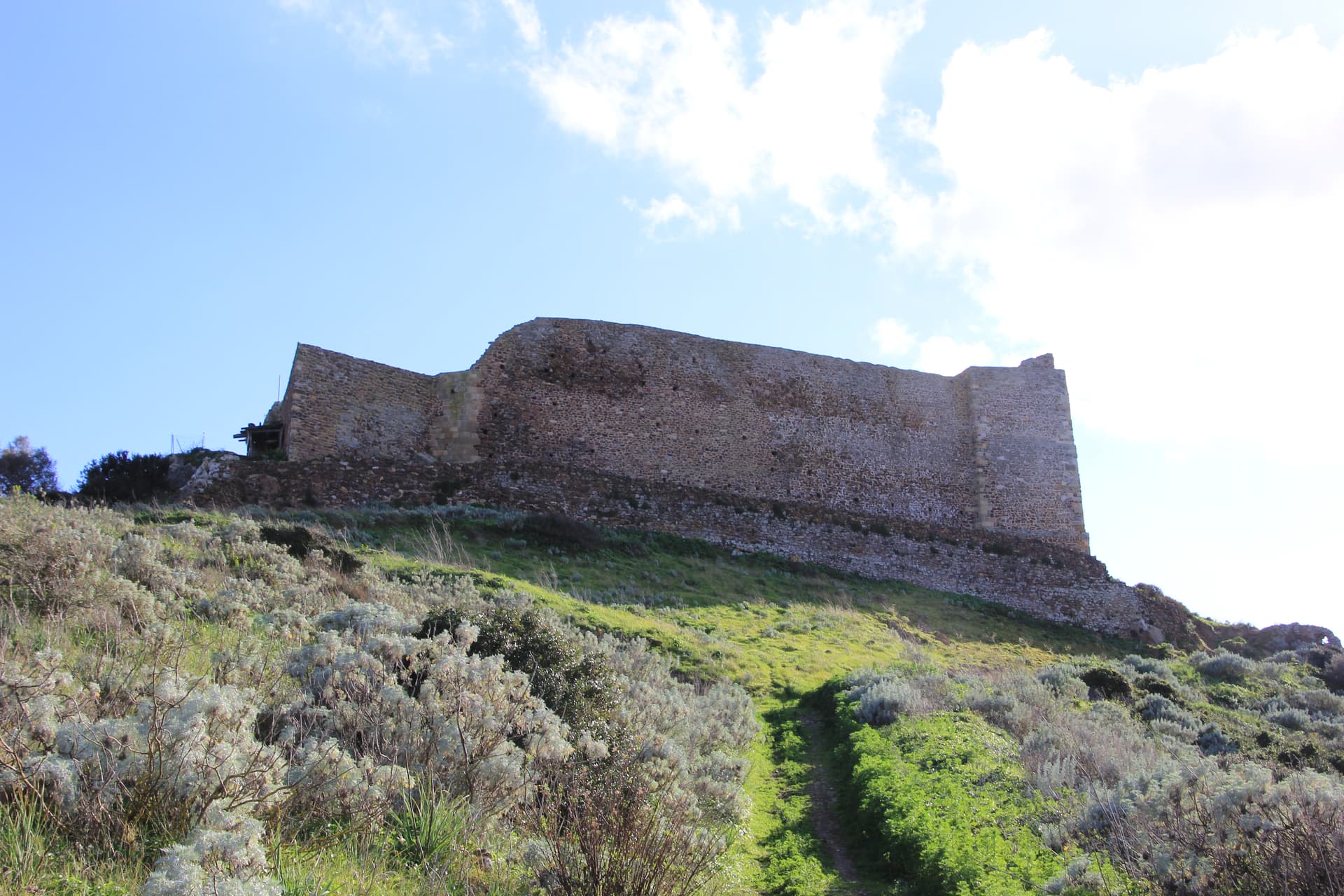
Fourteenth-century Arborea fortress on the Cagliari frontier, residence of Eleonora d'Arborea, three towers surviving on a basalt hill.
TERRA CRUDA
Centro storico built from sun-dried mud bricks in the Campidano tradition, member of the Città della Terra Cruda network.
When to visit
Best · All year
- J
- F
- M
- A
- M
- J
- J
- A
- S
- O
- N
- D
- Best
- Hot or crowded
- Quiet
- Mostly closed
Why come
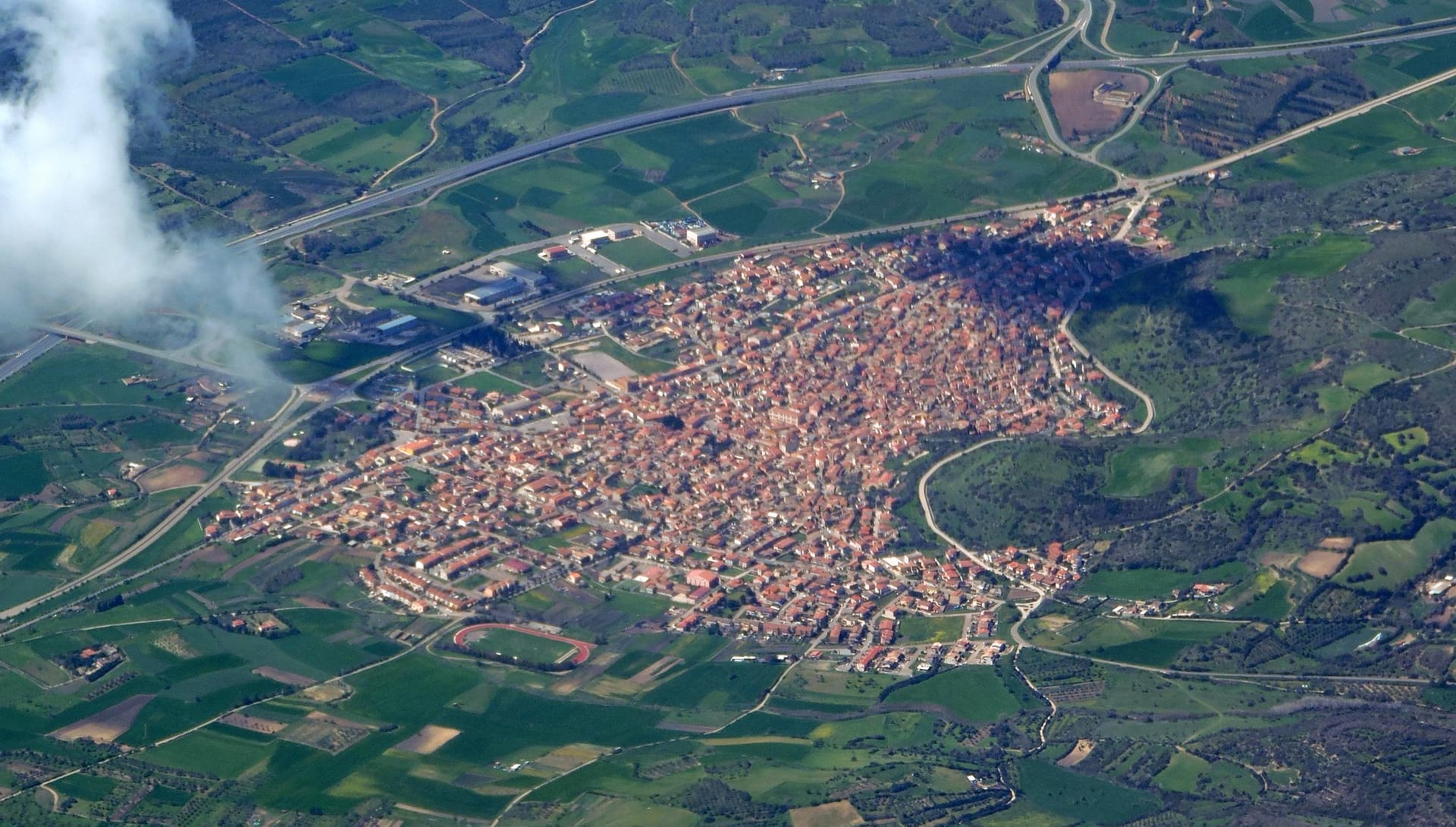
Sardara sits in the centre of the Campidano plain, on the historic frontier between the medieval Giudicato of Arborea and the Giudicato of Cagliari, fifty kilometres north of the regional capital. The thermal waters here surface mineralised at 45 to 60 degrees and have been used since the ninth century BC, when the Nuragic well-temple known as funtana de is dolus marked the source as sacred. The Romans built the bath complex called Aquae Neapolitanae, recorded by Ptolemy in the second century and still operating today as the Antiche Terme di Sardara.
Above the town, the Castello di Monreale rises on a basalt hill: a fourteenth-century Arborea fortress where Eleonora d'Arborea and her father Mariano IV stayed, ruined now but with three surviving towers. The old centre is a Città della Terra Cruda, built from sun-dried mud bricks, and a Bandiera Arancione of the Touring Club Italiano.
The Sunday letter
We haven’t written Sardara’s letter yet.
One town every Sunday, with the photo, the food, the festa. Be there when this one comes up. Free, by Peter & Sophia from Pietrasanta.
By subscribing you agree to Substack’s Terms of Use, our Privacy Policy and our Information collection notice.
What to see
Castello di Monreale
Hilltop ruined fortress built between 1200 and 1300 on the Arborea-Cagliari frontier, residence of Mariano IV and Eleonora d'Arborea, with three surviving towers.
Antiche Terme di Sardara (Santa Maria Aquas)
Hyperthermal bicarbonate-alkaline springs at 45-60 degrees, used since the Nuragic period and developed by the Romans as Aquae Neapolitanae.
Pozzo sacro di Sant'Anastasia
Nuragic well-temple from the ninth-eighth centuries BC at the centre of the town, the funtana de is dolus dedicated to a water cult.
Chiesa della Beata Vergine Assunta
Early fifteenth-century parish church on Piazza Libertà, at the top of a stone staircase in the centro storico.
Chiesa di Santa Maria Aquas
Christian sanctuary built over the Roman bath complex, the dedication that gave the thermal locality its modern name.
The slow-trip planner
Building a trip? Find where Sardara fits in a slow Italy circuit.
Answer five questions. We will shape a geographically coherent slow trip from the 1,000 Italian towns most travelers skip. Yours to save and share.
Living here
- Population 3,801
- Commuter belti
- Pharmacy in town
- High school within a 30-minute drive
- Nearest airport Sardinia, 1 h 11 min drive
- Regional capital Cagliari, 59 min drive
This is a thermal town — terme operate here.
Tags & datadesignations · numbers · sources
Recognised as
- Bandiera Arancione
- Borghi Autentici
- Terme
- Città della Terra Cruda
- Comuni Virtuosi
The numbers
- Elevation: 163 m
- Population: 3,801
- Surface area: 56.23 km²
These figures were compiled from public directories — ISTAT, OpenStreetMap, Wikidata — and from the official listings of the guides named on this page. Town details change; verify with official sources before you travel.
Close by
More towns near Sardara
Masullas
Province: Oristano
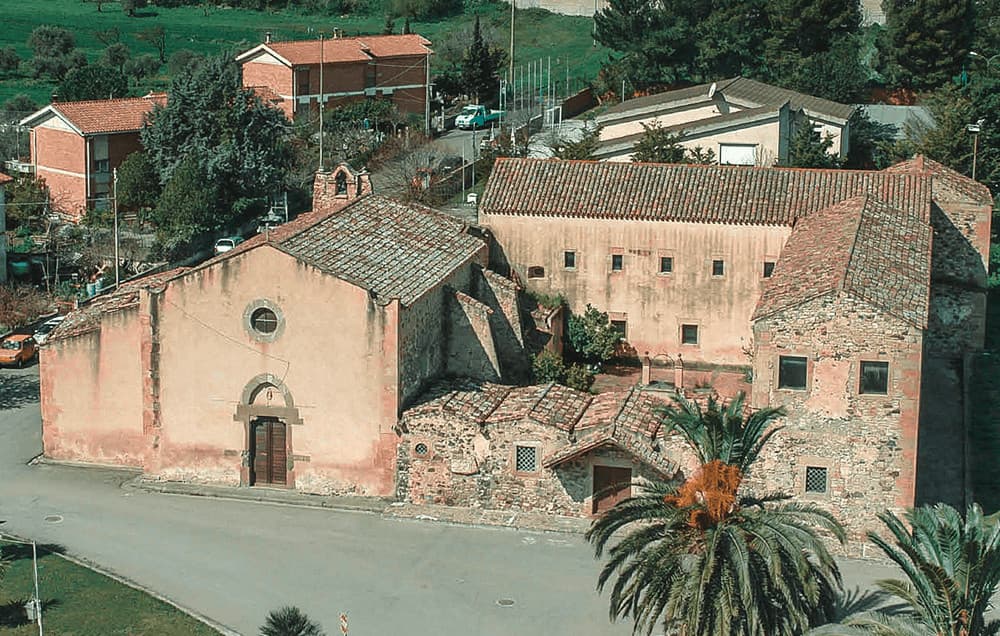
A Marmilla village at 129 meters where a 17th-century Capuchin convent houses fossils, minerals, and the volcanic history of Monte Arci.
Barumini
Province: Sud Sardegna
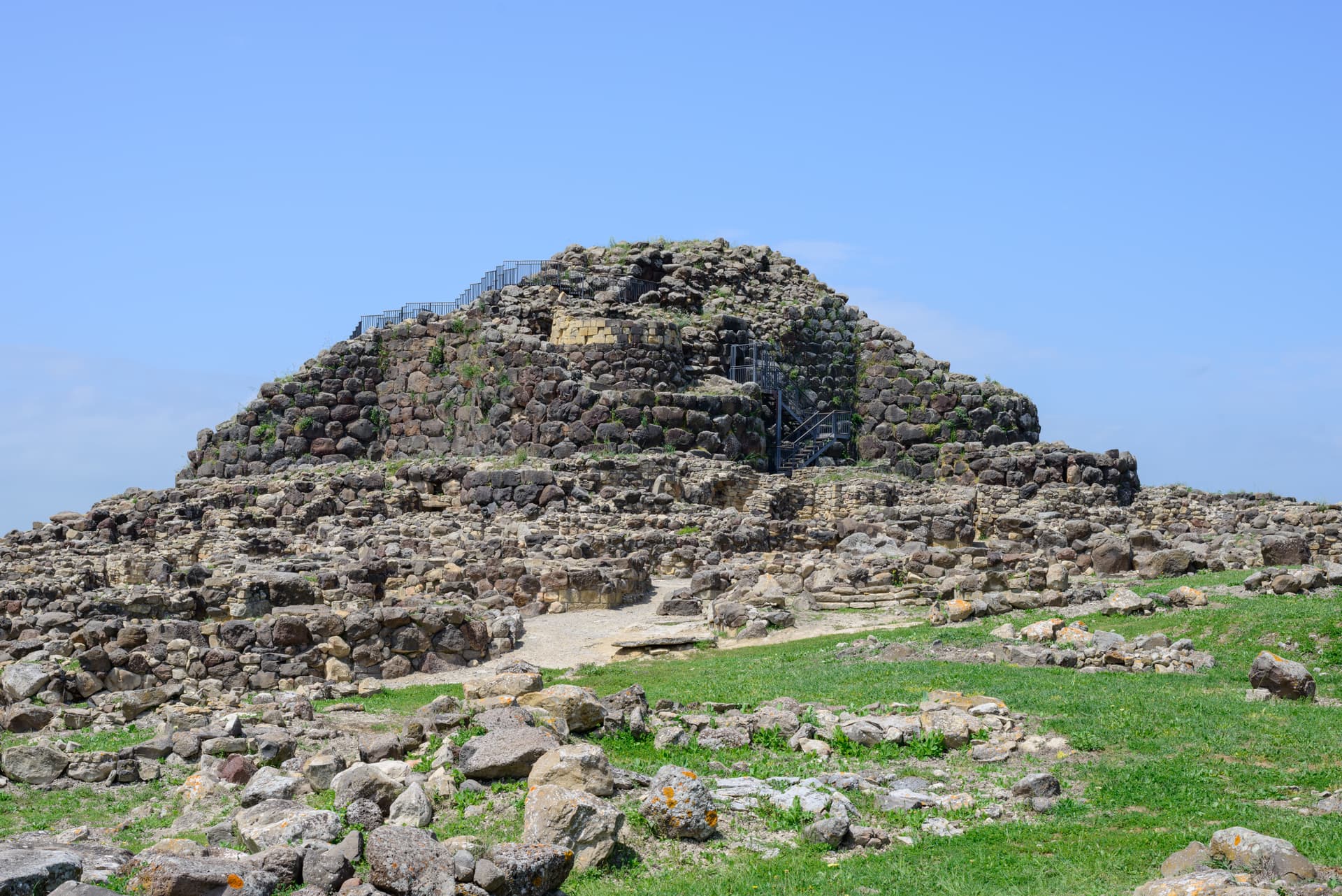
A Marmilla village at the foot of the Giara di Gesturi whose Bronze Age nuraghe became Sardegna's first UNESCO site.
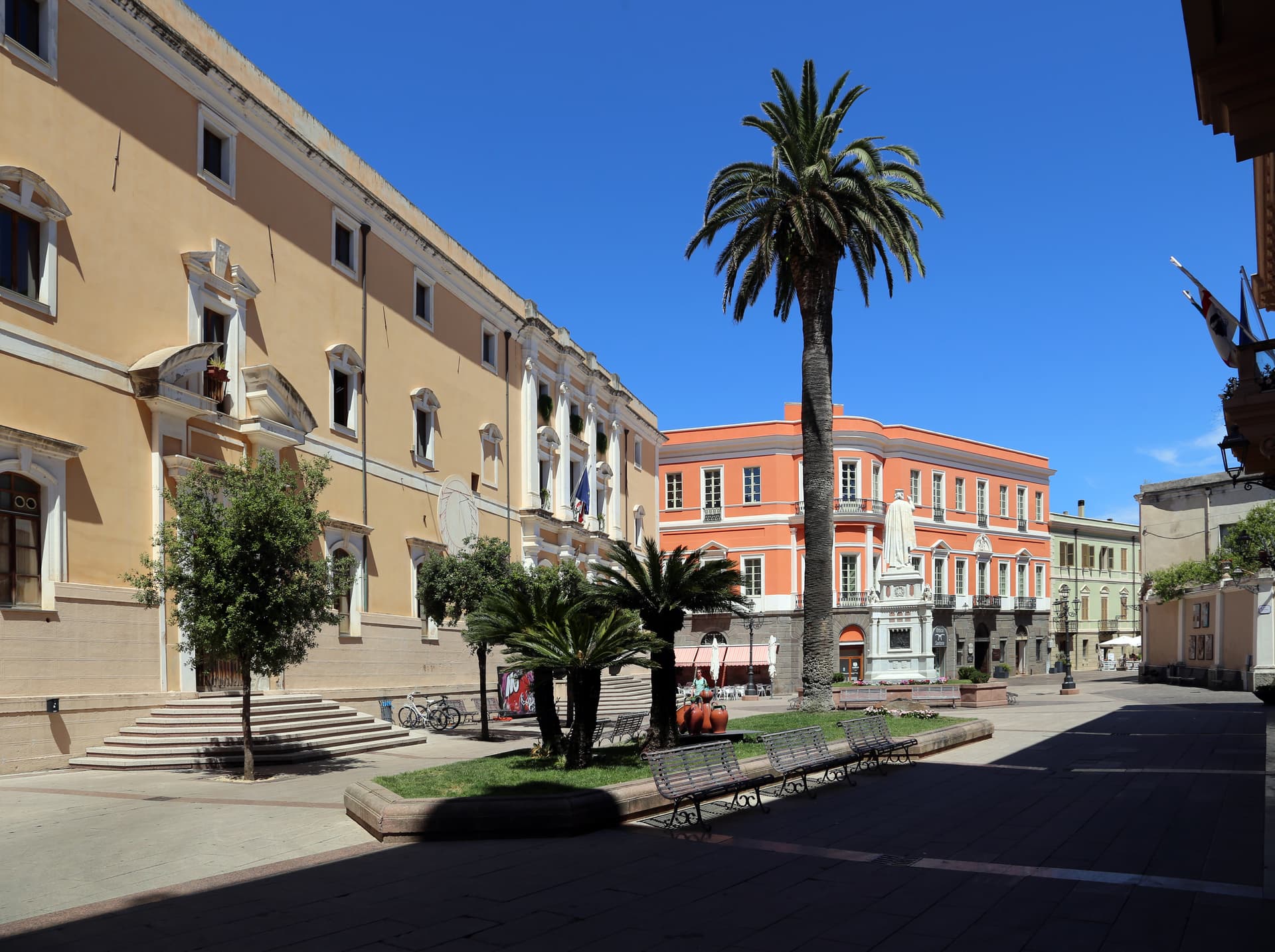
Oristano
Province: Oristano
The old capital of the Giudicato di Arborea, city of Eleonora and the Carta de Logu, host of Sa Sartiglia equestrian joust at Carnival.
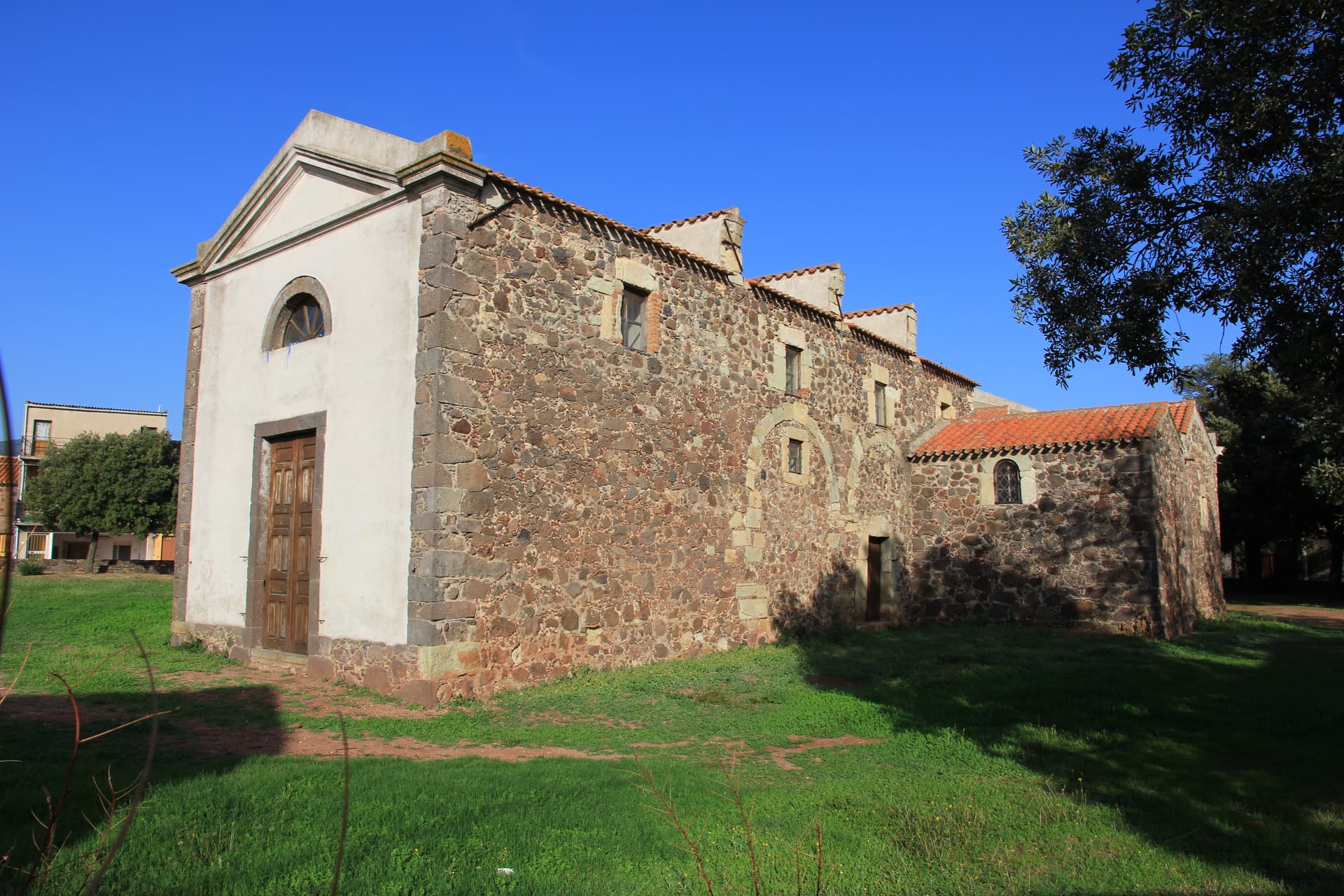
Seneghe
Province: Oristano
An olive-oil village on the eastern slope of Montiferru, 25 km from Oristano, that doubles as Sardegna's poetry capital each September.
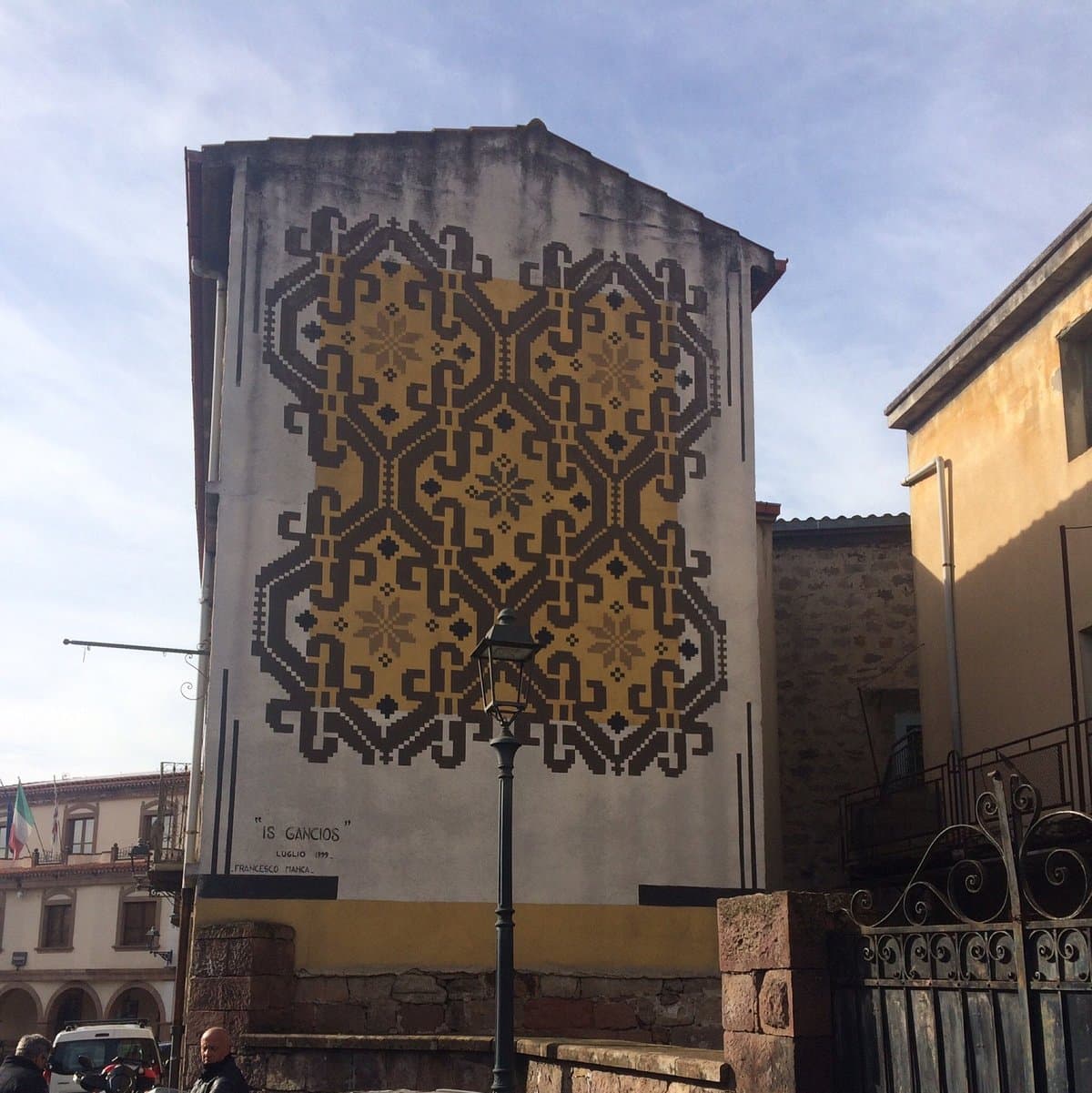
Samugheo
Province: Oristano
Sardinia's textile-weaving capital — a 2,757-resident Mandrolisai borgo with the MURATS regional textile museum, the annual Tessingiu woven-art biennale, an active community of weavers still on traditional looms, and the Mandrolisai DOC red from the granite-soil vineyards around it.
🟠 Bandiera Arancione
More Bandiera Arancione towns in Sardinia
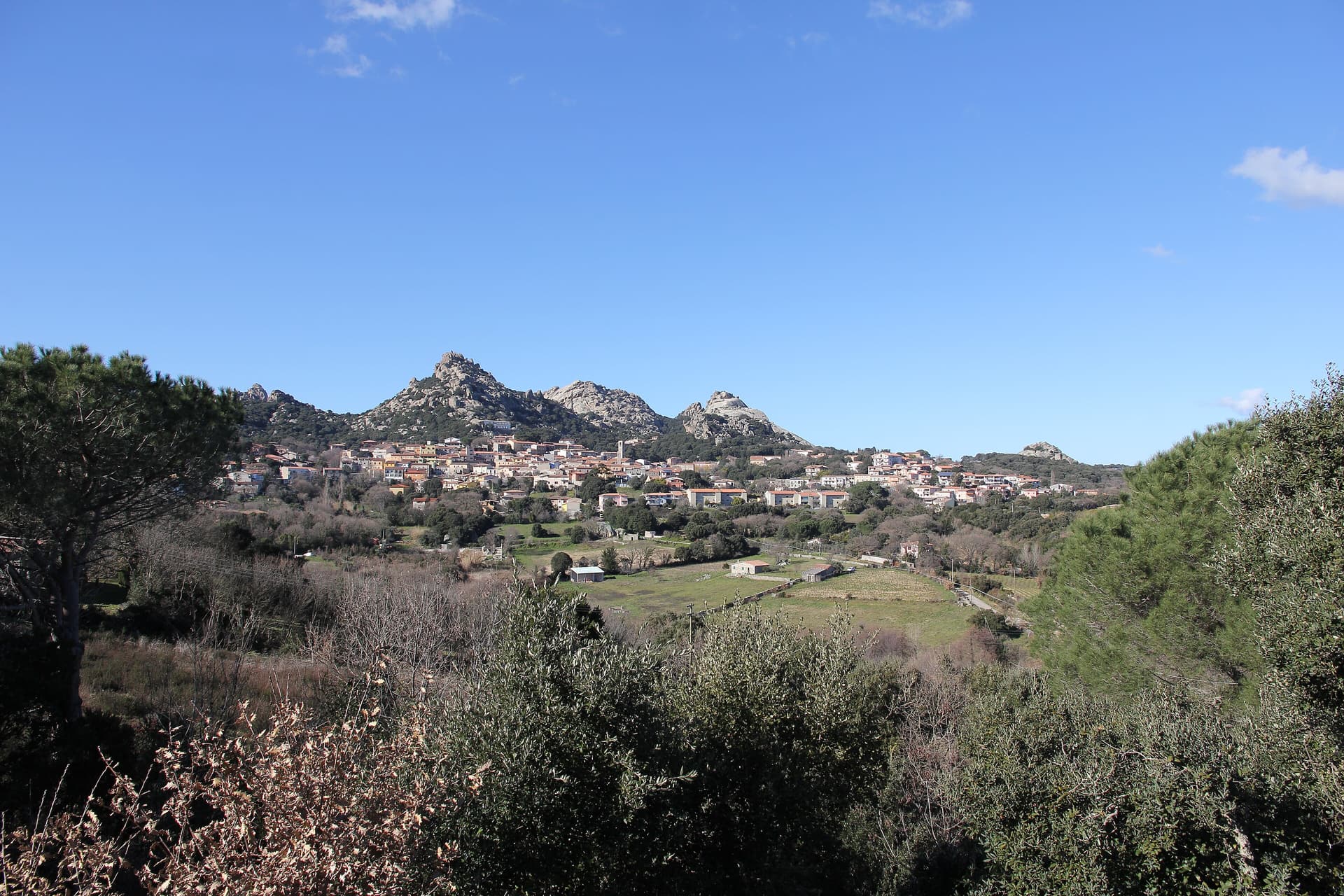
Aggius
Province: Sassari
A Gallura granite village at 514 meters under the Monti di Aggius, with the largest ethnographic museum in Sardegna and three centuries of bandit history.

Galtellì
Province: Nuoro
Grazia Deledda's 'Canne al vento' set — a 2,354-resident Baronia borgo under the Monte Tuttavista in Sardinia's northeast, with the triple Borghi Autentici + Bandiera Arancione + Città del Vino signal, the 11th-c Cattedrale di San Pietro (Sardinia's first), and the entire centro recognised as the Parco Letterario Grazia Deledda for being the literal setting of her 1913 Nobel-trajectory novel.
Gavoi
Province: Nuoro
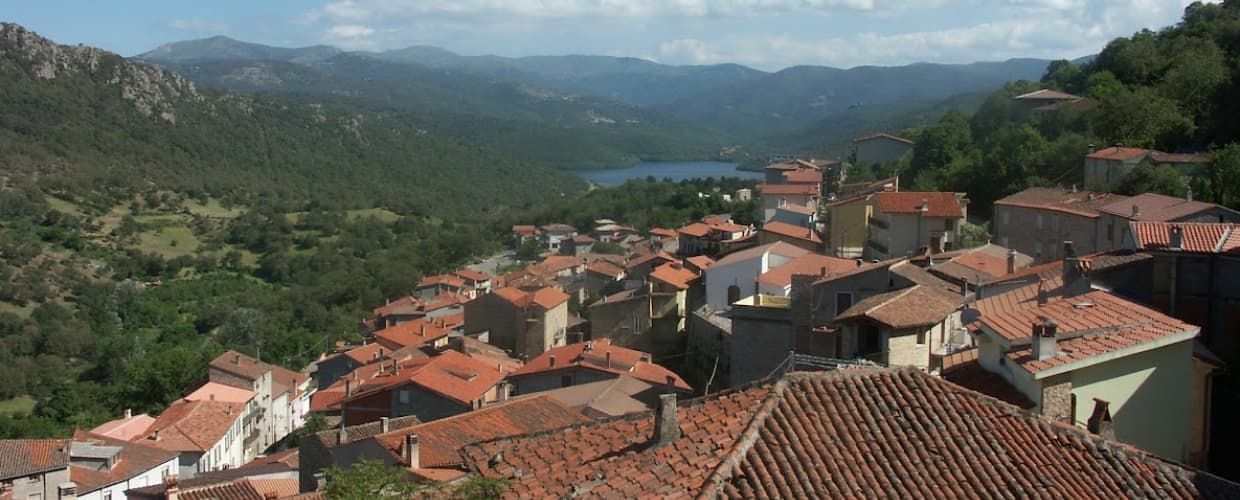
A 777-meter Barbagia hilltop village above Lake Gusana with a Bandiera Arancione of the Touring Club, the country's most-attended summer literary festival (L'Isola delle Storie), and the PDO Fiore Sardo pecorino made here for at least three centuries.
Oliena
Province: Nuoro
A Supramonte village at the foot of Monte Corrasi, source of Cannonau Nepente, base camp for Tiscali and the Lanaitto valley.
Tempio Pausania
Province: Sassari
The granite capital of Gallura at the foot of Monte Limbara, known for cork, Vermentino DOCG and the largest Carnival in northern Sardinia.