

Sardinia · Sassari
Tempio Pausania
The granite capital of Gallura at the foot of Monte Limbara, known for cork, Vermentino DOCG and the largest Carnival in northern Sardinia.
Known for
GRANITE CITY
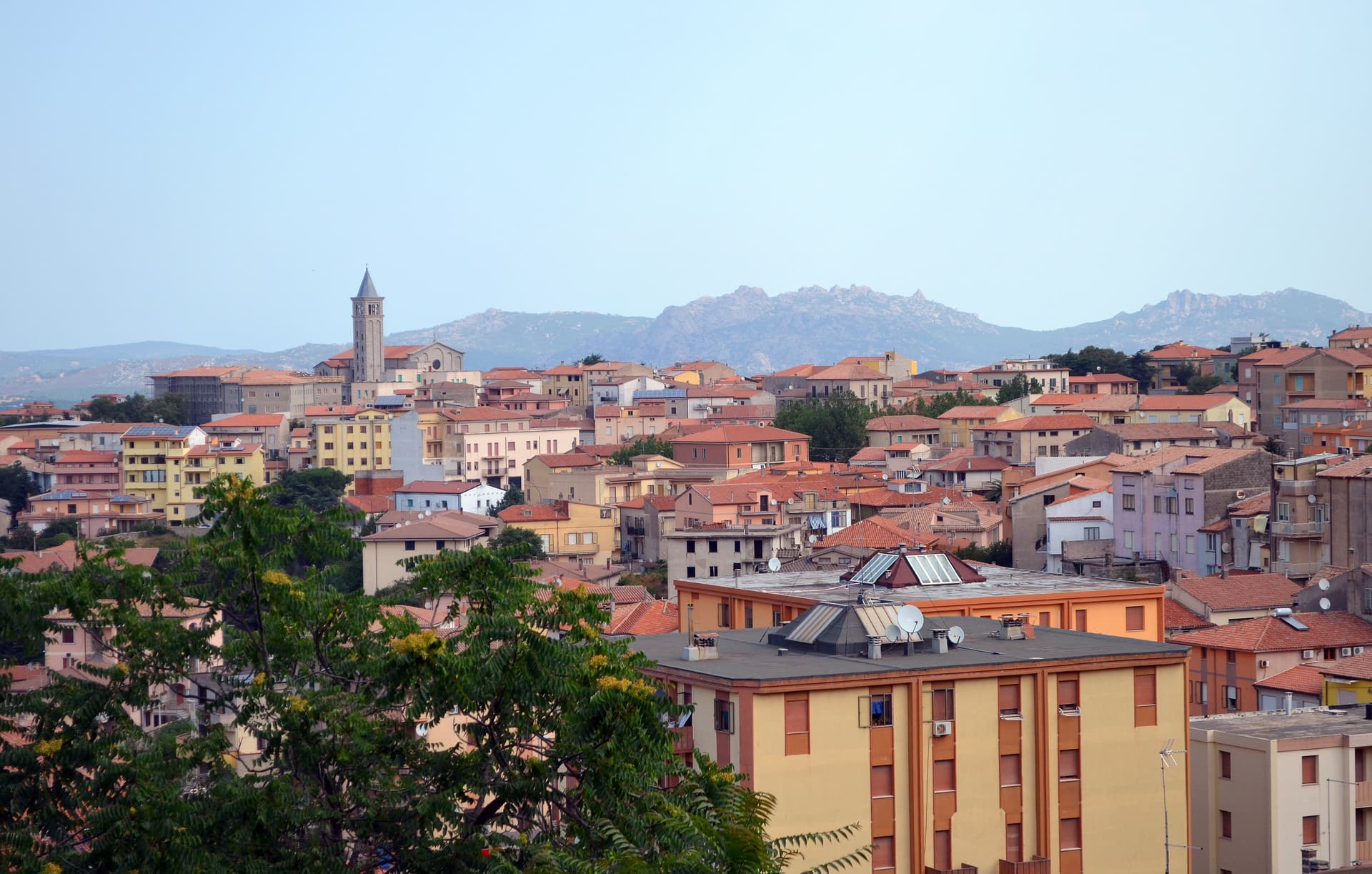
Centro storico built entirely from grey-pink Gallurese granite, palaces, paving and ordinary houses cut from the same Limbara quarries.
CARRASCIALI TIMPIESU
Carnival of Tempio between February and March, the largest in northern Sardinia, with allegorical floats, masks and around 100,000 visitors per edition.
VERMENTINO DI GALLURA
Sardinia's only DOCG wine, mineral white from the granite-and-sand soils of the Gallura, with Tempio at the centre of the production zone.
When to visit
Best · Apr–Jun, Sep–Nov
- J
- F
- M
- A
- M
- J
- J
- A
- S
- O
- N
- D
- Best
- Hot or crowded
- Quiet
- Mostly closed
Why come
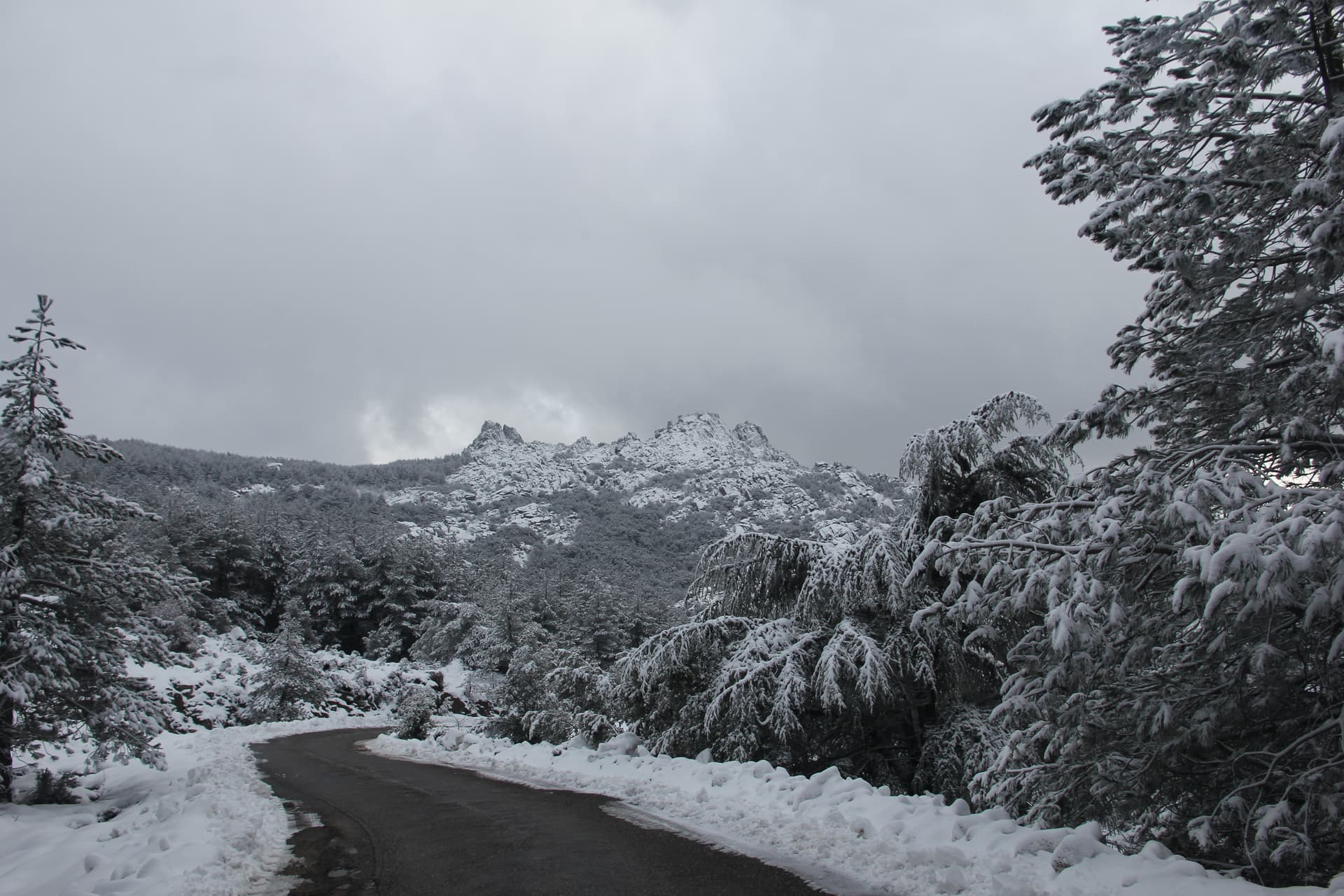
Tempio Pausania sits at 566 metres in central Gallura, at the foot of Monte Limbara, the 1,359-metre granite massif that anchors the north of the island. Almost every building in the centro storico is constructed from the grey-pink granite of the surrounding territory: noble palaces, ordinary houses, paving and kerbstones alike, the reason for the nickname città di pietra. The town shares the role of provincial capital of Gallura Nord-Est Sardegna with Olbia.
It was the seat of the ancient diocese of Phausania and added Pausania to its medieval name Templo in 1879. The Cattedrale di San Pietro Apostolo, with a core from the early thirteenth century and a facade renovation between 1832 and 1839, sits at the centre. The Fonti di Rinaggiu, mineral springs known since Roman times for their therapeutic properties, run on the outskirts.
The Carnival of Tempio, the carrasciali timpiesu, draws around 100,000 visitors between February and March. Cork, granite and Vermentino di Gallura DOCG form the economic core.
The Sunday letter
We haven’t written Tempio Pausania’s letter yet.
One town every Sunday, with the photo, the food, the festa. Be there when this one comes up. Free, by Peter & Sophia from Pietrasanta.
By subscribing you agree to Substack’s Terms of Use, our Privacy Policy and our Information collection notice.
What to see
Cattedrale di San Pietro Apostolo
Cathedral of the diocese of Tempio-Ampurias, original layout from the early thirteenth century, current facade and bay added in renovations of 1832-1839.
Centro storico di Tempio Pausania
Old town built entirely of grey-pink Gallurese granite, palaces, houses and paving cut from the same quarries, the basis of the città di pietra nickname.
Fonti di Rinaggiu
Mineral and thermal springs on the outskirts known since Roman times for diuretic properties, on a tree-lined avenue overlooking the Limbara.
Monte Limbara
Granite massif rising to 1,359 metres on the southern boundary of the commune, the highest mountain in northern Sardinia.
Nuraghe Majori
Bronze Age complex nuraghe four kilometres from the centre, among the largest in Gallura, with central tower and outer bastion.
Museo Bernardo De Muro
Civic museum dedicated to the Tempiese tenor Bernardo De Muro (1881-1955), with stage costumes, recordings and memorabilia.
The slow-trip planner
Building a trip? Find where Tempio Pausania fits in a slow Italy circuit.
Answer five questions. We will shape a geographically coherent slow trip from the 1,000 Italian towns most travelers skip. Yours to save and share.
Living here
- Population 13,196
- Off the beaten pathi
- Pharmacy in town
- High school within a 30-minute drive
- Train station in the comune
- Nearest airport Sardinia, 4 h 13 min drive
- Regional capital Cagliari, 4 h 1 min drive
Tags & datadesignations · numbers · sources
The numbers
- Elevation: 566 m
- Population: 13,196
- Surface area: 210.82 km²
These figures were compiled from public directories — ISTAT, OpenStreetMap, Wikidata — and from the official listings of the guides named on this page. Town details change; verify with official sources before you travel.
Close by
More towns near Tempio Pausania
Aggius
Province: Sassari
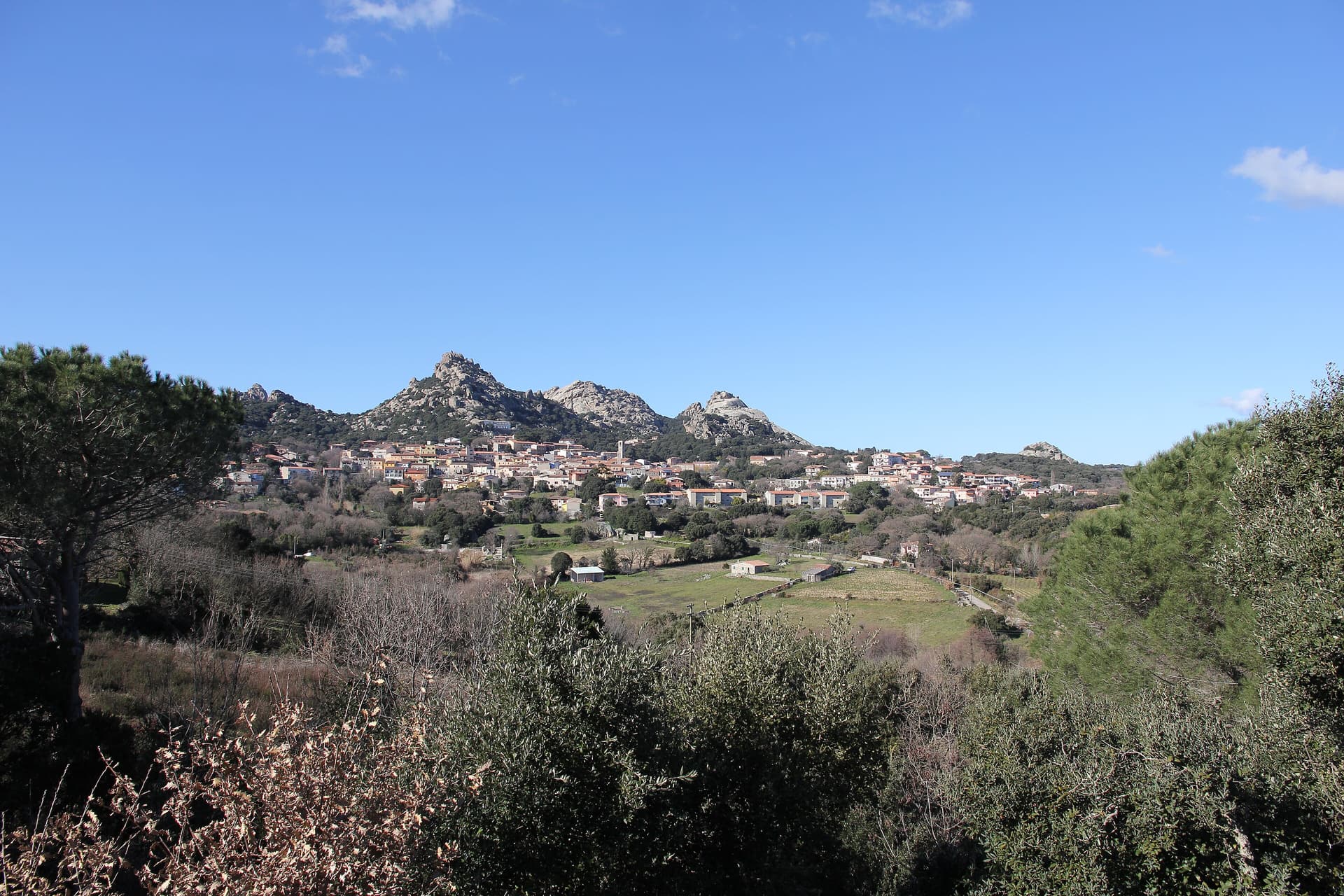
A Gallura granite village at 514 meters under the Monti di Aggius, with the largest ethnographic museum in Sardegna and three centuries of bandit history.
Badesi
Province: Sassari
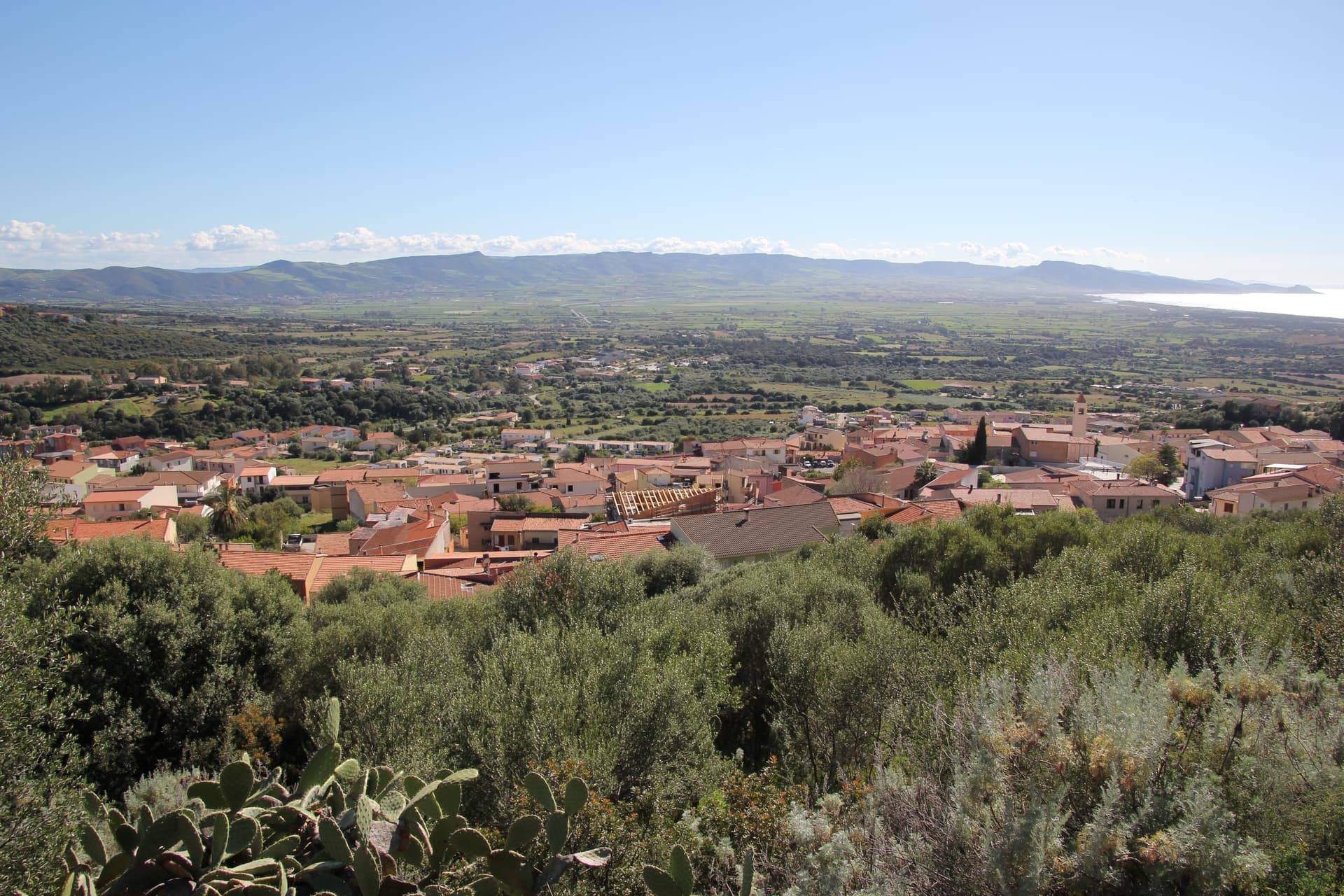
A Gallura commune founded by shepherding families in the 1700s, with eight kilometers of dunes between Isola Rossa and the Coghinas river.
Palau
Province: Sassari
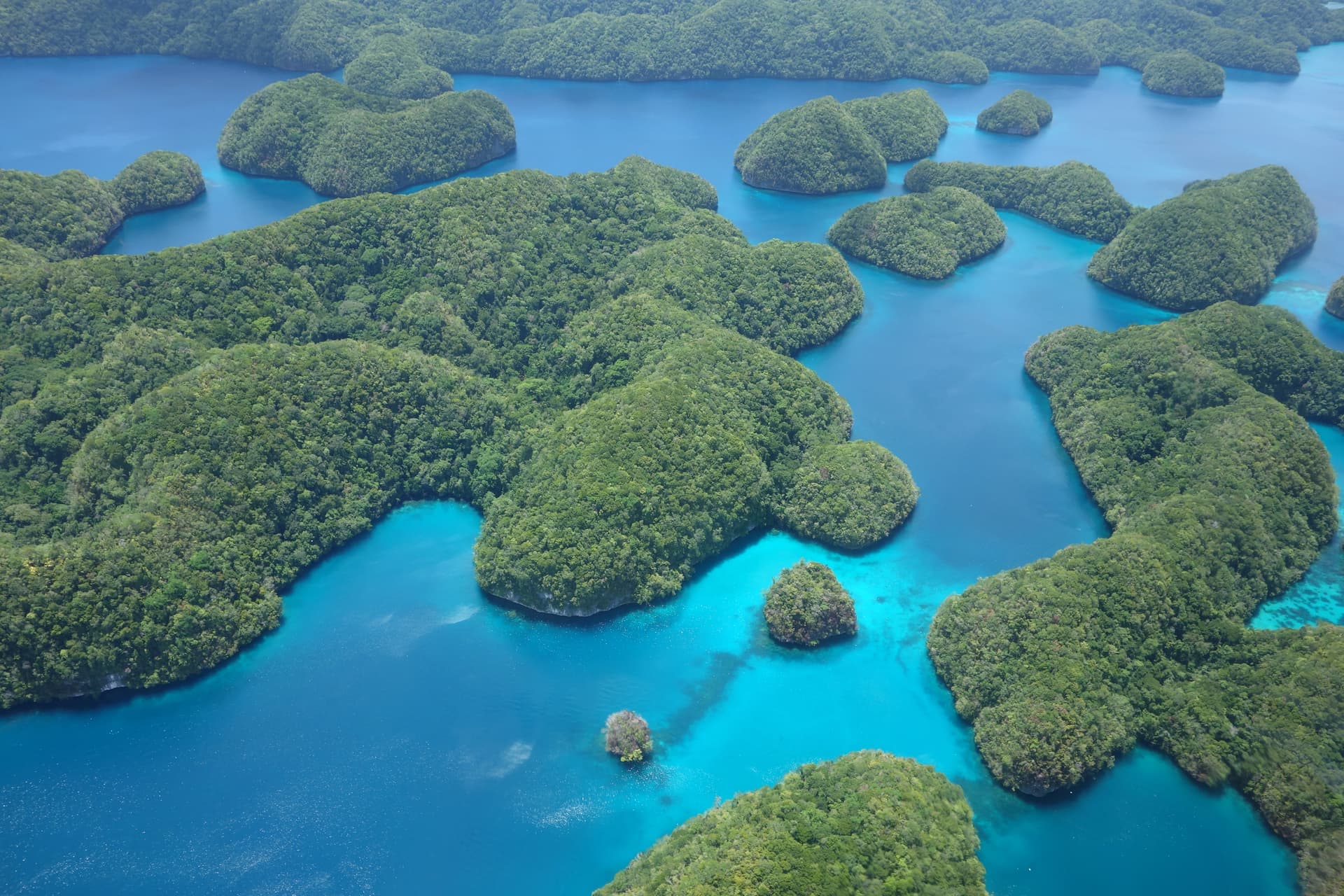
The Gallura port that ferries to La Maddalena, with a weather-shaped granite bear on the headland that gave the town its emblem.
Santa Teresa Gallura
Province: Sassari
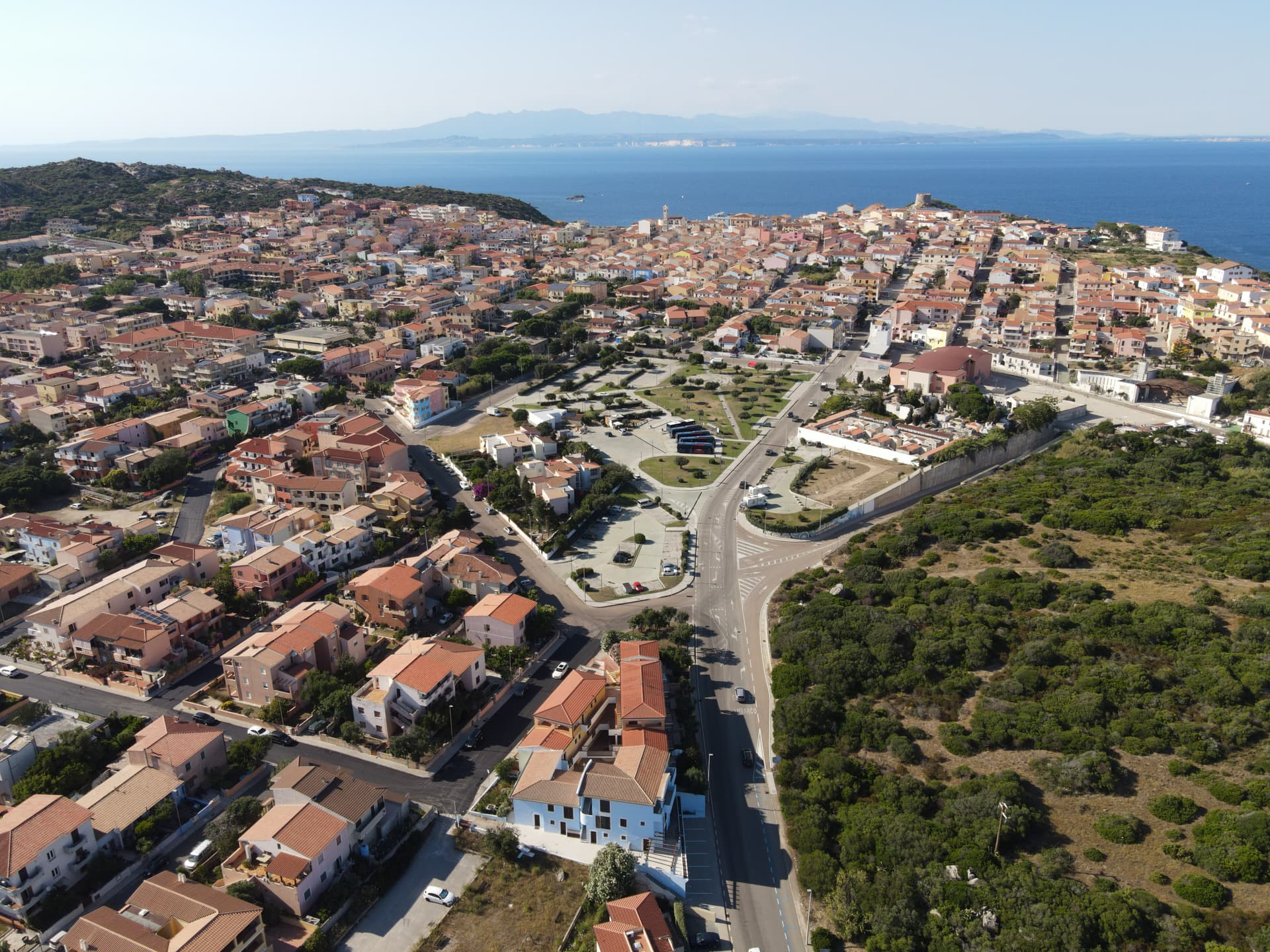
The northernmost town in Sardinia, founded in 1808 on a Turin-style grid above the Strait of Bonifacio and 11 kilometers from Corsica.
Sedini
Province: Sassari
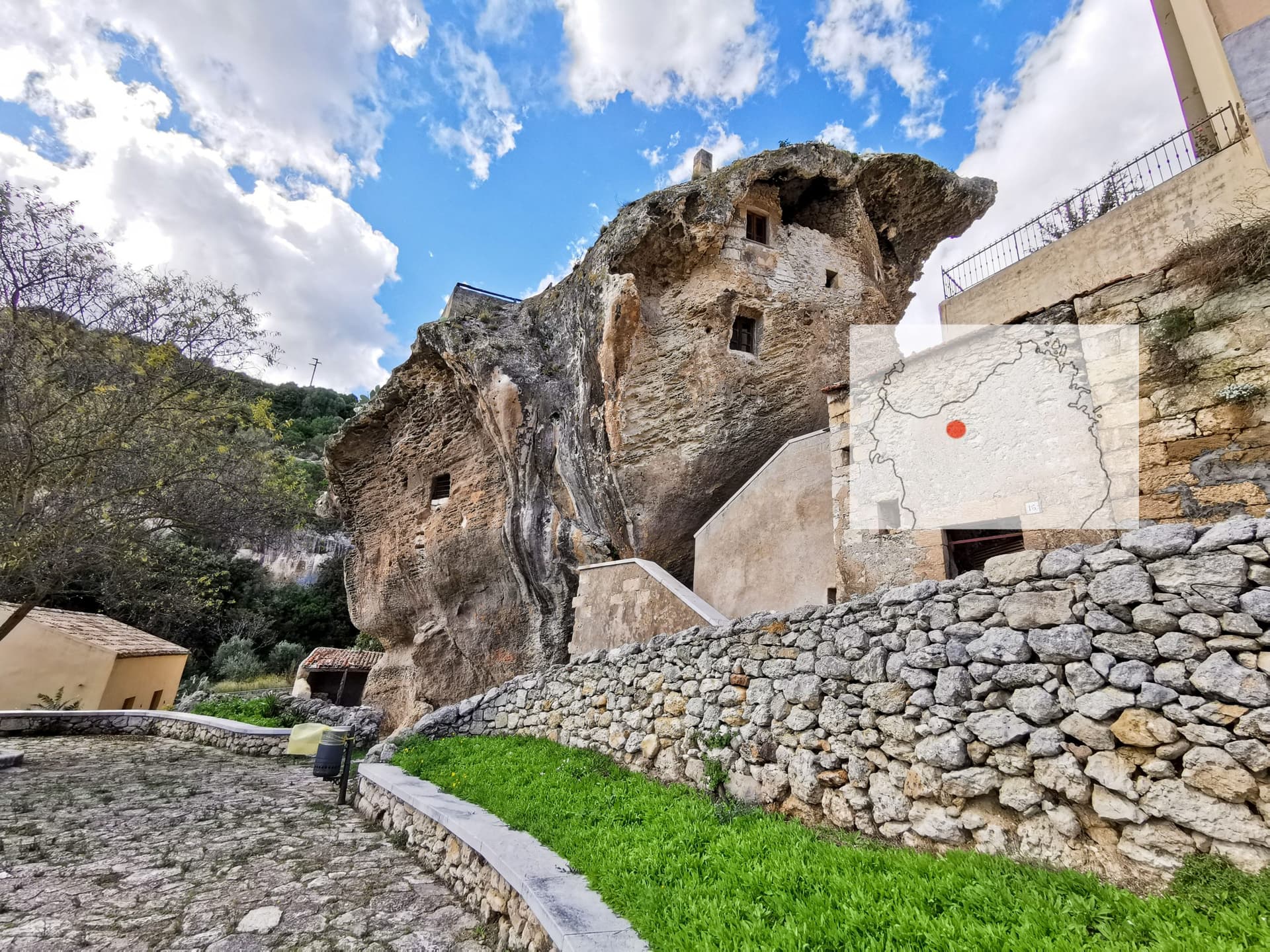
Sardinia's most spectacular Domus de Janas — a 1,245-resident Anglona borgo with a prehistoric rock-cut tomb complex carved into a giant limestone outcrop inside the village itself, later reused as a Romanesque church and now a small museum, anchoring a Borgo Autentico-marked centro in the inland Sassari province.
🎨 Borghi più belli d'Italia
More Borghi più belli d'Italia towns in Sardinia
Atzara
Province: Nuoro
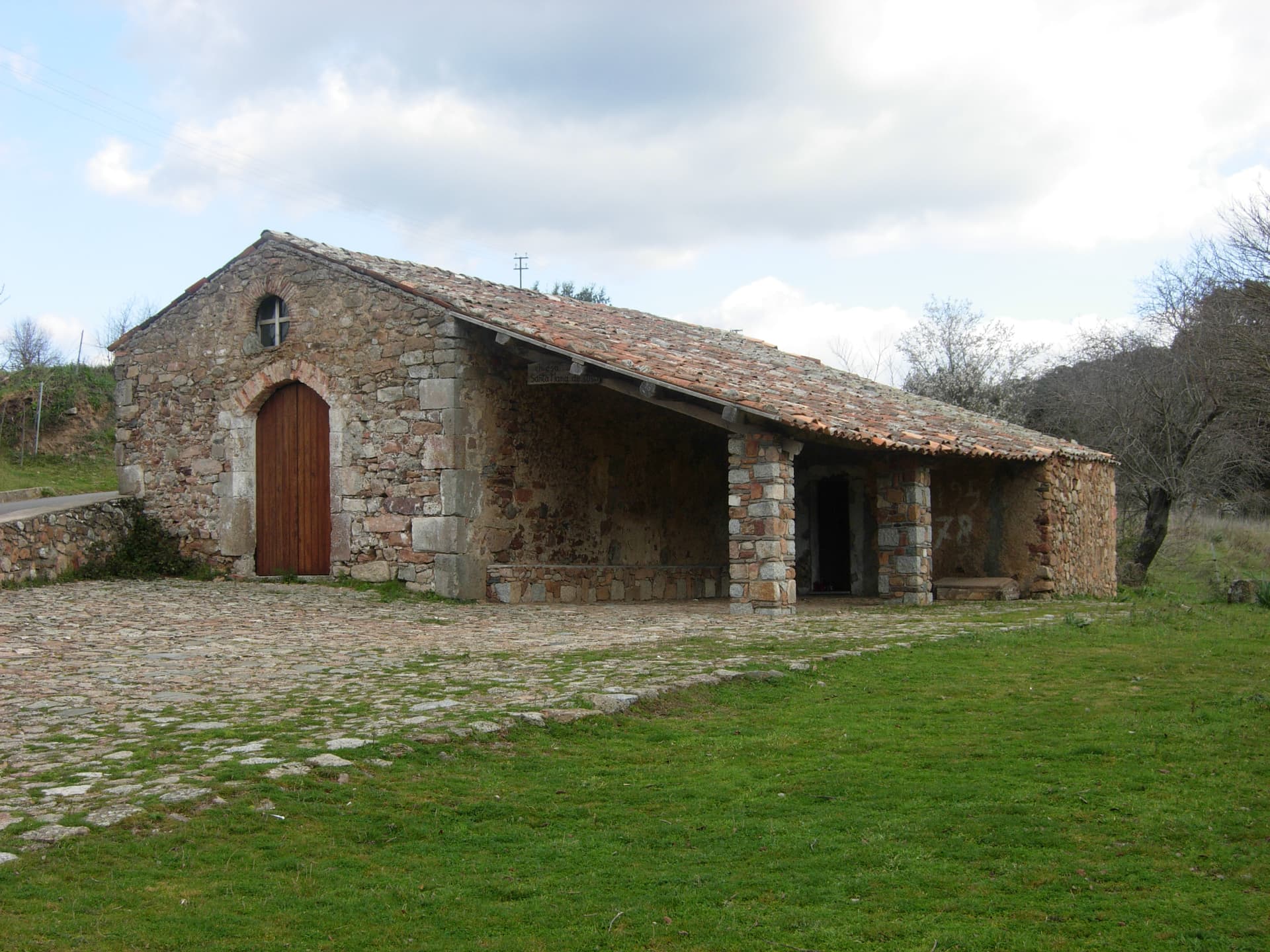
A Mandrolisai wine village on the western Gennargentu, painted in the early twentieth century by Spanish costumbristas and the Sardinian Scuola di Atzara.
Bosa
Province: Oristano
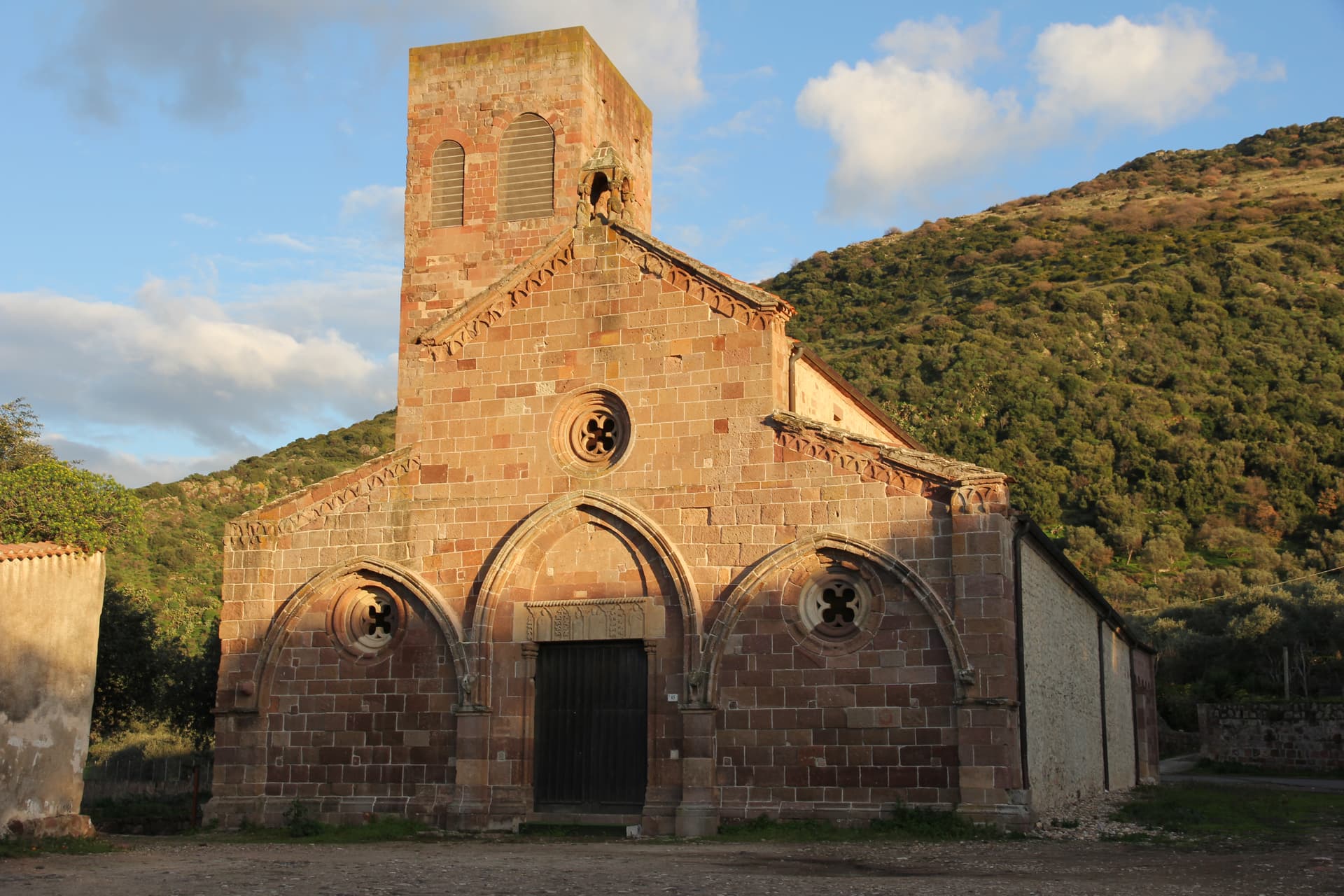
A colour-washed riverside town on Sardinia's only navigable river, with a Malaspina castle on the hill and the tanneries of Sas Conzas along the Temo.
Carloforte
Province: Sud Sardegna
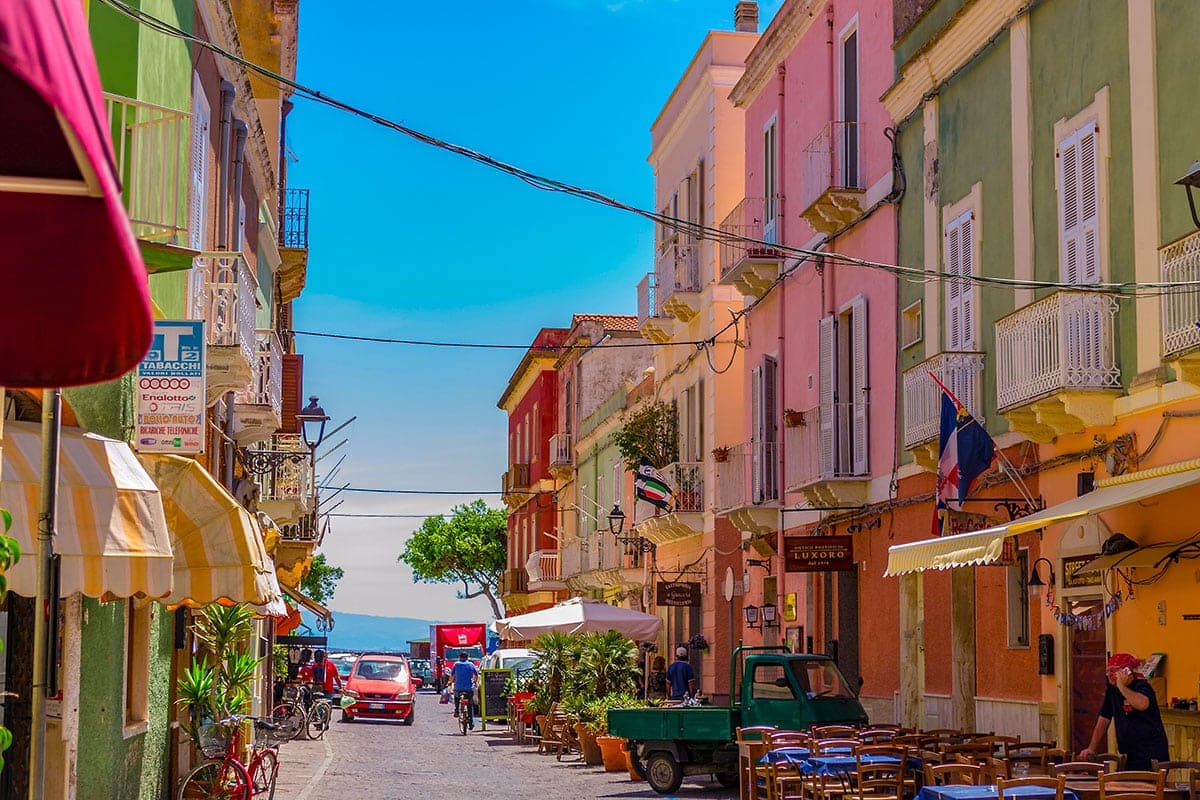
A Ligurian-speaking fishing town on the Isola di San Pietro, founded in 1738 by coral fishers returning from Tunisian Tabarka.
Castelsardo
Province: Sassari
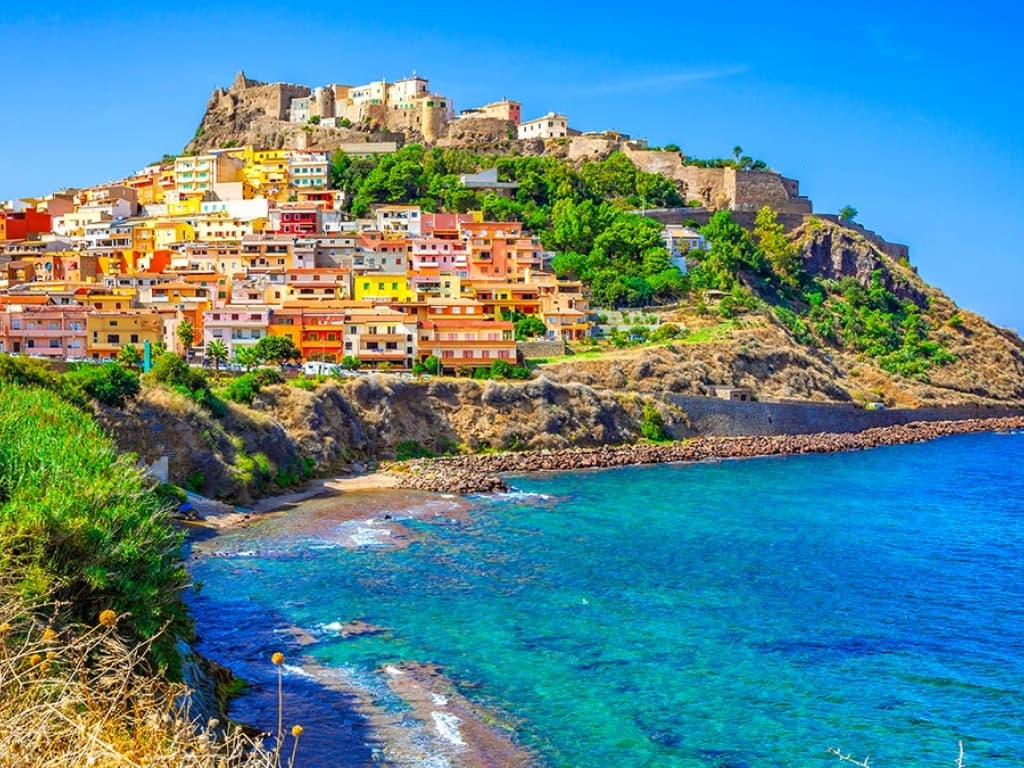
A Doria sea fortress at 114 meters above the Gulf of Asinara, Genoese from 1100, Aragonese from 1448, Savoyard from the 1700s.
La Maddalena
Province: Sassari
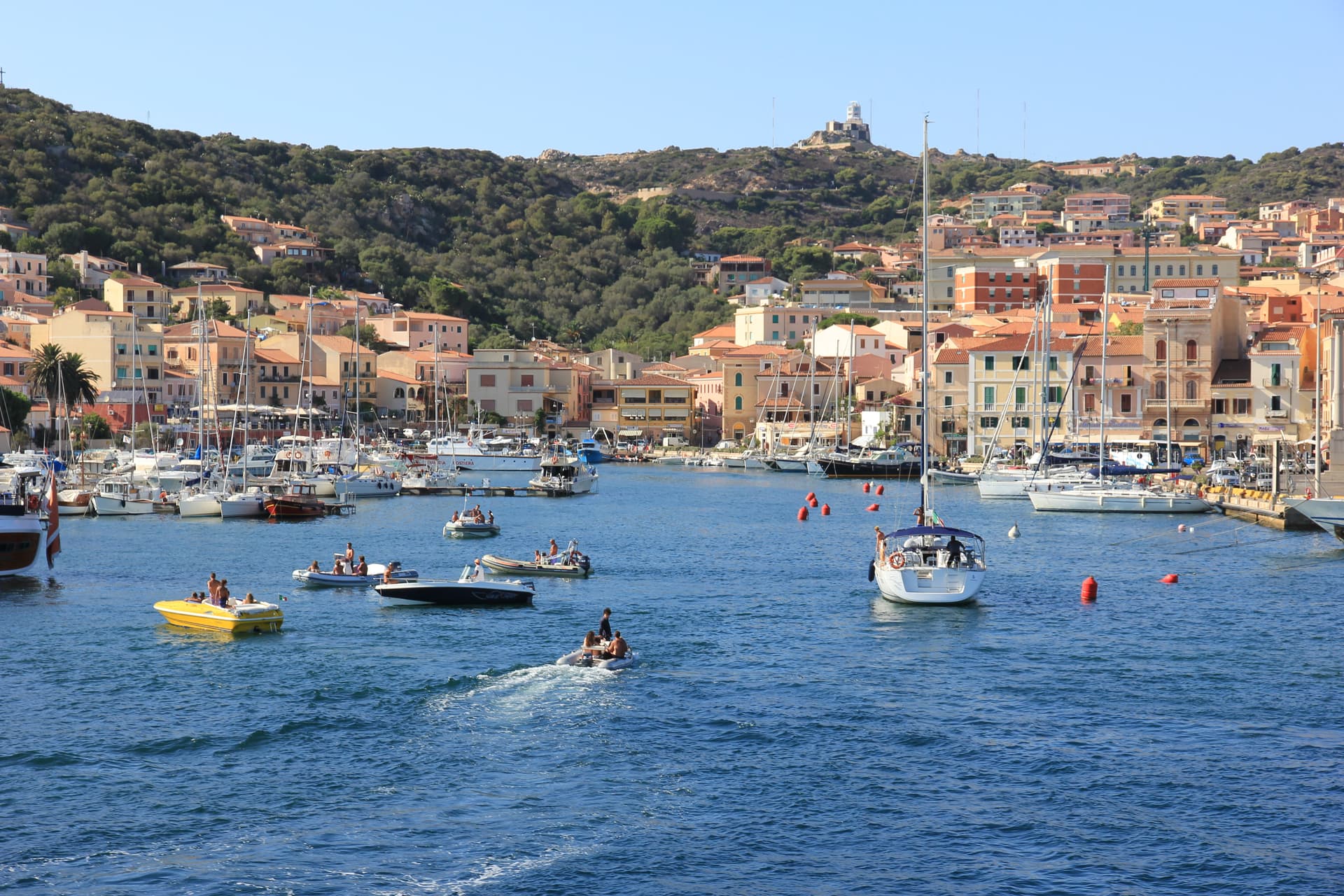
The only inhabited town of a sixty-island granite archipelago between Sardinia and Corsica, and the place Giuseppe Garibaldi chose to die.