
Sardinia · Nuoro
Gavoi
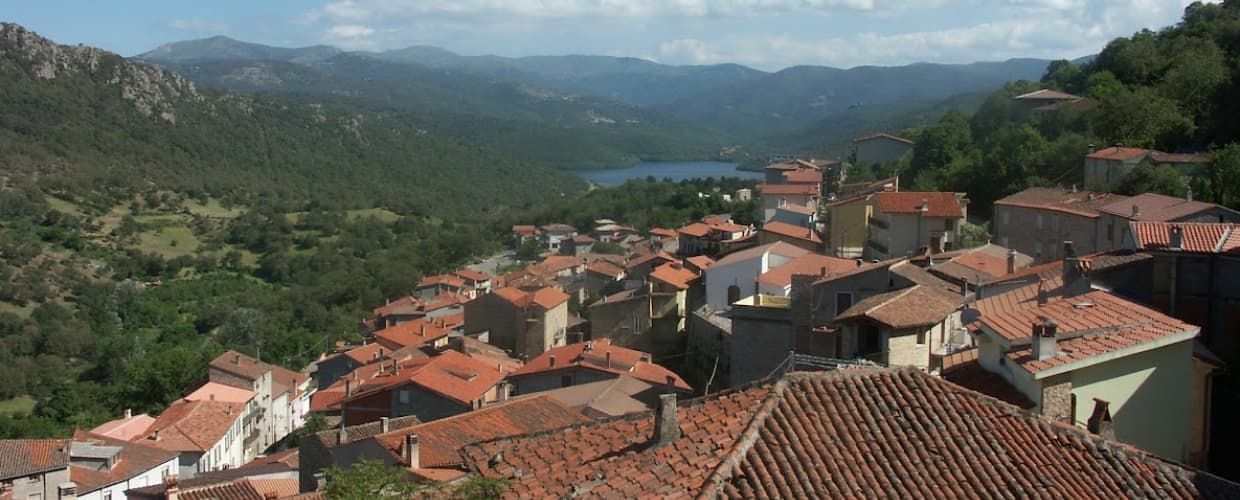
A 777-meter Barbagia hilltop village above Lake Gusana with a Bandiera Arancione of the Touring Club, the country's most-attended summer literary festival (L'Isola delle Storie), and the PDO Fiore Sardo pecorino made here for at least three centuries.
Known for
FIORE SARDO PDO
Centuries-old hard pecorino smoked over juniper, made in Gavoi by the local dairy cooperative.
ISOLA DELLE STORIE
L'Isola delle Storie — Italy's most-attended summer literary festival, every July in the village piazzas.
LAGO DI GUSANA
1961-built reservoir on the Taloro river, the centerpiece of the Barbagia di Ollolai landscape and the village's warm-weather magnet.
When to visit
Best · Apr–Oct
- J
- F
- M
- A
- M
- J
- J
- A
- S
- O
- N
- D
- Best
- Hot or crowded
- Quiet
- Mostly closed
Why come
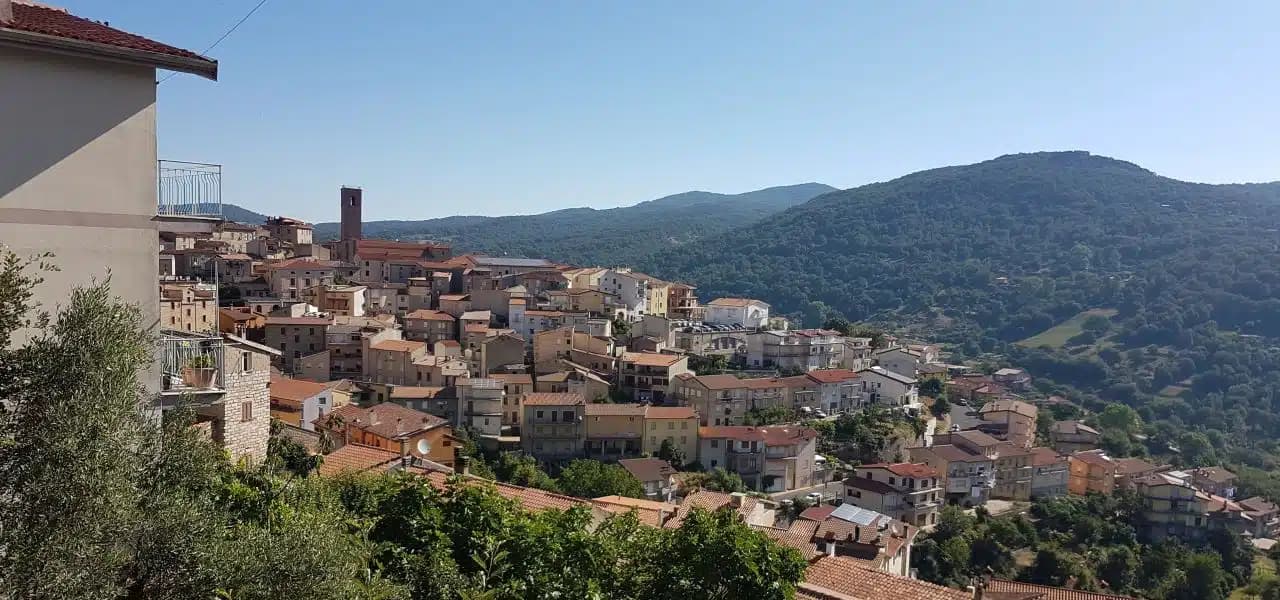
Gavoi sits at 777 metres in the Barbagia di Ollolai, the high interior of central Sardinia, on the shore of Lake Gusana — an artificial reservoir formed in 1961 by damming the Taloro river to feed the Sardinian electrical grid. The village is one of Sardinia's two Bandiera Arancione towns awarded by the Touring Club Italiano, and falls within the boundary of the Parco Nazionale del Golfo di Orosei e del Gennargentu. The centro storico is dense stone, with the parish church of San Gavino Martire (15th c.)
and the late-Romanesque San Antonio Abate anchoring opposite ends of the village. Gavoi is the home of the PDO Fiore Sardo, a hard sheep's-milk pecorino made here for at least three centuries using unpasteurised milk and traditional smoking over juniper; the dairy cooperative still operates seasonally. Every July the village hosts L'Isola delle Storie — Festival Letterario della Sardegna, the country's most-attended summer literary festival, drawing writers from across Italy and Europe to readings staged outdoors in the piazzas. Outside the festival week it's one of the quieter ridge villages in the Barbagia.
The Sunday letter
We haven’t written Gavoi’s letter yet.
One town every Sunday, with the photo, the food, the festa. Be there when this one comes up. Free, by Peter & Sophia from Pietrasanta.
By subscribing you agree to Substack’s Terms of Use, our Privacy Policy and our Information collection notice.
What to see
Centro storico
Dense Barbagia stone village at 777 metres, with the parish church of San Gavino Martire (15th c.) and the late-Romanesque San Antonio Abate anchoring opposite ends.
Fiore Sardo PDO
Hard sheep's-milk pecorino made here for at least three centuries with unpasteurised milk and traditional juniper smoking. The dairy cooperative operates seasonally.
Lago di Gusana
Artificial reservoir formed in 1961 by damming the Taloro river. Birdwatching, kayak rental in summer, and the village's main warm-weather draw.
L'Isola delle Storie
Italy's most-attended summer literary festival, held every July in Gavoi's outdoor piazzas. Writers from Italy and Europe; readings, music, food stalls.
Parco Nazionale del Gennargentu
Gavoi falls within the boundary of the Golfo di Orosei e Gennargentu National Park — the wildest interior of Sardinia, with moufflon, golden eagles, and limestone gorges.
The slow-trip planner
Building a trip? Find where Gavoi fits in a slow Italy circuit.
Answer five questions. We will shape a geographically coherent slow trip from the 1,000 Italian towns most travelers skip. Yours to save and share.
Living here
- Population 2,483
- Off the beaten pathi
- Pharmacy in town
- High school within a 30-minute drive
- Nearest airport Sardinia, 2 h 45 min drive
- Regional capital Cagliari, 2 h 32 min drive
Tags & datadesignations · numbers · sources
Recognised as
The numbers
- Elevation: 777 m
- Population: 2,483
- Surface area: 38.06 km²
These figures were compiled from public directories — ISTAT, OpenStreetMap, Wikidata — and from the official listings of the guides named on this page. Town details change; verify with official sources before you travel.
Close by
More towns near Gavoi
Mamoiada
Province: Nuoro
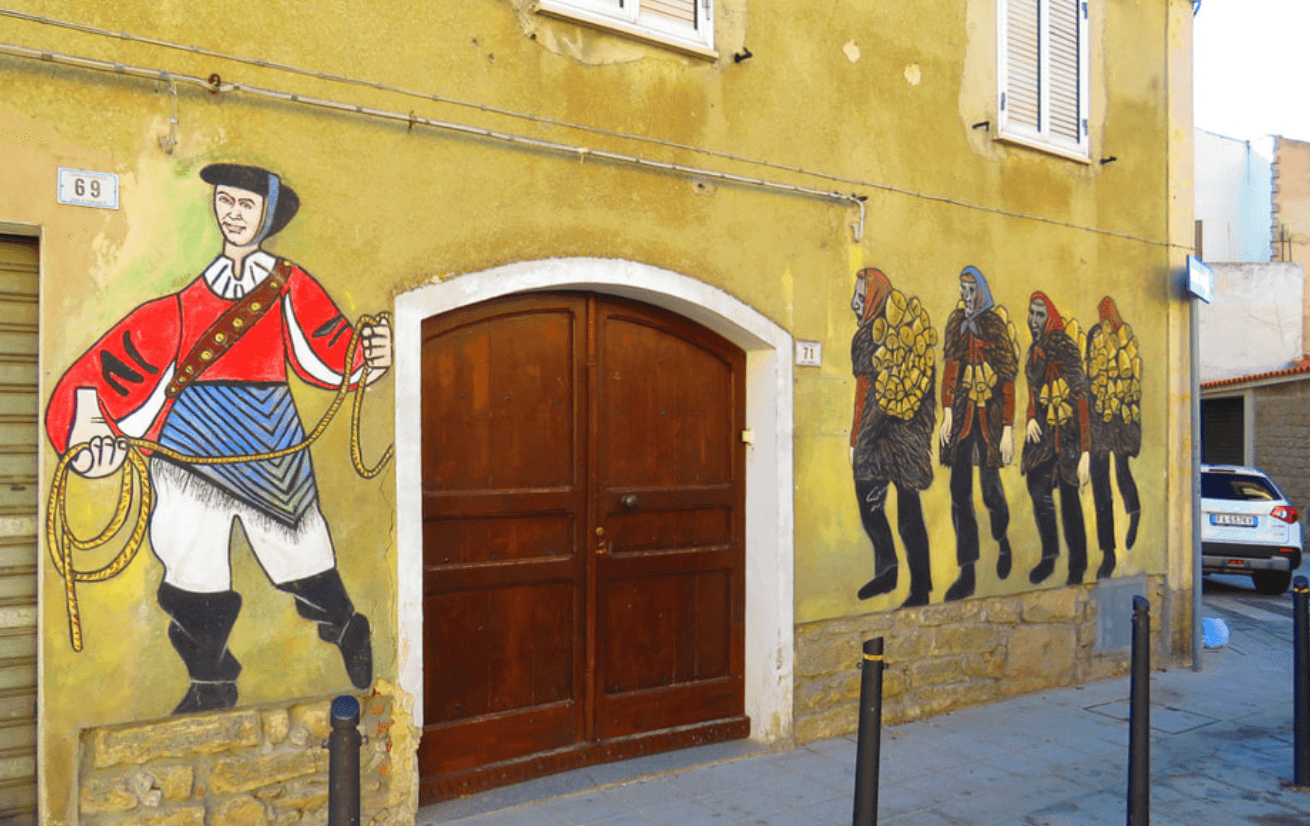
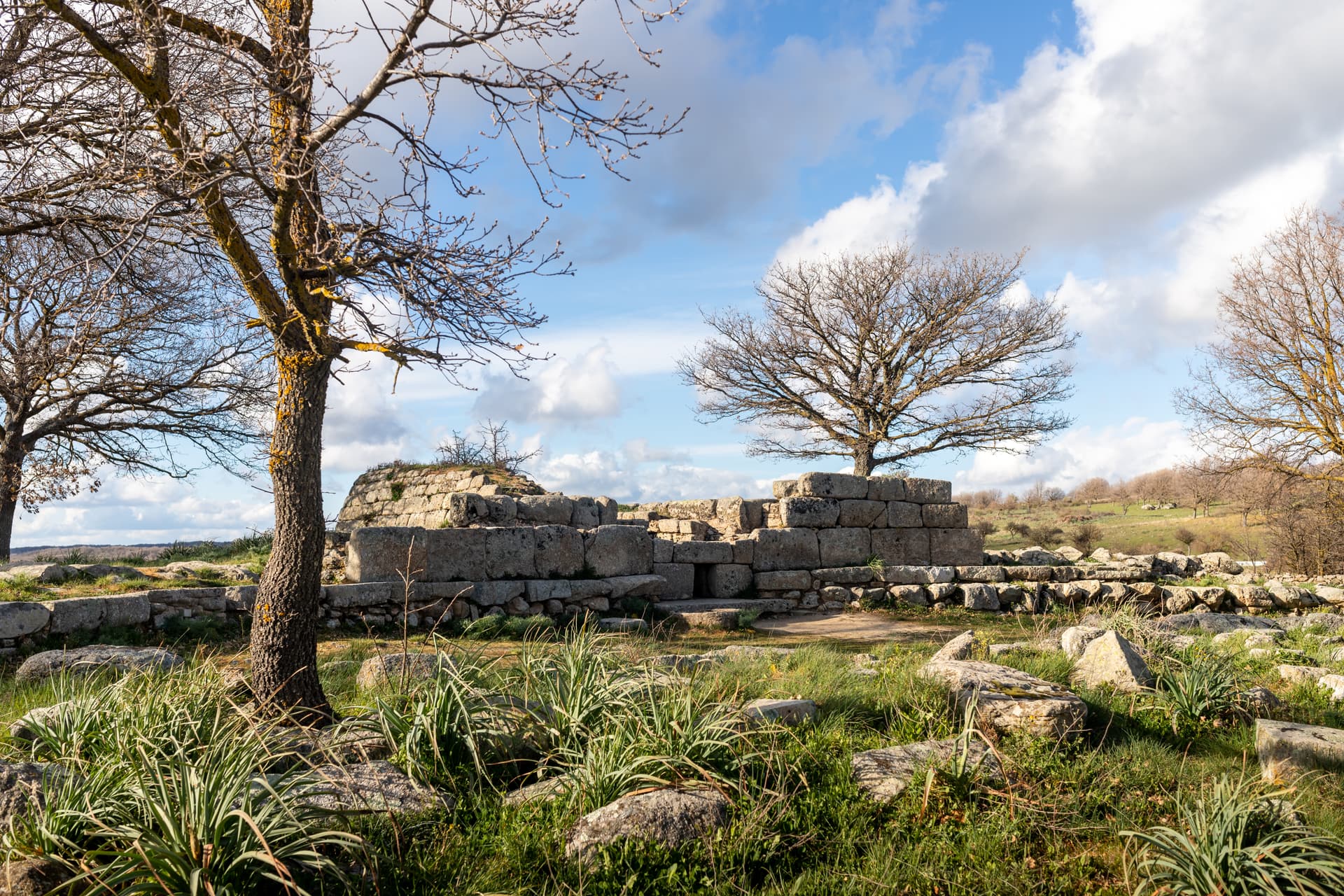
The Barbagia village where the Mamuthones come out on January 17, twelve men in black sheepskins carrying thirty kilos of cowbells.
Fonni
Province: Nuoro
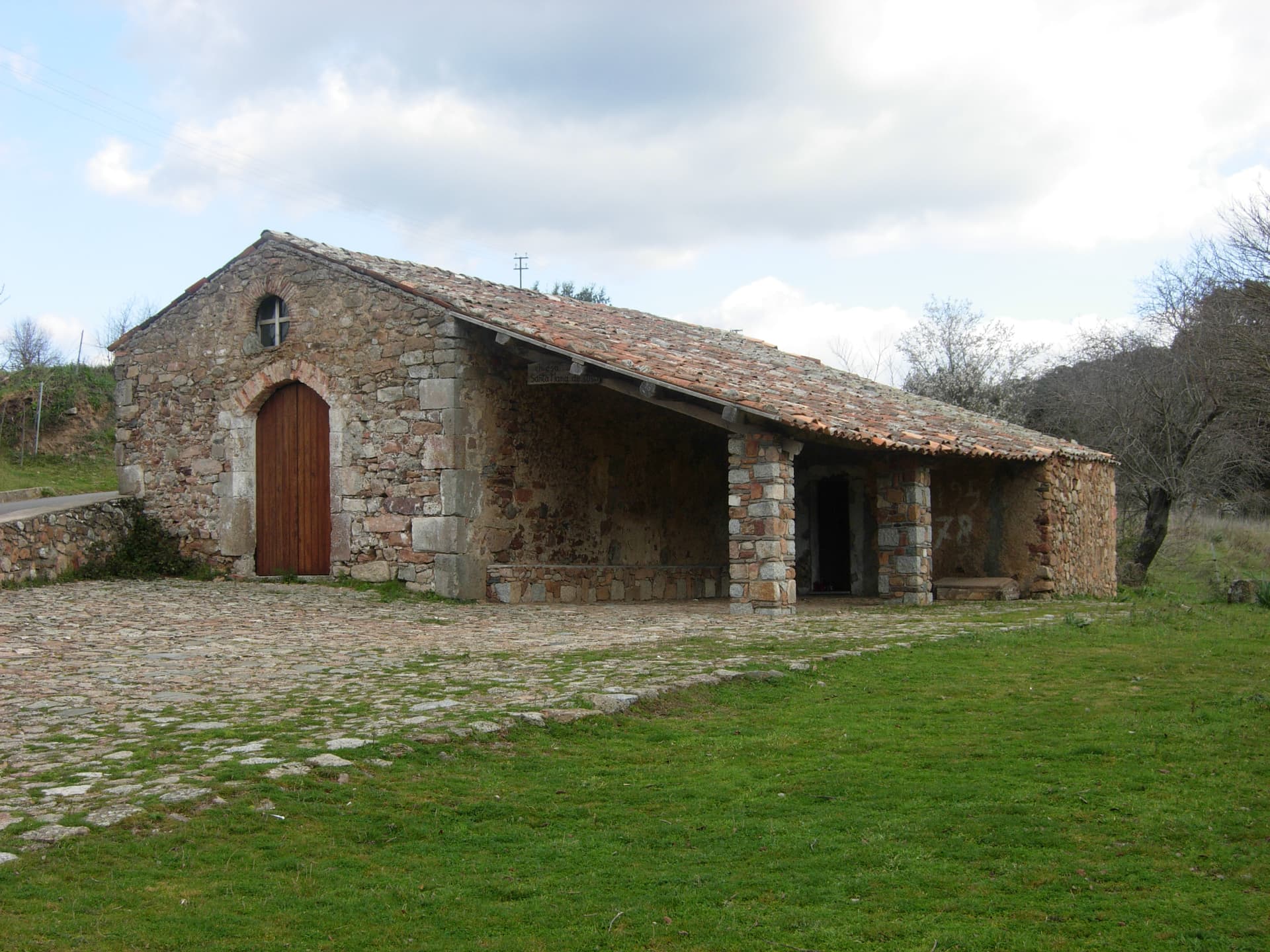
The highest village in Sardinia at 1,000 meters on the Gennargentu, with ski lifts to Bruncu Spina and the Madonna dei Martiri sanctuary.
Atzara
Province: Nuoro
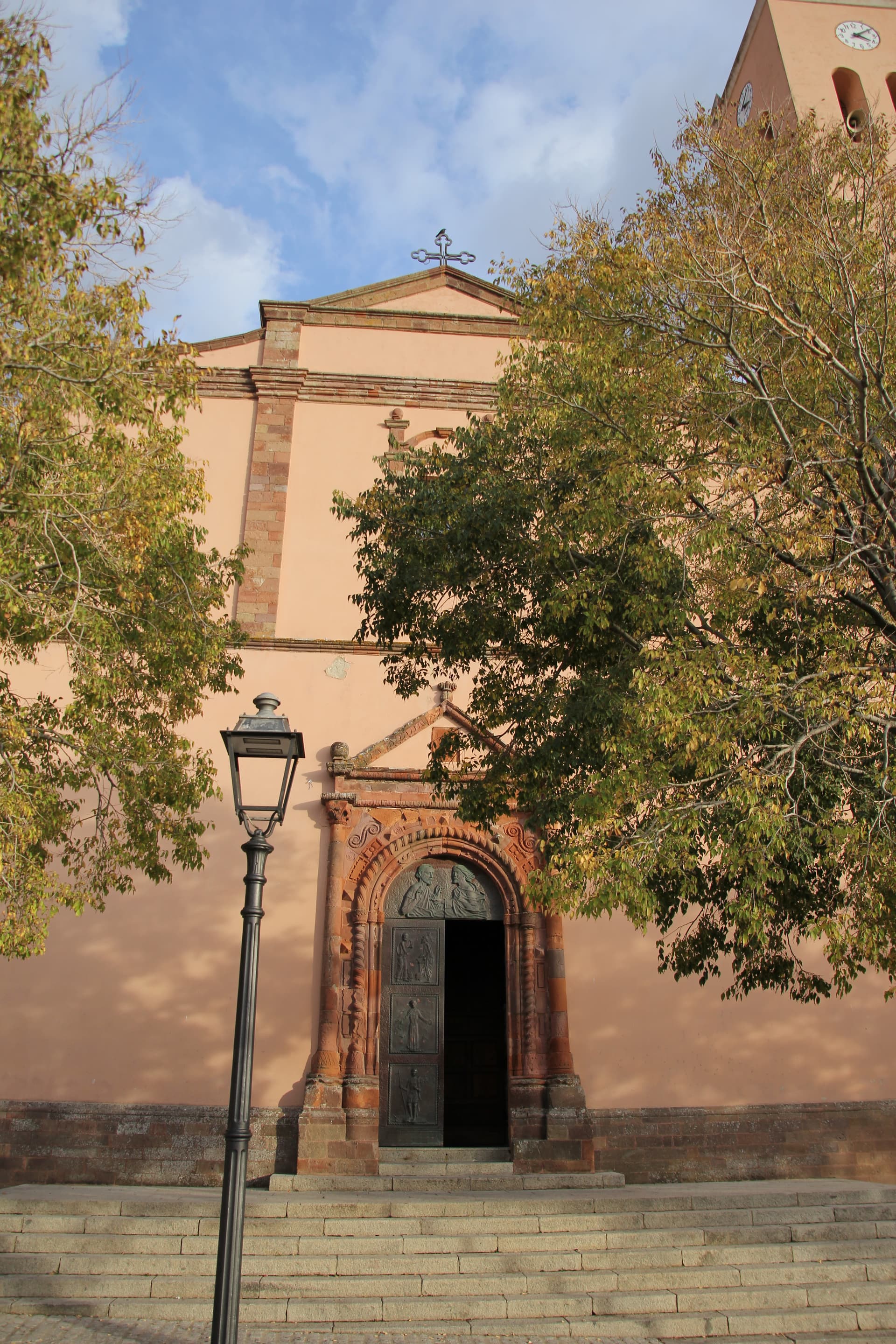
A Mandrolisai wine village on the western Gennargentu, painted in the early twentieth century by Spanish costumbristas and the Sardinian Scuola di Atzara.
Bolotana
Province: Nuoro
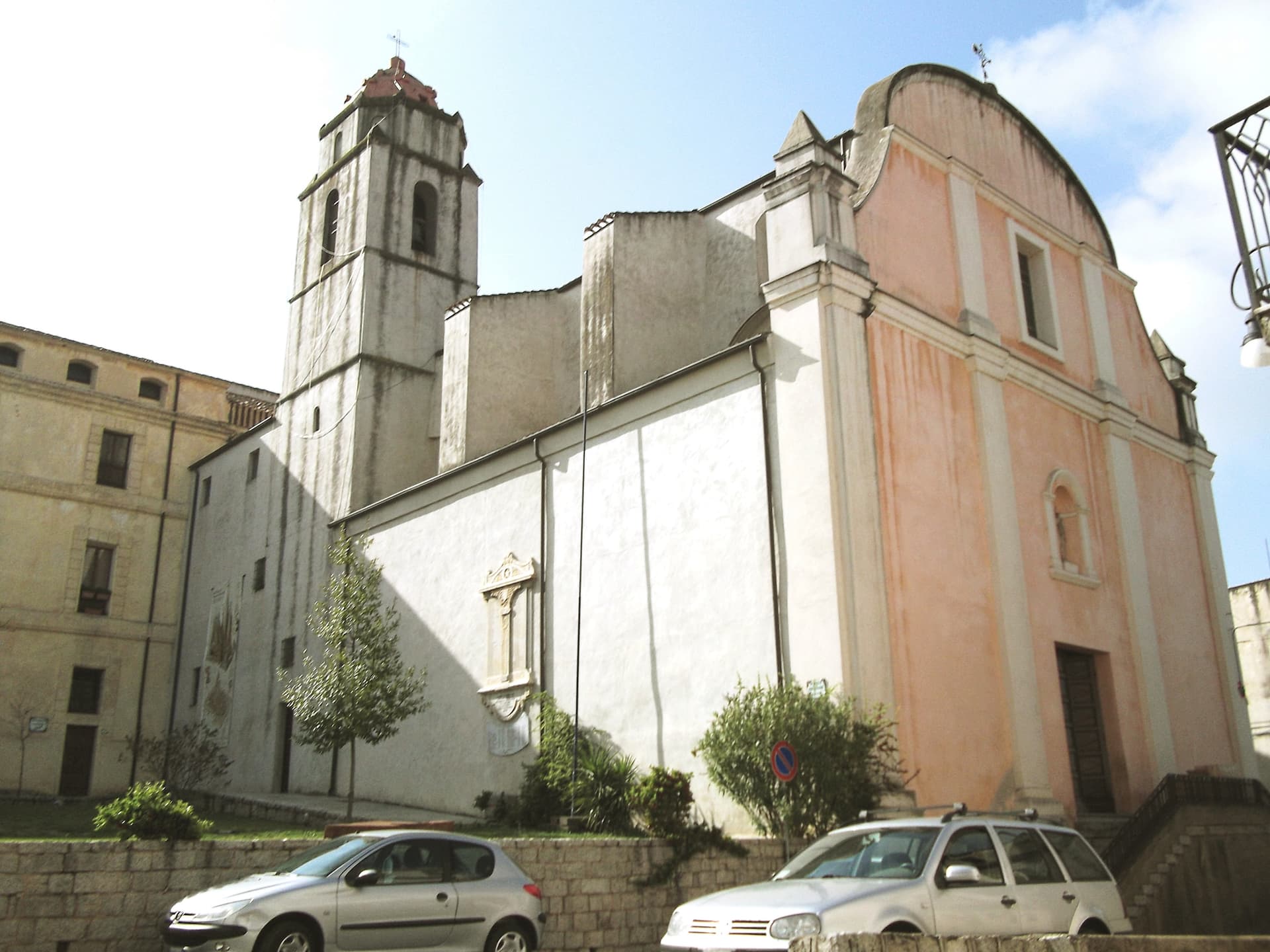
A Marghine hill village at 472 meters between mountain and Tirso valley, with a Welsh railway engineer's villa hidden in a four-hectare exotic garden.
Oliena
Province: Nuoro
A Supramonte village at the foot of Monte Corrasi, source of Cannonau Nepente, base camp for Tiscali and the Lanaitto valley.
🟠 Bandiera Arancione
More Bandiera Arancione towns in Sardinia
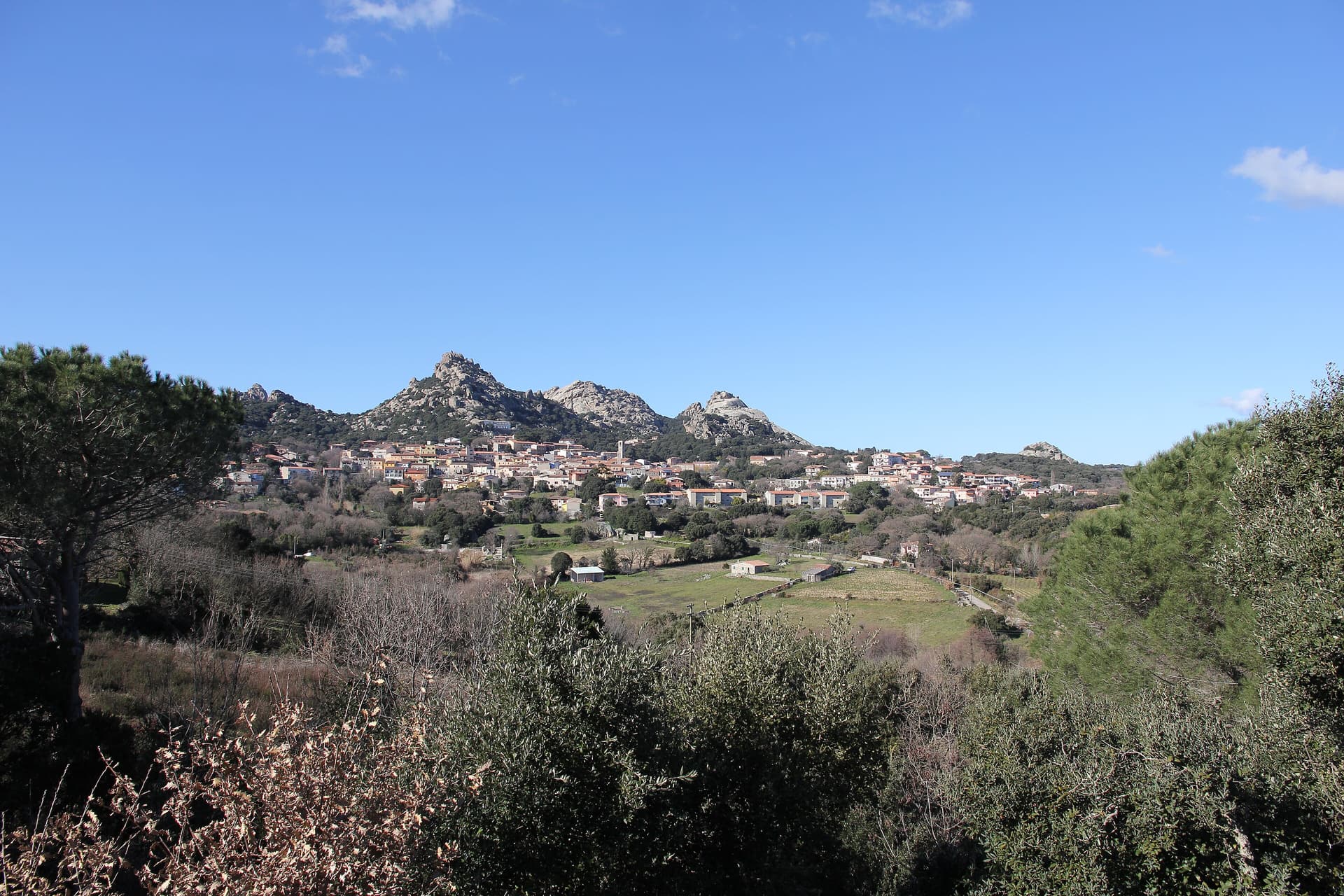
Aggius
Province: Sassari
A Gallura granite village at 514 meters under the Monti di Aggius, with the largest ethnographic museum in Sardegna and three centuries of bandit history.

Galtellì
Province: Nuoro
Grazia Deledda's 'Canne al vento' set — a 2,354-resident Baronia borgo under the Monte Tuttavista in Sardinia's northeast, with the triple Borghi Autentici + Bandiera Arancione + Città del Vino signal, the 11th-c Cattedrale di San Pietro (Sardinia's first), and the entire centro recognised as the Parco Letterario Grazia Deledda for being the literal setting of her 1913 Nobel-trajectory novel.
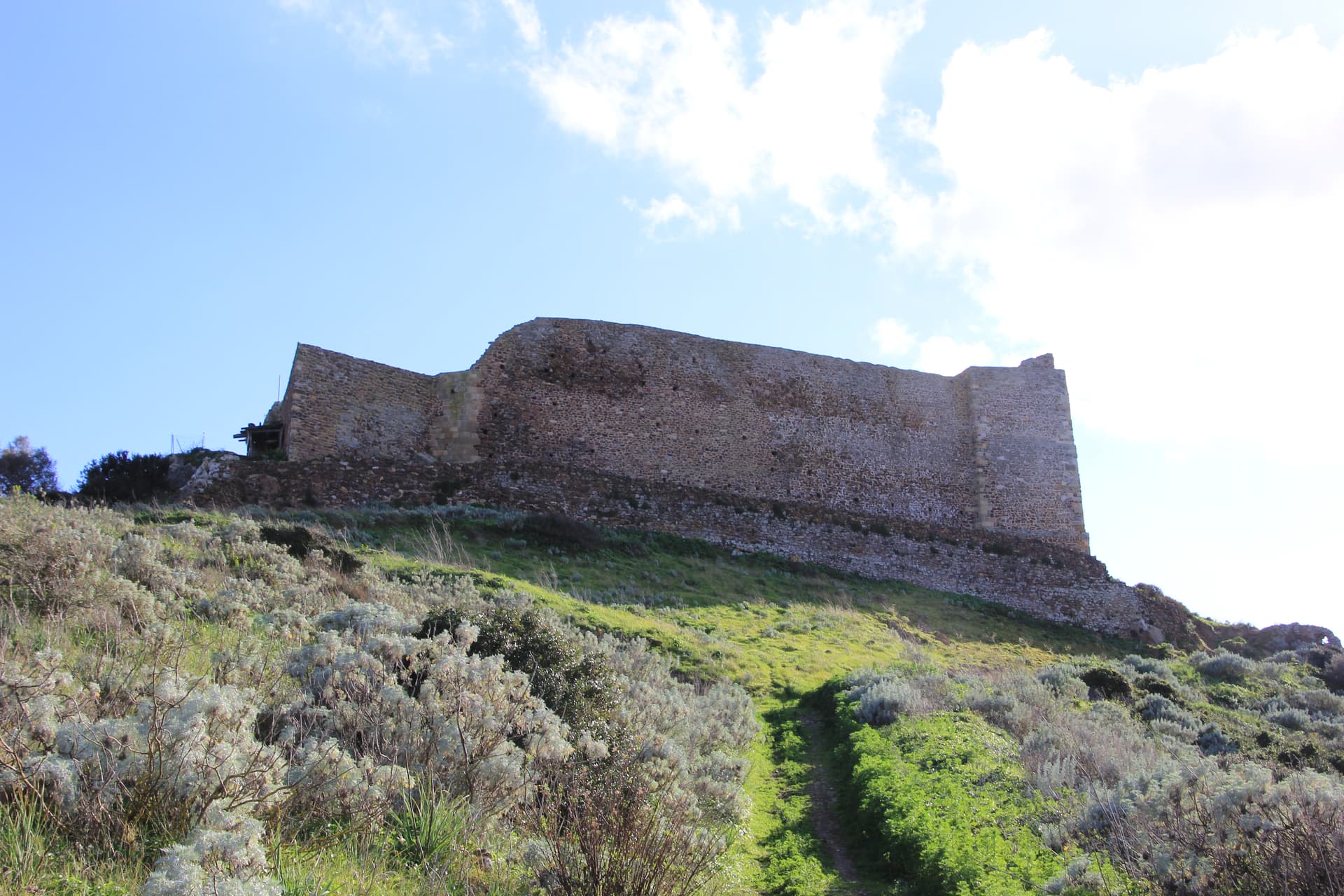
Sardara
Province: Sud Sardegna
A Campidano thermal town where Nuragic well-temples, Roman Aquae Neapolitanae and a hilltop Arborea castle share the same hot springs.
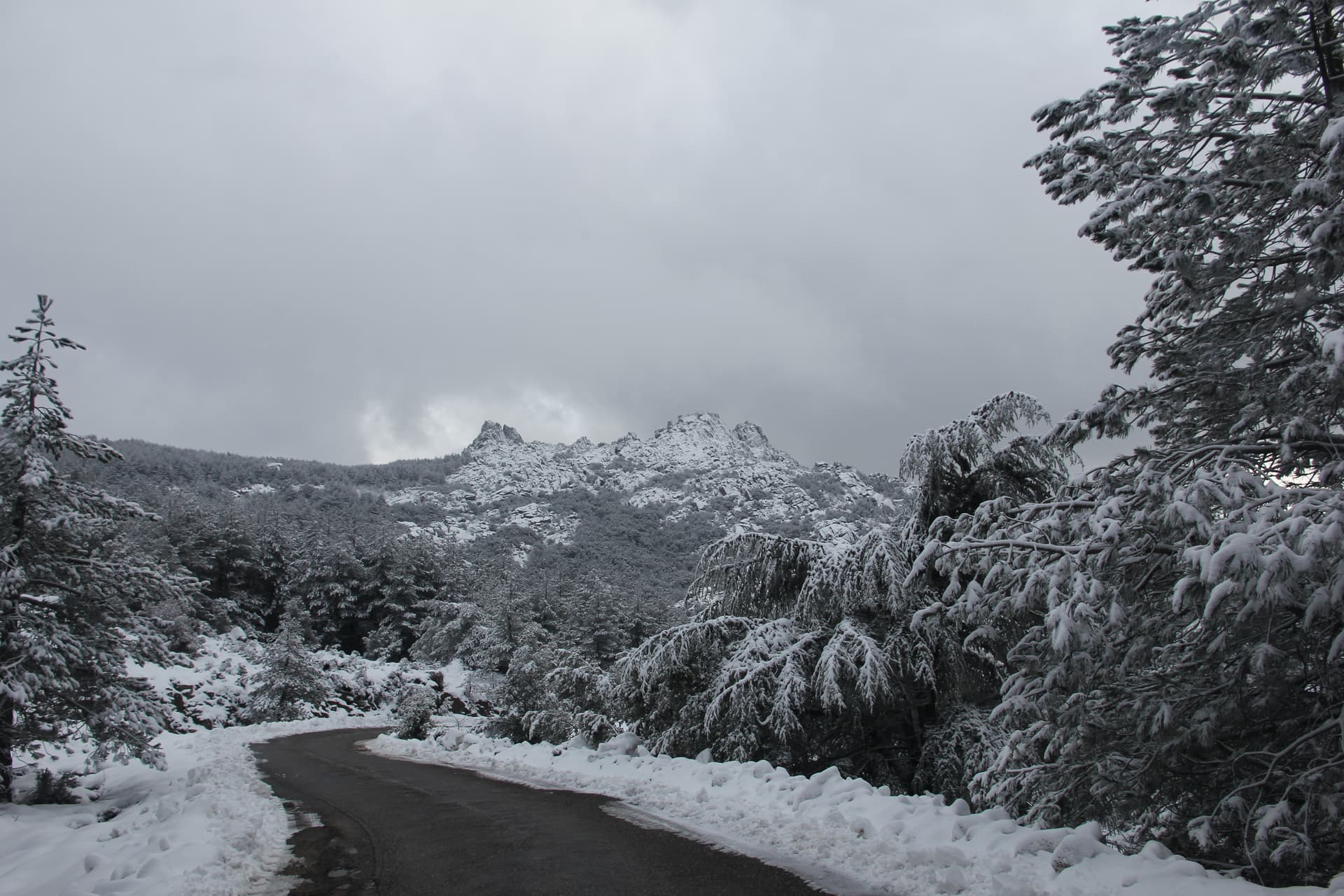
Tempio Pausania
Province: Sassari
The granite capital of Gallura at the foot of Monte Limbara, known for cork, Vermentino DOCG and the largest Carnival in northern Sardinia.