

Trentino-South Tyrol · Trento
Levico Terme
A Habsburg spa town in the Valsugana at 520 metres, with arsenic-iron thermal waters, an English park and a Blue Flag lake at the edge of the centre.
Known for
THE THERMAL WATERS
Vetriolo springs at 1,580 metres carry the highest concentration of iron and arsenic salts in Europe, used in treatment at Levico since 1870.
HABSBURG PARK
Fifteen hectares of English-style parkland by Georg Ziehl, the largest historic park in Trentino, hosting the Christmas market each winter.
GRAND HOTEL IMPERIAL
Art Nouveau spa hotel by Stahn opened in June 1900, host of Empress Elisabeth and the architectural anchor of the Parco delle Terme.
When to visit
Best · All year
- J
- F
- M
- A
- M
- J
- J
- A
- S
- O
- N
- D
- Best
- Hot or crowded
- Quiet
- Mostly closed
The festa: Redentore, third Sunday of July
Why come
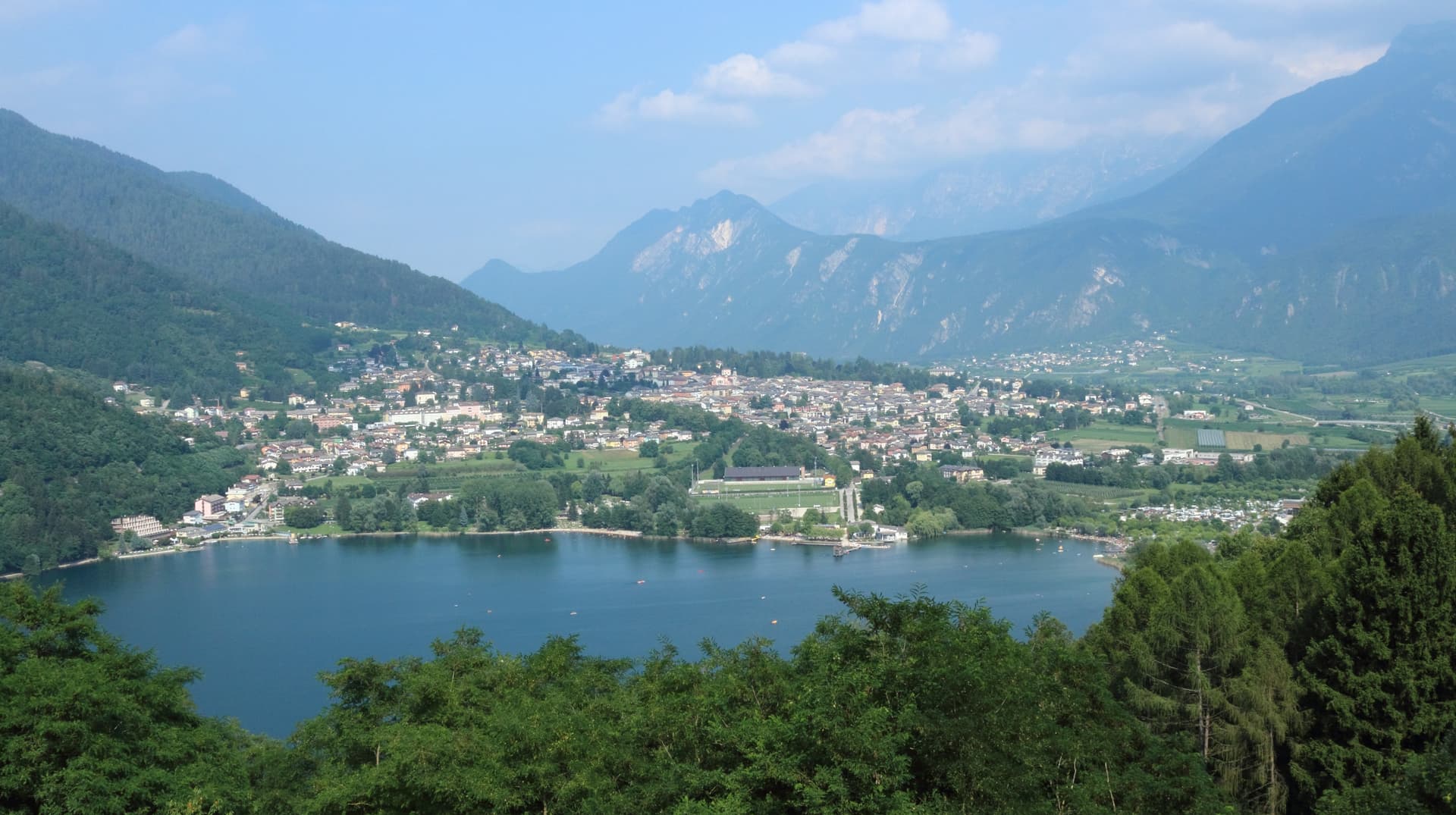
Levico Terme sits at 520 metres in the Valsugana, twenty kilometres east of Trento, between the Lagorai chain and the high plateaus of Folgaria and Lavarone. The settlement passed under Habsburg jurisdiction in 1779 and was elevated to city rank in 1894 by decree of Franz Joseph I. The thermal waters from the Vetriolo springs at 1,580 metres carry the highest concentration of iron and arsenic salts in Europe; the first thermal aqueduct in 1870 turned the town into a spa destination of the Austro-Hungarian Empire.
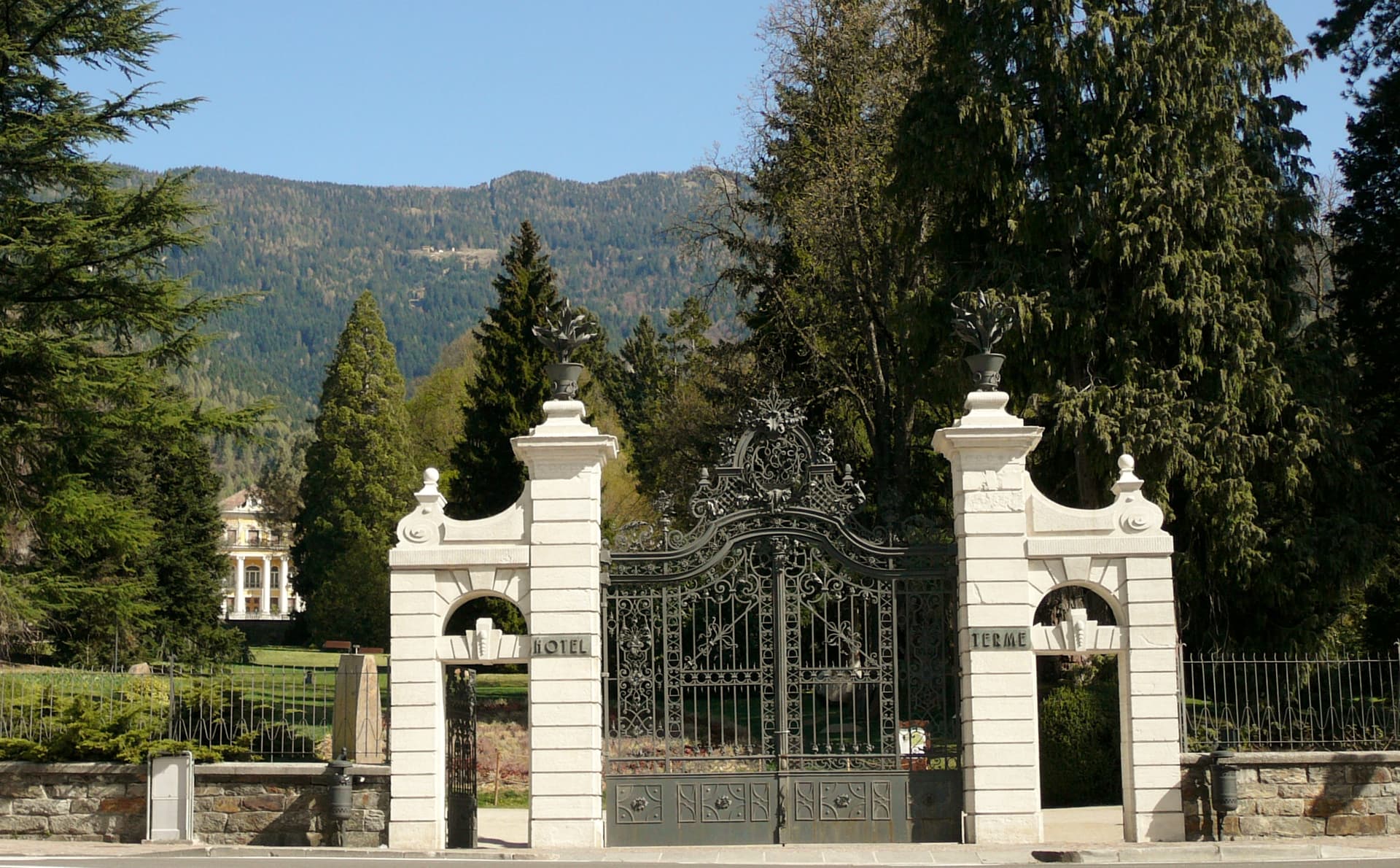
The Grand Hotel Imperial, designed by Stahn and opened in June 1900, hosted Empress Elisabeth and anchors the Parco delle Terme, the largest historic park in Trentino, designed by Nuremberg landscape architect Georg Ziehl across fifteen hectares of English-style grounds. Lake Levico, with a Bandiera Blu for water quality, sits at the southern edge of the centre. The Forte delle Benne, built by the Habsburg army between 1880 and 1882, watches the lake from the hill above.
The Sunday letter
We haven’t written Levico Terme’s letter yet.
One town every Sunday, with the photo, the food, the festa. Be there when this one comes up. Free, by Peter & Sophia from Pietrasanta.
By subscribing you agree to Substack’s Terms of Use, our Privacy Policy and our Information collection notice.
What to see
Parco delle Terme
Largest historic park in Trentino at fifteen hectares, designed by Nuremberg landscape architect Georg Ziehl around the Habsburg spa and Grand Hotel Imperial.
Grand Hotel Imperial
Art Nouveau spa hotel designed by Stahn, opened in June 1900 and host of Empress Elisabeth, the architectural centrepiece of the Habsburg park.
Terme di Levico
Spa fed by the Vetriolo springs at 1,580 metres, with the highest concentration of iron and arsenic salts in Europe and a treatment history dating to 1870.
Lago di Levico
Bandiera Blu lake at the southern edge of the town centre, used for swimming, sailing and windsurfing in summer and ringed by a lakeside walking path.
Forte delle Benne
Austro-Hungarian fortress built 1880-1882 on the hill above Lake Levico, a Vogl-style polygonal fort opened to the public and reached by a 45-minute walk.
Centro storico
Bandiera Arancione historic centre with imperial-era villas, the parish church of Santissimo Redentore, and the streets that grew around the nineteenth-century spa.
The slow-trip planner
Building a trip? Find where Levico Terme fits in a slow Italy circuit.
Answer five questions. We will shape a geographically coherent slow trip from the 1,000 Italian towns most travelers skip. Yours to save and share.
Living here
- Population 8,167
- Commuter belti
- Pharmacy in town
- High school within a 30-minute drive
- Train station in the comune
- Nearest airport Verona, 1 h 41 min drive
- Regional capital Trento, 30 min drive
Thermal baths in town: Terme di Levico, Terme di Vetriolo.
Tags & datadesignations · numbers · sources
Recognised as
The numbers
- Elevation: 520 m
- Population: 8,167
- Surface area: 62.83 km²
These figures were compiled from public directories — ISTAT, OpenStreetMap, Wikidata — and from the official listings of the guides named on this page. Town details change; verify with official sources before you travel.
Close by
More towns near Levico Terme
Lavarone
Province: Trento
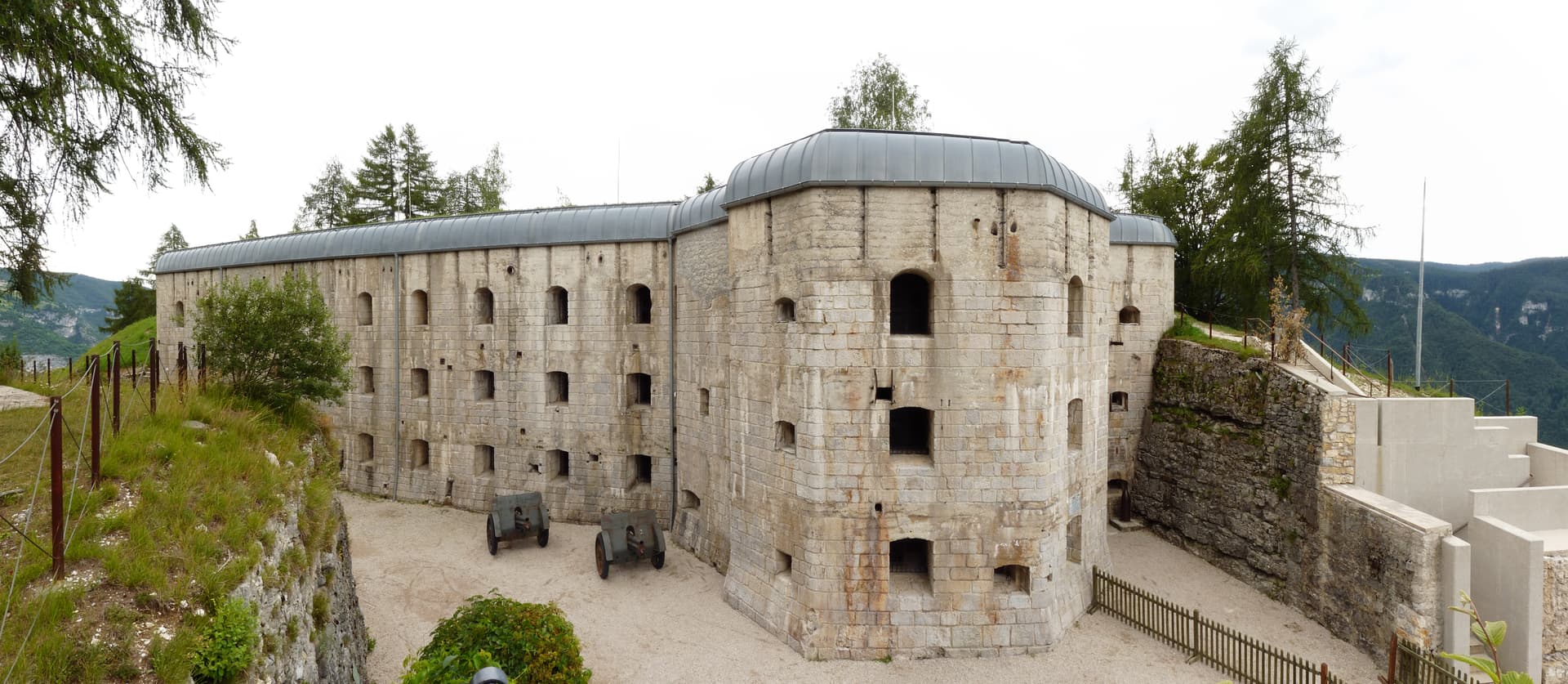
A Cimbrian plateau at 1,172 metres above the Val d'Astico, with a karst lake, an Austro-Hungarian fort, and the woods where Freud walked.
Borgo Valsugana
Province: Trento
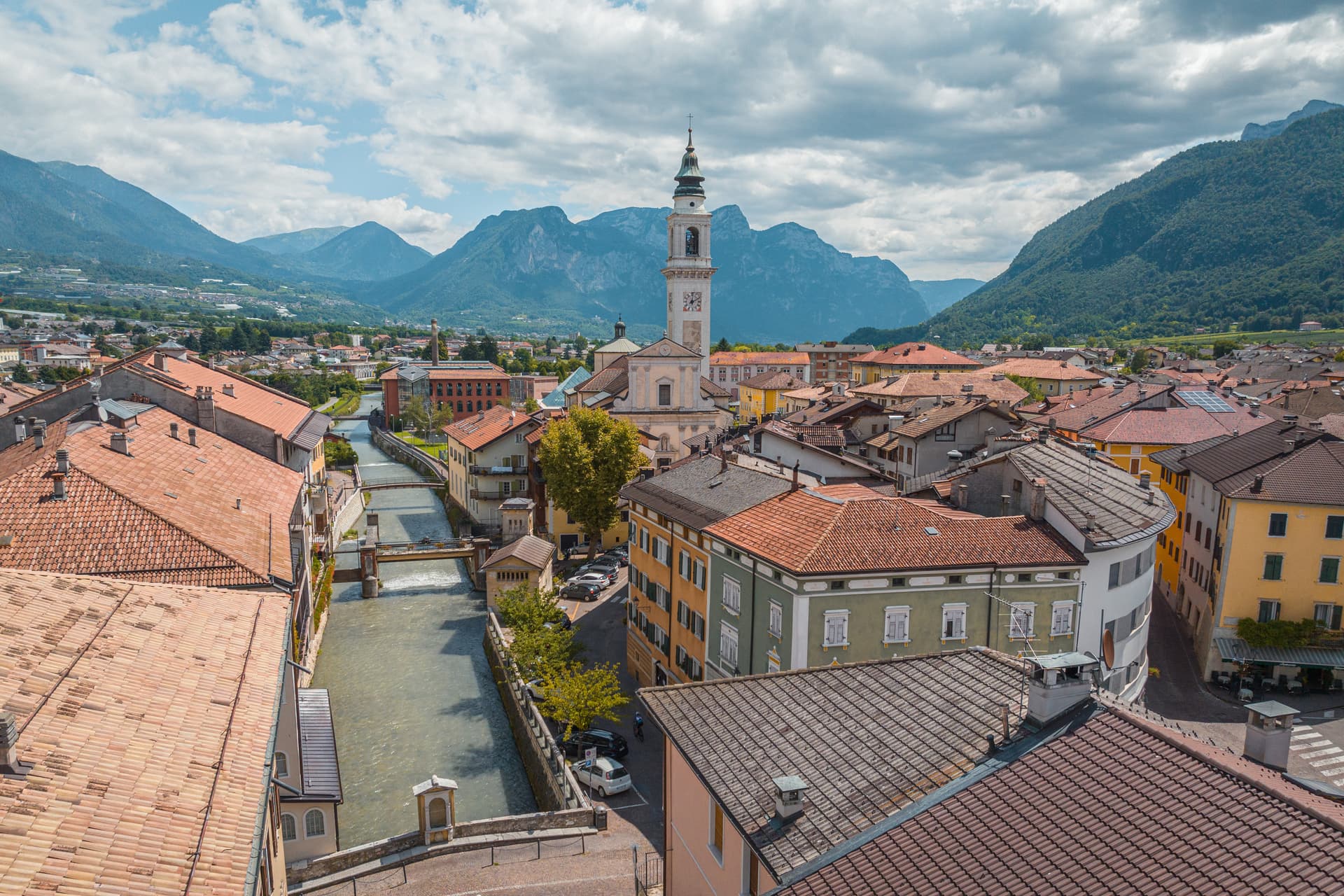
The valley town built on both banks of the Brenta in lower Valsugana, with Castel Telvana above and Arte Sella in the side valley.
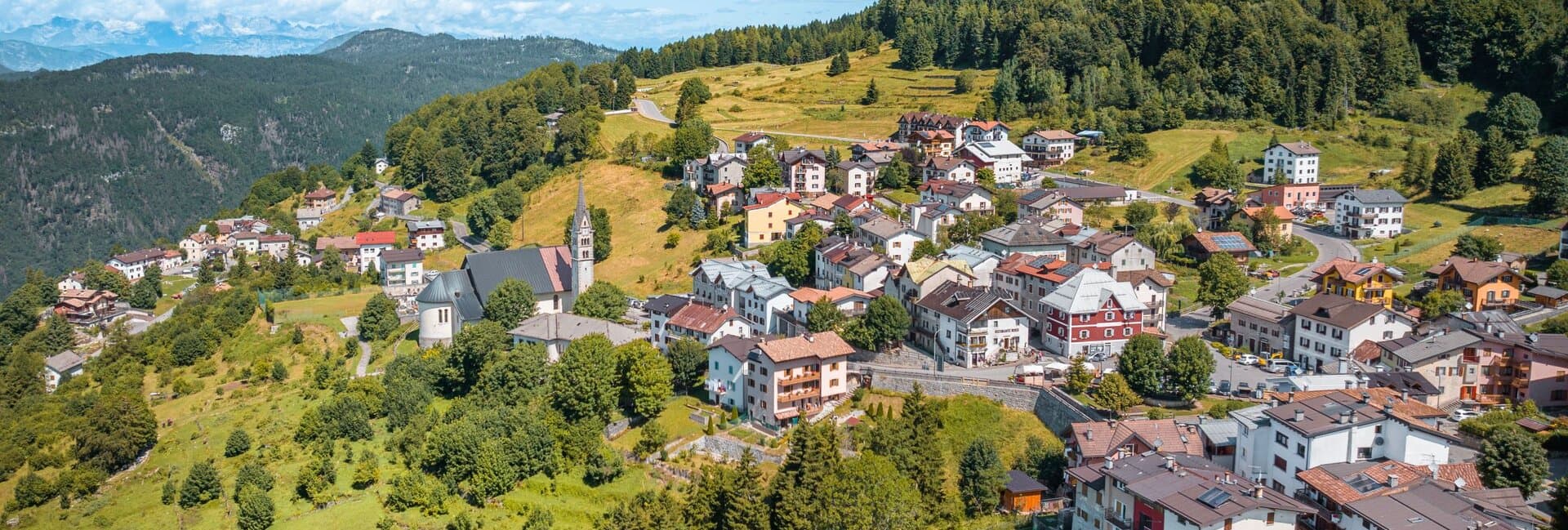
Luserna
Province: Trento
A Cimbrian island at 1,333 metres on the Alpe Cimbra plateau, the last village in Italy where the medieval Bavarian dialect is still spoken at home.
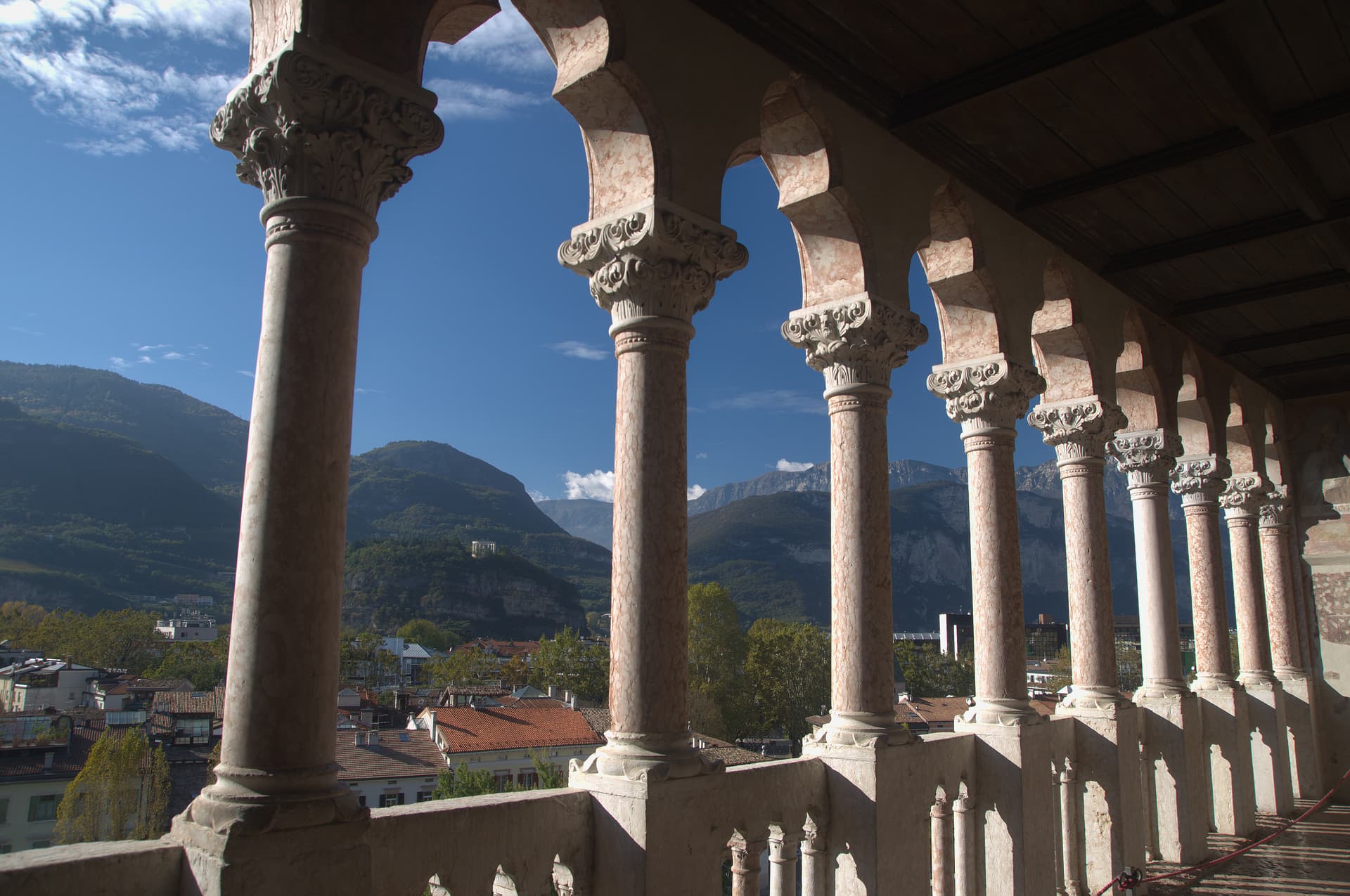
Trento
Province: Trento
The Alpine capital on the Adige at 194 metres, where the Council that reshaped the Catholic Church met in a castle still standing above the city.
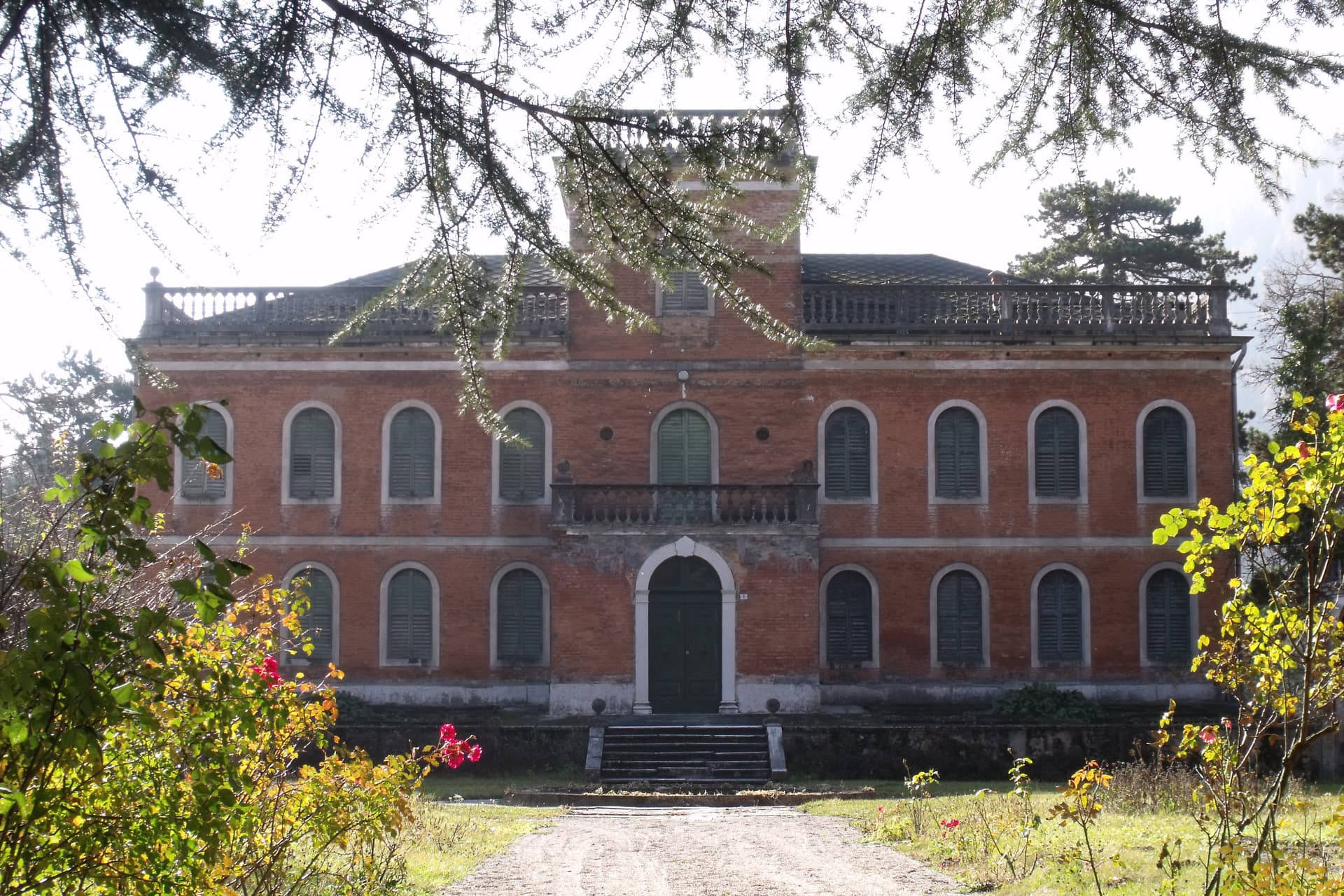
Pieve Tesino
Province: Trento
The birthplace of Alcide De Gasperi, founding father of the European Union, on a Trentino plateau of itinerant print-sellers and arboretum gardens.
🟠 Bandiera Arancione
More Bandiera Arancione towns in Trentino-Alto Adige/Südtirol
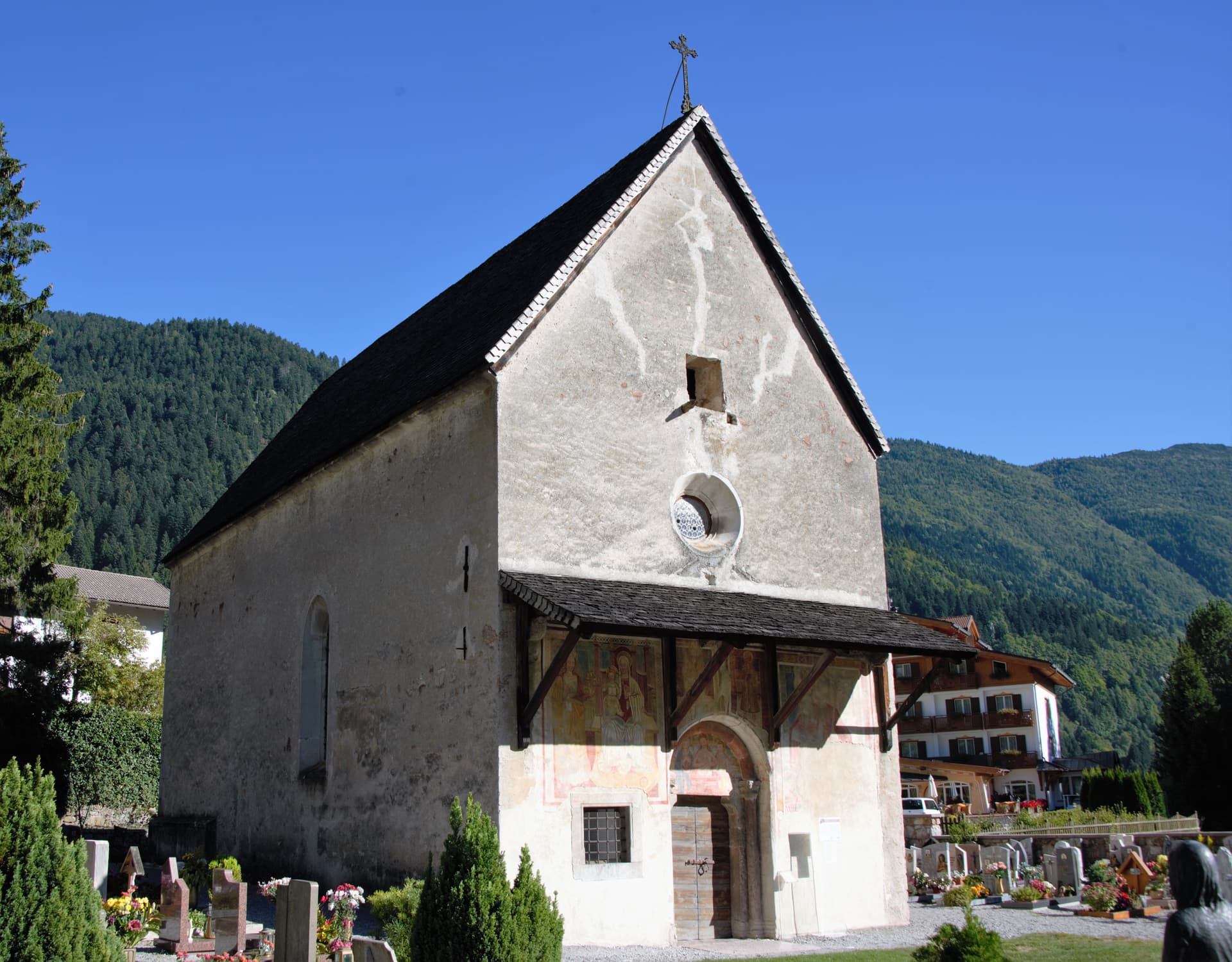
Molveno
Province: Trento
The village at the north end of a deep blue alpine lake, with the Brenta Dolomites rising straight out of the water.
Tenno
Province: Trento
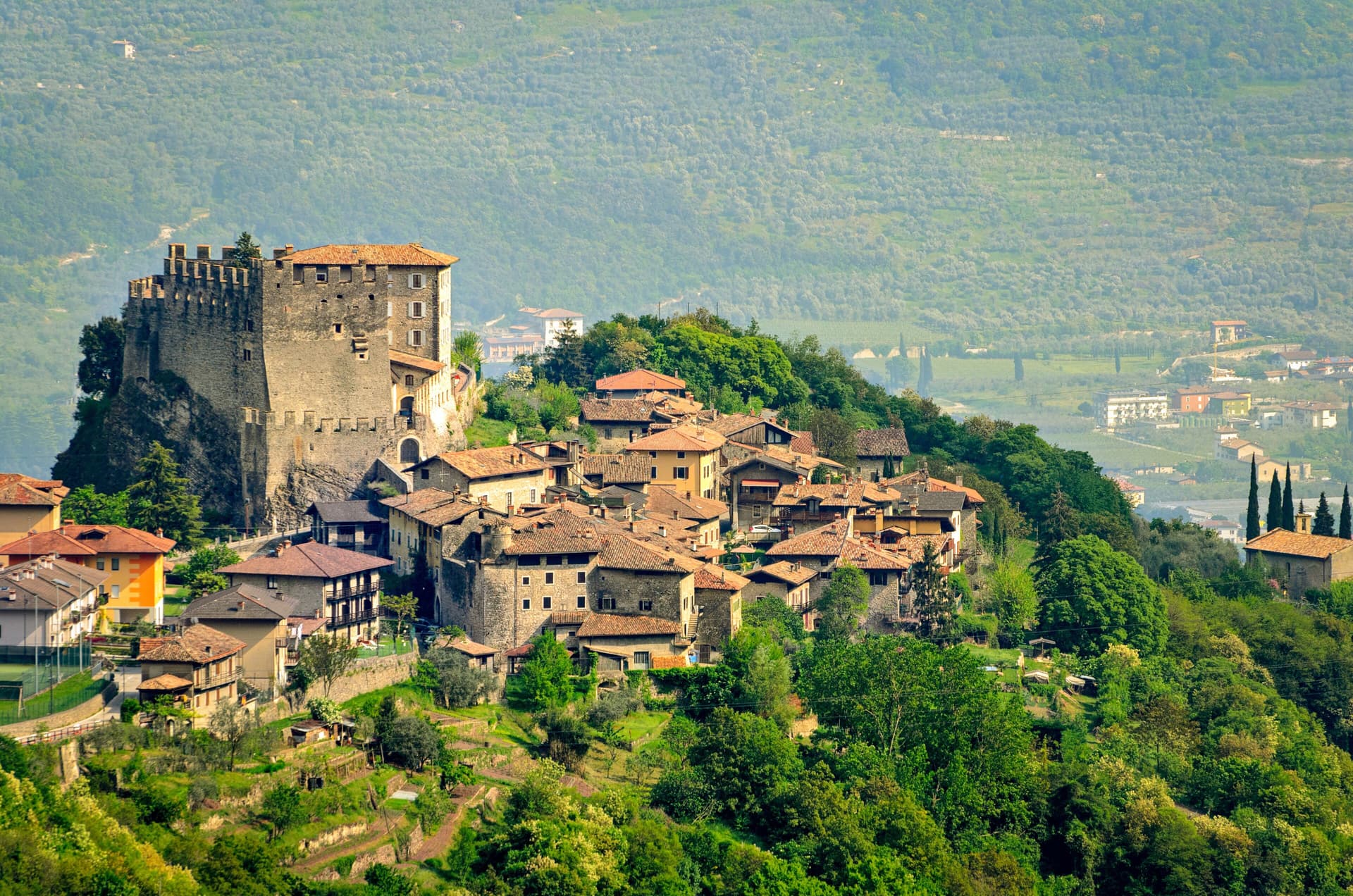
A hillside commune at 428 metres above Lake Garda, with a medieval stone hamlet, a turquoise lake, and the northernmost olive groves in Europe.
Sterzing
Province: Bolzano
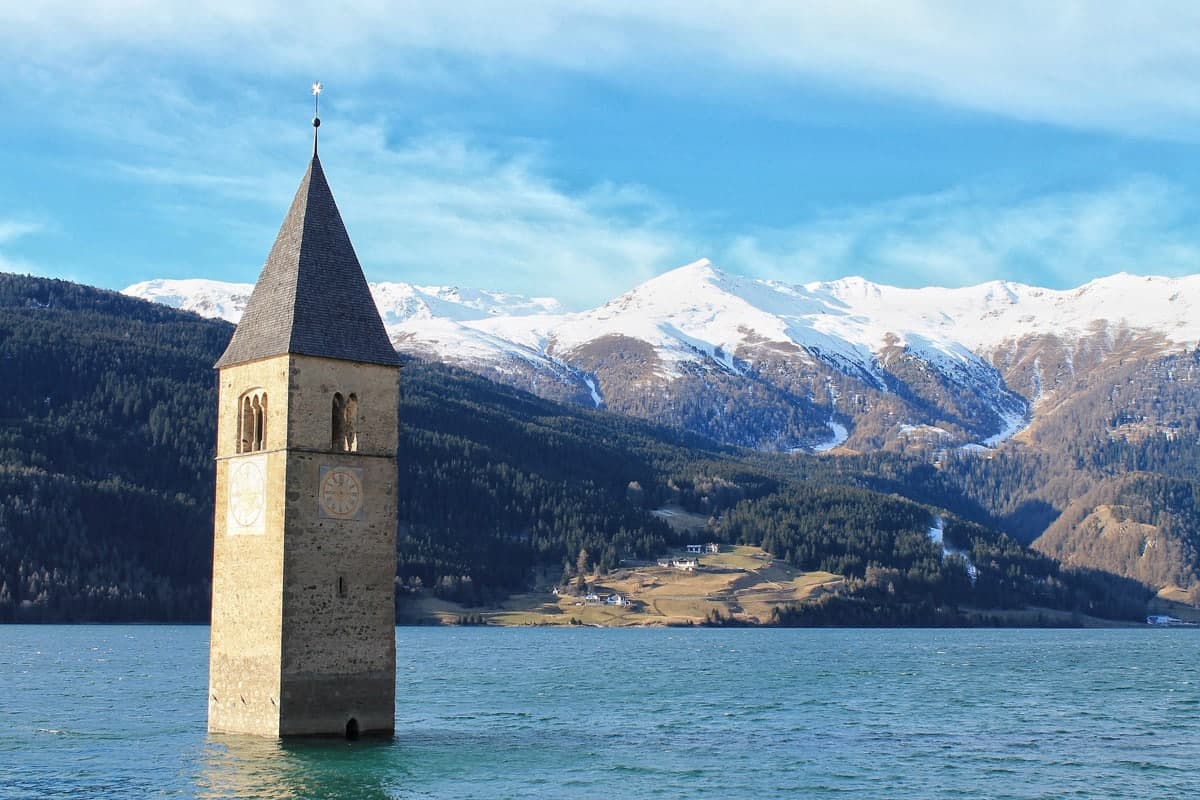
A bilingual mining town at 948 metres on the Brenner road, where a 46-metre tower built in 1472 still divides the old town from the new.