

Trentino-South Tyrol · Trento
Luserna
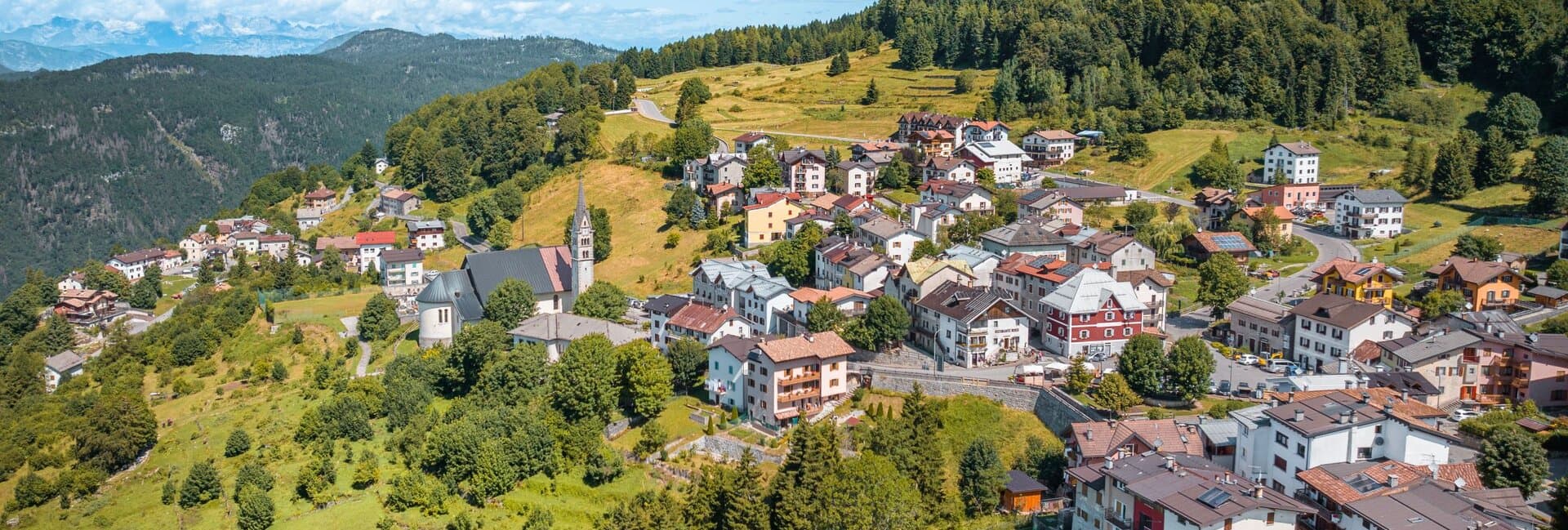
A Cimbrian island at 1,333 metres on the Alpe Cimbra plateau, the last village in Italy where the medieval Bavarian dialect is still spoken at home.
Known for
CIMBRIAN LANGUAGE
Last enclave in Italy where the medieval Bavarian dialect of Cimbrian is spoken at home by roughly 90 per cent of residents.
DOCUMENTATION CENTRE
Lusérn museum complex covering the Cimbrian community, the Great War fortifications, prehistoric metallurgy and bobbin lace, with around 12,000 visitors a year.
WERK LUSÉRN
Austro-Hungarian frontier fort heavily shelled in 1915, part of the Alpe Cimbra Great War fortification circuit with Forte Belvedere and Forte delle Benne.
When to visit
Best · Jun–Sep, Dec–Mar
- J
- F
- M
- A
- M
- J
- J
- A
- S
- O
- N
- D
- Best
- Hot or crowded
- Quiet
- Mostly closed
Why come
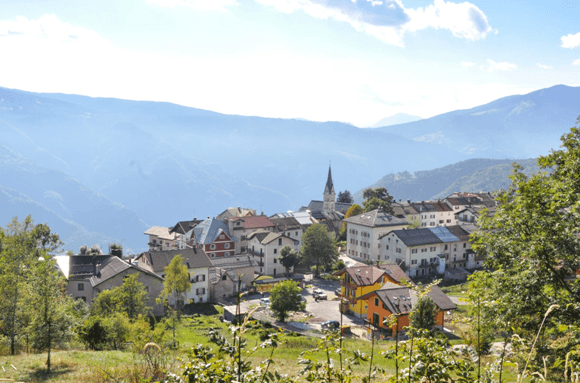
Luserna stands at 1,333 metres on the northwestern edge of the Folgaria plateau, four kilometres south of Lavarone and forty kilometres southeast of Trento. The village was founded around 1400 by Bavarian-Cimbrian colonists who moved up from nearby Lavarone, and remains the last enclave in Italy where Cimbrian, an ancient Upper German dialect linguists call the oldest peripheral language of the German domain and the southernmost in the Alps, is still spoken fluently by roughly 90 per cent of the population. The Cimbrian linguistic minority was protected after the Second World War by the Gruber-De Gasperi Agreement and officially recognised in 2001 within Trentino's minority law.
The village holds 267 residents, the Documentation Centre Lusérn with permanent exhibitions on the Cimbrian community, the Great War and prehistoric metallurgy, the Haus von Prükk house museum in a restored nineteenth-century Cimbrian dwelling, and Werk Lusérn, the Austro-Hungarian fort on the imperial frontier with Italy. It is one of the Borghi più Belli d'Italia.
The Sunday letter
We haven’t written Luserna’s letter yet.
One town every Sunday, with the photo, the food, the festa. Be there when this one comes up. Free, by Peter & Sophia from Pietrasanta.
By subscribing you agree to Substack’s Terms of Use, our Privacy Policy and our Information collection notice.
What to see
Centro Documentazione Lusérn
Documentation Centre with permanent exhibitions on the Cimbrian community, the Great War on the plateaus, prehistoric metallurgy, and Cimbrian bobbin lace.
Casa Museo Haus von Prükk
House museum in a restored nineteenth-century Cimbrian peasant dwelling, presented by guides who explain the dialect and the traditions of plateau life.
Werk Lusérn
Austro-Hungarian Great War fortress on the imperial frontier with Italy, heavily shelled in 1915 and now part of the plateau's fortification museum circuit.
Cimbrian village core
Cluster of stone and wood houses on the plateau edge, the centre of the Cimbrian-speaking community and one of the Borghi più Belli d'Italia.
Pinacoteca Rheo Martin Pedrazza
Picture gallery dedicated to the Luserna-born painter Rheo Martin Pedrazza, with work from the Cimbrian artistic tradition of the twentieth century.
The slow-trip planner
Building a trip? Find where Luserna fits in a slow Italy circuit.
Answer five questions. We will shape a geographically coherent slow trip from the 1,000 Italian towns most travelers skip. Yours to save and share.
Living here
- Population 267
- Off the beaten pathi
- Pharmacy: none mapped
- High school within a 30-minute drive
- Nearest airport Verona, 1 h 56 min drive
- Regional capital Trento, 51 min drive
Tags & datadesignations · numbers · sources
Recognised as
The numbers
- Elevation: 1333 m
- Population: 267
- Surface area: 8.2 km²
These figures were compiled from public directories — ISTAT, OpenStreetMap, Wikidata — and from the official listings of the guides named on this page. Town details change; verify with official sources before you travel.
Close by
More towns near Luserna
Lavarone
Province: Trento
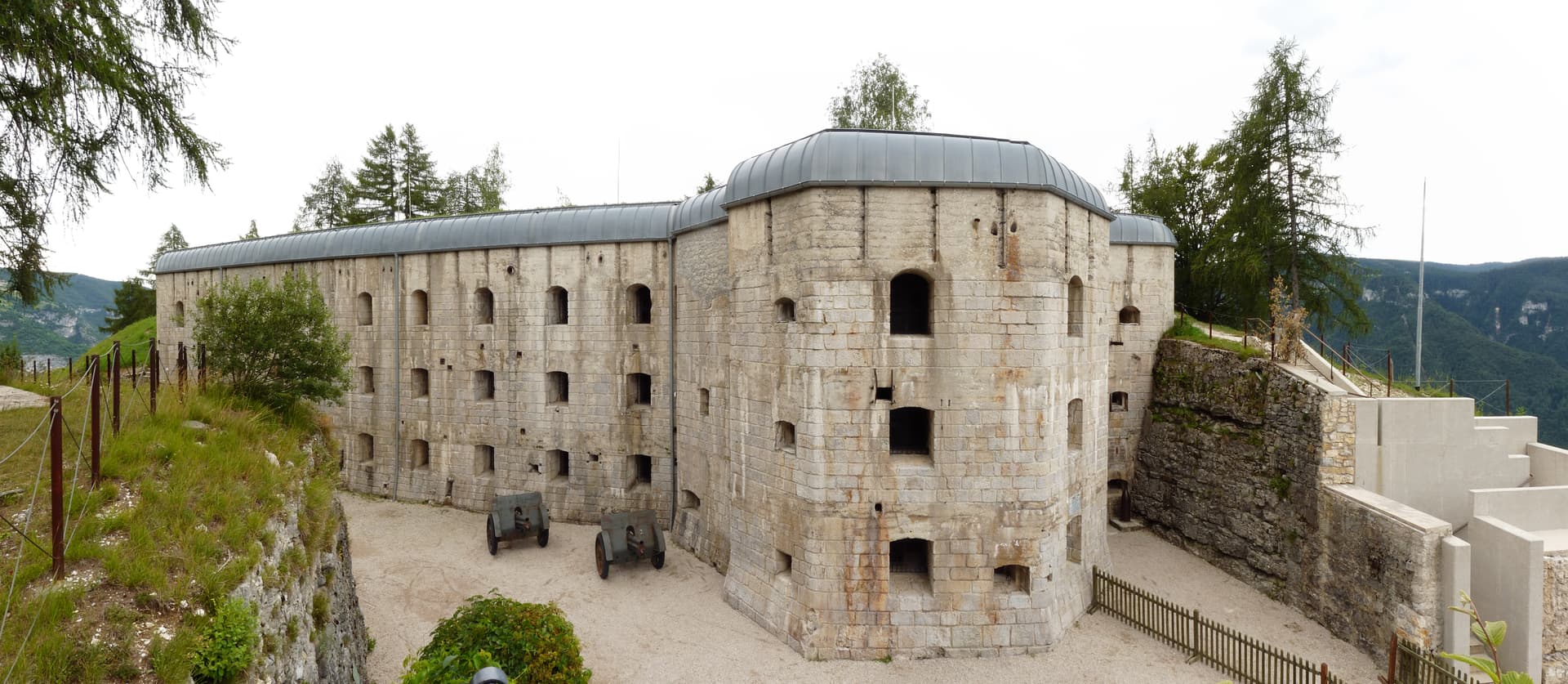
A Cimbrian plateau at 1,172 metres above the Val d'Astico, with a karst lake, an Austro-Hungarian fort, and the woods where Freud walked.
Levico Terme
Province: Trento
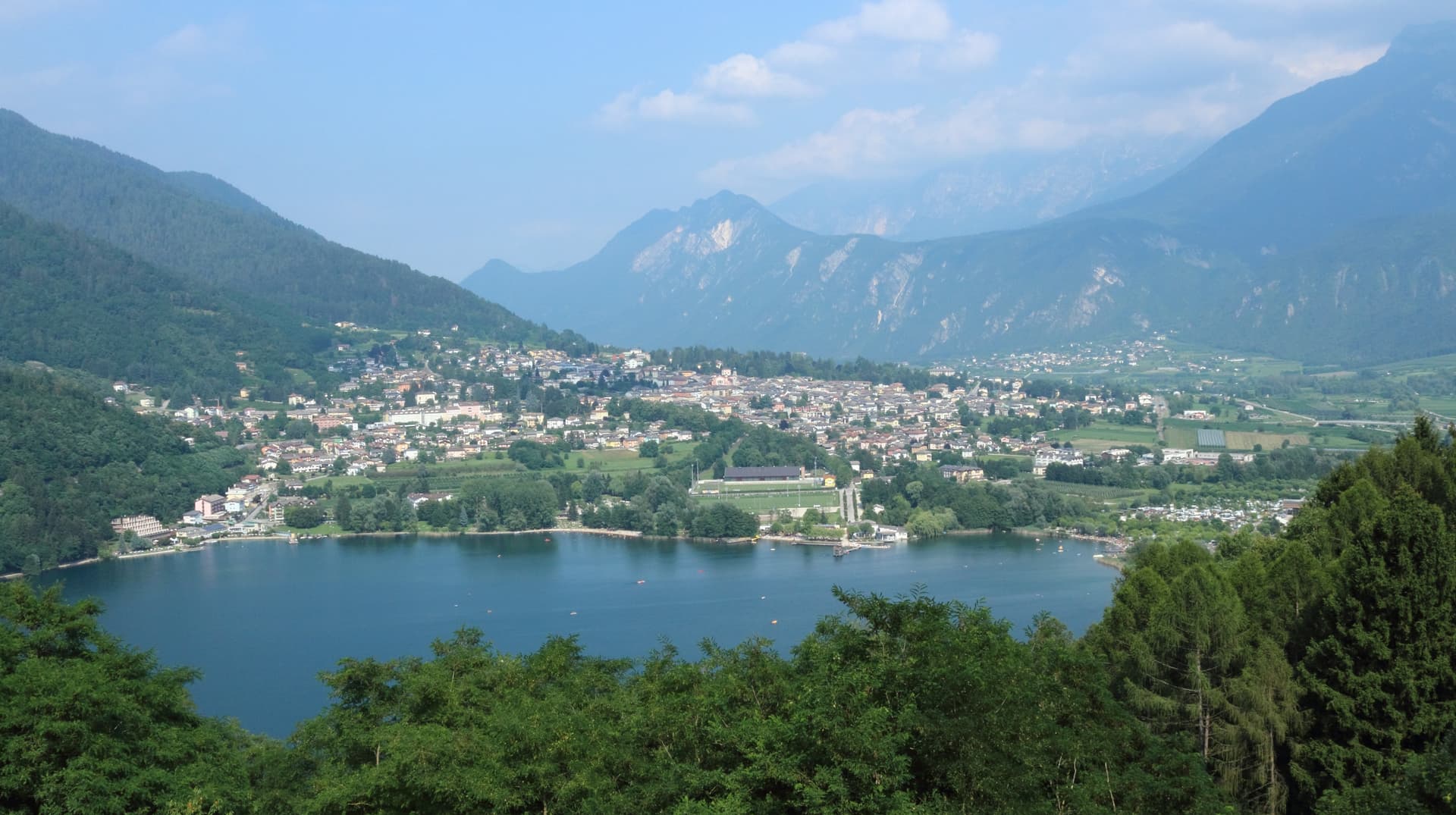
A Habsburg spa town in the Valsugana at 520 metres, with arsenic-iron thermal waters, an English park and a Blue Flag lake at the edge of the centre.
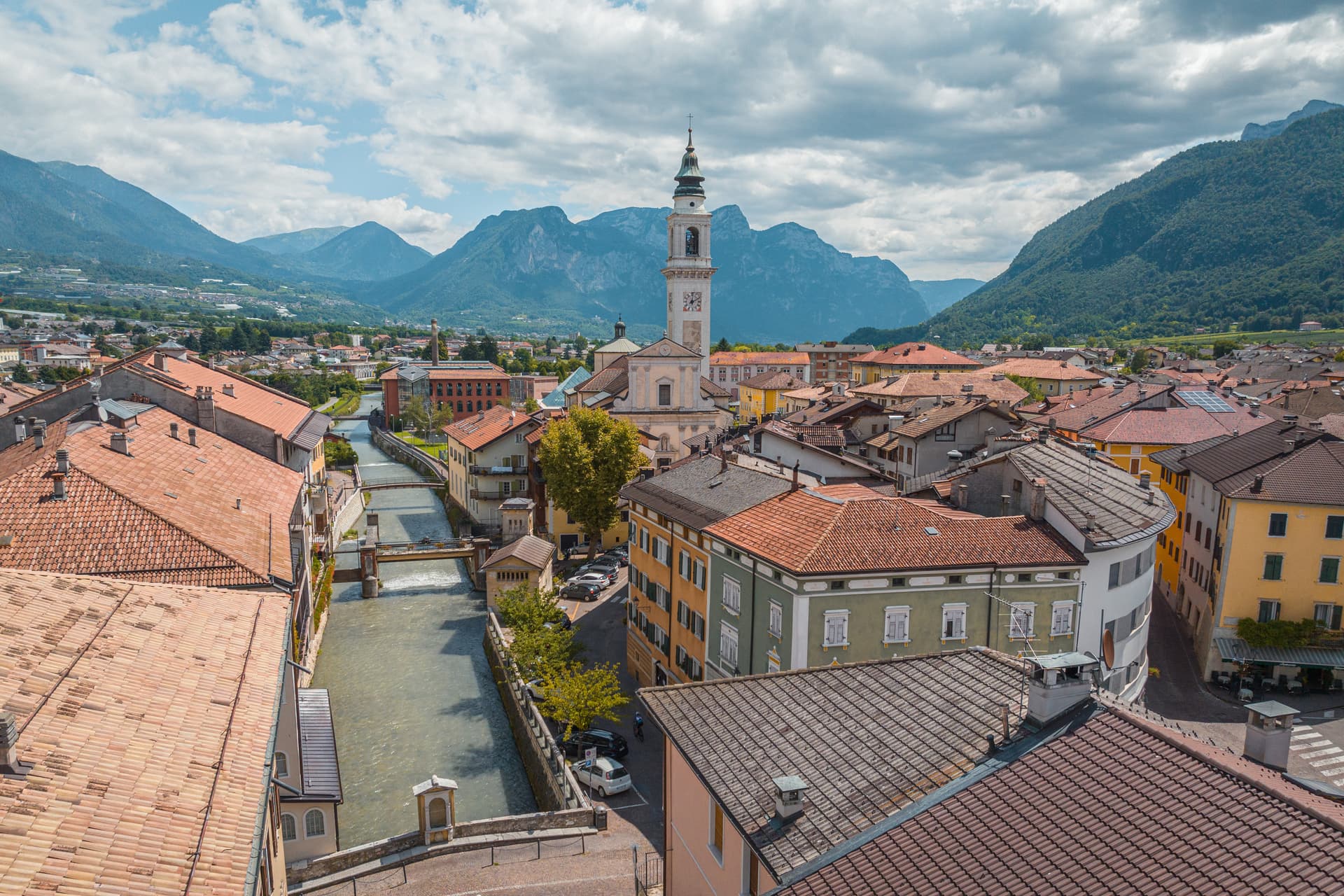
Borgo Valsugana
Province: Trento
The valley town built on both banks of the Brenta in lower Valsugana, with Castel Telvana above and Arte Sella in the side valley.
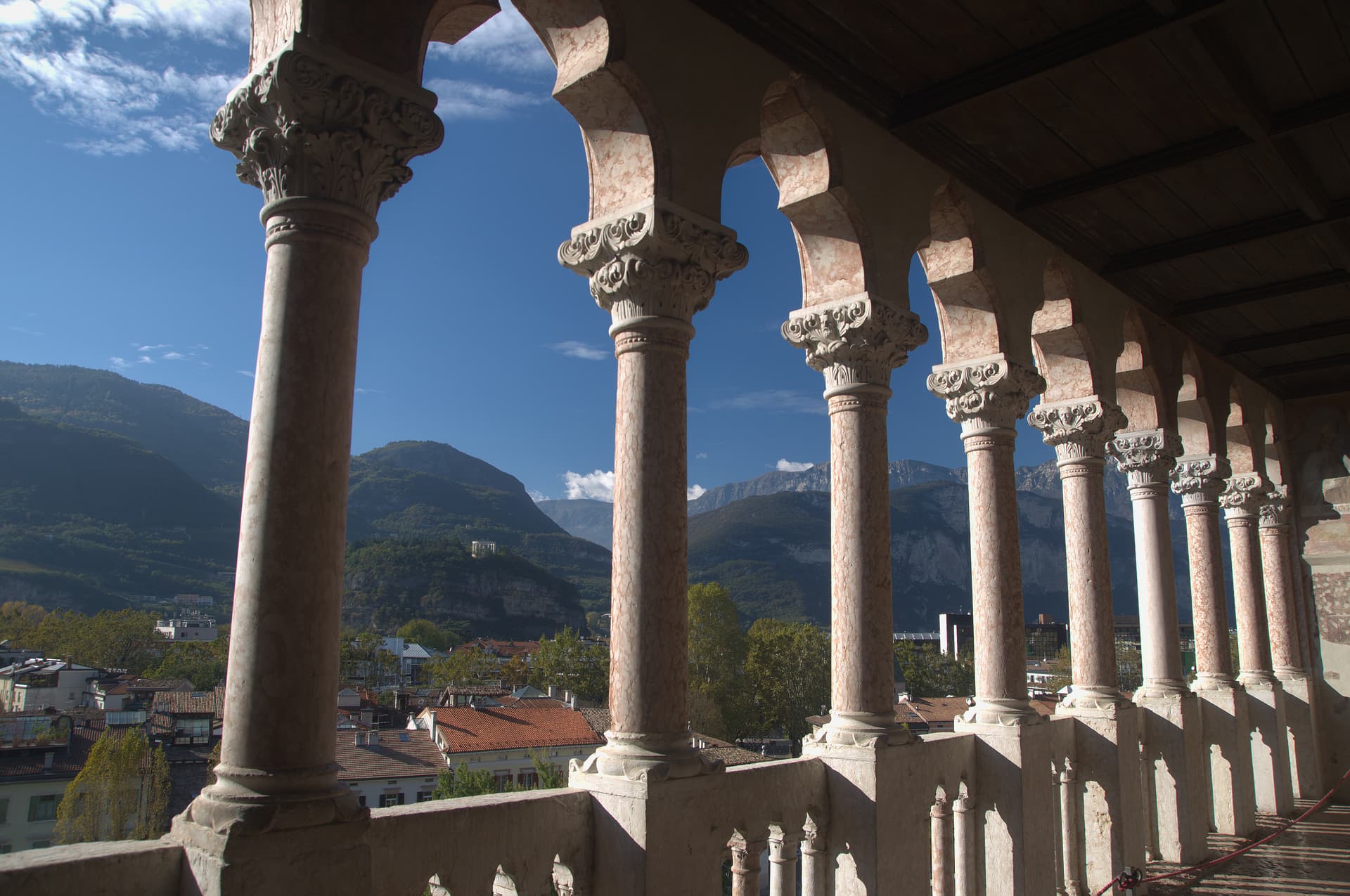
Trento
Province: Trento
The Alpine capital on the Adige at 194 metres, where the Council that reshaped the Catholic Church met in a castle still standing above the city.
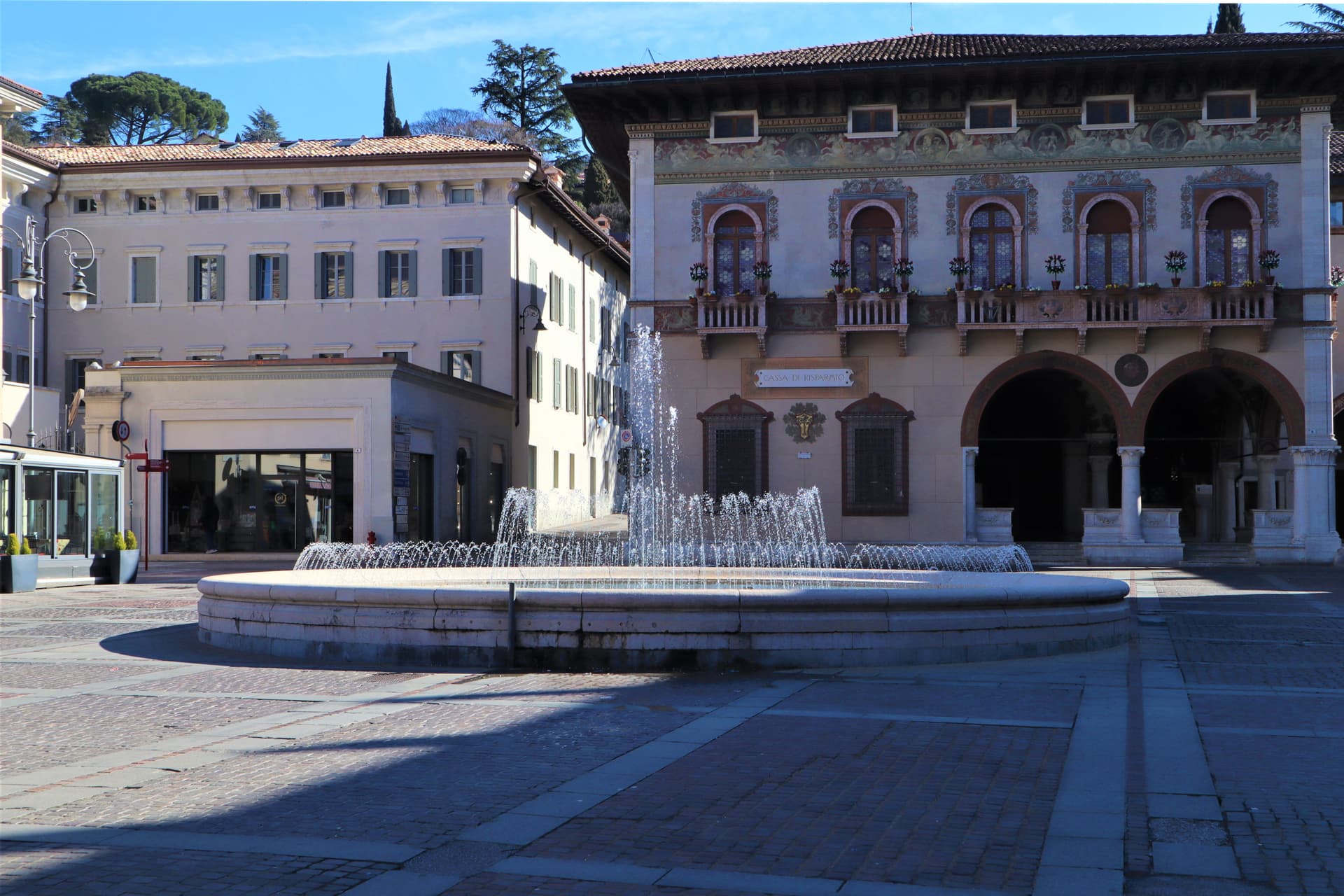
Rovereto
Province: Trento
The Vallagarina city at 204 metres where a Venetian-Austrian castle holds the Italian war museum and a Mario Botta dome holds Italy's largest contemporary art collection.
🎨 Borghi più belli d'Italia
More Borghi più belli d'Italia towns in Trentino-Alto Adige/Südtirol
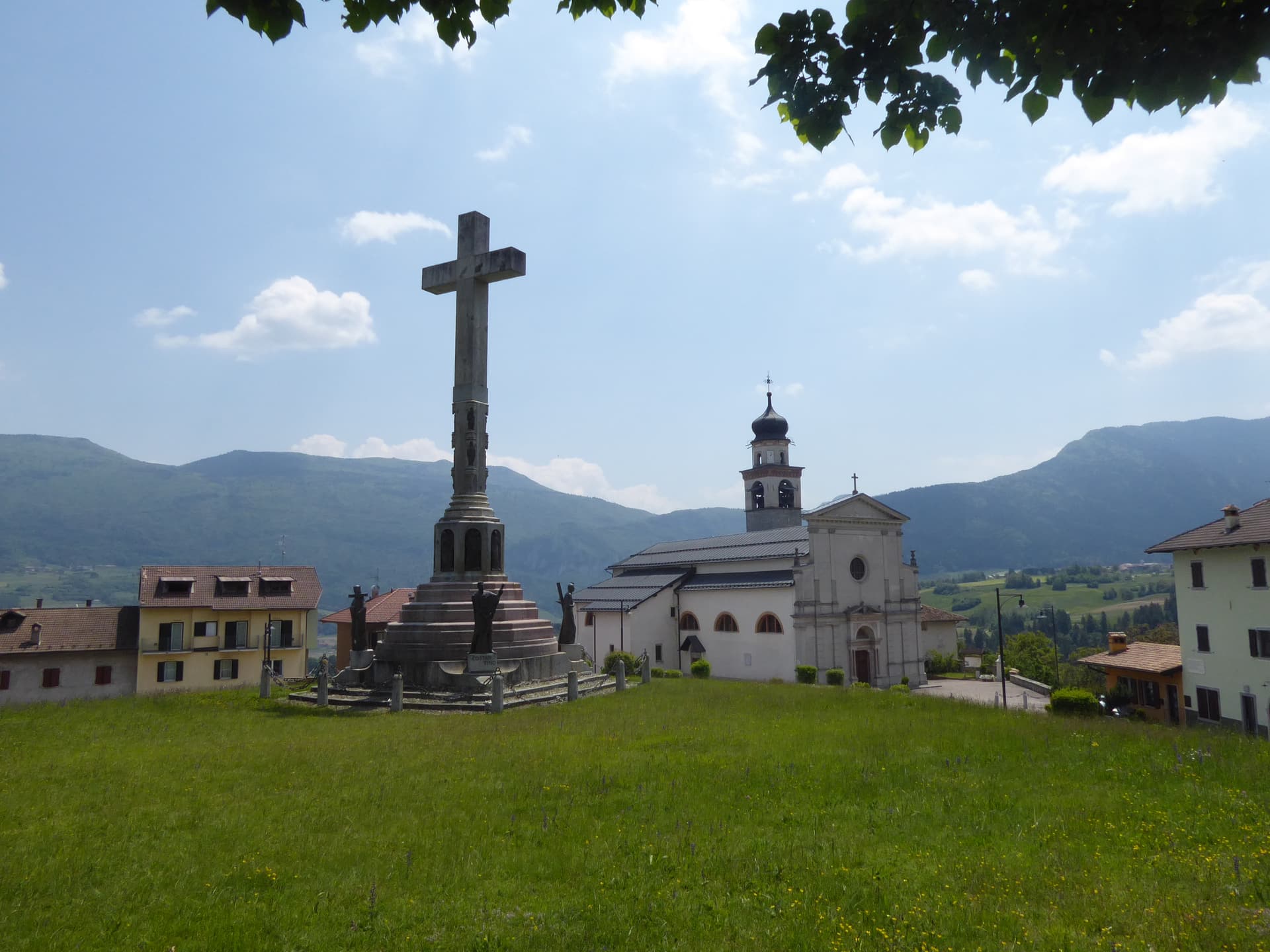
Bleggio Superiore
Province: Trento
A scattered Giudicarie commune whose hilltop hamlet of Rango holds the Christmas markets, with a Slow Food walnut grown on the terraces below.
Bondone
Province: Trento
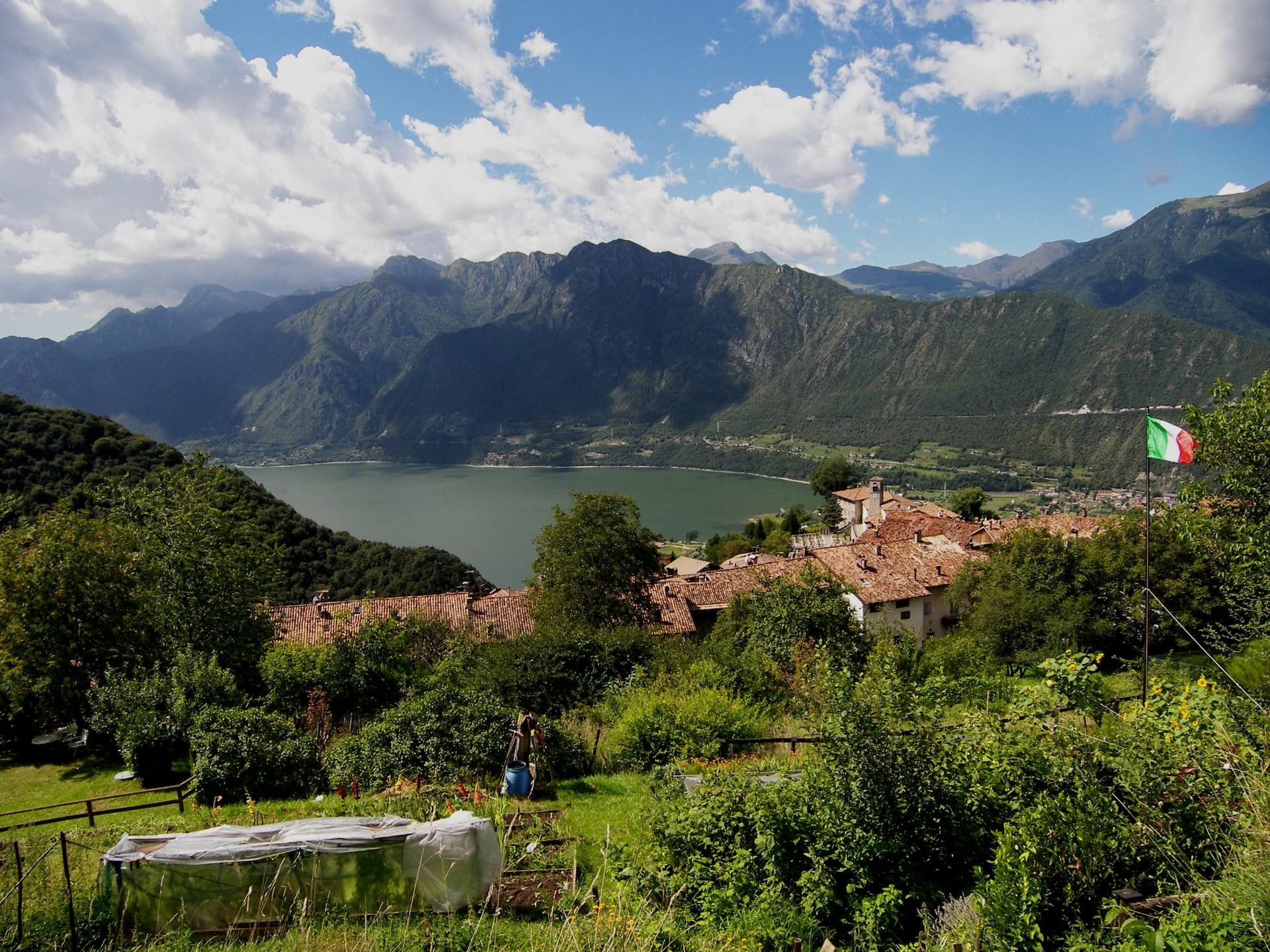
A two-village commune above Lake Idro at the Lombard border, with a Lodron castle on the cliff and a Bandiera Blu shoreline below.
Caldes
Province: Trento
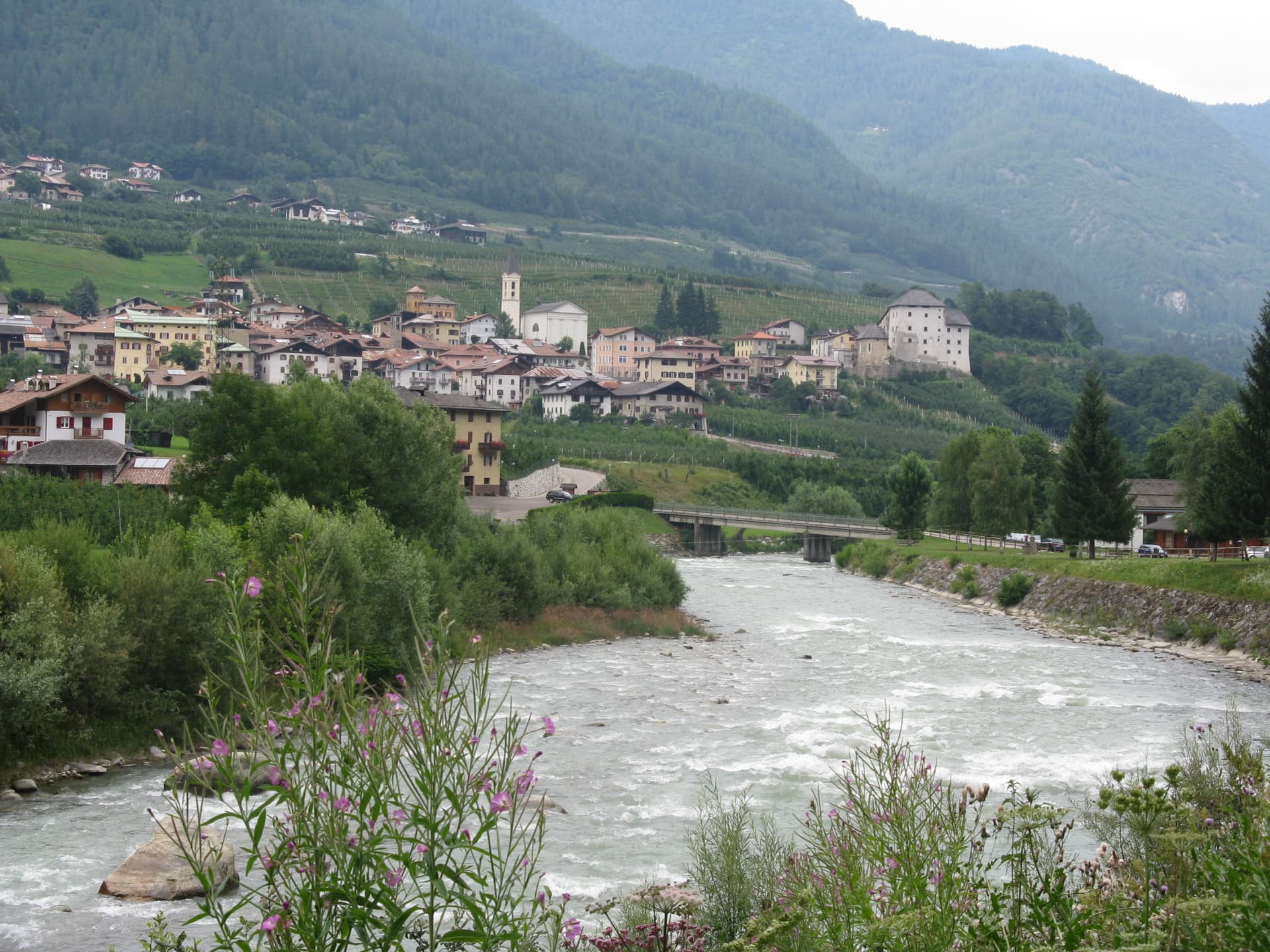
A scattered Val di Sole commune on the Noce, six hamlets gathered around a thirteenth-century tower-house castle that once belonged to the Thun family.
Kastelruth
Province: Bolzano
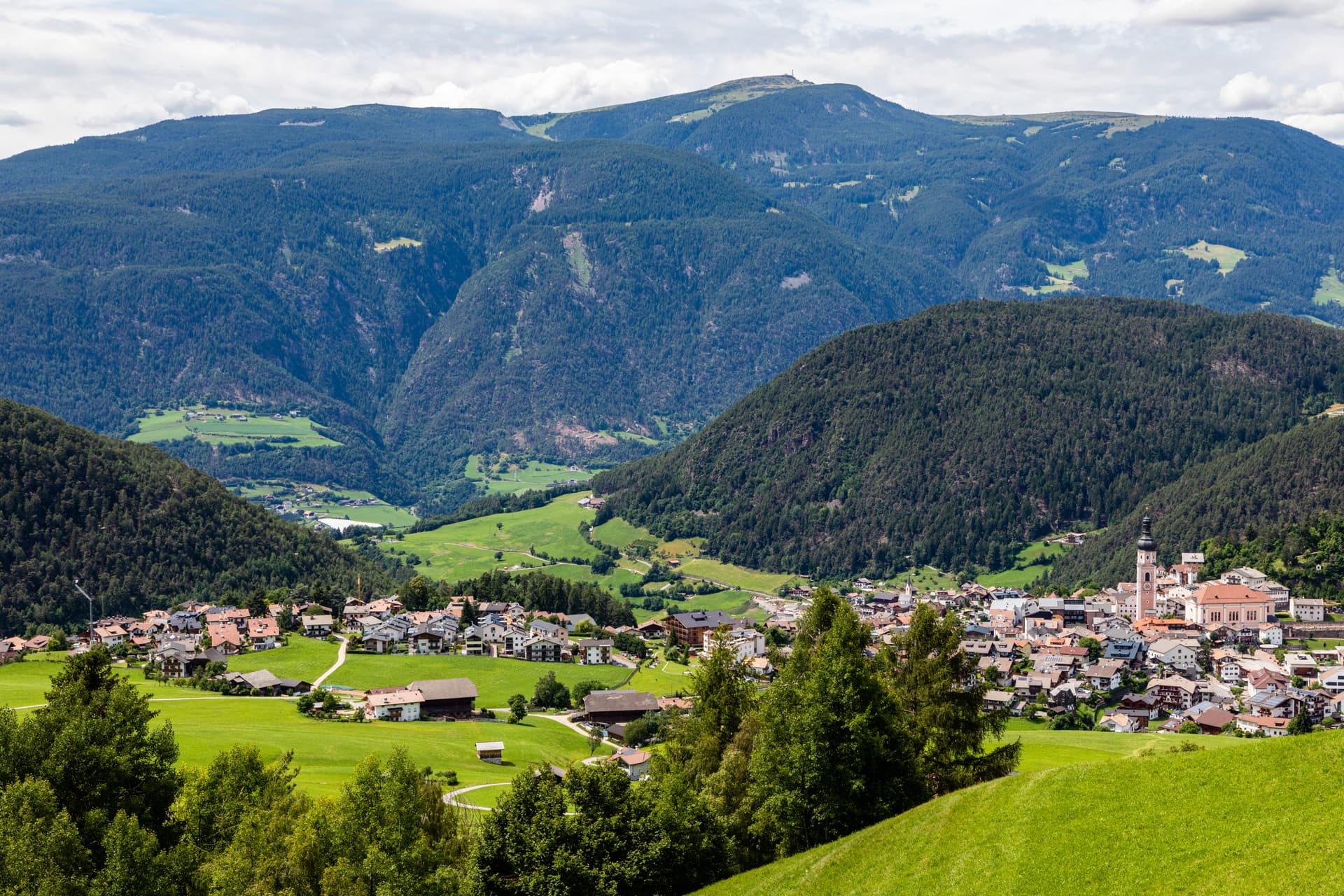
South Tyrolean gateway to the Alpe di Siusi at 1,060 metres, eighty-two-metre bell tower over the square, home of the Kastelruther Spatzen.
Glurns
Province: Bolzano
The smallest city in South Tyrol at 937 inhabitants, ringed by intact sixteenth-century walls in the Val Venosta near the Swiss border.