

Tuscany · Grosseto
Orbetello
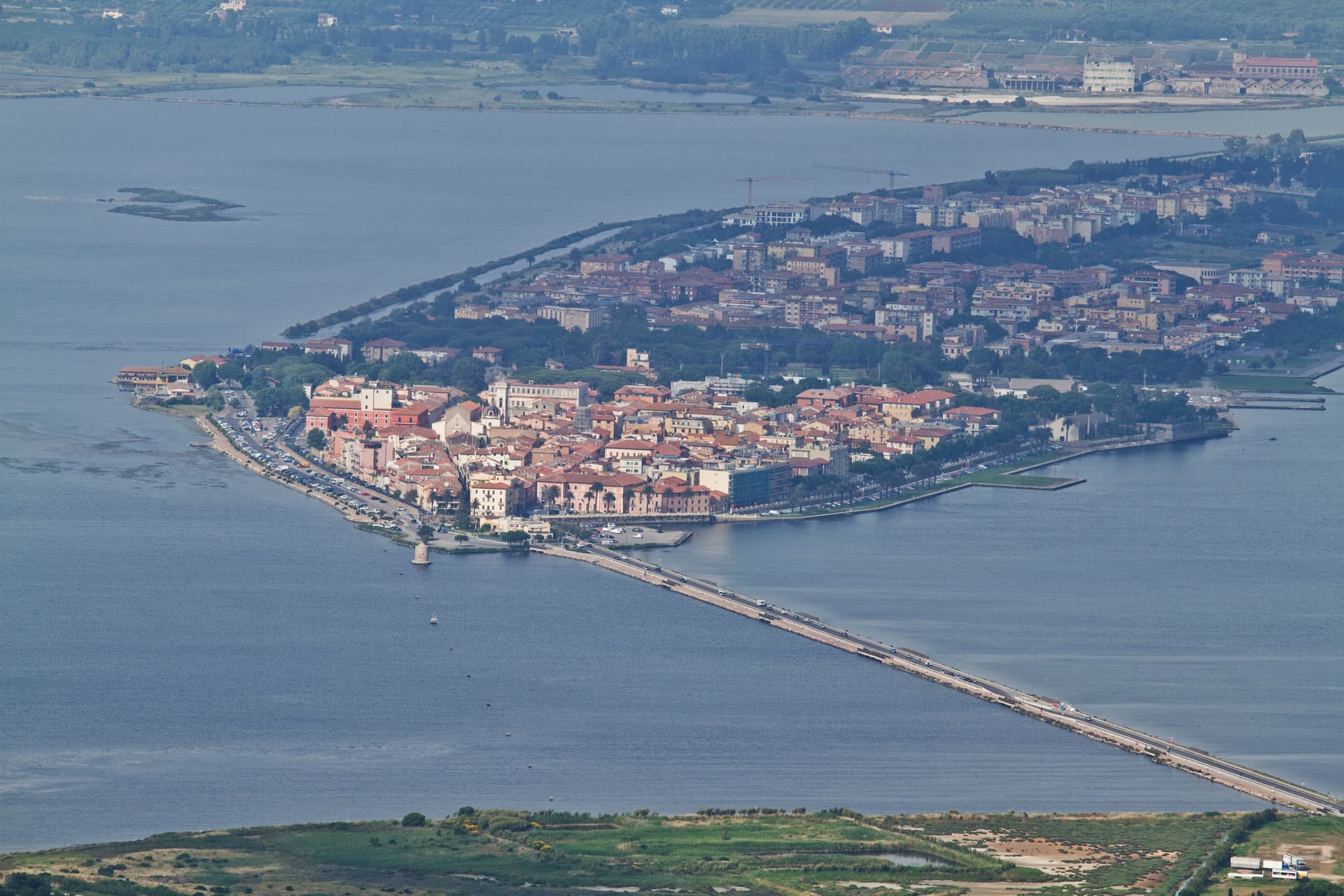
A town on a narrow isthmus at the center of its own lagoon, fortified by Spain in 1557 and tied to Monte Argentario by two tombolos.
Known for
THE LAGOON
26 km² of brackish water on both sides of the town, fed by tides and farmed for bottarga and eel since the sixteenth century.
STATE OF THE PRESIDI
Capital of the Spanish coastal enclave from 1557 to 1815, with bastions, governor's palace, and powder magazines still standing.
BALBO'S AIR CRUISES
Italo Balbo's seaplane transatlantic flights to Rio and Chicago departed from this lagoon between 1927 and 1933.
When to visit
Best · May–Sep
- J
- F
- M
- A
- M
- J
- J
- A
- S
- O
- N
- D
- Best
- Hot or crowded
- Quiet
- Mostly closed
The festa: Biagio di Sebaste, 3 February
Why come
Orbetello sits on a strip of land that runs out into a 26-square-kilometer lagoon, dividing it into two basins called Ponente and Levante. Two sand tombolos, Giannella to the north and Feniglia to the south, link the town to the Monte Argentario promontory. The Etruscans built here first, the Romans followed with their colony of Cosa, and in 1557 Orbetello became the capital of the State of the Presidi, a Spanish coastal enclave that lasted until 1815.
The Spanish Governor's Palace still stands on the main square, and one of nine fifteenth-century Sienese windmills survives in the lagoon, the only Italian water-and-wind mill of its type still in place. Between 1927 and 1933 Italo Balbo flew his transatlantic air cruises from these waters. The lagoon now functions as a WWF reserve and feeds the bottarga and eel cooperative that has worked the same nets since 1965.
What to see
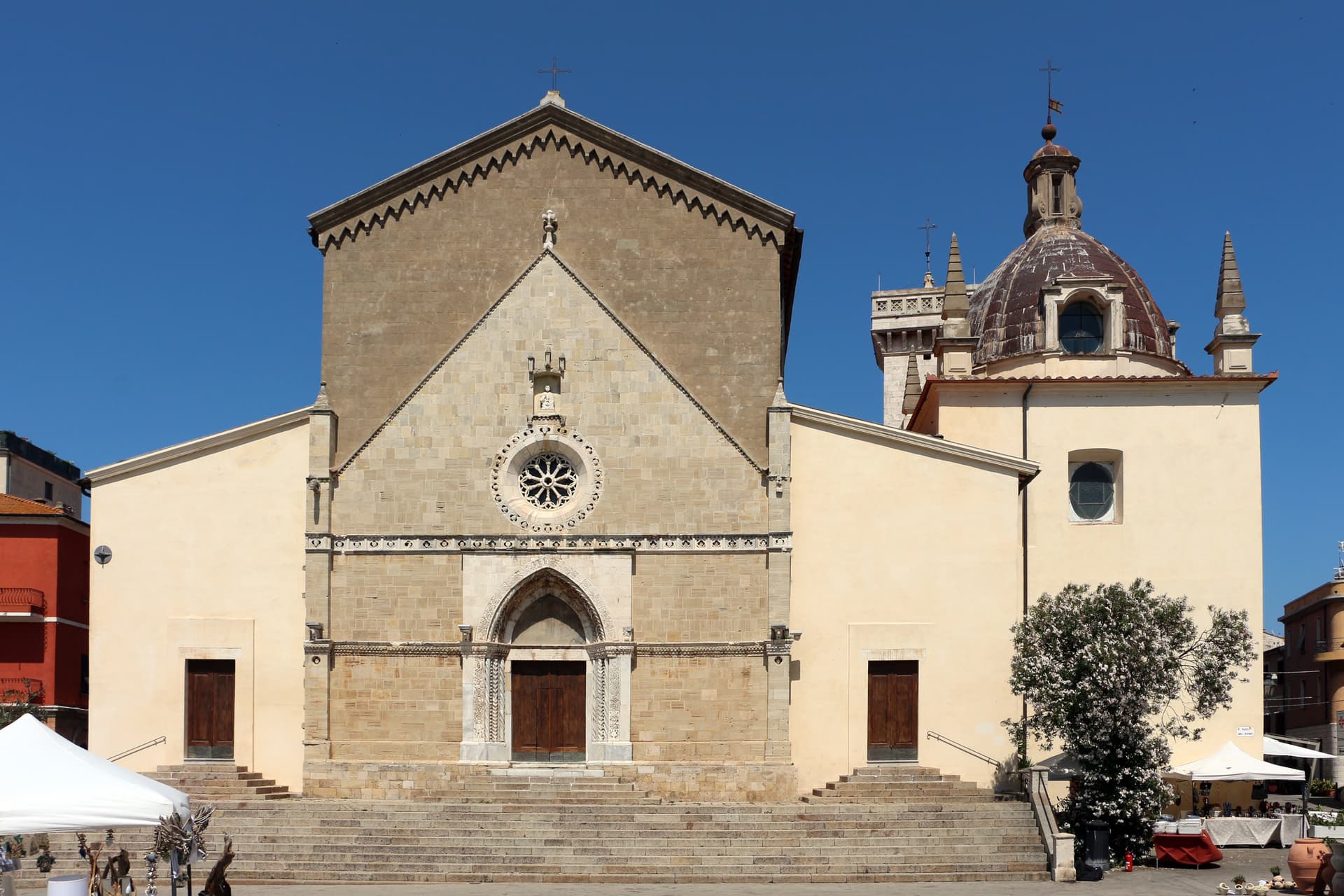
Duomo di Santa Maria Assunta
Fourteenth-century cathedral with a Gothic travertine façade, rebuilt over an earlier Etruscan-Roman temple foundation.
Fortificazioni Spagnole
Sixteenth-century Spanish bastions and the Polveriera Guzman magazine, built when Orbetello was the capital of the State of the Presidi.
Laguna di Orbetello
26-square-kilometer brackish lagoon split into two basins, now a WWF reserve and Ramsar wetland.
Mura Etrusche
Polygonal Etruscan walls from the fourth century BC, traceable along the eastern edge of the historic center.
Mulino Spagnolo
The only survivor of nine fifteenth-century Sienese windmills built in the lagoon, restored in 1998.
Tombolo della Feniglia
Seven-kilometer pine-forested sand spit linking Orbetello to Monte Argentario, a protected nature reserve.
The slow-trip planner
Building a trip? Find where Orbetello fits in a slow Italy circuit.
Answer five questions. We will shape a geographically coherent slow trip from the 1,000 Italian towns most travelers skip. Yours to save and share.
We recommend
Where to eat and stay
Not our picks, but places the guides put their name to — a Michelin star, a Gambero Rosso fork, a Slow Food snail, a Michelin Key for the hotels. Worth a table, a counter, or a night when you pass through.
L'Oste DispensaTrattoria
L'Oste Dispensa carries a Michelin Bib Gourmand, two Gambero Rosso prawns, plus a Slow Food snail.
Osteria BolleTrattoria
One Gambero Rosso prawn, at Osteria Bolle.
The Sunday letter
Orbetello got its letter. One town every Sunday, free — the photo, the food, the festa.
By subscribing you agree to Substack’s Terms of Use, our Privacy Policy and our Information collection notice.
Living here
- Population 14,292
- In-betweeni
- Pharmacy in town
- High school within a 30-minute drive
- Train station in the comune
- Nearest airport Rome, 2 h 9 min drive
- Regional capital Firenze, 2 h 44 min drive
Thermal baths in town: Terme dell'Osa.
Tags & datadesignations · numbers · sources
Recognised as
The numbers
- Elevation: 3 m
- Population: 14,292
- Surface area: 226.8 km²
These figures were compiled from public directories — ISTAT, OpenStreetMap, Wikidata — and from the official listings of the guides named on this page. Town details change; verify with official sources before you travel.
Close by
More towns near Orbetello
Capalbio
Province: Grosseto
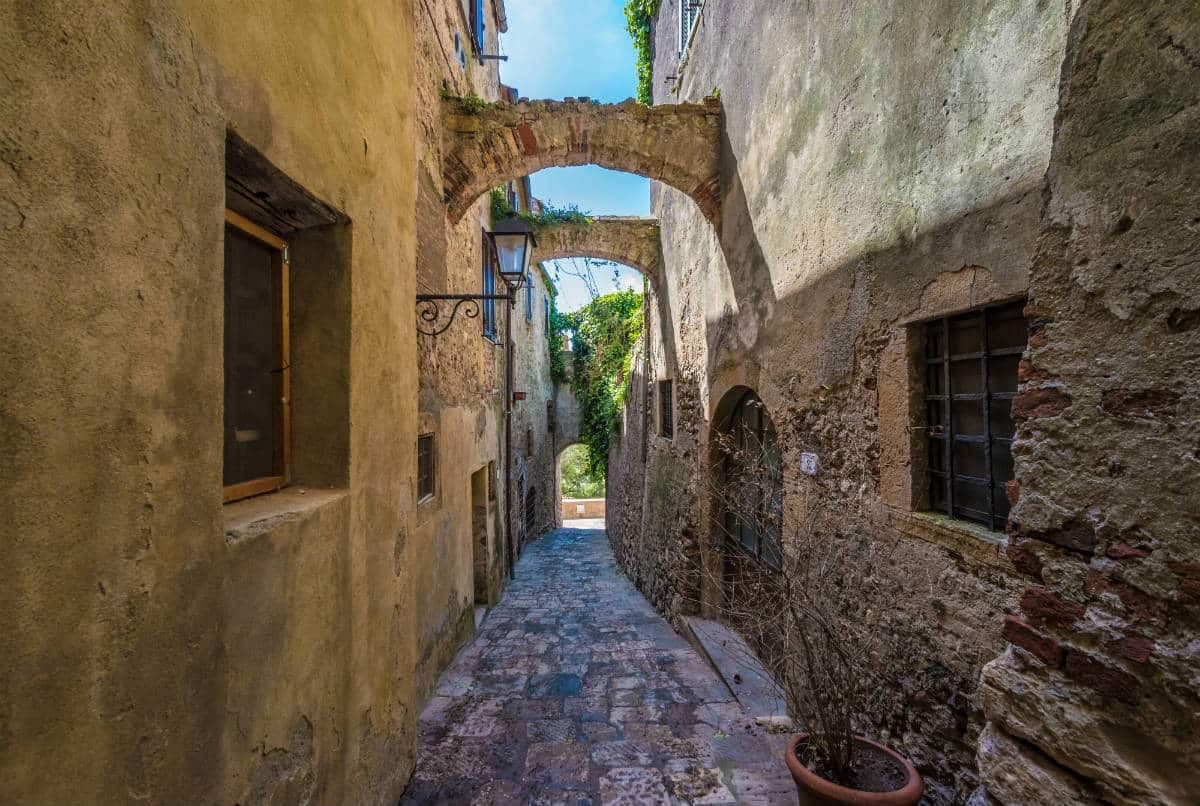
A walled hilltop borgo at 217 meters in the southern Maremma, donated to the Abbey of Tre Fontane by Charlemagne and home of Niki de Saint Phalle's Tarot Garden.
Monte Argentario
Province: Grosseto
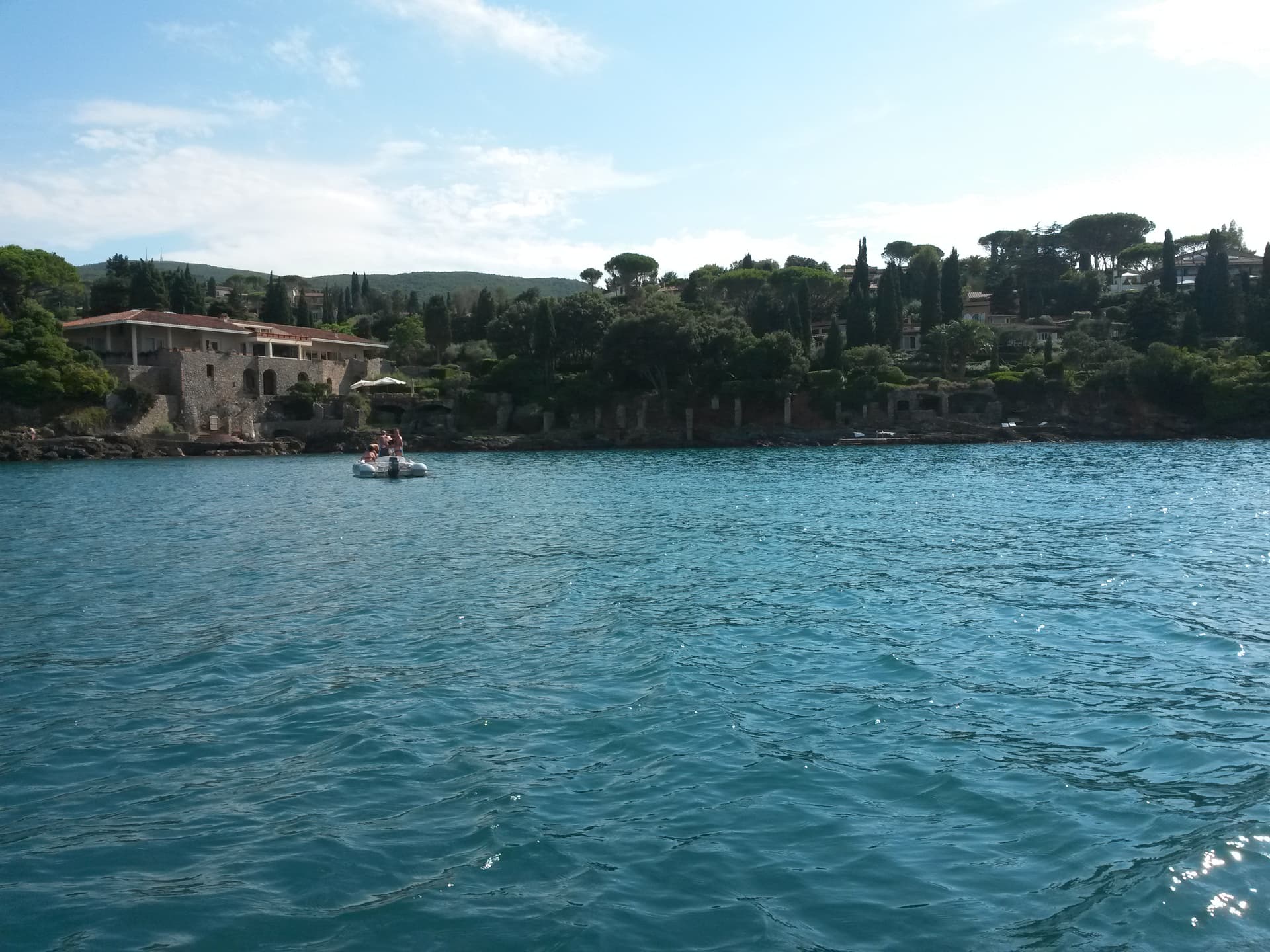
A 635-meter peninsula tied to the mainland by three sand spits, ringed by Spanish forts and the place where Caravaggio died in 1610.
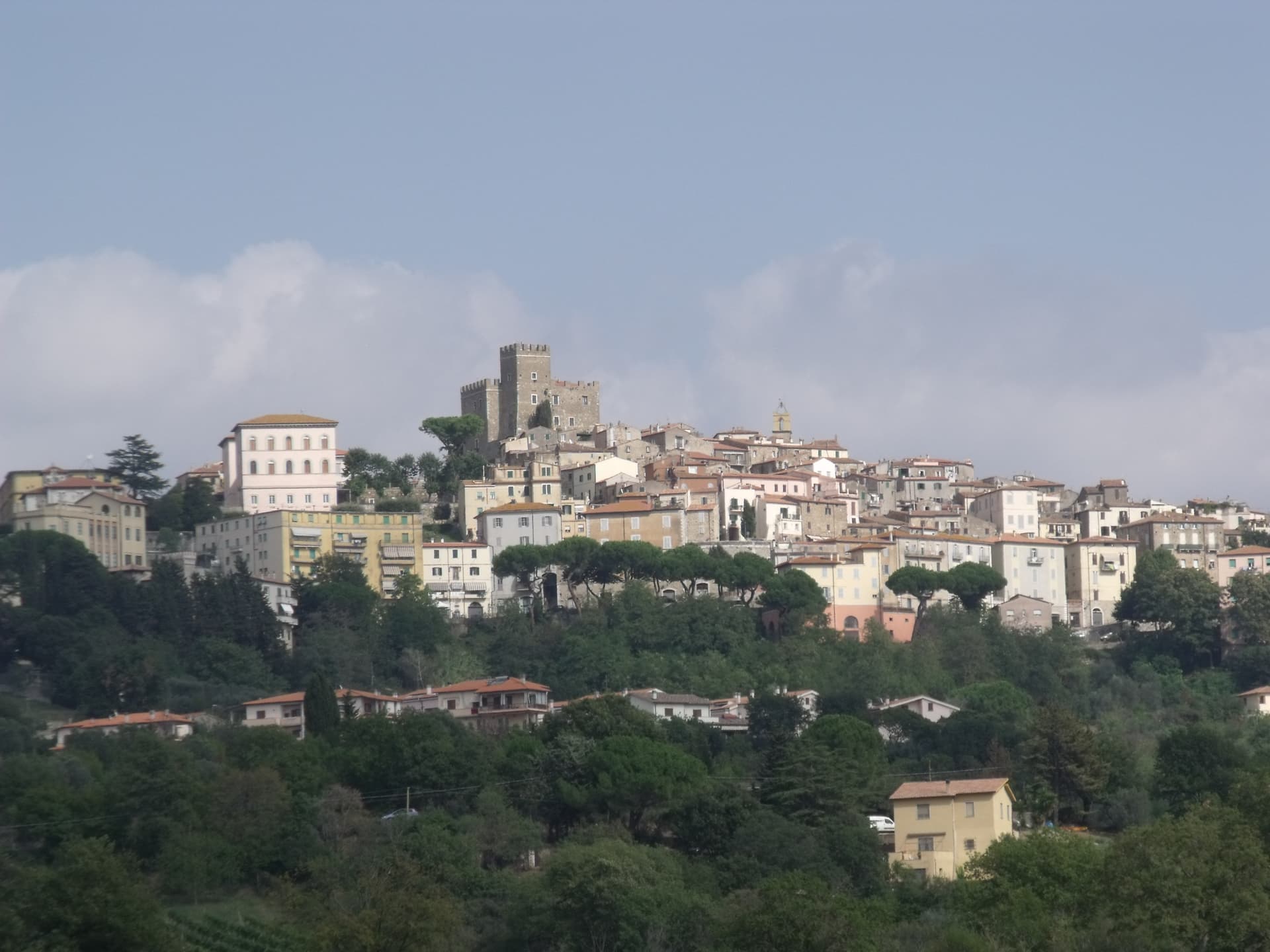
Manciano
Province: Grosseto
A market town at 444 meters in the southern Maremma, with a Sienese fortress of 1424 and the thermal frazione of Saturnia in its territory.
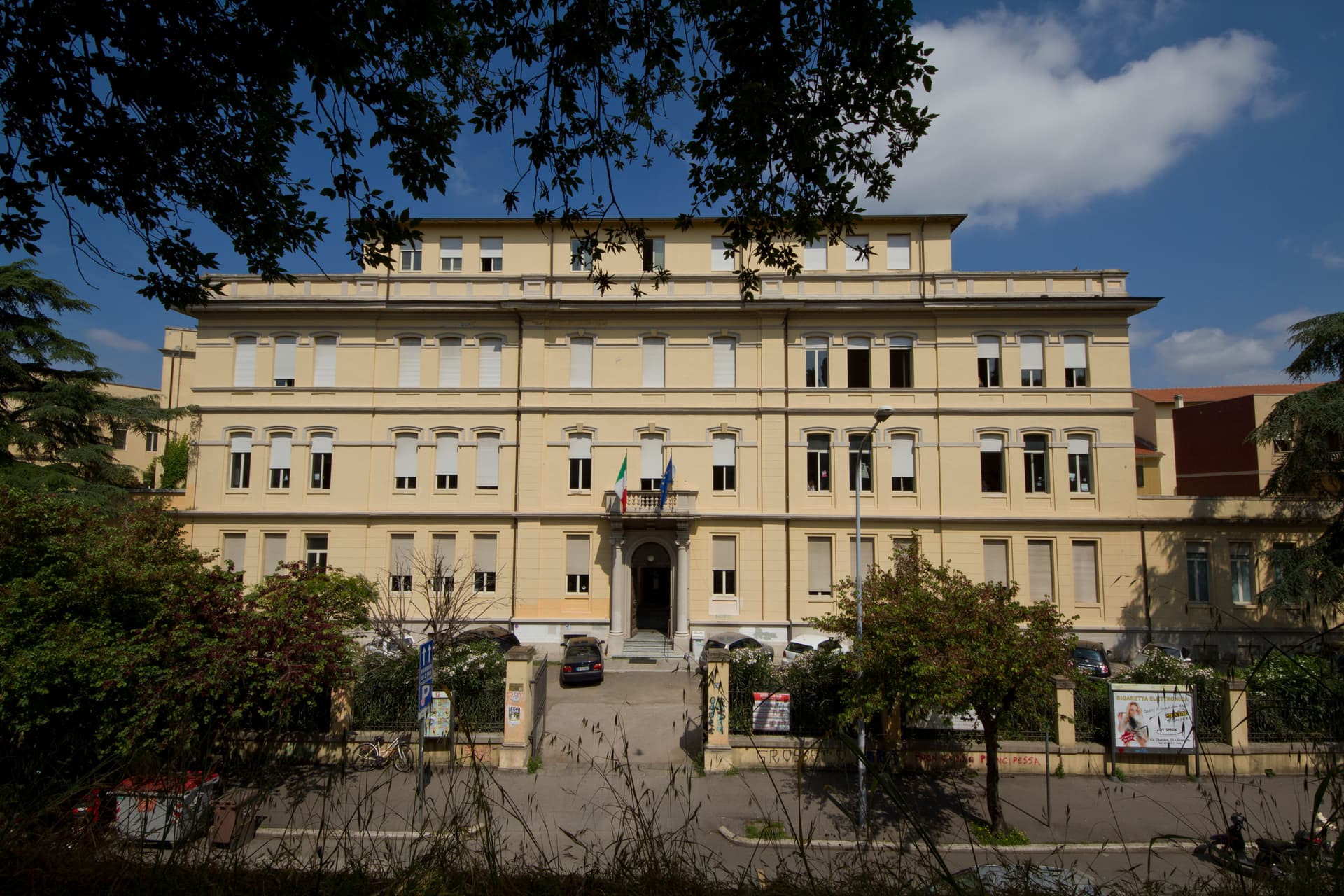
Grosseto
Province: Grosseto
The Maremma capital on the Ombrone river, ringed by hexagonal Medici walls of 1564 that now serve as the city's public park.
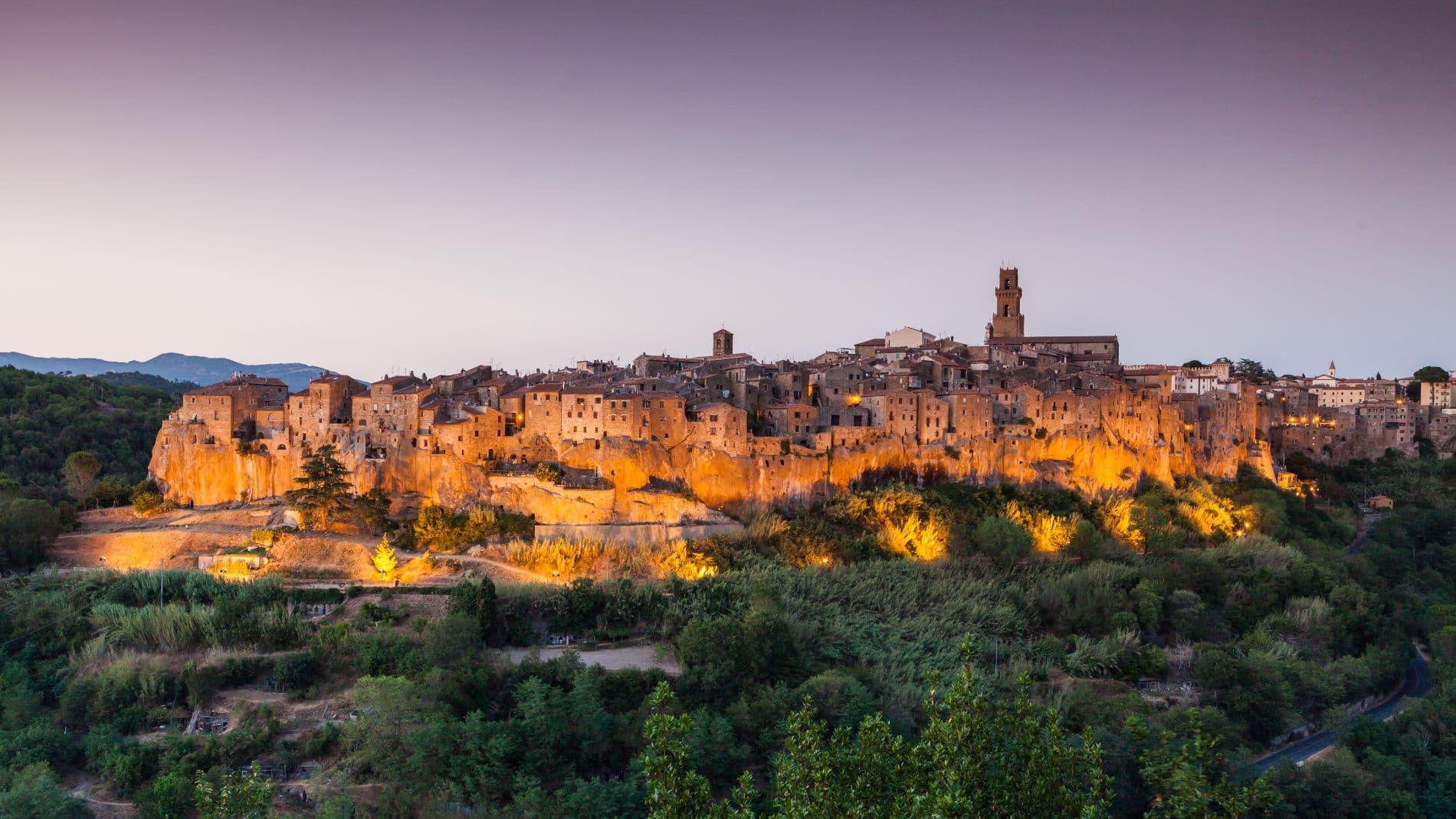
Pitigliano
Province: Grosseto
The Little Jerusalem of southern Tuscany, carved into a tuff spur in the Maremma, where the houses, the synagogue and the streets are all cut from the same volcanic rock.
🟦 Bandiera Blu
More Bandiera Blu towns in Tuscany
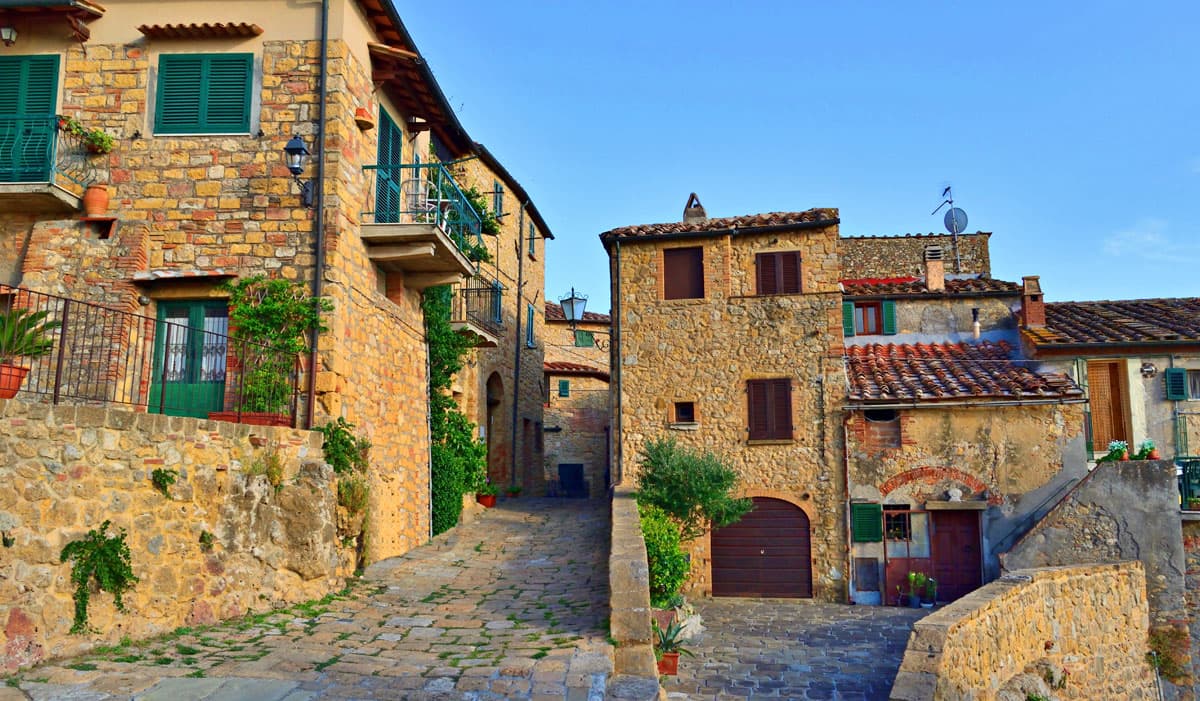
Bibbona
Province: Livorno
An Etruscan-origin hill village above the Costa degli Etruschi, with a Romanesque parish church and a Lorraine-built coastal fort eight kilometers down the road at Marina di Bibbona.
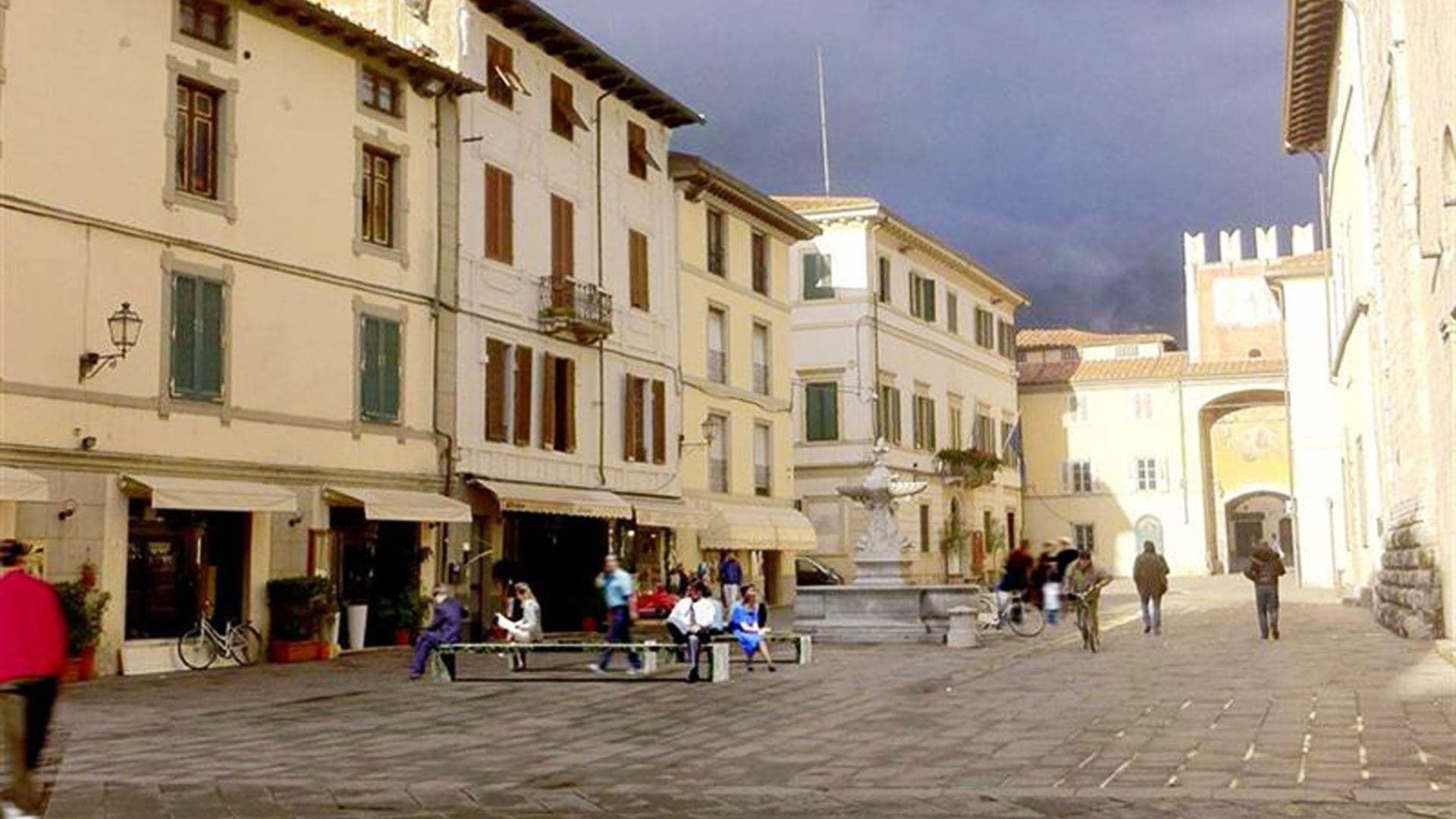
Camaiore
Province: Lucca
The Versilia commune that runs from the Apuan Alps to the sea, a Roman Campus Maior on the Via Francigena with a beach at its western end.
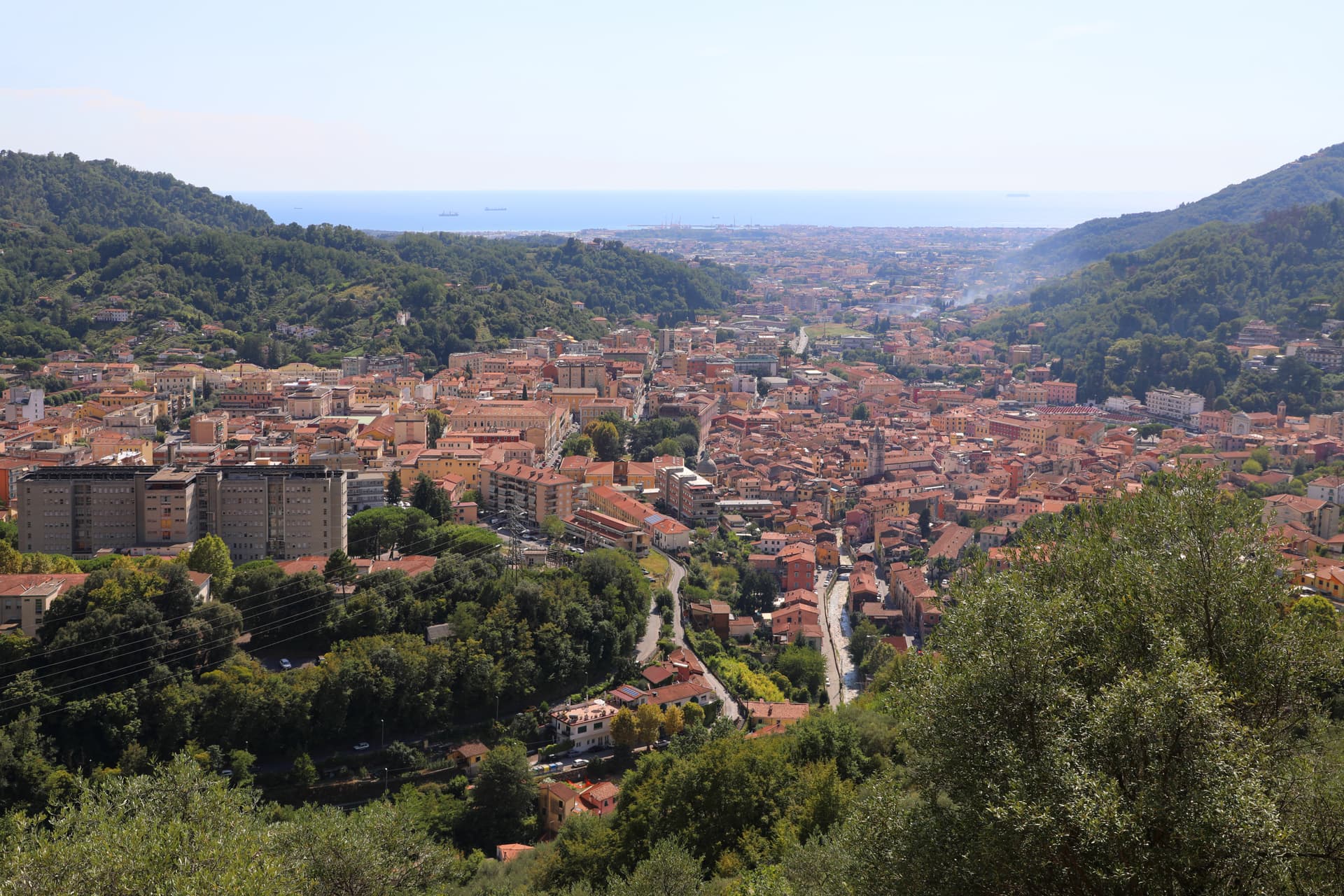
Carrara
Province: Massa-Carrara
The marble town at the foot of the Apuan Alps, with over 650 quarry sites in the valleys above and the stone that built the Pantheon, the Pietà and Michelangelo's David.

Castagneto Carducci
Province: Livorno
A hilltop borgo at 194 meters above the Costa degli Etruschi, renamed for the poet Carducci in 1907 and the home of Bolgheri and Sassicaia.
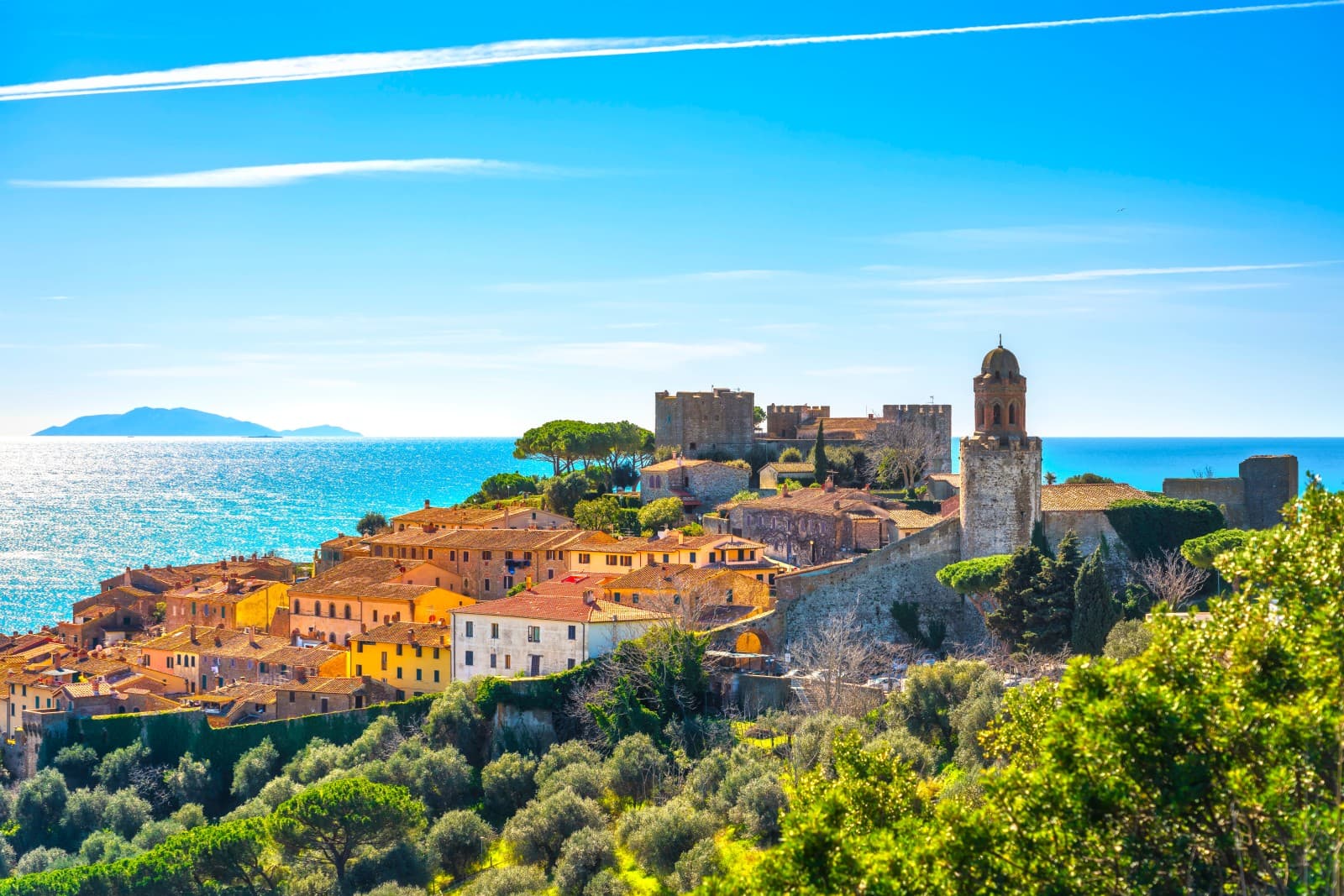
Castiglione della Pescaia
Province: Grosseto
A Maremma seaside town under an Aragonese castle, with the Vetulonia necropolis behind it, the Diaccia Botrona wetland beside it, and Italo Calvino buried on the hill.