

Tuscany · Livorno
Bibbona
An Etruscan-origin hill village above the Costa degli Etruschi, with a Romanesque parish church and a Lorraine-built coastal fort eight kilometers down the road at Marina di Bibbona.
Known for
PIEVE DI SANT'ILARIO
Twelfth-century Romanesque parish church, trapezoidal after a 15th-century enlargement, with surviving Templar associations from monk-knight occupants.
MARINA DI BIBBONA
Pine-fronted Bandiera Blu beach 8 km from the borgo, with the late 18th-century Lorraine fort still standing at the shoreline.
MACCHIA DELLA MAGONA
Forested reserve of chestnut, oak and Mediterranean scrub in the hills above the village, recognized by the Spighe Verdi rural award.
When to visit
Best · May–Sep
- J
- F
- M
- A
- M
- J
- J
- A
- S
- O
- N
- D
- Best
- Hot or crowded
- Quiet
- Mostly closed
The festa: Bartolomeo, 24 August
Why come
Bibbona sits in the Val di Cecina, in the southern province of Livorno, eight kilometers from the sea. The town has Etruscan origins, attested by a small bronze goat statuette now in the Florence archaeological museum that became the town symbol. After medieval struggles between Pisa and Florence, the territory passed to the Gherardesca counts who controlled most of the Etruscan Coast.
The Pieve di Sant'Ilario, the parish church on Piazza XX Settembre, is documented from the 12th century and presents an unusual trapezoidal plan after a fifteenth-century left nave was added; the right side and façade remain Romanesque. Monk-knights, probably French and probably Templar, operated from the pieve in the medieval period. The Forte di Marina di Bibbona, on the coast, was built by the Lorraine grand-dukes between 1788 and 1790 as part of the coastal defense system. The comune holds both the Bandiera Blu for Marina di Bibbona's beach and the Spighe Verdi rural sustainability award.
The Sunday letter
We haven’t written Bibbona’s letter yet.
One town every Sunday, with the photo, the food, the festa. Be there when this one comes up. Free, by Peter & Sophia from Pietrasanta.
By subscribing you agree to Substack’s Terms of Use, our Privacy Policy and our Information collection notice.
What to see
Pieve di Sant'Ilario
Romanesque parish church on Piazza XX Settembre, documented from the 12th century, with unusual trapezoidal plan from a 15th-century left-nave addition.
Borgo medievale
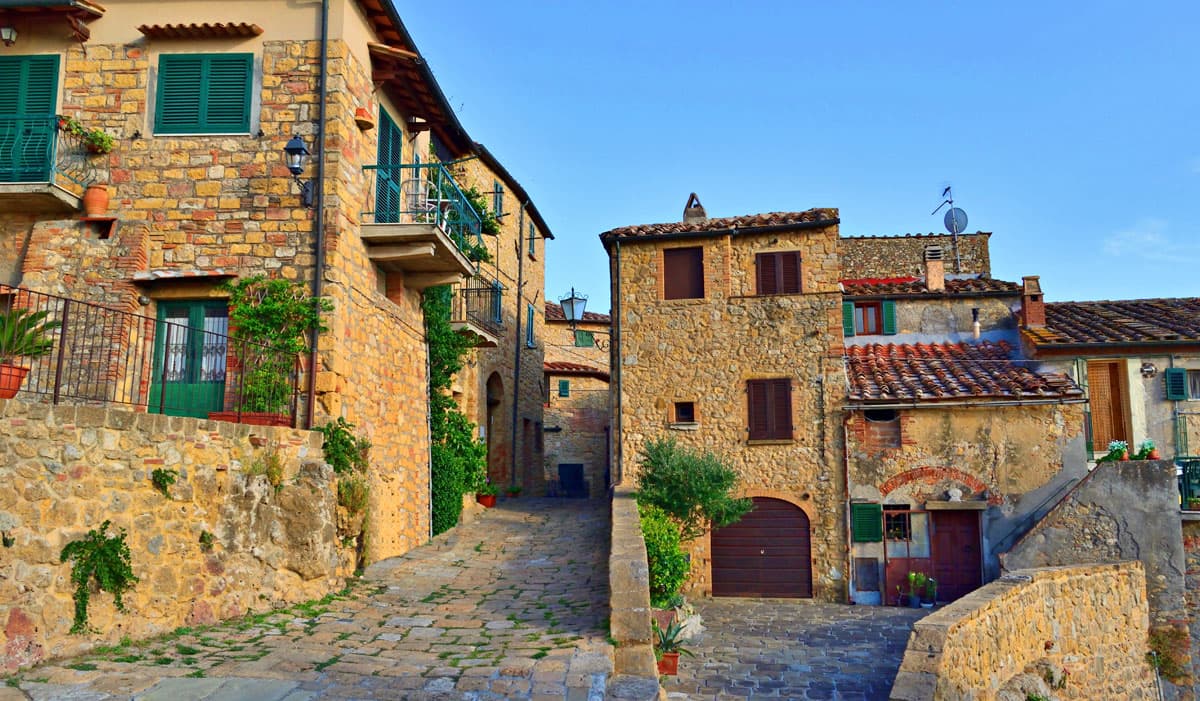
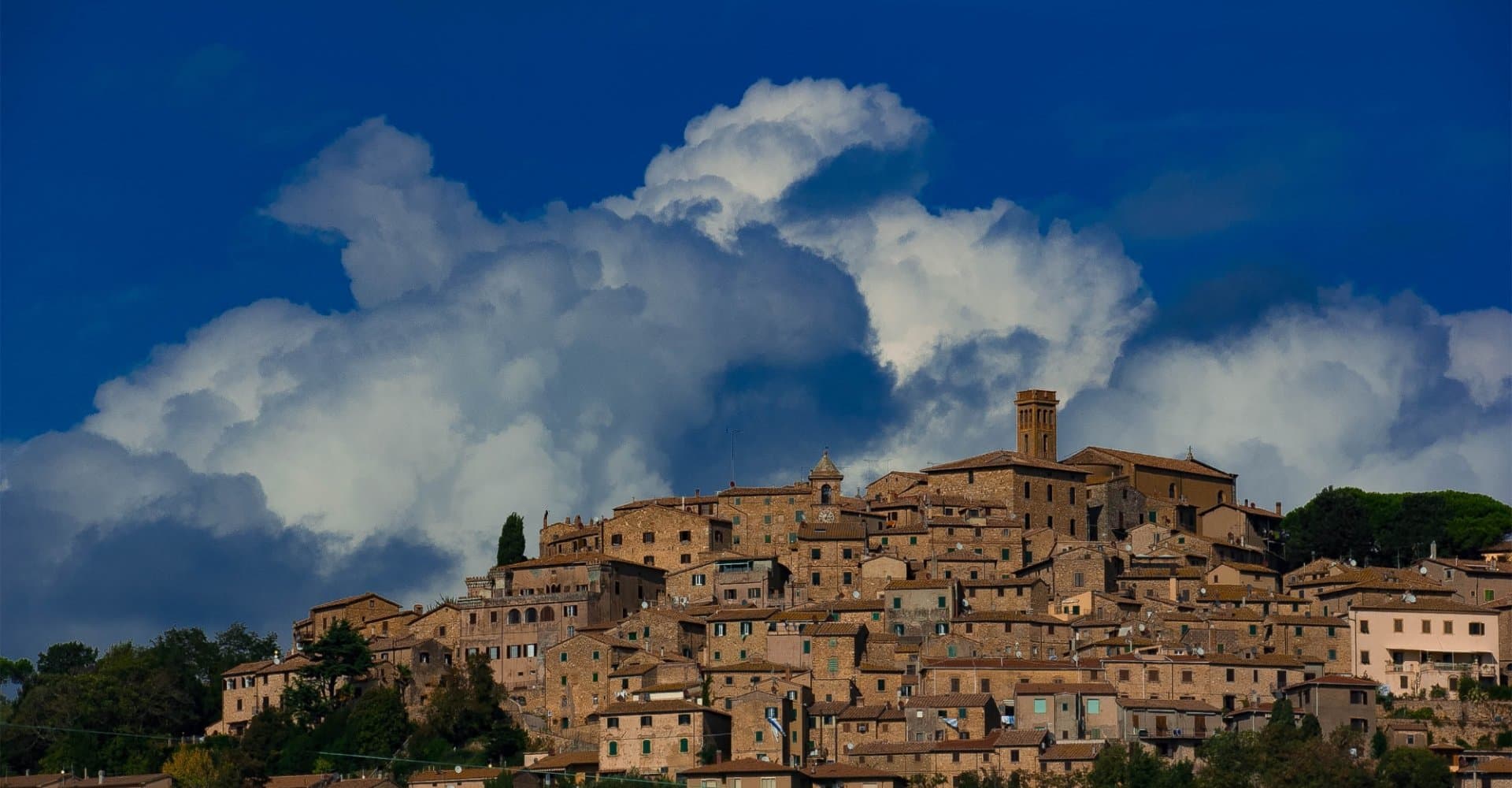
Concentric ring of stone streets and stairways around the old castle, with surviving medieval gates and the central piazza.
Forte di Marina di Bibbona
Coastal fort built 1788-1790 by the Grand Duchy of Tuscany under the Lorraine for customs, sanitary inspection and corsair defense.
Marina di Bibbona
Coastal frazione 8 km west of the borgo, with pine-fronted beach holding the Bandiera Blu, fronting the Costa degli Etruschi.
Macchia della Magona
Forested reserve in the hills east of the village, with chestnut, oak and Mediterranean scrub, source of the wood once shipped through the Forte.
The slow-trip planner
Building a trip? Find where Bibbona fits in a slow Italy circuit.
Answer five questions. We will shape a geographically coherent slow trip from the 1,000 Italian towns most travelers skip. Yours to save and share.
We recommend
Where to eat and stay
Not our picks, but places the guides put their name to — a Michelin star, a Gambero Rosso fork, a Slow Food snail, a Michelin Key for the hotels. Worth a table, a counter, or a night when you pass through.
La PinetaRistorante
La Pineta has one Michelin star and two Gambero Rosso forks (88/100).
Io CucinoTrattoria
Io Cucino holds two Gambero Rosso prawns.
Taverna La CarabacciaRistorante
One Gambero Rosso fork (77/100), at Taverna La Carabaccia.
Living here
- Population 3,170
- Off the beaten pathi
- Pharmacy in town
- High school within a 30-minute drive
- Train station in the comune
- Nearest airport Florence / Pisa, 1 h 4 min drive
- Regional capital Firenze, 1 h 49 min drive
Tags & datadesignations · numbers · sources
Recognised as
The numbers
- Elevation: 85 m
- Population: 3,170
- Surface area: 65.68 km²
These figures were compiled from public directories — ISTAT, OpenStreetMap, Wikidata — and from the official listings of the guides named on this page. Town details change; verify with official sources before you travel.
Close by
More towns near Bibbona
Casale Marittimo
Province: Pisa
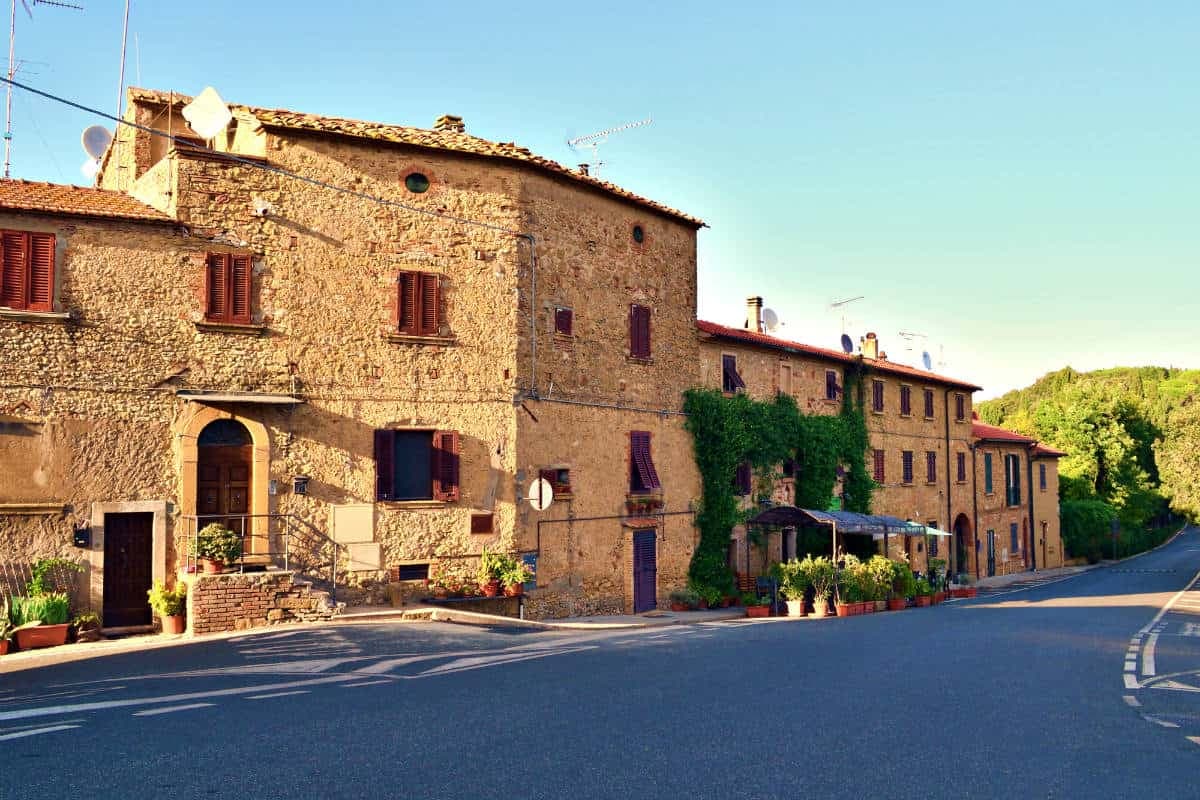
A concentric stone borgo at 214 meters above the Val di Cecina, built where a seventh-century BC Etruscan outpost of Volterra once stood.
Montescudaio
Province: Pisa
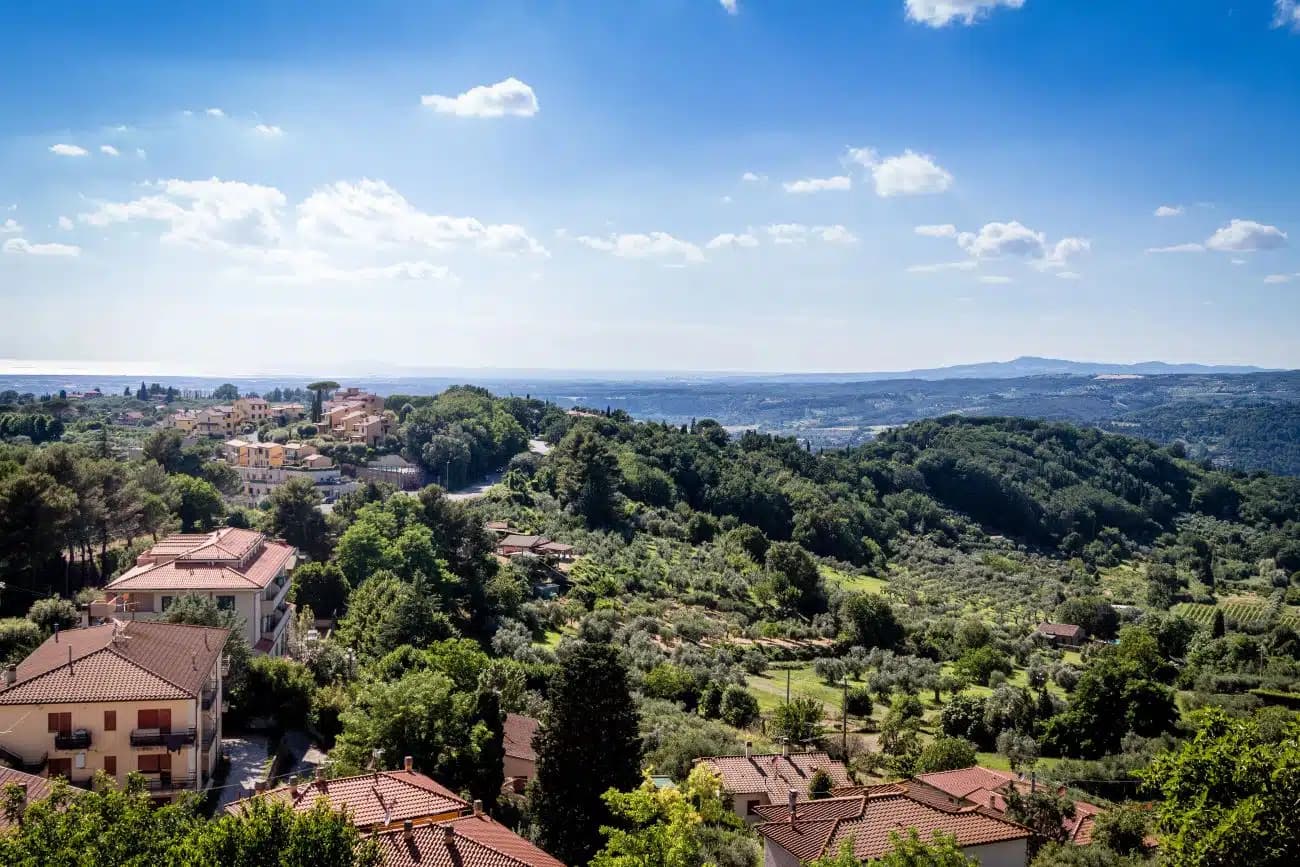
A fortified hill borgo at 242 meters above the Val di Cecina, named for a mountain of shields, with DOC wine since 1977 and bread, oil and grape all stamped in its identity.

Castagneto Carducci
Province: Livorno
A hilltop borgo at 194 meters above the Costa degli Etruschi, renamed for the poet Carducci in 1907 and the home of Bolgheri and Sassicaia.
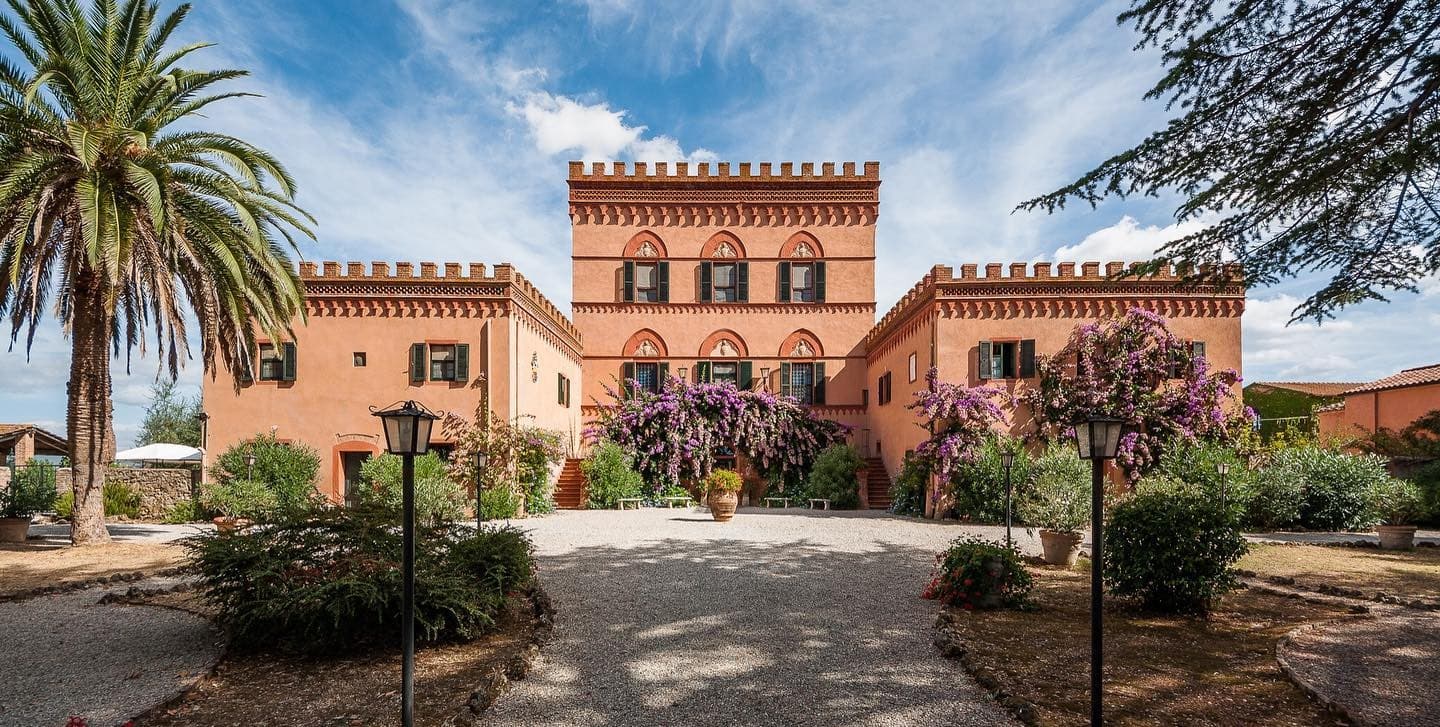
Campiglia Marittima
Province: Livorno
A walled hilltop borgo above the Val di Cornia, where the Rocca tower watches a mining landscape worked from the Etruscans to 1976.

Volterra
Province: Pisa
The Etruscan acropolis of Velathri at 531 meters, the alabaster town that has been carving the same stone for three thousand years.
🟦 Bandiera Blu
More Bandiera Blu towns in Tuscany
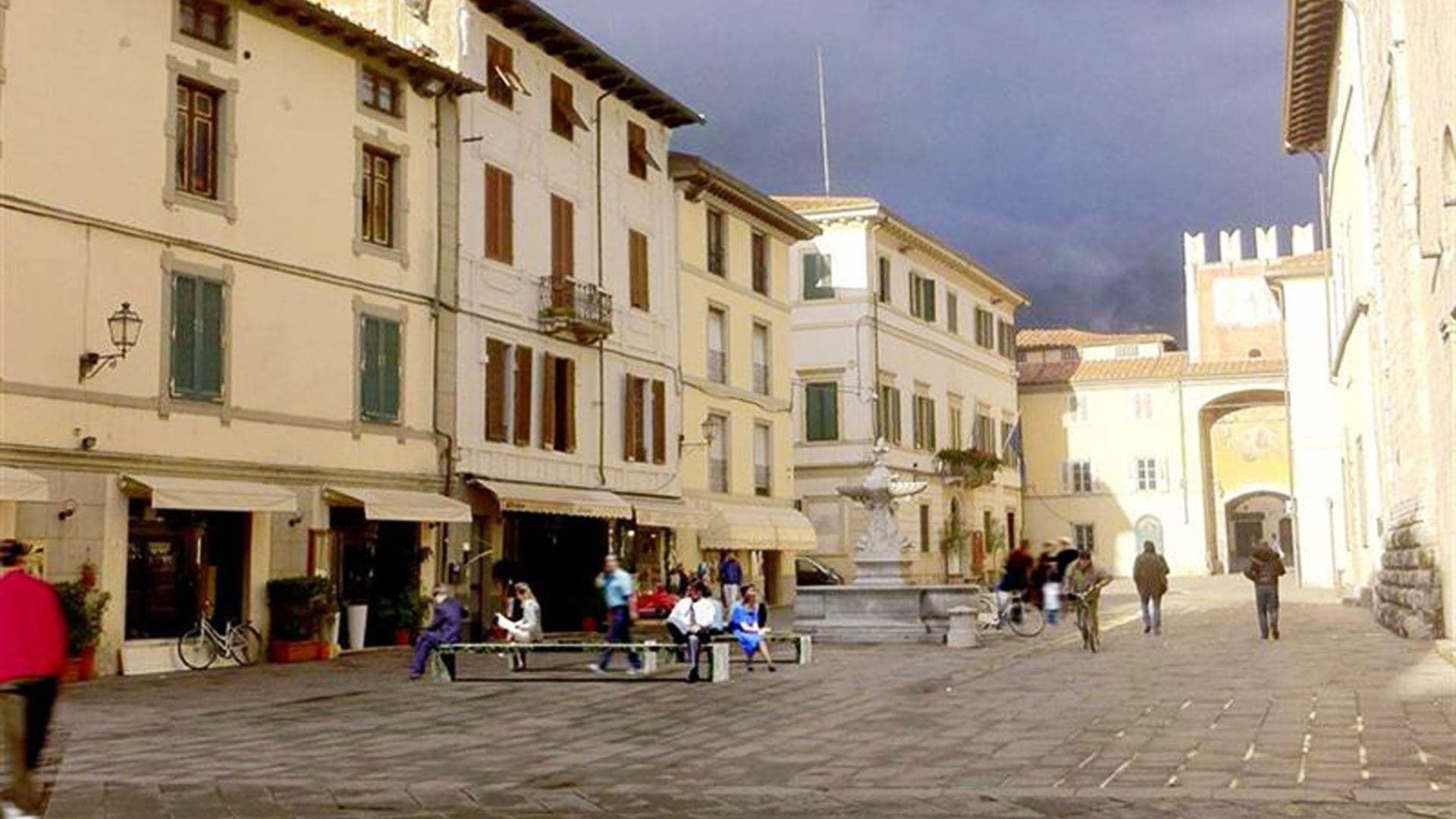
Camaiore
Province: Lucca
The Versilia commune that runs from the Apuan Alps to the sea, a Roman Campus Maior on the Via Francigena with a beach at its western end.
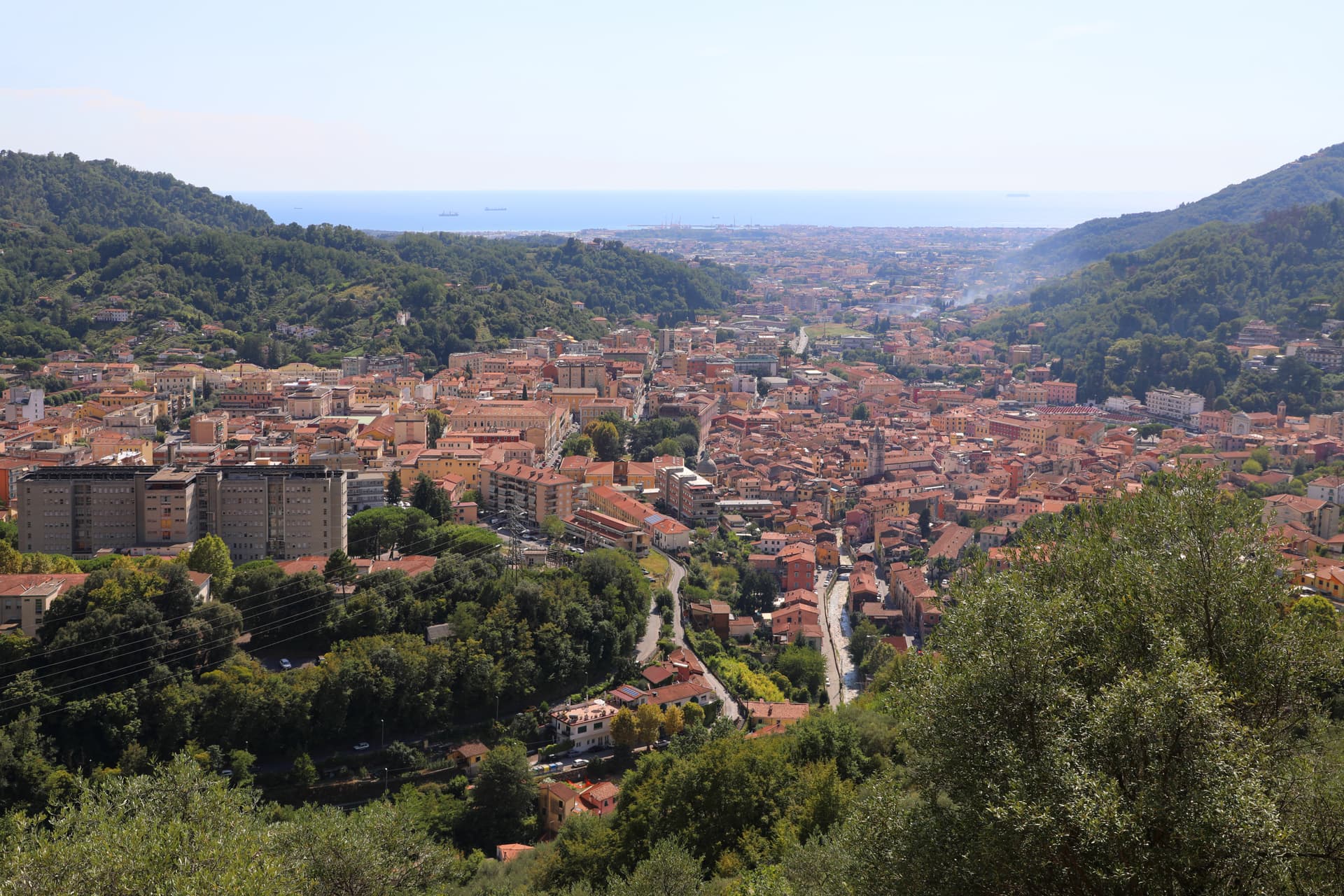
Carrara
Province: Massa-Carrara
The marble town at the foot of the Apuan Alps, with over 650 quarry sites in the valleys above and the stone that built the Pantheon, the Pietà and Michelangelo's David.
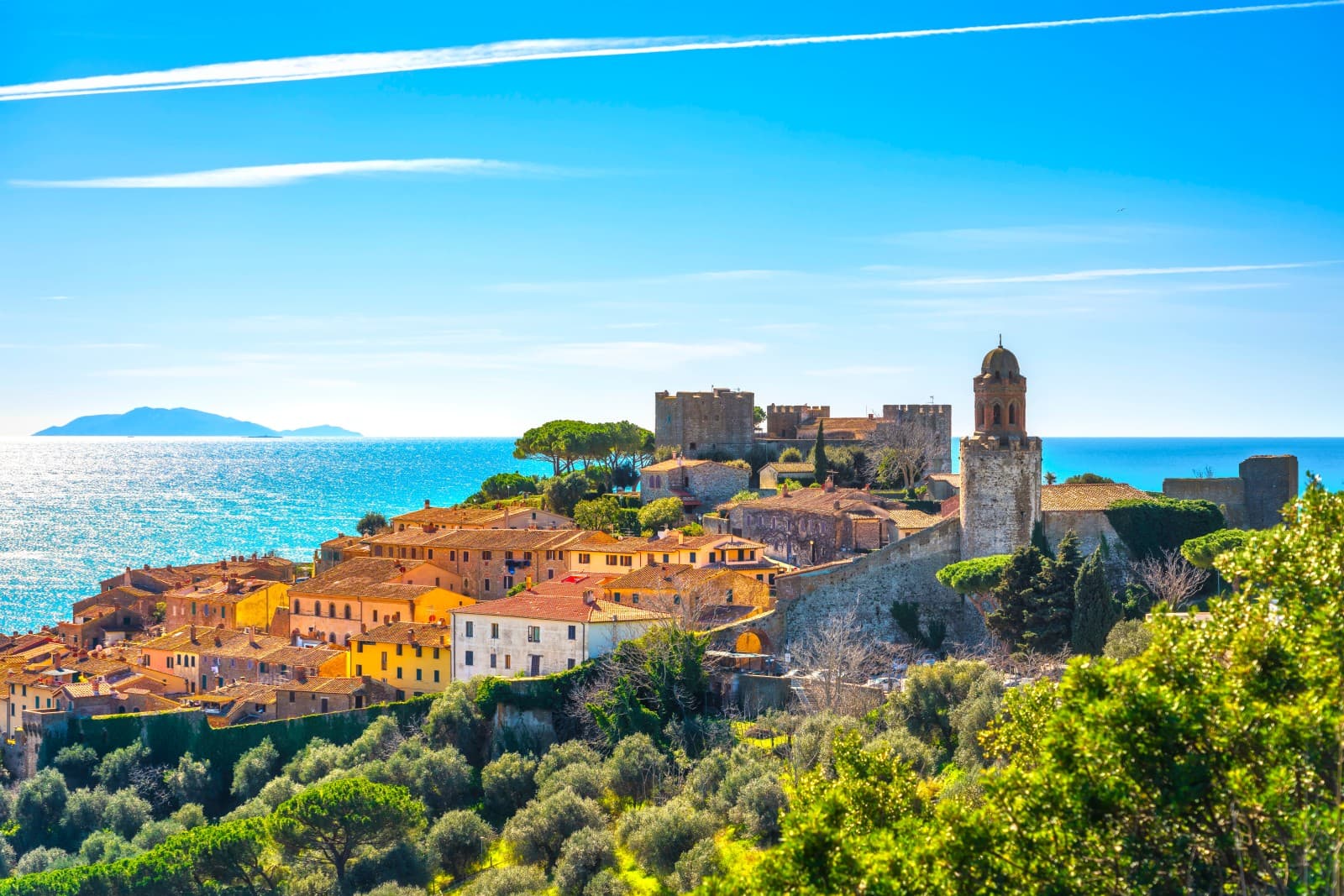
Castiglione della Pescaia
Province: Grosseto
A Maremma seaside town under an Aragonese castle, with the Vetulonia necropolis behind it, the Diaccia Botrona wetland beside it, and Italo Calvino buried on the hill.
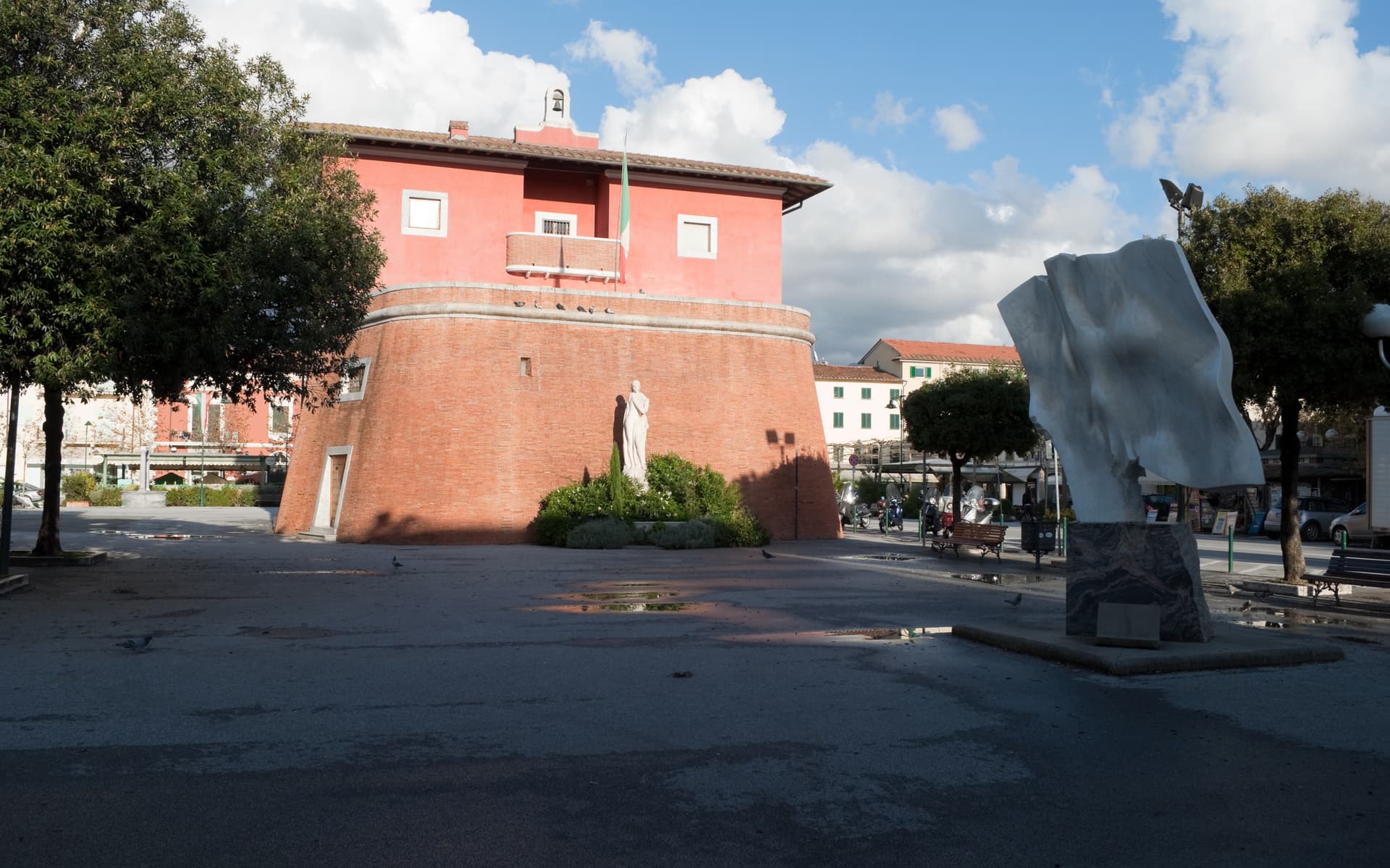
Forte dei Marmi
Province: Lucca
The Versilia luxury beach built around an eighteenth-century marble-loading fort, with 99 bagni concessions and a Wednesday market that draws Milan.
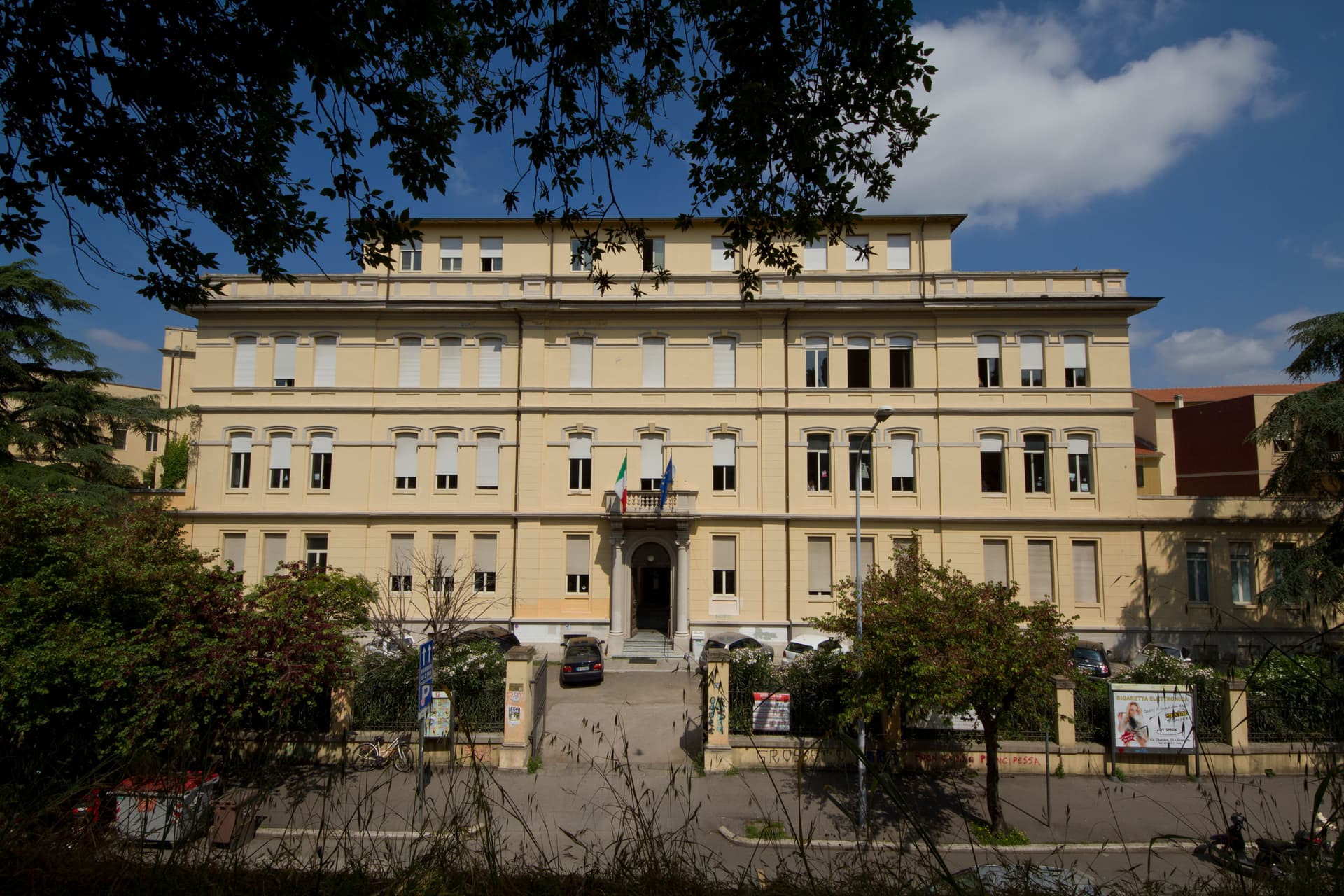
Grosseto
Province: Grosseto
The Maremma capital on the Ombrone river, ringed by hexagonal Medici walls of 1564 that now serve as the city's public park.