

Tuscany · Grosseto
Pitigliano
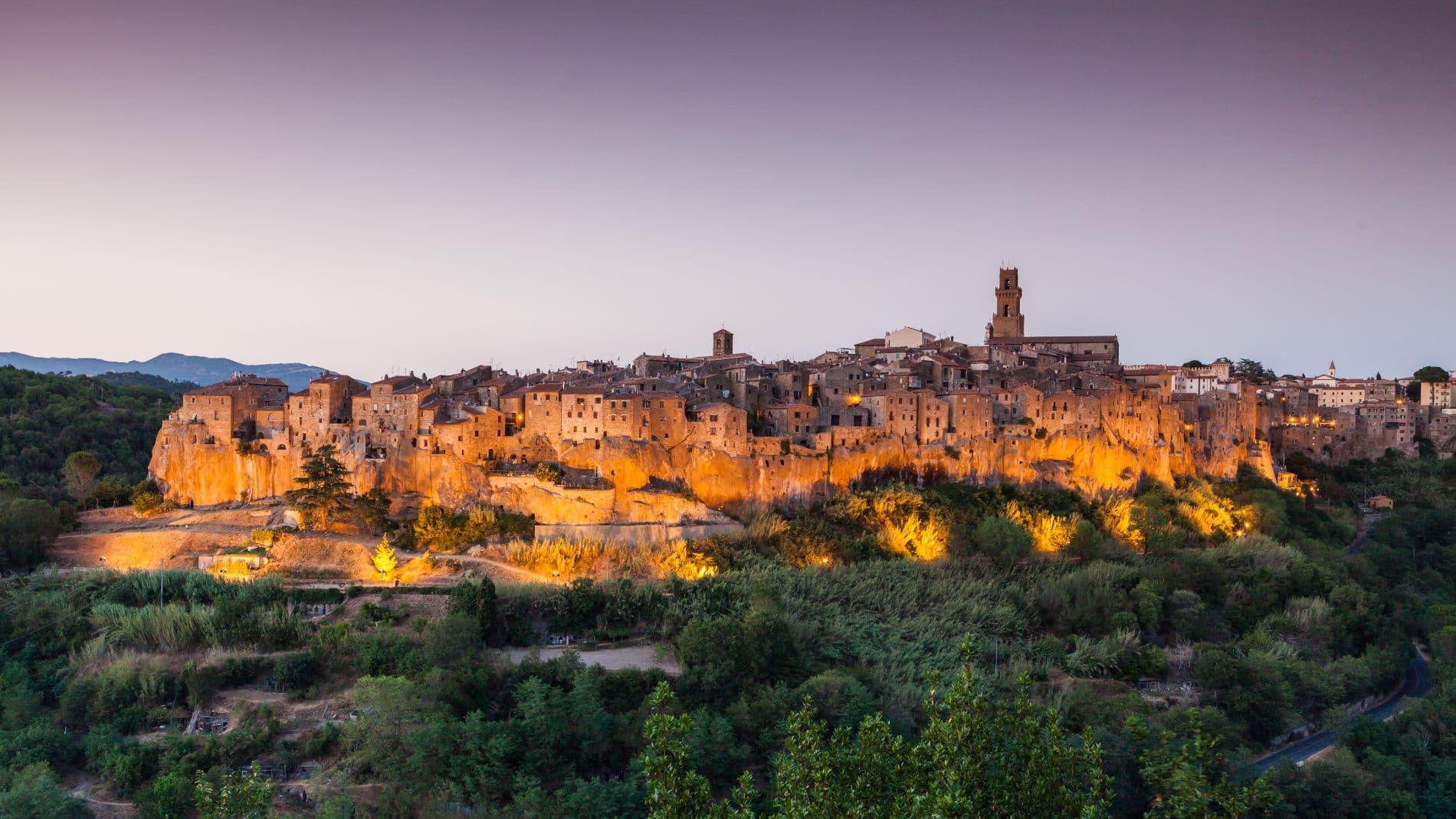
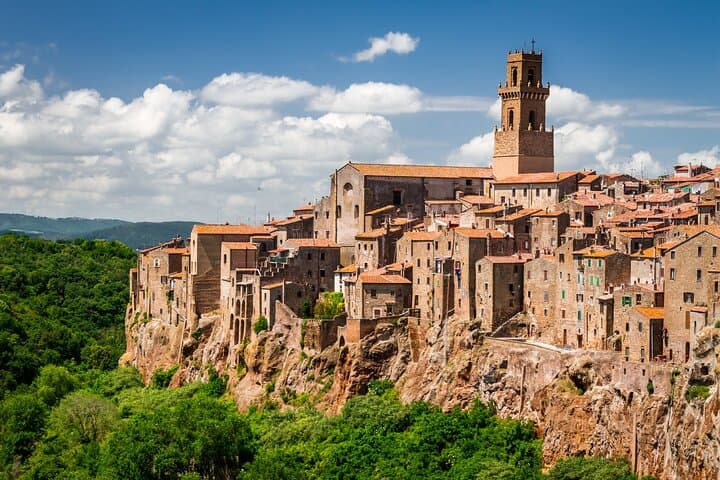
The Little Jerusalem of southern Tuscany, carved into a tuff spur in the Maremma, where the houses, the synagogue and the streets are all cut from the same volcanic rock.
Known for
LITTLE JERUSALEM
Jewish community present since the late sixteenth century, synagogue built 1598, ghetto imposed by the Medici in 1622, museum reopened after restoration.
TUFF CITY
Houses, cellars and Etruscan vie cave all carved from the same volcanic tuff spur, the town rising directly from the cliff face.
BIANCO DI PITIGLIANO
DOC white wine based on Trebbiano with Malvasia and Greco, grown on the volcanic slopes around the town since the 1960s.
When to visit
Best · Apr–Oct
- J
- F
- M
- A
- M
- J
- J
- A
- S
- O
- N
- D
- Best
- Hot or crowded
- Quiet
- Mostly closed
The festa: San Rocco, 16 August
Why come
Pitigliano sits on a tuff spur in the southern Maremma, eighty kilometers southeast of Grosseto and close to the Lazio border. The town is built into the rock it stands on: cellars, stables and synagogue all carved into the same volcanic tuff that the houses rise from above. The county passed to the Orsini family in 1293 and stayed Orsini for 150 years of wars with Siena.
In 1556 Niccolò IV Orsini gave land for a Jewish cemetery to his physician David de Pomis; the synagogue followed in 1598. When Pitigliano was absorbed into the Grand Duchy of Tuscany in 1608, the Medici imposed a ghetto in 1622 around the synagogue, on the cliff edge. The nickname Little Jerusalem comes from there.
The Etruscan tagliate, channels cut into the tuff at depths from one to over ten meters, were carved long before any of that, and remain in use as paths and roads. The DOC Bianco di Pitigliano, a Trebbiano blend, is grown on the surrounding slopes.
The Sunday letter
We haven’t written Pitigliano’s letter yet.
One town every Sunday, with the photo, the food, the festa. Be there when this one comes up. Free, by Peter & Sophia from Pietrasanta.
By subscribing you agree to Substack’s Terms of Use, our Privacy Policy and our Information collection notice.
What to see
Palazzo Orsini
Twelfth-century fortress remodeled by Antonio da Sangallo the Younger in the sixteenth century, now housing the Museo Civico Archeologico and the Diocesan Museum.
Sinagoga di Pitigliano
Synagogue built in 1598, restored after partial collapse, the heart of the Jewish quarter that gave the town its Little Jerusalem nickname.
Quartiere Ebraico
The ghetto established in 1622 around the synagogue, with the kosher bakery, mikveh, oven and wine cellar carved into the tuff.
Vie Cave
Etruscan tagliate cut into the tuff to depths from one to over ten meters, narrow channels running between villages, still walkable today.
Acquedotto Mediceo
Sixteenth-century aqueduct with two grand arches crossing the gap into the town, commissioned by the Orsini and completed under Medici rule.
Belvedere
Viewpoint at the approach to the town where the tuff cliff and stacked houses form the photograph everyone takes of Pitigliano.
The slow-trip planner
Building a trip? Find where Pitigliano fits in a slow Italy circuit.
Answer five questions. We will shape a geographically coherent slow trip from the 1,000 Italian towns most travelers skip. Yours to save and share.
We recommend
Where to eat and stay
Not our picks, but places the guides put their name to — a Michelin star, a Gambero Rosso fork, a Slow Food snail, a Michelin Key for the hotels. Worth a table, a counter, or a night when you pass through.
Il Tufo AllegroRistorante
Il Tufo Allegro has one Gambero Rosso fork (77/100) and a spot in the Michelin Guide.
AngiolinaRistorante
Angiolina holds one Gambero Rosso fork (79/100).
Il CaveauRistorante
Il Caveau has a Gambero Rosso listing to its name.
La RoccaRistorante
La Rocca carries one Gambero Rosso fork (79/100).
Living here
- Population 3,586
- Off the beaten pathi
- Pharmacy in town
- High school within a 30-minute drive
- Nearest airport Rome, 2 h 25 min drive
- Regional capital Firenze, 2 h 39 min drive
Tags & datadesignations · numbers · sources
The numbers
- Elevation: 313 m
- Population: 3,586
- Surface area: 101.97 km²
These figures were compiled from public directories — ISTAT, OpenStreetMap, Wikidata — and from the official listings of the guides named on this page. Town details change; verify with official sources before you travel.
Featured on
Pitigliano appears on this themed pick from our Collections:
Close by
More towns near Pitigliano
Manciano
Province: Grosseto
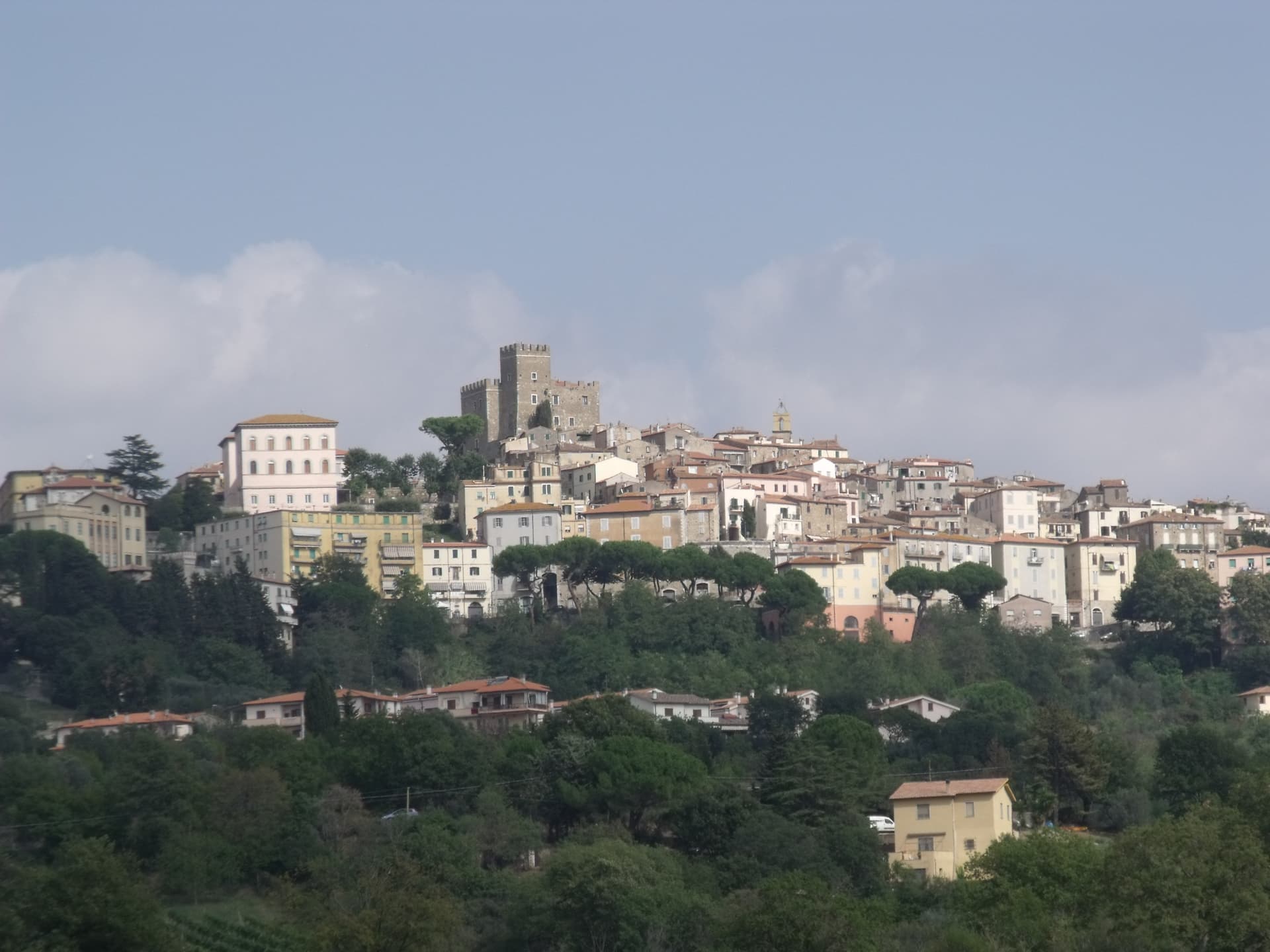
A market town at 444 meters in the southern Maremma, with a Sienese fortress of 1424 and the thermal frazione of Saturnia in its territory.
Capodimonte
Province: Viterbo
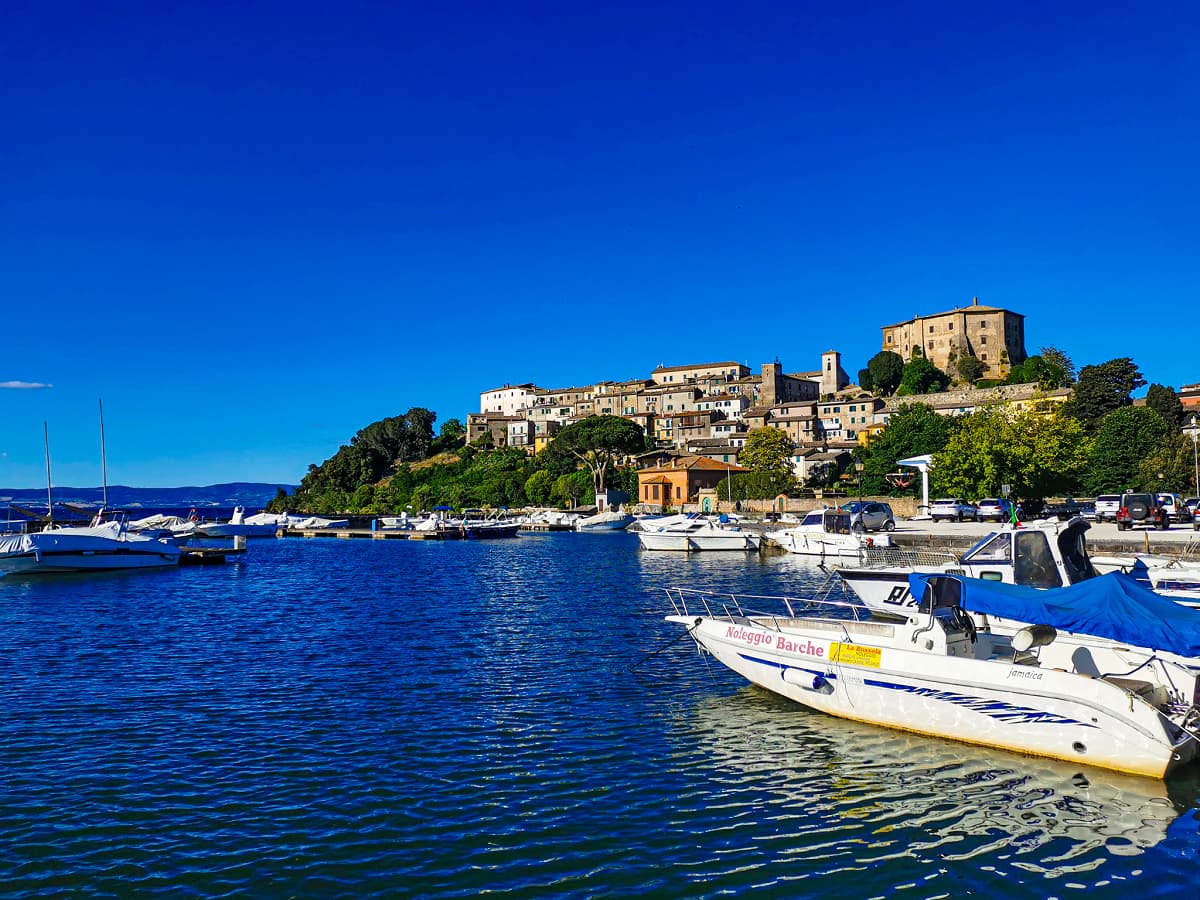
The lakefront Farnese stronghold on Lago di Bolsena — a small Tuscia borgo on a peninsula jutting into Europe's largest volcanic crater lake, with Antonio da Sangallo's octagonal Rocca Farnese, an extra-virgin olive oil tradition (Città dell'Olio), and views across the water to the inhabited Isola Bisentina.
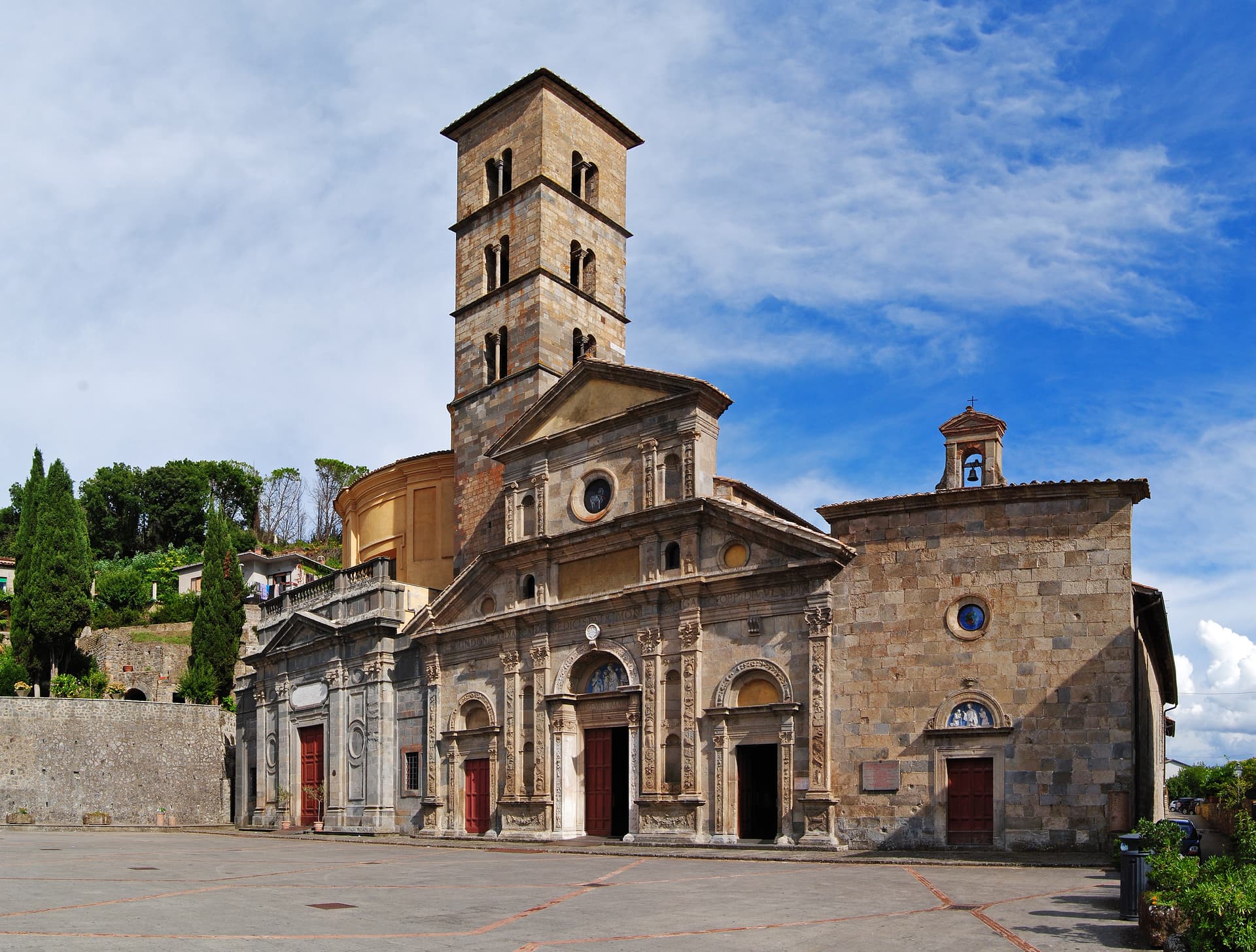
Bolsena
Province: Viterbo
A medieval town at 350 meters on the eastern shore of Europe's largest volcanic lake, where a Bohemian priest reported a Eucharistic miracle in 1263.
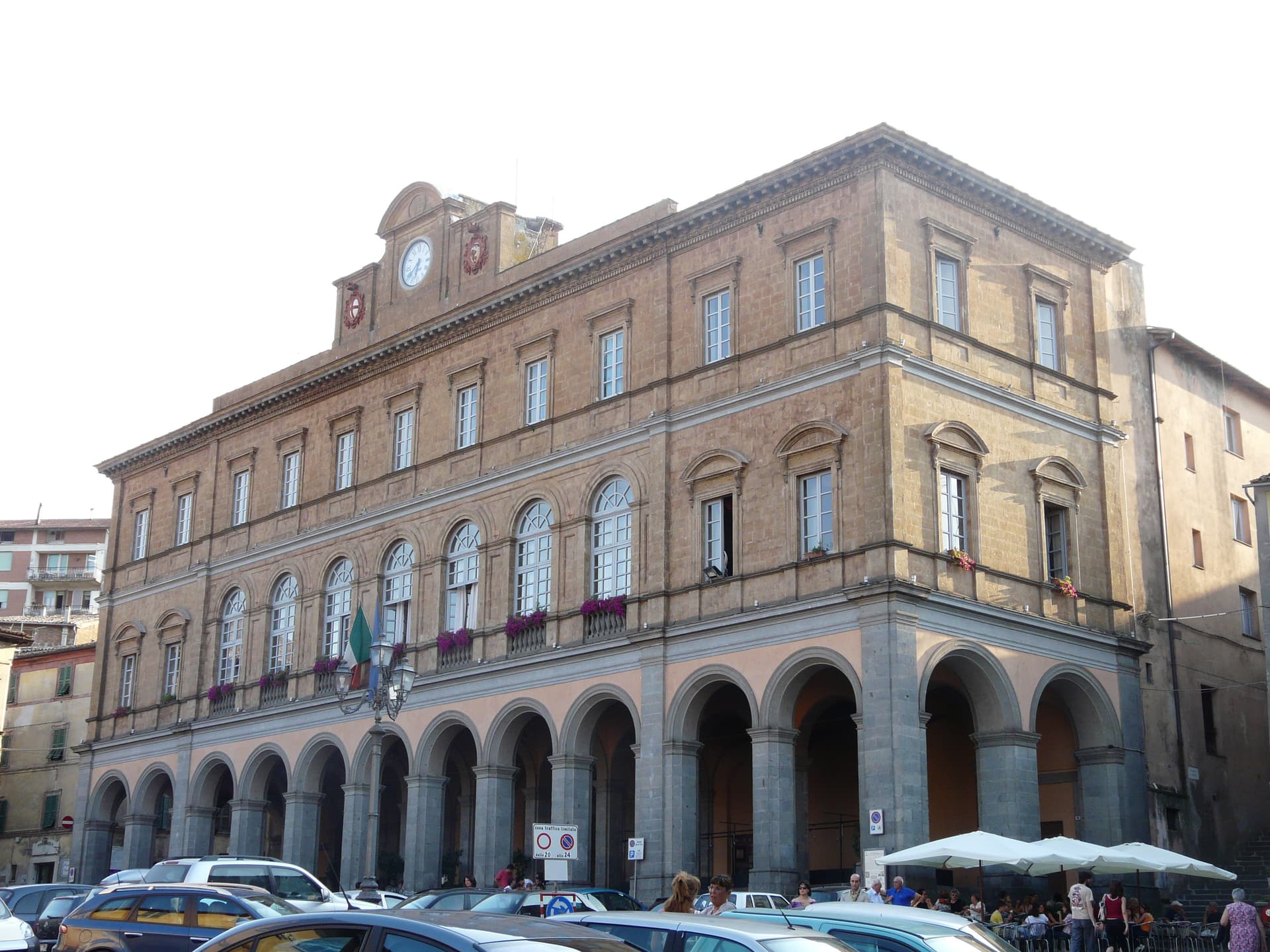
Acquapendente
Province: Viterbo
The northernmost town in Lazio on the Via Francigena, at 420 meters above the Paglia, named in 964 for its waterfalls.
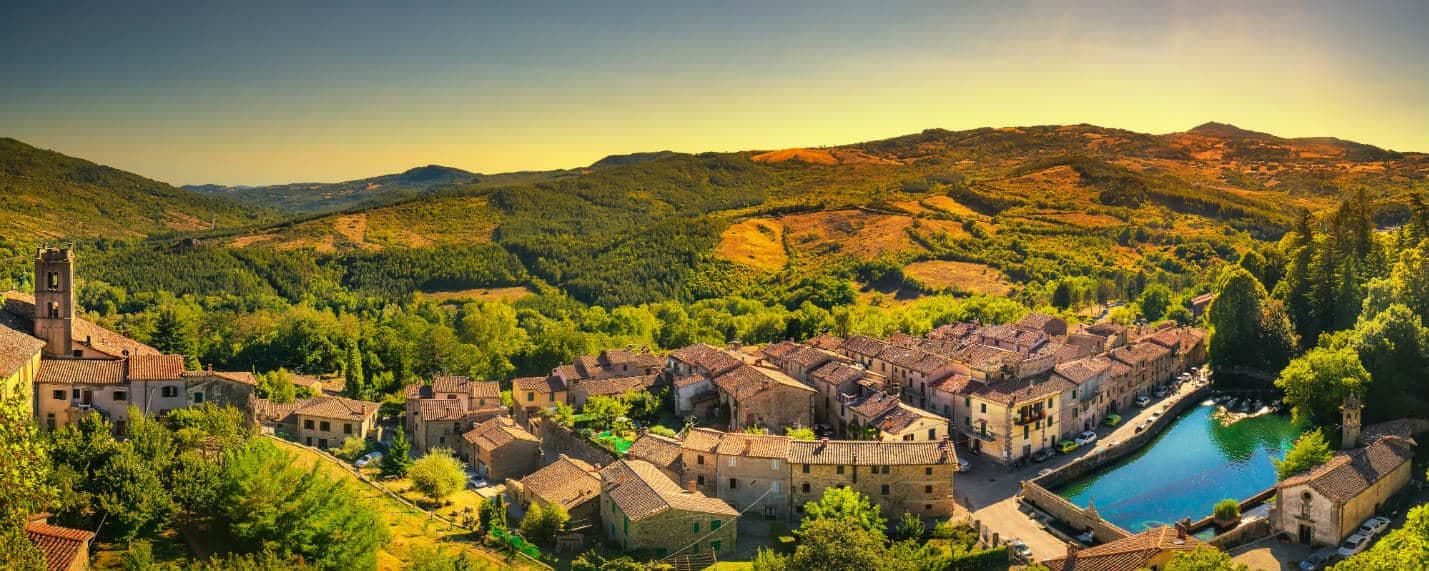
Santa Fiora
Province: Grosseto
An Aldobrandeschi and Sforza mountain borgo on Monte Amiata at 687 meters, holding one of the world's largest collections of Della Robbia terracotta.
🎨 Borghi più belli d'Italia
More Borghi più belli d'Italia towns in Tuscany
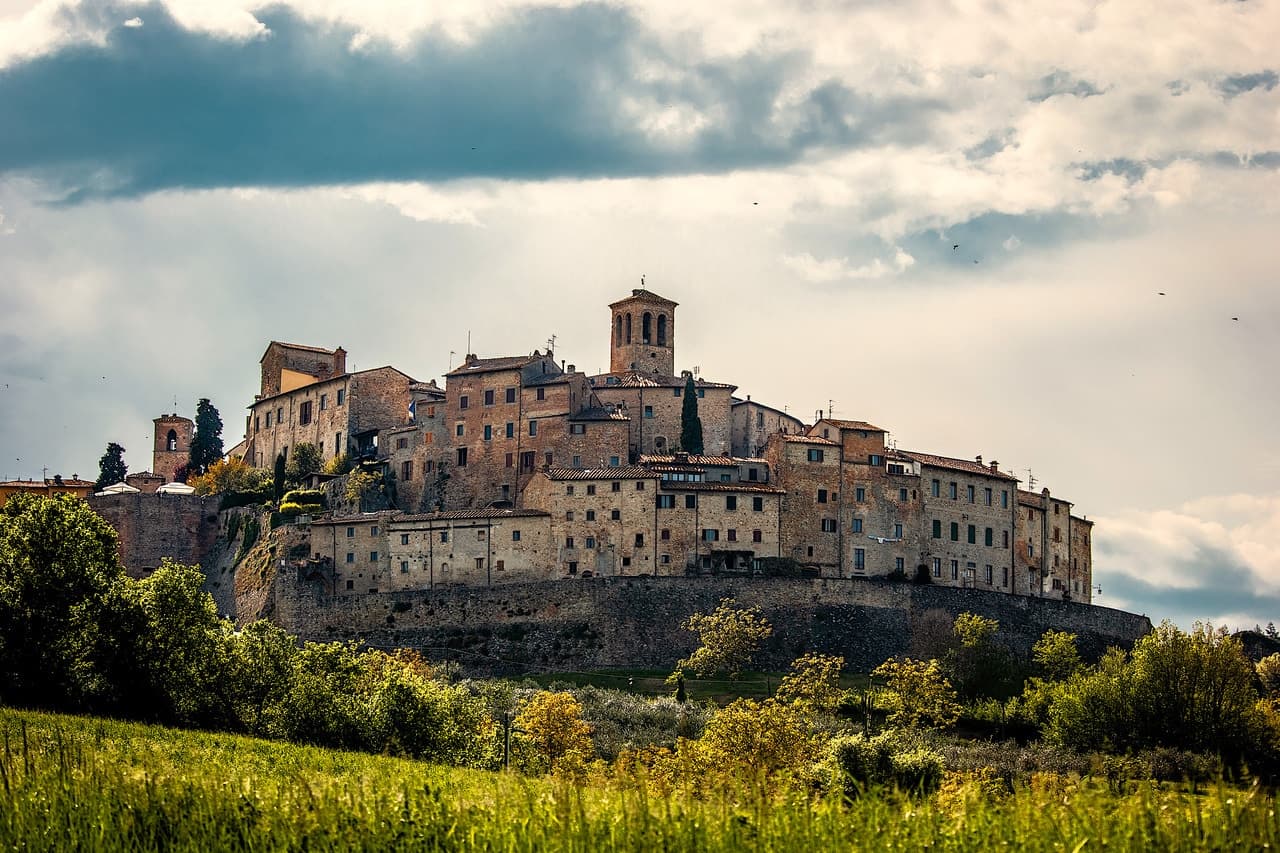
Anghiari
Province: Arezzo
A walled medieval town at 430 meters over the upper Tiber valley, where Florence beat Milan in 1440 and Leonardo started the fresco he never finished.
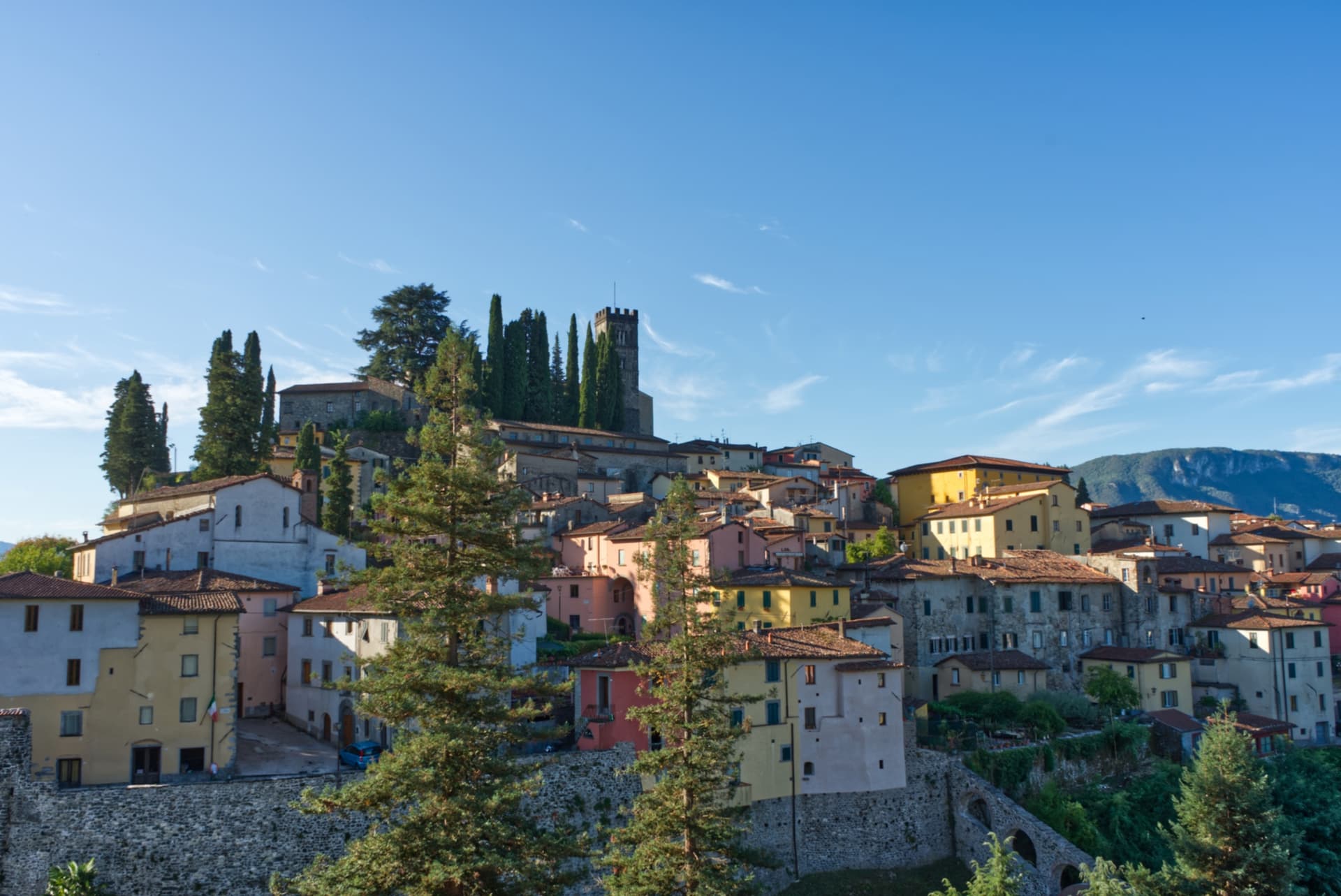
Barga
Province: Lucca
A medieval hilltop town at 410 meters in the Serchio valley between the Apuan Alps and the Apennines, where Giovanni Pascoli wrote his last poems and the August festival serves fish and chips.
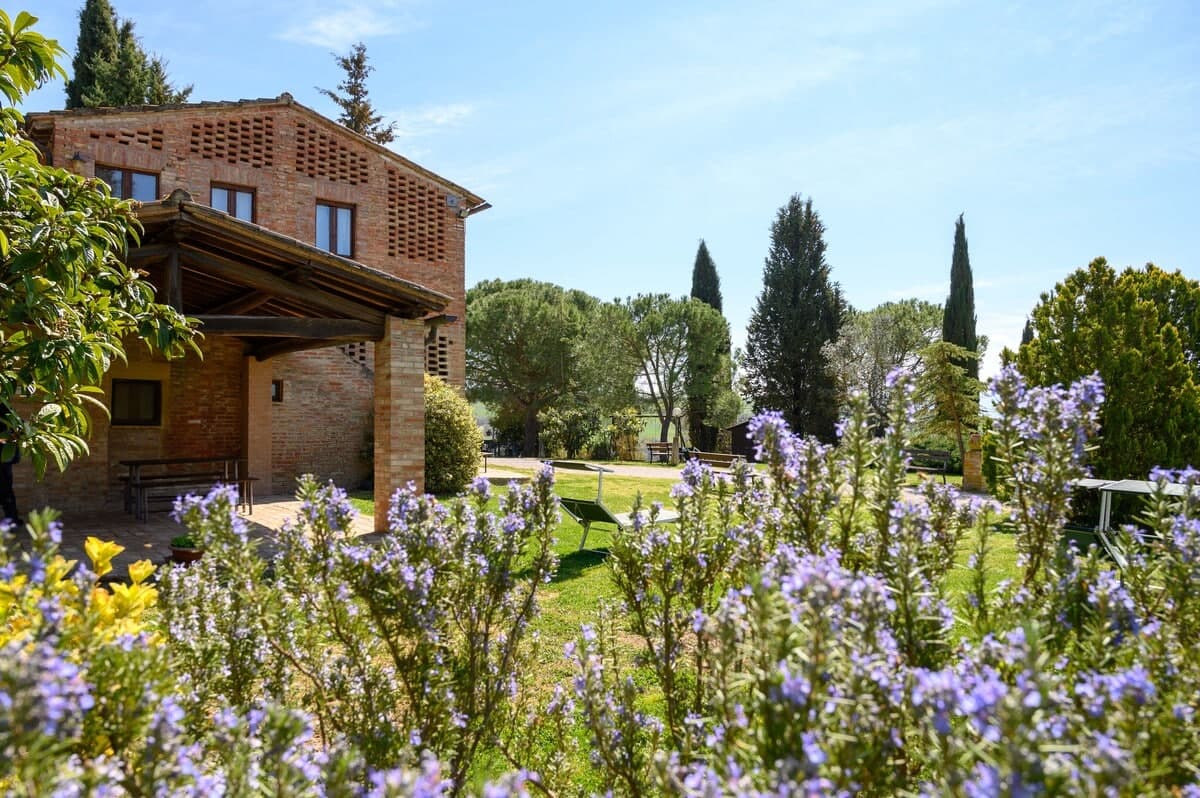
Buonconvento
Province: Siena
The walled brick borgo in the Crete Senesi where Emperor Henry VII died in 1313, on the Via Cassia at the confluence of the Arbia and Ombrone.
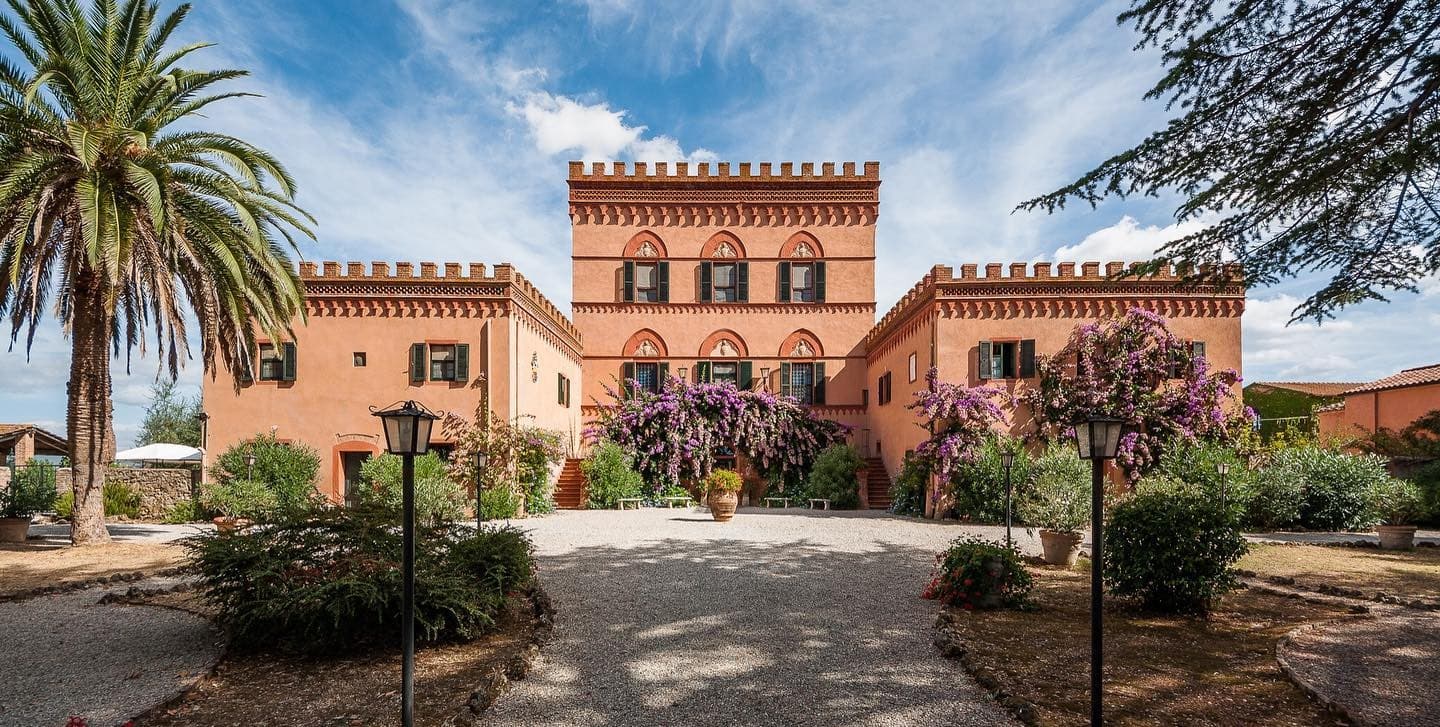
Campiglia Marittima
Province: Livorno
A walled hilltop borgo above the Val di Cornia, where the Rocca tower watches a mining landscape worked from the Etruscans to 1976.
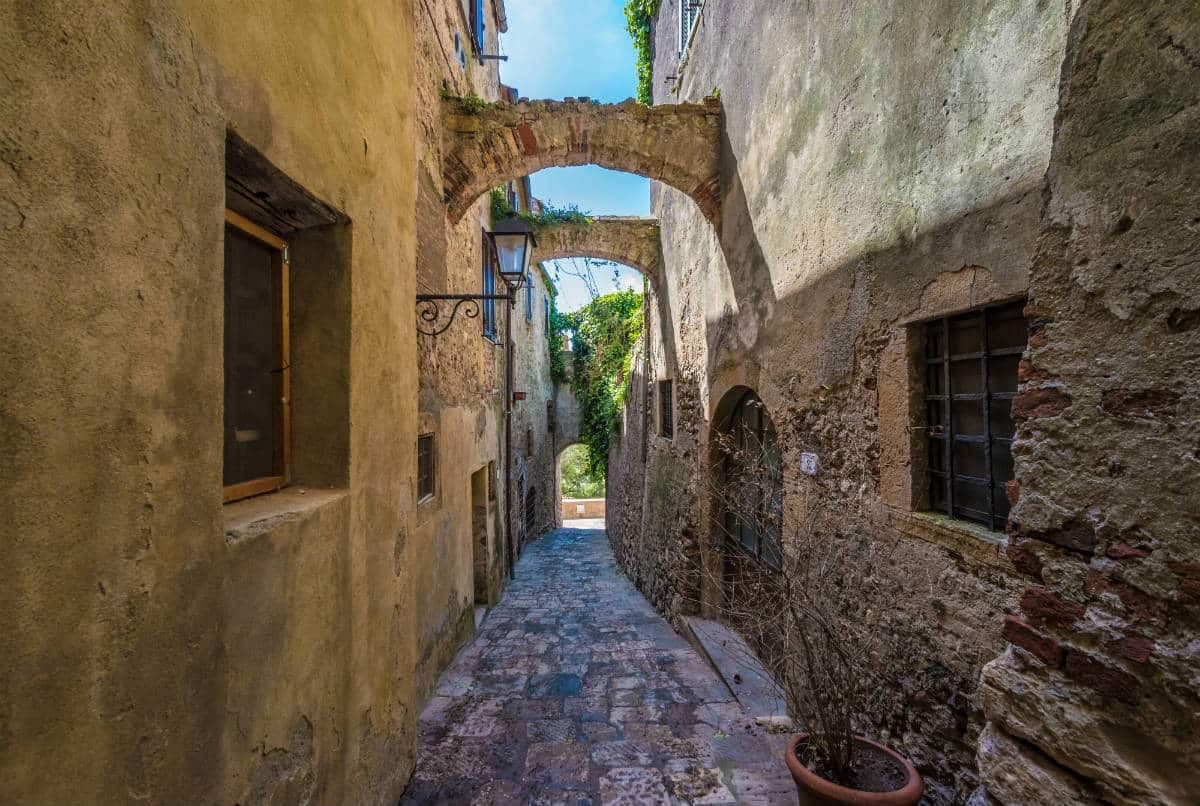
Capalbio
Province: Grosseto
A walled hilltop borgo at 217 meters in the southern Maremma, donated to the Abbey of Tre Fontane by Charlemagne and home of Niki de Saint Phalle's Tarot Garden.