

Lazio · Viterbo
Capodimonte
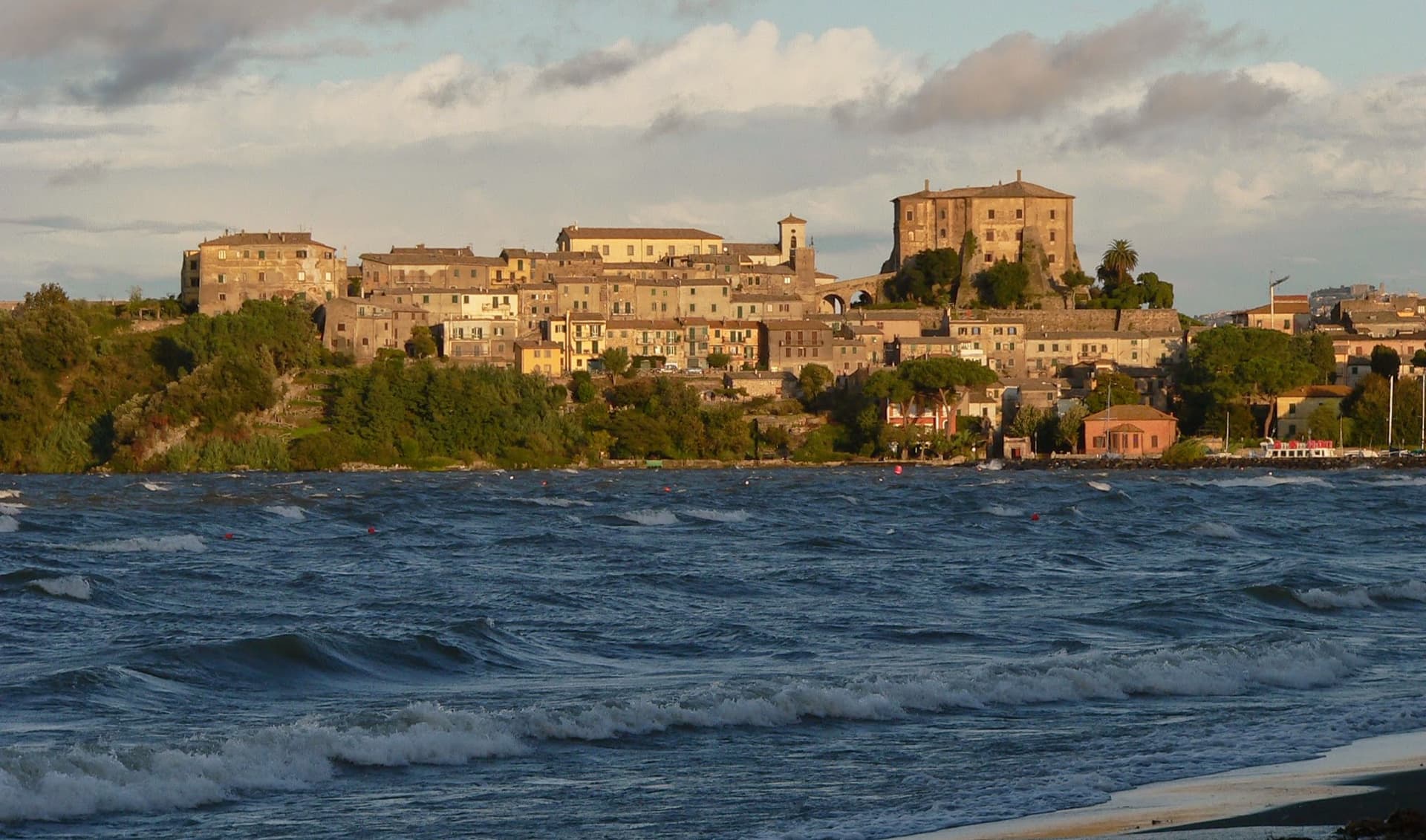
The lakefront Farnese stronghold on Lago di Bolsena — a small Tuscia borgo on a peninsula jutting into Europe's largest volcanic crater lake, with Antonio da Sangallo's octagonal Rocca Farnese, an extra-virgin olive oil tradition (Città dell'Olio), and views across the water to the inhabited Isola Bisentina.
Known for
LAGO DI BOLSENA
Europe's largest volcanic crater lake (370,000 years old, 151m deep). Capodimonte sits on a peninsula jutting into it.
FARNESE STRONGHOLD
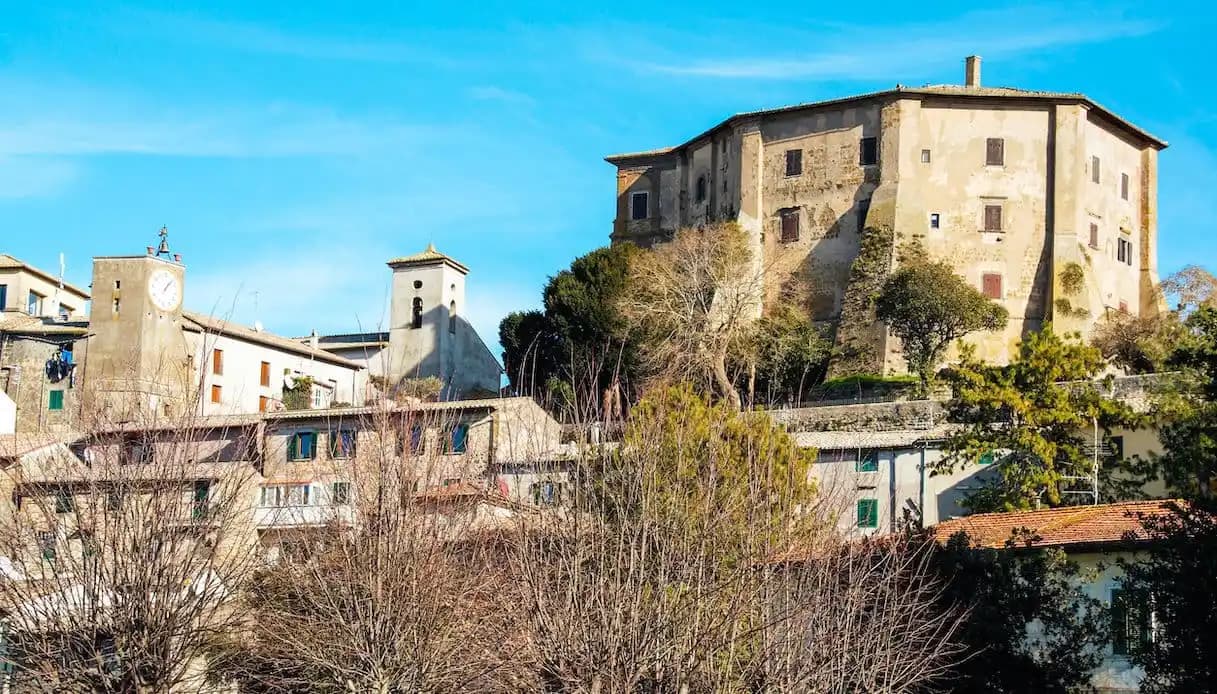
Antonio da Sangallo the Younger built the octagonal Rocca in 1513 for the Farnese family — they ran the lake's northern shore from here.
ISLA BISENTINA OFFSHORE
The lake's only historically-inhabited island, 2 km away. Seven Renaissance chapels and Farnese tombs. Guided visits Saturdays in summer.
CITTÀ DELL'OLIO
Tuscia DOP Sabina-style oil from the surrounding hills. Several small frantoi within 10 km.
When to visit
Best · Apr–Jun, Sep–Oct
- J
- F
- M
- A
- M
- J
- J
- A
- S
- O
- N
- D
- Best
- Hot or crowded
- Quiet
- Mostly closed
The festa: San Sebastiano, 20 January
Why come
Capodimonte is a 1,700-resident lakeside borgo on the southwestern shore of Lago di Bolsena — Europe's largest volcanic crater lake, formed 370,000 years ago when the Vulsini volcanic complex collapsed inward. The town sits on a low peninsula that juts into the lake, and the centro is anchored by Palazzo Farnese, an octagonal Renaissance fortress designed in 1513 by Antonio da Sangallo the Younger for Pope Paul III's Farnese family — they ran the entire northern shore of Bolsena from here. The fortress and its formal Italian gardens are partially open.
From the peninsula's tip you look across 2 km of water at Isola Bisentina, the larger of Bolsena's two islands and the only inhabited one historically — still privately owned but now open for guided visits (Saturdays in summer), with seven Renaissance chapels, a Franciscan convent, and the Farnese family tombs. The smaller Isola Martana is uninhabited. Capodimonte is a Città dell'Olio: the surrounding Tuscia hills produce a high-quality DOP Sabina-style olive oil, pressed in small frantoi within 10 km.
The lake itself: clean, deep (151 m), warm enough for swimming May–October, with bream and lake whitefish (coregone) on every local menu. Beach: short pebble strands either side of the peninsula. The Via Francigena pilgrimage route passes 8 km east.
The Etruscan necropolis at Vulci is 30 minutes west, and the painted tombs of Tarquinia are an hour southwest — both UNESCO. Civita di Bagnoregio (the dying city on the tufa pinnacle) is 25 km north.
The Sunday letter
We haven’t written Capodimonte’s letter yet.
One town every Sunday, with the photo, the food, the festa. Be there when this one comes up. Free, by Peter & Sophia from Pietrasanta.
By subscribing you agree to Substack’s Terms of Use, our Privacy Policy and our Information collection notice.
What to see
Palazzo Farnese (Rocca Farnese)
Antonio da Sangallo the Younger's 1513 octagonal Renaissance fortress for Pope Paul III's family. Formal Italian gardens. Partially open for visits.
Isola Bisentina
2 km offshore — Bolsena's only historically-inhabited island. Seven Renaissance chapels, Franciscan convent, Farnese tombs. Guided visits Saturdays in summer.
Lago di Bolsena swimming + beaches
Europe's largest volcanic crater lake, 151m deep. Clean, warm May–October, short pebble strands on either side of the Capodimonte peninsula.
Tuscia olive oil + frantoi
Città dell'Olio — DOP Sabina-style oil from the surrounding hills. Several small frantoi within 10 km offer tastings.
Coregone + lake whitefish
Bolsena's signature fish appears on every Capodimonte trattoria menu — grilled or in pasta. Always paired with a local Est! Est!! Est!!! from Montefiascone next door.
The slow-trip planner
Building a trip? Find where Capodimonte fits in a slow Italy circuit.
Answer five questions. We will shape a geographically coherent slow trip from the 1,000 Italian towns most travelers skip. Yours to save and share.
Living here
- Population 1,667
- Commuter belti
- Pharmacy: none mapped
- High school within a 30-minute drive
- Nearest airport Rome, 2 h 6 min drive
- Regional capital Roma, 1 h 49 min drive
Tags & datadesignations · numbers · sources
Recognised as
The numbers
- Elevation: 364 m
- Population: 1,667
- Surface area: 61.29 km²
These figures were compiled from public directories — ISTAT, OpenStreetMap, Wikidata — and from the official listings of the guides named on this page. Town details change; verify with official sources before you travel.
Close by
More towns near Capodimonte
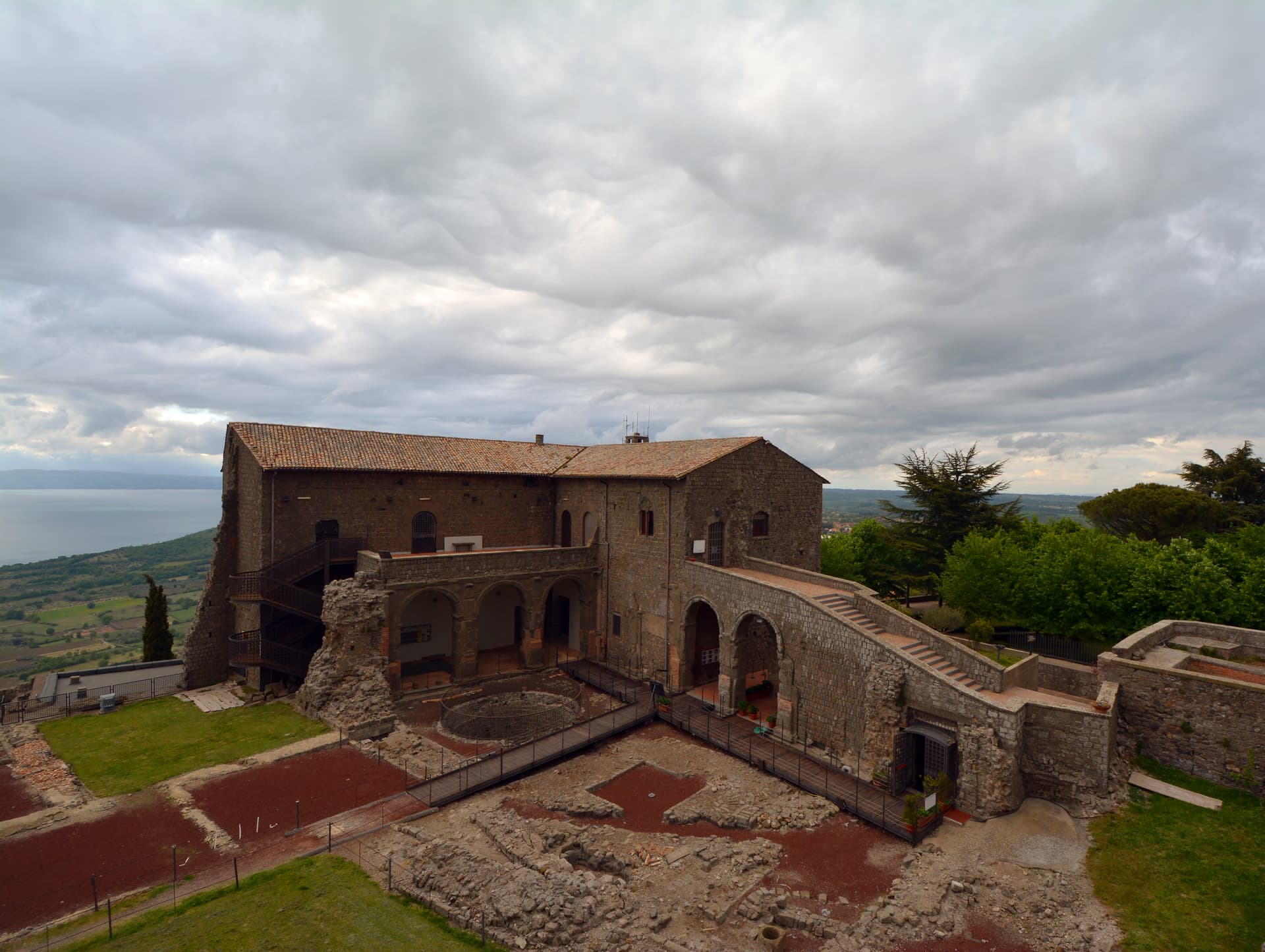
Montefiascone
Province: Viterbo
A 590-meter hill town on the southeastern rim of Lake Bolsena, the source of Est! Est!! Est!!! and a Via Francigena stop.
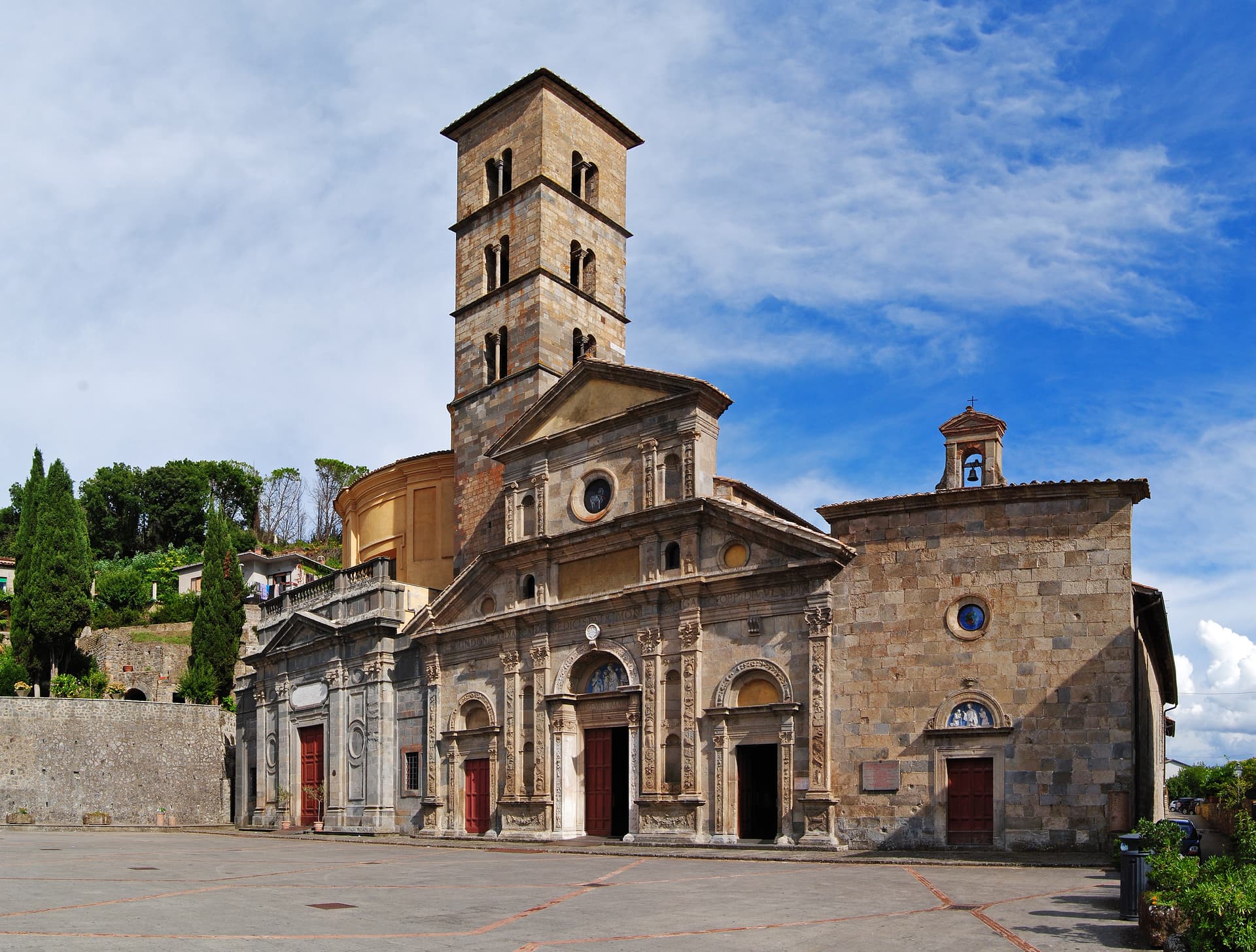
Bolsena
Province: Viterbo
A medieval town at 350 meters on the eastern shore of Europe's largest volcanic lake, where a Bohemian priest reported a Eucharistic miracle in 1263.
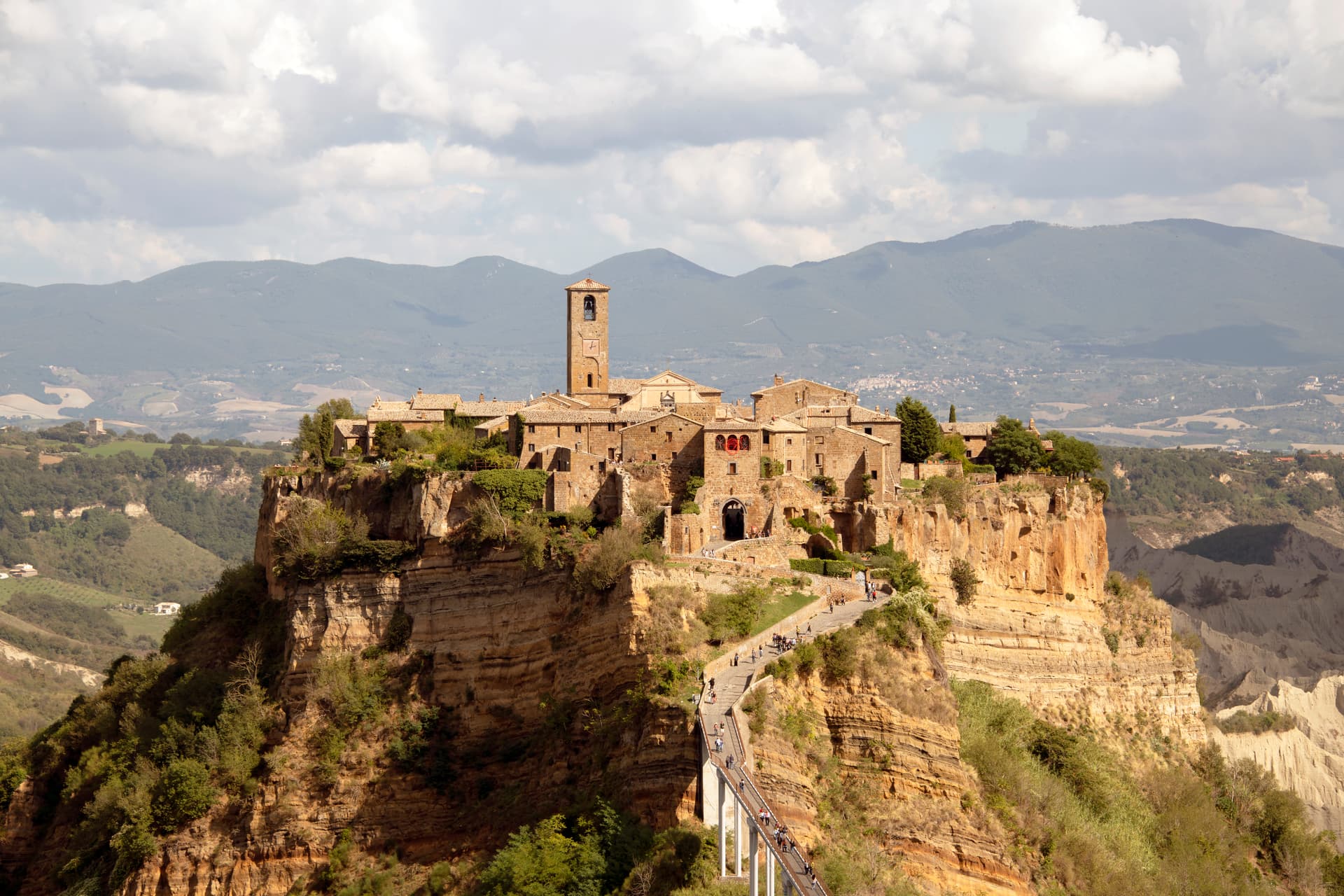
Bagnoregio
Province: Viterbo
The Etruscan-founded hill town in Tuscia whose frazione Civita di Bagnoregio sits on an eroding tuff plateau, reachable only by footbridge.
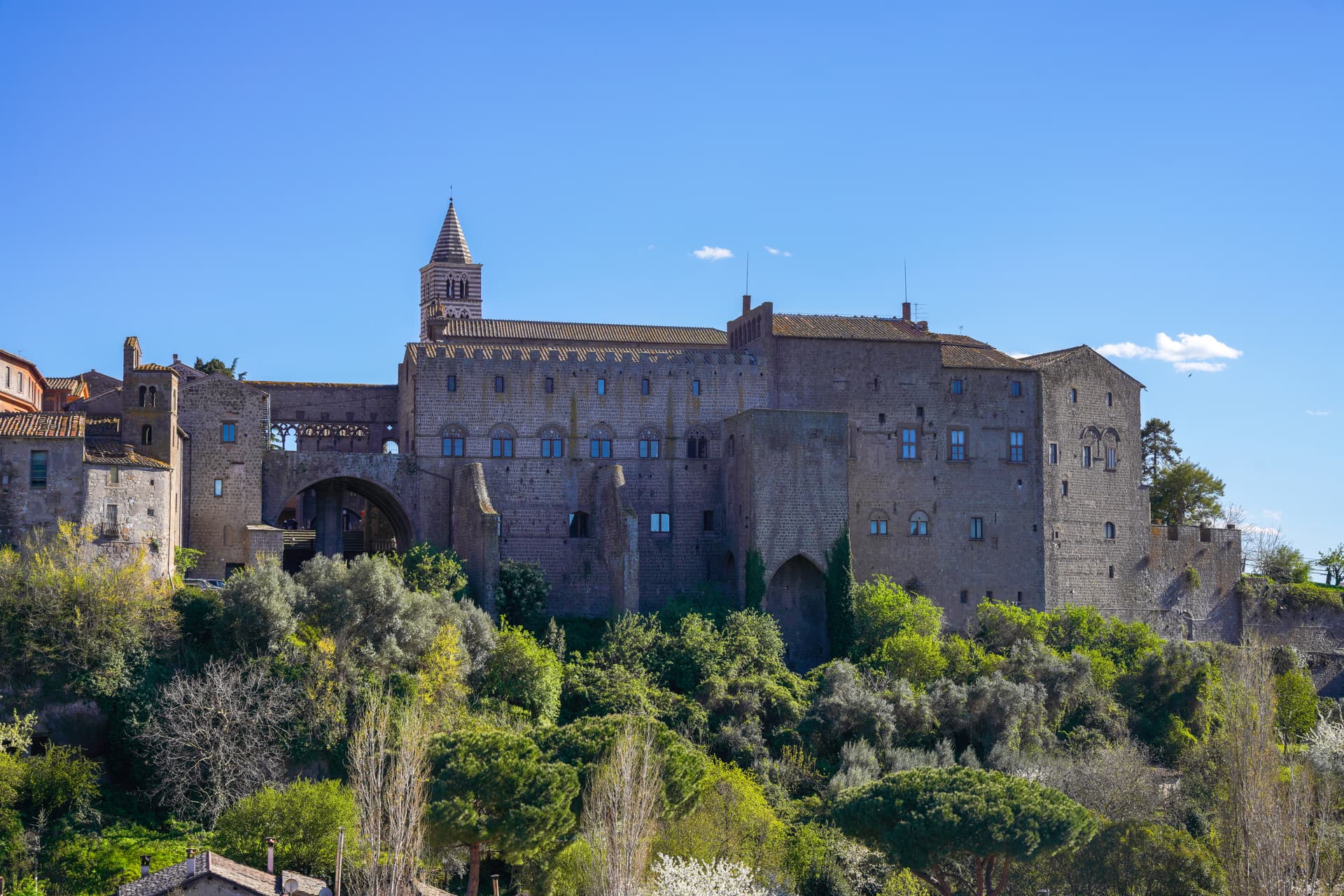
Viterbo
Province: Viterbo
The medieval capital of the Tuscia, papal seat for five popes between 1257 and 1281 and home to the longest conclave in Church history.
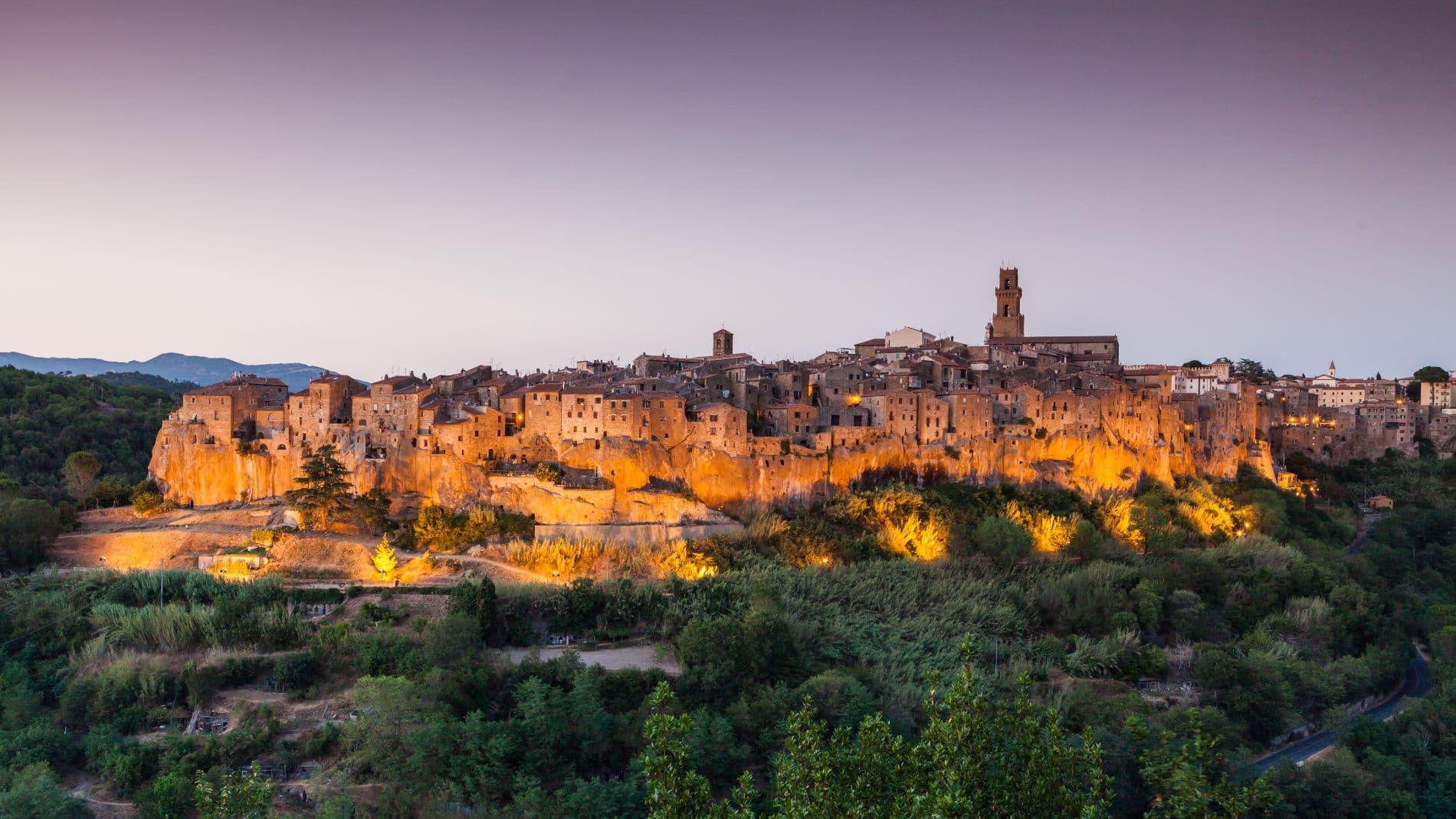
Pitigliano
Province: Grosseto
The Little Jerusalem of southern Tuscany, carved into a tuff spur in the Maremma, where the houses, the synagogue and the streets are all cut from the same volcanic rock.
🫒 Città dell'Olio
More Città dell'Olio towns in Lazio
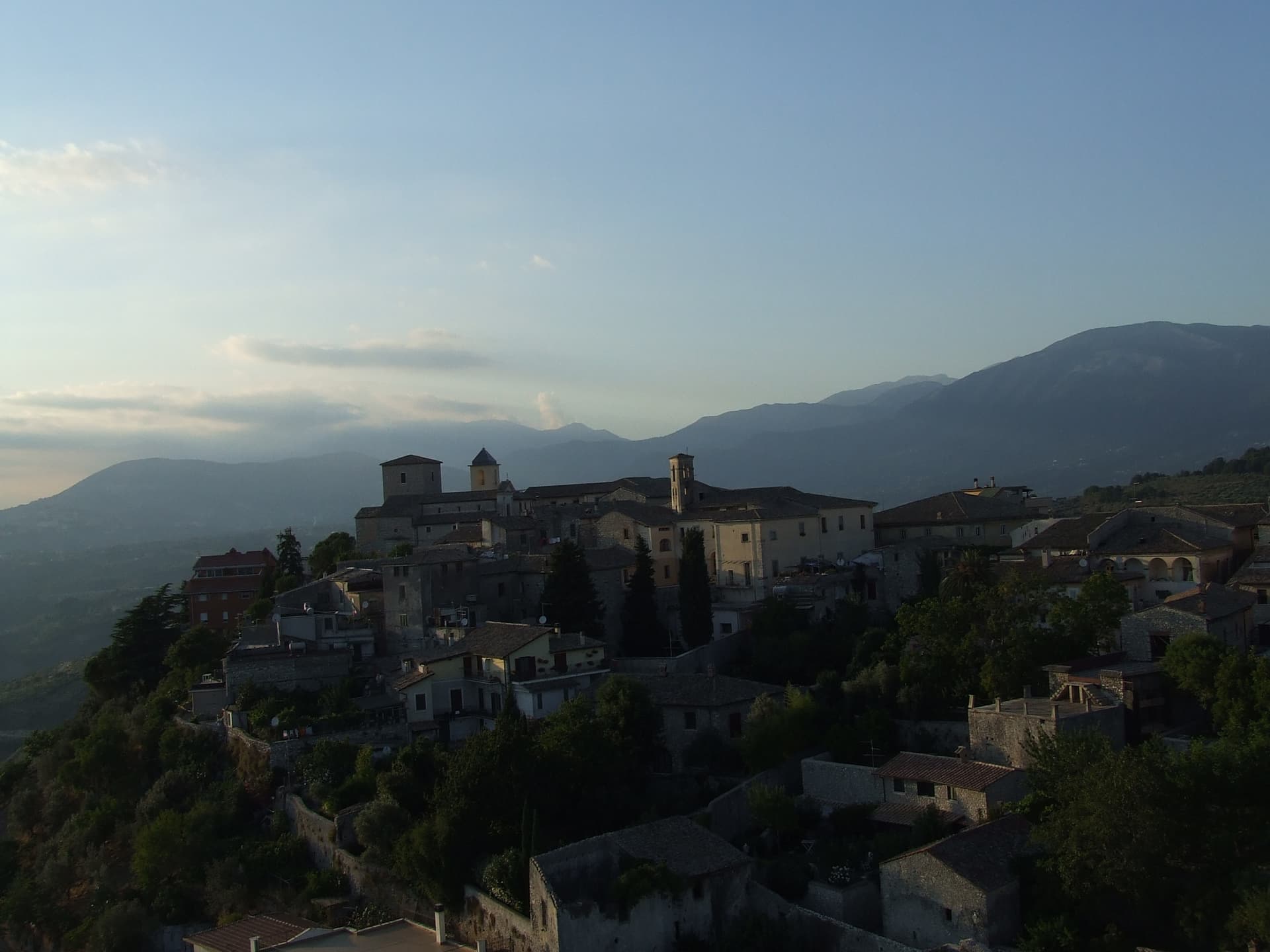
Boville Ernica
Province: Frosinone
A Ciociaria hilltop town with eighteen intact medieval towers and Giotto's only surviving mosaic, the Angelo del Navicella, in San Pietro Ispano.
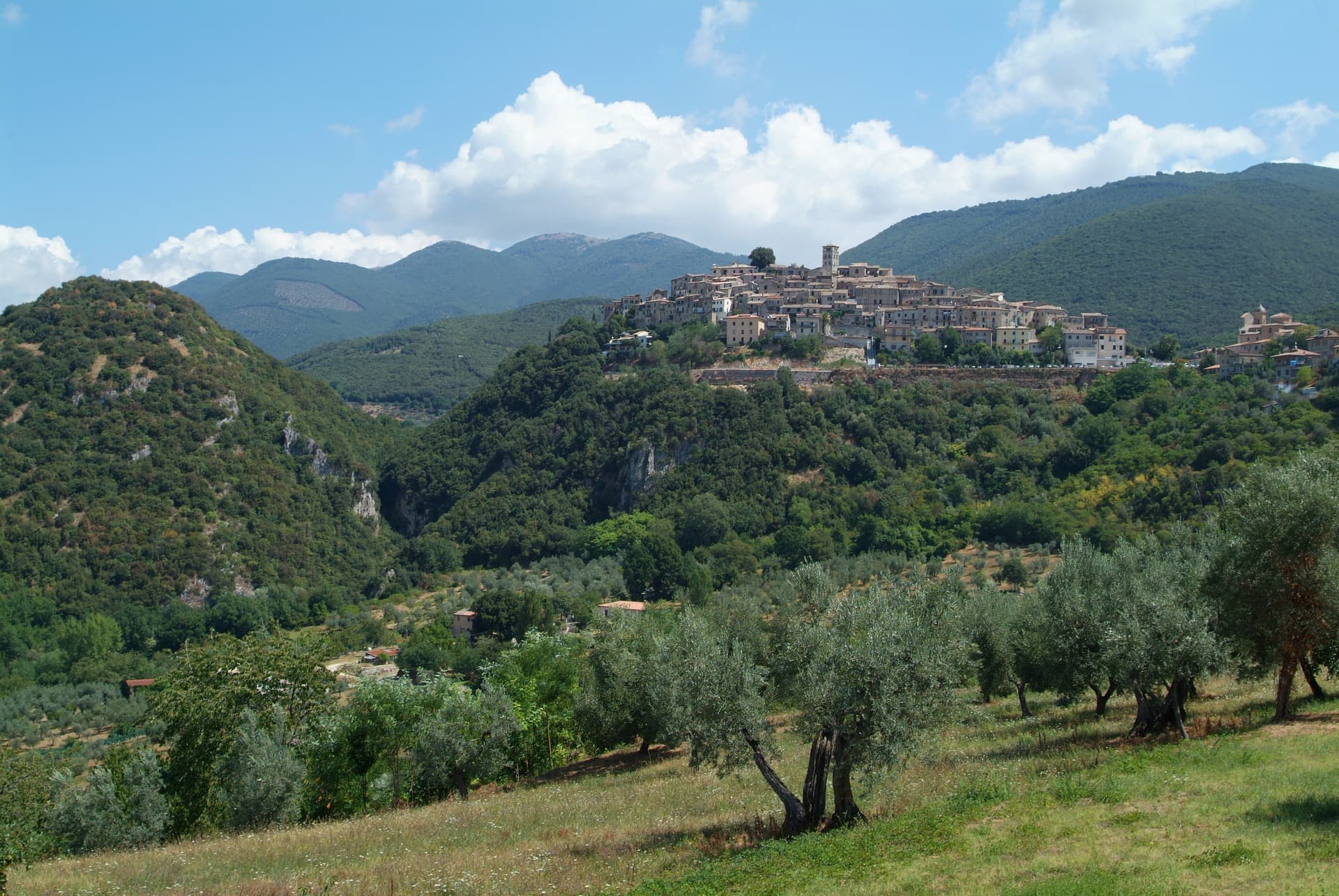
Casperia
Province: Rieti
A Sabina hill village named Aspra in Virgil's Aeneid, called that until 1947, ringed by walls from 1282 and Sabina DOP olive groves below.
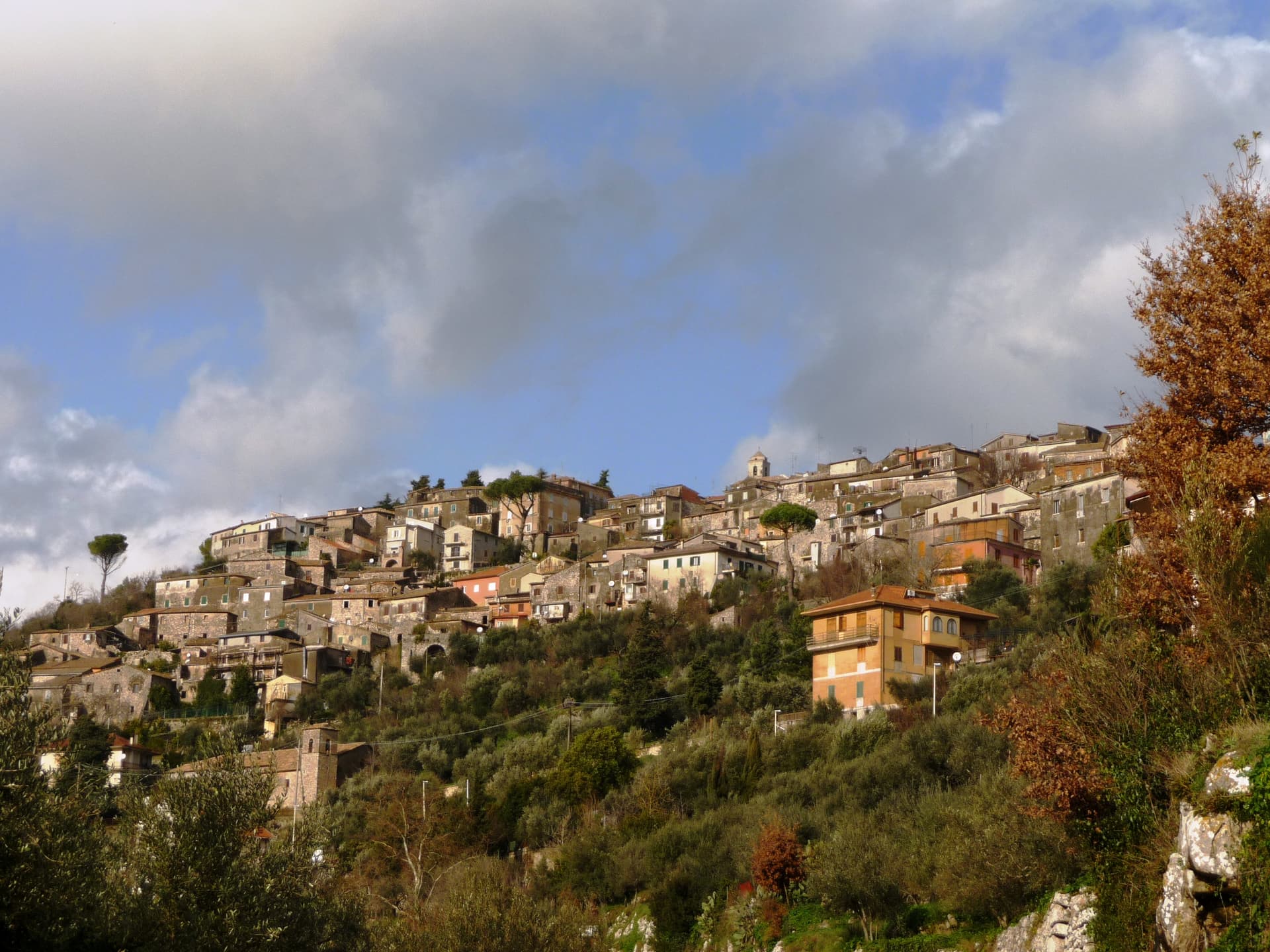
Castro dei Volsci
Province: Frosinone
A Ciociaria hilltop borgo at 385 meters in the Sacco valley, named for the pre-Roman Volsci and birthplace of actor Nino Manfredi.
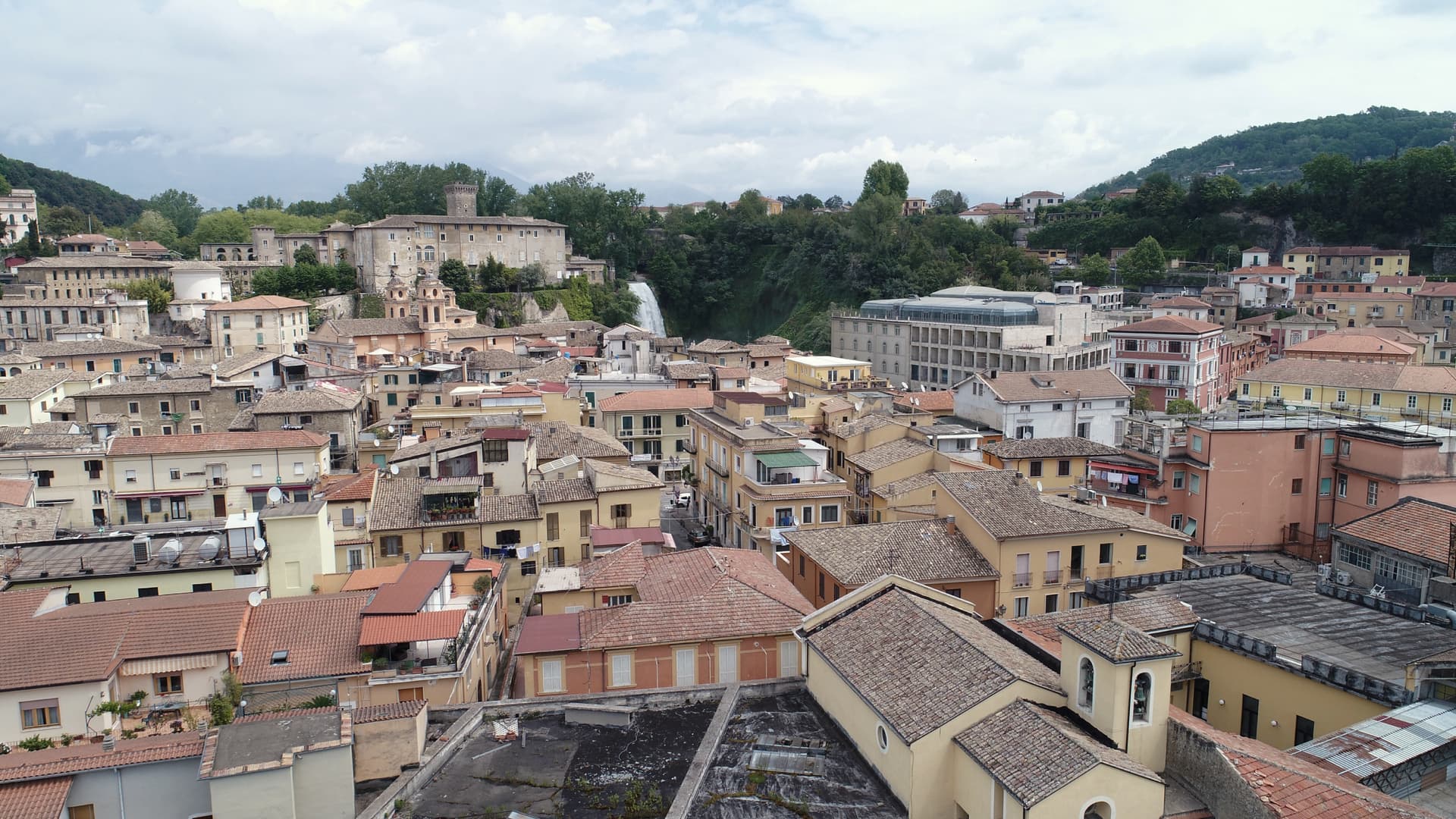
Isola del Liri
Province: Frosinone
The Ciociaria town with a 27-meter waterfall in its centro storico and a paper-mill past once called the Manchester of Italy.
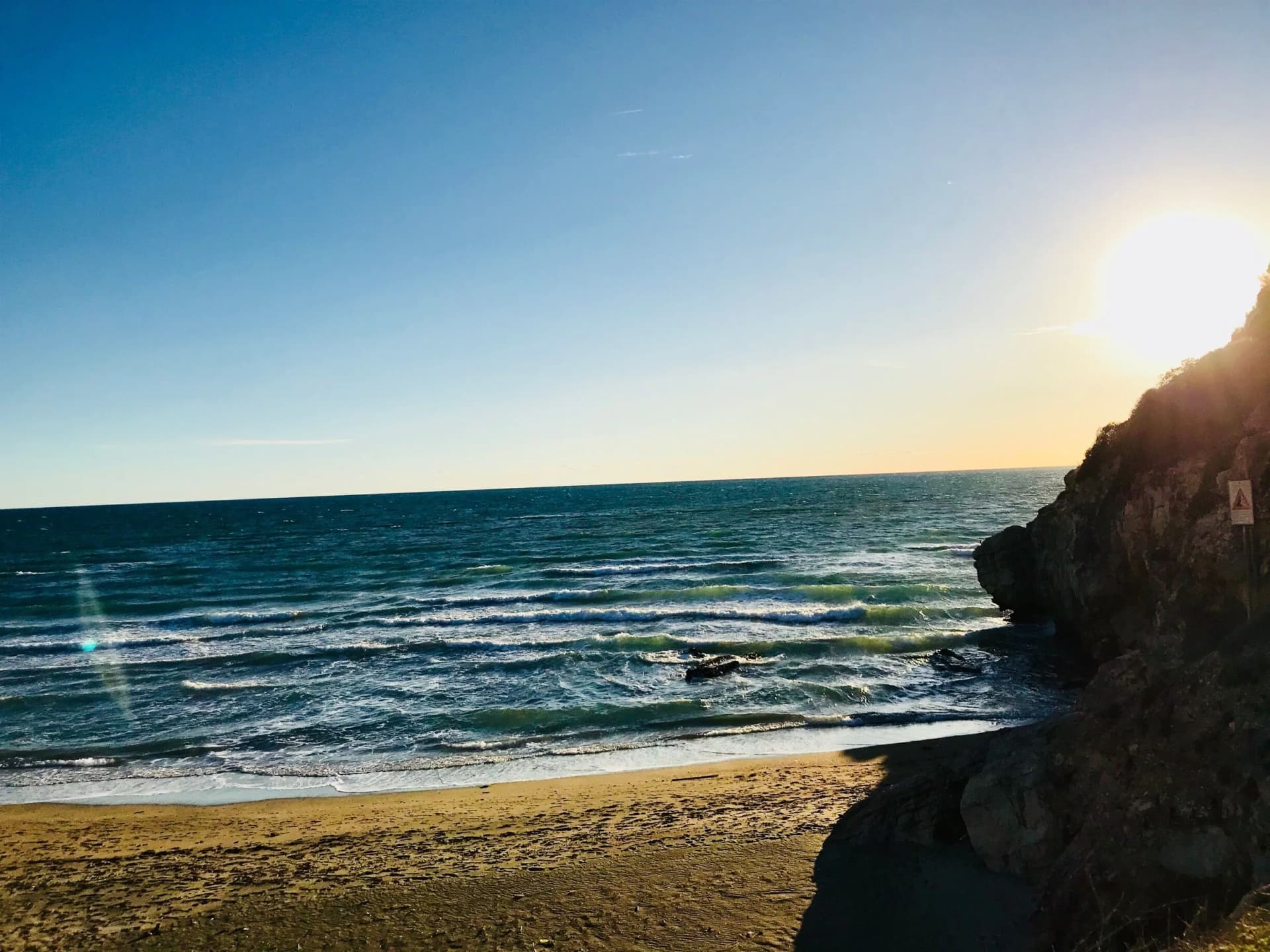
Minturno
Province: Latina
A coastal comune at the mouth of the Garigliano, built on the Roman colony of Minturnae, five-time Bandiera Blu through Scauri and Marina.