

Tuscany · Lucca
Seravezza
The Versilia town at the foot of Monte Altissimo where Michelangelo opened the Pope's marble quarries and Cosimo I built his summer palace.
Known for
MICHELANGELO QUARRIES
Leo X sent Michelangelo to Monte Altissimo in 1518 to open the marble quarries for the San Lorenzo façade, never completed.
PALAZZO MEDICEO
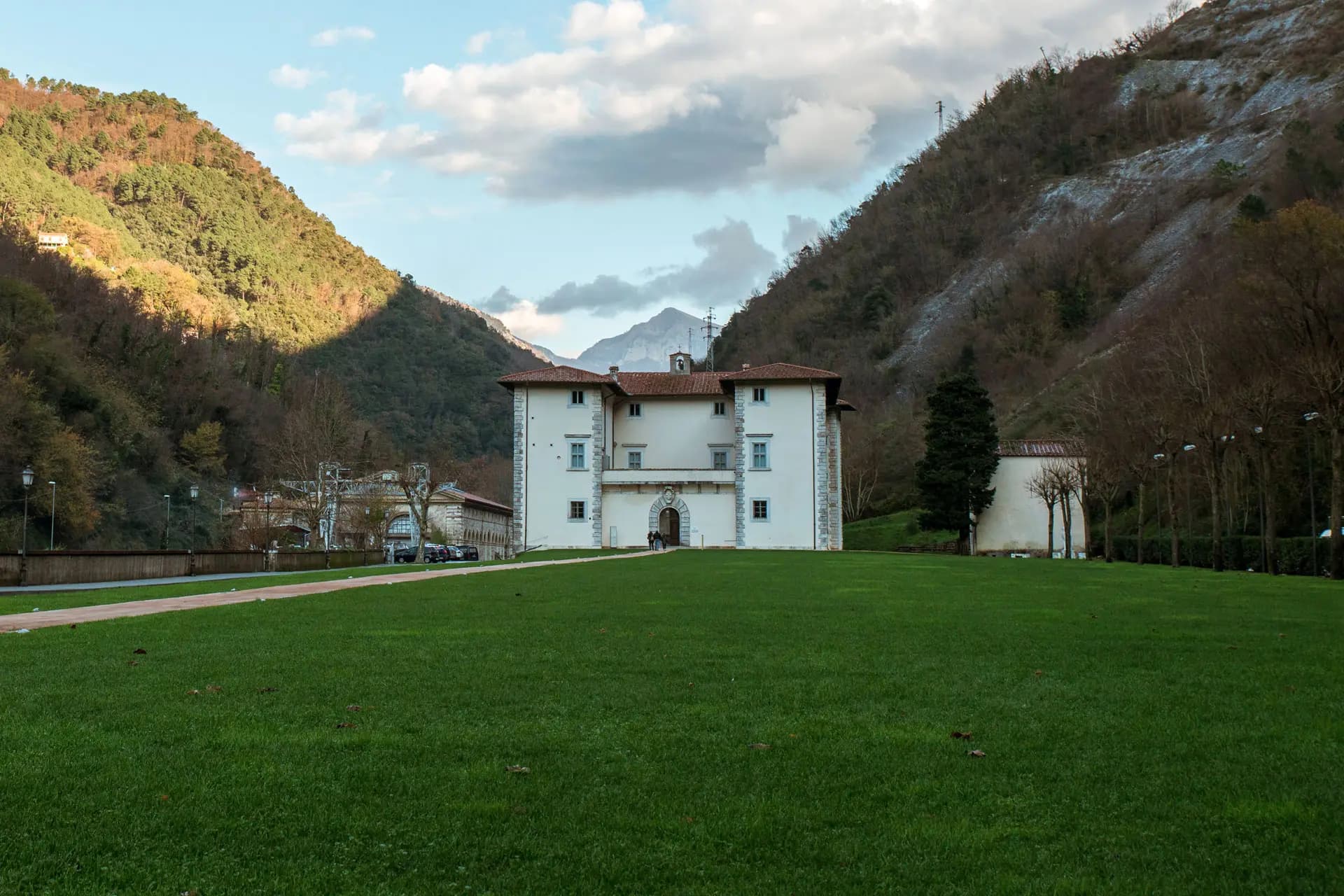
Cosimo I's summer residence built between 1560 and 1564, attributed to Ammannati and Buontalenti, UNESCO World Heritage since 2013.
APUAN MARBLE
Statuario, Ceragliola, Arabescato and the breccia di Seravezza, the marble varieties extracted from Monte Altissimo and the surrounding ridges.
When to visit
Best · May–Sep
- J
- F
- M
- A
- M
- J
- J
- A
- S
- O
- N
- D
- Best
- Hot or crowded
- Quiet
- Mostly closed
The festa: San Lorenzo, 10 August
Why come
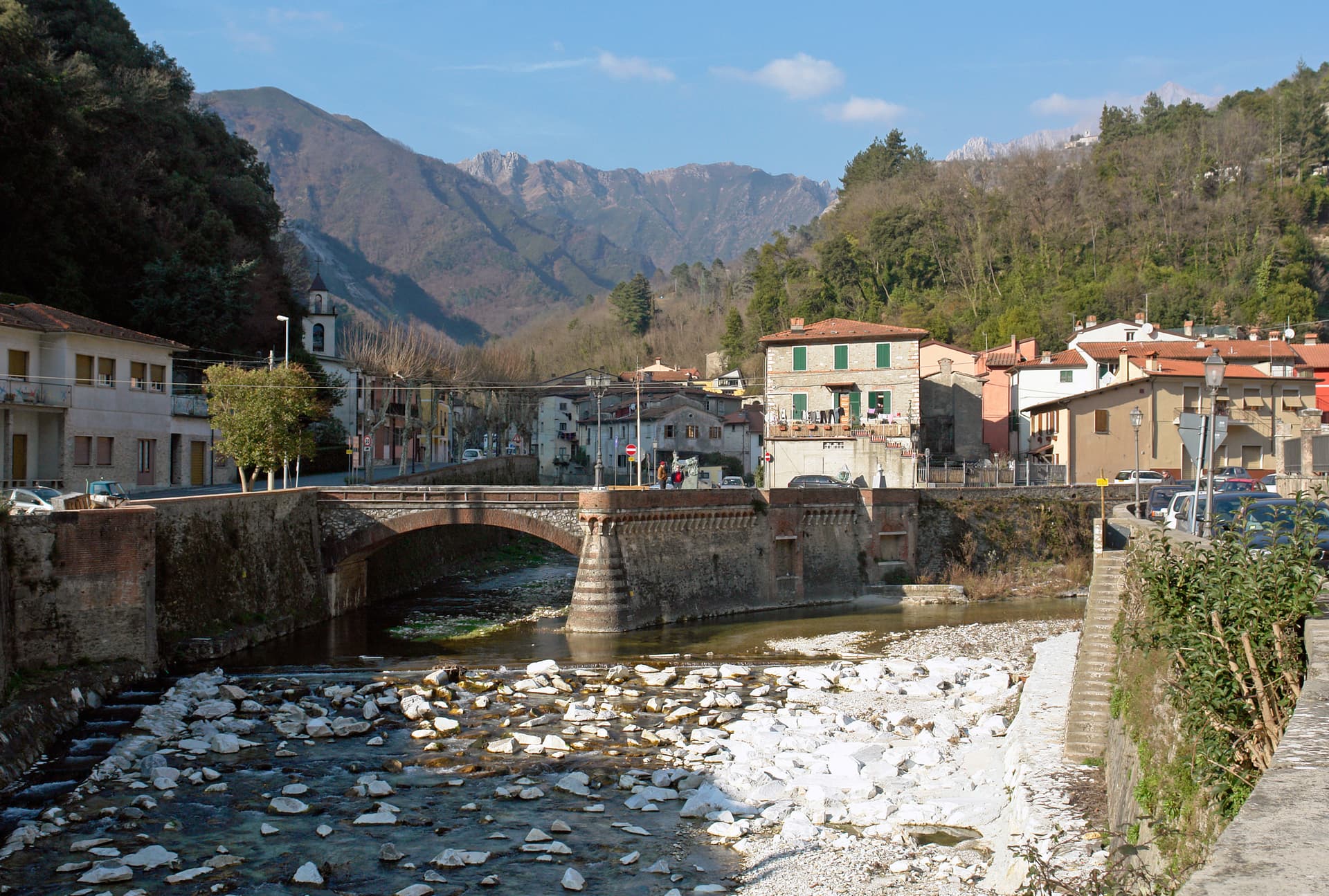
Seravezza sits at the meeting of the Vezza and Serra streams, in Versilia Storica between the Apuan Alps and the Tyrrhenian. The territory was contested between Pisa, Lucca, Genoa and Florence for centuries before passing to the Medici. In 1518 Pope Leo X ordered Michelangelo to leave the quarries of Carrara and open new ones at Monte Altissimo, behind Seravezza, to extract the Statuario marble for the façade of San Lorenzo in Florence.
Michelangelo spent three years on the mountain, found his veins of white stone and built a road to take it down to the sea. The façade was never finished. Half a century later Cosimo I commissioned the Palazzo Mediceo here, completed between 1560 and 1564, attributed in succession to Ammannati and the young Buontalenti; in 2013 it joined the UNESCO list of Medici Villas.
Monte Altissimo still works as a quarry. The Pieve di San Martino alla Cappella, eleventh century, stands on the road up to Azzano.
The Sunday letter
We haven’t written Seravezza’s letter yet.
One town every Sunday, with the photo, the food, the festa. Be there when this one comes up. Free, by Peter & Sophia from Pietrasanta.
By subscribing you agree to Substack’s Terms of Use, our Privacy Policy and our Information collection notice.
What to see
Palazzo Mediceo
Medici villa built between 1560 and 1564 for Cosimo I, attributed to Ammannati and Buontalenti, UNESCO World Heritage since 2013.
Pieve di San Martino alla Cappella
Eleventh-century Romanesque parish church between Seravezza and Azzano, with the ruined Annunziata Oratory alongside.
Monte Altissimo
Apuan peak at 1,589 meters where Michelangelo opened the Statuario marble quarries in 1518 for the San Lorenzo façade in Florence.
Duomo di Seravezza
Sixteenth-century collegiate church in the centro, dedicated to Saints Lorenzo and Barbara, with a tall stone bell tower.
The slow-trip planner
Building a trip? Find where Seravezza fits in a slow Italy circuit.
Answer five questions. We will shape a geographically coherent slow trip from the 1,000 Italian towns most travelers skip. Yours to save and share.
We’ve tried
What we got up to
Restaurants, walks, swims — the things we actually did in Seravezza, each with the piece we wrote about it.
A porcini tasting menu that opens with a plate of raw mushrooms at Ristorante Ulisse.
The tordello, the meat-stuffed pasta that is Versilia telling you it isn't Lucca.
Living here
- Population 12,364
- Commuter belti
- Pharmacy in town
- High school within a 30-minute drive
- Train station in the comune
- Nearest airport Florence / Pisa, 1 h 12 min drive
- Regional capital Firenze, 1 h 49 min drive
Tags & datadesignations · numbers · sources
Recognised as
The numbers
- Elevation: 100 m
- Population: 12,364
- Surface area: 39.55 km²
These figures were compiled from public directories — ISTAT, OpenStreetMap, Wikidata — and from the official listings of the guides named on this page. Town details change; verify with official sources before you travel.
Close by
More towns near Seravezza
Pietrasanta
Province: Lucca
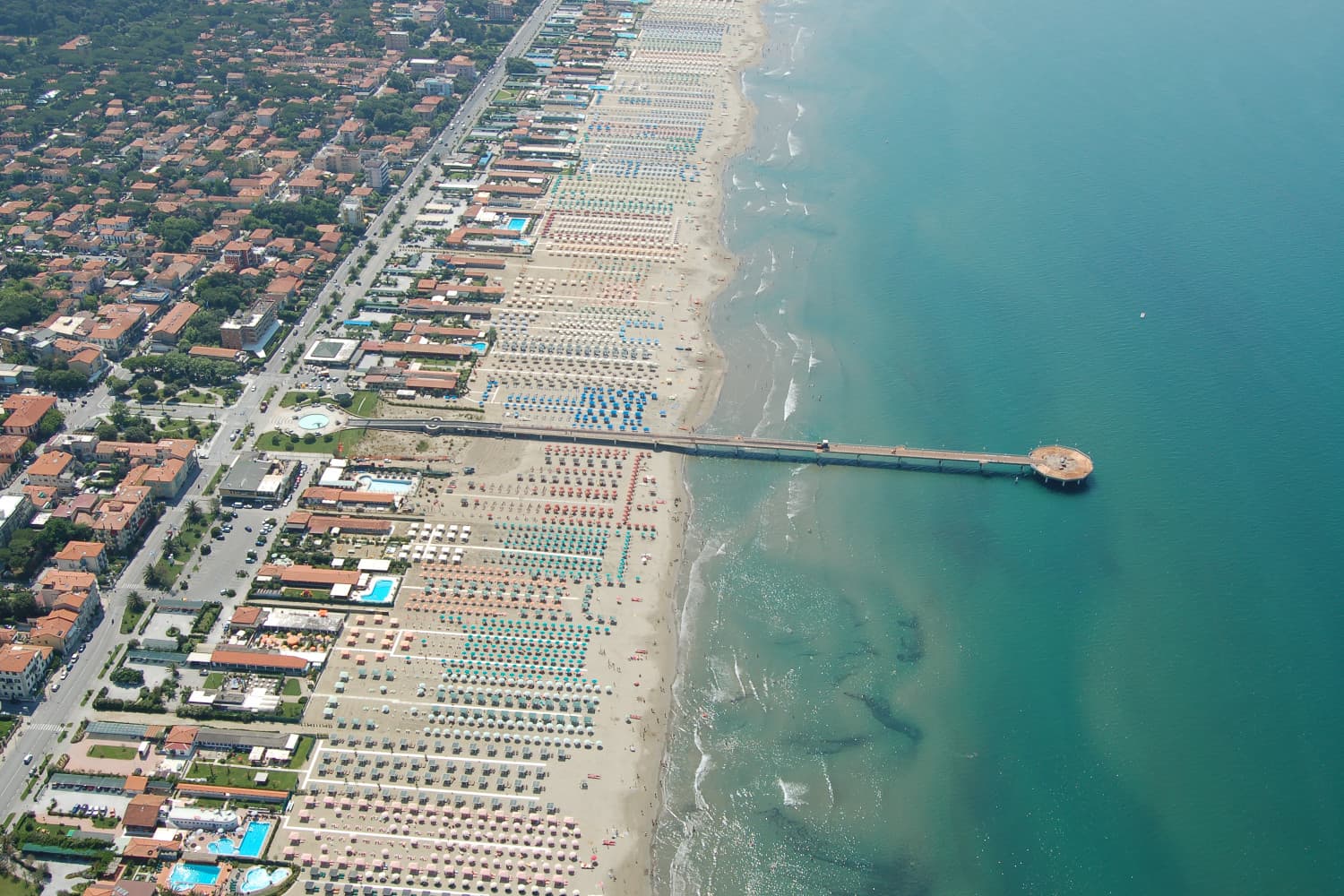
The marble-processing town under the Apuan Alps, founded in 1255 and worked since by Michelangelo, Henry Moore, Joan Miró and Fernando Botero.
Forte dei Marmi
Province: Lucca
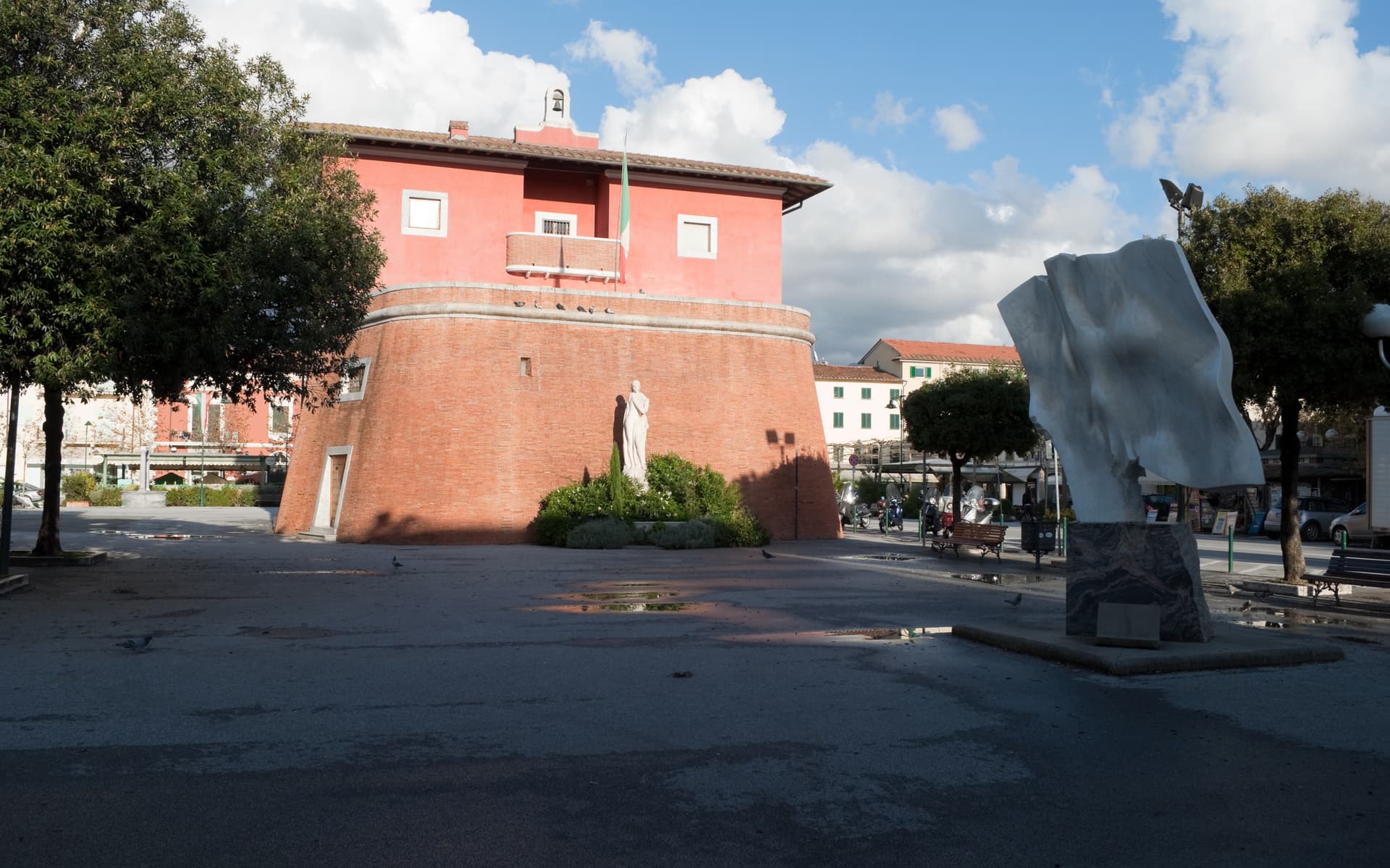
The Versilia luxury beach built around an eighteenth-century marble-loading fort, with 99 bagni concessions and a Wednesday market that draws Milan.
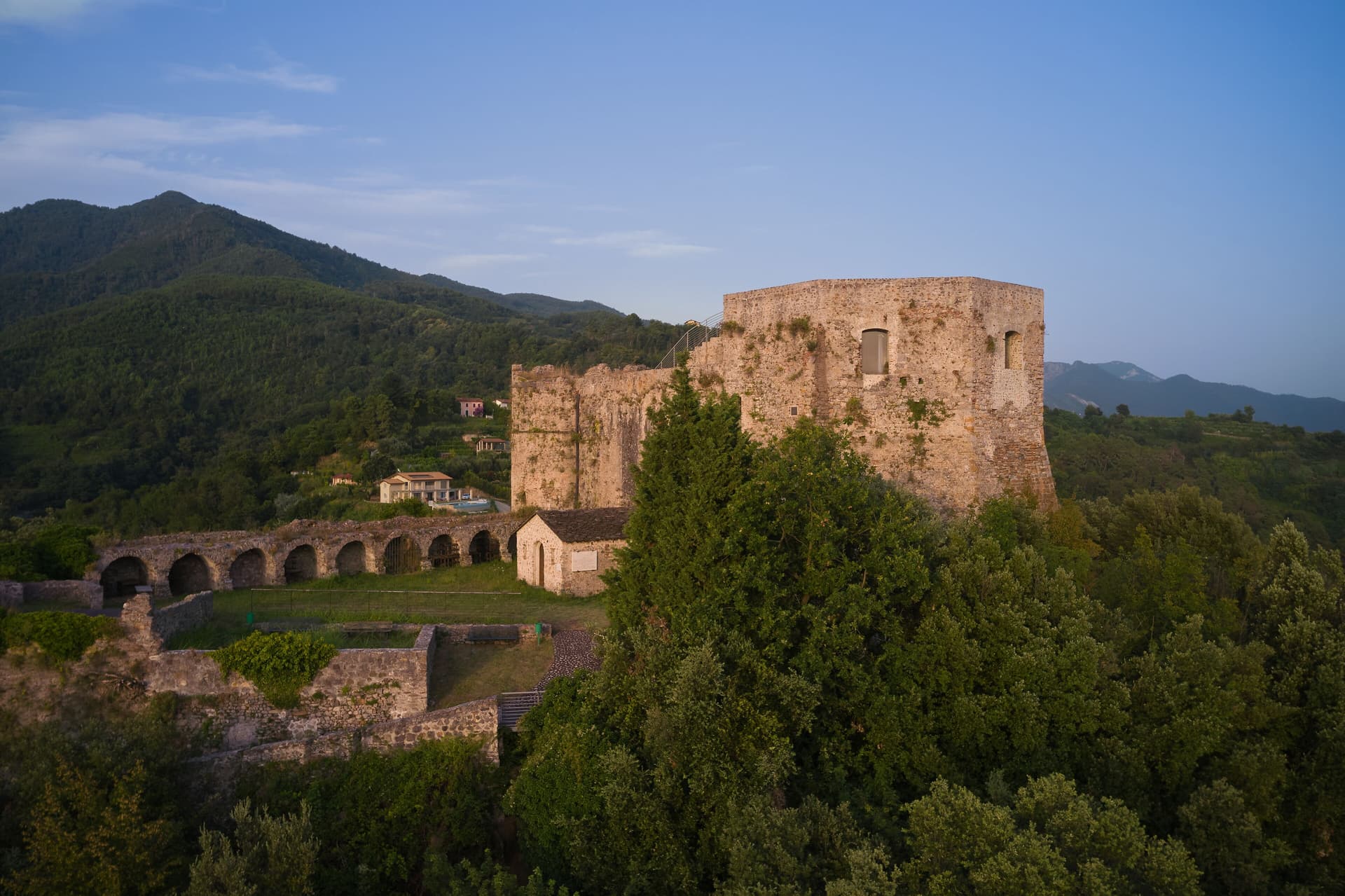
Montignoso
Province: Massa-Carrara
A Riviera Apuana commune split between the Cinquale coastal frazione, the Castello Aghinolfi on the hill, and the Lago di Porta wetland on the Versilia plain.
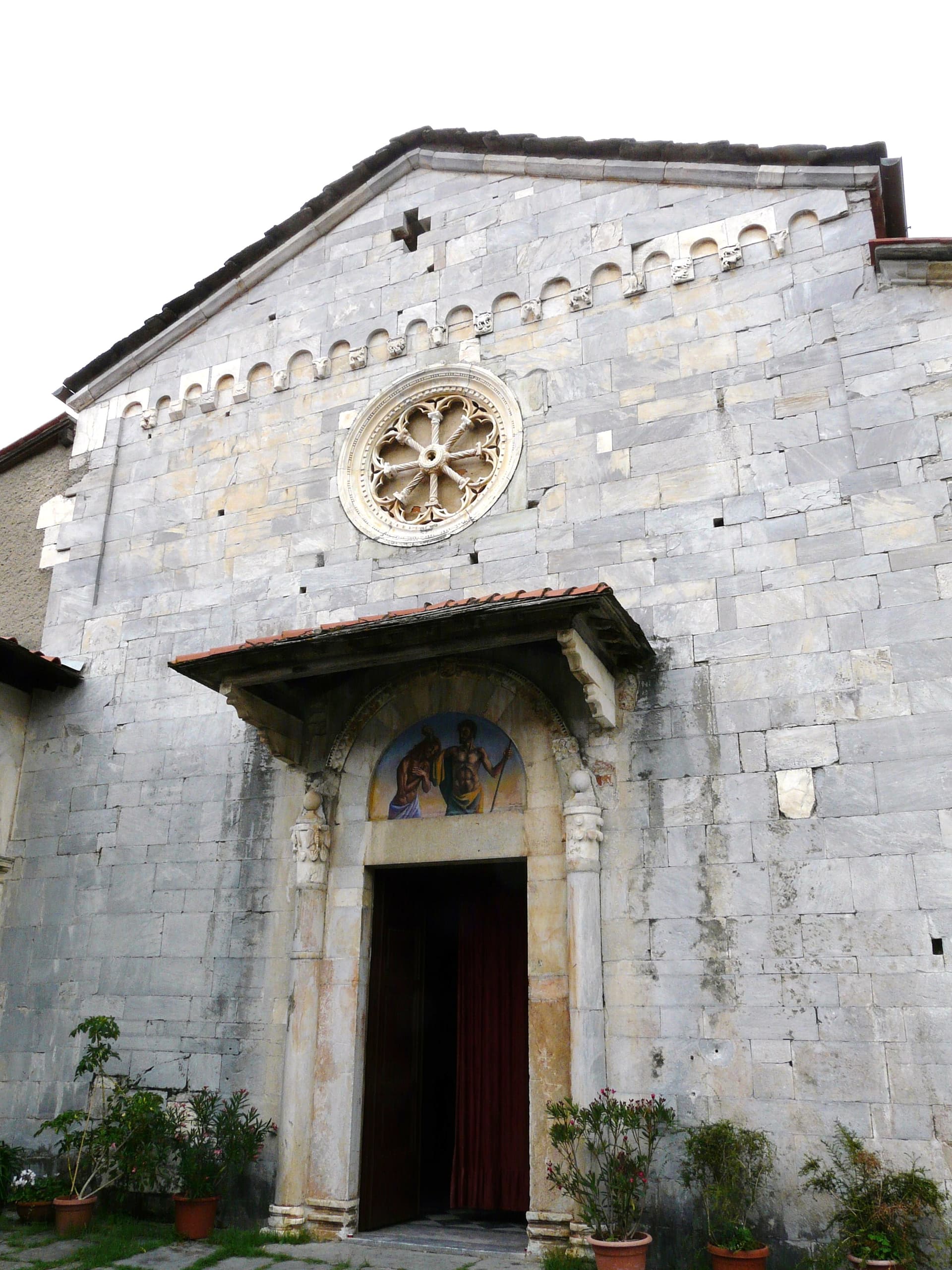
Stazzema
Province: Lucca
A mountain commune of seventeen hamlets in the Apuan Alps, site of the August 1944 Sant'Anna massacre and Italy's National Park of Peace.
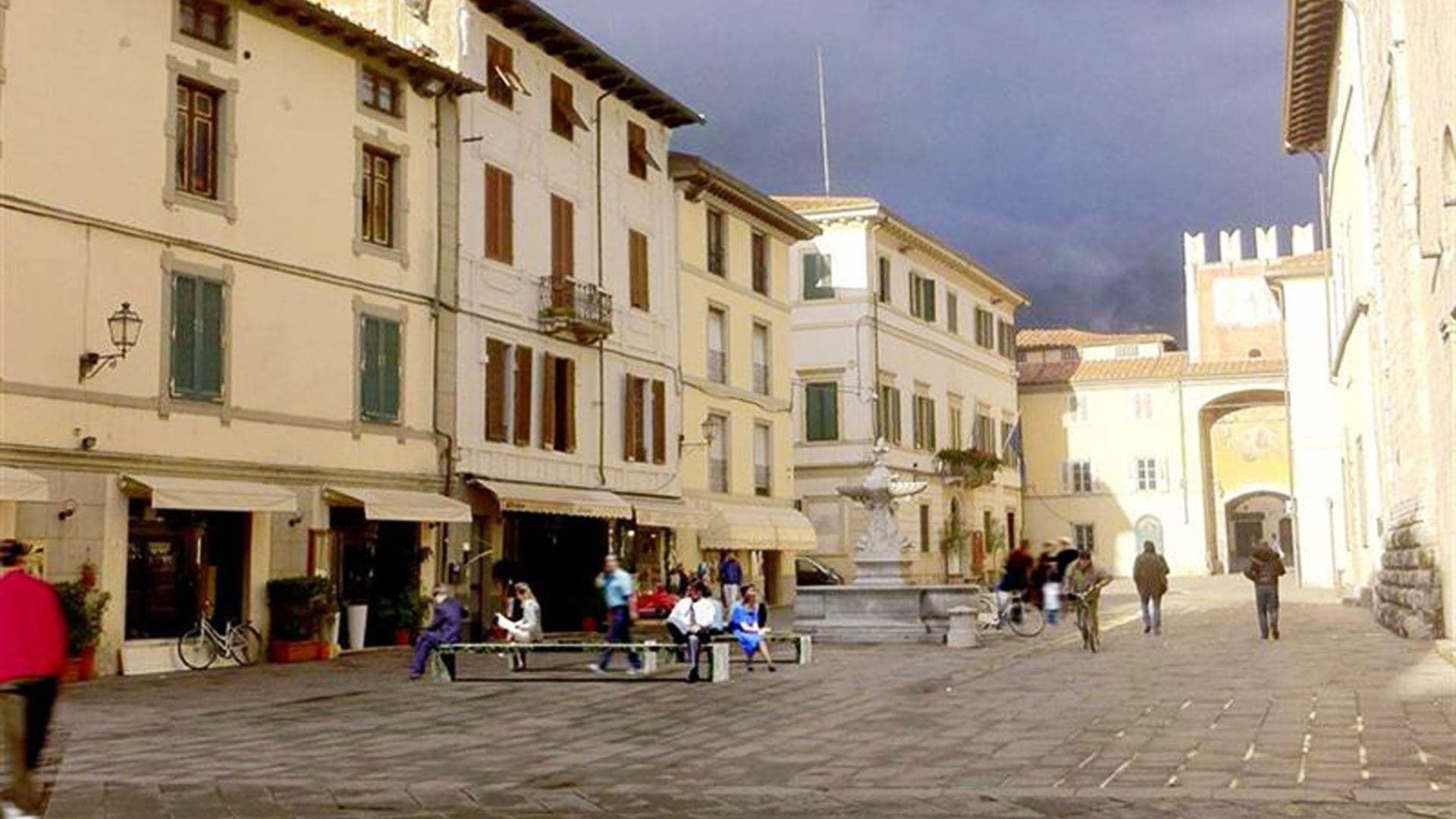
Camaiore
Province: Lucca
The Versilia commune that runs from the Apuan Alps to the sea, a Roman Campus Maior on the Via Francigena with a beach at its western end.
🏛️ UNESCO
More UNESCO towns in Tuscany
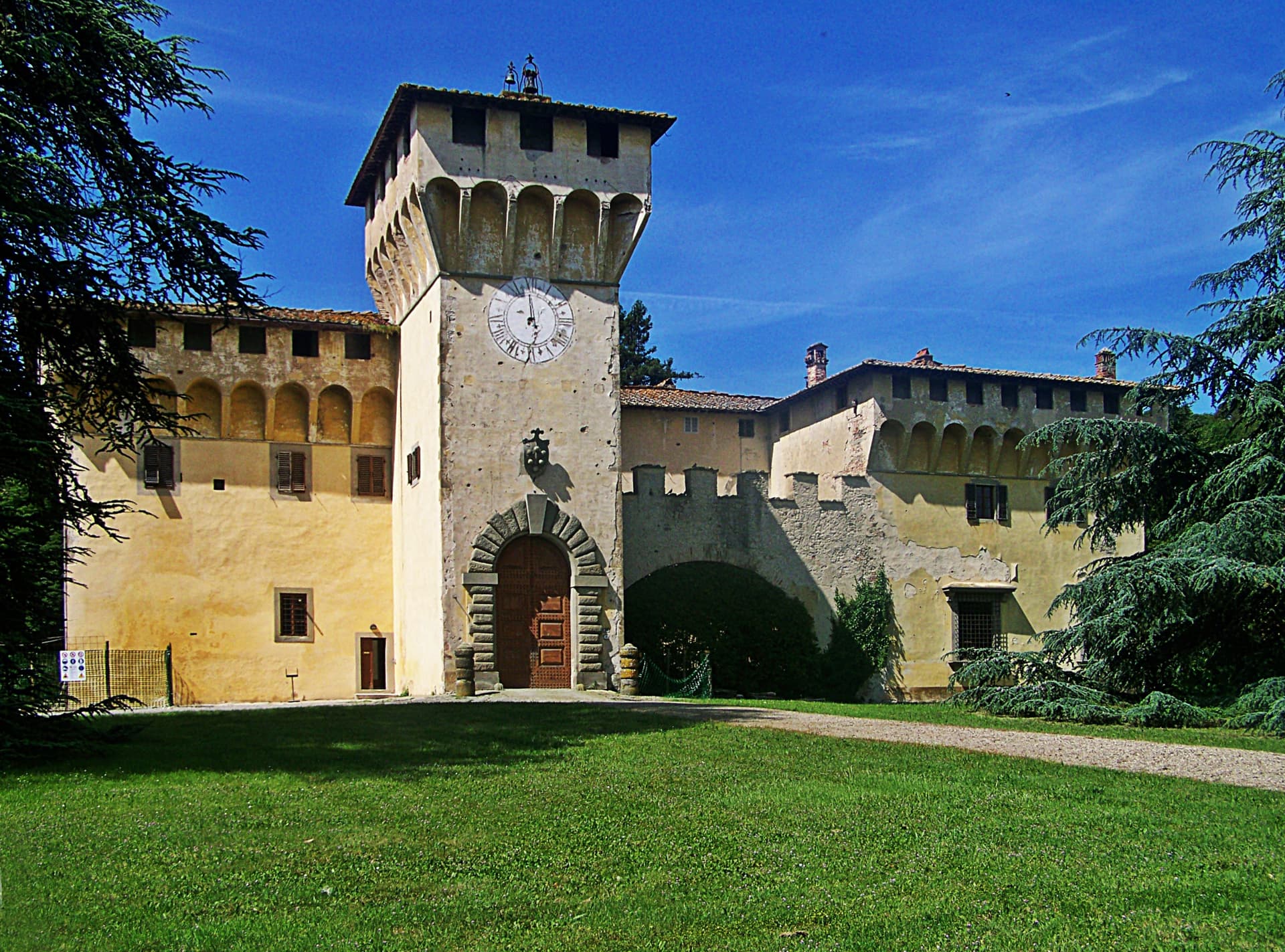
Barberino di Mugello
Province: Firenze
The Mugello gateway at 272 meters where the Medici family kept its first country villas, with Michelozzo's Cafaggiolo and the artificial Lago di Bilancino below.
Carmignano
Province: Prato
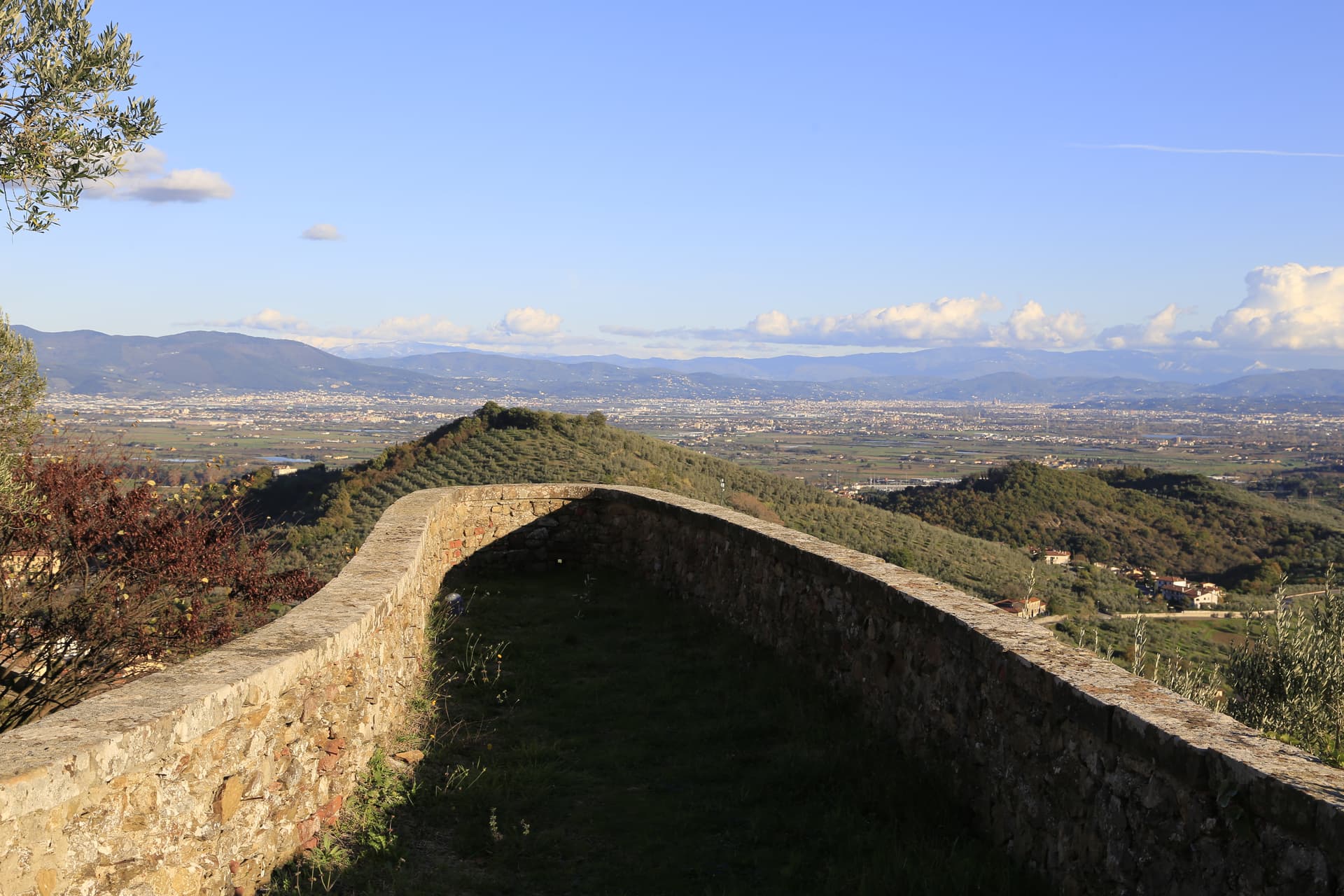
A Medici village at 189 meters on the Montalbano slopes, where Pontormo's Visitation hangs in the parish church and Etruscan tumuli sit below the Renaissance villas.
Castiglione d'Orcia
Province: Siena
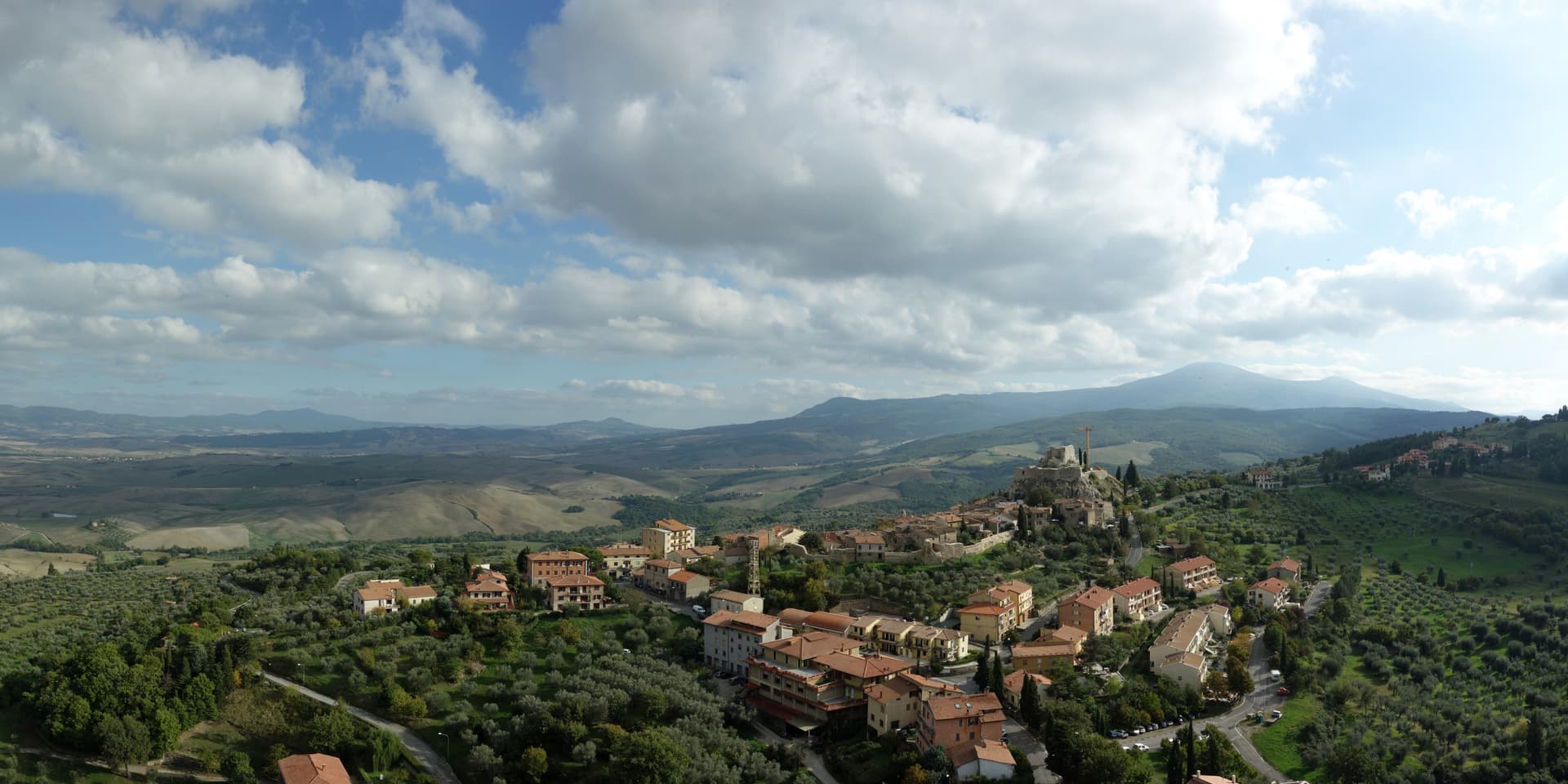
A stone borgo at 540 meters in the UNESCO Val d'Orcia, first recorded in 714, with two fortresses guarding the road from Amiata to the Via Francigena.
Cerreto Guidi
Province: Firenze
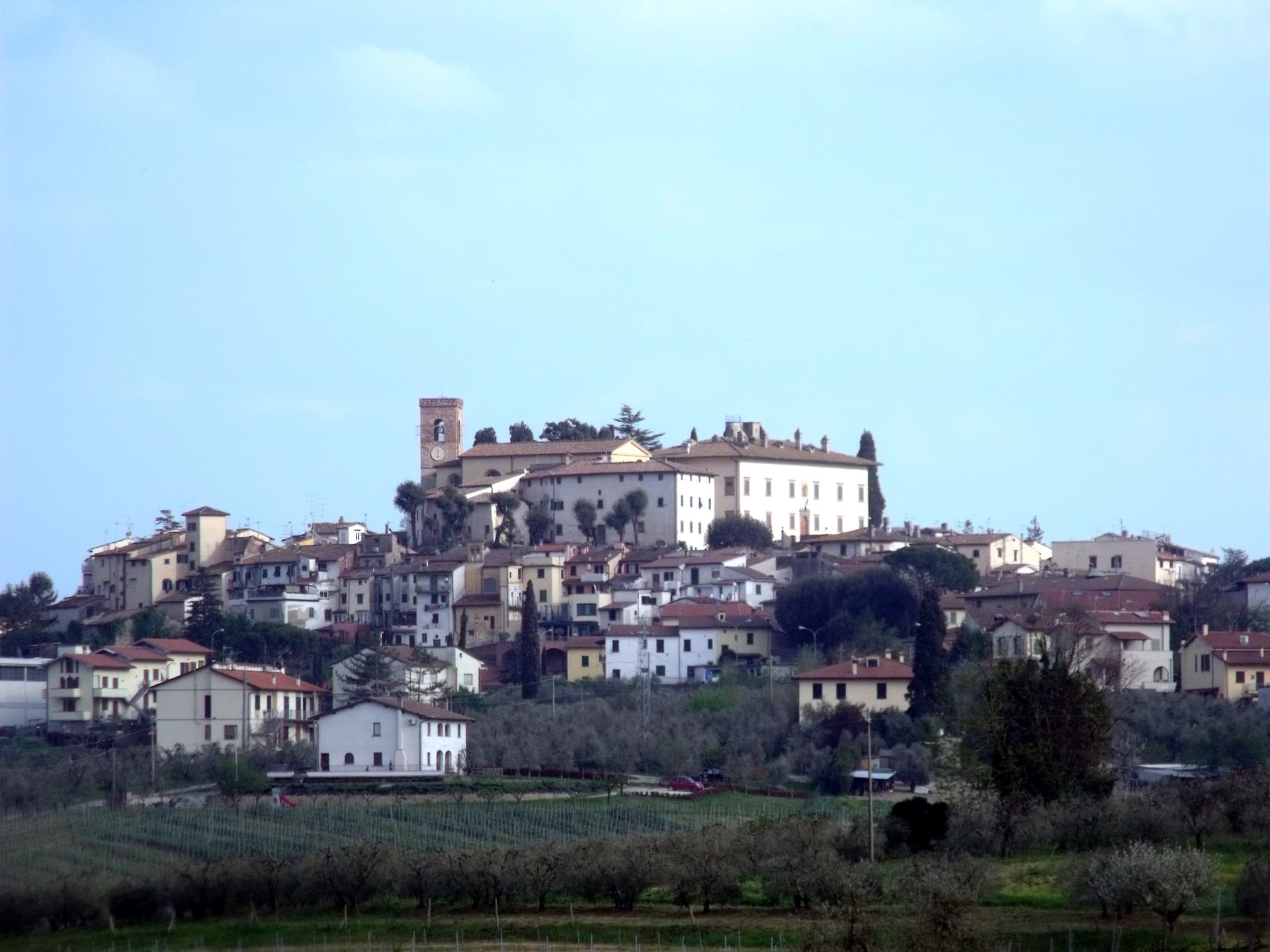
The Medici hunting villa above the Padule di Fucecchio, where Cosimo I sent his court for the marshland game and Buontalenti built four ramps of stairs.
Montalcino
Province: Siena
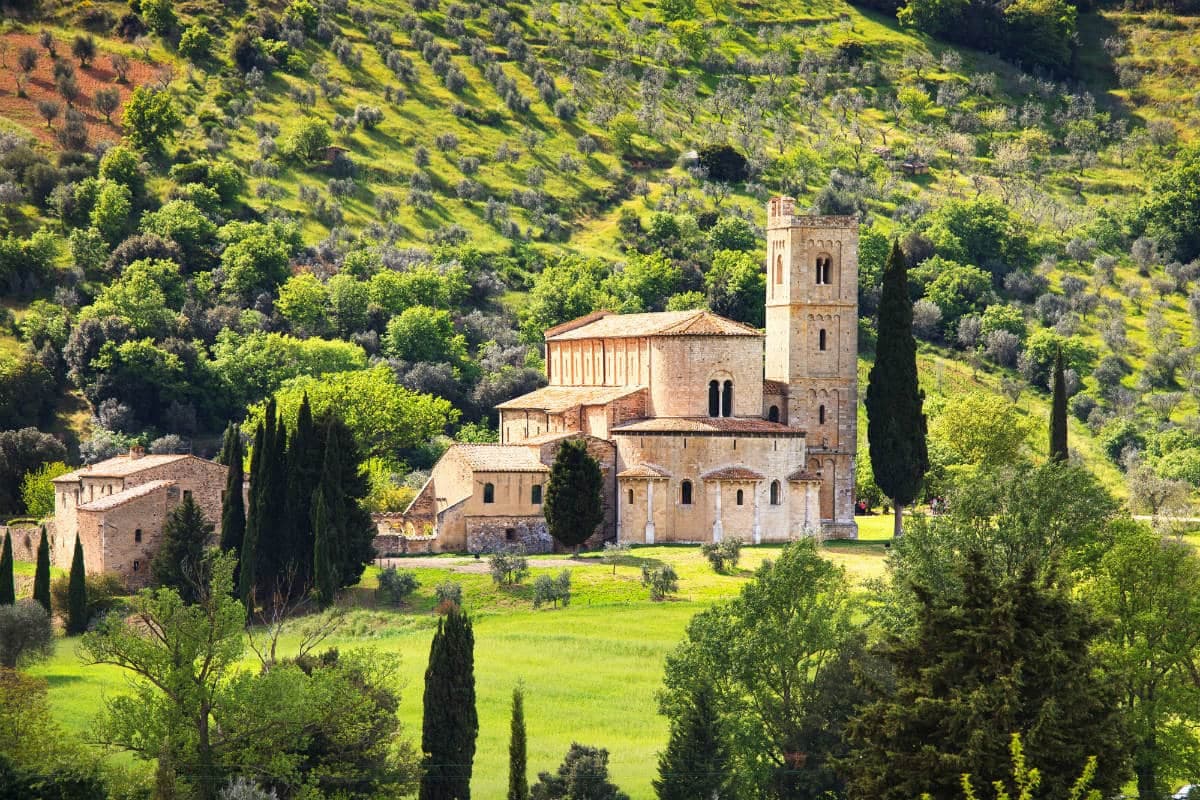
A walled hill town at 564 meters above the Val d'Orcia, the last fortress to hold out for the Sienese Republic and the birthplace of Brunello.