

Veneto · Treviso
Treviso
The walled provincial capital between the Sile and Botteniga rivers, Venice's first mainland conquest in 1339 and the birthplace of tiramisu.
Known for
TIRAMISU
Invented at Alle Beccherie restaurant near the duomo in the 1970s; the recipe was certified by the Italian Academy of Cuisine in 2010.
THE CAGNAN CANALS
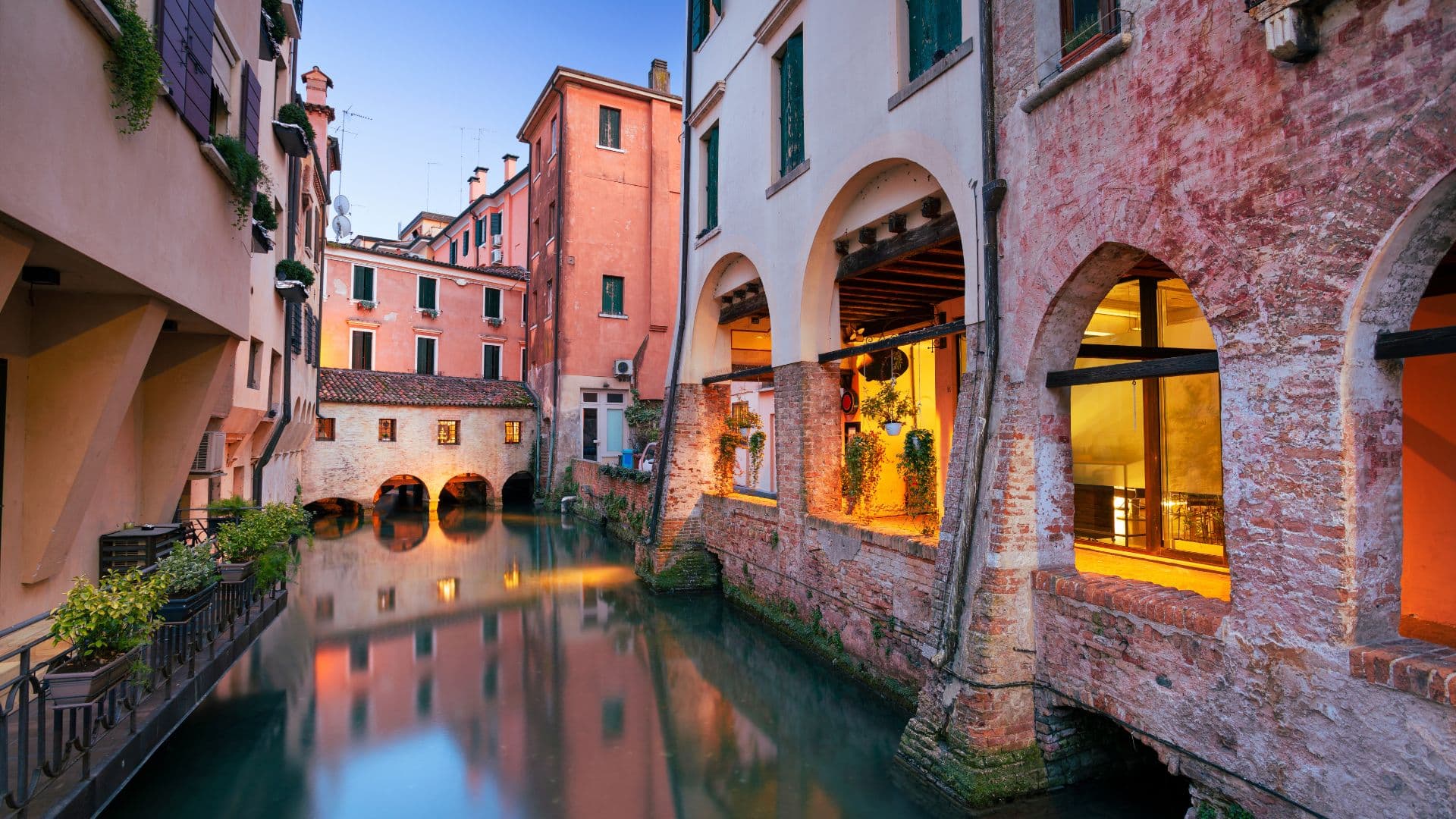
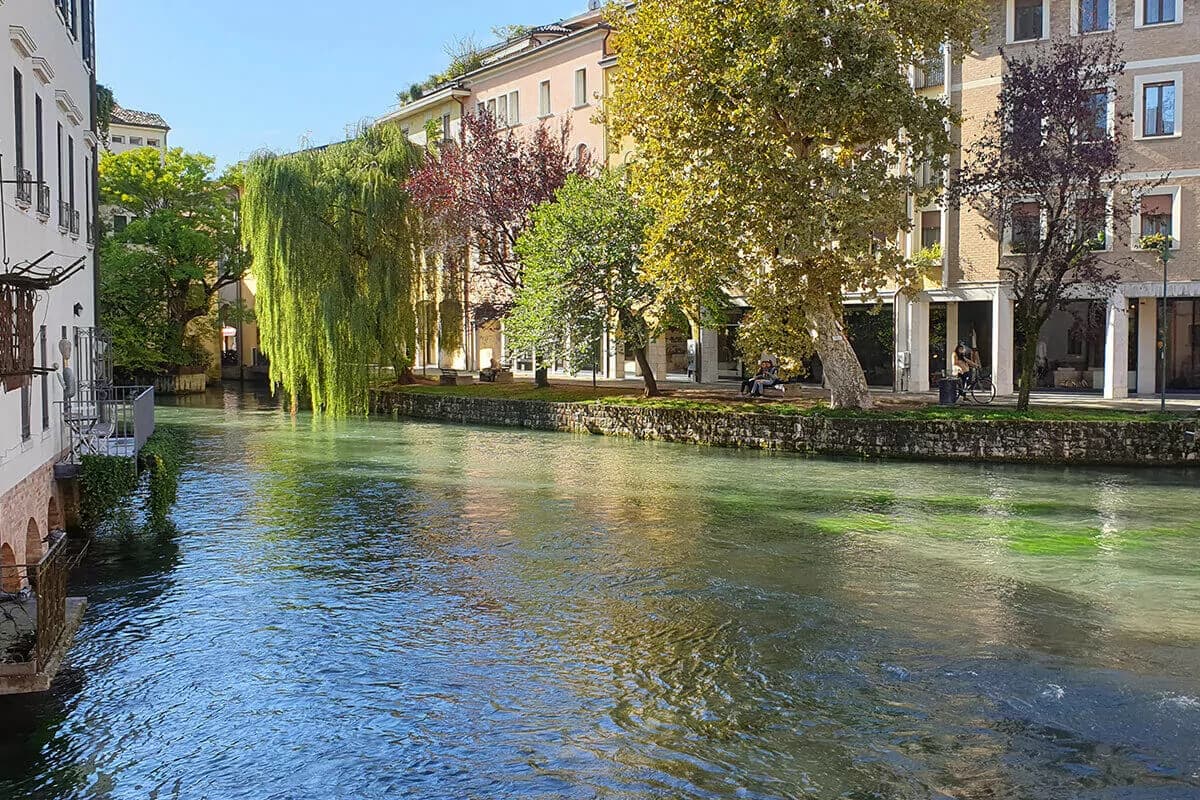
Botteniga splits into a working network of canals through the centro storico, with the Pescheria fish market on its own island.
RADICCHIO ROSSO
Radicchio Rosso di Treviso IGP, the bitter winter chicory grown in fields south of the city and forced in dark water sheds from November to March.
When to visit
Best · Apr–Jun, Sep–Oct
- J
- F
- M
- A
- M
- J
- J
- A
- S
- O
- N
- D
- Best
- Hot or crowded
- Quiet
- Mostly closed
The festa: San Liberale, 27 April
Why come
Treviso sits where the Botteniga flows into the Sile, twenty-five kilometers inland from Venice. The Roman Tarvisium took its name from a Celtic root for bull, and the city became a municipium after 89 BC. After the Caminesi and a brief Scaliger domination, Treviso submitted to the Republic of Venice on 29 June 1339, the first major mainland territory of the Serenissima.
The walls and ramparts that still ring the centro storico were built then and renewed in the next century under Fra Giocondo. The Botteniga splits into a network of canals locals call the cagnan; the Sile runs the southern flank of the walls and feeds the Pescheria, the fish market on its own island. The Palazzo dei Trecento on Piazza dei Signori, the Loggia dei Cavalieri, the Duomo with the Annunciazione of Titian and the frescoed cloister of San Nicolò give the city its medieval and Renaissance spine. Tiramisu was invented at the Alle Beccherie restaurant near the duomo in the 1970s.
The Sunday letter
We haven’t written Treviso’s letter yet.
One town every Sunday, with the photo, the food, the festa. Be there when this one comes up. Free, by Peter & Sophia from Pietrasanta.
By subscribing you agree to Substack’s Terms of Use, our Privacy Policy and our Information collection notice.
What to see
Piazza dei Signori
Civic heart of Treviso, with the thirteenth-century Palazzo dei Trecento, the Torre Civica and the arcades that frame the medieval public space.
Duomo di San Pietro
Cathedral founded in the twelfth century and rebuilt in the eighteenth, with the Annunciazione by Titian in the Malchiostro chapel.
Chiesa di San Nicolò
Gothic Dominican church with frescoes by Tomaso da Modena, including the 1352 chapter house portraits of forty Dominican brothers.
Canali e Pescheria
Network of Botteniga canals threading the centro storico, with the Pescheria fish market on its own island under arcaded stone walks.
Mura Venete
Sixteenth-century city walls and ramparts, built after Treviso's 1339 submission to Venice and renewed under Fra Giocondo, still encircling the centro storico.
Loggia dei Cavalieri
Open arcaded loggia from the second half of the thirteenth century, built as a meeting space for the local nobility on Piazza dei Signori.
The slow-trip planner
Building a trip? Find where Treviso fits in a slow Italy circuit.
Answer five questions. We will shape a geographically coherent slow trip from the 1,000 Italian towns most travelers skip. Yours to save and share.
We recommend
Where to eat and stay
Not our picks, but places the guides put their name to — a Michelin star, a Gambero Rosso fork, a Slow Food snail, a Michelin Key for the hotels. Worth a table, a counter, or a night when you pass through.
FeriaIndonesiano
Feria has two Gambero Rosso Mappamondi and a spot in the Michelin Guide.
Le BeccherieBistrot
Le Beccherie has a Gambero Rosso listing and a spot in the Michelin Guide.
Pierre - Trattoria SartorialeRistorante
One Gambero Rosso fork (79/100) for Pierre - Trattoria Sartoriale, and a spot in the Michelin Guide.
Antica TorreRistorante
Antica Torre holds one Gambero Rosso fork (78/100).
Antico MorerRistorante
A spot in the Michelin Guide, at Antico Morer.
Il BasiliscoRistorante
Il Basilisco has a spot in the Michelin Guide to its name.
La Proseccheria ai SoffioniWine Bar
La Proseccheria ai Soffioni holds one Gambero Rosso bottle.
MARdiVINORistorante
A spot in the Michelin Guide, at MARdiVINO.
medRistorante
med has a spot in the Michelin Guide to its name.
Plenus BistròBistrot
Plenus Bistrò carries a Gambero Rosso listing.
Toni del SpinTrattoria
Toni del Spin carries two Gambero Rosso prawns.
Living here
- Population 84,607
- A local hubi
- Pharmacy in town
- High school within a 30-minute drive
- Train station in the comune
- Nearest airport Venice, 9 min drive
- Regional capital Venezia, 39 min drive
Tags & datadesignations · numbers · sources
Recognised as
The numbers
- Elevation: 15 m
- Population: 84,607
- Surface area: 55.58 km²
These figures were compiled from public directories — ISTAT, OpenStreetMap, Wikidata — and from the official listings of the guides named on this page. Town details change; verify with official sources before you travel.
Close by
More towns near Treviso
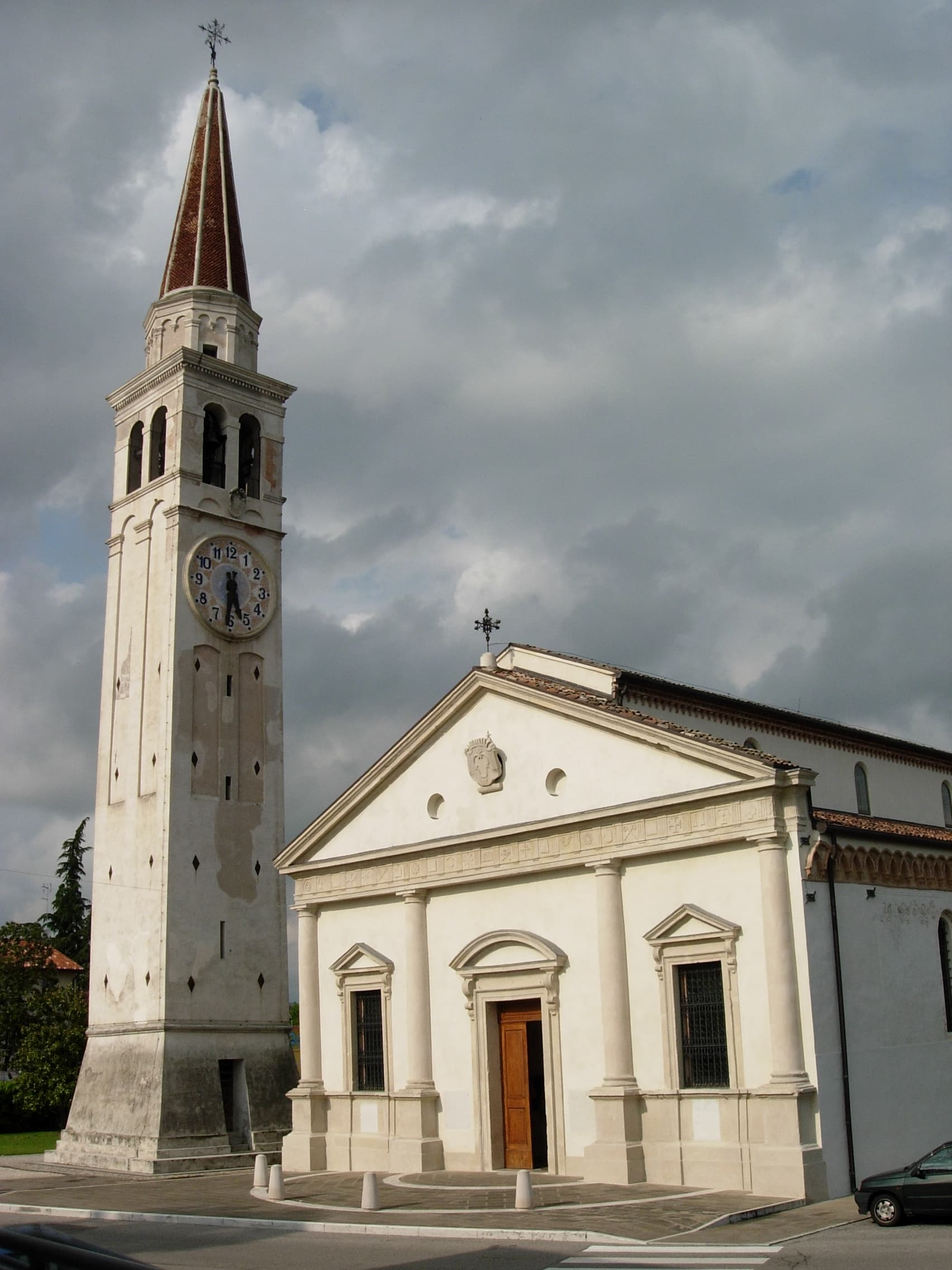
Susegana
Province: Treviso
The Collalto castle town at 76 meters on the left bank of the Piave, with one of the largest medieval fortresses in northern Italy.
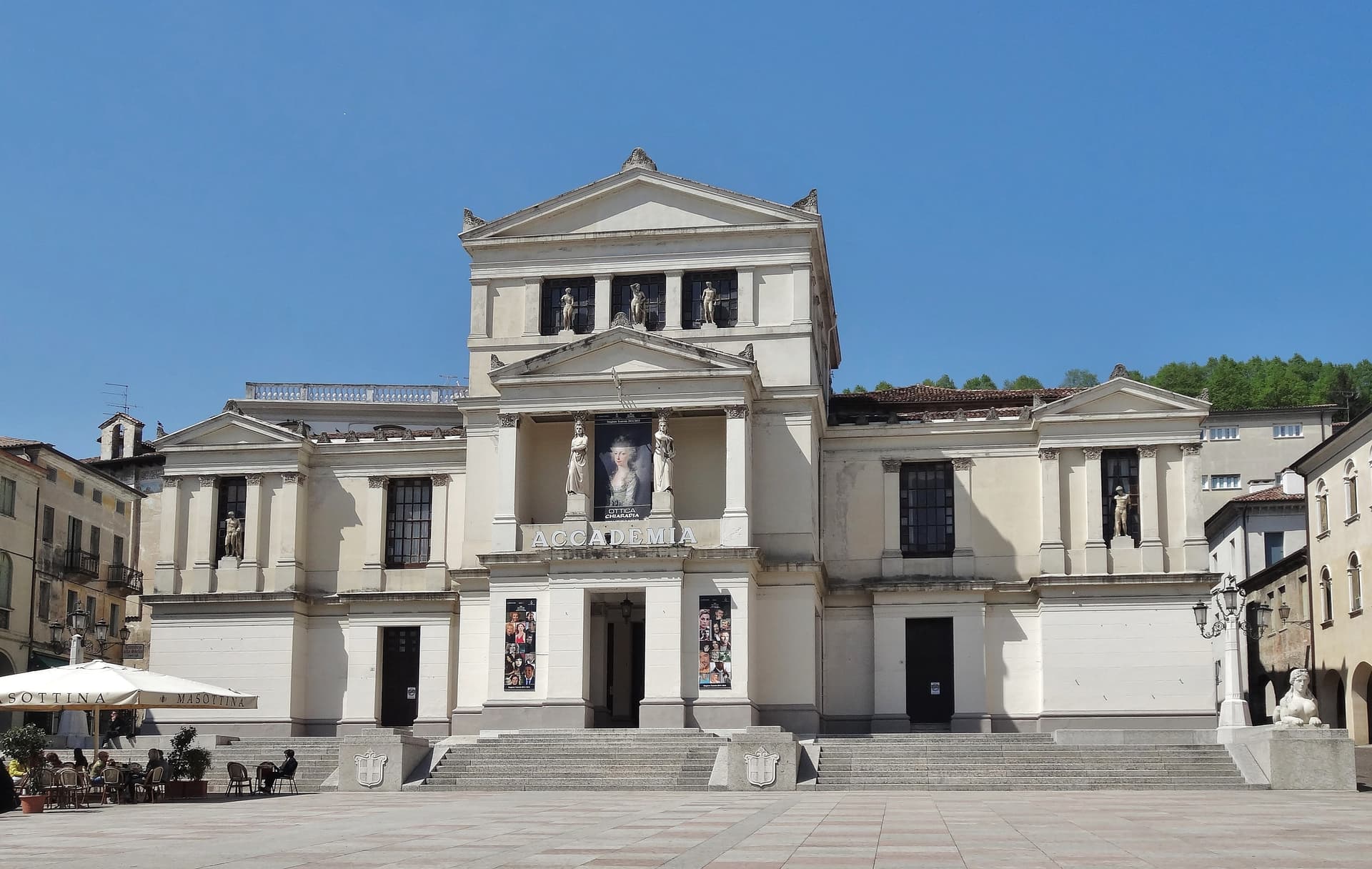
Conegliano
Province: Treviso
The Prosecco capital at 65 meters, birthplace of the painter Cima and home of Italy's first oenology school, opened in 1876.
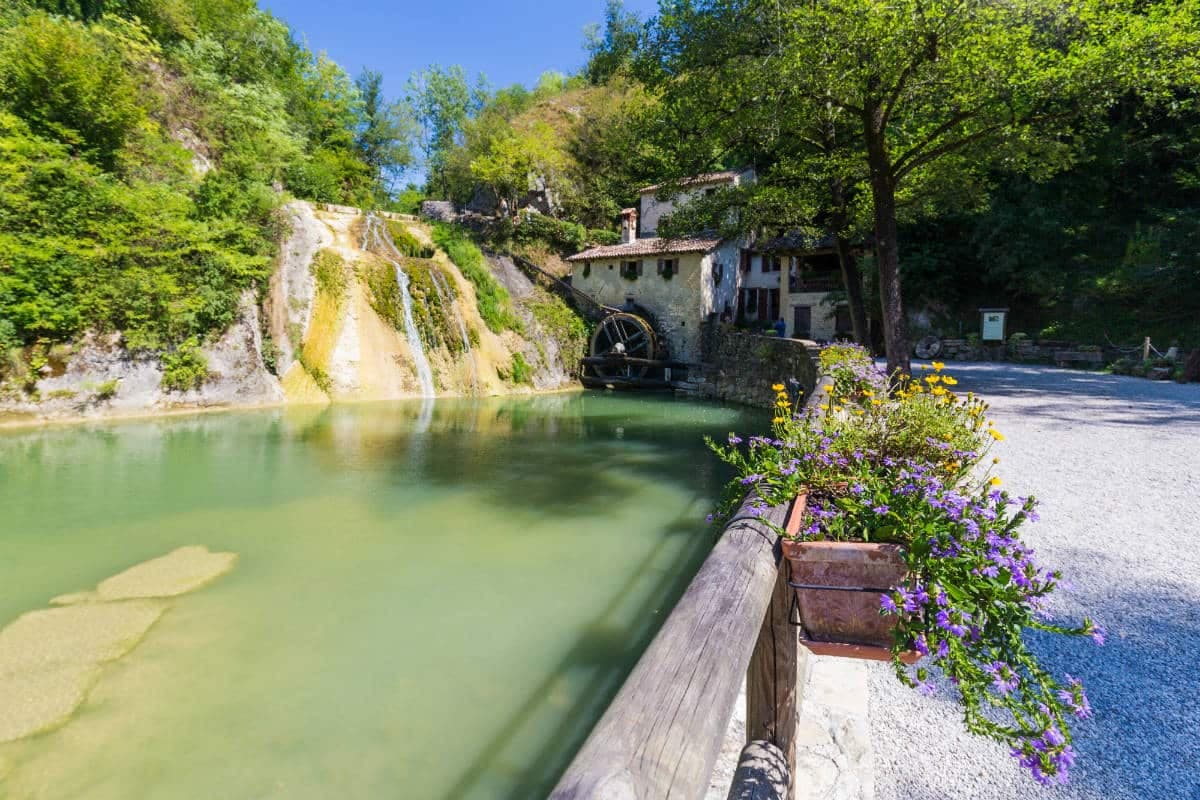
Pieve di Soligo
Province: Treviso
The market town between the Soligo and Lierza rivers in the Prosecco UNESCO zone, birthplace of the twentieth-century poet Andrea Zanzotto.
Farra di Soligo
Province: Treviso
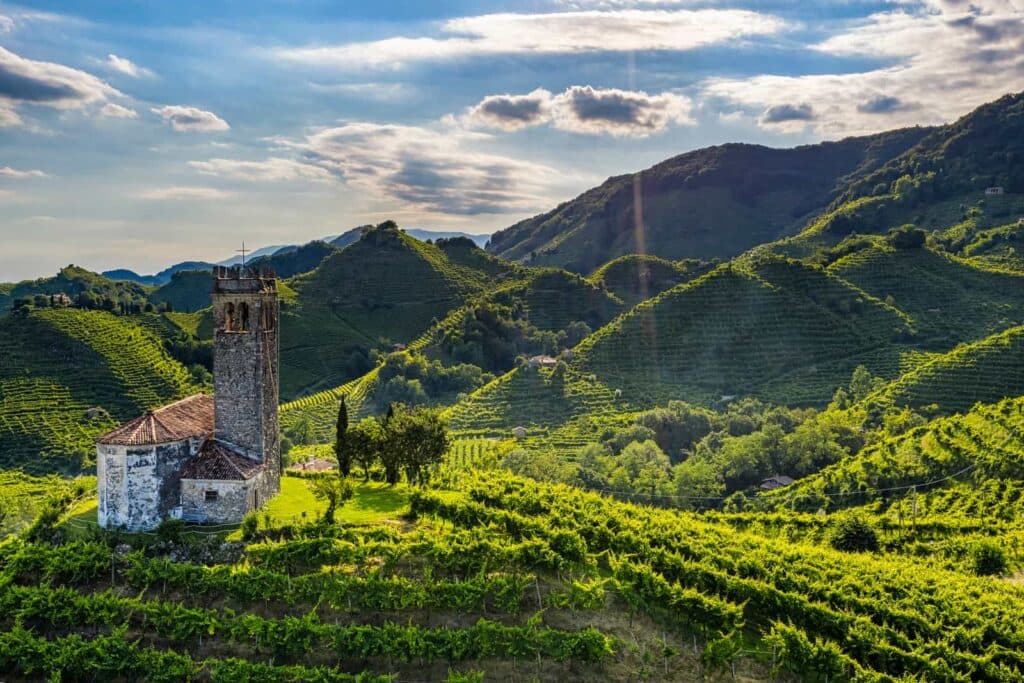
The heart of the Prosecco Hills UNESCO landscape — an 8,477-resident comune in the Conegliano-Valdobbiadene DOCG zone (UNESCO World Heritage since 2019), with the three medieval Torri di Credazzo crowning a hilltop above its vineyards, Cittaslow + Città del Vino signals, and direct walking access to the most photographed stretch of the hogback ridge.
Vittorio Veneto
Province: Treviso
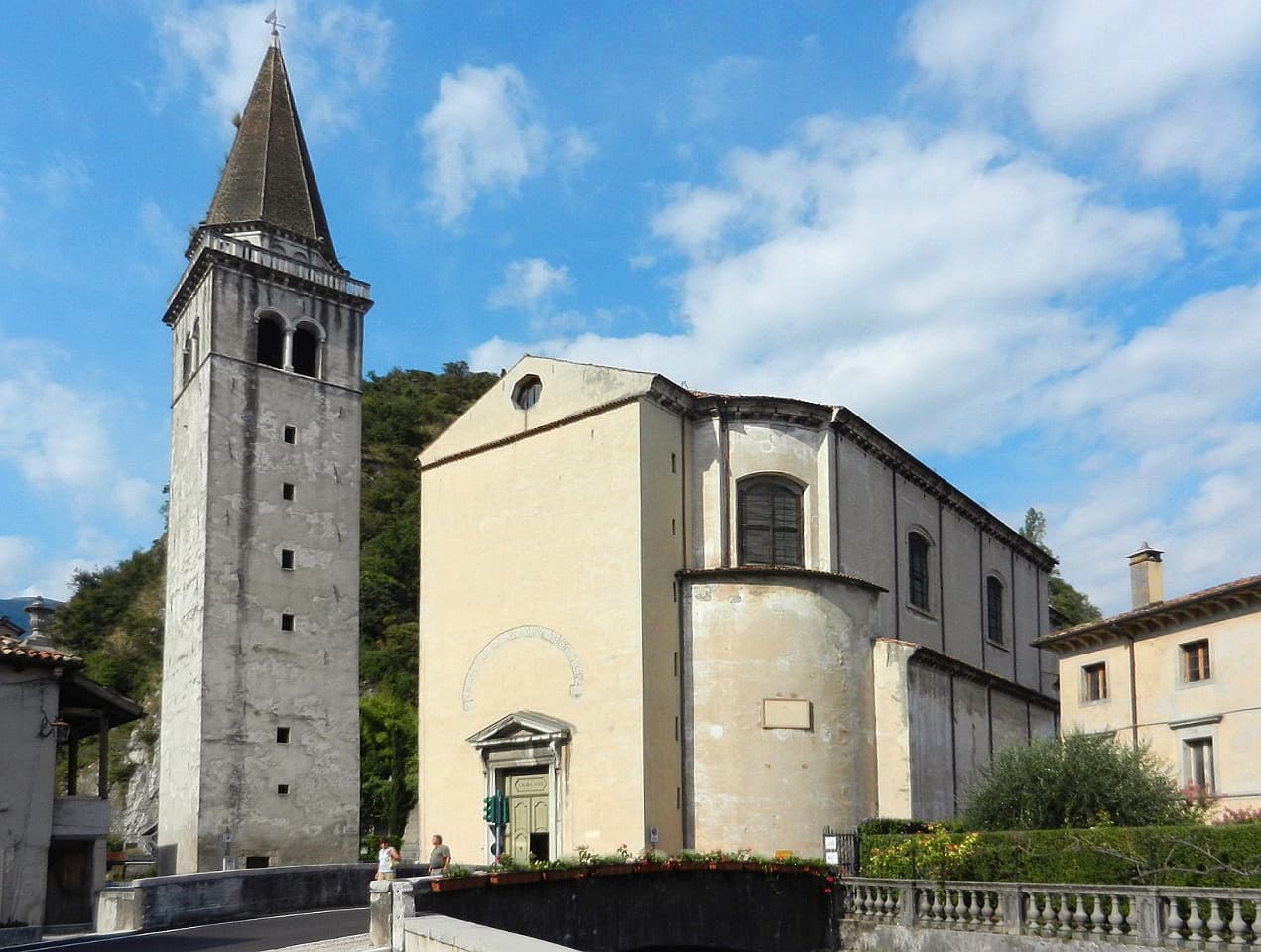
Two old towns fused at 138 meters under the Cansiglio, where the October 1918 battle ended the First World War on the Italian front.
🌳 Parco Regionale
More Parco Regionale towns in Veneto
Abano Terme
Province: Padova
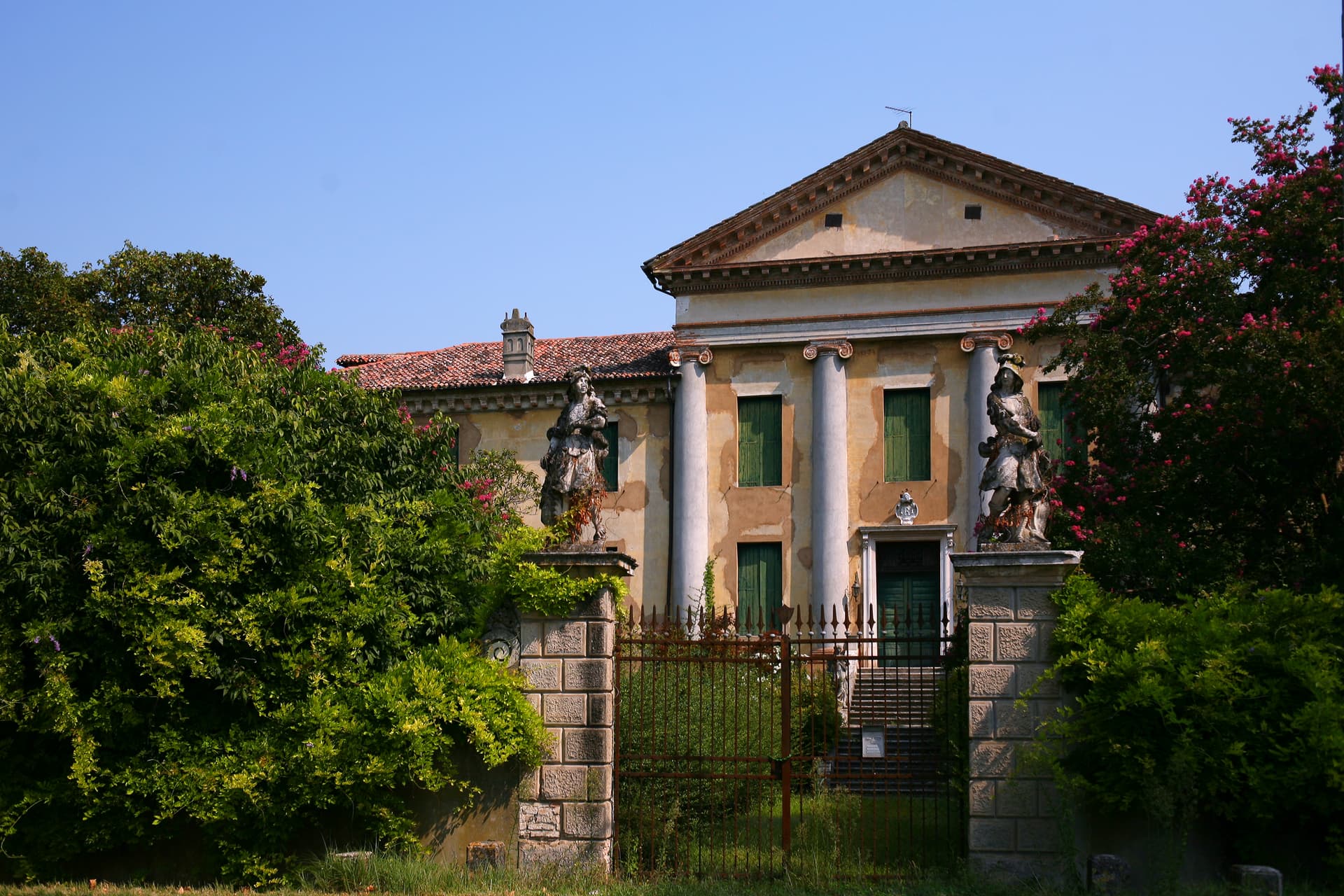
Europe's oldest thermal town on the Euganean Hills' eastern slope, where 80°C bromo-iodine springs have been drawing bathers since the eighth century BC.
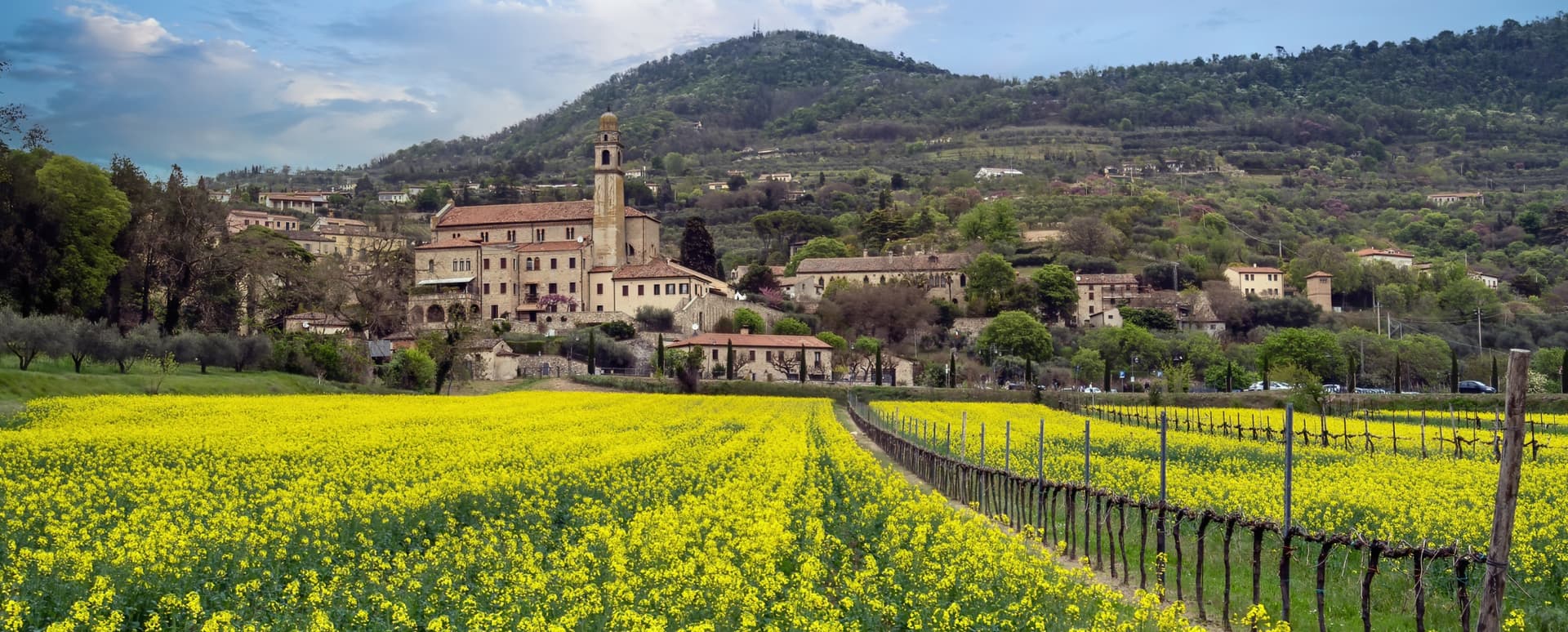
Arquà Petrarca
Province: Padova
The Euganean Hills village where Francesco Petrarca spent his last four years and died in 1374, renamed in his honor in 1868.
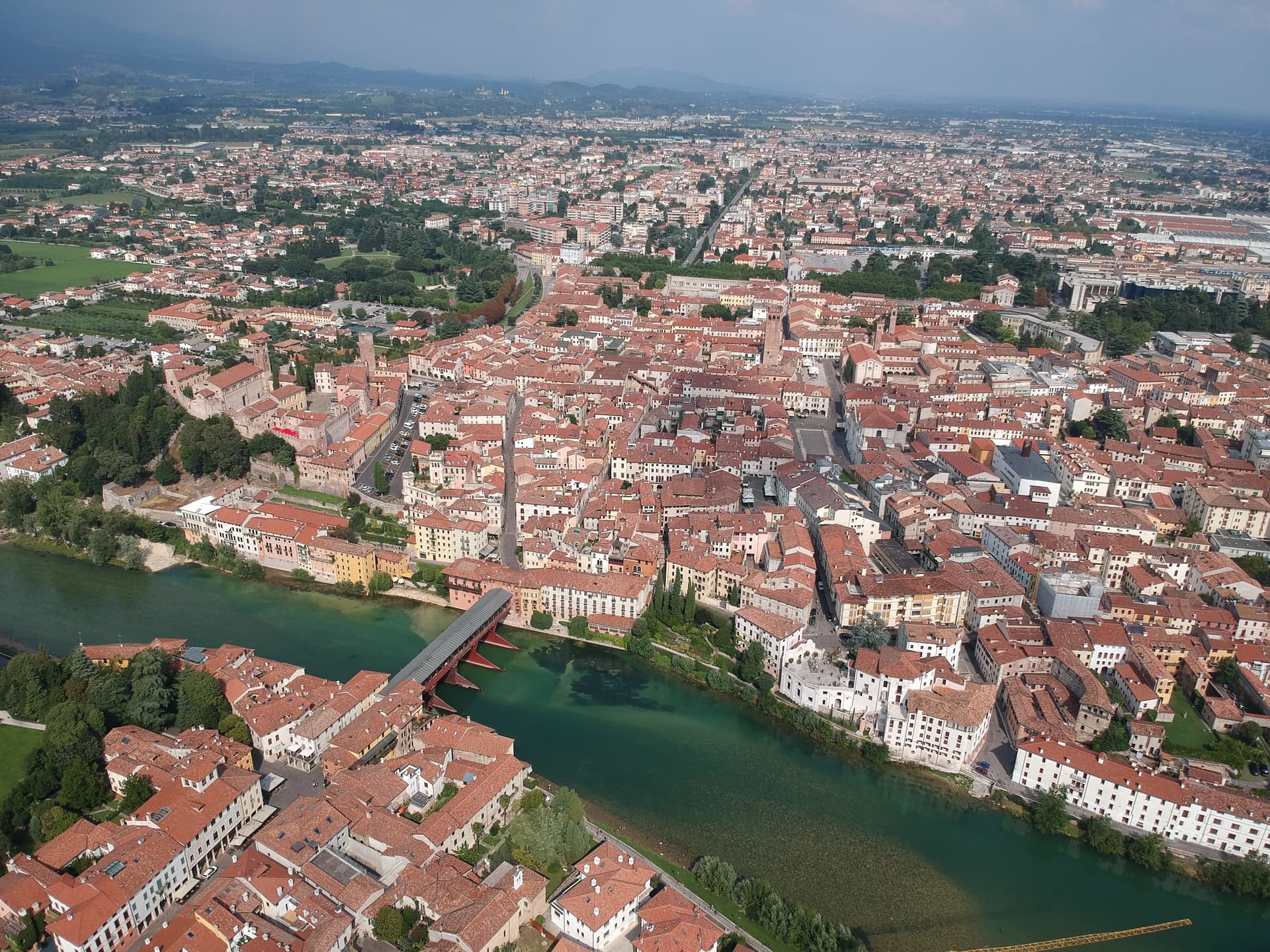
Bassano del Grappa
Province: Vicenza
The Brenta River town at 129 meters where Palladio drew the covered bridge in 1569 and Nardini has been distilling grappa since 1779.
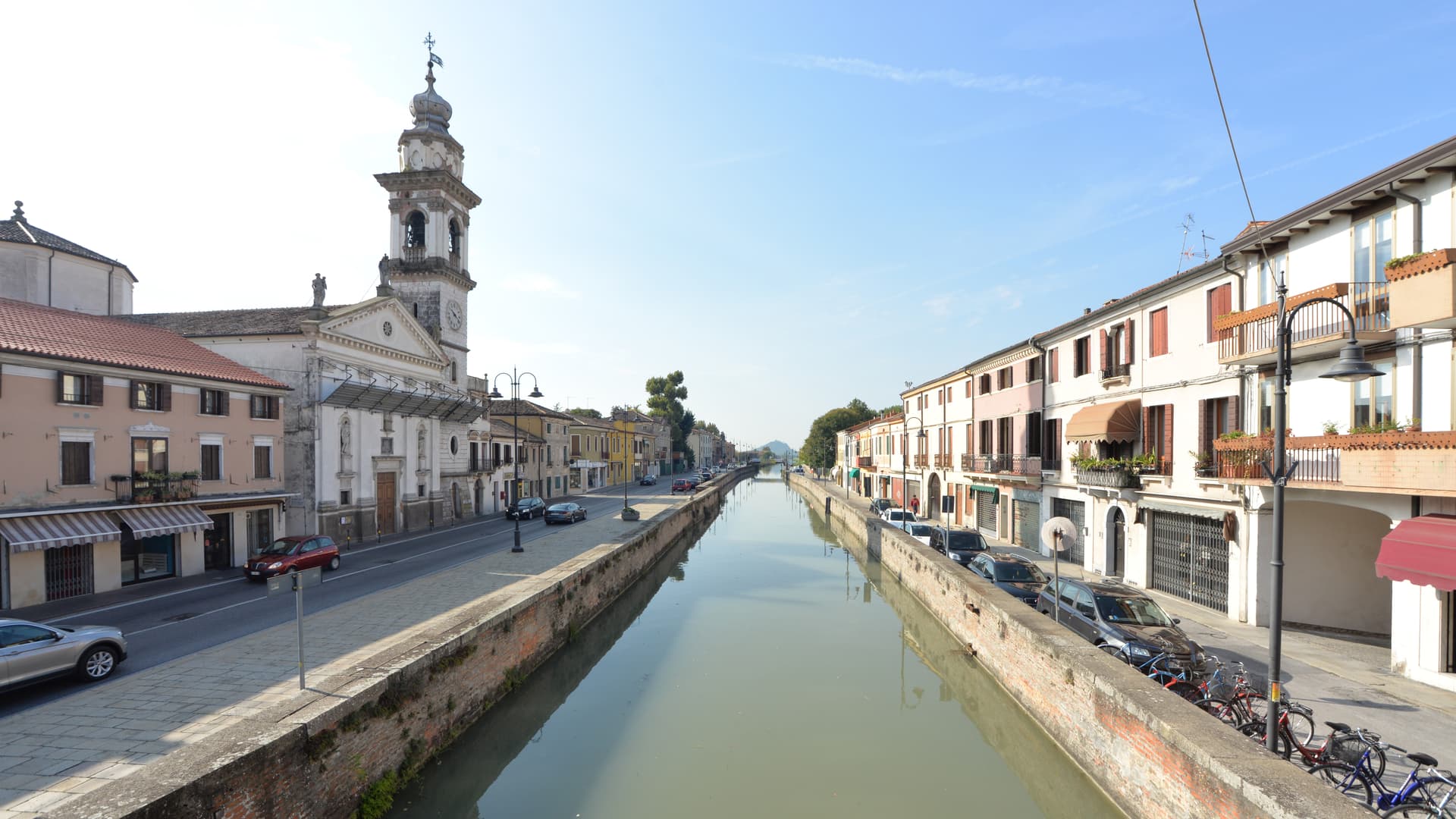
Battaglia Terme
Province: Padova
A barge village at the foot of the Euganean Hills, built around the 1201 canal and Italy's only river navigation museum.
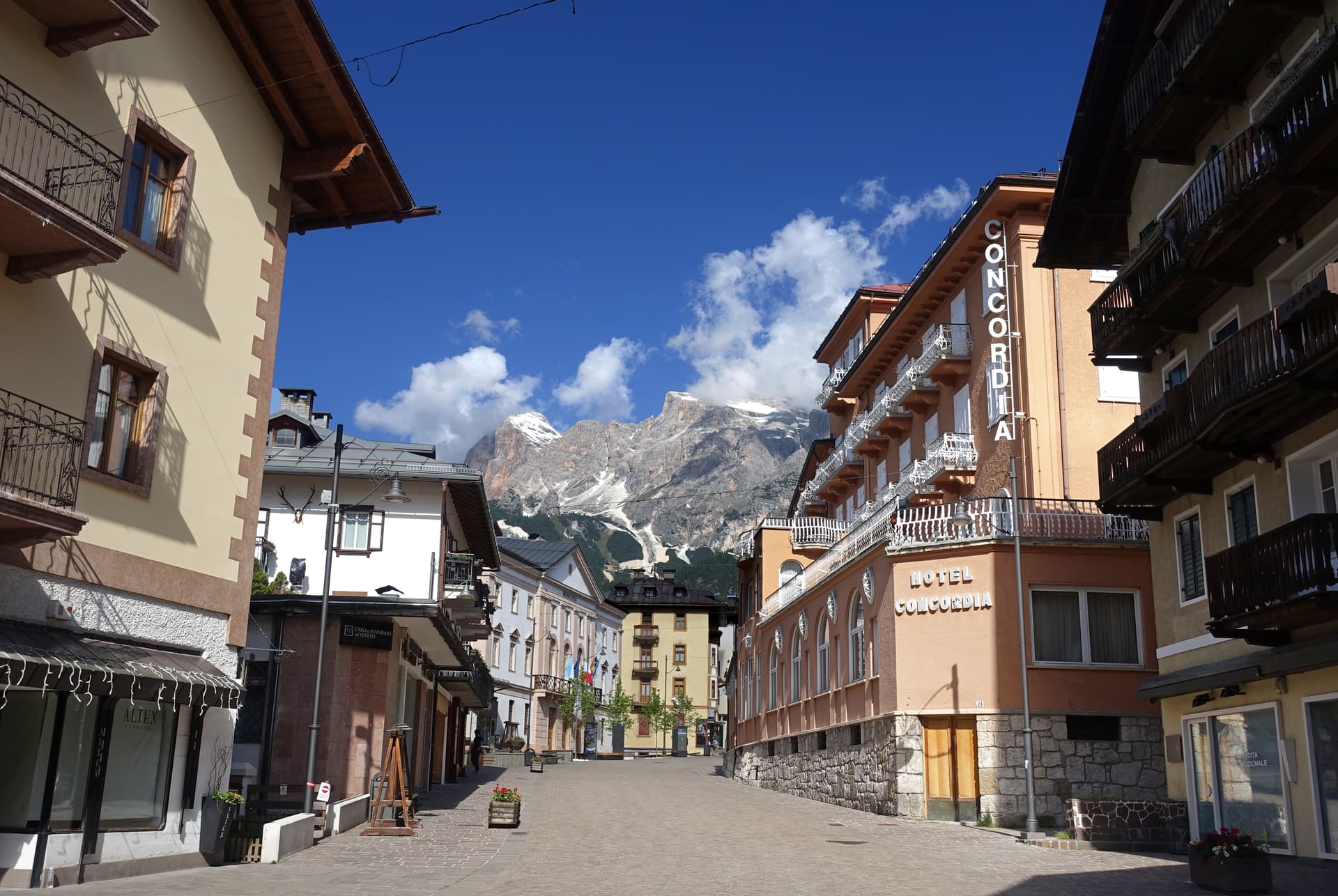
Cortina d'Ampezzo
Province: Belluno
The Queen of the Dolomites at 1,224 meters, host of the 1956 Winter Olympics and co-host of Milano-Cortina 2026.